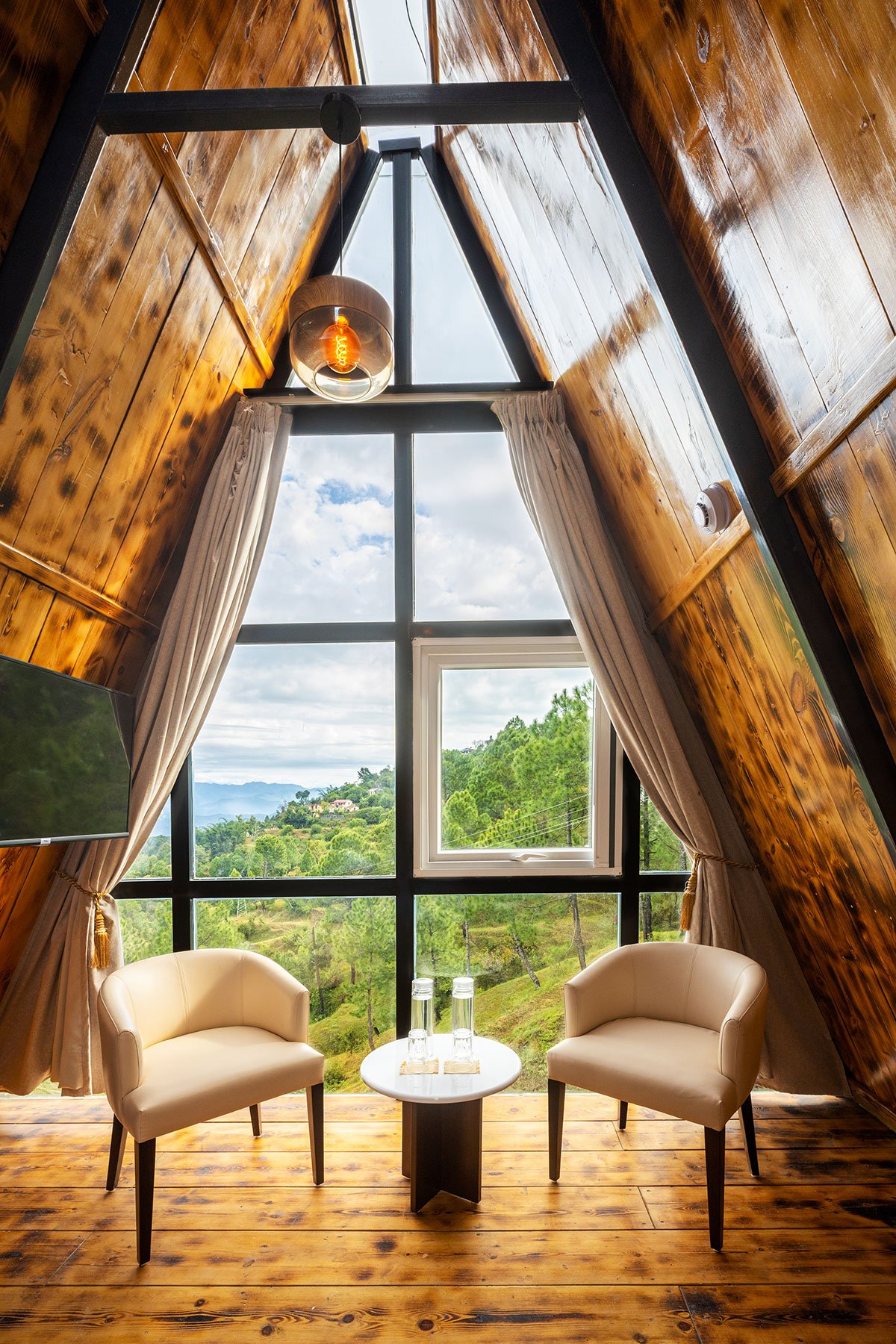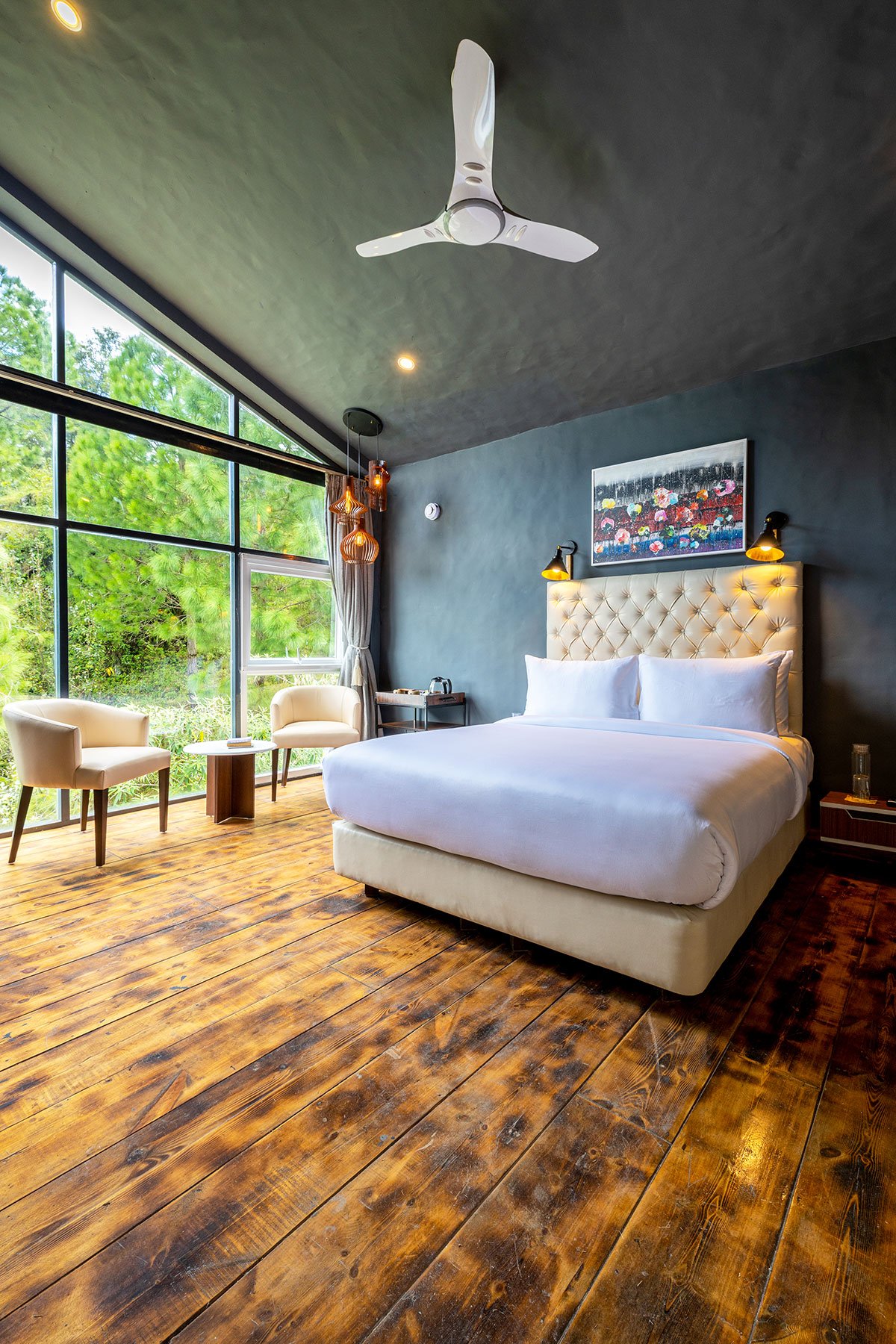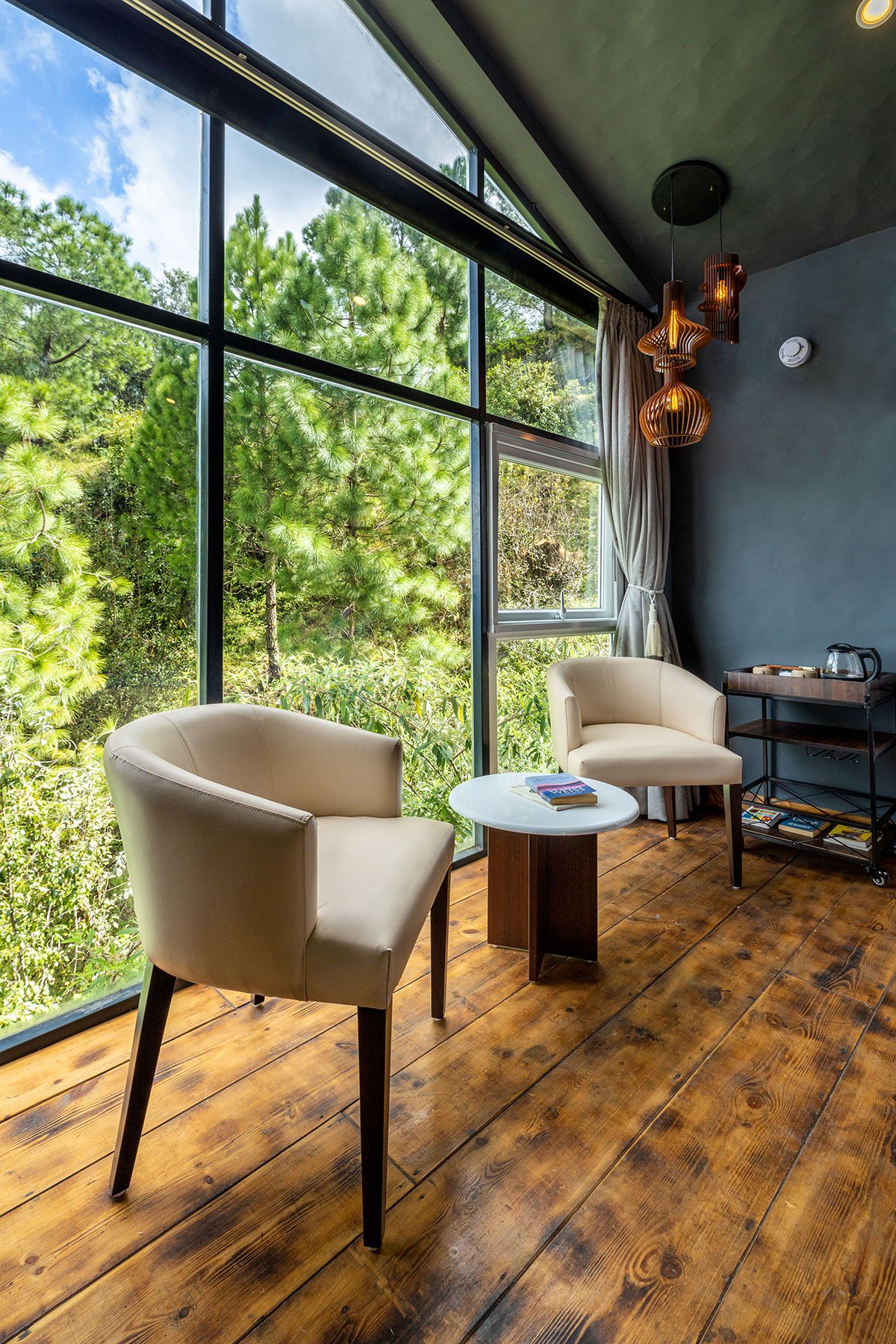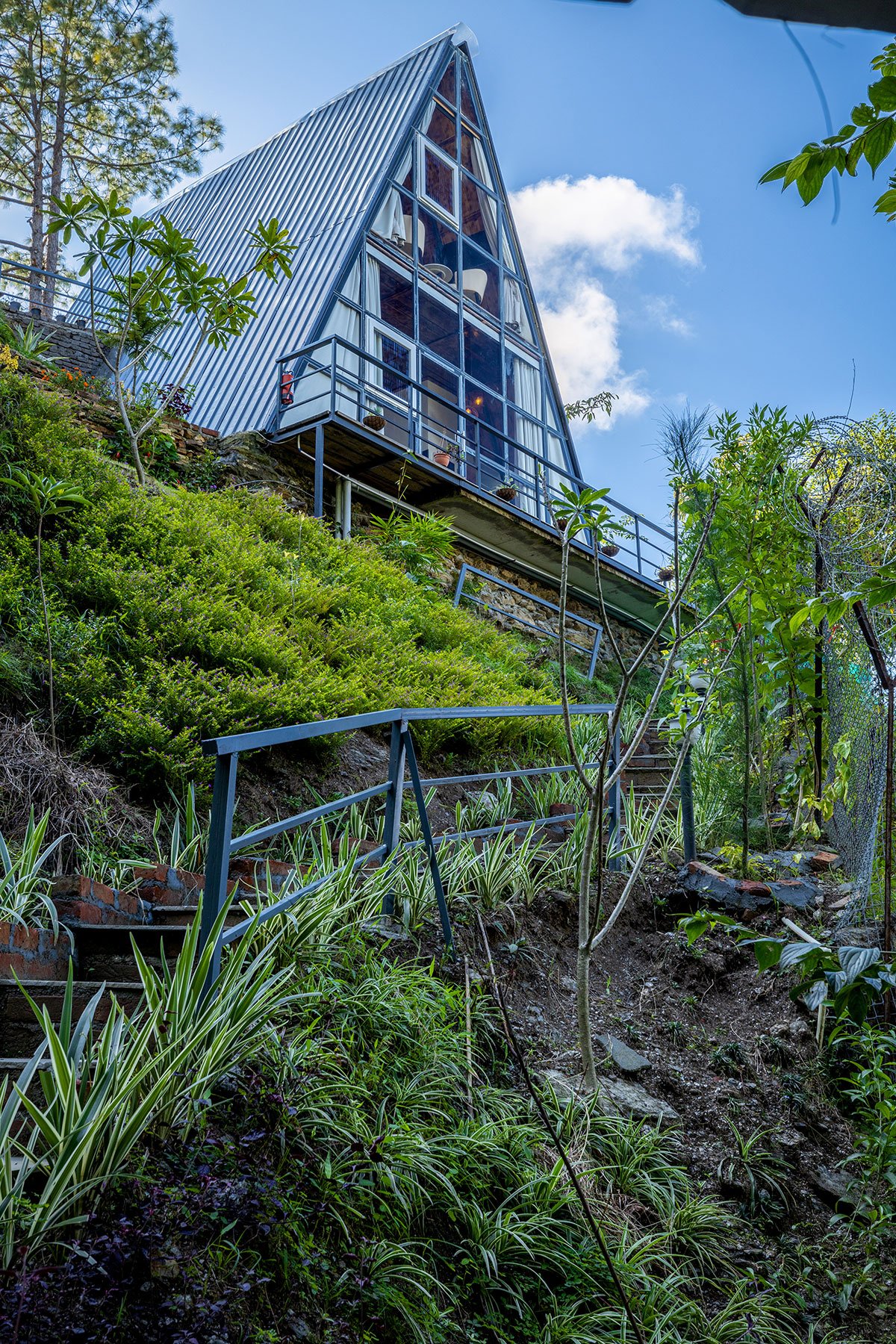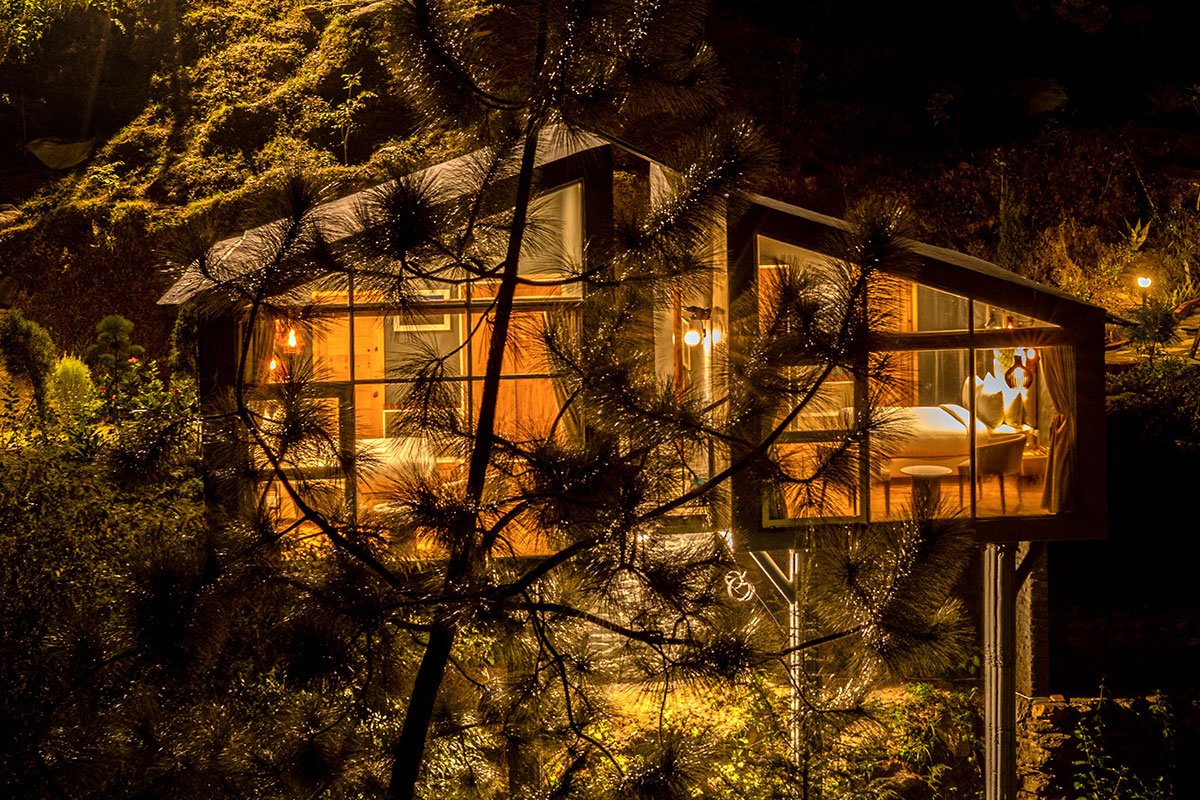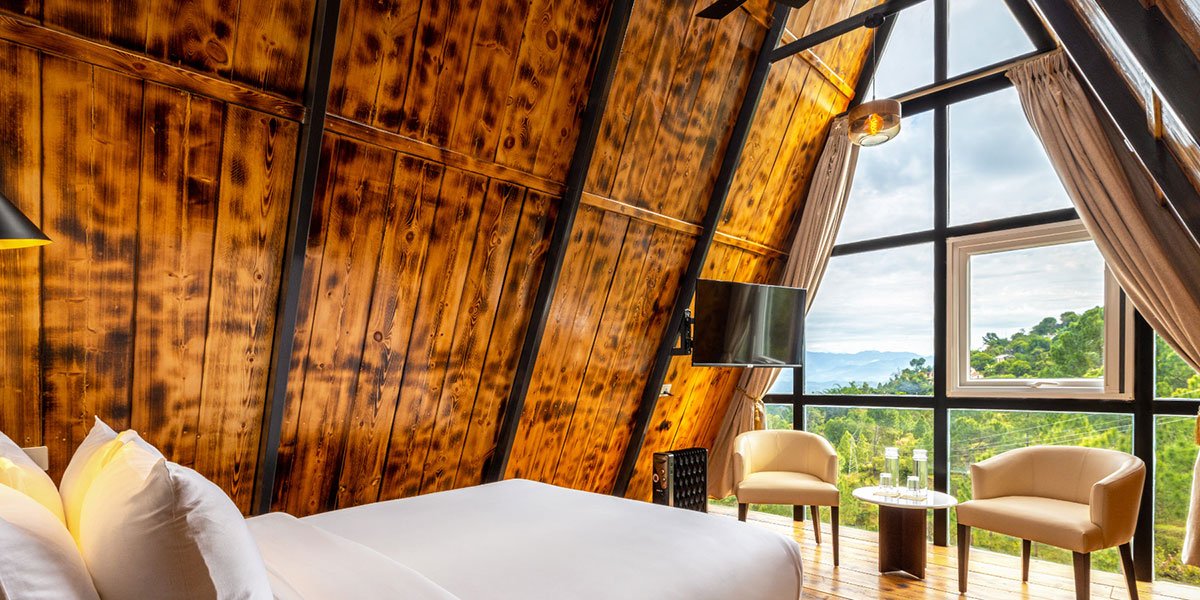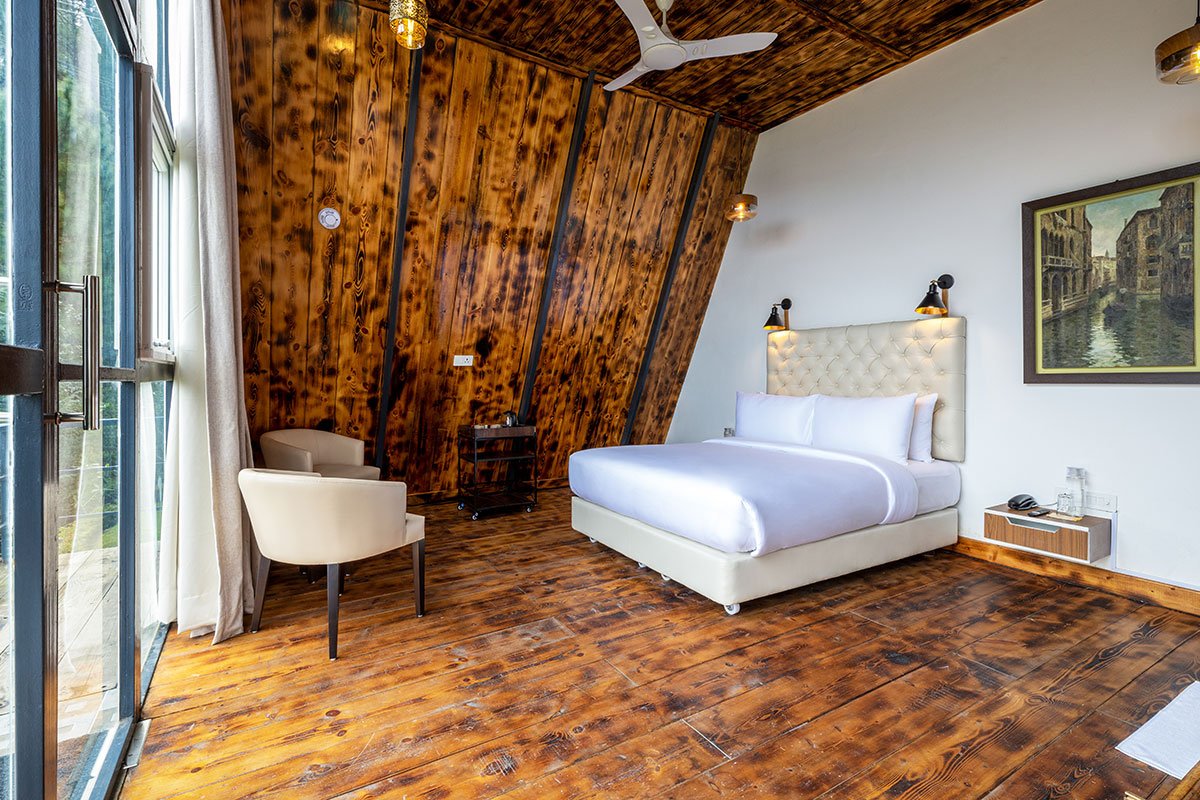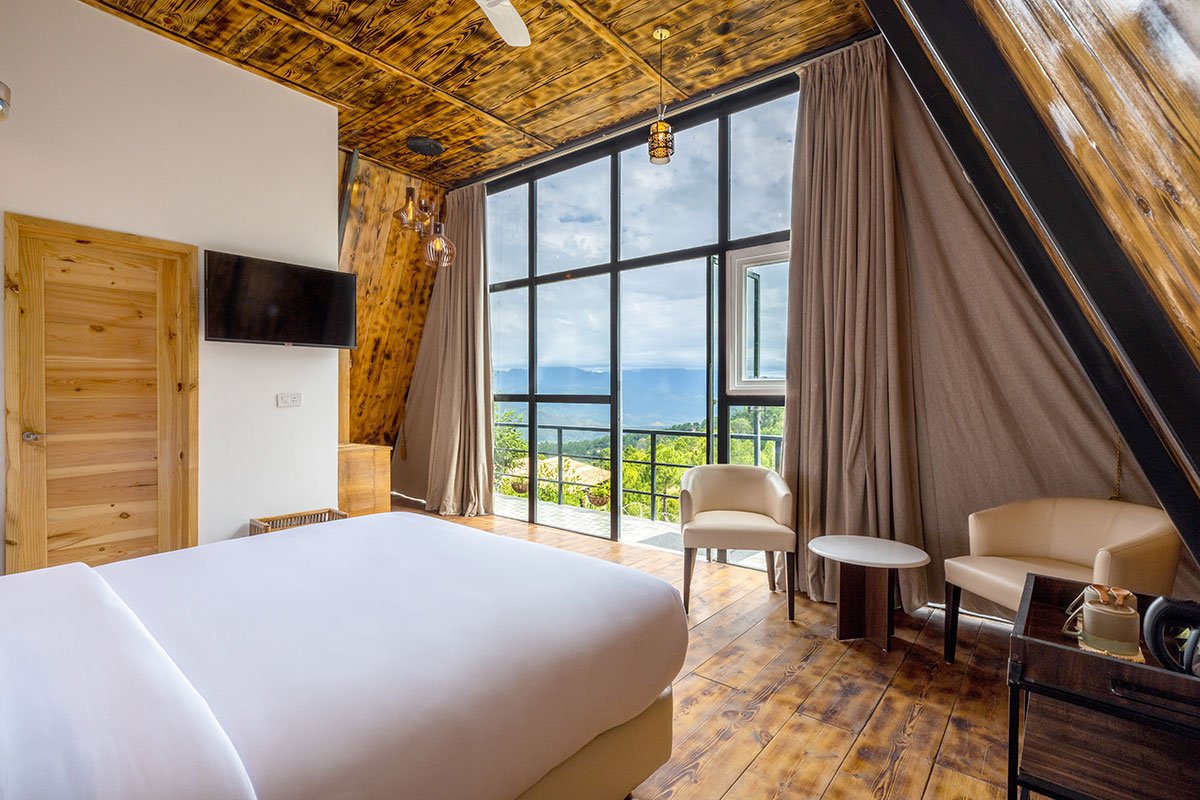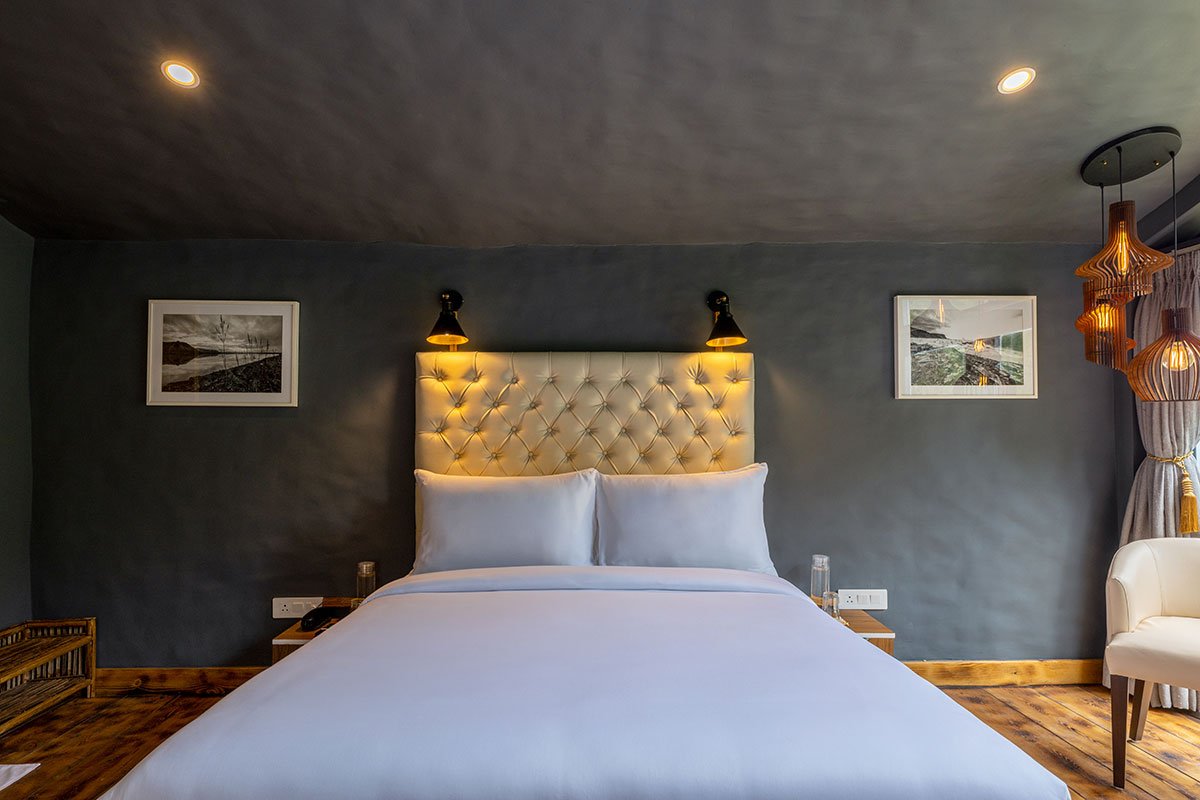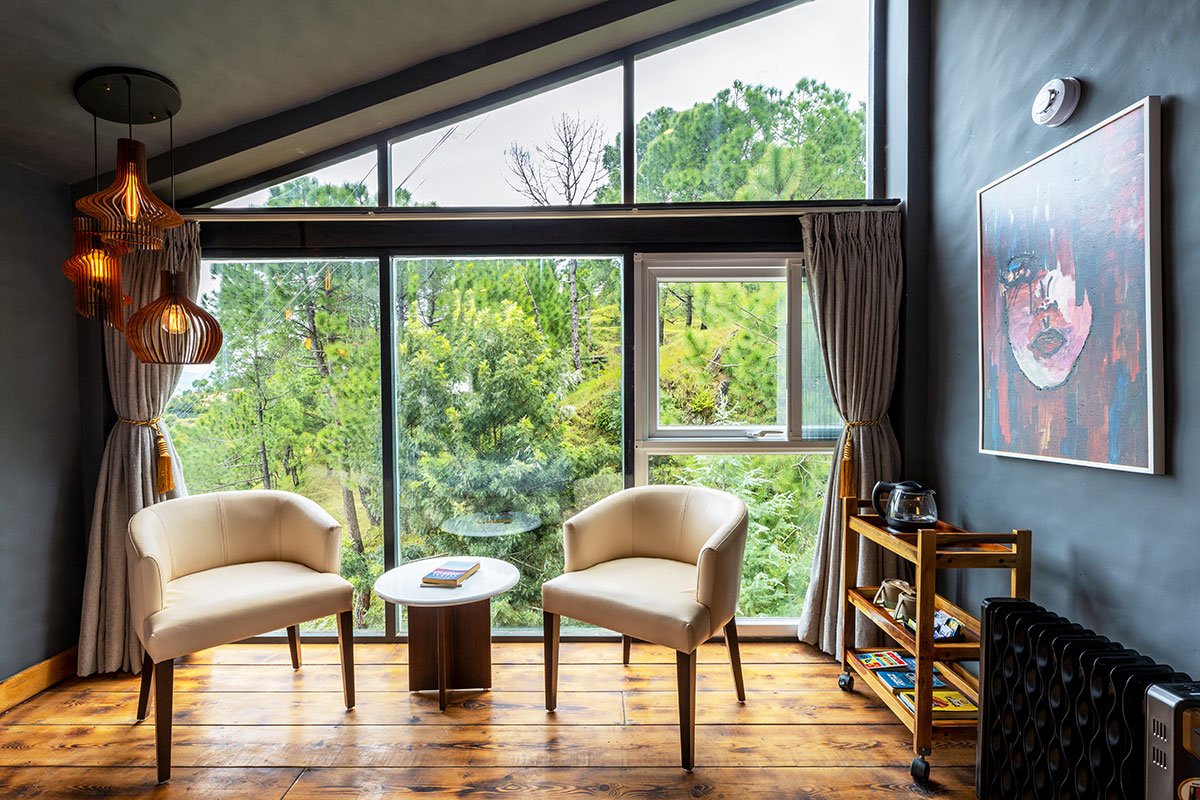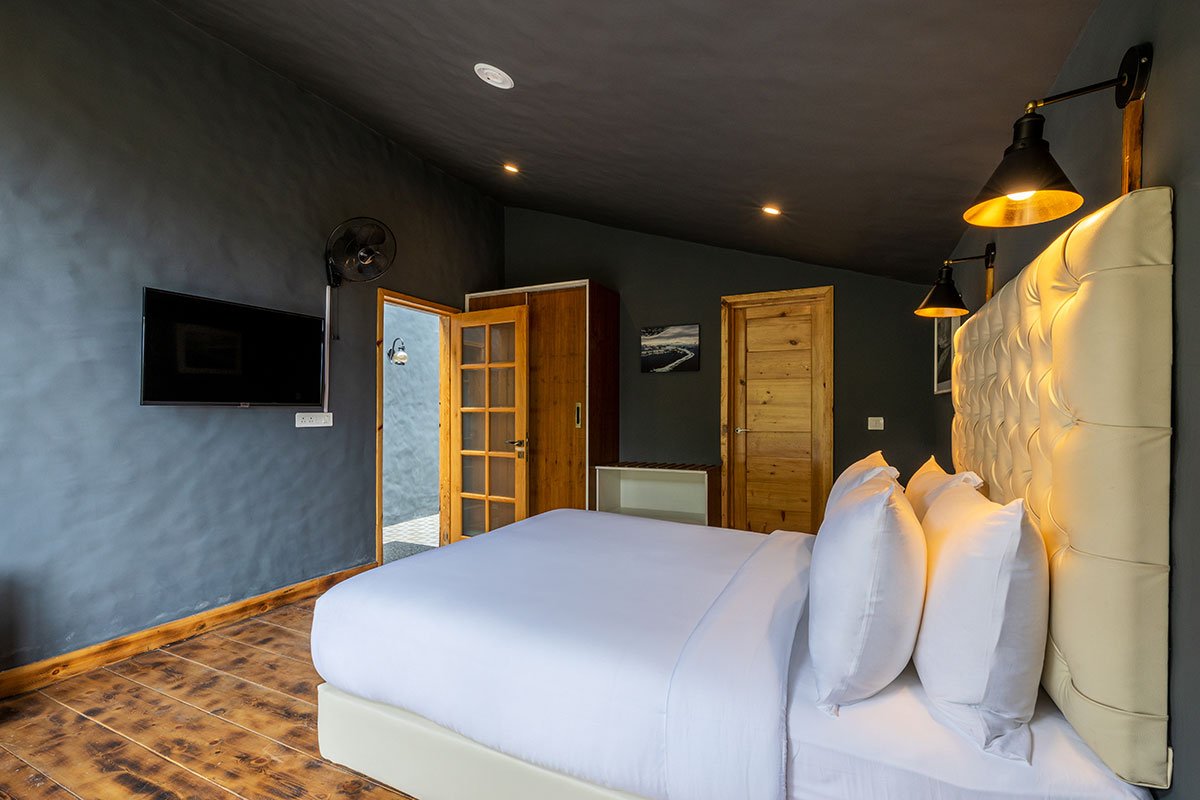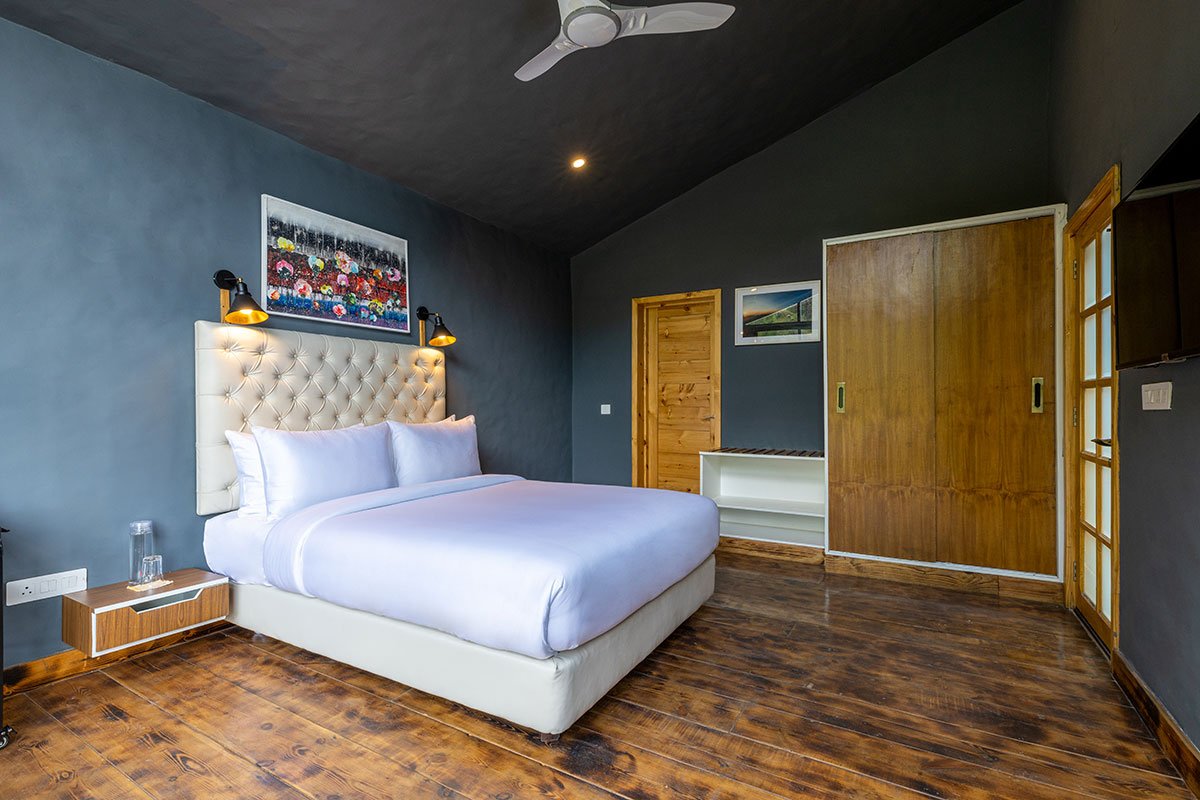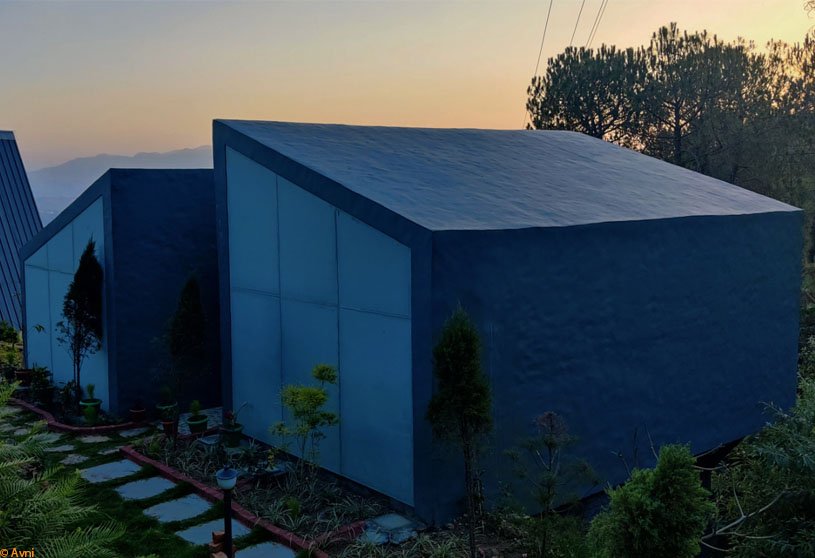
Excerpt: Serendipity, a hospitality project by IDIEQ, is a blend of modern and traditional construction methods used in the soft, layered terrain of the central Himalayas. The project, inspired by the vernacular architecture ‘Bakhuli’, aims to minimize soil disturbance and labor requirements while optimizing space utilization. It preserves natural contours and trails, capturing panoramic views of the northern valley and snow-capped peaks.
Project Description

[Text as submitted by architect] Serendipity embodies a harmonious convergence of rapid construction techniques and a deeply ingrained traditional approach to siting built structures within the soft, layered terrain of the central Himalayas. Unlike the volcanically formed mountains characterized by robust binding and seismic resilience, the Himalayan range has been shaped by the gradual compression of the South Asian landmass over millions of years. This geological complexity has yielded diverse flora, fauna, and soil-rock patterns, shaping the region’s architectural ethos.
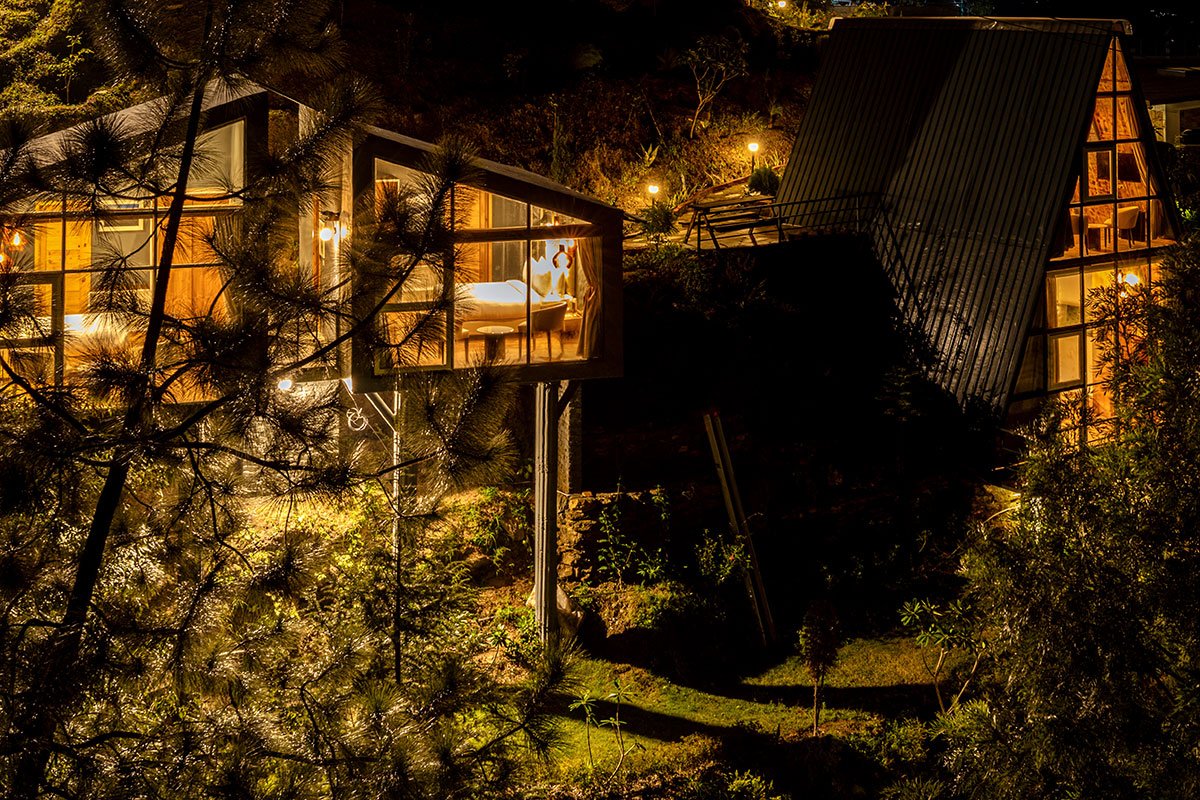
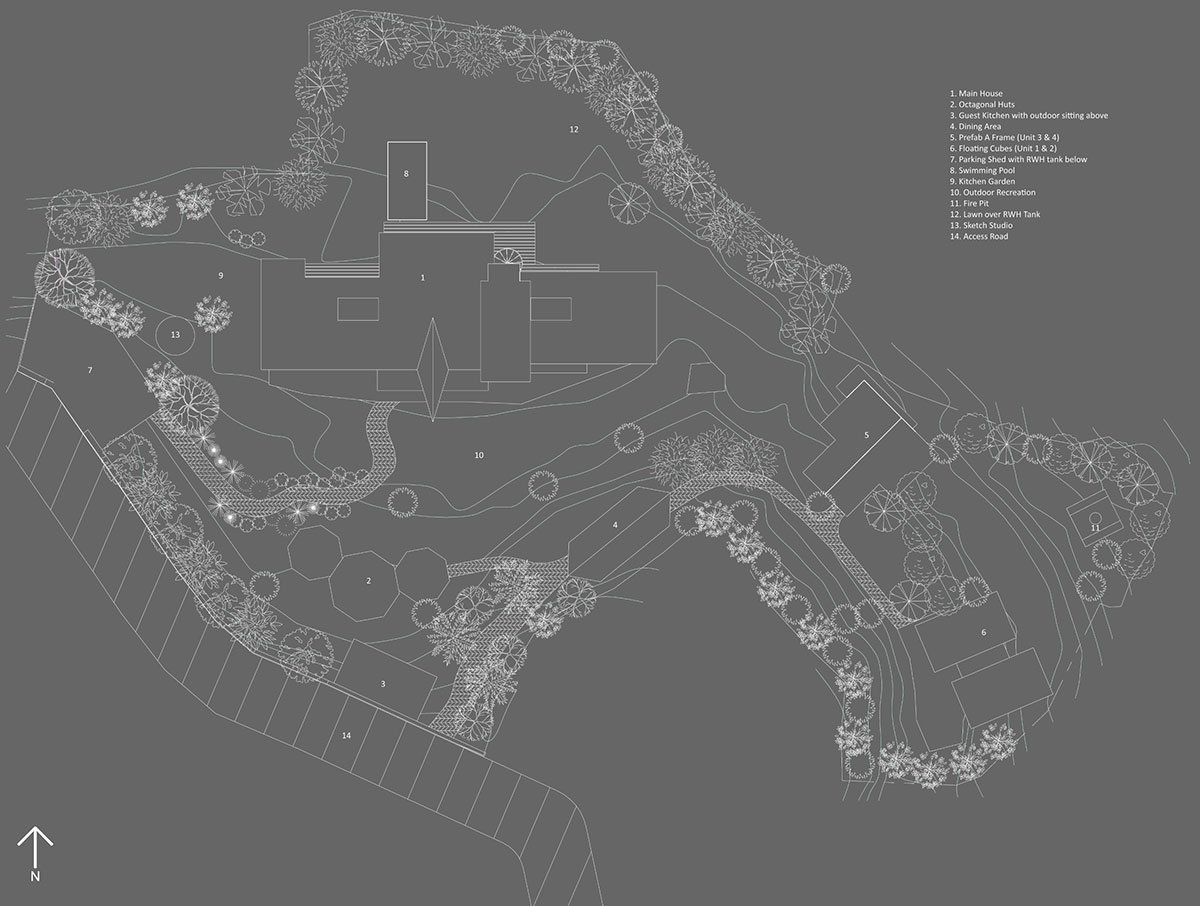
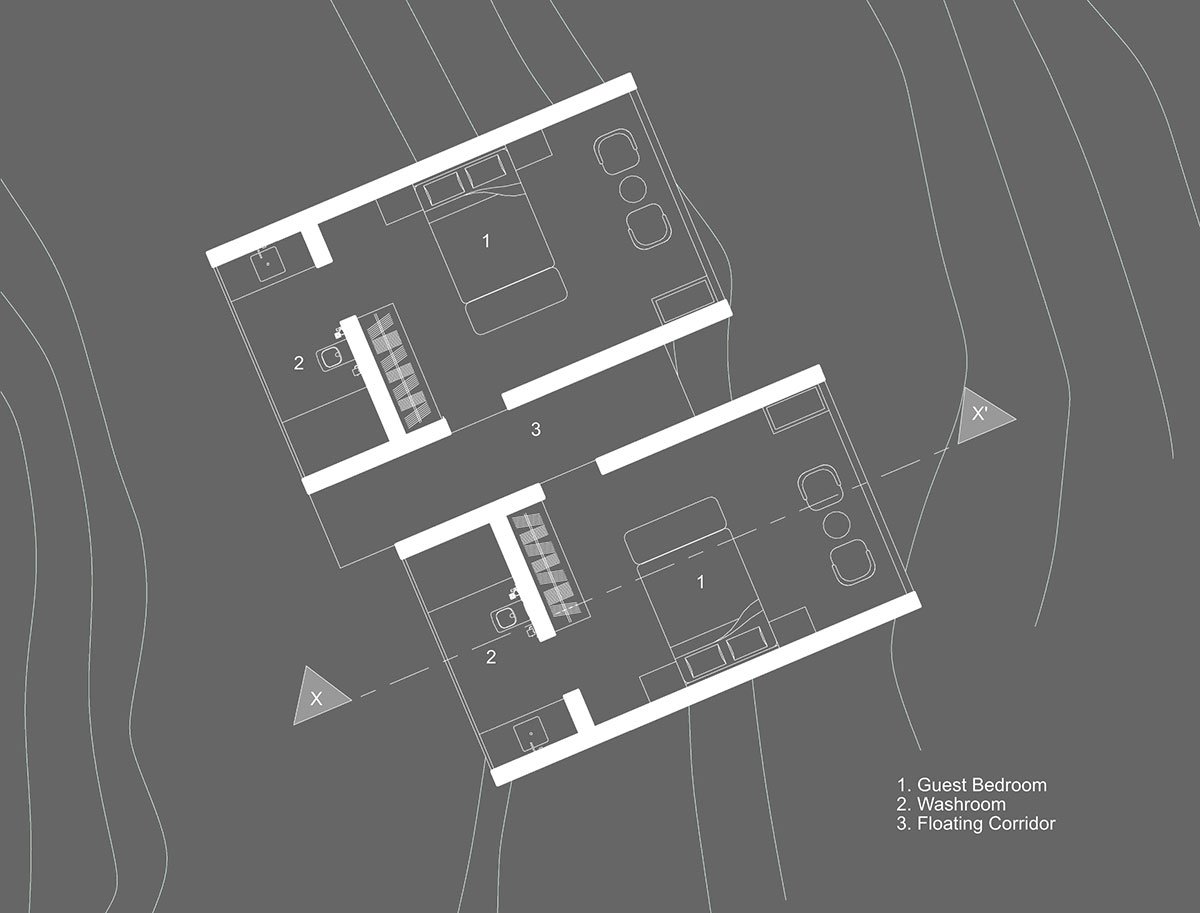
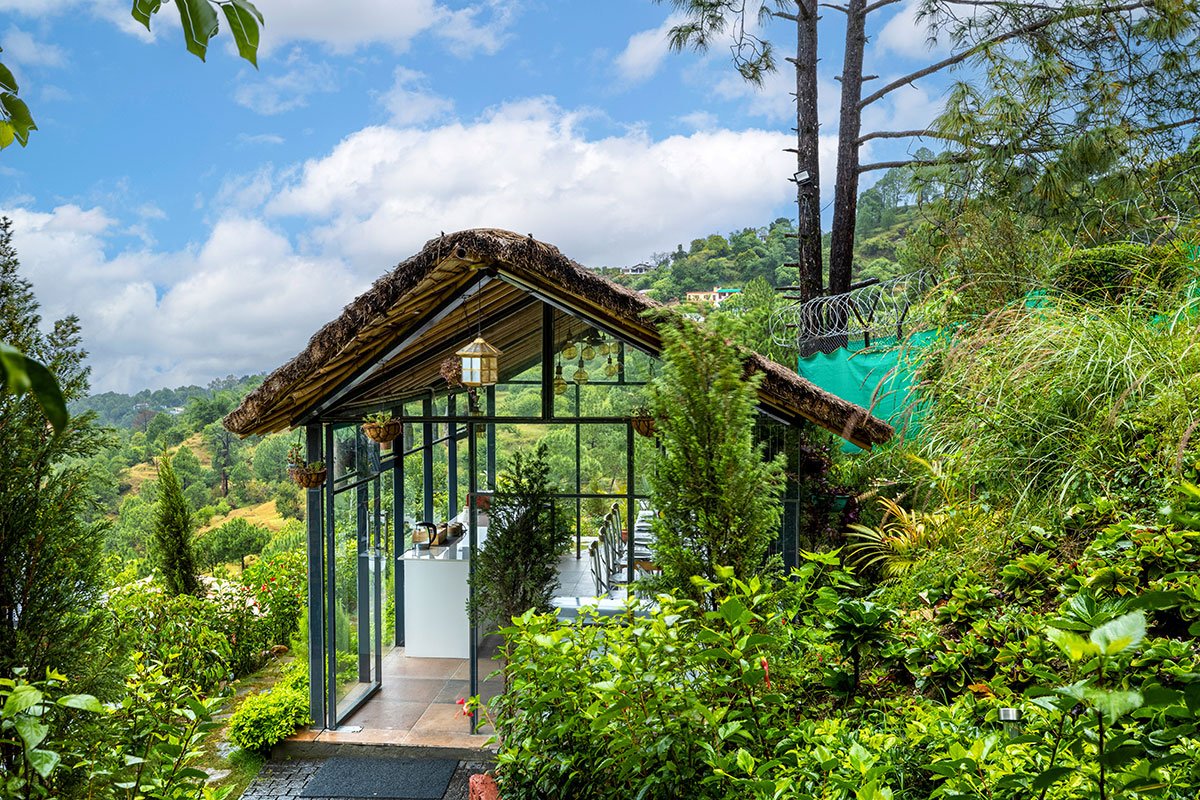

Drawing inspiration from the local vernacular known as ‘Bakhuli,’ settlements traditionally adhere to linear placements along the slopes to minimize soil disturbance and labor requirements while optimizing space utilization. This methodology not only reduces costs and environmental impact but also mitigates structural vulnerabilities against prevailing forces. The project’s design ethos is deeply rooted in preserving the natural contours and trails, with an emphasis on capturing panoramic views of the northern valley and snow-capped peaks while ensuring privacy from the southern access road.
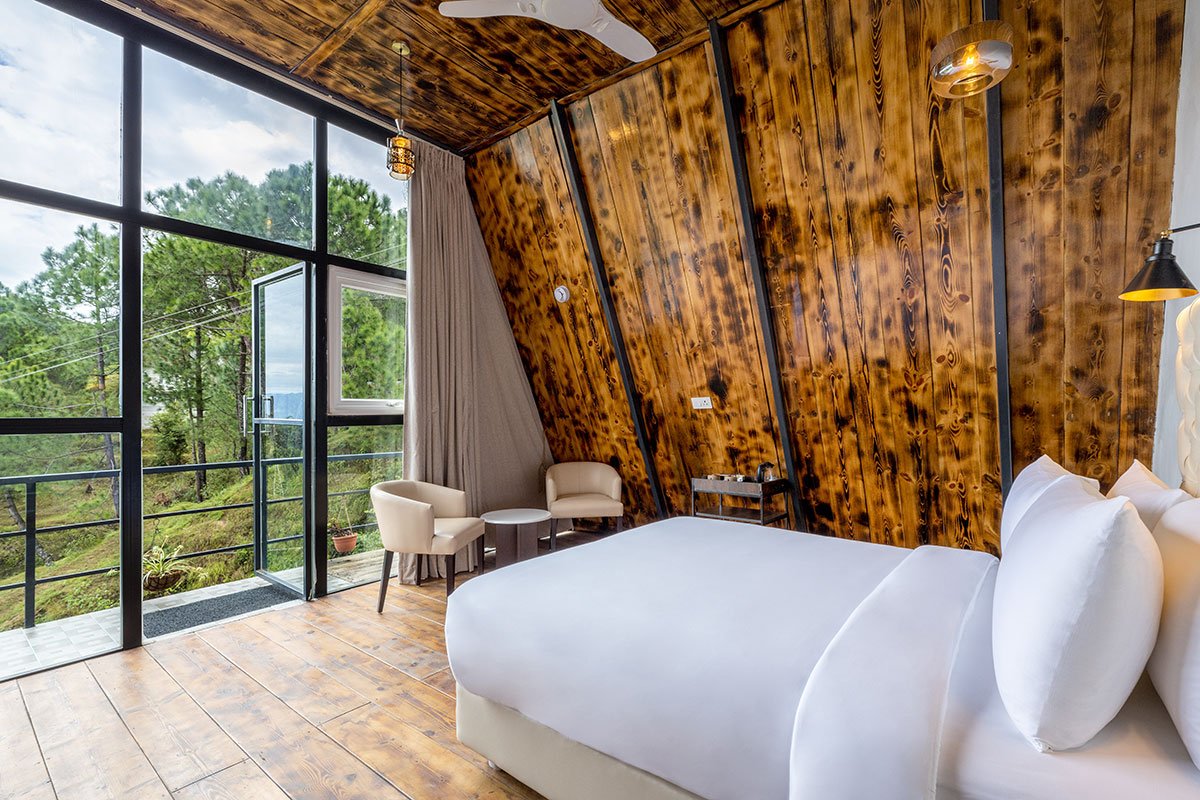


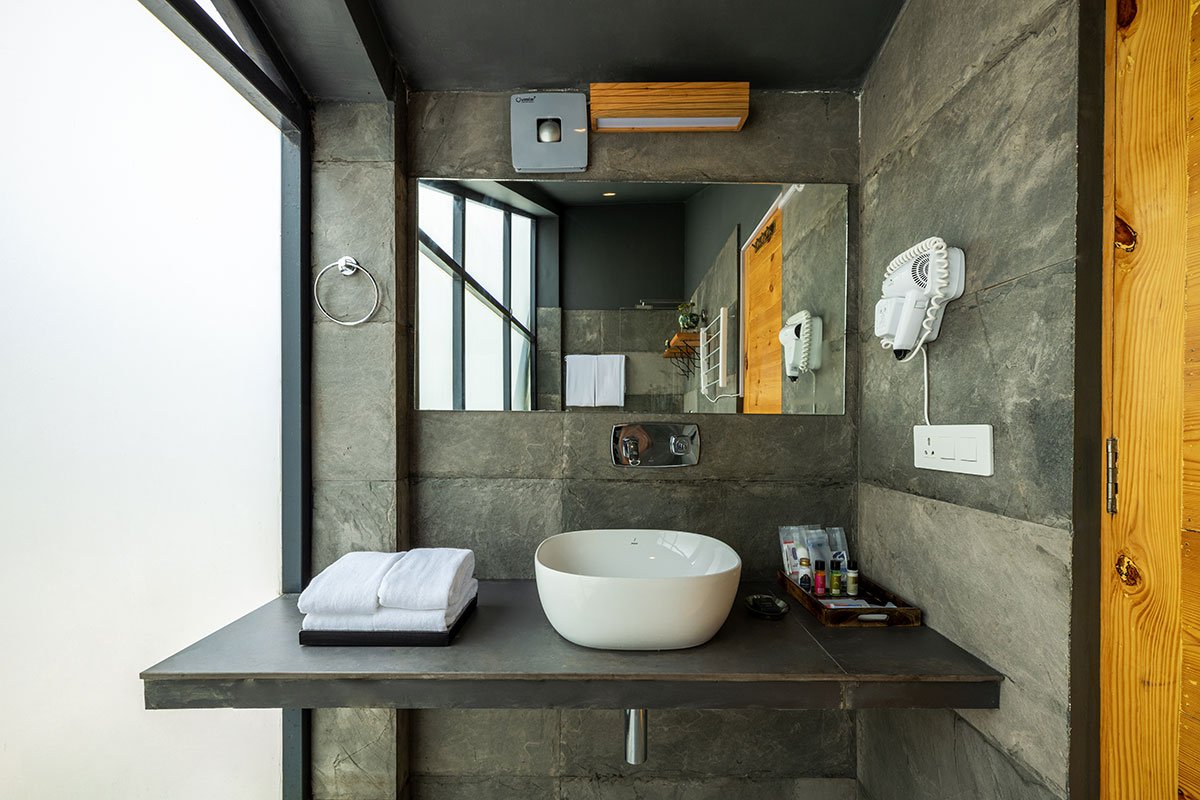
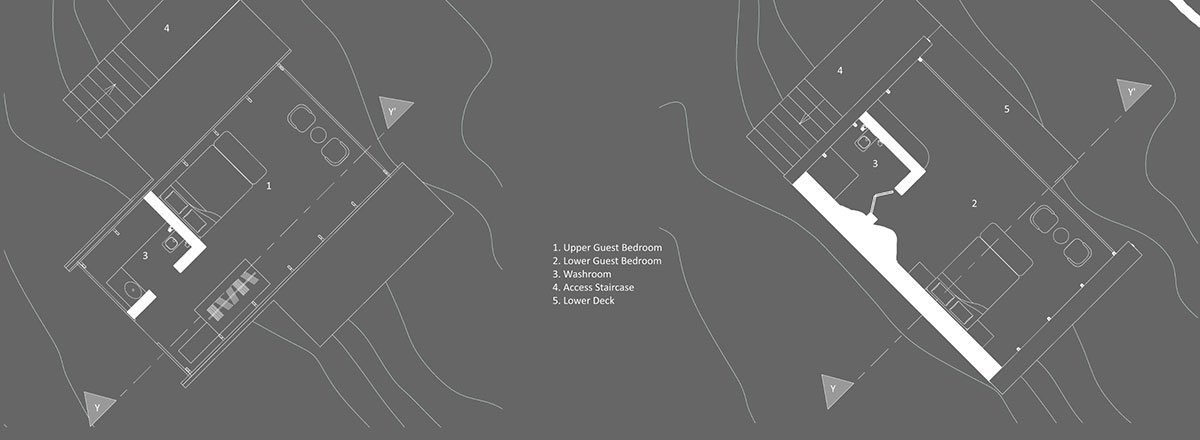
To circumvent excavation and maintain ecological integrity, the project was segmented into smaller units integrated as multiple buildings, allowing for organic shapes that blend seamlessly with the topography. Traditional stone masonry, characteristic of the central Himalayan region, adorns the southern facade, counterbalancing the greenhouse effect induced by expansive skylights. Natural protrusions and slopes are retained within the interiors, echoing the indigenous ‘Bakhuli‘ architecture, while also facilitating a robust rainwater harvesting system.

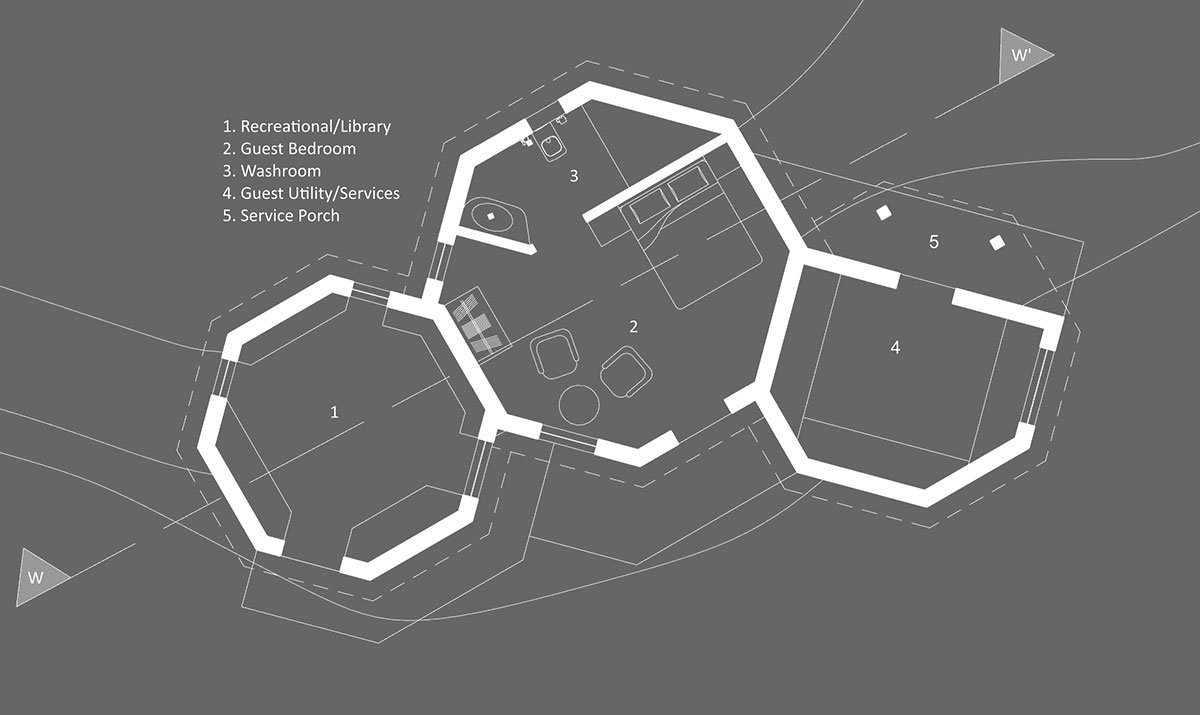

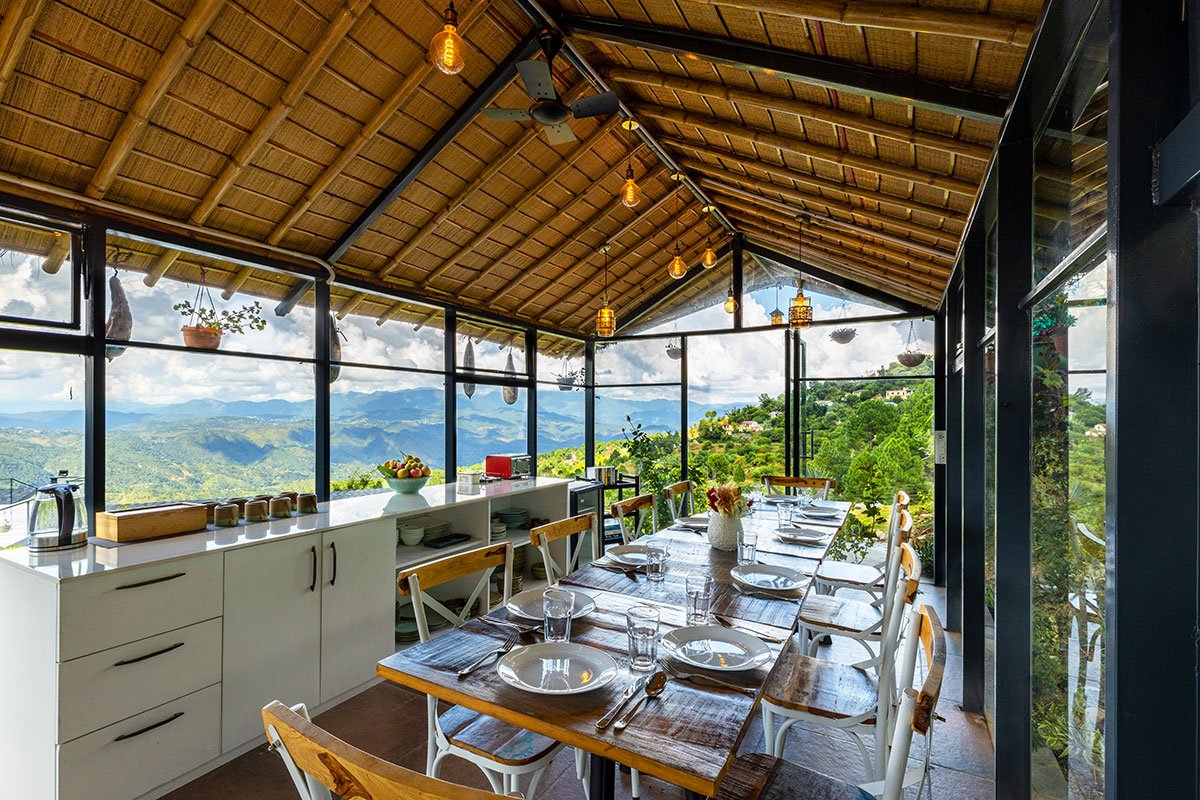
The smaller units exude a contemporary vibrancy through subtle colors, minimalist design language, and compelling shapes. Prefabricated A-frame structures and thatched roofs lend a lightness to the dining pavilion and octagonal units, delicately perched on the landscape’s contours. Cement, despite its economic viability, poses challenges in soft-scraped landscapes like the Himalayas, where unchecked urbanization demands thoughtful adaptation of construction practices to ensure resilience and sustainability.


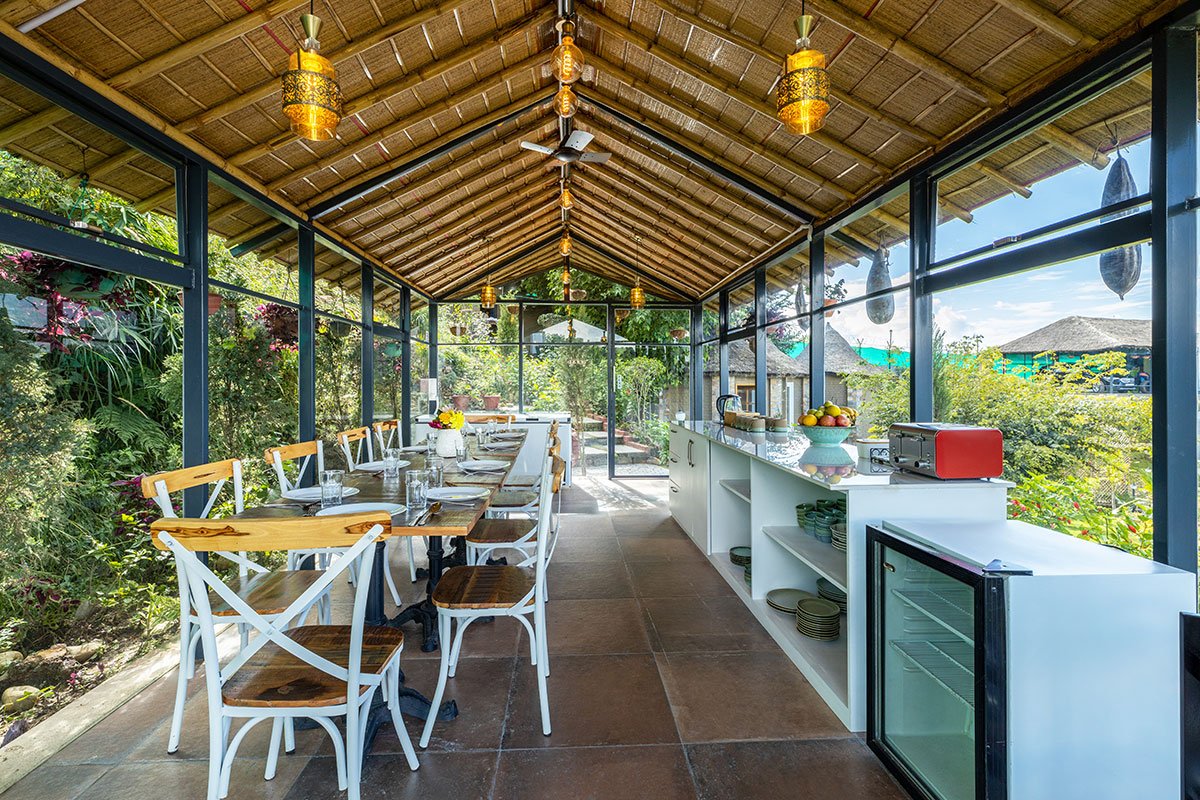
This project pays homage to the visionary architect Laurie Baker’s reverence for traditional Himalayan construction technologies, seamlessly integrating age-old wisdom with modern design paradigms. As India experiences a surge in urbanization and reverse migration towards the hills, it is imperative to embrace holistic building practices that resonate with the region’s ecological sensitivity and cultural heritage.
Currently Serendipity is operated by Taj’s Ama Stays and Trails.
Drawings

Images