Project6 hours ago
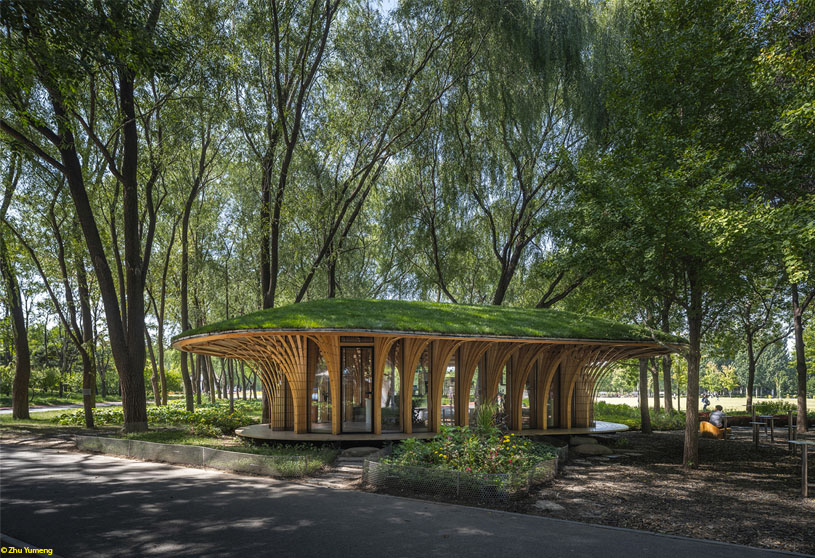
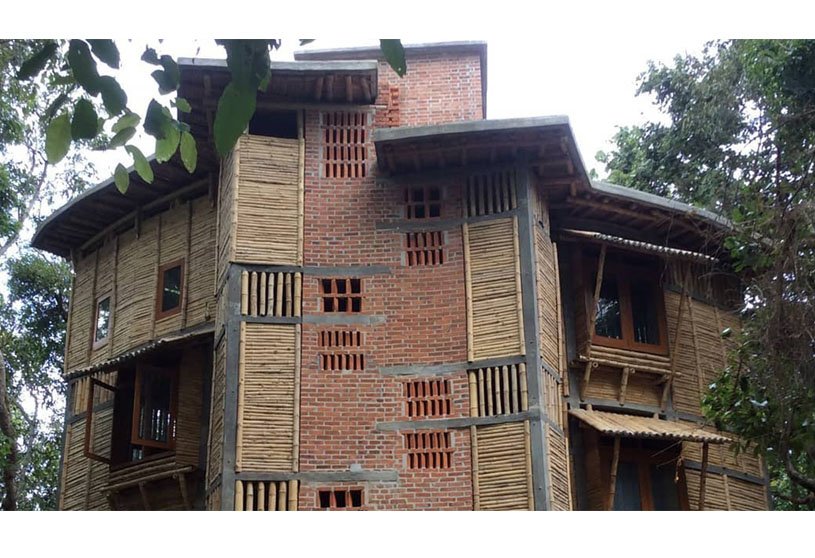
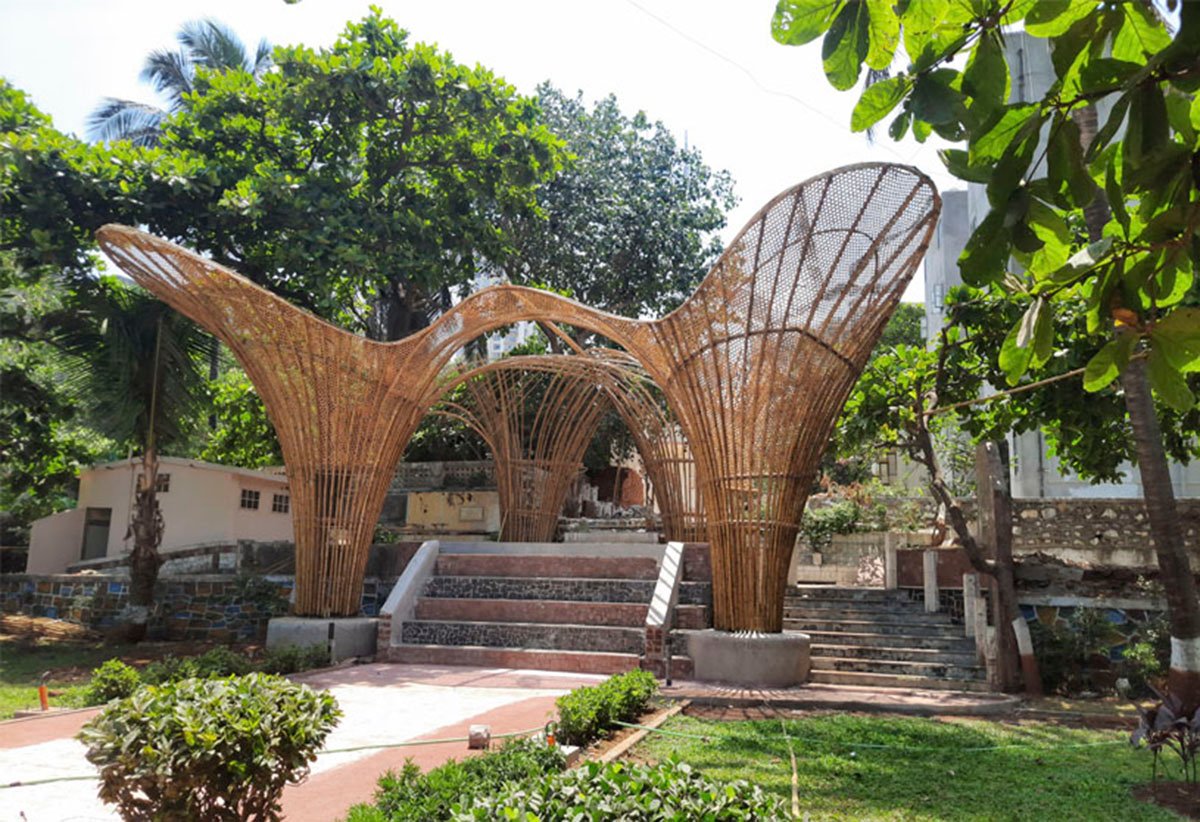
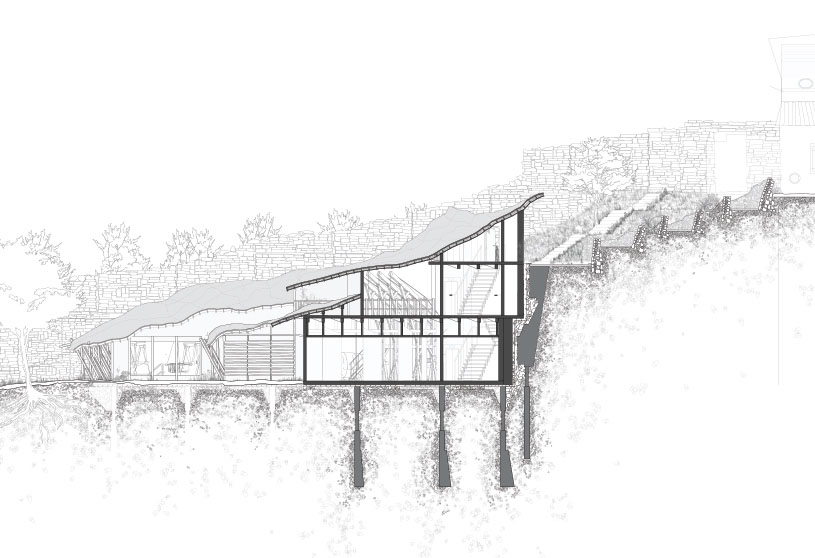
West Garden Florist by Luo Studio is conceived as a lightweight, nature-responsive structure that emerges from the gaps between existing trees. Its irregular form and woven timber canopy create a sheltered yet open space, allowing light, greenery, and movement to remain continuous. Like a giant mushroom within the woodland, the building gently settles into its surroundings while connecting people with nature.
Project8 hours ago
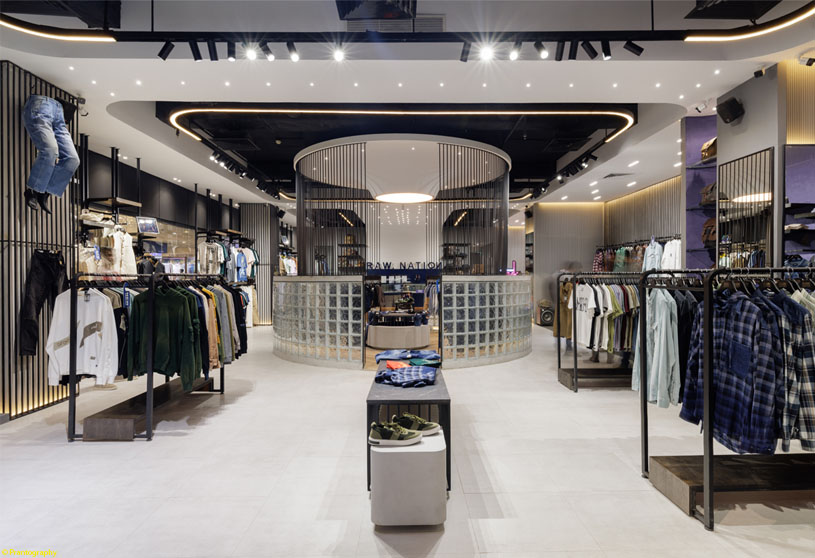
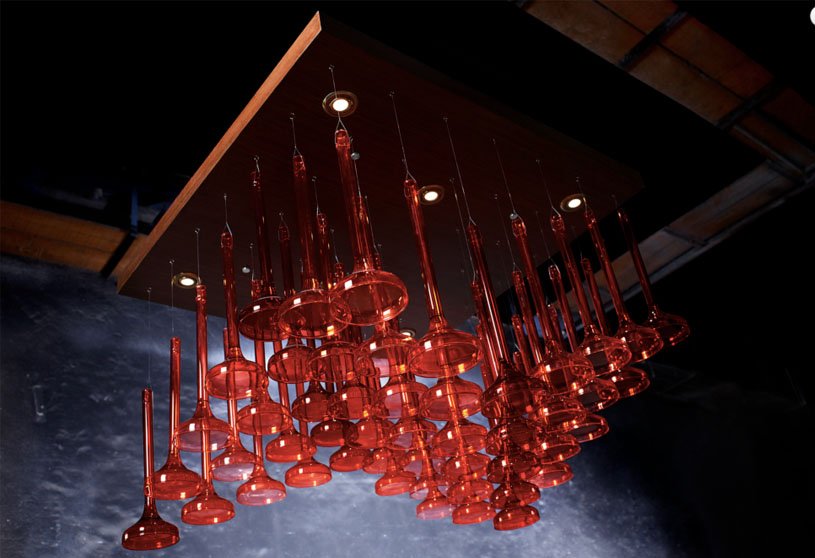
Raw Nation by Cubeinside Design Ltd translates the brand’s ethos of character, endeavour, and achievement into a spatial language where rugged expression meets understated refinement. The interior design balances rawness with humility through organic textures, restrained geometry, subtle curves, and focused lighting. It creates a bold yet refined showroom that reflects the brand’s resilience, adaptability, and deep love for craft.
Project1 day ago
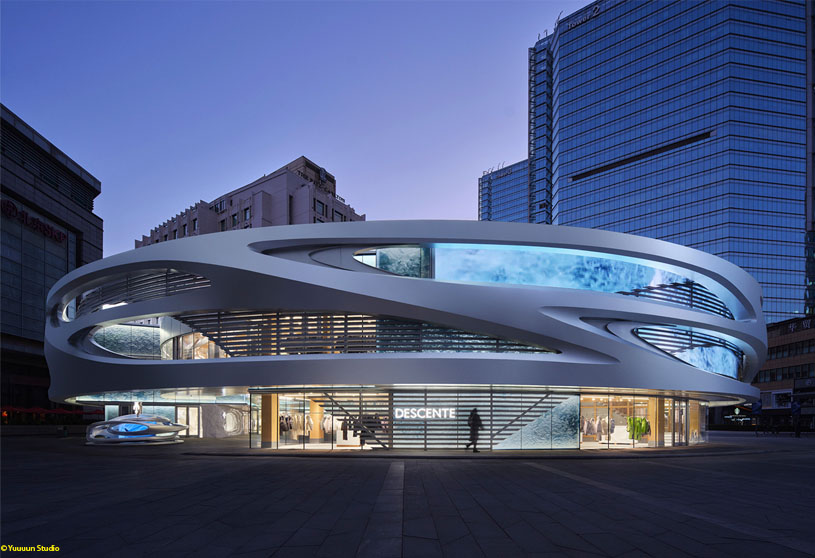
Descente Global Flagship Store by Still Young is conceived as a “Future City,” using the Möbius strip as a structural prototype to weave four independent buildings into a continuous whole. Architecture, landscape, public realm, and spatial storytelling converge, creating a fluid spatial journey that translates DESCENTE’s technical heritage, spirit of exploration, and brand philosophy into a distinctive architectural identity.
Project1 day ago
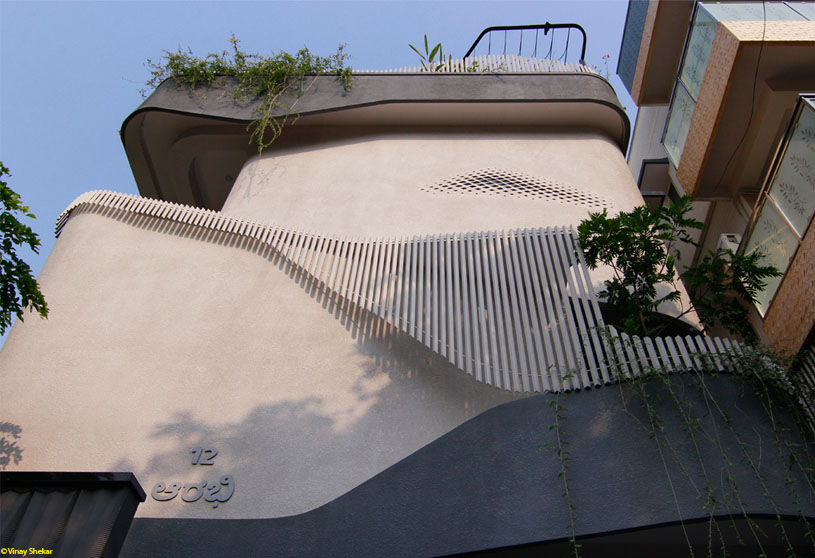
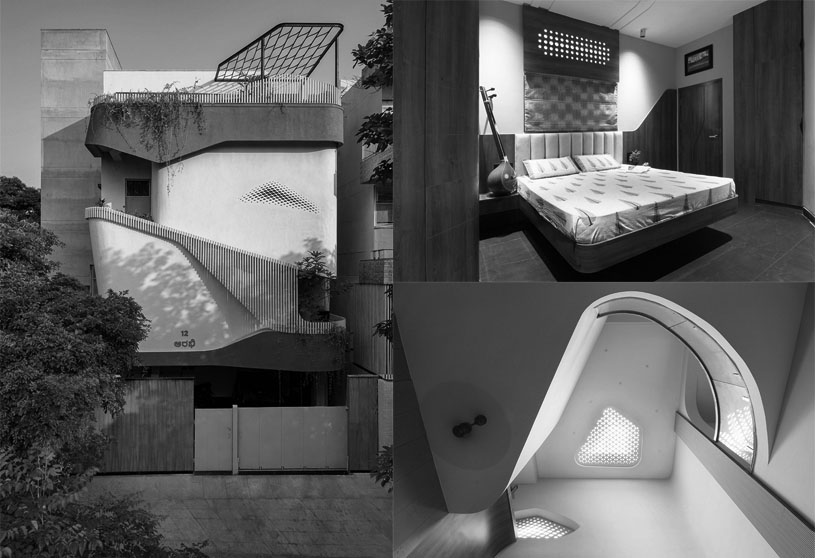
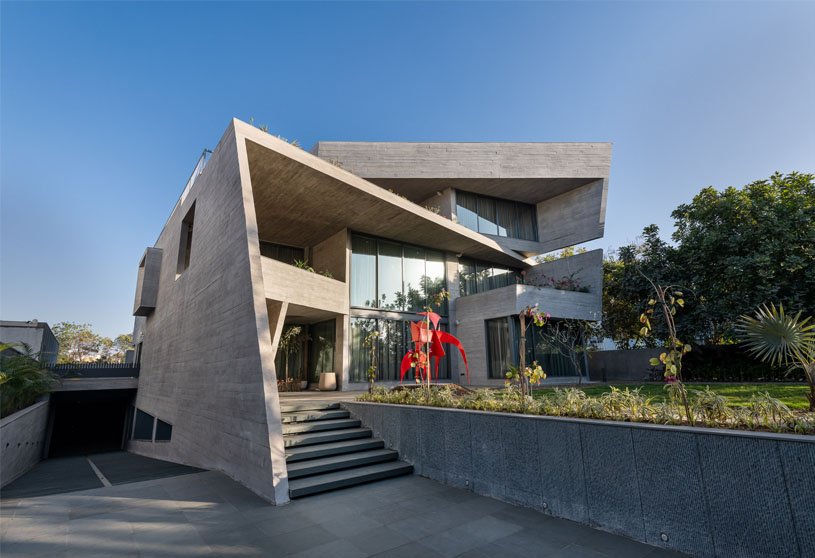
House of Counterbalance by Alae Architects emerges from a simple volumetric exercise: a pure cube, sliced along an angular plane and subtly shifted. This act of division and displacement creates a dynamic yet balanced composition, where stability and motion, solid and void, light and shadow find their counterpoint through controlled asymmetry and fluid form. The result is an exploration of equilibrium.
Practice1 day ago
Alae Architects is a Bengaluru-based design practice exploring architecture through performance, technology, materiality and human experience. Guided by questioning and research, the practice treats each project as a unique response to people, place, climate and culture. Digital and computational tools are combined with physical experimentation to create purposeful, sensory and context-responsive architecture where performance and poetry coexist.
Project2 days ago
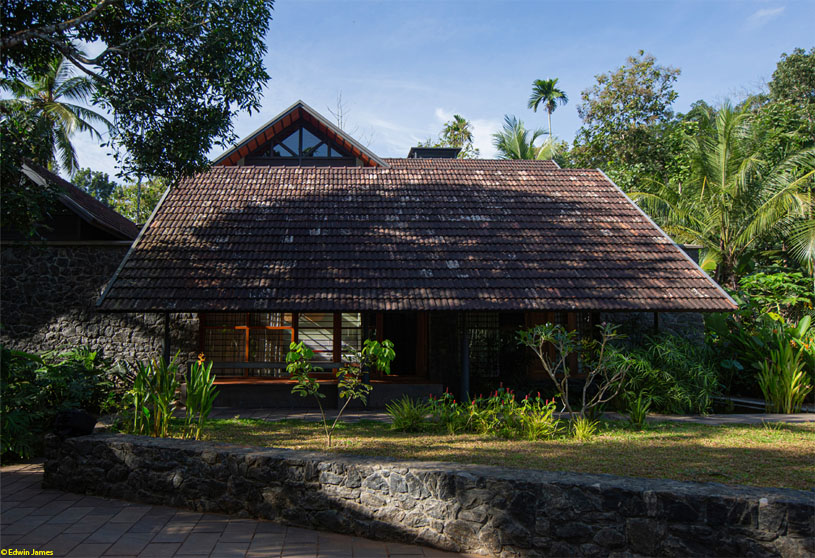
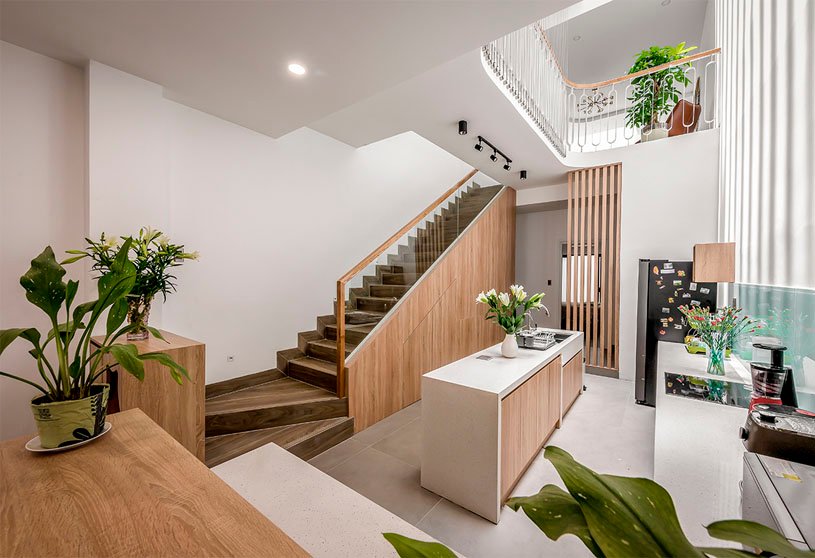
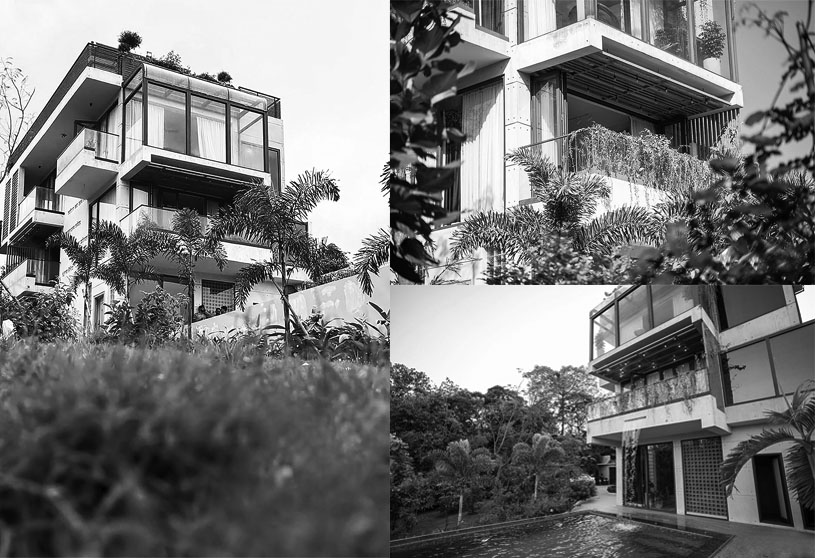
Residence at Edavanna by Zero Studio reminisces about residential properties of yesteryear, Kerala, where houses were placed within larger plots surrounded by local plants, trees, and gardens. Staying true to the narrative, the house is placed away from the boundary, with courtyards and passages dividing spaces into quadrants, bringing a touch of green into the interiors and evoking warmth, innocence, and a sense of home.
Project2 days ago
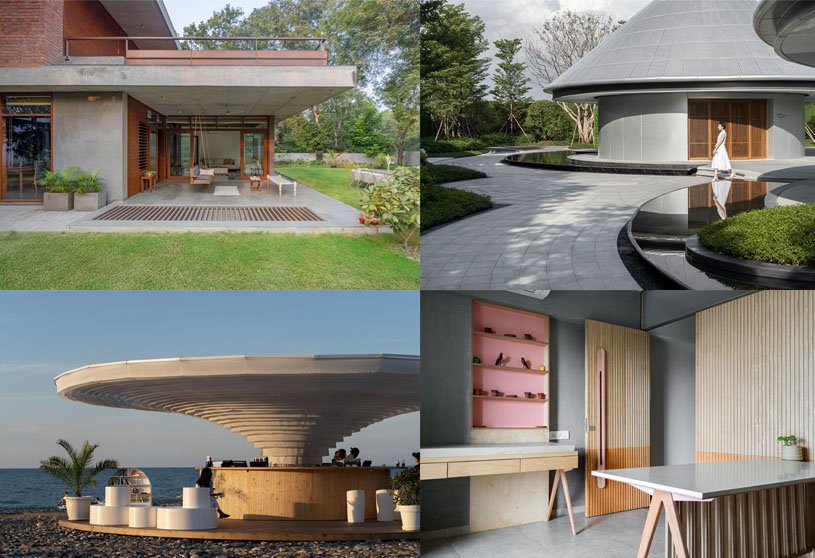
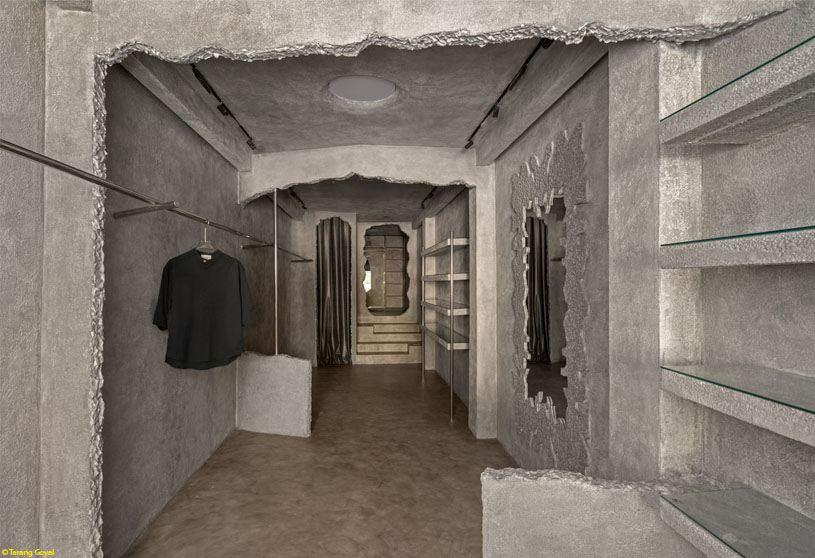
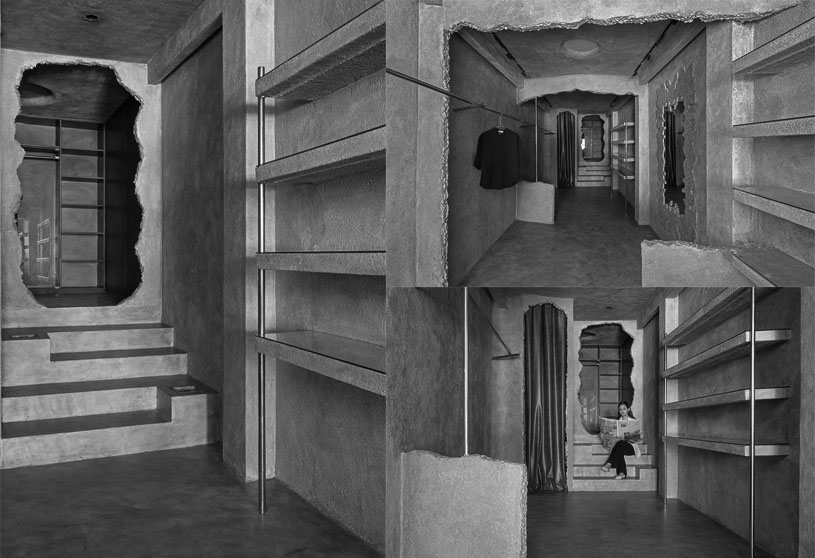
Three Six Five by Karigar Design Studio explores a raw, Brutalist approach where architecture is treated as mass rather than surface. Exposed concrete, carved volumes, irregular forms, and controlled light create a tactile, introspective environment. The design embraces restraint, imperfection, and materiality, allowing the space to evolve through use and time, while creating a grounded retail experience.
Practice2 days ago
Karigar Design Studio, based in Delhi, is an award-winning multidisciplinary design practice specializing in hospitality, residential, farmhouse, F&B, retail, and office spaces, led by Anjali Aggarwal.
Academic Project3 days ago
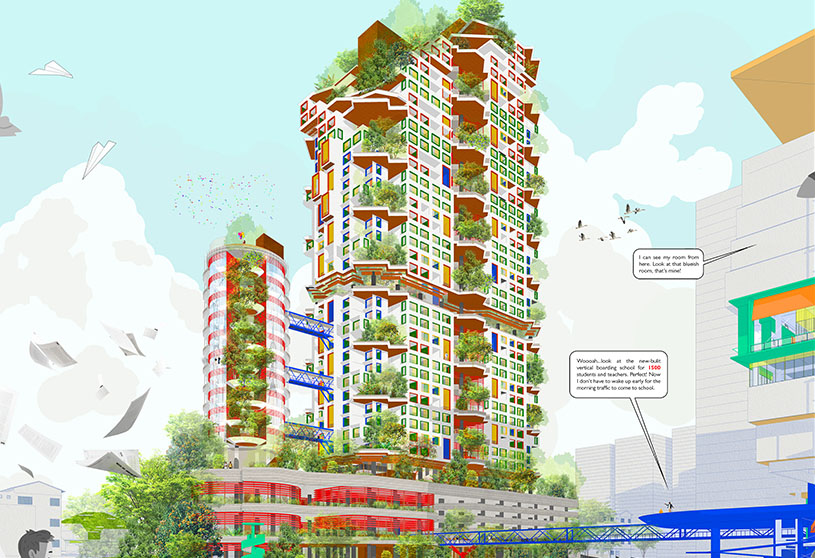
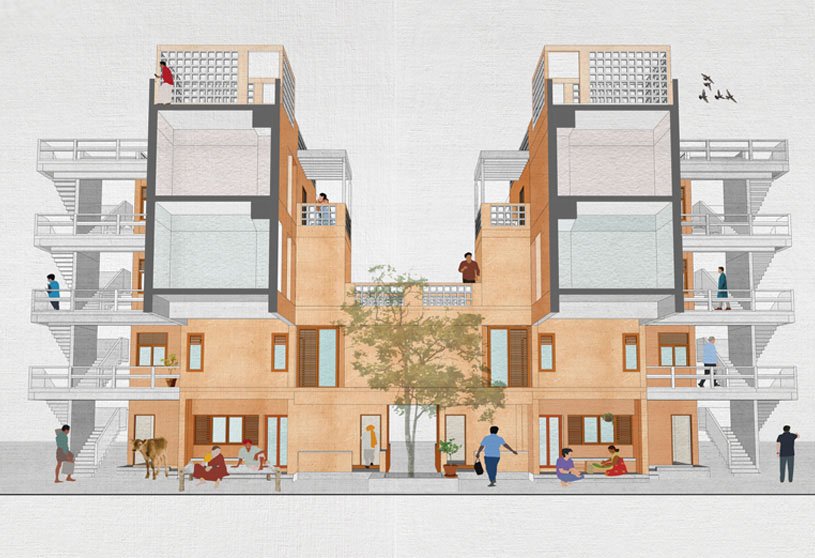
‘A Place to Belong’ is a Masters Design Project by Khor Mei from the ‘Department of Architecture – Universiti Malaya.’ The project aims to reimagine the boarding school as a vertical community that responds to the social and spatial challenges faced by teenagers in dense urban environments. It seeks to create a safe, inclusive, and adaptable institution where students can live, learn, play and build meaningful relationships beyond the digital world.
Project3 days ago
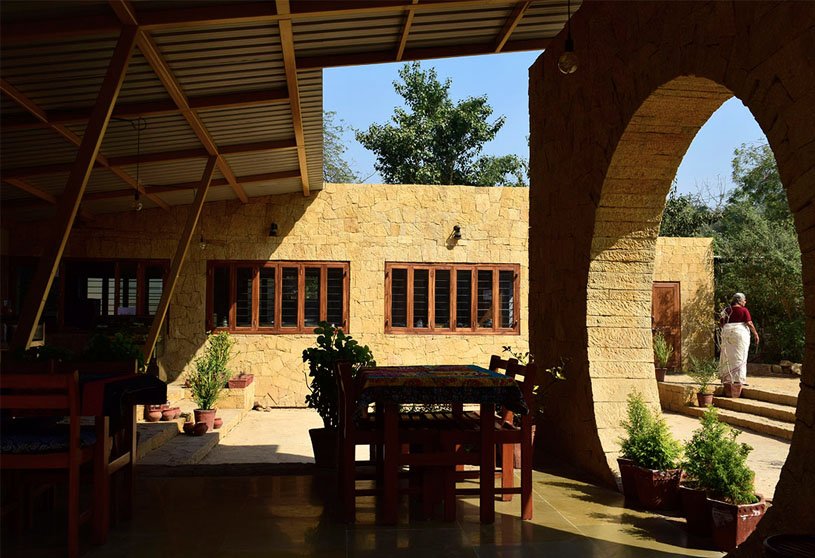
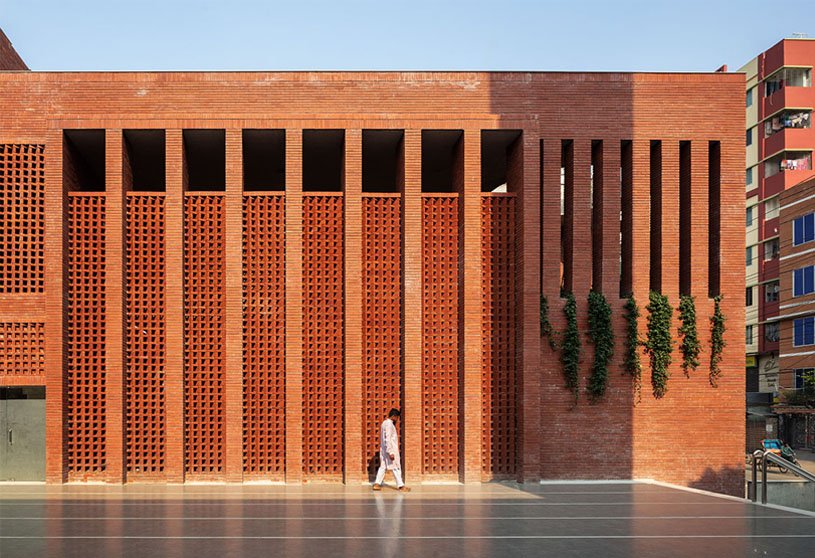
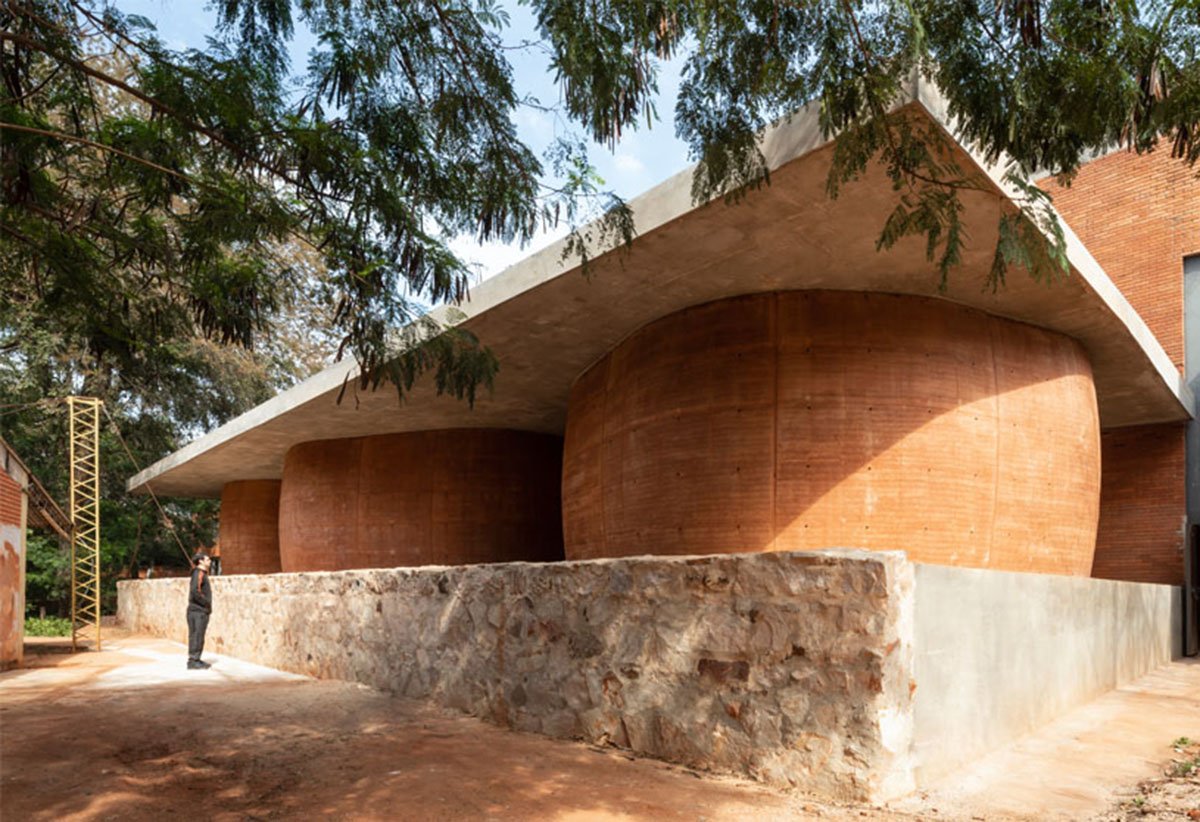
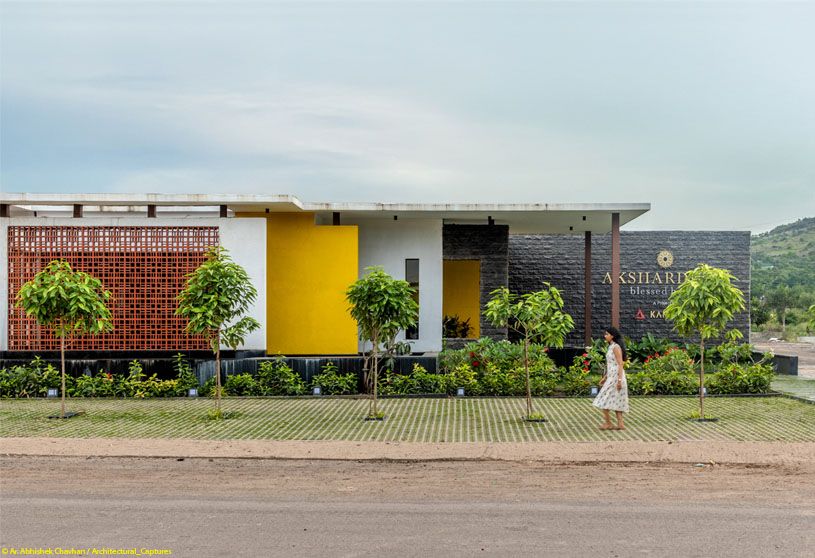
Akshardham Sales Office by Think With Us reimagines the conventional sales office as a home-like experience. Designed as a sanctuary amidst the chaos of a construction site, the space uses natural materials, terracotta jali, water, greenery, light, and ventilation to create a welcoming sensory journey. The design aims to set the tone for the lives that will unfold within the homes.
Project3 days ago
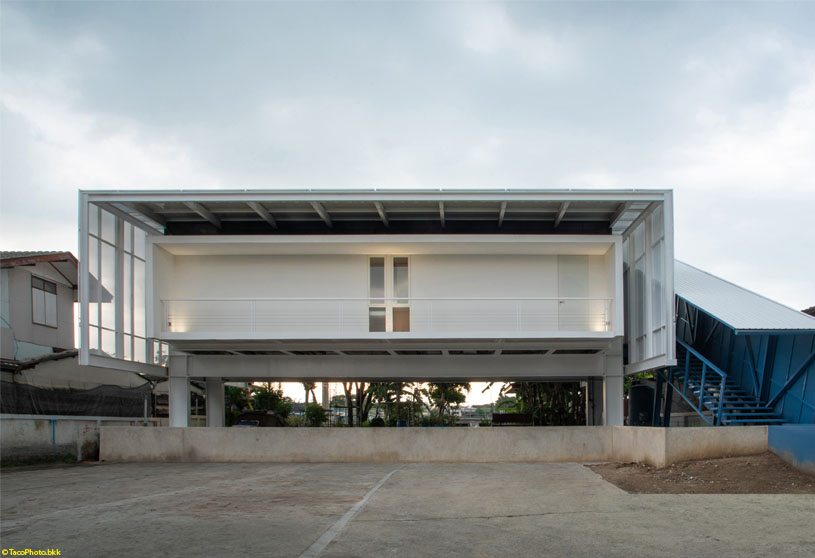
Mahachai Residence by Patara Architects is a riverside day-use villa that quietly carries the memory of the site’s working past into its structure and materials. Conceived as a place to rest, take in the Tha Chin River, and watch it turn gold at sunset, the residence combines industrial structural logic with the openness of a traditional Thai riverside house, creating a quiet connection between past and present.
Project4 days ago
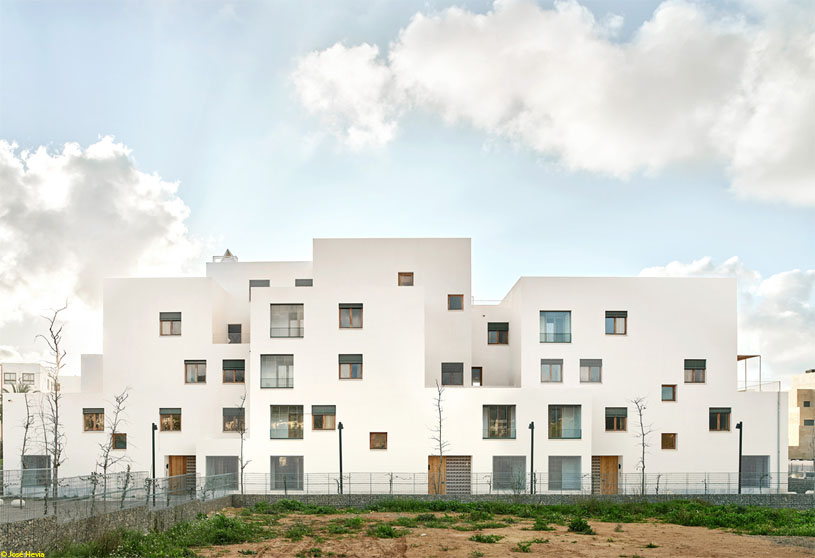
43 Social Housing Units by Peris + Toral Arquitectes adapts to Ibiza’s local climate through compressed earth construction, courtyards, solar atriums, and cross ventilation. The design prioritizes flexibility and adaptability through modular spaces, while the central kitchen-living room organizes each home. Interconnected courtyards and communal spaces encourage natural ventilation, social interaction, and comfort.
Selected Academic Projects
Project4 days ago
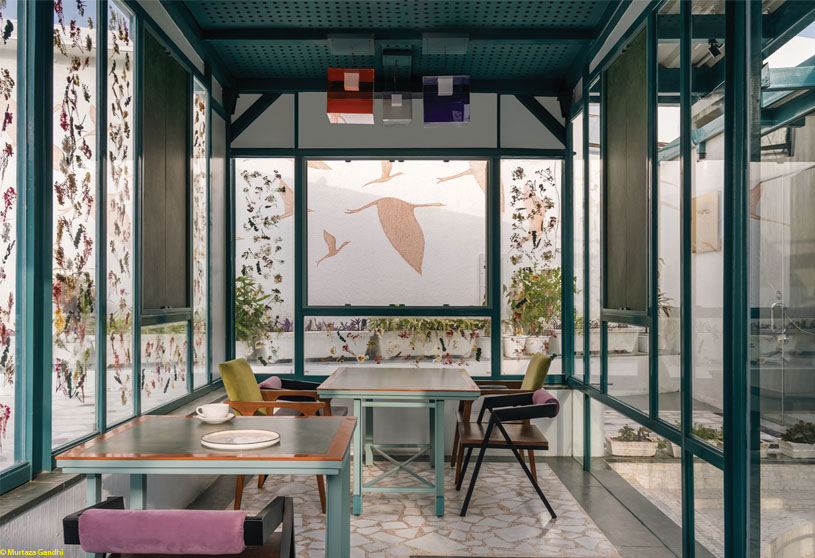
SOLEA by Parekh Architects creates a tranquil spatial experience that indulges patrons in celebrating slow living. Inspired by the atmosphere of Indian spring, the restaurant design brings together greens, water, dried flowers and rustic materials to create a serene escape from the city chaos. Subtle changes in levels and a seamless connection with nature encourage patrons to slow down, unwind and savour the experience.
Project5 days ago
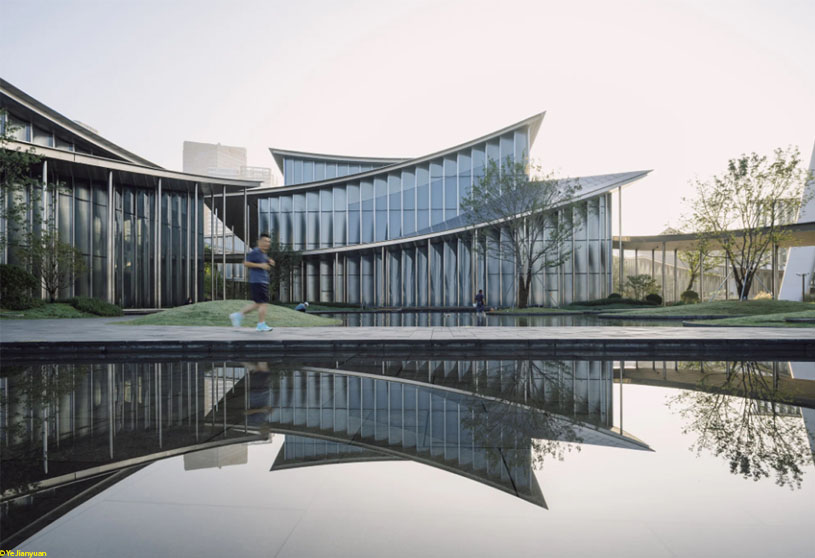
The Suzhou Museum of Contemporary Art by BIG-Bjarke Ingels Group is conceived as a village of interconnected pavilions and courtyards beneath a continuous, ribbon-like roof. Reinterpreting Suzhou’s traditional gardens and the ‘lang’—a long, covered corridor—the design weaves galleries, gardens, pathways, and water together, creating a man-made maze where architecture, nature, and art are interconnected.
Project5 days ago
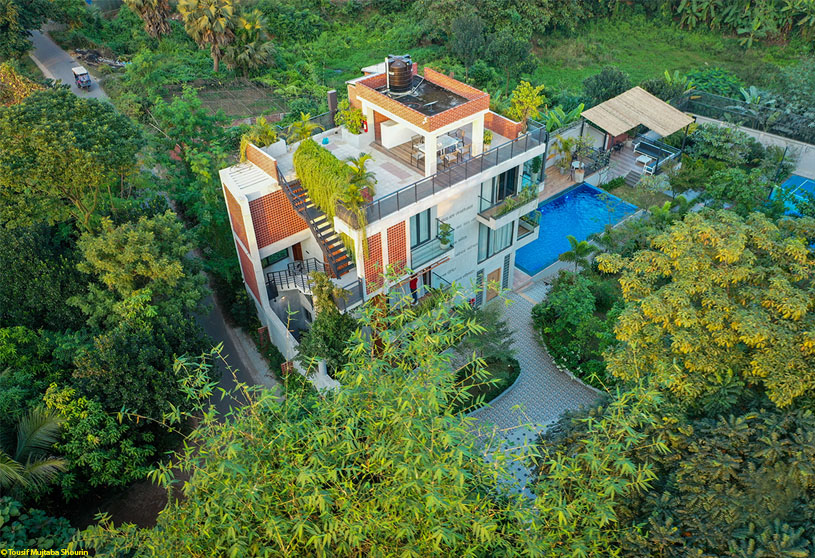
Da Birulia by Studio Shape Consults is conceived as a nature-integrated vacation home that creates a continuous flow between functional and environmental aspects. With a limited footprint and minimal disturbance to the existing vegetation, the design establishes a seamless indoor-outdoor relationship, allowing architecture and landscape to merge. The retreat is designed as a serene environment to slow down, reconnect with nature, and spend meaningful time together.
Practice5 days ago
Studio SHAPE Consults, founded by Sabrina Mehjabeen Ratree, approaches architecture through people, place, and context. Its work combines research, observation, and practical design, with attention to climate, light, ventilation, materiality, accessibility, landscape, and indoor-outdoor connections. Grounded in human behavior and sustainability, the practice creates contextual, functional, climate-responsive spaces rooted in everyday life.
Project6 days ago
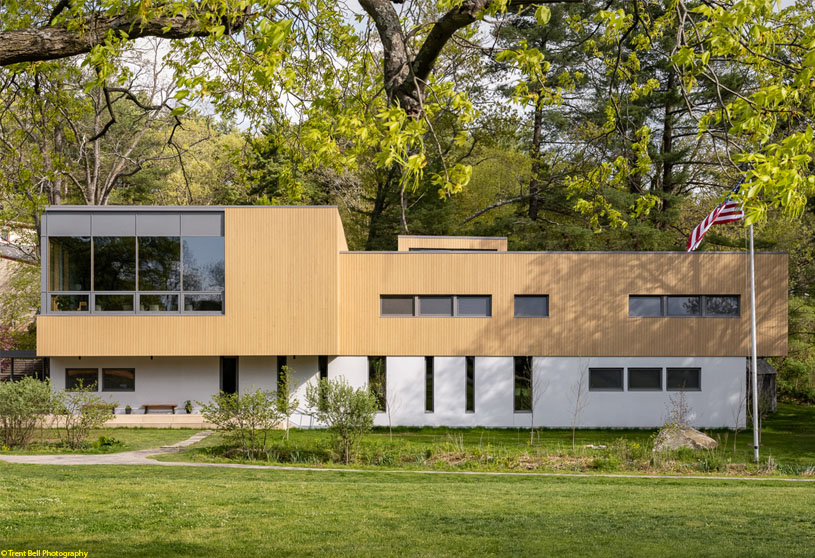
The Bridge at Waring School by OPAL is designed as a new connection between the upper and lower campuses, spanning the wooded hillside and its 12-foot vertical slope. Two stacked volumes create a distinctive form that responds to the site and program, while the All-School Meeting space forms a central “hinge,” connecting the school community, landscape, and academic life.
Project6 days ago
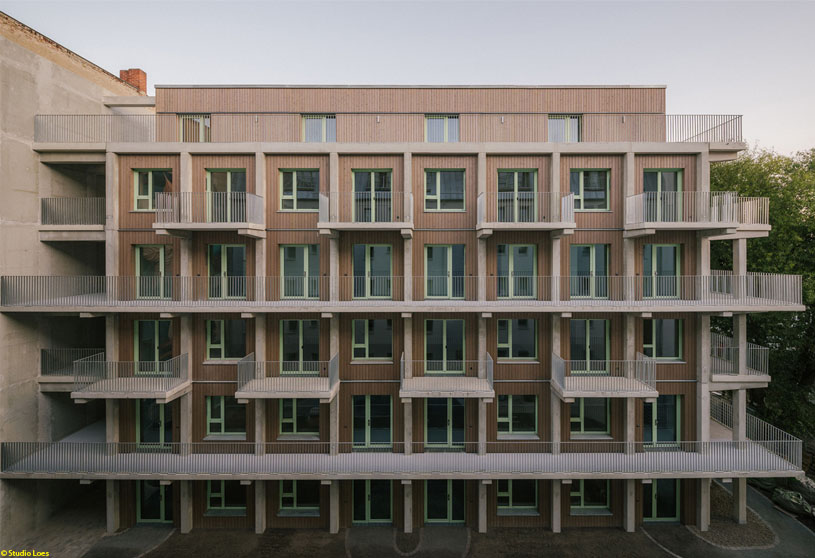
Element & Lingot by Studio Loes explores intelligent redensification in a confined inner-city space. Guided by the idea to “Build less, much less, but dense, valuable, and durable!”, the design combines existing buildings with wooden modules and prefabricated concrete elements, creating future-oriented urban residential architecture through resource-conserving and serial construction.
Academic Project1 week ago
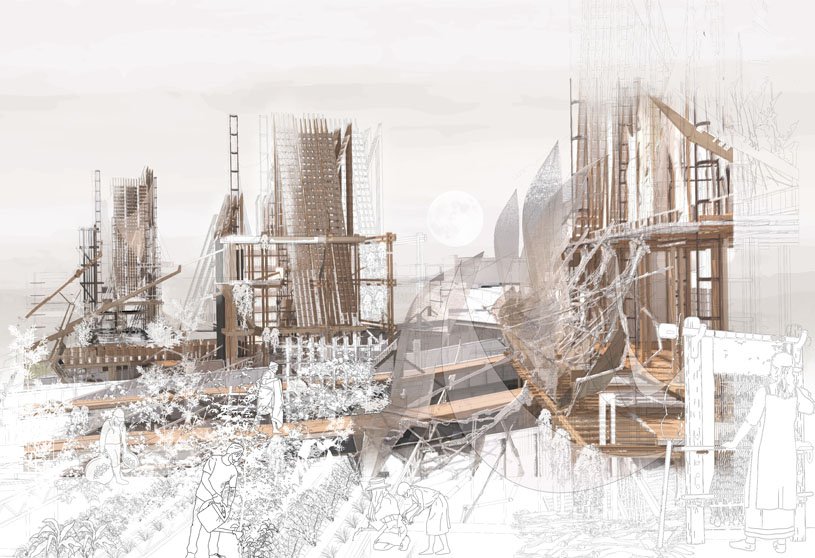
‘Skinning the Landscape’ is a Bachelors Design Project by Kate-Olivia Wakeford from the ‘Bartlett School of Architecture – UCL.’ The project aims to reinterpret traditional vegetable tanning through architecture, creating a functioning tannery rooted in its landscape, material processes, and craft traditions. It explores how natural materials, existing terraces, structural systems, and traces of making can shape spaces that connect production, craftsmanship, and the experience of place.
Project1 week ago
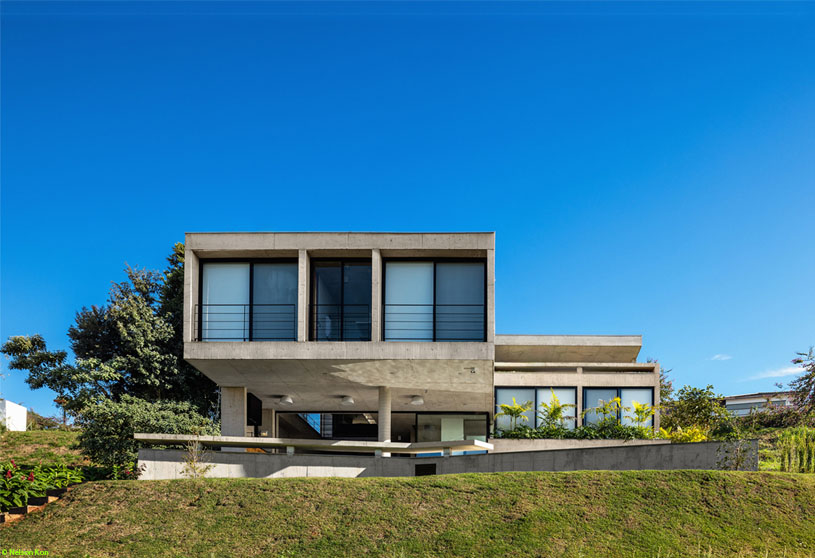
Casa FPW by Obra Arquitetos is organized to take advantage of the steep slope of the original topography. A central stair axis structures the different levels, while the lower positioning of the spaces creates unobstructed views of the surrounding landscape. Voids connect the levels, integrating the social and private areas with the surrounding vegetation and creating a strong visual connection between the residence and its natural setting.
Project1 week ago
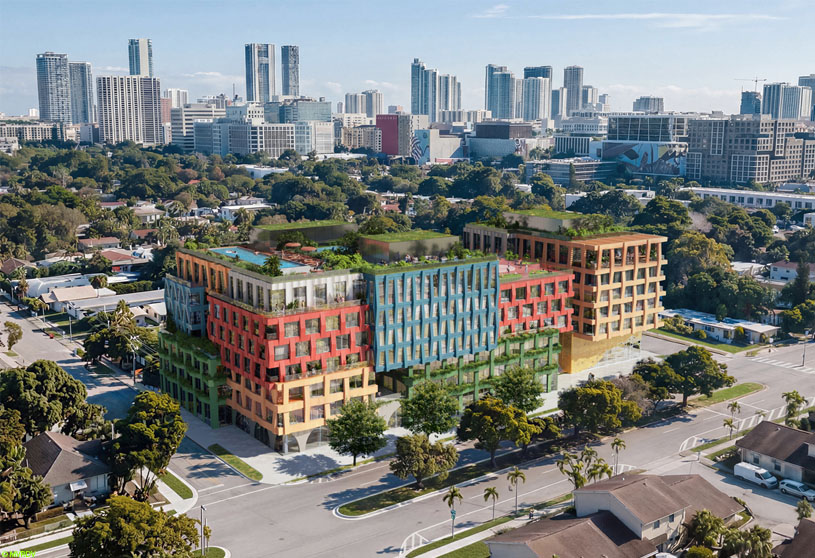
WOMA by MVRDV is designed as a porous stack of small, human-scaled blocks that builds upon the existing character of Wynwood Norte. Colourful, textile-inspired façades draw from the neighbourhood’s connections to fashion, art, and craft, while landscaped public spaces and a central plaza create a vibrant, community-oriented setting where people can meet, interact, and feel part of the neighbourhood.
Project1 week ago
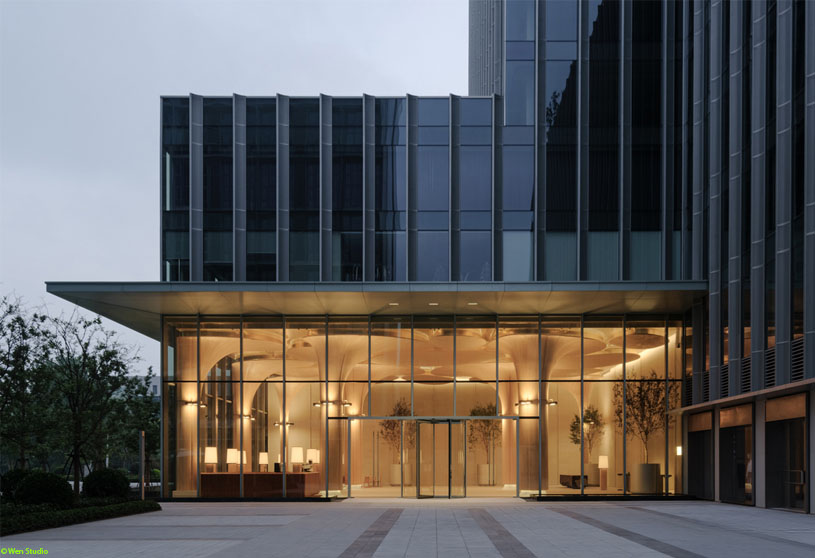
Ouse Fashion Lobby by say architects extends the warmth of the brand from clothing into space. Rooted in Hangzhou and guided by the idea that design should outlast trends, the lobby creates a timeless, natural environment through the language of lotus leaves, soft light, stone and wood. Rather than a lavish display, the space is sustained by the strength of design, allowing the brand’s aesthetic to settle deeper into time.
Project1 week ago
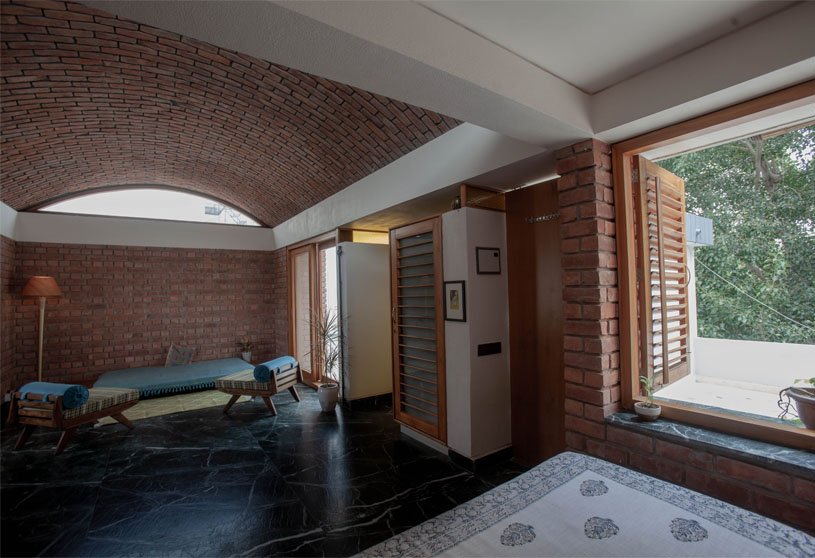
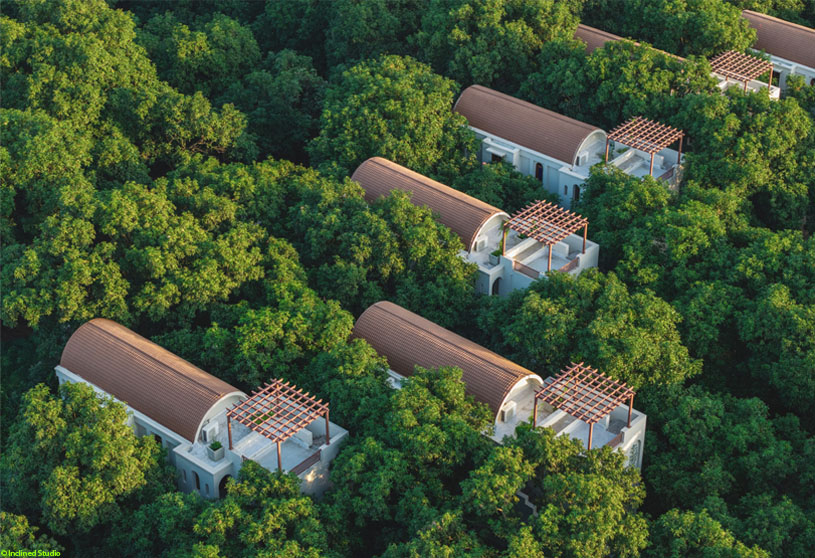
Le Casa Lion by d6thD design studio is shaped by a dialogue with its surroundings, where architecture becomes less about building and more about belonging. Inspired by the lion’s den, the design interprets deep, sheltered, cave-like spaces through tunnel-like volumes and brick vaults, creating a retreat that feels immersed in the wilderness while remaining grounded in its landscape.
Project1 week ago
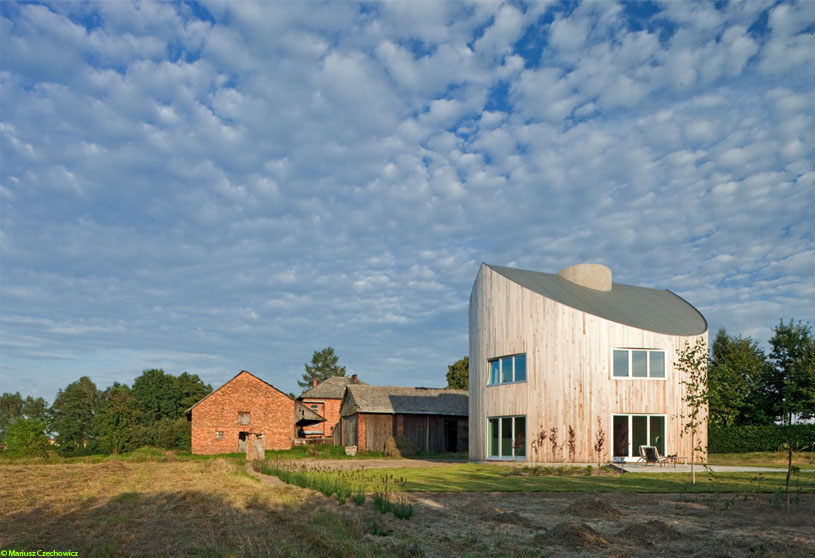
Standard House by KWK Promes is based on the idea of creating a house that can fit every plot. Its round form adapts easily to different site shapes, while the choice of roof type responds to varying landscape conditions. The flexible interior plan further allows the residence to adapt to the individual needs of each family, making it a universal and highly adaptable dwelling.
Page 1 of 34212345678910...»Last »