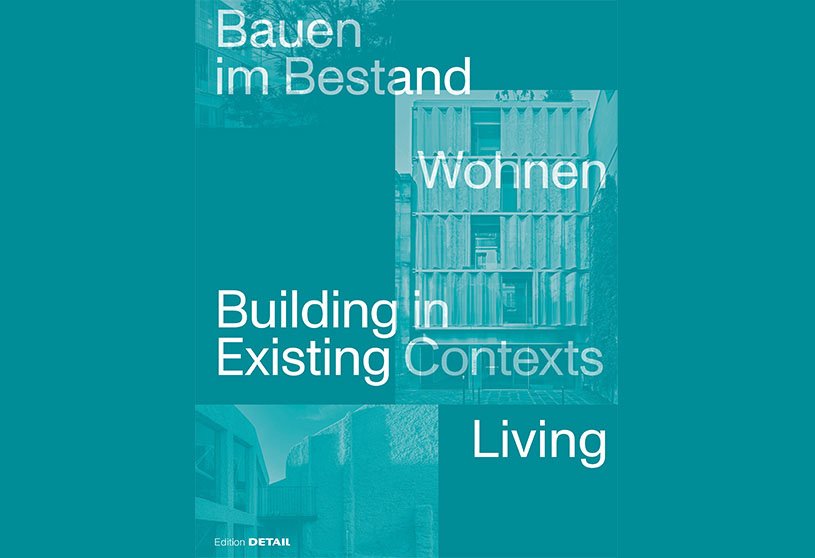
About the Book
Why always build a new building when conversion and further construction is more ecological while also providing excellent living qualities? The topic of building in existing contexts has long been a much-discussed one – particularly in residential construction, it is becoming relevant beyond the professional world. In view of climate change, the severe housing shortage in many cities and maximal land sealing, it is not only important to point out alternatives to new construction but also to establish them over the long term.
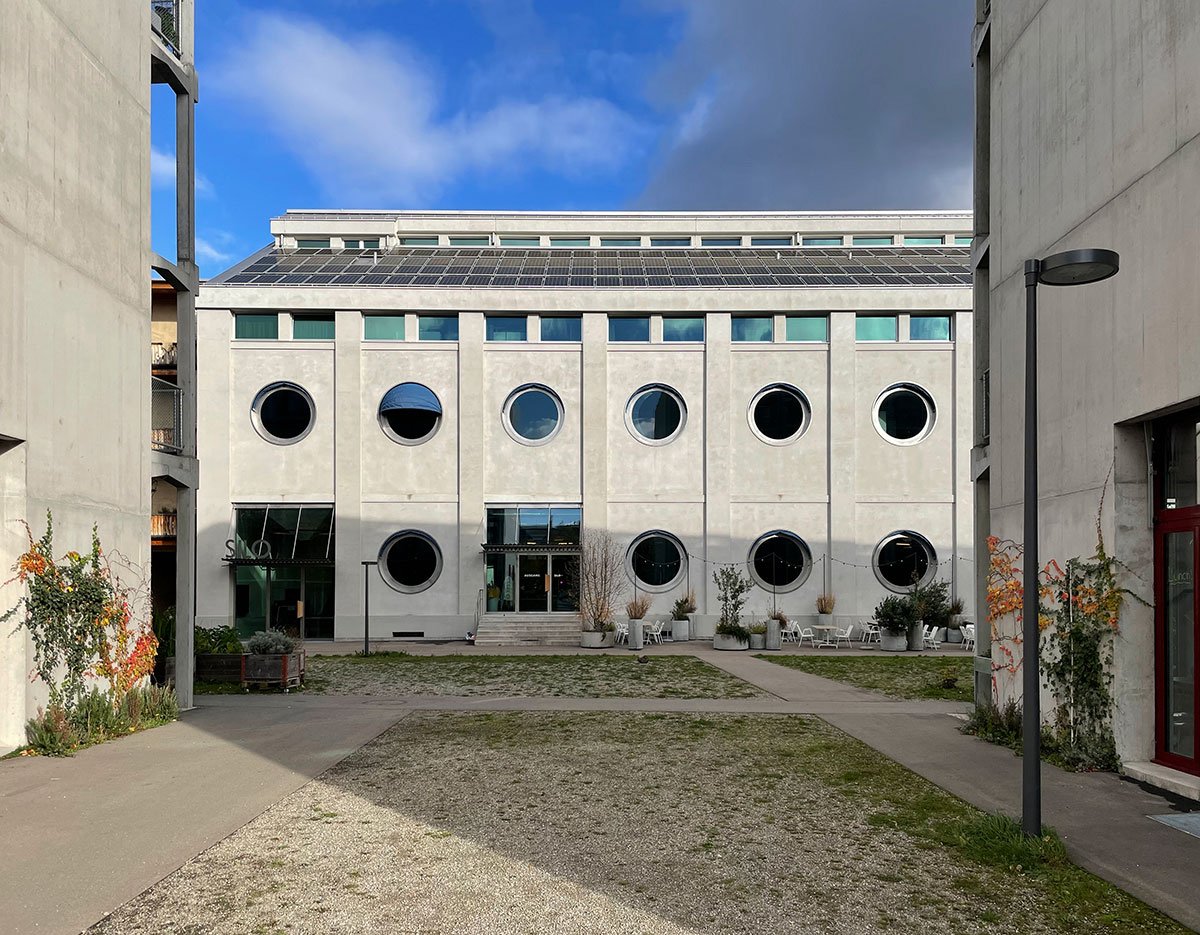
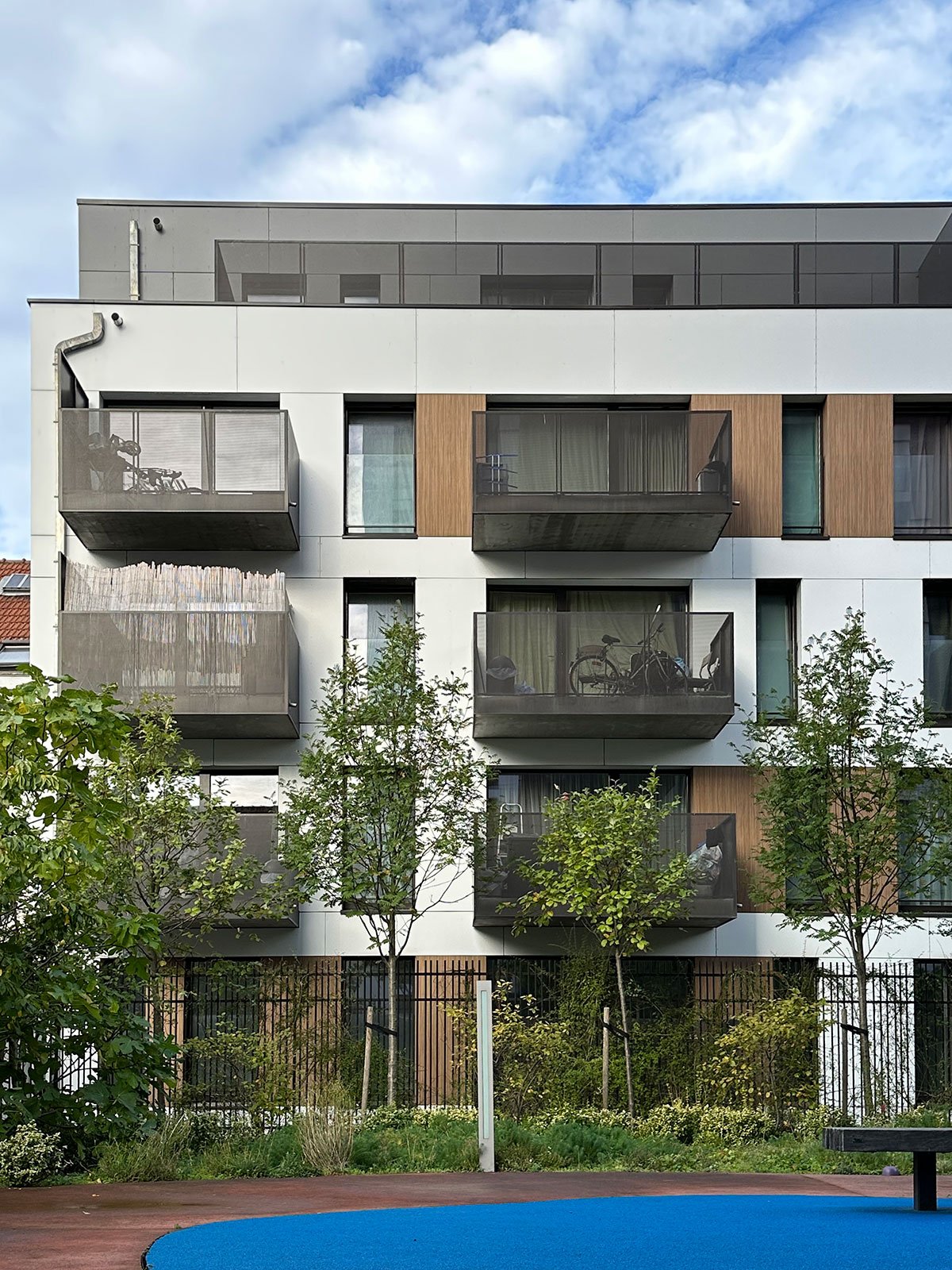
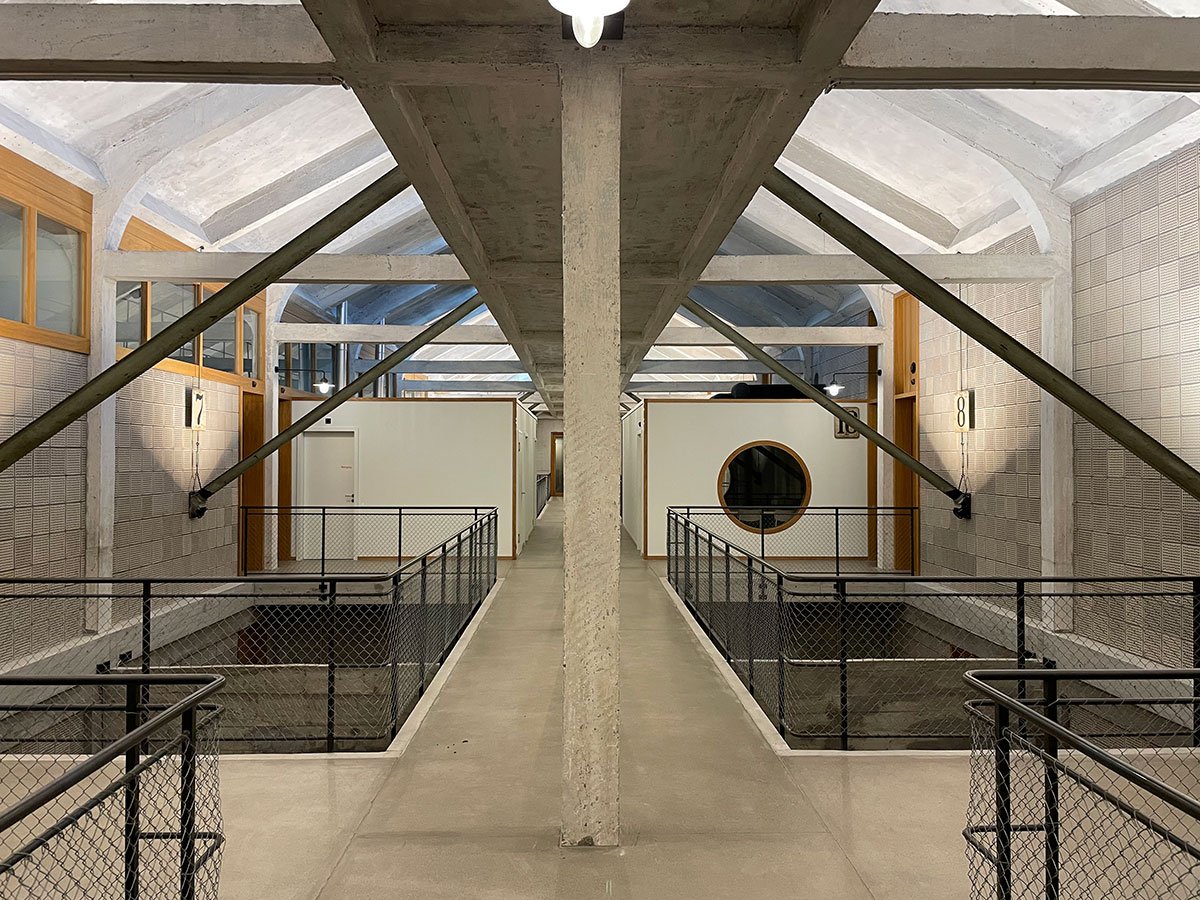
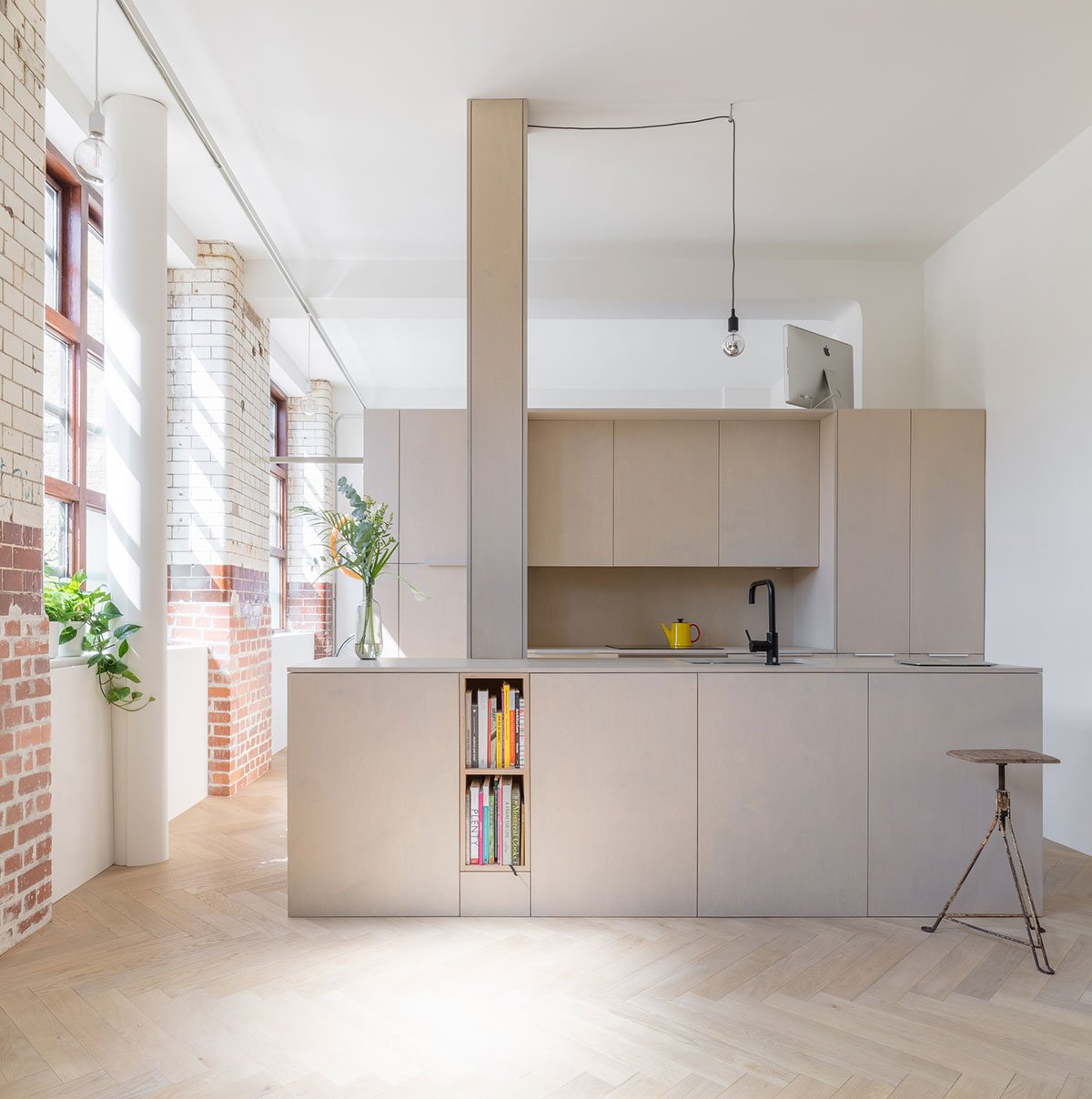
The book ‘Building in Existing Contexts. Living’ documents numerous current and successful residential construction projects, demonstrating the following: The transformation of residential construction can be achieved by creative conversions, alterations, renovations and modernisations on existing buildings. On almost 300 pages, divided into six sections – Townhouses, Multistorey Housing Construction, City Quarters, Houses with Garden, Individual Residential Units, Temporary Living – the editor, Sandra Hofmeister, has compiled 26 best-practice projects from the years 2017 to 2023, in which the many possibilities and ingenious technical solutions become visible.
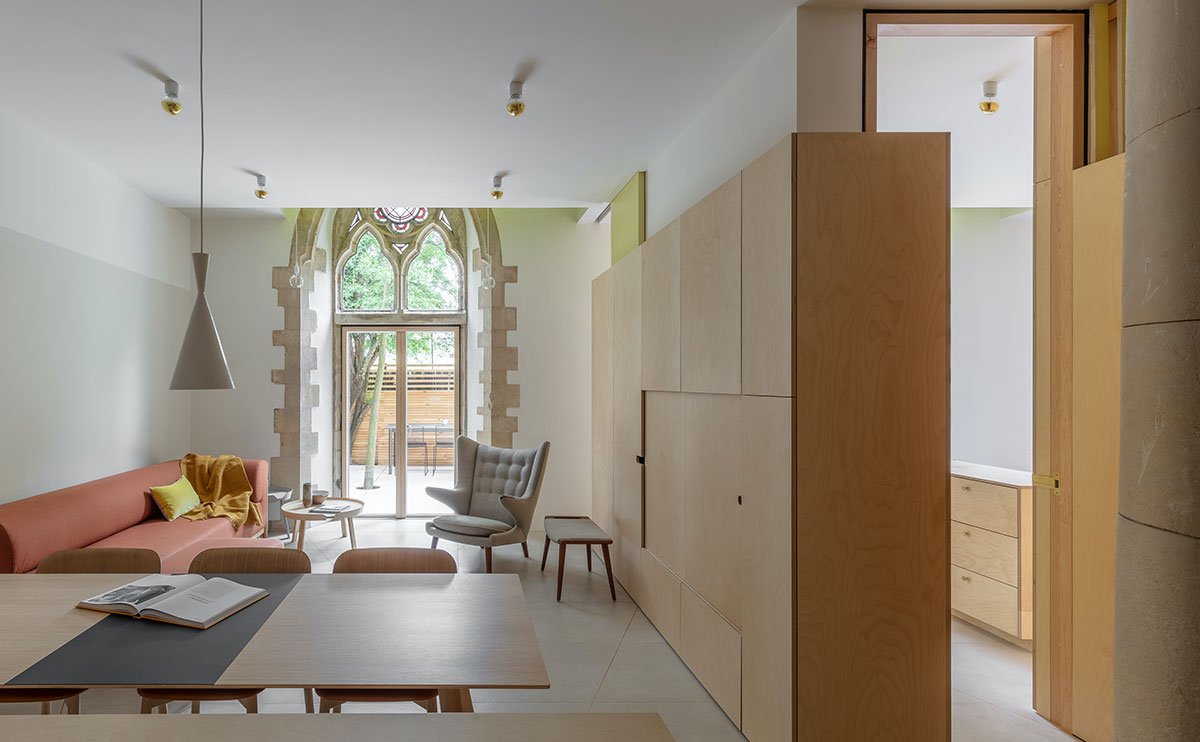
Examples range from a converted church in London to a housing estate on the roof of a multi-storey car park in Cologne and the renovation of an apartment block in Antwerp. The focus is on housing projects from Europe, supplemented by individual examples from China, the USA and Vietnam. Included are well-known names, such as Cobe from Copenhagen and David Chipperfield Architects, but also many smaller and younger architectural firms – including BURR Studio, DIIIP, RE-ST and SUPRBLK.
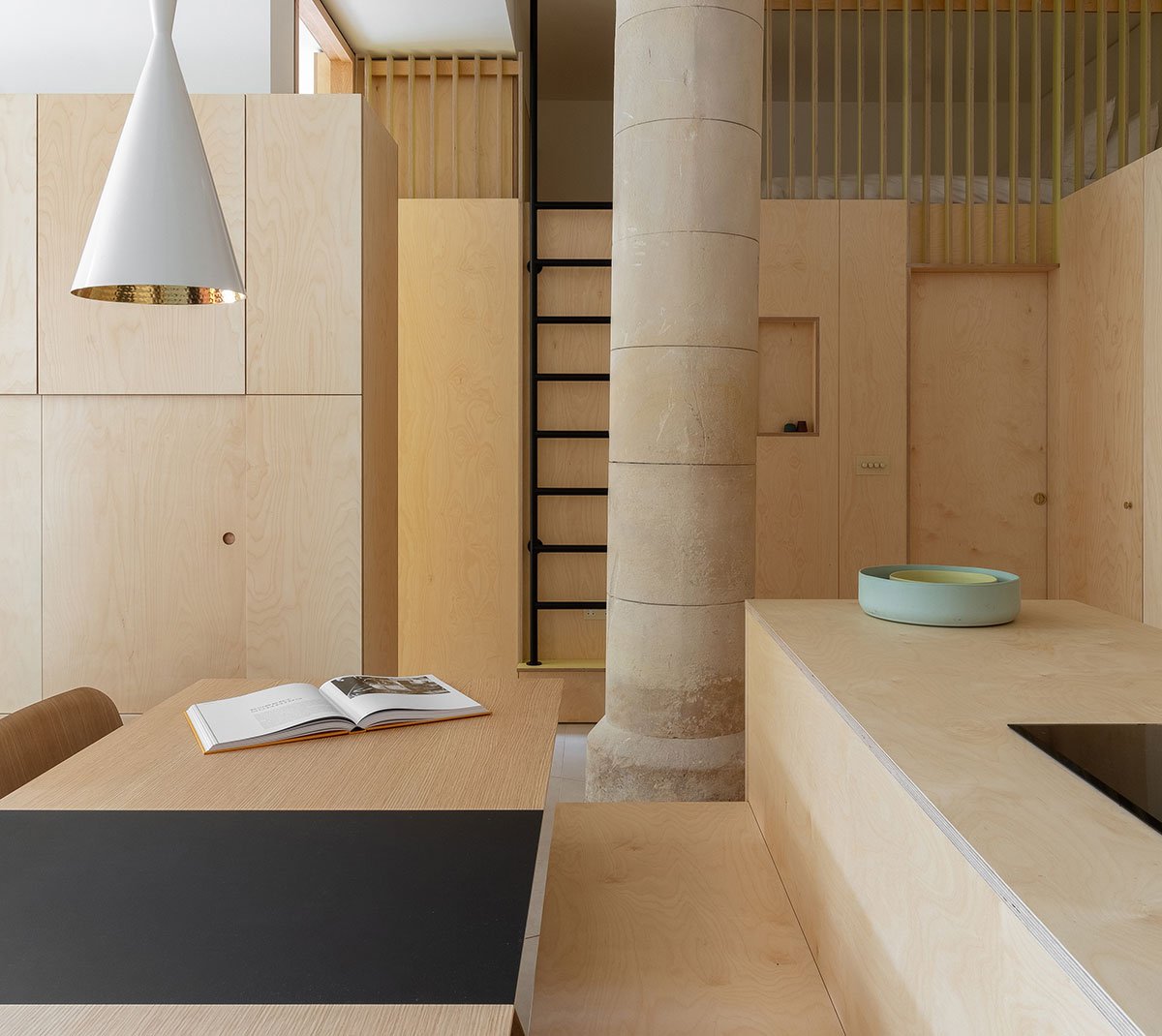
Detailed drawings, which – as usual – have been redrawn to a Detail standard, provide a precise picture of the respective building solutions and are supplemented with numerous floor plans and sections. Generous photographs and comprehensive descriptions paint an accurate picture of the buildings in question, demonstrating how old and new coexist in the architecture. Two essays serve to better categorise the discourse: Sociologist Joëlle Zimmerli writes about the challenge of urban densification and refers to recent surveys, which are also visualised in the book. In his text ‘From Office Buildings to Housing’, the architecture journalist Jakob Schoof provides a detailed summary of the potential, challenges and successful examples of converting disused office and administrative buildings into new living space.
With ‘Building in Existing Contexts. Living’ Edition DETAIL publishes a coffee-table-worthy title that makes building in existing contexts comprehensible through contextualising and easily accessible essays, as well as the broad spectrum of documented project diversity. The book also marks the start of the new series ‘Building in Existing Contexts’.
About the Author
Sandra Hofmeister (sah) has been editor-in-chief of Detail since 2016 and oversees the content programme of the architecture publishing house and its publication channels. After studying at the TU and FU Berlin, she obtained her doctorate in Munich. As a moderator at numerous congresses and author of many international publications, she focuses on future-oriented issues in architecture. Additionally, she currently teaches at the University of Applied Arts Vienna.
Images