
Picture this: a warm afternoon, your favorite drink in hand, and a perfect outdoor space where you can unwind or host friends. A thoughtfully designed deck can transform your home into a hub for relaxation and entertainment. Composite decking, with its durability and low maintenance, offers a modern solution for homeowners who value both style and practicality. If you’ve been considering this upgrade but aren’t sure how to make it work with your existing home design, you’ve come to the right place.
This article will guide you through the ins and outs of incorporating a composite deck into your home’s layout. From selecting the right materials to integrating it seamlessly with your living space, we’ll break down everything you need to know.
Choose the Right Material: Why Composite Decking?
Composite decking has become a popular choice among homeowners for its durability, ease of maintenance, and aesthetic appeal. Unlike traditional wood, composite boards are made from a combination of wood fibers and plastic, making them resistant to rot, fading, and warping. A standout example is Millboard decking, which offers the appearance of real wood without the hassle of constant upkeep.
This type of decking is available in various finishes and colors, allowing you to match it to your home’s existing aesthetic. Whether you prefer the rustic charm of weathered oak or the sleek look of enhanced grain, there’s a design to suit your taste. With composite decking, you’ll also save time and money on repairs and treatments—an advantage that keeps on giving.
Plan Your Layout and Purpose
Before diving into construction, think about how you’ll use your deck. Will it be a space for hosting dinner parties, a play area for kids, or a cozy nook for reading? Defining its purpose will help you determine the size, shape, and features your deck needs. For example:
- Entertaining Guests: Opt for a spacious design with enough room for seating, a dining table, and perhaps even an outdoor kitchen.
- Family-Friendly Space: Include safety features such as railings and consider slip-resistant boards to keep everyone safe.
Having a clear purpose in mind makes it easier to plan a layout that fits your needs. With these ideas in place, you can move on to ensuring your deck complements your home’s overall style.
Match the Deck to Your Home’s Style
Your deck should complement your home’s existing aesthetic. Consider the following tips to create a cohesive look:
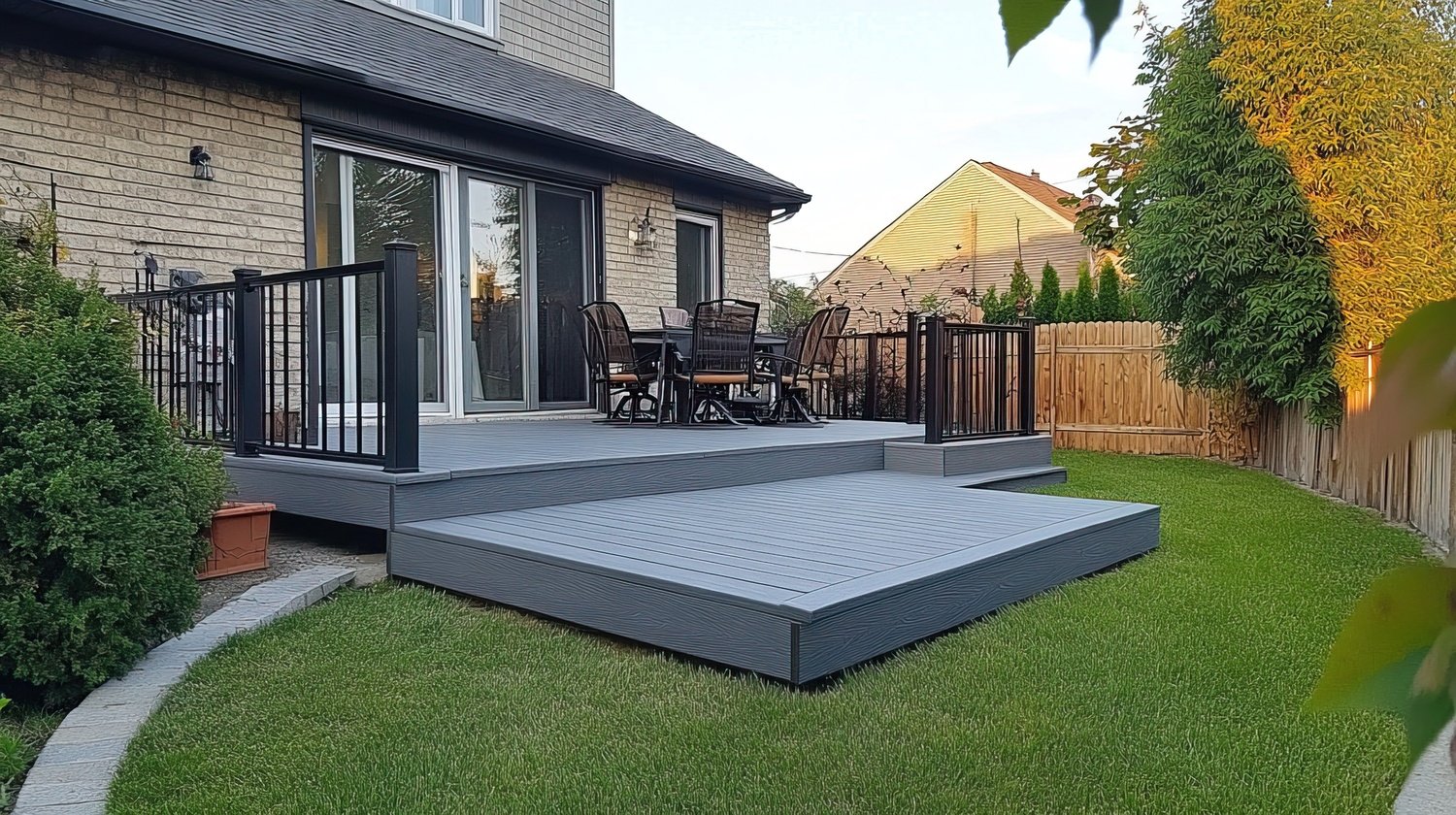
- Color Coordination: Choose composite boards in shades that match or contrast tastefully with your home’s exterior paint or siding. For instance, gray decking pairs beautifully with modern, minimalist homes, while warmer tones like brown or cedar suit traditional designs.
- Architectural Harmony: If your home features clean, geometric lines, opt for a deck with a similar structure. For a more rustic or country-style home, curved edges and natural textures can enhance the overall vibe.
- Lighting Features: Incorporate built-in lighting to highlight the deck’s design and make it functional at night. LED strips under railings or solar-powered post caps are subtle yet effective options.
Aligning the deck’s design with your home’s architecture helps create a unified and welcoming outdoor area. With this foundation, you can start thinking about the accessories that will make your deck even more functional.
Enhance Functionality with Accessories
A deck is more than just a platform; it’s an opportunity to extend your living space. Consider adding accessories that increase its functionality:
- Pergolas or Awnings: Provide shade and define the deck’s boundaries.
- Built-in Seating: Benches or sectional seating not only save space but also create a welcoming atmosphere.
- Planters and Greenery: Incorporate potted plants or vertical gardens to add a touch of nature and soften the overall look.
- Outdoor Storage: Include discreet storage options for cushions, tools, or kids’ toys to keep the area tidy.
Adding these features ensures your deck is not only practical but also visually appealing. Once the functional aspects are covered, focus on creating a seamless flow between indoor and outdoor spaces.
Optimize Flow Between Indoor and Outdoor Spaces
A seamless transition between your indoor and outdoor areas can make your deck feel like an extension of your home rather than an afterthought. Here’s how you can achieve that:
- Sliding or Folding Doors: These allow for an uninterrupted view and easy movement between spaces.
- Consistent Flooring: Use similar tones or patterns for your indoor and deck flooring to create visual continuity.
- Covered Areas: Consider extending your roof or adding a canopy to bridge the gap between inside and out.
When your deck flows naturally into your indoor space, it enhances both functionality and aesthetics. With this step complete, consider the maintenance practices that will keep your deck looking great over time.
Focus on Maintenance and Longevity
One of the best aspects of composite decking is its low-maintenance nature. To keep it looking fresh:
- Regular Cleaning: Sweep away debris and wash the surface occasionally with soapy water to prevent buildup.
- Inspect for Damage: Although rare, check for any signs of wear and address them promptly.
- Protect High-Traffic Areas: Use outdoor rugs or mats in areas that see heavy use to minimize scuffs.
Following these simple maintenance steps keeps your deck looking beautiful and functional for years to come. For those interested in eco-friendly options, there’s another way to make your deck project stand out.
Incorporate Sustainable Practices
For those prioritizing sustainability, a quality composite deck offers an environmentally friendly and practical solution. Many brands use recycled materials, reducing the environmental impact of your project. Additionally, its long lifespan means fewer replacements and less waste over time. Pair your deck with energy-efficient lighting and water-efficient irrigation for plants to make your outdoor space even greener.
Sustainable practices not only benefit the environment but also add a sense of responsibility to your home improvement project. Now, let’s wrap it all up.
Conclusion
Incorporating composite deck boards into your home’s design is an investment that can significantly enhance your lifestyle. By carefully selecting materials, planning the layout, and adding thoughtful details, you’ll create a space that’s both functional and visually appealing. With the right approach, your deck will become a natural extension of your home, offering a place to relax, entertain, and make memories for years to come. Start planning your dream deck today and take your home to the next level.
Image
