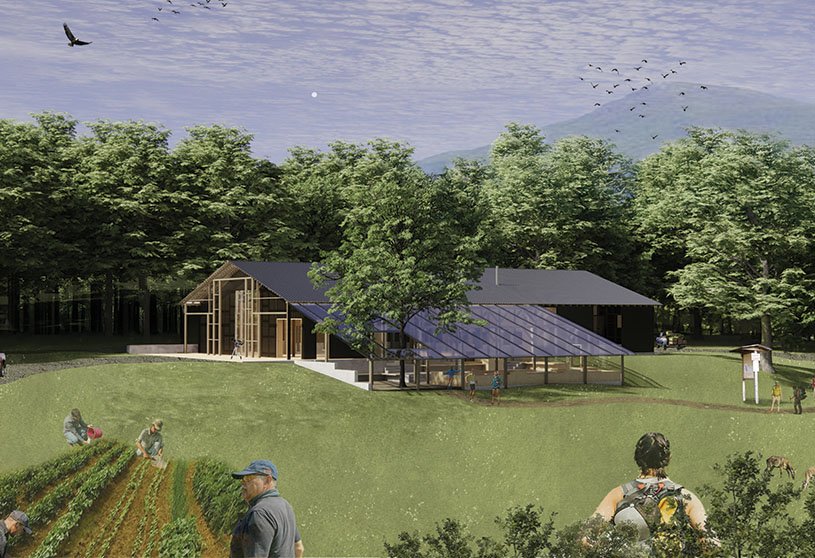
Excerpt: ‘The Role of Collective Memory in Strengthening the Concept Therapeutic Landscape’ is an architecture thesis by Andrea Đorđević from the ‘University of Belgrade – Faculty of Architecture.’ This study examines how collective memory shapes the therapeutic landscape of Niš spa through its cultural heritage and healing waters. Using perspectives from sociology, psychology, anthropology, and architecture, it employs heritage analysis, interviews, surveys, and mapping to develop design principles that enhance the spa’s therapeutic potential.
Introduction: This research aims to explore the role of collective memory in reinforcing the concept of the therapeutic landscape, using the Niš spa as a case study. It investigates collective memory through the lenses of sociology, psychology, and anthropology, while examining the therapeutic landscape from the perspectives of biology, architecture, psychology, and philosophy.
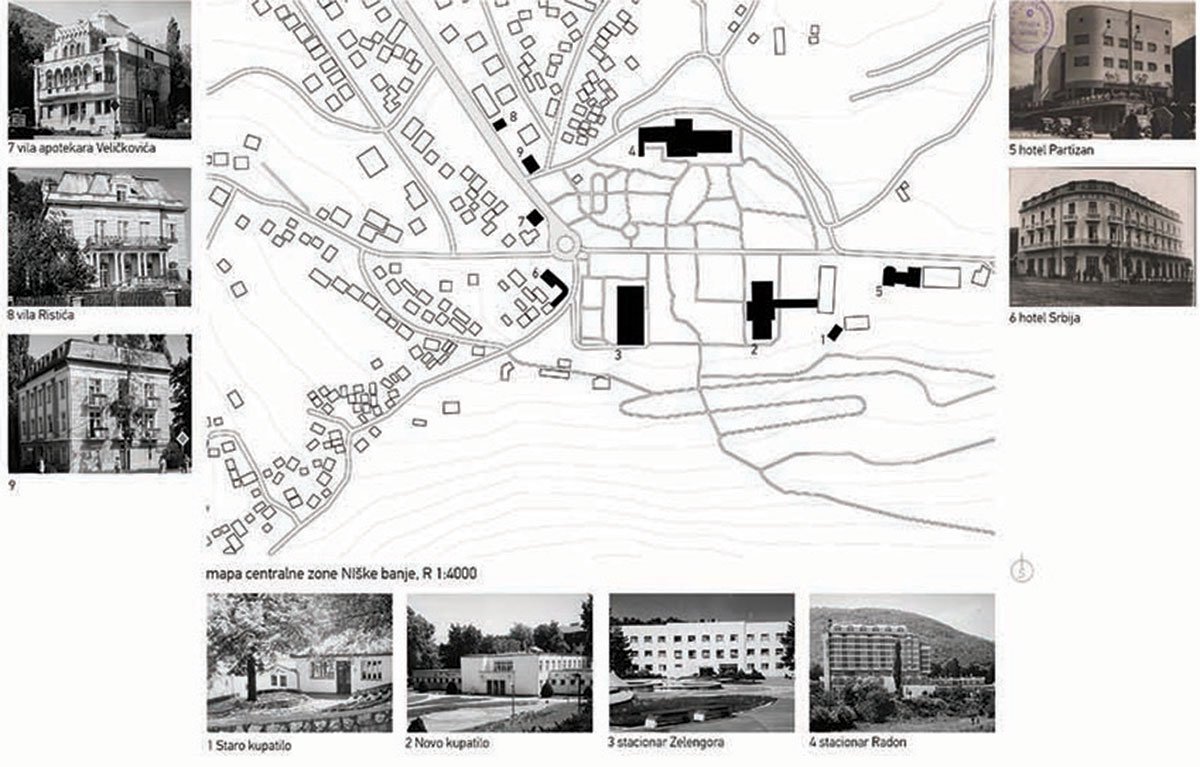
Collective memory is analyzed through the spa’s cultural heritage, including architecture, songs, films, and photographs. As the spa’s healing water is its most significant asset, the therapeutic landscape plays a crucial role in the collective memory of both Niš and Niška spa residents. The study employs methods such as historical and cultural heritage analysis, interviews, surveys, and mapping. The anticipated outcome is a set of design principles for spa facilities, followed by their evaluation and refinement to optimize the existing potential for therapeutic interventions.
Niška Spa, one of the oldest cultural landmarks near Niš, has great potential as a therapeutic retreat, renowned for its healing waters, lush greenery, and fresh air. Alongside its natural benefits, the spa also holds a rich cultural heritage. This study examines the spa through the lens of collective memory, which weaves together its history, social dynamics, and activities.
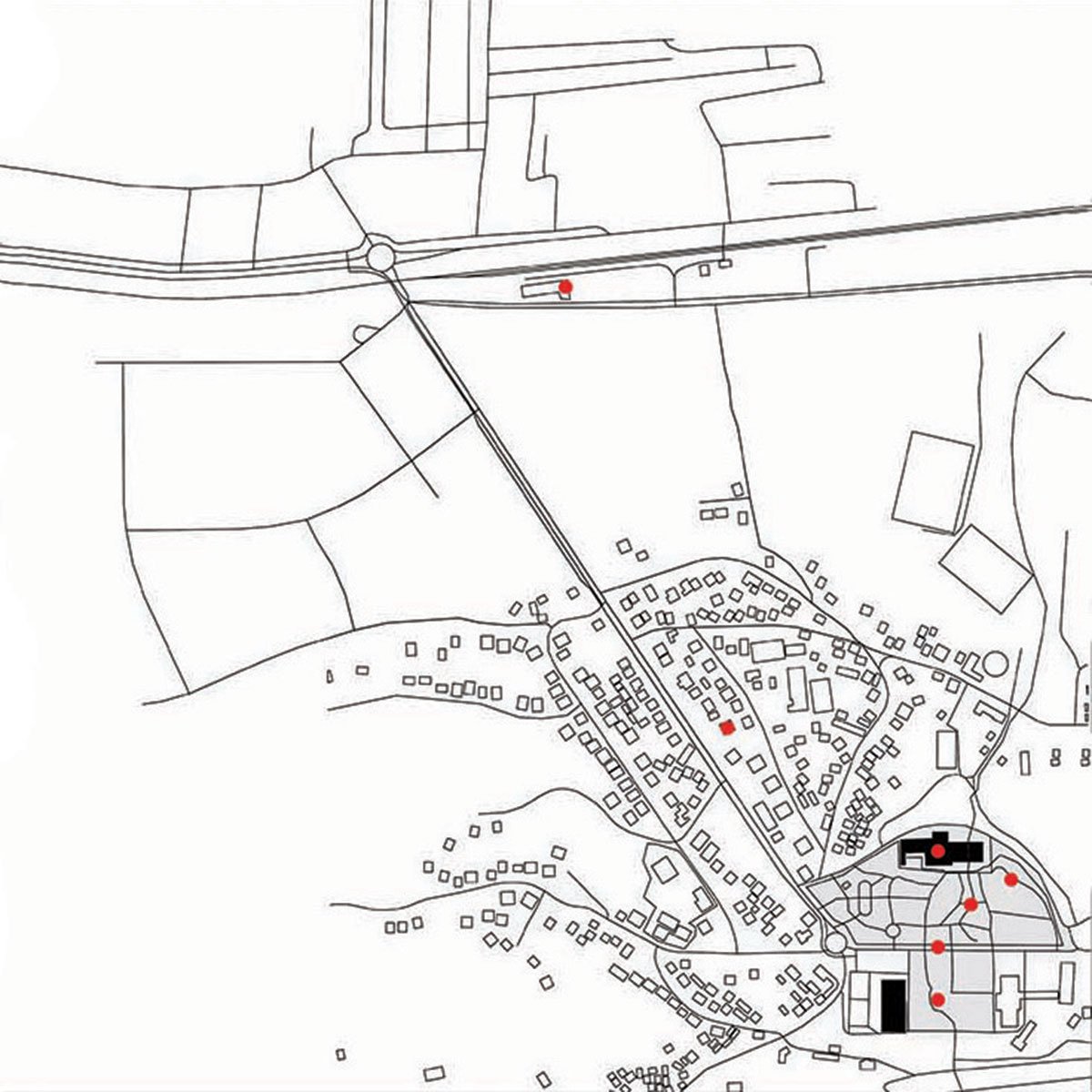
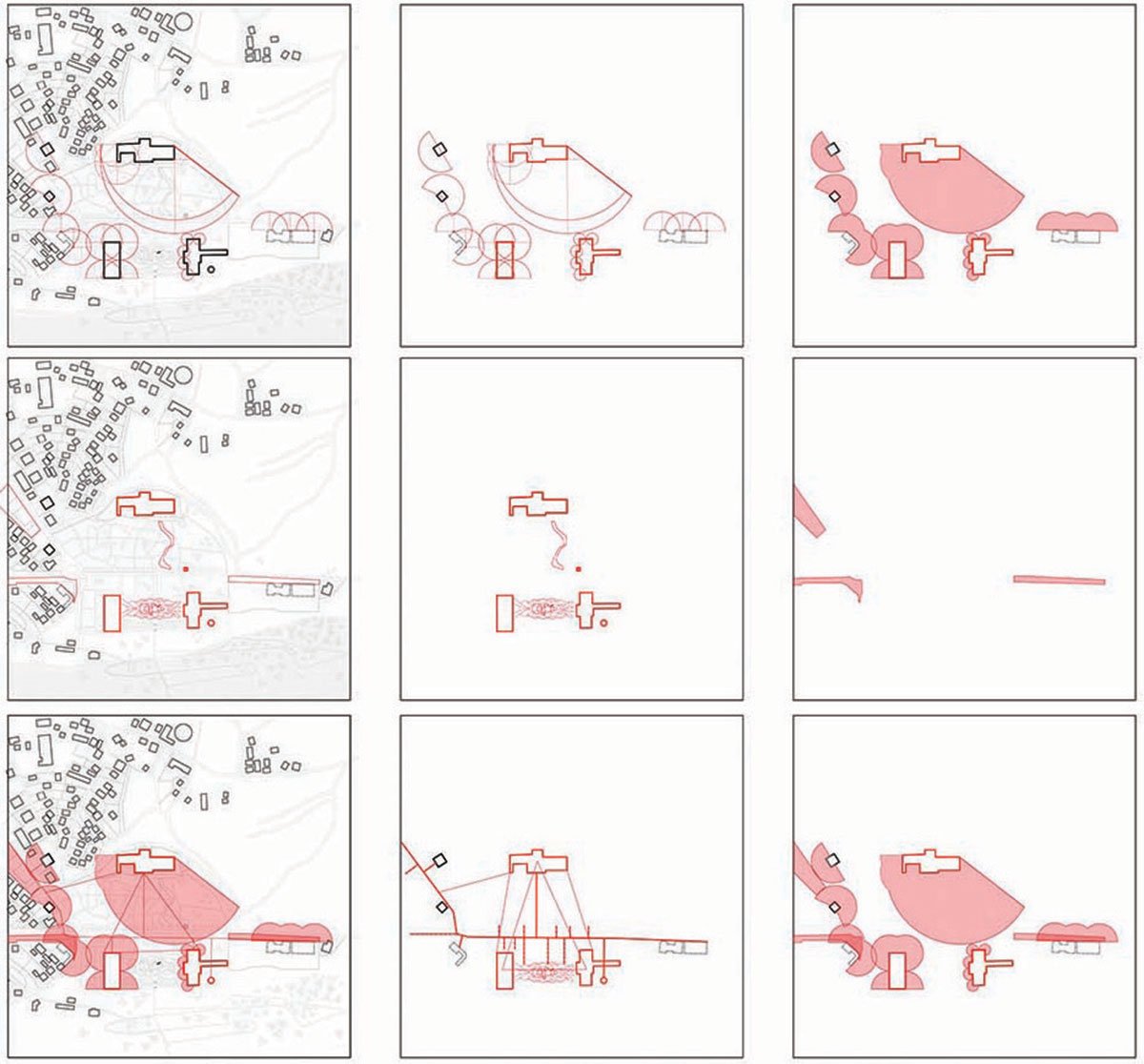
Site LocationLines of Movement
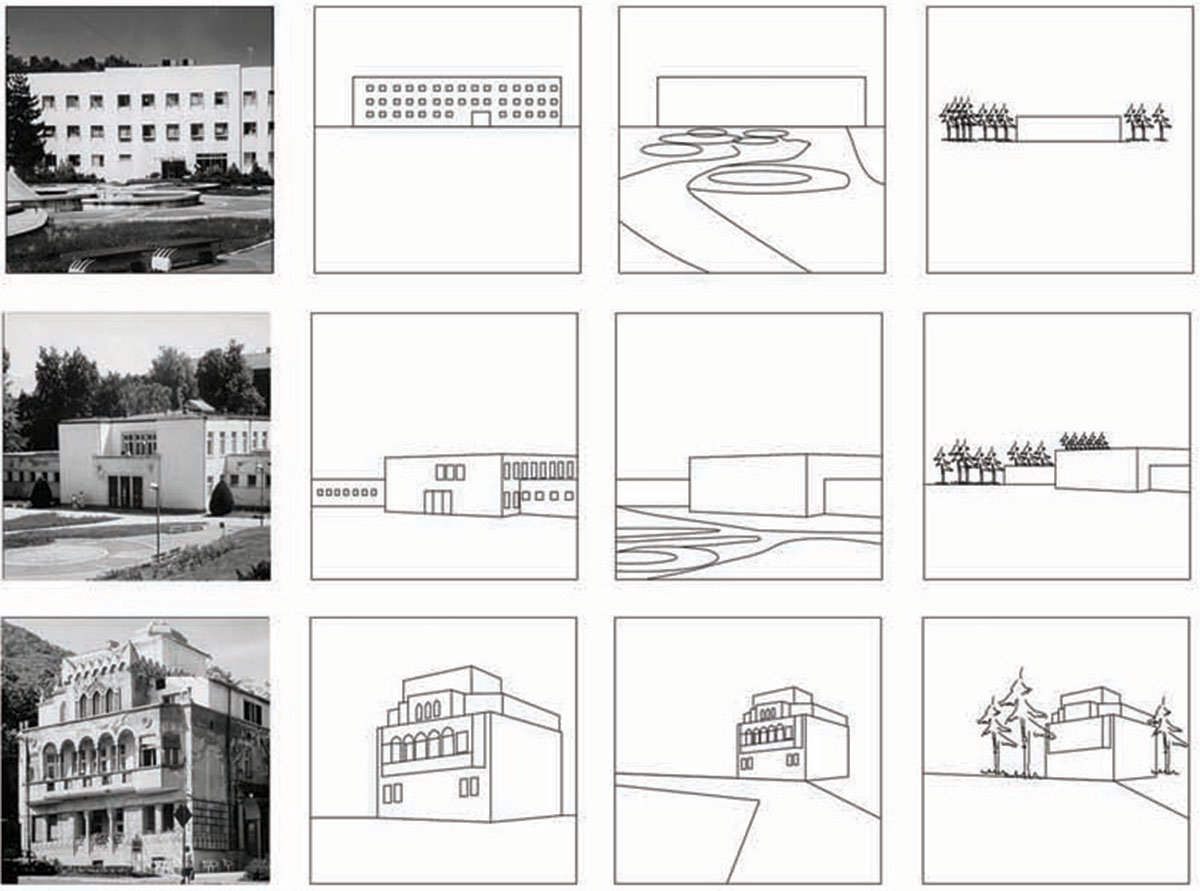
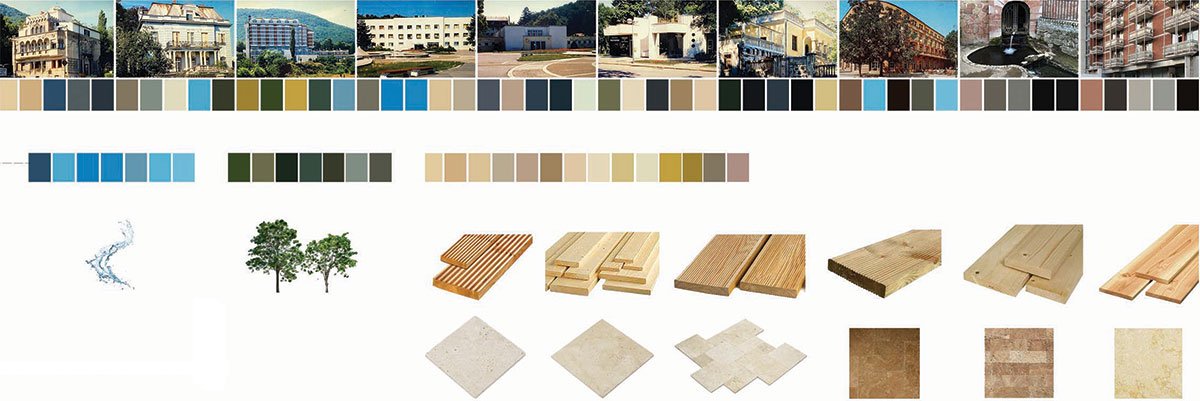
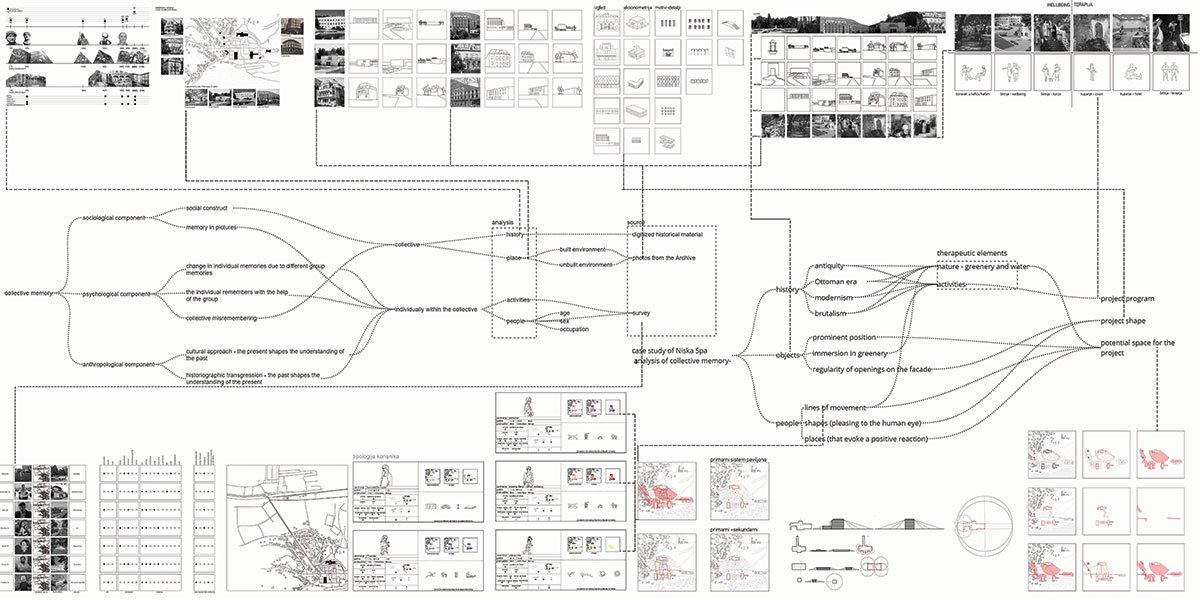
To uncover key insights, the research relied on archival photographs, historical documents, and interviews with local residents. Archival photographs, in particular, served as a crucial visual record of past events, cultural traditions, and everyday life. Around 3,000 photographs from the Niš City Archive were analyzed, with the frequency of certain elements helping to identify significant aspects of collective memory. These elements were further examined in terms of form, pattern, texture, and material, ensuring their reinterpretation in a modern design context.
Potential Space for the Project
Interviews with residents also shed light on the most frequently visited public spaces and landscapes, influencing the selection of the project’s location. By blending historical significance with contemporary design, the project aims to restore and celebrate the enduring essence of Niška Spa. The established principles serve as a foundation for exploring how collective memory contributes to strengthening the therapeutic landscape.
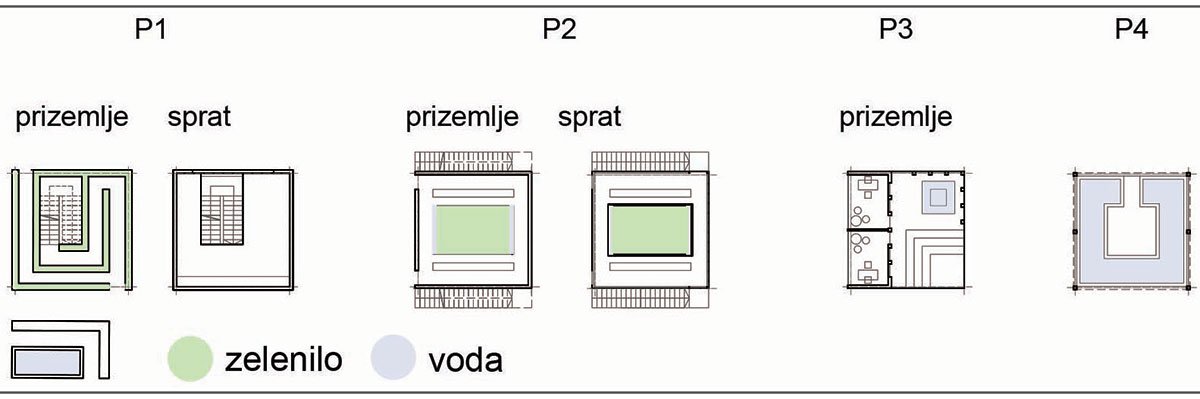
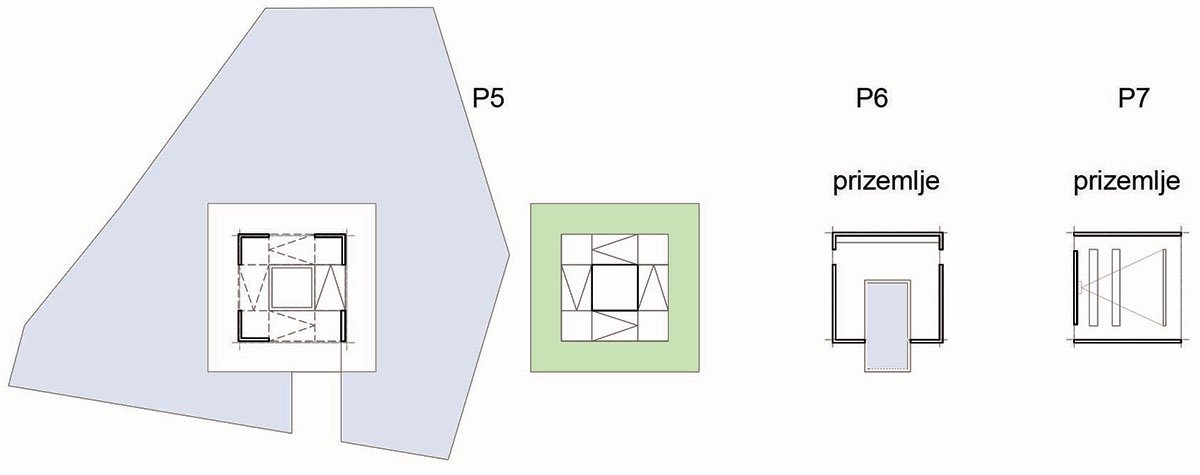
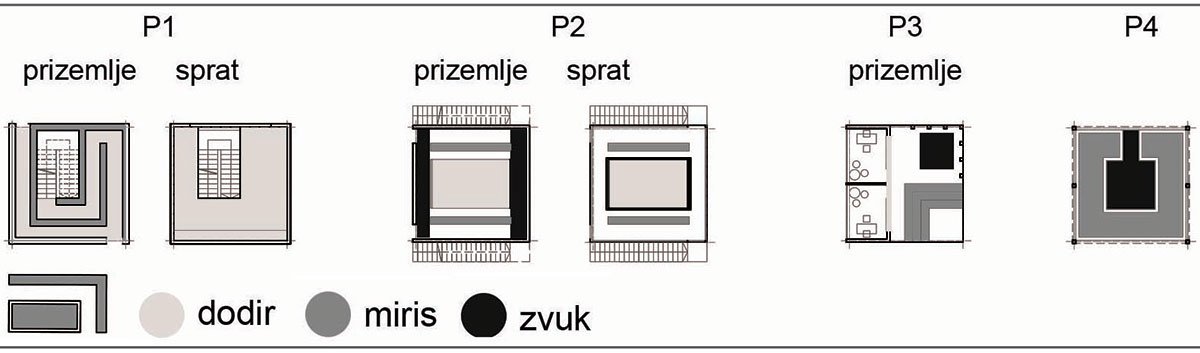
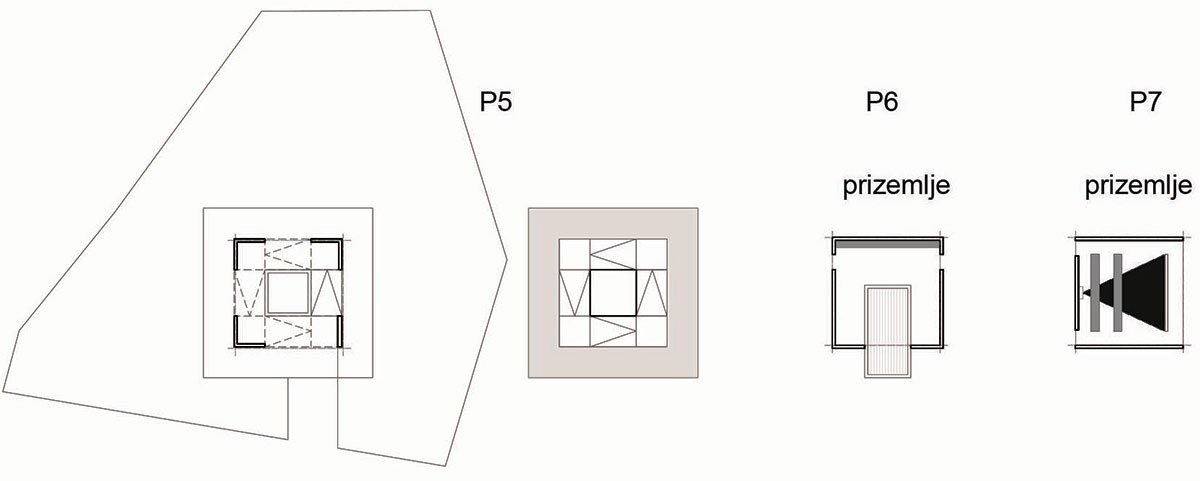
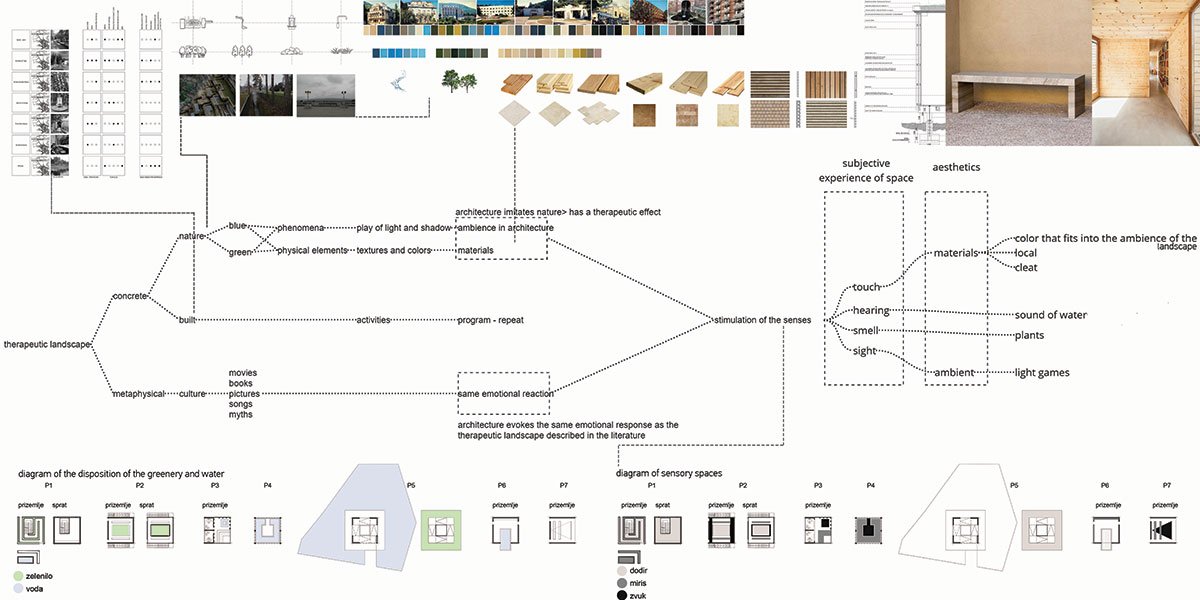
The goal was to utilize principles derived from collective memory as a design tool to enhance the therapeutic qualities of the landscape. The concept of a therapeutic landscape is considered in both its tangible and intangible aspects. For an architectural space to have a therapeutic impact, it should evoke sensory experiences similar to those found in nature, achieved through contrasts and the dynamic interplay of light and shadow.
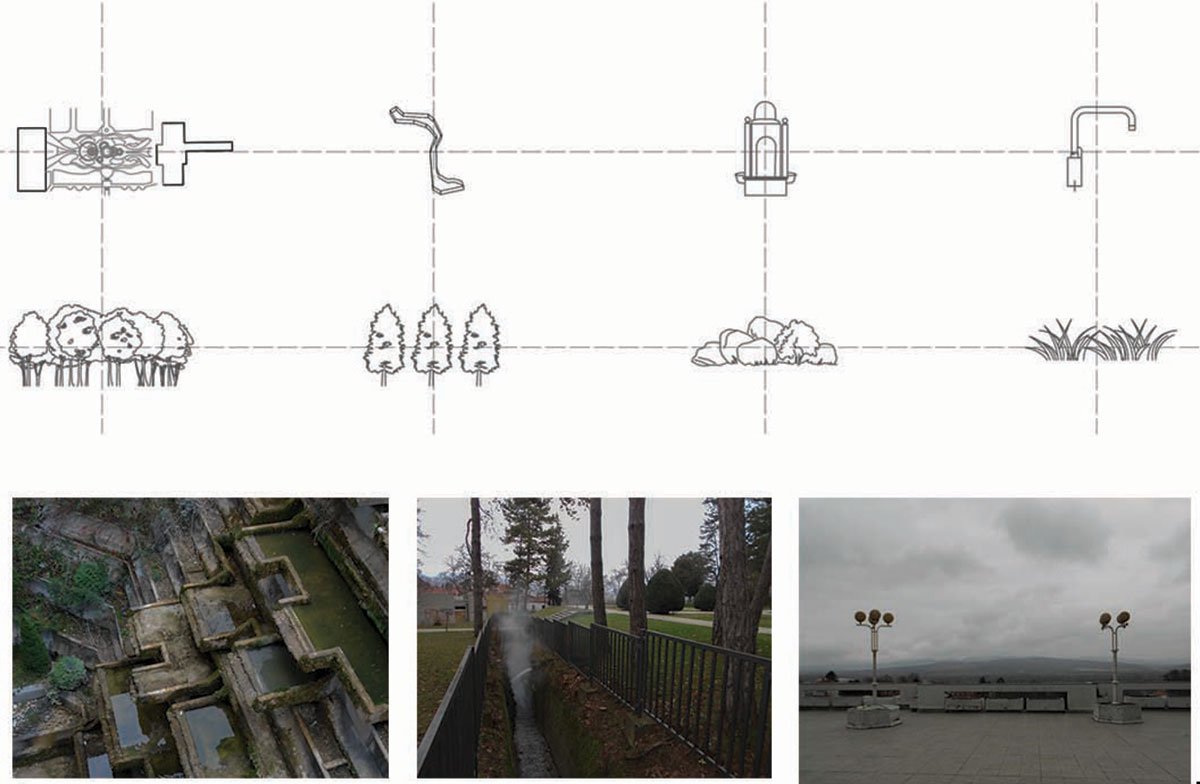
Diagram of the Disposition of the Greenery and WaterDiagram of the Disposition of the Greenery and Water
Moreover, the selection of textures should complement the spatial character of the built environment, while materials and colors must blend harmoniously with the surrounding landscape. If a particular space or object has historically provided therapeutic benefits through the activities it fosters, those activities should be preserved and thoughtfully reintroduced.
Diagram of Sensory SpacesDiagram of Sensory Spaces
By integrating these principles, the project seeks to create a cohesive, restorative environment that not only honors collective memory but also fosters healing and well-being.
Final Outcome
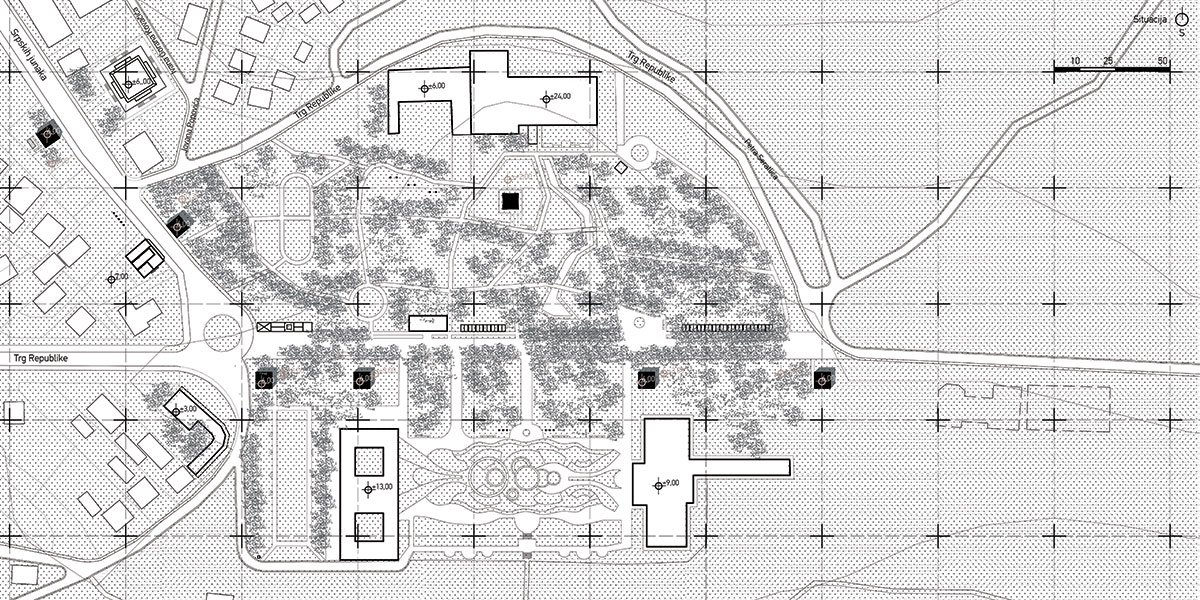
MasterplanMasterplan
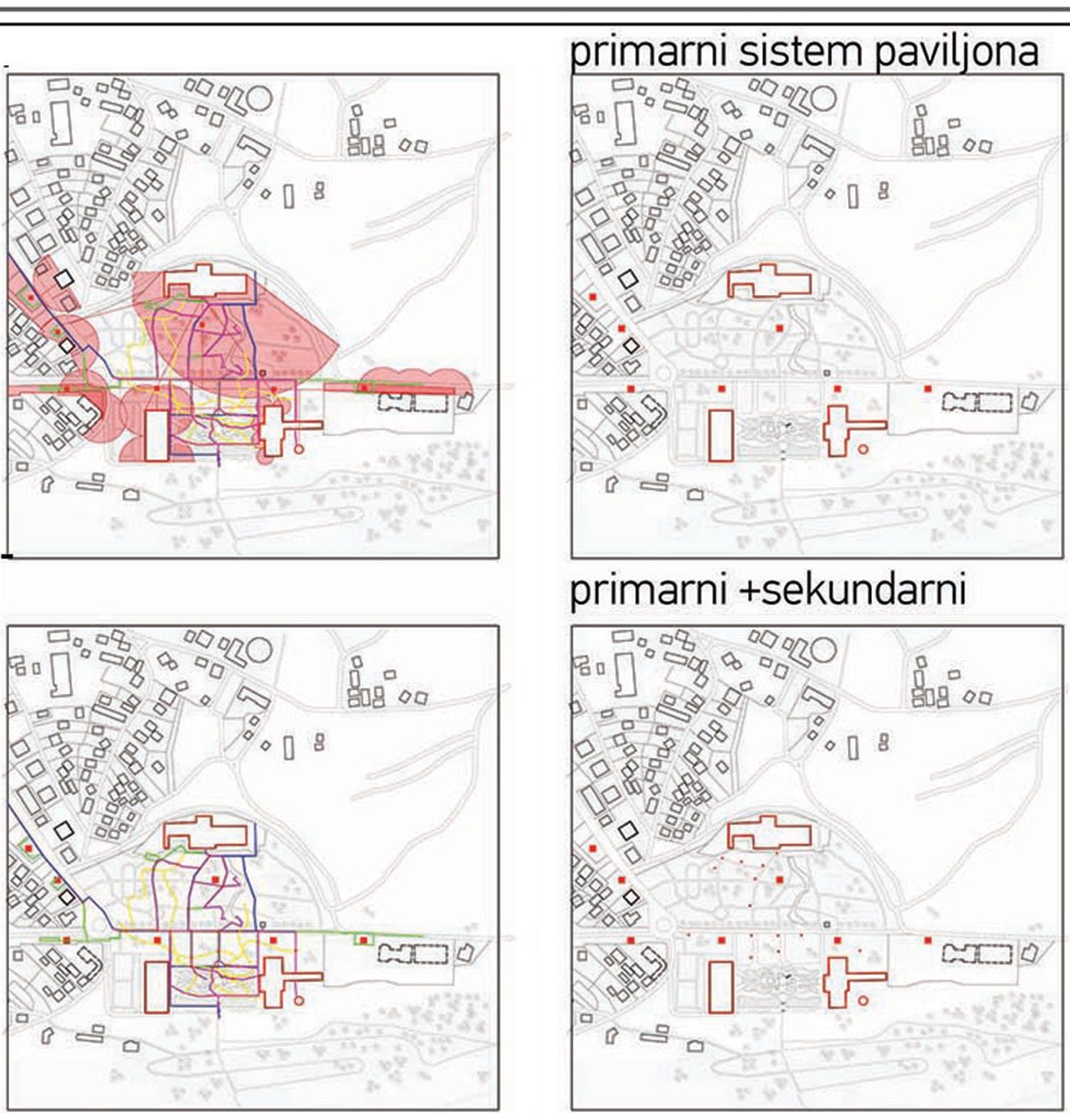
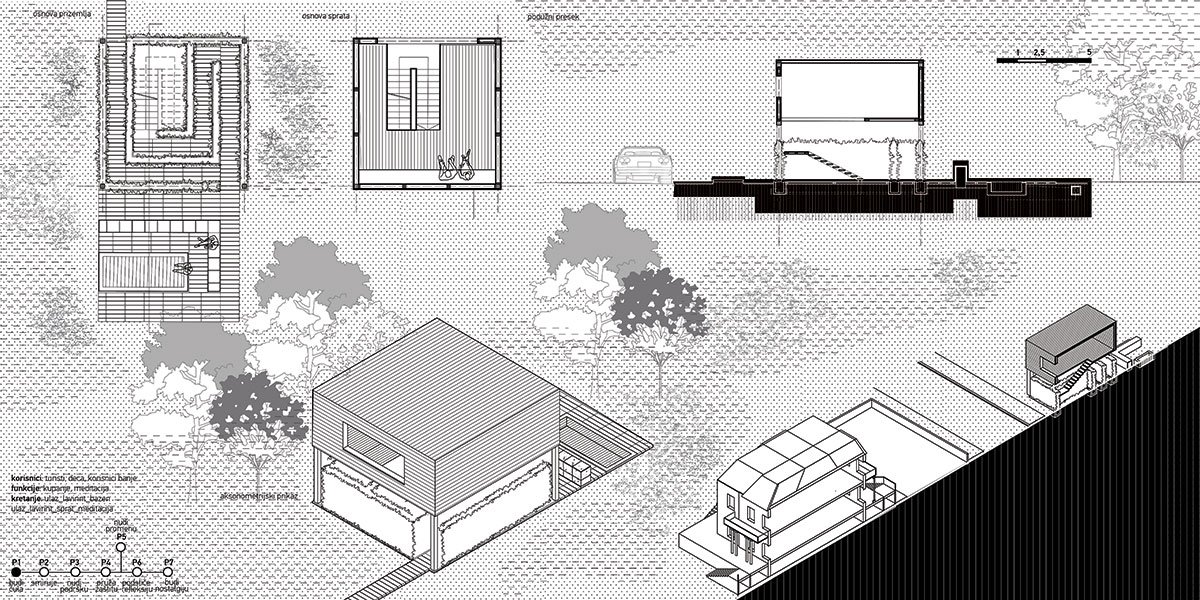
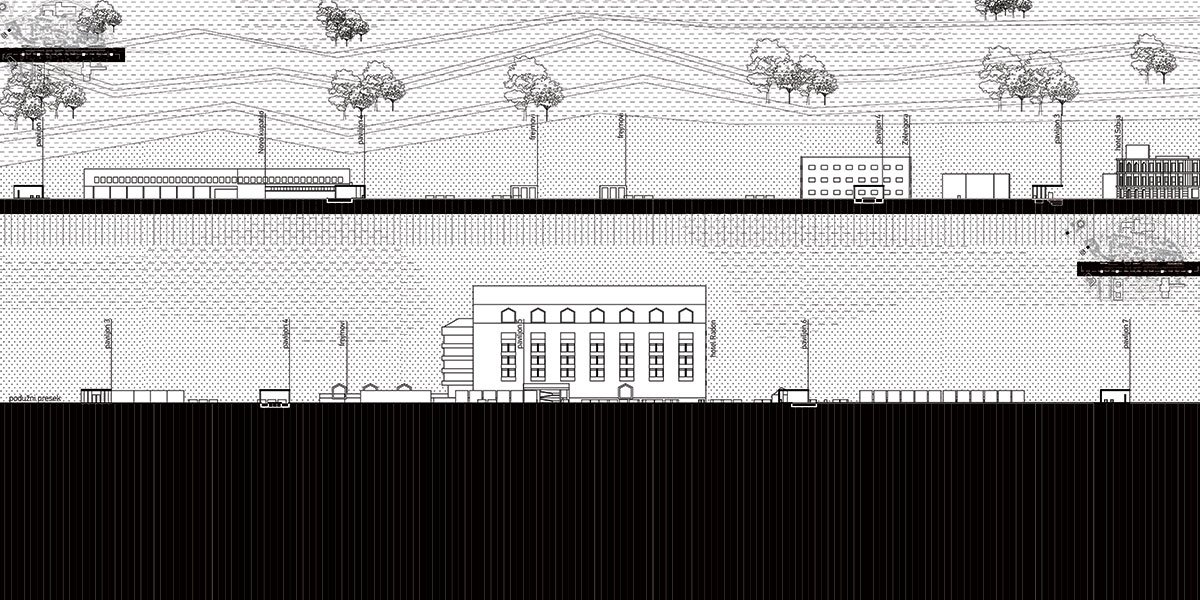
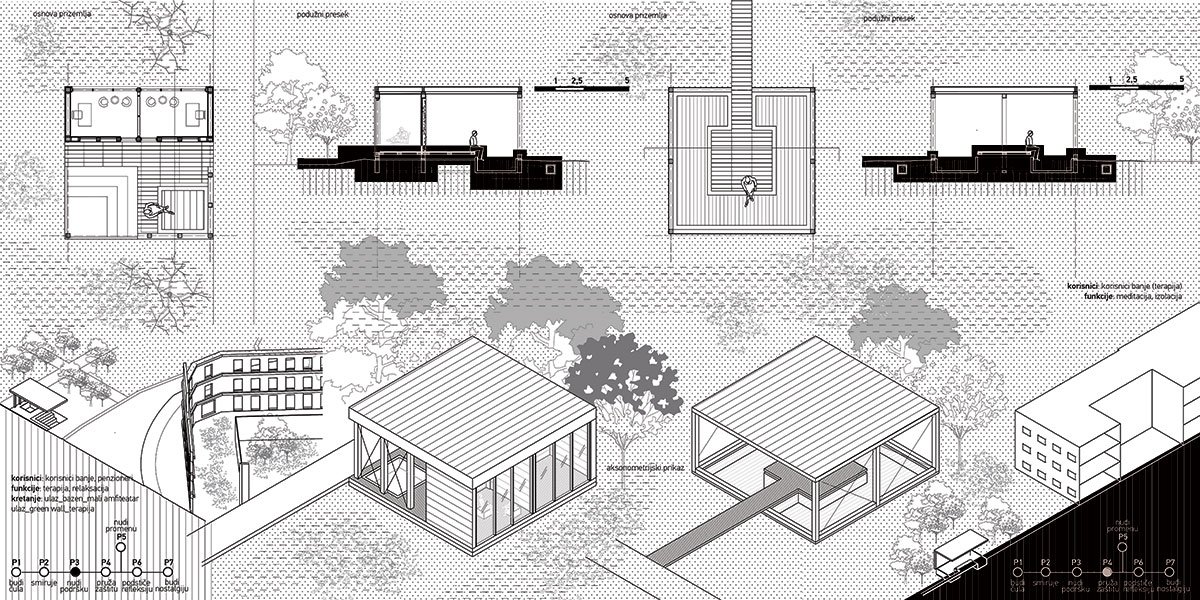
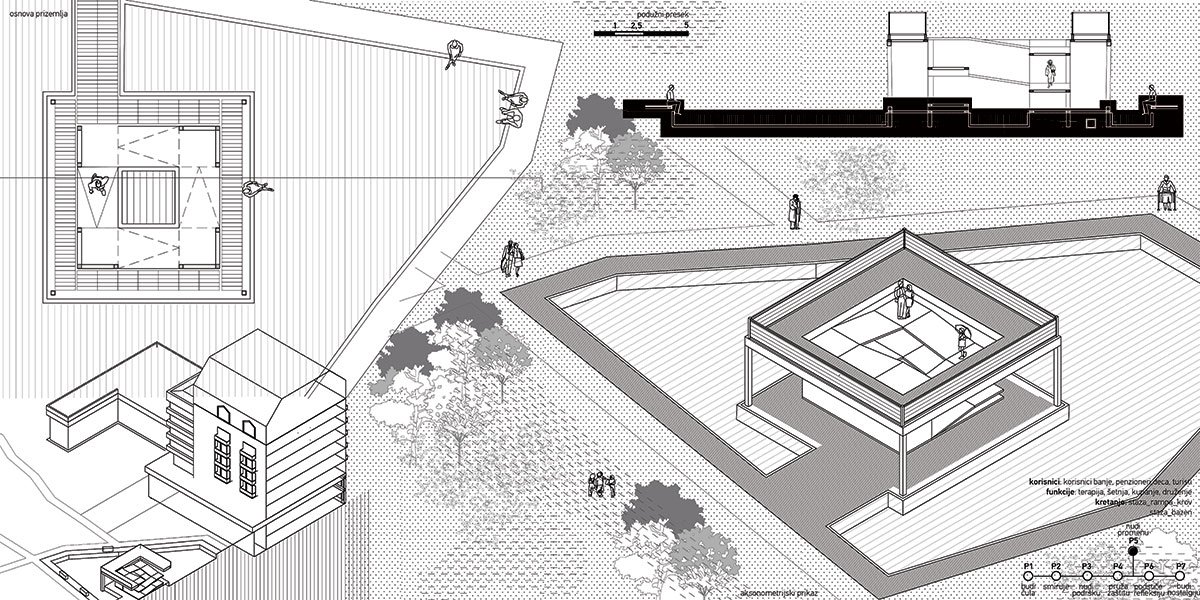
By analyzing users—their preferences, movement patterns, and viewing angles—the scope and spatial framework of the intervention were defined. The intervention consists of a primary and secondary system. The primary system includes seven pavilions strategically placed near significant elements of collective memory, while the secondary system emerges from the intersections of user movement paths, forming a series of micro-interventions.
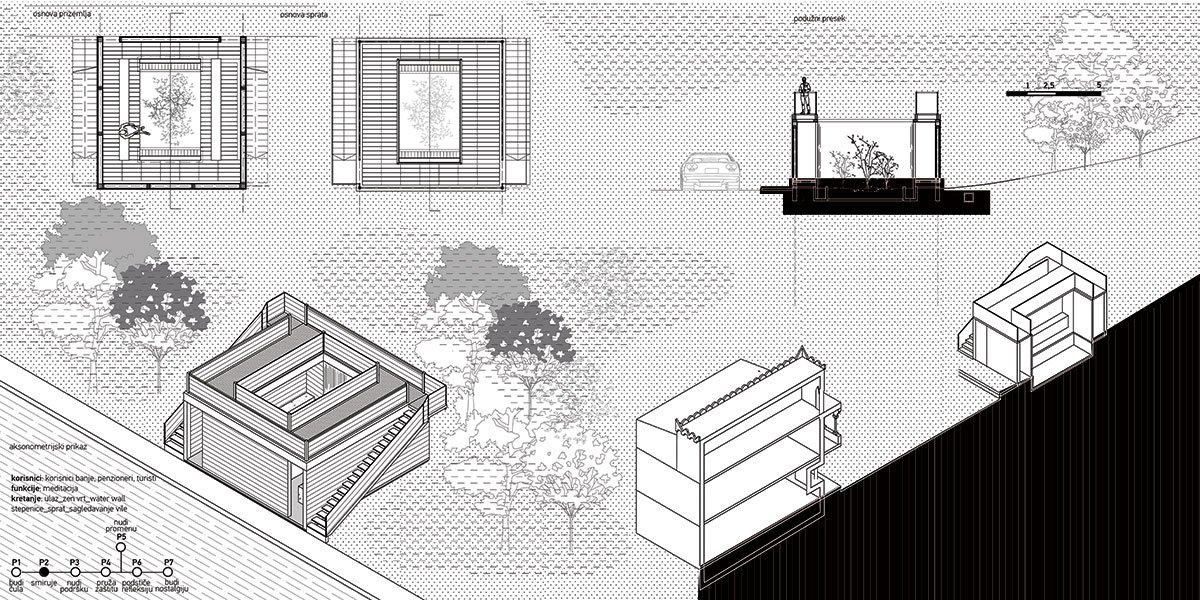
Pavilion DesignSectionsPavilion Design
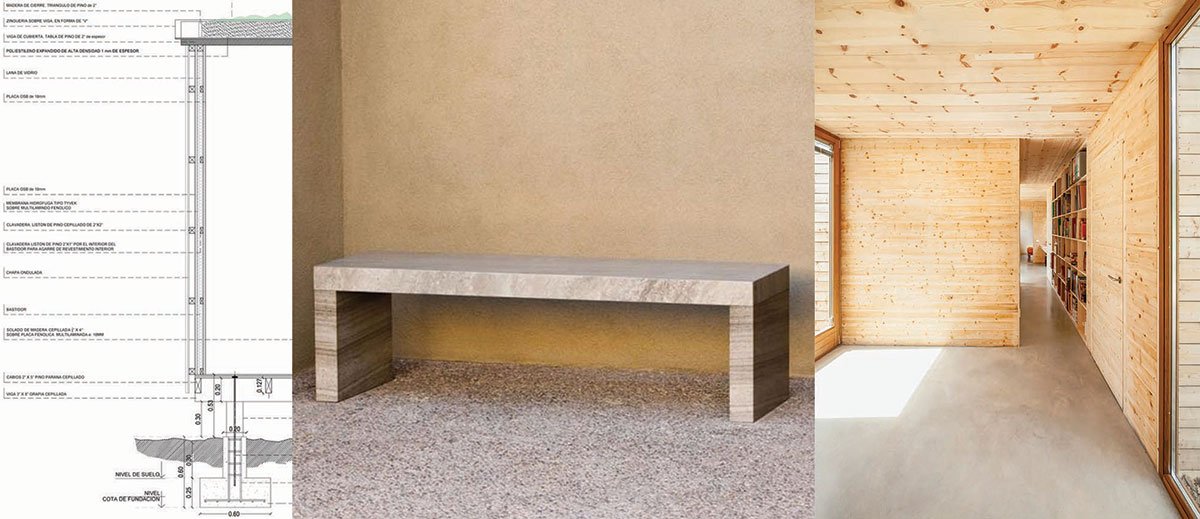
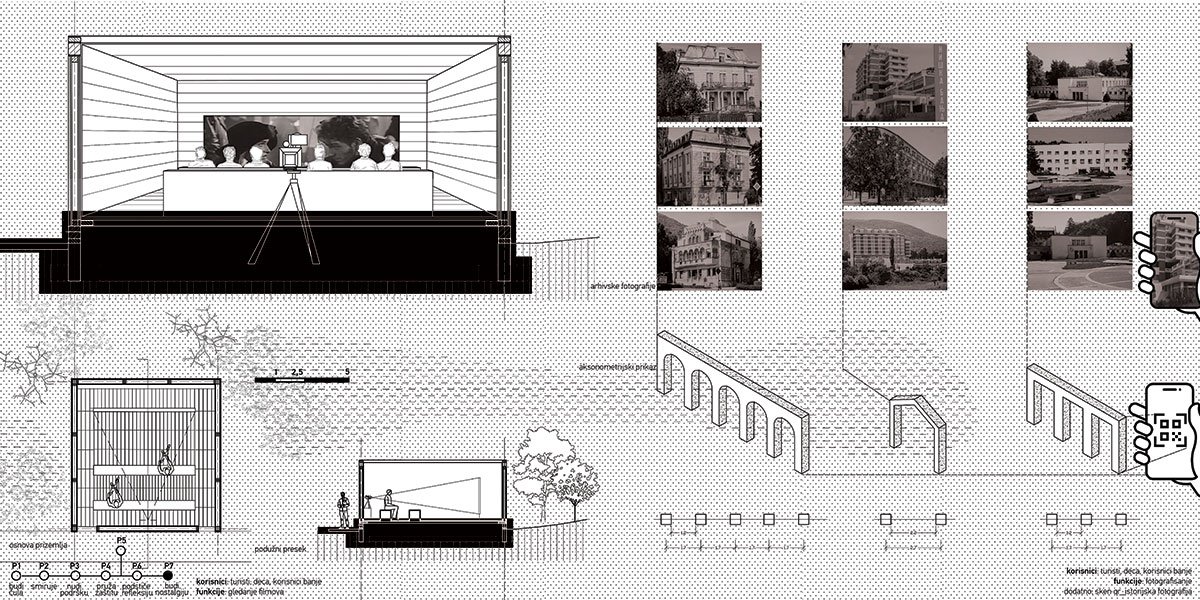
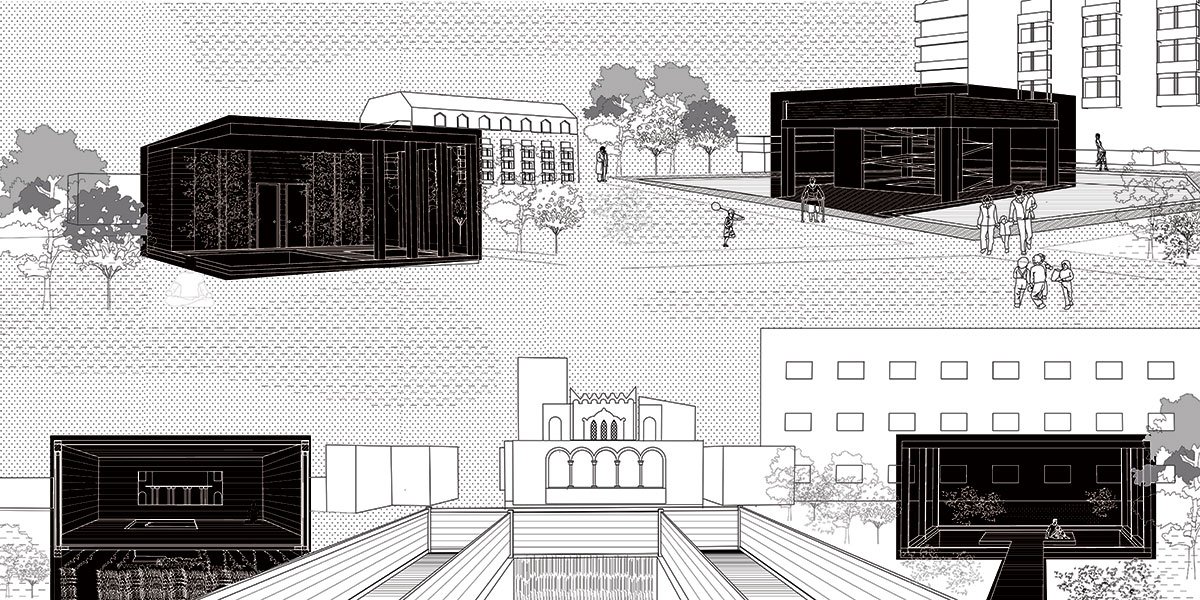
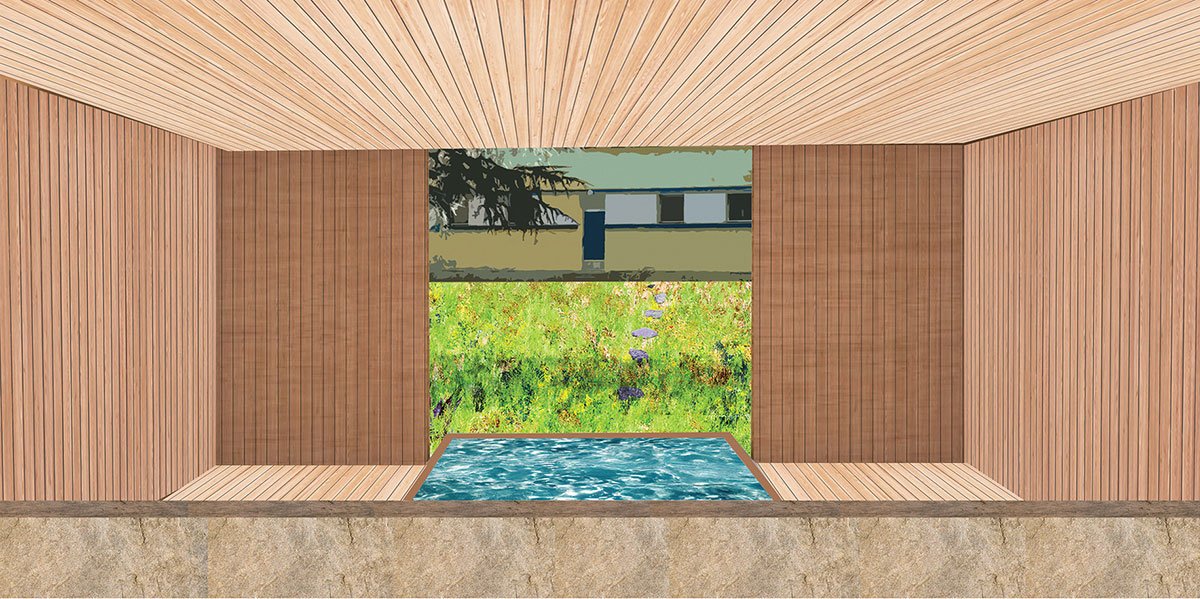
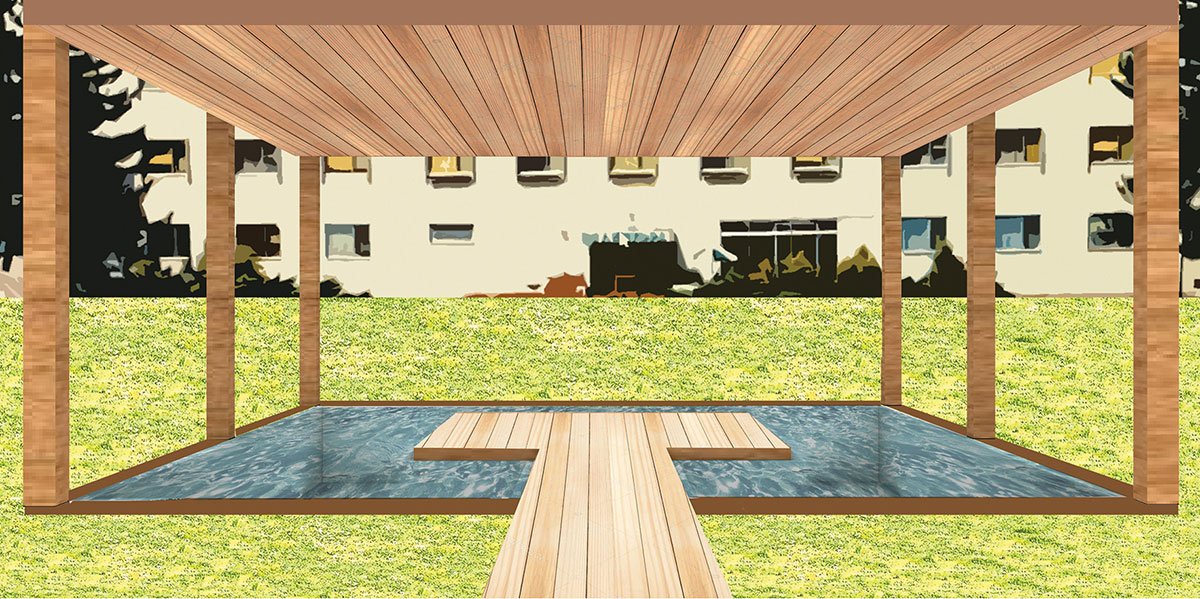
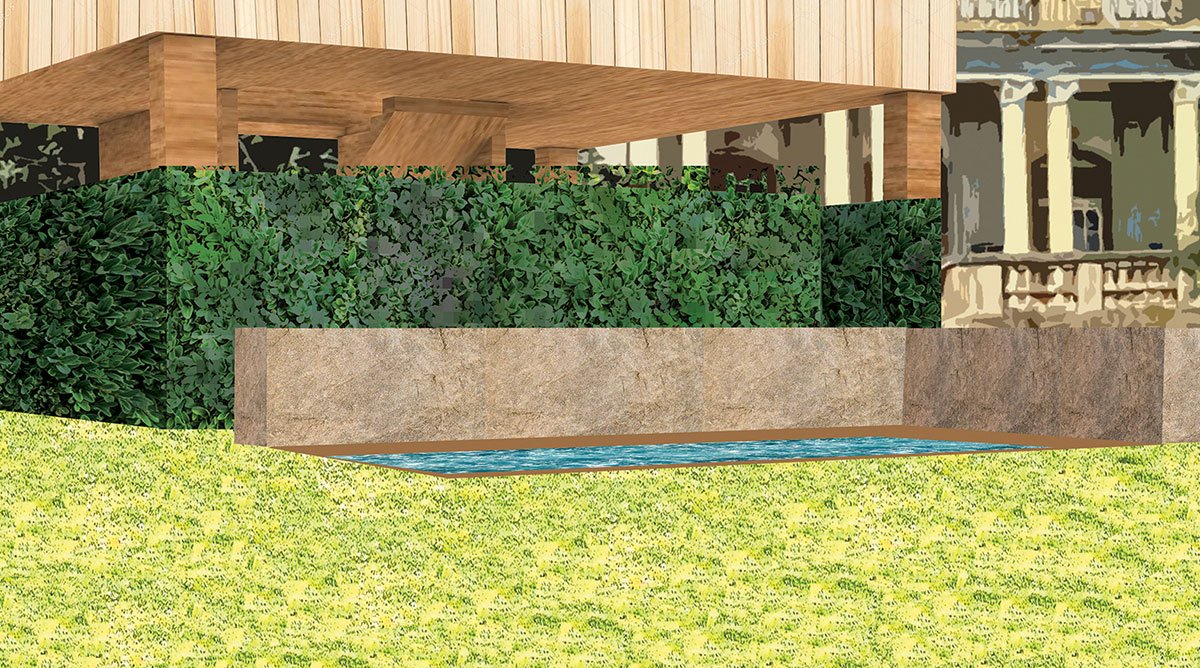
Each pavilion in the primary system is designed to evoke a distinct emotional and cognitive response—such as intuition, serenity, support, protection, change, reflection, and nostalgia—while simultaneously fostering a therapeutic effect. The materials are carefully selected to blend seamlessly with the environment, making the pavilions appear as though they naturally emerge from the landscape.
Pavilion DesignPavilion Design
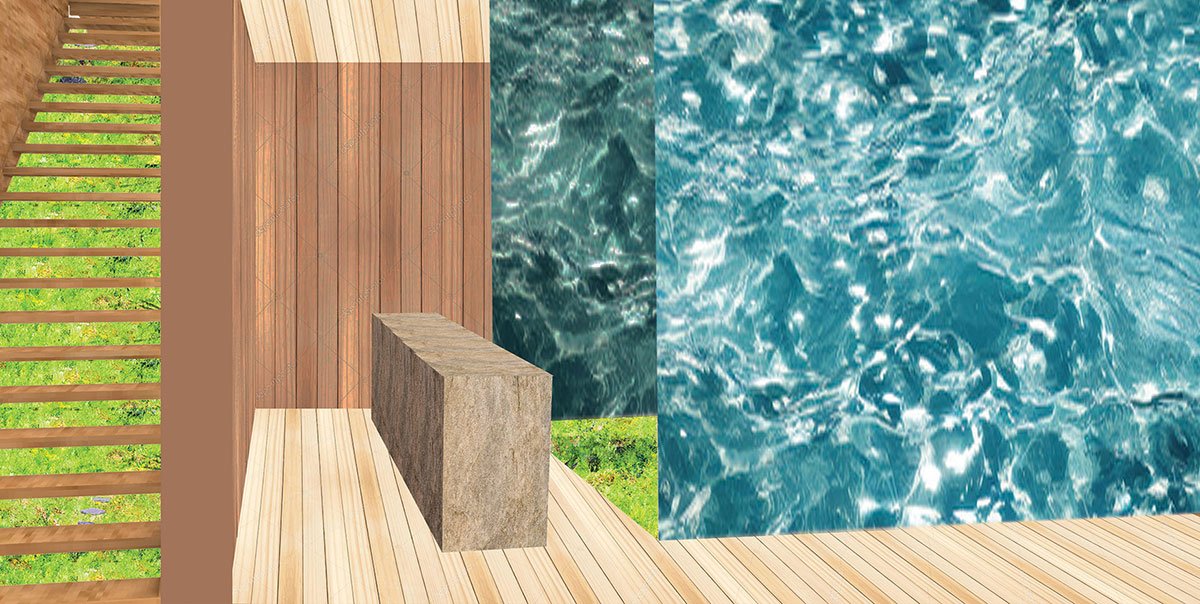
Emphasis is placed on the sensory experience, incorporating elements like textures, light and shadow, greenery, and water to enhance the user’s interaction with the space. The design of each pavilion is site-specific, shaped by an in-depth environmental analysis. These structures aim to inspire curiosity, wonder, and admiration, mirroring the emotional response typically triggered by objects of collective memory.
Pavilion DesignAmbientsMaterials
The secondary interventions are minimalistic in form but leverage technology to introduce users to metaphysical spaces. Examples include music benches that create an immersive auditory experience or QR code activations that reveal historical imagery or alternative realities, offering a deeper connection between past and present.
MaterialsMaterials
Conclusion: This project reinterprets collective memory to enhance Niška Spa’s therapeutic landscape, blending history, nature, and modern design. Through sensory-driven pavilions and interactive interventions, it preserves cultural heritage while promoting well-being and connection.
[This Academic Project has been published with text and images submitted by the student]
Site Context
Design Process
Final Outcome
To submit your academic project for publication at ArchiDiaries, please visit the following link >> Submit
Get the best of ArchiDiaries, directly in your inbox.
We use cookies on our website to give you the most relevant experience by remembering your preferences and repeat visits. By clicking “Accept All”, you consent to the use of ALL the cookies. However, you may visit "Cookie Settings" to provide a controlled consent.
This website uses cookies to improve your experience while you navigate through the website. Out of these, the cookies that are categorized as necessary are stored on your browser as they are essential for the working of basic functionalities of the website. We also use third-party cookies that help us analyze and understand how you use this website. These cookies will be stored in your browser only with your consent. You also have the option to opt-out of these cookies. But opting out of some of these cookies may affect your browsing experience.
Necessary cookies are absolutely essential for the website to function properly. These cookies ensure basic functionalities and security features of the website, anonymously.
Cookie
Duration
Description
cookielawinfo-checkbox-analytics
11 months
This cookie is set by GDPR Cookie Consent plugin. The cookie is used to store the user consent for the cookies in the category "Analytics".
cookielawinfo-checkbox-functional
11 months
The cookie is set by GDPR cookie consent to record the user consent for the cookies in the category "Functional".
cookielawinfo-checkbox-necessary
11 months
This cookie is set by GDPR Cookie Consent plugin. The cookies is used to store the user consent for the cookies in the category "Necessary".
cookielawinfo-checkbox-others
11 months
This cookie is set by GDPR Cookie Consent plugin. The cookie is used to store the user consent for the cookies in the category "Other.
cookielawinfo-checkbox-performance
11 months
This cookie is set by GDPR Cookie Consent plugin. The cookie is used to store the user consent for the cookies in the category "Performance".
viewed_cookie_policy
11 months
The cookie is set by the GDPR Cookie Consent plugin and is used to store whether or not user has consented to the use of cookies. It does not store any personal data.
Functional cookies help to perform certain functionalities like sharing the content of the website on social media platforms, collect feedbacks, and other third-party features.
Performance cookies are used to understand and analyze the key performance indexes of the website which helps in delivering a better user experience for the visitors.
Analytical cookies are used to understand how visitors interact with the website. These cookies help provide information on metrics the number of visitors, bounce rate, traffic source, etc.
Advertisement cookies are used to provide visitors with relevant ads and marketing campaigns. These cookies track visitors across websites and collect information to provide customized ads.