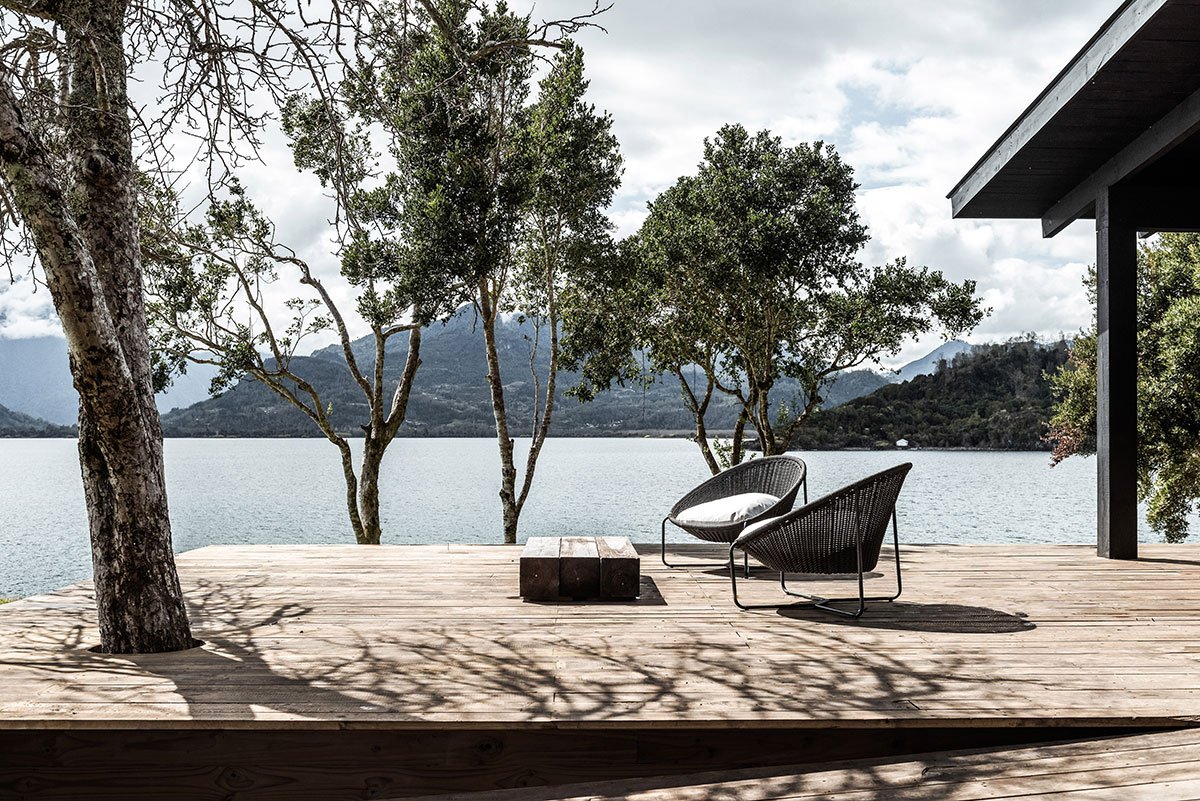
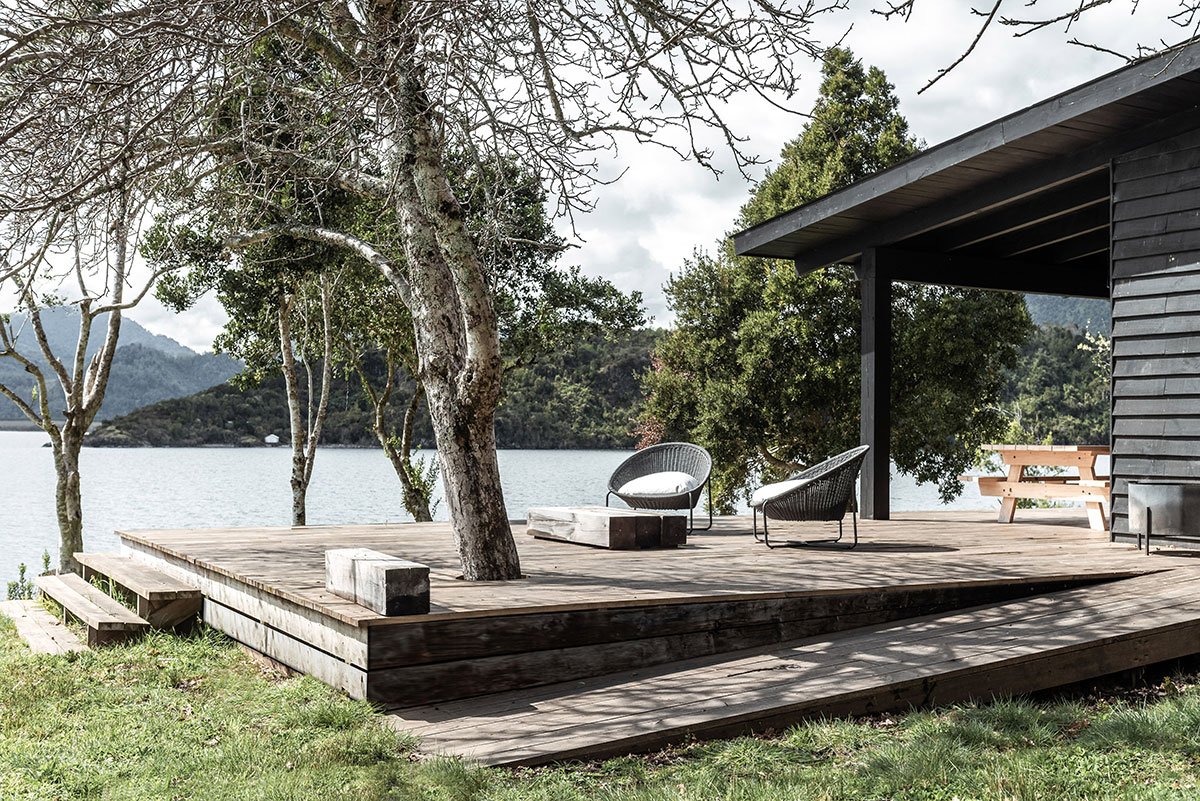
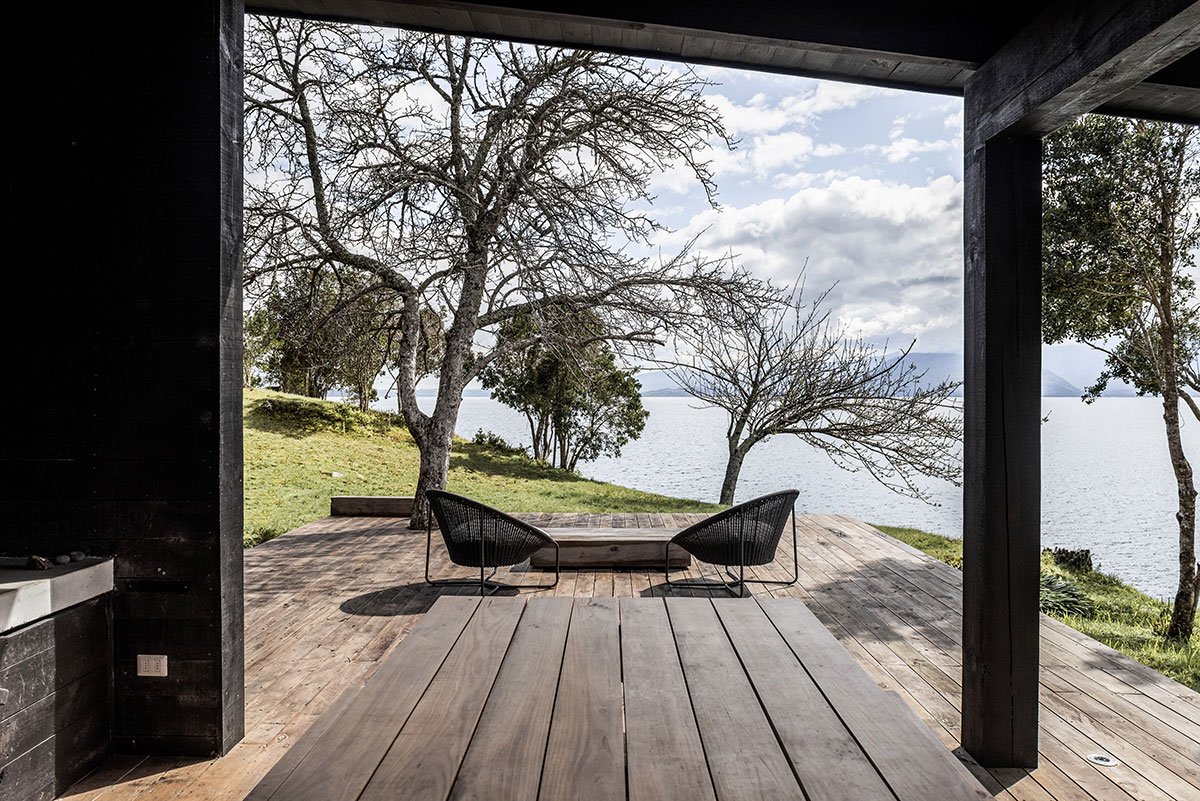
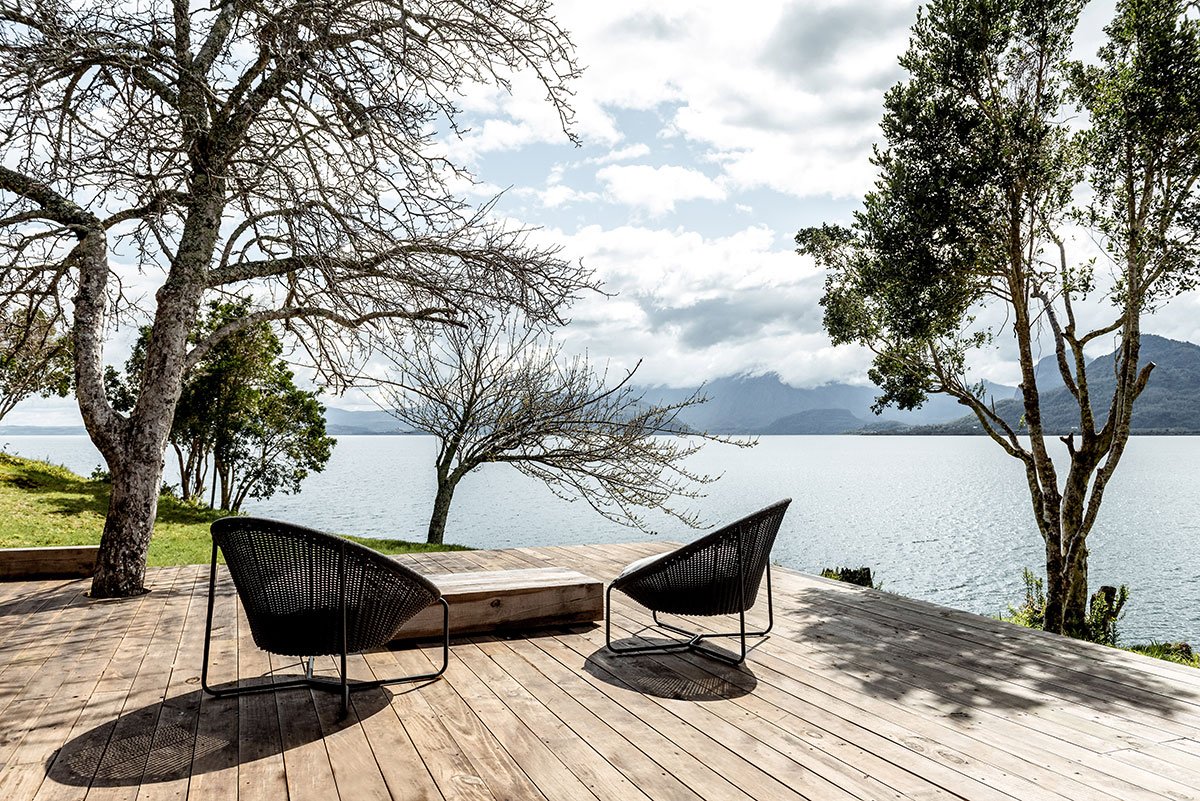
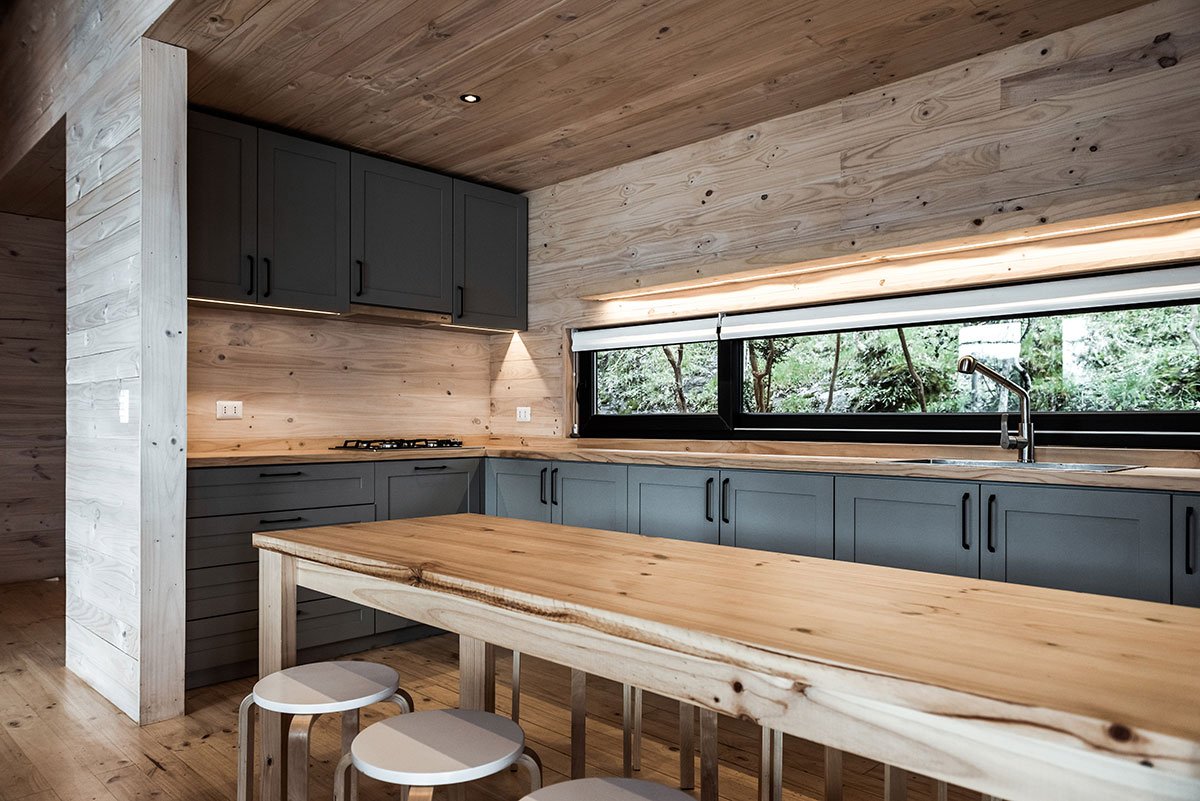
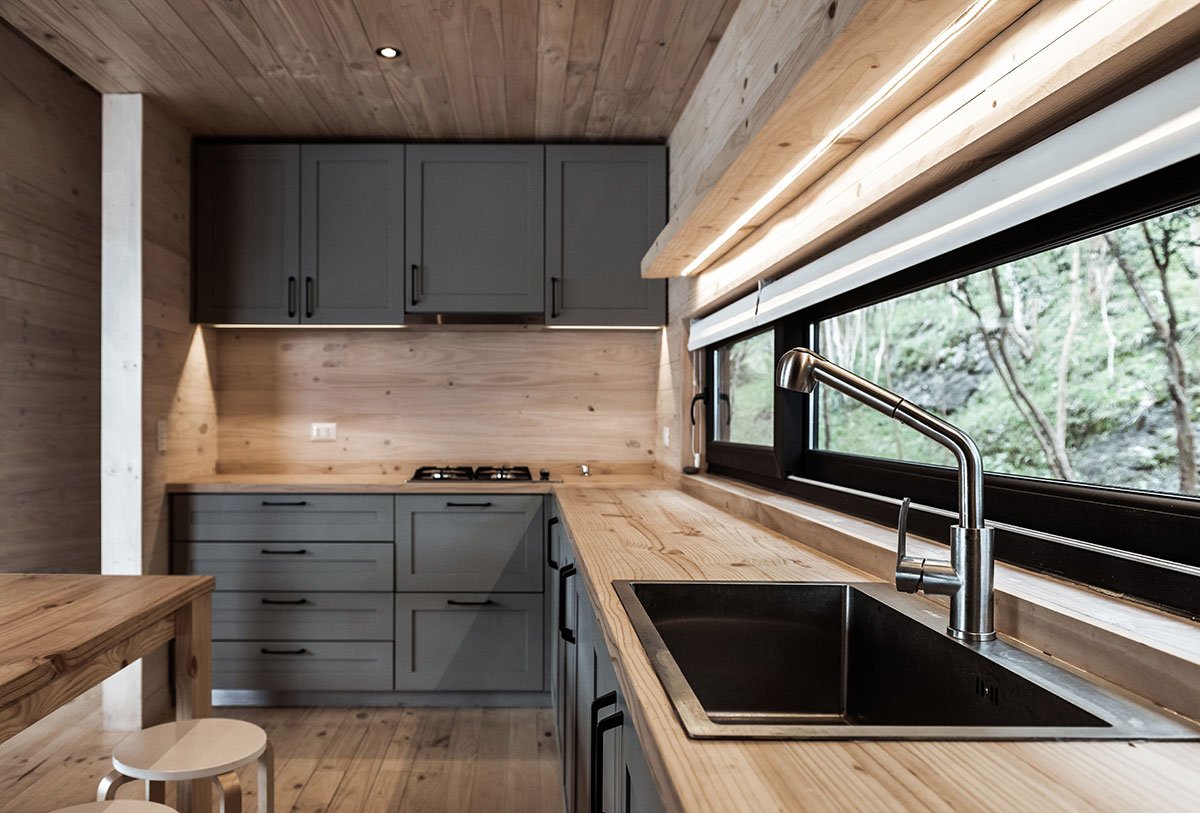
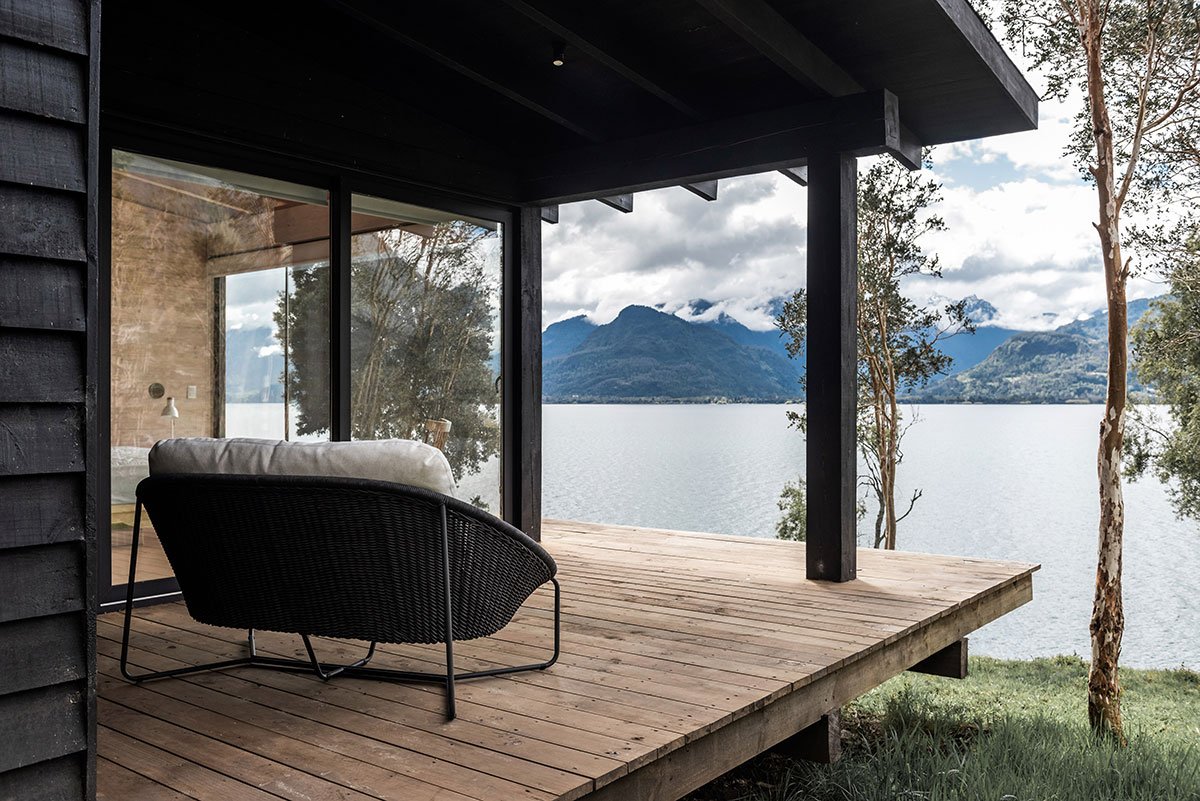
Excerpt: Lake House, a project by Blaq Arquitectos, is a tranquil retreat designed for relaxation in both summer and winter. Constructed on a single level, it features a rectangular floor plan and a central corridor, with views of the lake to the east. The design of this residence aims to minimize intervention, using stilts to avoid altering the natural environment and reduce visual impact on the place and ecosystem.
Project Description

[Text as submitted by architect] The House on the Lake is located in the south of Chile, on Ranco Lake, 950 km from the metropolitan region. Situated on the shores of the lake, with hot temperatures in summer but also rain and humidity in winter with temperatures that can drop to 4°C.

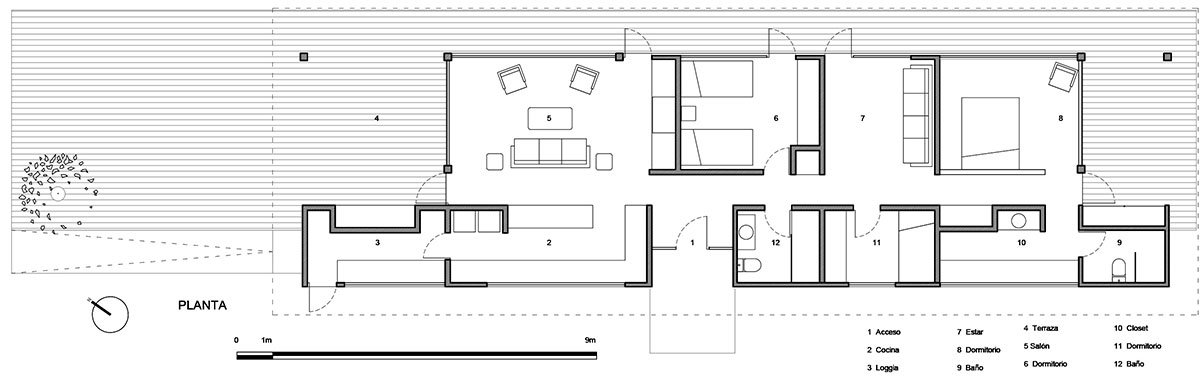

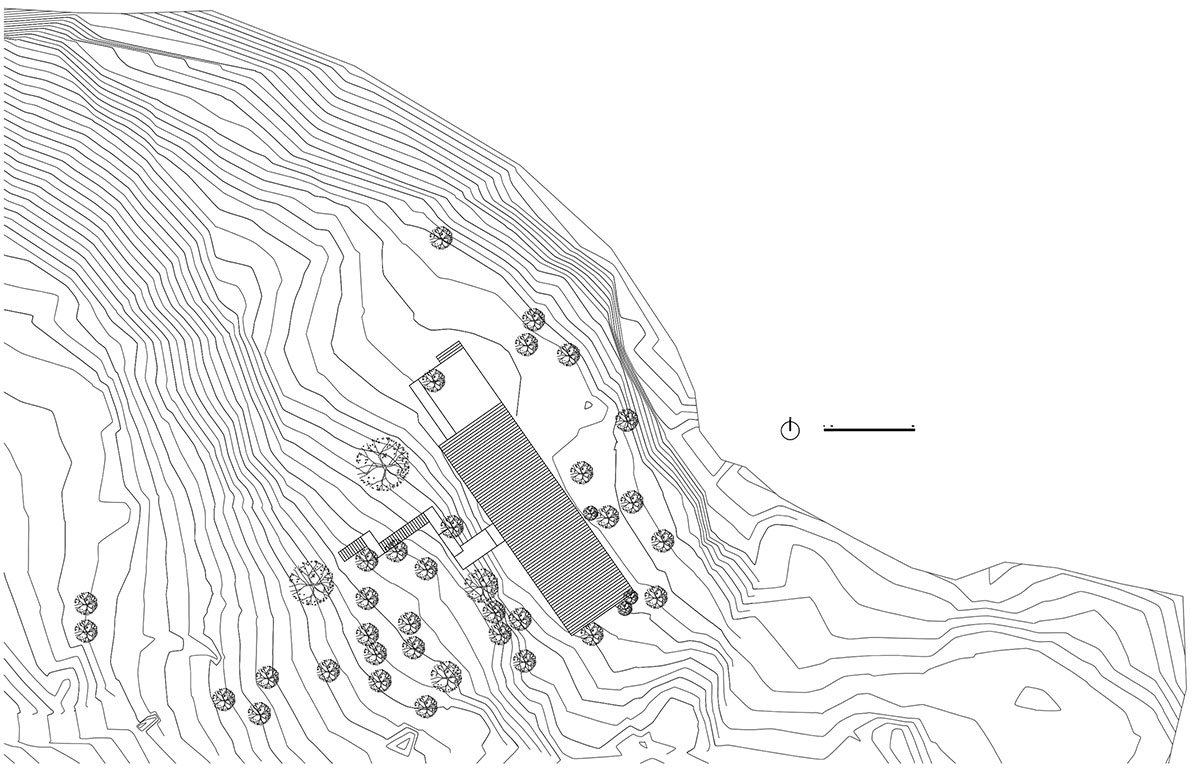
Conceived as a second home for a young family from Santiago, it was designed to serve as a refuge and promote relaxation both in summer and winter. The program is configured on a single level, with a rectangular floor plan and a central corridor, prioritizing views of the lake to the east for the bedrooms and common spaces to the north-east, seeking the entry of the sun in winter.
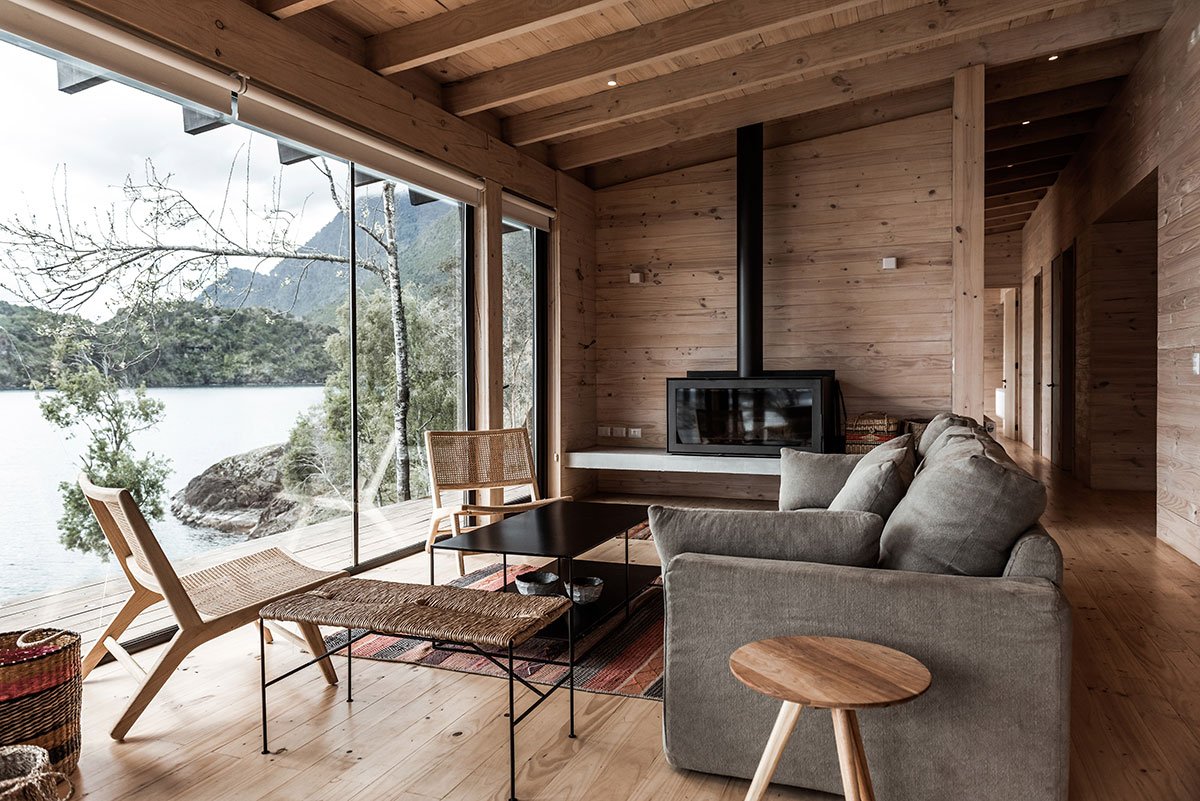
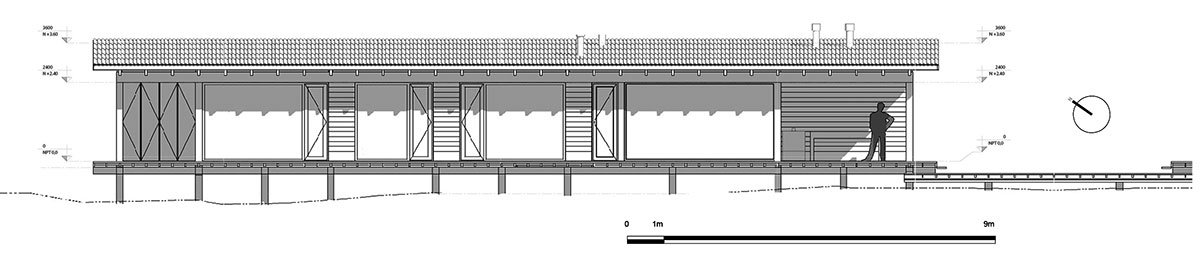
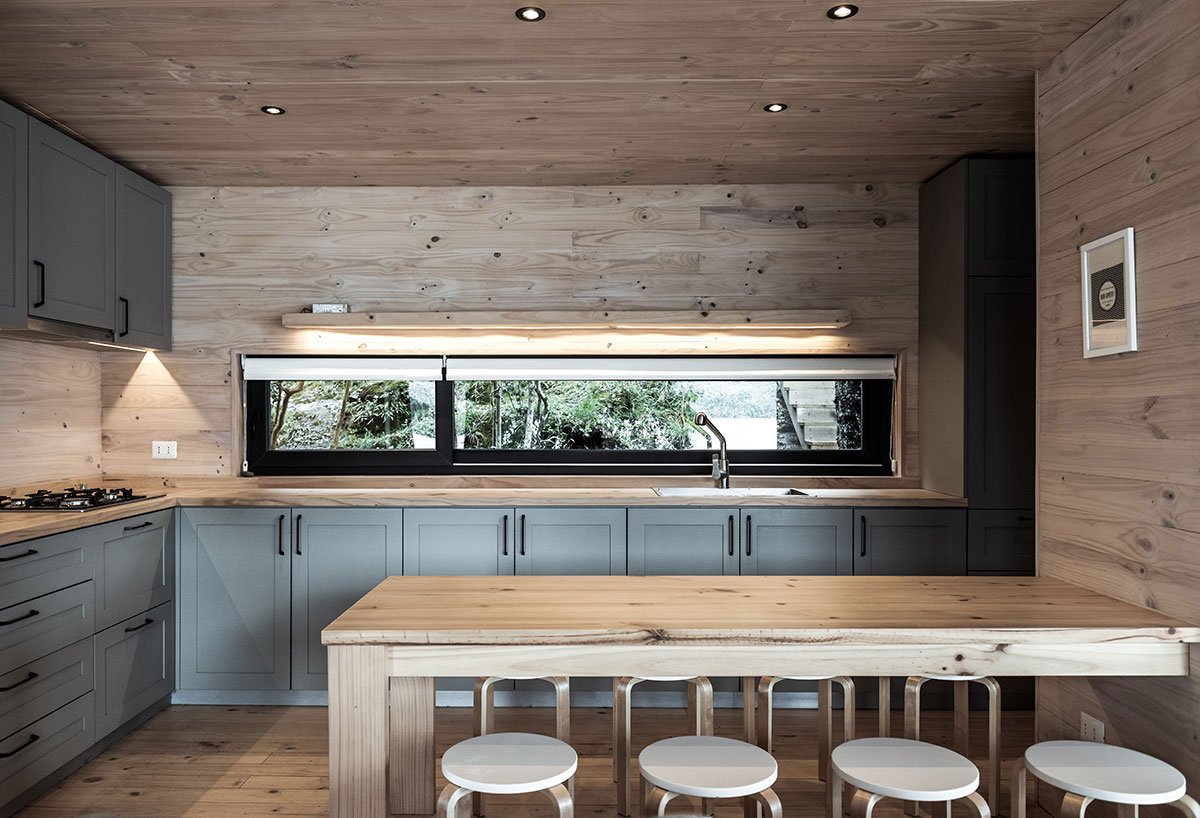
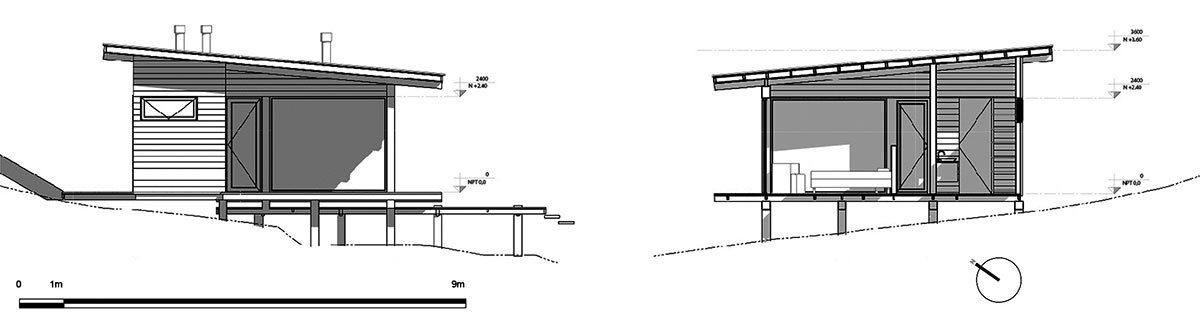
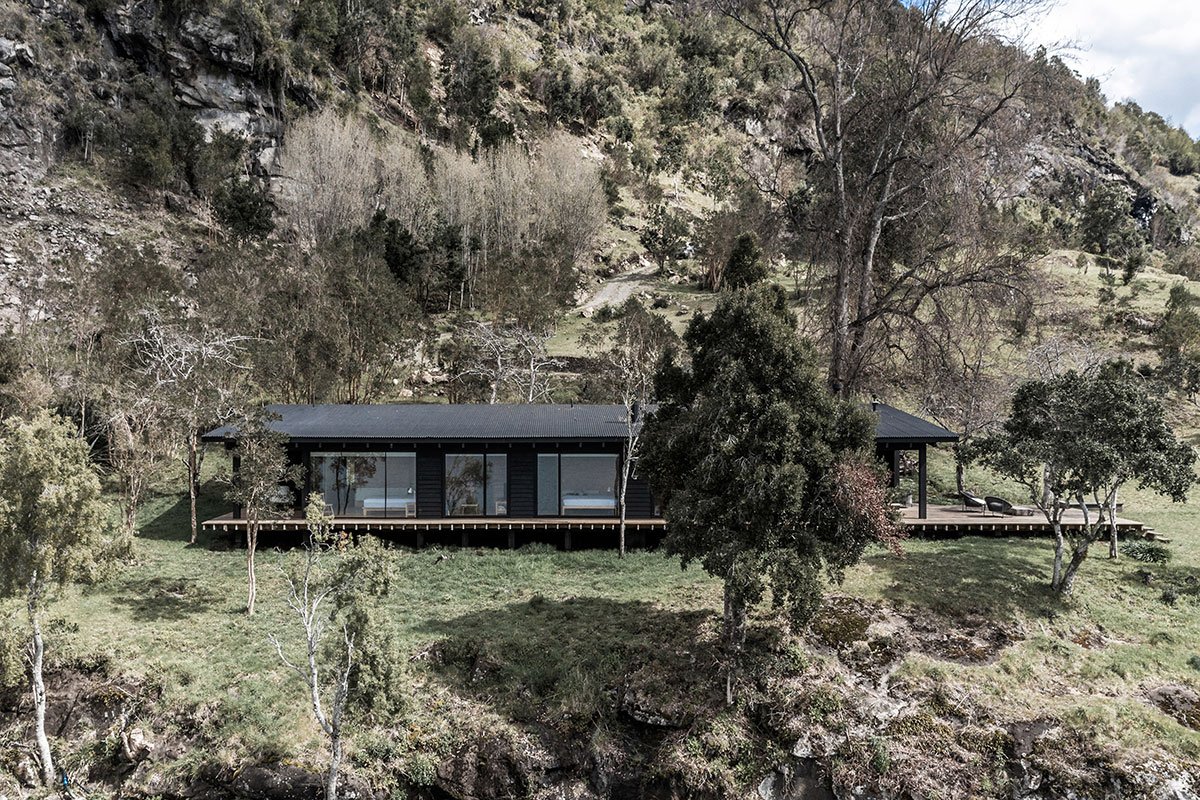
A large plate raised from the ground by means of piles was proposed, and a terrace to connect the enclosures, which would promote family gatherings and life on the outside. Thus generating intermediate spaces between the interior and the exterior with covered surfaces through the projection of the roof with a pitch and eaves to protect from the summer sun and direct rain.

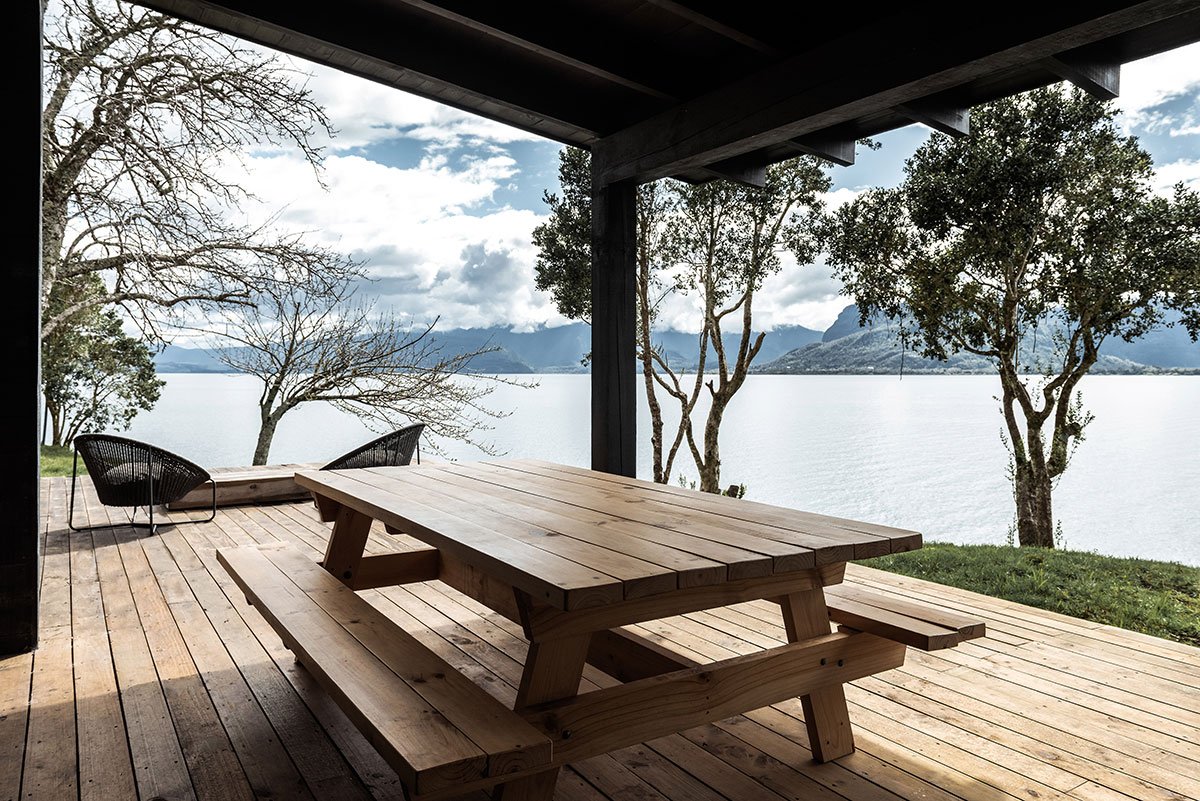
This large terrace plate is visually related to the roof, like 2 horizontal planes that configure the interior space. The volume is conceptually simple and austere, without architectural pretensions, allowing a controlled and effective construction for this remote place. Following the construction traditions of the area, the house was structured and covered entirely with local pine wood.
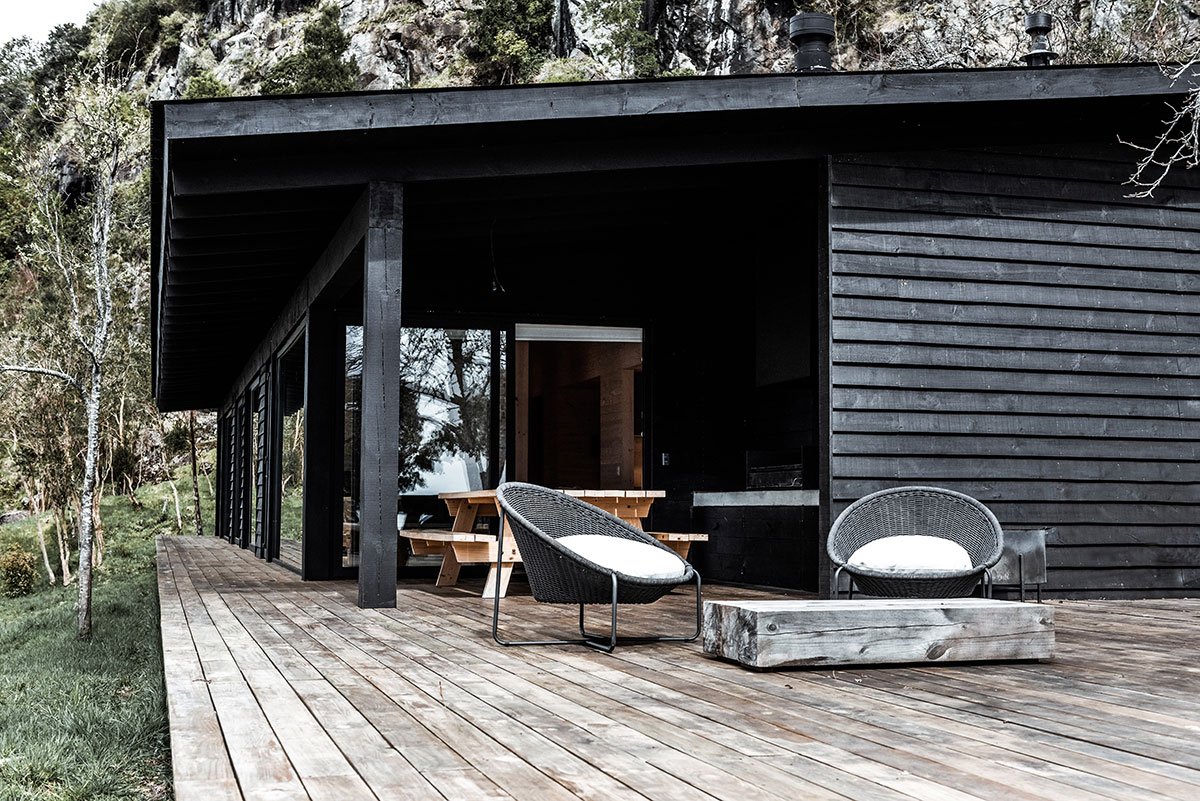
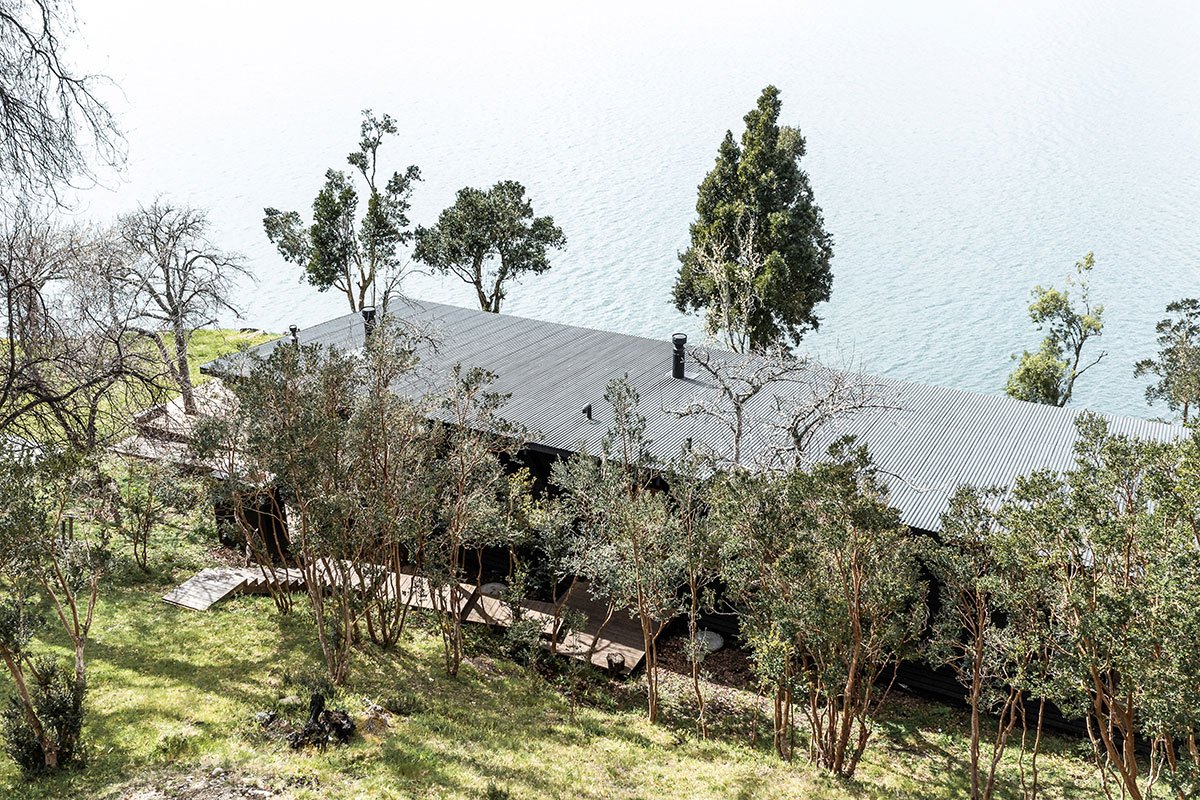
The design seeks to intervene as little as possible in the site, supported on stilts so as not to generate large earth movements and not alter the natural environment. It was respectfully placed among the trees, without removing them. So it can blend in with them, trying to generate less visual impact on the place and the ecosystem.
Images