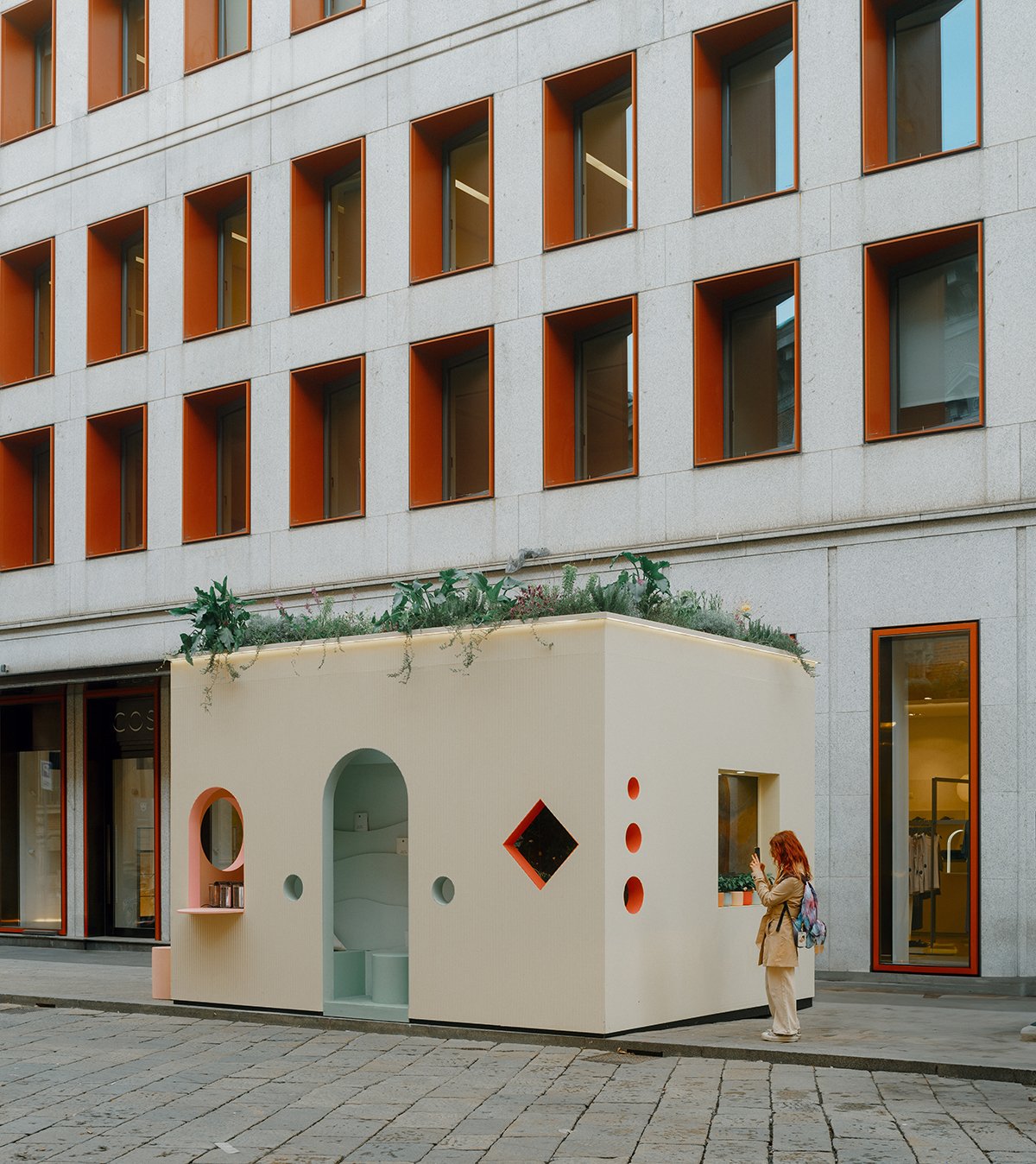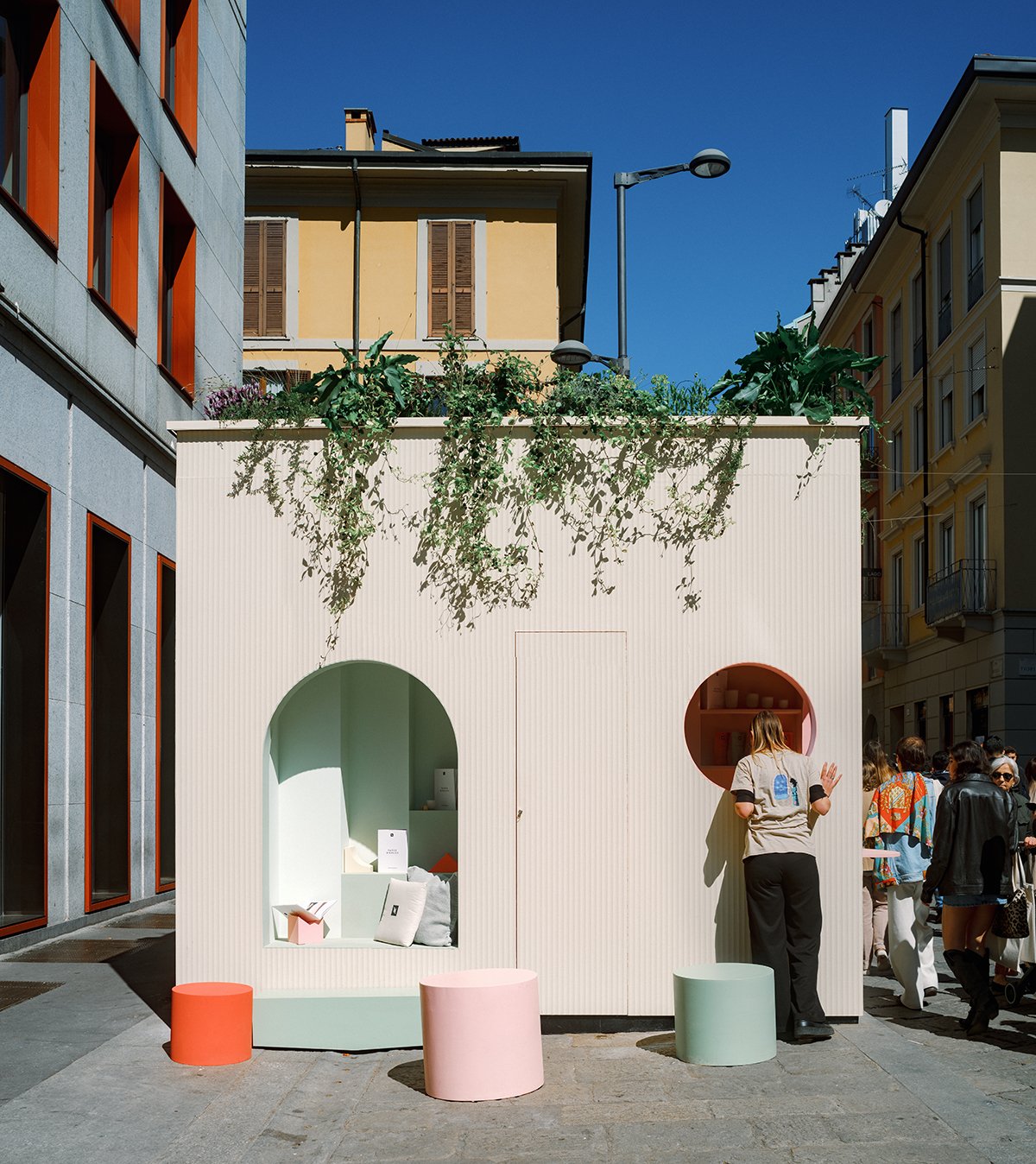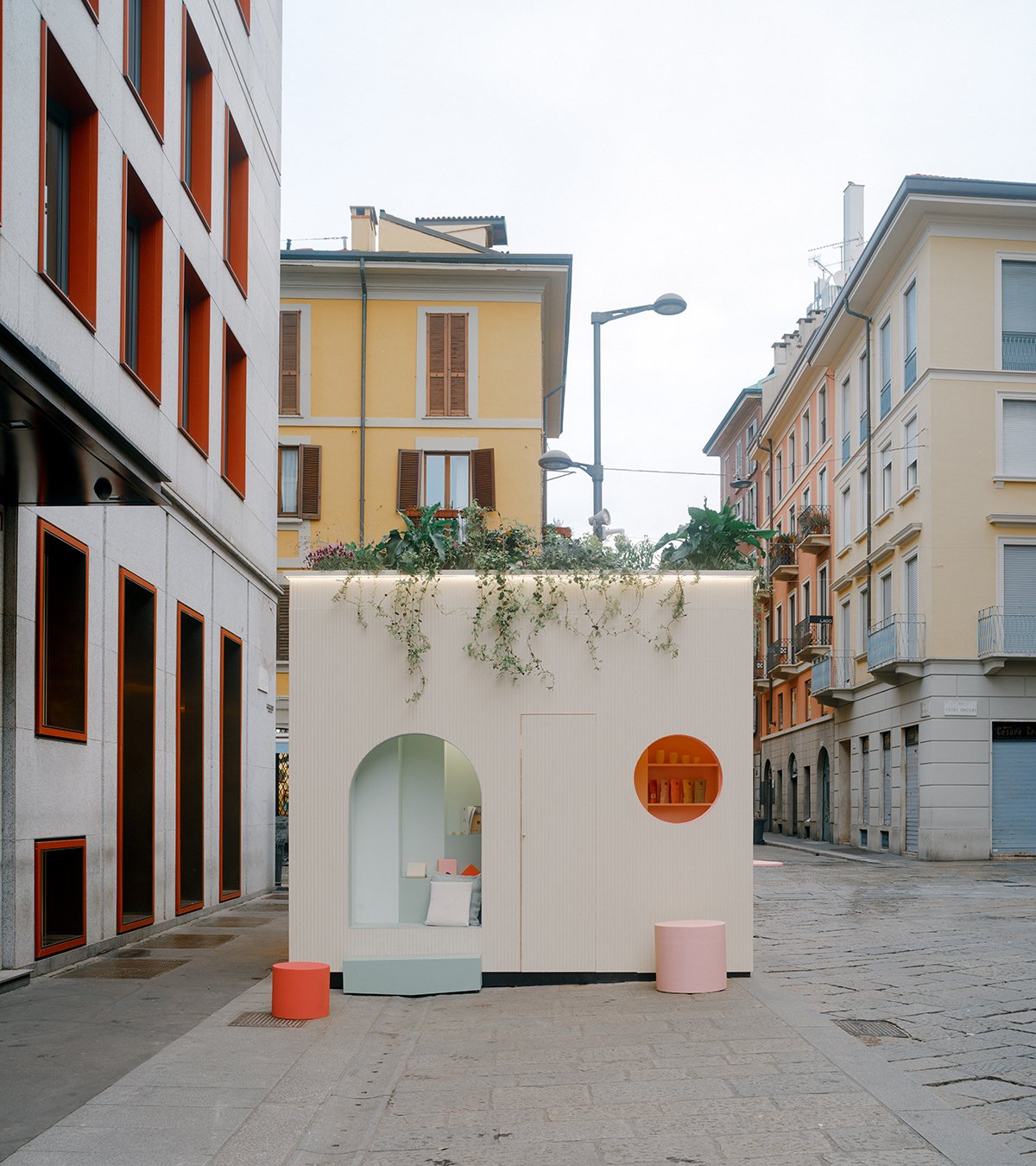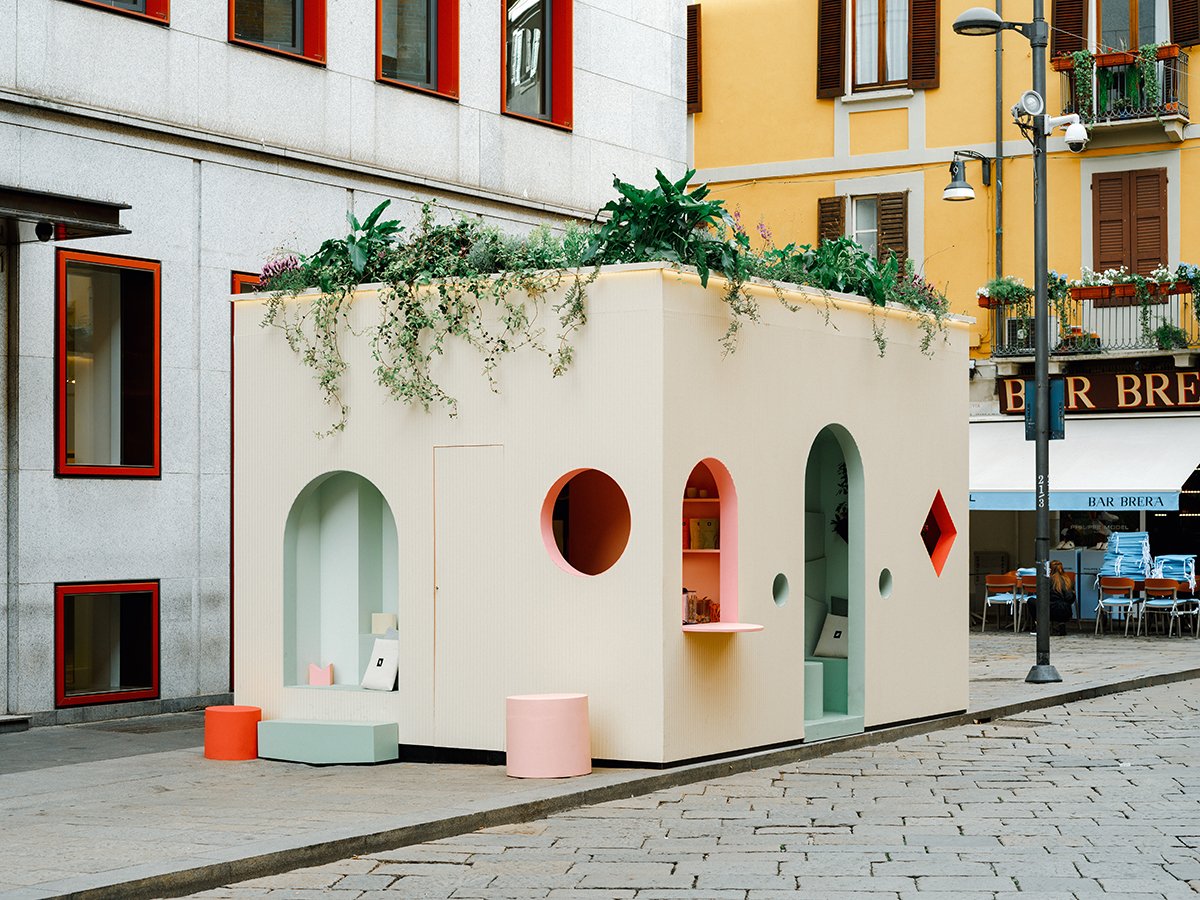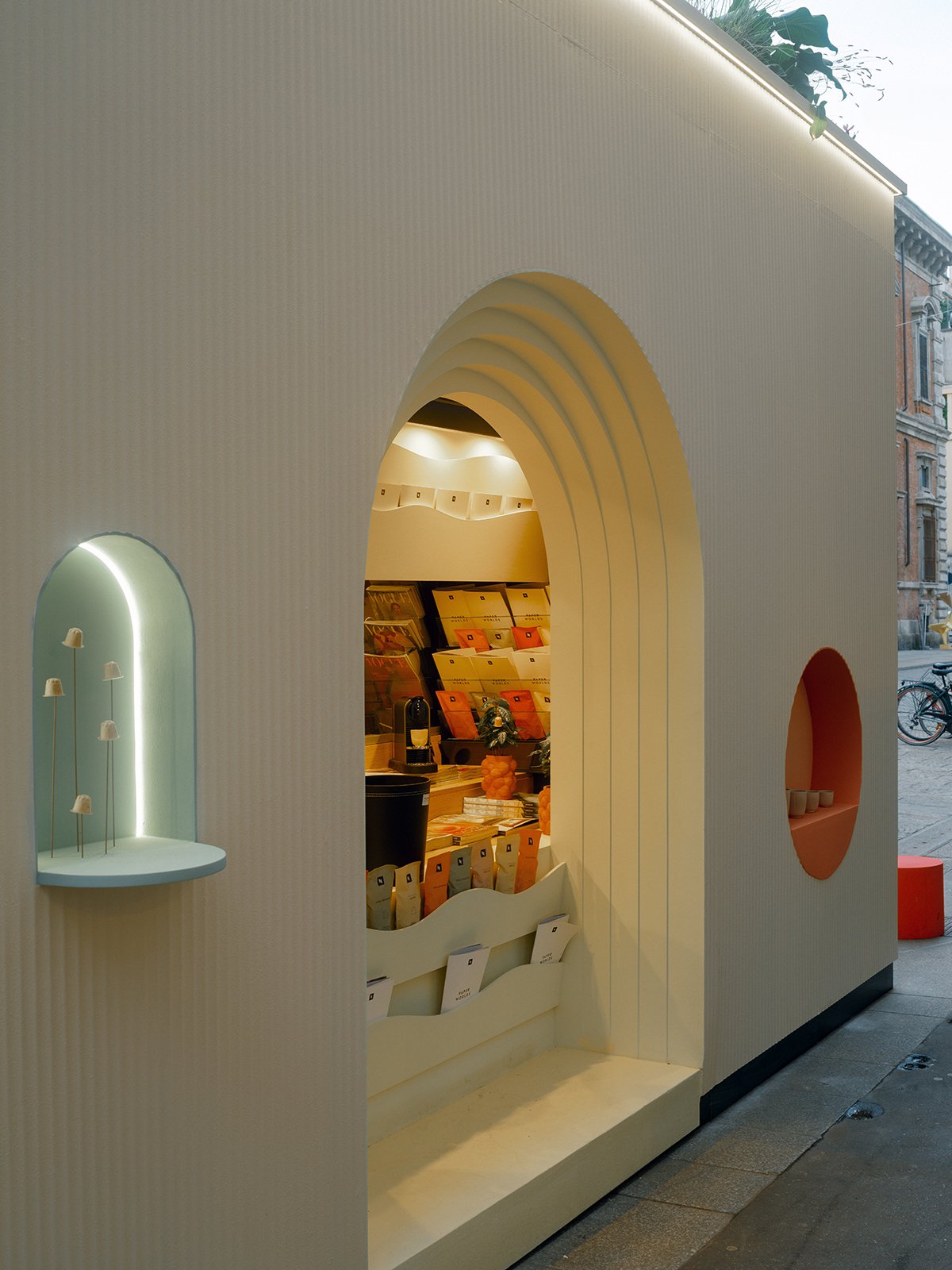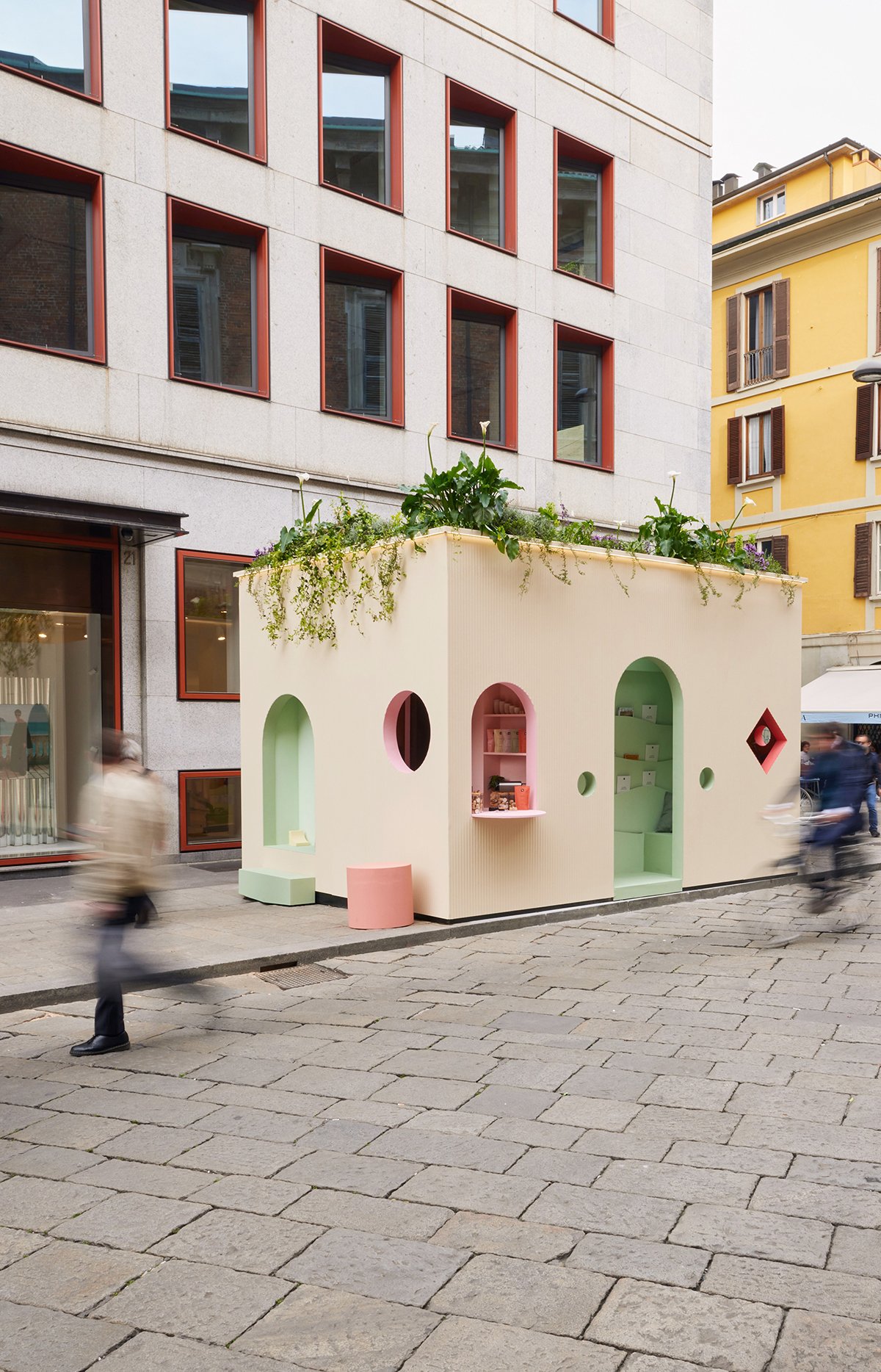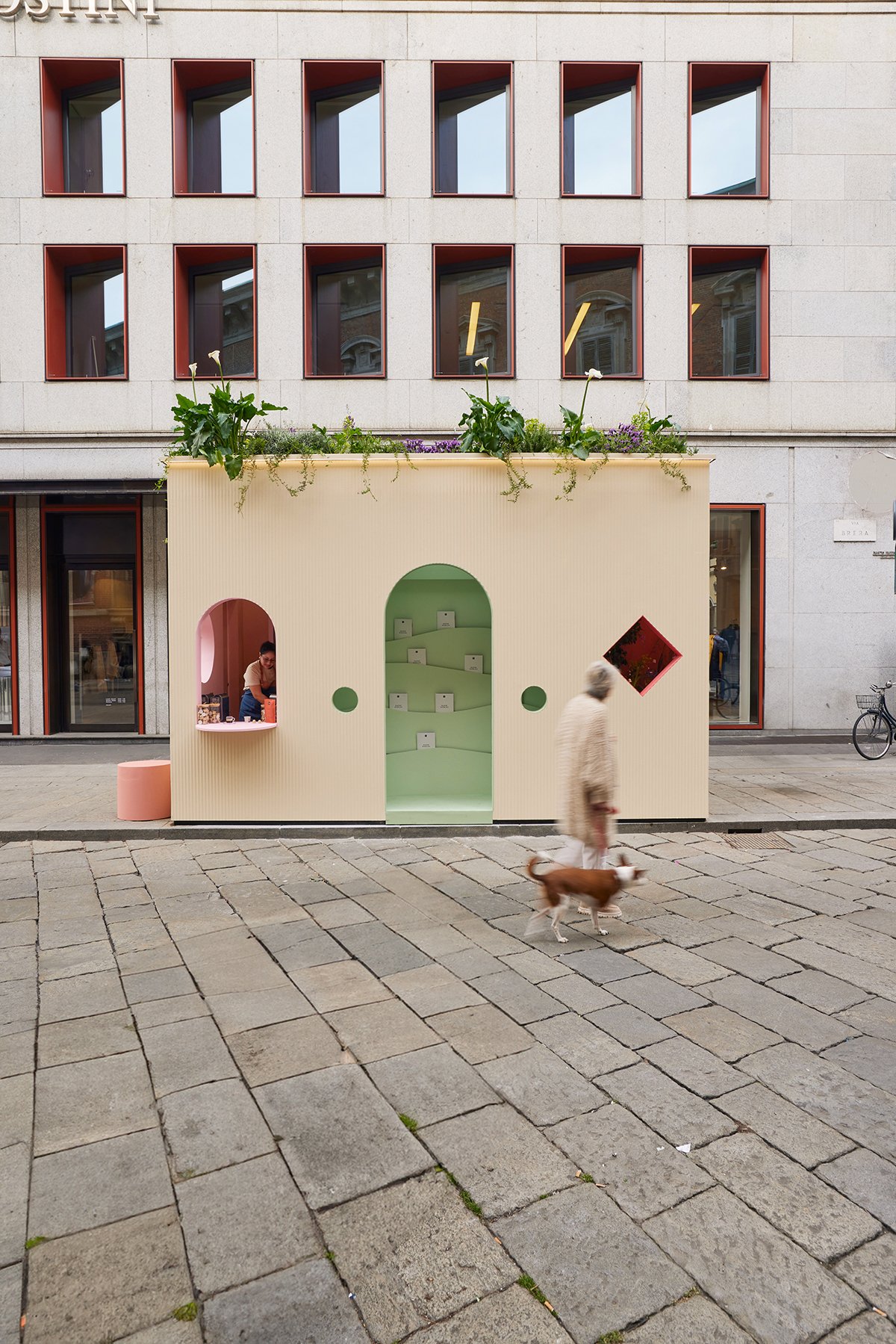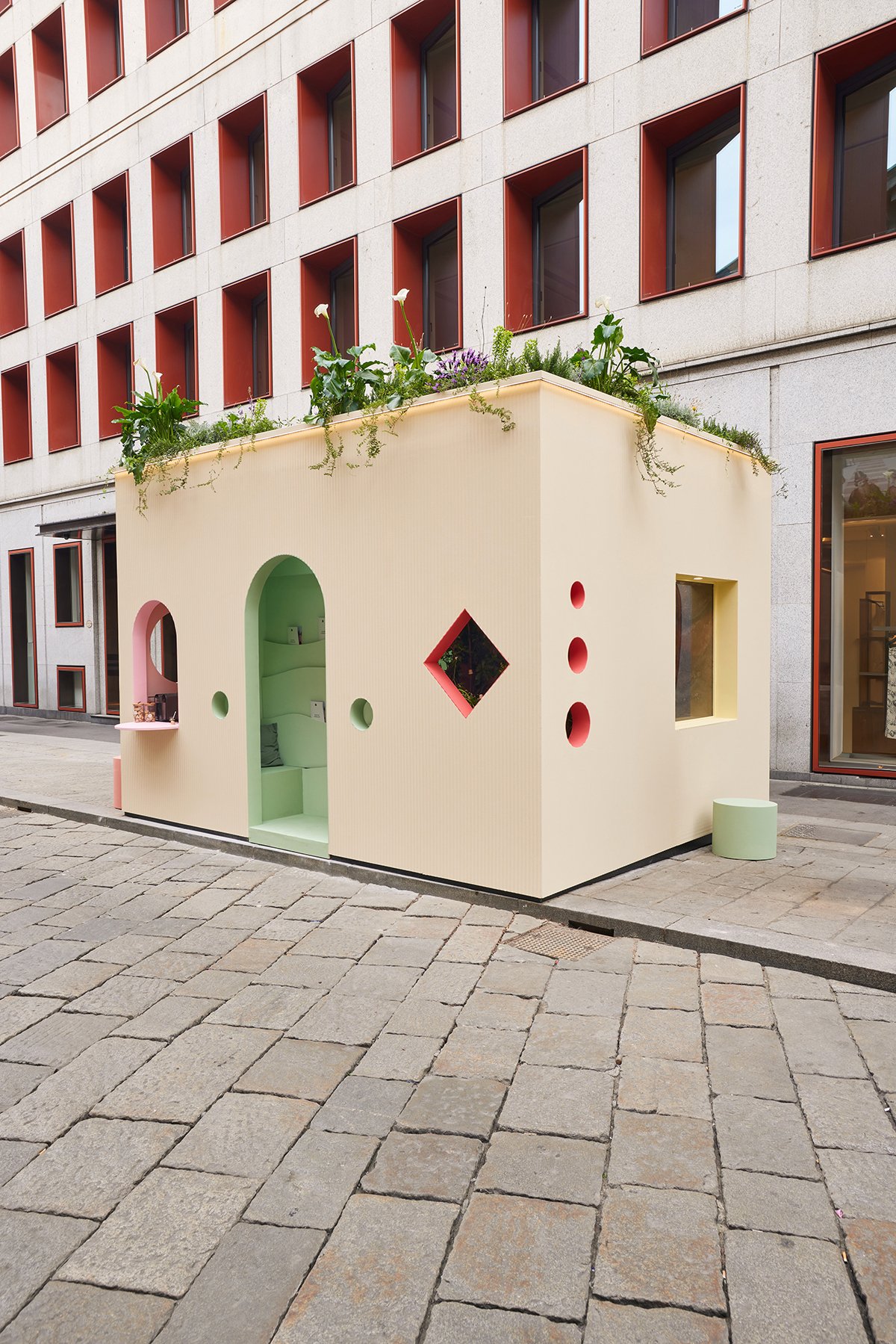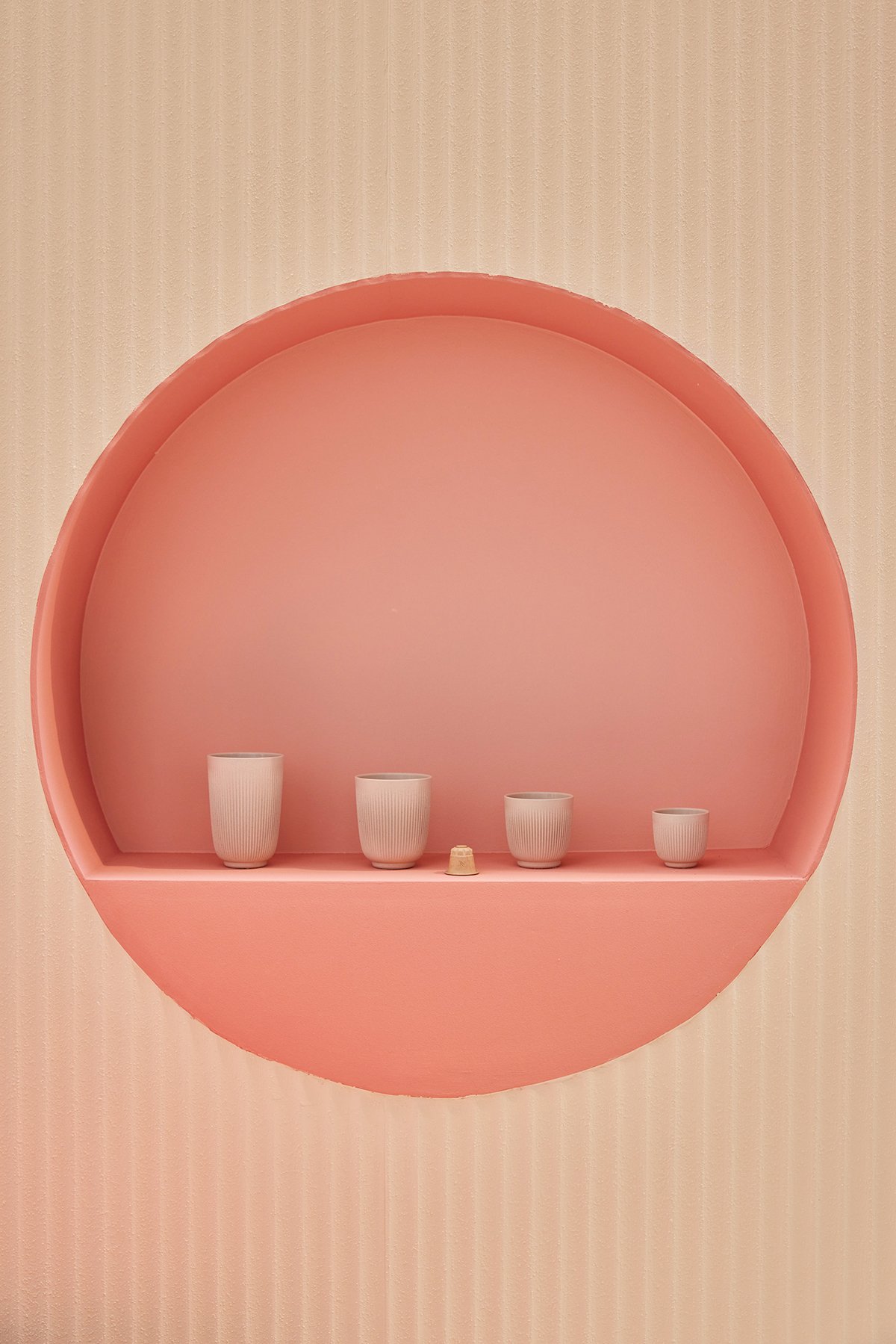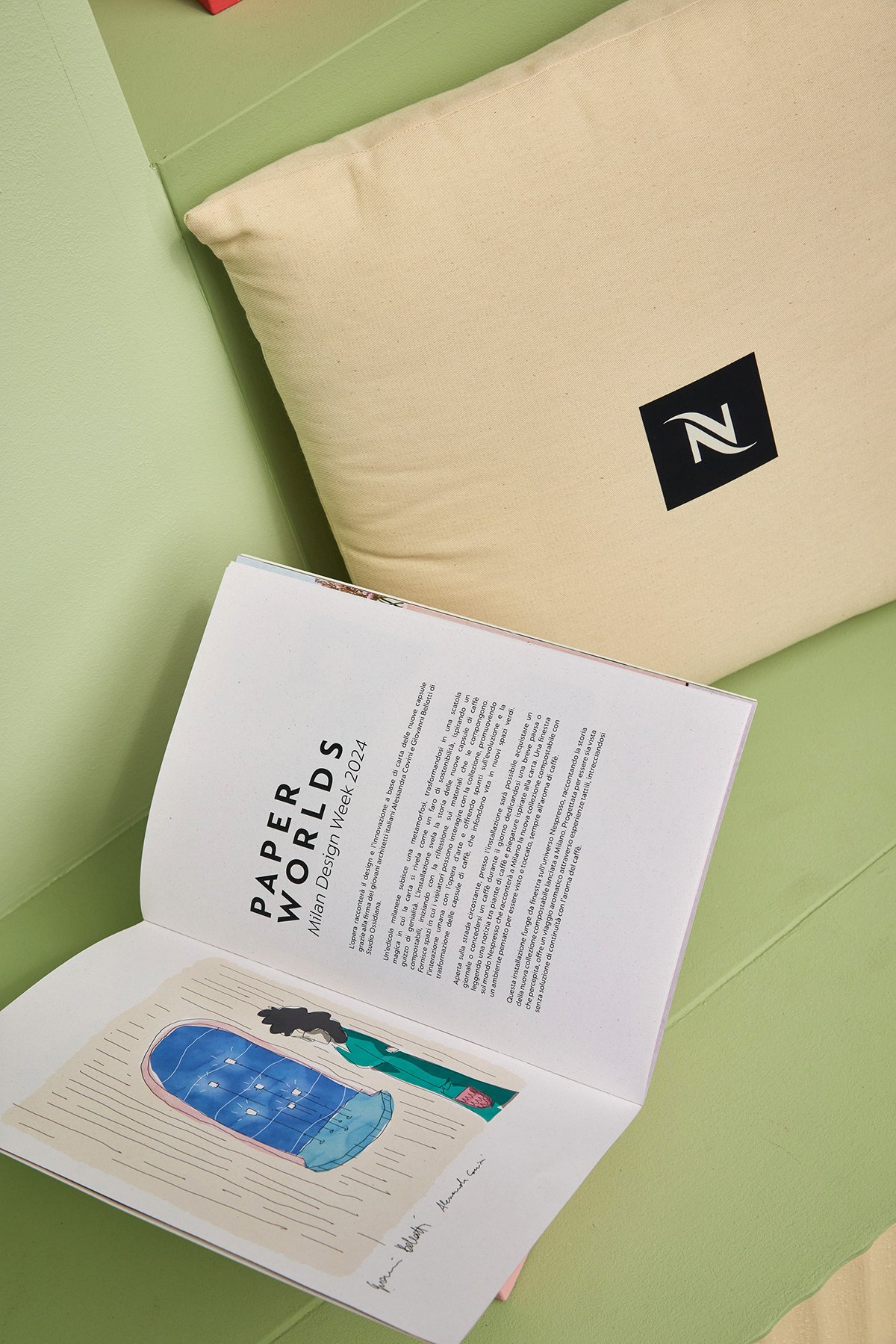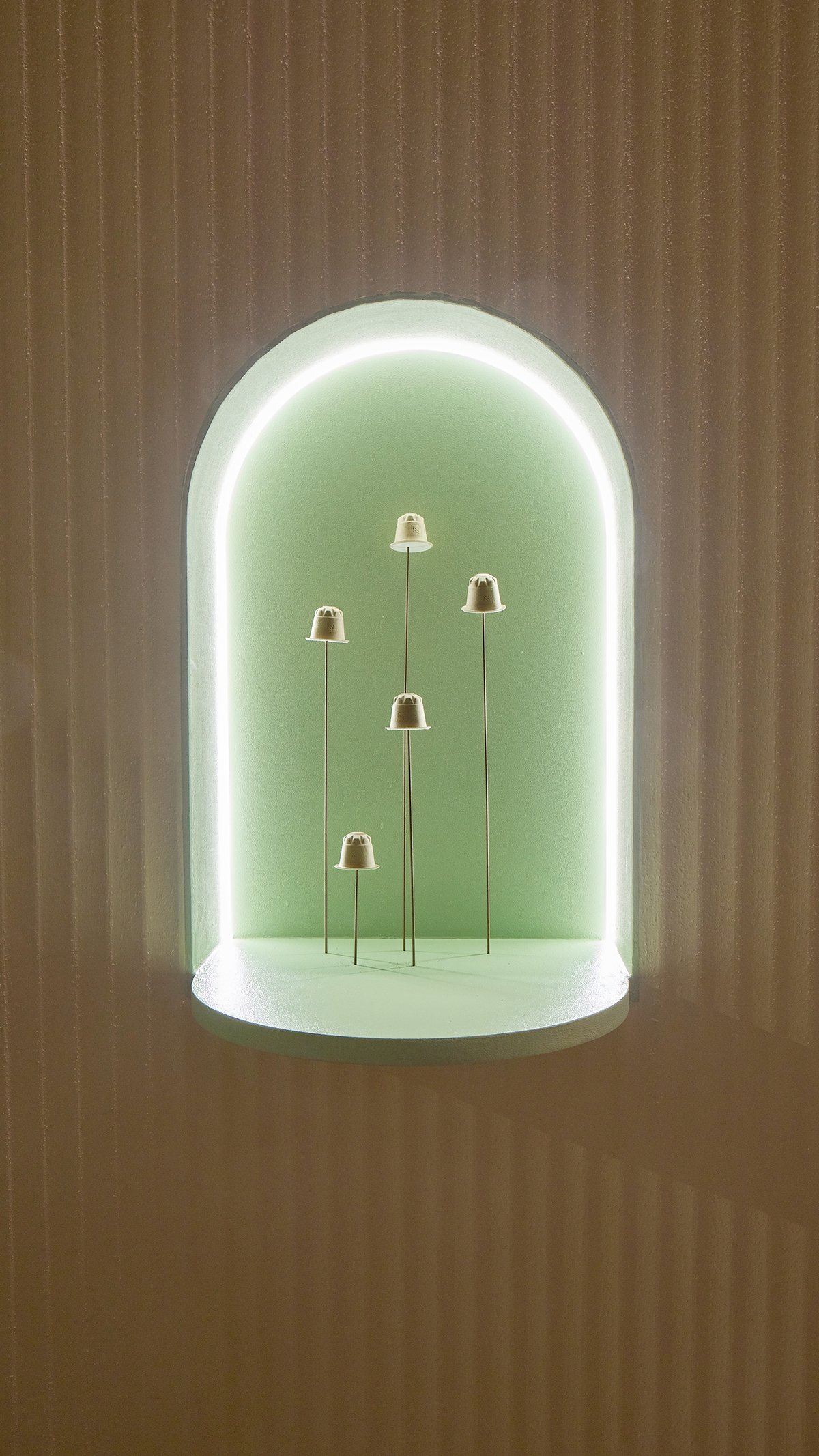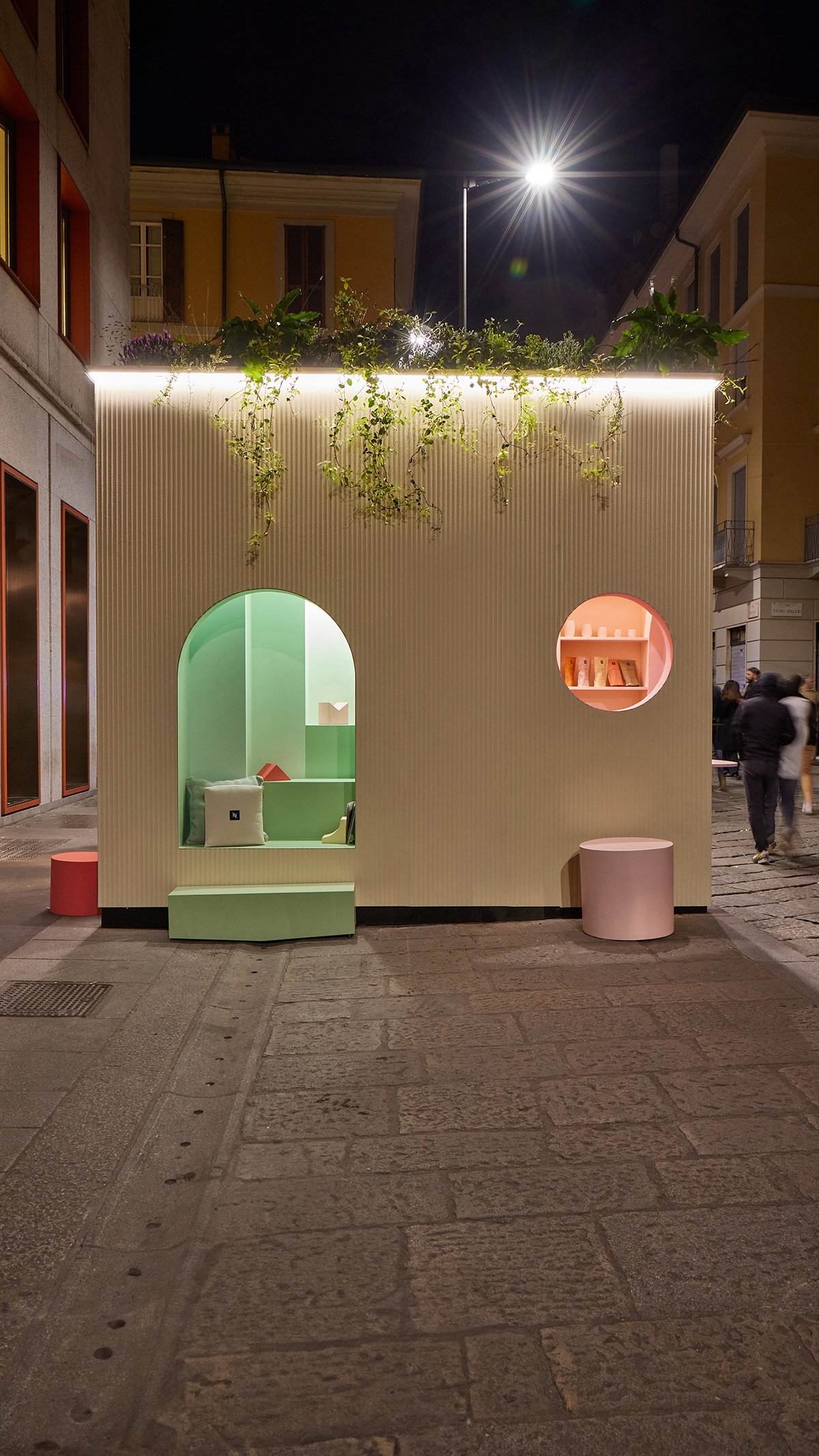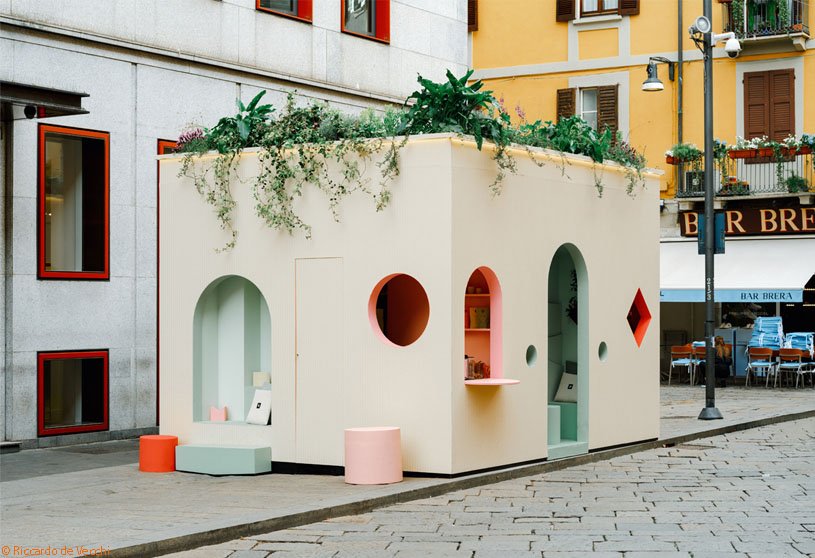
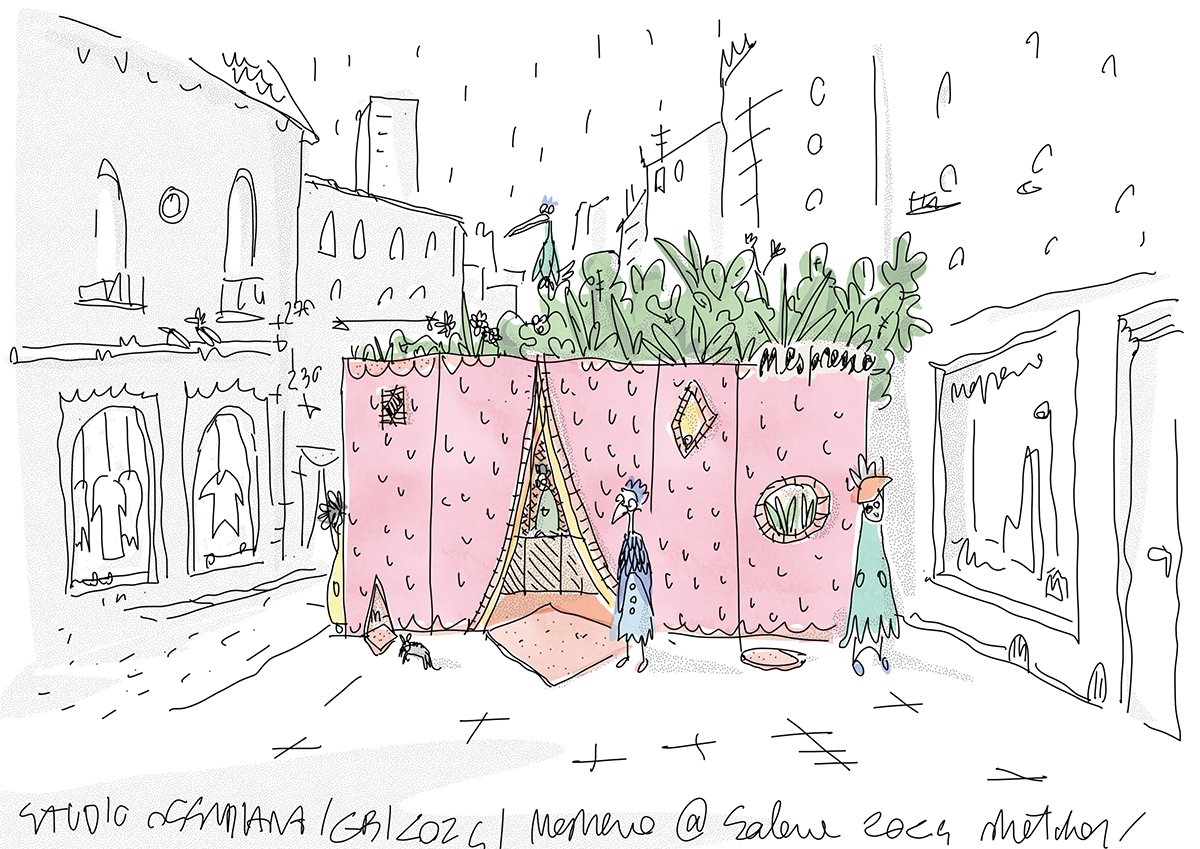
Excerpt: Paper Worlds by Studio Ossidiana imagines Nespresso’s installation in Brera as an inside-out café: a small, magic box opening to the street, turning the city itself into an open-air room. Inspired by the “edicola”—a little temple—it offers alcoves, openings, and shelves that frame gestures like sipping coffee, reading the news, or pausing in transit, creating a recyclable pavilion dedicated to the art of short breaks.
Project Description
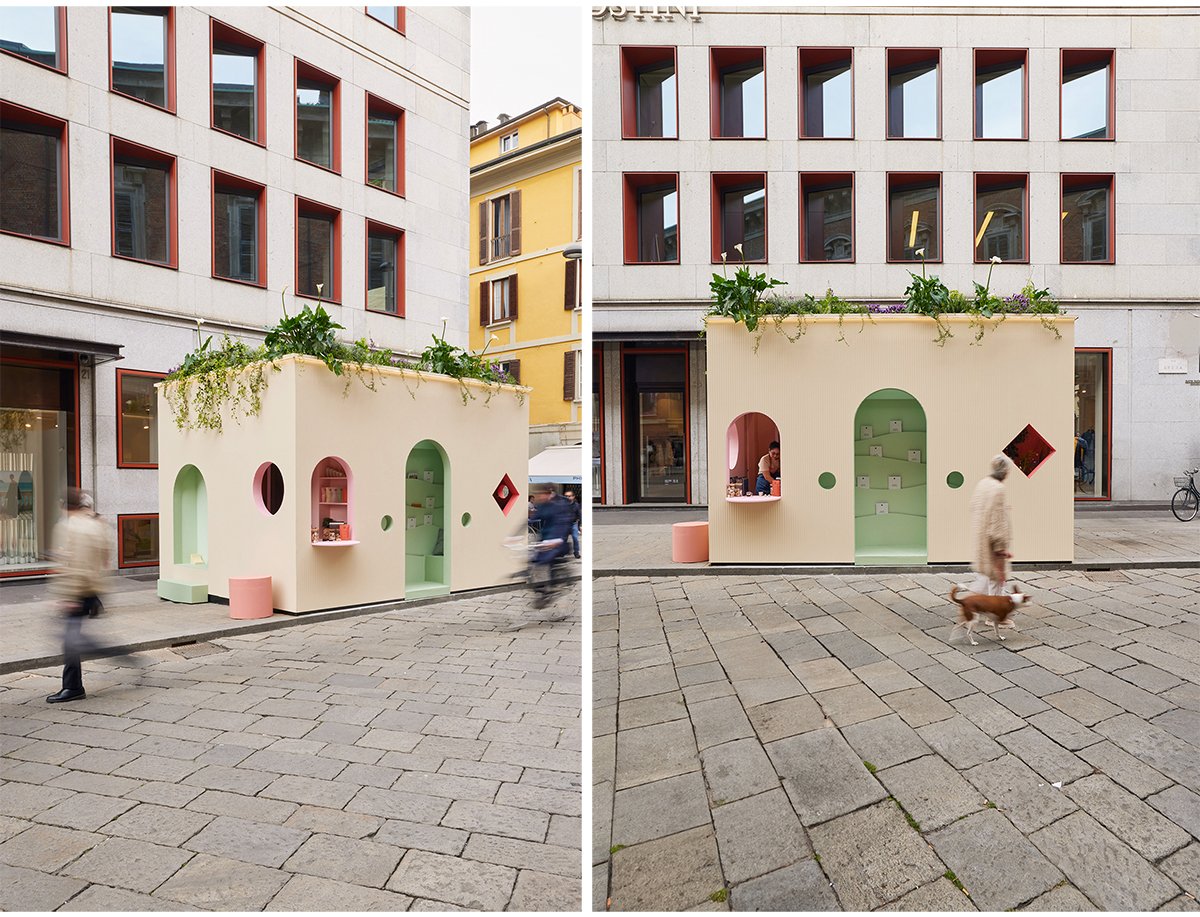
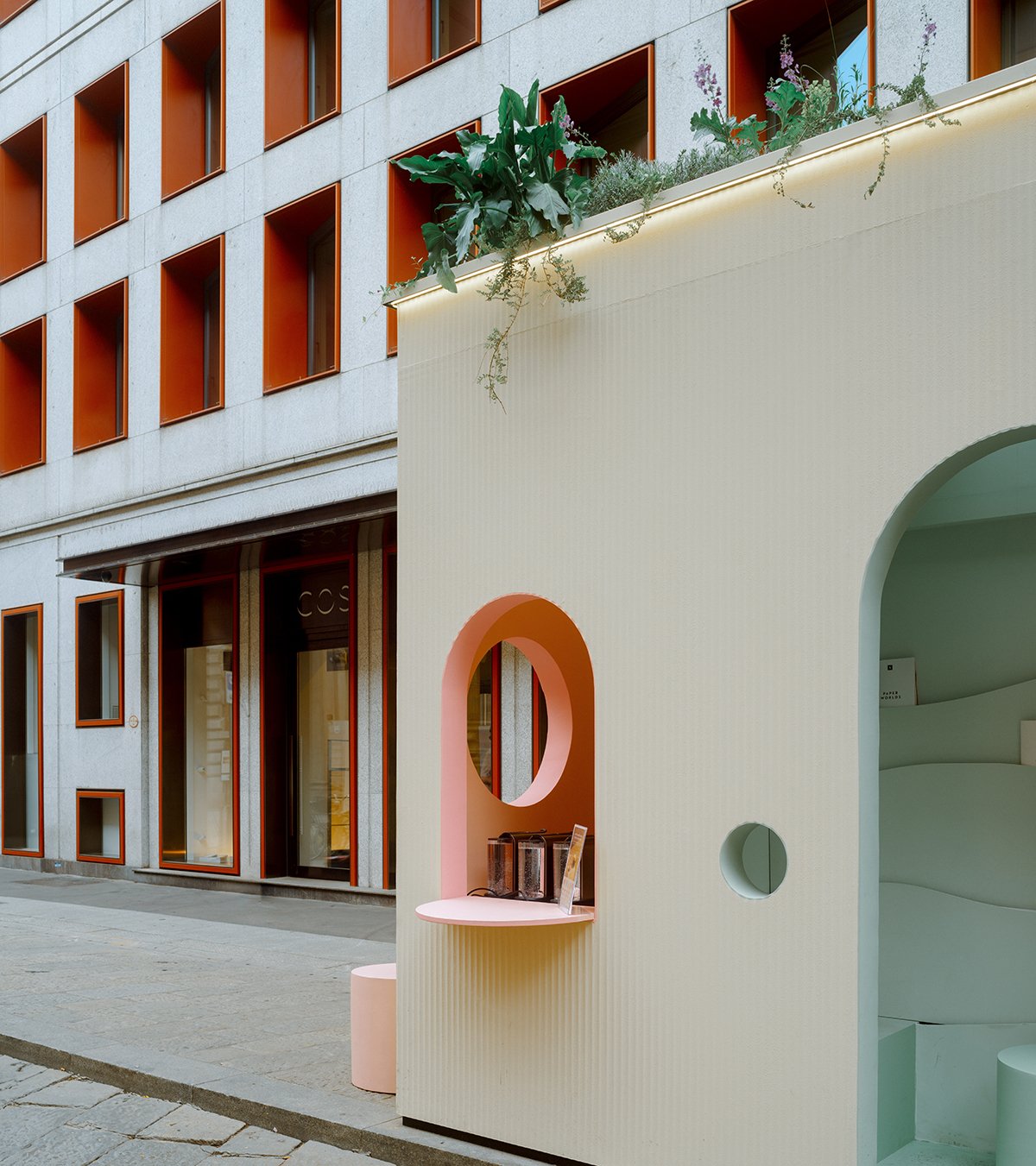
[Text as submitted by architect] We’ve been thinking about Nespresso’s installation at the newspaper stand in Brera as an inside-out café: a small, magic box, opening up to the street, offering affordances (and coffee) to the city. A cafe with no real interior, which, however, can transform the street itself into an open-air room.


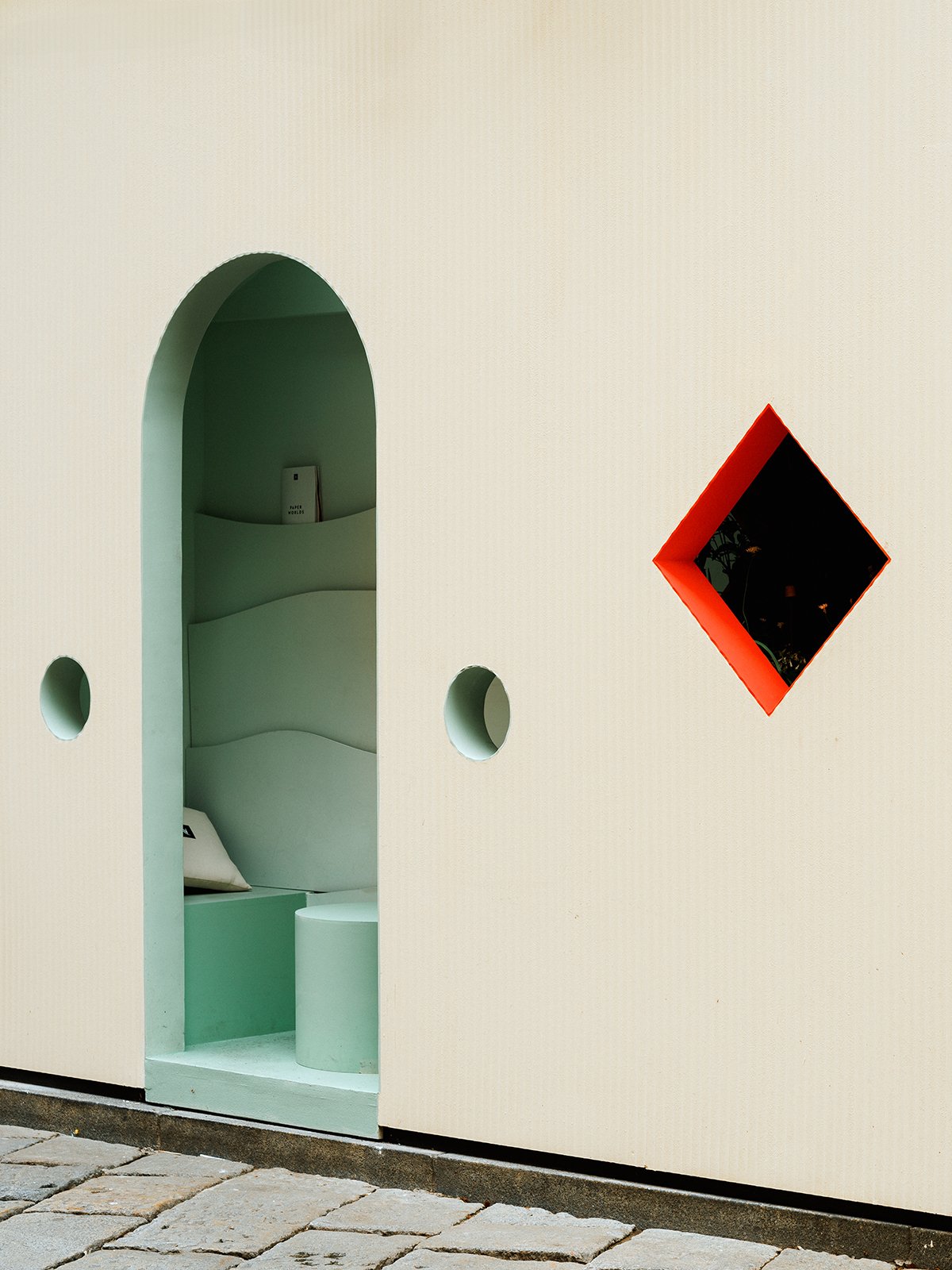
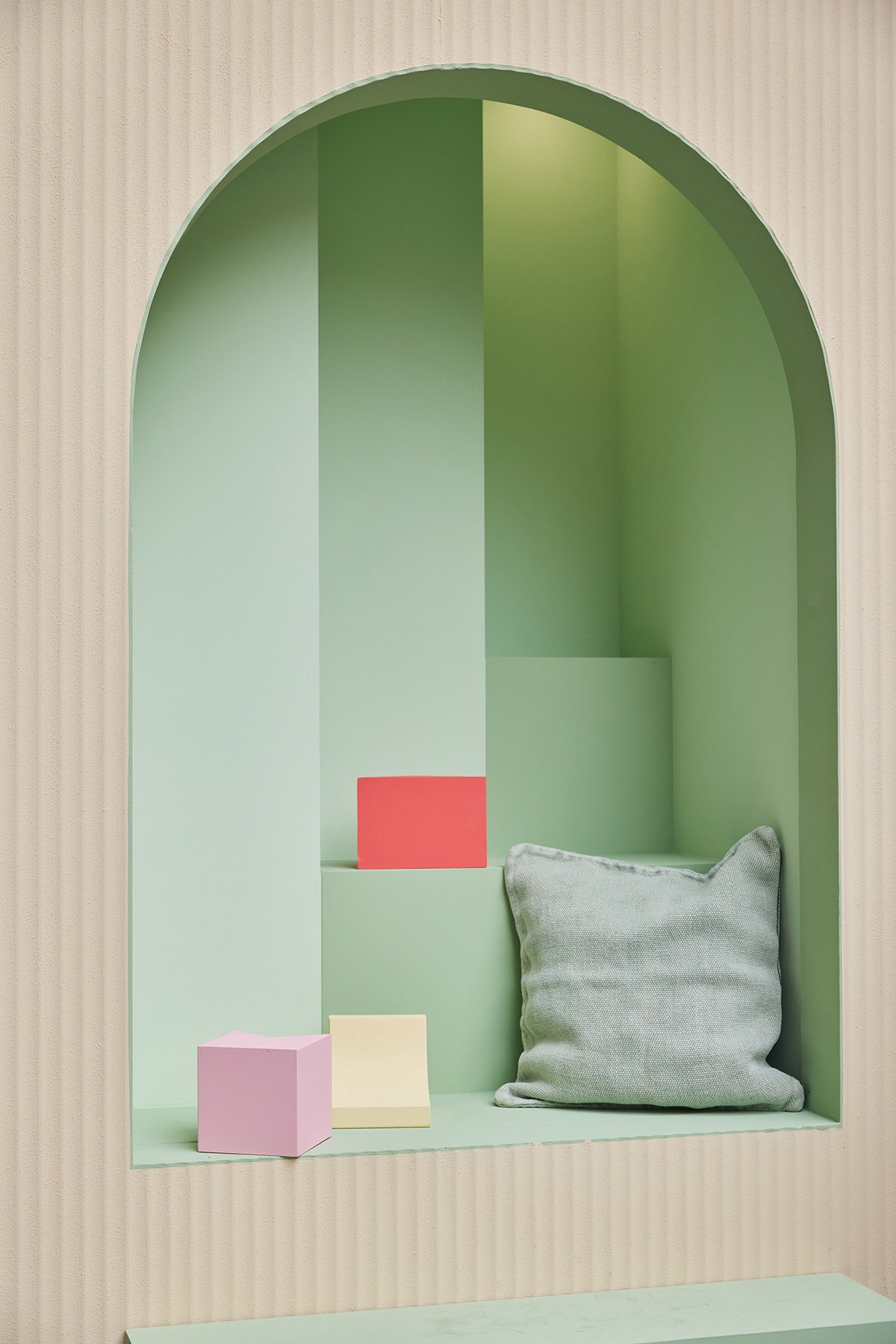
We love how the deep portal of a church, a windowsill, or a few steps become temporary, compact, outdoor rooms: spots where to take shelter from the rain, where to lean on while reading the news or sipping coffee, or where to sit, above the street level, while waiting for a friend. These situations are the ones we imagine unfolding around Nespresso’s “edicola”.
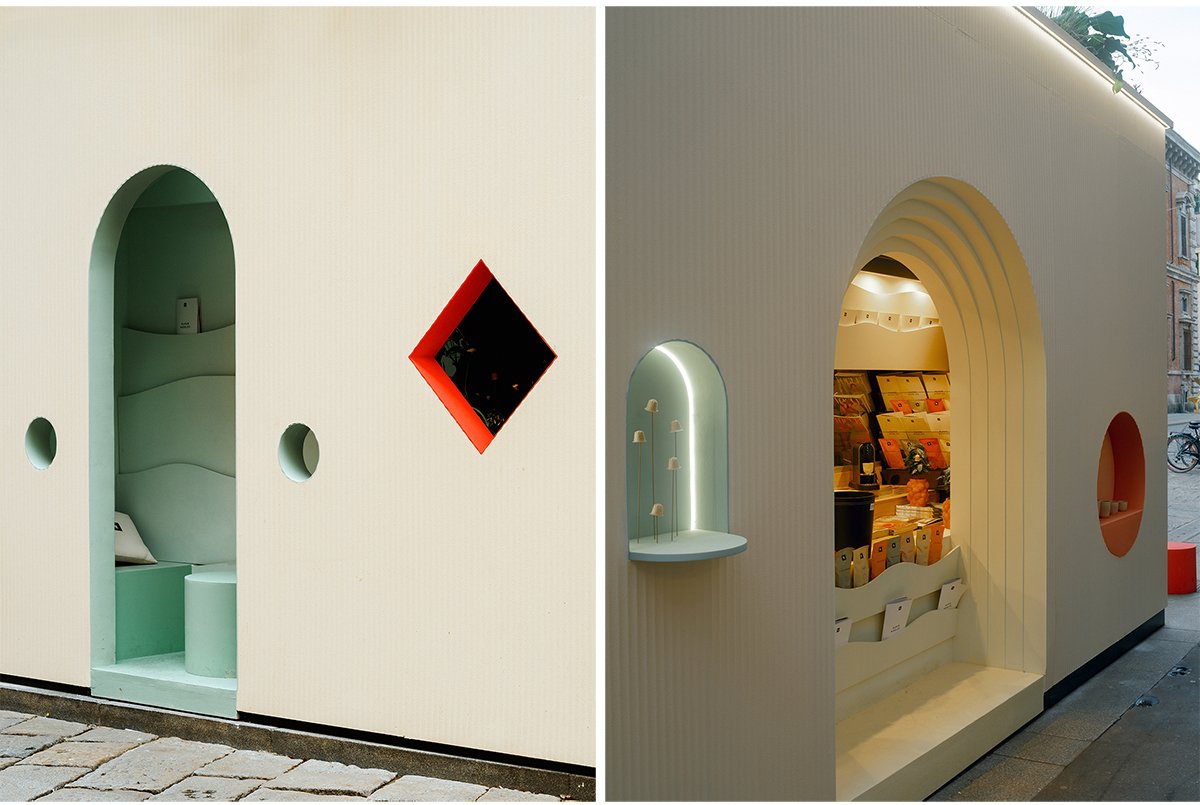

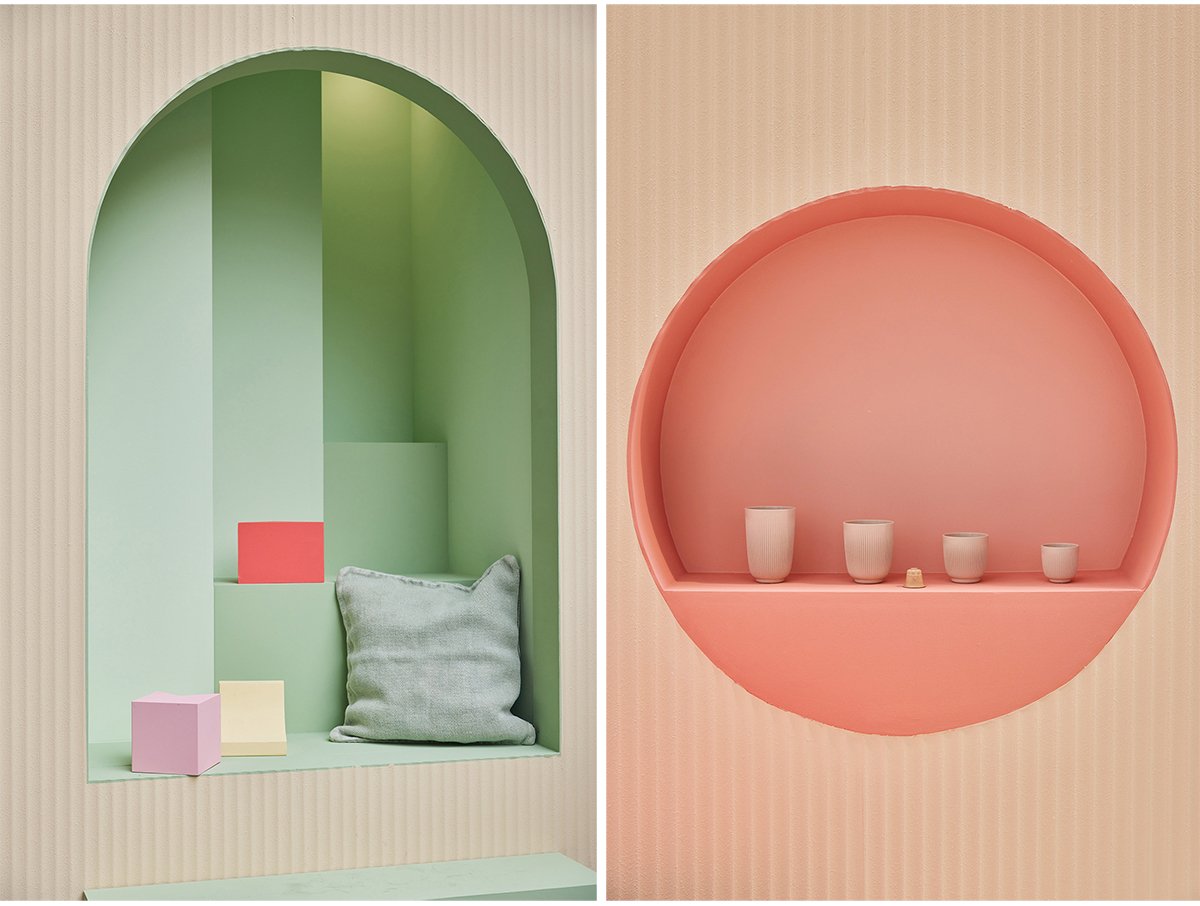
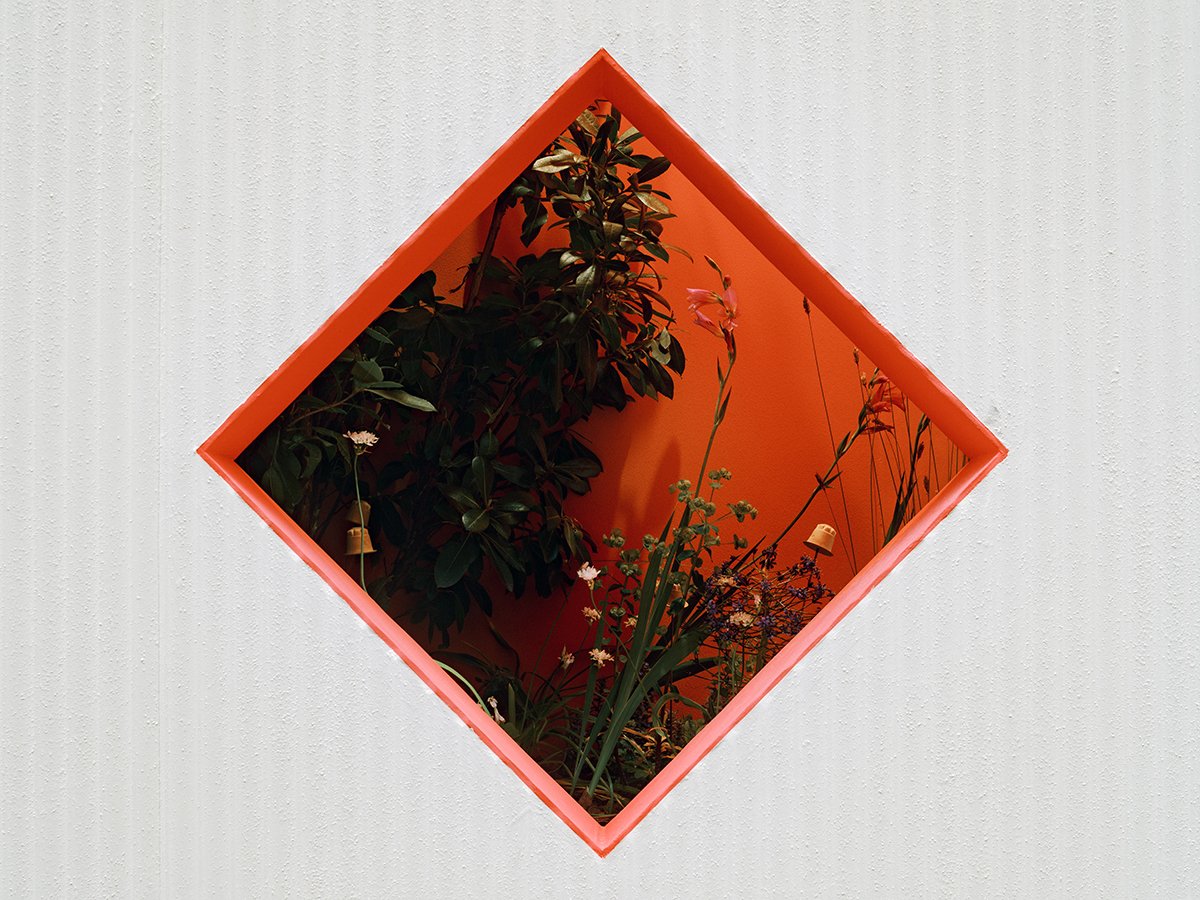
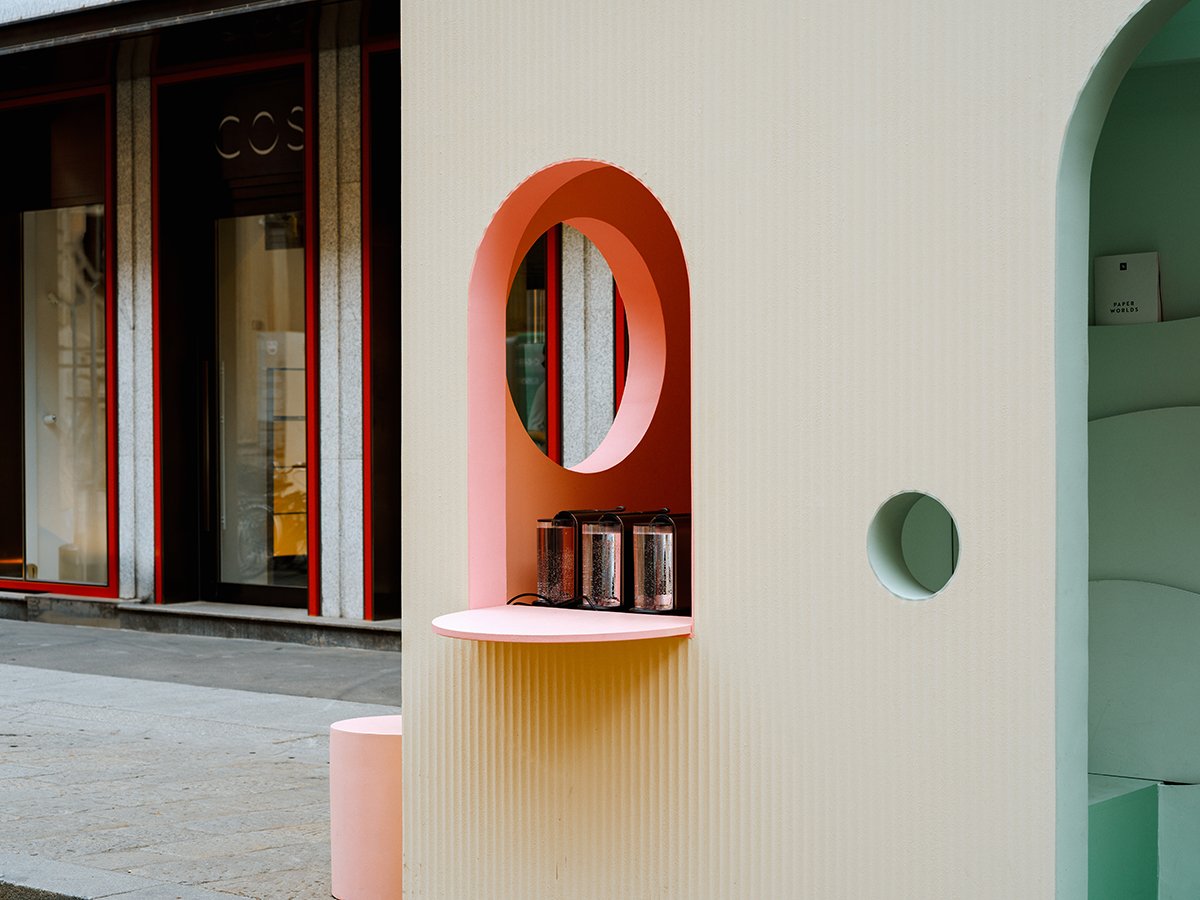
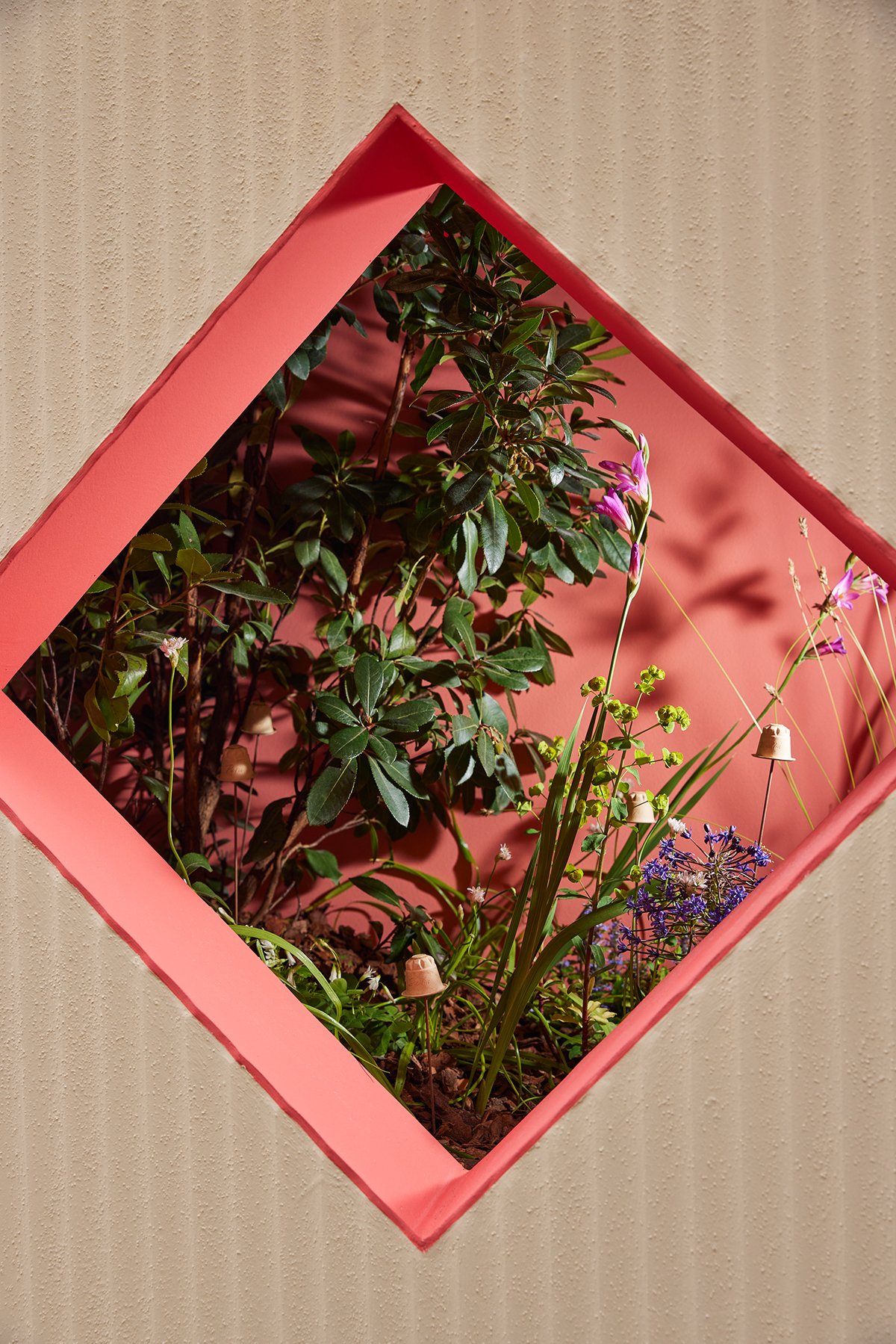
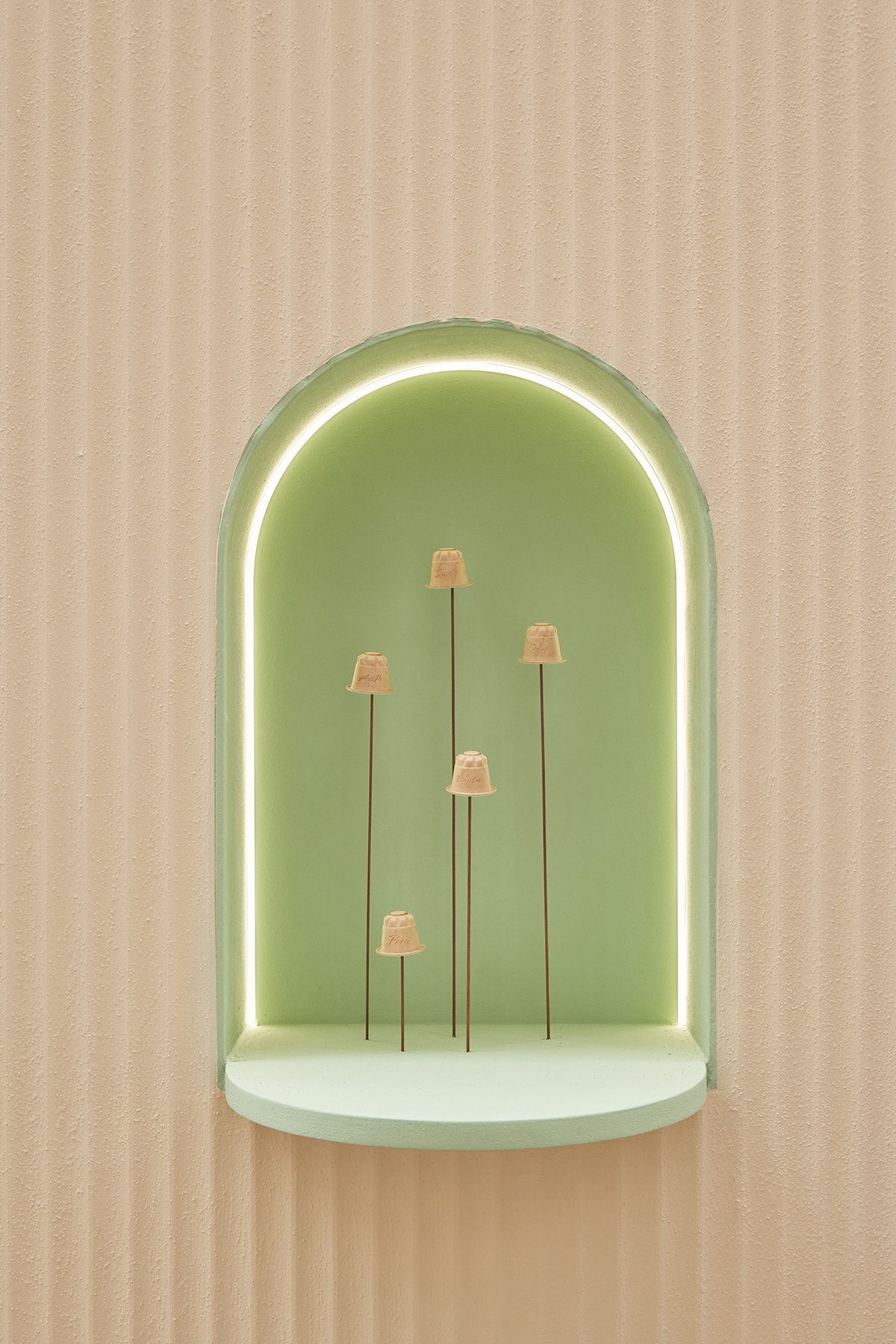
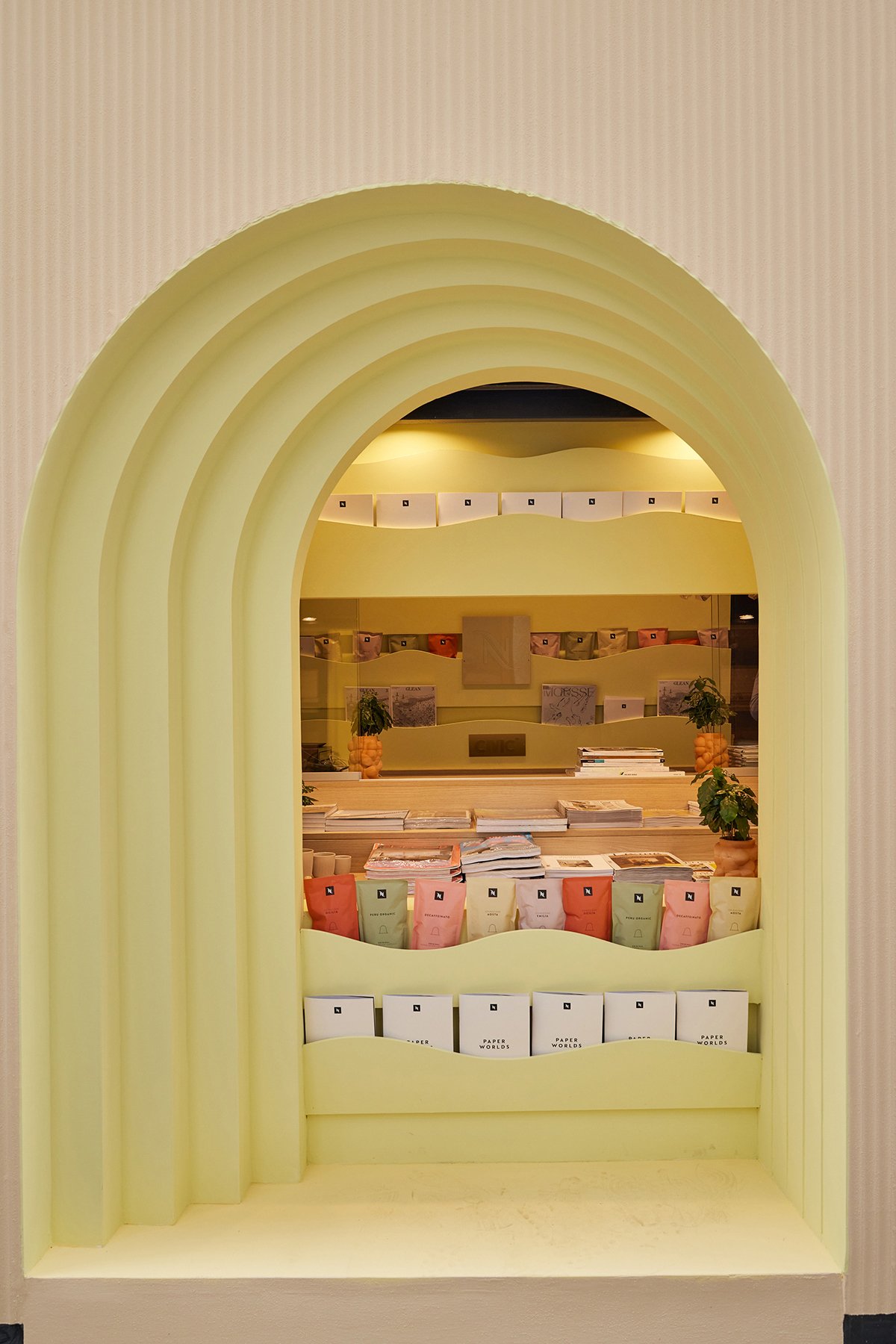
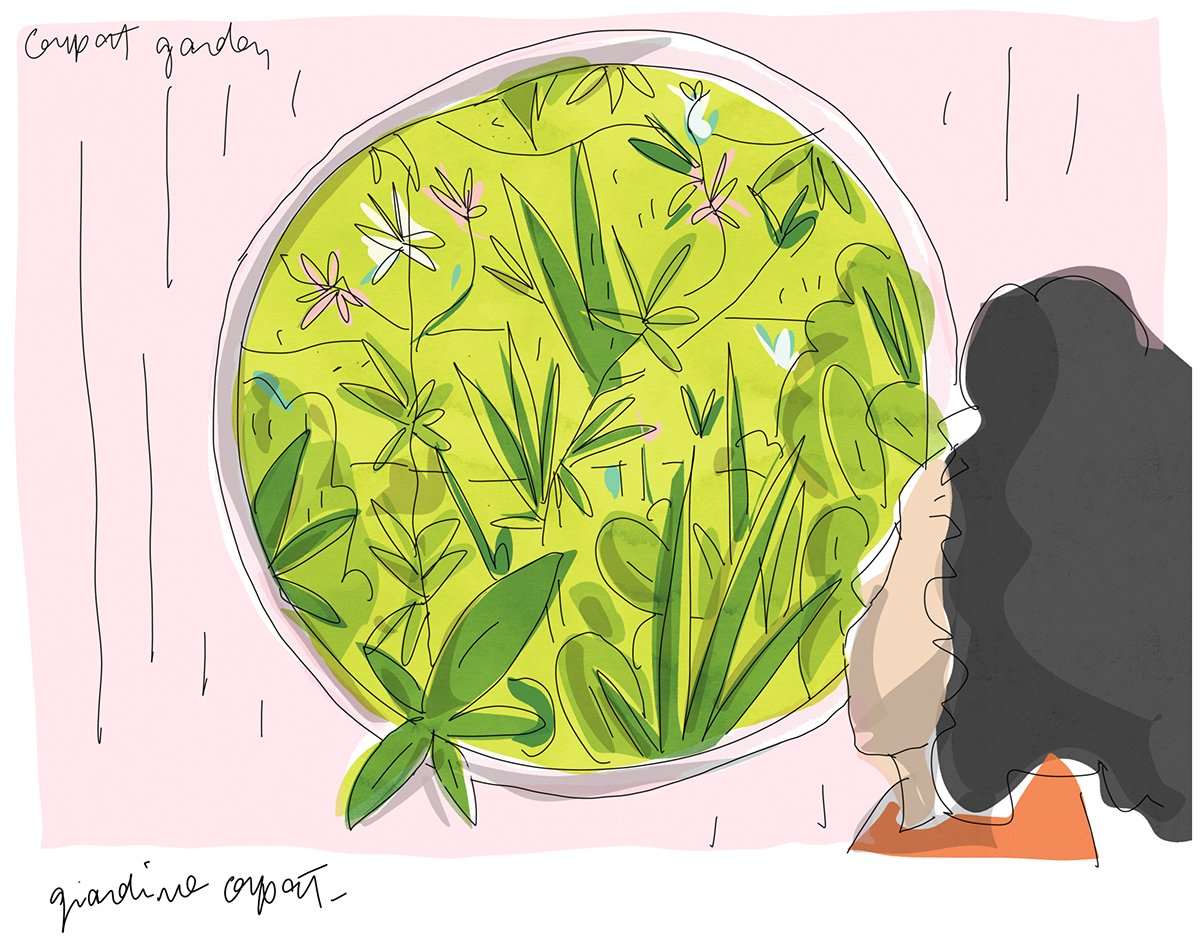
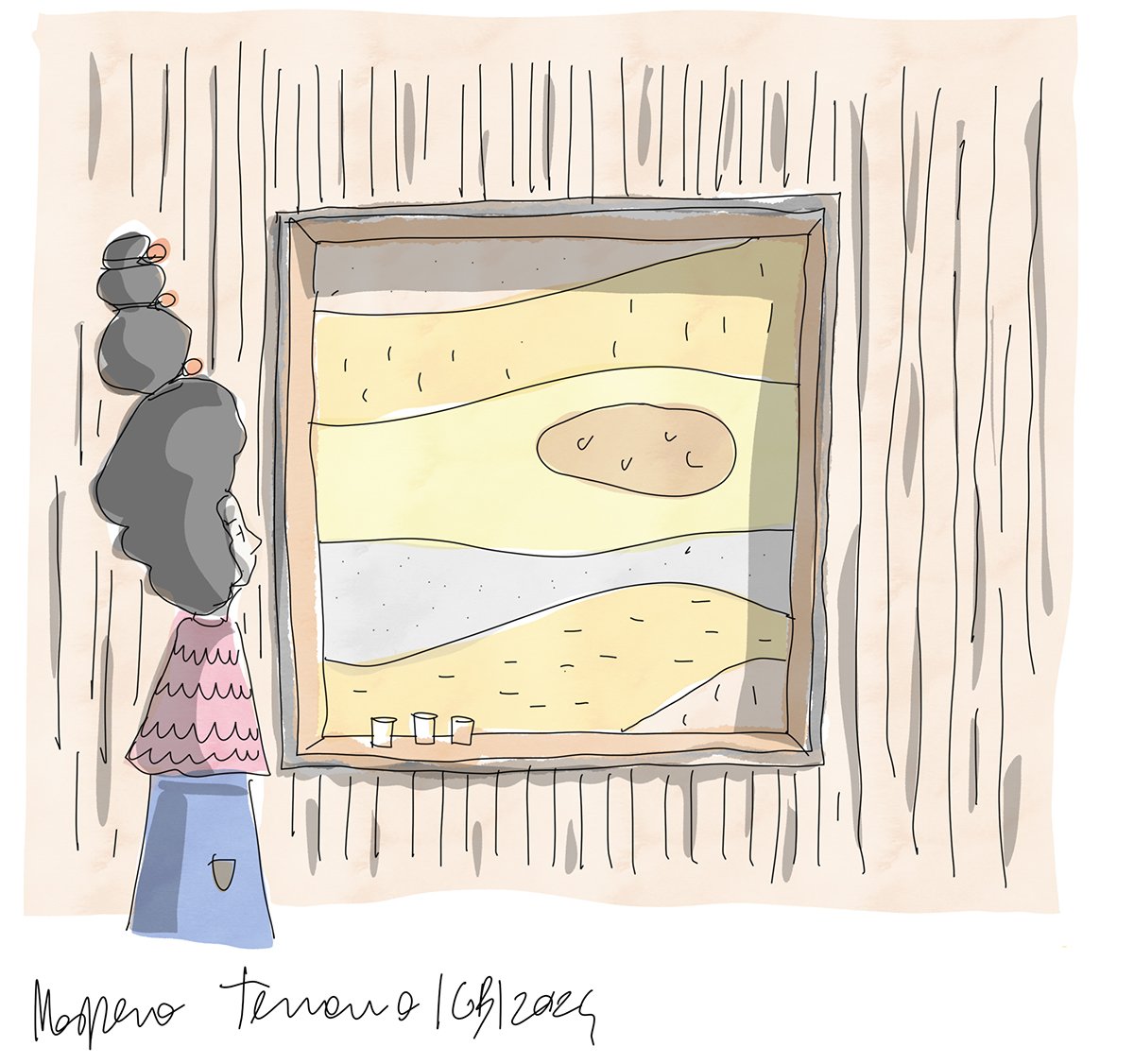
We pictured the “edicola” – a beautiful Latin word, meaning “little temple” – as a small civic temple dedicated to taking a coffee, where to have a short break, generously offering affordances to the citizens of Milan and the many visitors of the fuori salone. Openings, where to have a coffee “alla finestra”; alcoves where to sit, above street level, for a few minutes; table-shelves towards the outside, where to rest your cup or read the news; but also three-dimensional insertions, almost like paintings exhibited to the city, or windows to an inner world of the pavilion, with coffee plants, textures, soil samples, and the smell of toasted coffee. These openings, dedicated to the world of Nespresso – and to the art of short breaks – become frames where each little gesture – reading the news, stirring a cup, peeking into the coffee terrarium – complete the ever-changing picture of the pavilion.

The materials of the pavilion are a reflection of the drive behind the paper capsules – a recyclable pavilion meant to be seen, touched, even smelled, which becomes complete with use. Our first thoughts go towards plastering wood panels, translating the palette of Nespresso into a surface material, using earth different tones of based pigments to highlight the depth of the pavilion, along with textiles for upholstered surfaces and the niches.
Sketches


Images