Excerpt: ‘Co-Living with Seasonal Migrants’ is an architecture thesis by Musarrat Salsabil Chowdhury from the ‘Department of Architecture – Bangladesh University of Engineering & Technology (BUET).’ The project aims to create sustainable, community-based housing as an alternative to the proposed high-rise redevelopment in Chanpara. By upgrading existing homes and shared spaces, it seeks to improve living conditions, support seasonal migrants, and strengthen local livelihoods through participatory design, better infrastructure, and inclusive community development.
Introduction: People from Kurigram and the greater Rangpur region experience a severe seasonal famine known as “Monga.” Until 2011, many used to migrate to urban areas to cope with unemployment during this period. Even today, people continue to migrate during the lean season in search of better income opportunities. For example, a day laborer in Dhaka can earn up to 1,000 taka per day, while in their home villages, the wage is roughly half of that amount. Therefore, seasonal migration remains an essential strategy for improving livelihoods, and it should be supported by both the government and non-governmental organizations (NGOs).
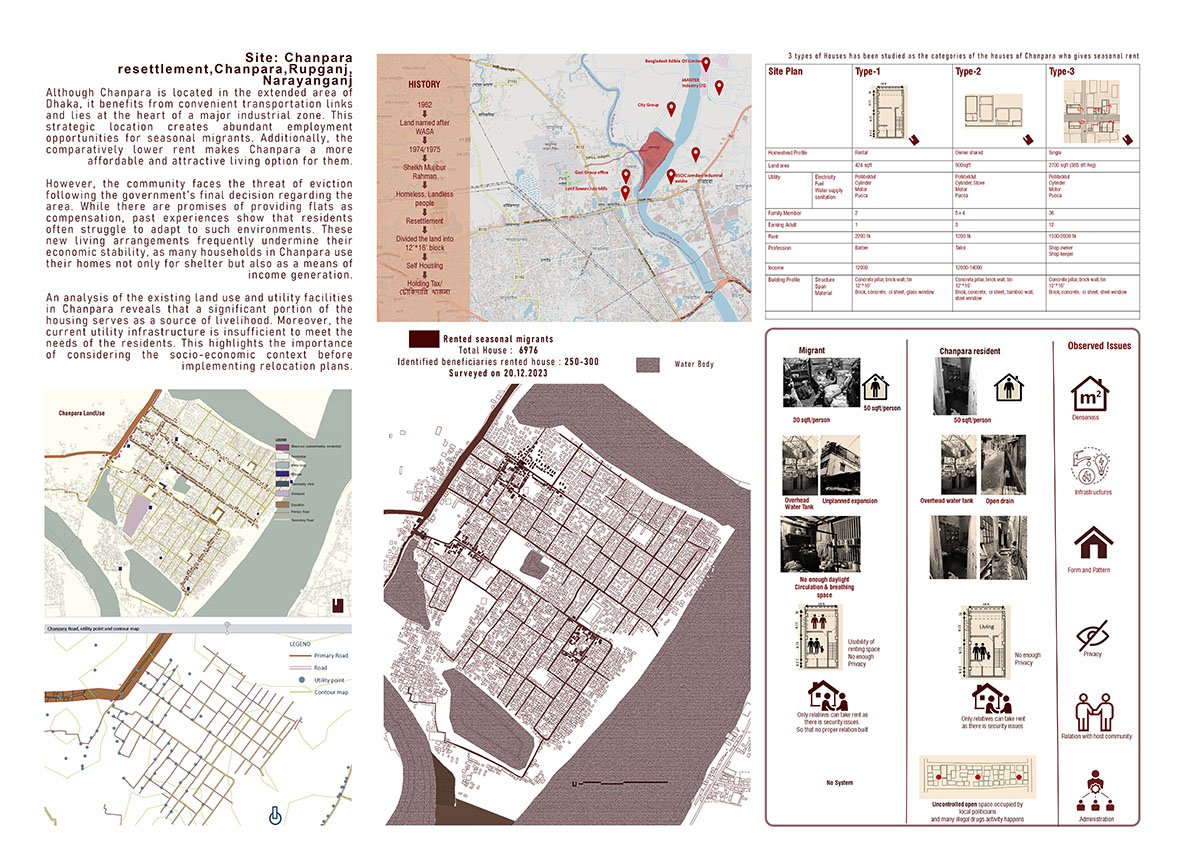
In Chanpara, many residents live alongside seasonal migrants, providing rental housing for them. The area’s proximity to Dhaka and its location within the industrial zone of Narayanganj make it a convenient and affordable place for migrants to stay, as rents are cheaper than in urban Dhaka. However, the living conditions of the local community are extremely poor due to the lack of proper utility services, and the area also faces a serious drug problem.
In response, the government has proposed constructing high-rise buildings in the area. However, this approach may not be a sustainable solution, as it risks displacing residents and disrupting the existing community-based economy. Instead, rebuilding homes in a sustainable way, while maintaining the seasonal rental system, could offer a more effective and inclusive solution.
The drug and illegal activity situation in Chanpara has become so critical that the government felt compelled to propose the high-rise project. Yet, it can be demonstrated that these problems can be addressed without resorting to such inhumane measures, while also accommodating homeless individuals who currently live under the open sky due to a lack of proper housing systems.
Community BackgroundSite Plan (Source: Google Map)
Chanpara, situated near Dhaka and the industrial belt of Narayanganj, exemplifies the complex realities of seasonal migration. Its affordable housing and proximity to employment opportunities attract migrant workers, yet the area struggles with inadequate living conditions, poor utility services, and social challenges such as drug abuse. The government’s proposal to replace the settlement with high-rise buildings threatens to displace residents, dismantle rental-based livelihoods, and disrupt the existing local economy.
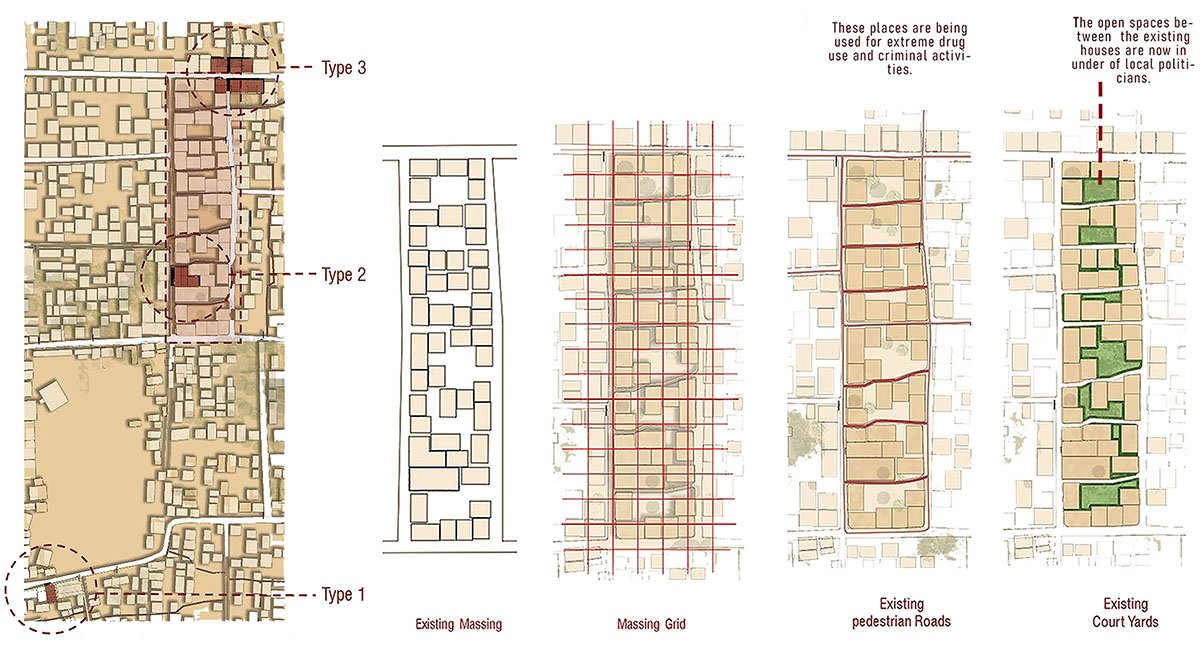
Chanpara Landuse | Rented Seasonal MigrantsChanpara Road, Utility Point, And Contour Map
This situation reflects broader patterns observed across informal settlements in the Global South. From Latin American favelas to South Asian slums, top-down redevelopment projects—such as high-rise resettlements—often fail to resolve underlying issues of social inclusion, economic stability, and service accessibility, ultimately deepening marginalization.
Concept
A more sustainable and inclusive approach lies in upgrading existing communities rather than displacing them. In the case of Chanpara, this involves improving housing and infrastructure to support both permanent and seasonal residents.
Design Process
Identified Plots For Intervention | Design Development
Homestead Level: Rapid and efficient construction should be prioritized to minimize the time residents are displaced and to reduce overall building costs. Designs must maintain clear privacy between the main house and rental units to ensure comfort and allow for future expansion. Each homestead should also meet minimum space standards and guarantee access to essential utilities such as water, sanitation, and electricity, even within compact layouts that support both livability and sustainability.
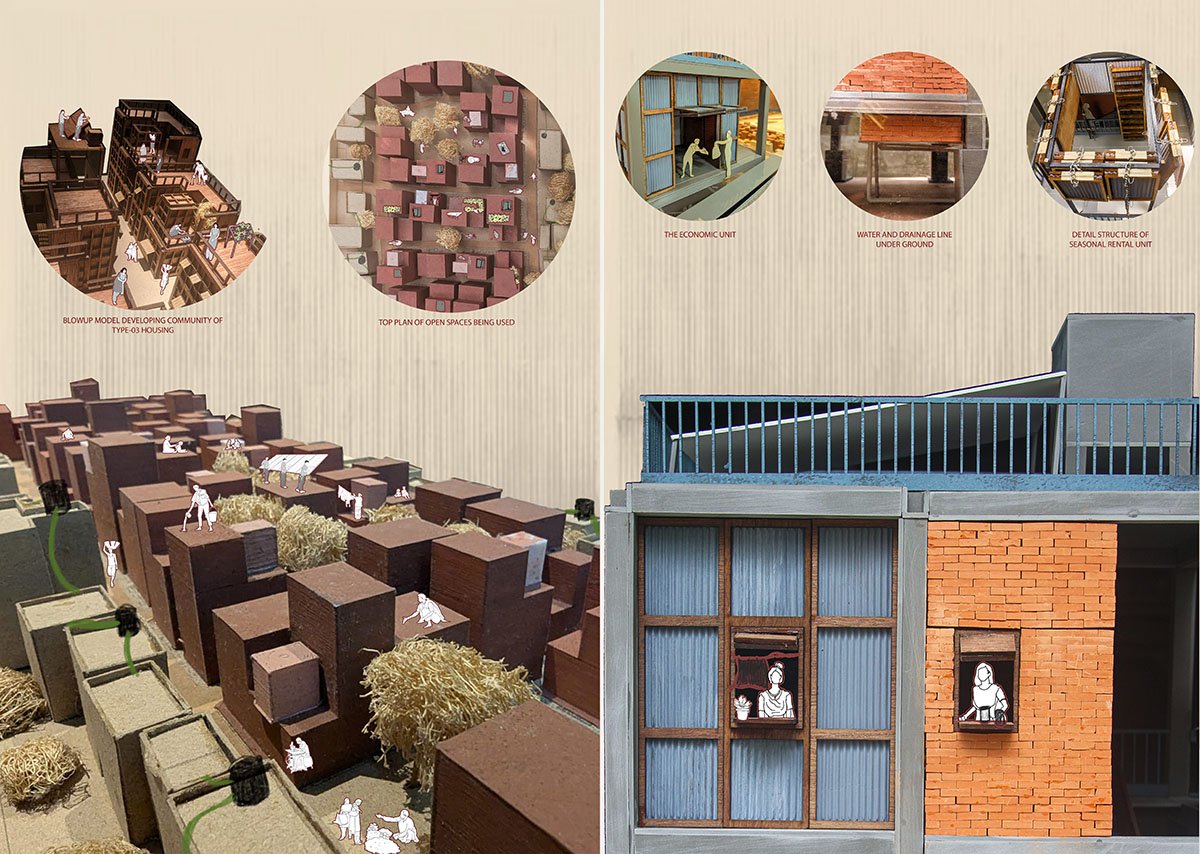
Cluster Level: At a broader scale, the neglected open spaces between houses—often controlled by local groups and used for unsafe activities—should be reclaimed and redesigned as safe and productive community areas. Reorganizing homesteads can transform these spaces into zones that encourage social interaction, shared activities, and collective safety, turning underused land into vibrant public spaces that strengthen community ties.
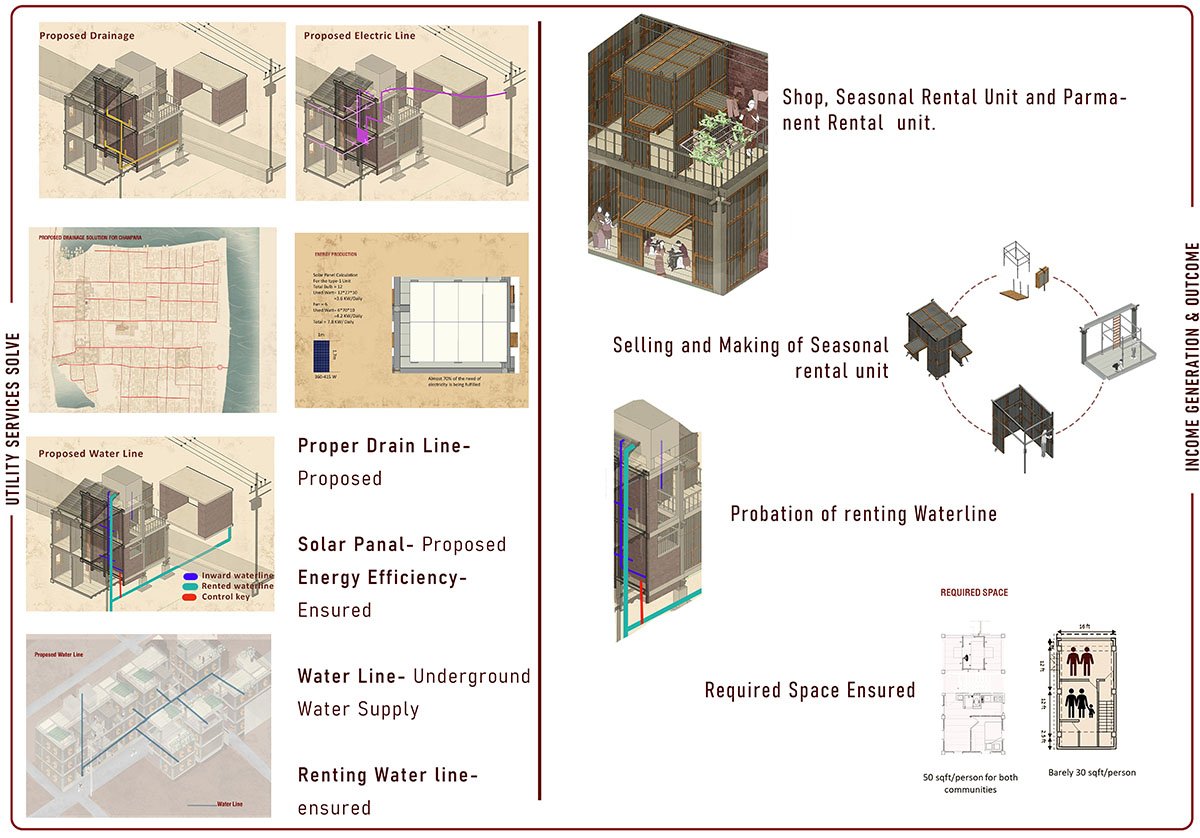
Construction And Installation Process Of Seasonal Rental Unit
Energy Sufficiency: Homestead designs should incorporate solar panels and efficient water management systems to promote energy independence and address the area’s severe sanitation challenges.
A Practical, Community-Centric Alternative: Instead of constructing high-rise buildings, a sustainable and inclusive approach should focus on upgrading existing homesteads to accommodate seasonal migrants while improving living standards for permanent residents.
The proposed framework emphasizes:
Affordable Utility Access: Ensure the availability of clean water, sanitation, and renewable energy solutions designed around community needs.
Drug Rehabilitation and Community Safety: Collaborate with NGOs to address drug issues through education, rehabilitation programs, and community policing.
Flexible Rental Systems: Introduce formalized rental agreements and shared housing models that benefit both landlords and seasonal tenants.
Sustainable Construction Practices: Utilize locally sourced, eco-friendly materials and climate-resilient designs that integrate with the local environment.
Participatory Planning: Actively involve both residents and migrants in the planning and decision-making process to ensure solutions reflect their lived experiences and priorities.
Final Outcome
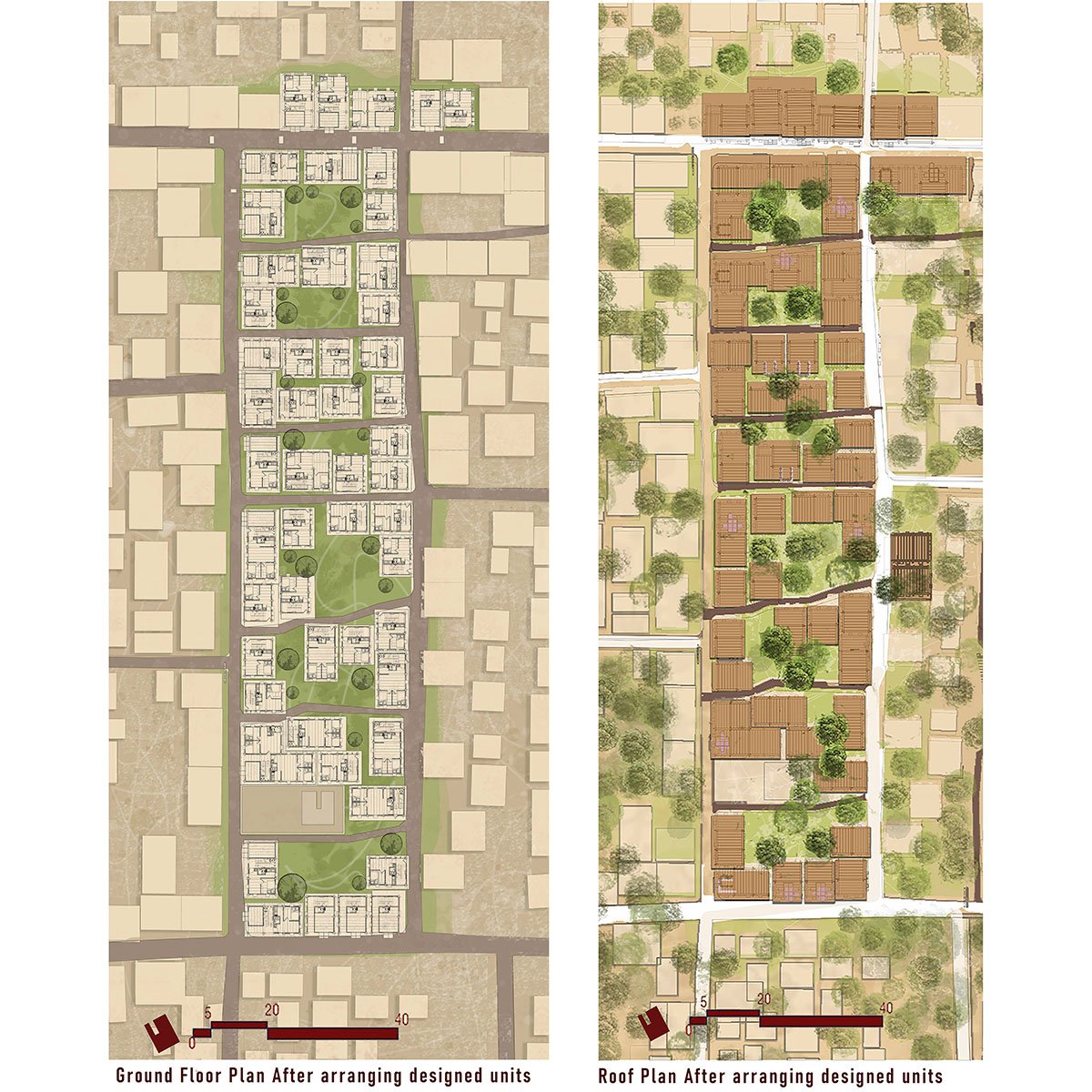
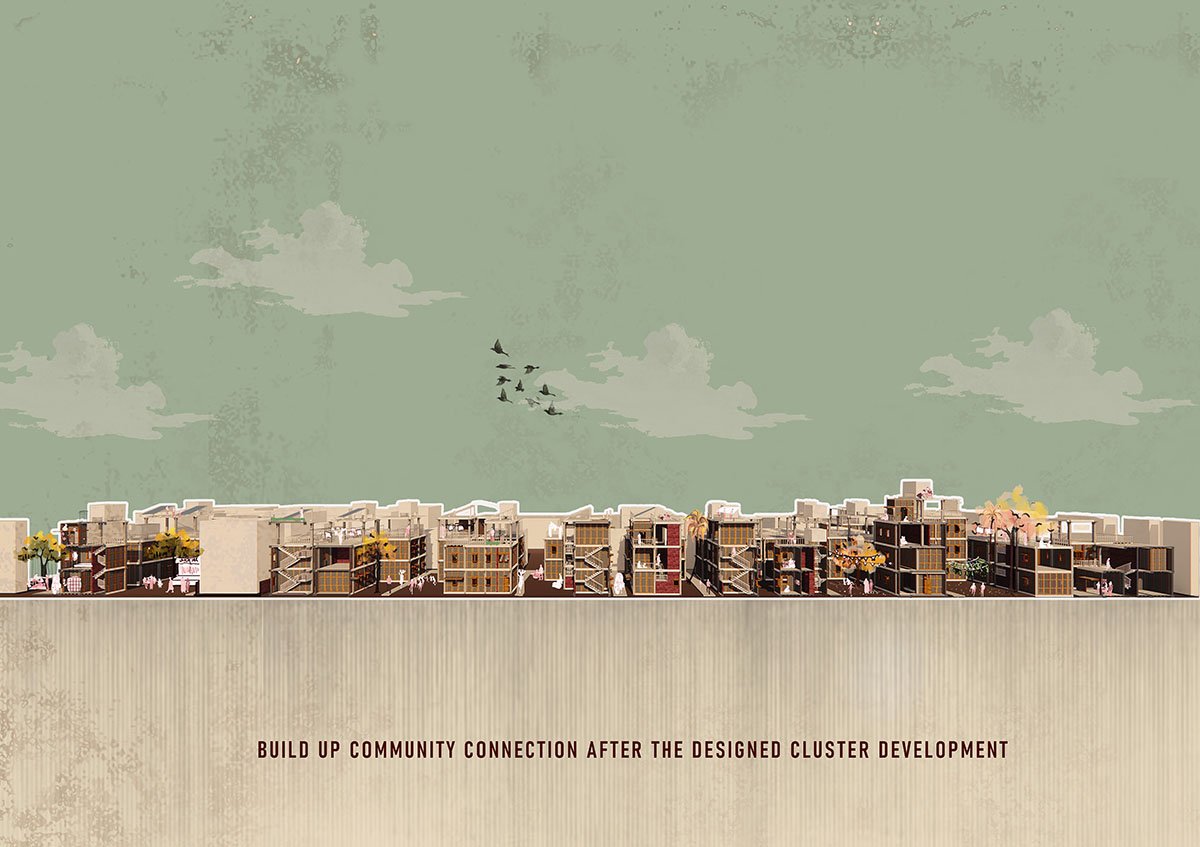
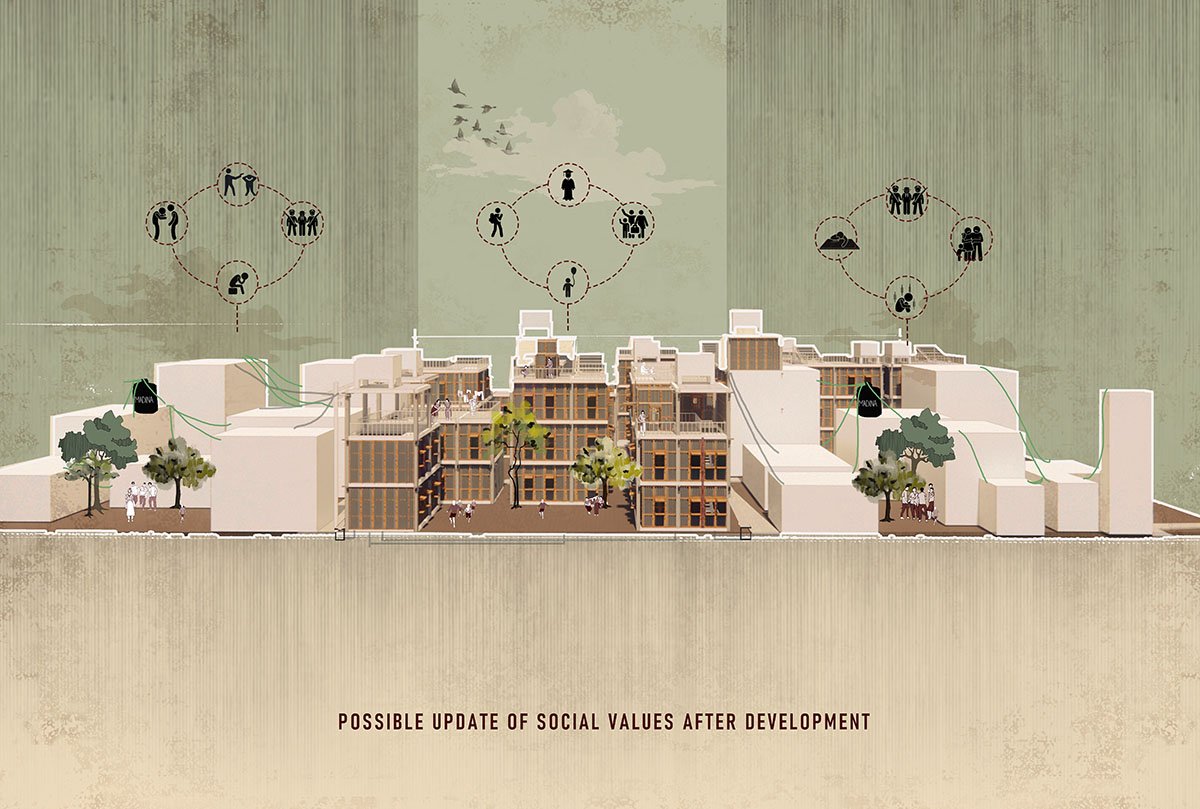
Ground Floor Plan And Roof PlanBuild Up Community Connection After The Designed Cluster DevelopmentPossible Update Of Social Values After Development
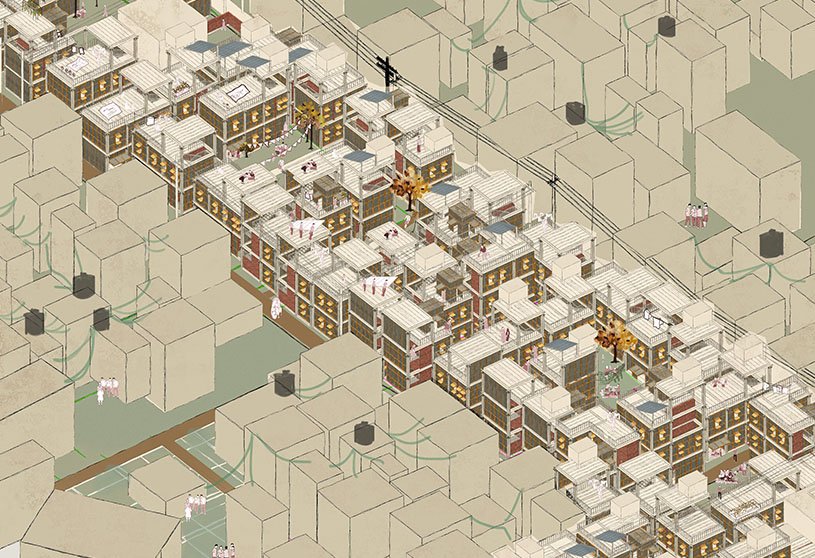
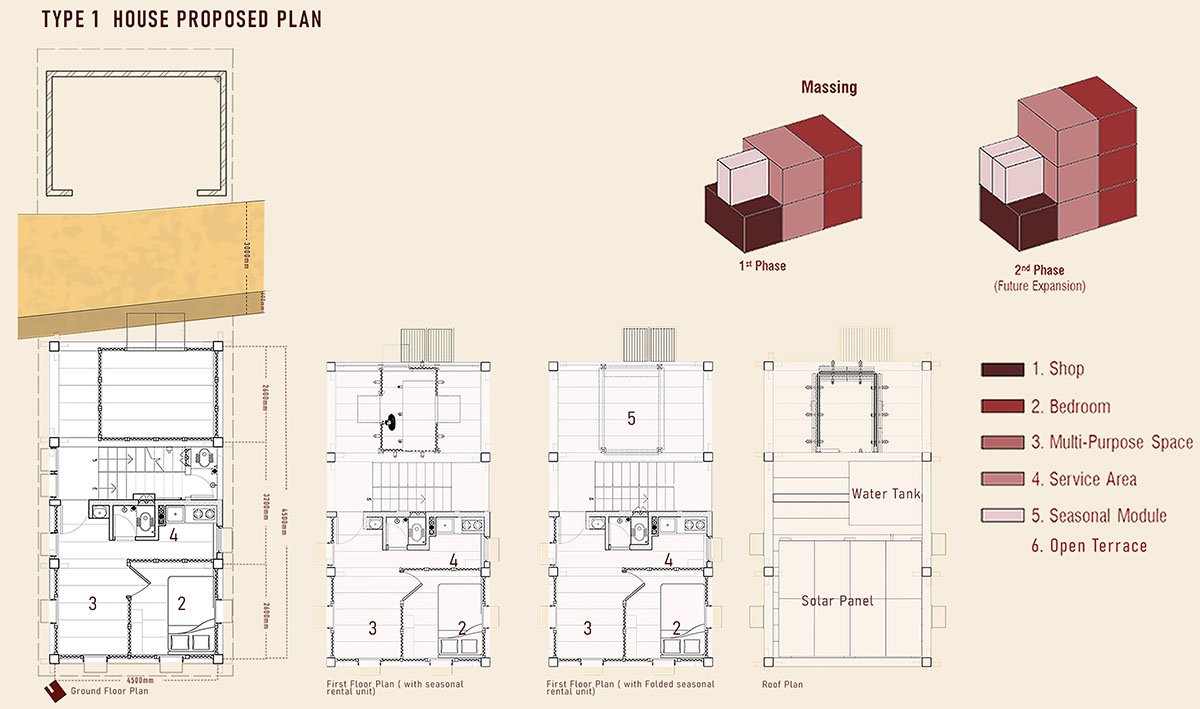
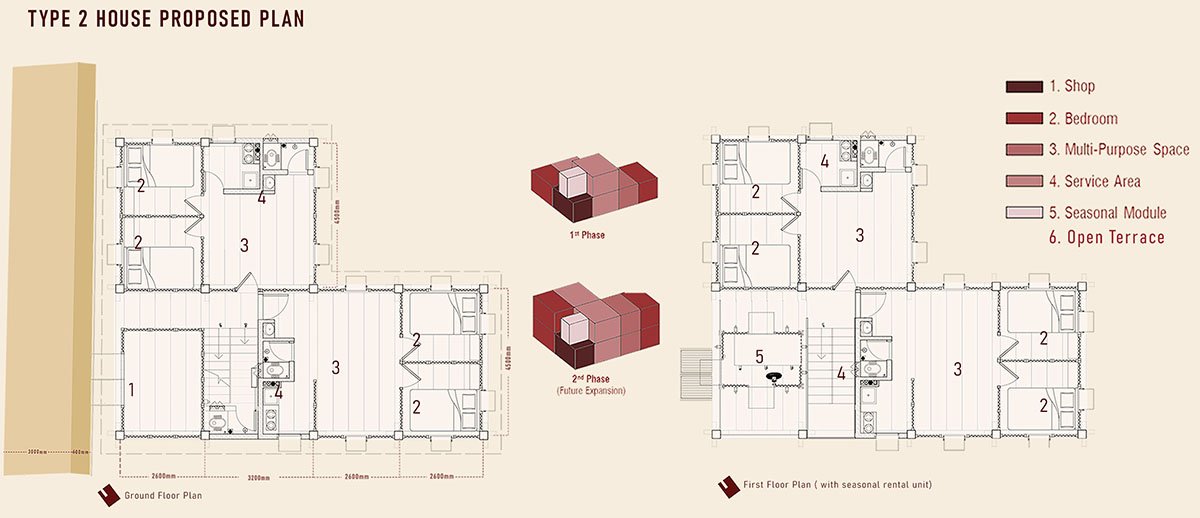
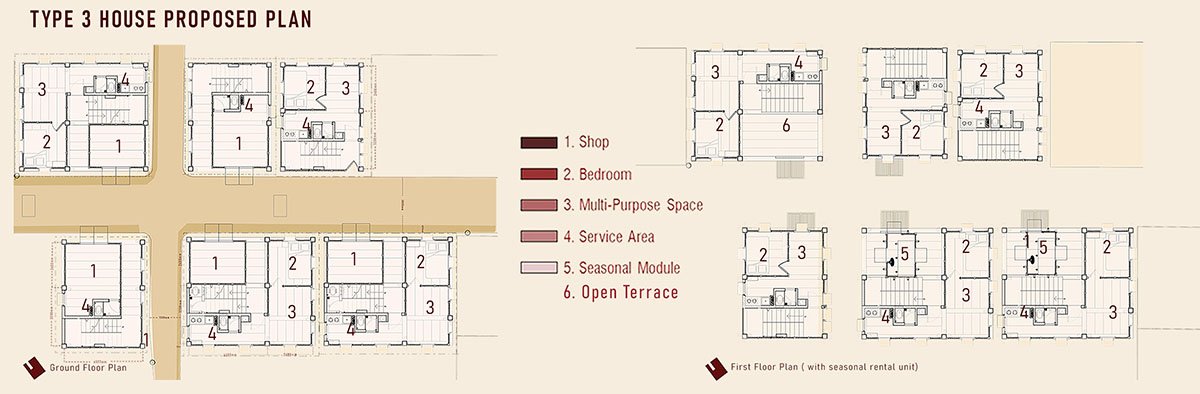
Design strategies to address the needs of seasonal migrants and Chanpara residents should begin at the unit level. The process starts by designing individual households that meet specific functional needs, ensuring that spaces are efficient, practical, and suited to residents’ daily lives. Once these individual units are well-resolved, they can be replicated and organized into clusters. The cluster design should emphasize safe and accessible communal spaces. Neglected or unmonitored areas—often sources of criminal activities—must be a central focus of the design to enhance safety and build a stronger sense of community.
In Chanpara, where crime remains a serious issue, transforming these abandoned areas into active and shared community spaces can help reduce social problems. Through thoughtful spatial design, issues such as crime can be addressed effectively, improving the overall well-being of residents.
Homestead PlansHomestead PlansHomestead Plans
This strategy follows a bottom-up approach, starting with the small-scale design of individual plots that respond directly to the functional requirements of residents. As these individual homes are replicated and grouped into clusters, broader community challenges, including safety and crime prevention, can be gradually addressed. By focusing on practical, unit-level solutions and then scaling them up, the design can successfully meet the needs of both seasonal migrants and permanent Chanpara residents.
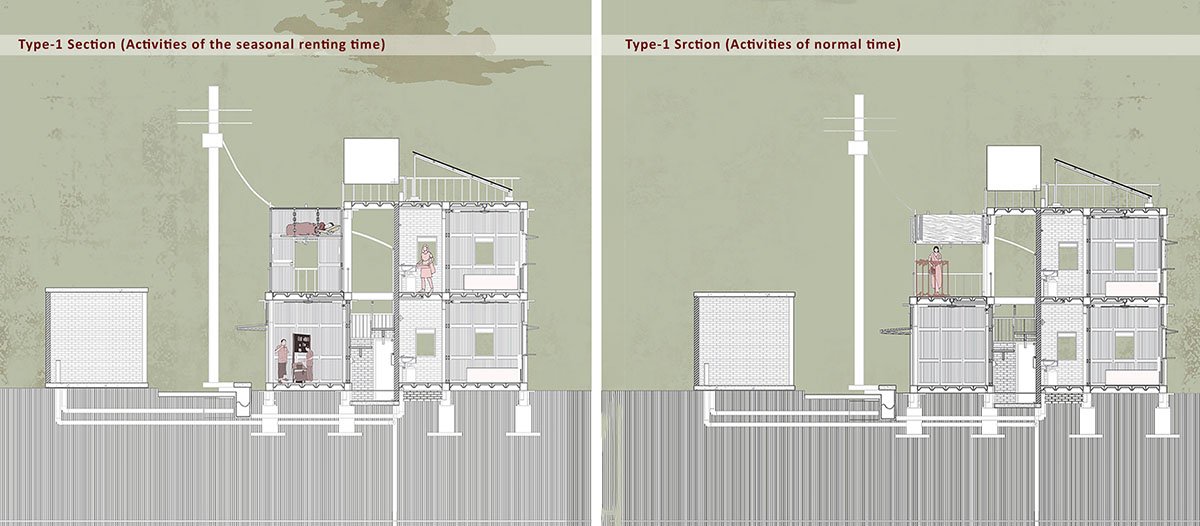
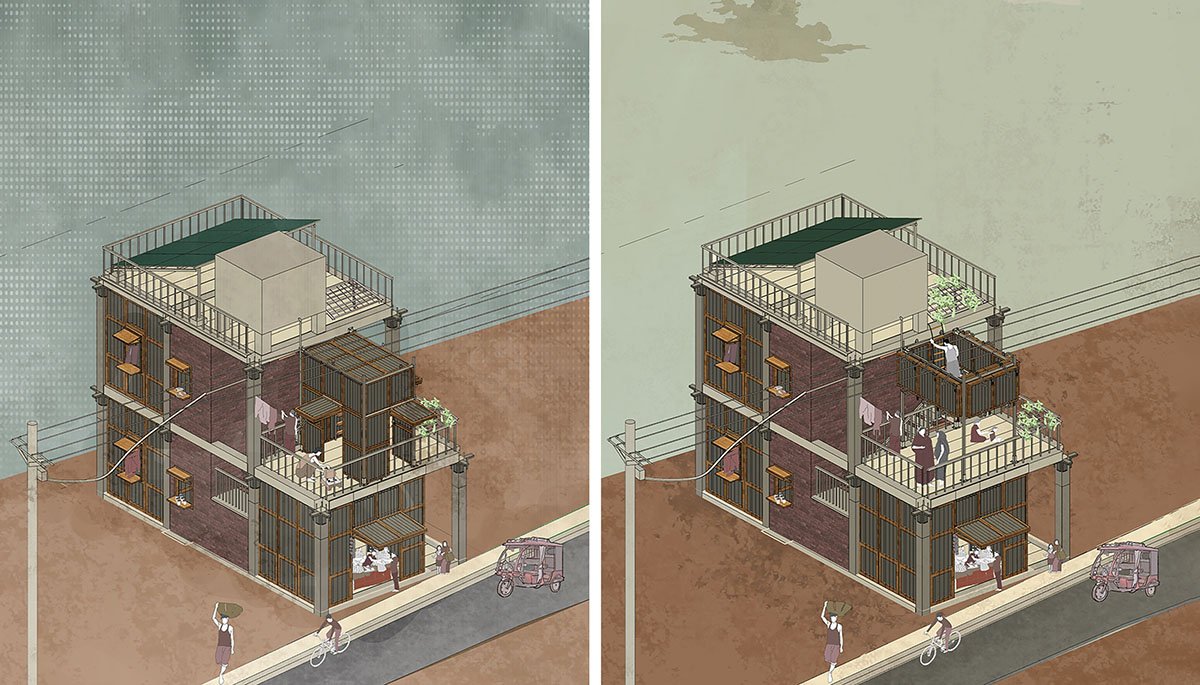
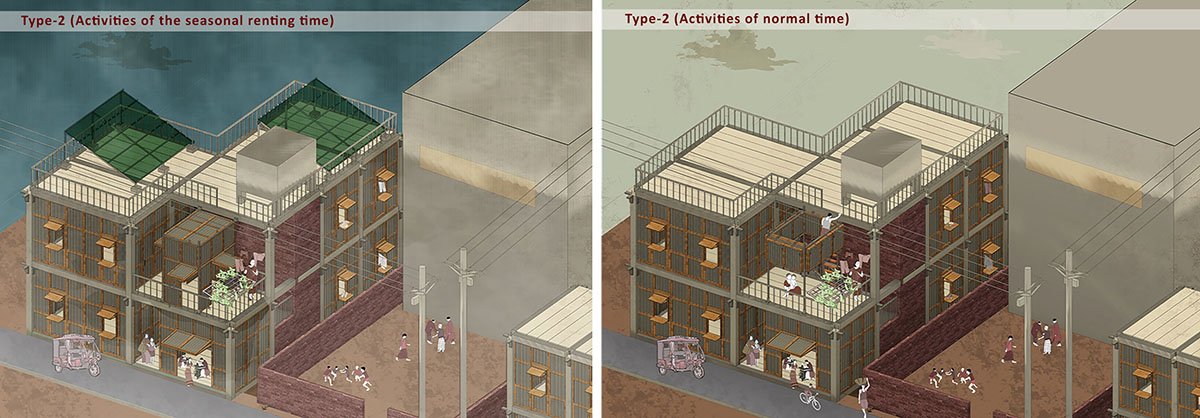
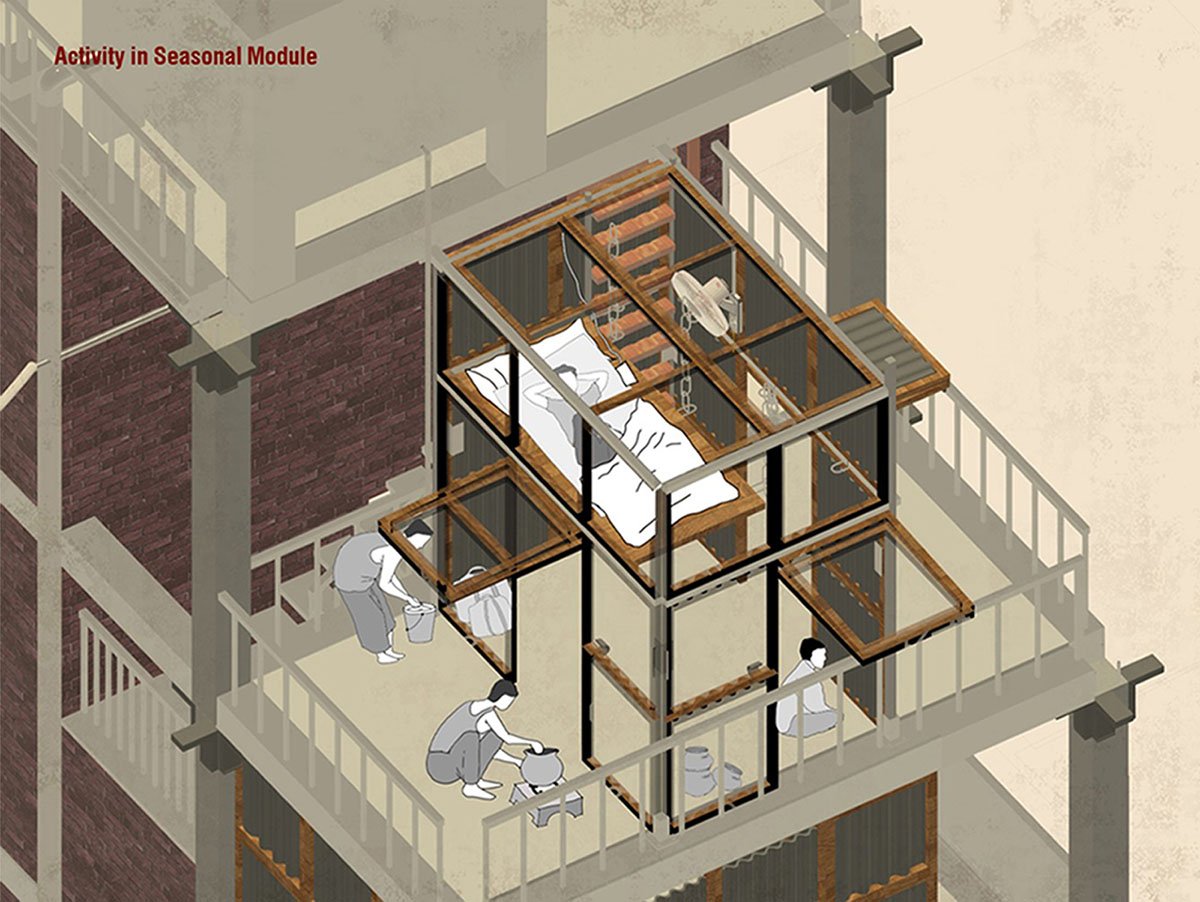
Section: Activities Of Seasonal Renting Time And Normal TimeAxonometric: Activities Of Seasonal Renting Time And Normal TimeAxonometric: Activities Of Seasonal Renting Time And Normal Time
Future Upgradation of the Community: The development of the cluster model has the potential to reshape the upbringing of future generations. Under the current system, children are often exposed to drug abuse, violence, and social neglect—witnessing women being harassed and young people becoming involved with drugs from an early age. Since children learn from what they observe, growing up in a healthy and secure environment is crucial for building productive and successful futures.
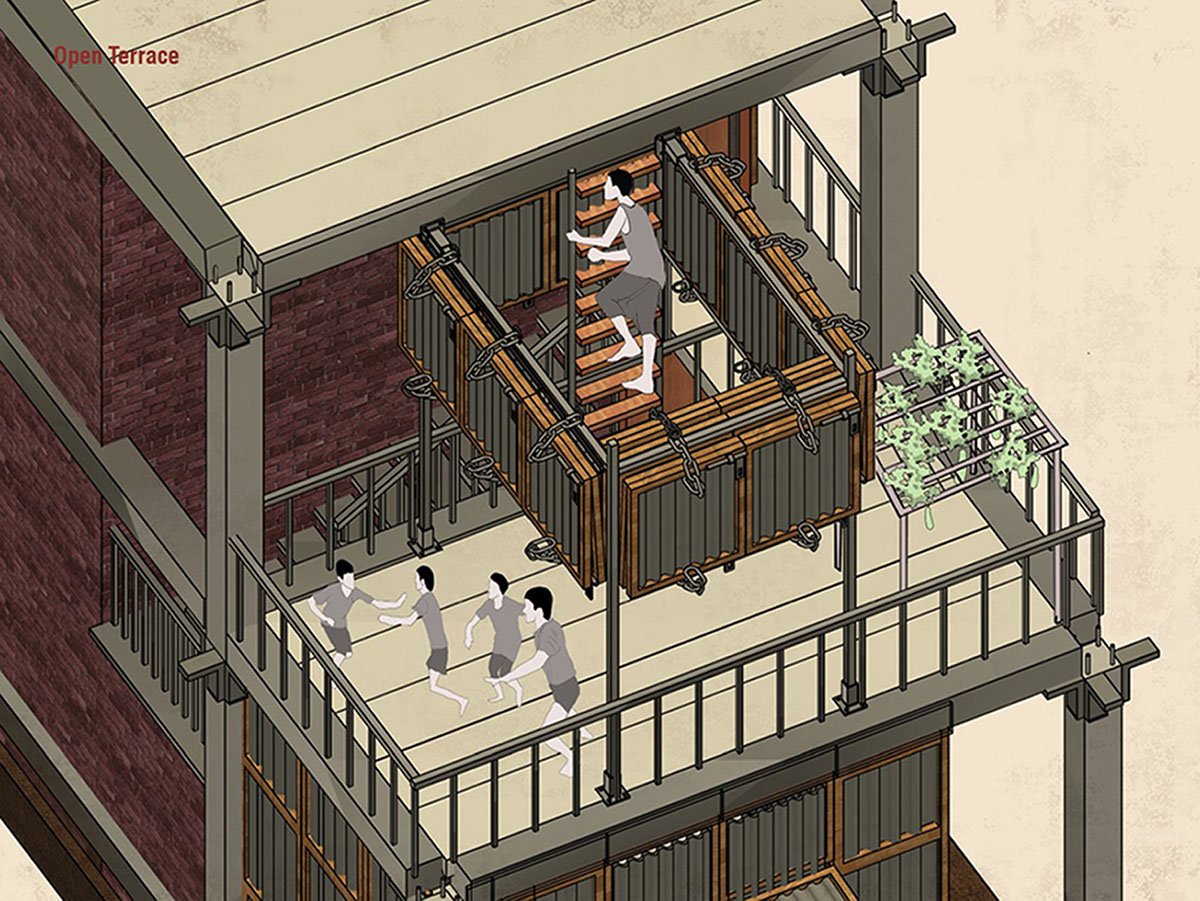
ViewView From Open Terrace When Seasonal Renters Go Back To Their Home
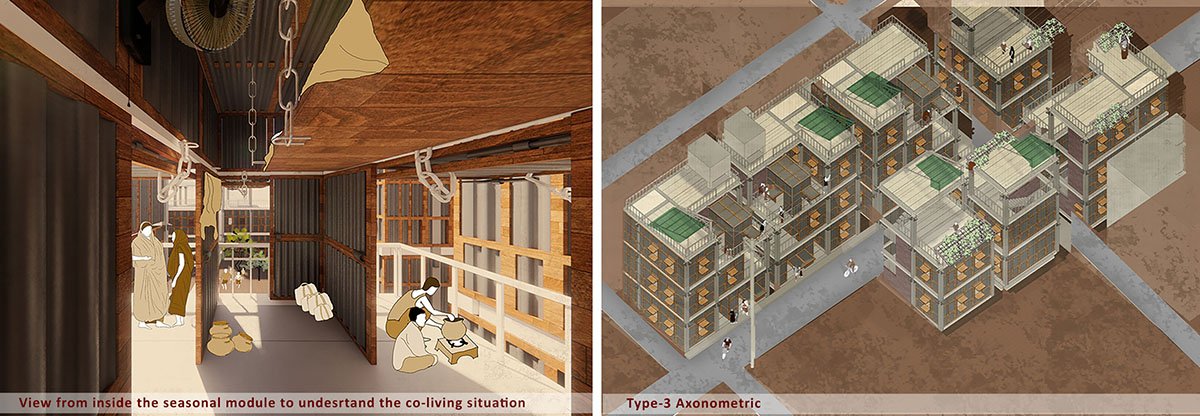
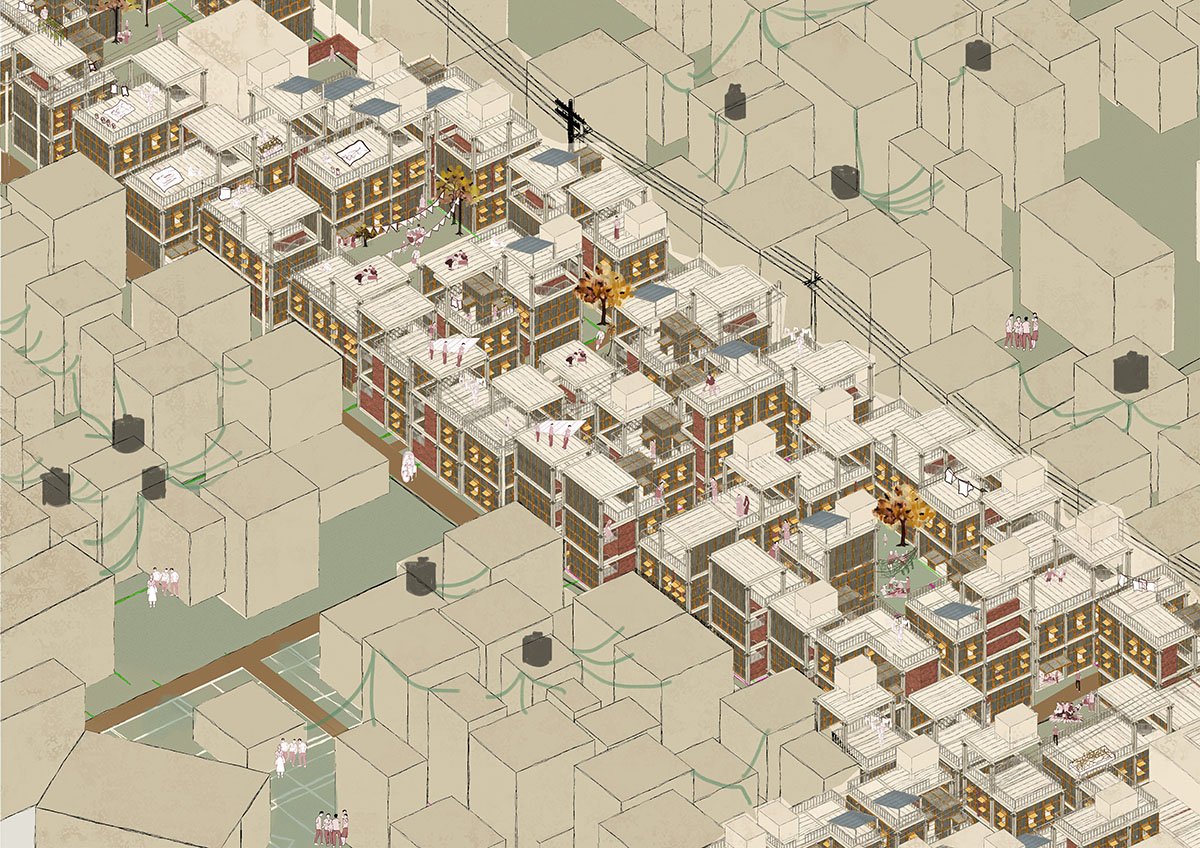
Therefore, the government’s goal of creating a child-friendly environment can be achieved not through high-rise developments but through low-cost, community-based housing improvements. The sectional and axonometric perspectives illustrate how these upgraded clusters can promote vibrant, healthy, and cohesive communities, shaping a better future for Chanpara’s residents.
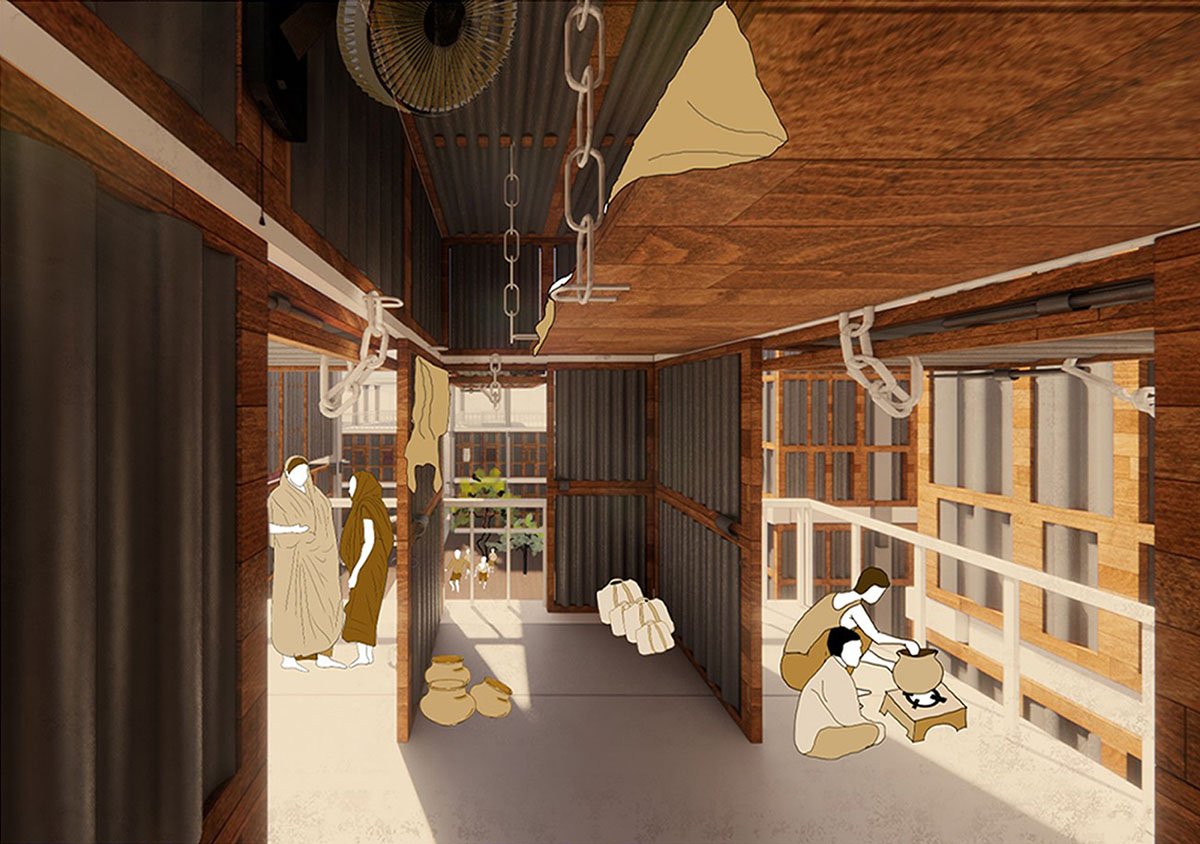
View From Inside The Seasonal Module To Understand The Co-Living SituationView From Terrace When Seasonal Renters Come To City For WorkPhysical Model
Conclusion: Ultimately, by applying responsive design strategies grounded in stakeholder consultation and household priorities, not only can housing challenges be solved, but wider community issues can also be mitigated. This approach offers a sustainable and holistic solution to the complex social and infrastructural problems in the area, making it an effective intervention for vulnerable populations.
[This Academic Project has been published with text and images submitted by the student]
Site Context
Design Process
Final Outcome
To submit your academic project for publication at ArchiDiaries, please visit the following link >> Submit
Get the best of ArchiDiaries, directly in your inbox.
We use cookies on our website to give you the most relevant experience by remembering your preferences and repeat visits. By clicking “Accept All”, you consent to the use of ALL the cookies. However, you may visit "Cookie Settings" to provide a controlled consent.
This website uses cookies to improve your experience while you navigate through the website. Out of these, the cookies that are categorized as necessary are stored on your browser as they are essential for the working of basic functionalities of the website. We also use third-party cookies that help us analyze and understand how you use this website. These cookies will be stored in your browser only with your consent. You also have the option to opt-out of these cookies. But opting out of some of these cookies may affect your browsing experience.
Necessary cookies are absolutely essential for the website to function properly. These cookies ensure basic functionalities and security features of the website, anonymously.
Cookie
Duration
Description
cookielawinfo-checkbox-analytics
11 months
This cookie is set by GDPR Cookie Consent plugin. The cookie is used to store the user consent for the cookies in the category "Analytics".
cookielawinfo-checkbox-functional
11 months
The cookie is set by GDPR cookie consent to record the user consent for the cookies in the category "Functional".
cookielawinfo-checkbox-necessary
11 months
This cookie is set by GDPR Cookie Consent plugin. The cookies is used to store the user consent for the cookies in the category "Necessary".
cookielawinfo-checkbox-others
11 months
This cookie is set by GDPR Cookie Consent plugin. The cookie is used to store the user consent for the cookies in the category "Other.
cookielawinfo-checkbox-performance
11 months
This cookie is set by GDPR Cookie Consent plugin. The cookie is used to store the user consent for the cookies in the category "Performance".
viewed_cookie_policy
11 months
The cookie is set by the GDPR Cookie Consent plugin and is used to store whether or not user has consented to the use of cookies. It does not store any personal data.
Functional cookies help to perform certain functionalities like sharing the content of the website on social media platforms, collect feedbacks, and other third-party features.
Performance cookies are used to understand and analyze the key performance indexes of the website which helps in delivering a better user experience for the visitors.
Analytical cookies are used to understand how visitors interact with the website. These cookies help provide information on metrics the number of visitors, bounce rate, traffic source, etc.
Advertisement cookies are used to provide visitors with relevant ads and marketing campaigns. These cookies track visitors across websites and collect information to provide customized ads.