Home » Academic projects » Flow: Artificial Intelligence as a Framework for Generating Functional Geometry | Bachelor’s Design Project on Computational Architecture
Flow: Artificial Intelligence as a Framework for Generating Functional Geometry | Bachelor’s Design Project on Computational Architecture
Excerpt: ‘Flow’ is a Bachelors Design Project by Alex Li from the ‘School of Architecture – University of Waterloo.’ The project aims to develop robust yet flexible design frameworks that enable designers to generate and fabricate kinetic geometries across multiple scales. By connecting digital simulation with material-driven fabrication, the project emphasizes adaptability, performance, and designer autonomy, allowing the systems to be applied to a wide range of design contexts.
Introduction: How can AI be leveraged to rapidly produce functional geometry?
FL◇W is a project that utilizes the computational strength of AI to create advanced geometric systems. At its core is a robust yet flexible framework that enables generation, iteration, validation, and physical testing in a continuous loop. The designer acts as a validation checkpoint, maintaining full agency and control.
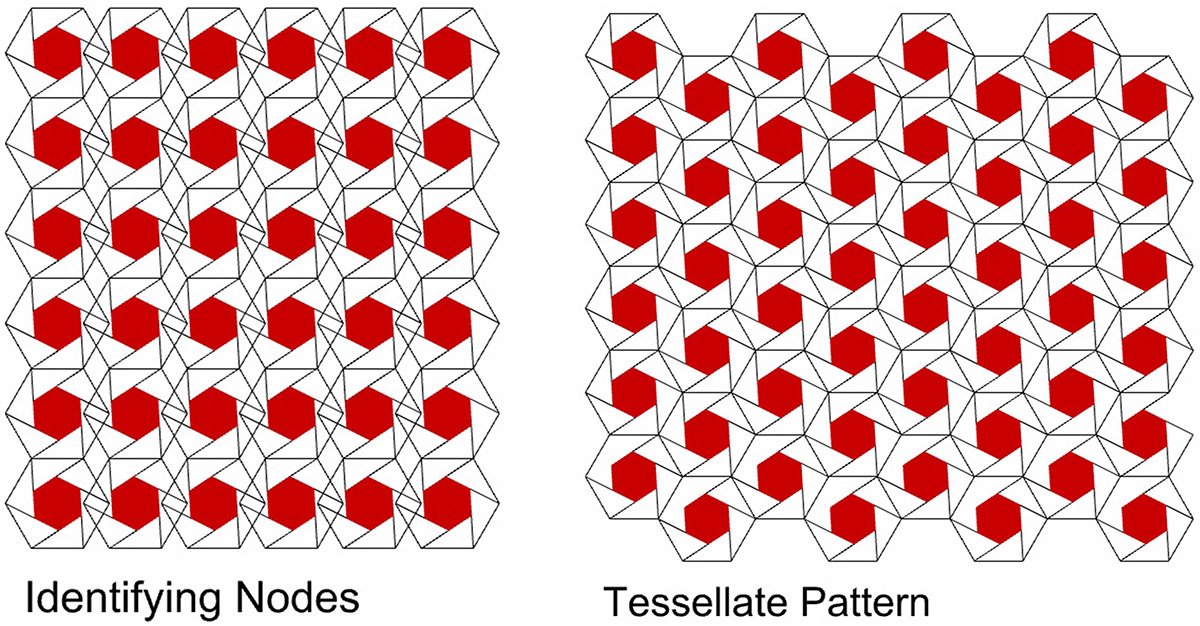
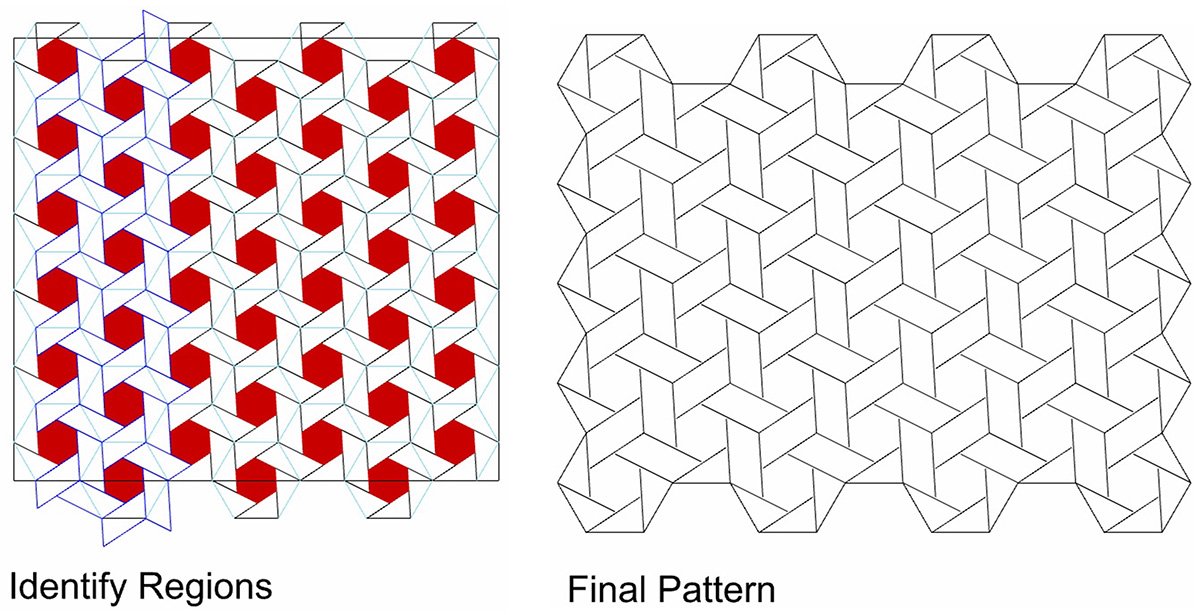
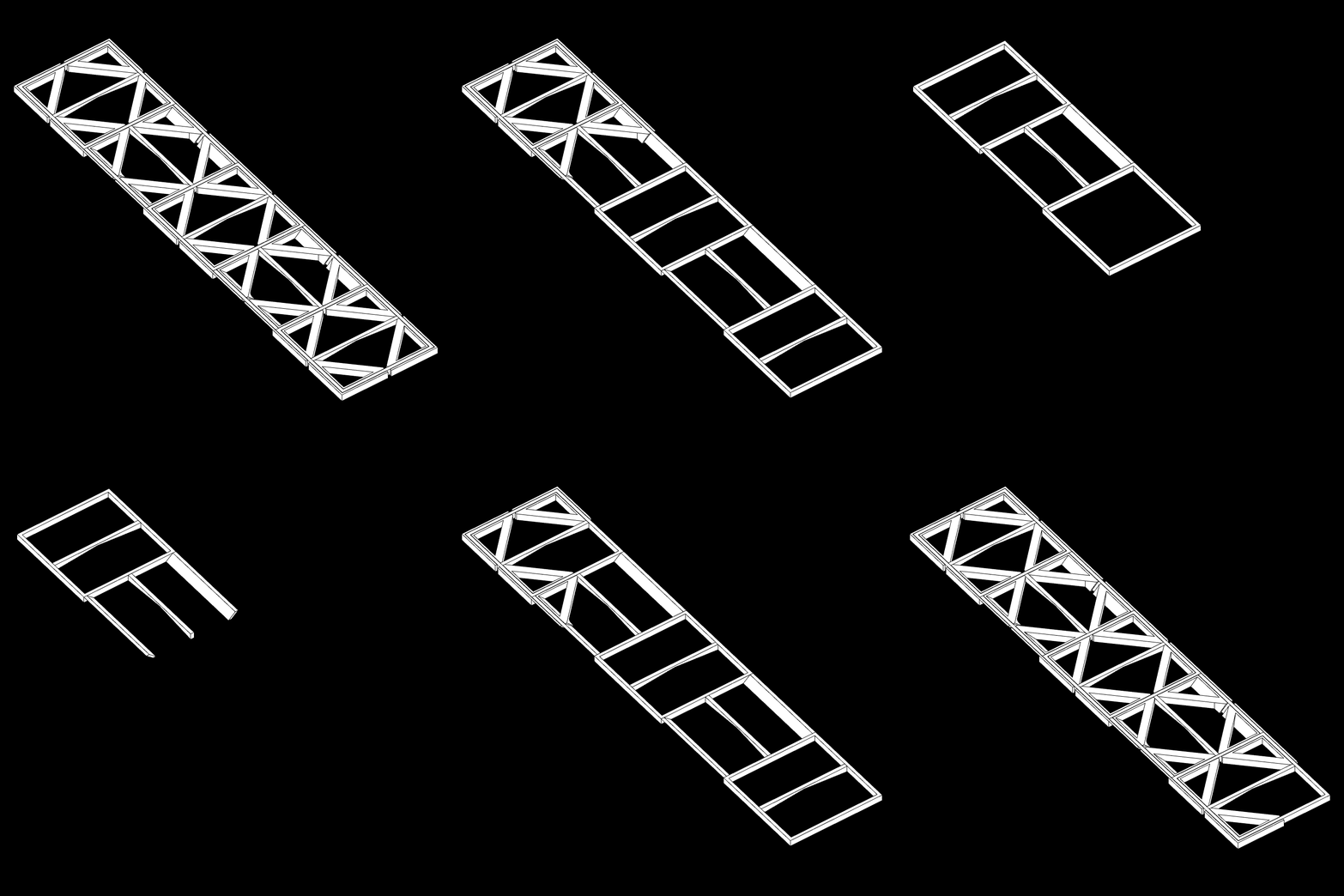
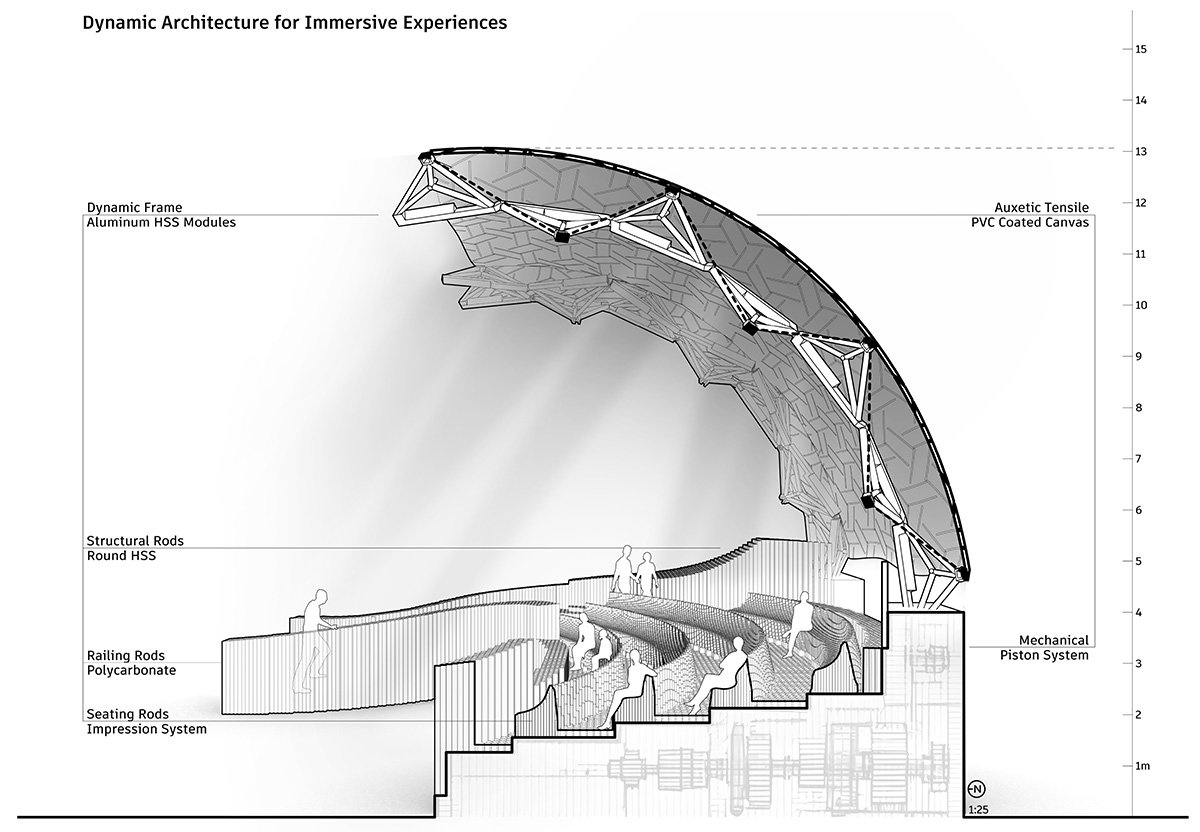
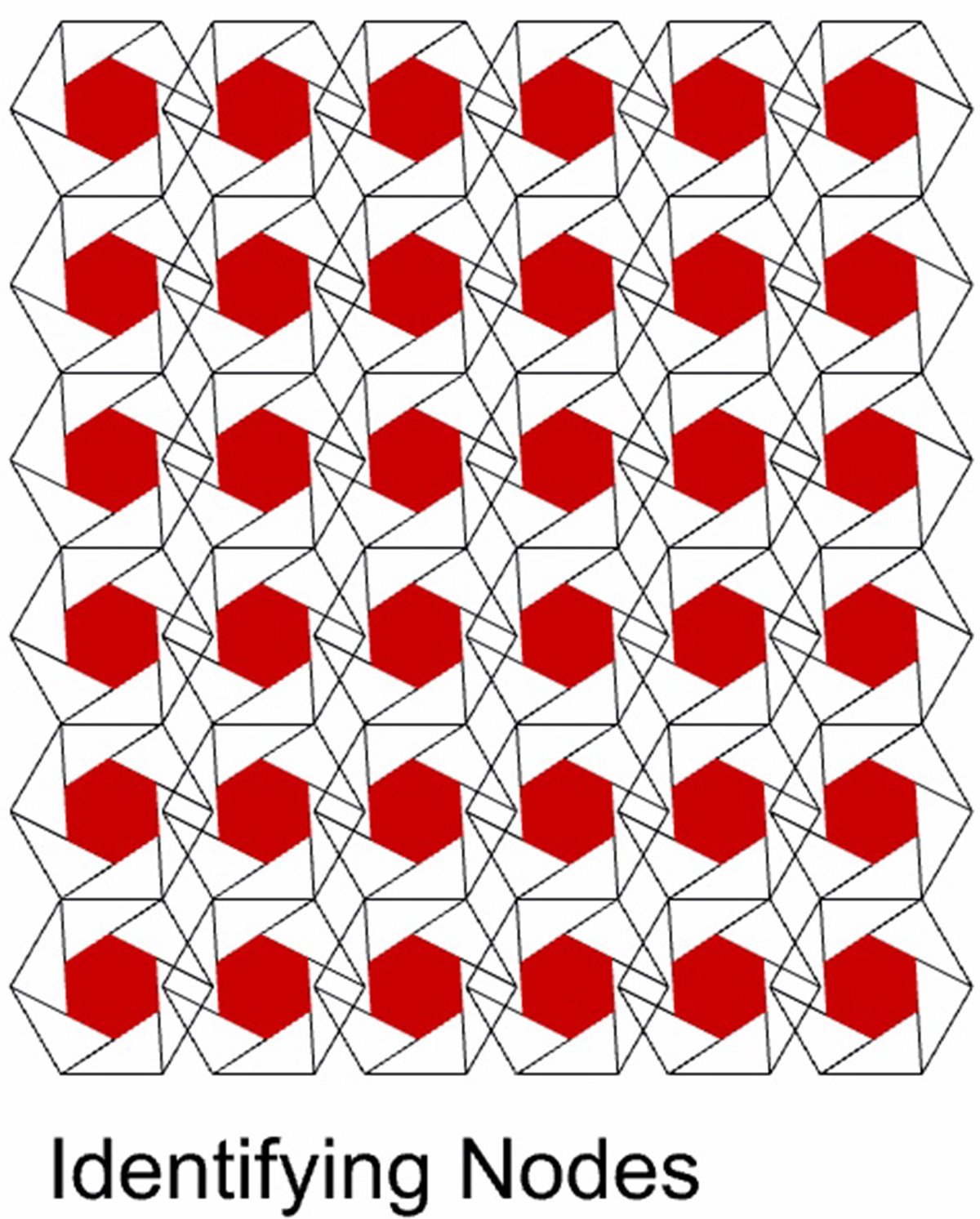
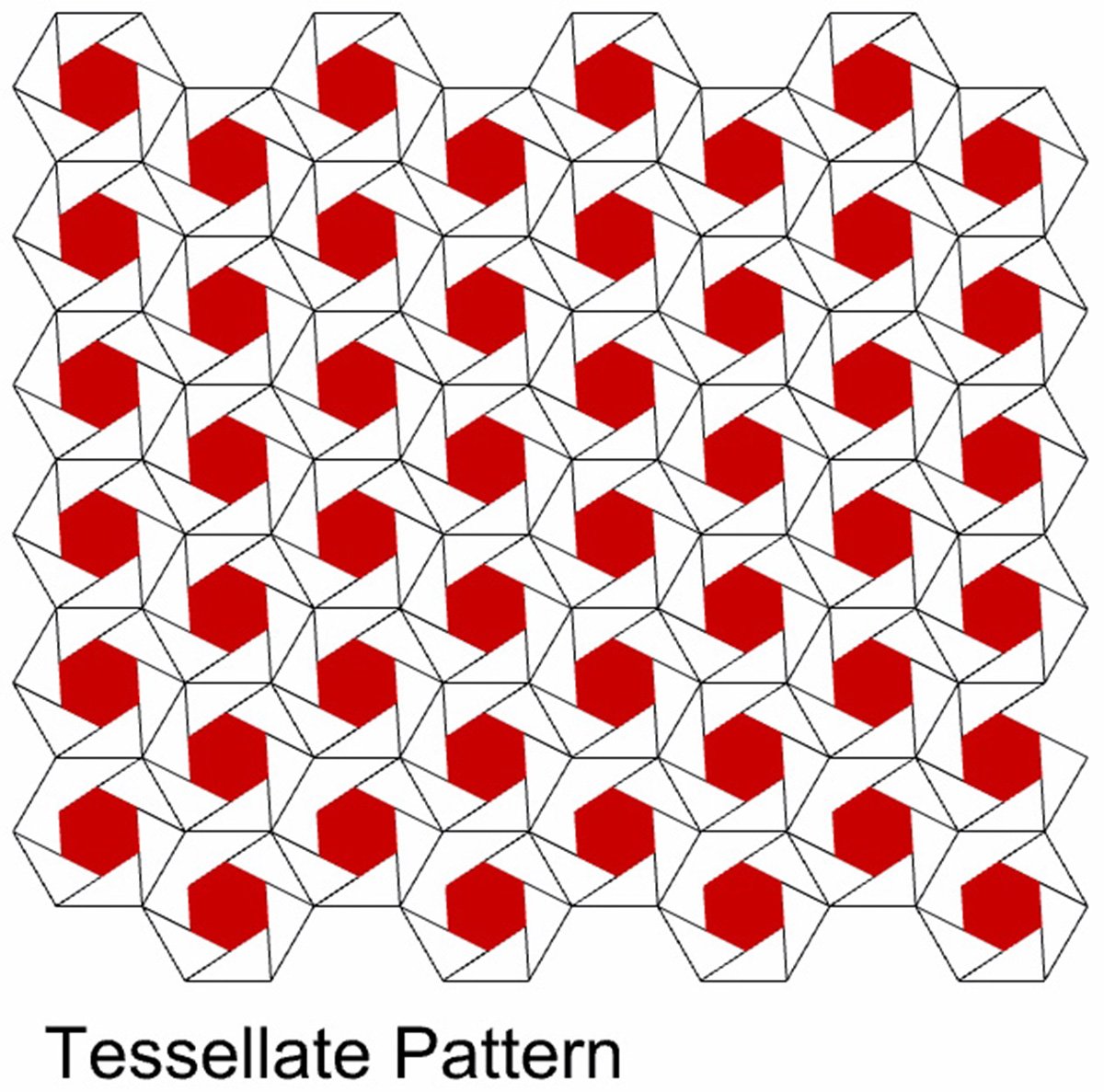
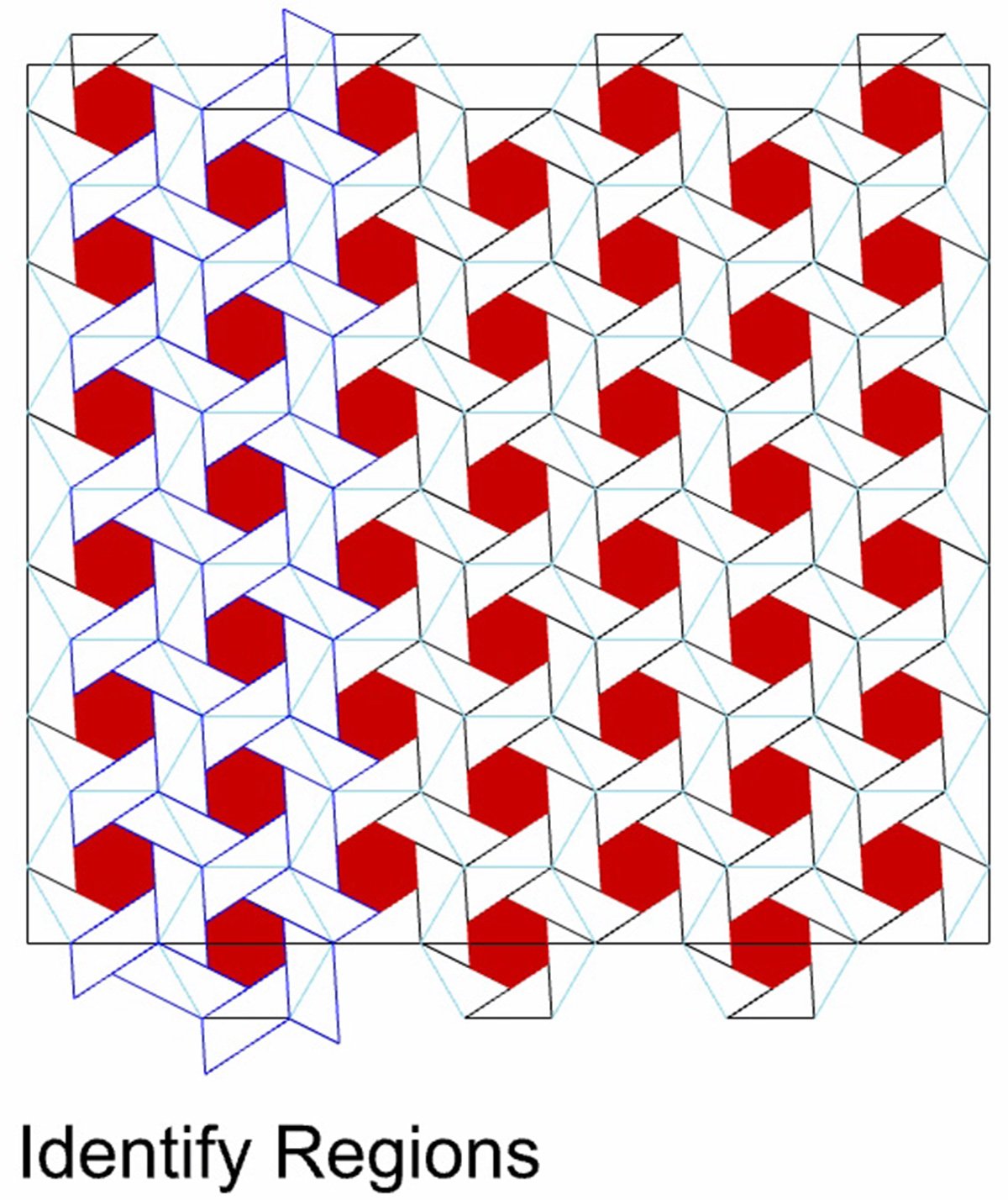
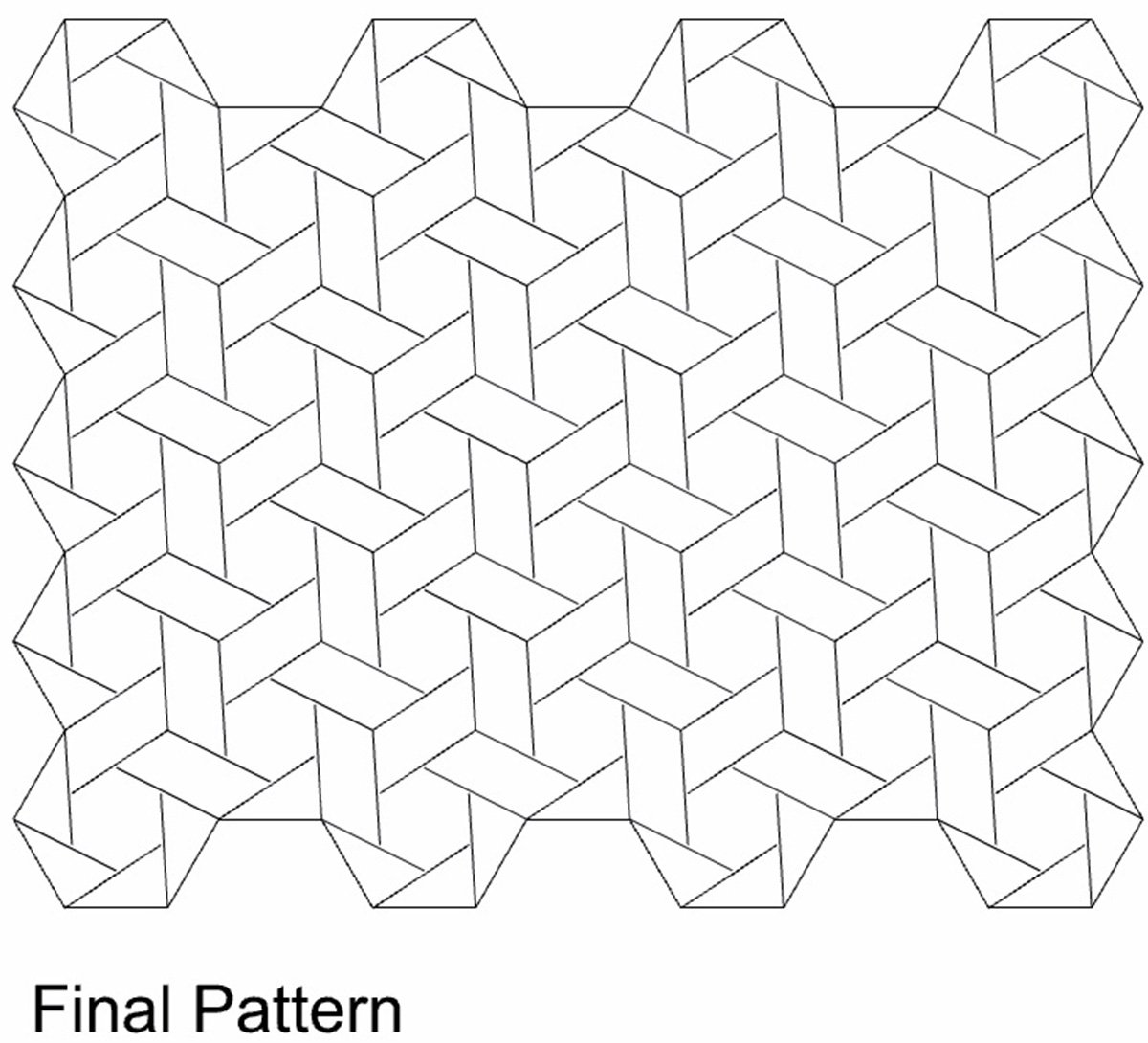
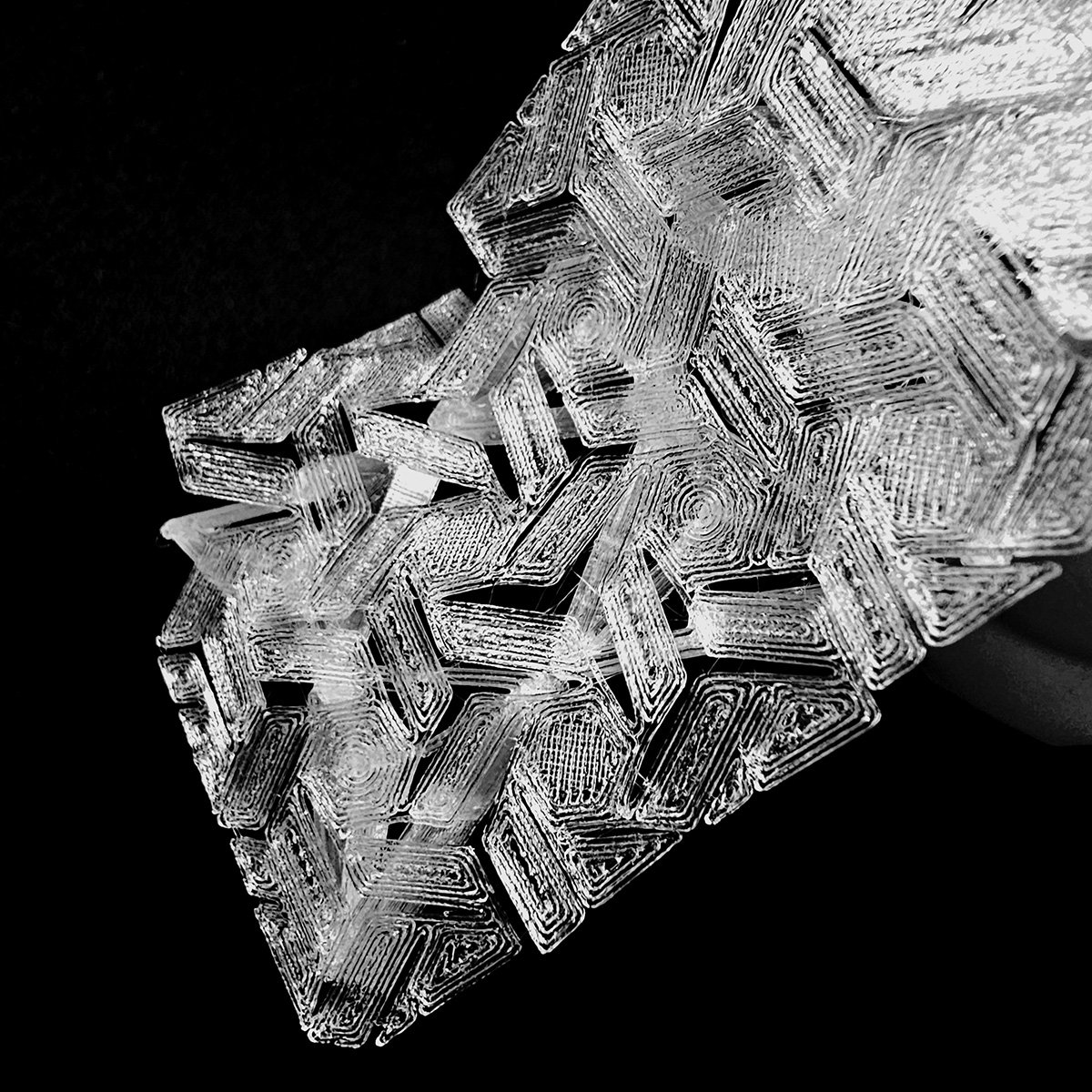
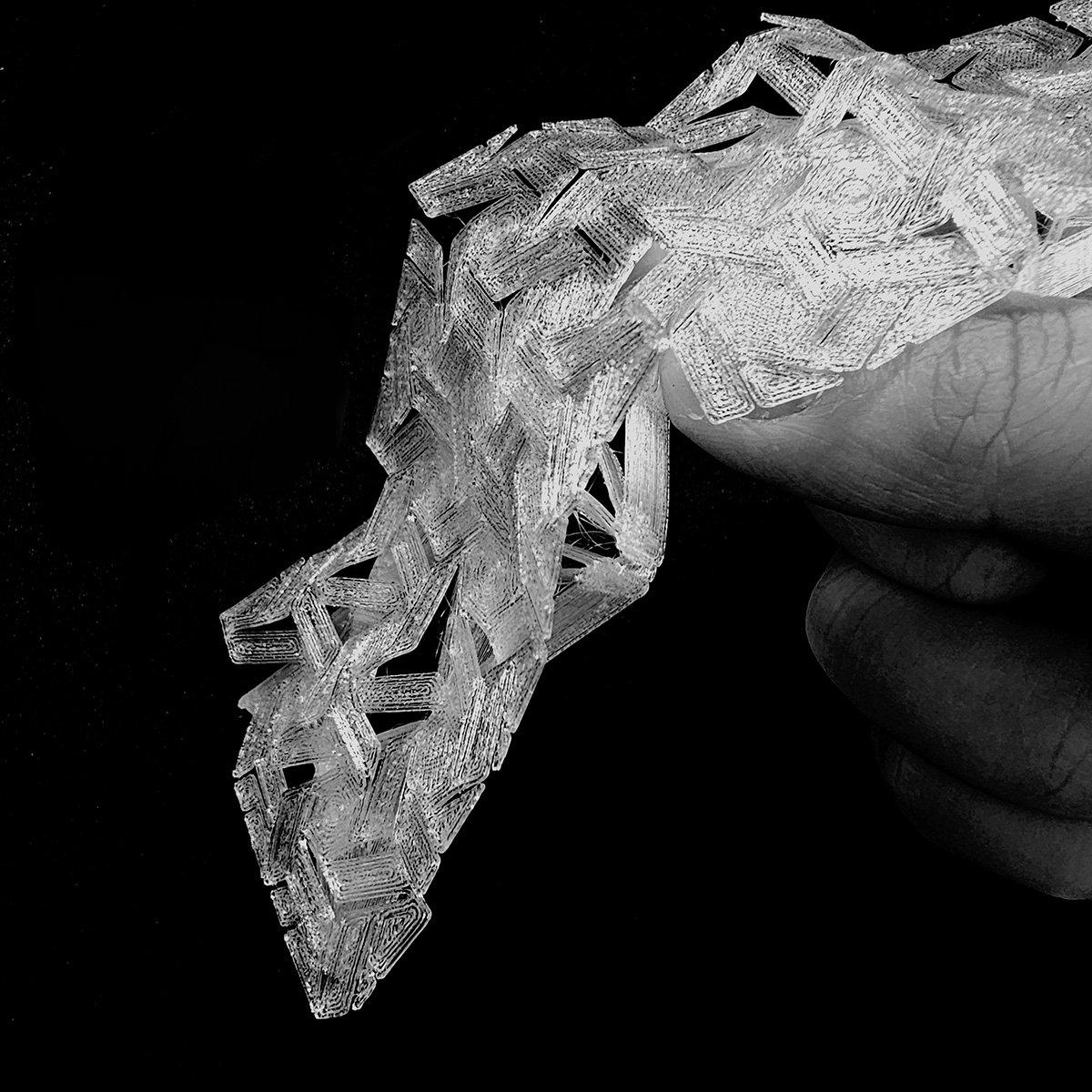
The project consists of two complex forms: a Bistable Auxetic Surface, and a Kinetic Transformation Frame. Each can function independently or combine to create semi-autonomous multi-state geometries, scalable from tabletop objects to architectural form.
AI democratizes the design process by augmenting human creativity, enabling designers of all skill levels to rapidly produce advanced, functional geometry, which historically demanded high levels of expertise, skill, and time.
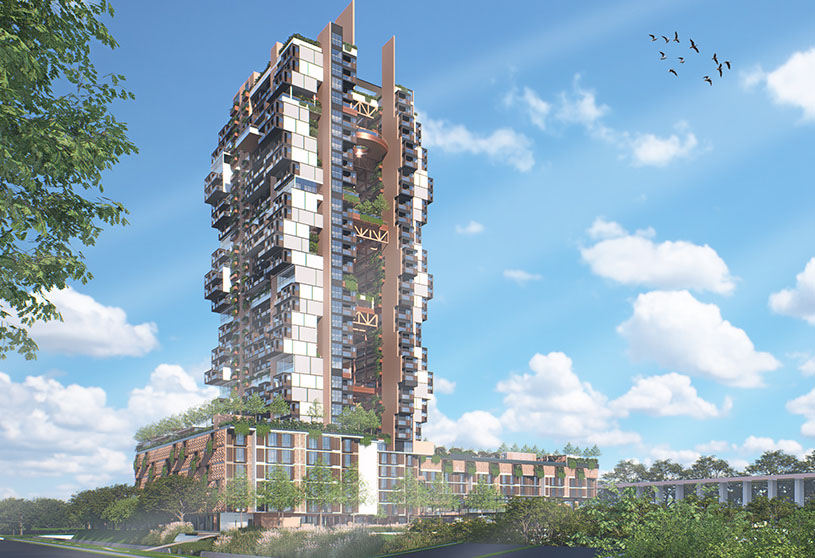
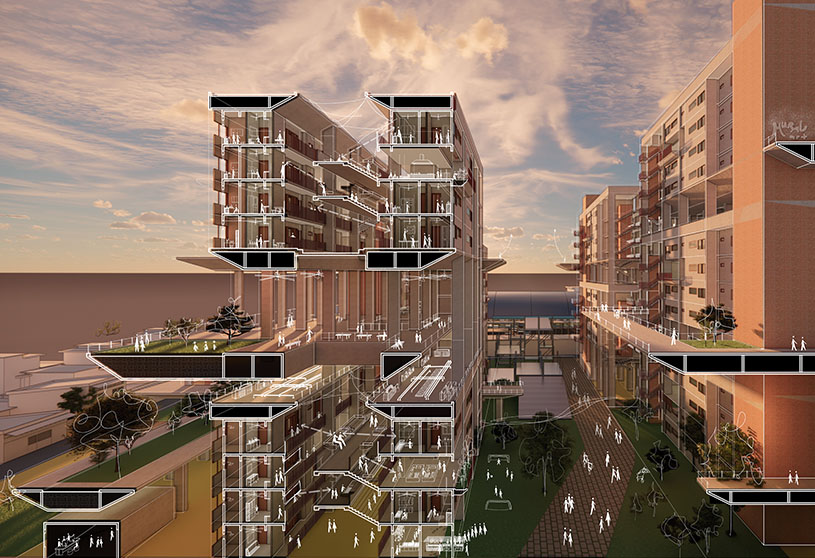
FLOW is a project that aims to provide robust yet flexible frameworks for designers to generate kinetic geometries meant to be applied to a wide range of scales and uses. The two geometries demonstrated in the project are a bistable auxetic surface and a kinetic geometry frame. Both geometries may act independently of one another or as a combined system. On a wide scale, the combination may form an architectural canopy. On small scales, the geometries have high potential to be applied in performance materials. The emphasis on framework allows for the designer to have autonomy over the outputs and apply it to any design scenario.
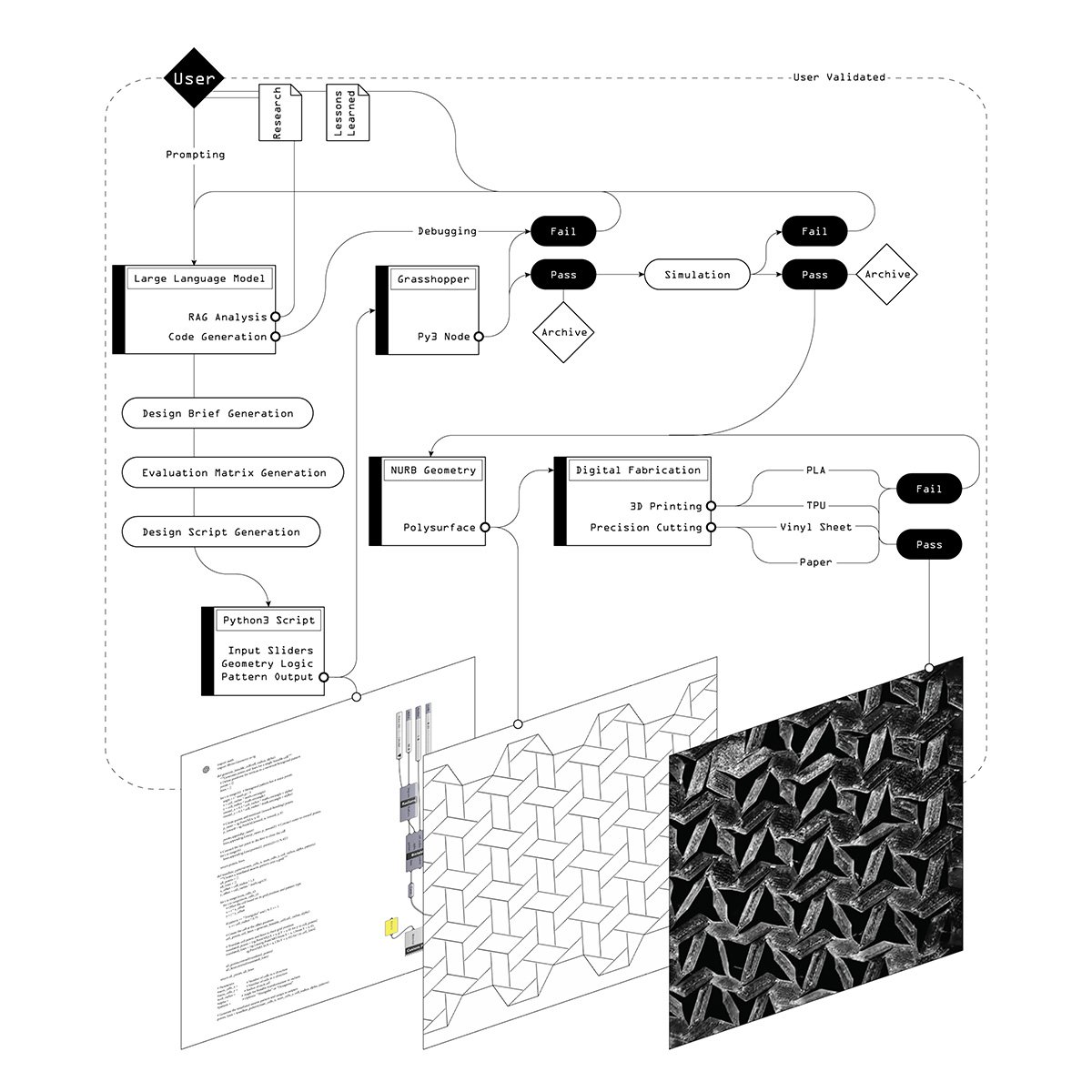
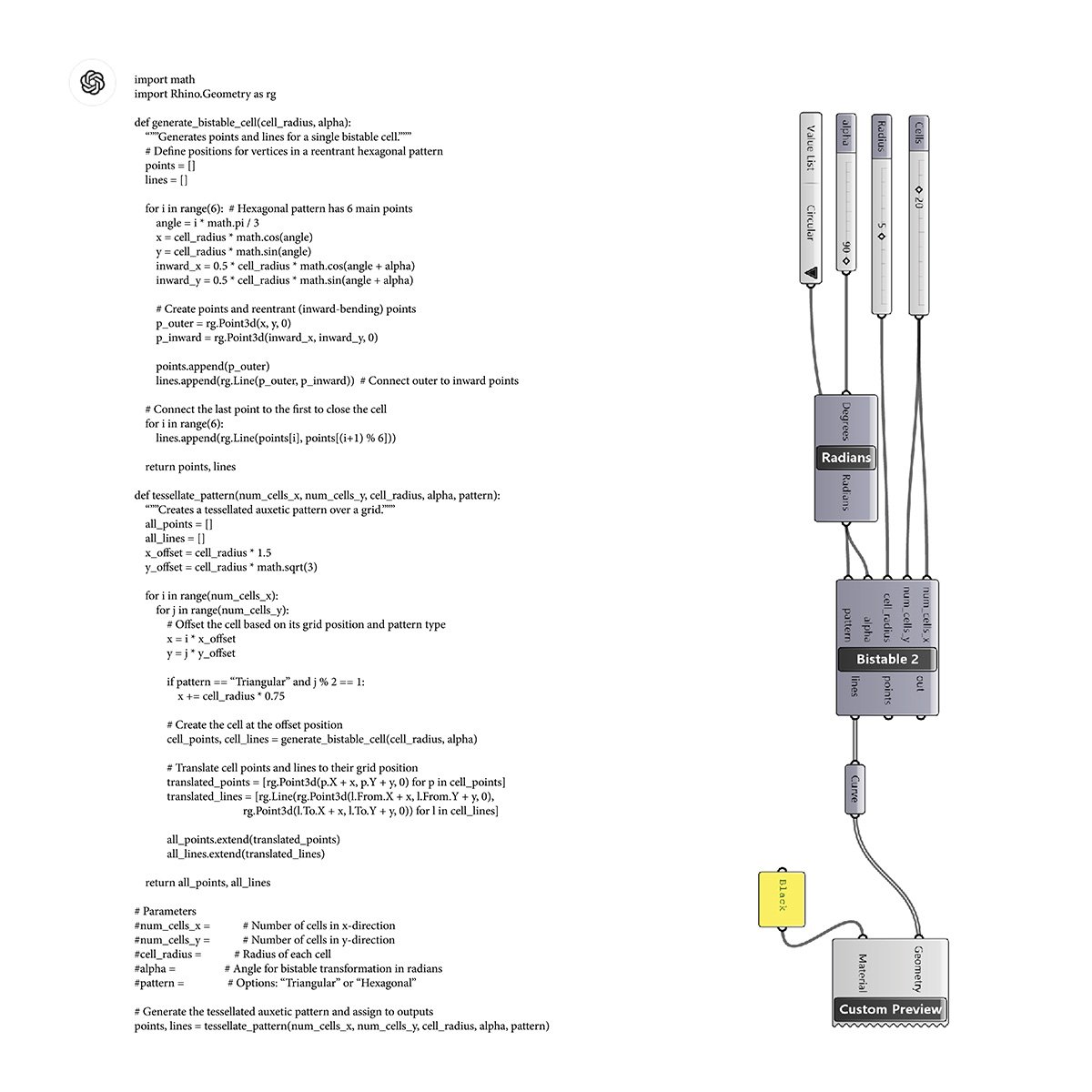
The design process centers around an iterative open-system loop between the designer and a large language model. Through different AI applications such as RAG analysis, generative code, and image generation, design iterations can occur rapidly. Each output is evaluated through specific criteria within a matrix and scored in comparison to each iteration to determine optimal solutions.
Prompt engineering becomes critical to the project as the designer learns to speak the AI’s language. The kinetic designs are first digitally simulated in Grasshopper and measured as pass/fail before being finalized through digital fabrication. This ensures that designs that do make it to the fabrication phase have a high chance of success.
Final Outcome
Final DiagramBistable Digital AnimationArchitectural Example
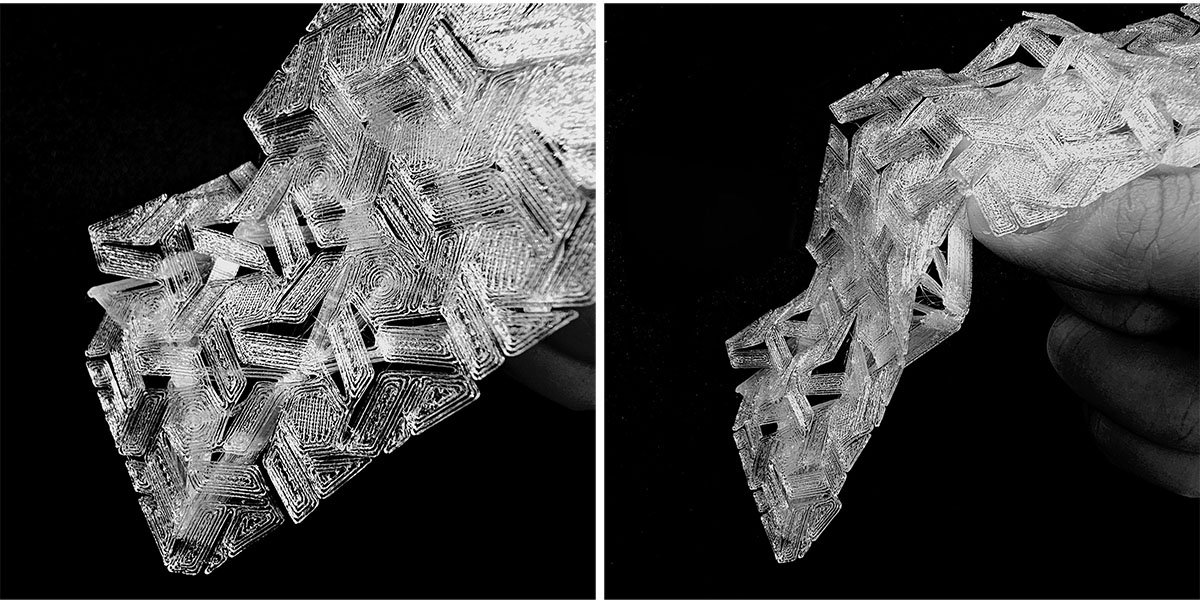
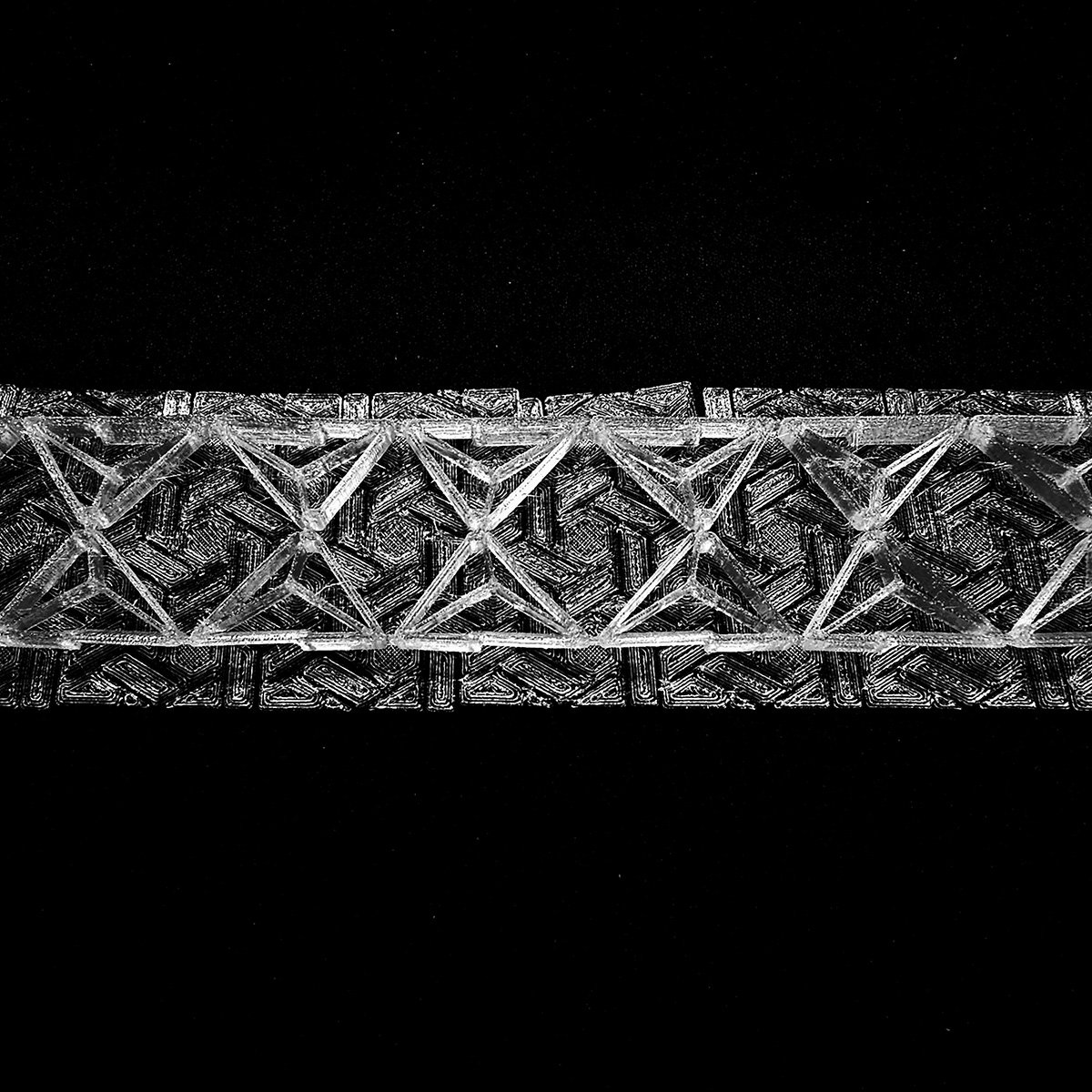
The final outcome is to translate digital simulation into fabrication. The bistable auxetic pattern demonstrated optimal performance when 3D printed in TPU, while the kinetic frame achieved the best results through 3D printing that embedded and fused TPU joints within PLA members.
Combined Deformation 1 | Combined Deformation 2
Although the geometries can also be produced using laser cutting and other precision-cutting techniques, material selection becomes critical. Repeated deformation demands resilient materials with minimal structural weaknesses, which are more difficult to maintain with subtractive methods, as cutting exposes vulnerabilities more readily than additive manufacturing.
Combined Geometries
Conclusion: Ultimately, FLOW demonstrates how flexible design frameworks can translate digital simulations into effective kinetic systems, revealing the potential of adaptable geometries across scales, materials, and applications.
[This Academic Project has been published with text and images submitted by the student]
Design Process
Final Outcome
To submit your academic project for publication at ArchiDiaries, please visit the following link >> Submit
Get the best of ArchiDiaries, directly in your inbox.
We use cookies on our website to give you the most relevant experience by remembering your preferences and repeat visits. By clicking “Accept All”, you consent to the use of ALL the cookies. However, you may visit "Cookie Settings" to provide a controlled consent.
This website uses cookies to improve your experience while you navigate through the website. Out of these, the cookies that are categorized as necessary are stored on your browser as they are essential for the working of basic functionalities of the website. We also use third-party cookies that help us analyze and understand how you use this website. These cookies will be stored in your browser only with your consent. You also have the option to opt-out of these cookies. But opting out of some of these cookies may affect your browsing experience.
Necessary cookies are absolutely essential for the website to function properly. These cookies ensure basic functionalities and security features of the website, anonymously.
Cookie
Duration
Description
cookielawinfo-checkbox-analytics
11 months
This cookie is set by GDPR Cookie Consent plugin. The cookie is used to store the user consent for the cookies in the category "Analytics".
cookielawinfo-checkbox-functional
11 months
The cookie is set by GDPR cookie consent to record the user consent for the cookies in the category "Functional".
cookielawinfo-checkbox-necessary
11 months
This cookie is set by GDPR Cookie Consent plugin. The cookies is used to store the user consent for the cookies in the category "Necessary".
cookielawinfo-checkbox-others
11 months
This cookie is set by GDPR Cookie Consent plugin. The cookie is used to store the user consent for the cookies in the category "Other.
cookielawinfo-checkbox-performance
11 months
This cookie is set by GDPR Cookie Consent plugin. The cookie is used to store the user consent for the cookies in the category "Performance".
viewed_cookie_policy
11 months
The cookie is set by the GDPR Cookie Consent plugin and is used to store whether or not user has consented to the use of cookies. It does not store any personal data.
Functional cookies help to perform certain functionalities like sharing the content of the website on social media platforms, collect feedbacks, and other third-party features.
Performance cookies are used to understand and analyze the key performance indexes of the website which helps in delivering a better user experience for the visitors.
Analytical cookies are used to understand how visitors interact with the website. These cookies help provide information on metrics the number of visitors, bounce rate, traffic source, etc.
Advertisement cookies are used to provide visitors with relevant ads and marketing campaigns. These cookies track visitors across websites and collect information to provide customized ads.