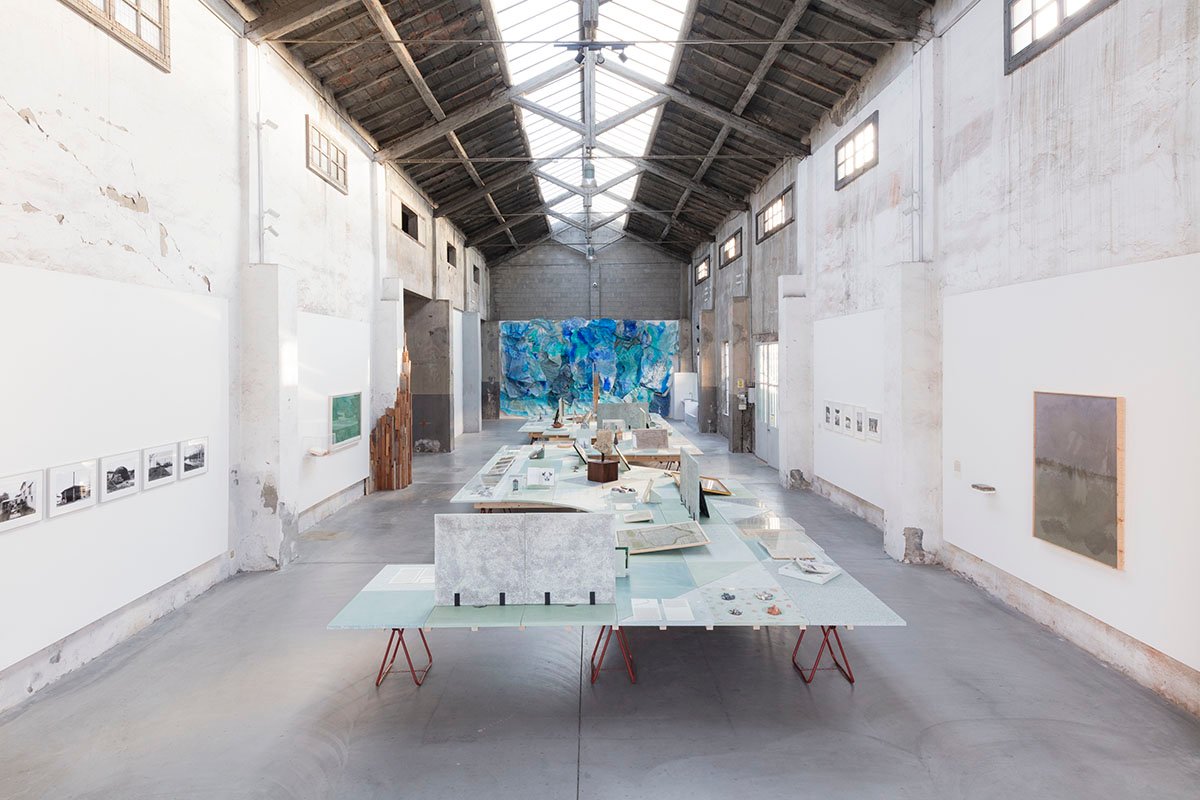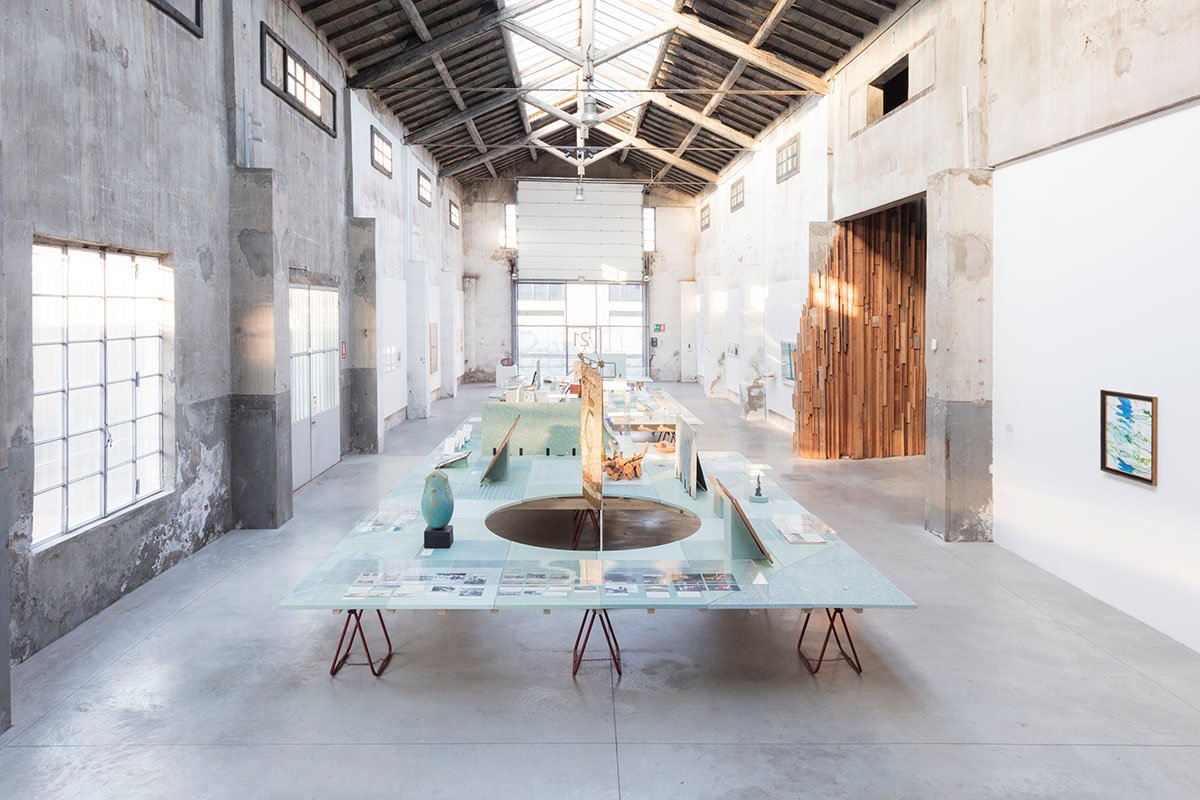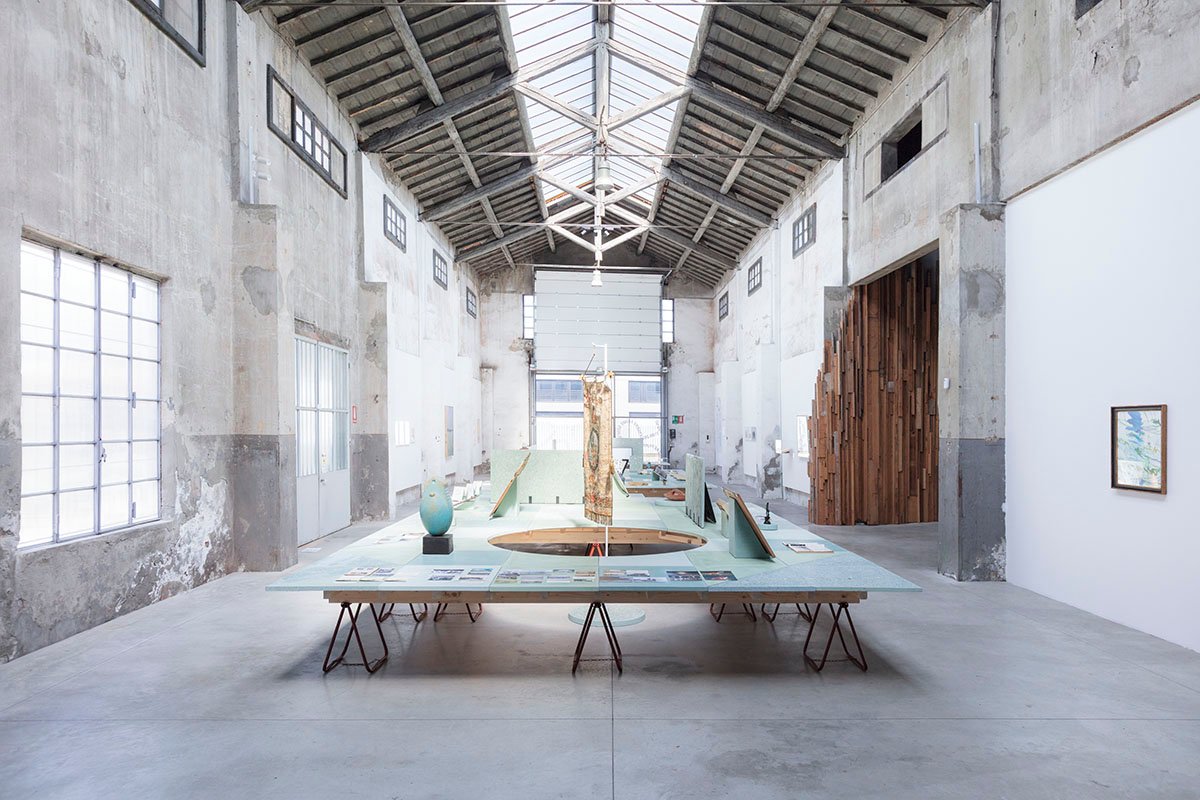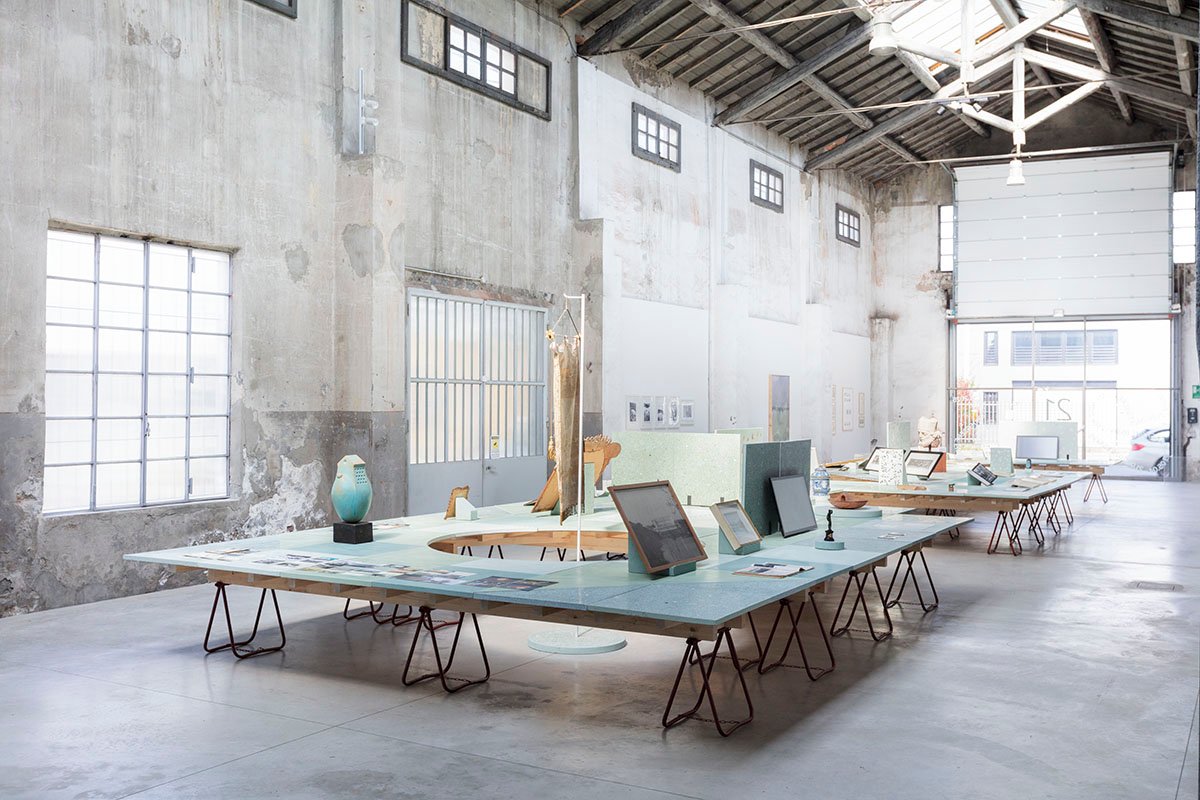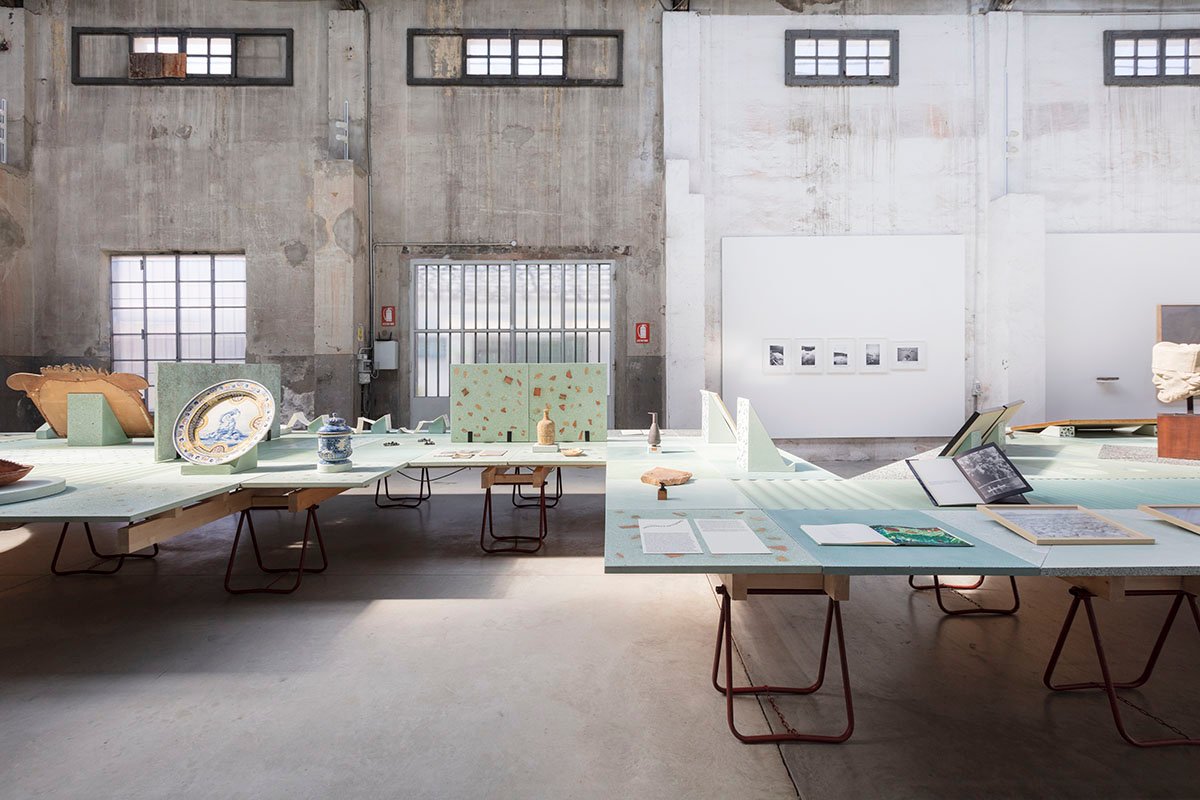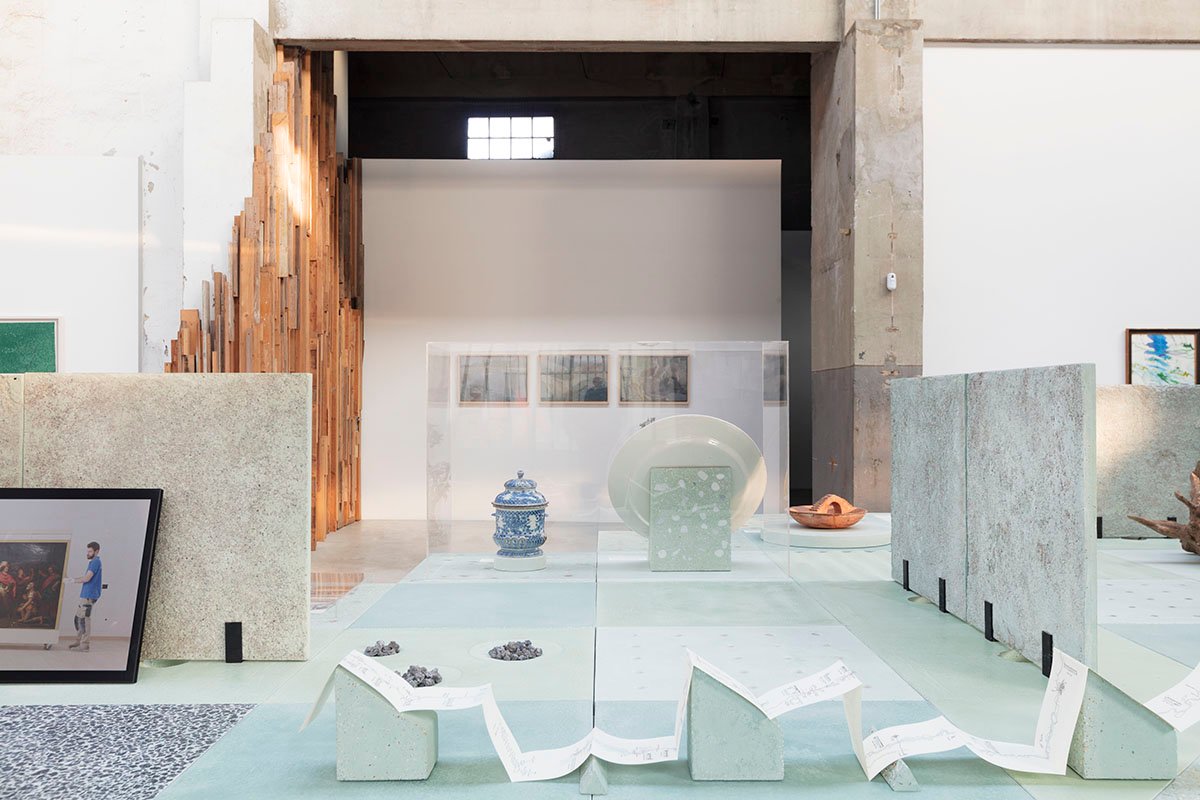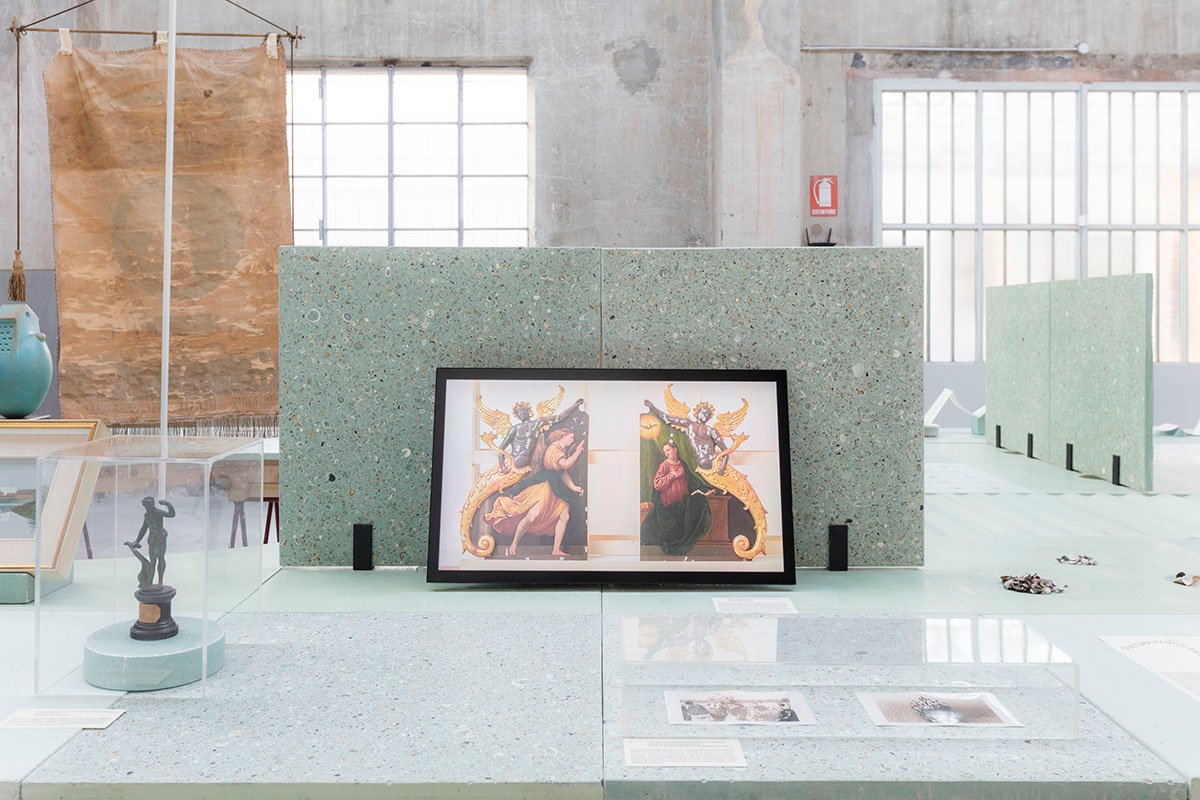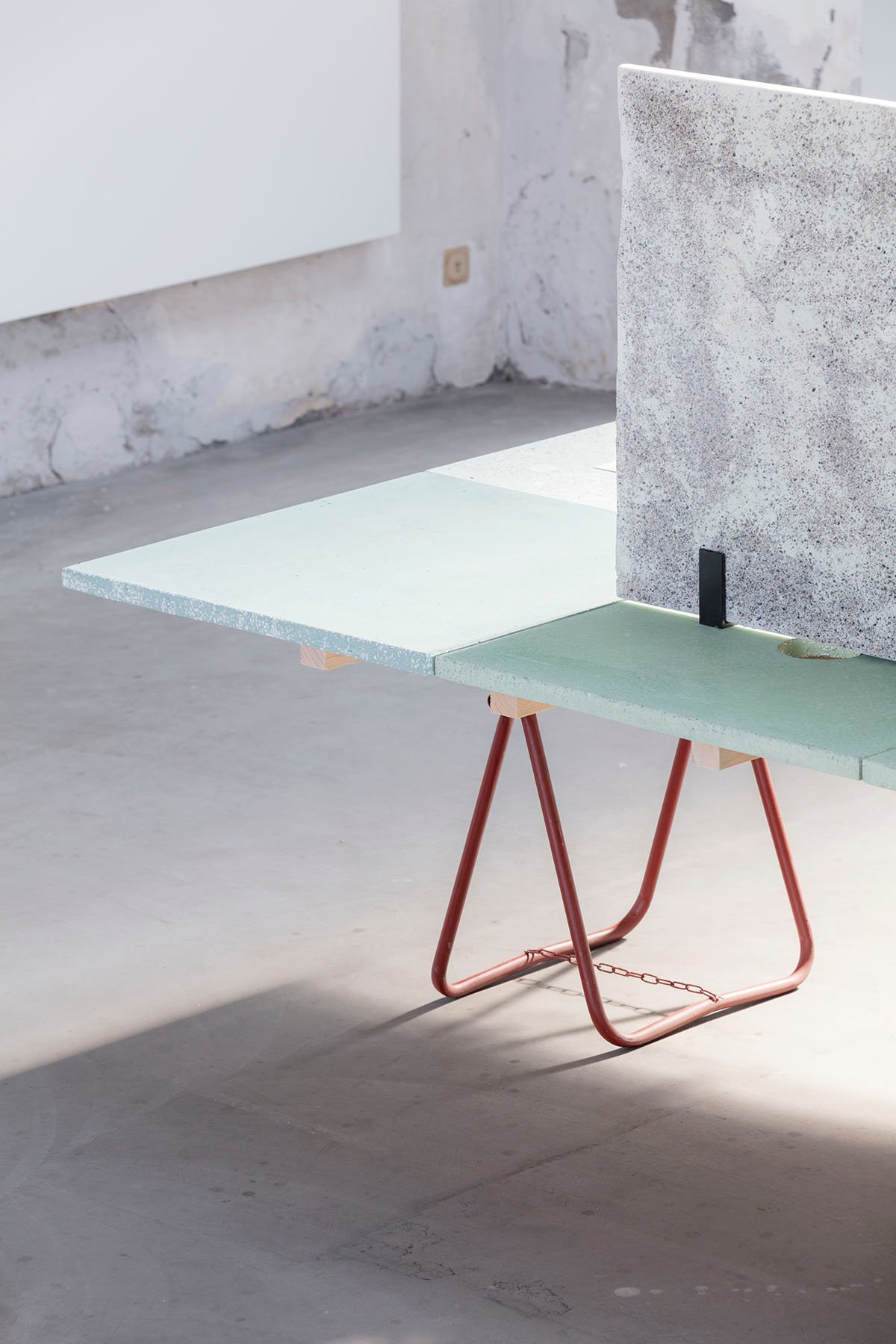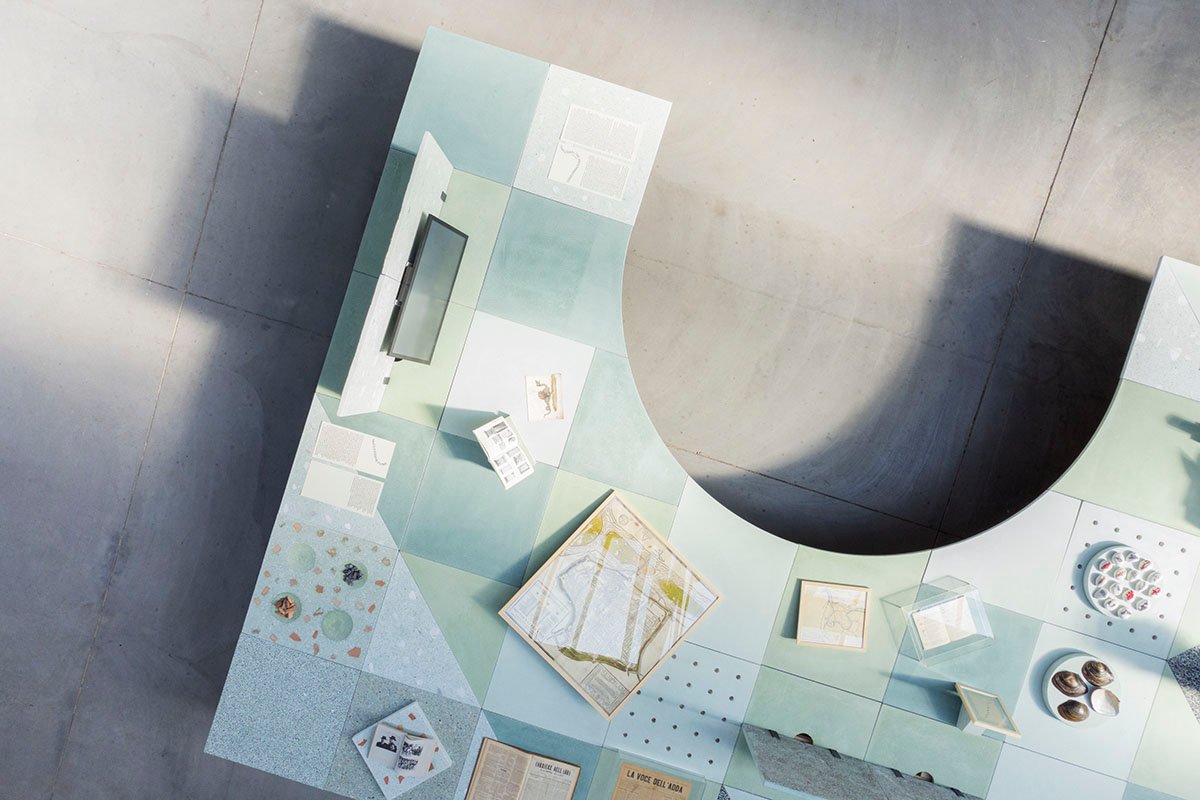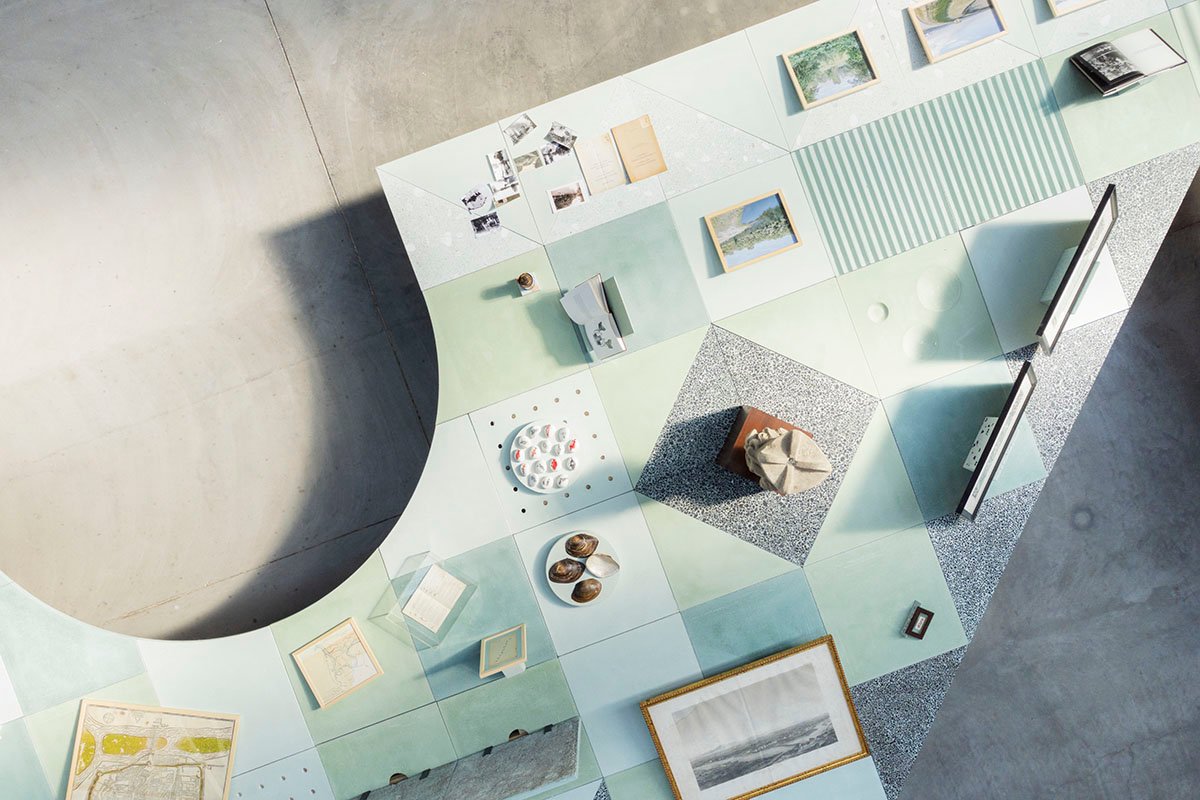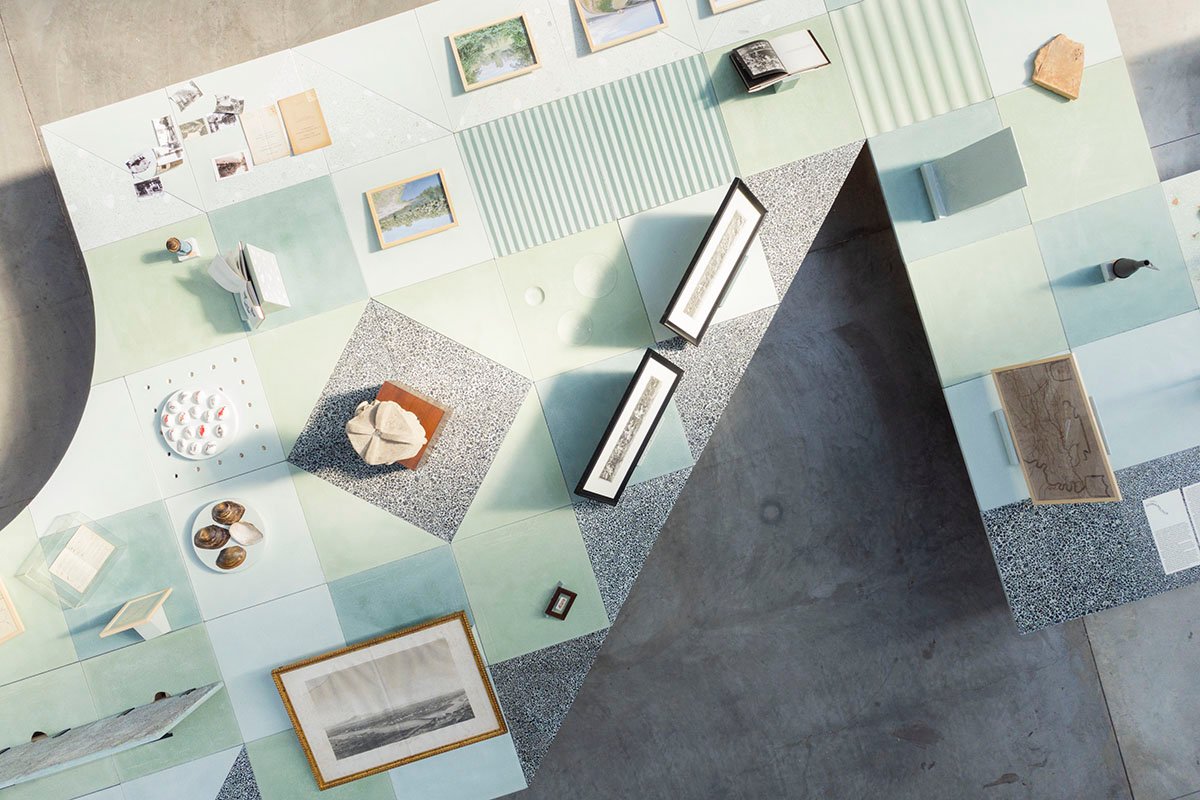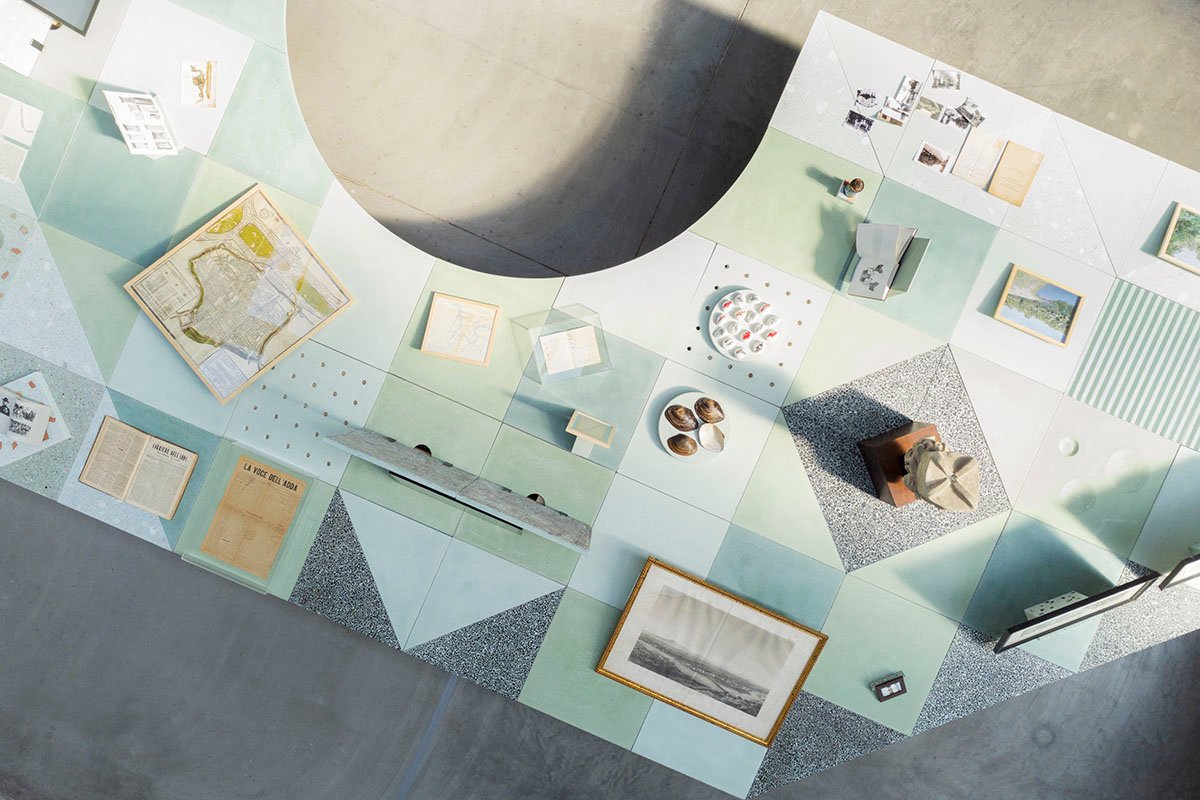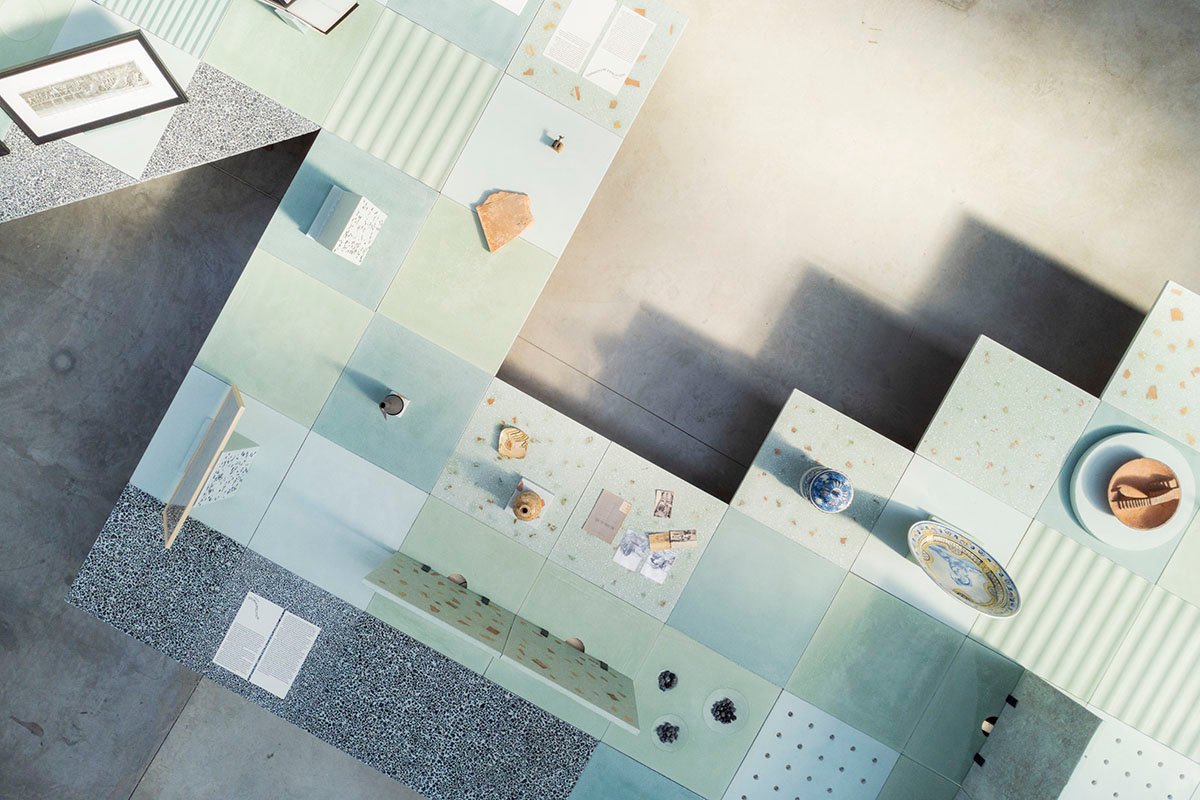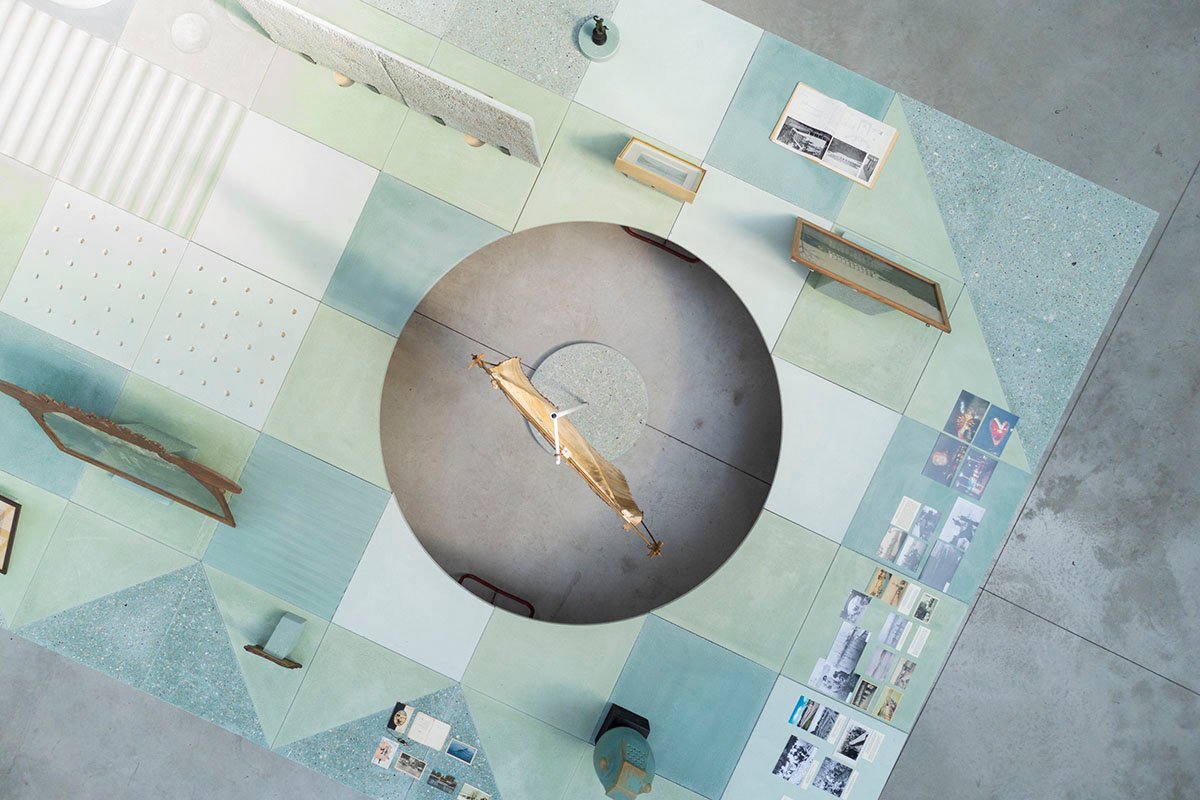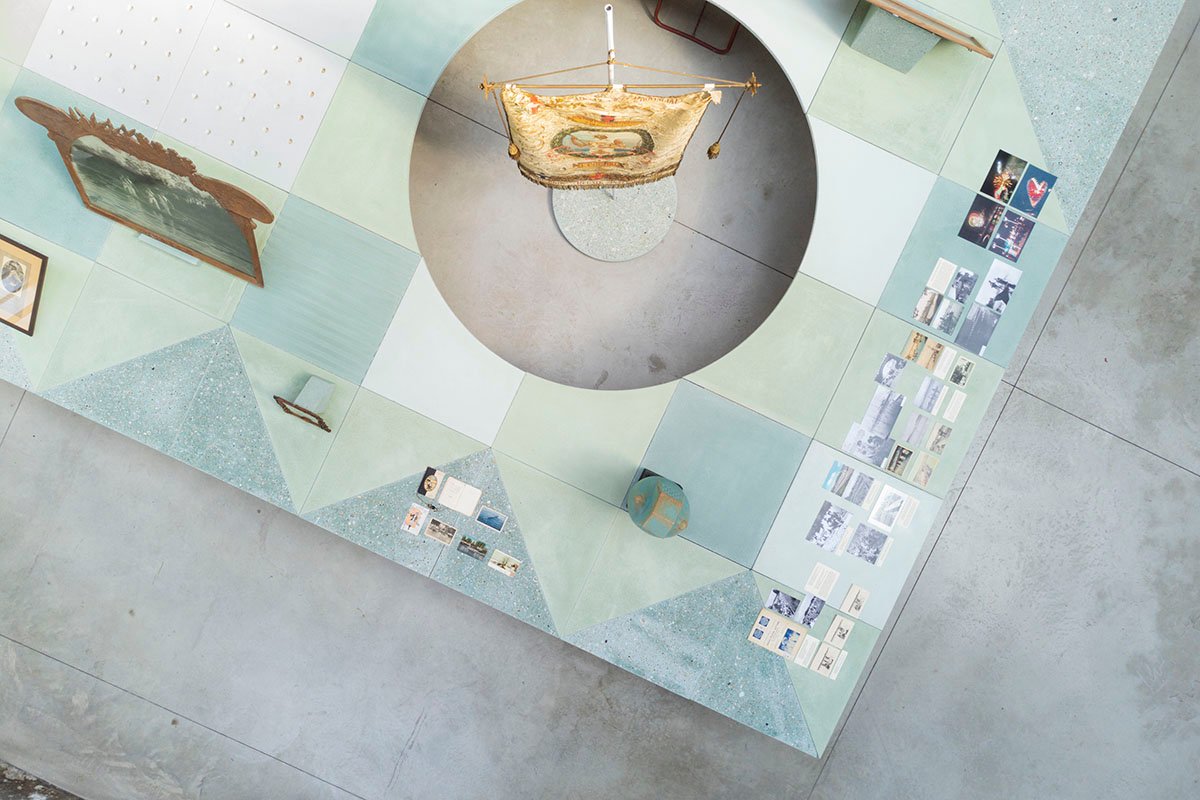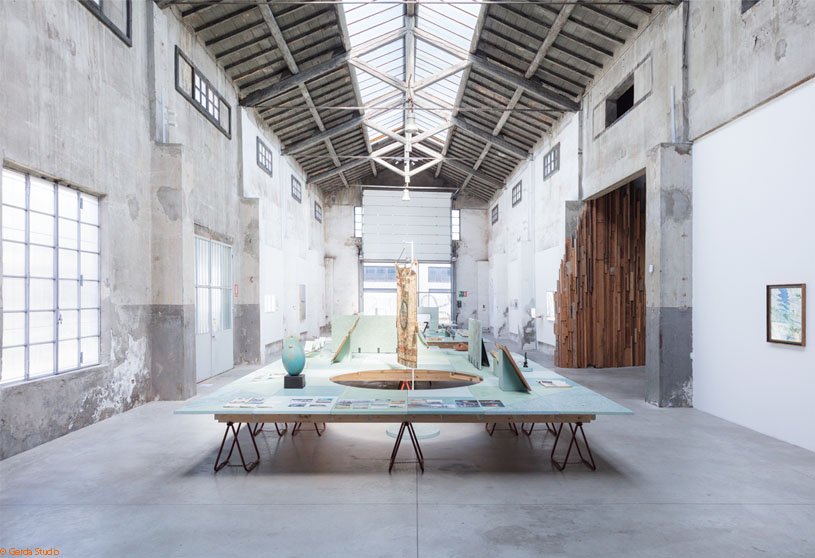
Excerpt: Essere Fiume by Studio Ossidiana is conceived as a vast display surface and map-landscape composed of 152 custom-made tiles, presented as fragments of the Adda River. Inspired by its colors and geology, the table becomes a petrified surface to be explored and touched, where tiles act as narrative elements. Designed as a modular prototype, it is an open system adaptable to different contexts and future installations.
Project Description
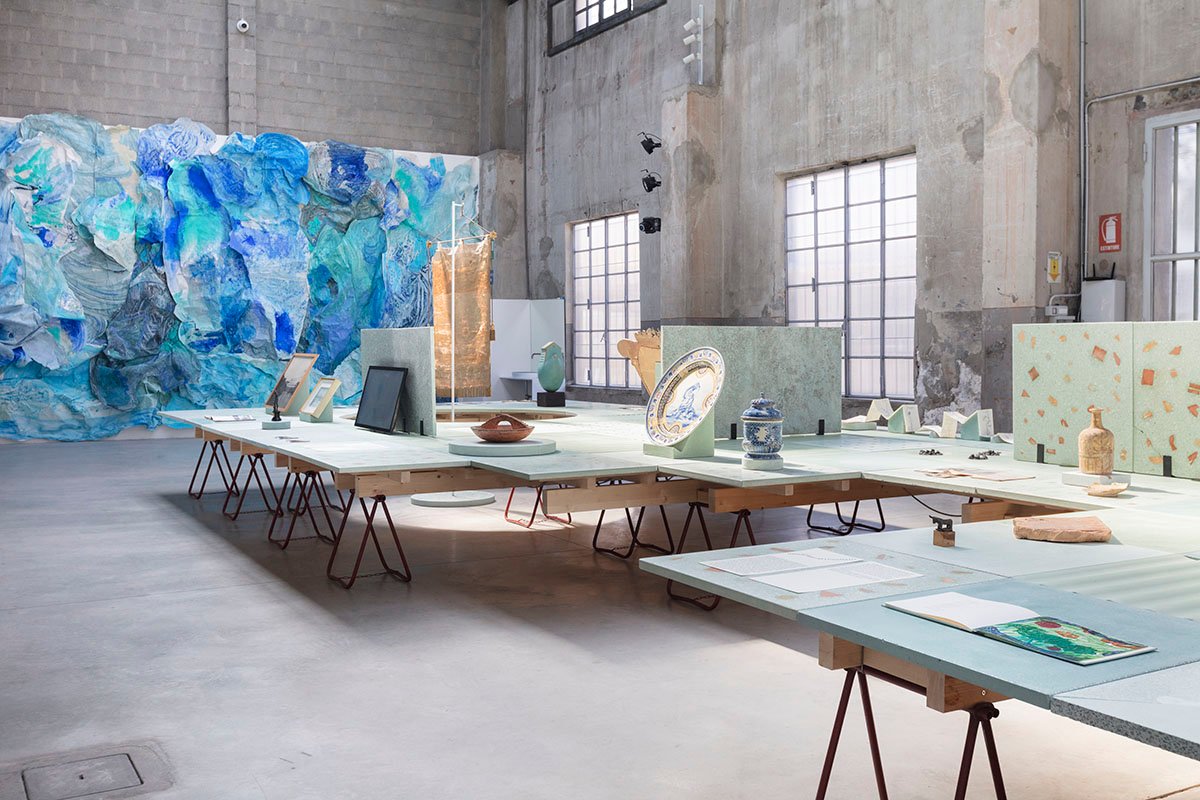
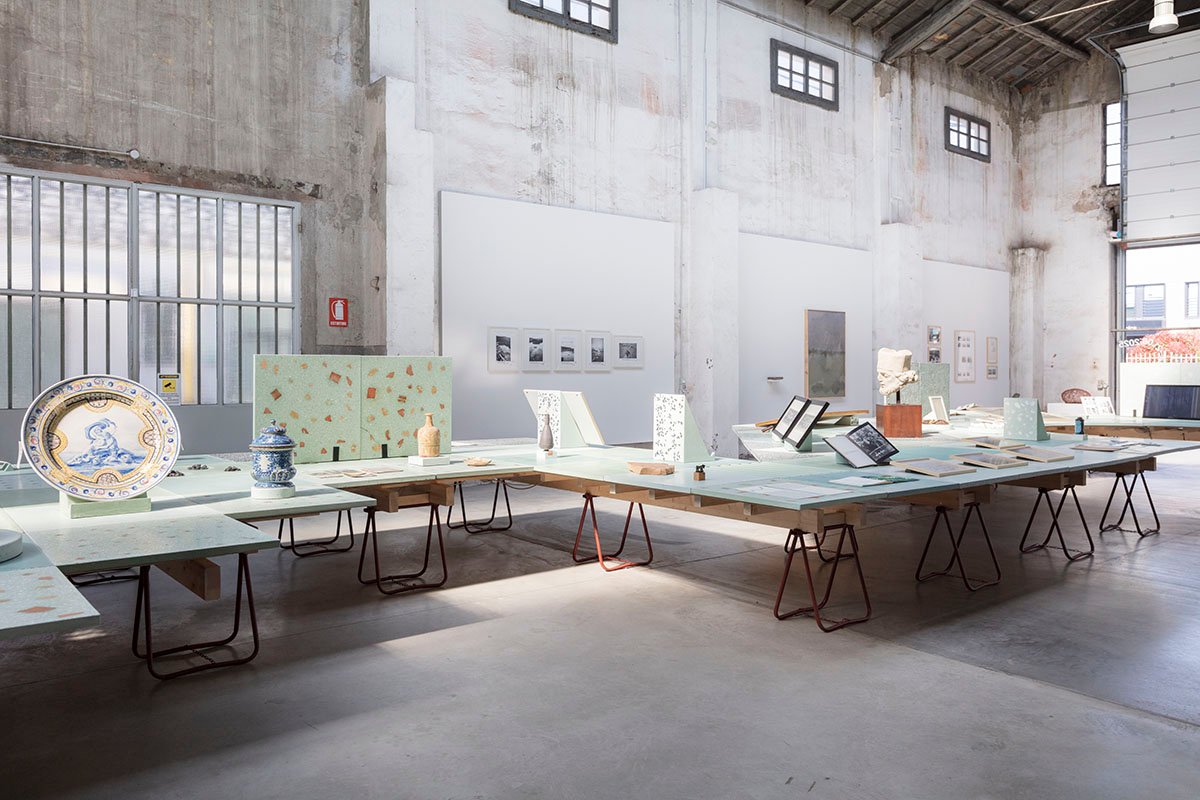
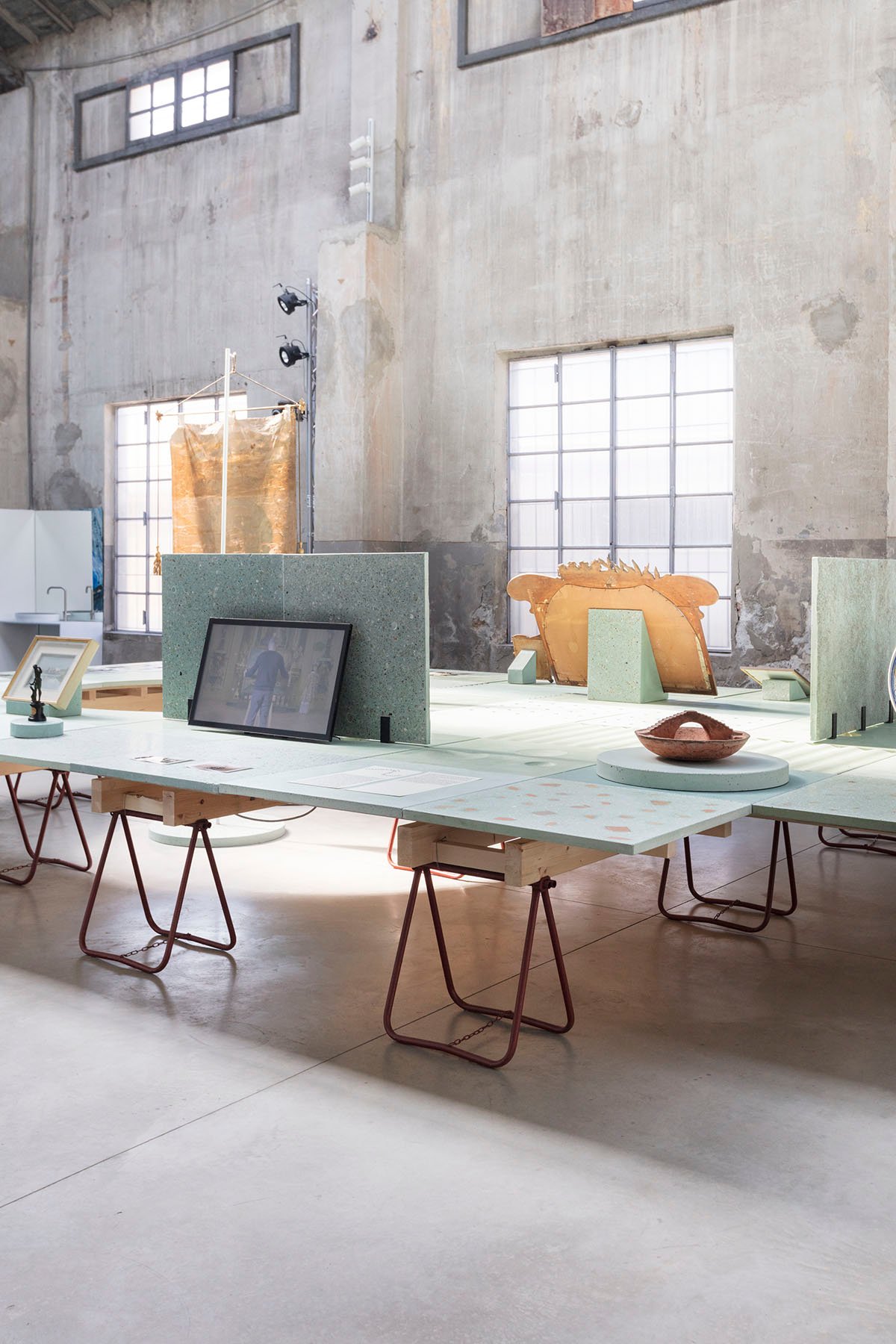
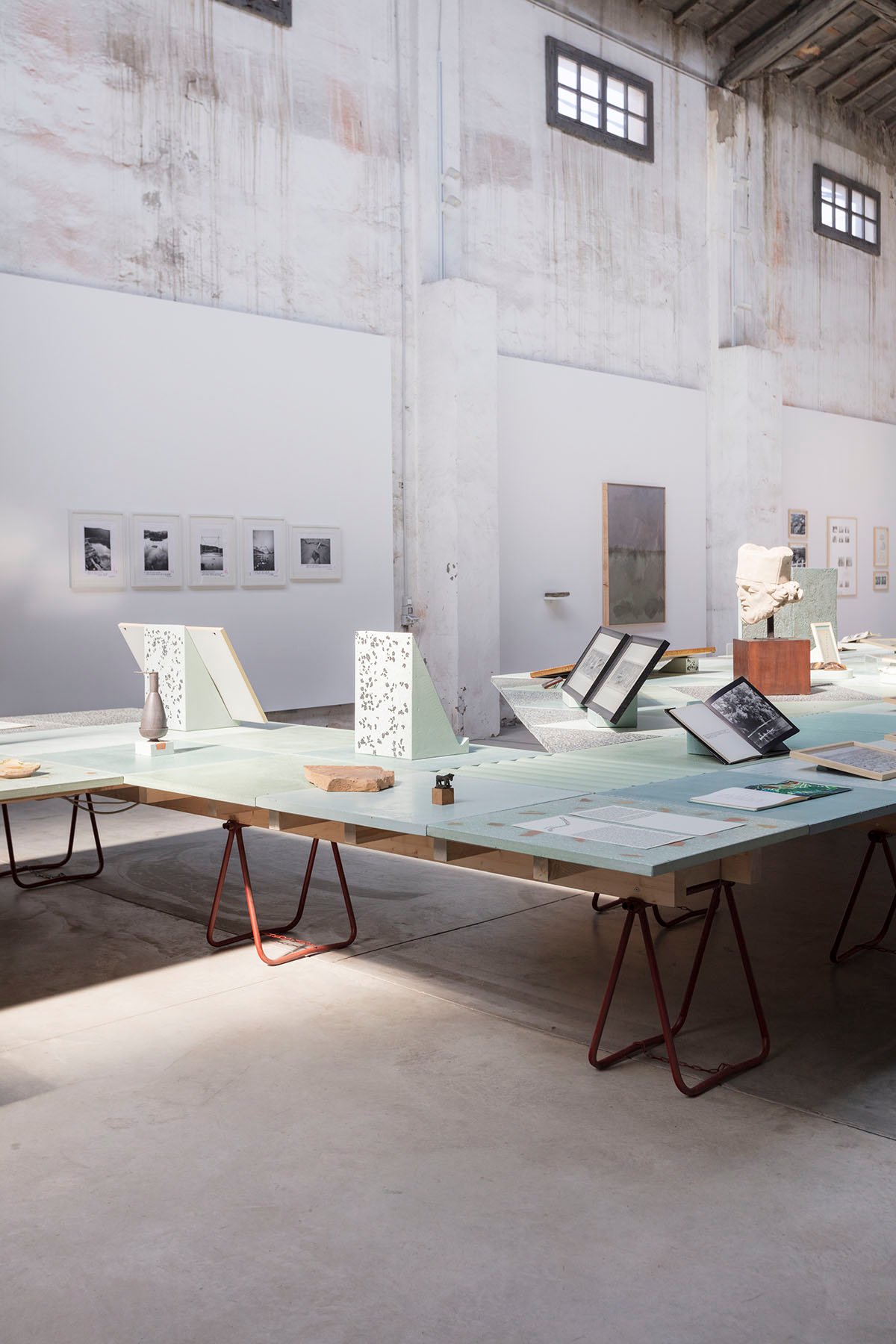
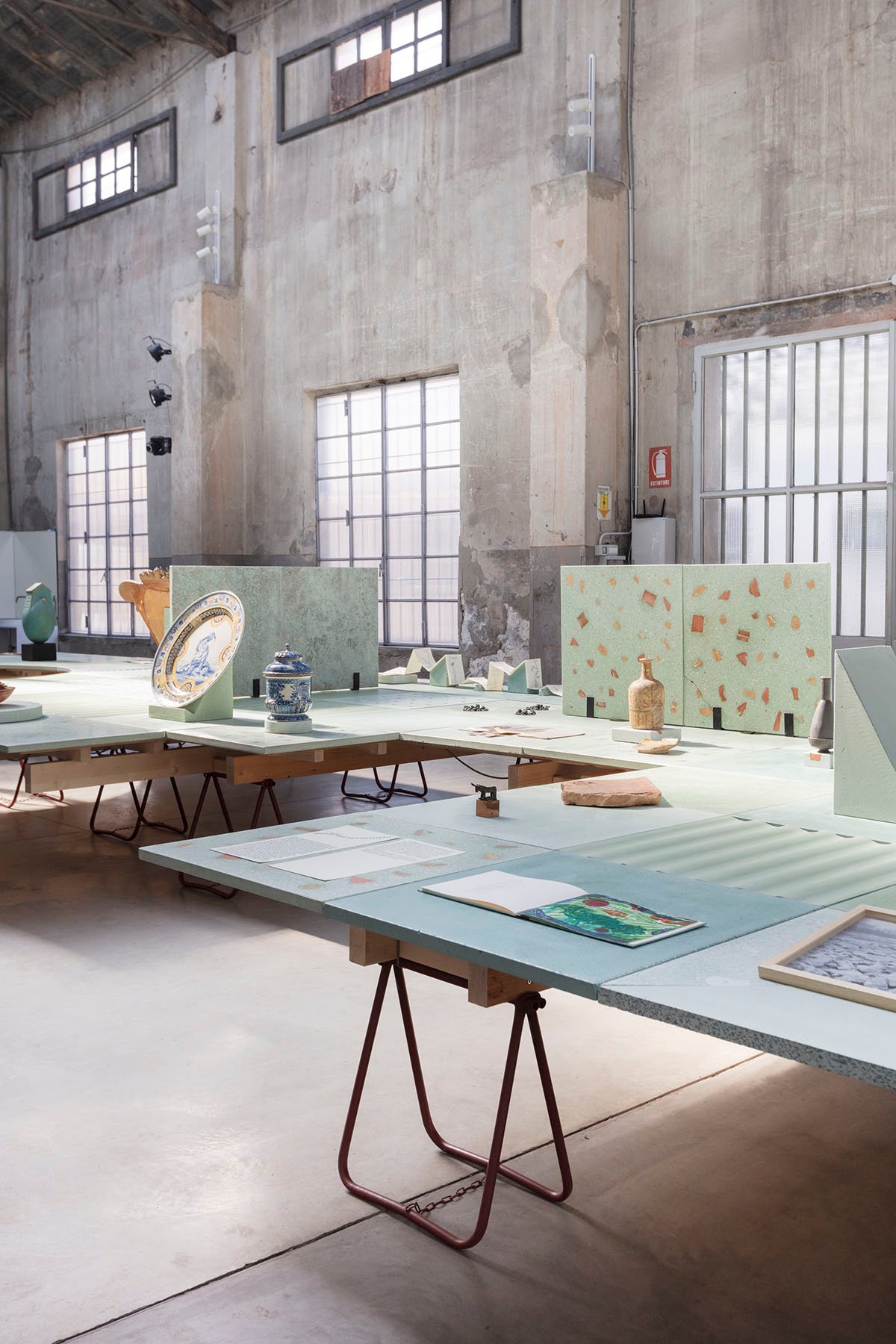
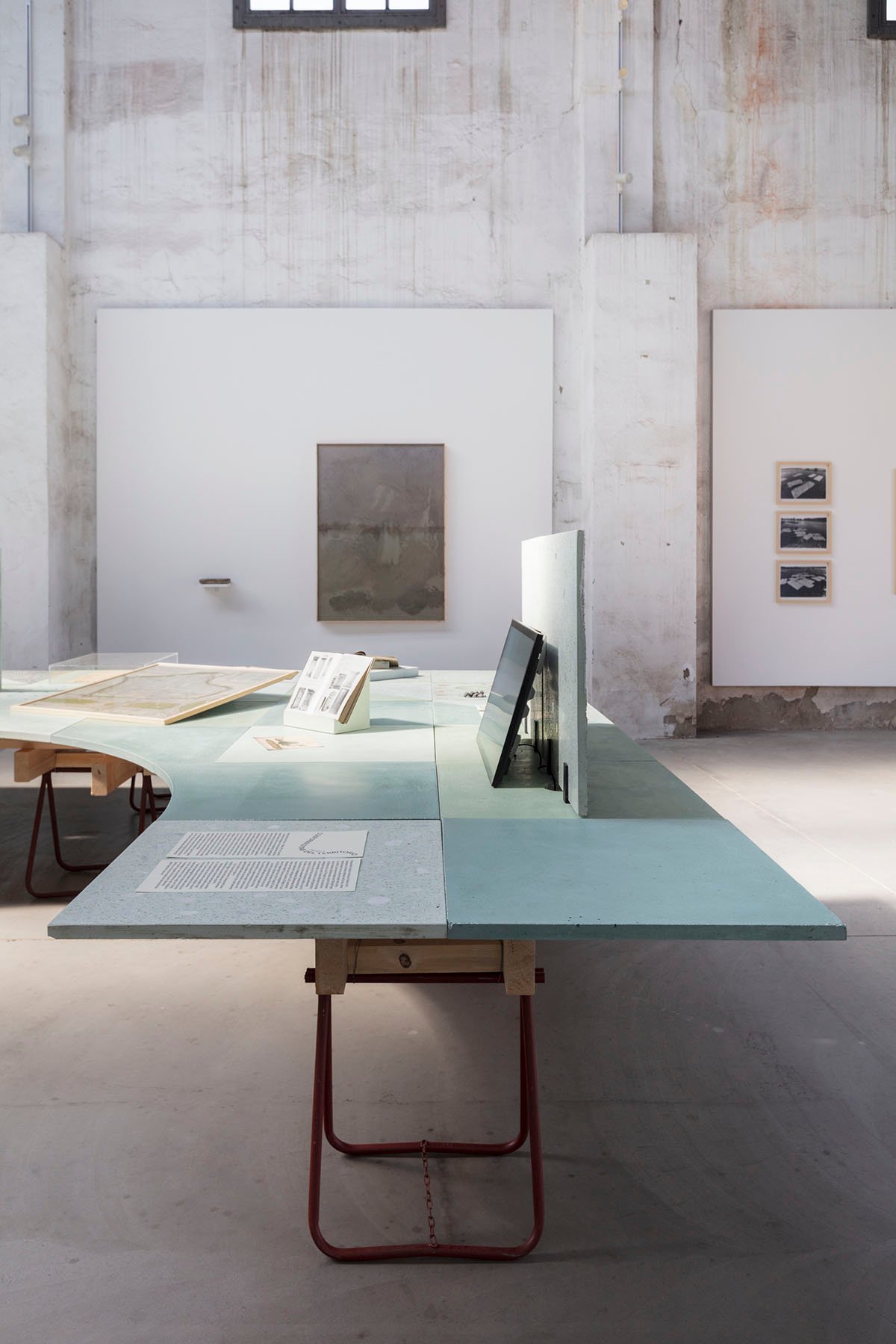
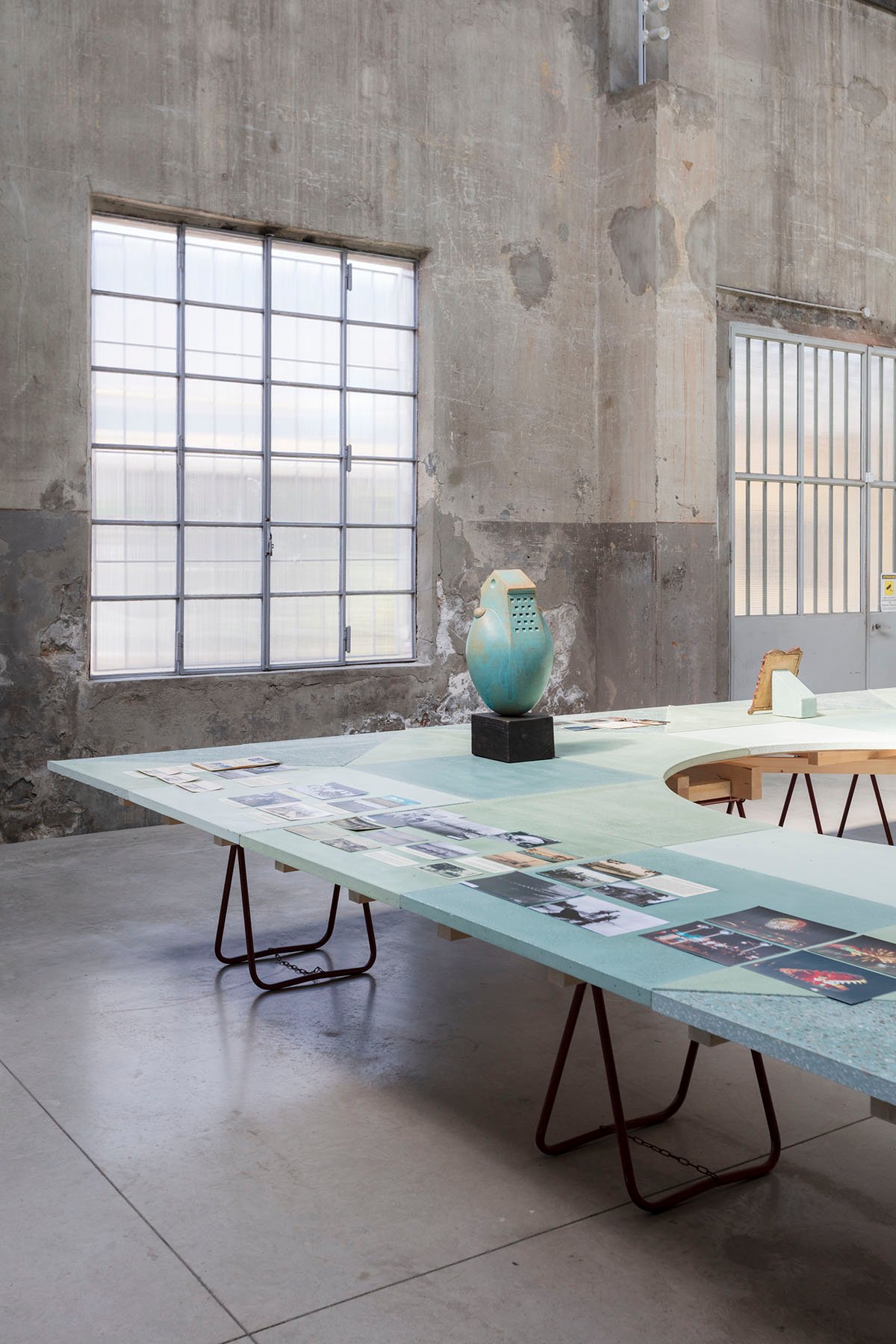
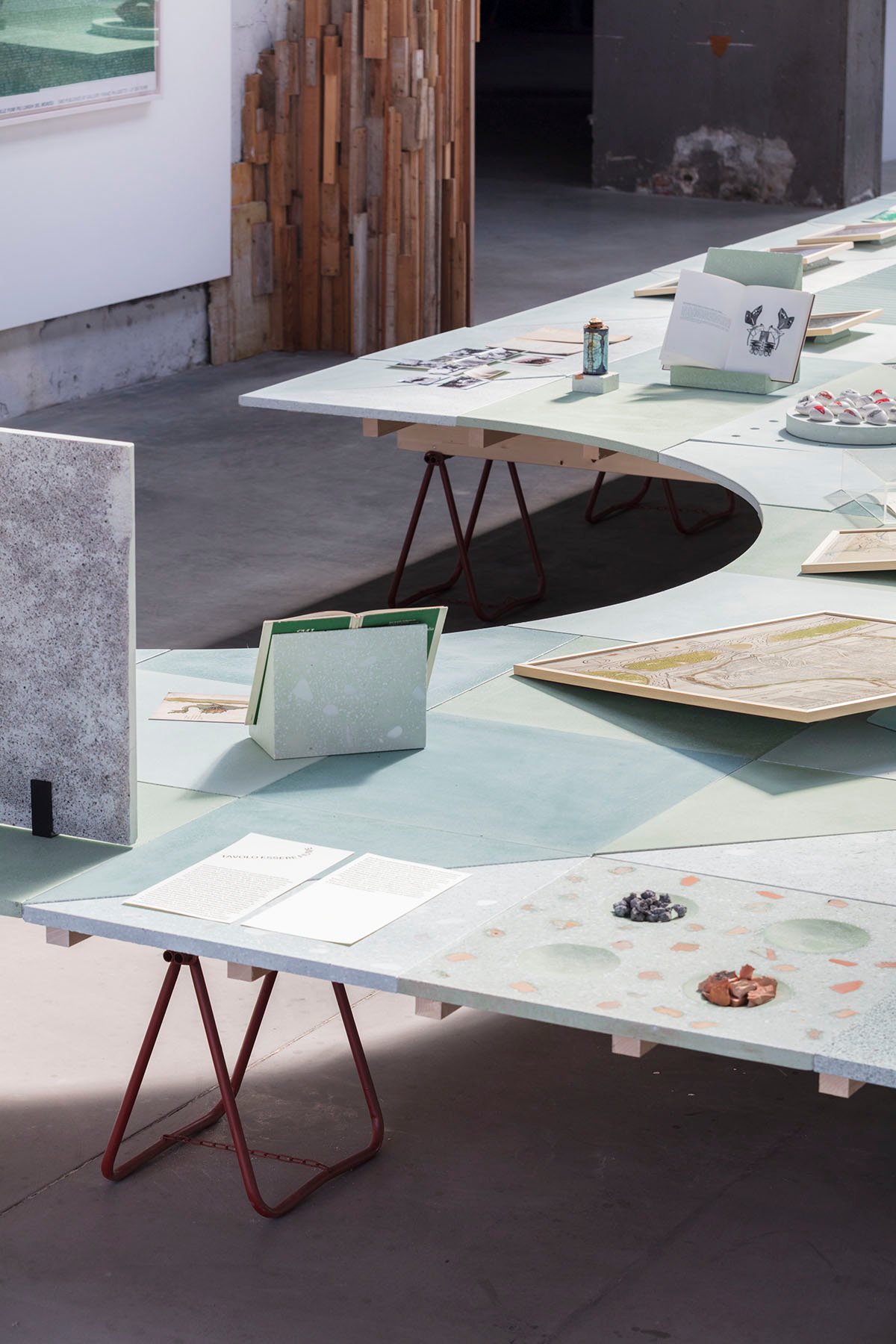
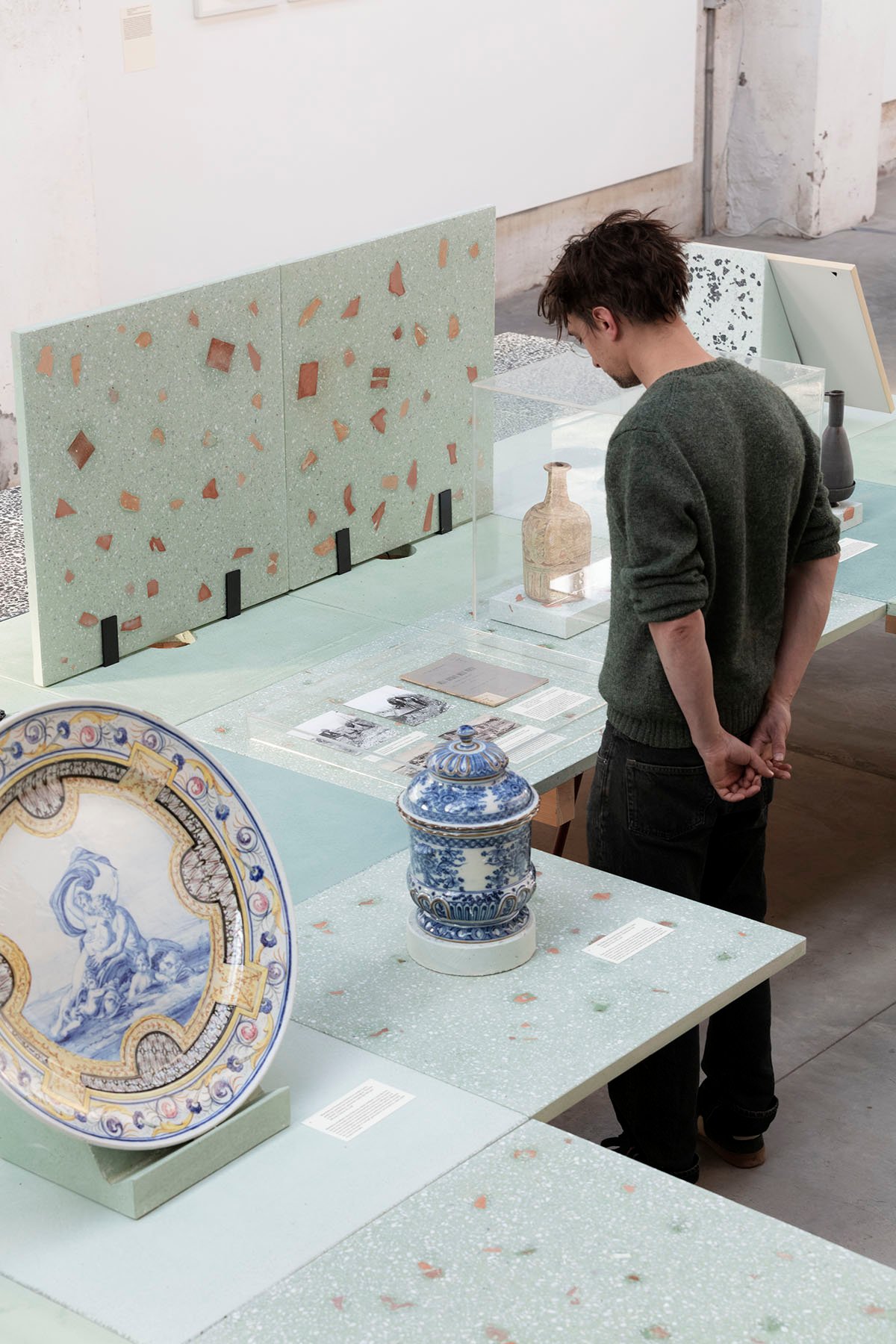
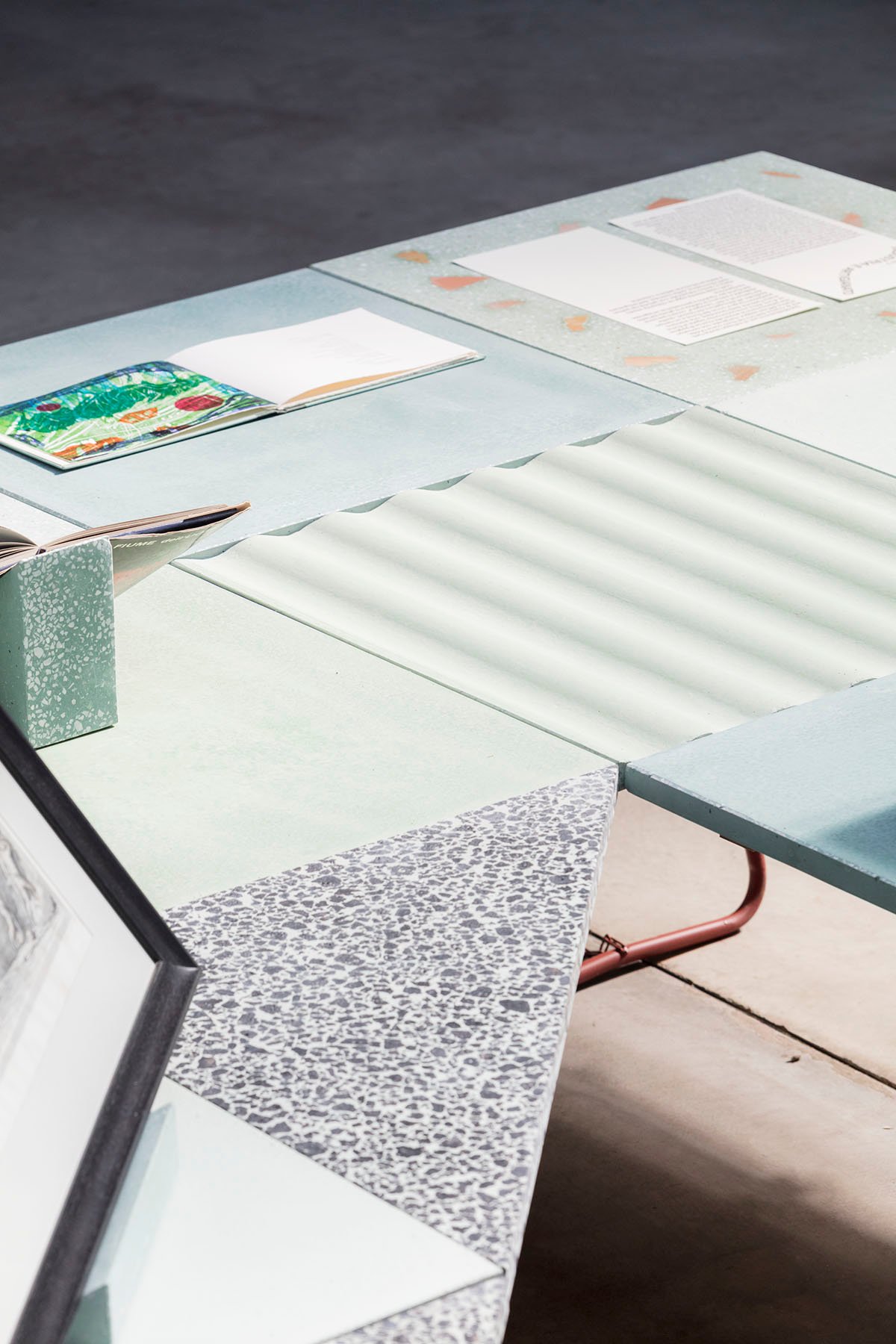
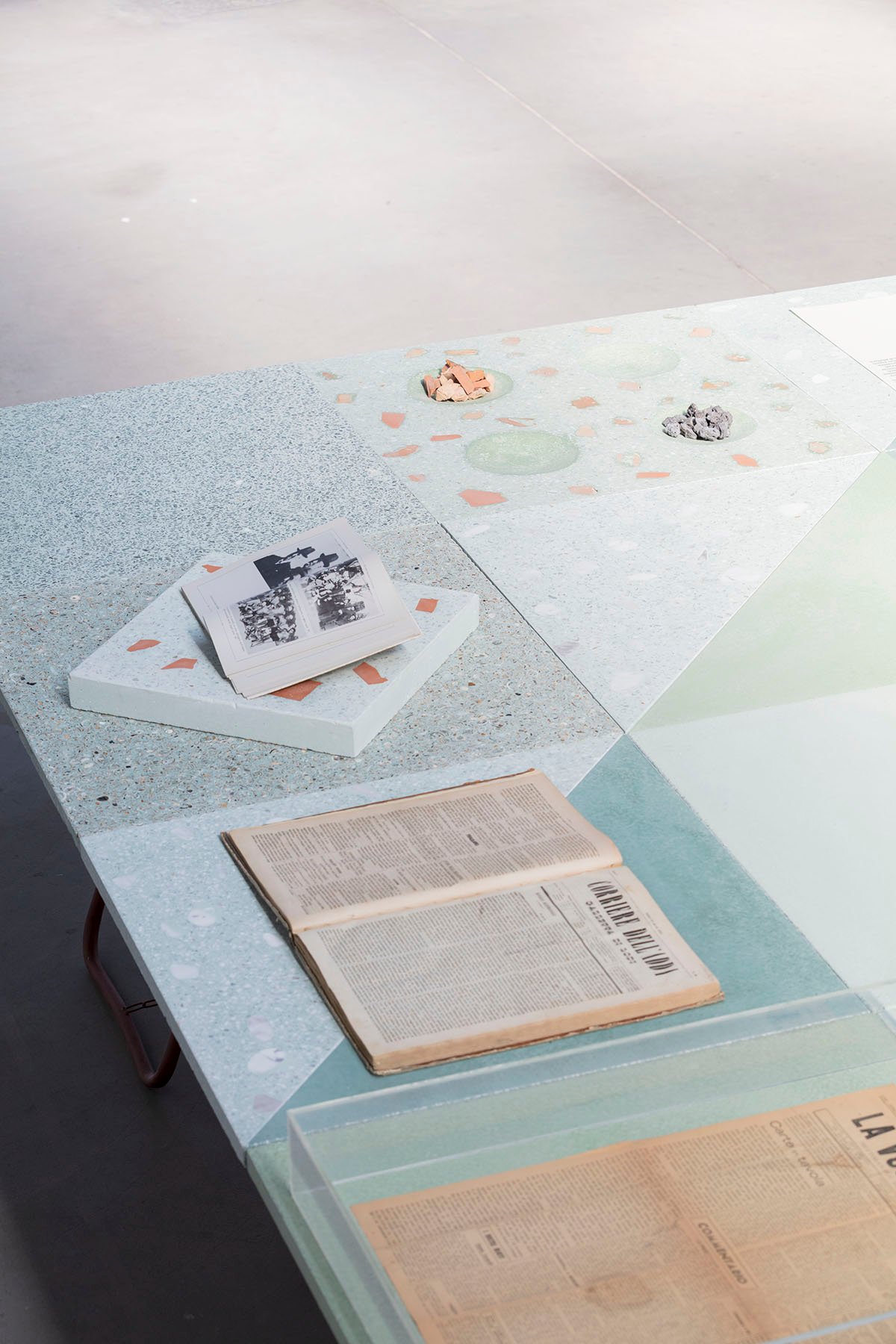
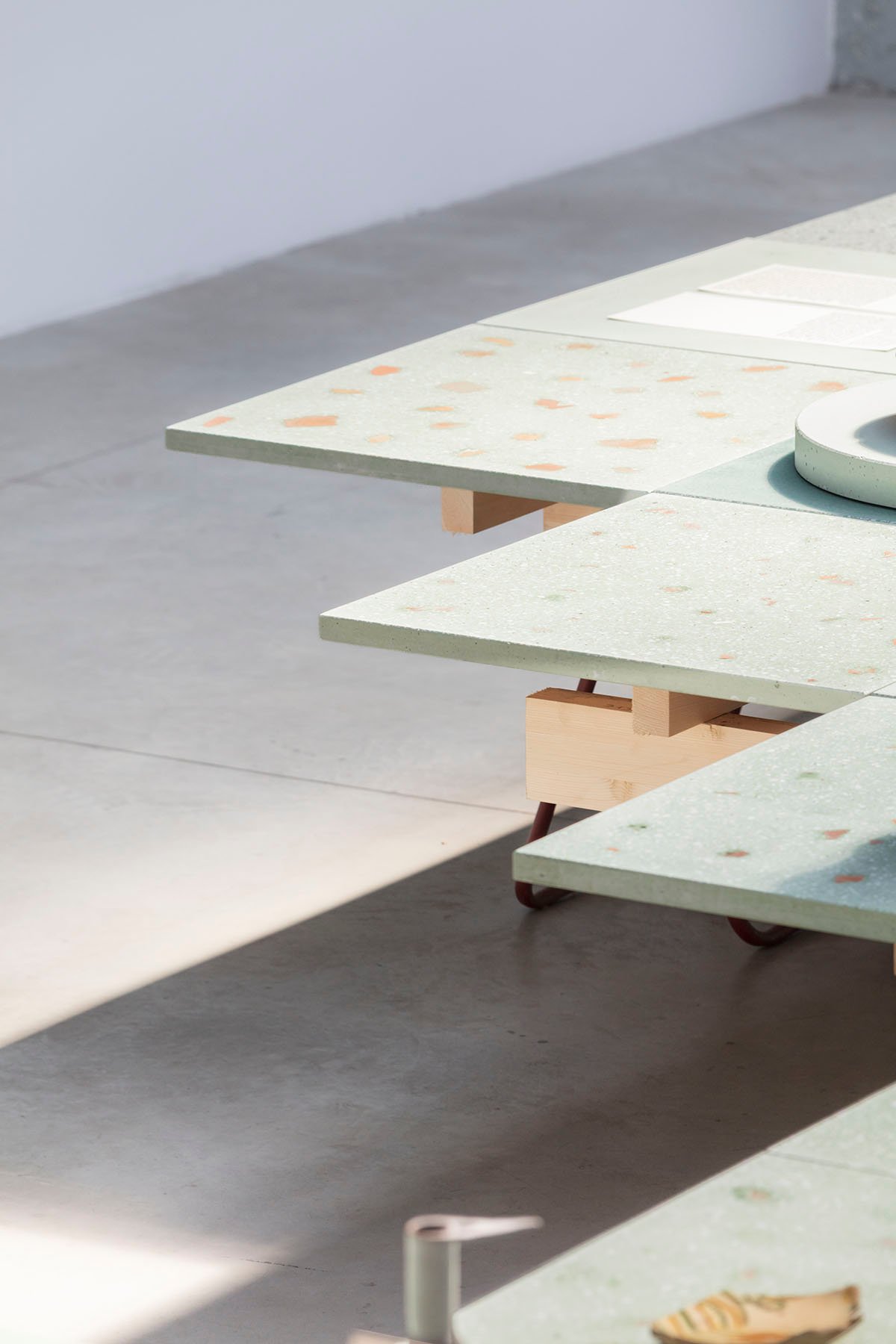
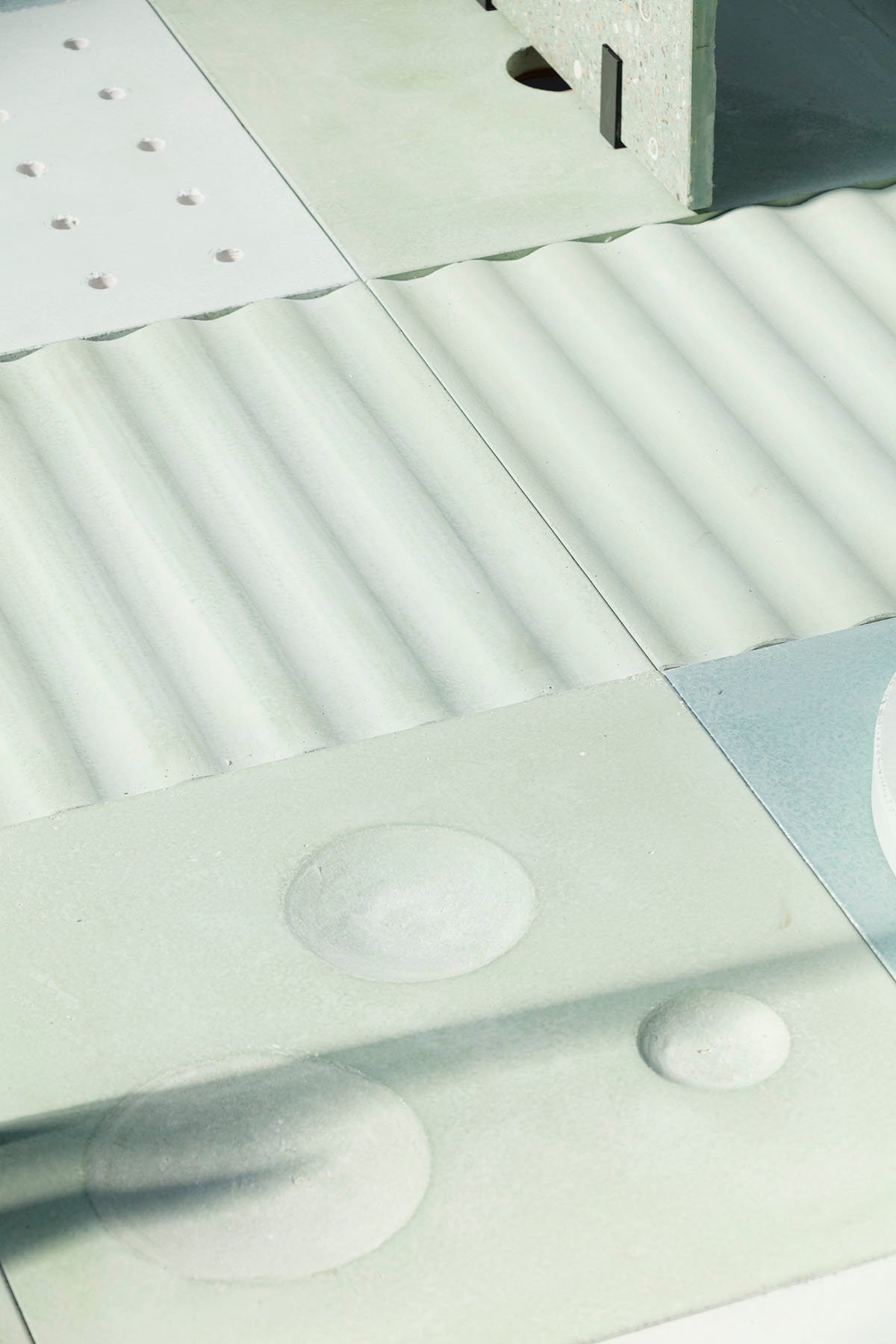
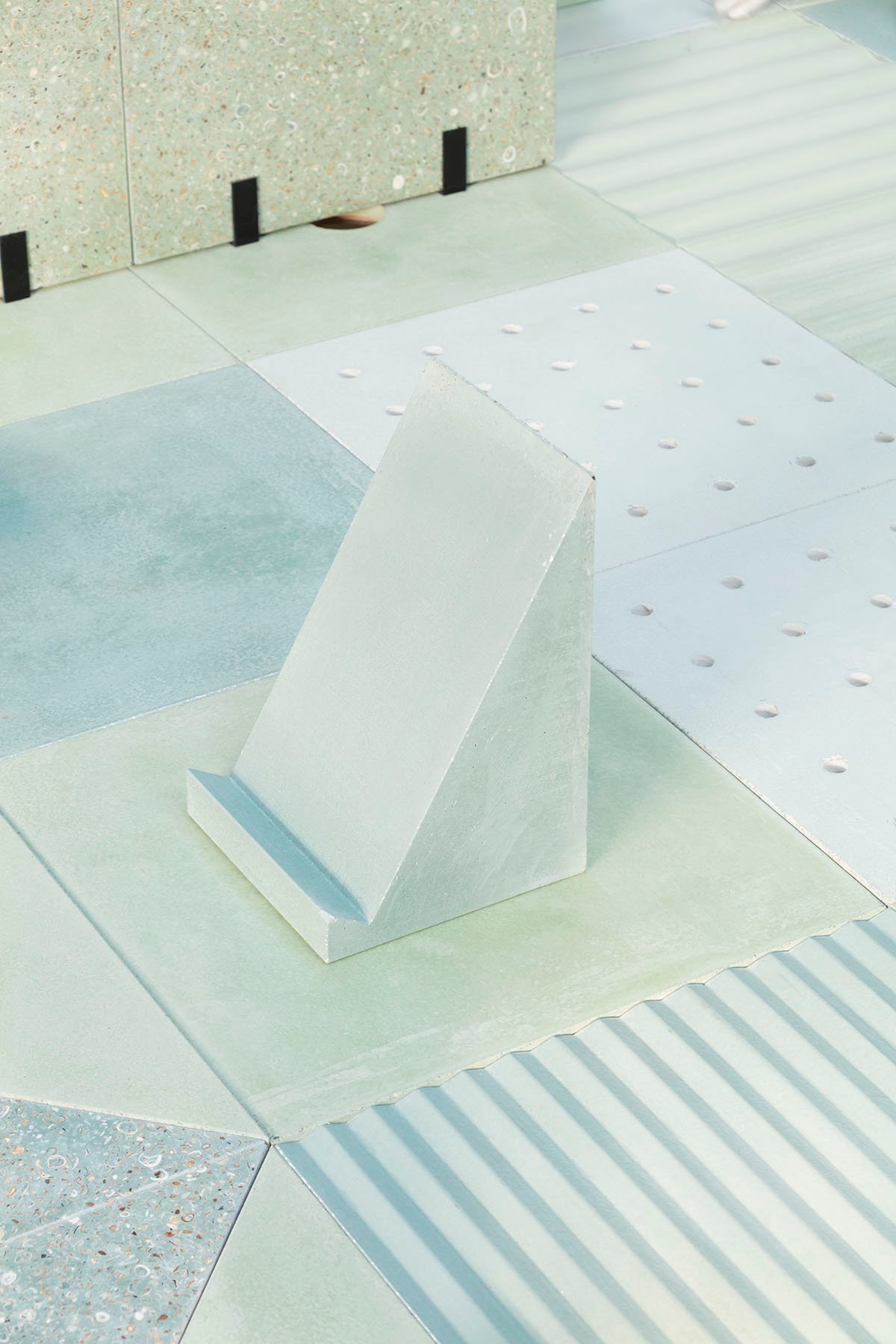
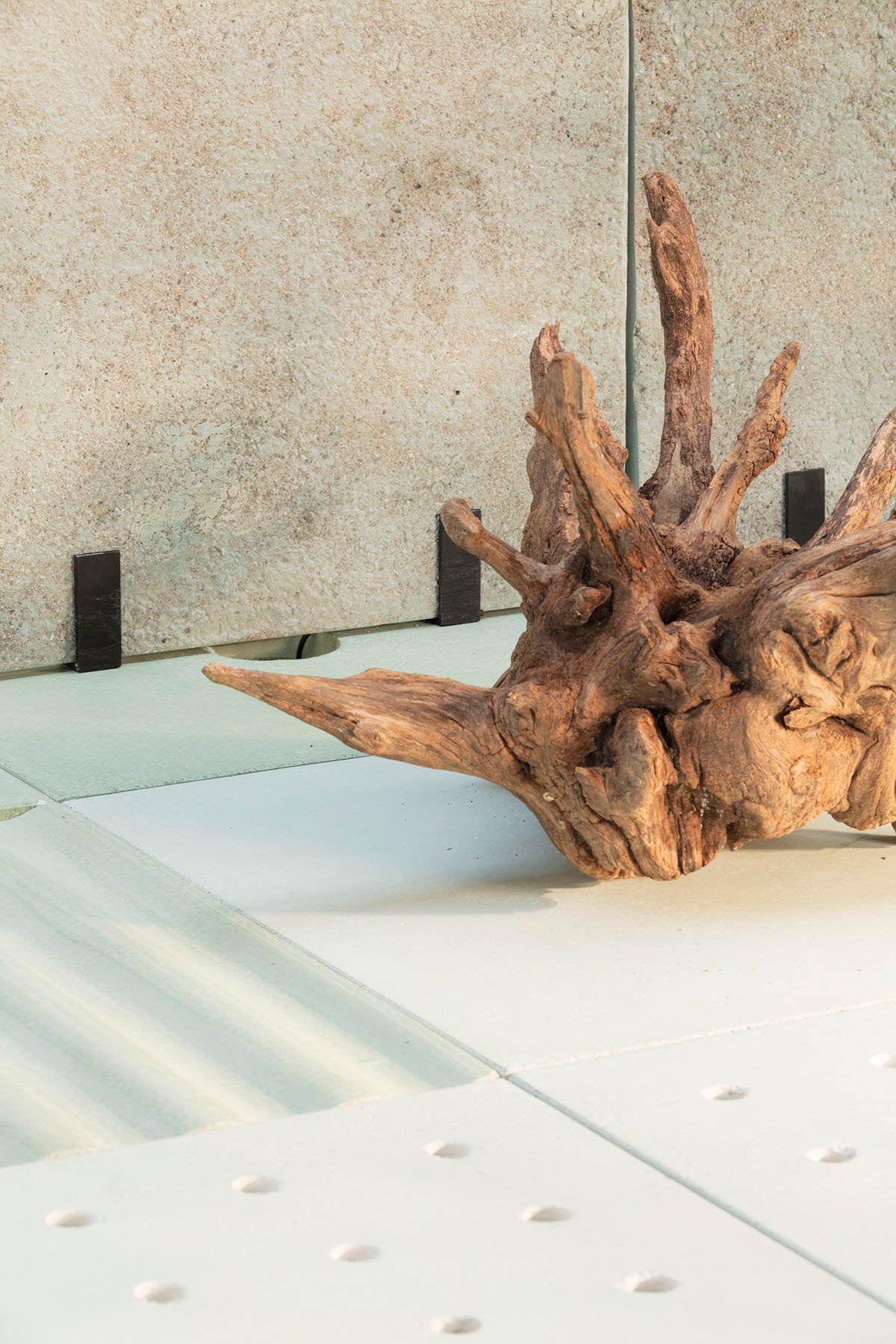
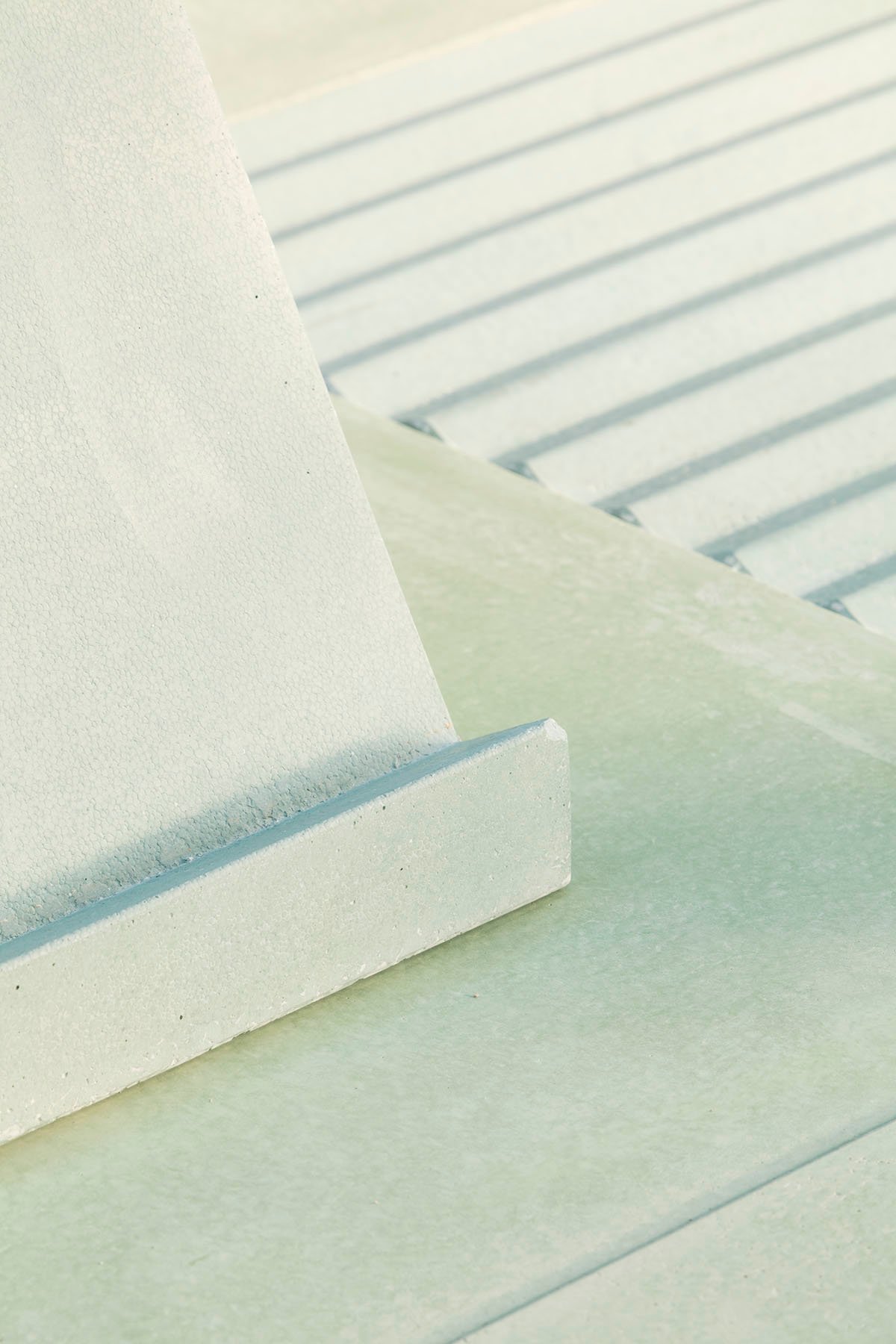
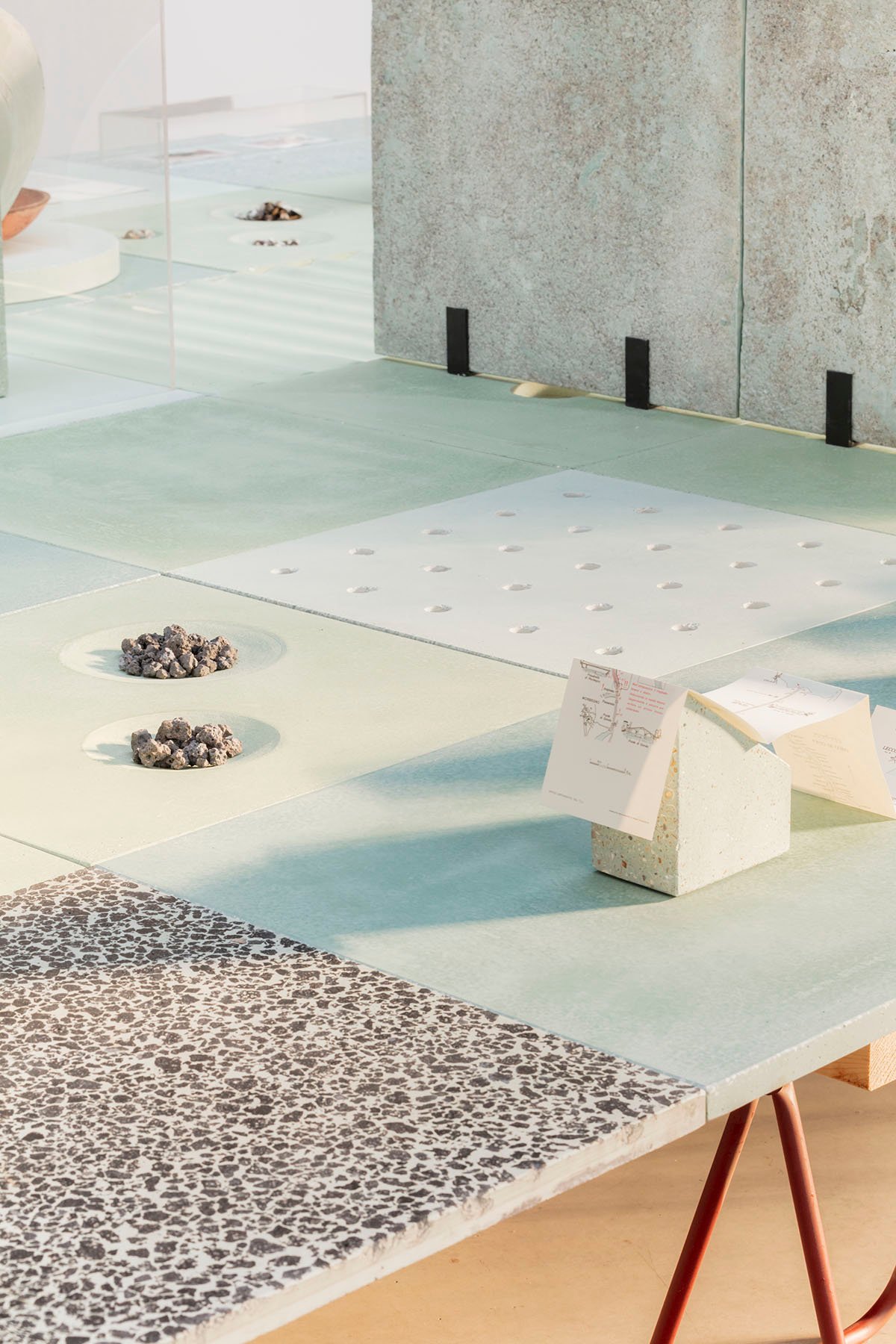
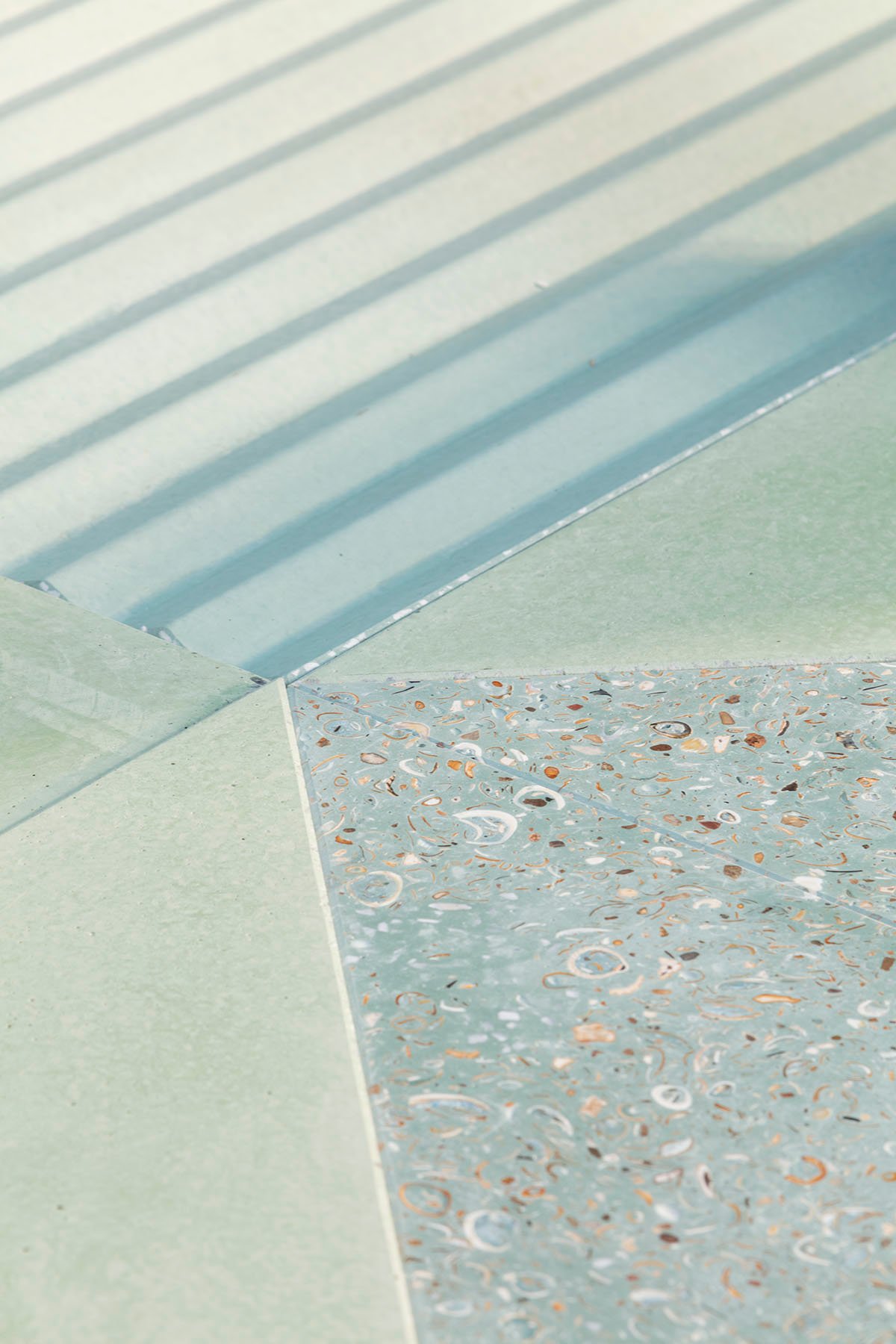
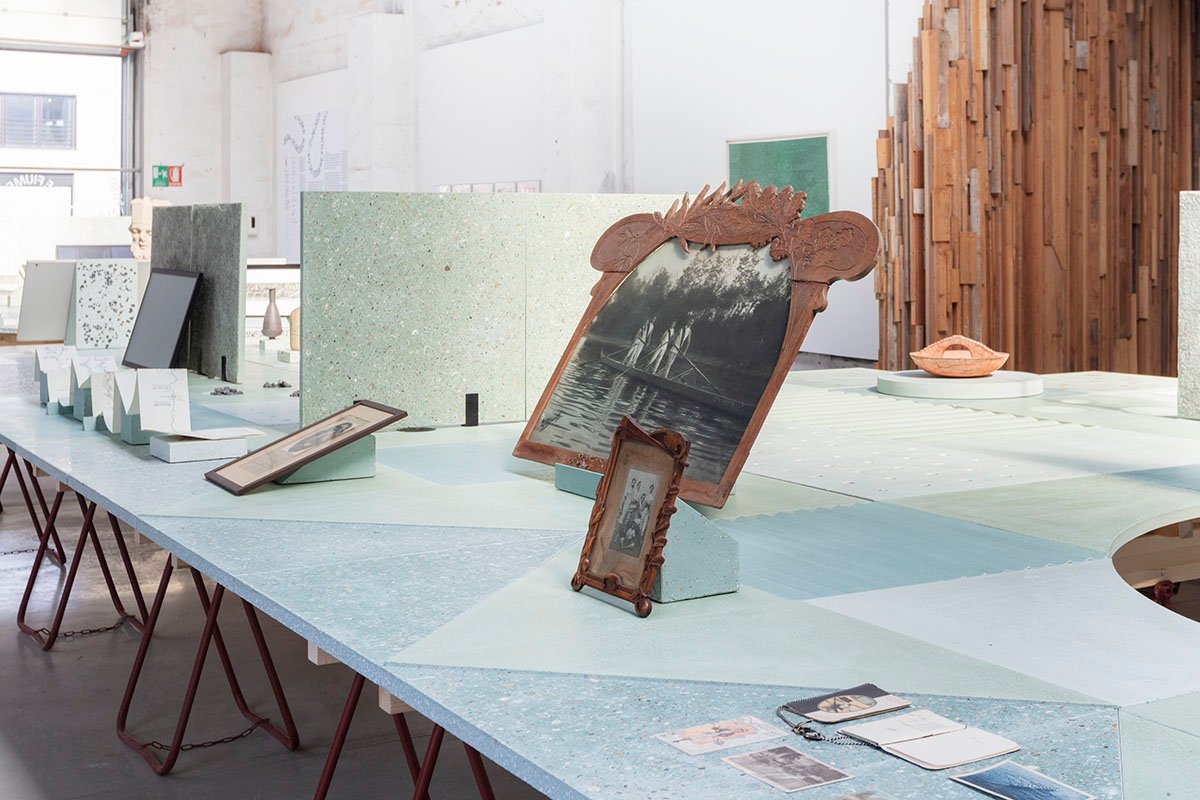
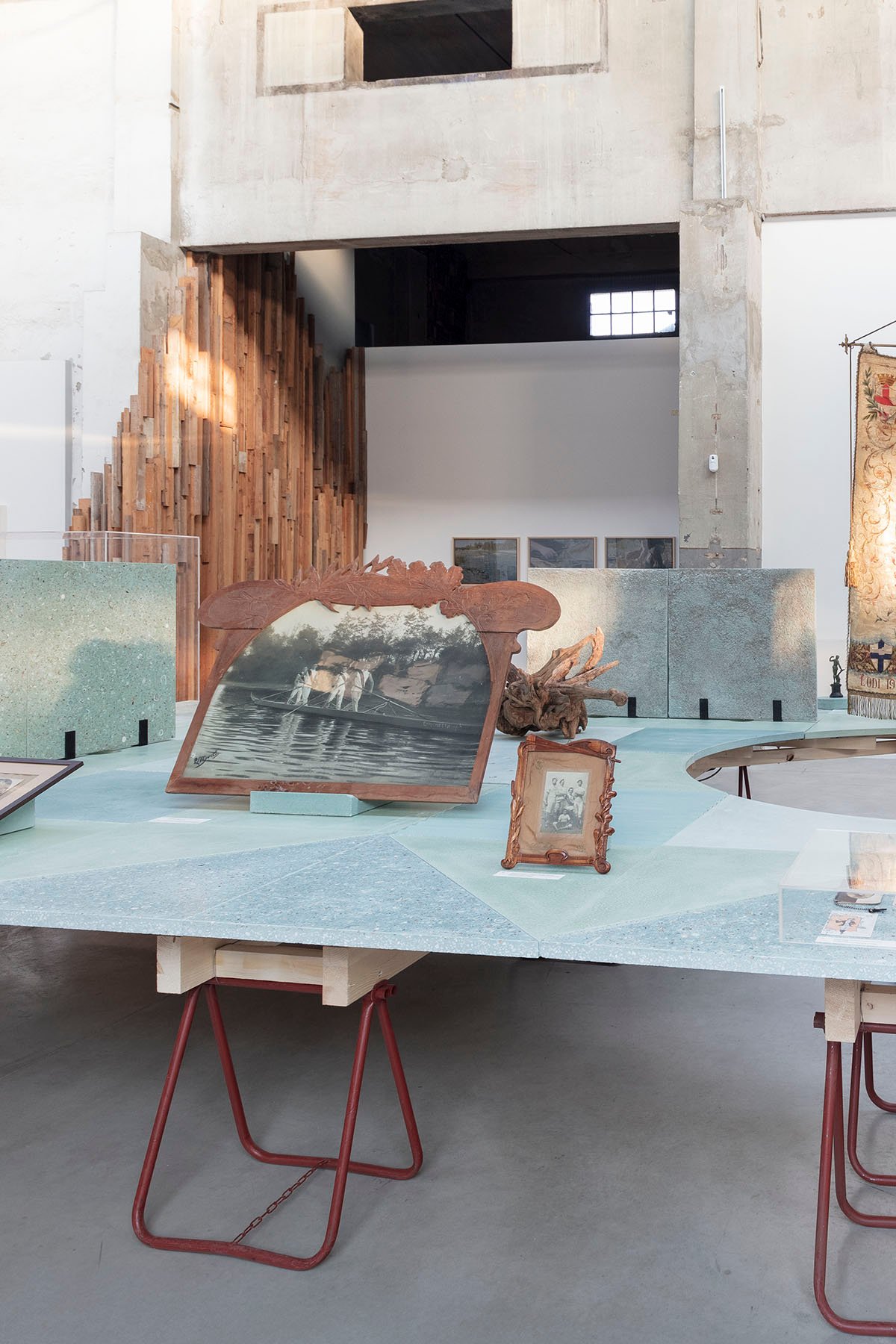
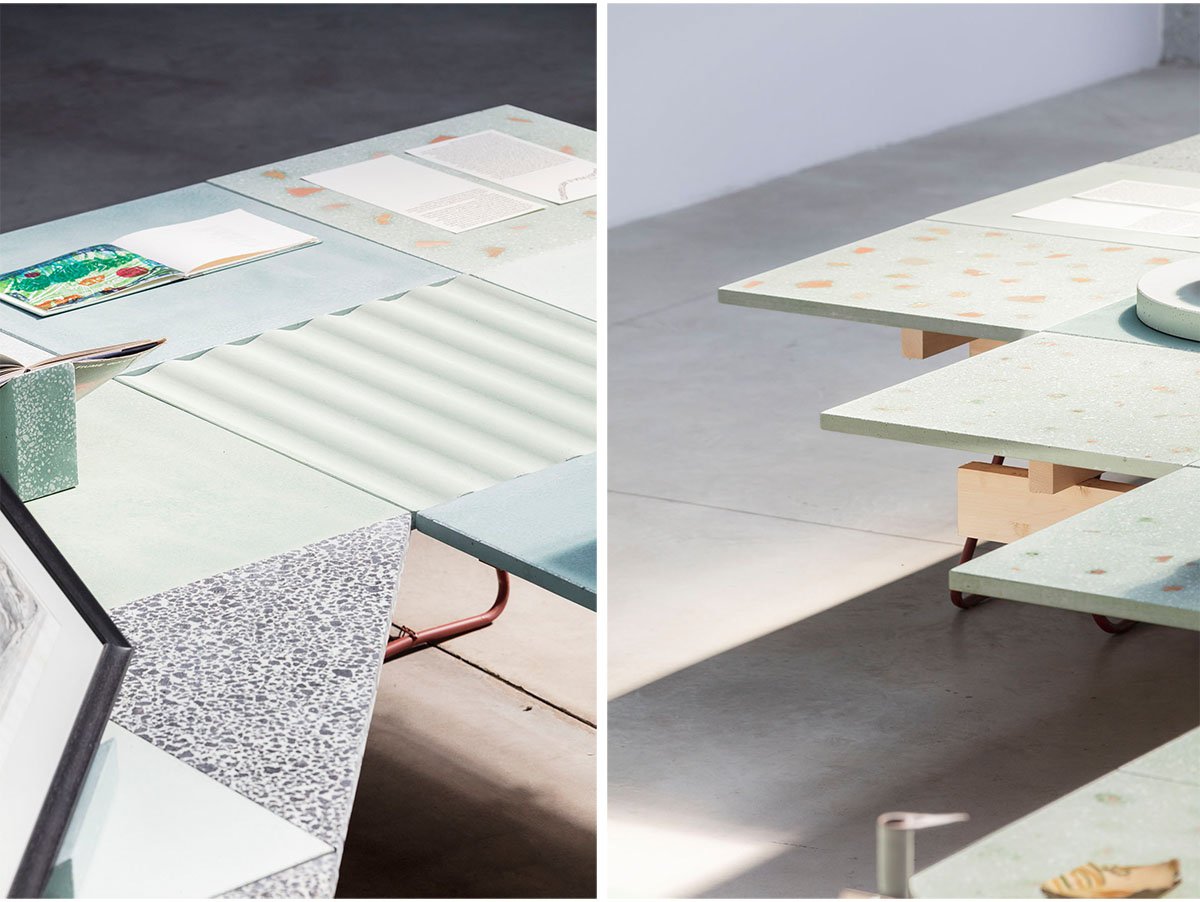
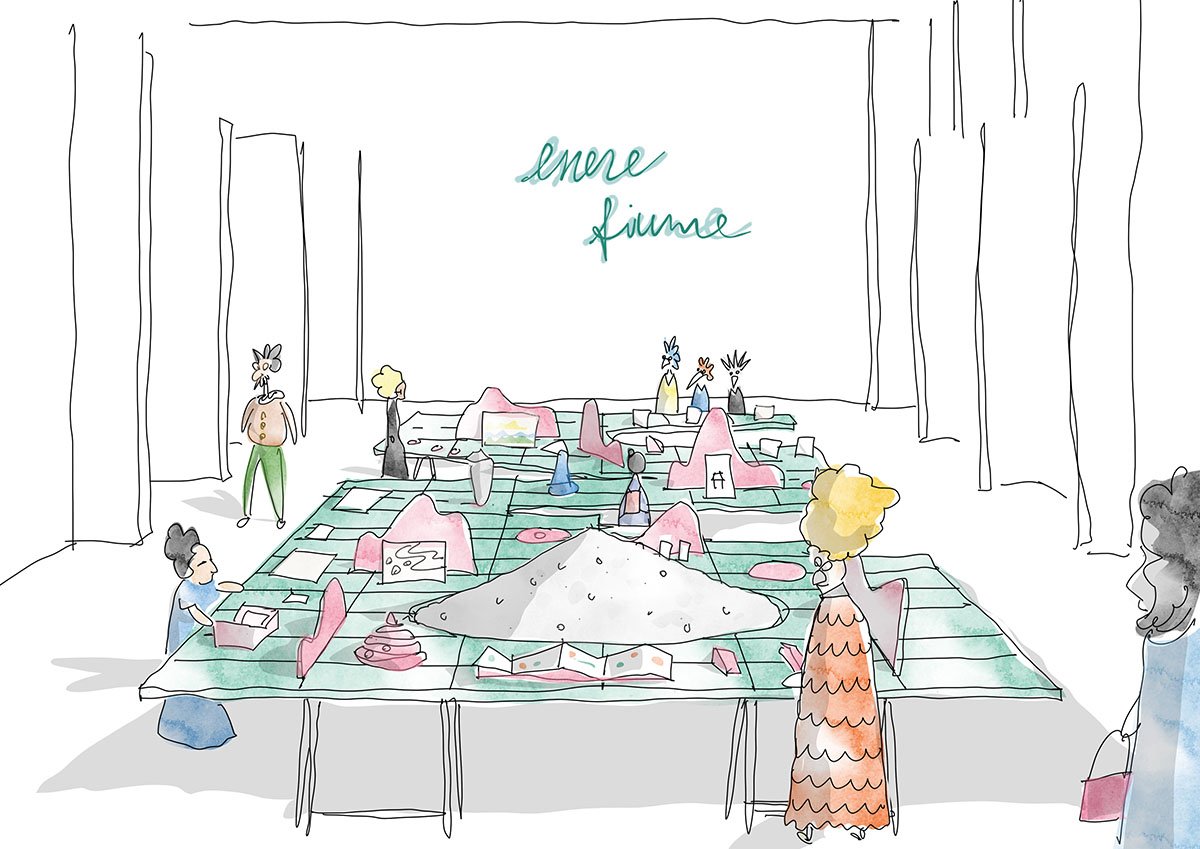
[Text as submitted by architect] The ‘Essere Fiume’ table is a vast display surface composed of 152 custom-made tiles, presented as fragments of the Adda River landscape. Created with composite materials developed by Studio Ossidiana and Carobbio, these tiles explore unprecedented combinations, aggregates, textures, and pigments, drawing inspiration from the colors and geology of the Adda.
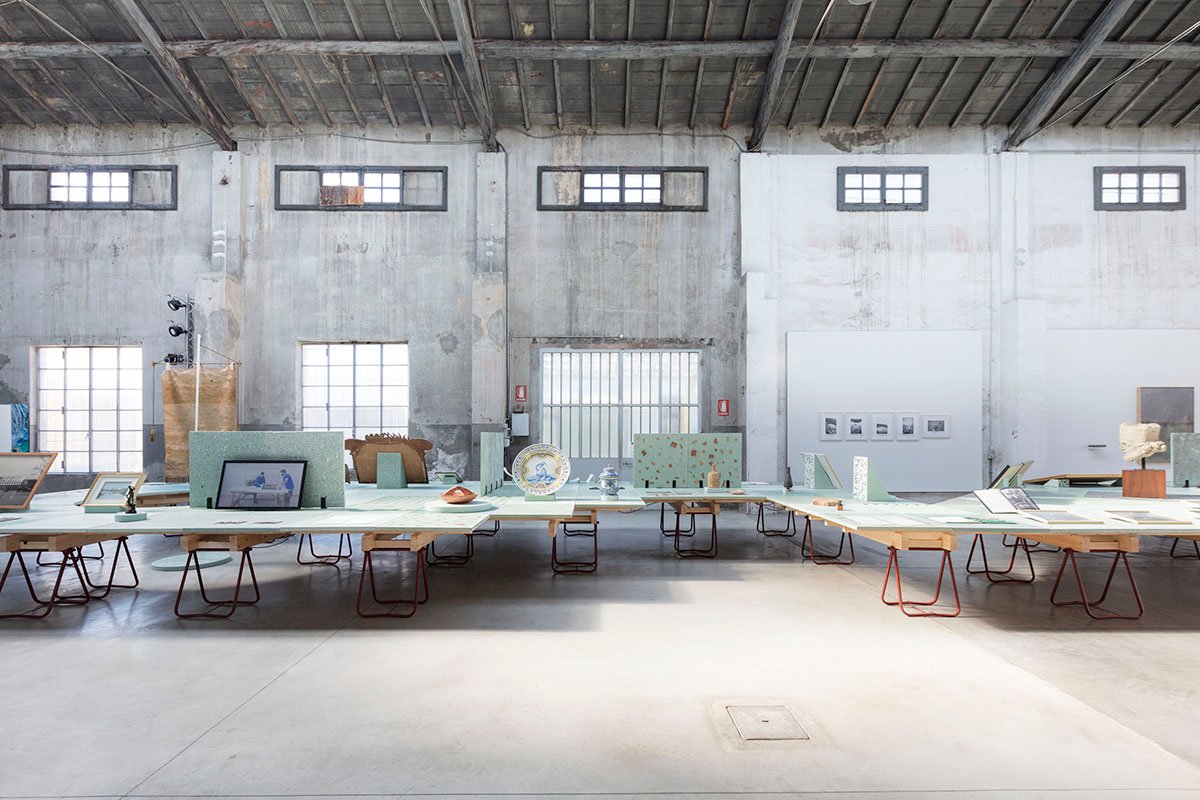
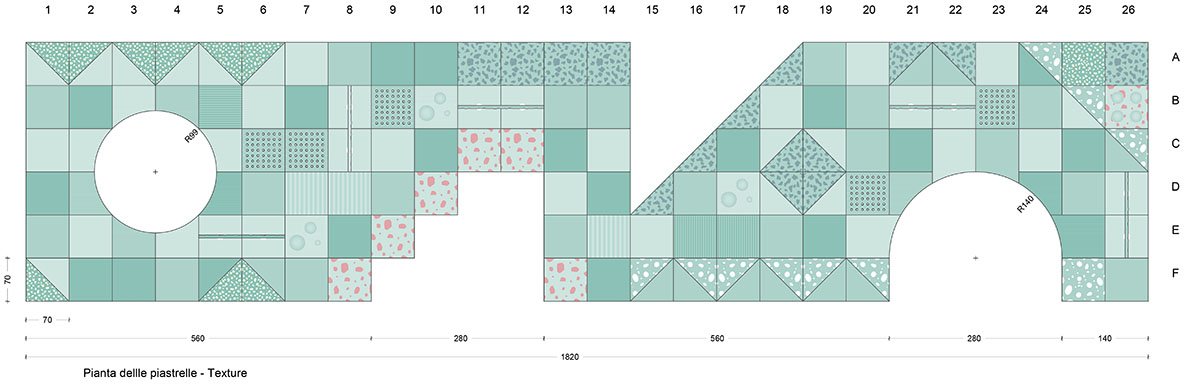
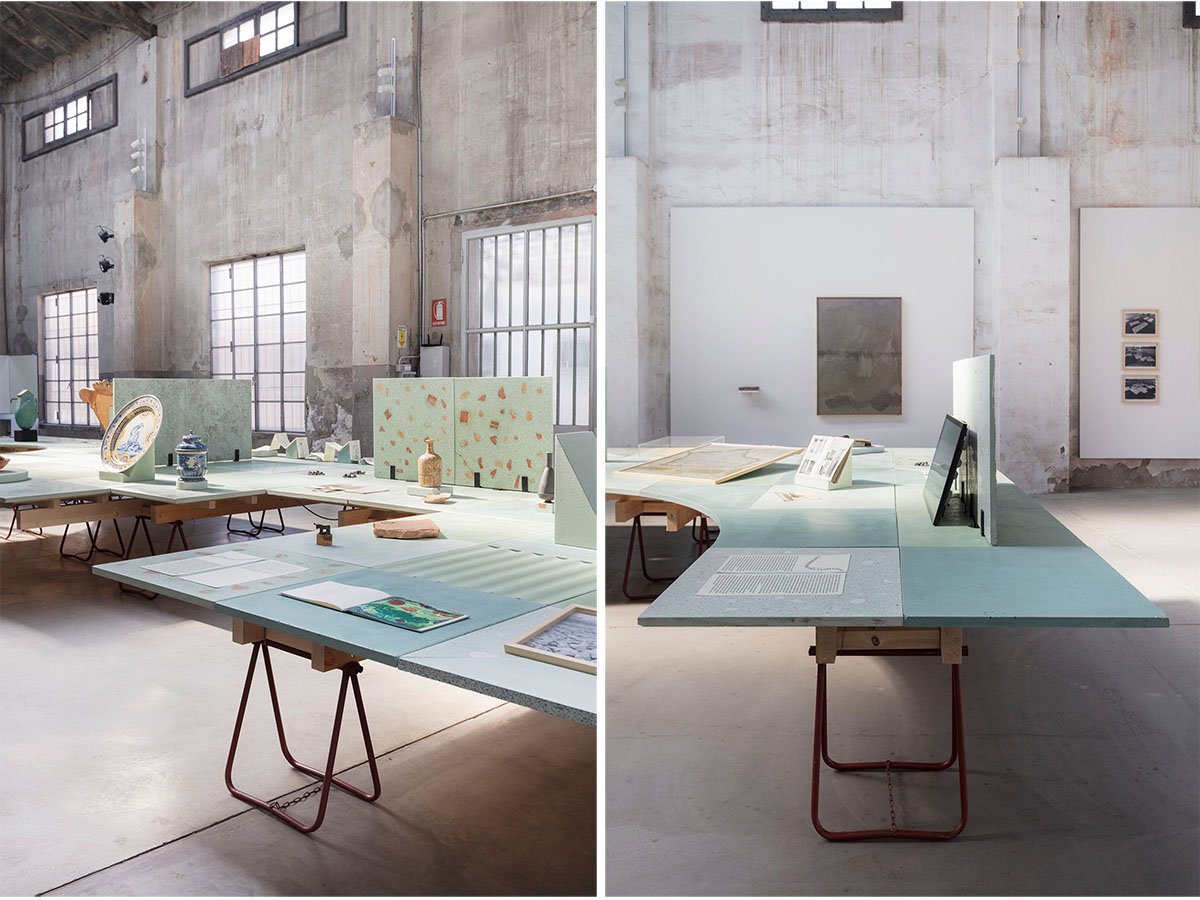
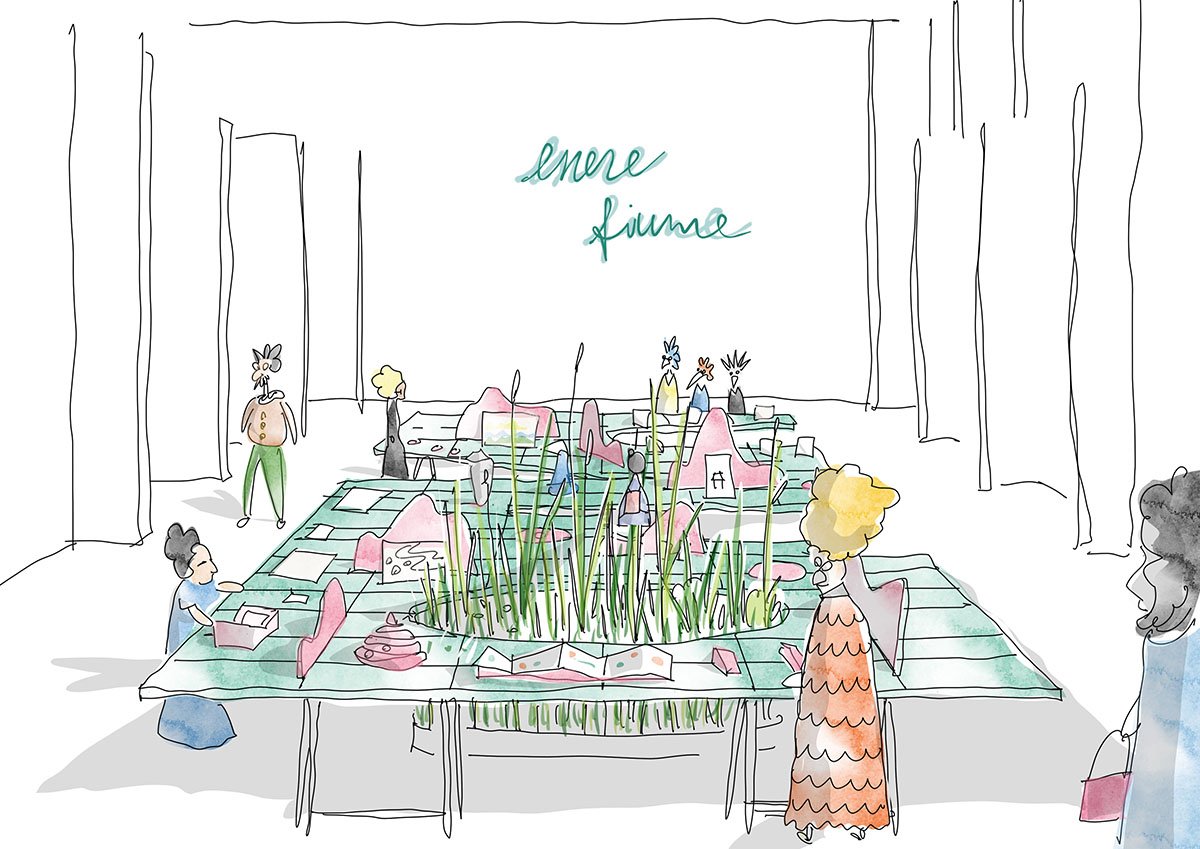
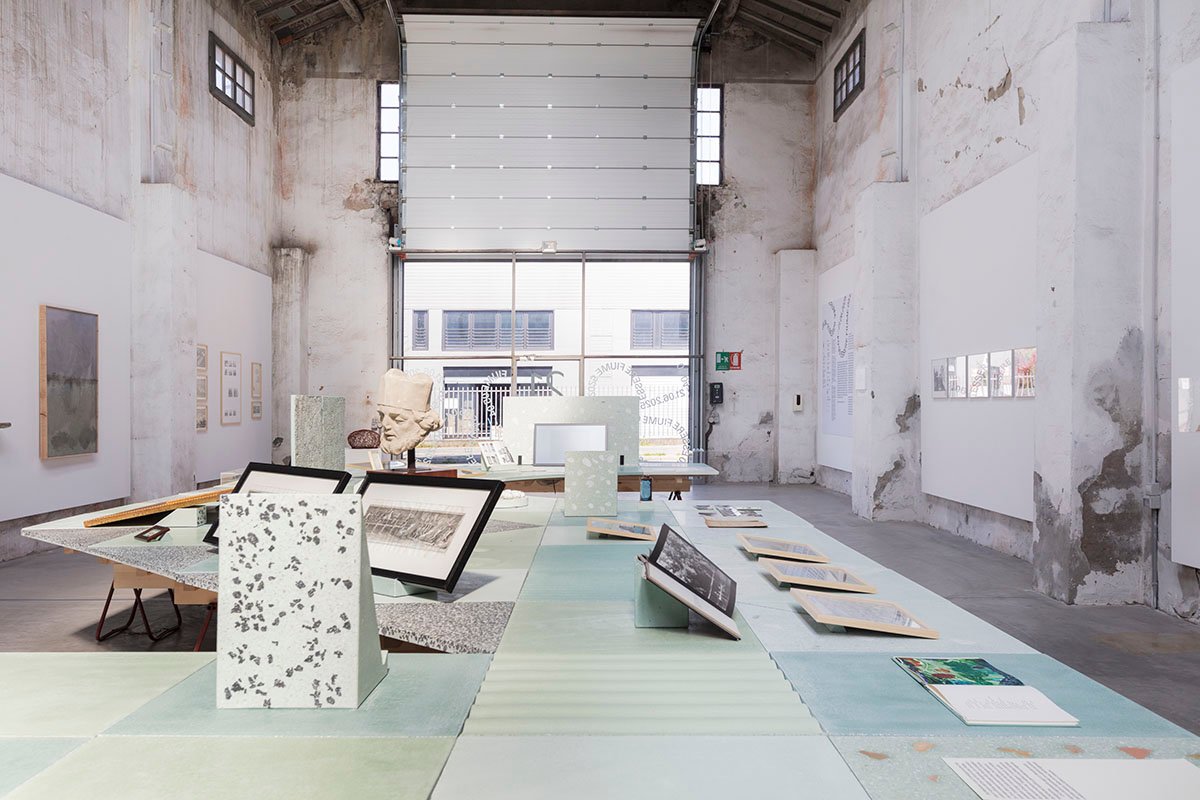
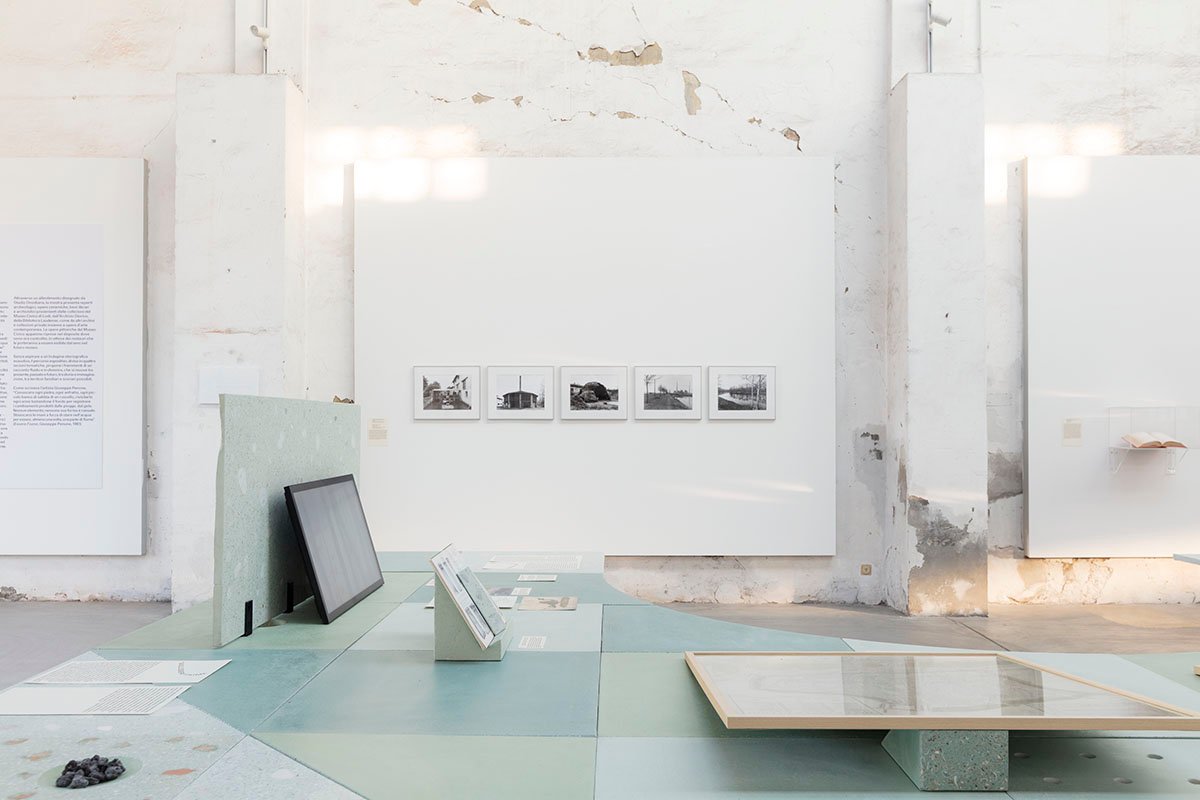
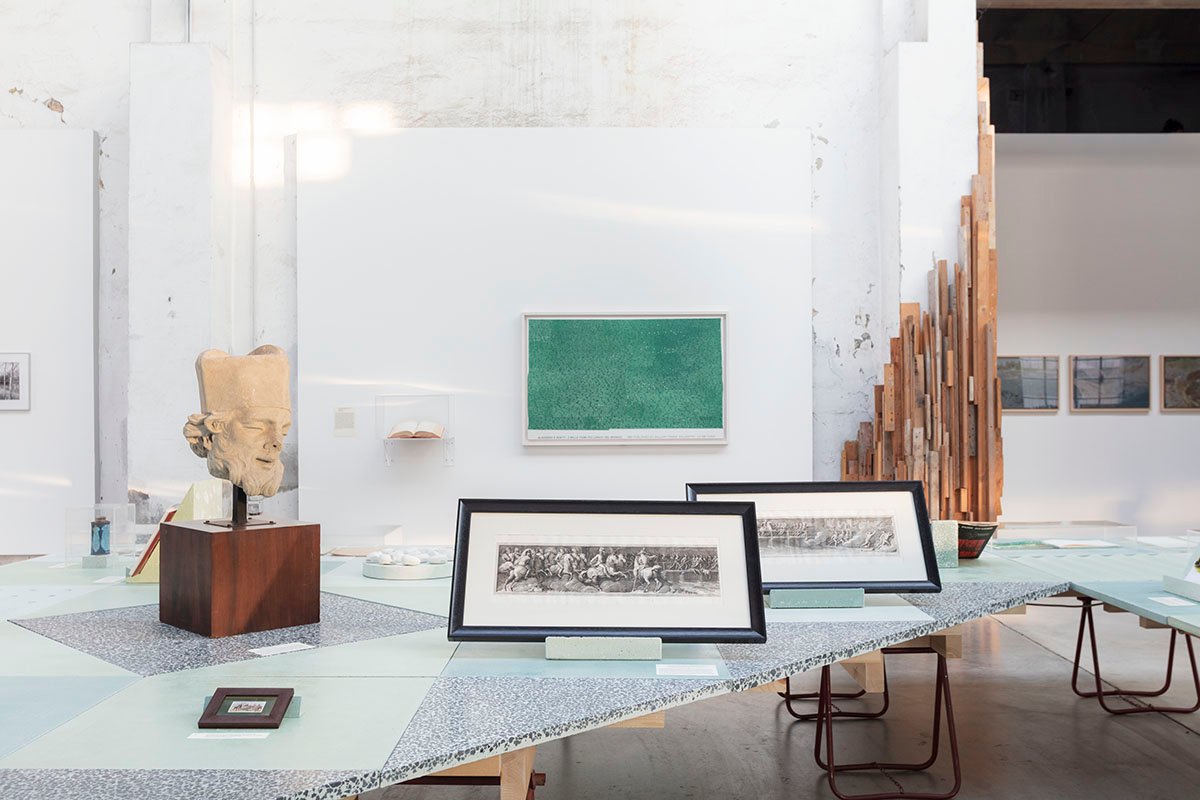
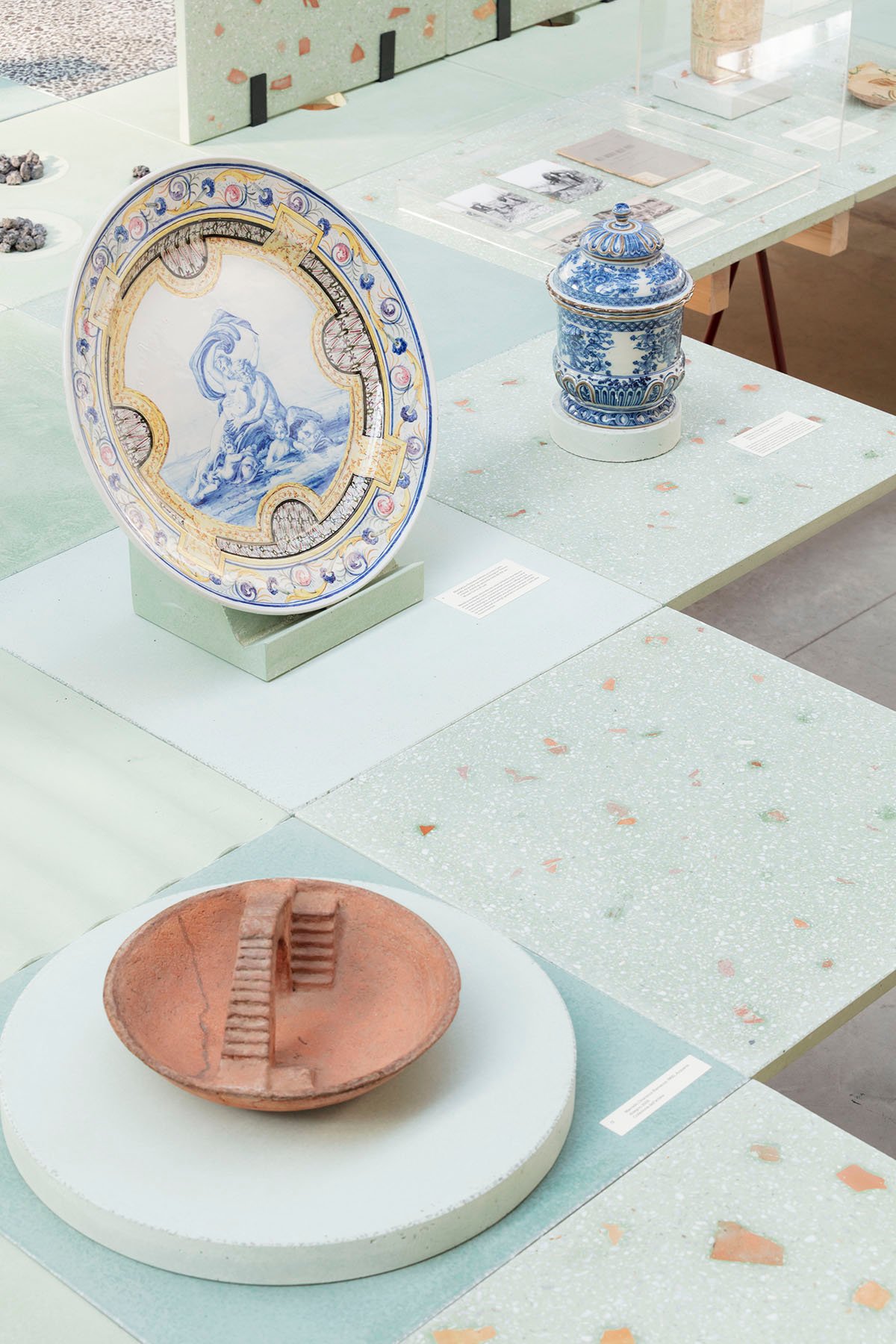
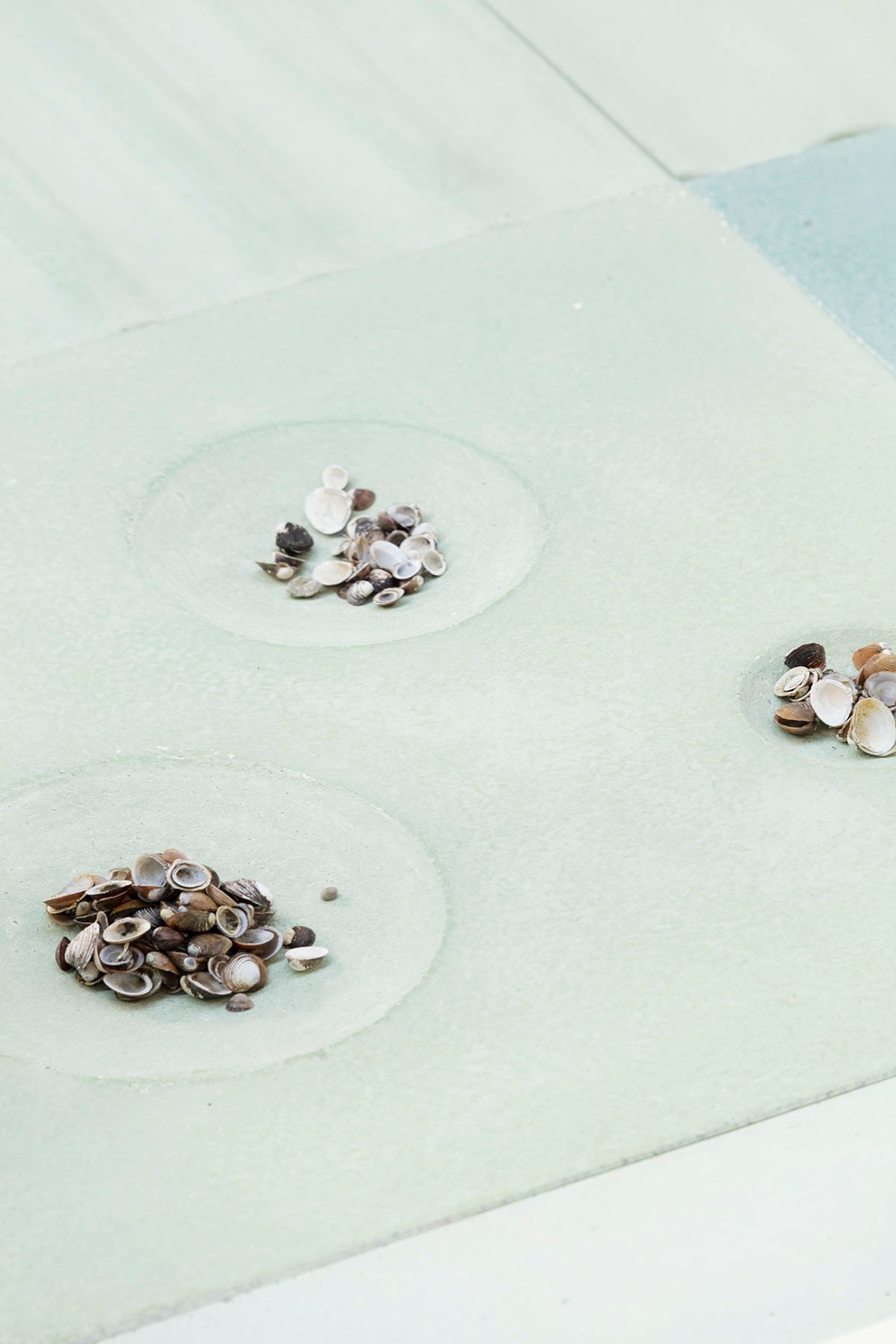
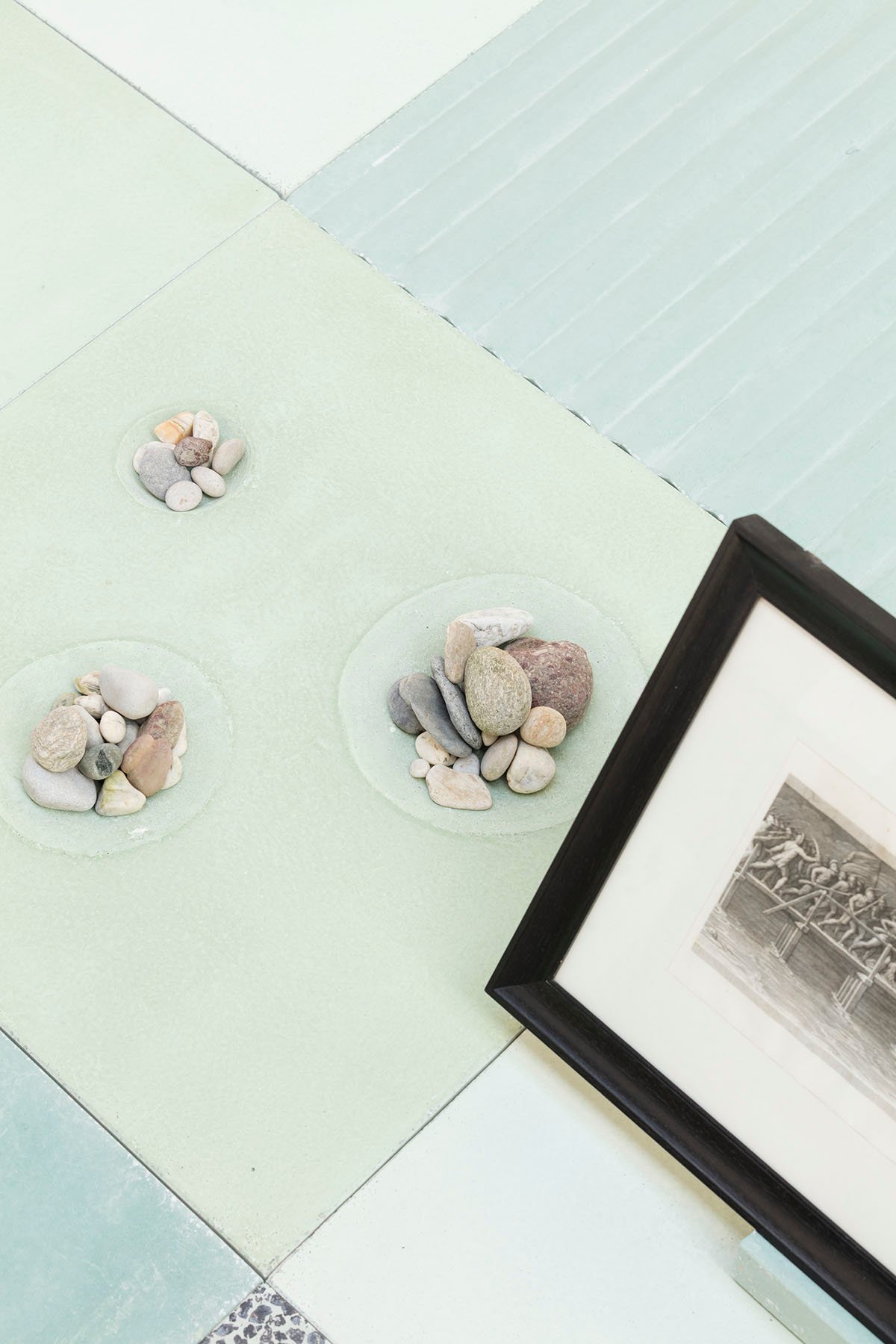
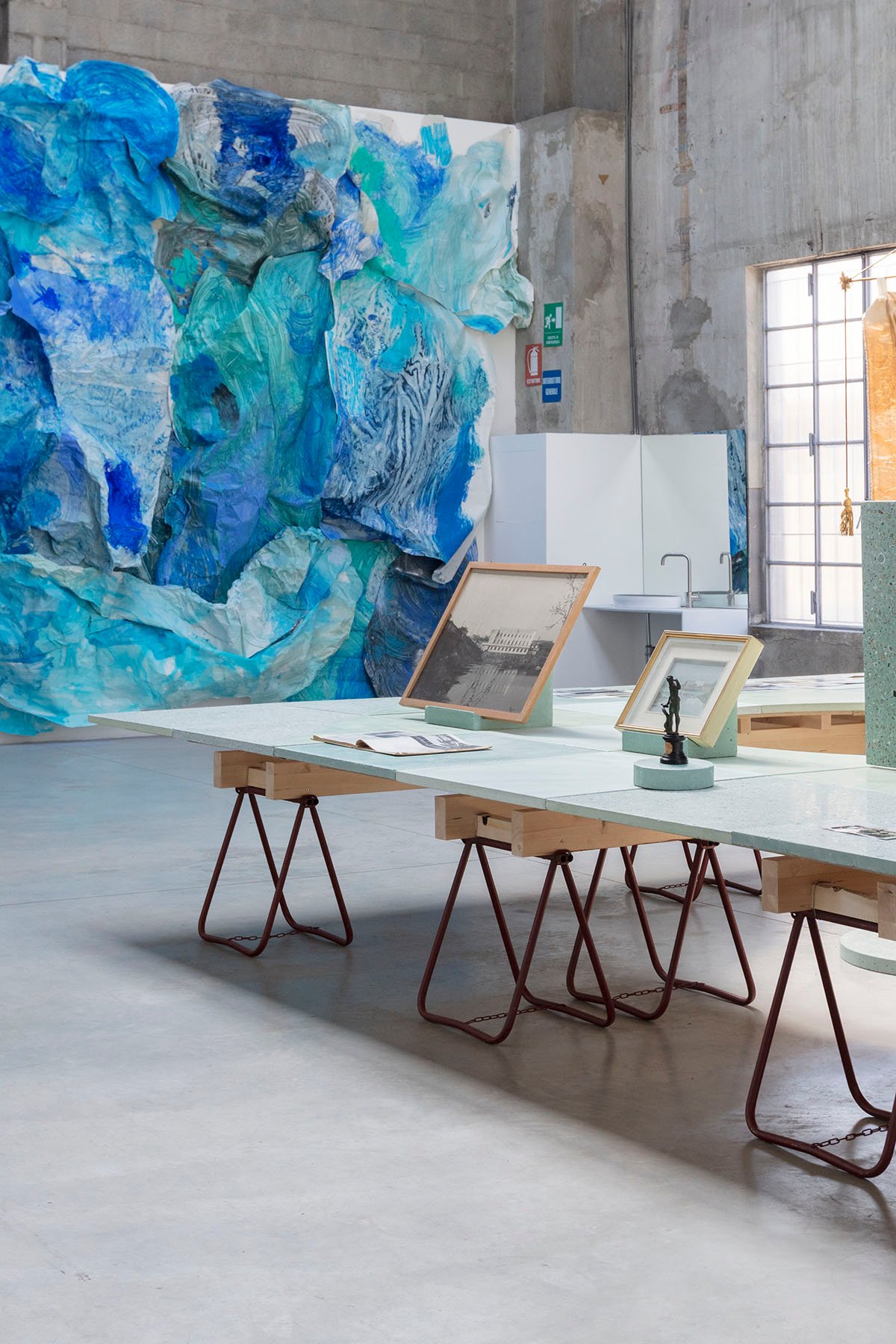
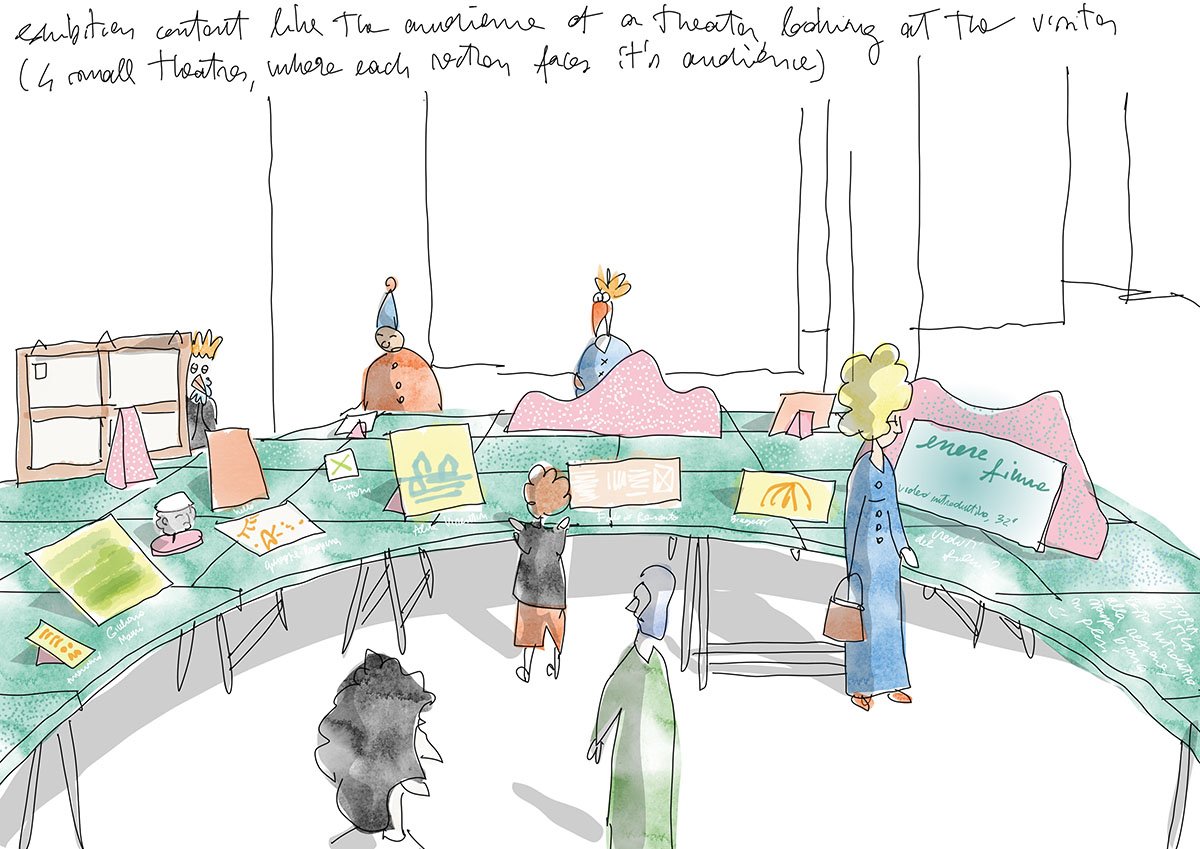
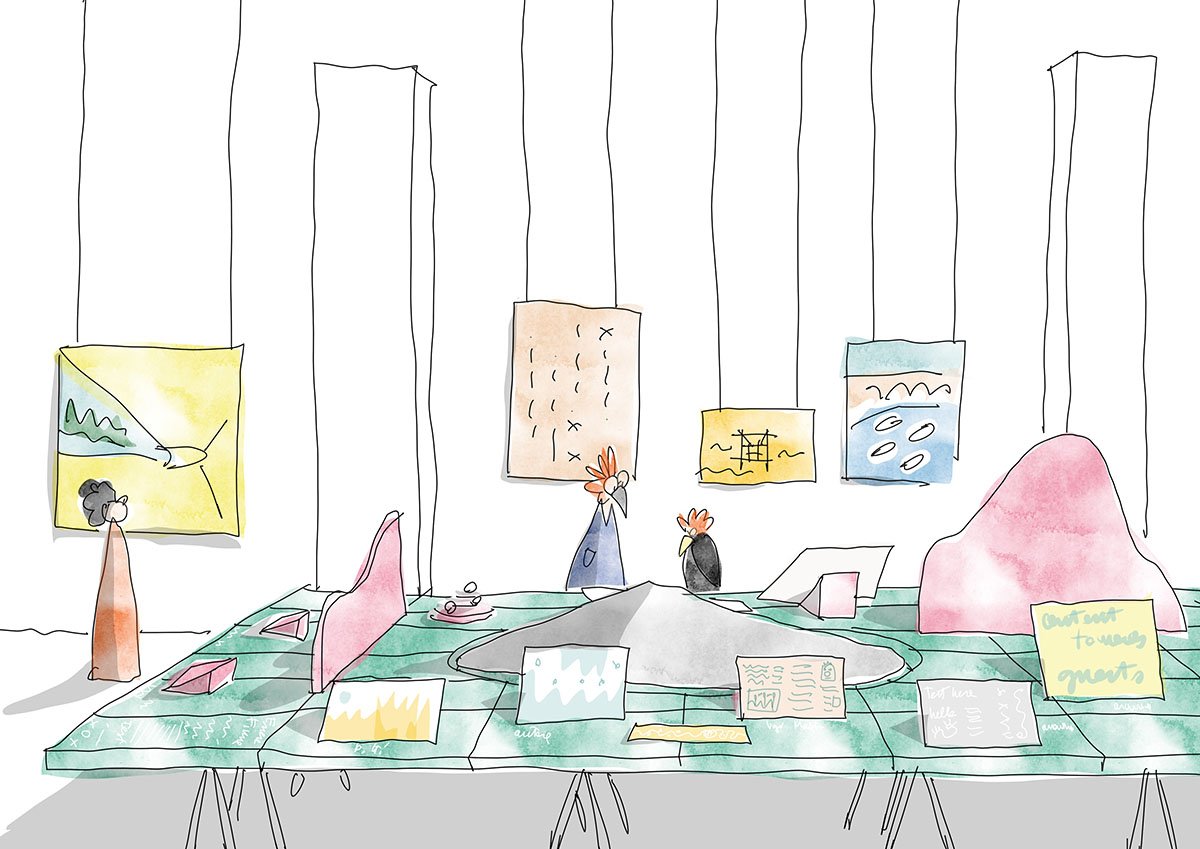
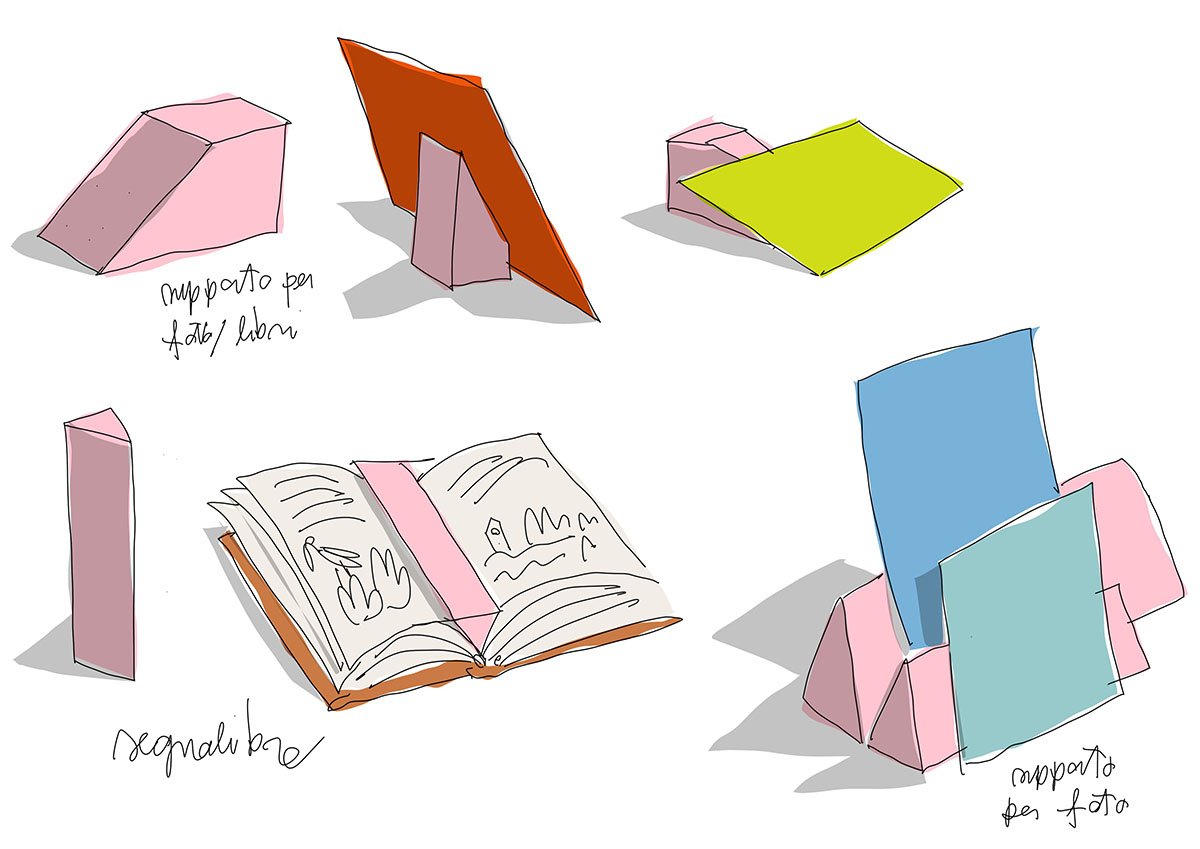
The exhibition table is configured as a petrified surface to be explored and touched, inviting the visitor to become part of it. The tiles are not simple supports, but narrative elements that tell the story of the river through various materials. “Loops” of different shapes and materials punctuate the surface, identifying the four curatorial themes and offering multiple levels of interpretation. These loops, made with inserts of river pebbles, shards, shells, and metal elements, accompany the observation of the displayed contents. The table is a map-landscape, and the objects, photographs, and books open up to the public like spectators in a theater.
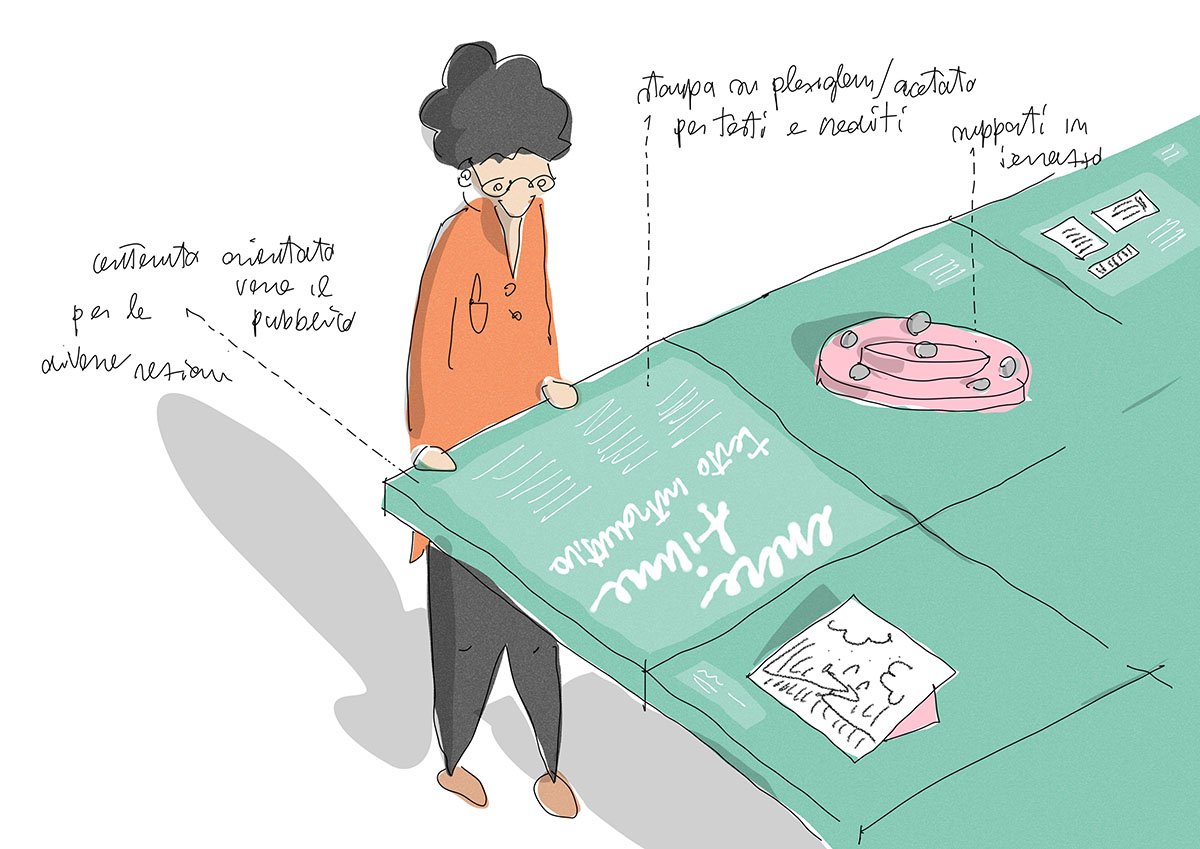
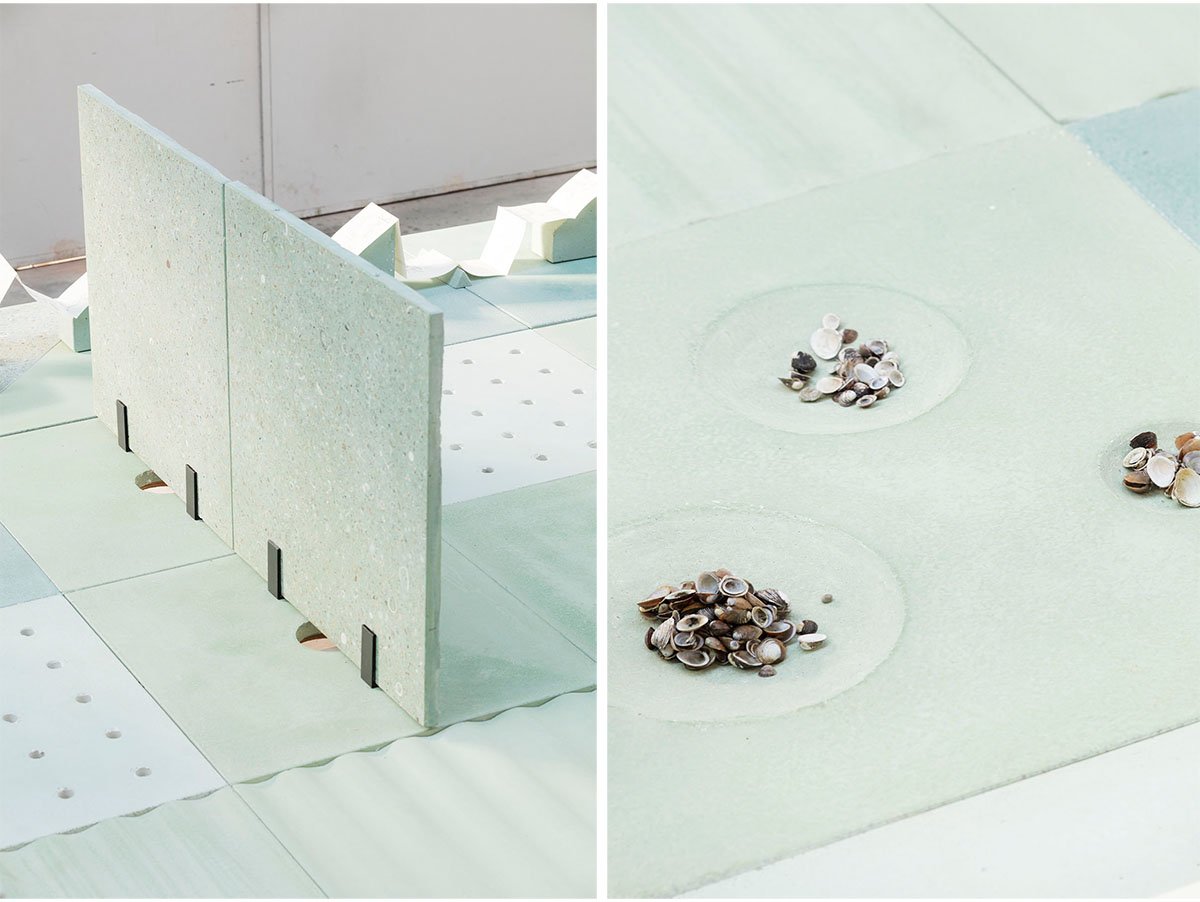
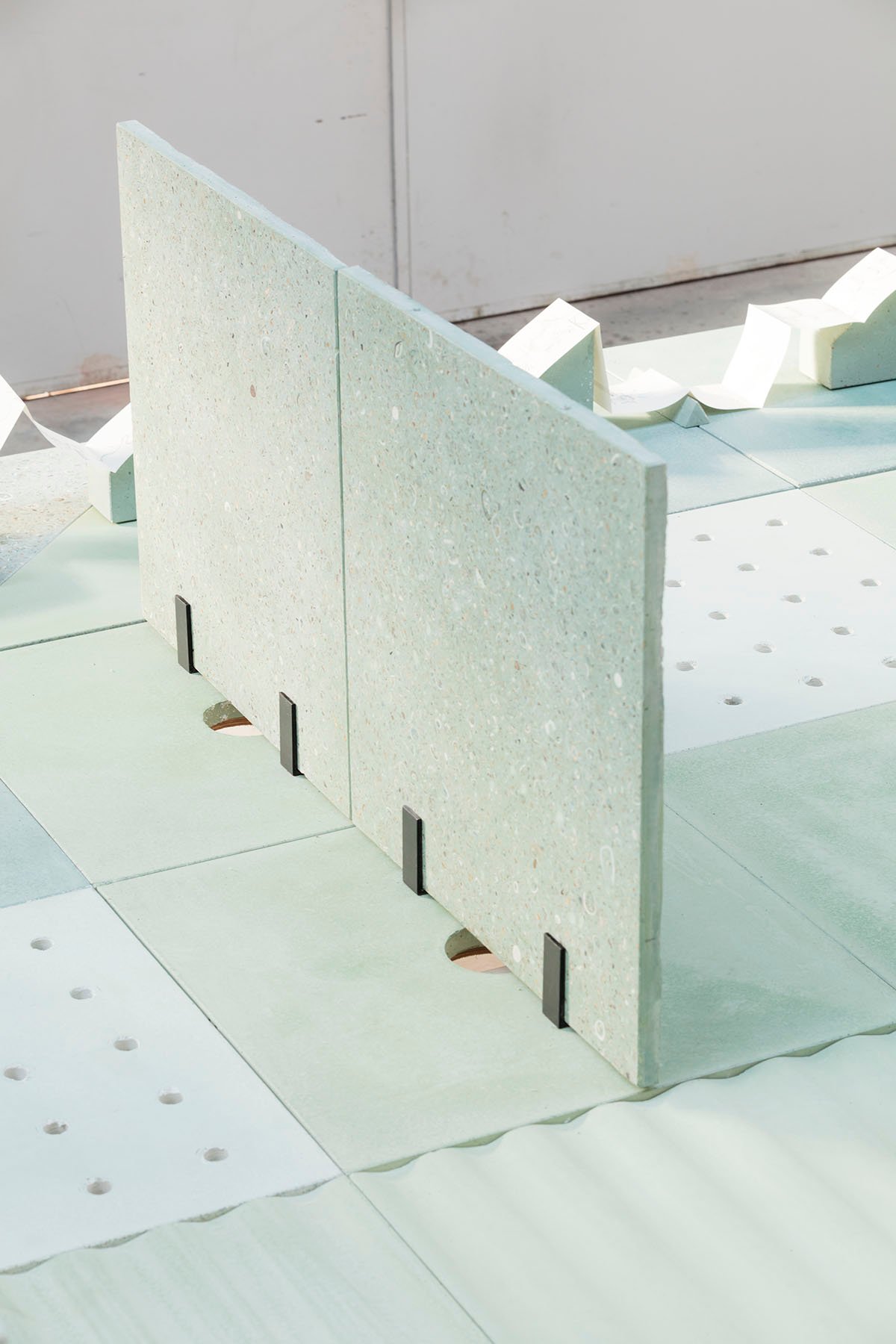
Beyond its exhibition function, the project is conceived as a modular prototype designed for future installations, adaptable to different contexts thanks to its flexible structure. The tiles, in fact, offer numerous possibilities for reuse: they can become the flooring of a space, indoors or outdoors, on which to display works, transforming the floor into a narrative device; they can compose a large civic table, a place for meeting and sharing, where debates, workshops, or collective lunches can be organized; or they can be separated into elements of different sizes, allowing for new exhibition configurations responding to different curatorial needs.
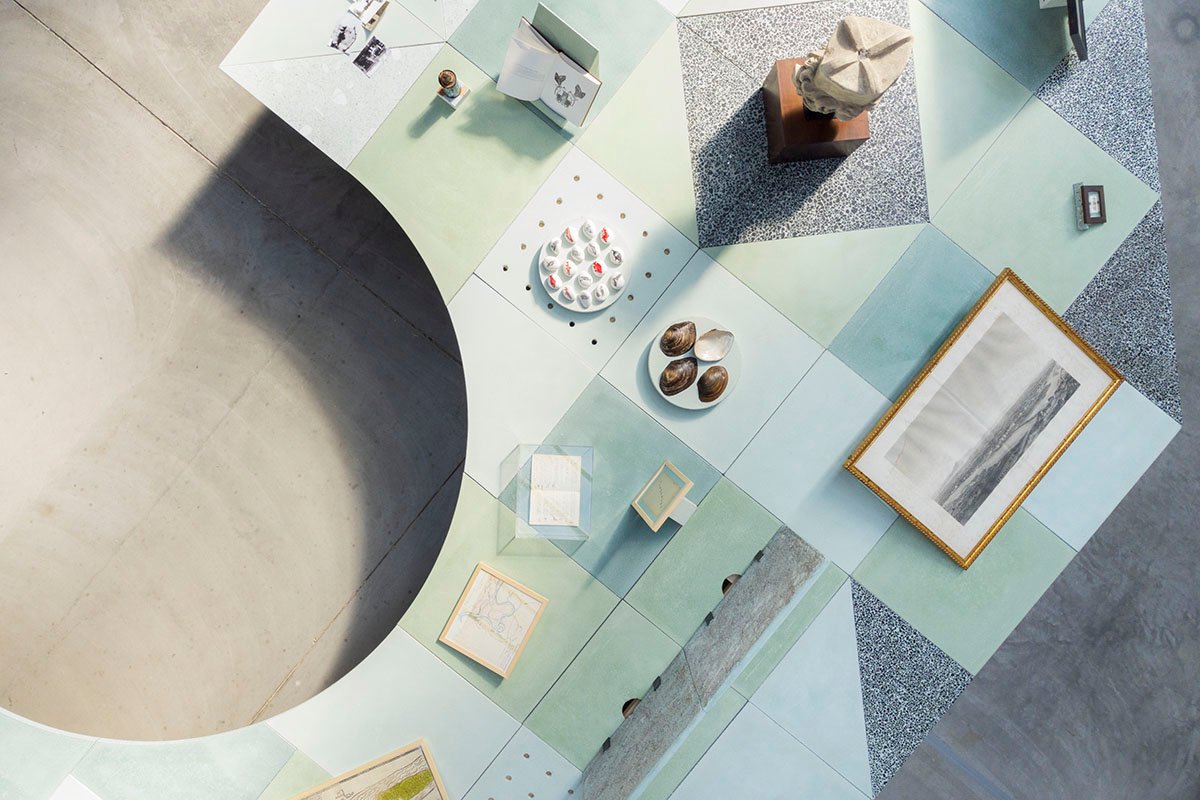
Through this modularity and versatility, “Essere Fiume” is not just an exhibition device, but an open system, capable of adapting and transforming over time.
Drawings
Images