Home » Academic projects » Assumptions to Inclusion – Rethinking the Social Datum: Inclusive Public Architecture for Everyday Urban Life in South Mumbai | Architecture Thesis on Urban Regeneration
Assumptions to Inclusion – Rethinking the Social Datum: Inclusive Public Architecture for Everyday Urban Life in South Mumbai | Architecture Thesis on Urban Regeneration
Excerpt: ‘Assumptions to Inclusion – Rethinking the Social Datum’ is an architecture thesis by Prathamesh Parag Poonam Mahajan from the ‘L.S. Raheja School of Architecture.’ The project critiques how architecture prioritises the normative user and reveals how social datums shape space. By foregrounding unseen and non-normative users through comics-based narratives, it challenges embedded design biases. It advocates inclusive, shared spatial strategies and proposes precise interventions that enhance accessibility, usability, and equity in everyday experience.
Introduction: The project examines how social datums shape the built environment and how architectural practice has historically prioritised the normative user. It shifts focus toward the unseen population, encompassing non-normative users across varied economic backgrounds, genders and identities, professions, age groups, abilities, and neurodiversities.
Rather than proposing separate or specialised spaces, the project advocates for inclusive design strategies that allow all users to share and experience space equitably. The intent is to challenge embedded design biases that favour visible or default users and to expand architectural thinking toward a more inclusive understanding of use and occupation.
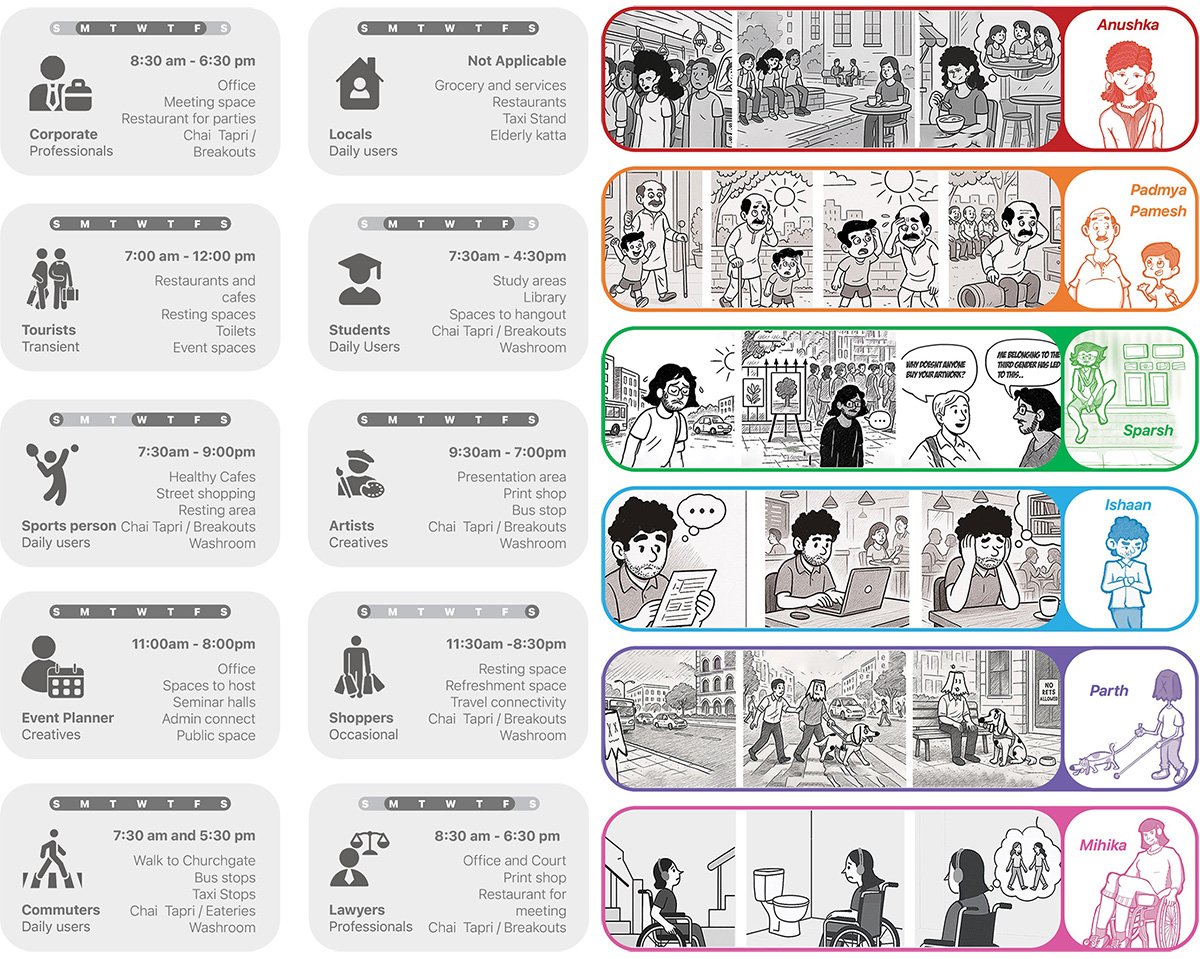
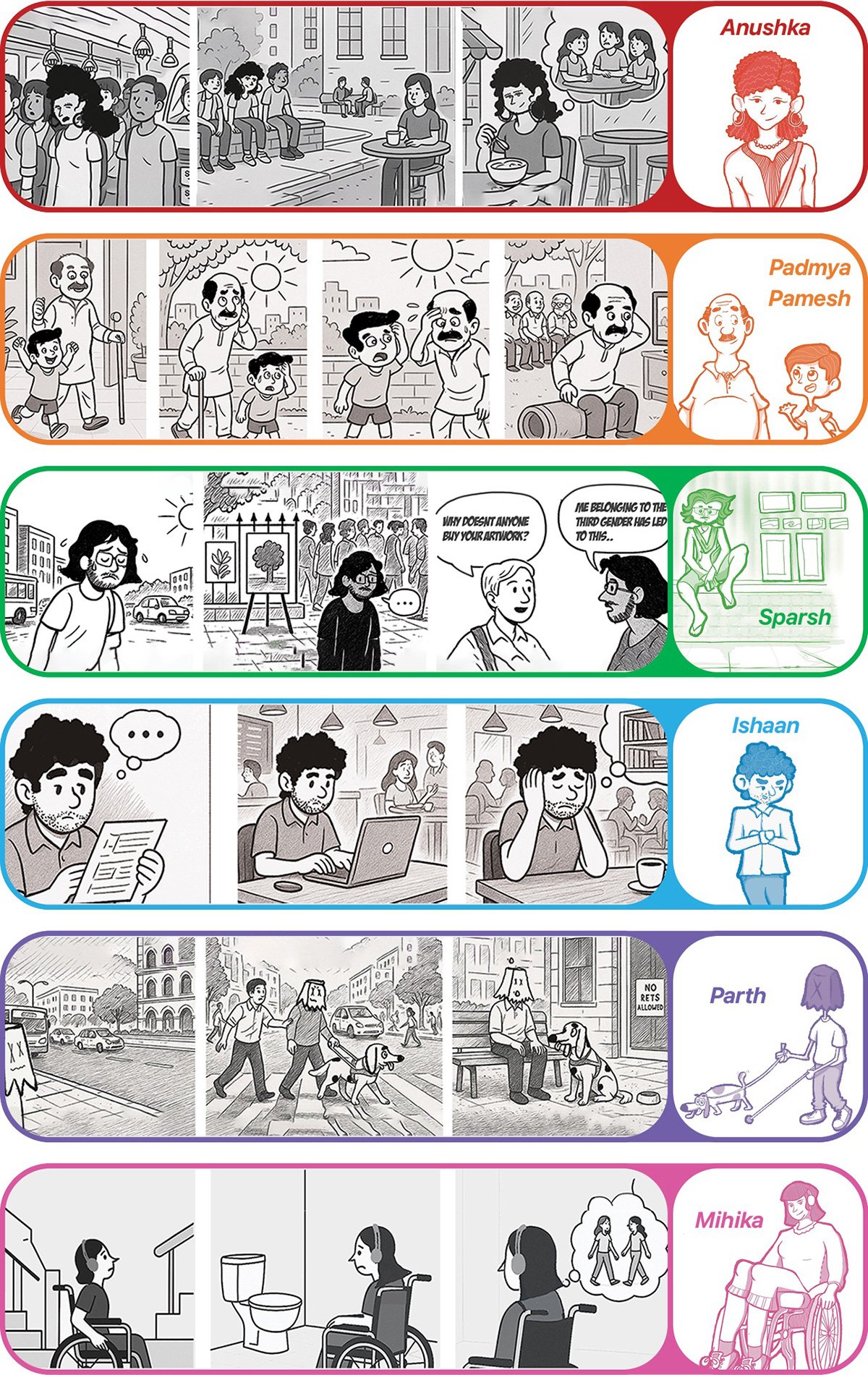
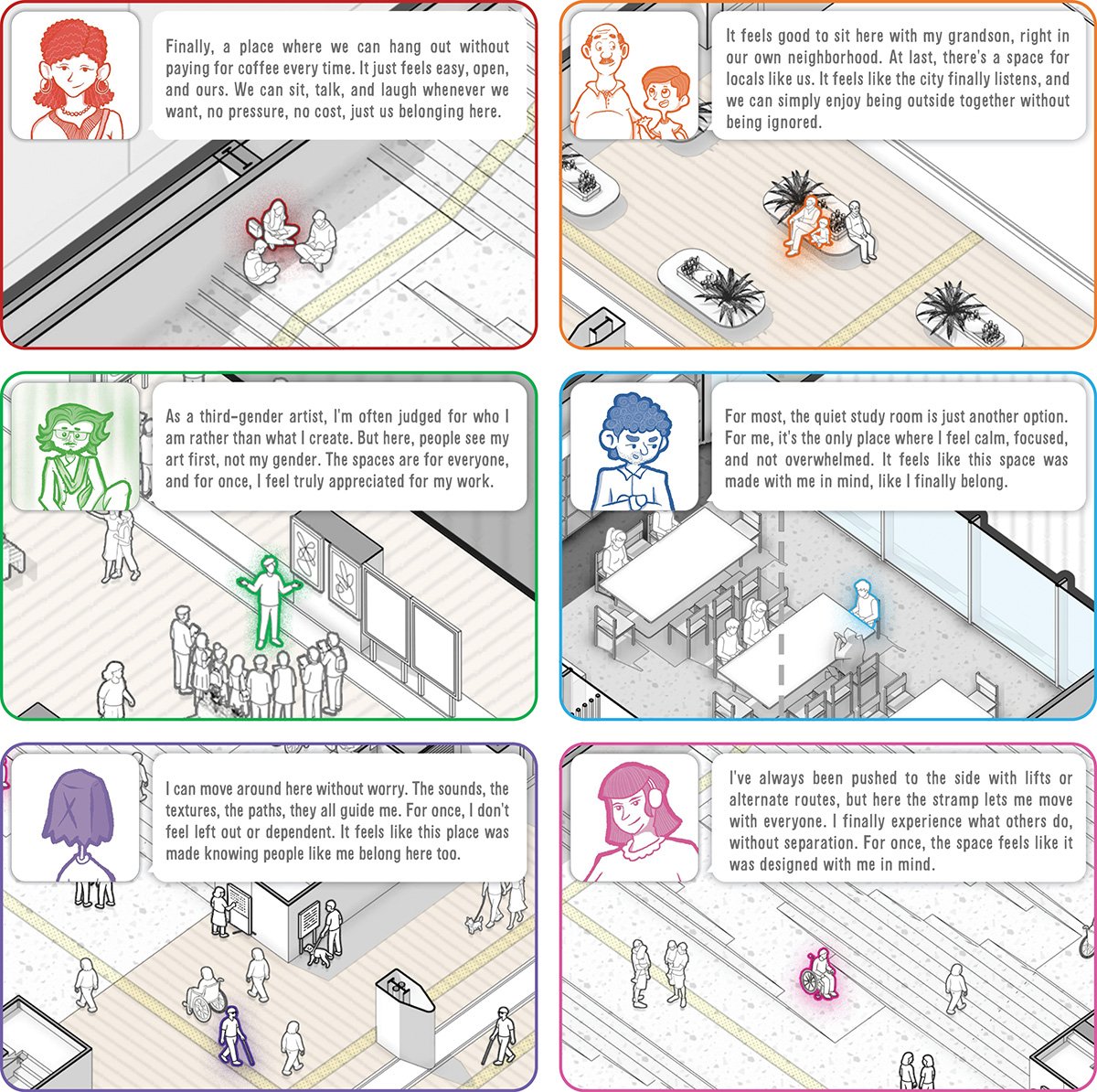
Comics are employed as a narrative tool to document everyday lived experiences, enabling a departure from a conventional architectural lens. This approach foregrounds how daily routines, interactions, and limitations shape the way people engage with space. These narratives reveal inequalities inherent in environments designed around normative assumptions.
The resulting design intervention does not seek formal novelty. Instead, it introduces precise and considered spatial modifications that enhance accessibility and usability for a wider range of users. The project does not aim to resolve inclusivity in absolute terms but positions architecture as a medium through which intentional design decisions can lead to meaningful changes in experience, contributing to a more equitable built environment.
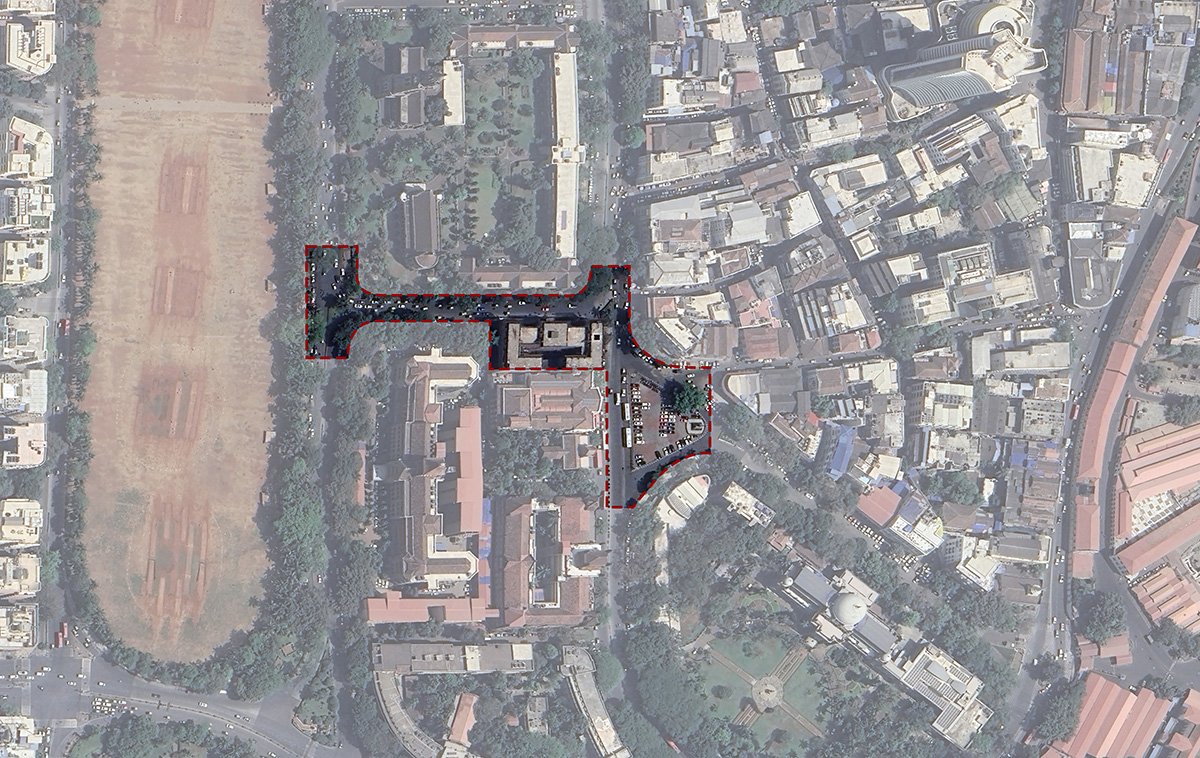
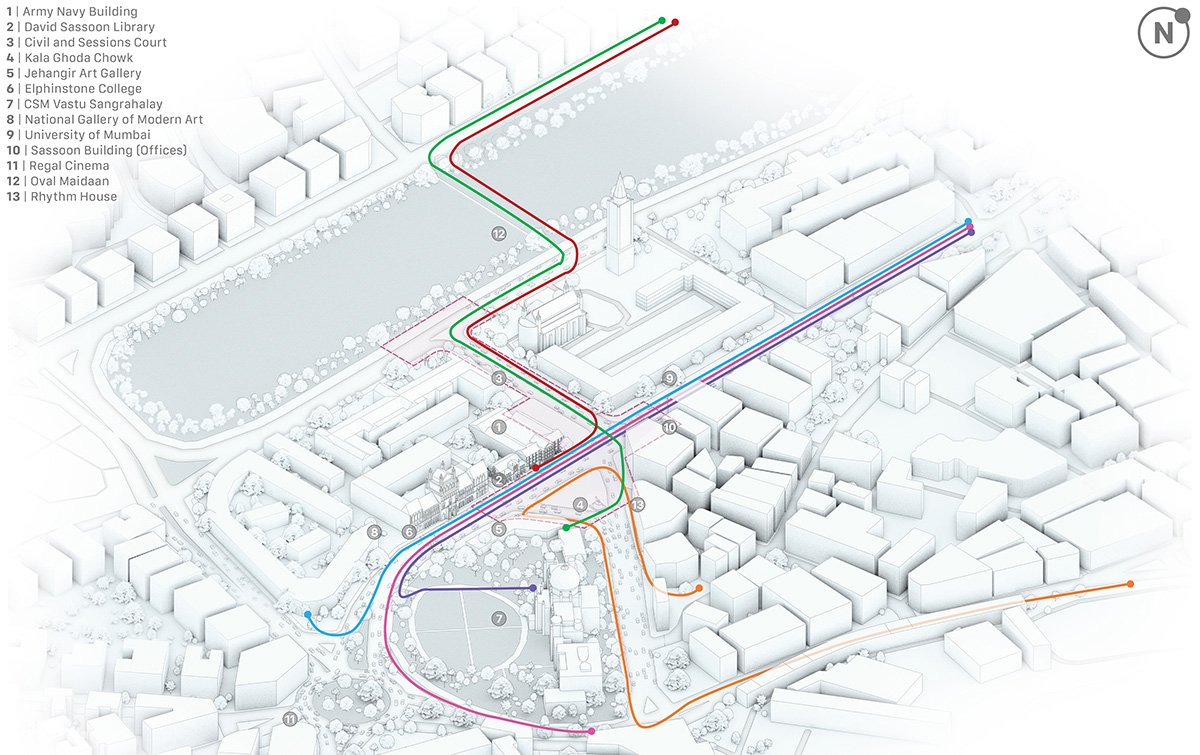
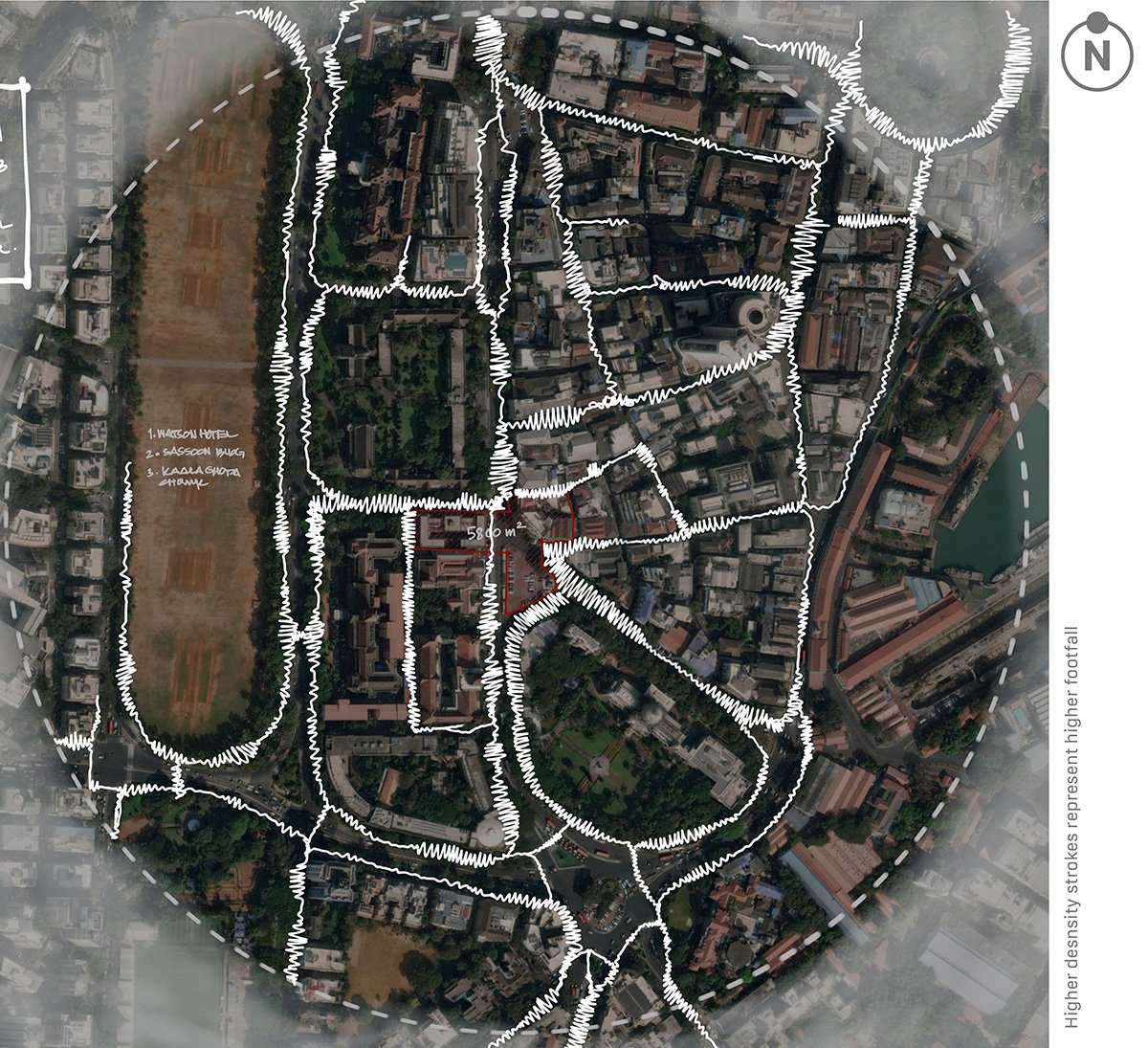
Central Mumbai precinct chosen for user diversity, spanning Watson’s Hotel, Kala Ghoda, and Oval Maidan.Varied building typologies support diverse user groups, enabling inclusive design responses across social and economic spectra.
The site for this experimental project demanded specific conditions: the presence of a diverse user base, a constant floating population to generate awareness, interactive public spaces, and inherent accessibility. These criteria led to the selection of Watson’s Hotel, located within Mumbai’s Fort precinct.
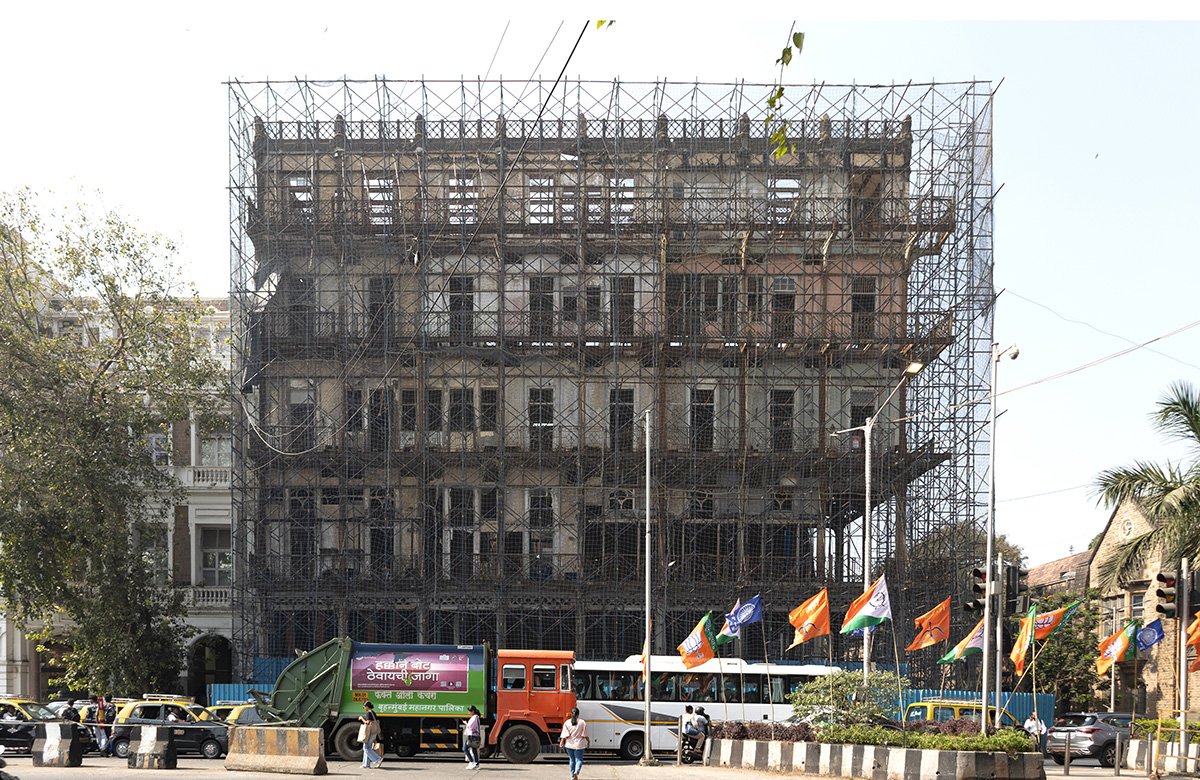
Watson’s Hotel, India’s first cast iron structure, presents heritage challenges amid dilapidation and contemporary reuse.Comics narrate diverse user experiences, addressing design complexity through before and after everyday life scenarios.
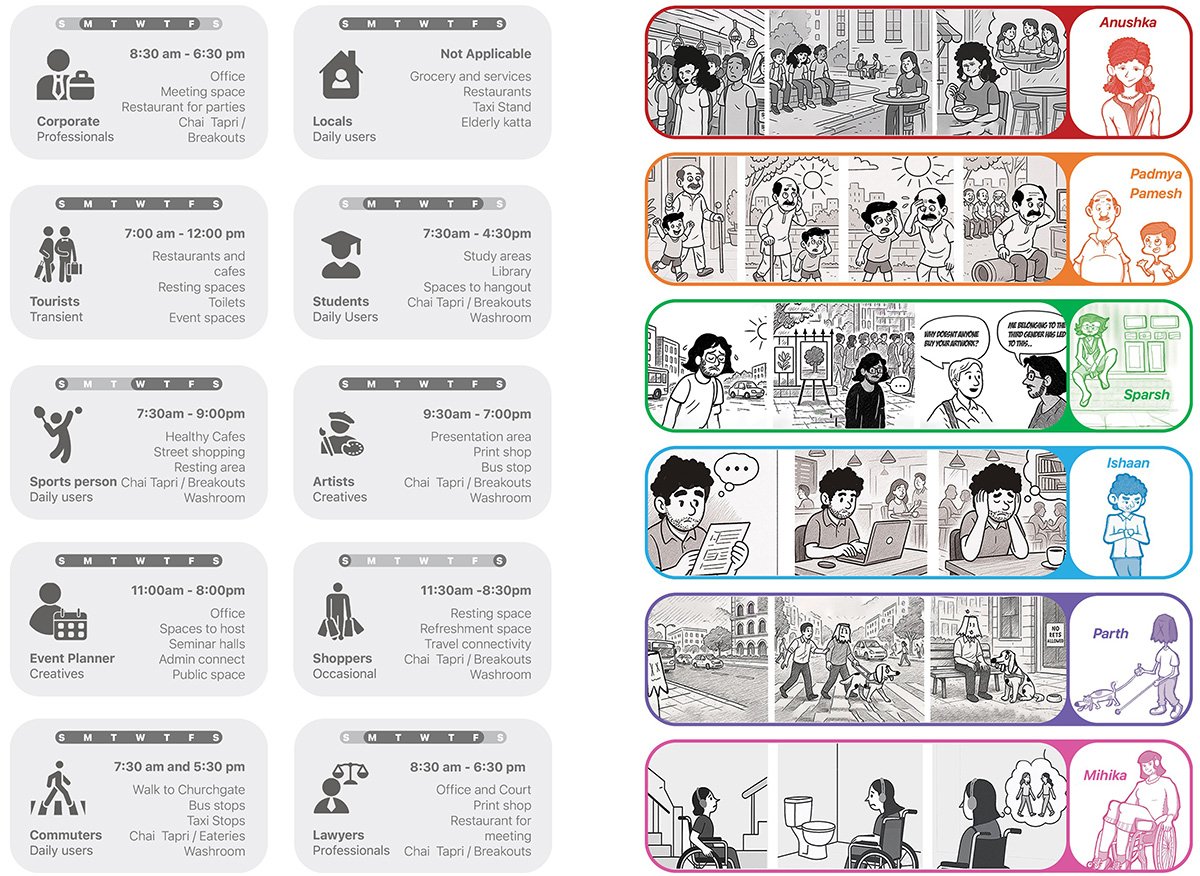
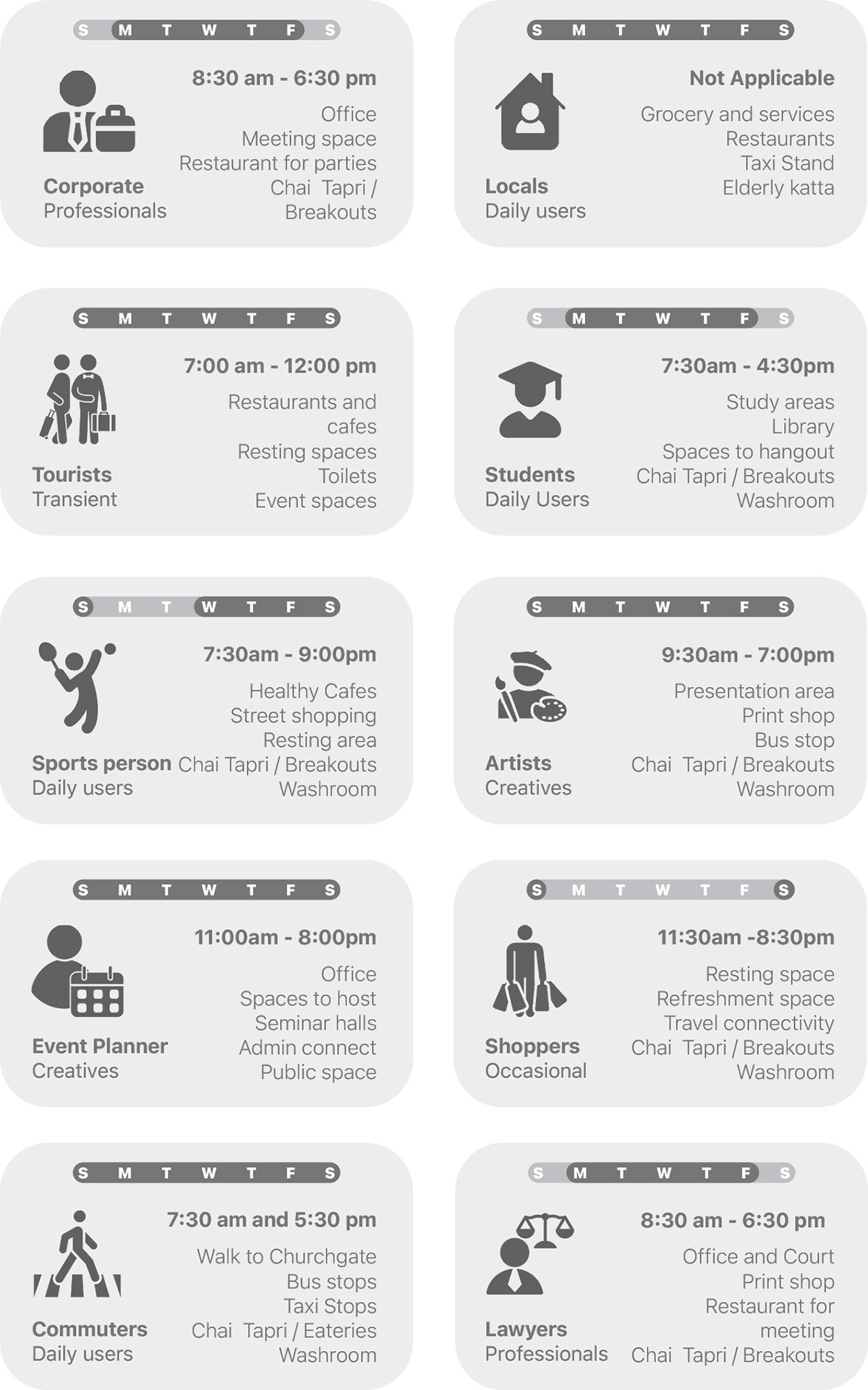
The precinct accommodates an unusually diverse demographic. It hosts multiple universities, resulting in a varied student population, alongside offices, retail establishments, and courts that bring in professionals, particularly from the legal sector. Its position as one of Mumbai’s most visited areas attracts both domestic and international tourists while remaining deeply embedded in everyday local life. This continuous overlap of permanent users and transient populations makes the site socially layered and highly active.
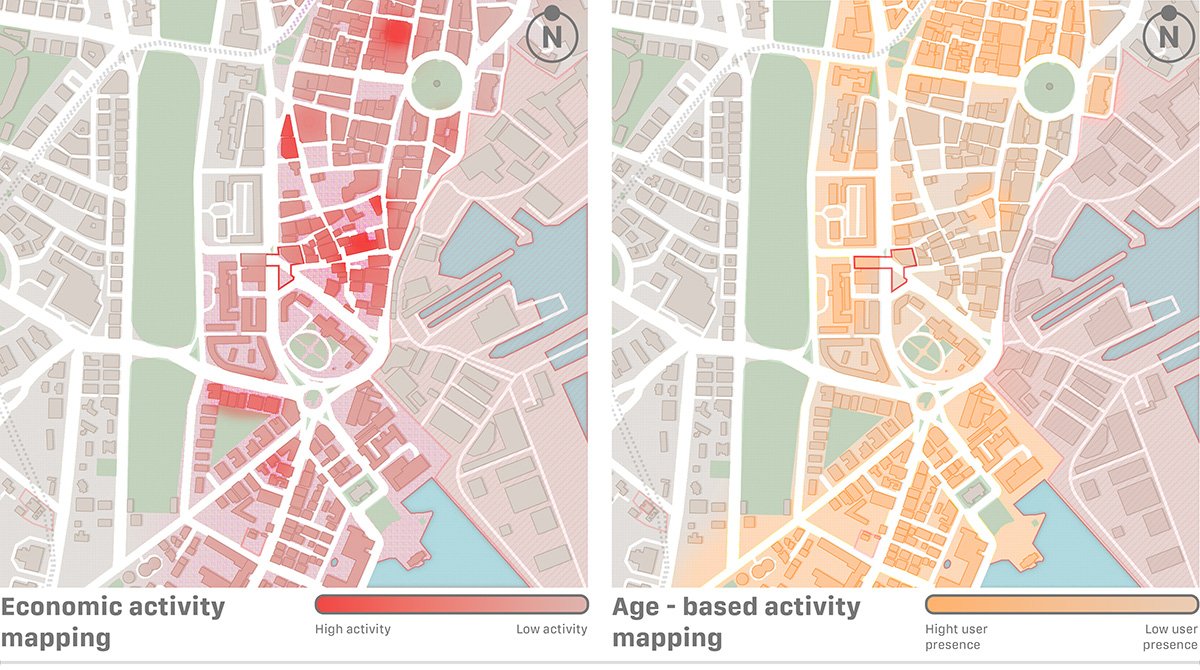
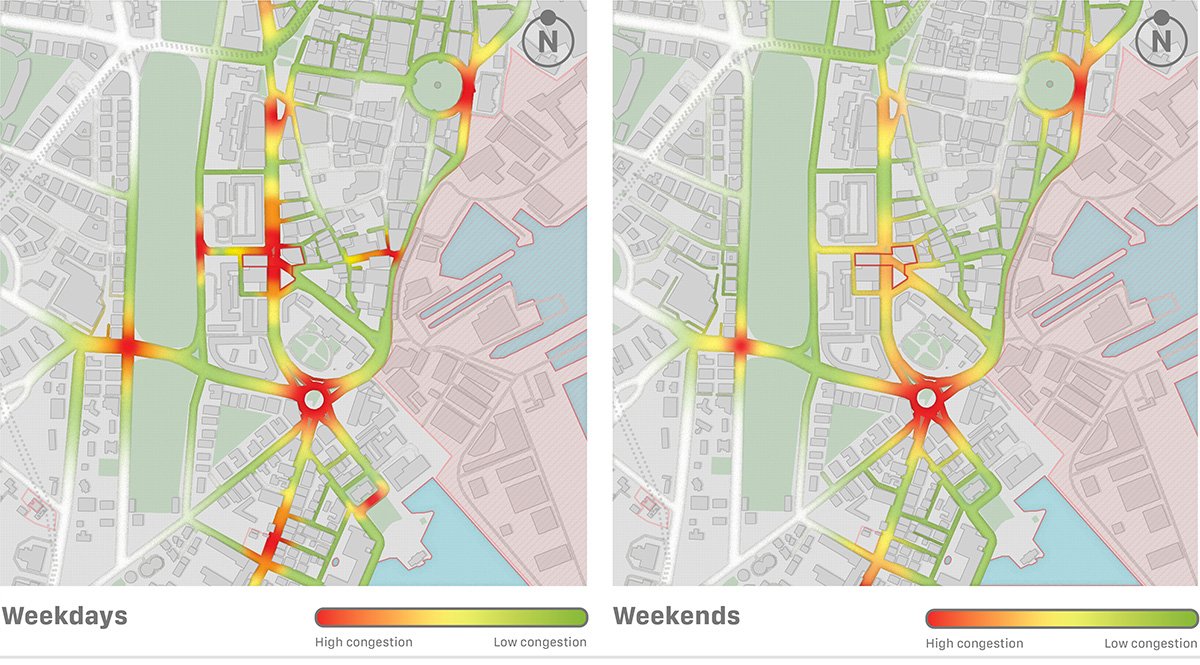
Footfall mapping analyses pedestrian intensity and movement patterns across the Fort precinct in Mumbai city.Economic and age based activity mapping reveal existing user profiles and occupation patterns across the site.Weekday and weekend traffic mapping examines vehicular movement patterns across the South Mumbai precinct.
Watson’s Hotel itself carries a charged historical narrative. Once marked by exclusionary practices, it stands as a symbol of spatial and social segregation, making it a compelling context for a project centred on inclusion.
Given the diversity of users, a flexible and non-prescriptive programme was required. This led to the conception of the Urban Living Room as a typology. Like a domestic living room, it accommodates multiple users and activities without rigid functional zoning. Spaces are defined by activities rather than fixed uses, allowing different user groups to coexist, overlap, and engage while remaining accessible to all.
Design Process
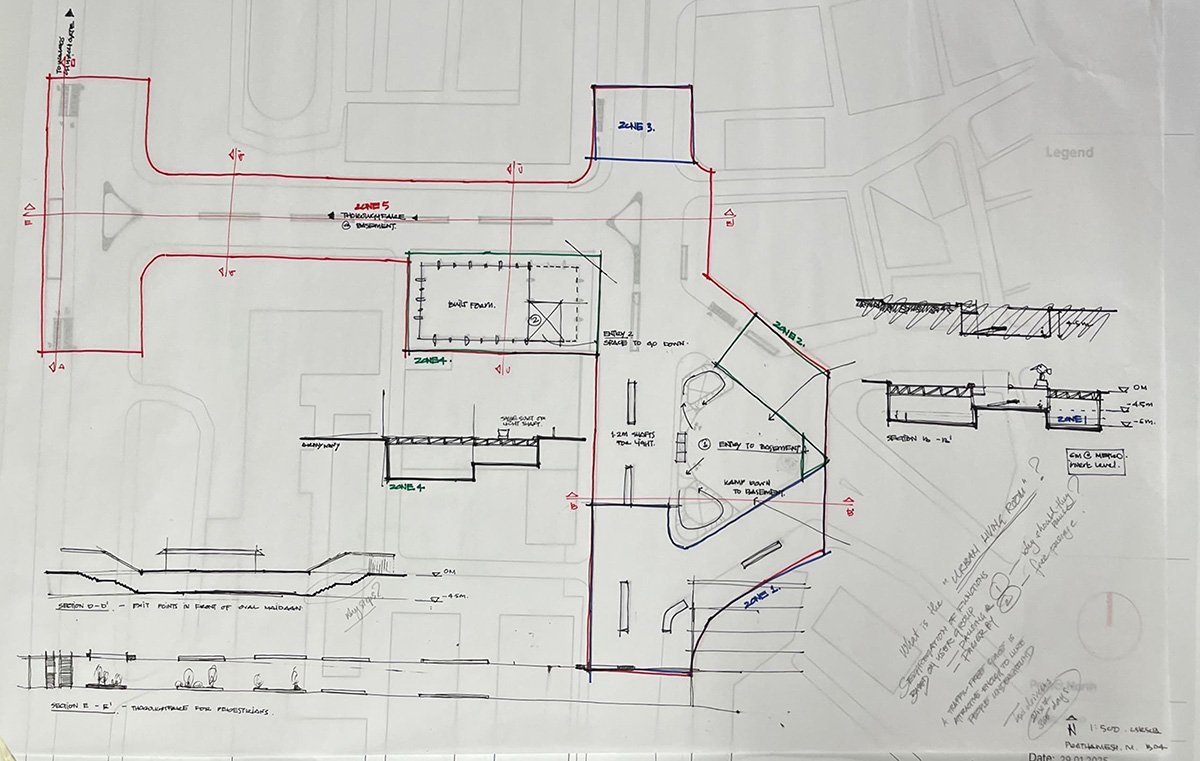
The design process relied primarily on hand drawn sketches, progressing from macro scale site planning to micro scale spatial resolution.
The design process initially began with mapping and allocating spaces to different user groups present on the site. The early ambition was to create a space that was entirely inclusive. However, through iterative design development, site visits, and engagement with diverse perspectives, it became evident that complete inclusivity cannot be achieved through architecture alone. Inclusivity is shaped as much by social constructs and behavioural norms as by spatial design, and certain social boundaries remain beyond architectural control.
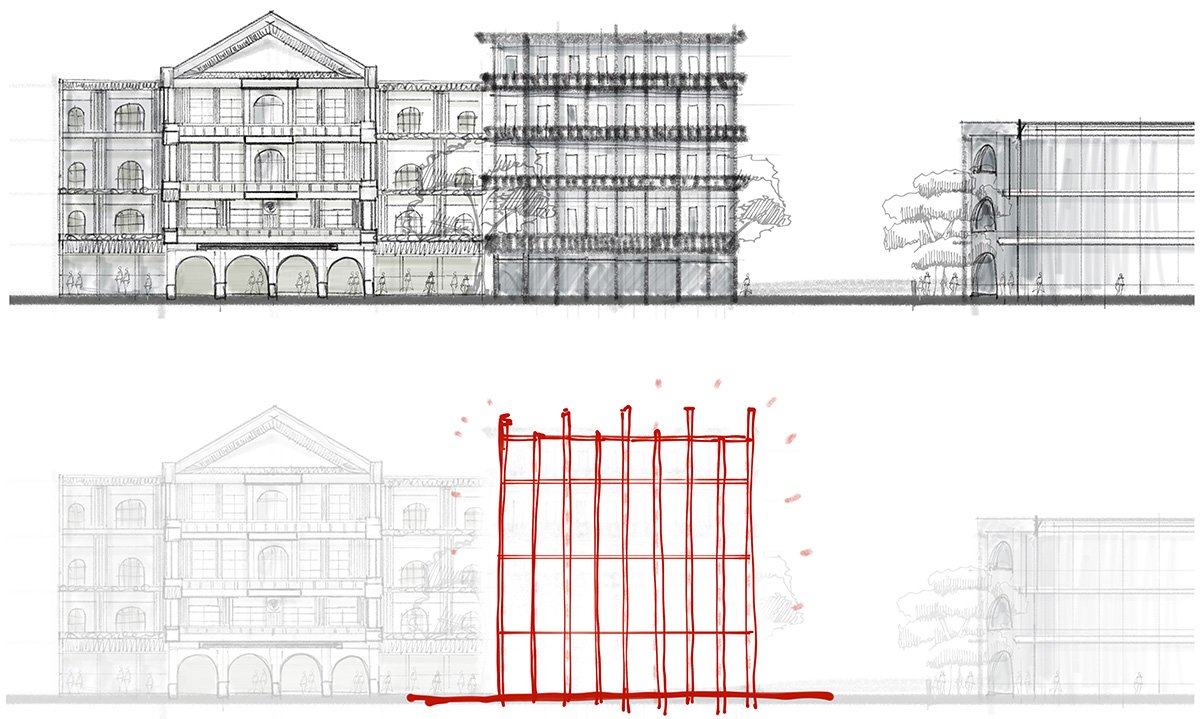
The essence of Watson’s Hotel was retained not through structural preservation, which was unfeasible, but by conserving its physical and social attributes.
This led to a critical shift in approach. Rather than attempting to design a fully inclusive space, the project focused on creating spatial conditions that enable inclusive experiences to occur. Architecture, in this sense, functions as a platform that supports visibility, accessibility, and interaction while allowing society to shape the outcomes.
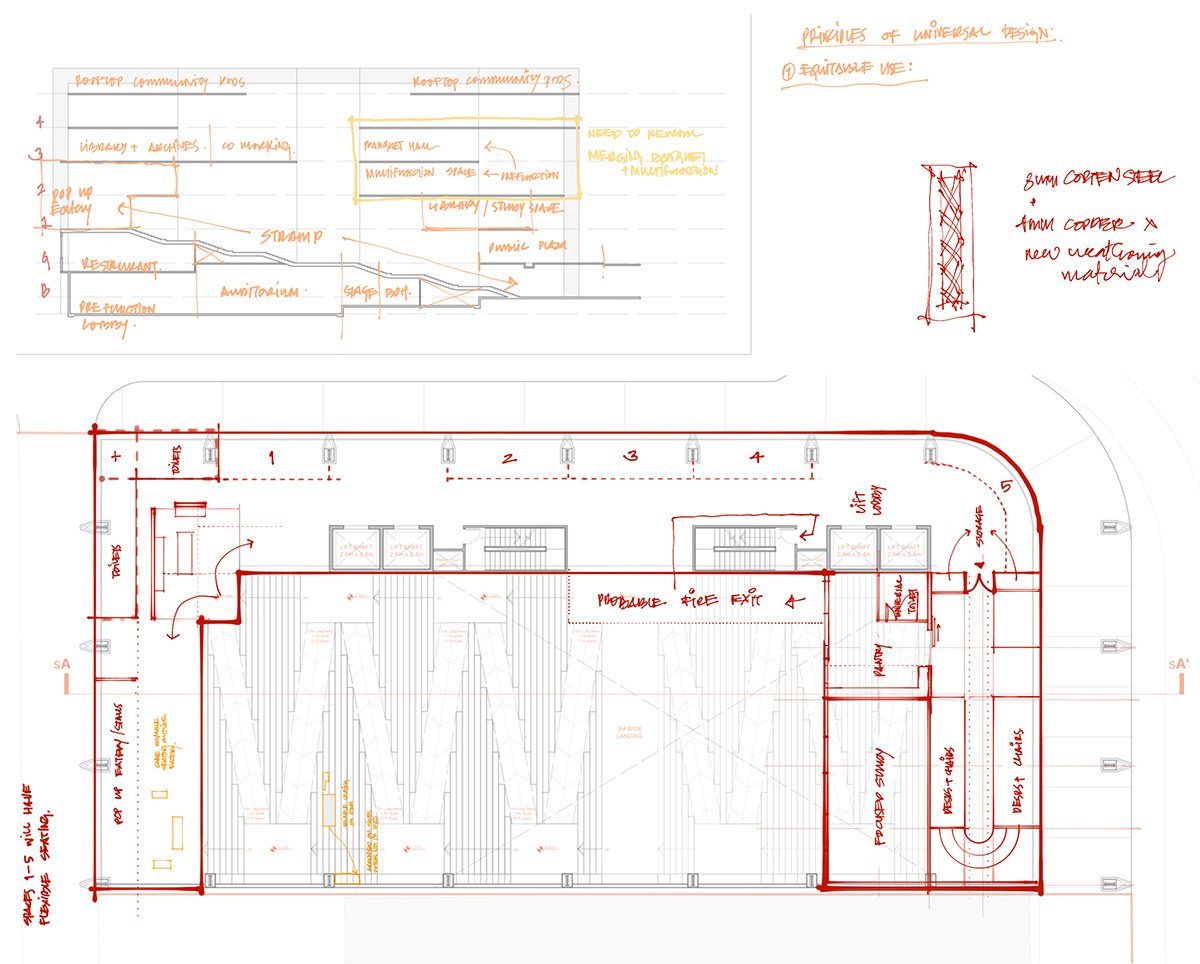
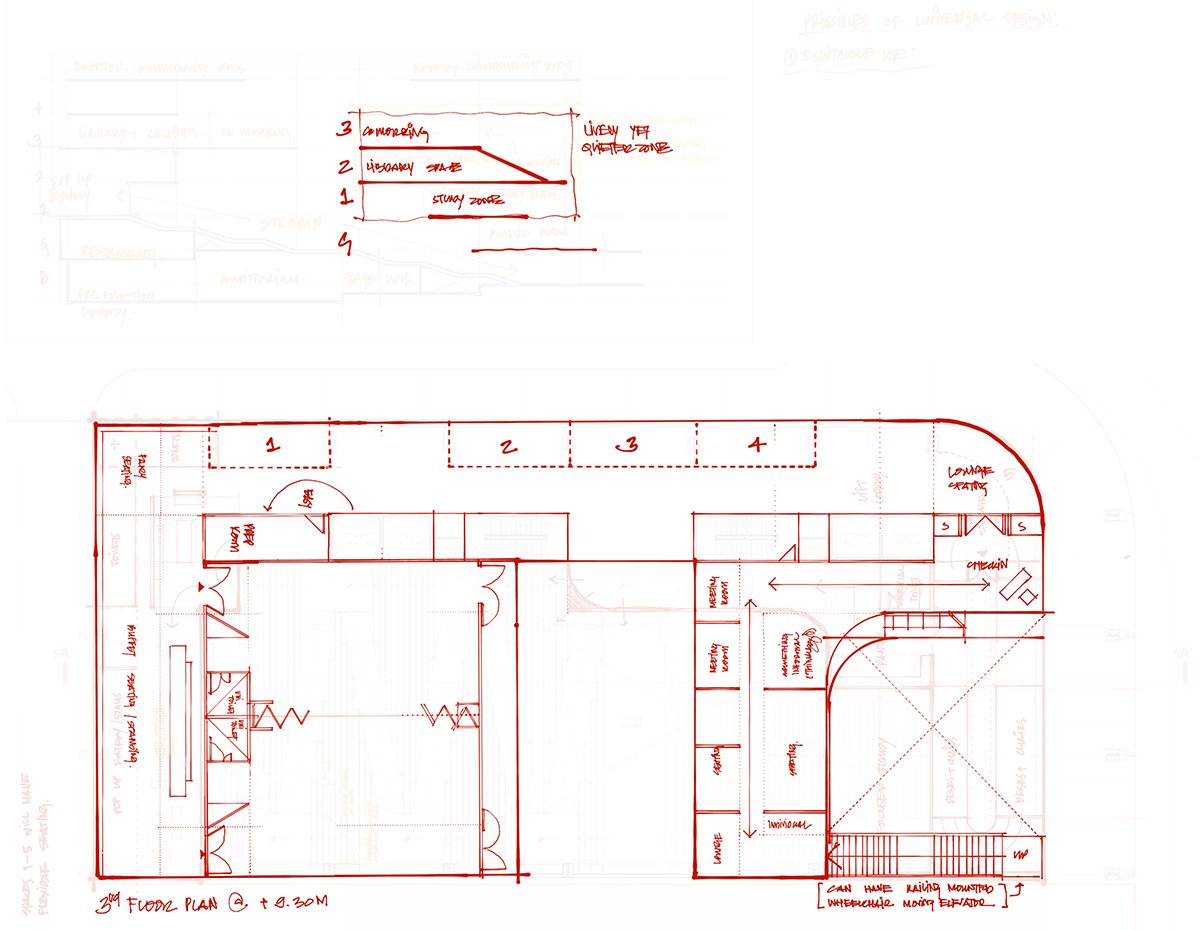
Internal spatial planning prioritised ease of movement, clustered related functions, and ensured flexibility and detail to achieve functional equitability.Internal spatial planning prioritised ease of movement, clustered related functions, and ensured flexibility and detail to achieve functional equitability.
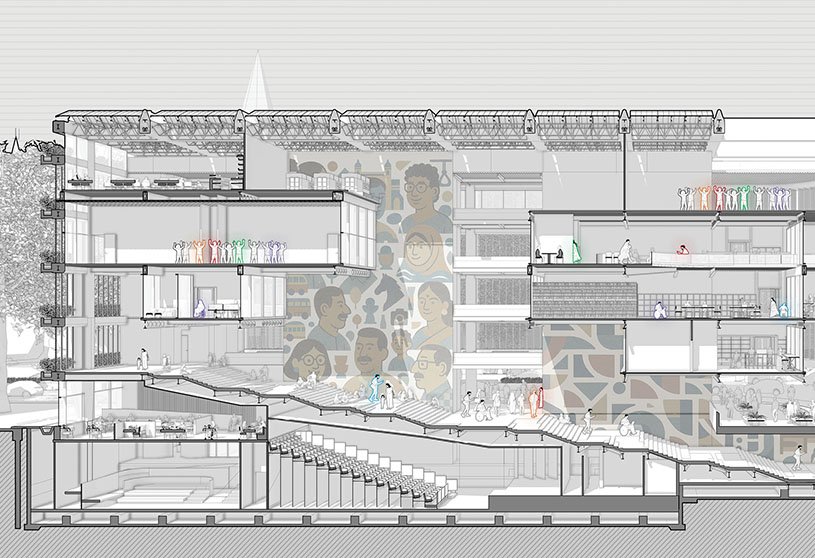
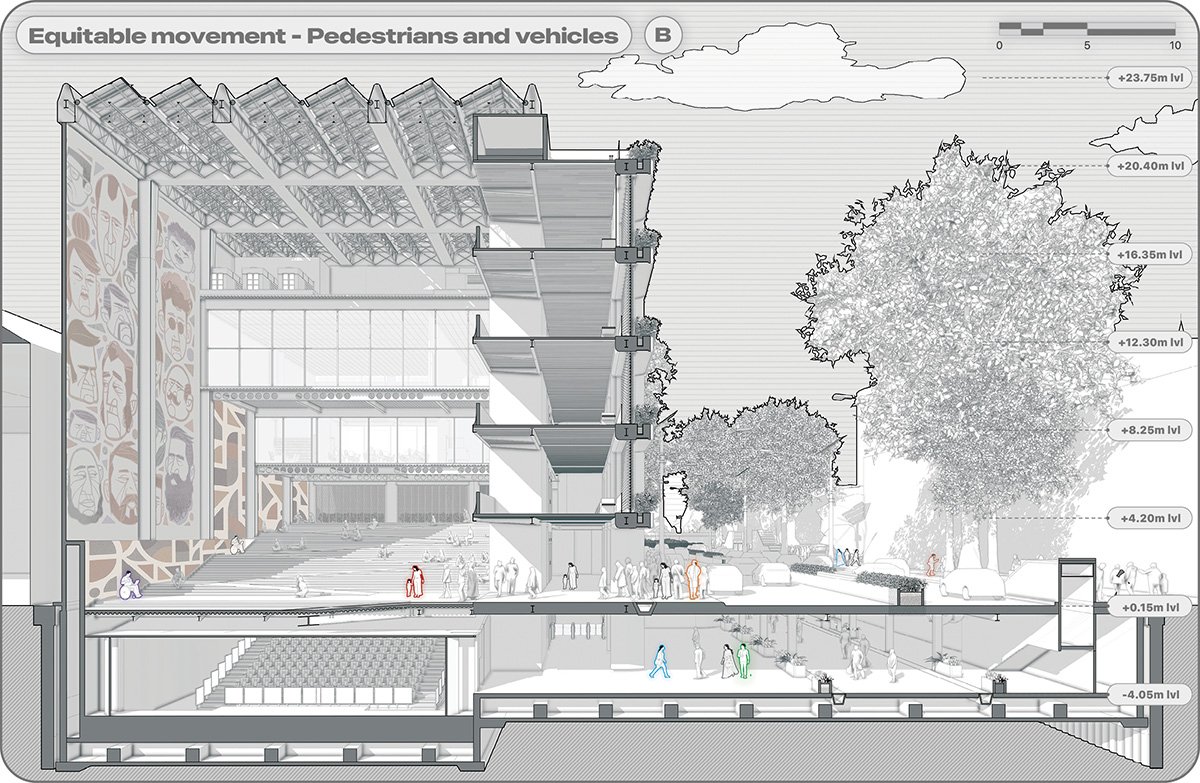
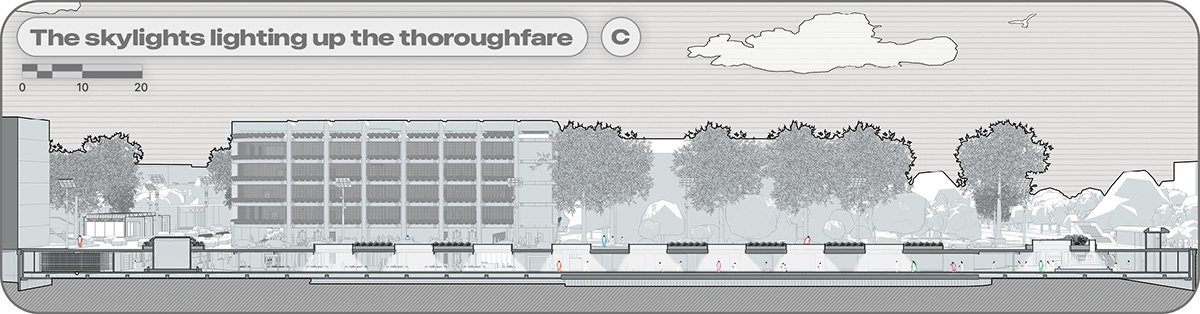
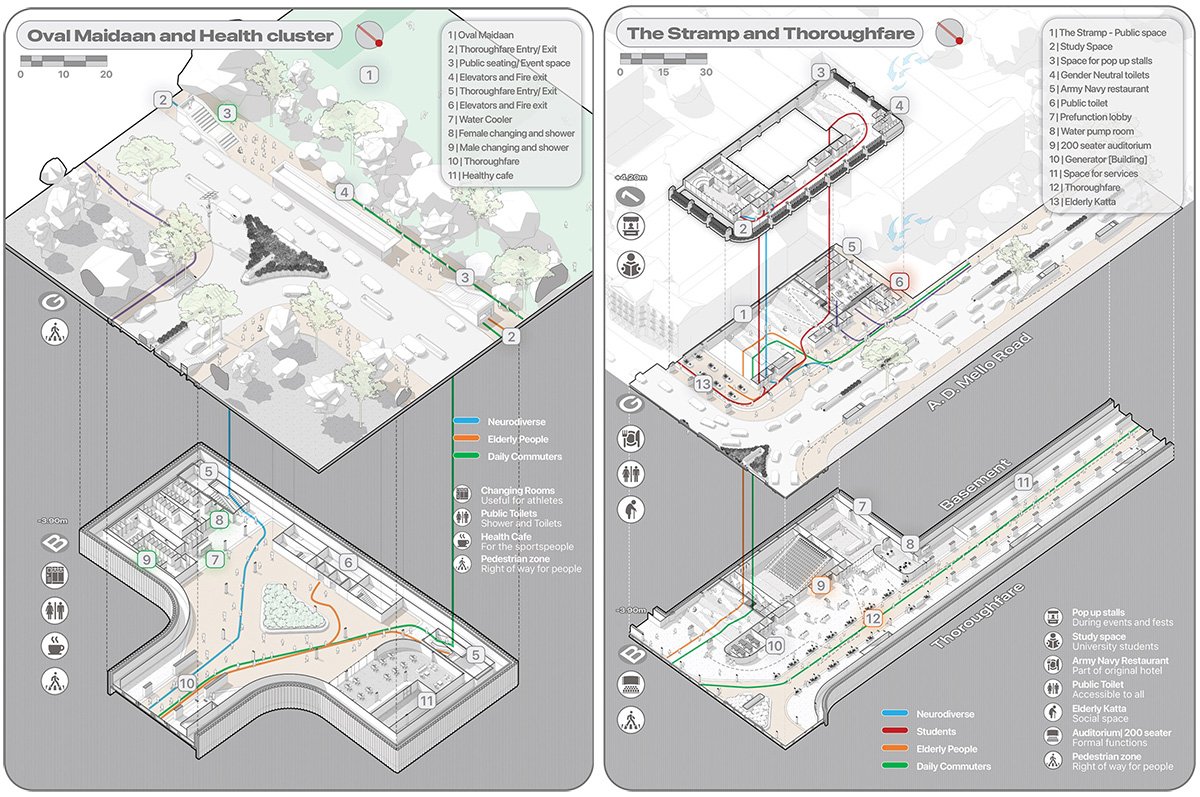
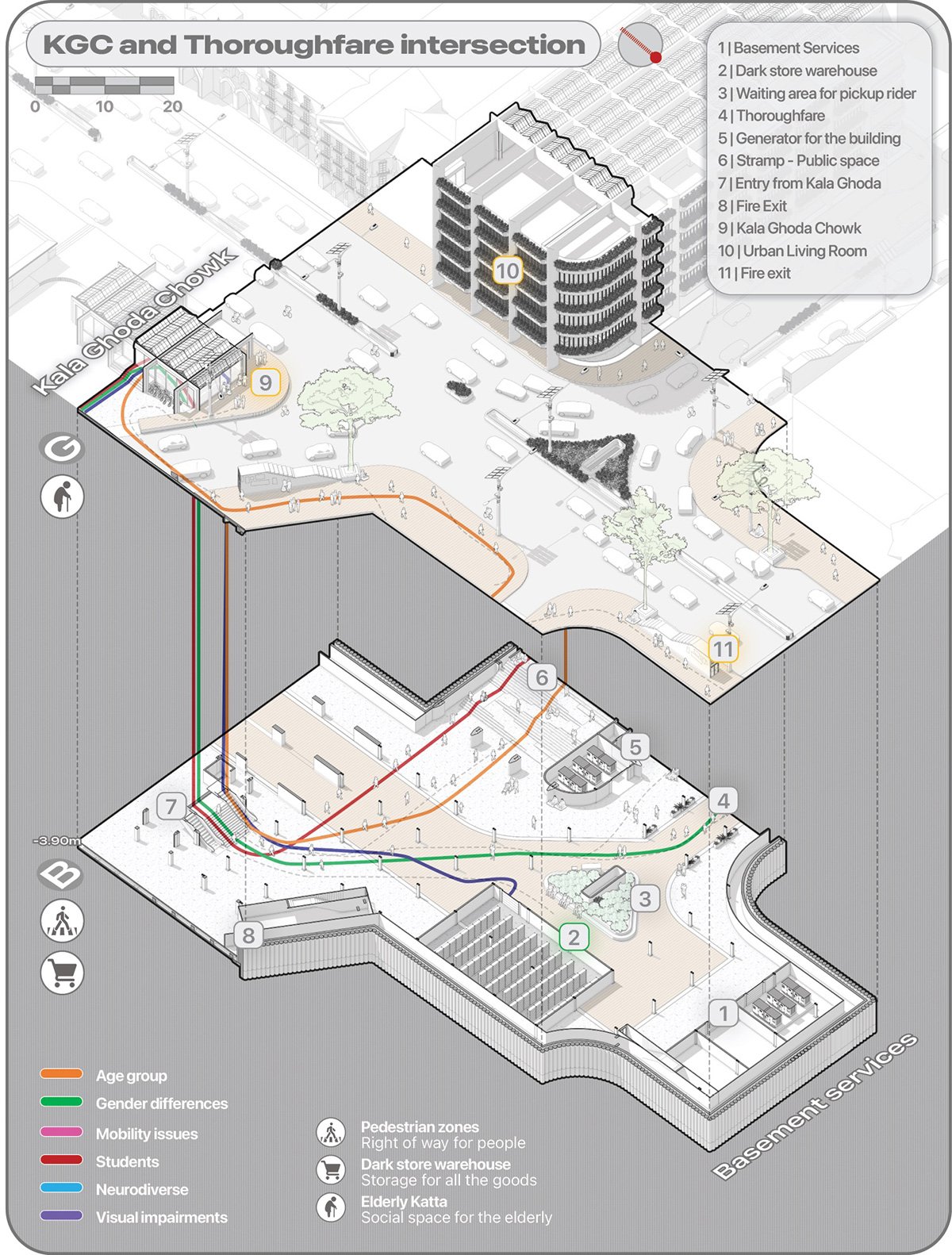
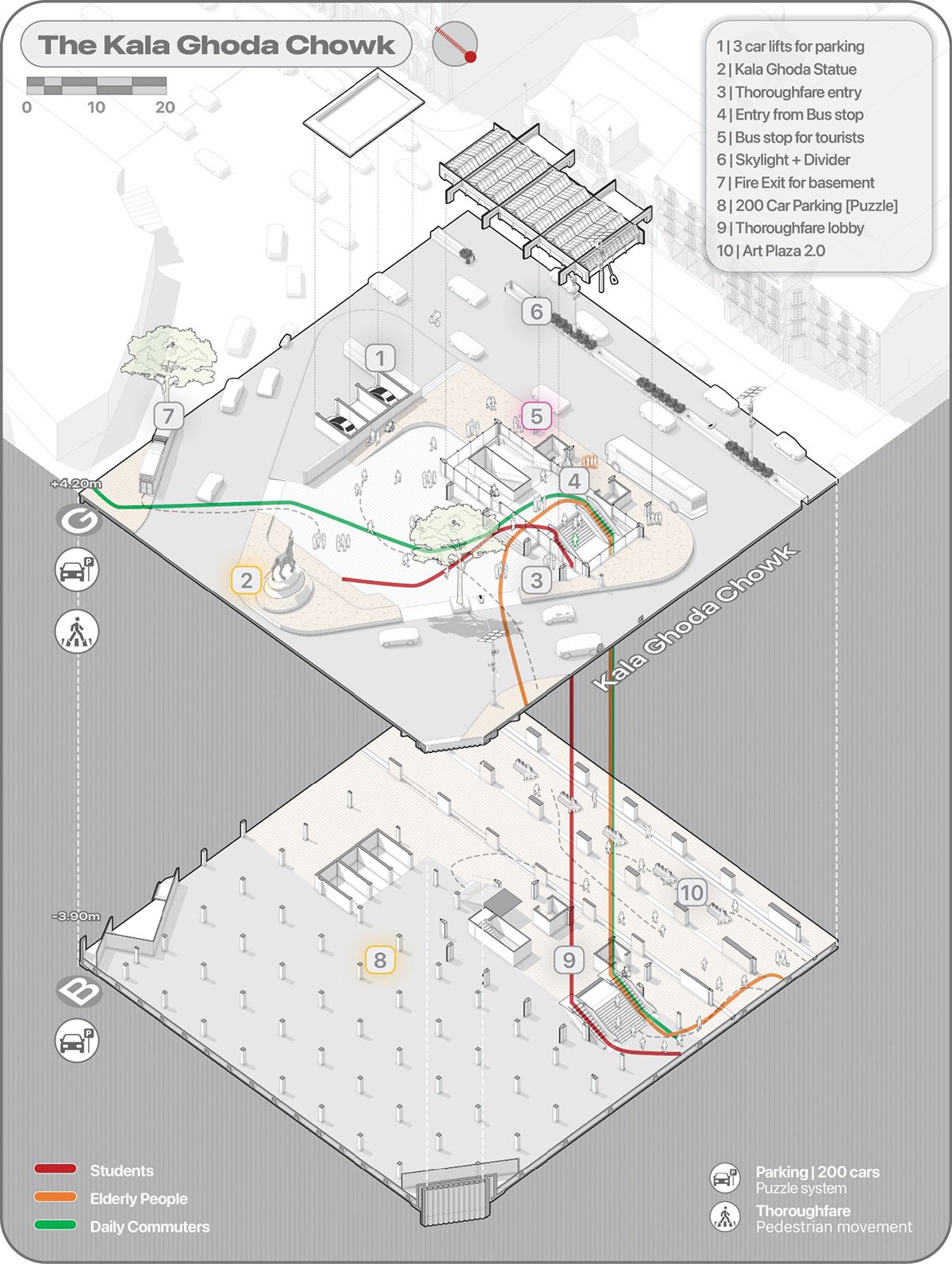
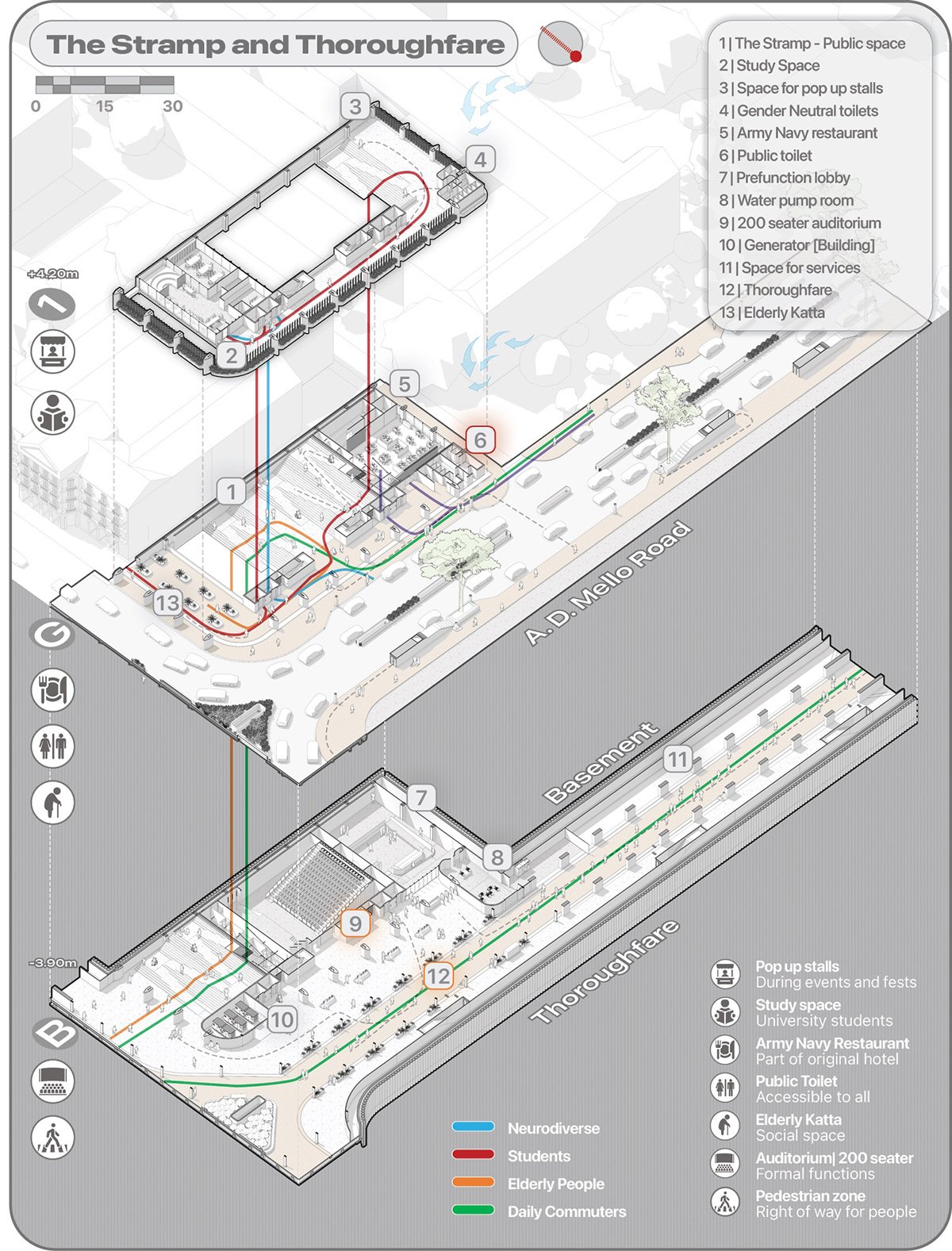
A key challenge lay in balancing inclusivity with the heritage significance of Watson’s Hotel within the Kala Ghoda precinct. To minimise visual and structural intervention, circulation strategies such as an underground thoroughfare were introduced instead of elevated street-level pathways. This allowed universal accessibility while preserving the historic fabric.
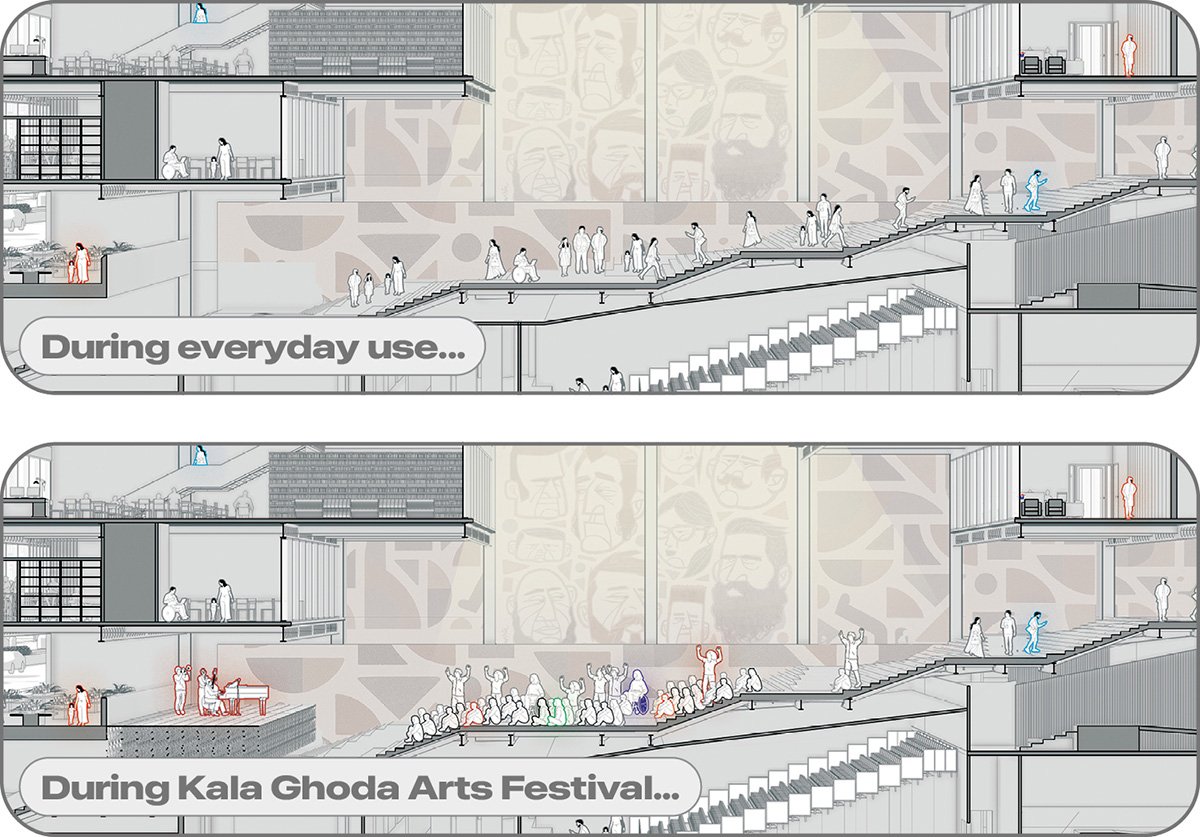
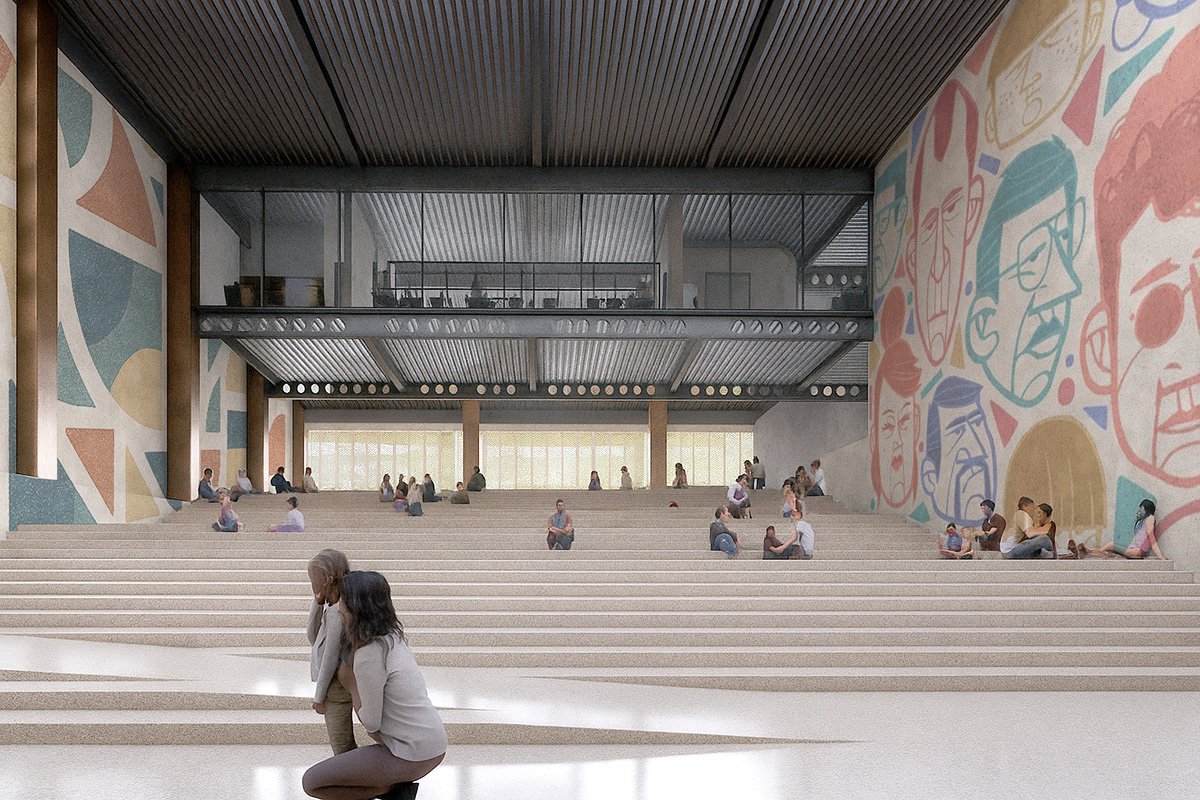
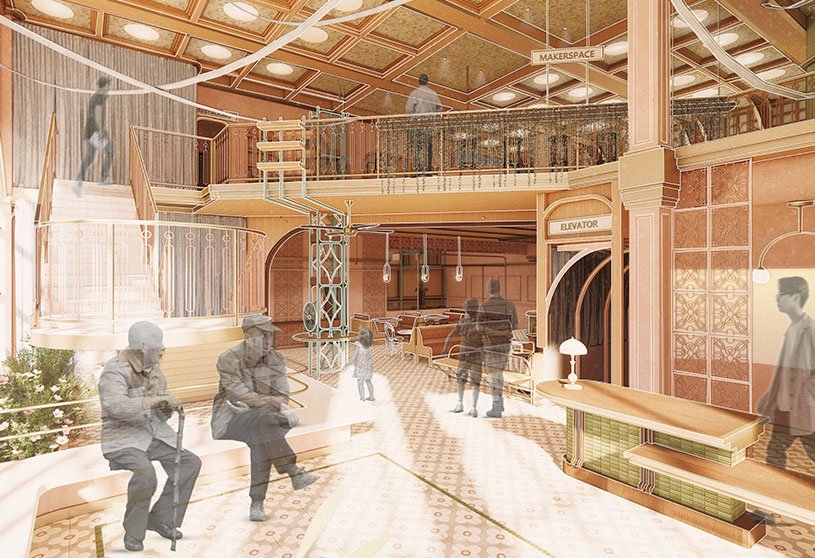
The programme integrates spaces for pause, gathering, performance, quiet retreat, and movement. Informal seating, shaded thresholds, sensory calm zones, and flexible platforms encourage varied modes of occupation. Together, these interventions foster overlapping use, equitable access, and shared ownership, reinforcing inclusivity through everyday experience rather than prescriptive design.
Final Outcome
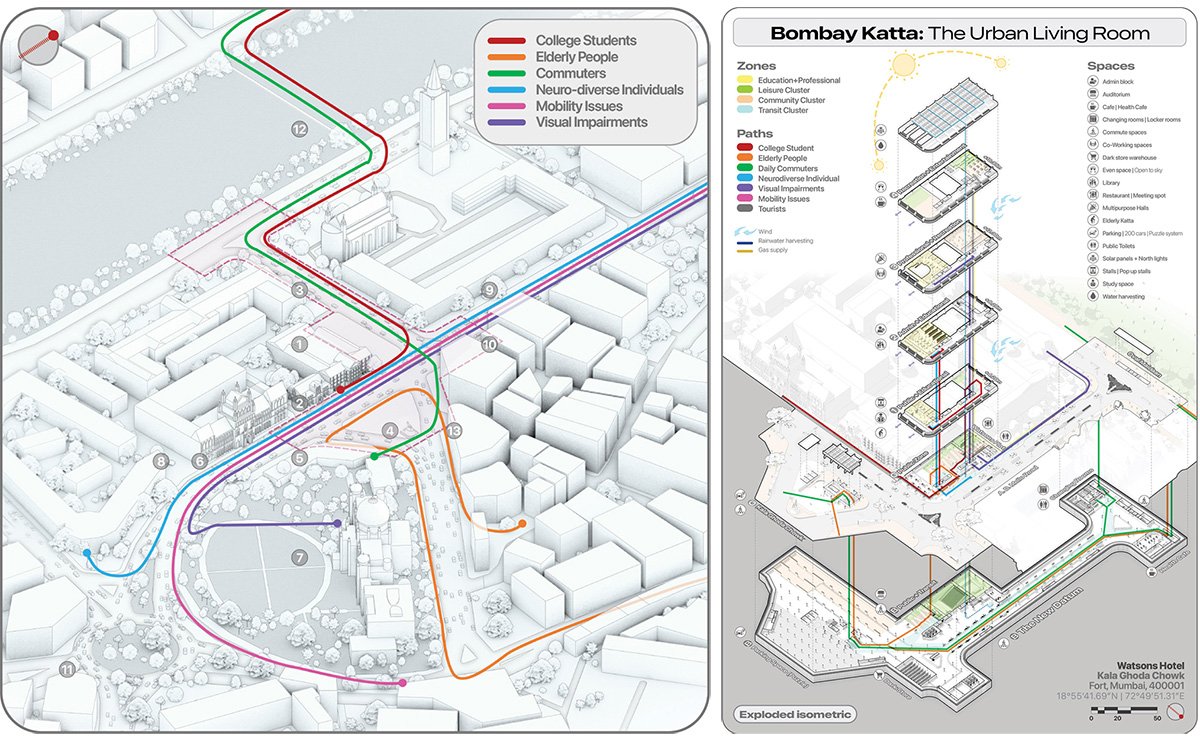
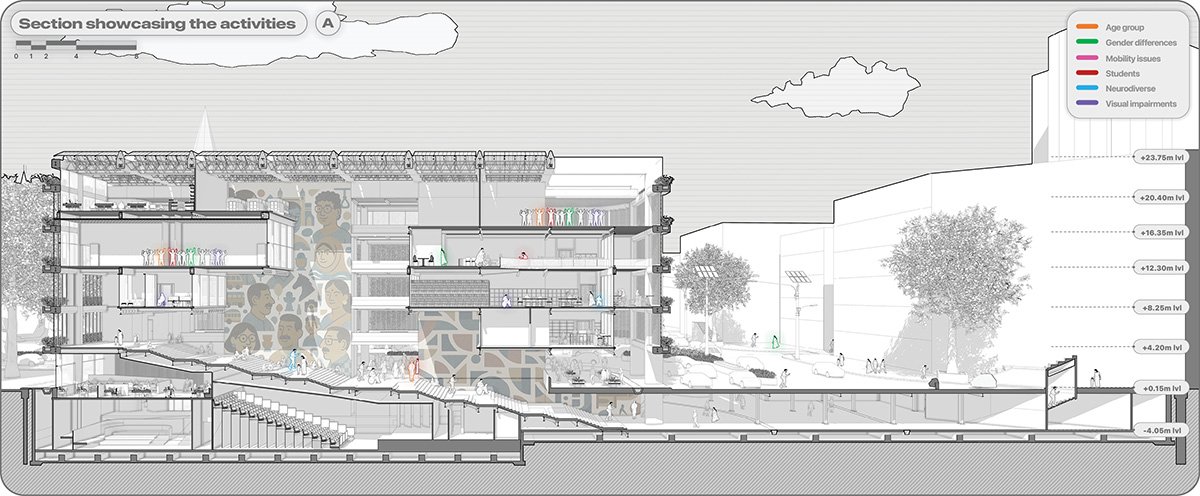
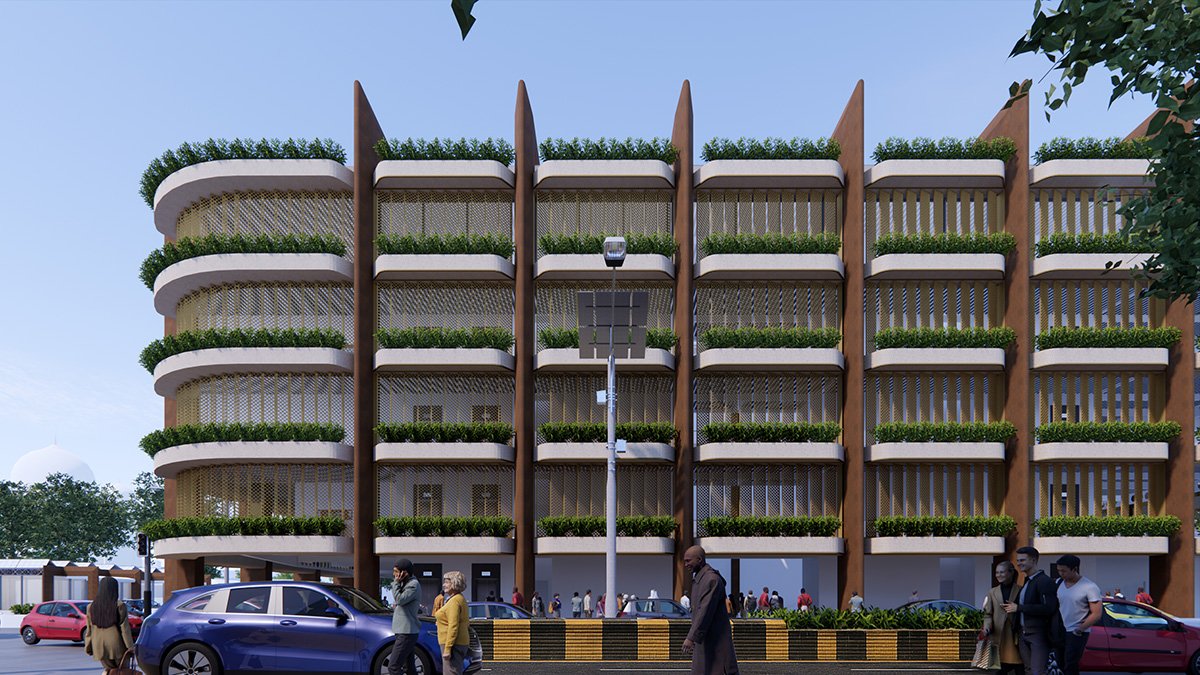
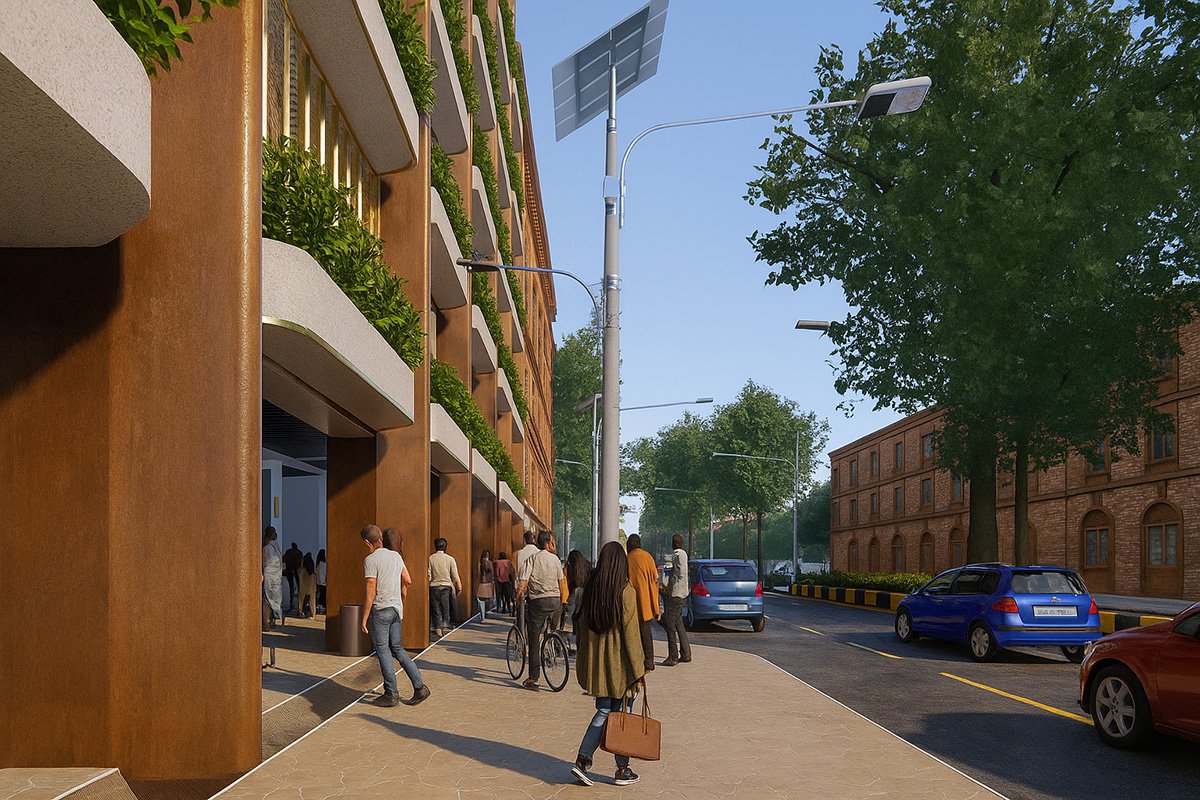
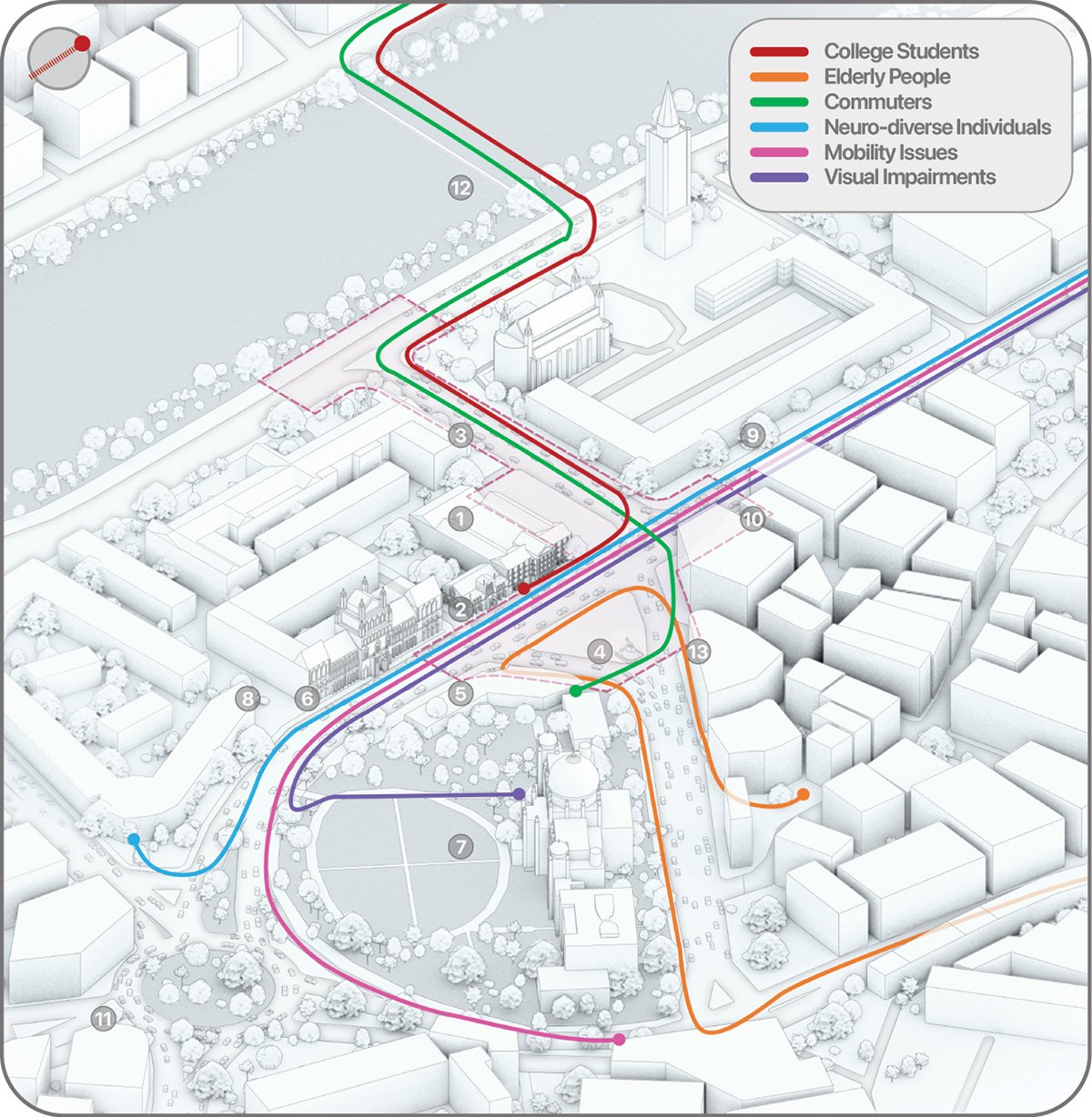
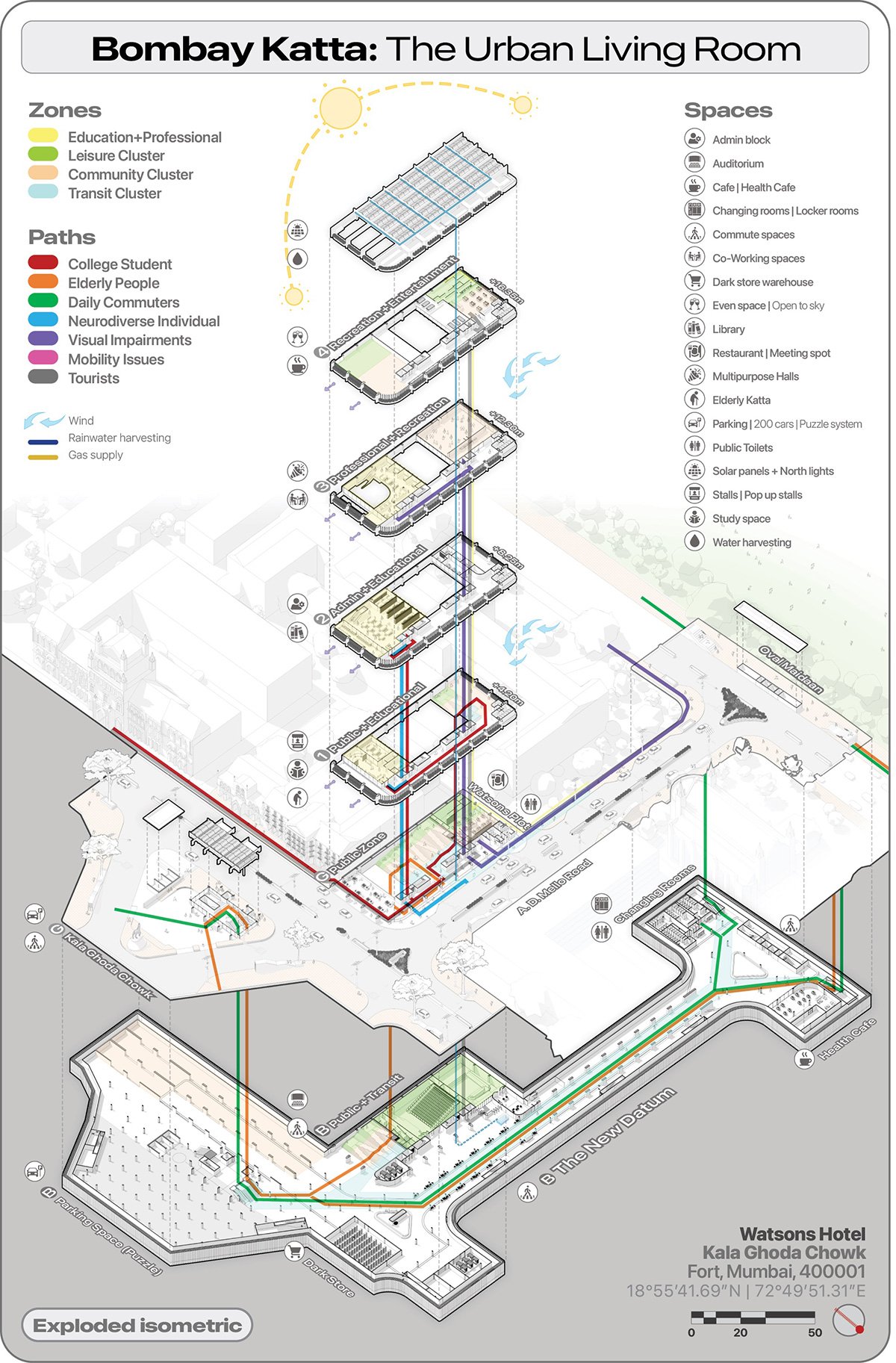
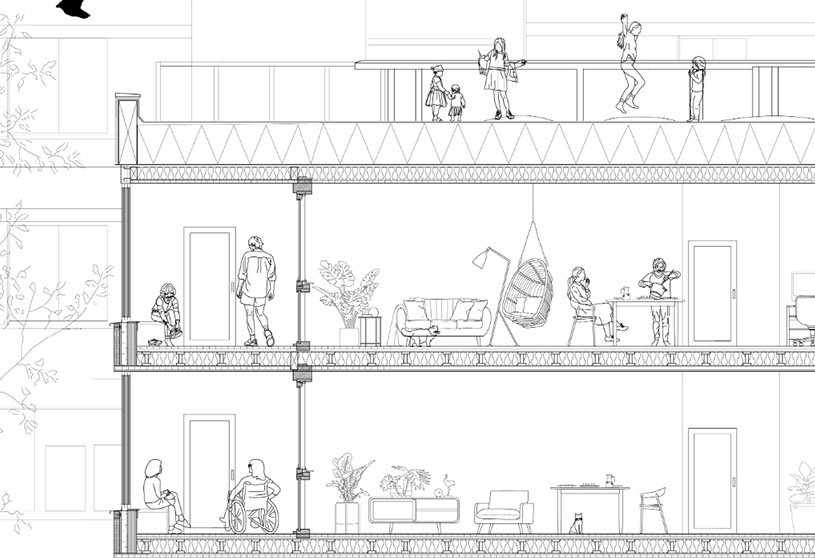
Map showing routes taken by the users | Primary diagram representing the entire design, illustrating overlapping layers of activities and interactionsUsers present on the site | Comics showcasing the life of people in the current day scenarioSection ARendered views of the proposed design
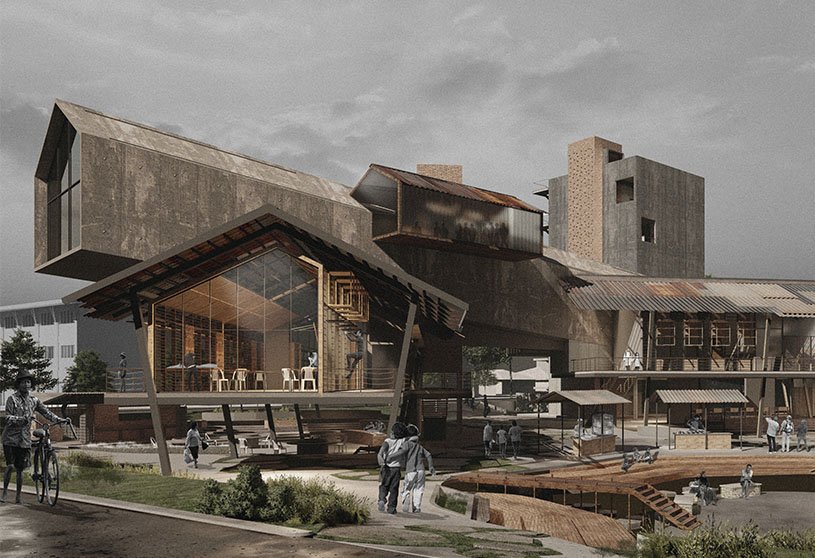
Bombay Katta: The Urban Living Room emerges as an inclusive urban intervention situated at Watson’s Hotel and the adjoining Kala Ghoda Chowk. Rather than a redevelopment of the historic structure, the project operates as a spatial framework that reinterprets the site through contemporary civic use while respecting its heritage context.
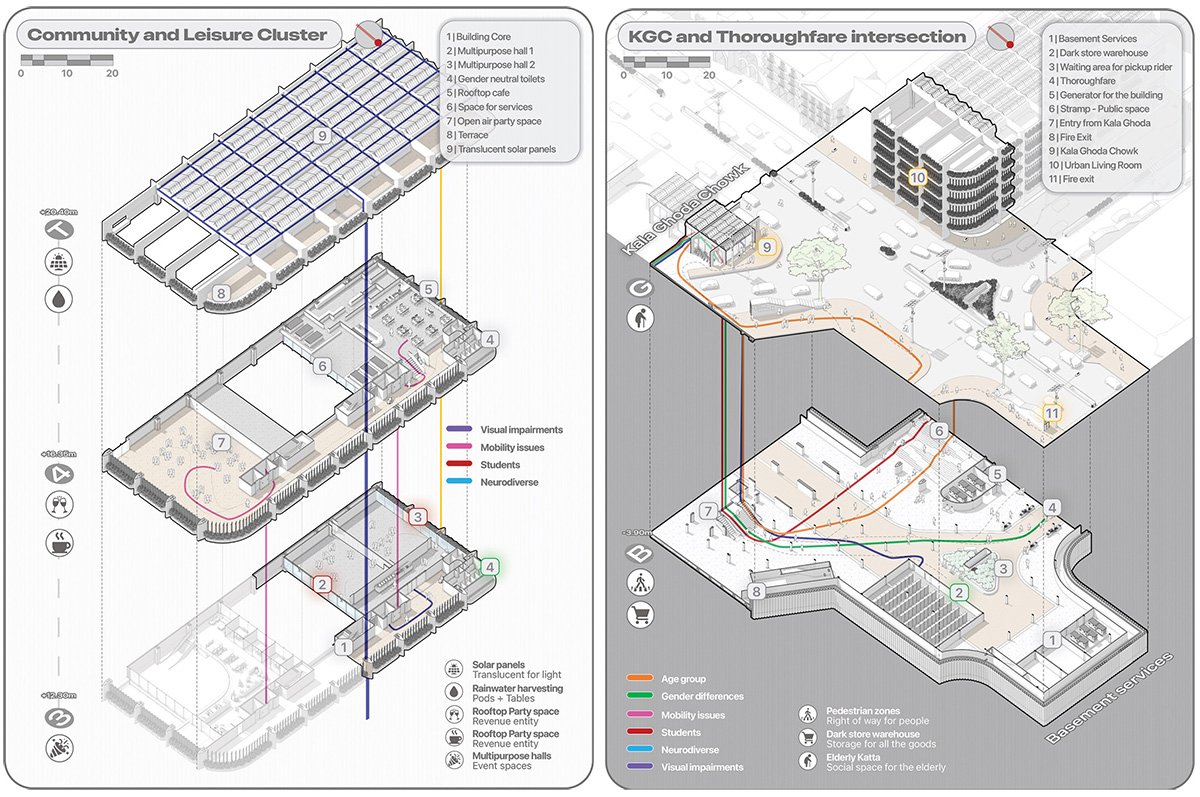
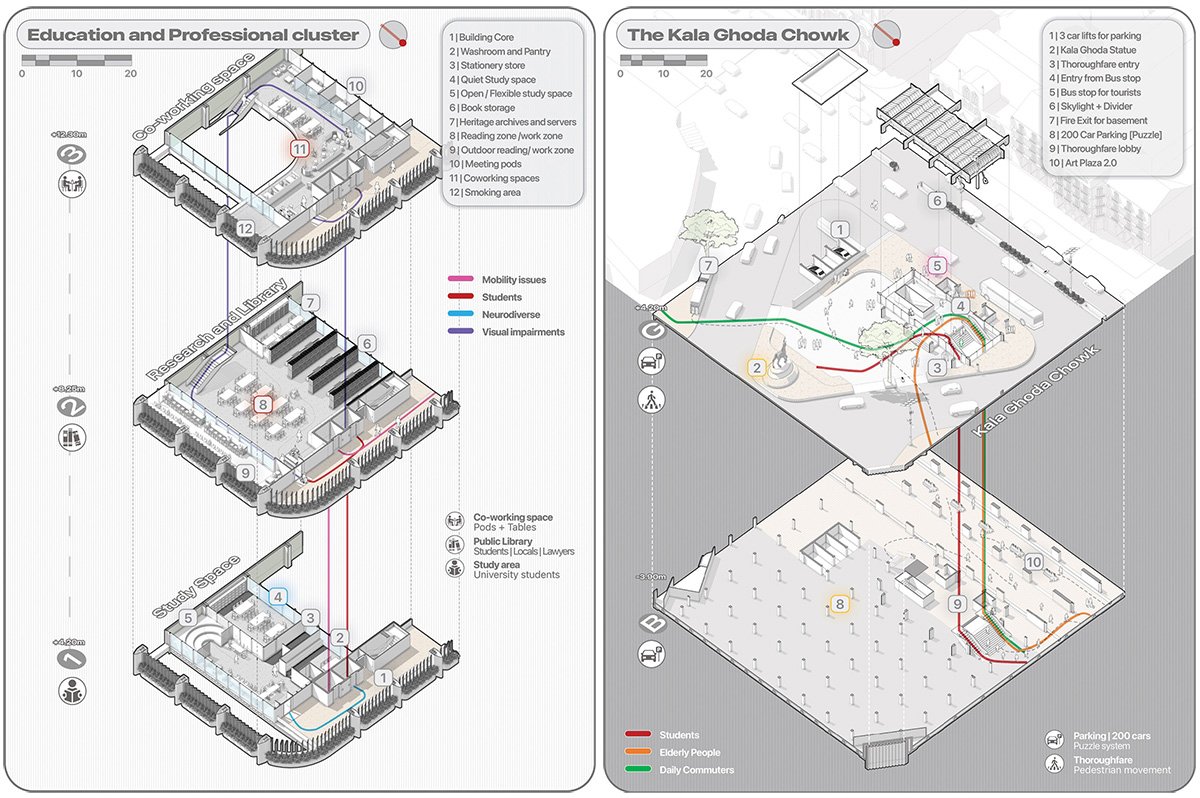
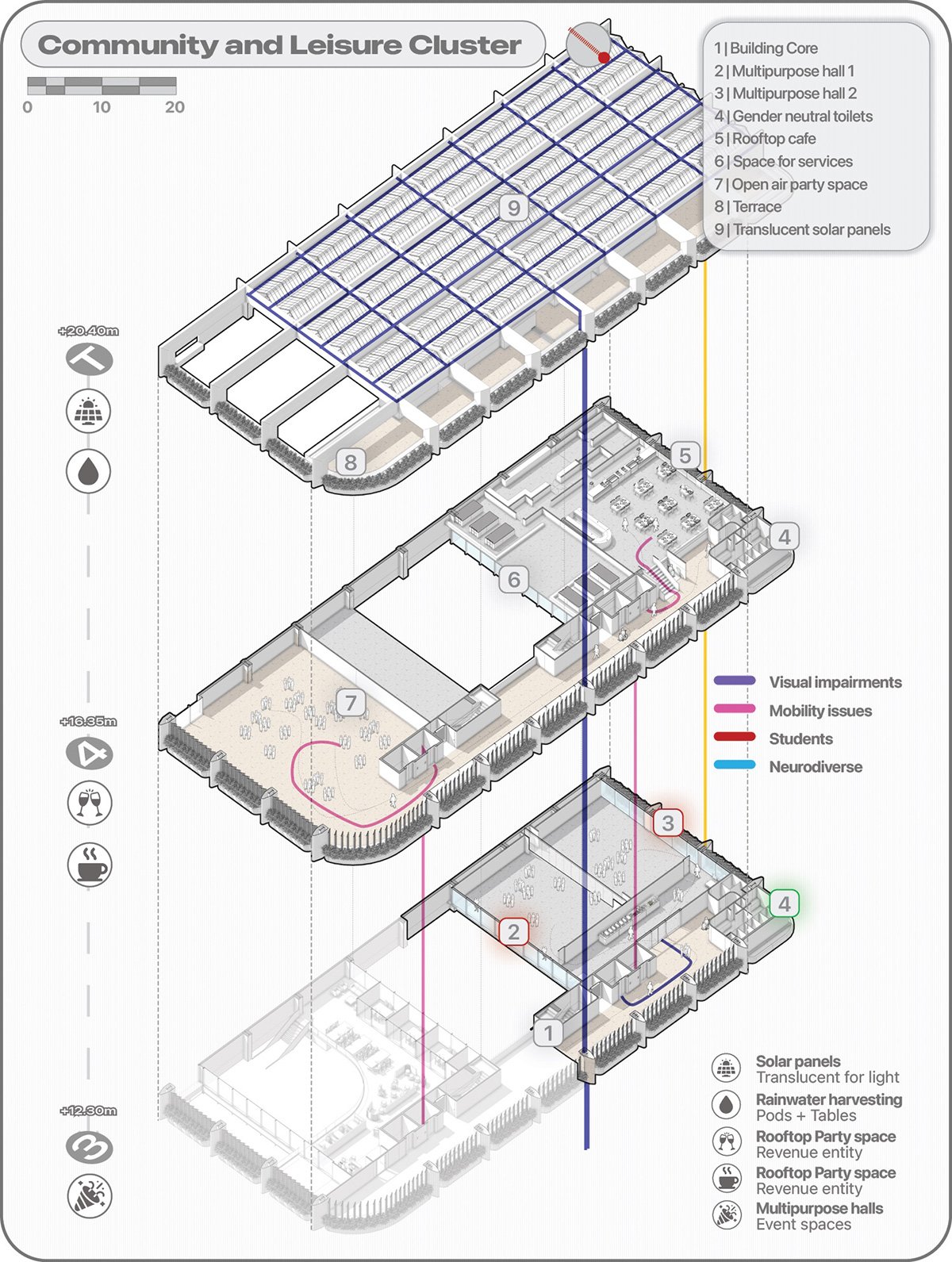
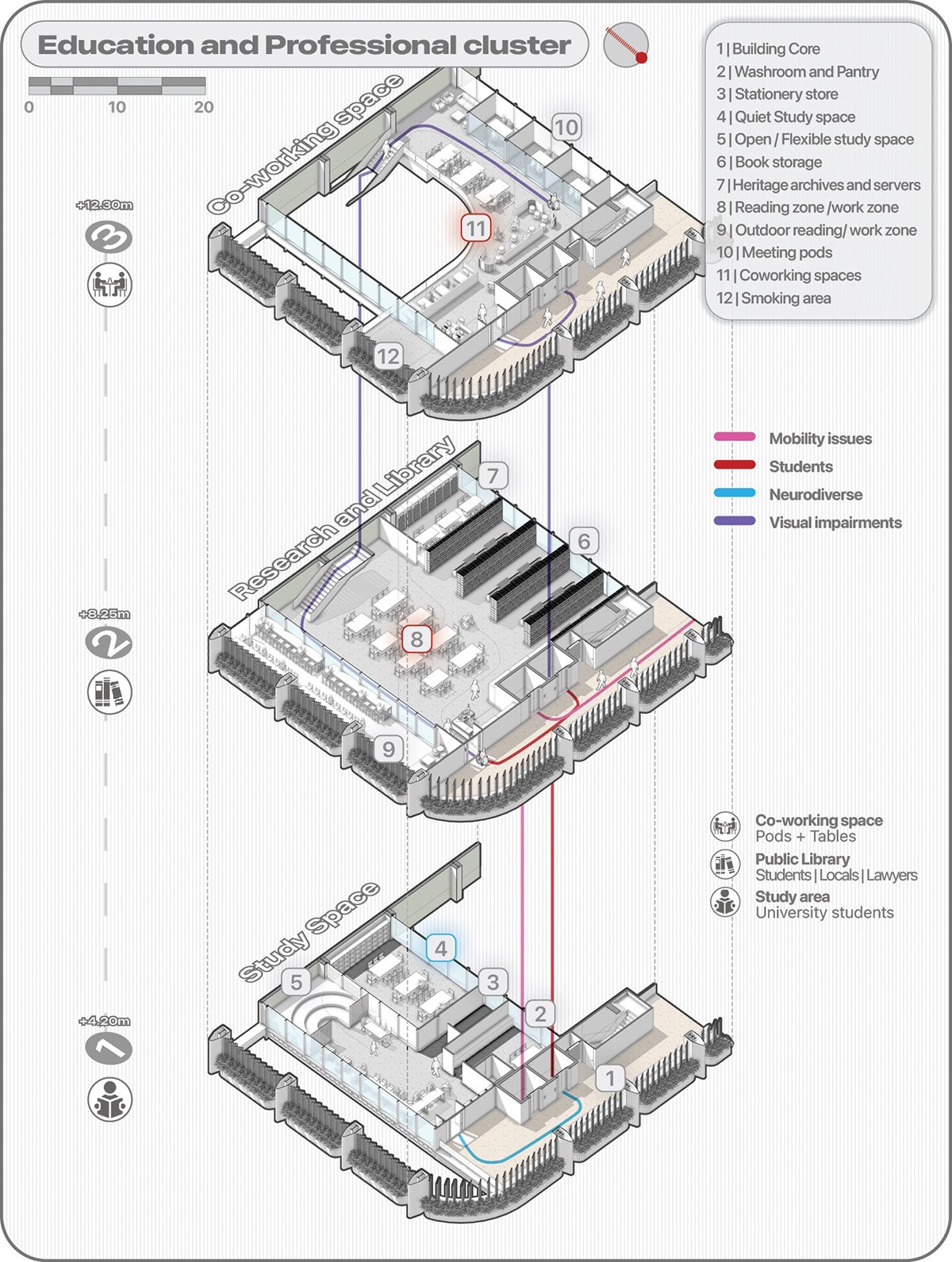
Cluster diagram focusing on the Community and Leisure zones | Cluster diagram focusing on the underground dark storeCluster diagram focusing on the Educational and Professional zones | Cluster diagram focusing on the Kala Ghoda ChowkSection B
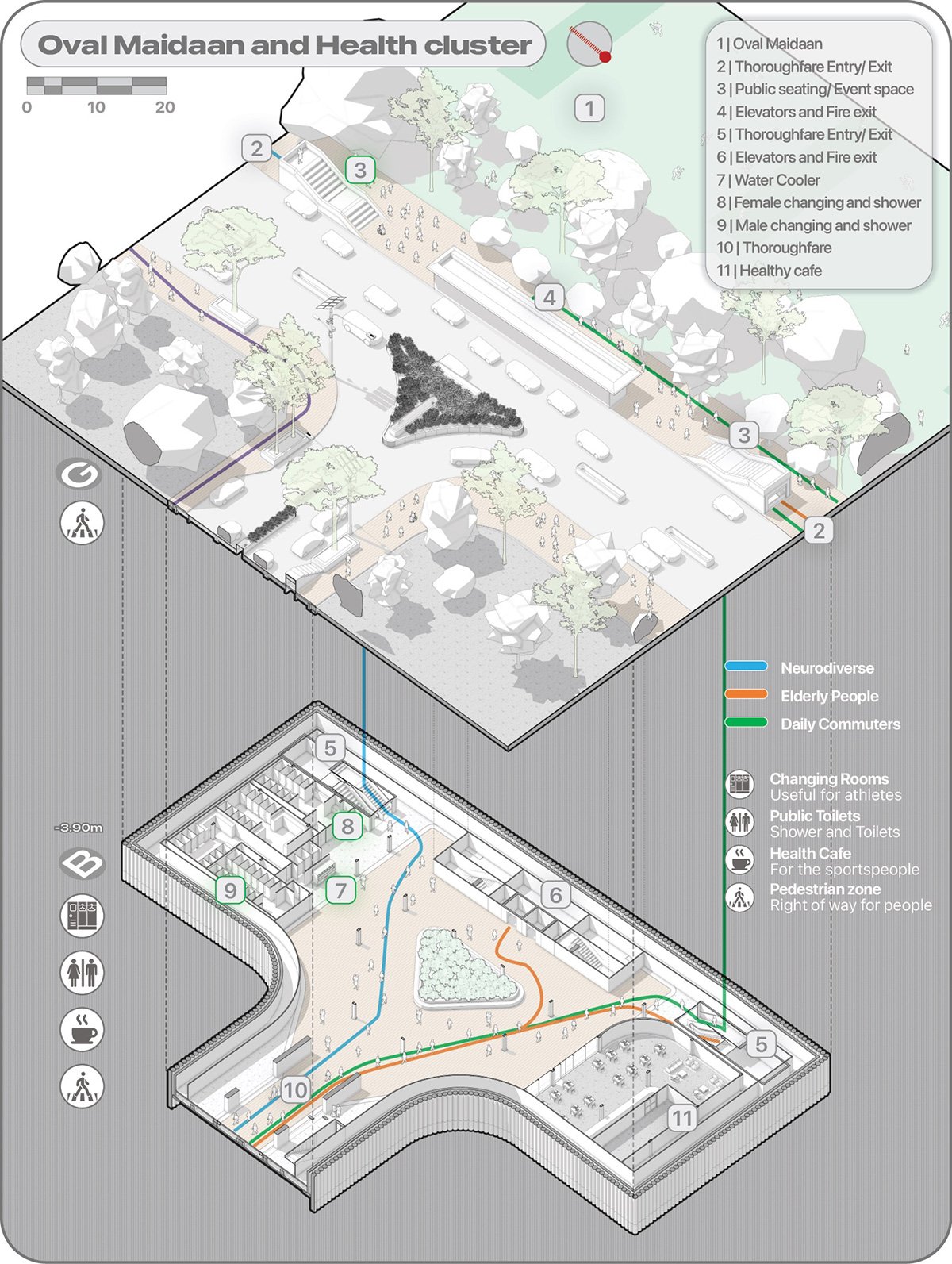
The design is organised into four interrelated spatial clusters: Community and Cultural, Leisure, Educational and Professional, and Transit and Commuter. This clustering enables diverse activities and user groups to coexist, overlap, and interact while maintaining spatial clarity and accessibility. Movement is prioritised through an underground pedestrian thoroughfare connecting Kala Ghoda Chowk to Oval Maidan, improving safety, accessibility, and continuity without disturbing the historic ground plane.
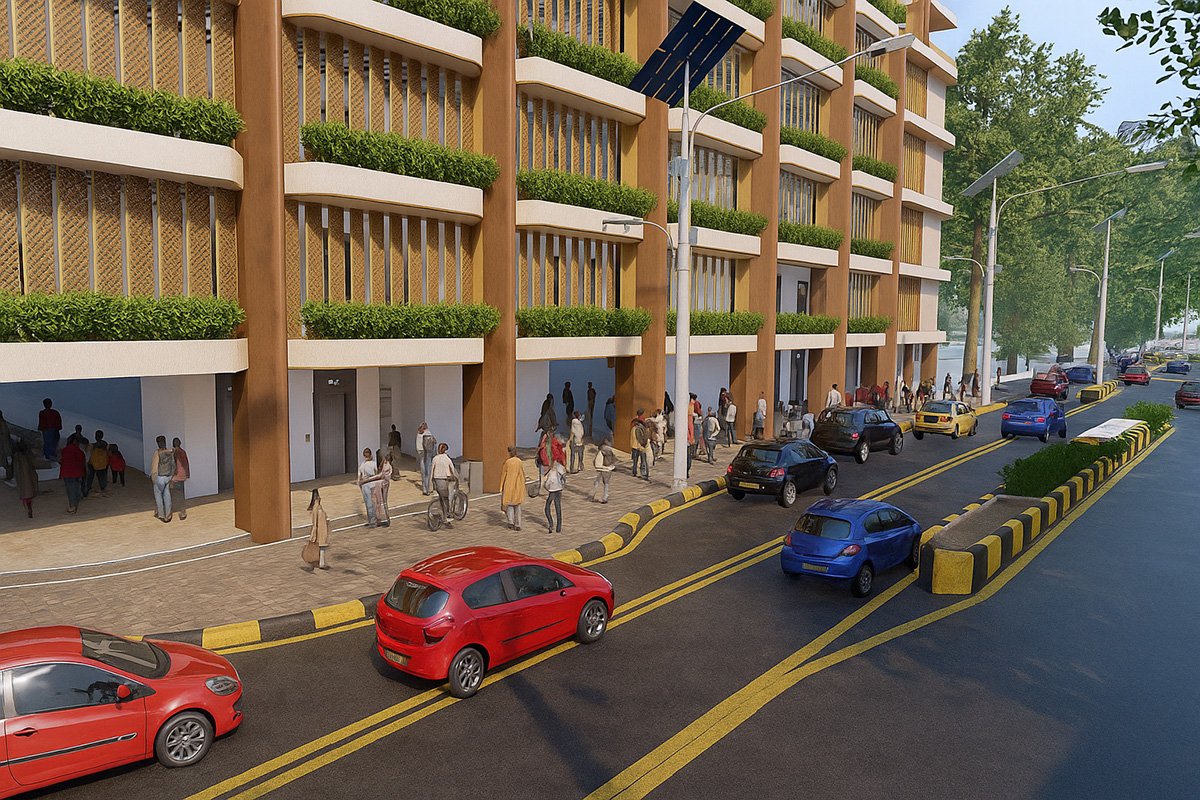
Section CHow the stramp acts is a way of movement and a pause pointCluster diagram focusing on the Health zone near Oval Maidaan | Cluster diagram focusing on the Stramp and the underground thoroughfare.Rendered views of the proposed design
Across multiple levels, the project integrates study spaces, libraries, coworking areas, multipurpose halls, public amenities, cafés, and informal gathering zones. Spaces are defined by activities rather than fixed functions, allowing flexible use across different times and user groups. Barrier-free access, gender-inclusive facilities, and multi-sensory navigation are embedded throughout.
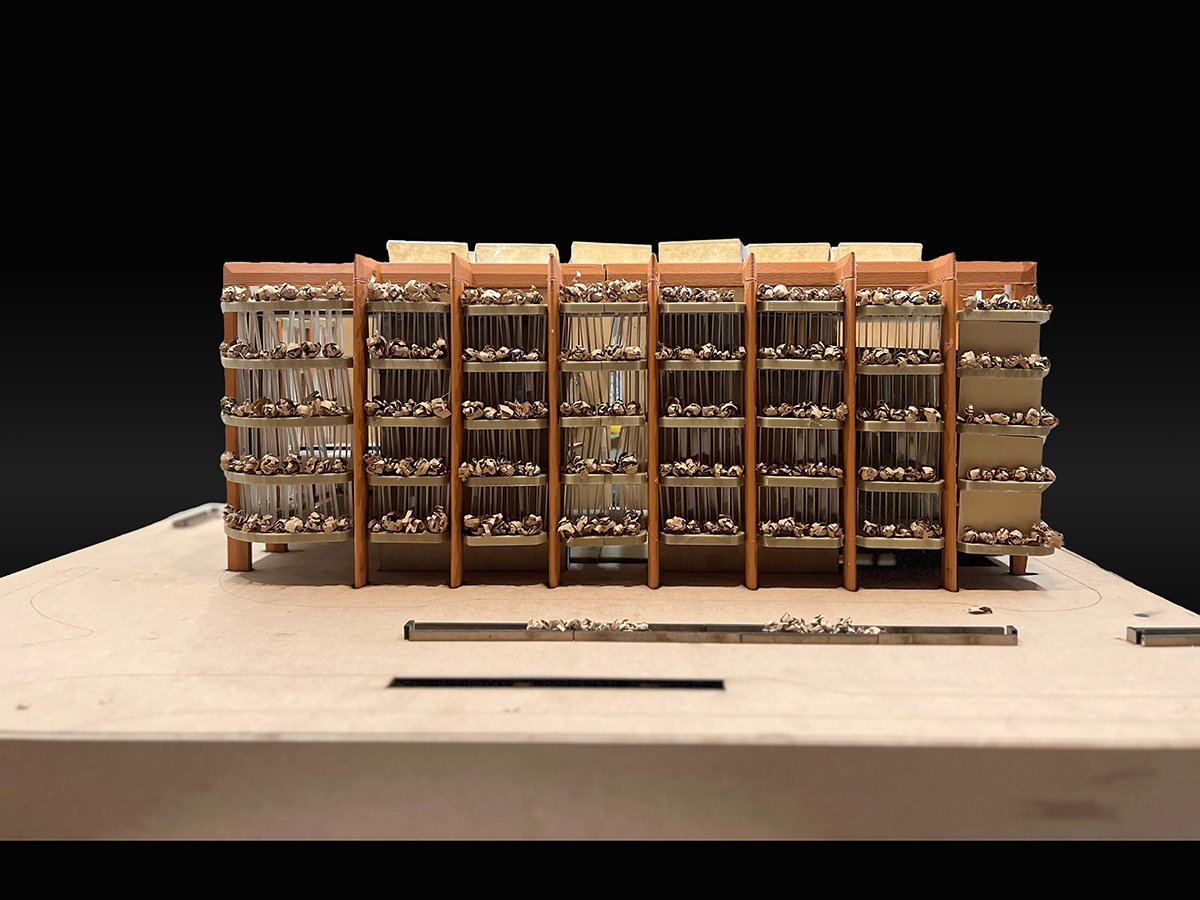
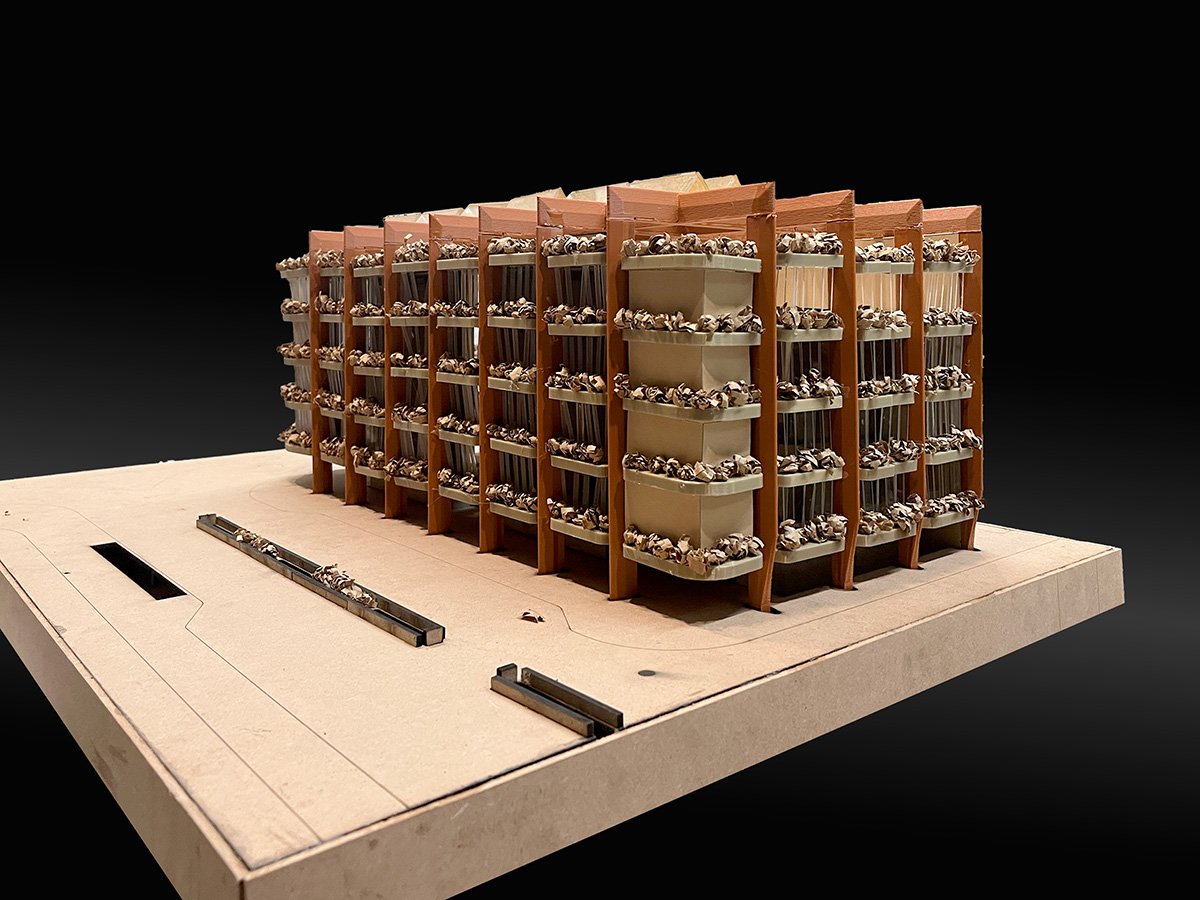
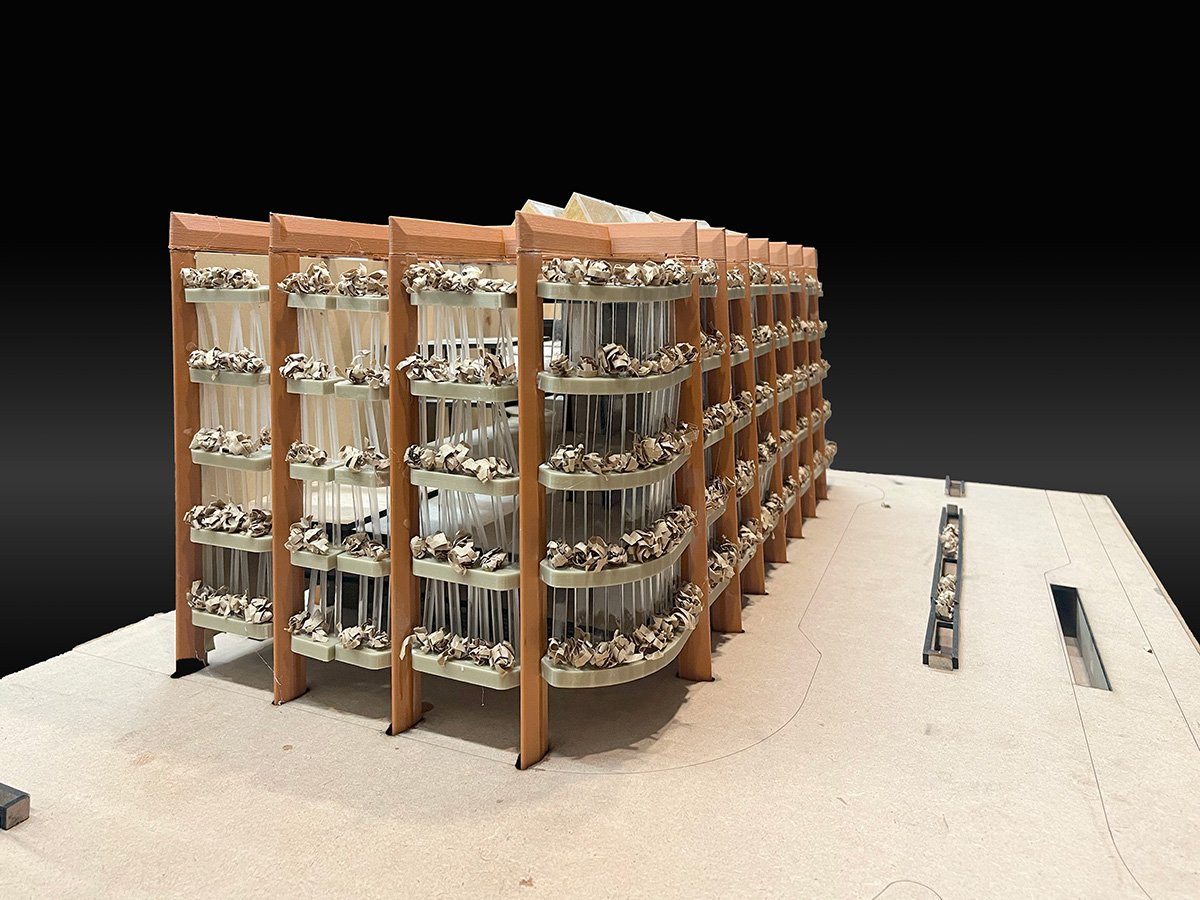
Rendered views of the proposed designRendered views of the proposed designImages of the physical model
Conclusion: Ultimately, the project positions Bombay Katta as an urban living room, a shared civic space that supports everyday life, cultural exchange, and inclusive public engagement through adaptable and equitable design.
[This Academic Project has been published with text and images submitted by the student]
Site Context
Design Process
Final Outcome
To submit your academic project for publication at ArchiDiaries, please visit the following link >> Submit
Get the best of ArchiDiaries, directly in your inbox.
We use cookies on our website to give you the most relevant experience by remembering your preferences and repeat visits. By clicking “Accept All”, you consent to the use of ALL the cookies. However, you may visit "Cookie Settings" to provide a controlled consent.
This website uses cookies to improve your experience while you navigate through the website. Out of these, the cookies that are categorized as necessary are stored on your browser as they are essential for the working of basic functionalities of the website. We also use third-party cookies that help us analyze and understand how you use this website. These cookies will be stored in your browser only with your consent. You also have the option to opt-out of these cookies. But opting out of some of these cookies may affect your browsing experience.
Necessary cookies are absolutely essential for the website to function properly. These cookies ensure basic functionalities and security features of the website, anonymously.
Cookie
Duration
Description
cookielawinfo-checkbox-analytics
11 months
This cookie is set by GDPR Cookie Consent plugin. The cookie is used to store the user consent for the cookies in the category "Analytics".
cookielawinfo-checkbox-functional
11 months
The cookie is set by GDPR cookie consent to record the user consent for the cookies in the category "Functional".
cookielawinfo-checkbox-necessary
11 months
This cookie is set by GDPR Cookie Consent plugin. The cookies is used to store the user consent for the cookies in the category "Necessary".
cookielawinfo-checkbox-others
11 months
This cookie is set by GDPR Cookie Consent plugin. The cookie is used to store the user consent for the cookies in the category "Other.
cookielawinfo-checkbox-performance
11 months
This cookie is set by GDPR Cookie Consent plugin. The cookie is used to store the user consent for the cookies in the category "Performance".
viewed_cookie_policy
11 months
The cookie is set by the GDPR Cookie Consent plugin and is used to store whether or not user has consented to the use of cookies. It does not store any personal data.
Functional cookies help to perform certain functionalities like sharing the content of the website on social media platforms, collect feedbacks, and other third-party features.
Performance cookies are used to understand and analyze the key performance indexes of the website which helps in delivering a better user experience for the visitors.
Analytical cookies are used to understand how visitors interact with the website. These cookies help provide information on metrics the number of visitors, bounce rate, traffic source, etc.
Advertisement cookies are used to provide visitors with relevant ads and marketing campaigns. These cookies track visitors across websites and collect information to provide customized ads.