Home » Academic projects » Center for Uru Building Practice – Keeping Afloat a Traditional Craft of Shipbuilding in Kerala, India | Architecture Thesis
Center for Uru Building Practice – Keeping Afloat a Traditional Craft of Shipbuilding in Kerala, India | Architecture Thesis
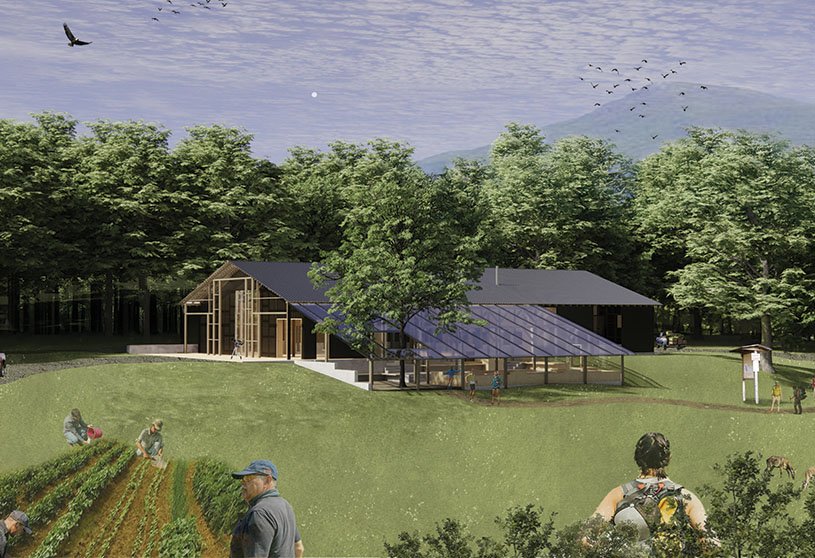
Excerpt: ‘Center for Uru Building Practice – Keeping Afloat a Traditional Craft of Shipbuilding in Kerala, India’ is an architecture thesis by Bhavesh Shetty from Aditya College of Architecture that seeks to explore the potential impact of architecture on the revival and revitalization of the long-forgotten craft of Uru (fat boat) manufacturing in Beypore, thereby enhancing its heritage value. Additionally, the project analyzes the steel construction of boatshed industrial architecture and modern naval shipyard practices.
Introduction: From the Egyptian queen Cleopatra to the colonial British navy that defeated Napoleon, its sails have long been used to harness the power of shifting winds to sustain trade and commerce. It has ruled the seas for ages, riding the crests and navigating the storms as it transports people, animals, and goods to far-off places. For thousands of years, the iconic Indian Uru, or dhow, has been a part of maritime culture. The Uru, which was formerly the pride of naval and commercial fleets navigating the seas, has nearly disappeared from view. Similar to the Uru, the few master builders in India who are still in business can be found in the village of Beypore, close to Kozhikode, on the banks of the Chaliyar River.
With years of experience creating handcrafted Uru boats, Uru boat makers are exceptional and rare artisans. Approximately two years are needed to build each boat, and up to fifteen people can work on it at once. Having inherited only one piece of work from their ancestors, Beypore artisans started producing Uru vessels at the age of 17.
The project aims to explore the potential impact of architecture on the revival and revitalization of the long-forgotten craft of Uru (fat boat) manufacturing in Beypore, thereby enhancing its heritage value. Additionally, research and analysis are being done on the steel construction of boatshed industrial architecture and naval modern shipyard practices.
The uru-making industry needs to be more utilized by the mainstream, despite having huge potential in the tourism and industrial sectors. Given the state of the industry today, an integrated development proposal that ensures the sector’s long-term growth and the empowerment of its marginalized populations is necessary. The objective of this thesis is to promote the social, economic, cultural, ecological, and long-term sustainability of Beypore’s traditional shipbuilding culture through an integrated approach. As stated by New Delhi, India aims to become the worldwide centre for green shipbuilding by 2030.
Beypore, a coastal town in Kerala, India, is home to a rare and exceptional group of artisans known as Uru boat makers. These artisans have devoted their lives to the meticulous art of creating handmade Uru boats, a craft that has been handed down through the generations. Creating these magnificent boats is a difficult process that takes two to five years to finish and requires the cooperation of fifteen to twenty-five skilled workers at any one time.
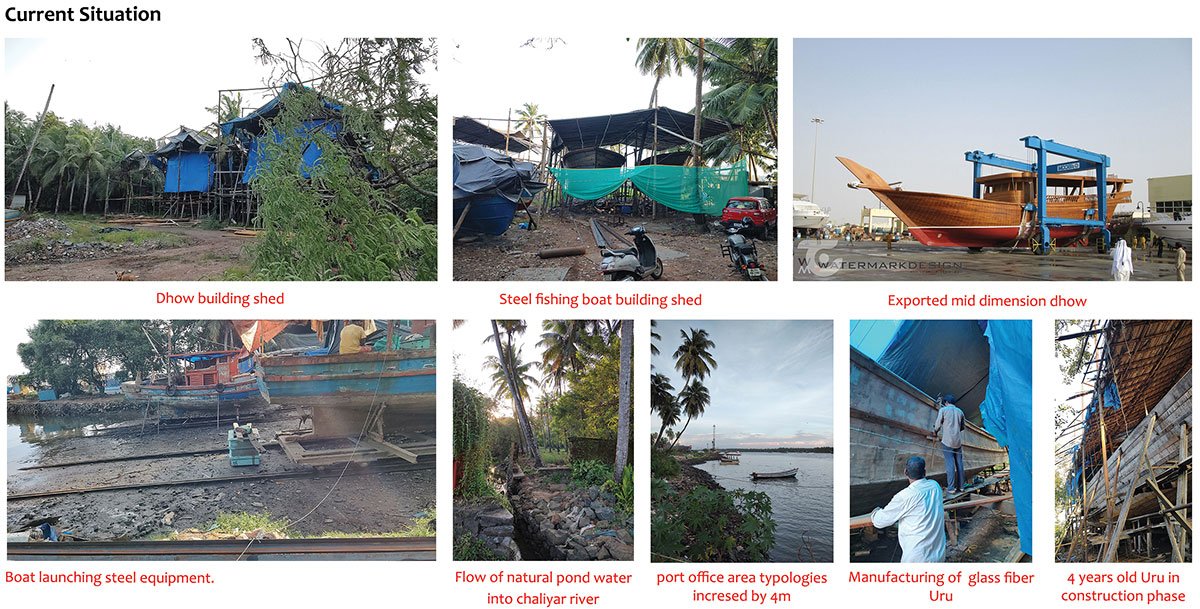
Comparison of Yachts and Stakeholder AnalysisSite Images
Remarkably, a lot of these artisans start building boats at the young age of 17, having inherited this precious skill from their ancestors. The Beypore Uru boats are more than just boats; they are a living testament to the region’s glorious maritime past. Unfortunately, this invaluable craft runs the risk of becoming extinct in the face of modernization and changing times. This design thesis presents an ambitious architectural project that can address the socio-economic issues of the area to counter this threat and investigate the potential of Uru boat manufacturing as a cornerstone of cultural preservation and economic growth.
Design Process
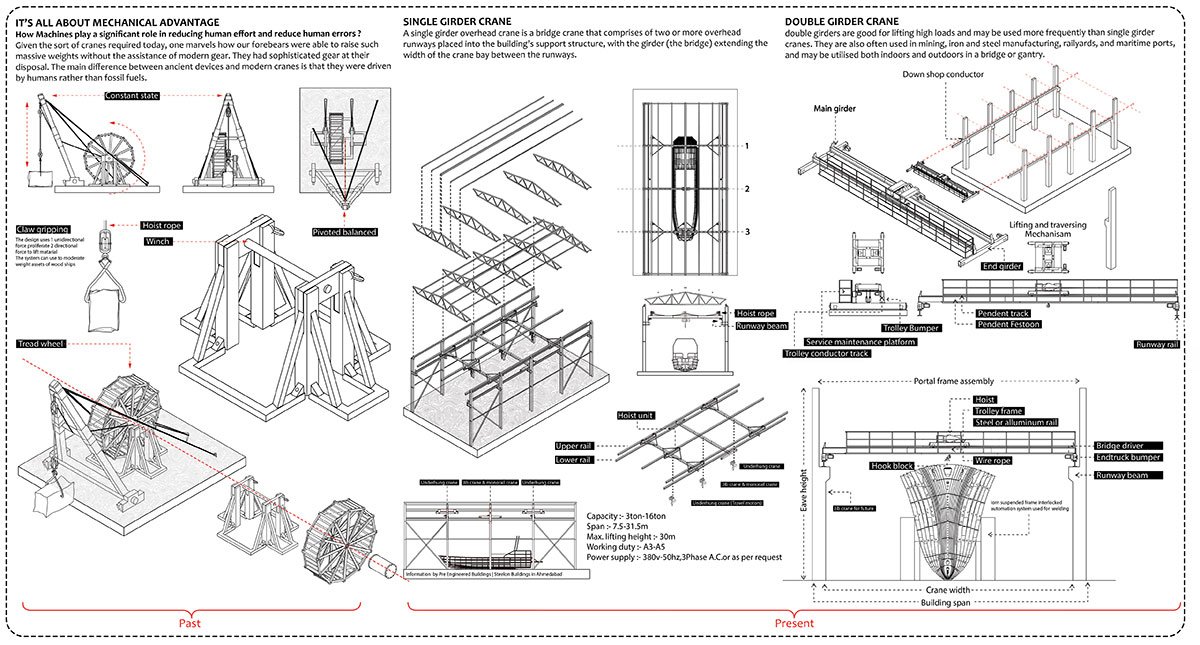
Role Of Machines in Ship BuildingConstruction Process of Uru
The primary goal of this project is to examine the potential role of architecture in the revitalization and enhancement of the forgotten craft of Uru boat building in Beypore. The main objective is to improve this craft’s historical significance while simultaneously modernising its practices.
Concept derived from ‘Cheena Vala’ – chinese fishing nets in Kochi
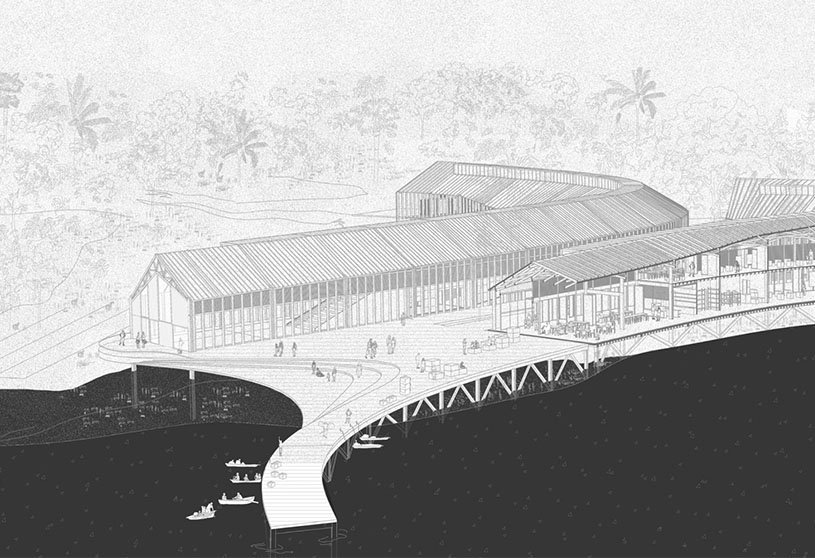
Concept: Cheena Vala, or cantilevered fishing nets, were introduced to Kochi between 1350 and 1450 AD by traders from Kublai Khan’s court or Chinese explorer Zhang He. These nets, gracefully poised and aligned along the beaches, create a breathtaking spectacle against the sunset. The design concept is inspired by these Chinese fishing nets in Kochi, making Uru’s construction itself an artistic endeavour.
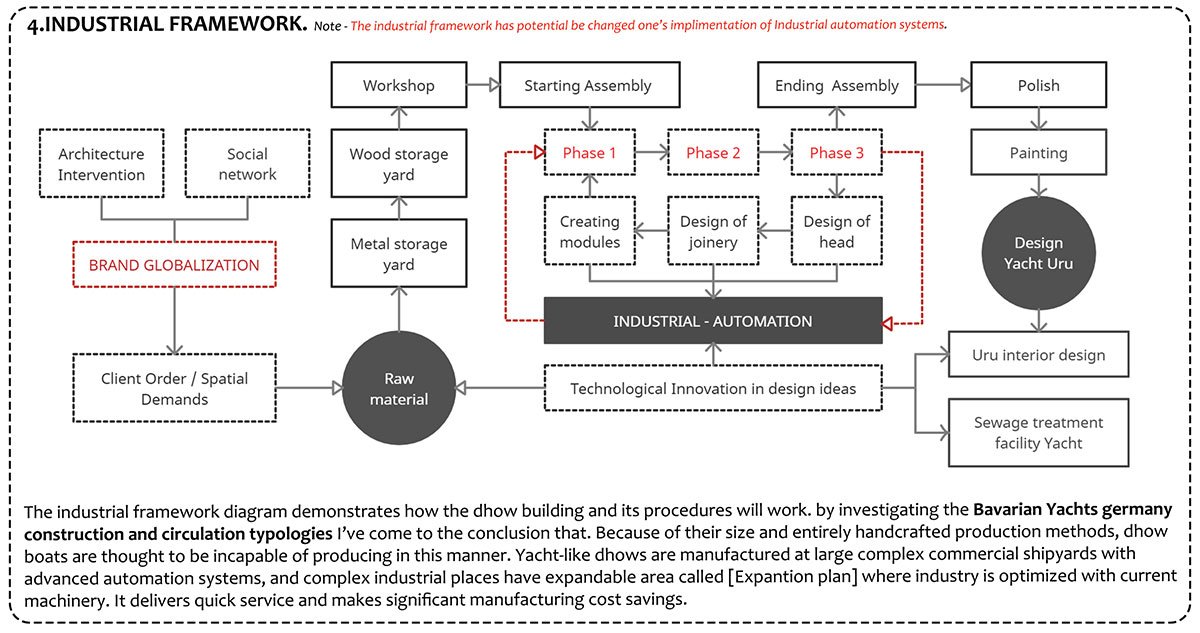
Role Of Architecture in Ship Building IndustryIndustrial Framework
The project will explore the complex relationship between the Modern yacht-making process and the Uru boat-making process, to uncover loopholes in the wooden dhow-making industry to achieve sustainable growth.
Iteration Of Form w.r.t Environmental Design AspectsRadiation AnalysisWind Analysis
Climate-Responsive Design: Kerala’s architecture utilizes natural ventilation and cooling strategies to regulate heat and humidity, with features like high ceilings, large windows, and elevated floors promoting air circulation.
Cultural Elements: The project blends traditional Kerala architectural features with contemporary design and construction methods, exploring optimum forms and program arrangements within the museum’s intricate woodwork and intricate woodwork.
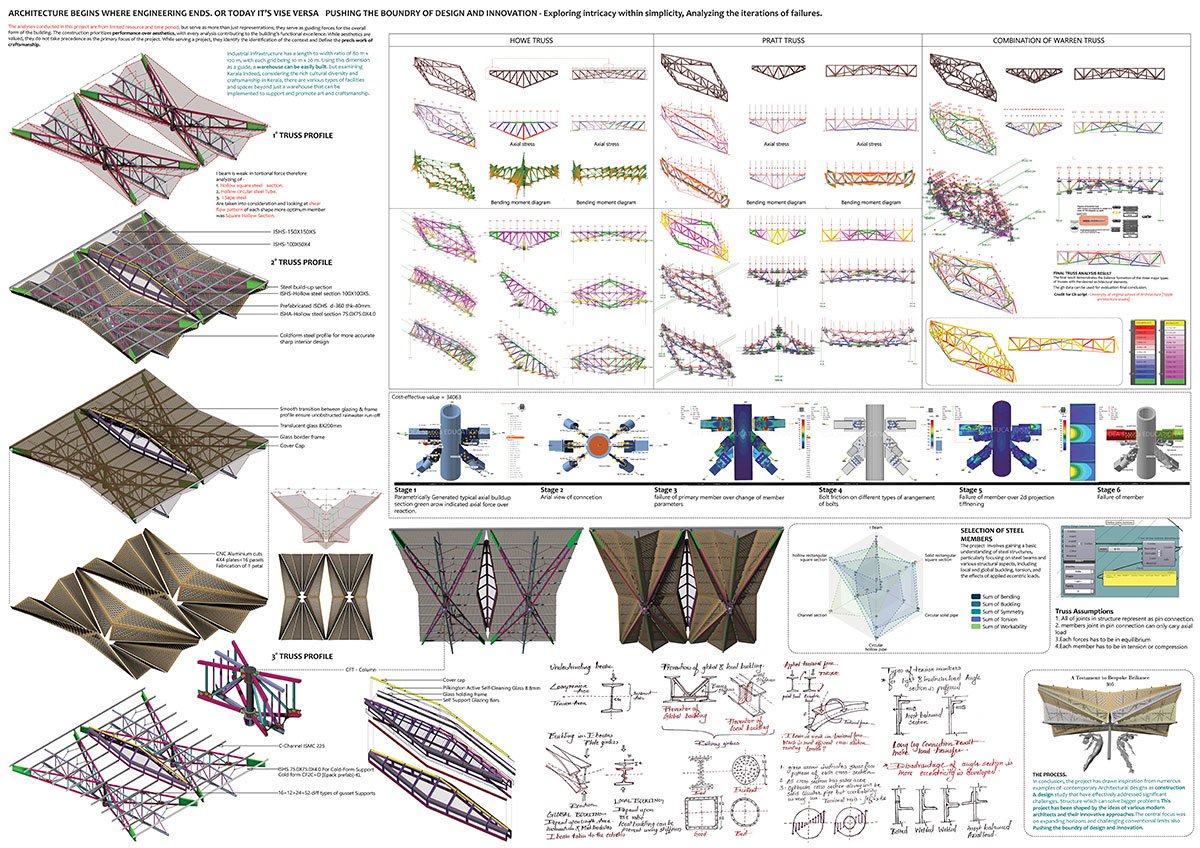
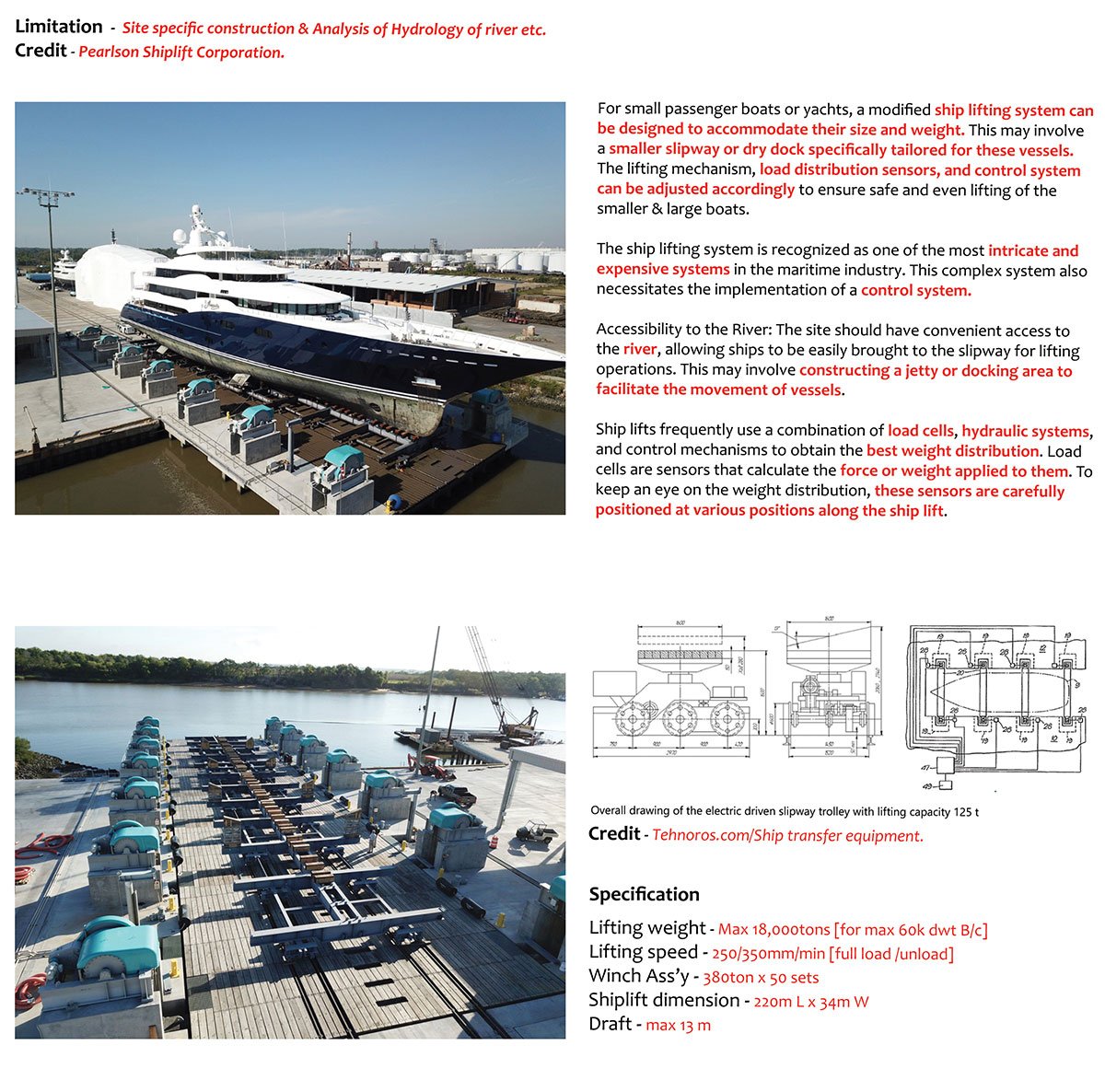
In terms of industrial architecture, the project will also look at how traditional craftsmanship and sustainable shipbuilding methods can work together. It will specifically concentrate on the steel construction of boatshed facilities and integrate modern shipyard techniques.
Final Outcome
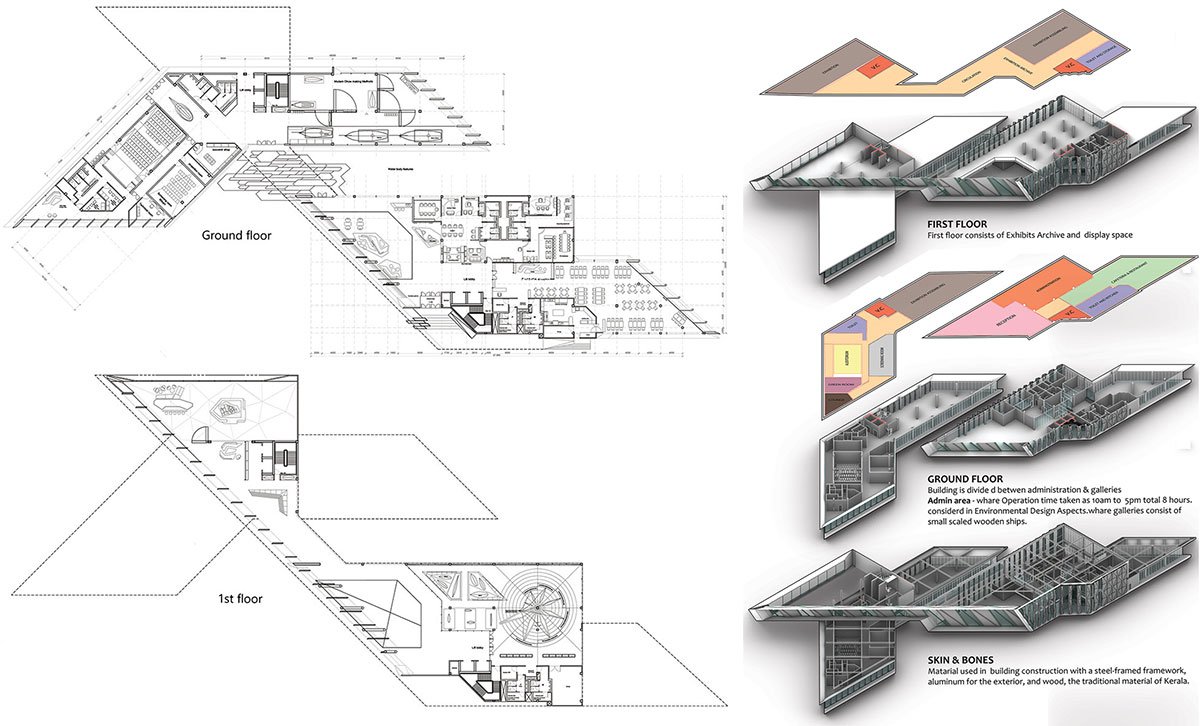
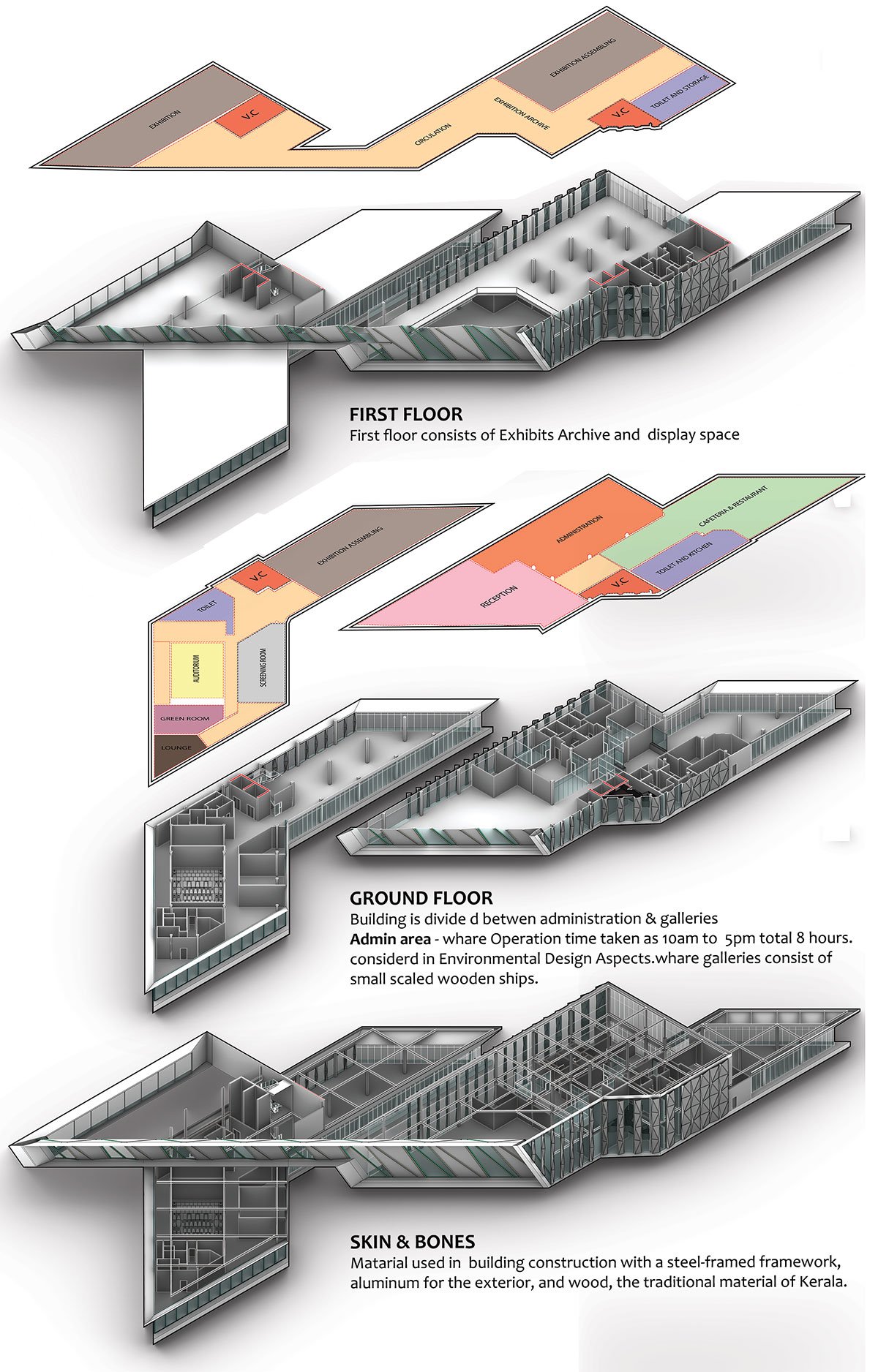
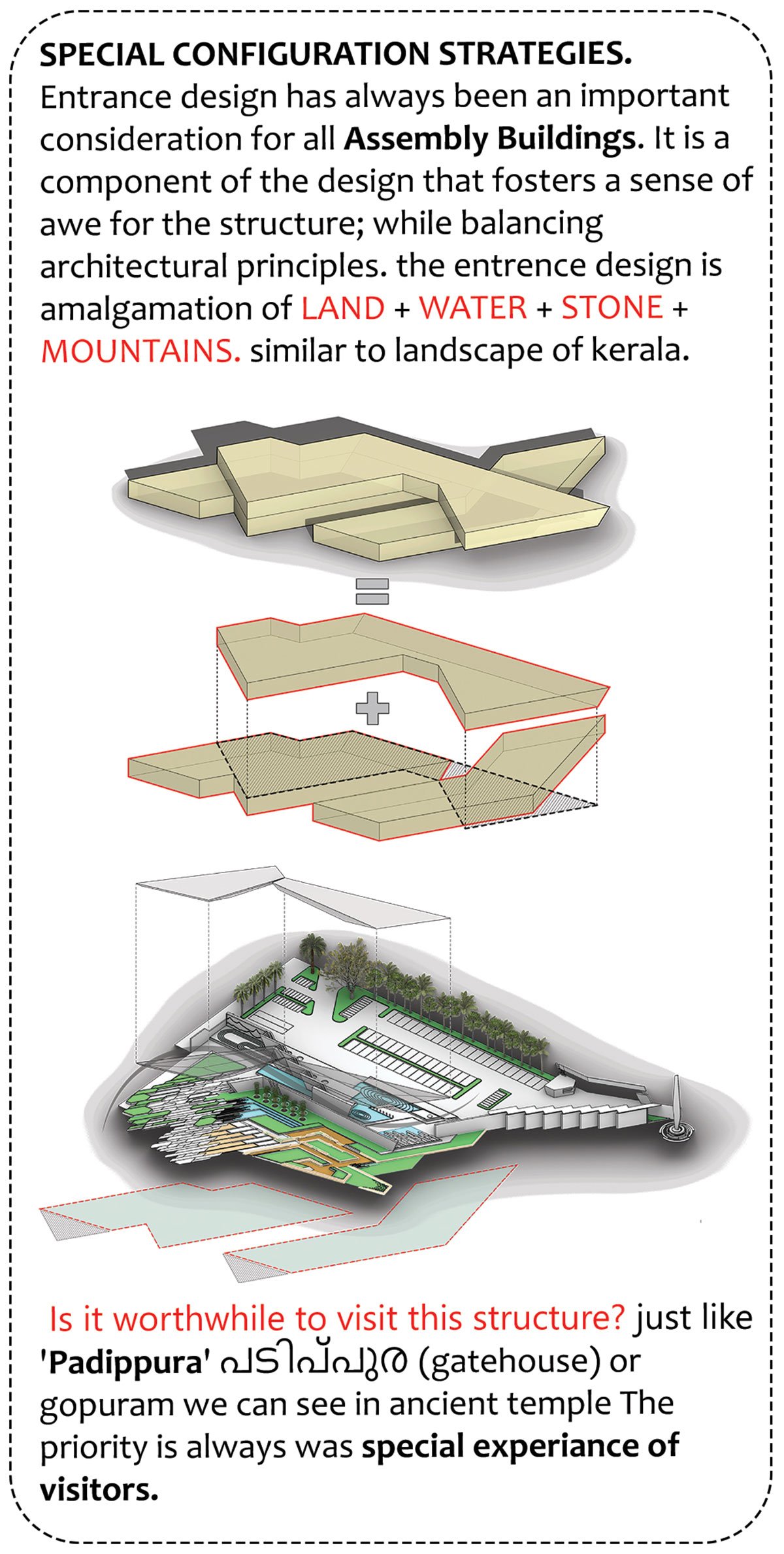
Site PlanFloor Plans | Floor Plans Axonometric
Despite its enormous potential in the tourism and industrial sectors, the Beypore uru-making industry is still not receiving enough mainstream attention and support. The industry is currently in a precarious state, thereby an integrated development proposal that ensures its long-term growth and empowers the marginalised artisans who carry on this age-old tradition is necessary. Thus, there are four key objectives of this architectural intervention.
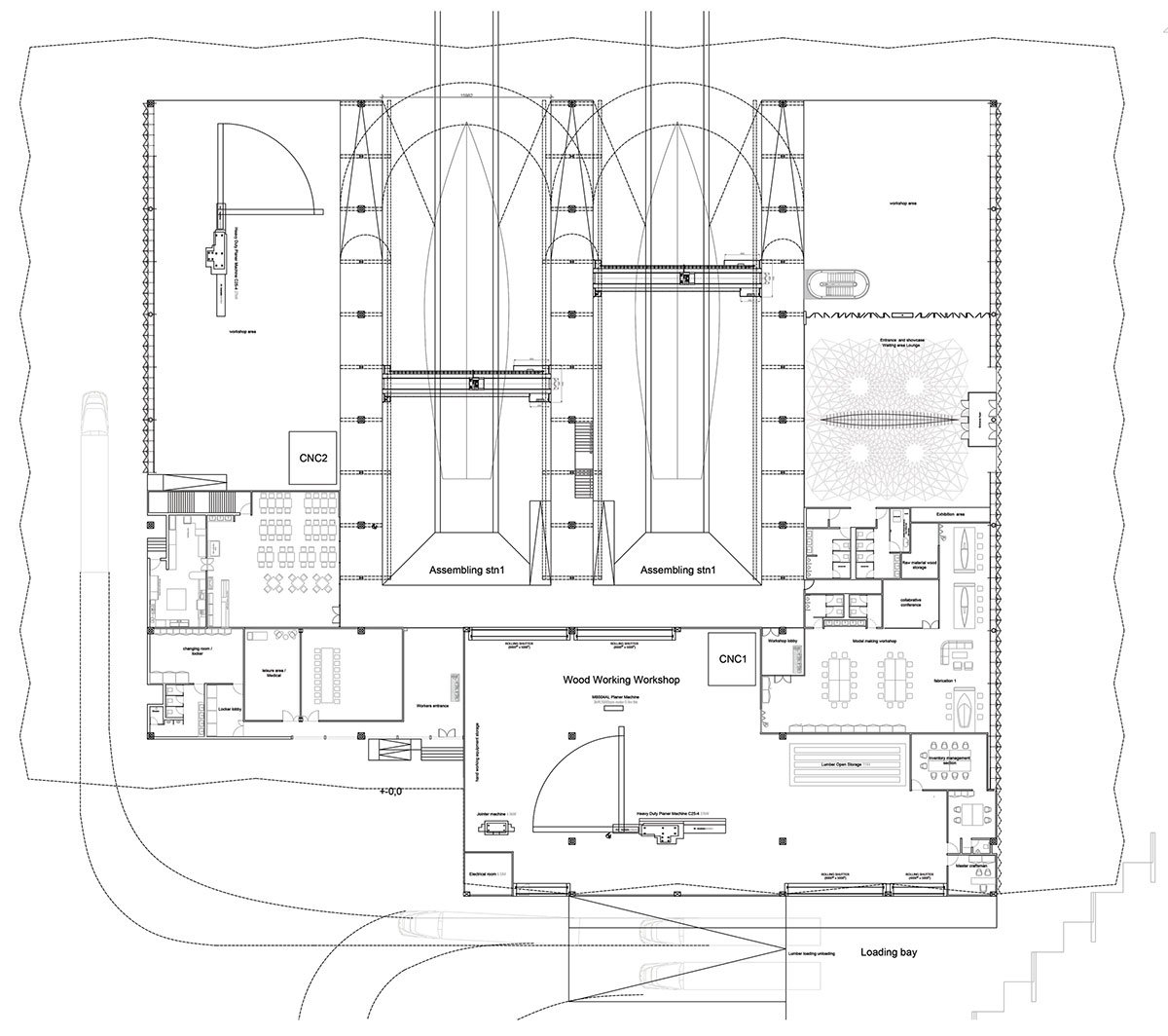
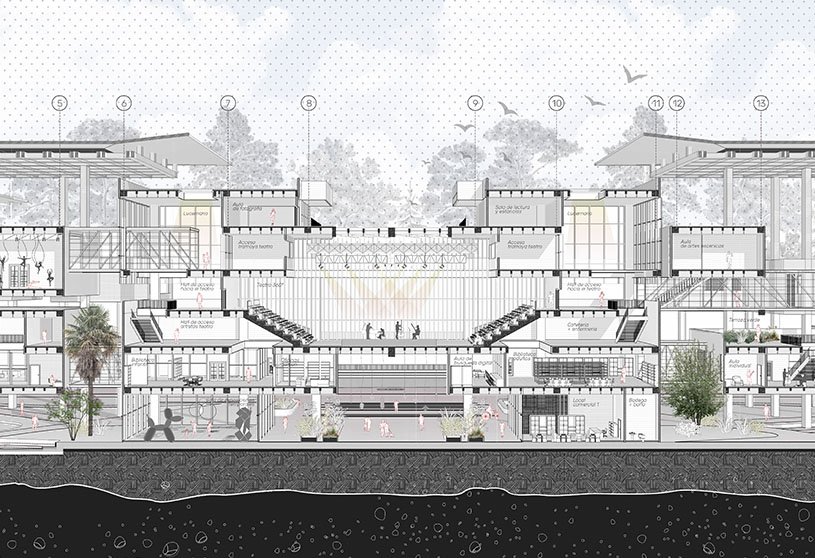
Loading Bay PlanSections
Heritage Preservation: To promote the social, economic, cultural, and ecological significance of Beypore’s traditional shipbuilding culture in order to accelerate and revitalise it. By doing this, the project hopes to ensure this special craft’s long-term viability and the preservation of its rich history.
Economic Empowerment: To bolster the local economy by tapping into the tourism potential of Uru boat manufacturing. This includes establishing a sustainable market for Uru boats and associated goods, as well as job opportunities and skill development initiatives.
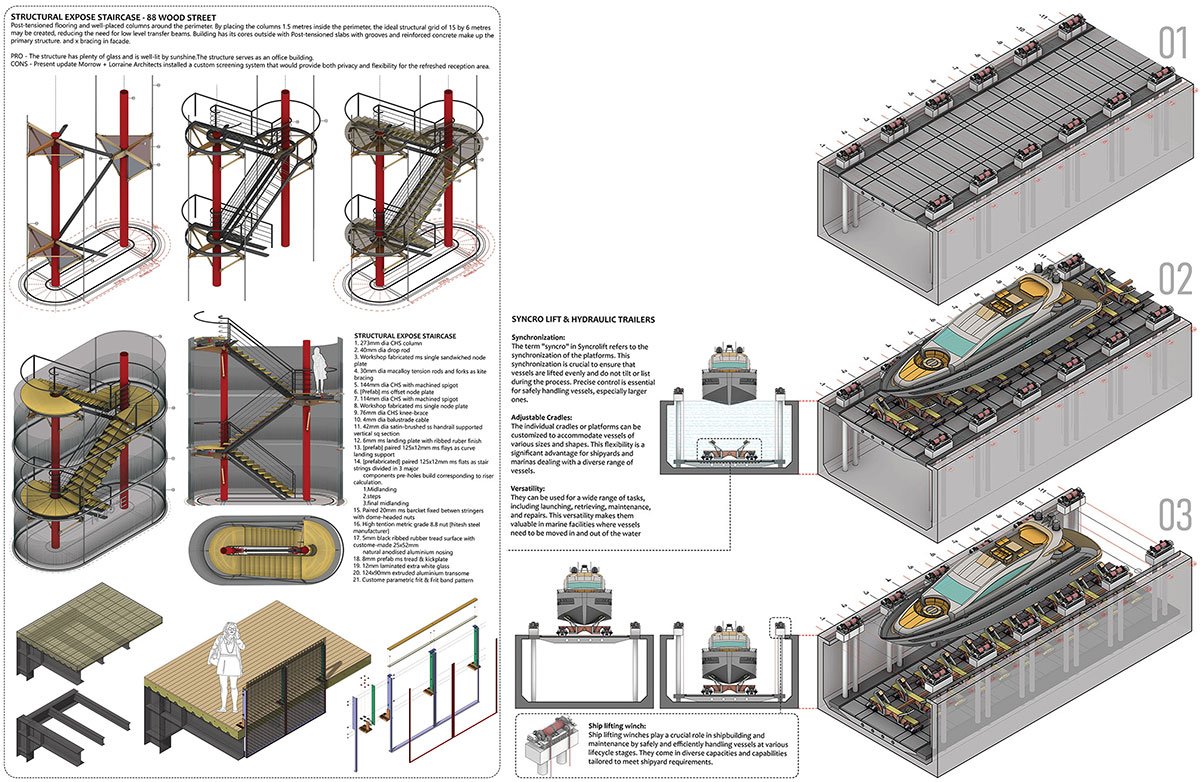
Structural AxonometricStructural Details
Cultural Promotion: To celebrate the Uru boat-making tradition as an integral part of Beypore’s cultural identity. This involves creating spaces that showcase the history, artistry, and craftsmanship behind Uru boat manufacturing, thereby attracting cultural enthusiasts and tourists.
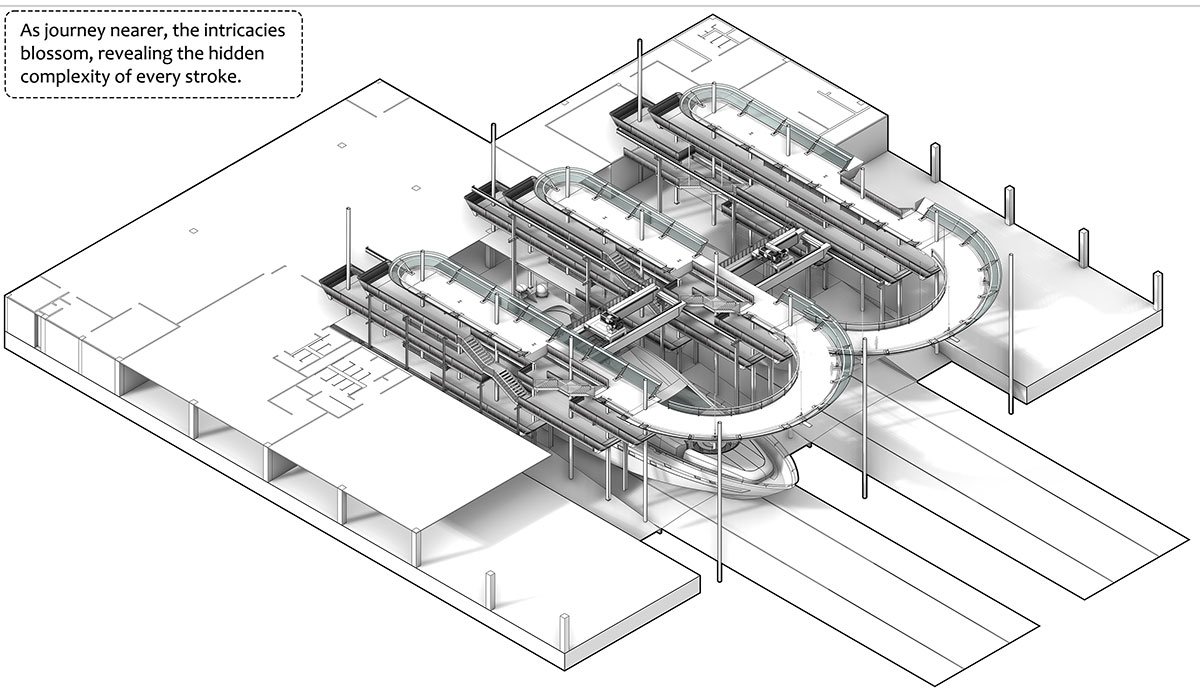
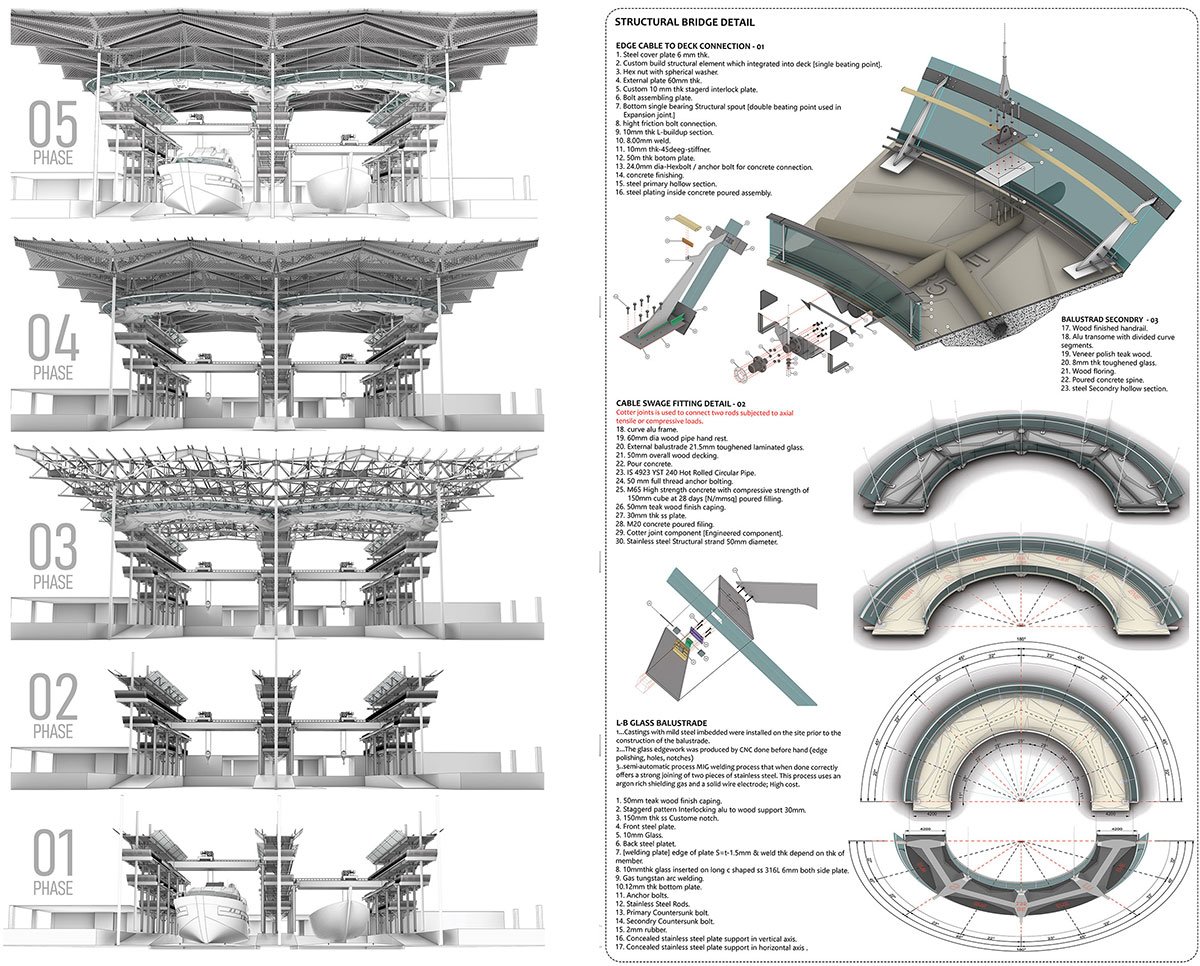
Construction Phases | Structural Bridge Detail
Environmental Sustainability: To align Uru boat manufacturing with the global push towards sustainable industries by implementing eco-friendly practices. By adopting green shipbuilding practices, Beypore can help India realise its goal of becoming a worldwide centre for ecologically conscious shipbuilding by 2030.
Conclusion: Through an integrated development proposal, the project ensures a long term growth and empowerment of the uru-making industry. It promotes and preserves the long-forgotten craft of Uru (fat boat) manufacturing in Beypore, thereby enhancing its heritage value.
[This Academic Project has been published with text submitted by the student]
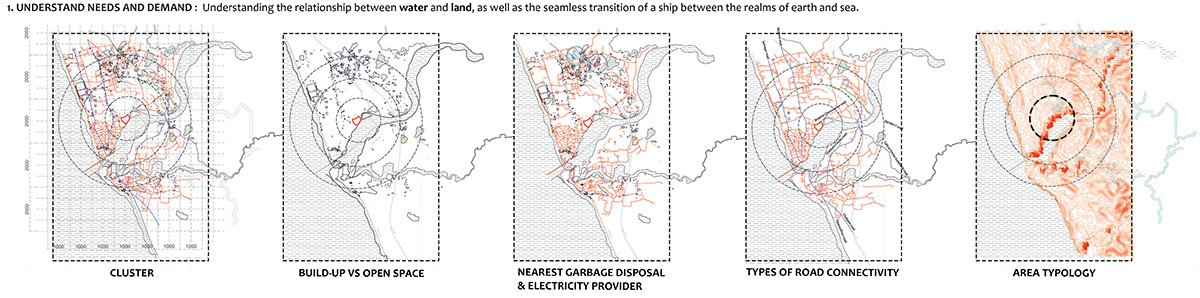
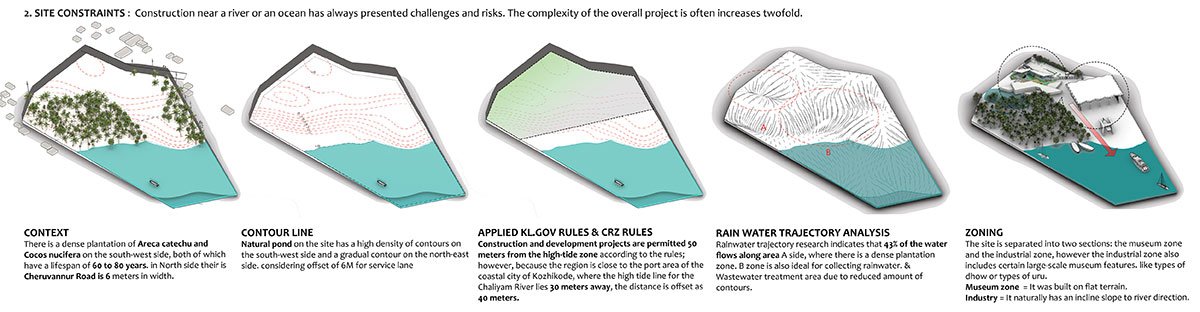
Site Context
Design Process
Final Outcome
To submit your academic project for publication at ArchiDiaries, please visit the following link >> Submit
Get the best of ArchiDiaries, directly in your inbox.
We use cookies on our website to give you the most relevant experience by remembering your preferences and repeat visits. By clicking “Accept All”, you consent to the use of ALL the cookies. However, you may visit "Cookie Settings" to provide a controlled consent.
This website uses cookies to improve your experience while you navigate through the website. Out of these, the cookies that are categorized as necessary are stored on your browser as they are essential for the working of basic functionalities of the website. We also use third-party cookies that help us analyze and understand how you use this website. These cookies will be stored in your browser only with your consent. You also have the option to opt-out of these cookies. But opting out of some of these cookies may affect your browsing experience.
Necessary cookies are absolutely essential for the website to function properly. These cookies ensure basic functionalities and security features of the website, anonymously.
Cookie
Duration
Description
cookielawinfo-checkbox-analytics
11 months
This cookie is set by GDPR Cookie Consent plugin. The cookie is used to store the user consent for the cookies in the category "Analytics".
cookielawinfo-checkbox-functional
11 months
The cookie is set by GDPR cookie consent to record the user consent for the cookies in the category "Functional".
cookielawinfo-checkbox-necessary
11 months
This cookie is set by GDPR Cookie Consent plugin. The cookies is used to store the user consent for the cookies in the category "Necessary".
cookielawinfo-checkbox-others
11 months
This cookie is set by GDPR Cookie Consent plugin. The cookie is used to store the user consent for the cookies in the category "Other.
cookielawinfo-checkbox-performance
11 months
This cookie is set by GDPR Cookie Consent plugin. The cookie is used to store the user consent for the cookies in the category "Performance".
viewed_cookie_policy
11 months
The cookie is set by the GDPR Cookie Consent plugin and is used to store whether or not user has consented to the use of cookies. It does not store any personal data.
Functional cookies help to perform certain functionalities like sharing the content of the website on social media platforms, collect feedbacks, and other third-party features.
Performance cookies are used to understand and analyze the key performance indexes of the website which helps in delivering a better user experience for the visitors.
Analytical cookies are used to understand how visitors interact with the website. These cookies help provide information on metrics the number of visitors, bounce rate, traffic source, etc.
Advertisement cookies are used to provide visitors with relevant ads and marketing campaigns. These cookies track visitors across websites and collect information to provide customized ads.