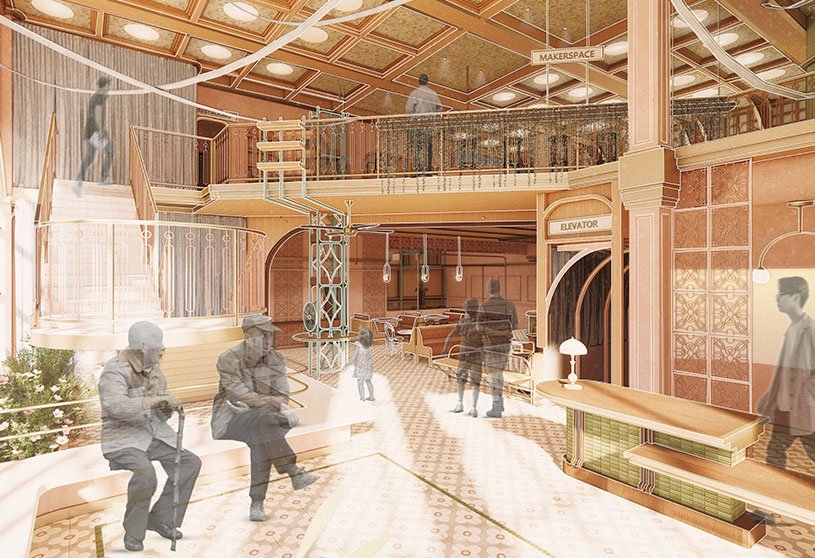
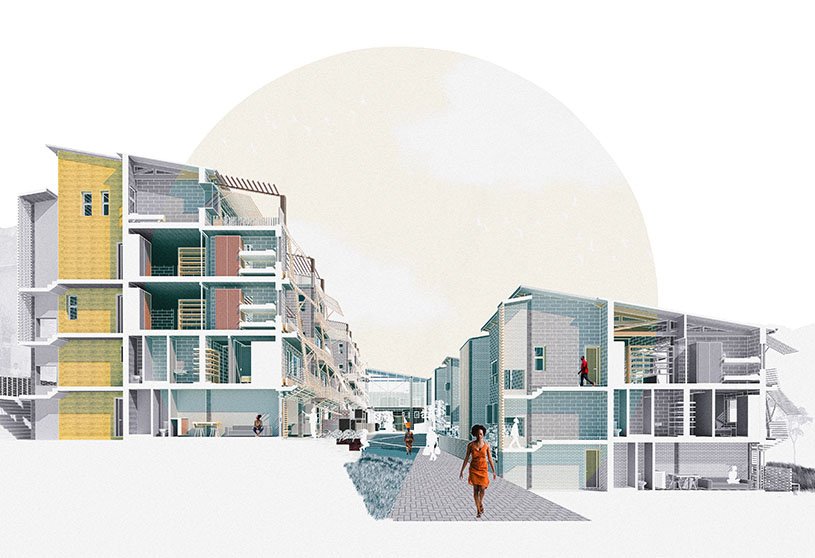
Excerpt: ‘Kampung Education’ is an architecture thesis by Jovan Theophilus Amin from the ‘Department of Architecture – National Cheng Kung University.’ This project aims to redefine educational architecture by applying the adaptable, community-driven spatial logic of Jakarta’s Kampung to a contemporary campus. By fostering meta-learning, spontaneity, inclusivity, and deeper urban integration, it creates a flexible environment that evolves with its users and supports continuous, collaborative learning, preparing communities for future uncertainty.
Introduction: Education has consistently developed alongside sociopolitical and technical transformations, advancing from medieval elitism to guild-based apprenticeships, industrial institutions, and now, into the rapidly changing landscape of the information age. According to a Dell research report, “an estimated 85% of the jobs in 2030 haven’t been invented yet.” The pace of change will be so rapid that people will learn “in-the-moment” … Consequently, the ability to acquire new knowledge will be more valuable than the knowledge itself, highlighting the necessity of active meta-learning as opposed to passive knowledge acquisition. Yet, contemporary educational environments and pedagogies remain anchored in passive involvement and inflexible limits, limiting learners’ ability to adapt to the instability and complexity of modern society.
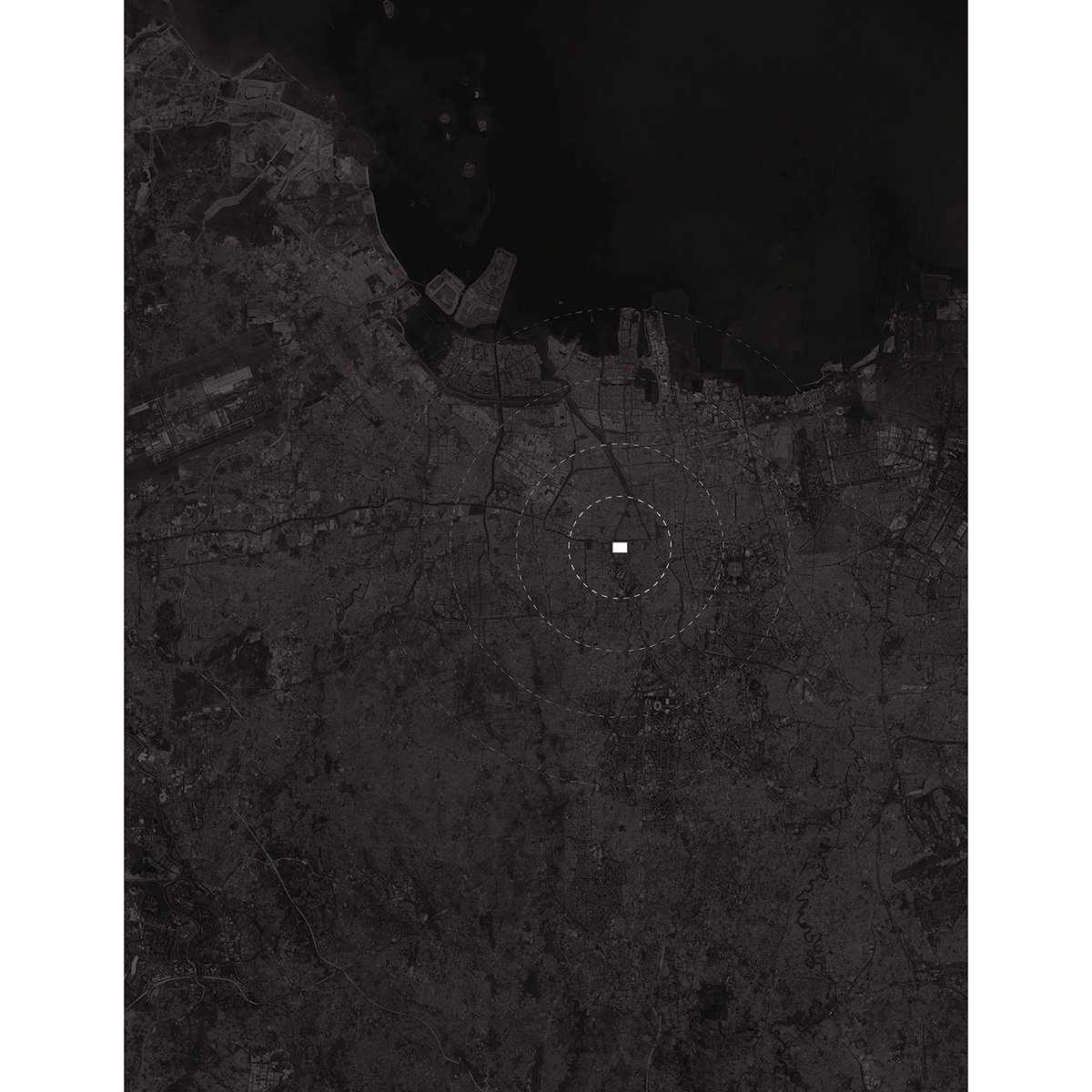
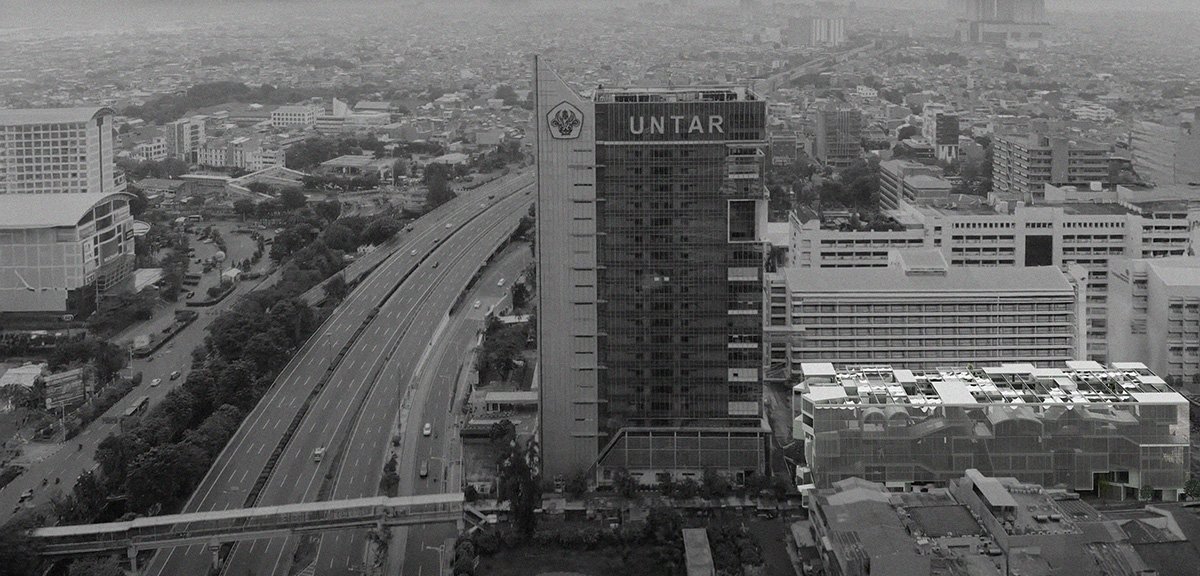
Location Of The Site Relative To Jakarta Metropolitan Area
This thesis extrapolates the uncertainty of societal and technological shifts to assert the relevance of meta-learning (active learning) by implementing a vernacular spatial framework from Jakarta’s Kampung community. The Kampung—known for its diverse, resilient, and informal urban spaces—offers a living testbed for understanding how spatial configurations encourage multiple modes of learning, interaction, and collaboration.
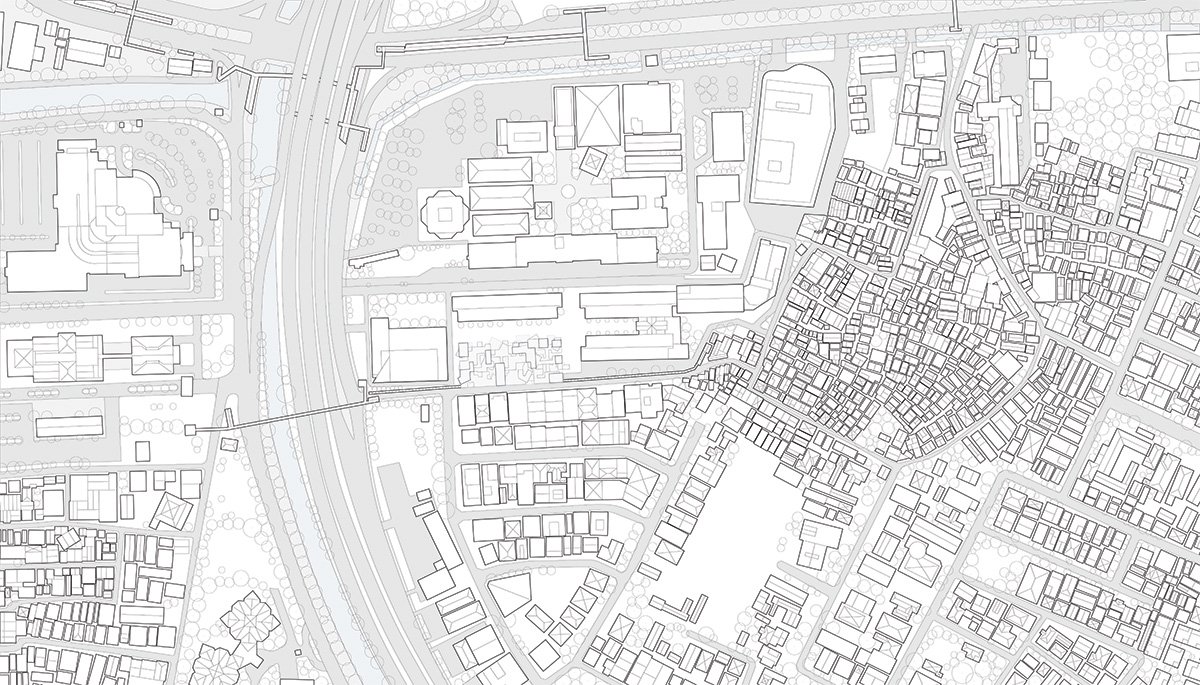
Site Plan
By examining the spatial dynamics of the Kampung and its intersection with Jakarta’s formal urban environment, the research seeks to reimagine educational spaces as adaptable, interactive, and integrated with the city.
Design Process
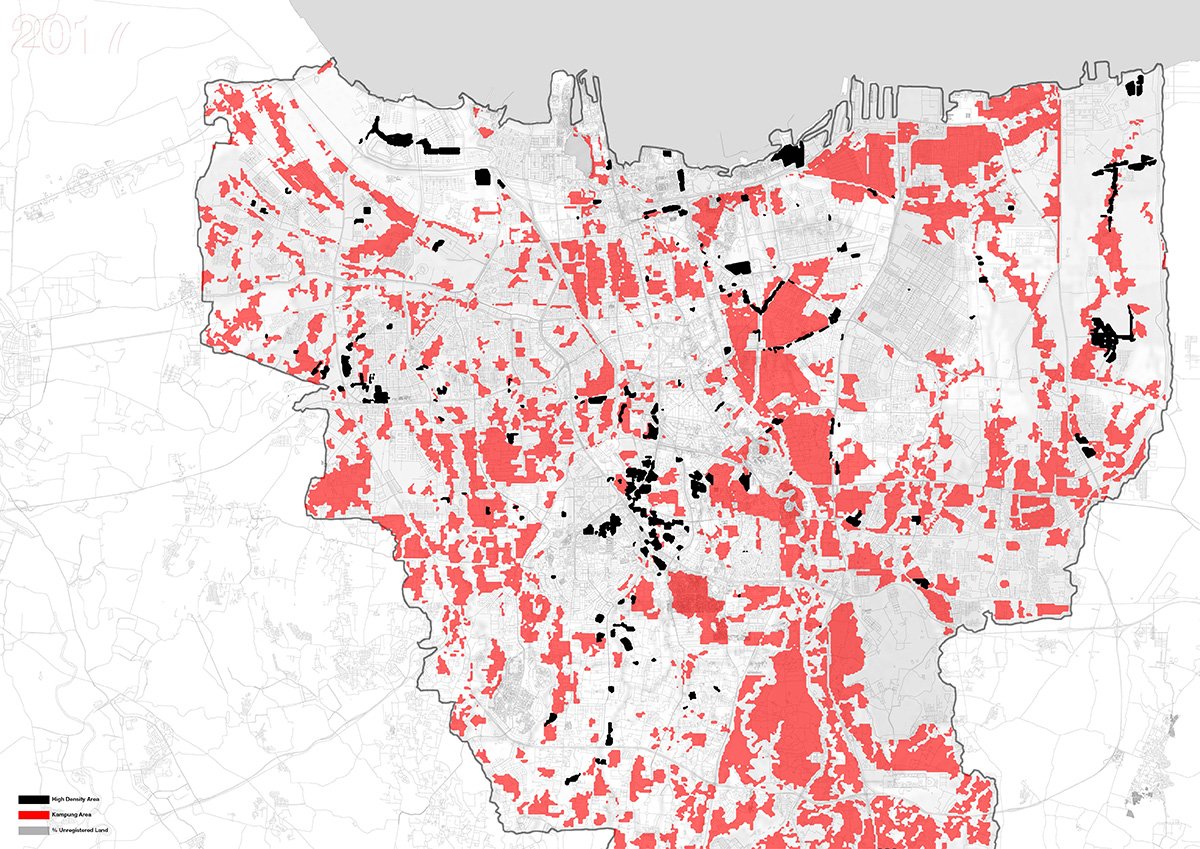
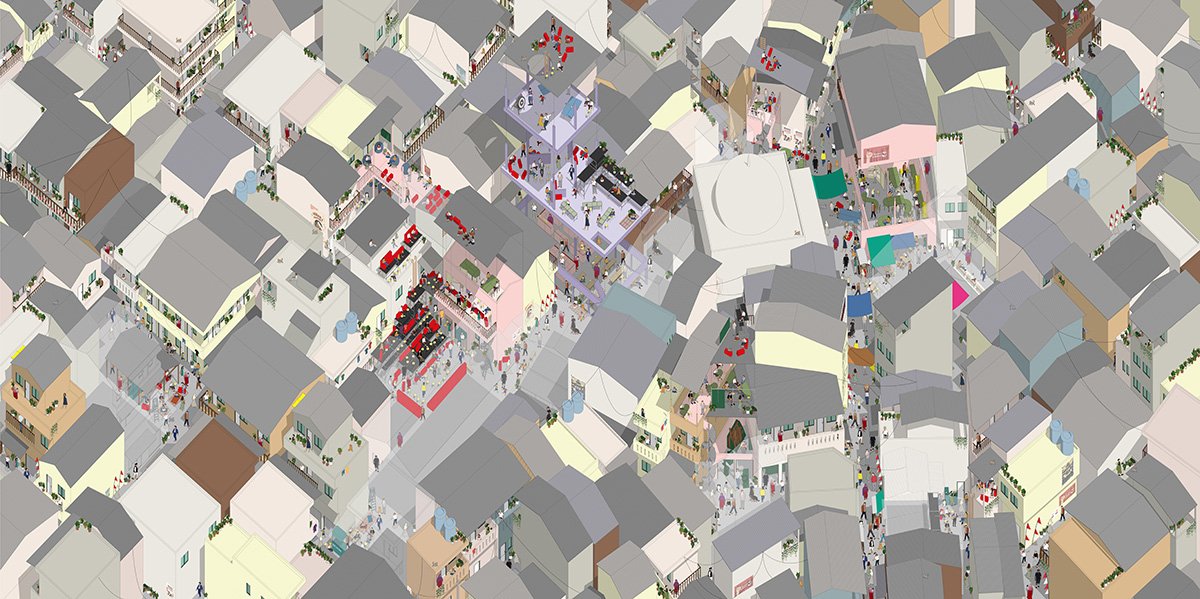
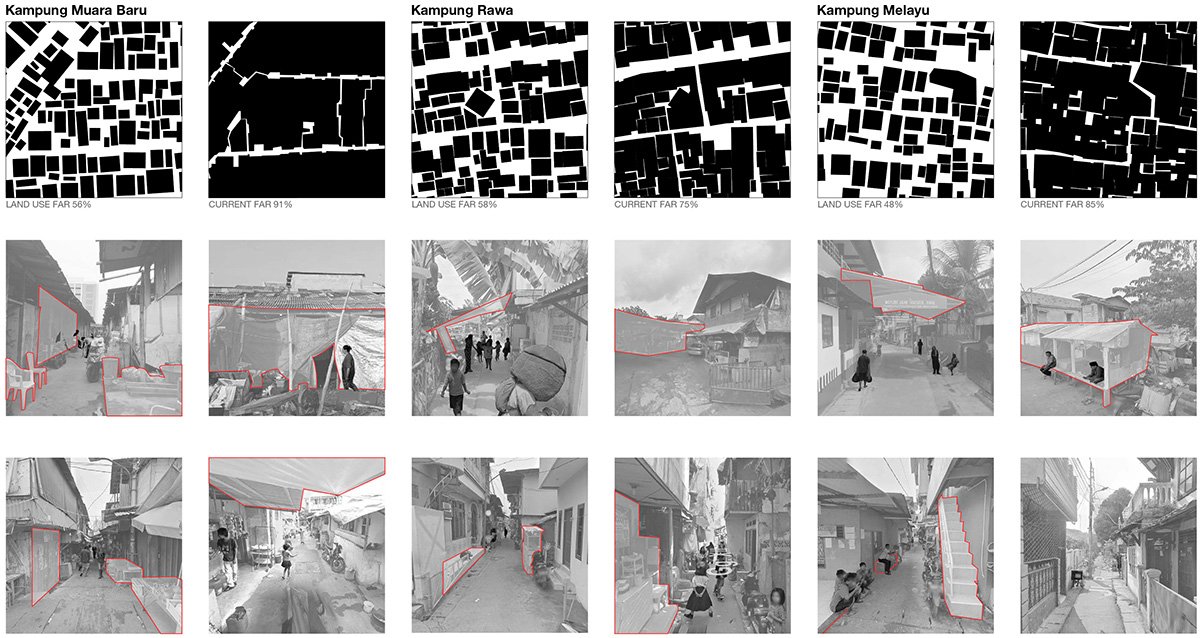
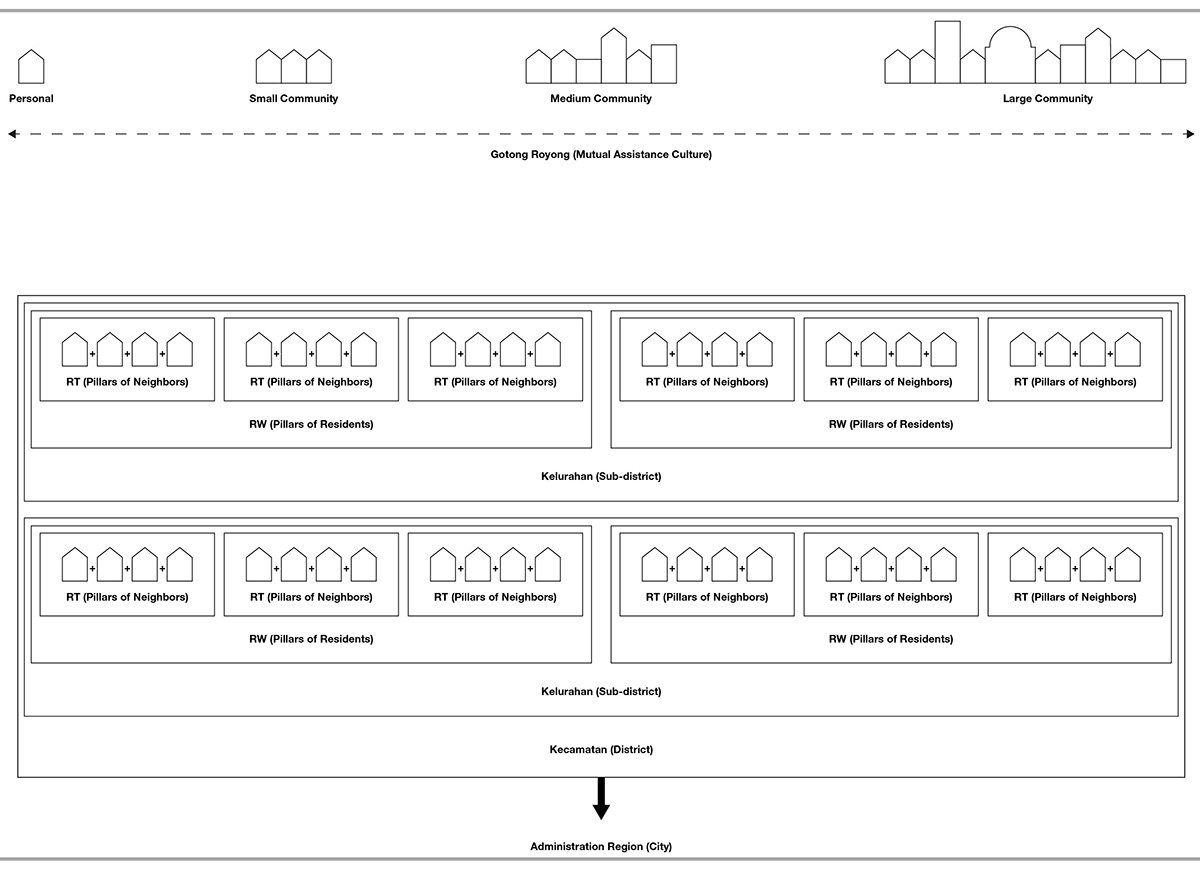
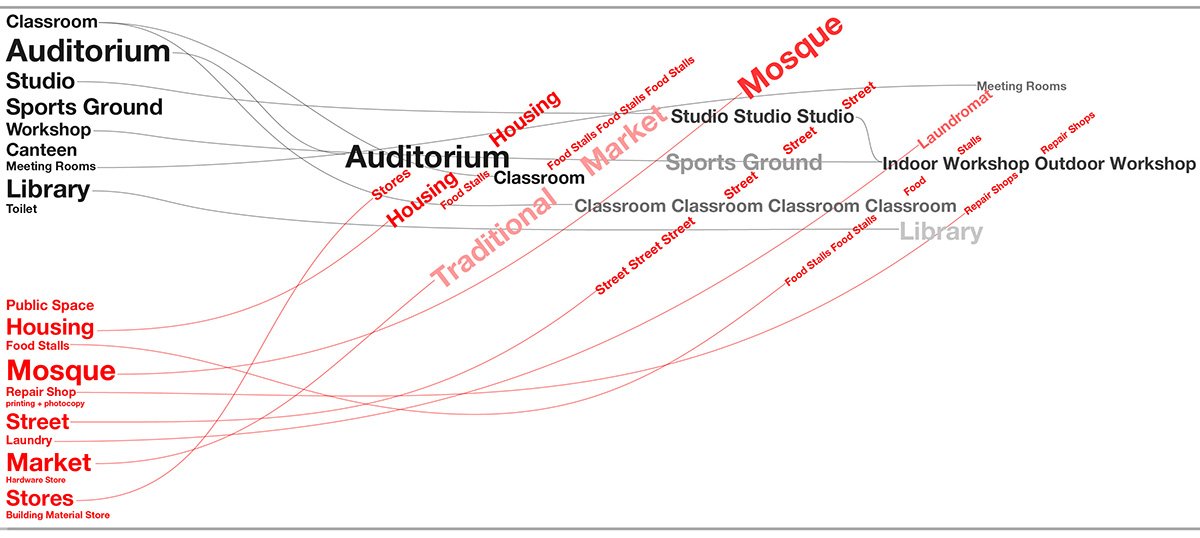
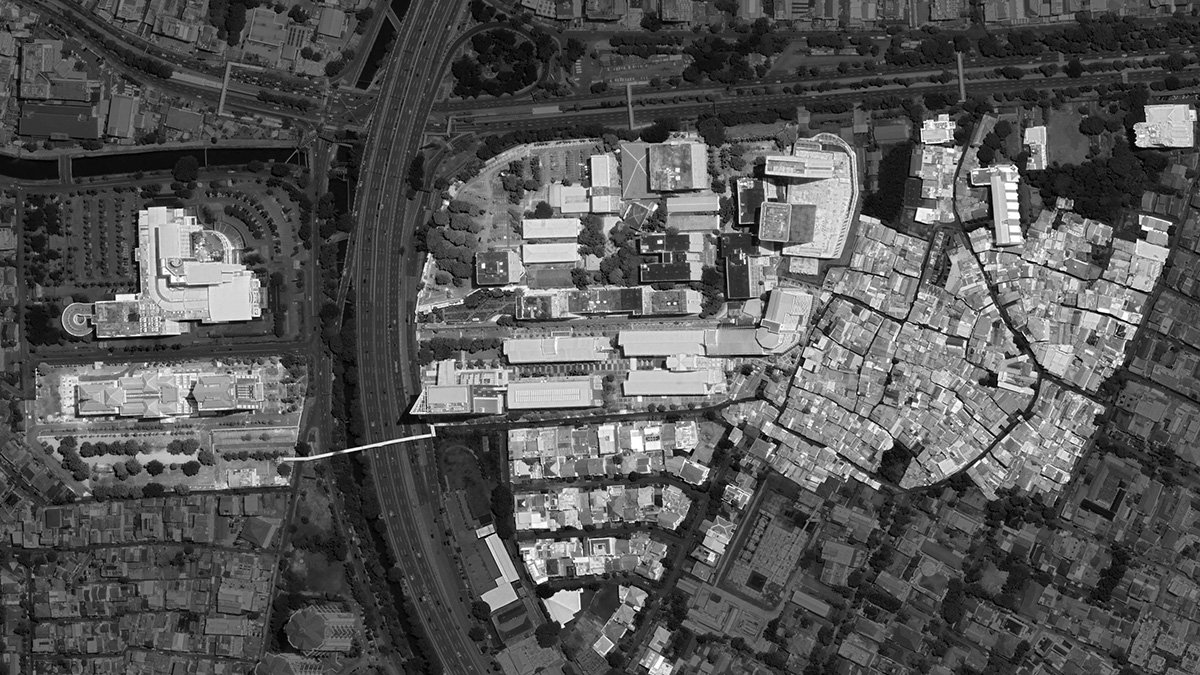
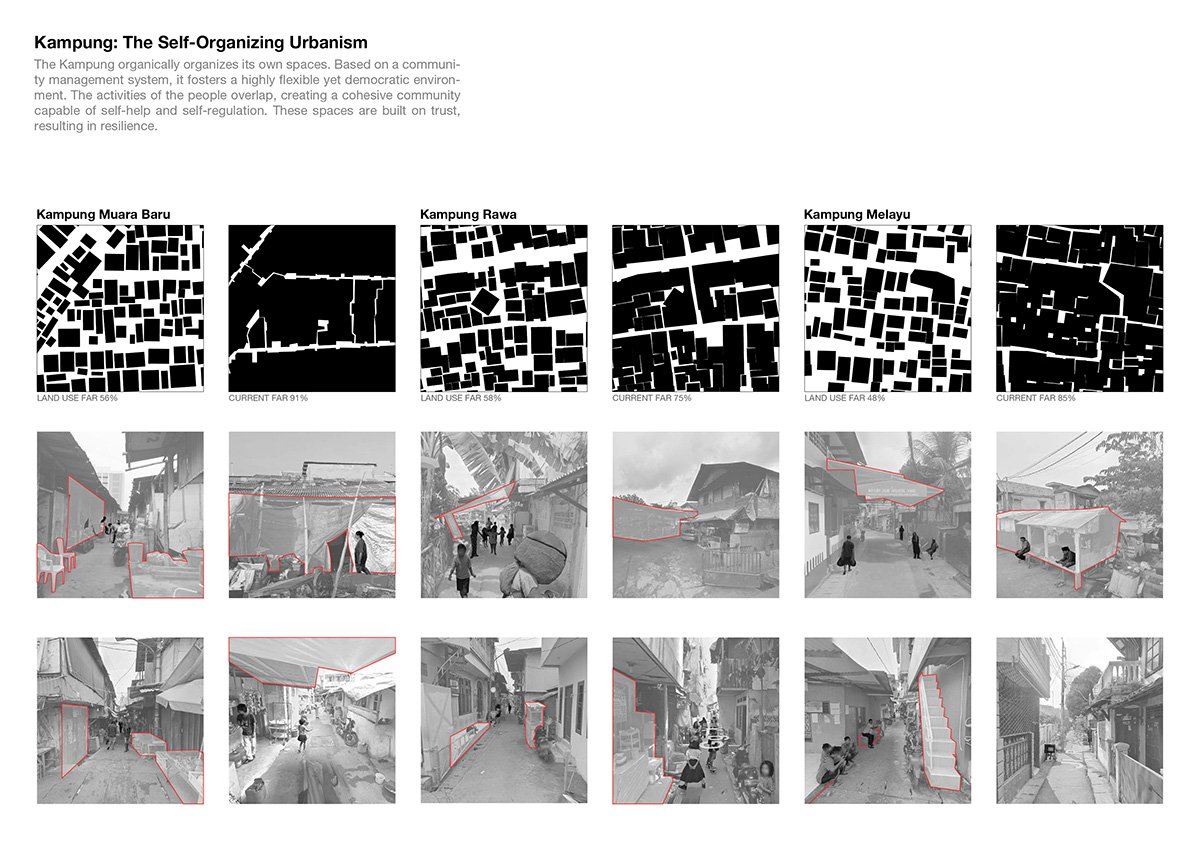
The symbiosis between high density development and informal kampung enclave in Jakarta is clearly depicted here, working classes are supporting the service industry for the high end neighborhood while the kampung sustain their housing needs.Grafting learning space unto the existing kampung fabric serves as initial studies of how the alien and the native programmatic fusion creates new possibilities in spaceThe idea of understanding how the Kampung operates needs more than plan-based research, utilizing human perspective to understand spatial interface and interaction that happen inside the KampungThe Kampung is not only the physical space but its societal structure, build up of multiple layered neighbor system makes the area safe and active, enabling dwellers to be interconnected.
Utilizing a campus building as an empirical case study, this thesis evaluates a design methodology that reinterprets Kampung spatial attributes into an innovative architectural lexicon with prospective global applicability. The methodology encompasses a comprehensive design of the building’s spatial configurations, material properties, and circulation patterns, drawing systematic parallels with the organic, adaptable characteristics inherent in Kampung environments.
The diagram categorizes multiple modes in which the space inside the Kampung operates, unveiling a unique vernacular systemResearch by the Boston CCR examines 3 aspects that are essential in navigating the AI age which includes character building through experience and interactionThe diagram unfolds the idea of grafting learning spaces unto an existing kampung environment
Through an iterative design process, a series of frameworks were developed to create dynamic, community-centric spatial assemblages that facilitate spontaneous interactions, promote multimodal learning paradigms, and encourage cross-disciplinary collaboration.
Final Outcome
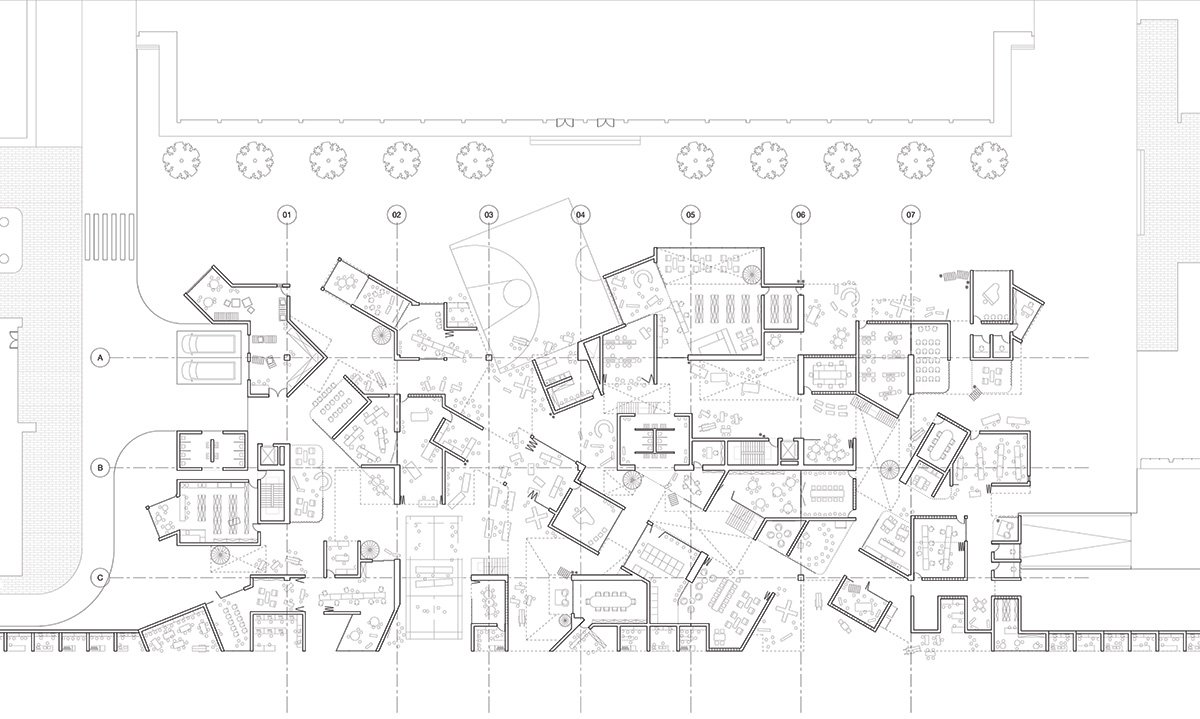
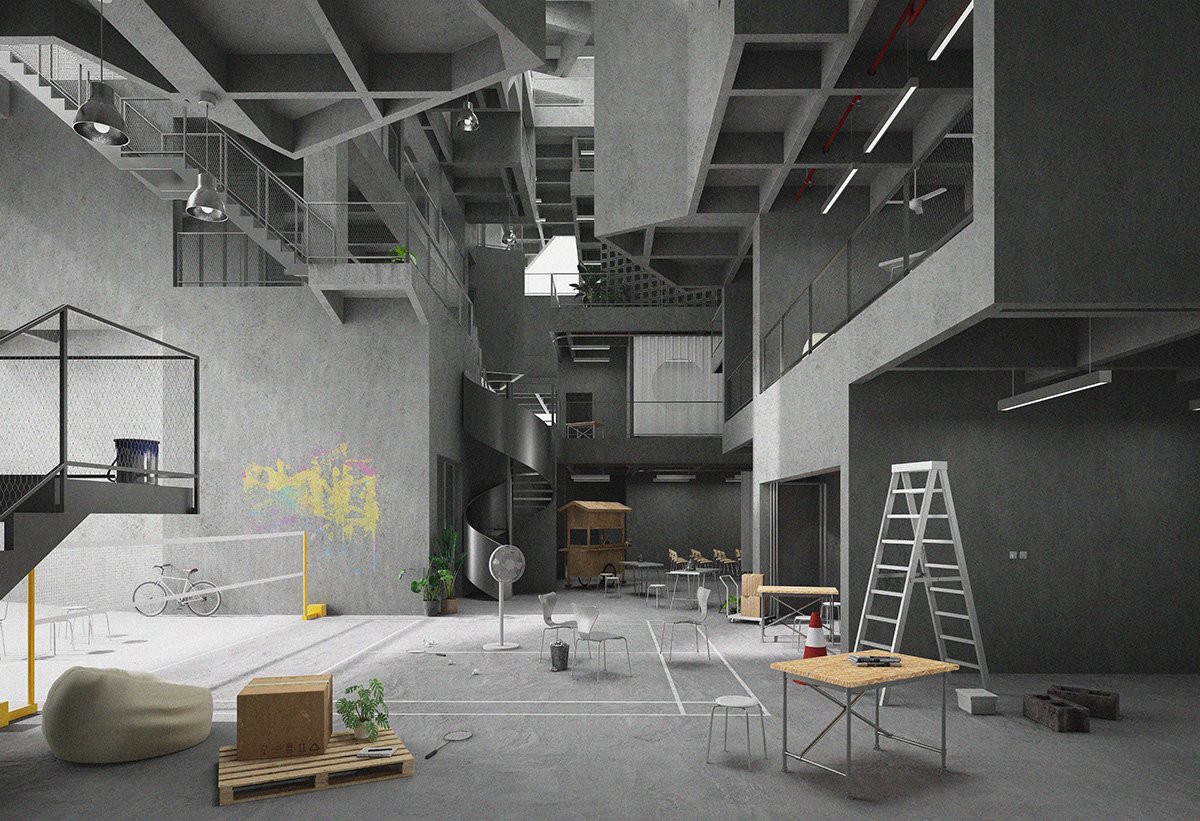
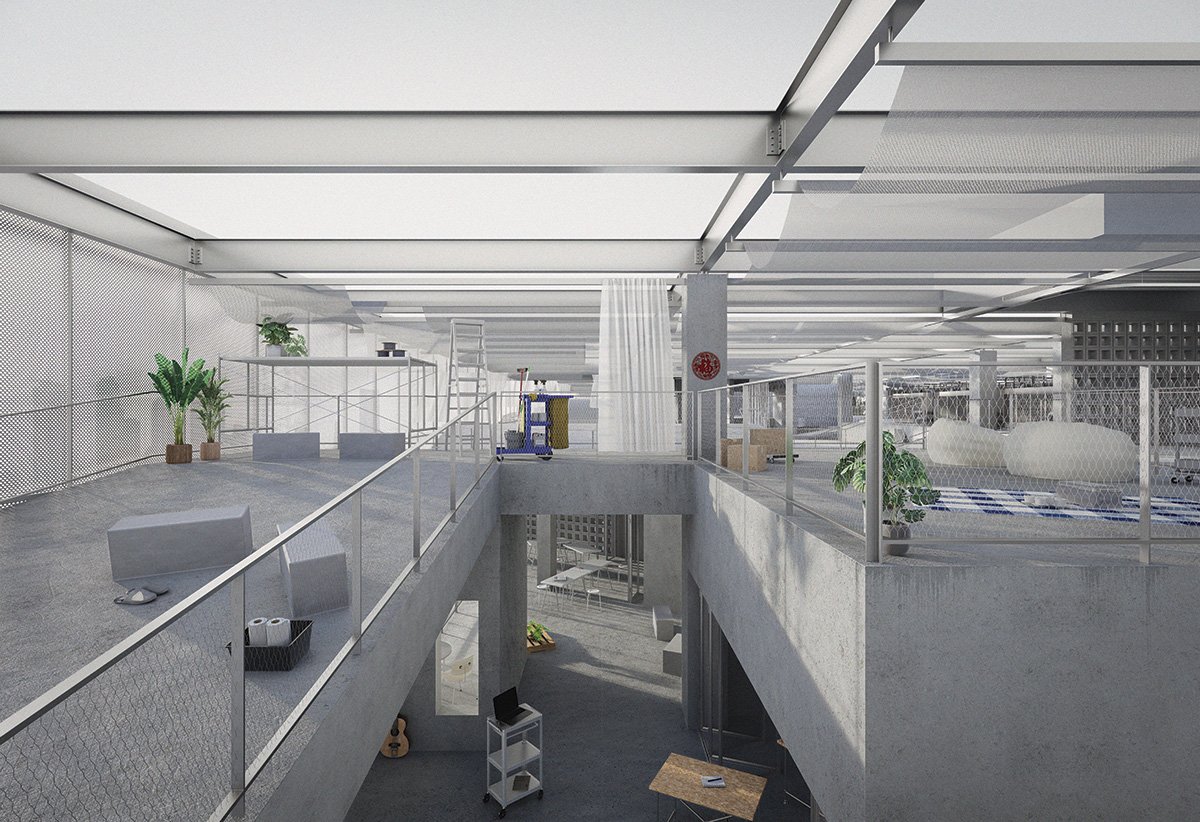
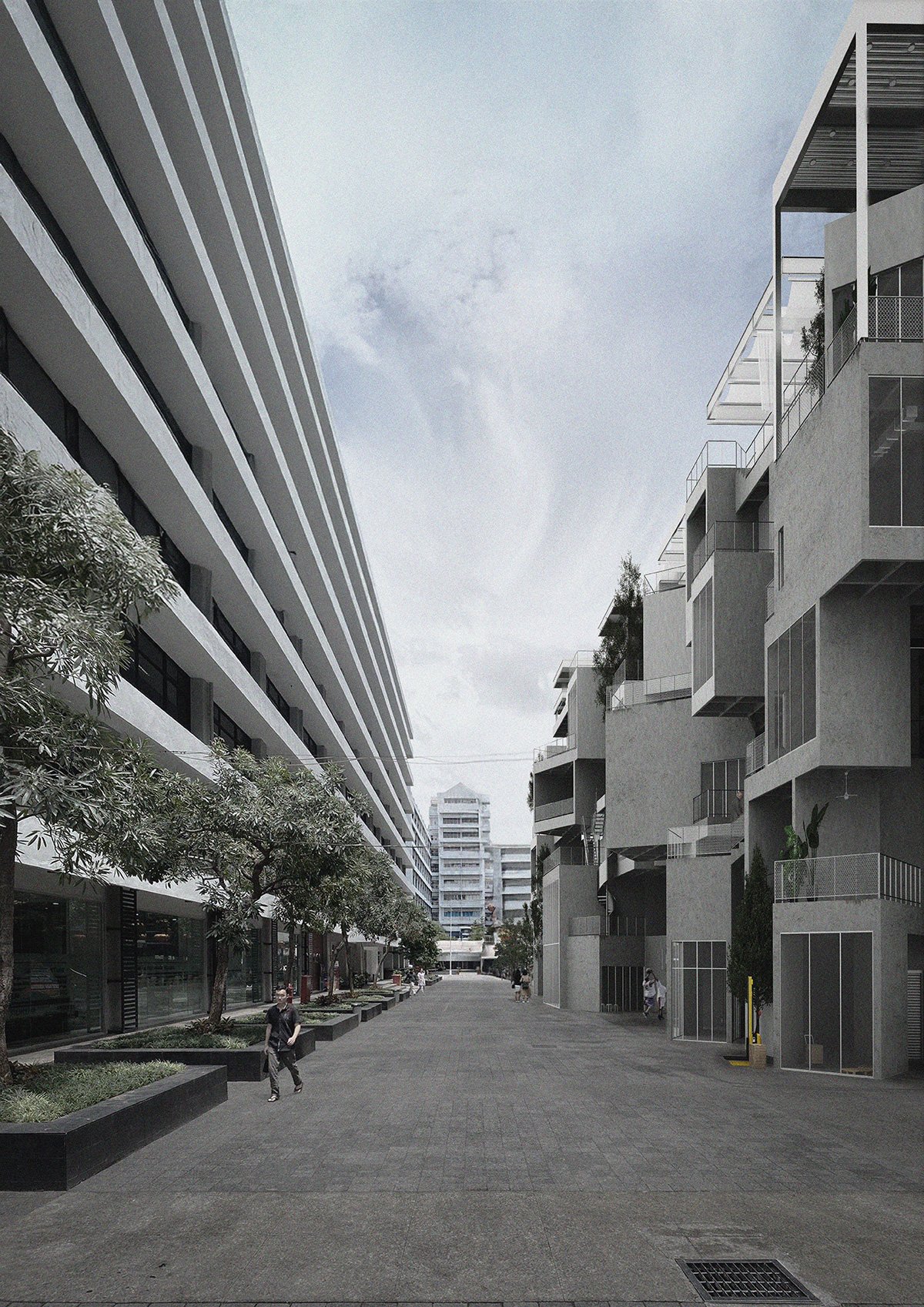
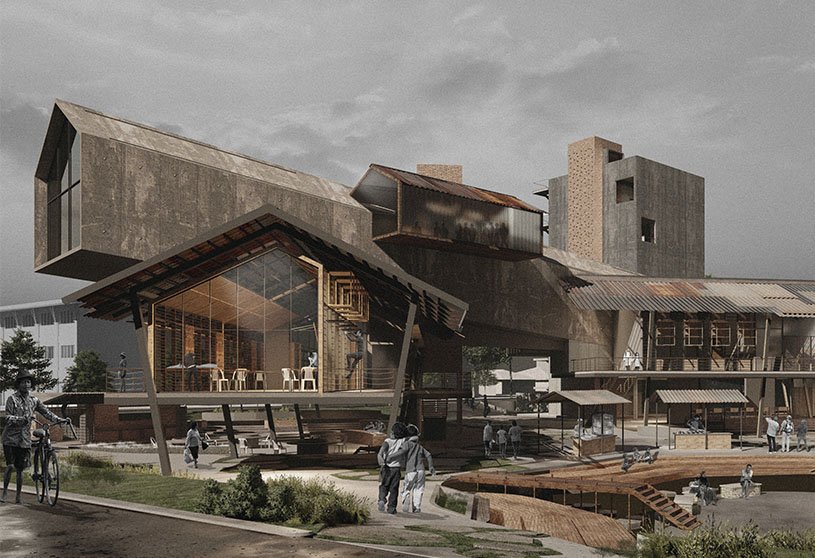
The plan exposed how the building operates, its organic alleyways and niches creates an idea of dynamic environment which allows for learners to engage and negotiate with the space itselfExposed concrete composes the main material of the building, the building is a canvas capable of engaging with the learners, thus becoming the “third teacher”The rooftop floor acts as buffer zone during daytime allowing heat to pass through, while at the evening it transform itself into a flexible and adaptable semi-outdoor space
Louis Kahn said, “School began with a man under a tree, who did not know he was a teacher, discussing his realization with a few, who did not know they were students.” This thesis in its entirety proposed an open-ended idea of creating a new typology of architecture that acts as an orchestrated piece of tree capable of knowledge and social reproduction. Exposing itself to the city, thus making learning an urban lifestyle.
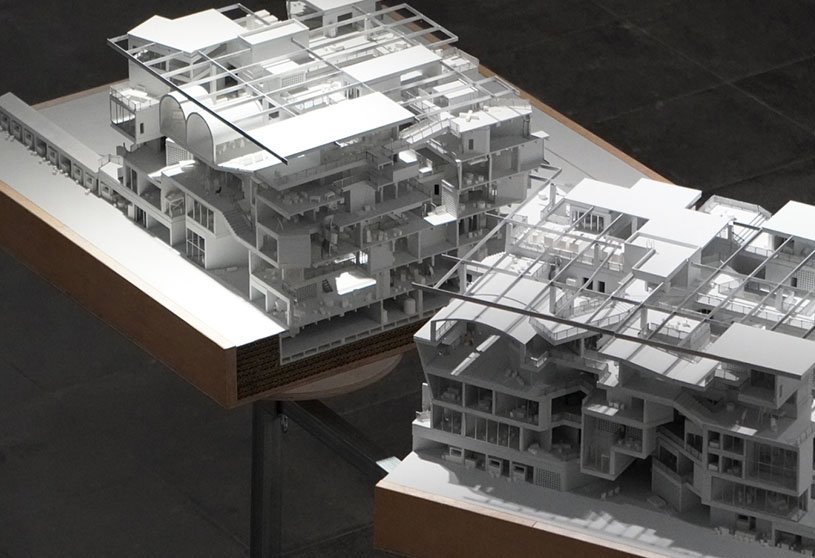
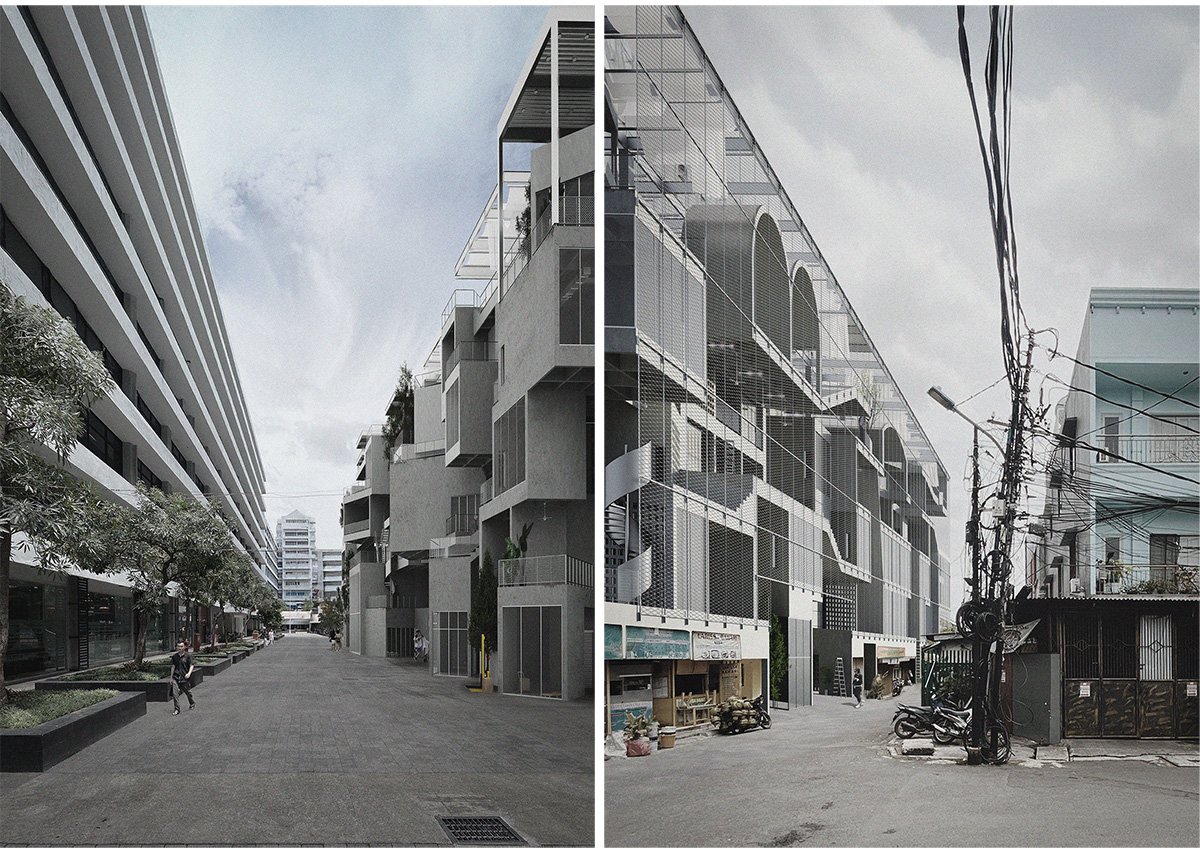
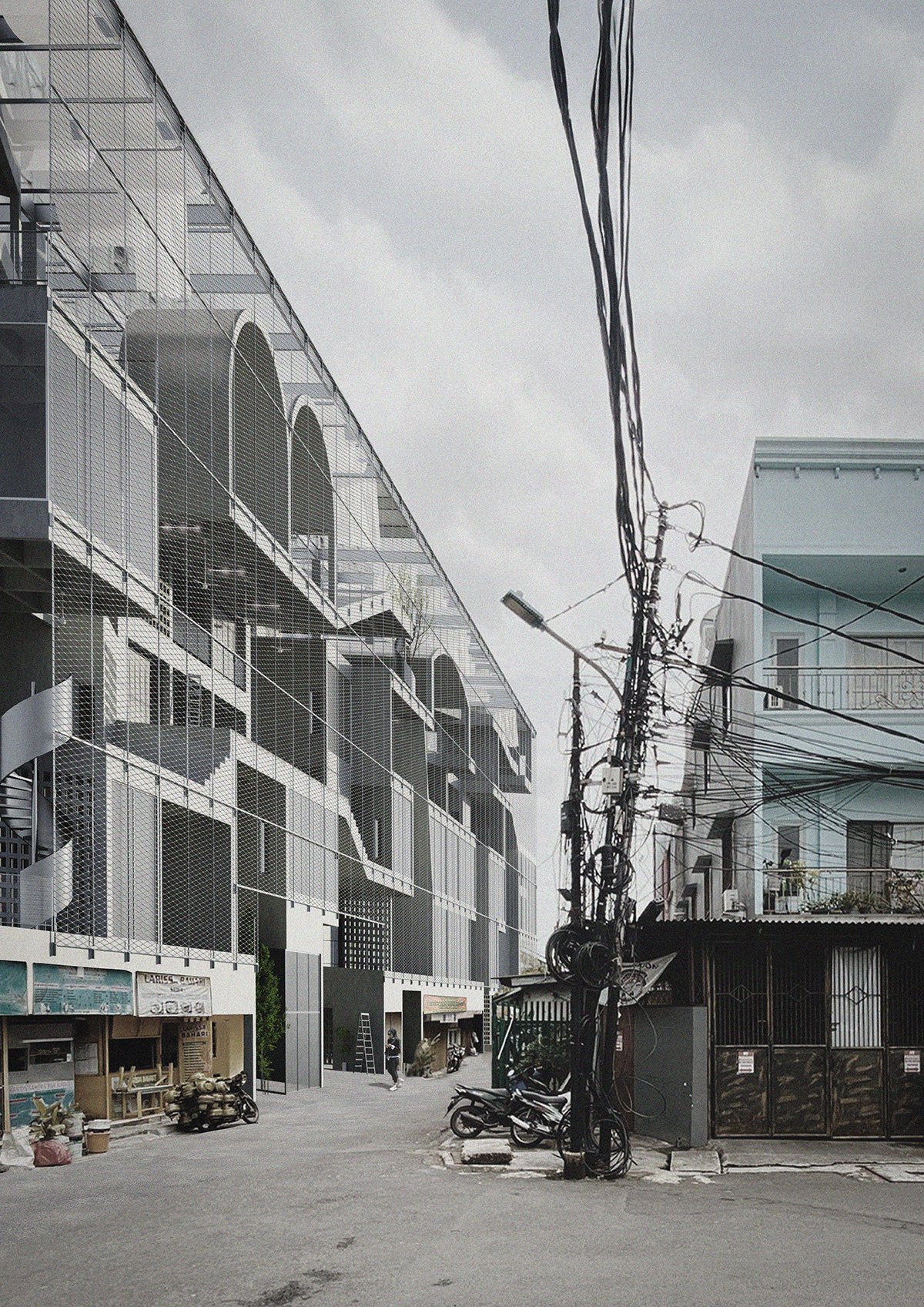
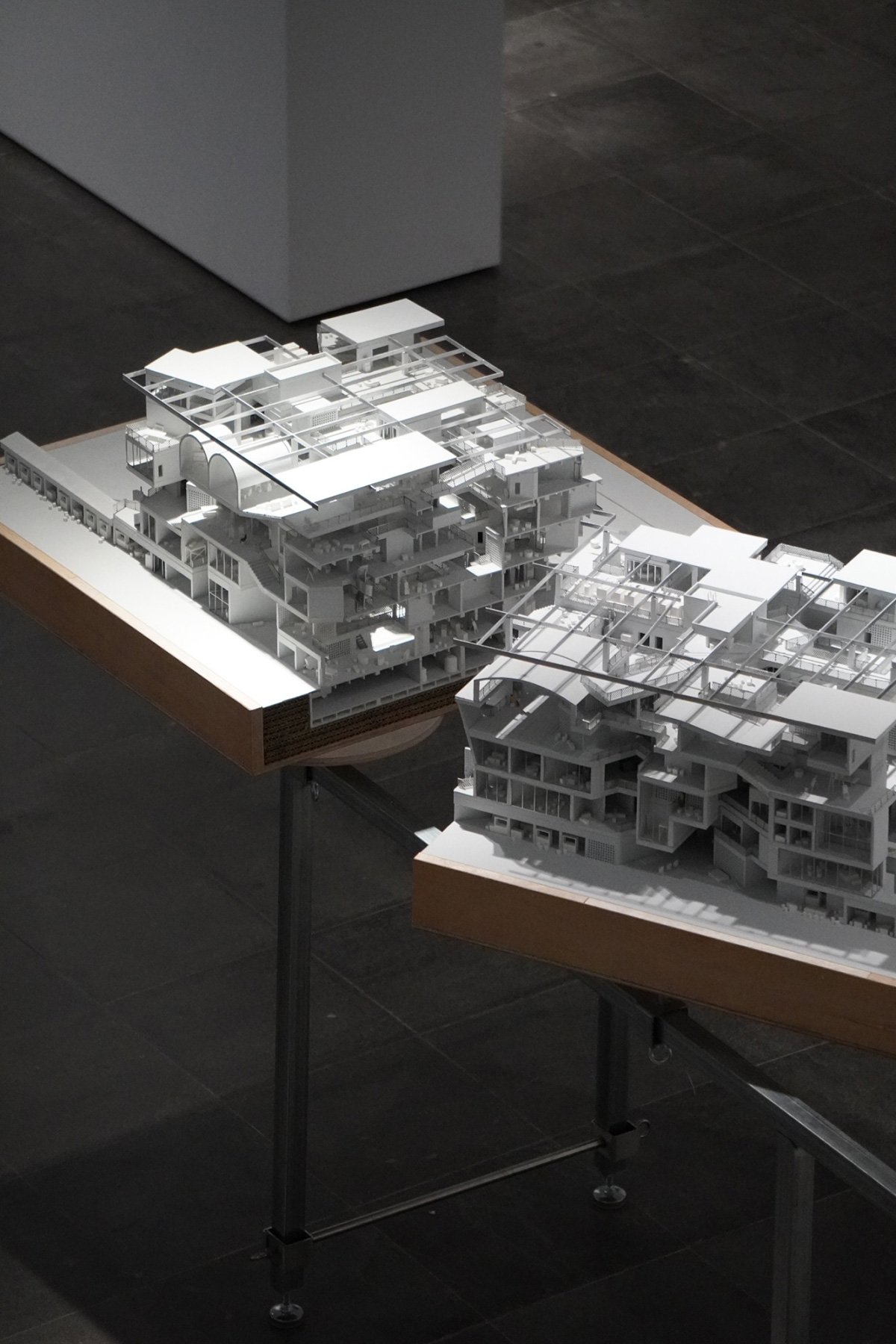
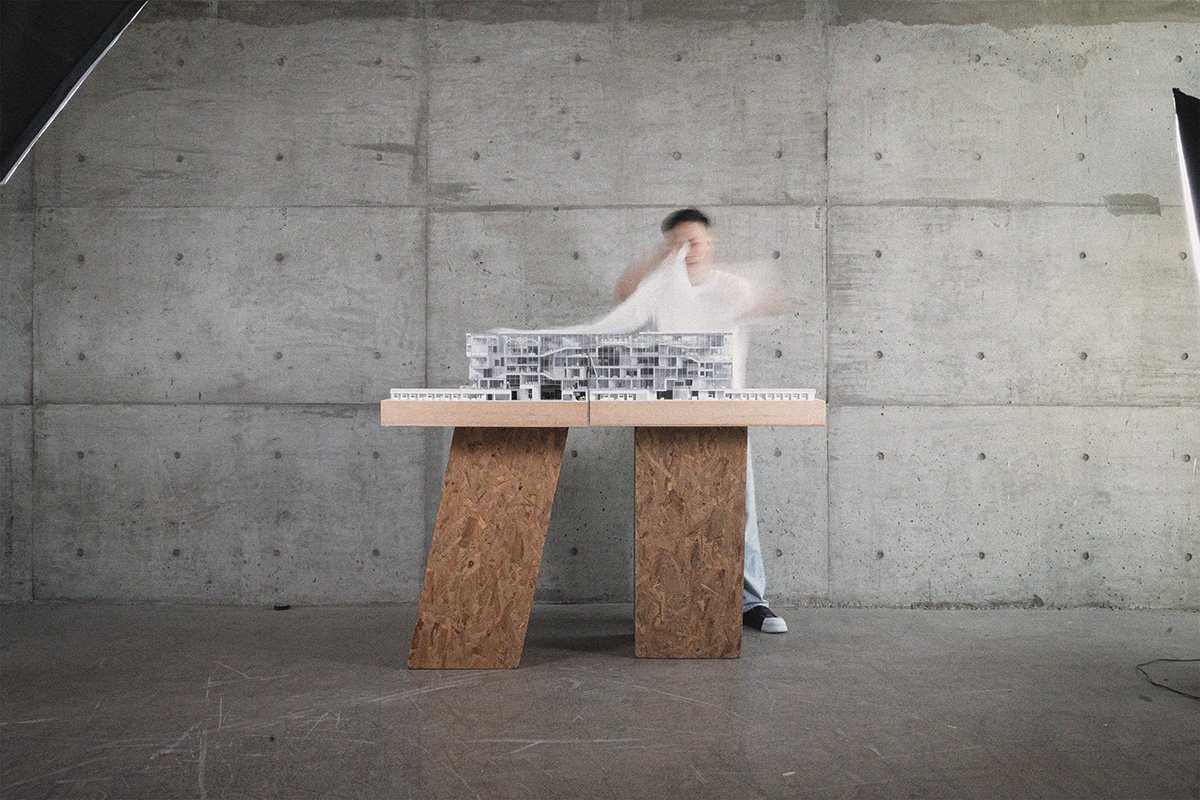
The building juxtaposes linearity of the conventional modernist campus planning with a organic vernacular boxes that twist creating tension and interaction | The building exposes itself to the city through its porous facade, making visible the learning and experience that happen inside-outAxon view of 1:100 scale design model | 1:100 model on display
Conclusion: Ultimately, this thesis shows that future education requires spatial systems that support adaptability, interaction, and continual learning. By translating the informal resilience of Jakarta’s Kampung into a new architectural framework, the project proposes an educational typology that blurs the boundary between school and city. In doing so, it reimagines learning as an active, urban, and communal practice—an open-ended environment where knowledge can constantly emerge and evolve.
[This Academic Project has been published with text and images submitted by the student]
Site Context
Design Process
Final Outcome
To submit your academic project for publication at ArchiDiaries, please visit the following link >> Submit
Get the best of ArchiDiaries, directly in your inbox.
We use cookies on our website to give you the most relevant experience by remembering your preferences and repeat visits. By clicking “Accept All”, you consent to the use of ALL the cookies. However, you may visit "Cookie Settings" to provide a controlled consent.
This website uses cookies to improve your experience while you navigate through the website. Out of these, the cookies that are categorized as necessary are stored on your browser as they are essential for the working of basic functionalities of the website. We also use third-party cookies that help us analyze and understand how you use this website. These cookies will be stored in your browser only with your consent. You also have the option to opt-out of these cookies. But opting out of some of these cookies may affect your browsing experience.
Necessary cookies are absolutely essential for the website to function properly. These cookies ensure basic functionalities and security features of the website, anonymously.
Cookie
Duration
Description
cookielawinfo-checkbox-analytics
11 months
This cookie is set by GDPR Cookie Consent plugin. The cookie is used to store the user consent for the cookies in the category "Analytics".
cookielawinfo-checkbox-functional
11 months
The cookie is set by GDPR cookie consent to record the user consent for the cookies in the category "Functional".
cookielawinfo-checkbox-necessary
11 months
This cookie is set by GDPR Cookie Consent plugin. The cookies is used to store the user consent for the cookies in the category "Necessary".
cookielawinfo-checkbox-others
11 months
This cookie is set by GDPR Cookie Consent plugin. The cookie is used to store the user consent for the cookies in the category "Other.
cookielawinfo-checkbox-performance
11 months
This cookie is set by GDPR Cookie Consent plugin. The cookie is used to store the user consent for the cookies in the category "Performance".
viewed_cookie_policy
11 months
The cookie is set by the GDPR Cookie Consent plugin and is used to store whether or not user has consented to the use of cookies. It does not store any personal data.
Functional cookies help to perform certain functionalities like sharing the content of the website on social media platforms, collect feedbacks, and other third-party features.
Performance cookies are used to understand and analyze the key performance indexes of the website which helps in delivering a better user experience for the visitors.
Analytical cookies are used to understand how visitors interact with the website. These cookies help provide information on metrics the number of visitors, bounce rate, traffic source, etc.
Advertisement cookies are used to provide visitors with relevant ads and marketing campaigns. These cookies track visitors across websites and collect information to provide customized ads.