Home » Academic projects » Parque Central Quilmes: Transforming An Underutilized Industrial Area Into A Dynamic And Accessible Urban Space | Architecture Thesis on Urban Regeneration
Parque Central Quilmes: Transforming An Underutilized Industrial Area Into A Dynamic And Accessible Urban Space | Architecture Thesis on Urban Regeneration
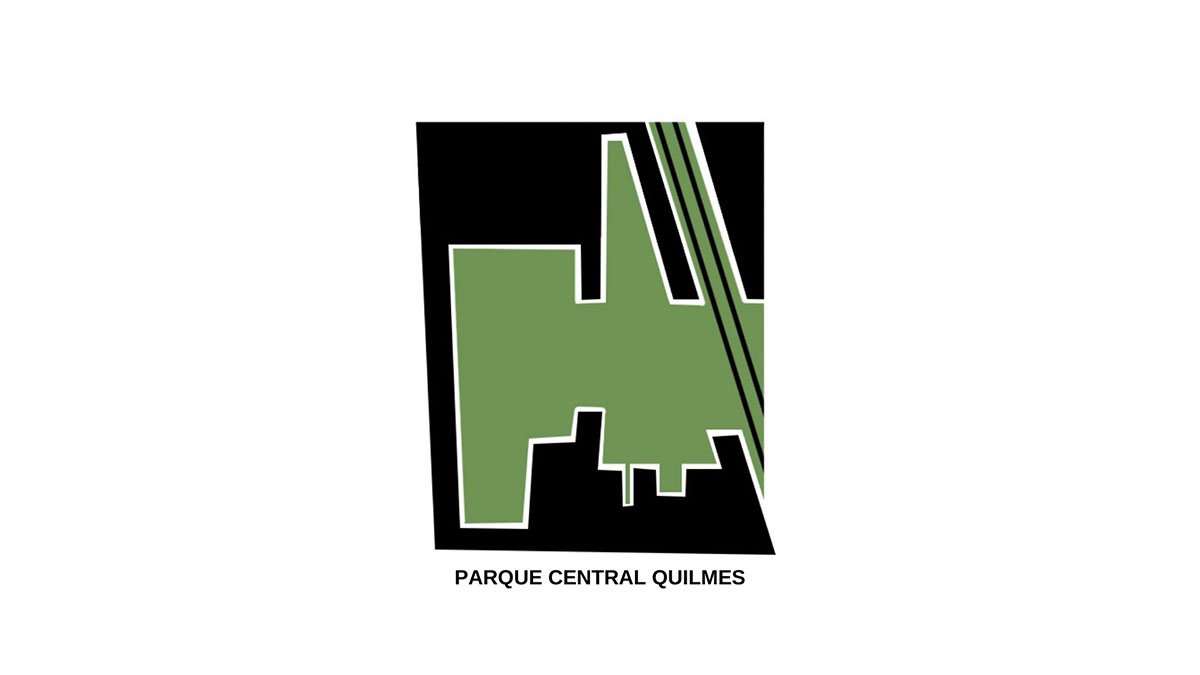
Excerpt: ‘Parque Central Quilmes’ is an architecture thesis by Renata Della Fonte, Josefina Revora-Lucia Belen Escobar, and Agustina Lovato from the ‘Facultad de Arquitectura, Diseño y Urbanismo – UBA’. The project explores urban regeneration to transform an underused industrial area in Quilmes into a vibrant, inclusive, and accessible urban space. At its core is a central park that functions as a green lung—offering recreational opportunities, promoting social interaction, and improving environmental quality—while reconnecting residents with nature and each other.
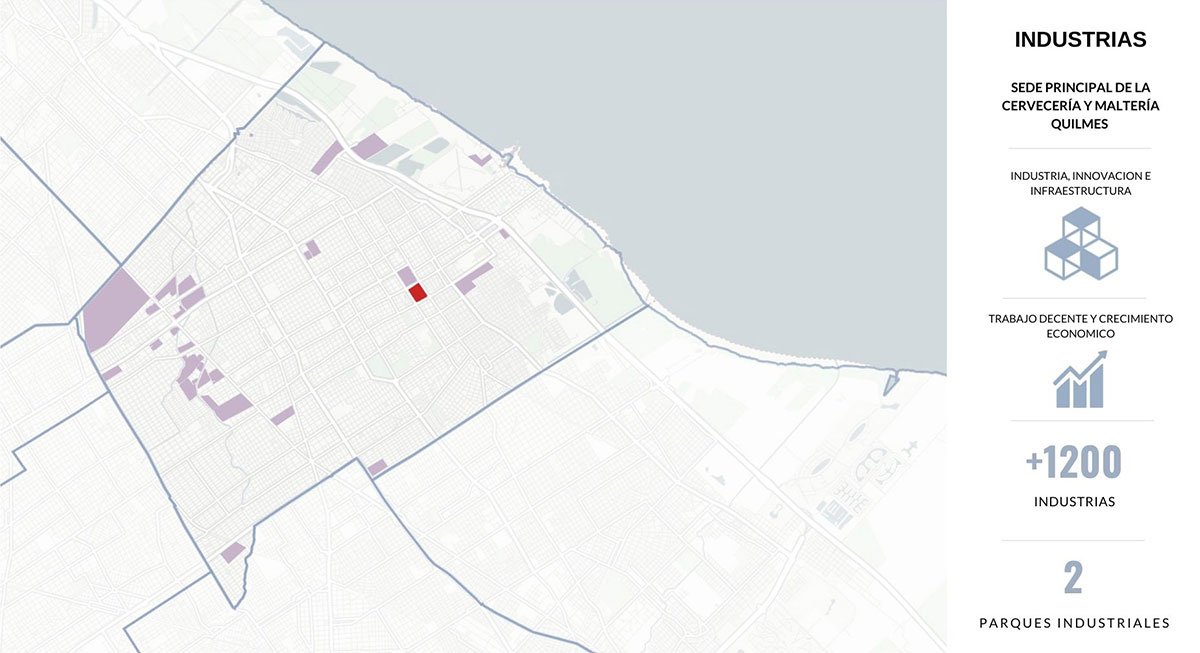
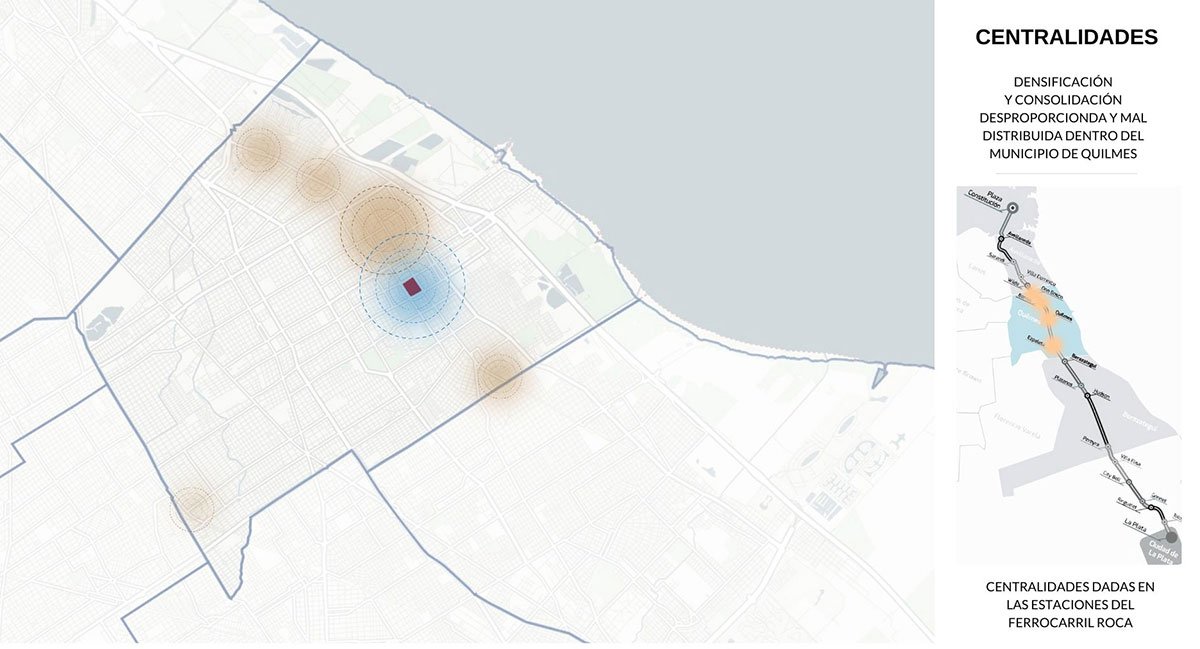
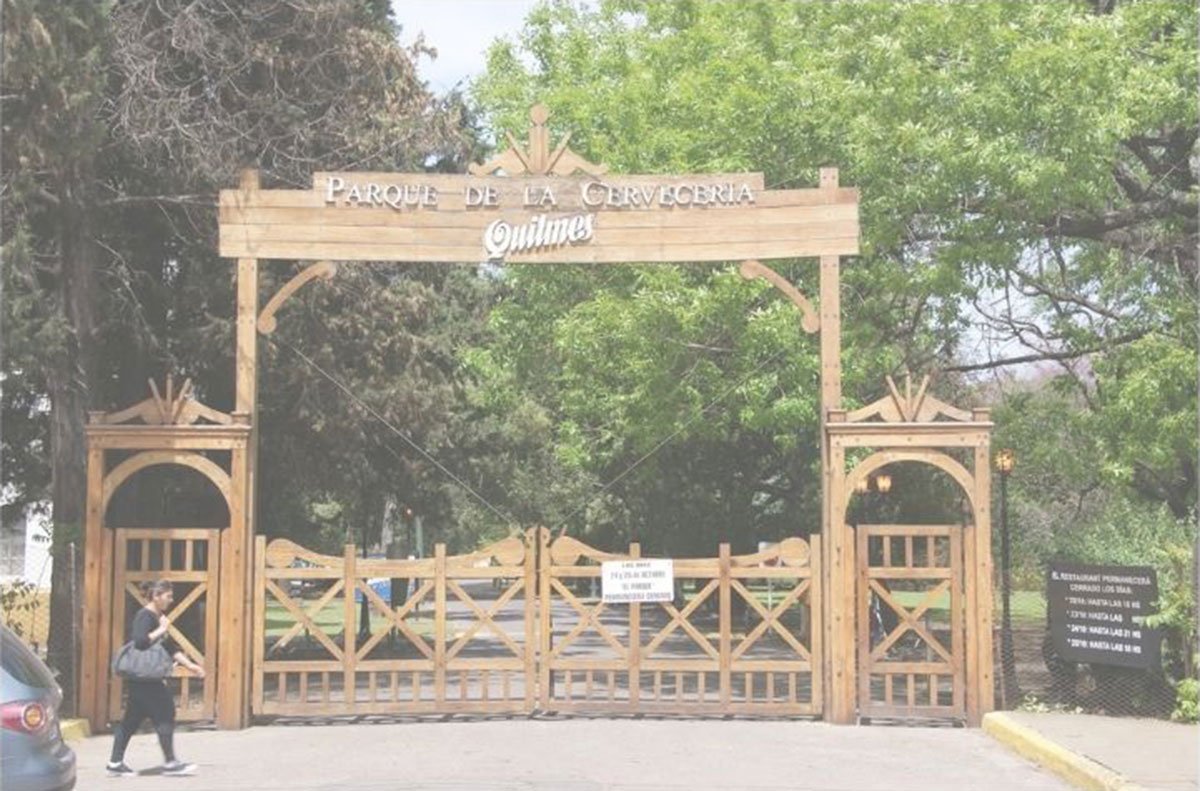
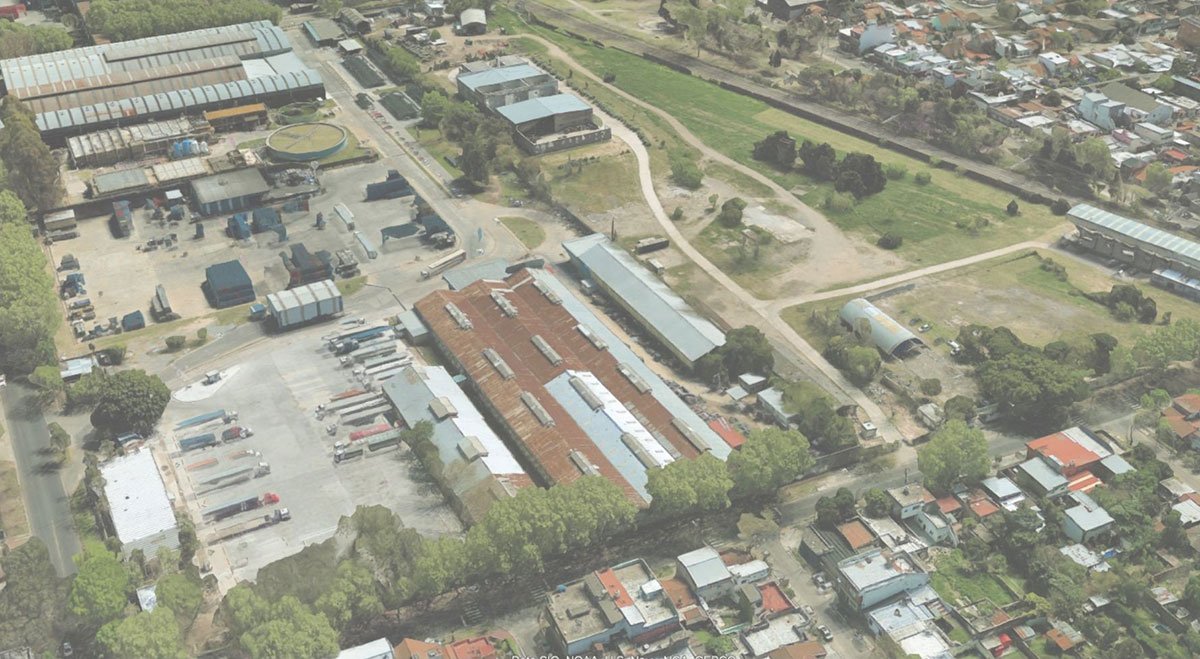
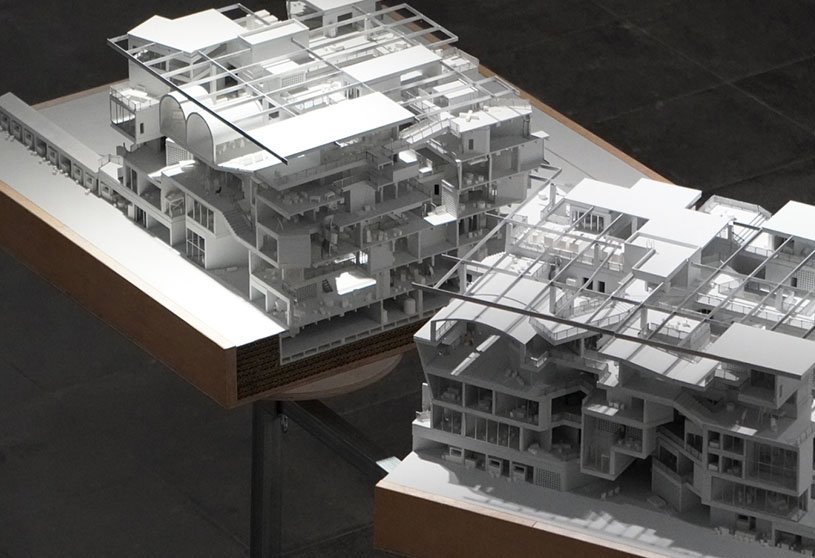
Introduction: In the center of Quilmes, a vast vacant lot near the Roca railway tracks, the historic Quilmes brewery, and the “Barrio Cervecero” neighborhood once acted as a barrier, dividing the city. This project transforms this space into a vibrant urban park—a green lung that fosters community engagement and reconnects residents with nature. Surrounding the park, innovative social housing typologies reshape the cityscape, blending various building heights and uses. At street level, commercial areas and urban amenities enhance connectivity, ensuring a dynamic and integrated environment.
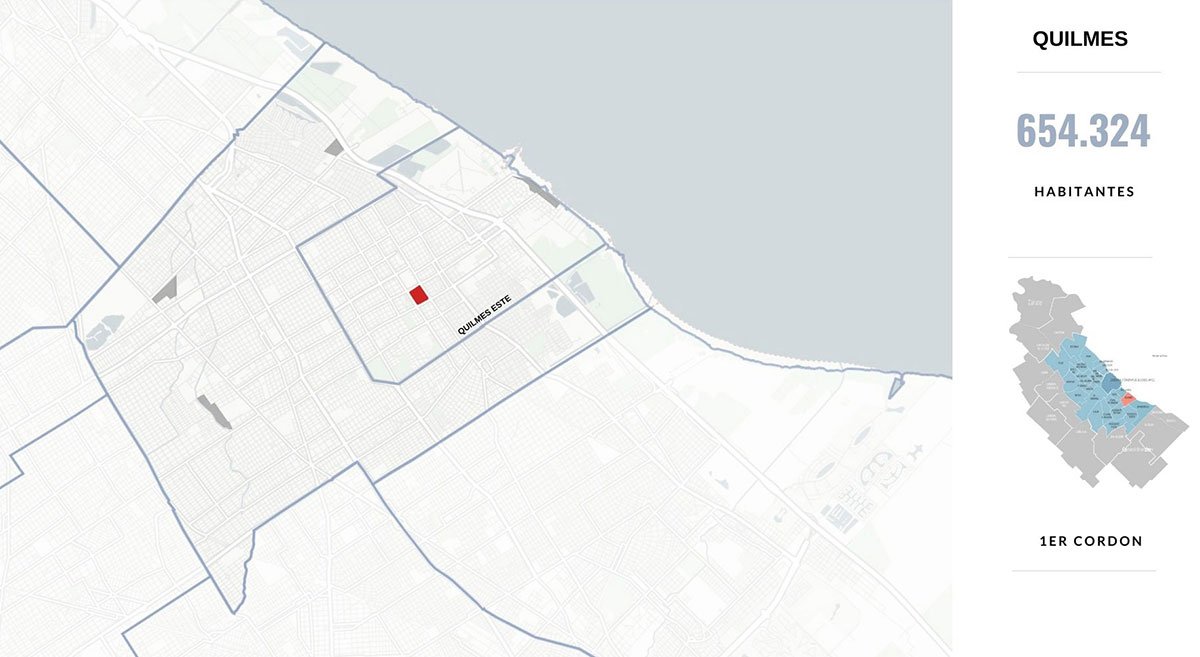
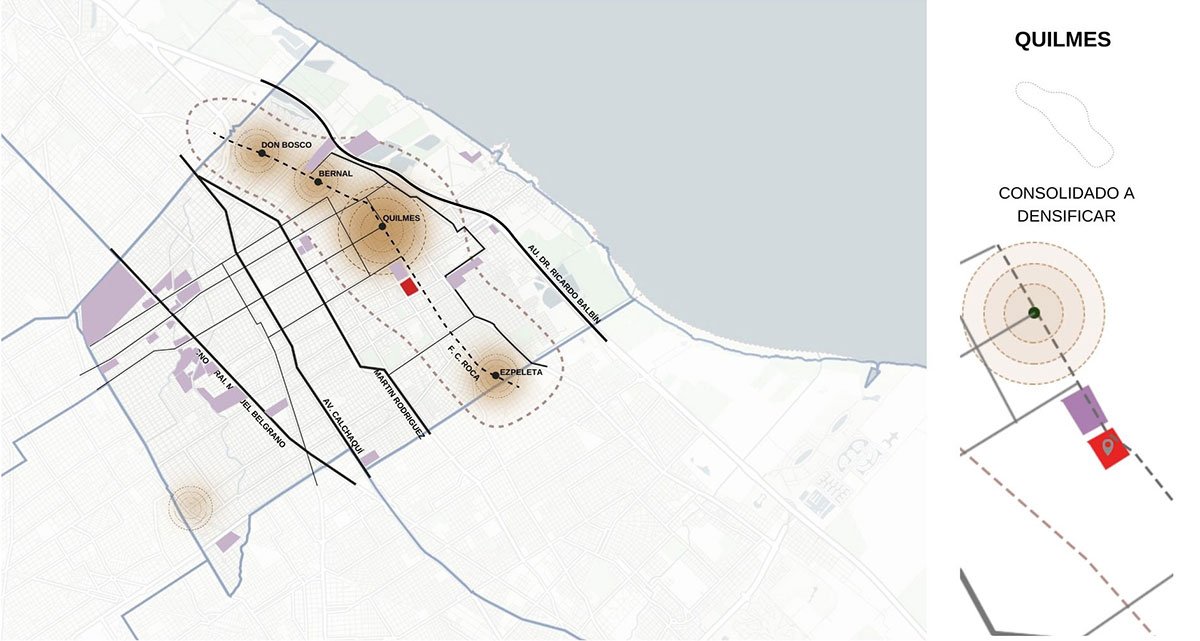
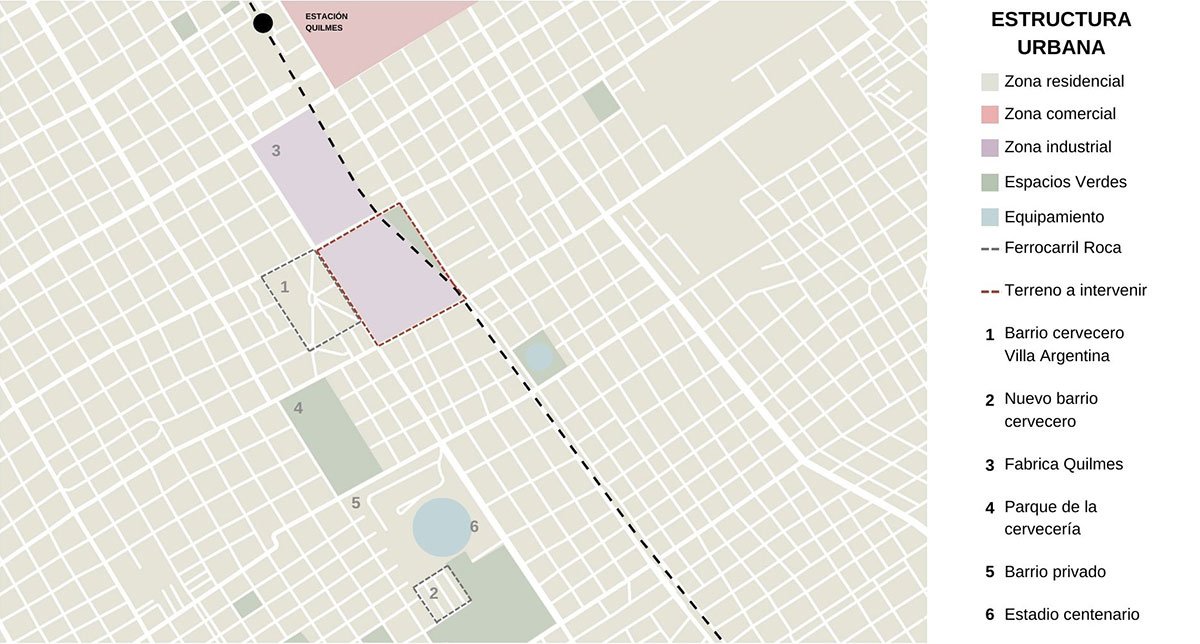
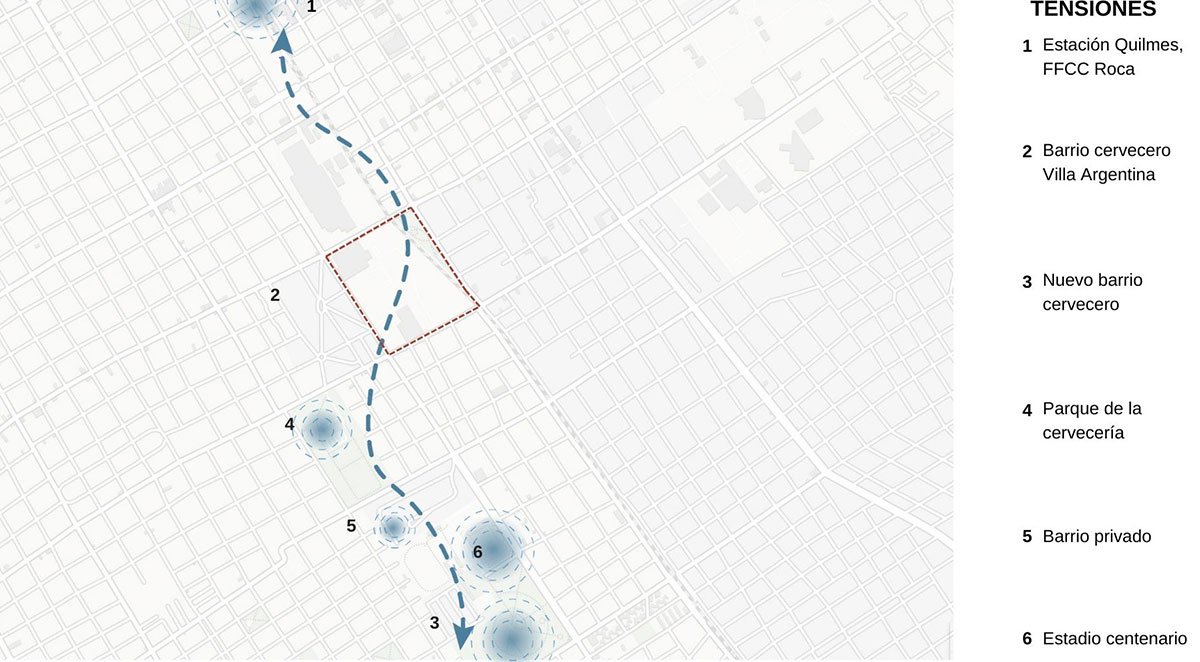
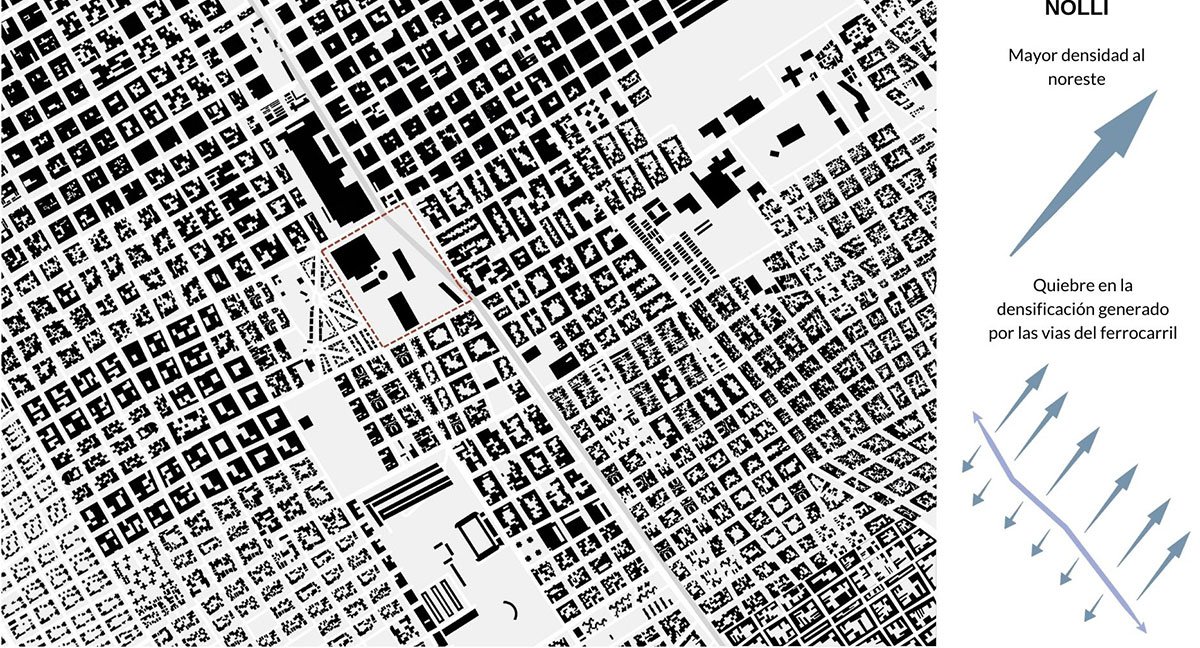
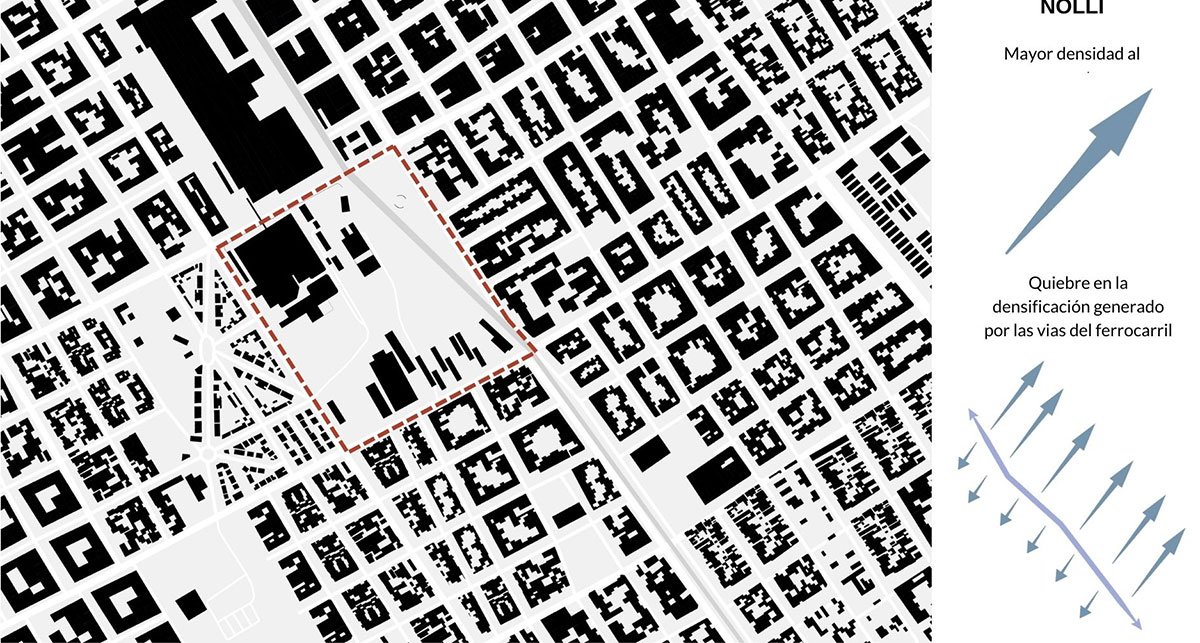
Site LocationConsolidated Areas to DensifyUrban StructureTensions
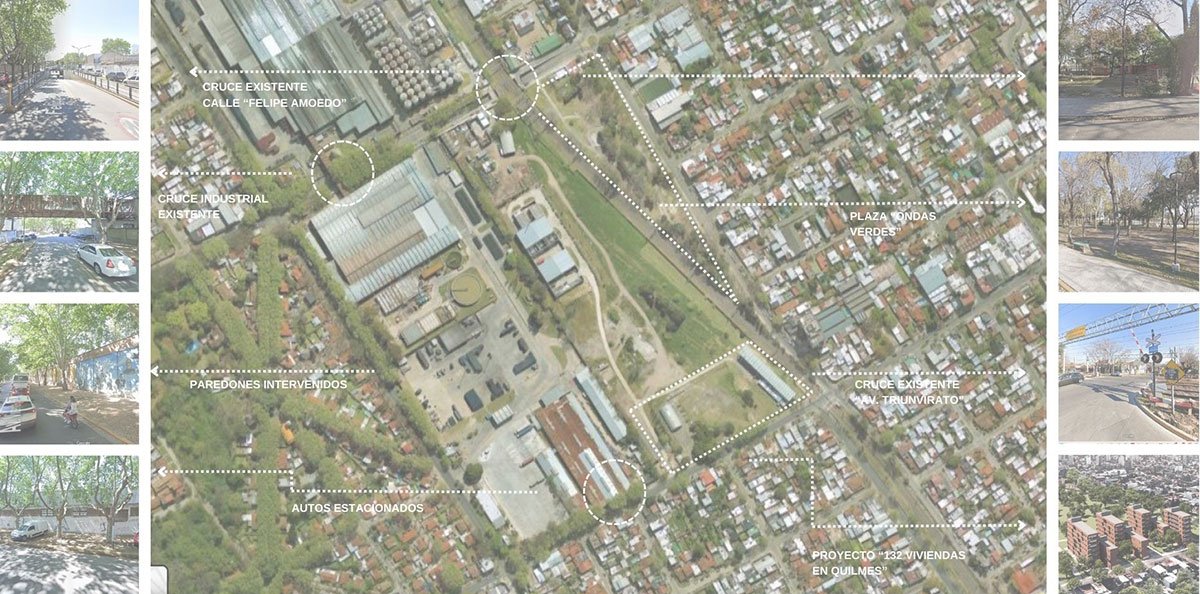
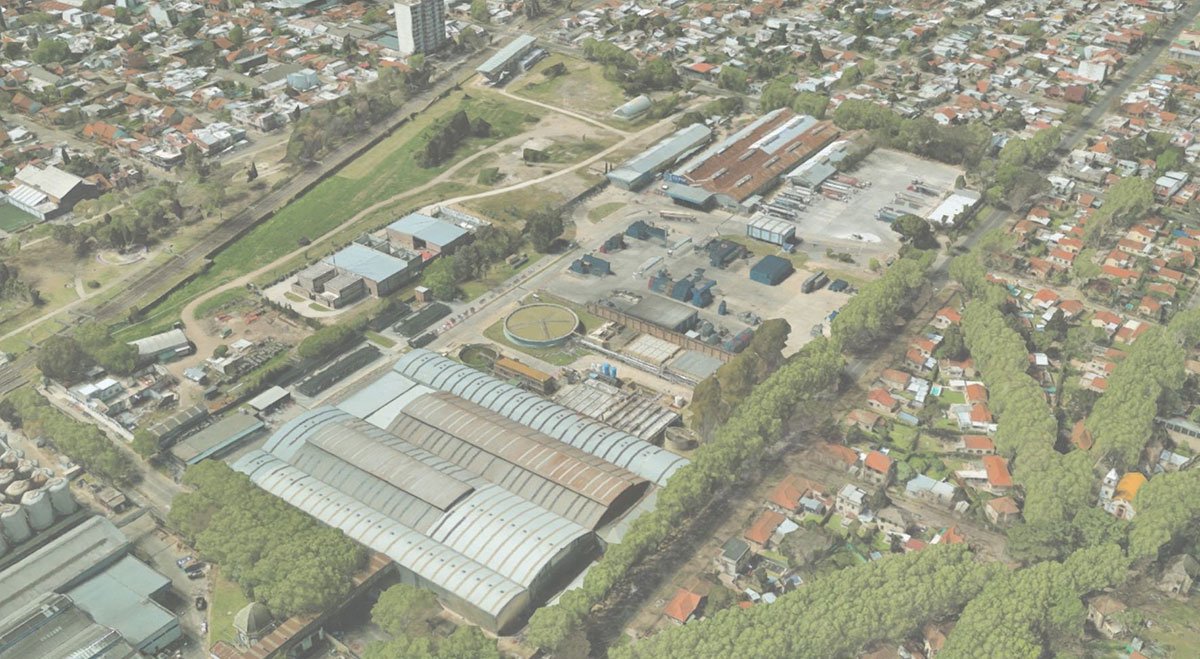
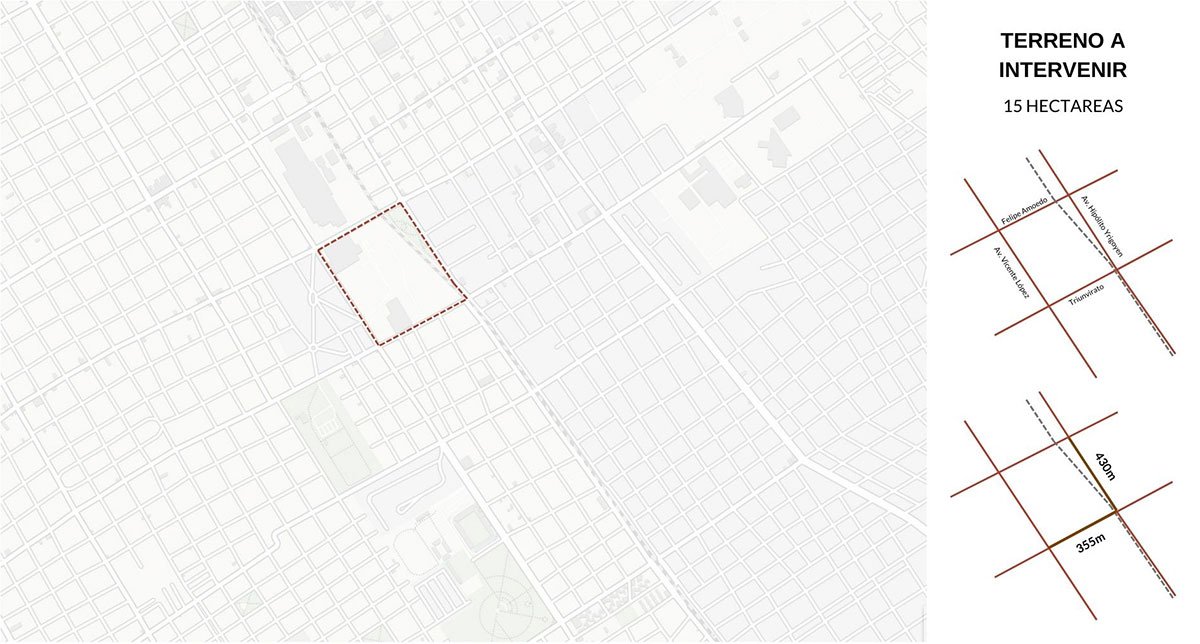
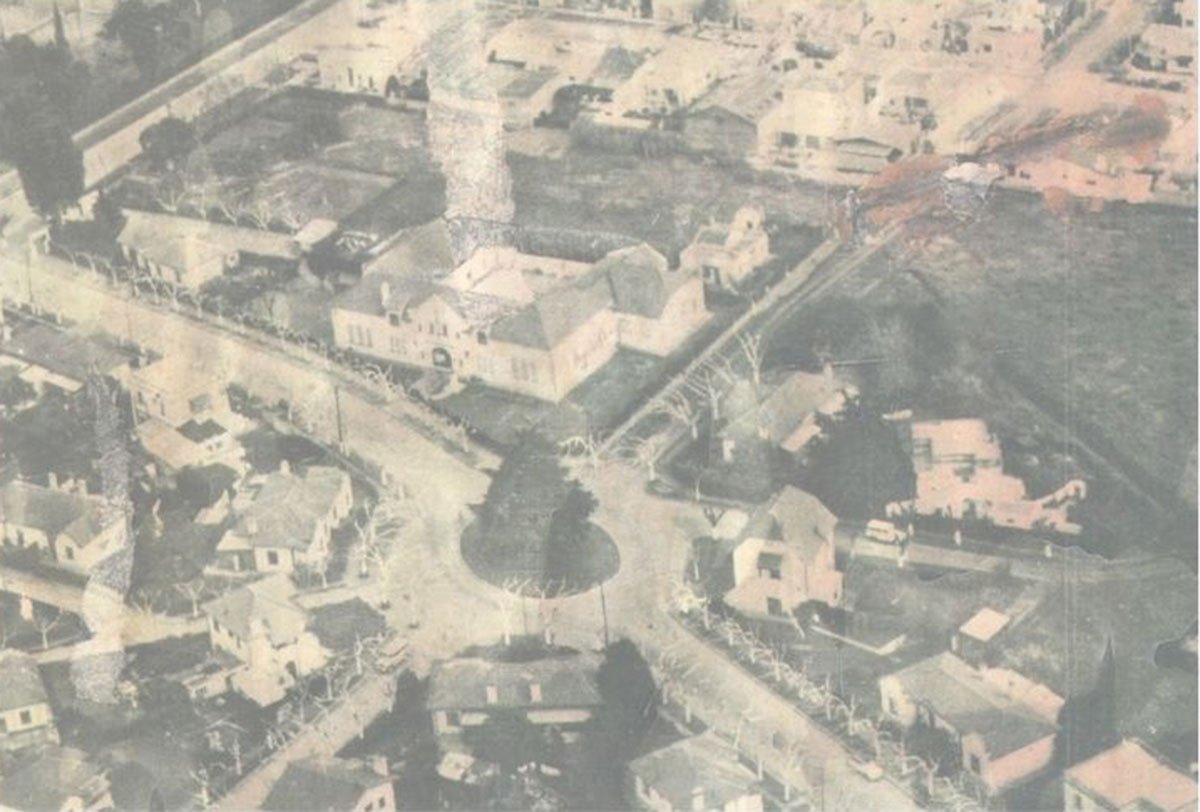
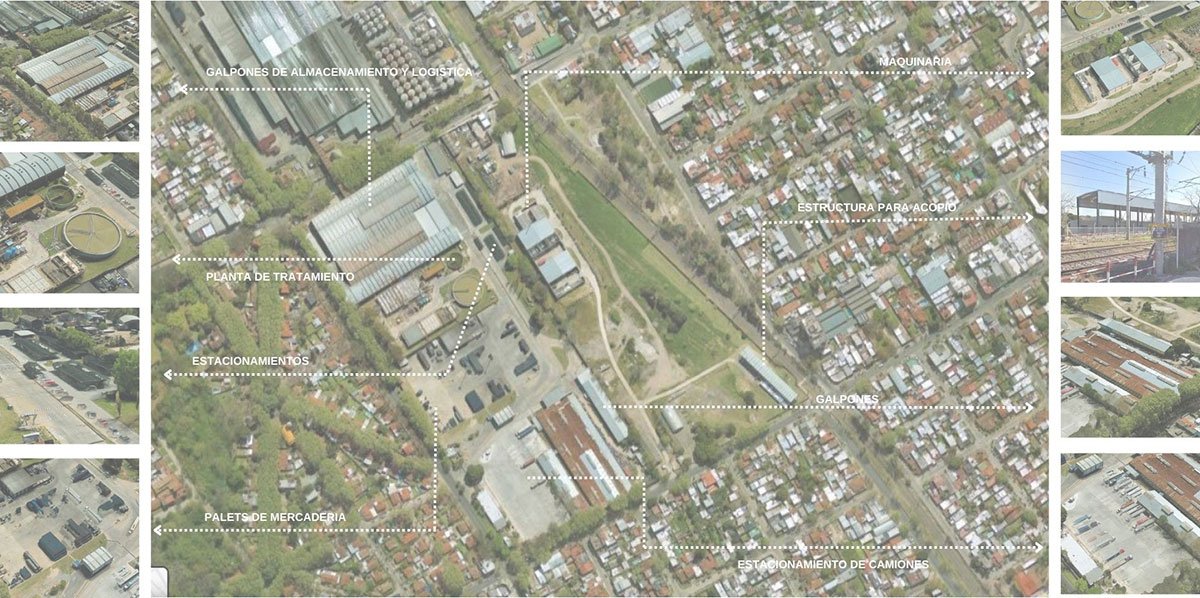
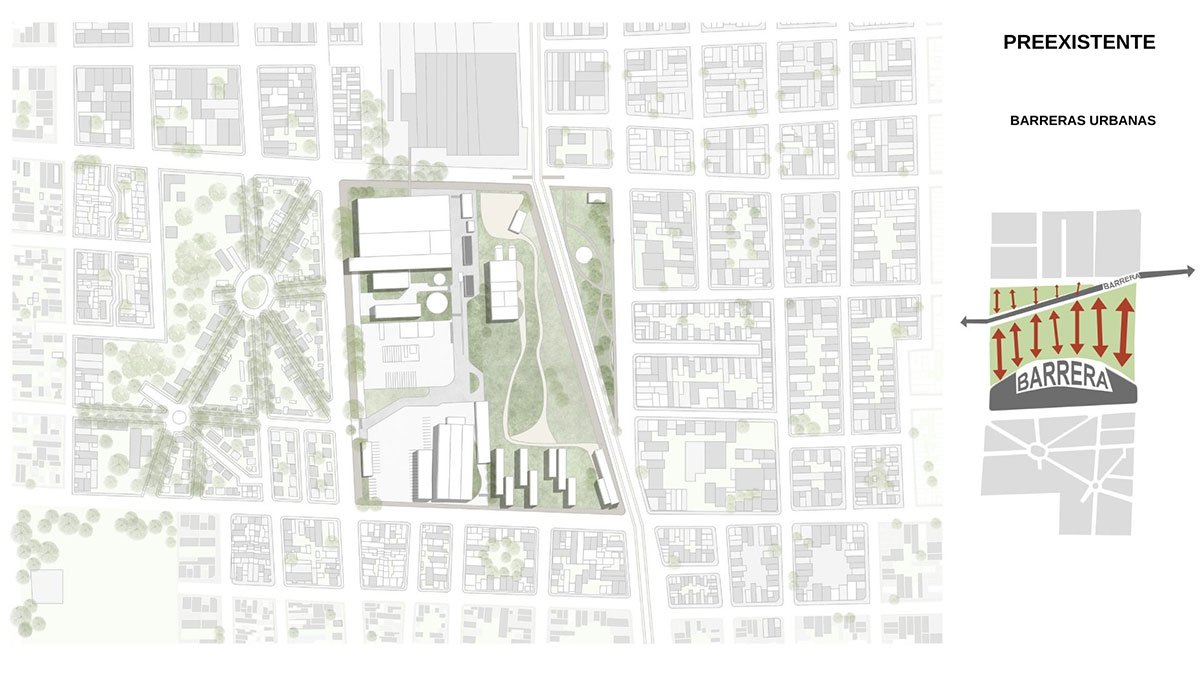
Originally an industrial zone, the site was enclosed by walls, restricting connections between a central part of the city and a nearby residential neighborhood. Its location next to the railway tracks further heightened its isolation, limiting residents’ mobility. During the site analysis, an ongoing housing project was identified within the lot, which was chosen to incorporate into the proposal.
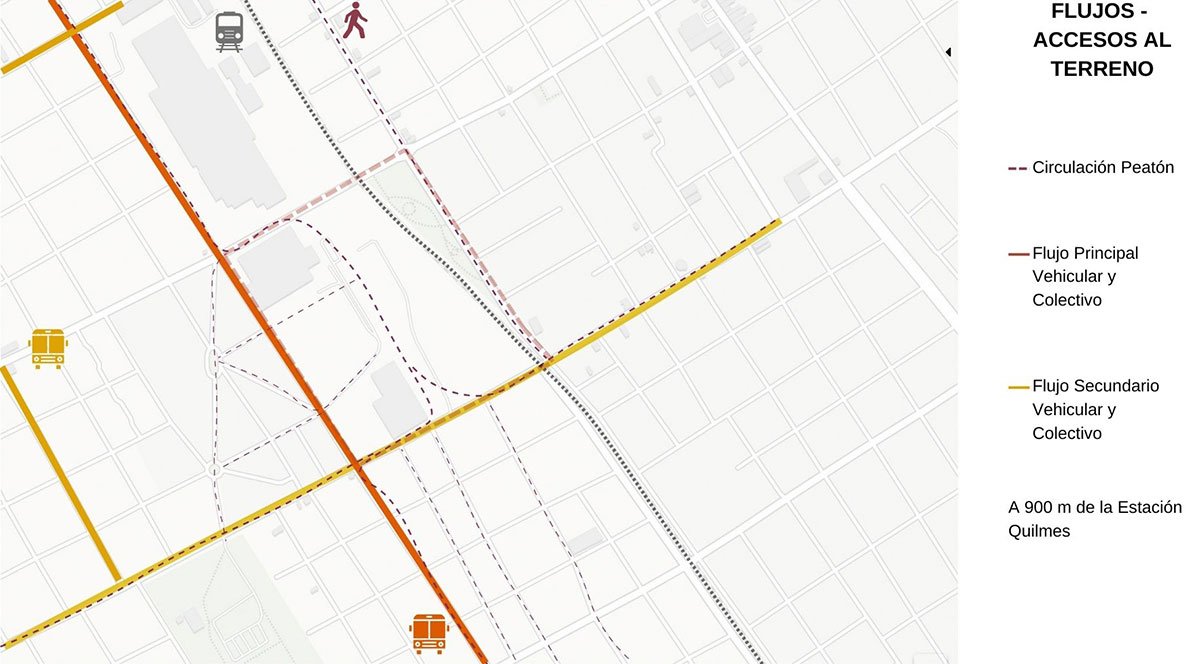
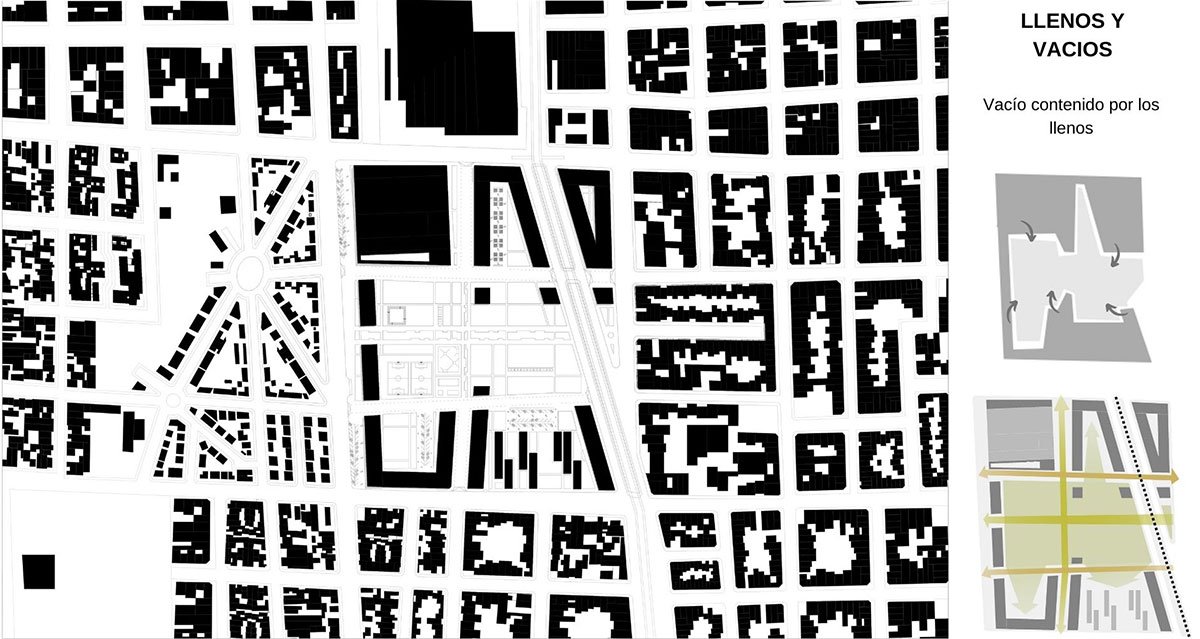
NolliFlows – Access to the SitePre-existingPre-existing
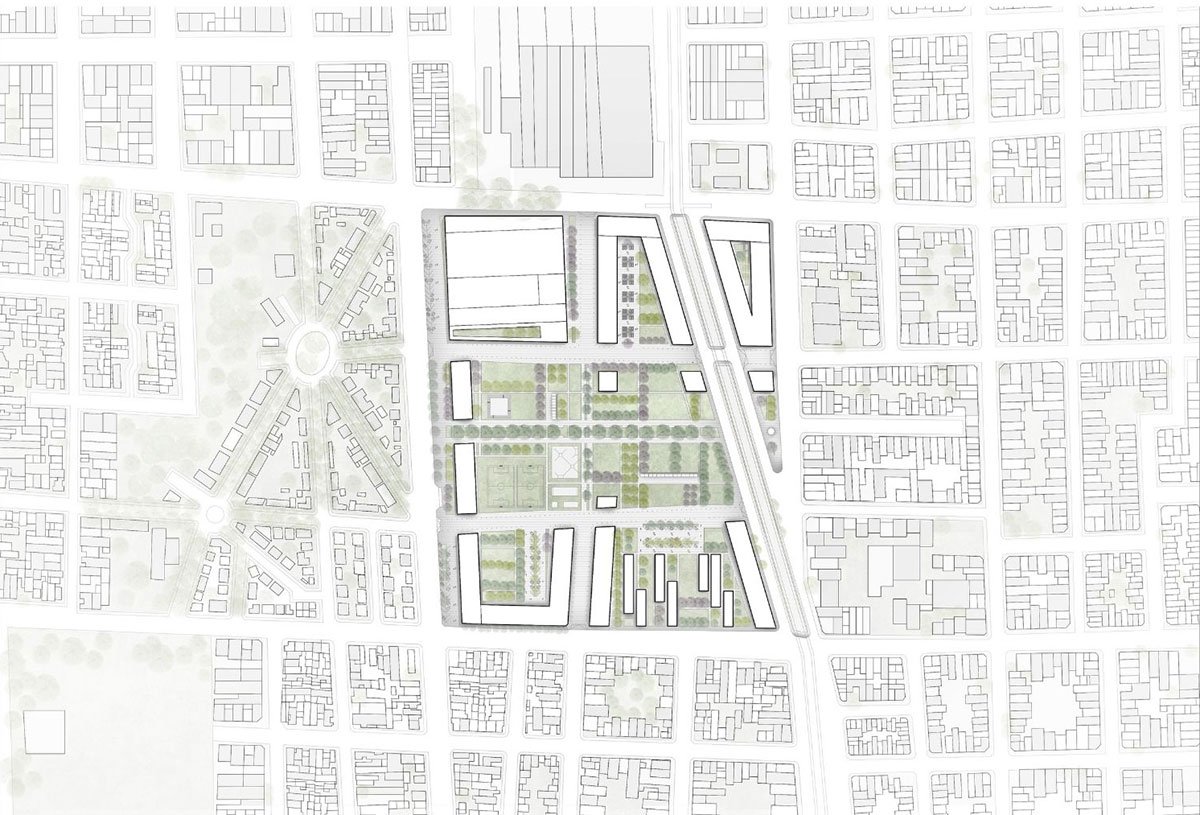
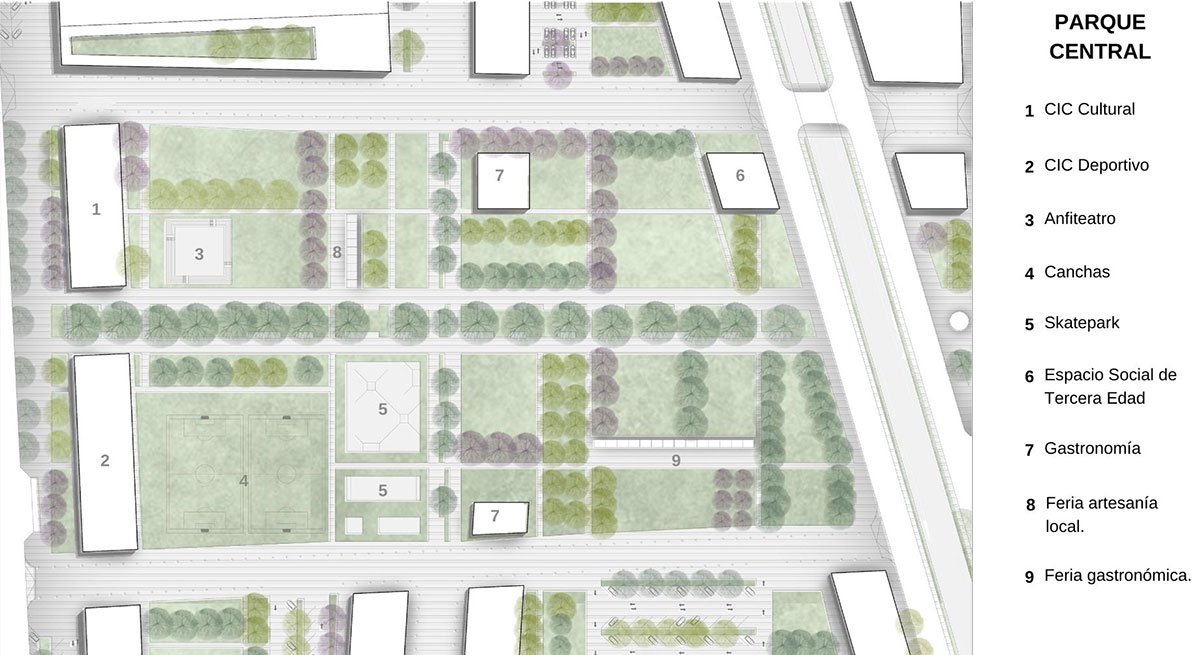
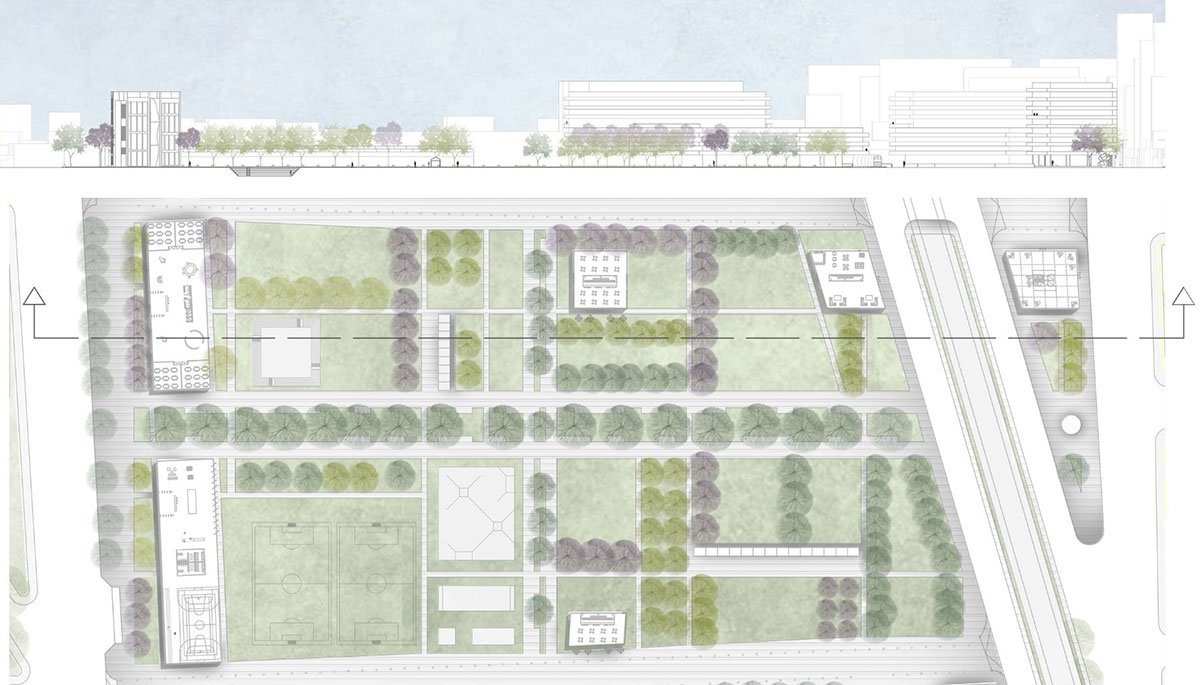
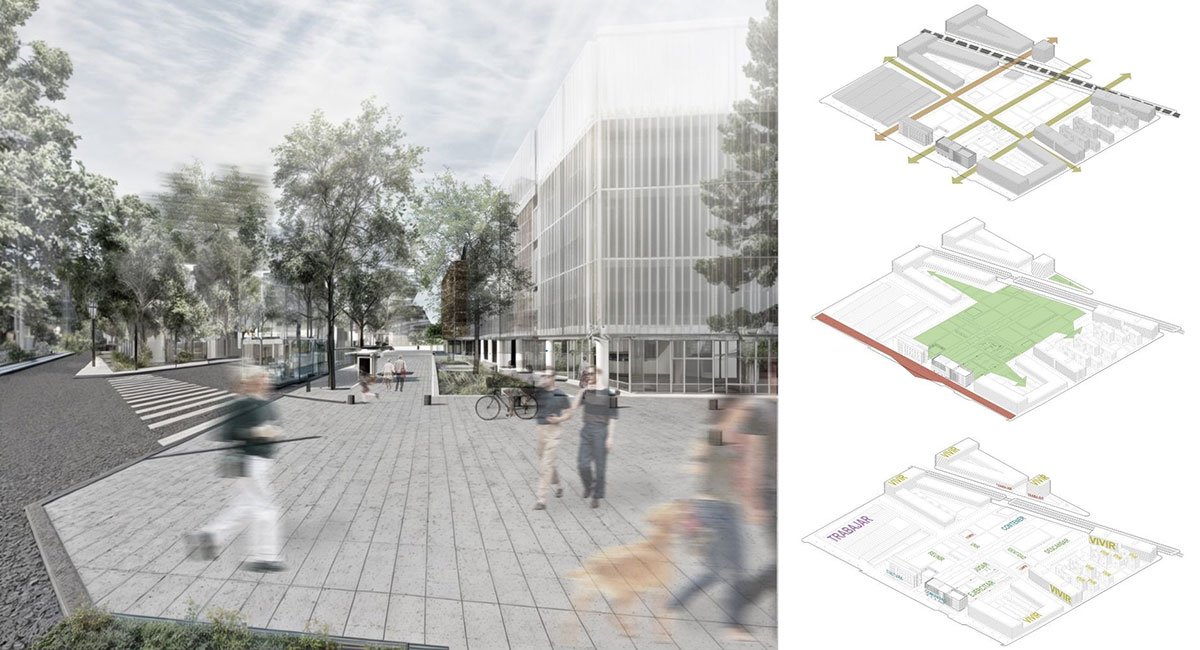
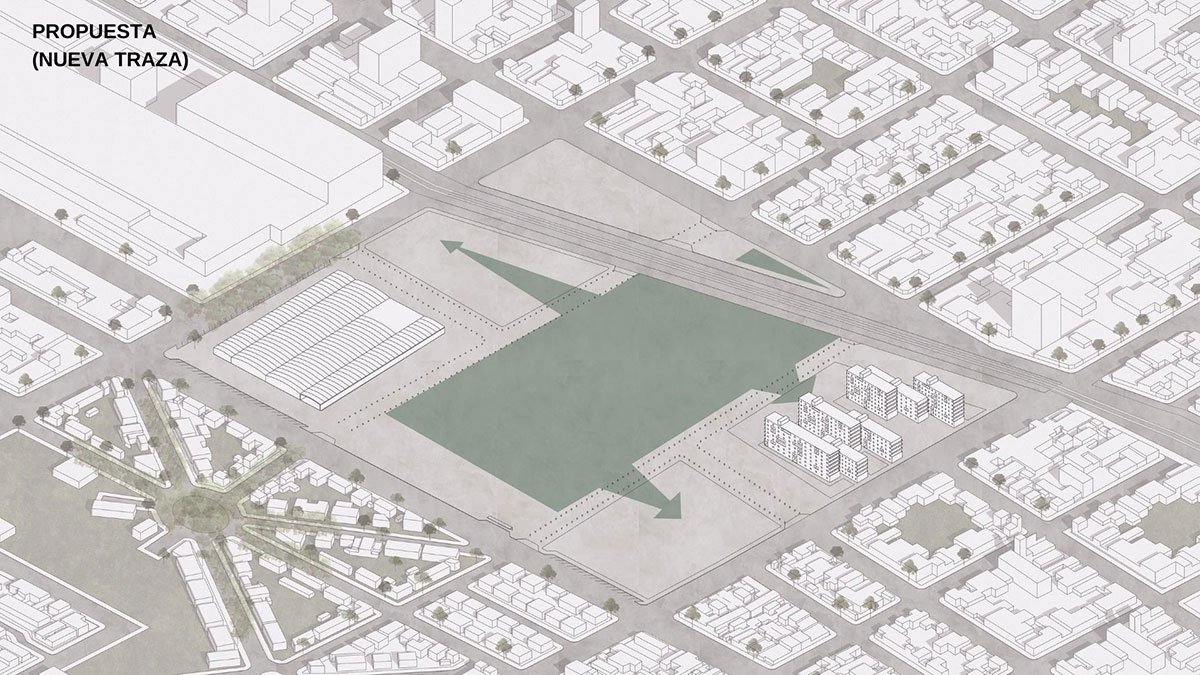
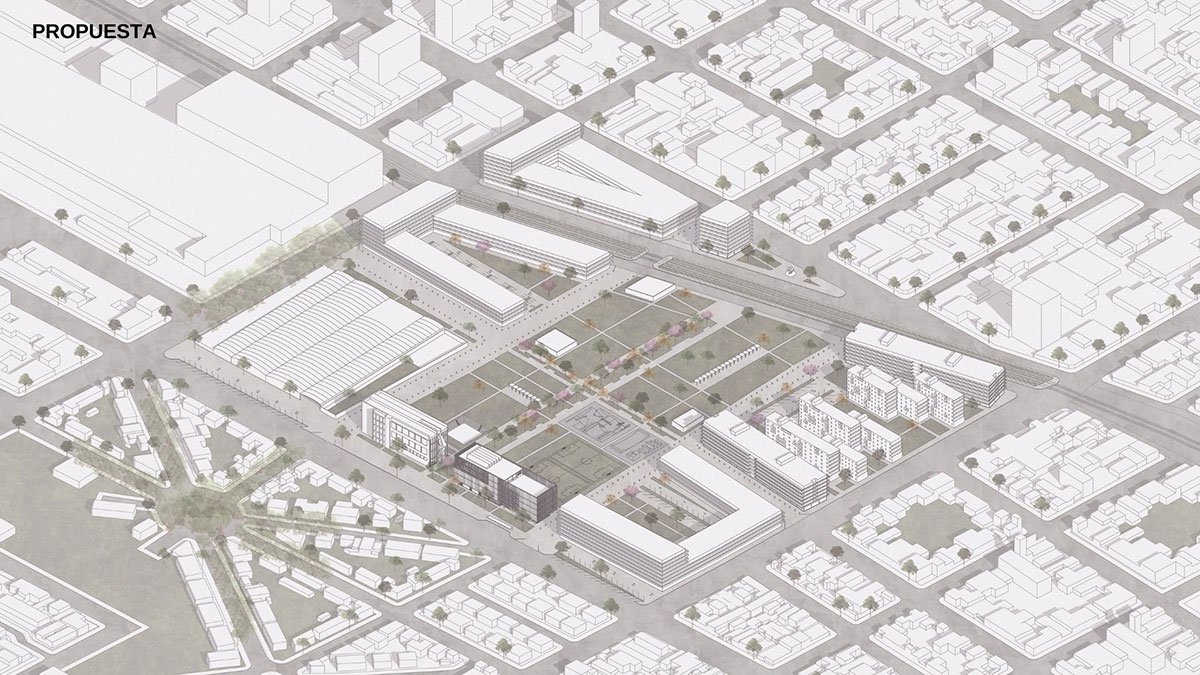
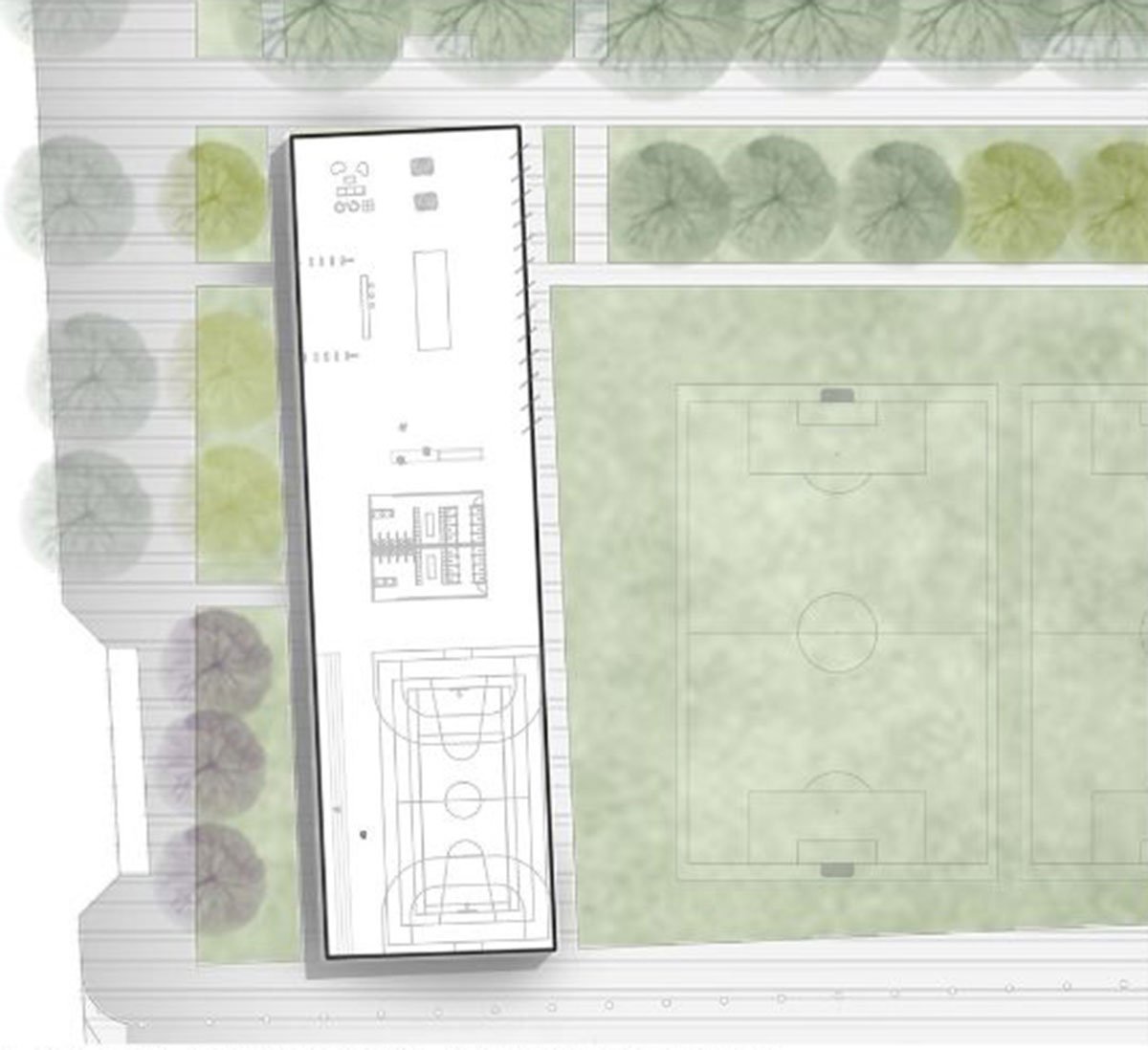
The design is centered around a large urban park that integrates various functions, including housing, commerce, cultural spaces, and sports facilities. Buildings are strategically placed along the perimeter, ensuring a seamless transition between the existing urban fabric and the newly created public space.
Design Process
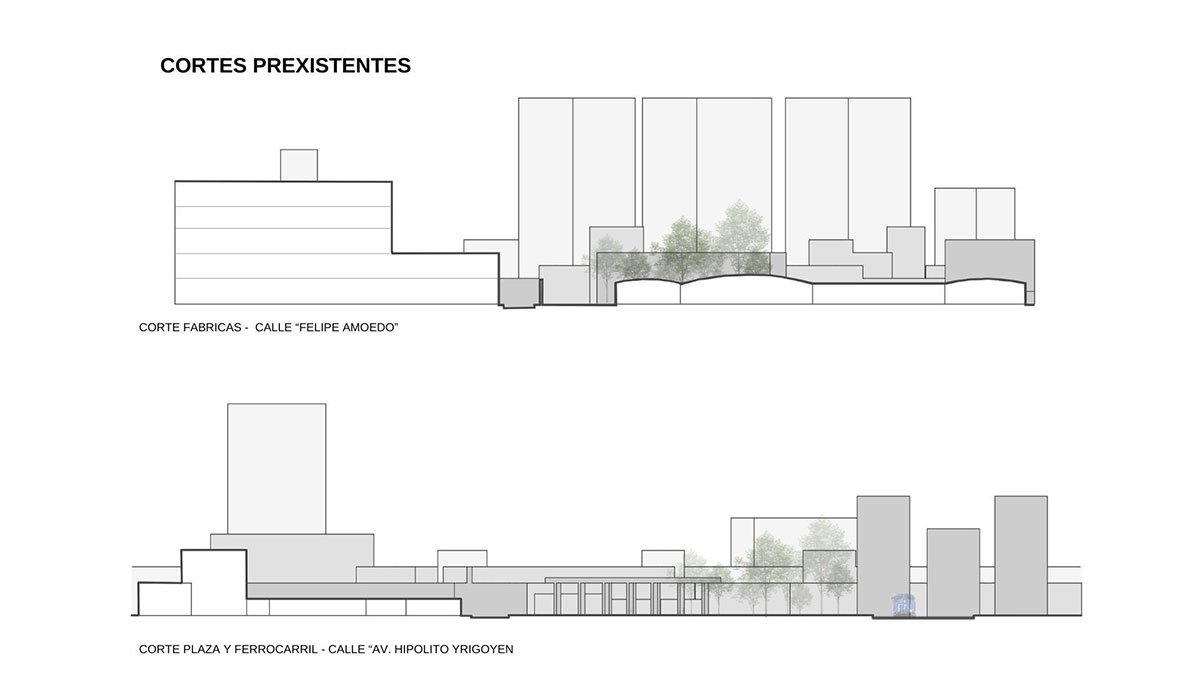
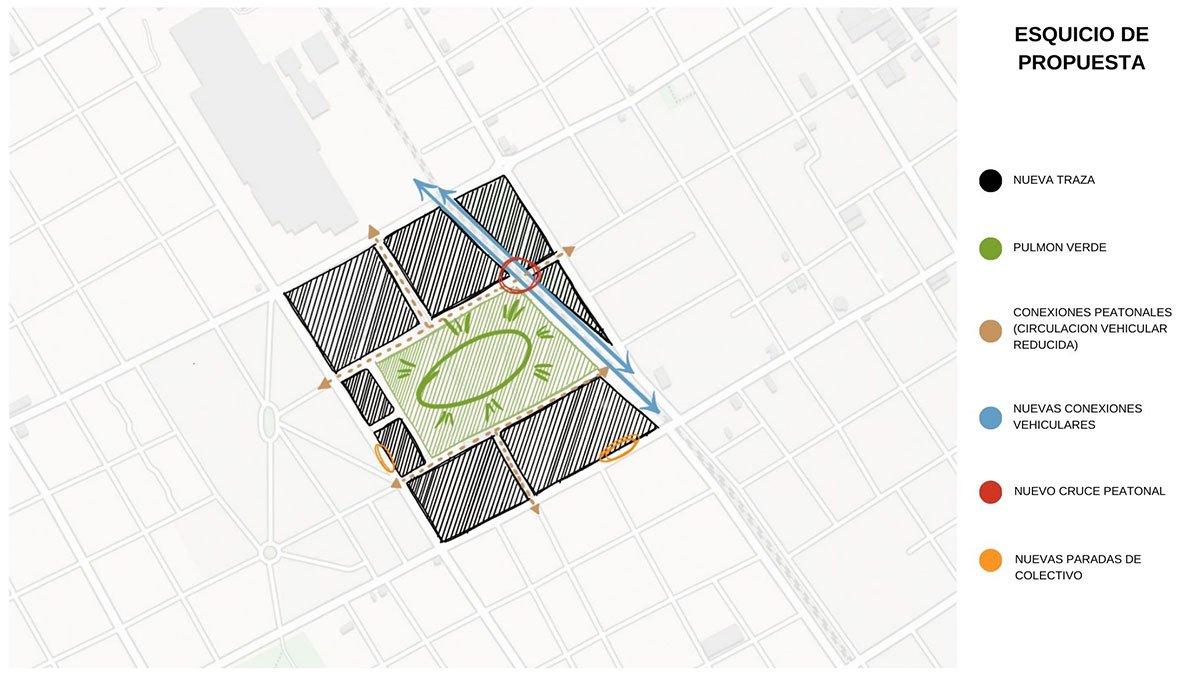
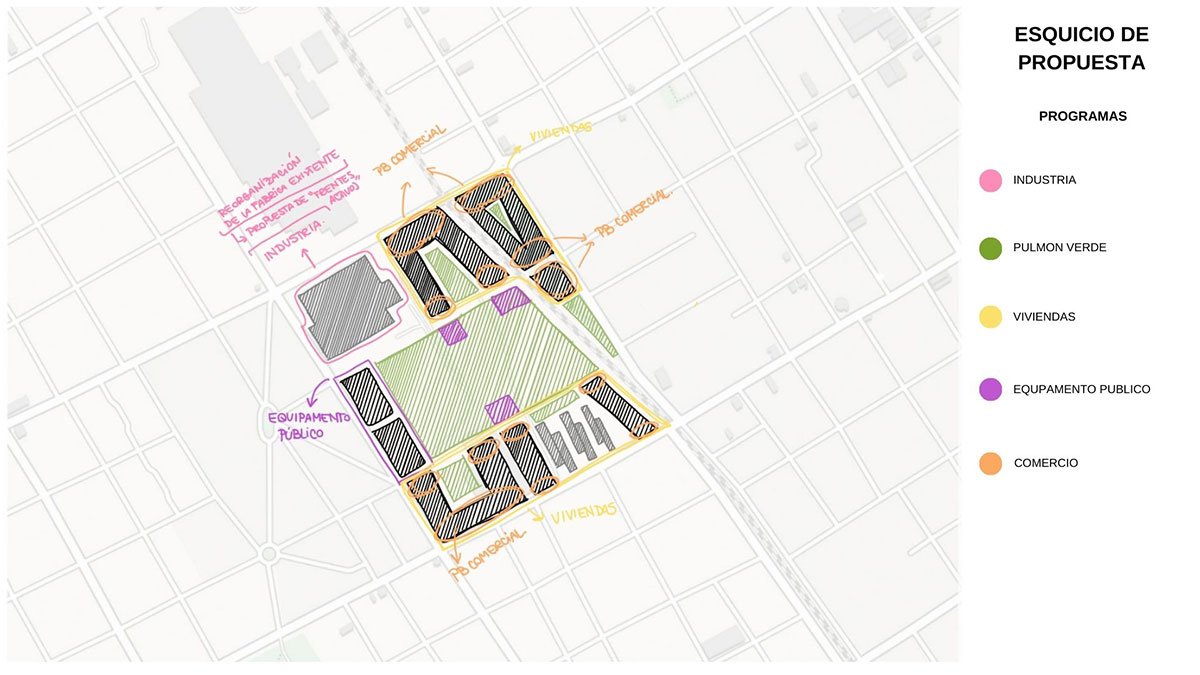
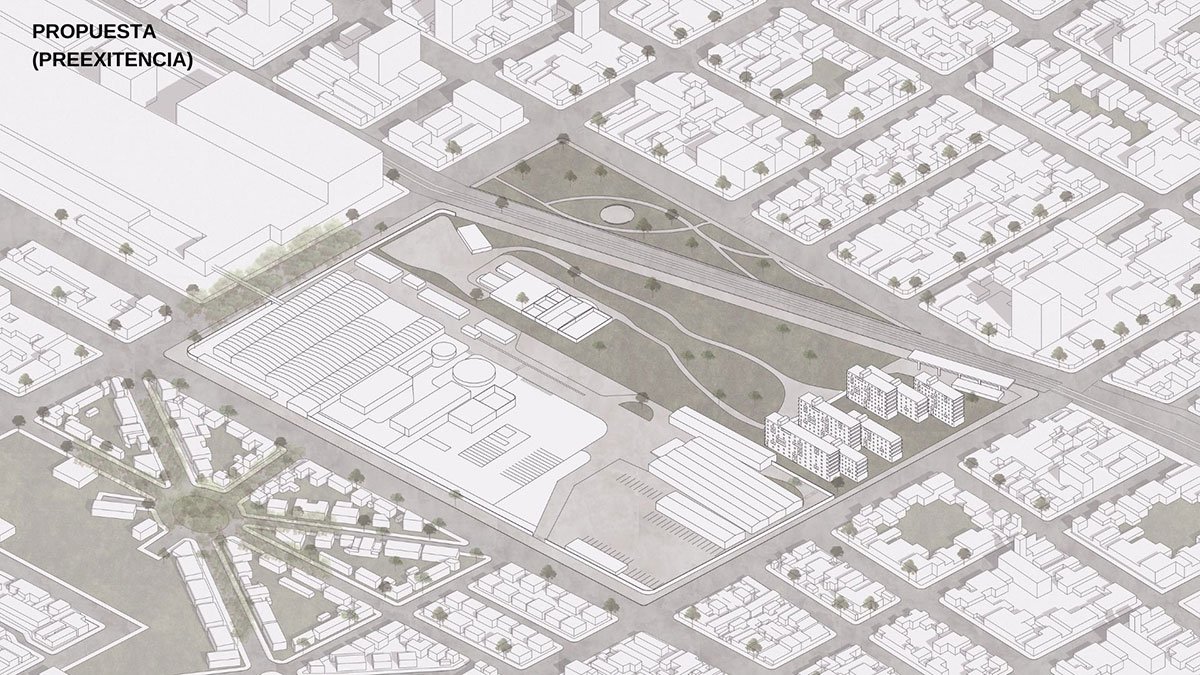
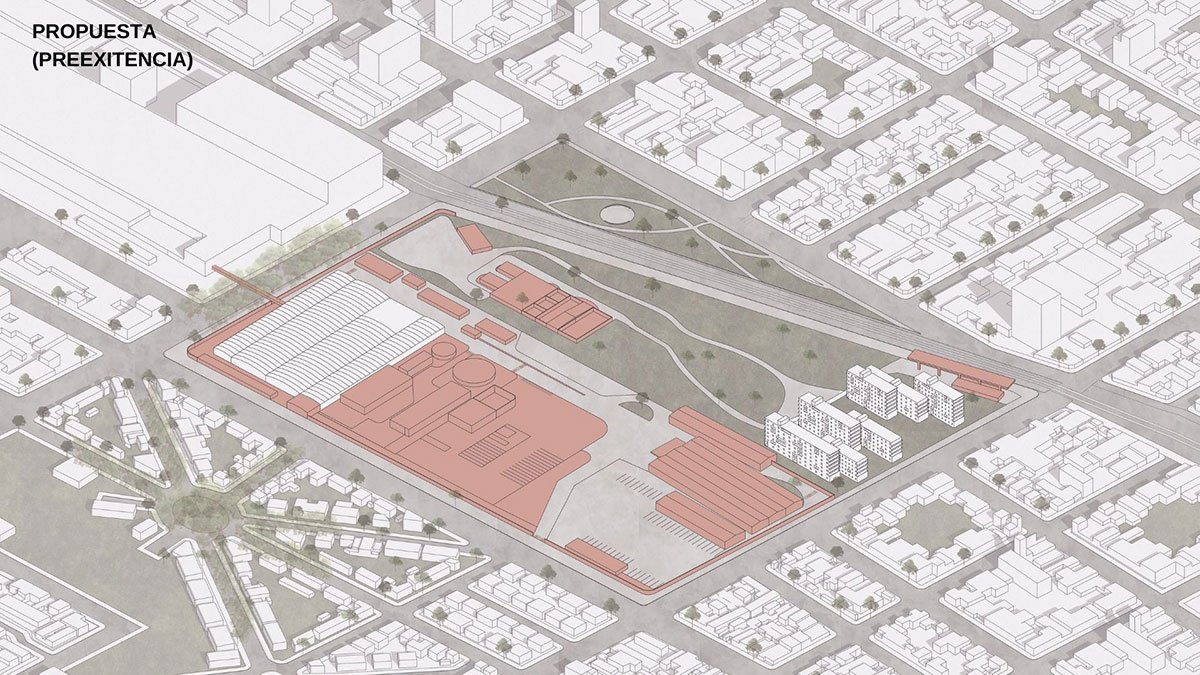
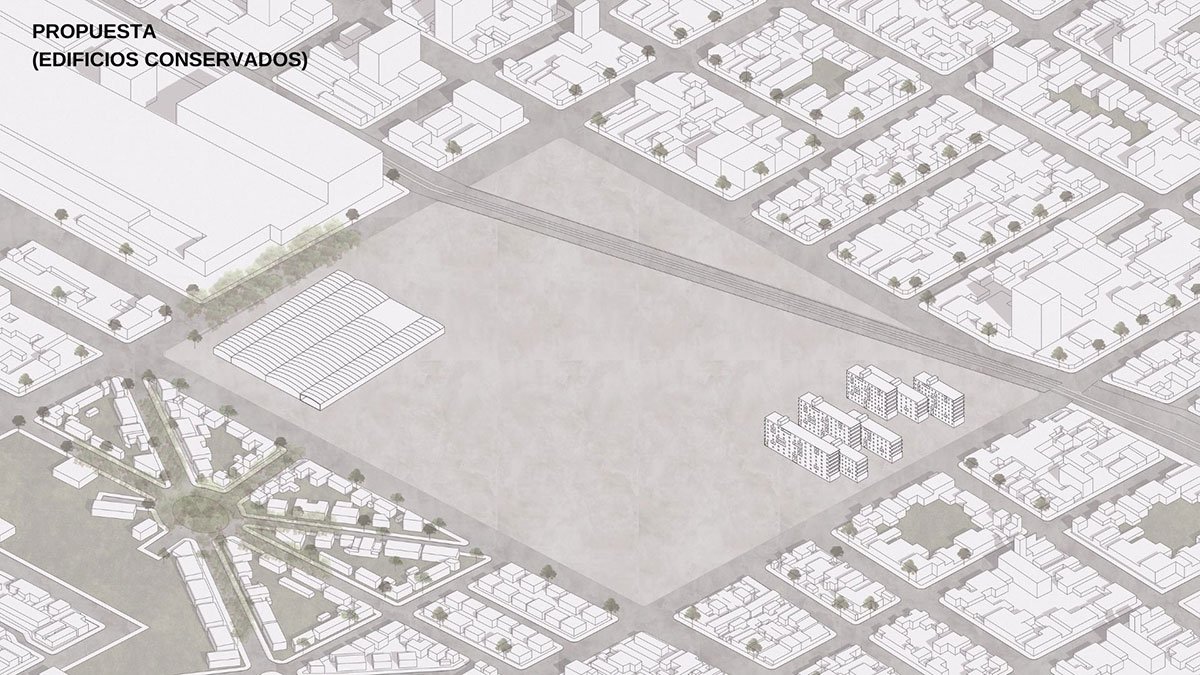
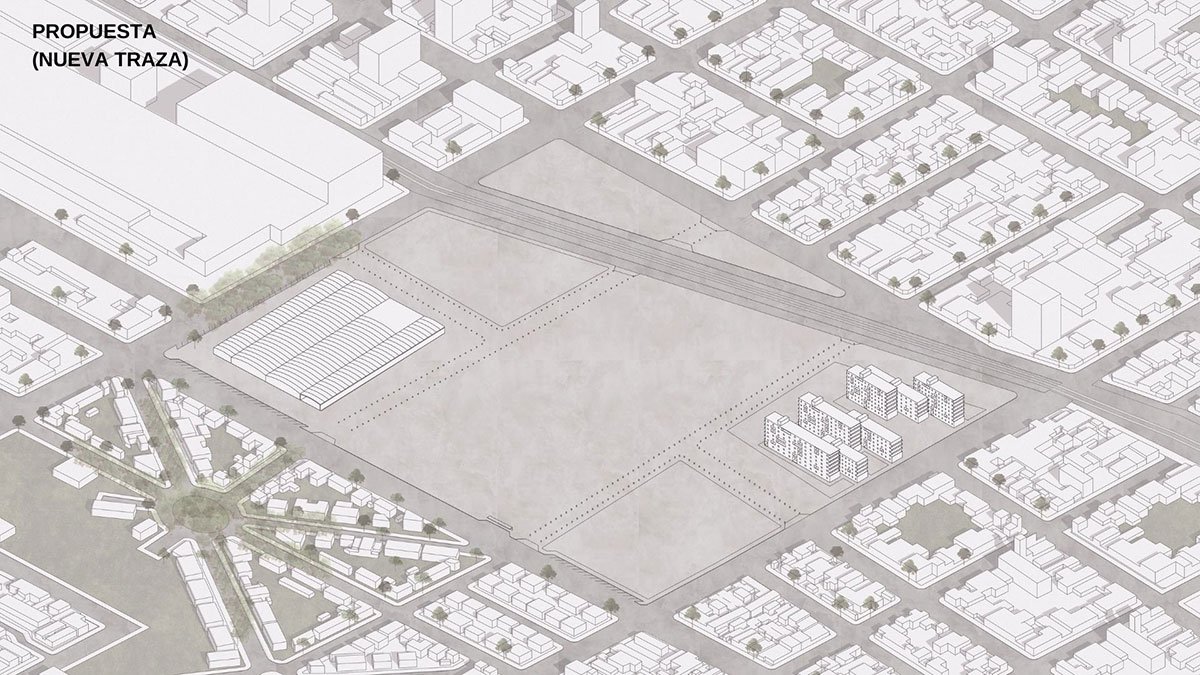
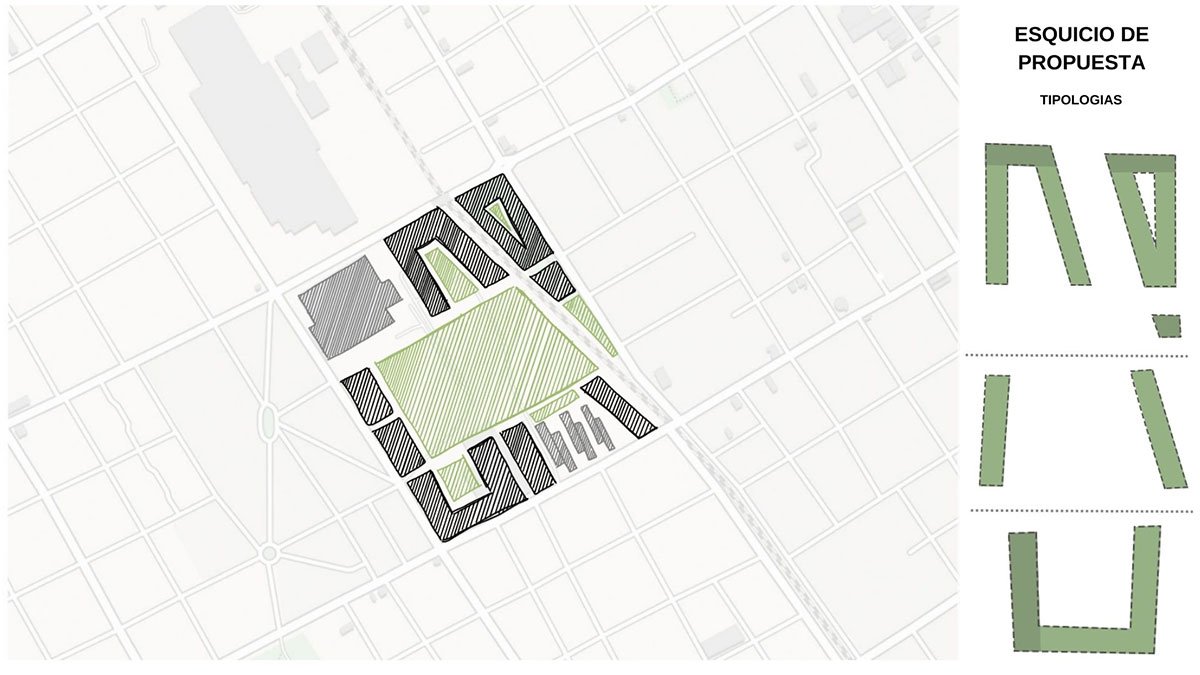
Pre Existing SectionsPreexistence | Proposal (Preexistence) | Proposal (Preserved Buildings) | Proposal (New Layout) | ProposalSketch Of ProposalSketch Of Proposal Programs
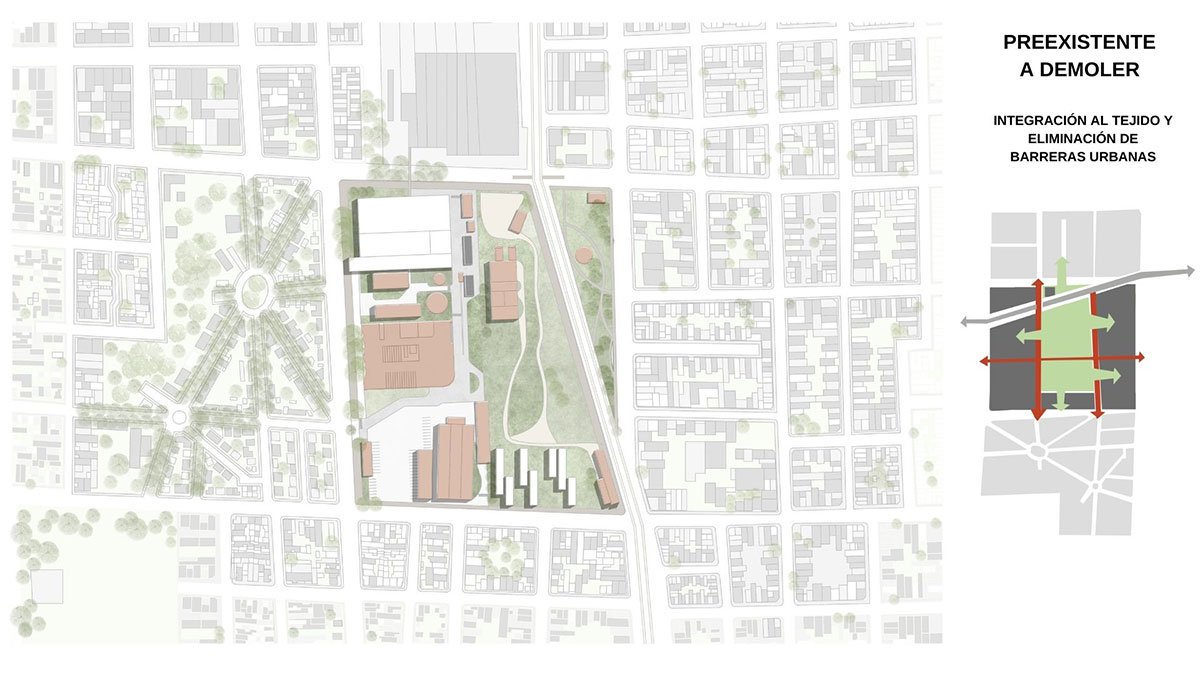
The key challenge was converting the site from a barrier into a connector. To accomplish this, the industrial footprint was reduced, making room for a central park. Residential buildings were strategically positioned along the edges, establishing a defined urban frontage that interacts with both the existing city and the new green space.
Preexisting to be DemolishedProposal
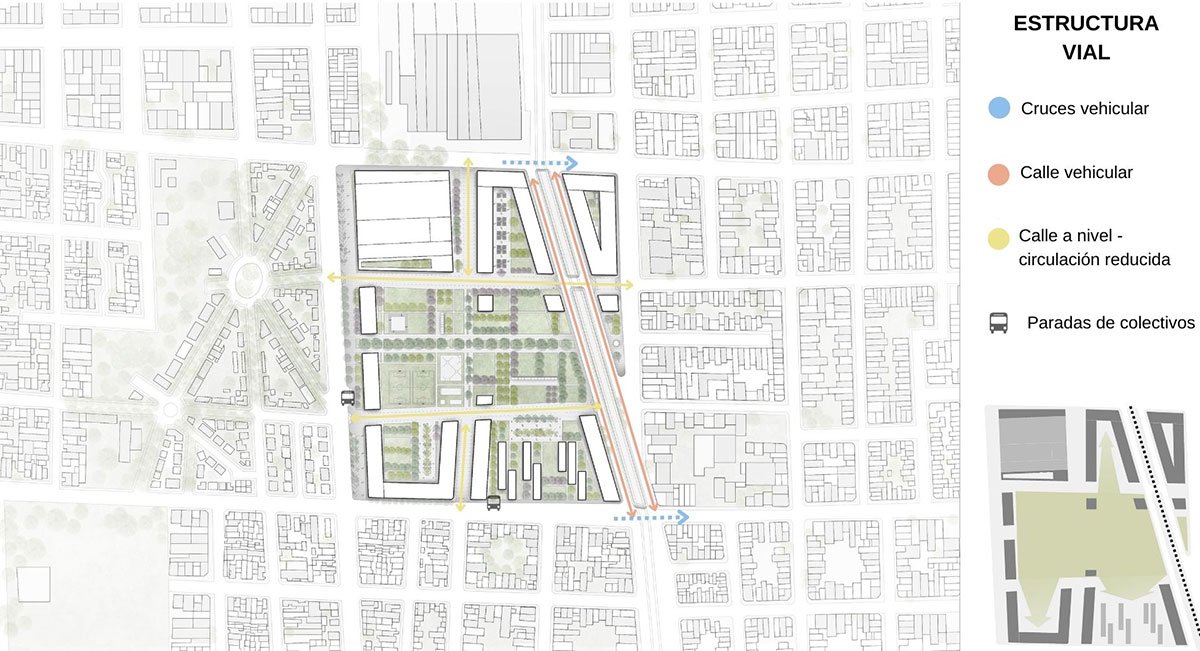
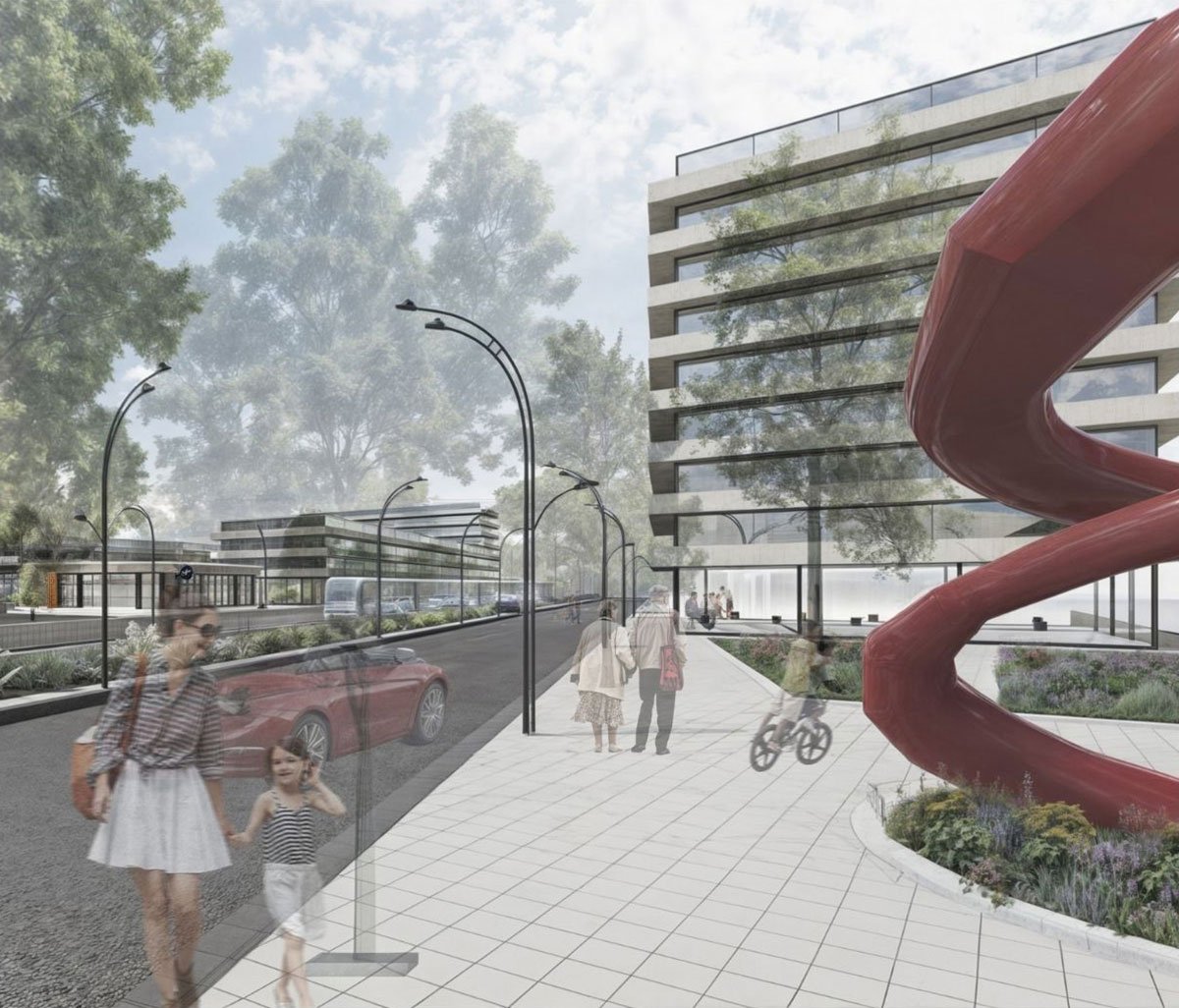
The architectural design responds to the surrounding context, ensuring a balanced integration of scales. New pedestrian pathways provide safe crossings over the railway tracks, while at-grade streets minimize car traffic, promoting walkability and enhancing urban vibrancy.
Final Outcome
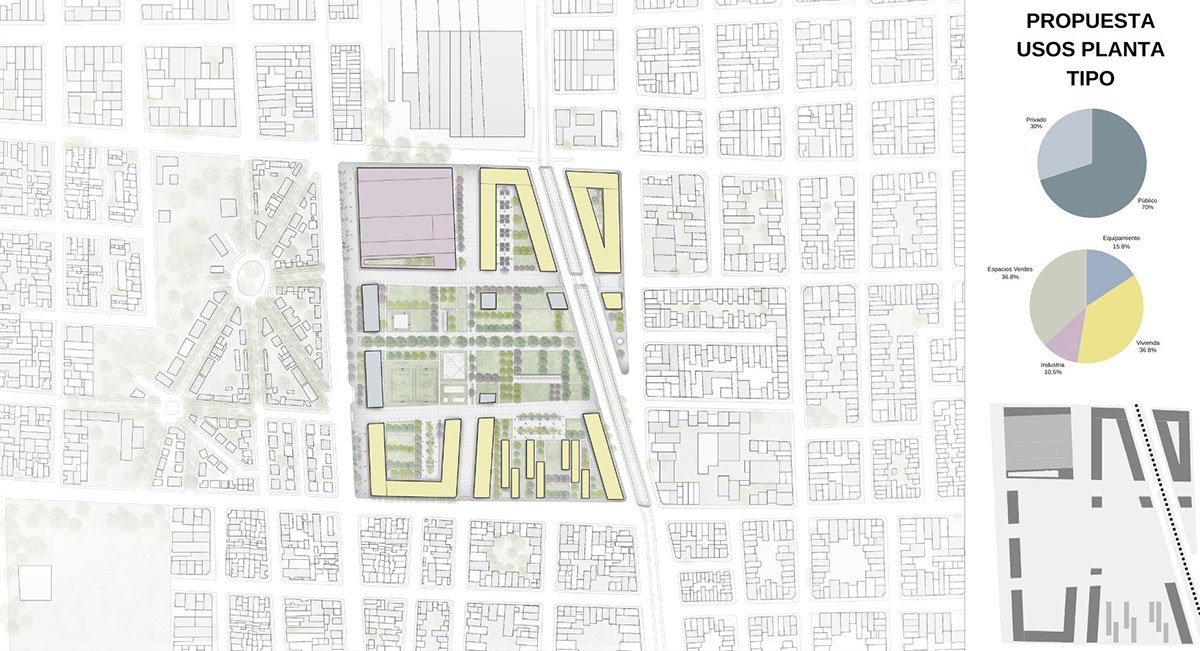
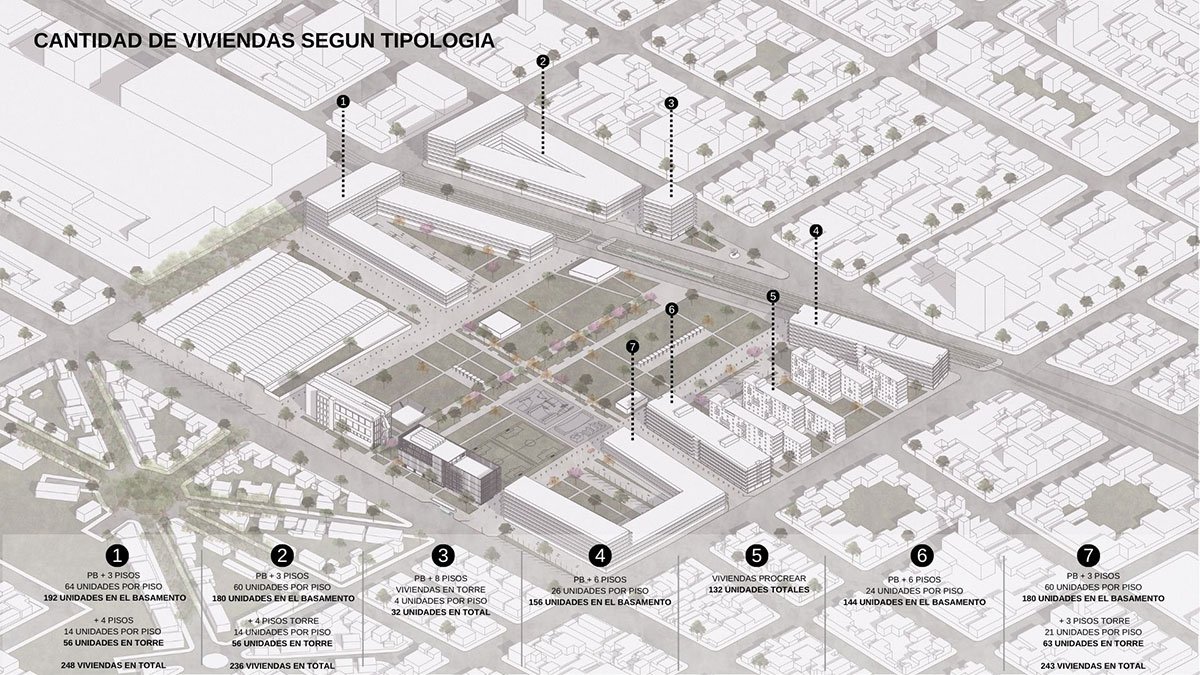
Proposal – Ground Floor Use LayoutProposed Road Network/StructureSolid And Void (Nolli Proposal)Number Of Housing Units By Typology
The proposed design revitalizes a previously underutilized industrial area in Quilmes, transforming it into a vibrant, accessible urban space. At its core, a newly introduced central park acts as a green lung, offering much-needed recreational space while fostering social interaction and environmental quality. This park becomes the heart of a broader effort to reconnect residents with nature and each other.
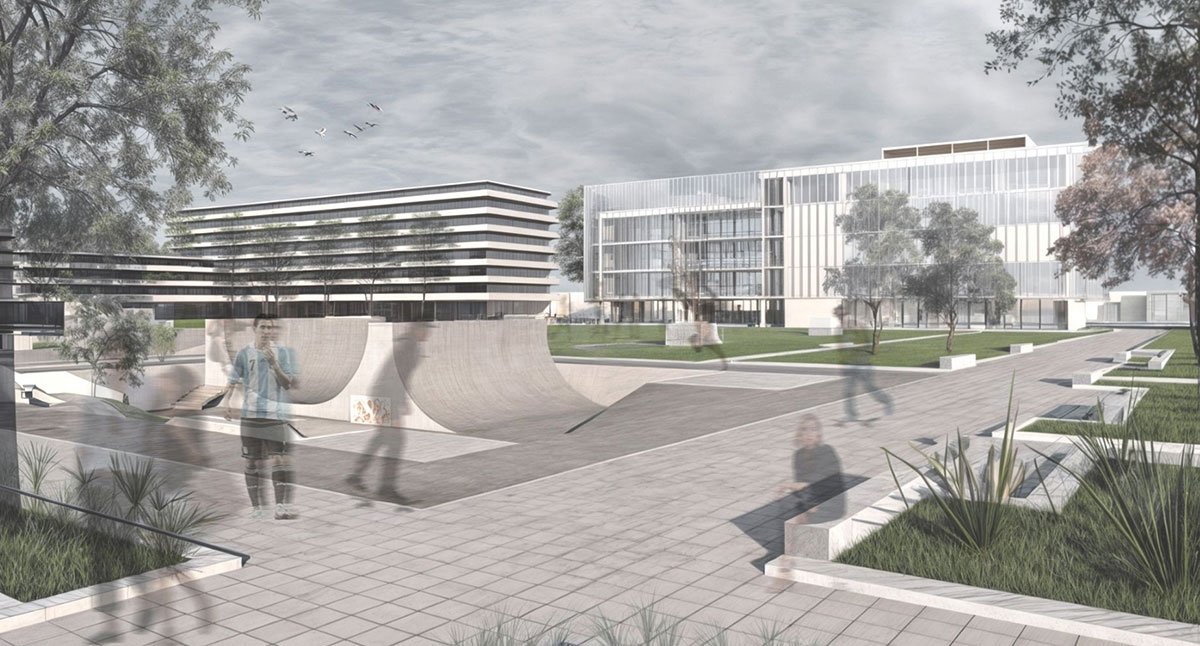
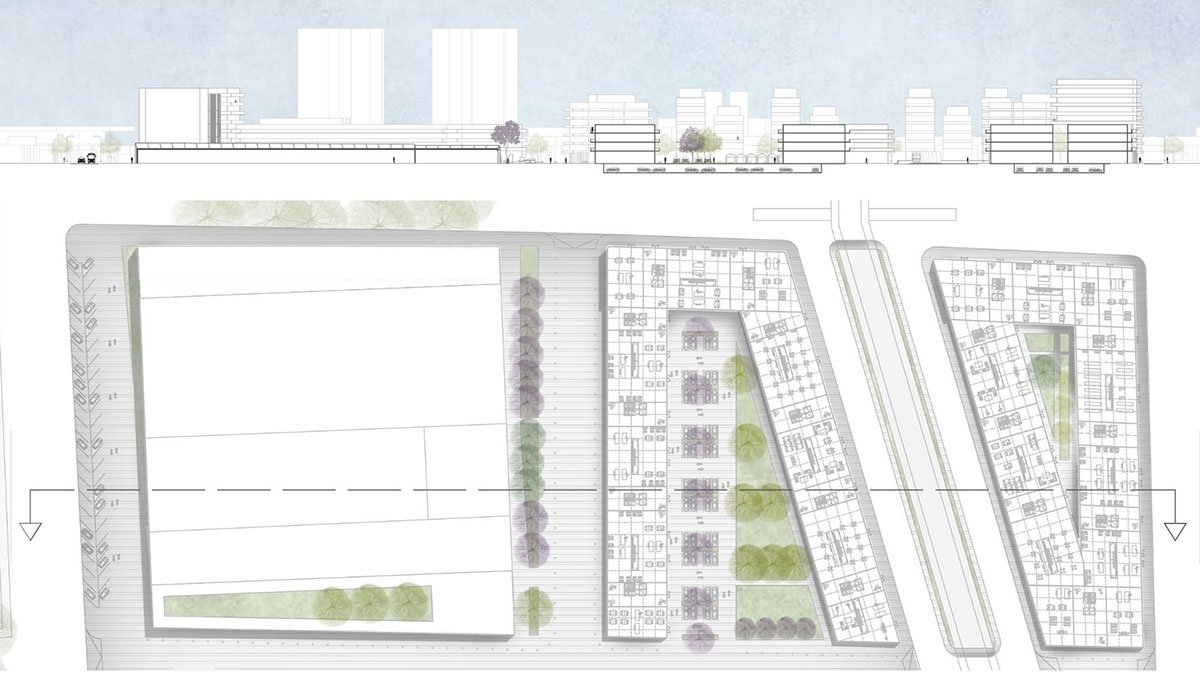
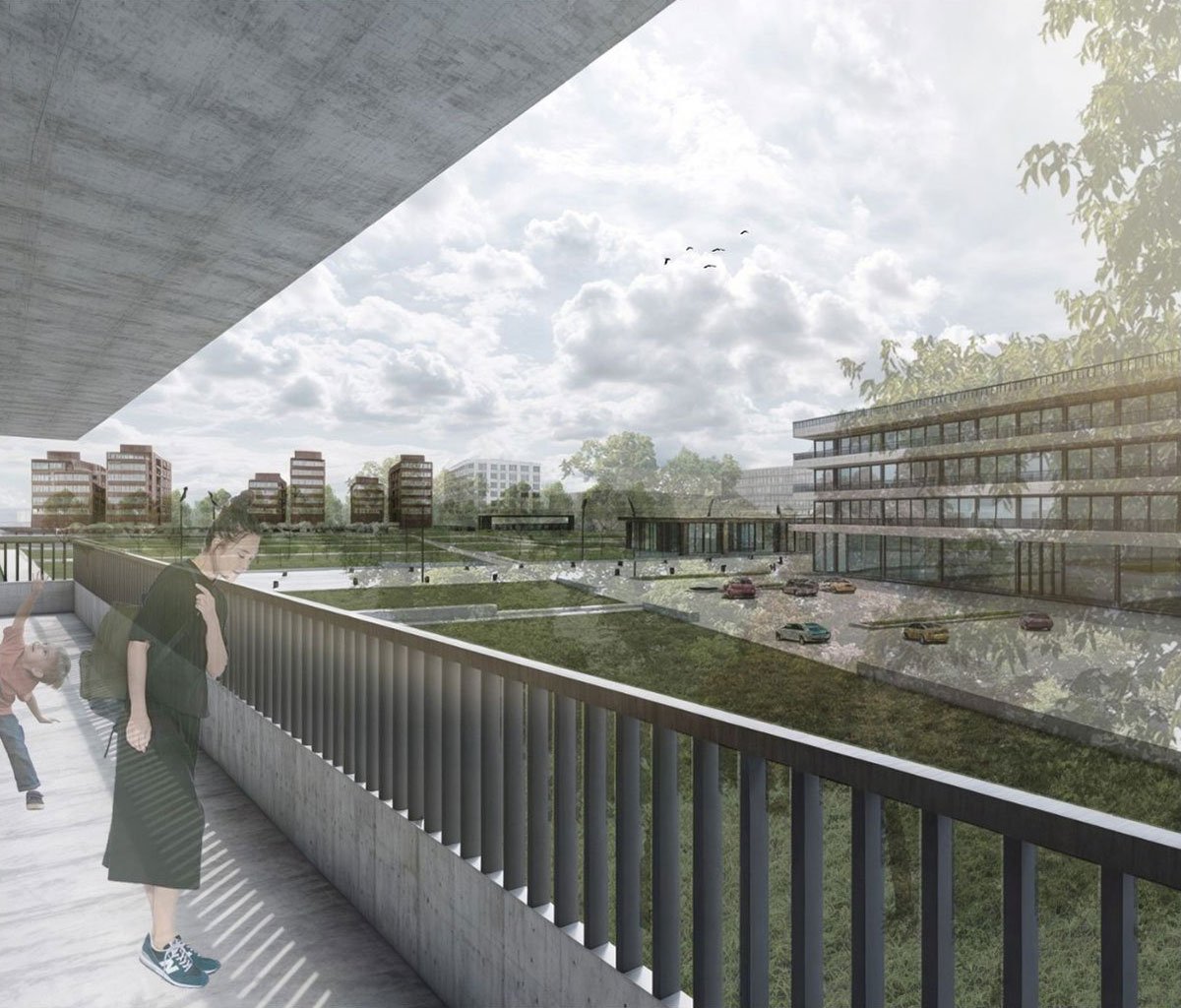
References – Central ParkRenderingRenderingFloor Plan – Section
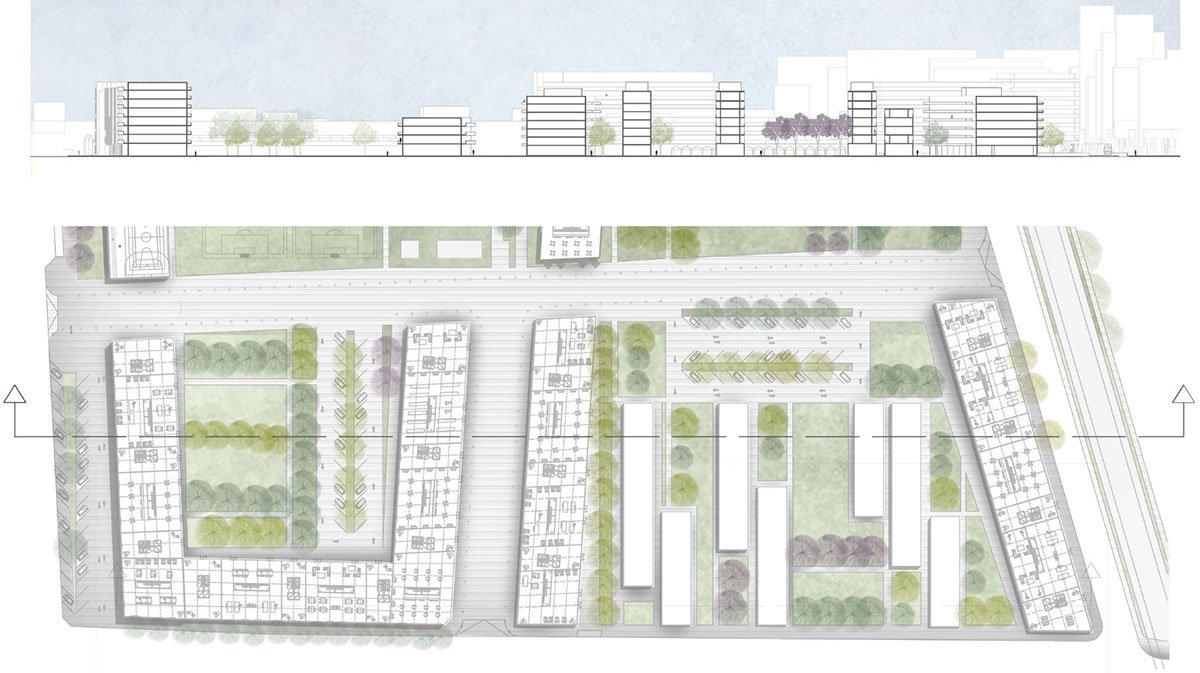
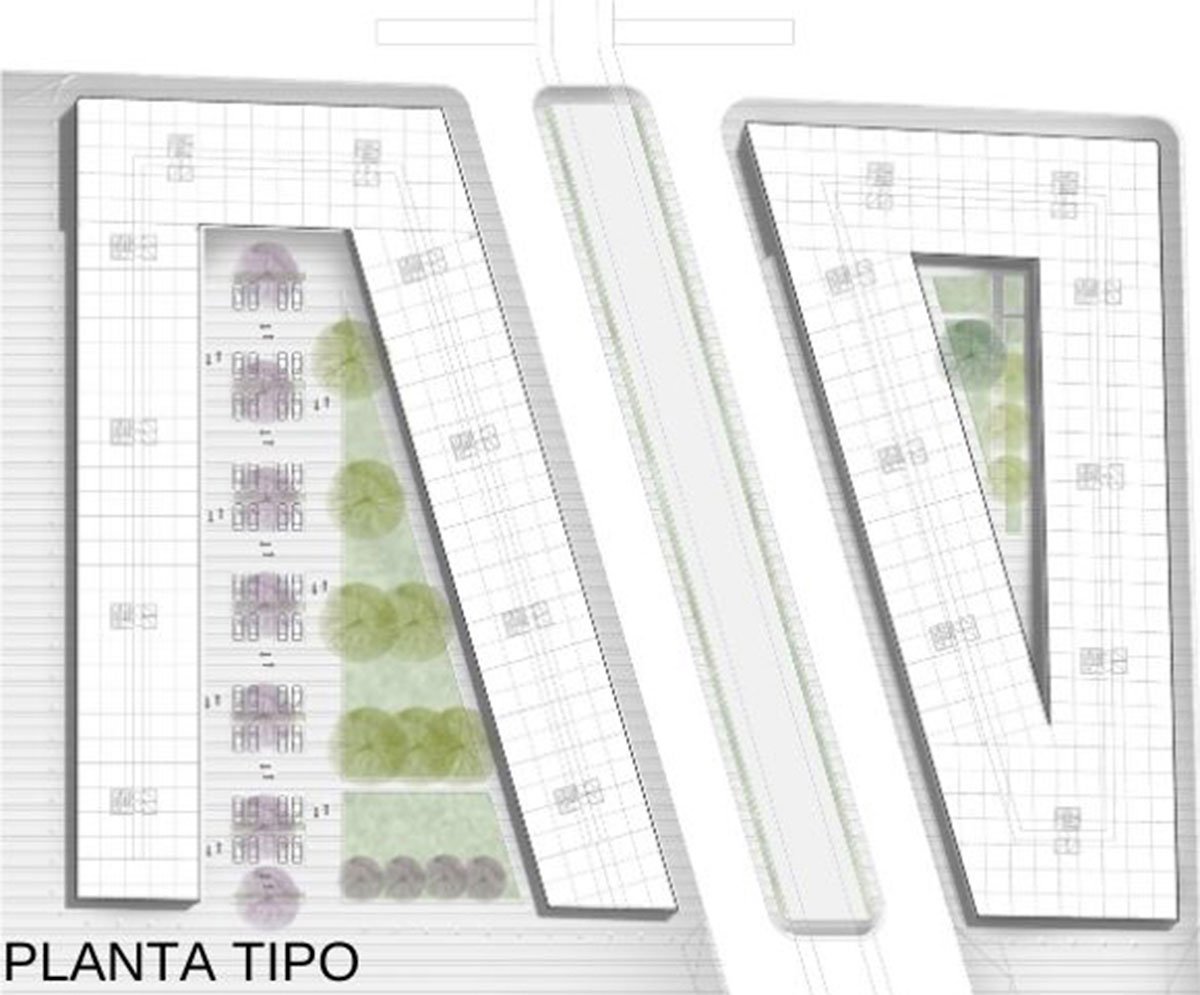
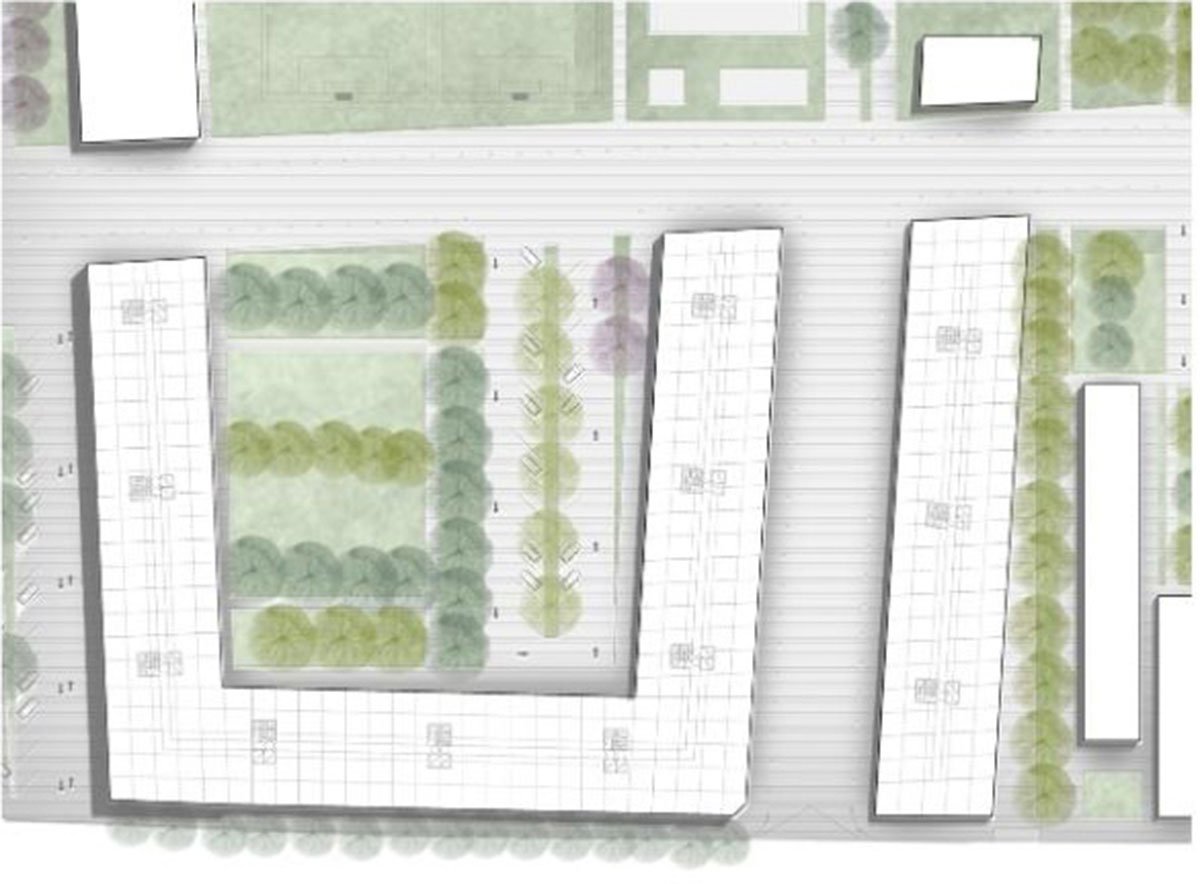
Surrounding the green space, new forms of social housing are introduced to recompose urban fronts, reinforce neighborhood identity, and integrate different socio-economic layers. These residential developments establish an active edge that supports both community growth and street-level engagement.
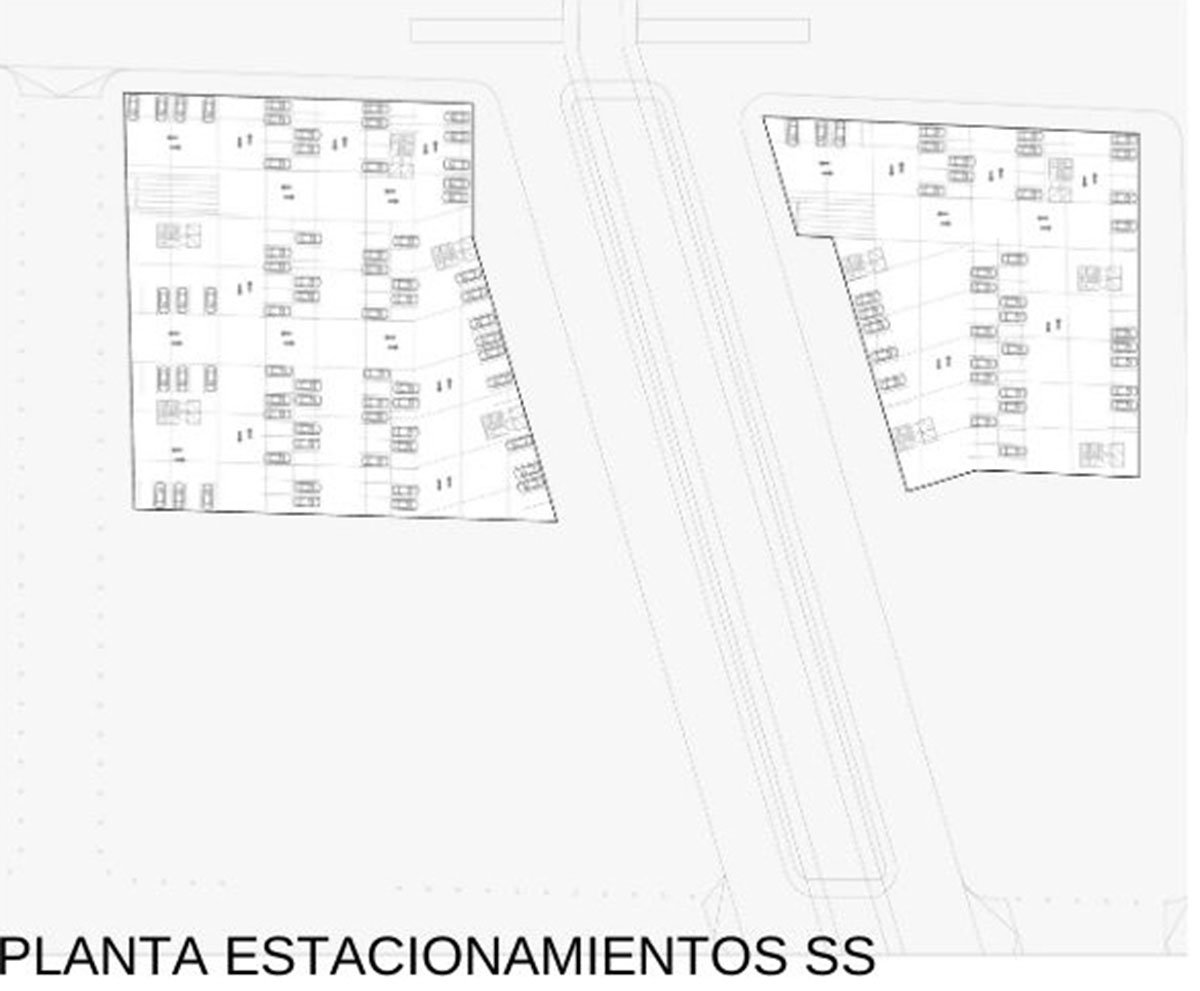
Floor Plan – SectionFloor Plan – SectionParking – Rendering
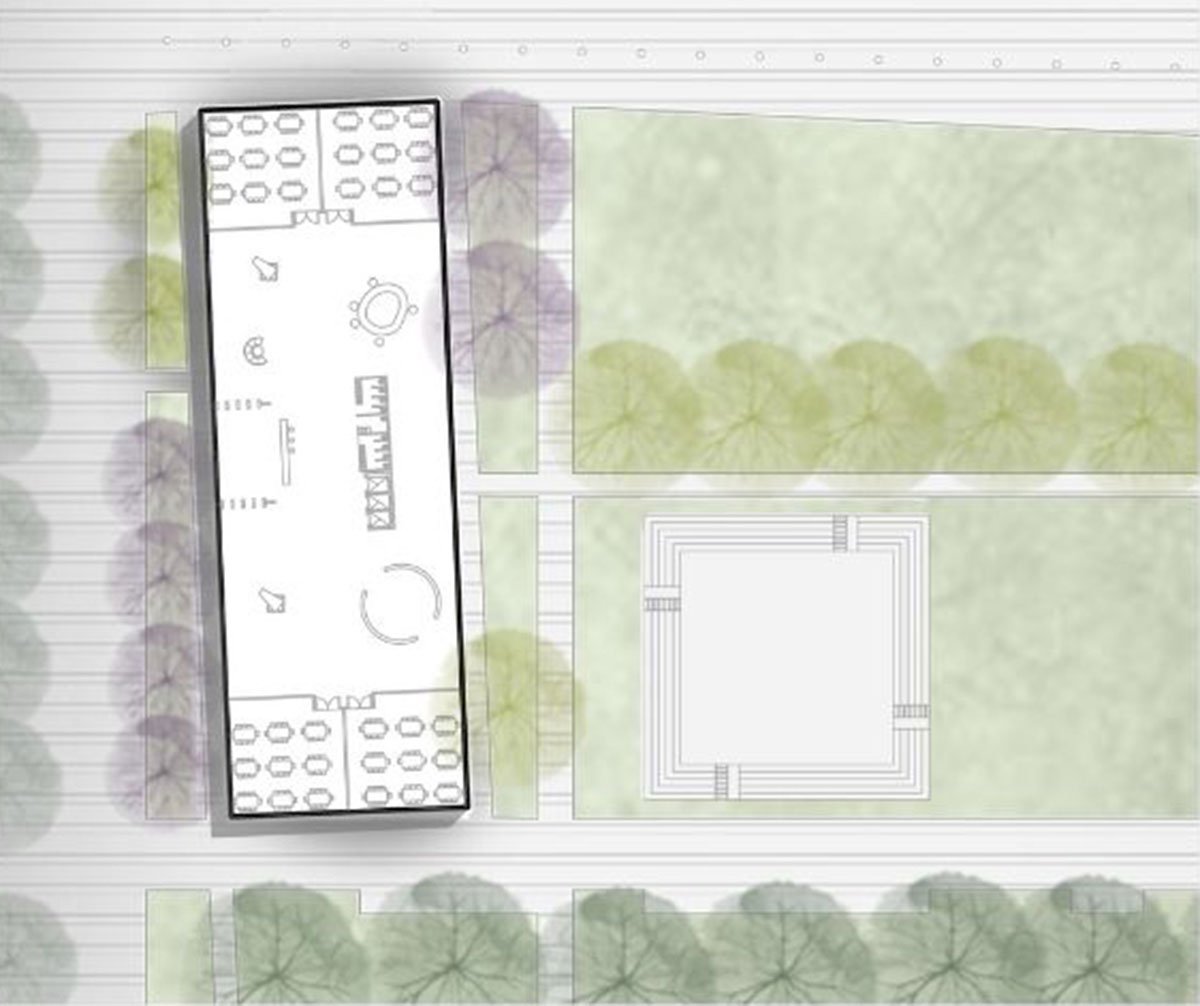
Mixed-use ground floors and urban amenities are strategically incorporated to energize the streetscape, enhance safety, and promote continuous activity throughout the day. Meanwhile, the reorganization of the historic Quilmes brewery enables it to remain a functional part of the urban fabric. By introducing active frontages and improving connectivity, the project prevents the industry from becoming isolated and instead encourages interaction with the surrounding community.
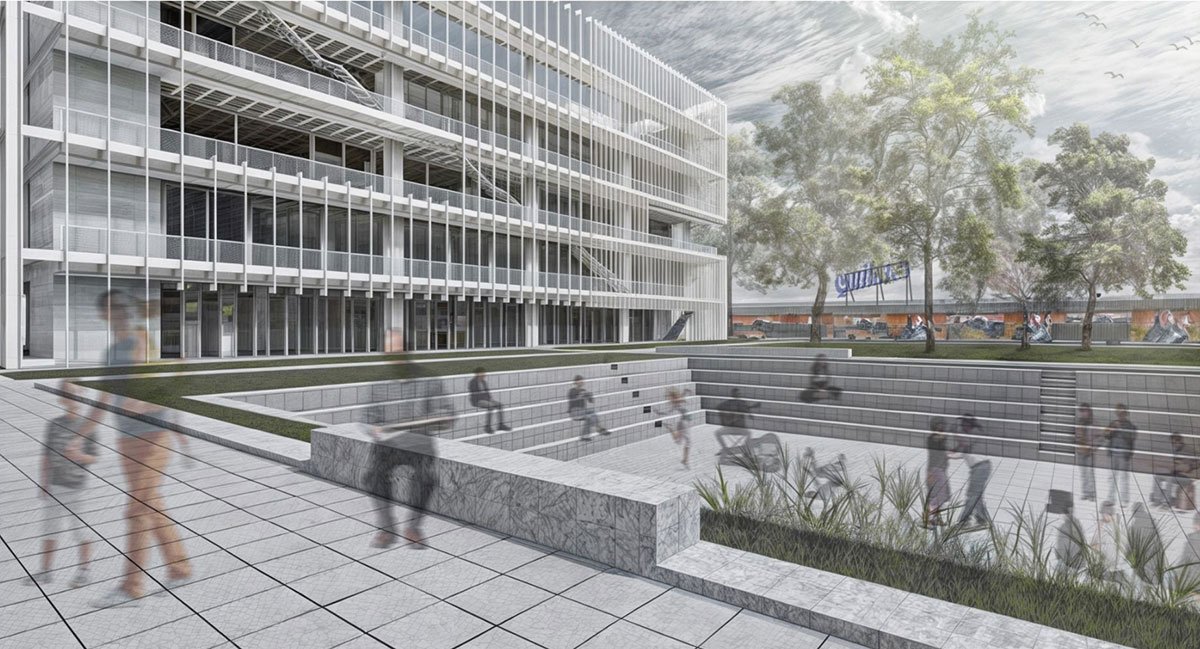
Cultural Center Floor PlansCultural Center Floor – Rendering | Rendering
Improved pedestrian connections and newly designed level streets further enhance urban integration, including safe crossings over the Roca railway tracks. This network promotes walkability and reduces reliance on vehicular traffic, creating a more sustainable, human-centered environment.
Axonometric Views – Rendering
Conclusion: Overall, the project serves as a model for inclusive urban regeneration—where public space becomes a catalyst for sustainable development and community cohesion in Quilmes. This approach not only revitalises the region but also fosters a sense of belonging among residents, encouraging them to engage with their surroundings.
[This Academic Project has been published with text and images submitted by the student]
Site Context
Design Process
Final Outcome
To submit your academic project for publication at ArchiDiaries, please visit the following link >> Submit
Get the best of ArchiDiaries, directly in your inbox.
We use cookies on our website to give you the most relevant experience by remembering your preferences and repeat visits. By clicking “Accept All”, you consent to the use of ALL the cookies. However, you may visit "Cookie Settings" to provide a controlled consent.
This website uses cookies to improve your experience while you navigate through the website. Out of these, the cookies that are categorized as necessary are stored on your browser as they are essential for the working of basic functionalities of the website. We also use third-party cookies that help us analyze and understand how you use this website. These cookies will be stored in your browser only with your consent. You also have the option to opt-out of these cookies. But opting out of some of these cookies may affect your browsing experience.
Necessary cookies are absolutely essential for the website to function properly. These cookies ensure basic functionalities and security features of the website, anonymously.
Cookie
Duration
Description
cookielawinfo-checkbox-analytics
11 months
This cookie is set by GDPR Cookie Consent plugin. The cookie is used to store the user consent for the cookies in the category "Analytics".
cookielawinfo-checkbox-functional
11 months
The cookie is set by GDPR cookie consent to record the user consent for the cookies in the category "Functional".
cookielawinfo-checkbox-necessary
11 months
This cookie is set by GDPR Cookie Consent plugin. The cookies is used to store the user consent for the cookies in the category "Necessary".
cookielawinfo-checkbox-others
11 months
This cookie is set by GDPR Cookie Consent plugin. The cookie is used to store the user consent for the cookies in the category "Other.
cookielawinfo-checkbox-performance
11 months
This cookie is set by GDPR Cookie Consent plugin. The cookie is used to store the user consent for the cookies in the category "Performance".
viewed_cookie_policy
11 months
The cookie is set by the GDPR Cookie Consent plugin and is used to store whether or not user has consented to the use of cookies. It does not store any personal data.
Functional cookies help to perform certain functionalities like sharing the content of the website on social media platforms, collect feedbacks, and other third-party features.
Performance cookies are used to understand and analyze the key performance indexes of the website which helps in delivering a better user experience for the visitors.
Analytical cookies are used to understand how visitors interact with the website. These cookies help provide information on metrics the number of visitors, bounce rate, traffic source, etc.
Advertisement cookies are used to provide visitors with relevant ads and marketing campaigns. These cookies track visitors across websites and collect information to provide customized ads.