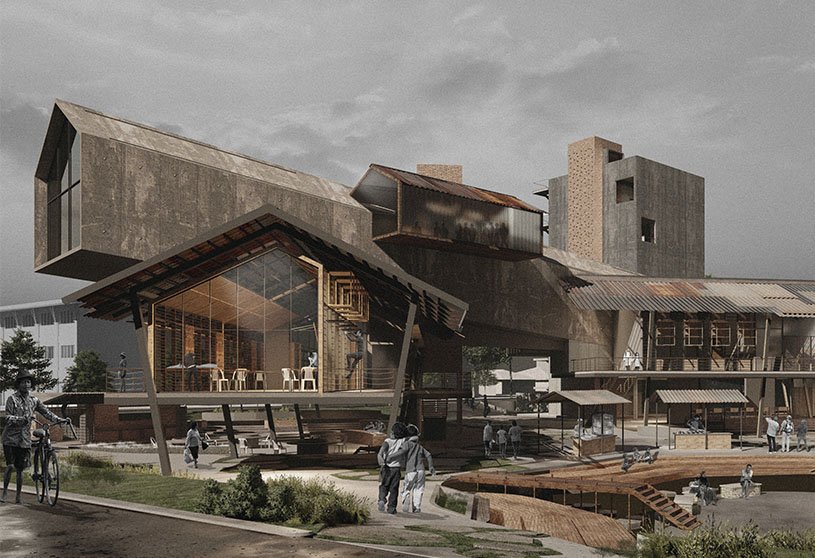
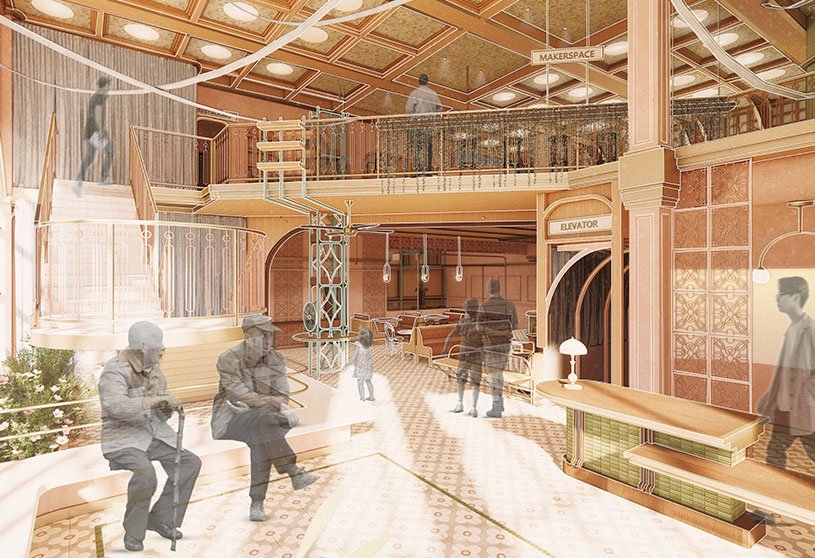
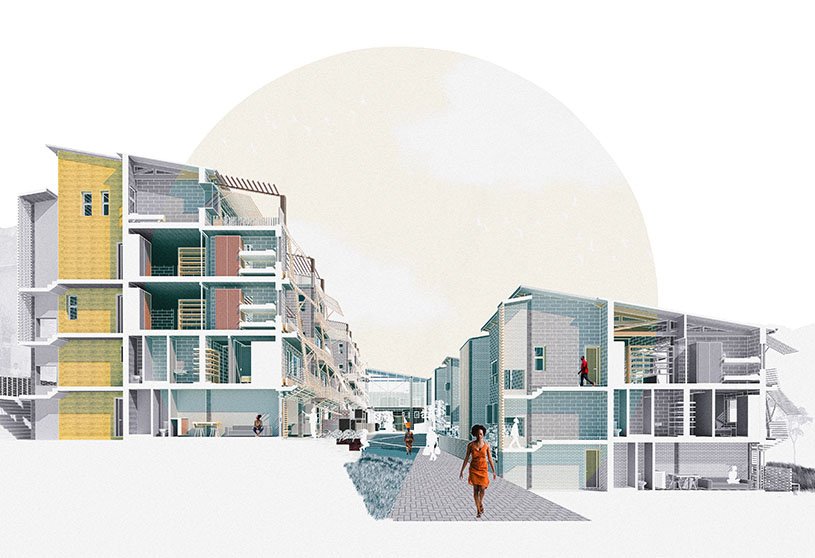
Excerpt: ‘Revitalizing Shibbari Morh, Design of a Public Hall Complex; Khulna’ is an architecture thesis by Md Safwane Islam from the ‘Department of Architecture – BRAC University,’ that seeks to revitalize an isolated site into a civic center promoting social and cultural engagement. With its welcoming design that includes food courts, play areas, green spaces, and shaded seating, the public hall complex aims to improve Khulna’s urban life and represents a resilient, inclusive future.
Introduction: The main goal of this project is to revitalize Shib-bari Morh to draw a diverse user base and strengthen ties within the community. This entails redesigning the site’s functions and creating a vibrant public space. A balanced approach to urban planning that respects historical and cultural identity is now necessary due to Khulna’s unchecked and fast growth. This project proposes a modern, sustainable civic centre that combines modern and traditional designs. With its welcoming design that includes food courts, play areas, green spaces, and shaded seating, the public hall complex will serve as a bustling centre for cultural and social events. In addition to improving Khulna’s urban life, this new plaza represents a resilient, inclusive future.
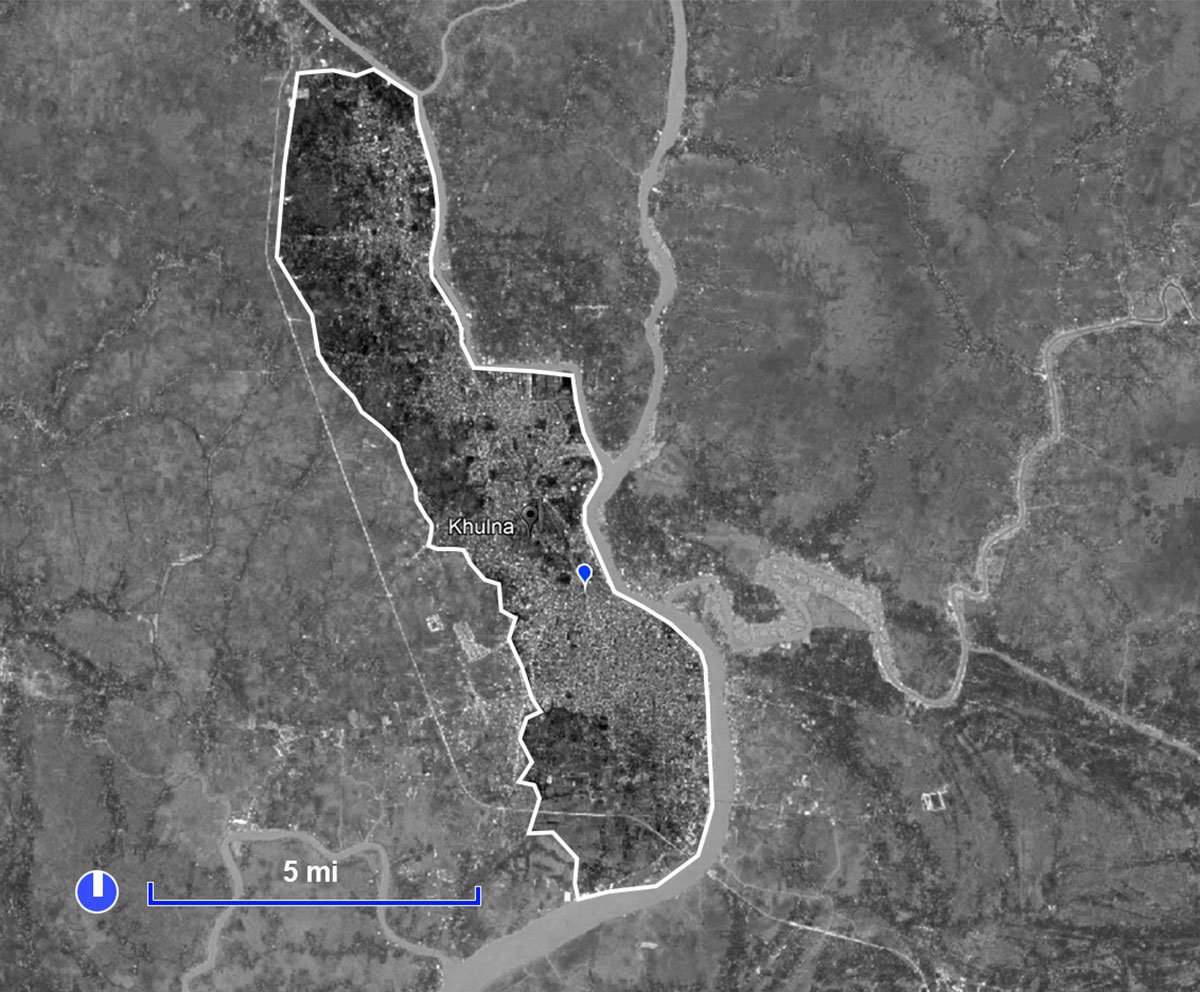
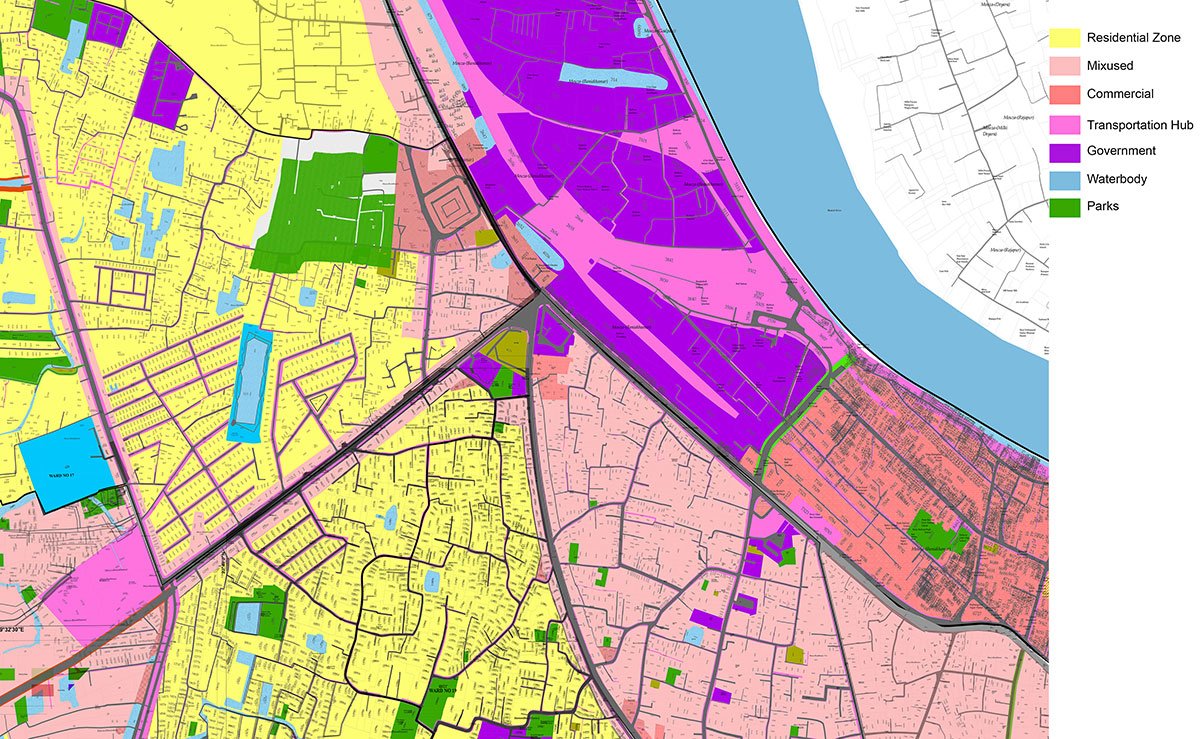
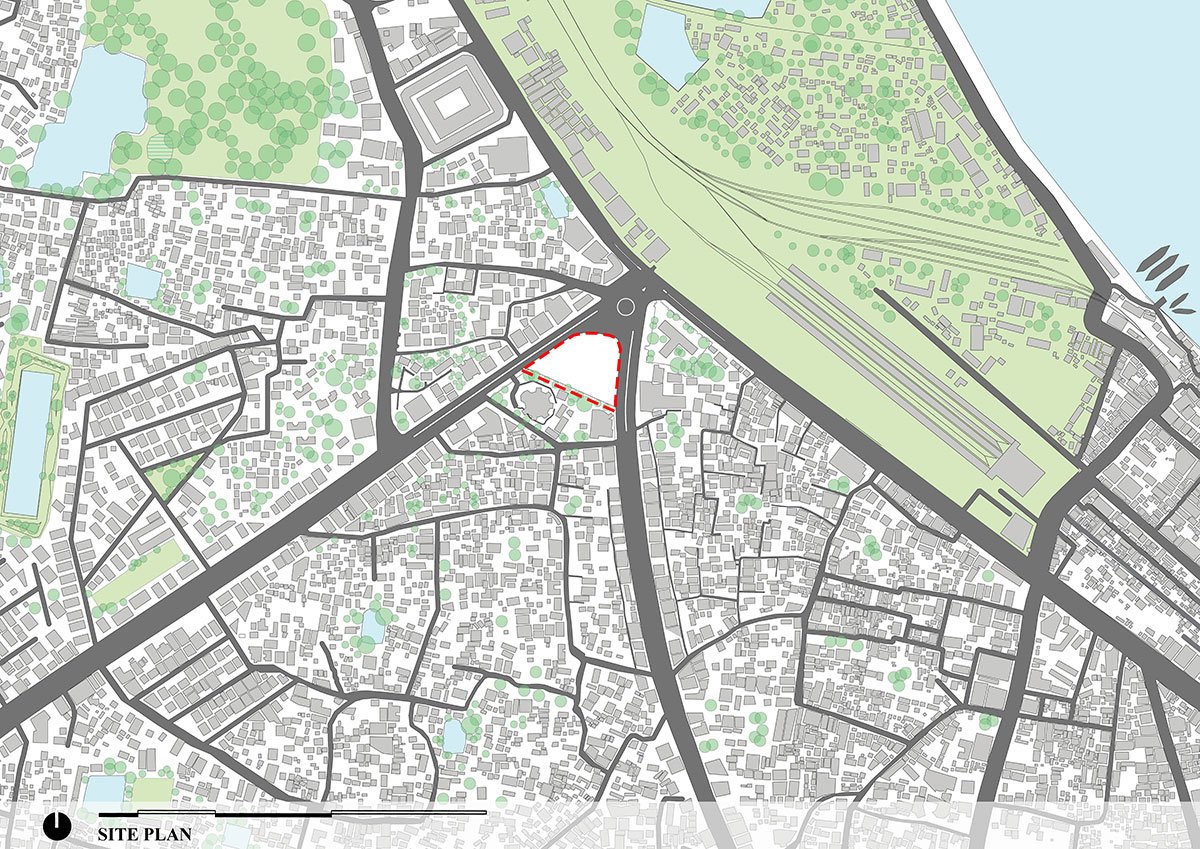
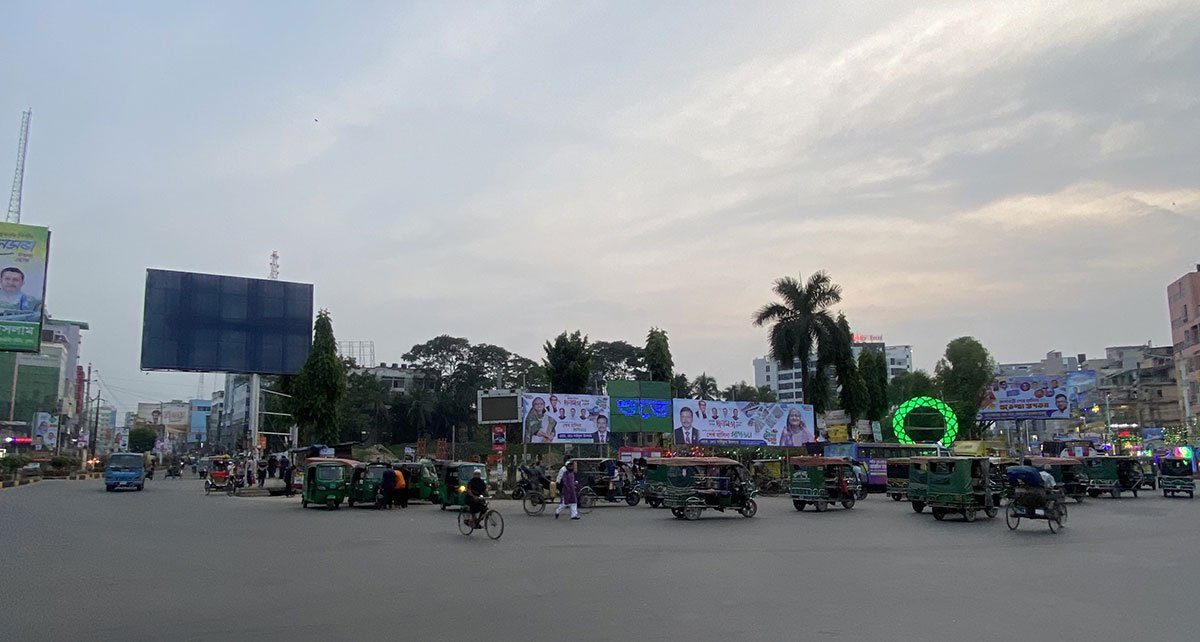
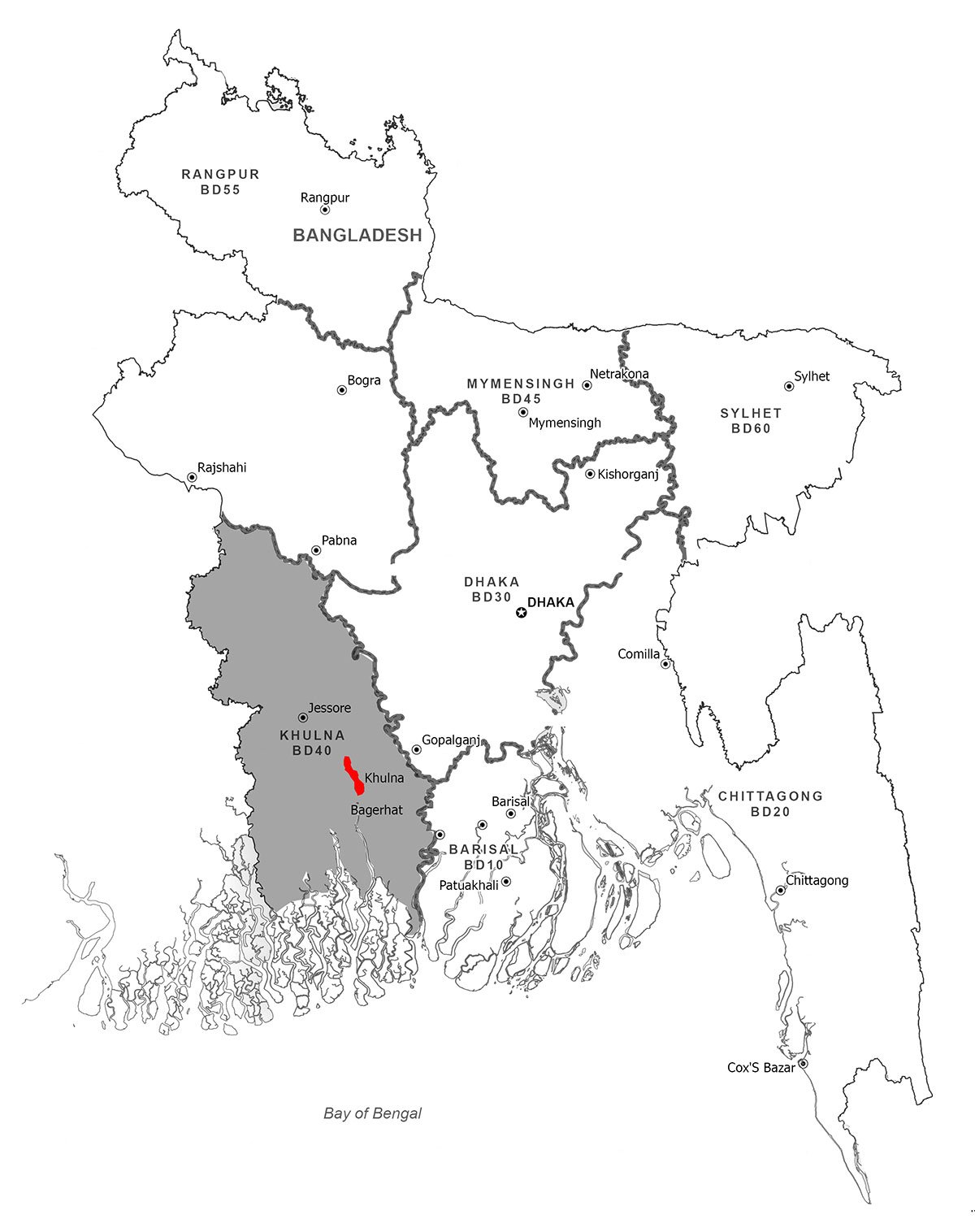
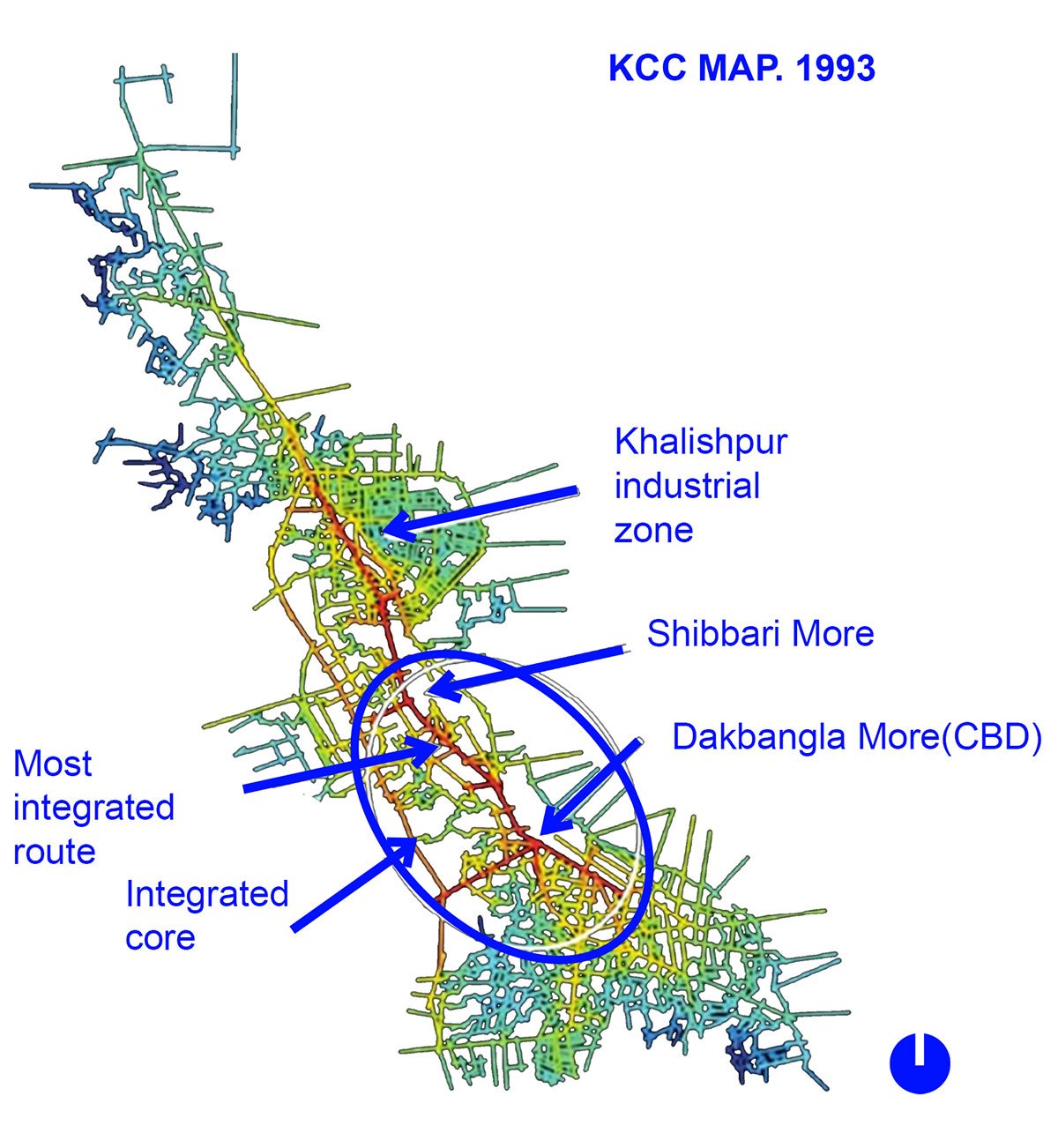
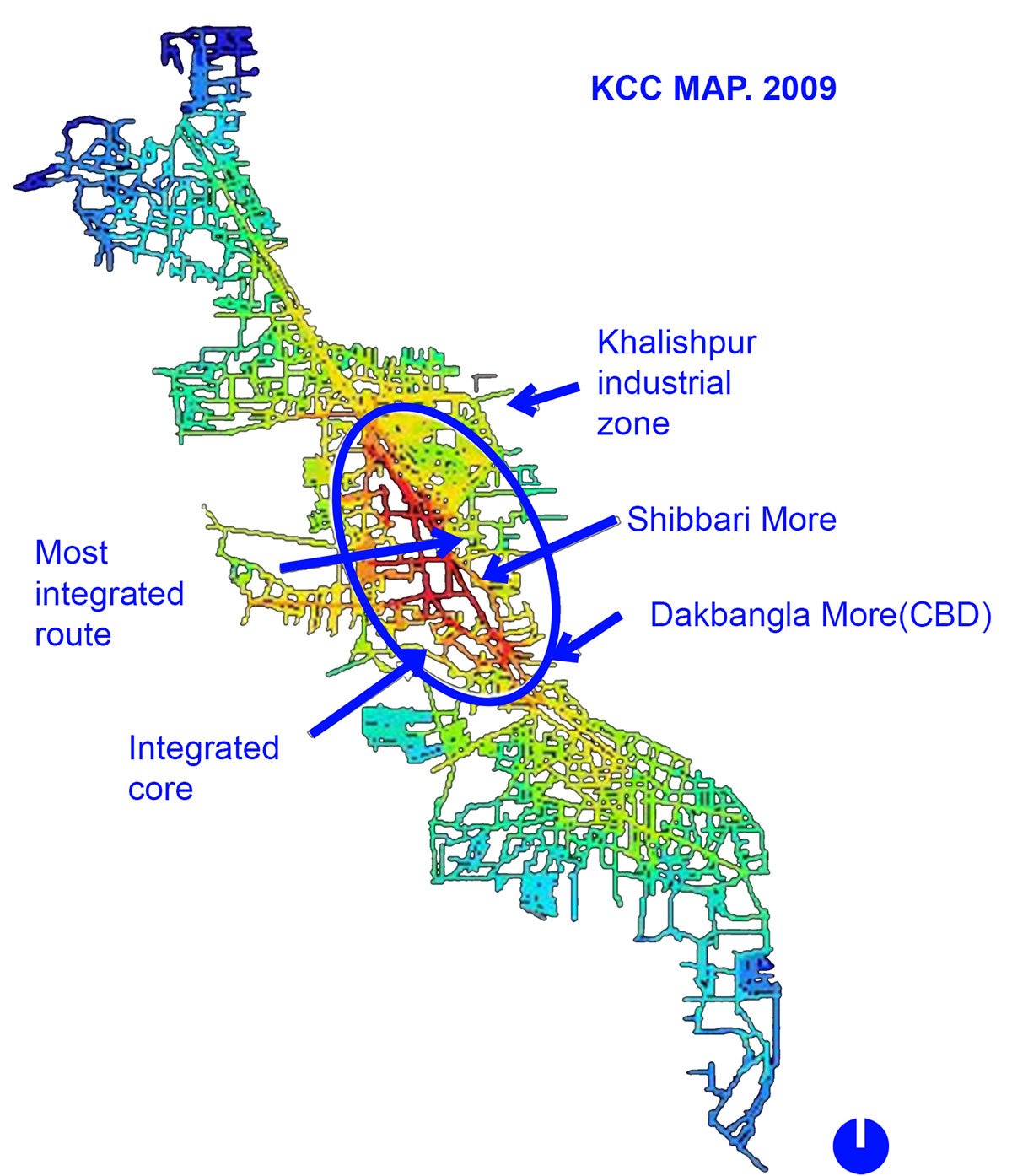
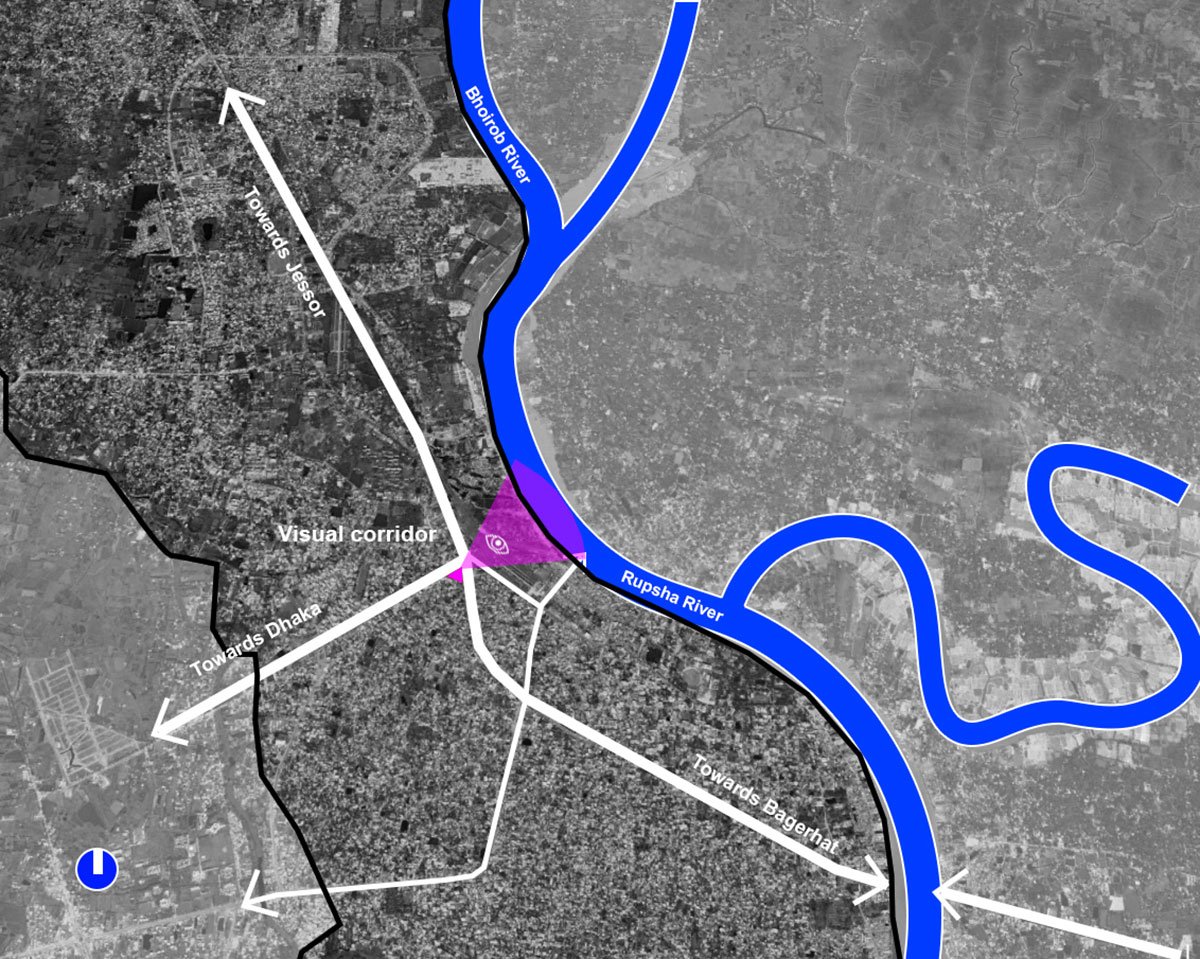
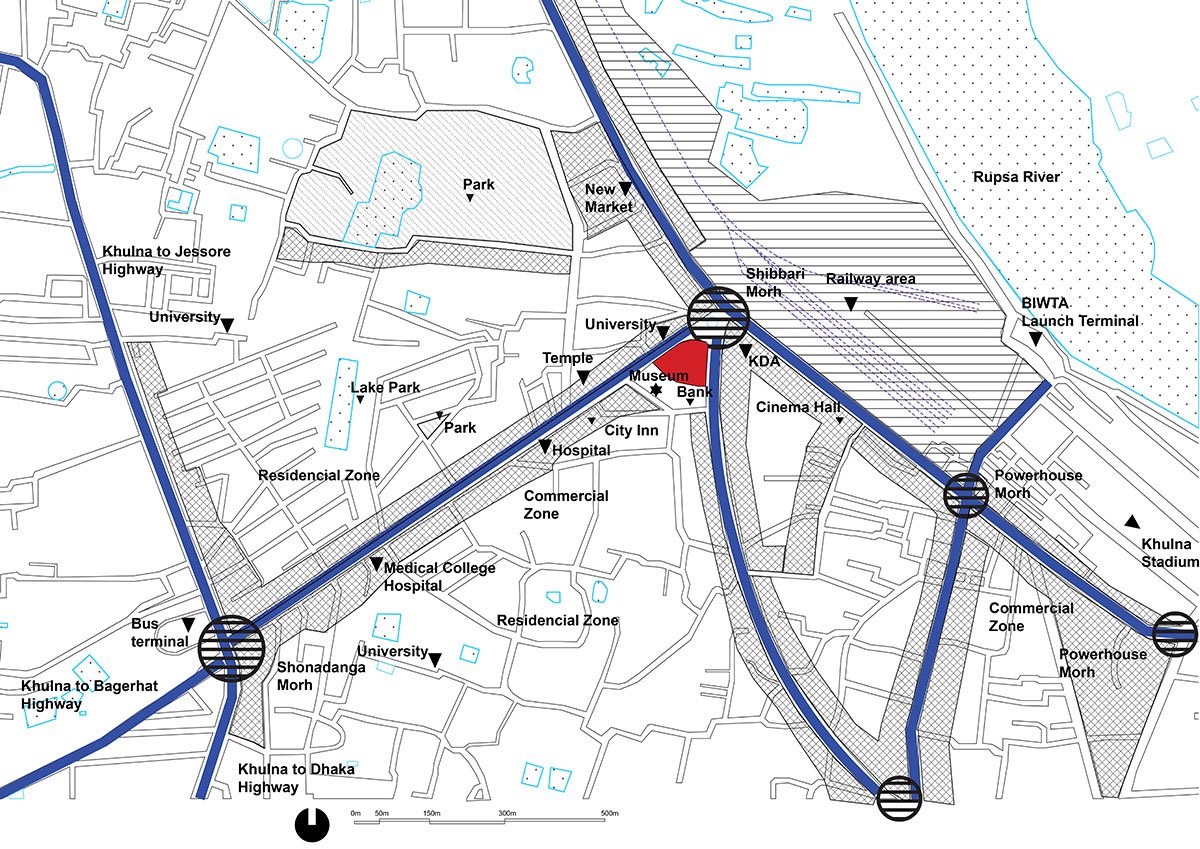
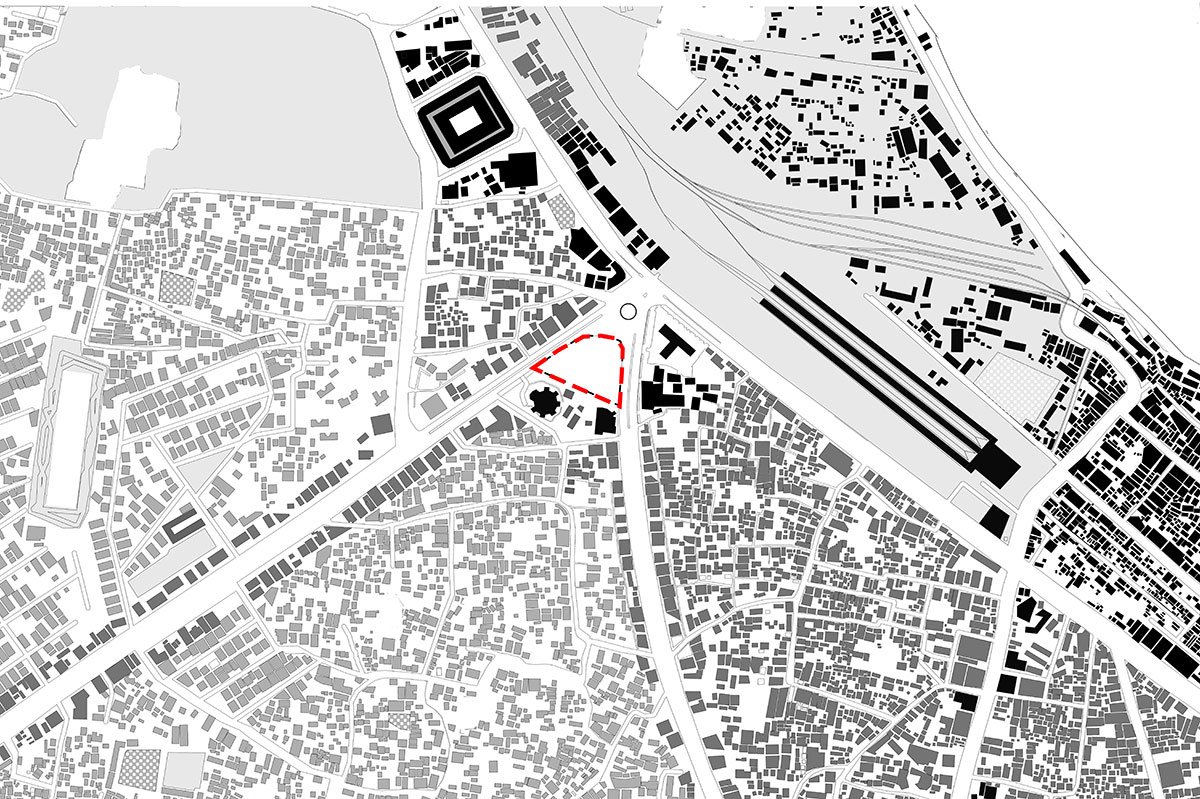
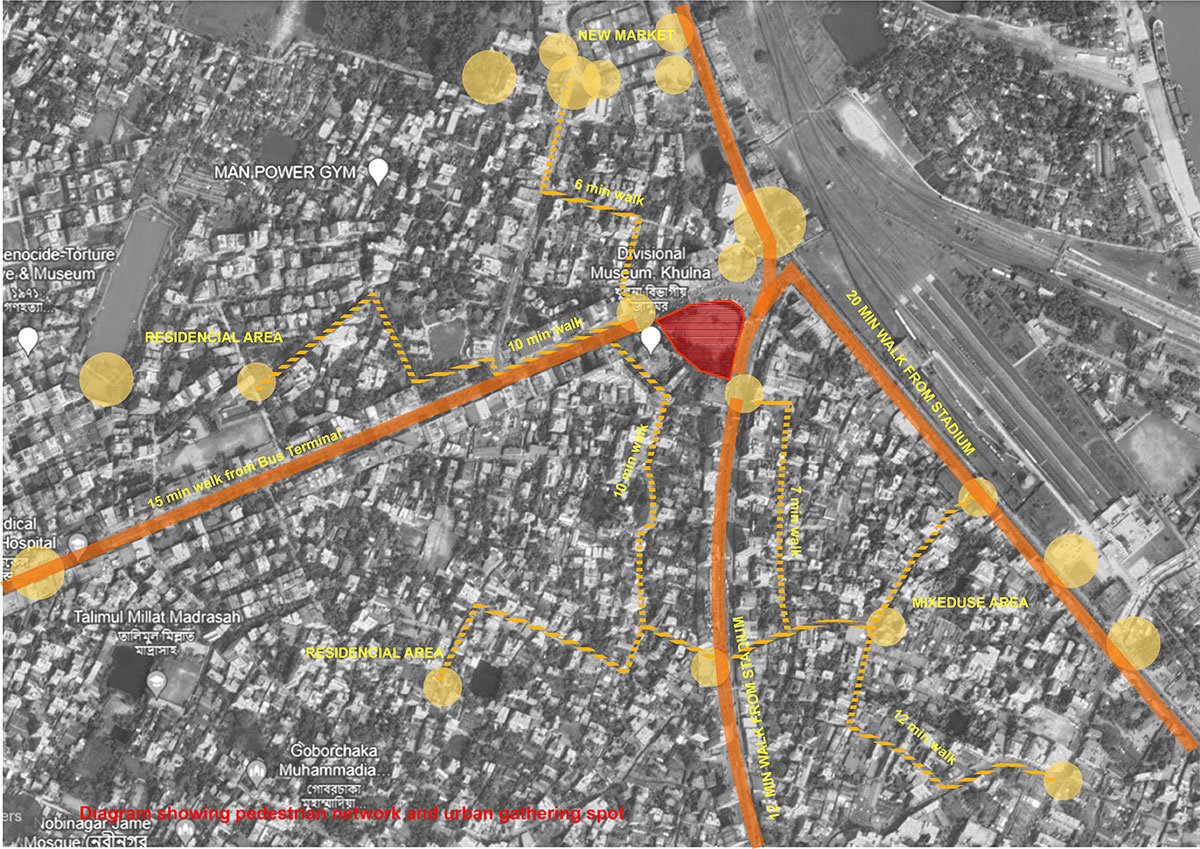
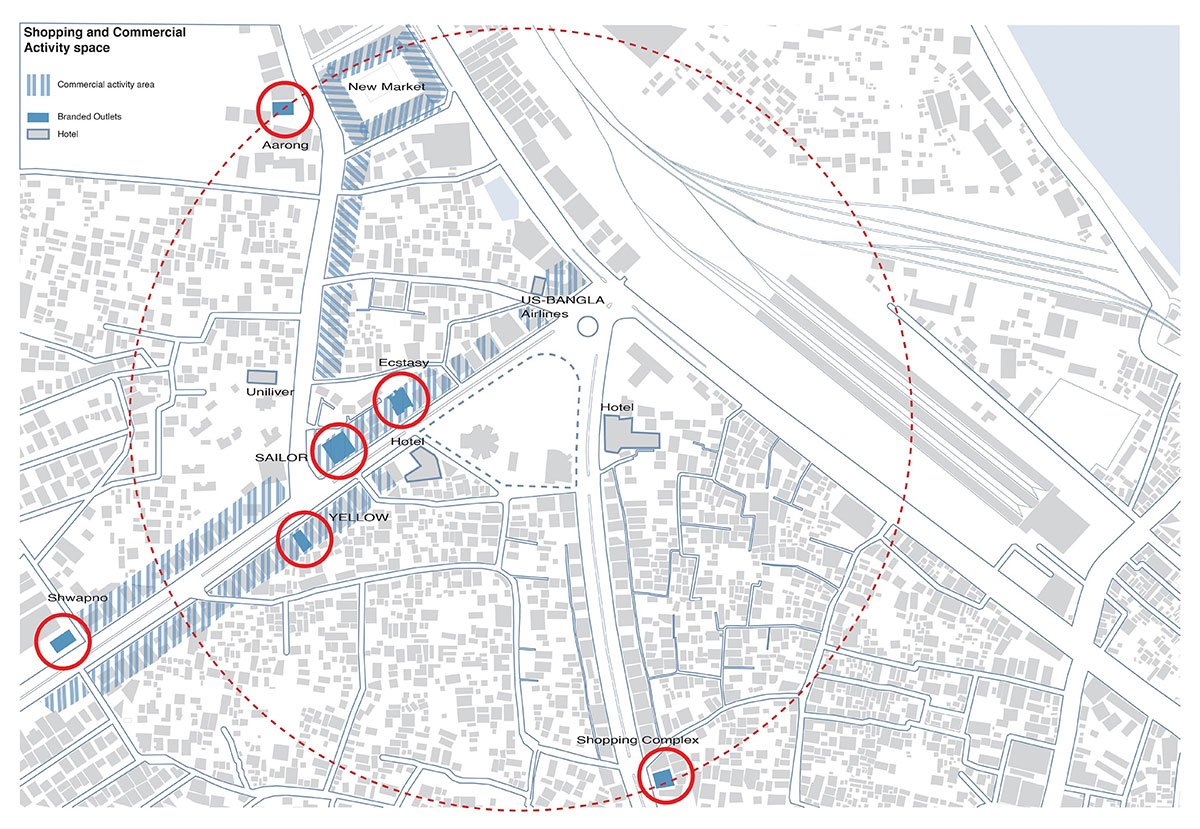
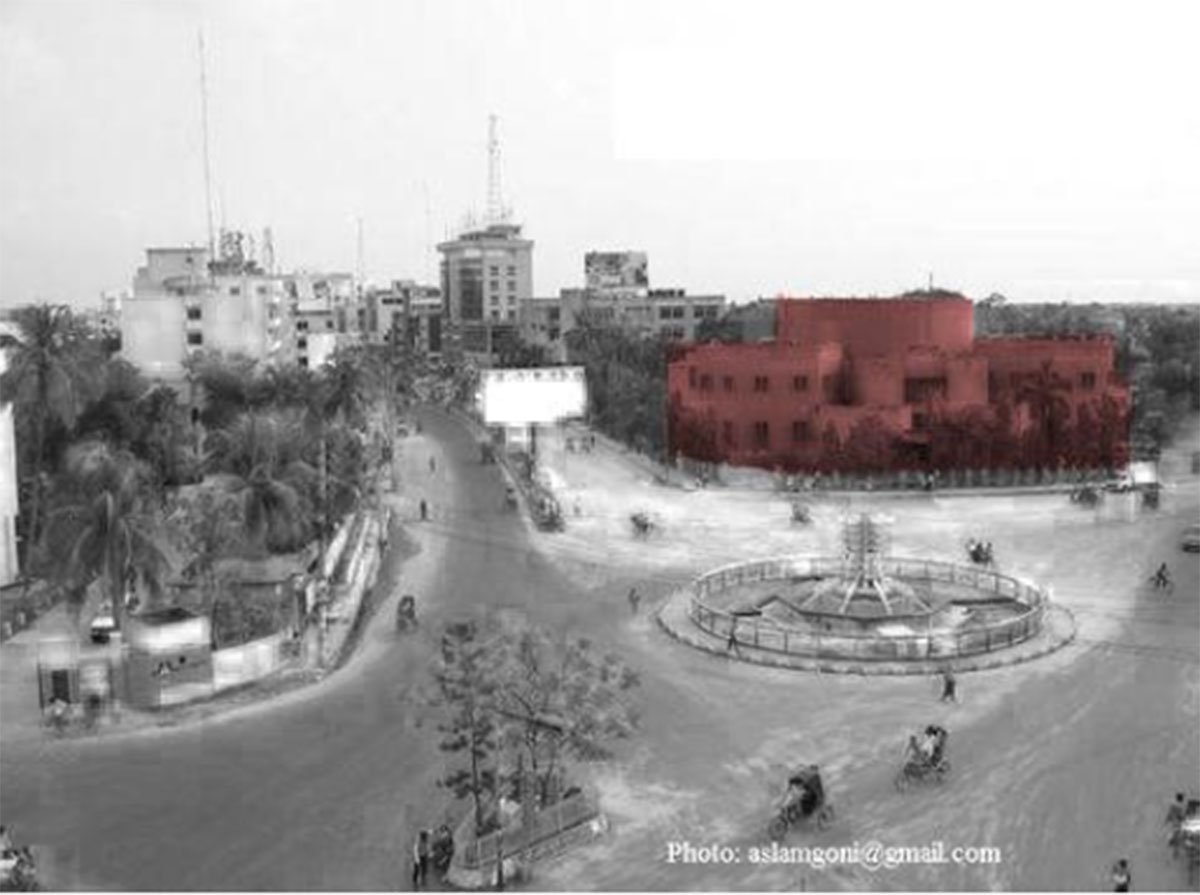
Located in the centre of Khulna, Bangladesh, Shib Barir Morh is an unique intersection of bustling commercial areas, mixed-use areas, and tranquil residential neighbourhoods. Despite its ideal location close to the renowned City Museum, this area appears fragmented and underutilised, with little connection between the museum and the surrounding neighbourhoods.
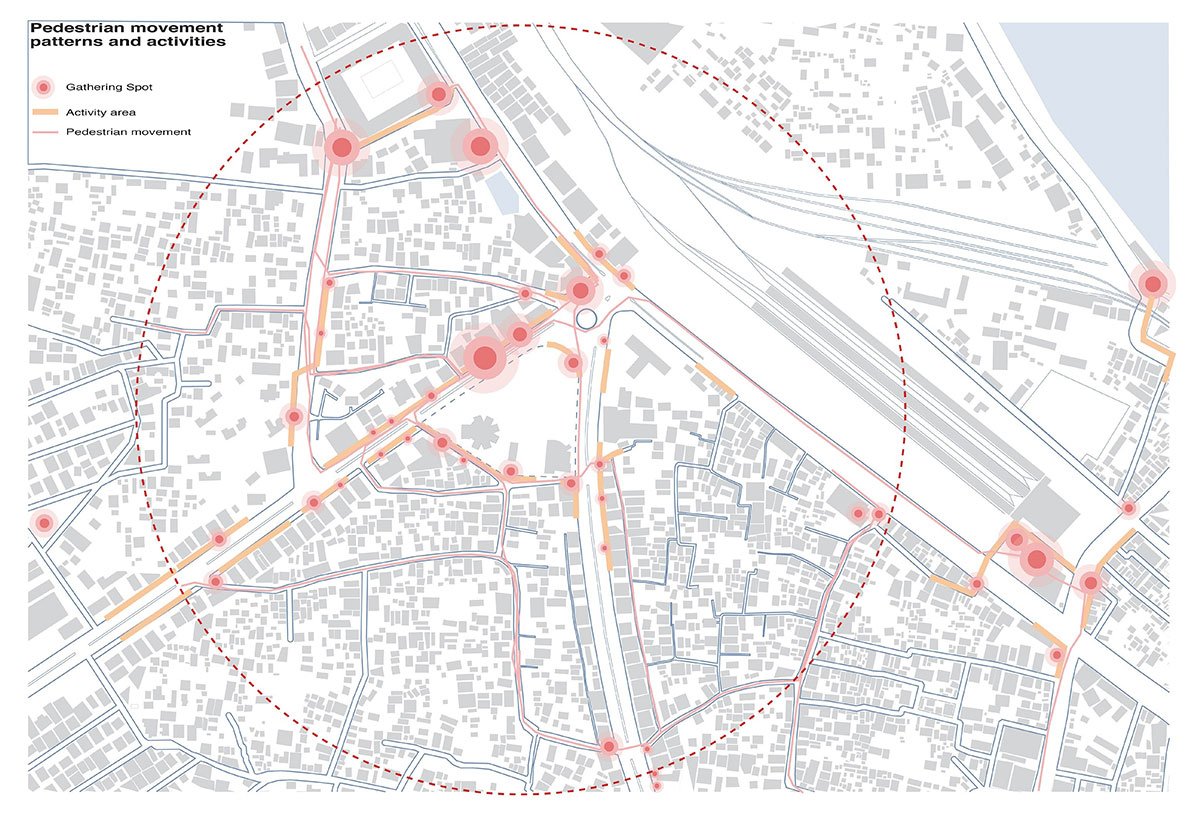
Green BlueActivity MappingSite Condition Now
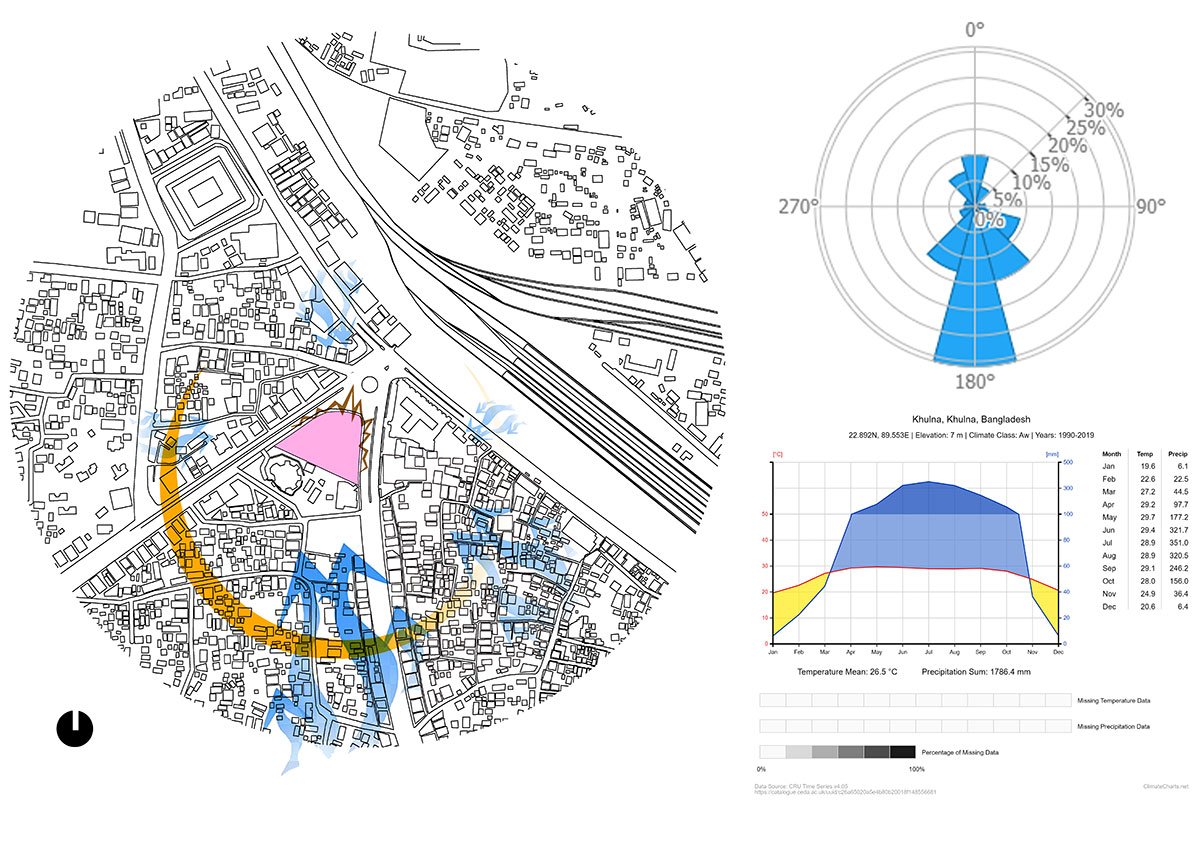
The site has the potential to develop into a vibrant urban centre where public life and cultural landmarks coexist seamlessly. By analysing the spatial, social, and cultural facets of Shib Barir Morh, the goal is to transform it into a lively, community-centered space that strengthens Khulna’s sense of identity.
Design Process
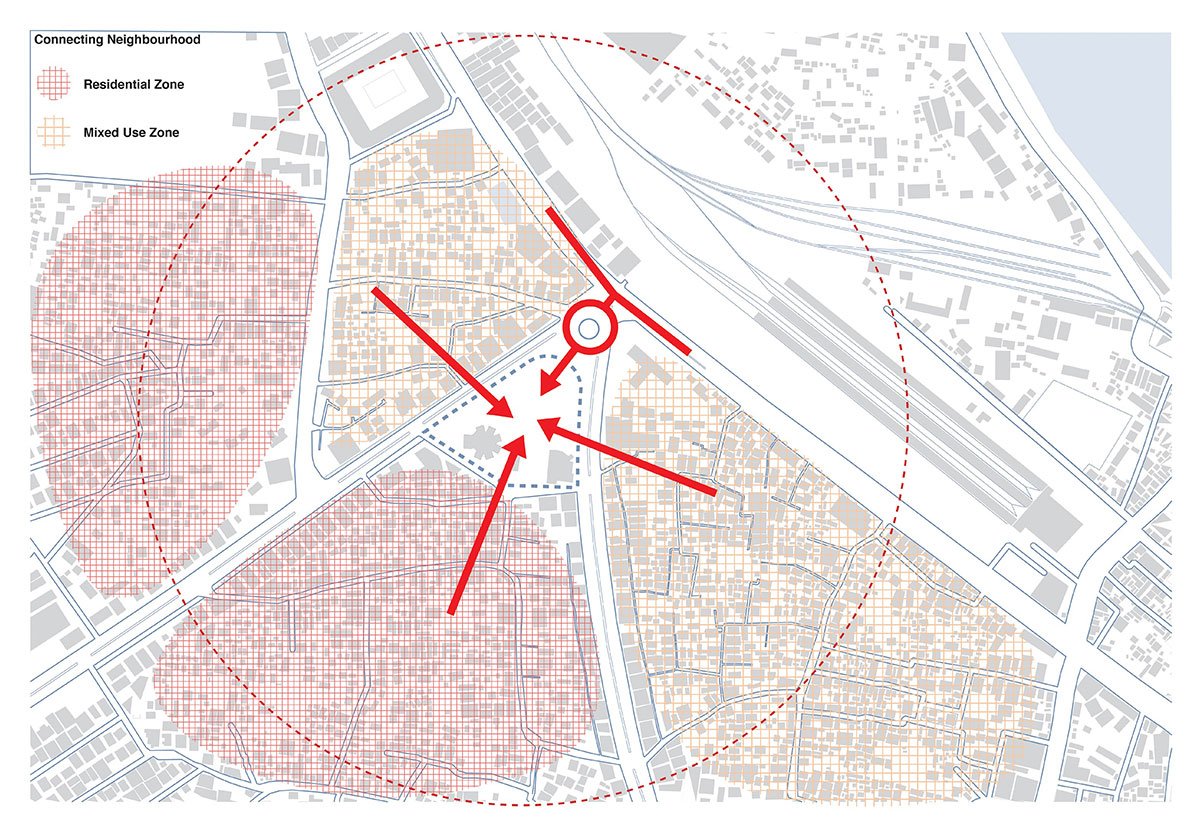
Connecting the people through a common access
Site Analysis and Contextual Study: The initial phase involved a comprehensive study of Shib-bari Morh and its surrounding urban fabric. Located in a rapidly expanding region of Khulna, the site’s close proximity to important landmarks like the divisional museum and a local school offered unique opportunities to reconnect these fragmented spaces. Through contextual analysis, the project determined that Khulna needed a vibrant, easily accessible civic area that would respect its cultural legacy while tackling the problems of uncontrolled urban growth.
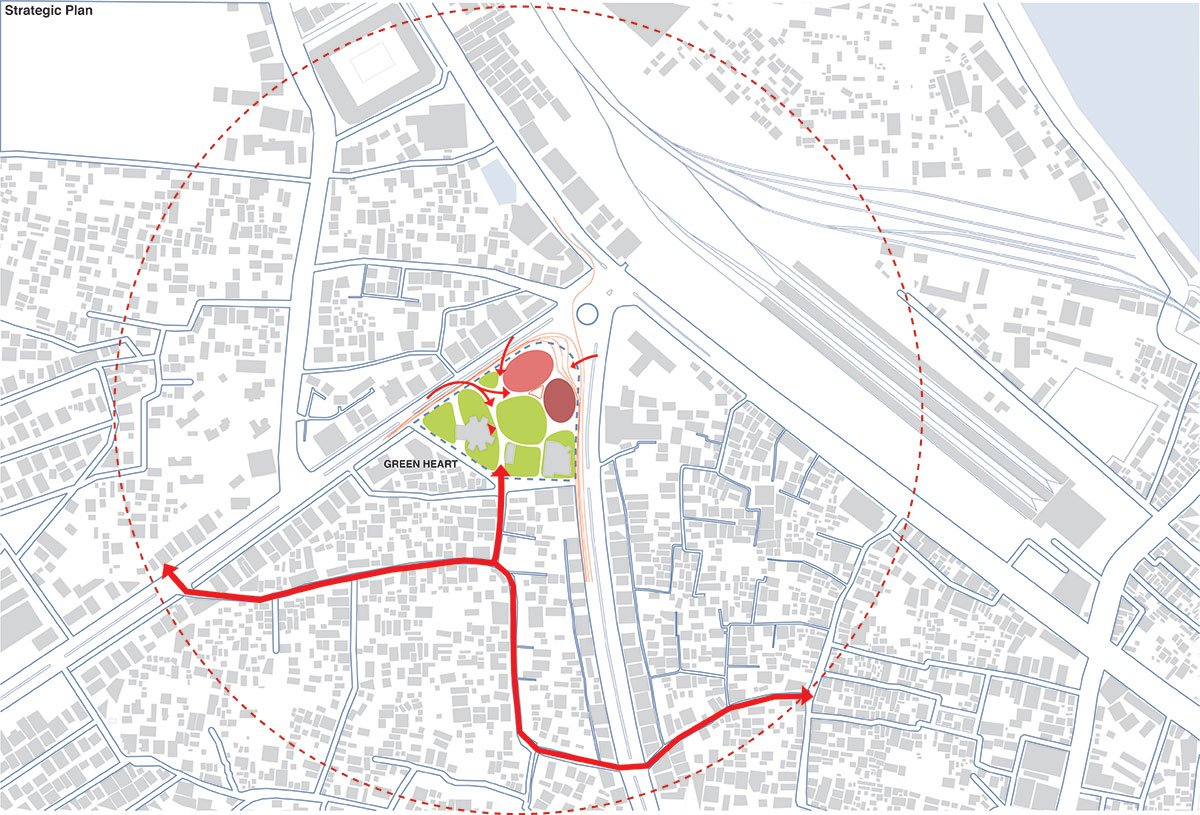
Strategic Plan
Concept Development: Inspired by the vision of a sustainable, community-oriented space, early concept sketches focused on the flow and accessibility between different site functions. Physical barriers between the site, museum, and school were removed to create an open plan that promotes visual coherence and easy movement. The concept places a strong emphasis on inclusivity, with areas designed to interact with people of all ages and backgrounds in a welcoming, green setting that blends in perfectly with Khulna’s urban landscape.
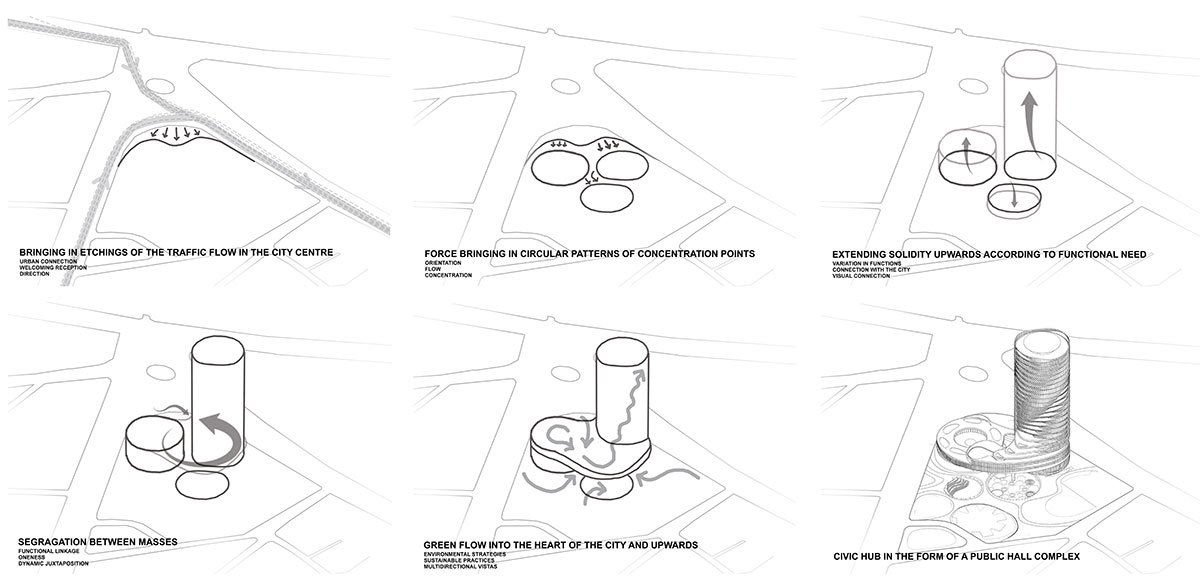
Form Development
Form and Flow: The site’s free-flowing design prioritizes accessibility, with pathways and open spaces connecting the museum, school, and public hall complex. The removal of restrictive barriers has created a space where people from different walks of life can engage with each other, the museum, and the surrounding amenities. Curved forms and organic pathways soften boundaries, making the space inviting and emphasizing Khulna’s commitment to an environmentally friendly urban design.
Final Outcome
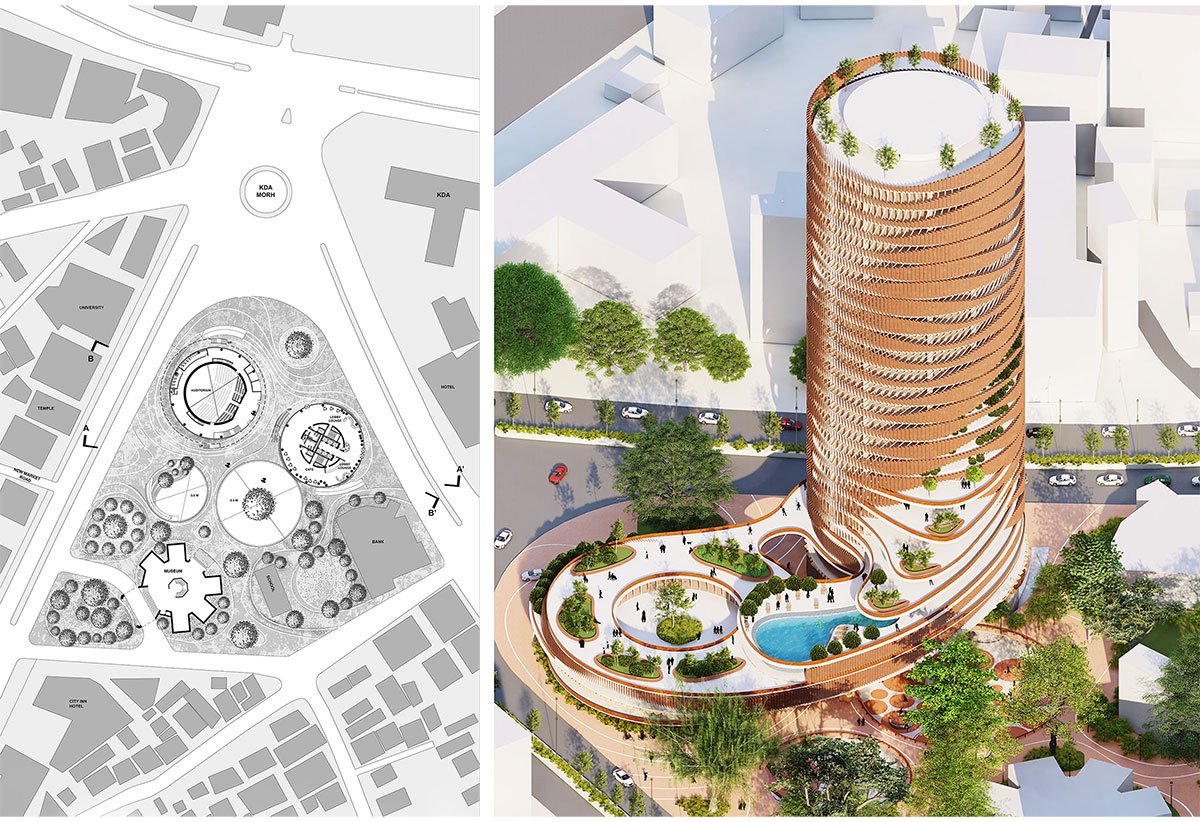
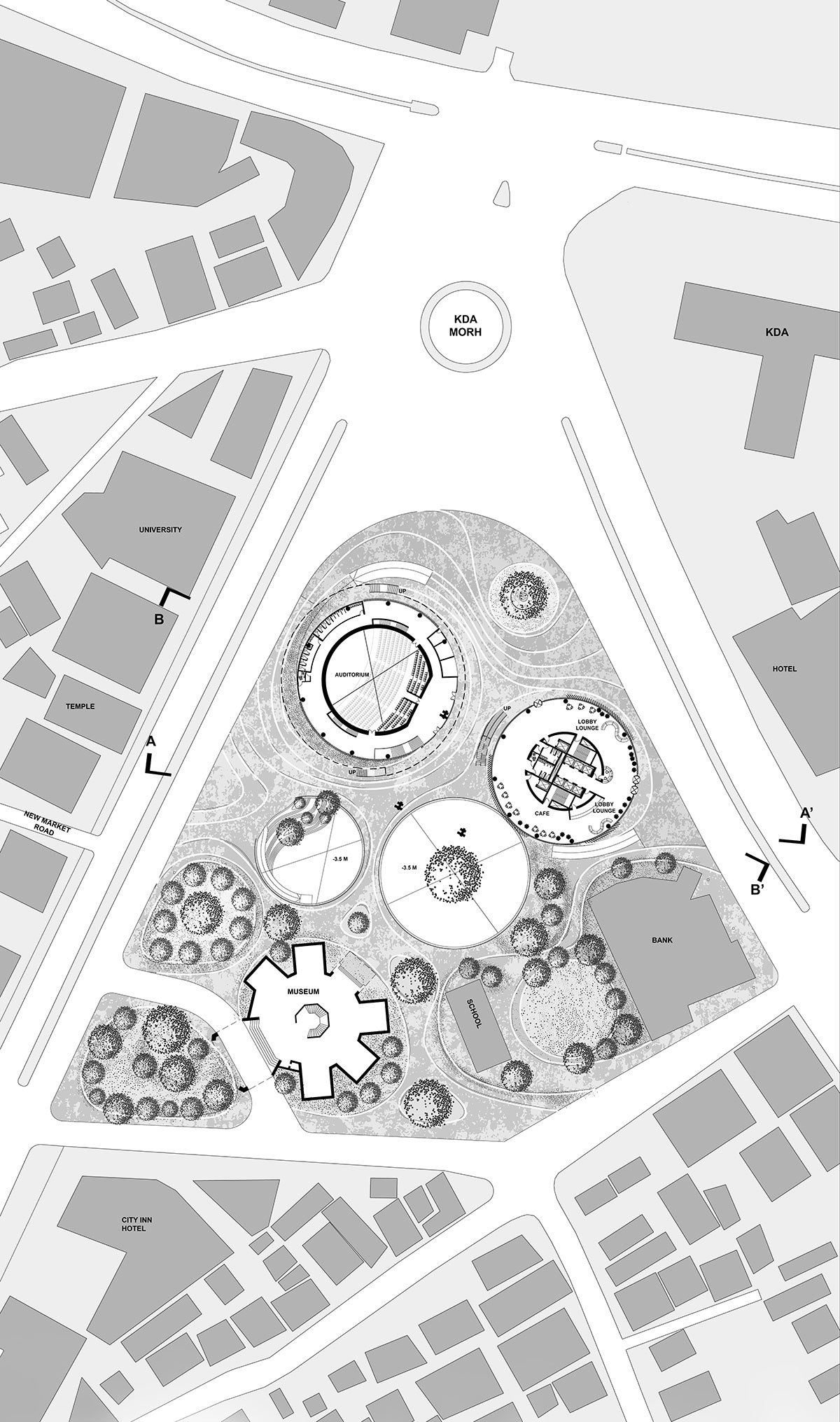
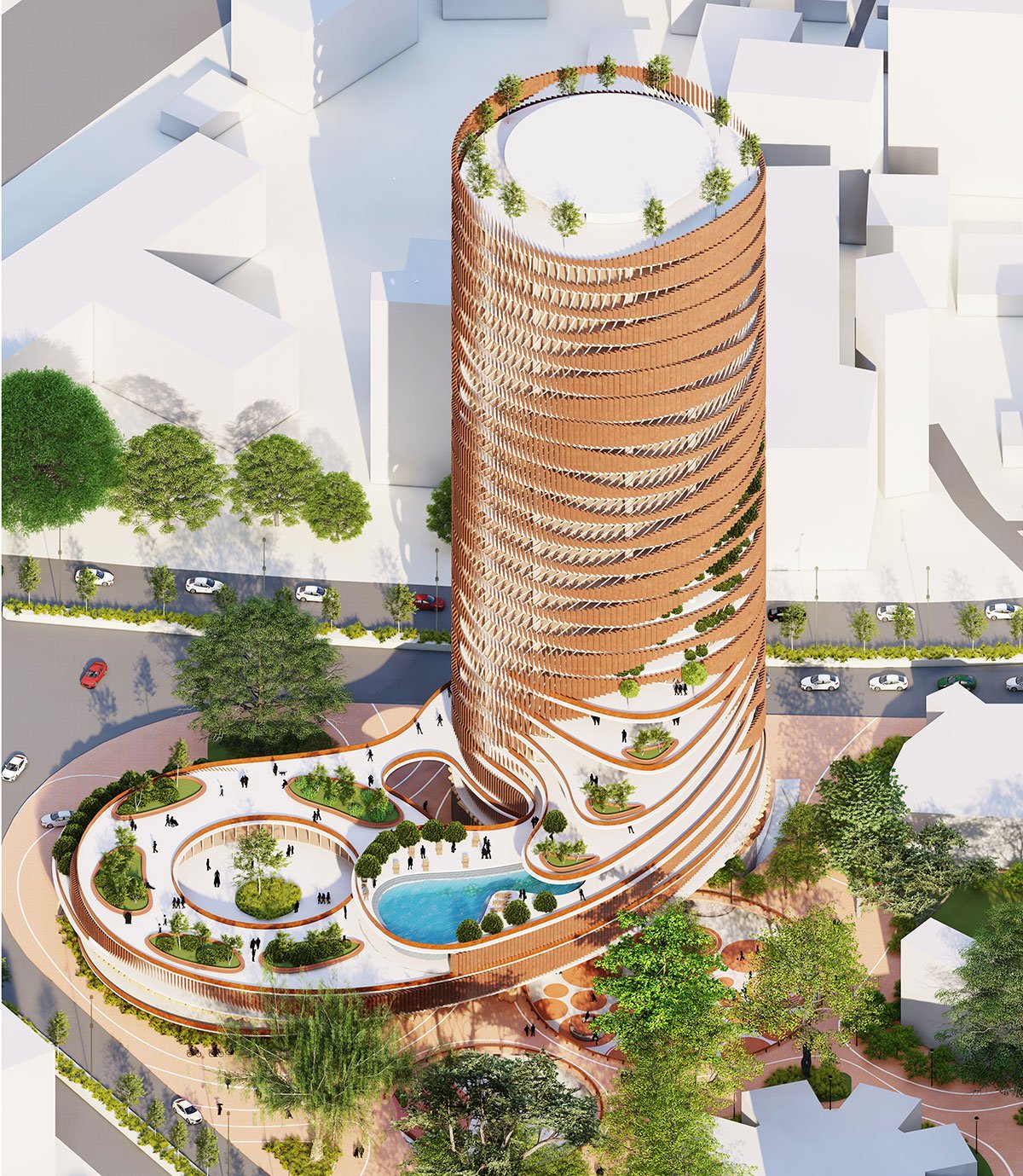
Site PlanGround Floor Plan | Axonometric View
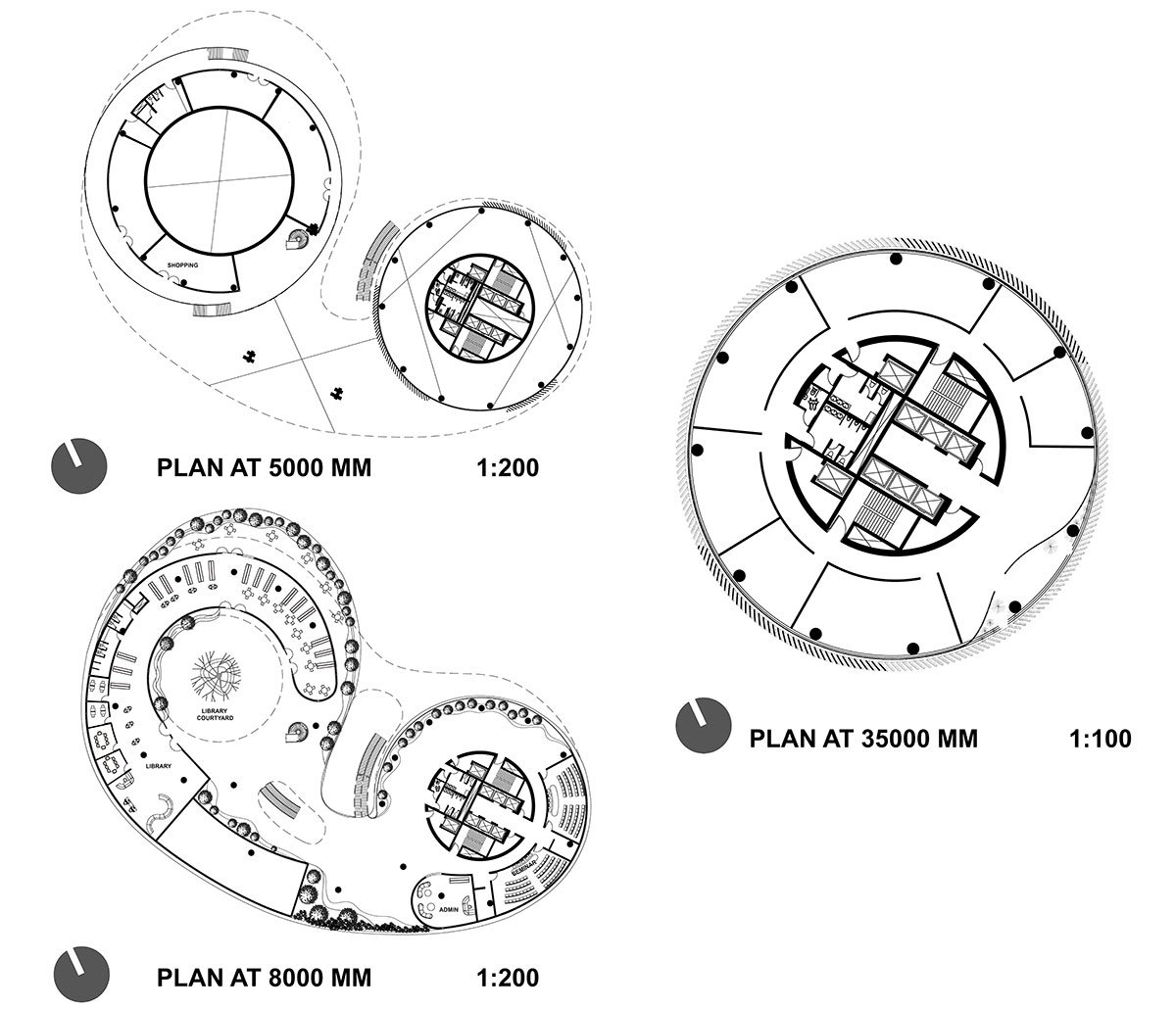
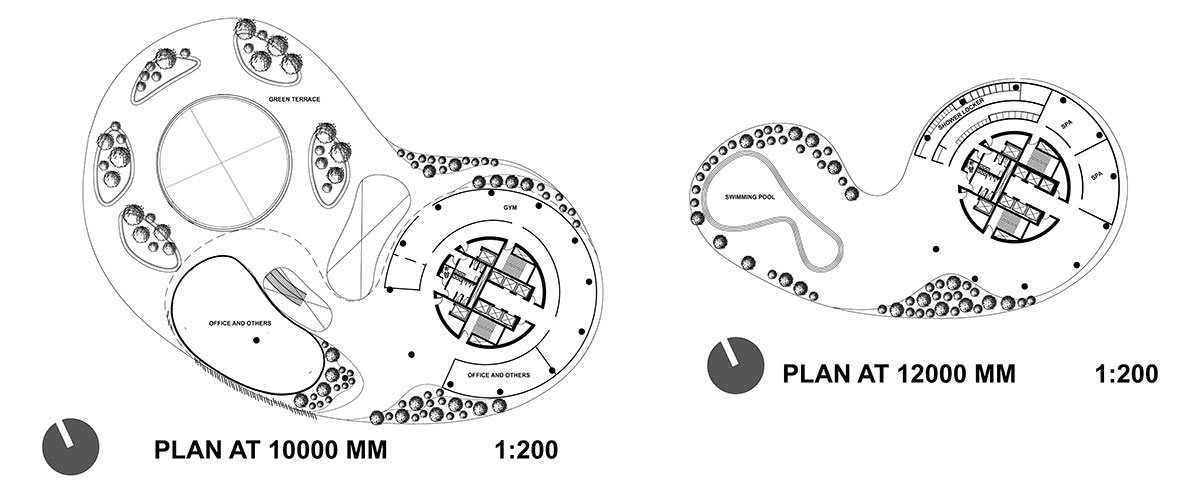
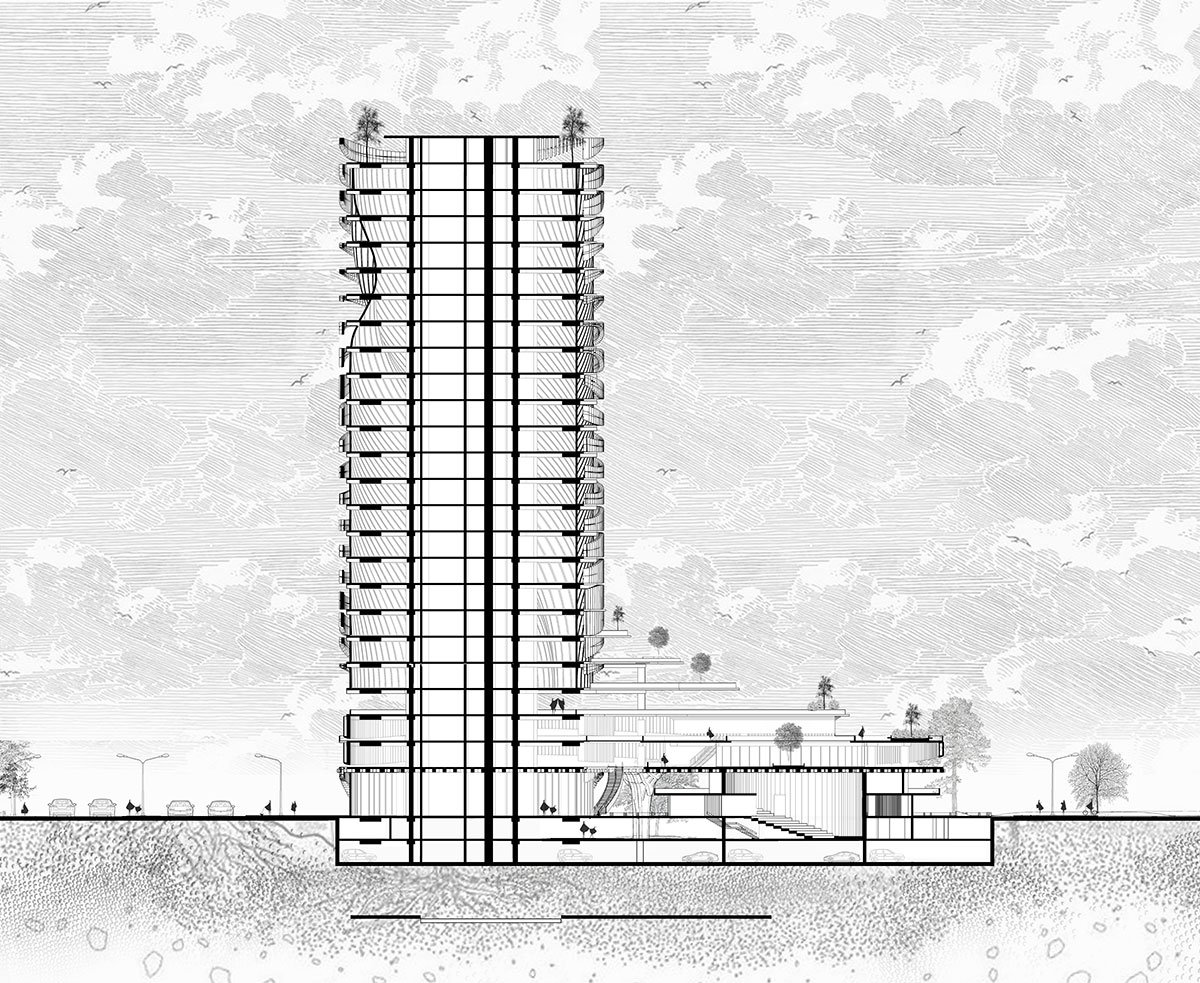
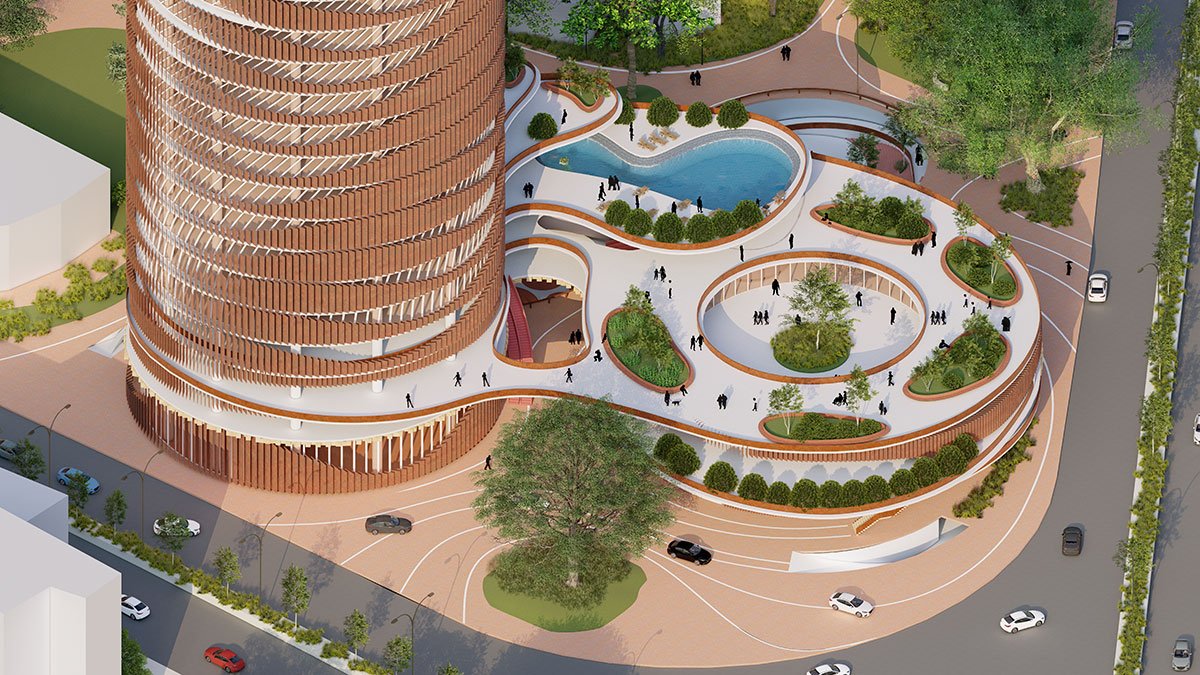
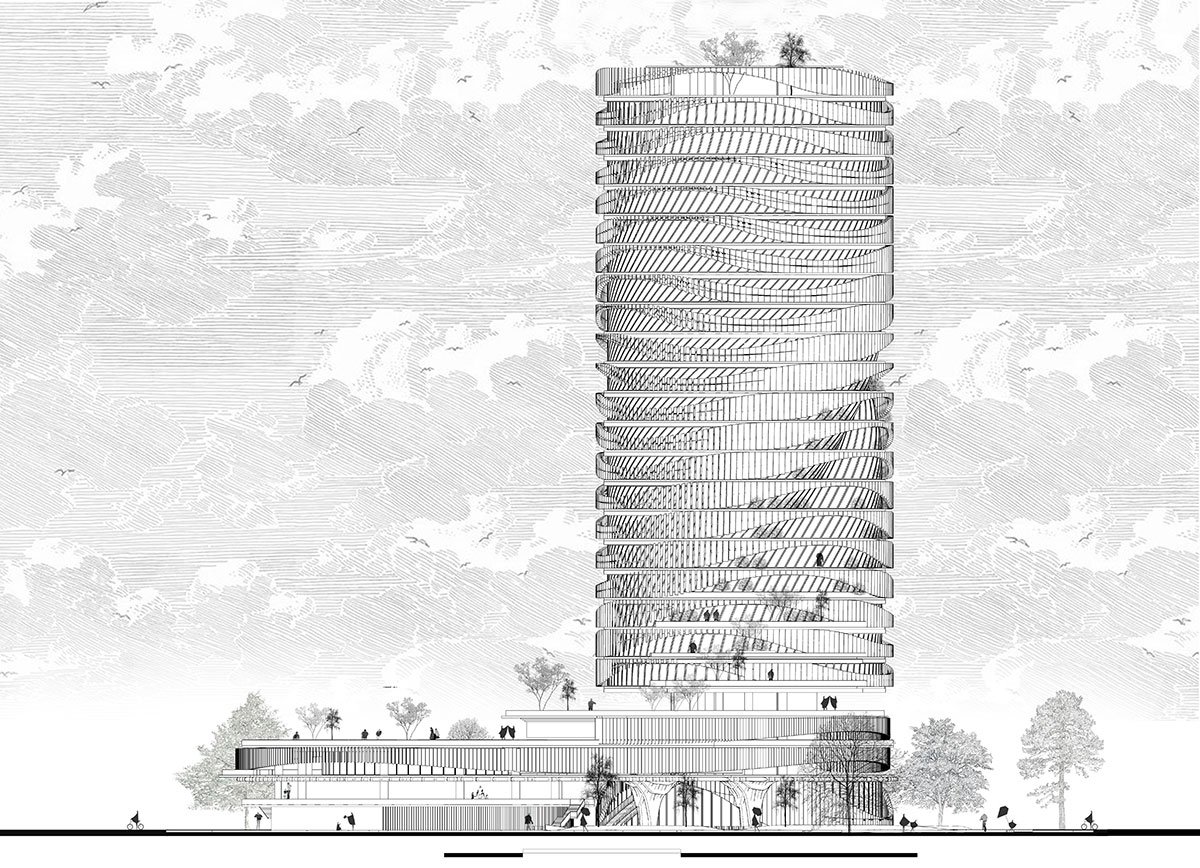
Design and Detailing: The final design of Khulna’s urban core combines historical aesthetics with modern functionality, creating a civic symbol of growth. It features shaded seating areas, green terraces, and play zones for comfort, and open-air structures for accessibility. The design emphasizes inclusivity, providing equal access to all facilities, making it a hub for social and cultural engagement.
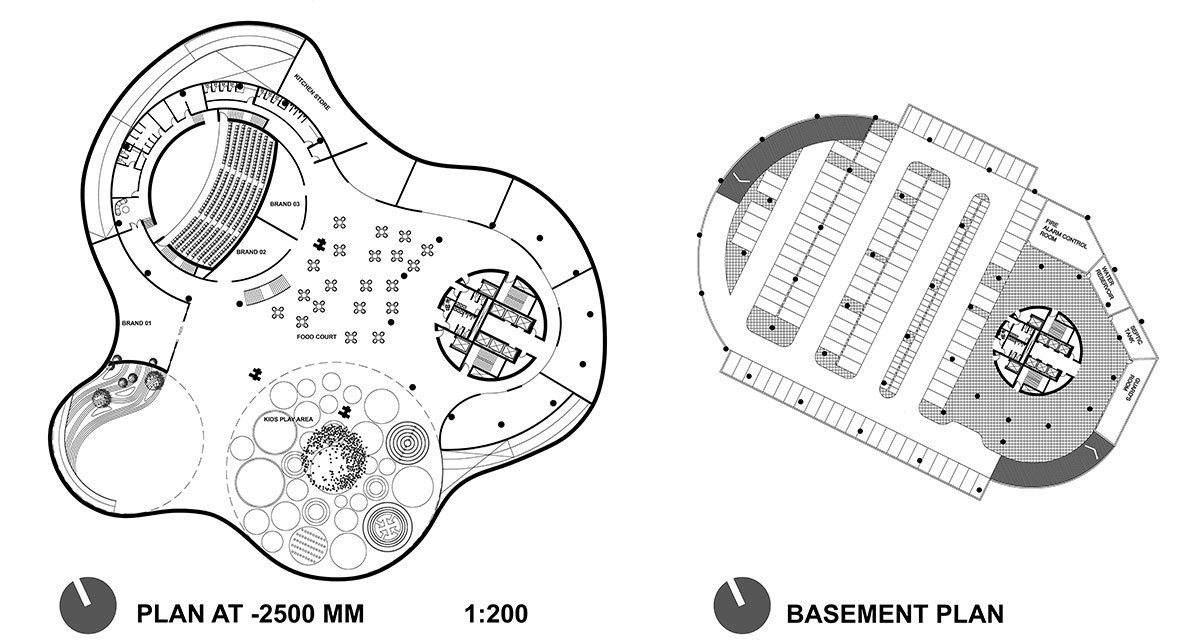
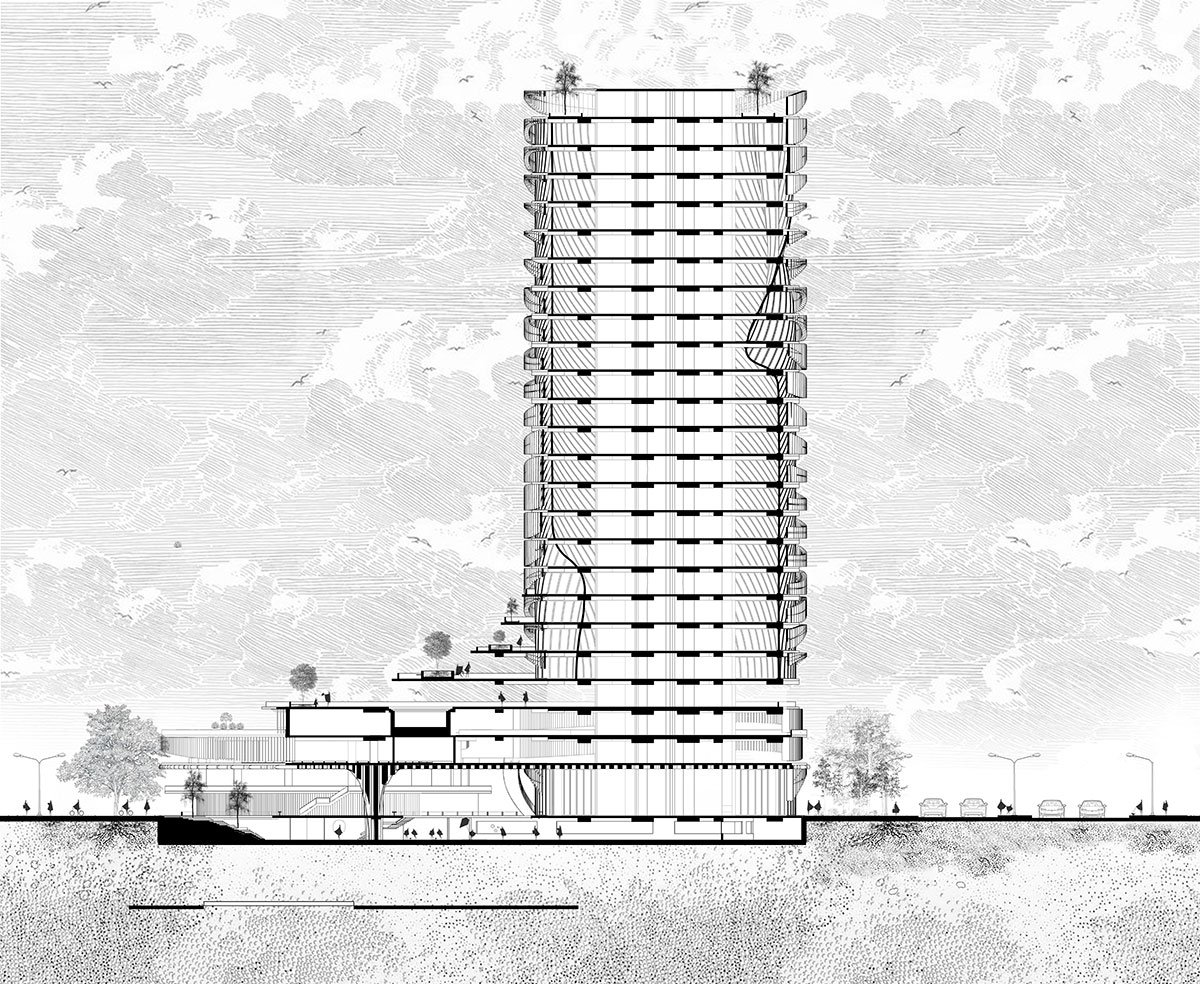
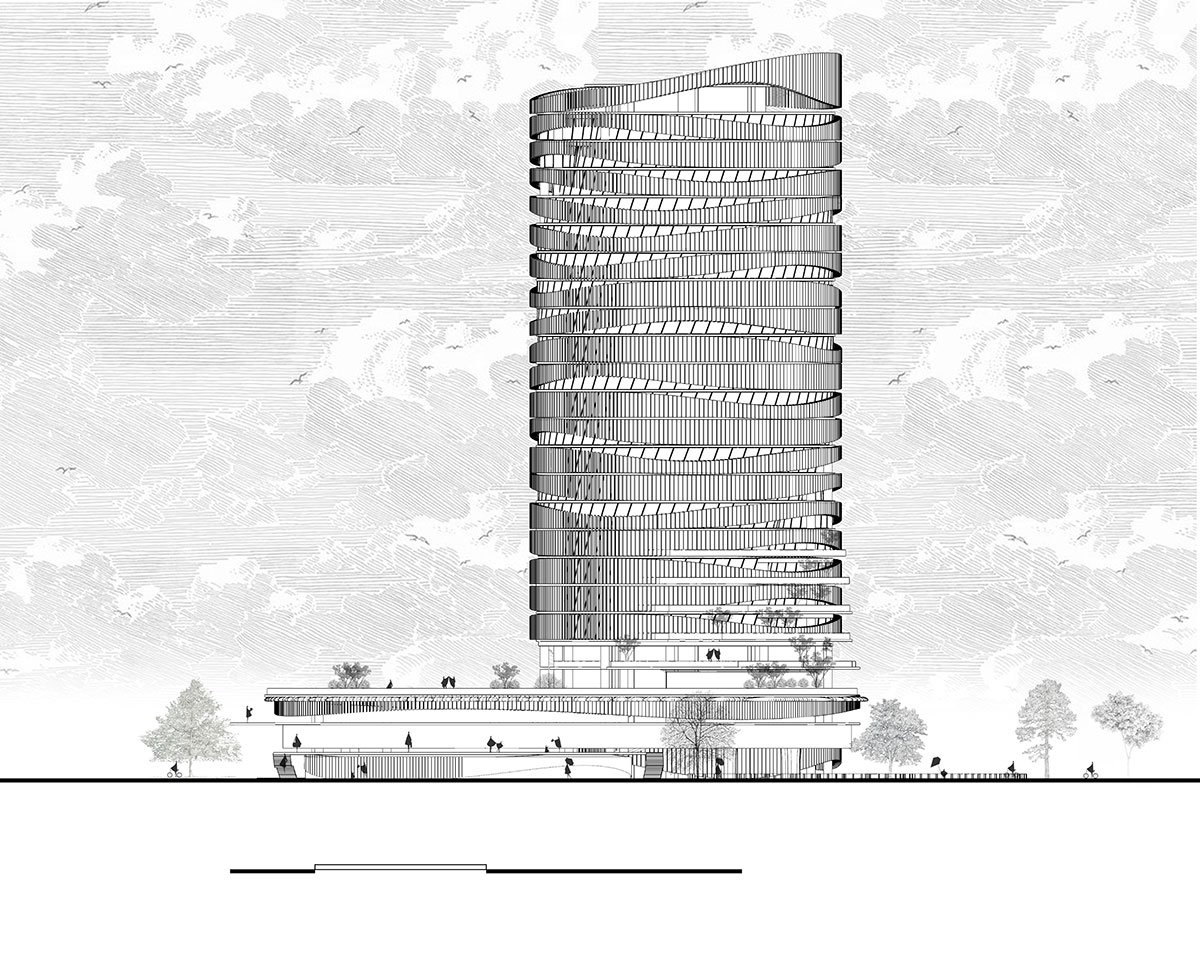
Floor PlansSection AA’Northwest Entry
Program Integration and Spatial Planning: The Public Hall Complex serves as a multifunctional urban center designed to meet diverse community needs. It features a 500-seat auditorium, digital library, seminar halls, gym, shopping areas, indoor play zone, and a swimming pool. The design also includes rental office spaces to support local businesses and stimulate the economy. Green terraces and sustainable materials promote environmental responsibility, while the plaza with food courts, play areas, shaded seating, and green spaces creates a lively hub for recreation and relaxation.
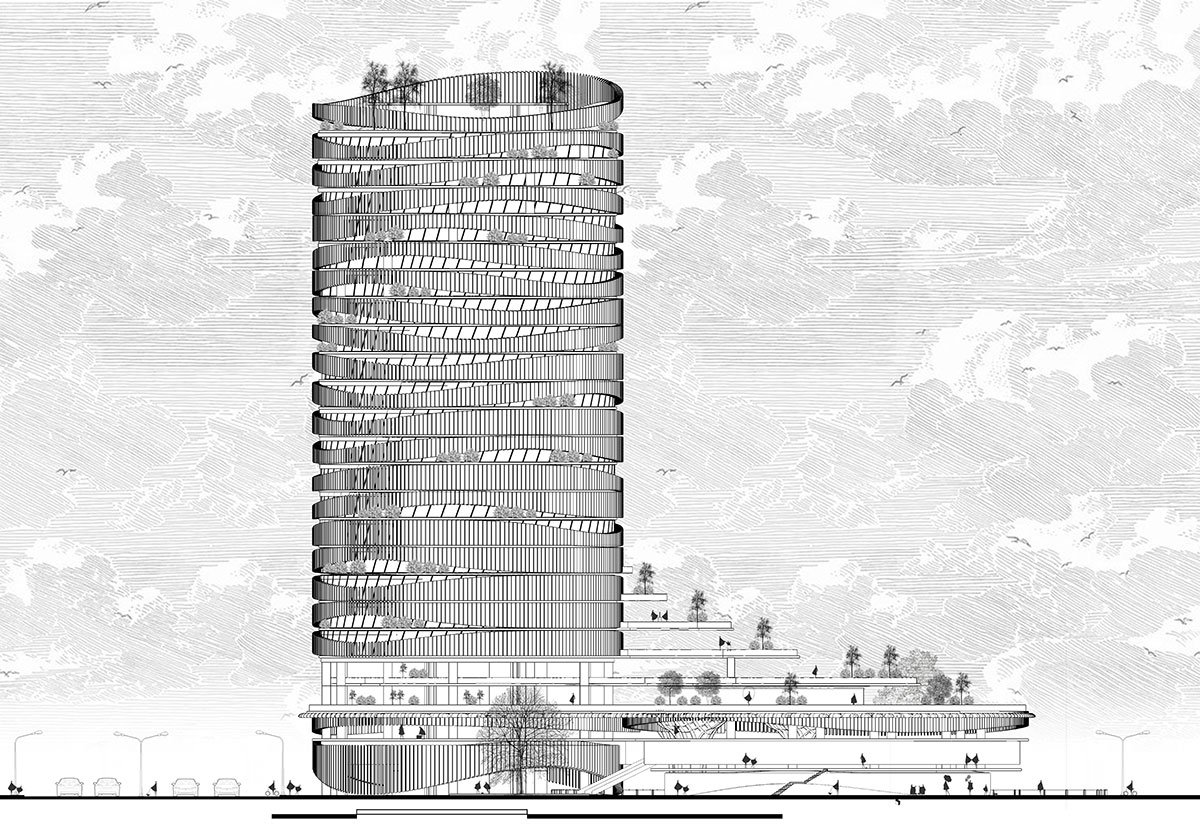
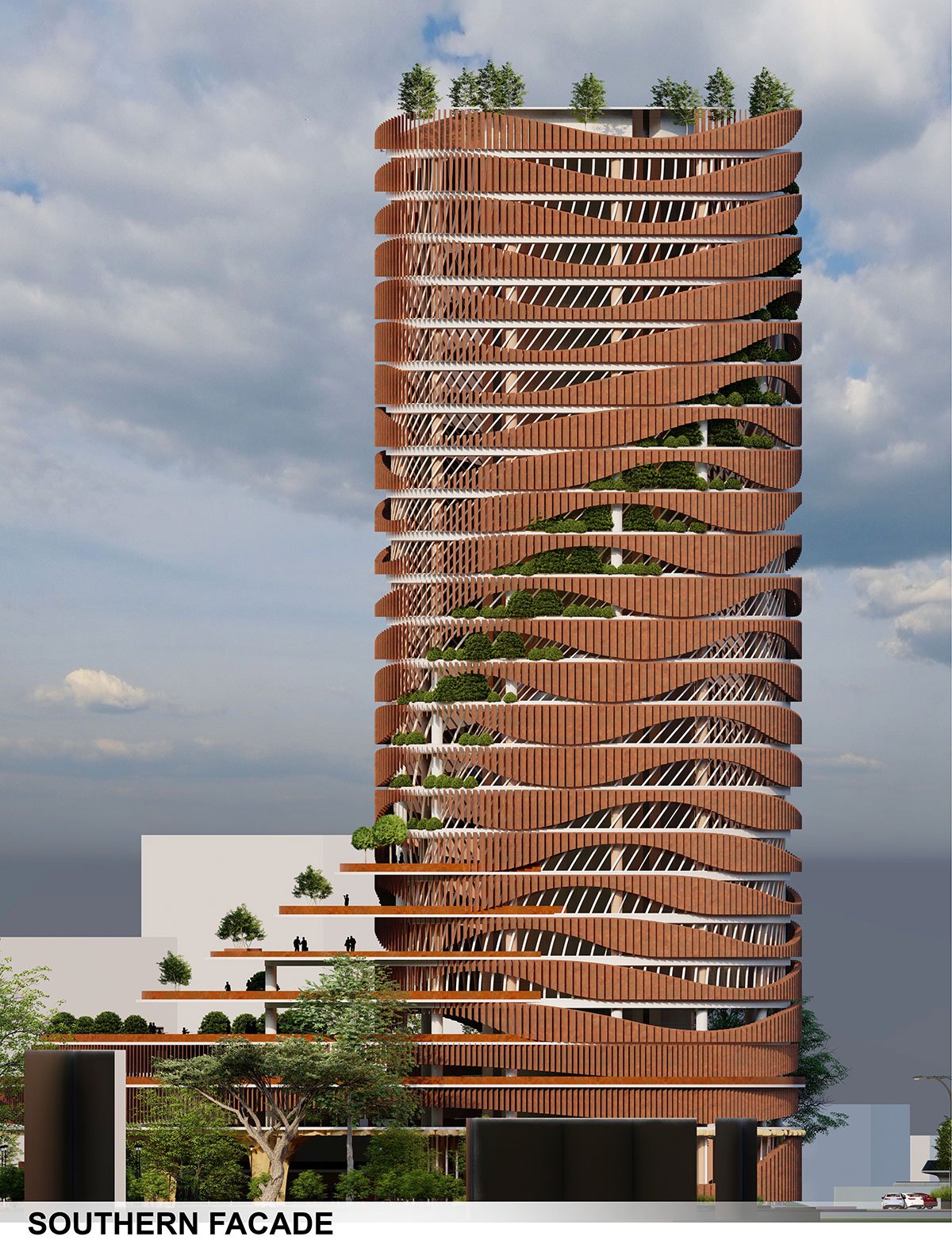
East ElevationFloor PlansRender
Sustainability and Economic Planning: Green terraces, native plant landscaping, and permeable materials that reduce urban heat and promote local biodiversity showcase the design’s emphasis on environmental sustainability. Additionally, economic planning focused on ensuring the project’s financial sustainability. This economic foresight allows the complex to remain a vibrant community hub without burdening public funds.
Floor PlansSection BB’Render
Cultural and Community Engagement: As a new urban hub, the Public Hall Complex is designed to host cultural events and support community involvement. The flexible spaces are suitable for local fairs, art exhibitions, and performances, promoting Khulna’s environmental pledge by focusing on sustainable practices.
West ElevationRender
Conclusion: This thesis project presents an innovative transformation of the city centre with an emphasis on revitalising and reconnecting the urban fabric to improve accessibility, inclusivity, and community involvement. By converting a previously isolated site—divided by walls and lacking cohesion—into a central green civic centre, the project establishes a space where the whole community can congregate.
[This Academic Project has been published with text and images submitted by the student]
Site Context
Design Process
Final Outcome
To submit your academic project for publication at ArchiDiaries, please visit the following link >> Submit
Get the best of ArchiDiaries, directly in your inbox.
We use cookies on our website to give you the most relevant experience by remembering your preferences and repeat visits. By clicking “Accept All”, you consent to the use of ALL the cookies. However, you may visit "Cookie Settings" to provide a controlled consent.
This website uses cookies to improve your experience while you navigate through the website. Out of these, the cookies that are categorized as necessary are stored on your browser as they are essential for the working of basic functionalities of the website. We also use third-party cookies that help us analyze and understand how you use this website. These cookies will be stored in your browser only with your consent. You also have the option to opt-out of these cookies. But opting out of some of these cookies may affect your browsing experience.
Necessary cookies are absolutely essential for the website to function properly. These cookies ensure basic functionalities and security features of the website, anonymously.
Cookie
Duration
Description
cookielawinfo-checkbox-analytics
11 months
This cookie is set by GDPR Cookie Consent plugin. The cookie is used to store the user consent for the cookies in the category "Analytics".
cookielawinfo-checkbox-functional
11 months
The cookie is set by GDPR cookie consent to record the user consent for the cookies in the category "Functional".
cookielawinfo-checkbox-necessary
11 months
This cookie is set by GDPR Cookie Consent plugin. The cookies is used to store the user consent for the cookies in the category "Necessary".
cookielawinfo-checkbox-others
11 months
This cookie is set by GDPR Cookie Consent plugin. The cookie is used to store the user consent for the cookies in the category "Other.
cookielawinfo-checkbox-performance
11 months
This cookie is set by GDPR Cookie Consent plugin. The cookie is used to store the user consent for the cookies in the category "Performance".
viewed_cookie_policy
11 months
The cookie is set by the GDPR Cookie Consent plugin and is used to store whether or not user has consented to the use of cookies. It does not store any personal data.
Functional cookies help to perform certain functionalities like sharing the content of the website on social media platforms, collect feedbacks, and other third-party features.
Performance cookies are used to understand and analyze the key performance indexes of the website which helps in delivering a better user experience for the visitors.
Analytical cookies are used to understand how visitors interact with the website. These cookies help provide information on metrics the number of visitors, bounce rate, traffic source, etc.
Advertisement cookies are used to provide visitors with relevant ads and marketing campaigns. These cookies track visitors across websites and collect information to provide customized ads.