Excerpt: ‘The Cumbrian Wild Belt’ is an architecture thesis by Adhvaith Gopinath from the Manchester School of Architecture (MSA) that seeks to create a revised masterplan for Cumbria, United Kingdom, through harmonious synergy between economic development and ecological conservation. By merging these two seemingly disparate goals, the proposal seeks to create a sustainable model where wildlife tourism not only provides economic benefits but also supports the natural ecosystem of Cumbria.
Introduction: The County of Cumbria in North West England needs immediate reform. From careful research, it was discovered that the Lake District National Park is not a natural paradise as it is portrayed to be but rather a Biodiversity void. The only reason that could be imagined is that the landscape has become a human’s version of nature and isn’t naturally natural. With the new Administration being put into place, can this be used as an opportunity to prioritize natural processes and biodiversity in the decision-making process?

The project aims to develop a revised masterplan for Cumbria based on principles from the Garden city and Le Corbusier. This “Zoned Cumbria” creates space for developments in the areas of urban settlement, agricultural land, tourism zones, and, lastly, the sector of biodiversity that unites the whole region. This zone offers a unique opportunity to take advantage of the connection between the tourism and biodiversity sectors. With rewilding and reintroduction of species becoming the need of the hour, can we use long lost species like lynx, wolves and beavers to help bring back balance to the natural world while still creating a pull from tourism? This could potentially be the solution to developing a sustainable financial source for biodiversity.

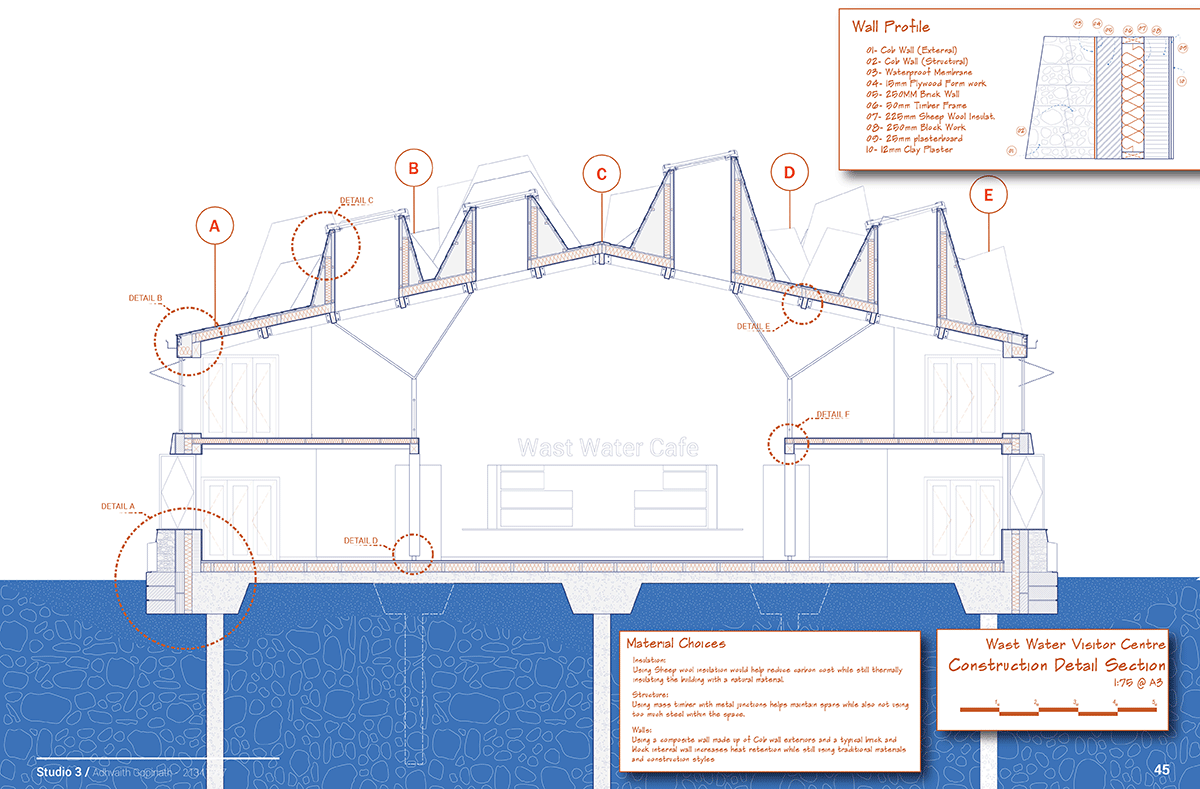
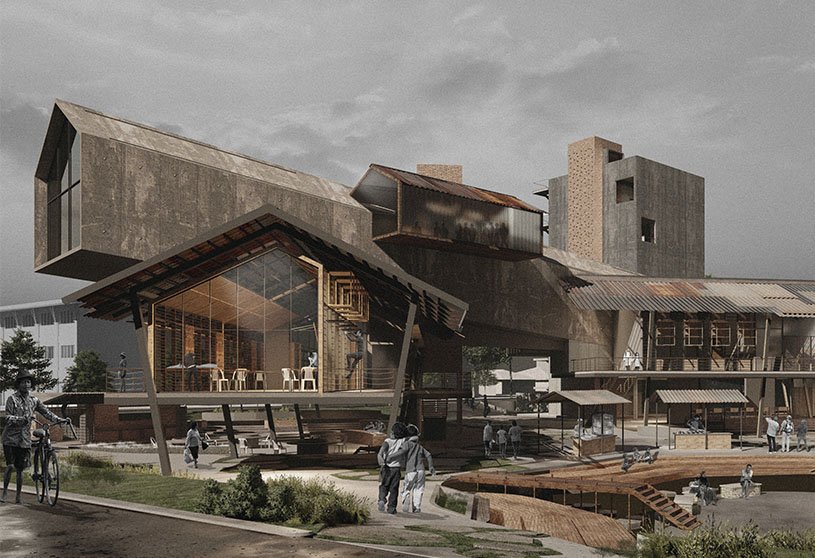
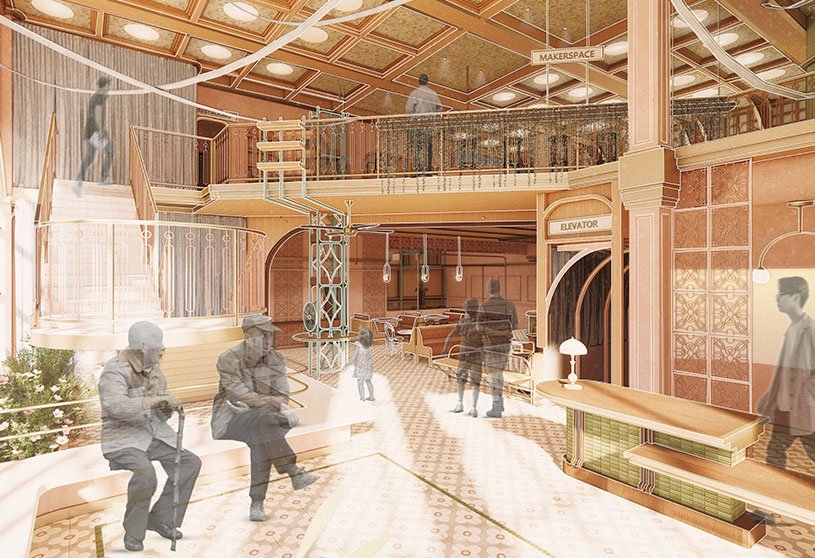
Through Studio 2, the student developed the concept of the “Cumbrian Wild belt,” a path that crossed the boundaries of the tourism zone and contained wild centres and overnight accommodations allowing visitors to spot the long-lost species of Britain while they traversed across the region. One of these Camps, the “Wast Water Wild Centre,” which includes a visitor centre, research centre, an overnight stay, and a community centre, was developed and designed in Studio 3, and has been presented in this post.
Save