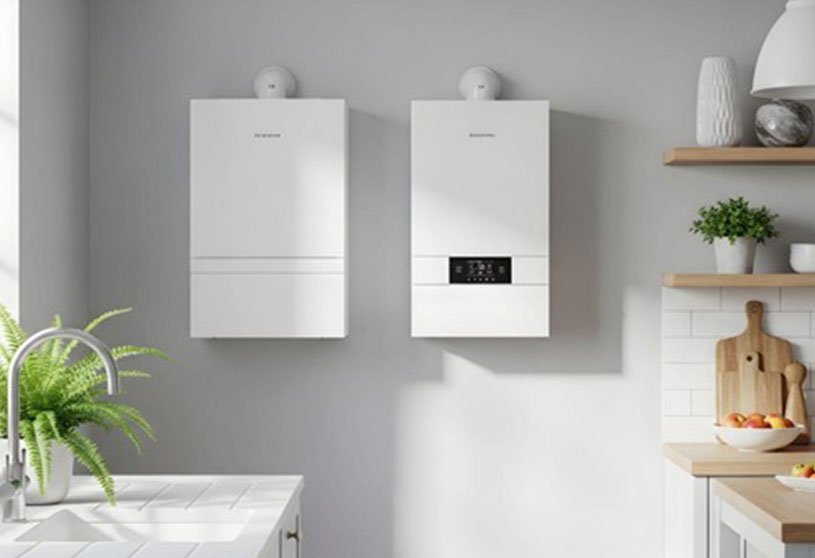
From hot showers, dishwashing, and laundry, your daily routine depends on one crucial appliance: your water heater. If you’re on the market for a new one or wondering whether your current unit needs some attention in the meantime, you’re on the right page.
Picking the right system can feel overwhelming because there are so many options, features, and price ranges. But with the right approach, you can choose a heater that fits your home, saves money, and keeps up with your hot water demands.
Understanding Your Options
The first step in making a decision is knowing the different types of water heaters available. Each comes with benefits and drawbacks, and your choice depends on your home’s layout, family size, and budget.
- Tank water heaters (also called storage water heaters) are the most common. They store hot water in a tank until you need it.
- Tankless water heaters heat water on demand, providing endless hot water but requiring a careful look at the flow rate.
- Solar water heaters rely on solar collectors to heat water, which is excellent for reducing energy costs, but they need plenty of sun.
- Heat pump water heaters (or hybrid water heaters) use a refrigerant system to pull heat from the air, making them incredibly efficient.
- Indirect water heaters connect to your existing boiler or furnace, while point-of-use water heaters provide hot water to a single location.
Knowing these categories makes it easier to narrow down what works best for your hot water needs.
Common Problems and When to Seek Repair
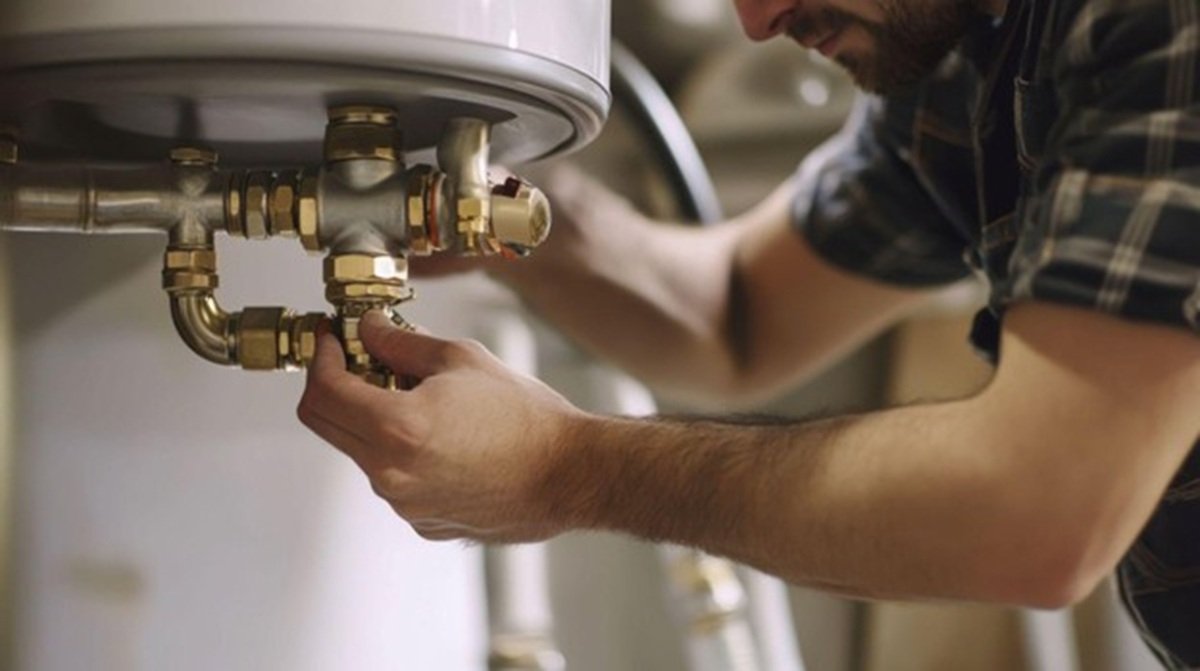
Even the best systems encounter issues over time. Sediment buildup in glass-lined tanks, faulty relief valves, or a stuck pilot reset button can reduce efficiency. Leaks near water heater drain pans, worn brass drain valves, or a damaged temperature/pressure relief valve can also lead to performance and safety concerns.
When these problems pile up, you might be unsure whether to replace or repair your system. For example, if you live in Texas and struggle with inconsistent heating, seeking water heater repair in Austin can solve the problem. Skilled technicians there often handle issues like malfunctioning gas burners, broken electric heating elements, or installing expansion tanks to reduce pressure-related leaks.
Choosing the Right Fuel Source
The fuel source your home uses affects both performance and energy efficiency. If you already have natural gas lines, a gas/propane water heater or condensing water heaters may be ideal. For homes without gas, an electric water heater or a hybrid fuel type unit could be more practical.
Some families even consider fuel oil or geothermal energy, though these options are less common. A solar water heater with solar collectors can also dramatically lower energy costs, but it requires a backup option for cloudy days.
Sizing and Performance Factors
Choosing the right size is just as important as selecting the right type. If your heater is too small, it won’t meet your hot water needs; too large, and you’ll waste energy.
- First-hour rating tells you how much water the system can deliver in an hour when fully heated.
- Gallons-per-minute rating is crucial for tankless water heaters, as it measures the water flow available at peak demand.
- The recovery rate shows how fast a heater can reheat water after use.
- Maximum temperature rise and Uniform Energy Factor are also worth comparing when looking at energy-efficiency standards.
These numbers help you match a unit to your family size. For example, a family of four with frequent showers and laundry will need a higher first-hour rating than a single-person household.
If you’re unsure where to start, the U.S. Department of Energy suggests taking these steps to get the right size: review your household’s peak water use by considering the number of users and their usage patterns.
Important Features to Look At
Modern models offer more than just basic heating. Many come with WiFi connectivity, allowing you to manage your system remotely. A WiFi water heater can send alerts to your phone if it detects leaks through water leak detectors.
Other upgrades include digital displays for easy monitoring, an electronic gas valve for better performance, or a mixing valve to help control the temperature setting. Adding water heater insulation blankets reduces heat loss in conventional storage water heaters, while water heater drain pans protect against water damage.
Some smart water heaters even have internal sensors to monitor and adjust the temperature rise to provide a consistent temperature. In addition, advanced shower heads can further boost energy-and water-efficient heaters.
Safety and Maintenance Considerations
Safety is another important factor. Always check that your unit includes a temperature/pressure relief valve to prevent dangerous pressure buildup. Relief valves, mixing valves, and expansion tanks are all safeguards that protect your home.
Regular maintenance keeps your system reliable. This often includes tasks like flushing to remove sediment buildup, checking the pilot reset button, and inspecting relief valves. Installing water leak detectors or choosing a digital display model with alerts ensures you catch problems before they cause damage.
Advances in Efficiency and Cost Savings
Recent advances in home heating systems mean you can enjoy cost savings without compromising comfort. Options like condensing water heaters, hybrid fuel types, and heat pump water heaters meet the latest energy-efficiency standards. Units with ENERGY STAR certification also guarantee higher energy efficiency.
Considering long-term cost savings can offset the initial expense of high-tech models. For instance, an energy-efficient water heater may cost more upfront but significantly reduce monthly bills. Pairing it with water heater insulation blankets can extend its lifespan further.
Final Thoughts
Choosing the right water heater takes more than picking the newest or most expensive model. You must know how to evaluate fuel sources, energy costs, and hot water needs and balance them with the right technology. Whether you go with tank water heaters, tankless water heaters, or high-tech smart water heaters, your decision should prioritize comfort, efficiency, and safety.
You’ll find the best fit for your household by comparing flow rates, considering recovery rate, and factoring in long-term cost savings. And with proper care, your investment will provide steady, reliable hot water for years to come.
