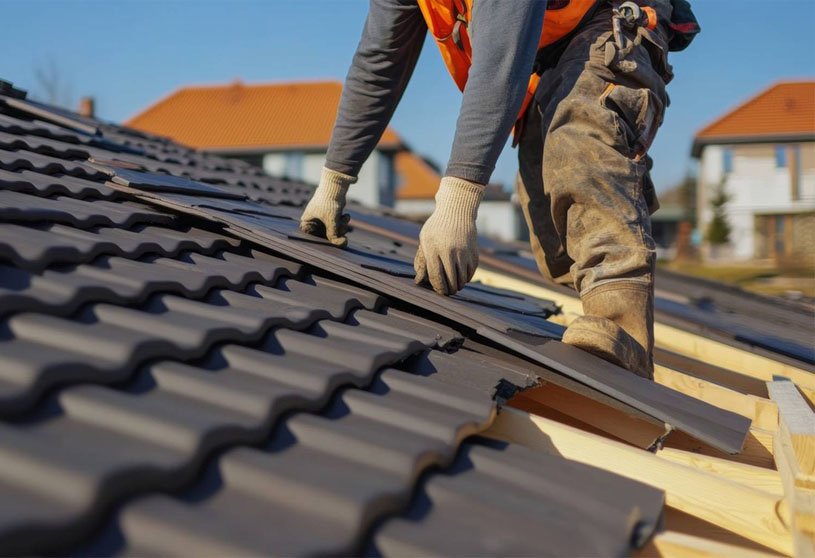
A roof is one of the most critical components of any structure, providing essential protection from the elements and contributing significantly to a building’s overall integrity and energy efficiency. Over time, however, even the most well-installed roof will show signs of wear and tear.
For a homeowner, the decision between pursuing a repair or committing to a full replacement is typically complex, influenced by a multitude of factors including age, damage extent, and long-term plans for the property. Making an informed choice requires a careful evaluation of the roof’s condition and a clear understanding of the implications of each option.
Here’s how to make the right call between a roof replacement or a repair.
Evaluate the Age and Expected Lifespan of the Roof
The chronological age of a roofing system is a primary indicator of its remaining viable service life. Different materials have vastly different life expectancies. For instance, traditional three-tab asphalt shingles usually have a service lifespan between 15 to 20 years, while higher-quality architectural asphalt shingles can perform for 20 to 30 years. Other materials, such as metal roofing, clay or concrete tiles, and slate, can range from 40 to 100 years when properly maintained.
Repairs may be a temporary and financially inefficient solution if a roof is approaching or has surpassed its expected lifespan and is experiencing widespread issues. Continuously fixing an aging roof is akin to pouring money into a depreciating asset as the problems will likely recur elsewhere. In such scenarios, a full replacement becomes the more prudent long-term investment, providing a new, warranty-backed system that will protect the home for decades.
Furthermore, the climate in certain regions can accelerate roof degradation, making expert assessment vital. For instance, properties undergoing a roof replacement in Madison or similar locations must consider factors like heavy snow loads, freeze-thaw cycles, and summer humidity, all of which can compromise roofing materials. Hence, a thorough professional inspection is the indispensable first step in this decision-making process, laying the groundwork for a replacement or a repair that ensures safety, value, and peace of mind.
Assess the Extent and Type of Damage
Not all damage is created equal. The nature, severity, and prevalence of problems must be meticulously analyzed to determine the correct course of action. Below are some different types of damage to consider:
Localized Damage
Isolated issues, such as damage from a fallen tree branch, a few missing shingles after a storm, or a leak traced to a single compromised flashing point, are often excellent candidates for repair. If the rest of the roof is in sound condition, addressing these specific problems can be cost-effective and significantly extend the roof’s life.
Widespread Damage
Conversely, evidence of systemic failure usually signals the need for replacement. Some key indicators include:
- Multiple Leaks: Water infiltration in various attic areas or ceilings suggests that the underlayment or large sections of shingles are failing.
- Curling or Buckling Shingles: Widespread curling can indicate the shingles are past their life expectancy and losing their protective capabilities.
- Granule Loss: Roofing materials like asphalt shingles cast their protective granules as they age. Finding many granules in gutters or noticing bald spots on numerous shingles signifies advanced wear.
- Moss or Algae Growth: While sometimes just cosmetic, pervasive organic growth can trap moisture against the roofing material, leading to rot and decay in the decking beneath.
By understanding these indicators, homeowners can determine whether a replacement or repair is the right choice for their needs.
Know the Financial Considerations
The immediate cost of a repair is invariably lower than a full replacement’s. This upfront savings can be attractive, but it’s crucial to consider the long-term financial perspective. For example, frequent repairs on an aging roof can become a recurring expense, adding up over time without ever resolving the root cause of the deterioration. A replacement, while a larger initial investment, offers a new, long-term solution with modern materials that provide better energy efficiency, potentially lowering utility bills.
Furthermore, a new roof can significantly boost curb appeal and property value, a benefit that’s realized upon the home’s sale. Many homeowners can also find that a new roof comes with enhanced warranty protection, something repairs on an old system can’t offer.
Understand the Impact of a Second Layer and Decking Integrity

A critical factor often discovered during an inspection is the condition of the roof decking (the wooden sheathing beneath the shingles). If leaks persist, the decking may be soft, rotten, or structurally compromised. Localized decking repair can be done during a reroofing project, but if over 25-30% of the decking is damaged, it often aligns with the logic of a full replacement to ensure structural soundness.
Additionally, if the existing roof already has two or more layers of shingles, most building codes prohibit installing a third. The existing layers must be completely torn off before installing new shingles, which effectively makes the project a full replacement. Even with one layer, a tear-off is generally recommended to properly inspect the decking and ensure the new roofing materials are installed on a solid, secure surface.
Conclusion: Making the Informed Decision
The choice between roof repair and replacement isn’t to be made in isolation. It requires the expert diagnosis of a licensed and insured roofing contractor. A professional can provide a detailed assessment of the roof’s condition, offer unbiased recommendations, and present transparent quotes for both options.
Homeowners should also consider their plans. A new roof can be a powerful selling point if they intend to sell the property within a few years. If they plan to stay long-term, investing in a replacement ensures decades of worry-free protection. By keeping the information mentioned above in mind, homeowners can confidently make the right call to safeguard their most significant investment.
Image Sources:
