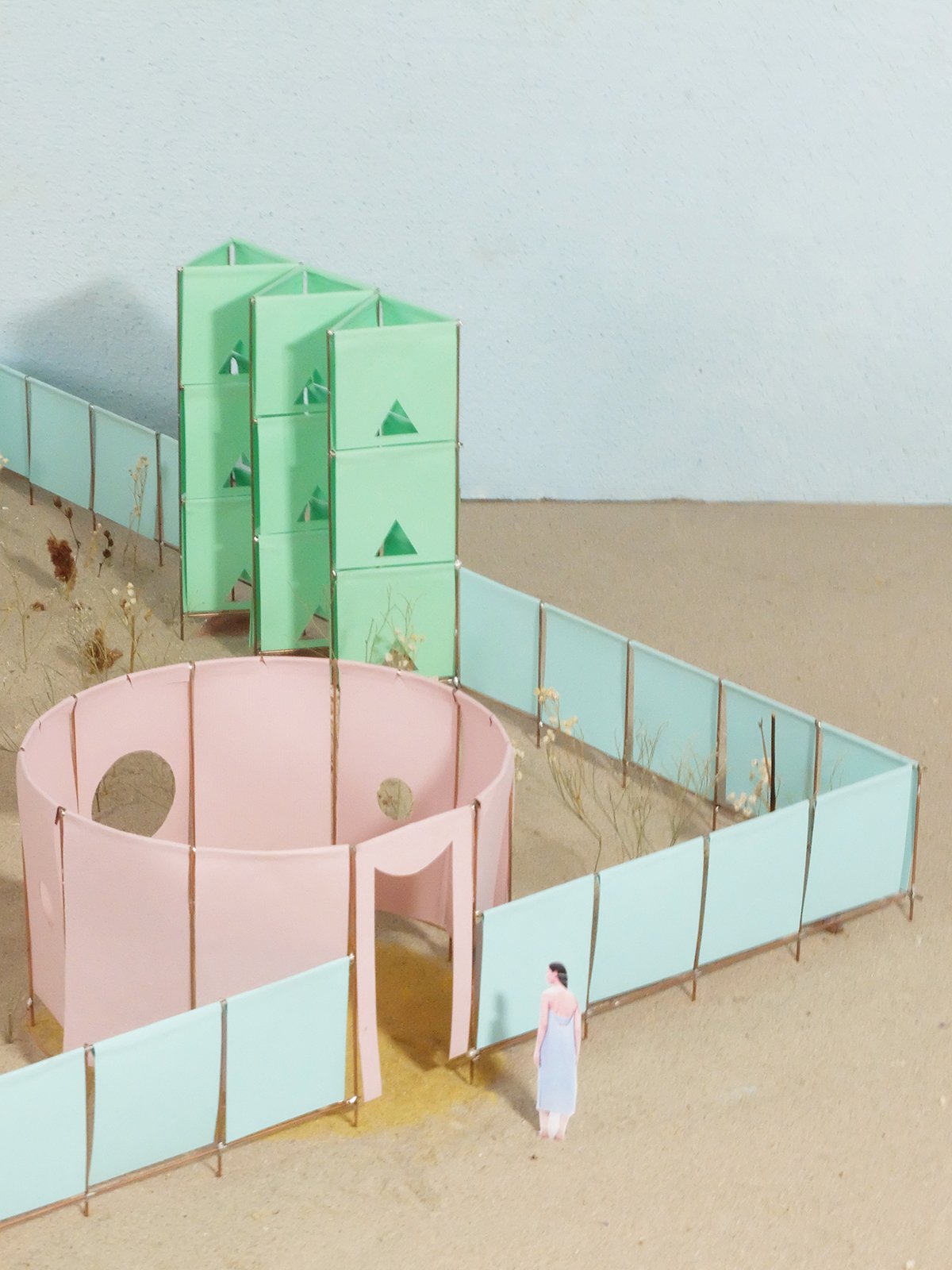
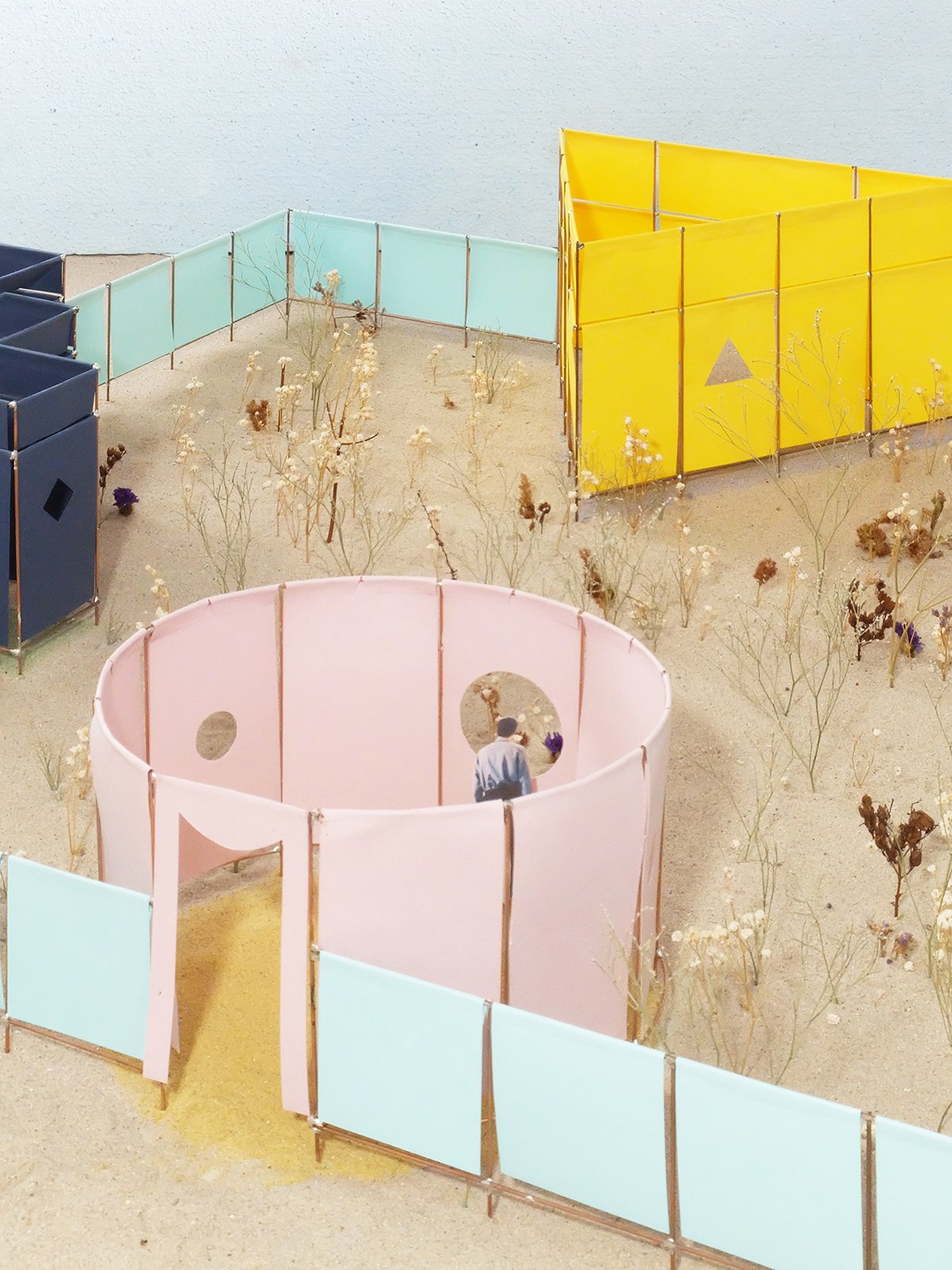
Excerpt: The Alcantara-MAXXI project presents ‘Seed Bed,’ an installation by Studio Ossidiana, on the island of La Certosa. Inspired by cultivation and the ancient enclosed garden, the installation imagines a fence as both boundary and threshold, protecting man-made nature. Using Alcantara, a sustainable and circular material, the work creates ephemeral architecture that invites visitors to sow seeds and engage with biodiversity.
Project Description

[Text as submitted by architect] For its 12th edition, the Alcantara-MAXXI project leaves the museum for the first time and takes place outdoors, bringing the concept of BioGrounds to the island of La Certosa. The programme features three natural installations and educational gardens, the result of an unprecedented dialogue between artists, architects, designers, philosophers and botanists, with the aim of reinforcing the vocation of this particular area as a shared and environmentally conscious public park.
The work by Studio Ossidiana, founded in Rotterdam by Alessandra Covini and Giovanni Bellotti, is inspired by cultivation, man’s modification of nature for his own benefit, but is also the beginning of an artificial process based on design, whose subject is nature. The ruins of the central cloister of La Certosa, which bear witness to the strong historical presence of the monasteries on the island, include an ancient enclosed garden, a protected area that was at the heart of the life of the monks, who dedicated themselves to growing vegetables as a source of food.
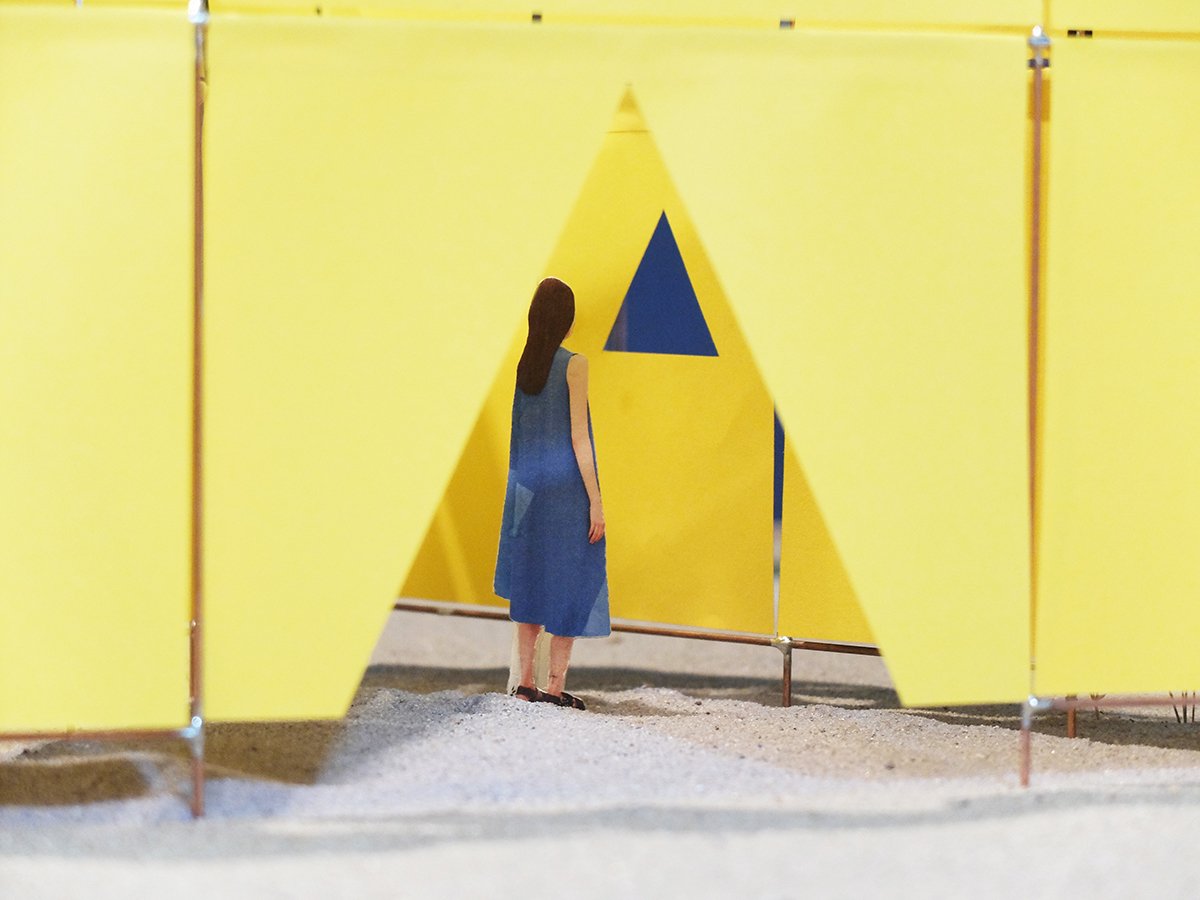
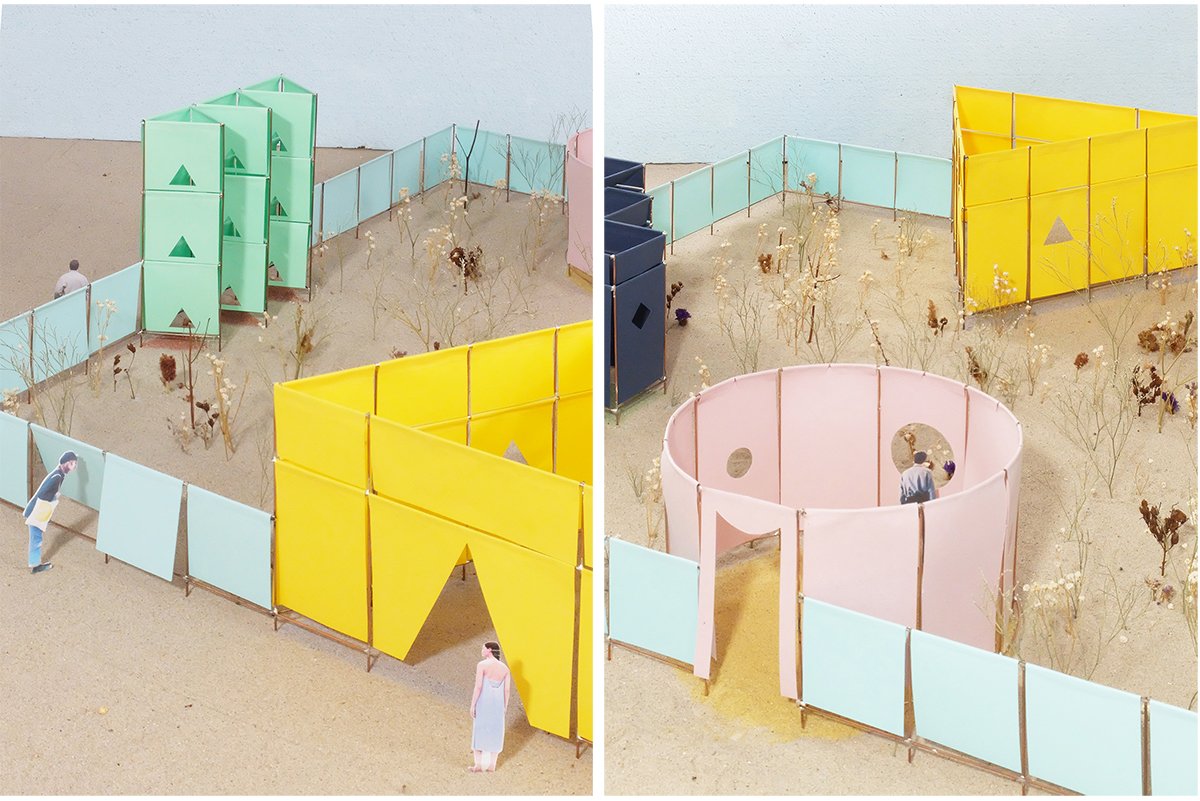
For the “Seed Bed” installation, the creatives have imagined a fence that marks a boundary, a threshold that is partly to be crossed and partly not to be crossed. Like an ancient seedbed, the arable land is surrounded by an ephemeral architecture – made from Alcantara – that performs the primordial function of protection. In this way, a contemporary material, the result of a unique and proprietary technology, safeguards and protects man-made nature. The four “rooms” that bring the enclosure to life are like portals from which visitors can look out to see the field ready for planting and contribute to its creation by throwing seeds from special openings. Inside, the birds that inhabit it can also be seen. They are important agents of biodiversity, a quality now recognized as a condition for the survival of the environment.
The Alcantara featured here is a ductile material that shapes the design vision and can be re-used in a complete life cycle. In line with the company’s sustainability plans, the material chosen for the construction of “Seed Bed” is part of the circular economy. Two versions of Alcantara were selected for the work. The first derives from partially bio-based polymer content. The other, used for the first time in the field of design, is made from recycled post-consumer polyester. In order to guarantee the actual recycled content, which cannot be checked retrospectively by laboratory analysis, Alcantara has obtained certification of compliance with the Textile Exchange Recycled Claim Standard.
In keeping with the BioGrounds theme, at the end of the exhibition cycle the Alcantara material used for “Seed Bed” will be reused through an innovative technology that allows the recovery of the original raw materials.
“We are delighted to return to Venice, this time with MAXXI, to unveil a new stage in our sustainability journey,” says Andrea Boragno, Chairman and CEO of Alcantara. “By participating in the BioGrounds project with Studio Ossidiana, we are not only showing how our material is used in architecture, but also how respect for the environment is a value deeply rooted in our corporate culture, a driver of growth and a stimulus for our business strategy.”
By participating in BioGrounds, Alcantara reaffirms its close partnership with the National Museum of 21st Century Arts and its commitment to sustainability, which has been at the forefront of the company’s thinking since 2009, when it was first certified as carbon neutral by TÜV SÜD. This environmental responsibility is illustrated by the annual Sustainability Report and by a series of initiatives in which the company is a key player, not least the International Symposium on Sustainability organized by Alcantara in collaboration with the VIU University, which has been held in Venice, on the island of San Servolo, for five of its six editions.
Renders