Excerpt: Casa dels Estels, a refurbishment project by ENDALT Arquitectes, aims to restore a traditional rural dwelling in Valencia while adapting it to contemporary life. The design respects original materials and layout, enhancing light, ventilation, and spatial flow. Through selective restoration and reuse, the house bridges past and present, projecting vernacular heritage into a bright, efficient, and living future.
Project Description
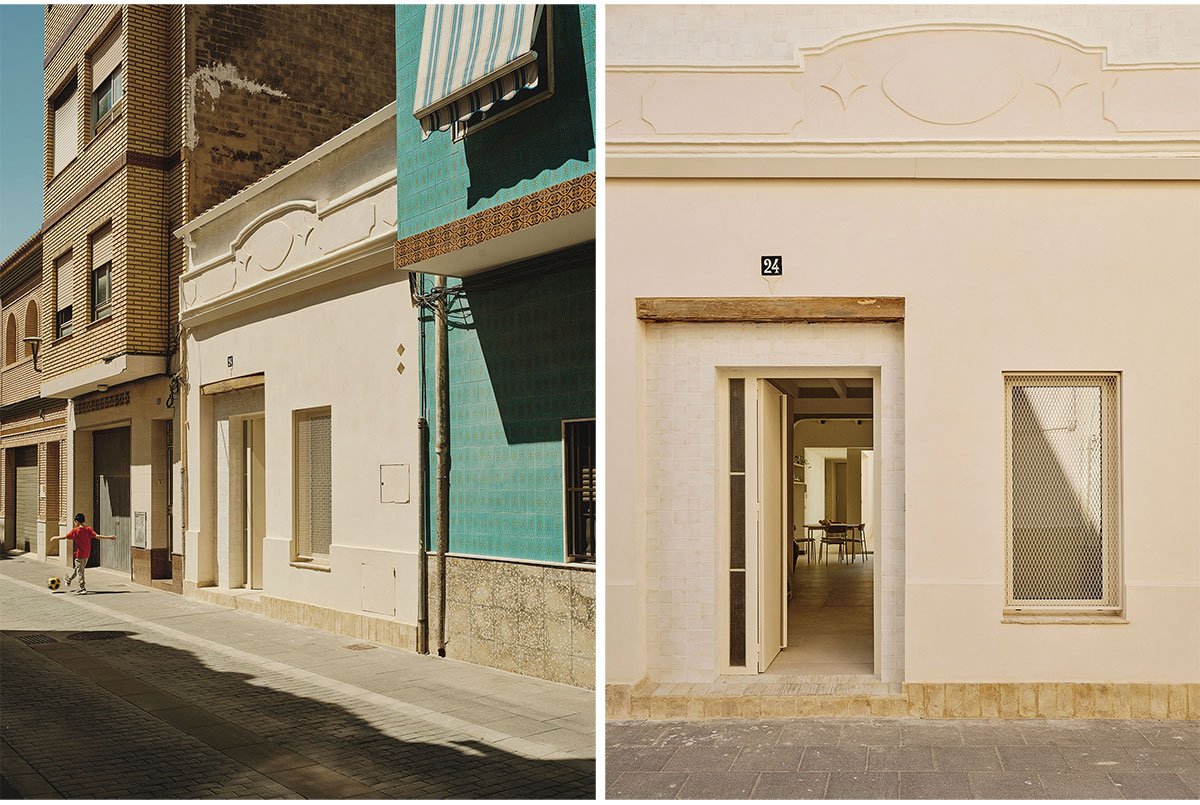
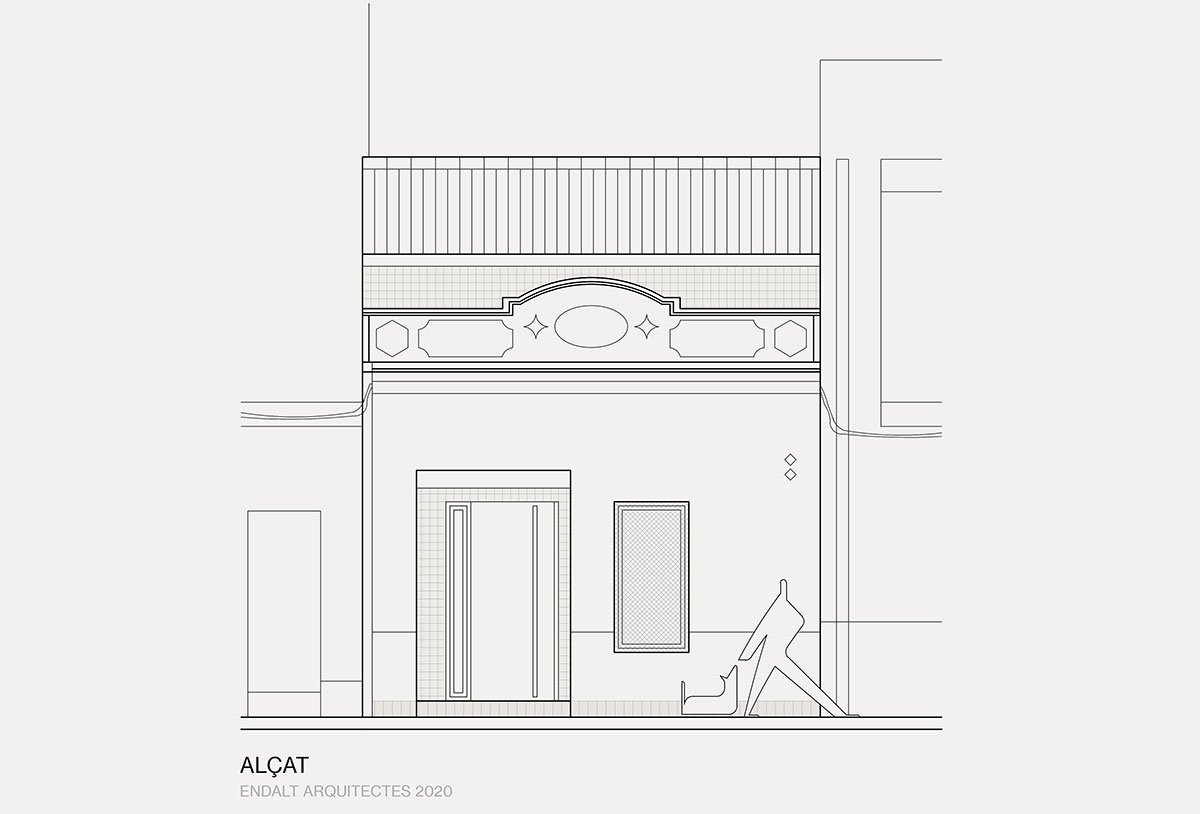
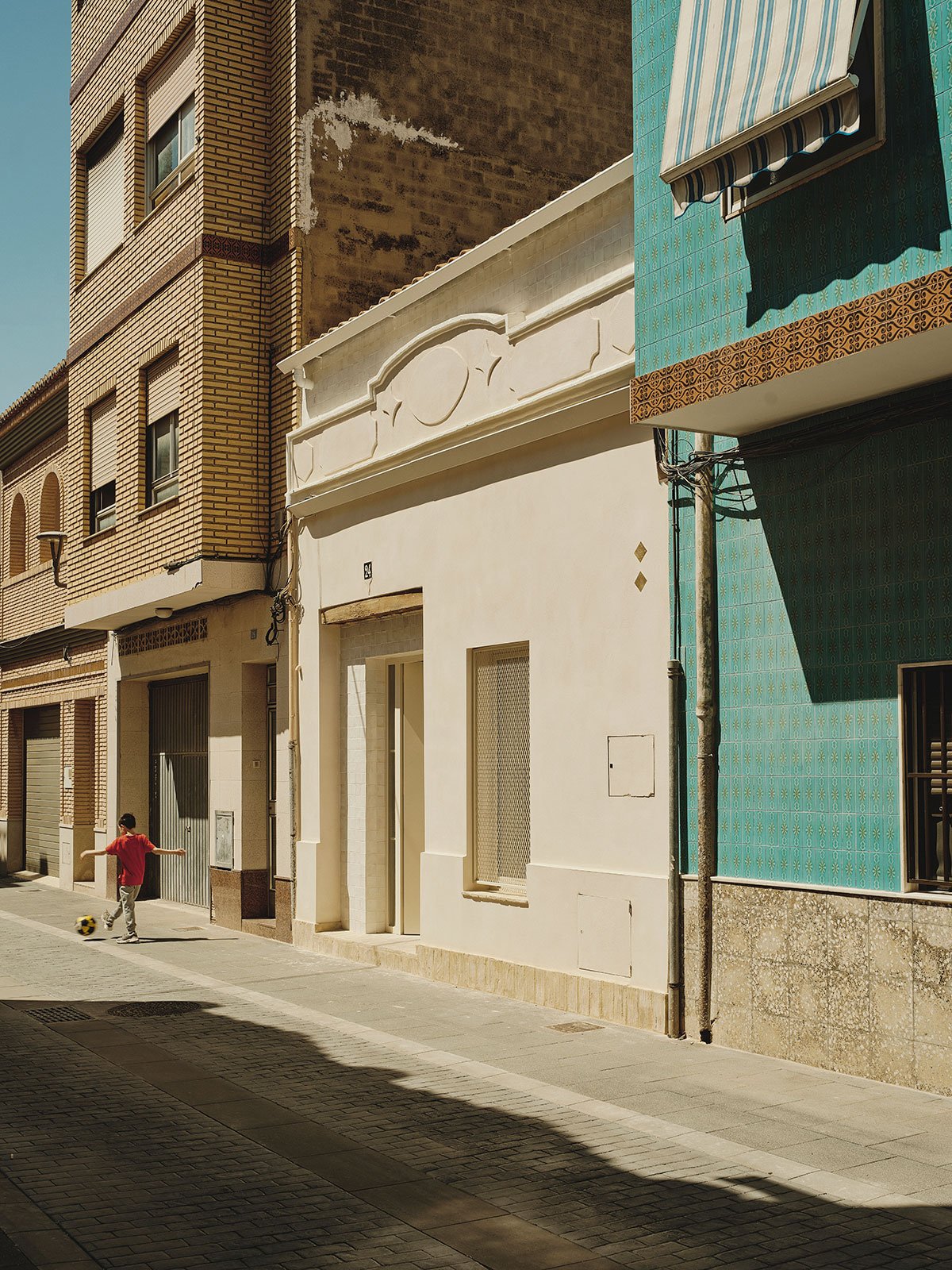
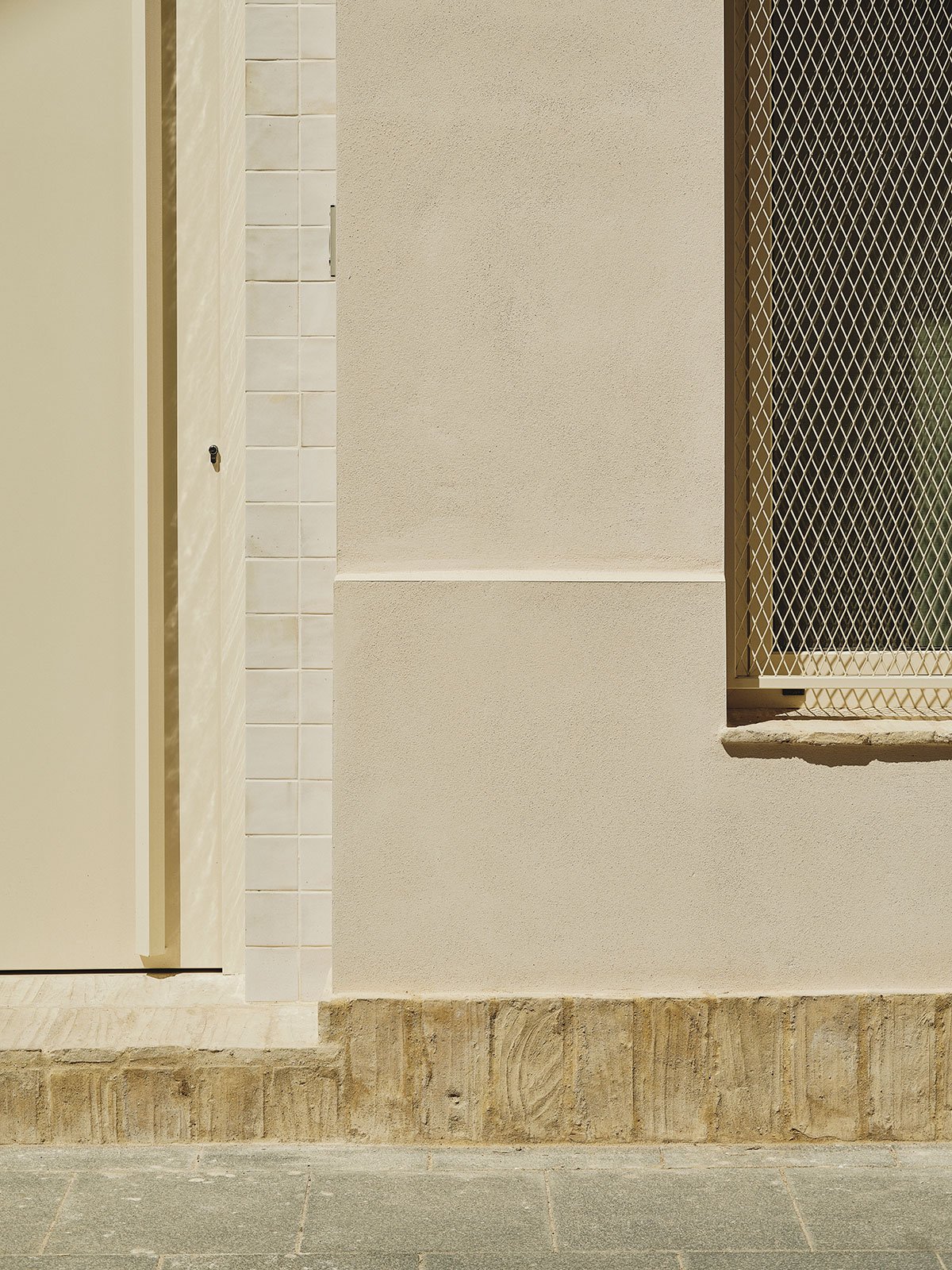
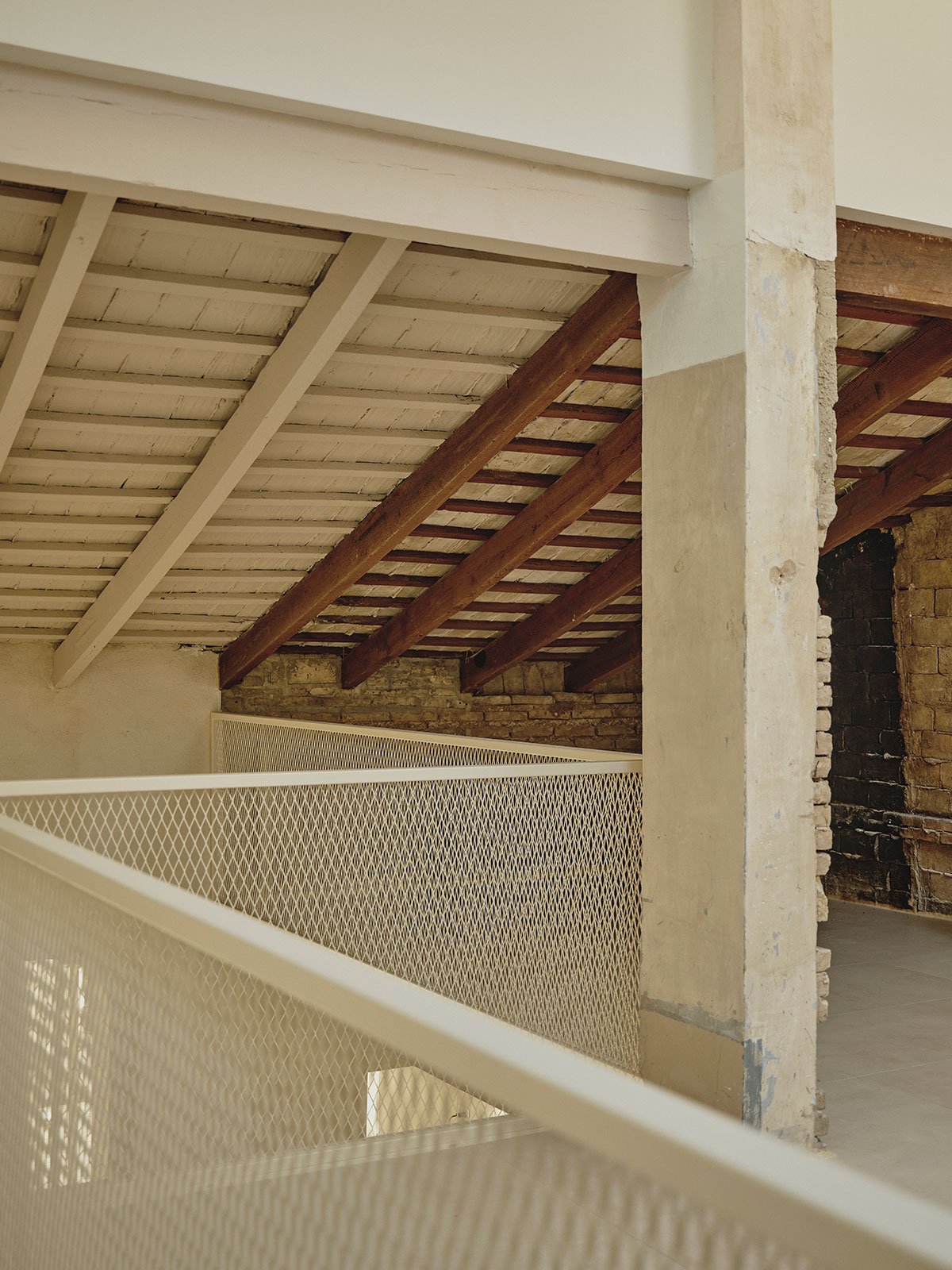
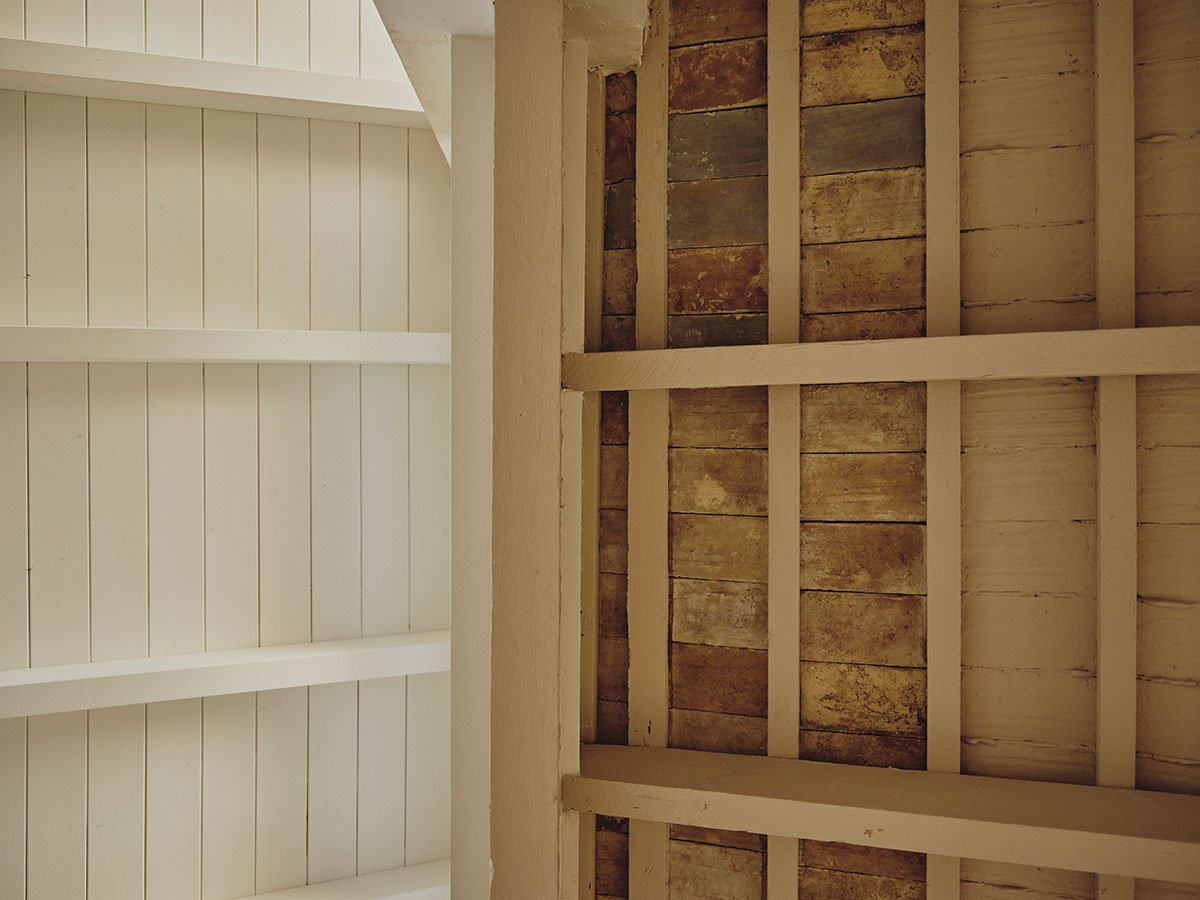
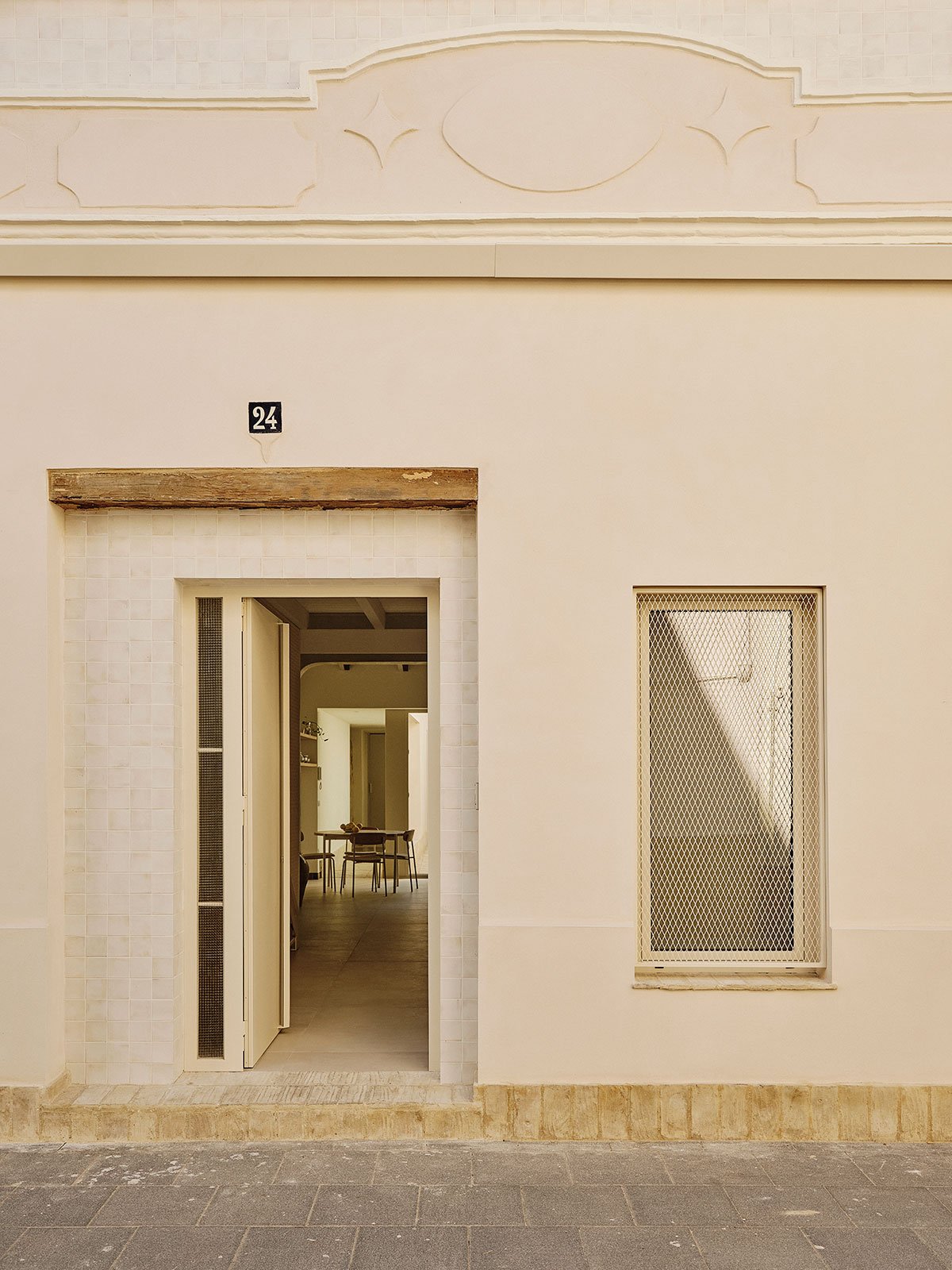
[Text as submitted by architect] Casa dels Estels is a renovation project located in Albal, in the region of l’Horta Sud, near Valencia. It is a traditional rural dwelling of the “a una mano” typology, featuring a longitudinal layout with double bay structure, a central staircase with a half-andana, a courtyard, and an old pallissa. Its composition follows the construction and lifestyle principles of the region: simplicity, functionality for rural life, and adaptation to the climate and available resources. Rammed earth walls, solid brick, gable roof, wooden beams, and lime plaster define its original material character.
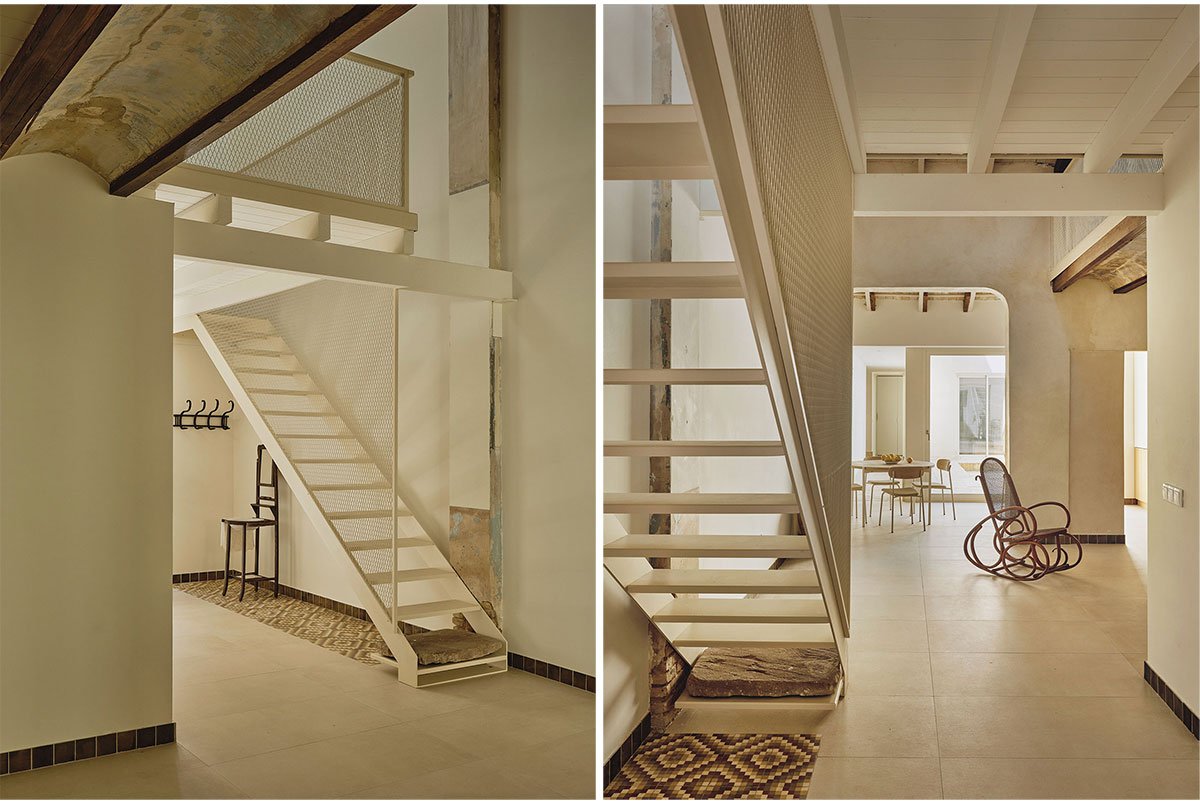
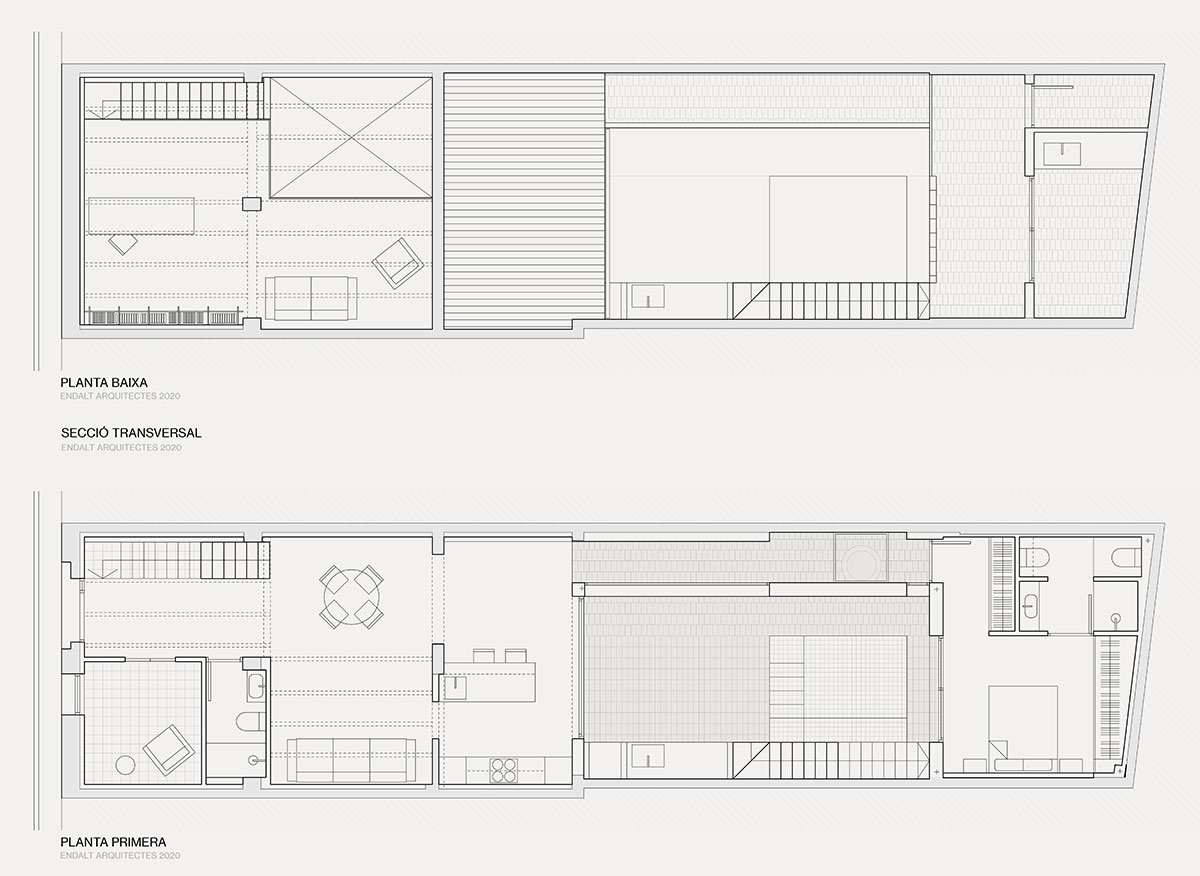
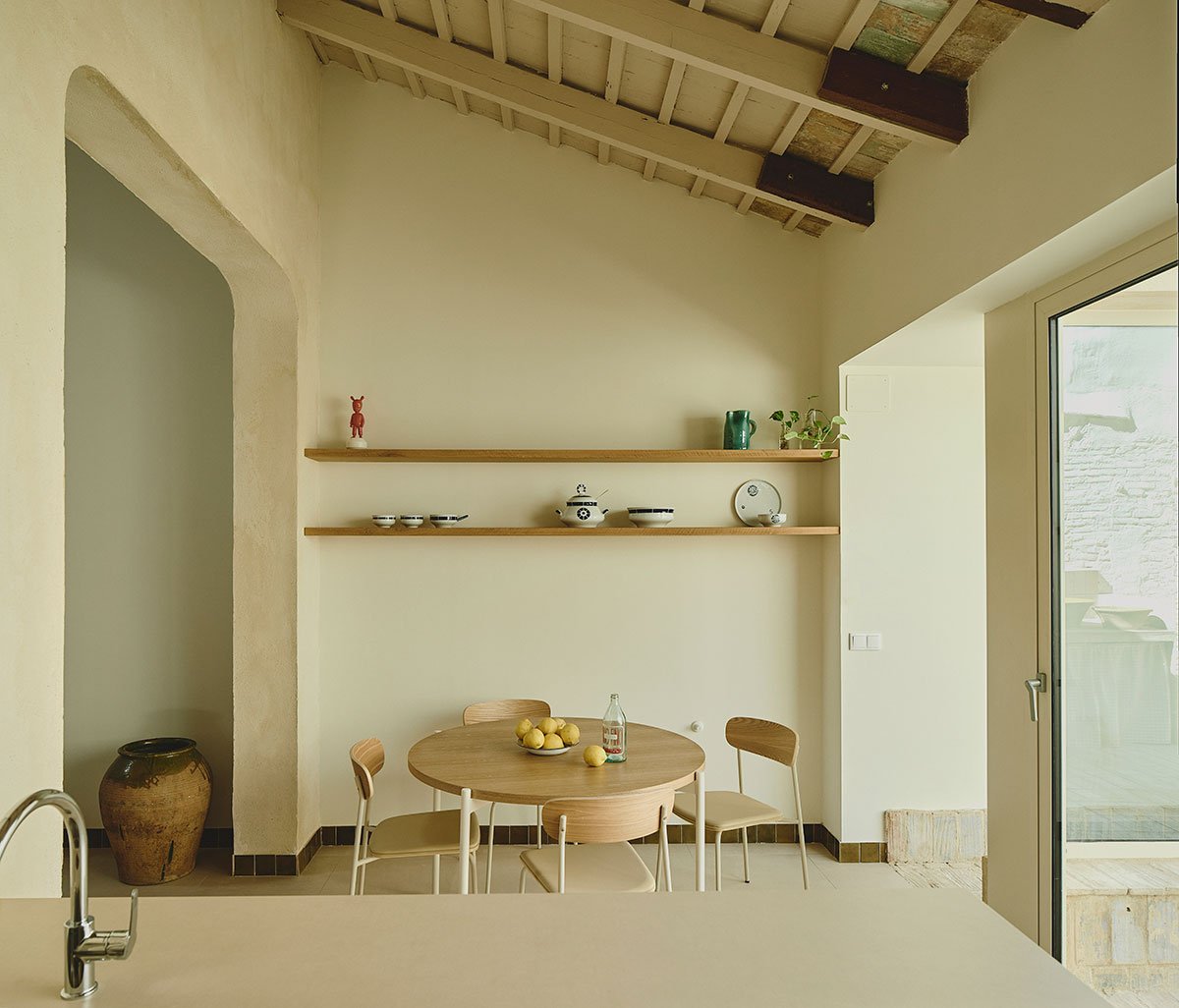
The project is rooted in the recognition of the discreet value of these vernacular houses common throughout the rural outskirts of Valencia. The aim was not to preserve the house uncritically, but to recover its essence while adapting it to new ways of living. A deep yet respectful renovation was carried out. The building presented severe structural deterioration, particularly in the roof and in poorly executed later additions. Therefore, the intervention focused on selective demolition, removing damaged or incoherent elements—such as the old barn and an added bathroom volume—to reestablish the spatial and luminous logic of the original layout.
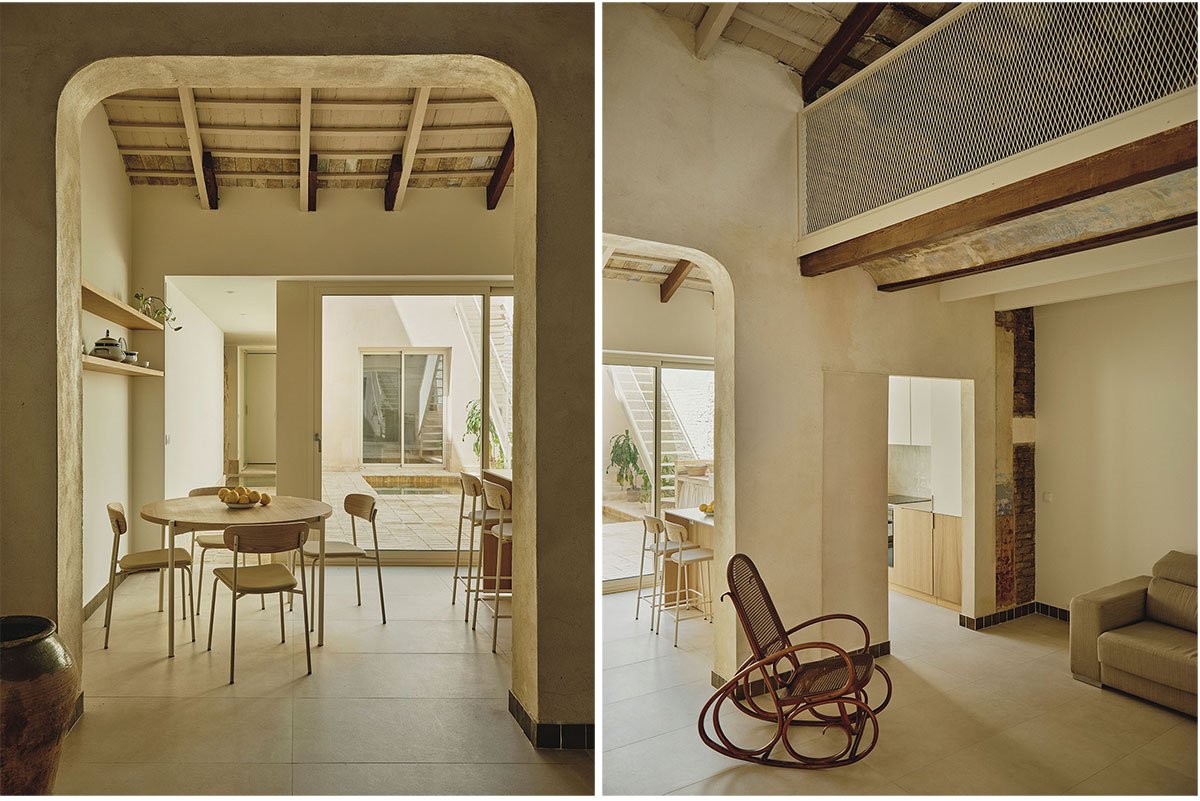
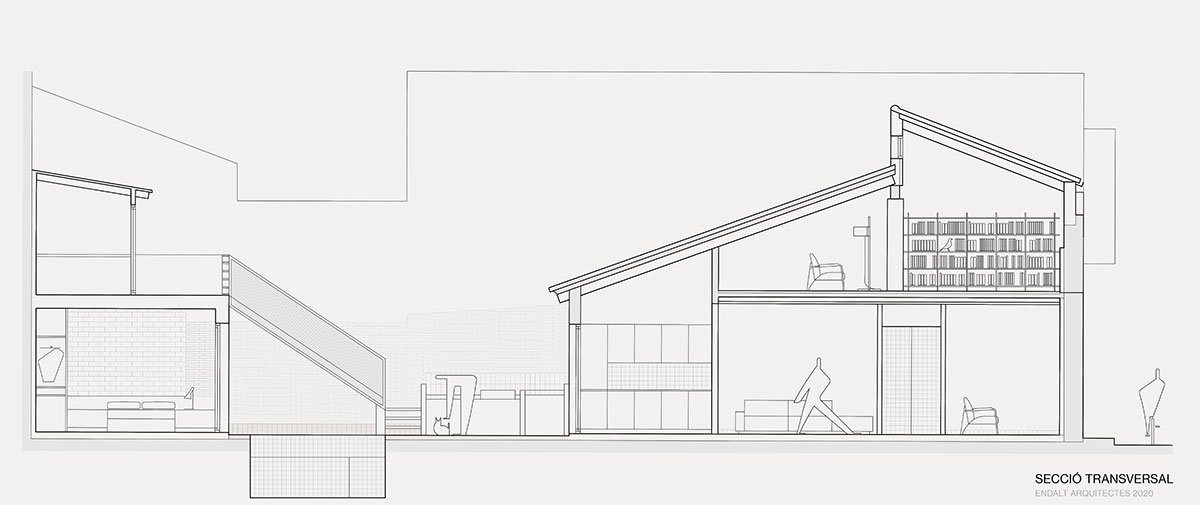
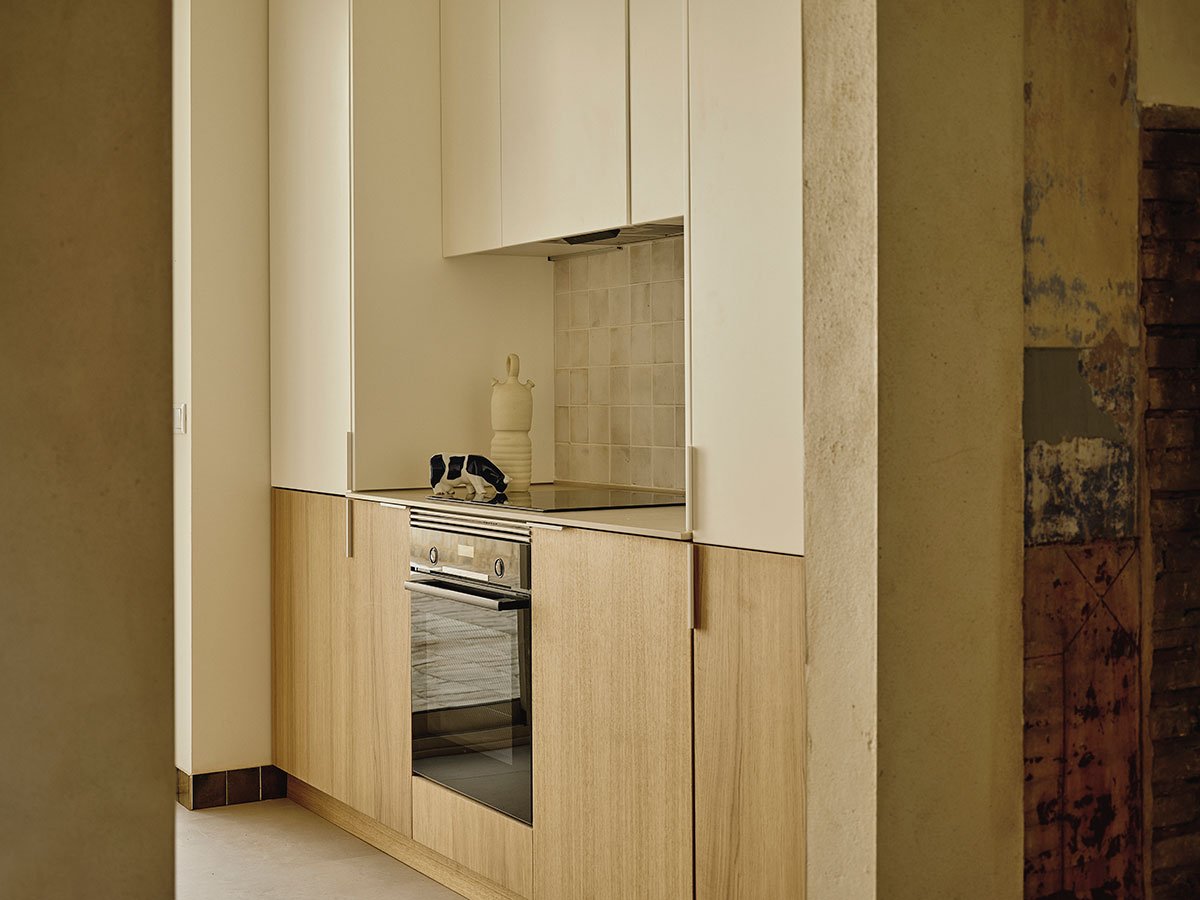
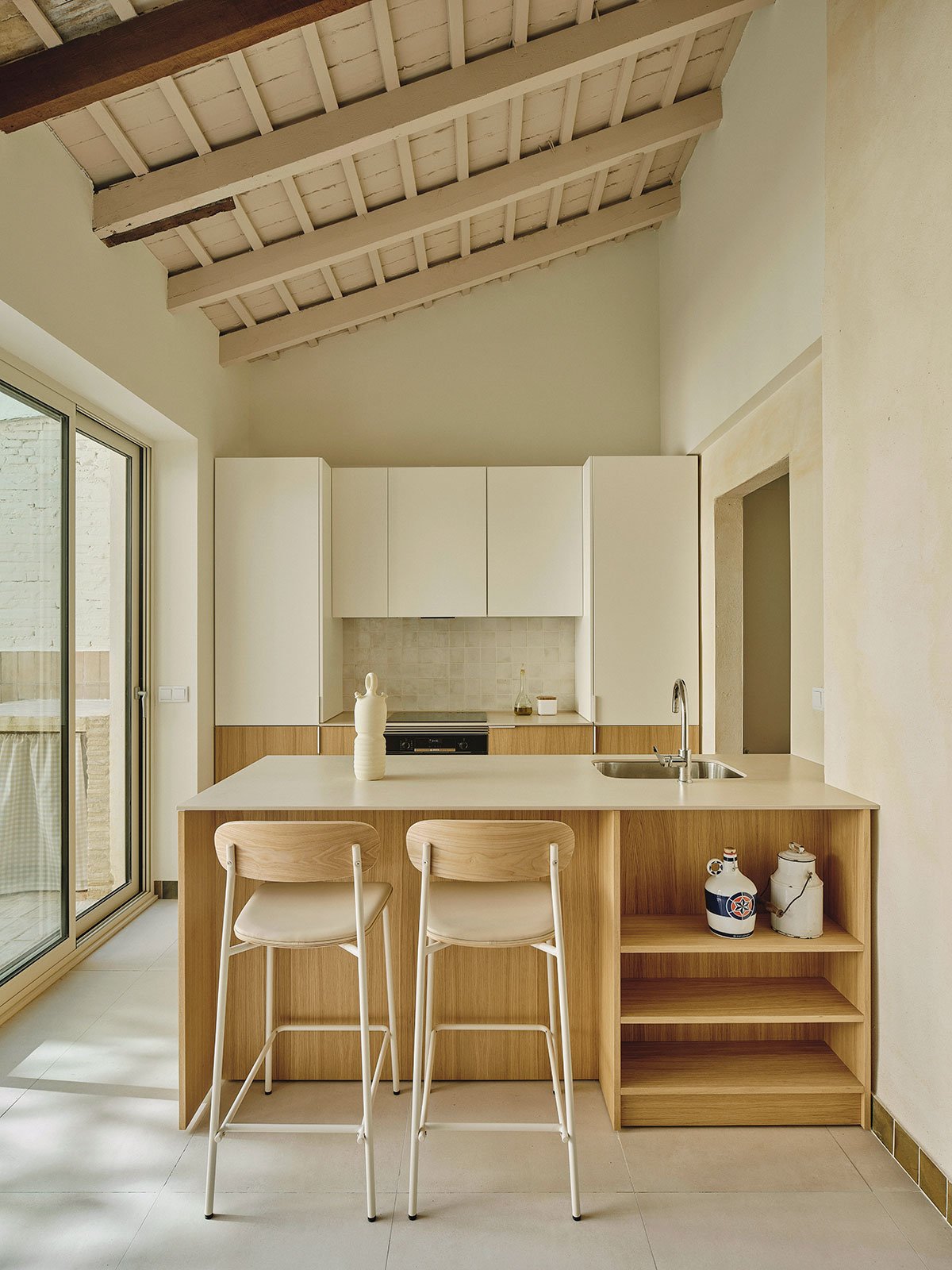
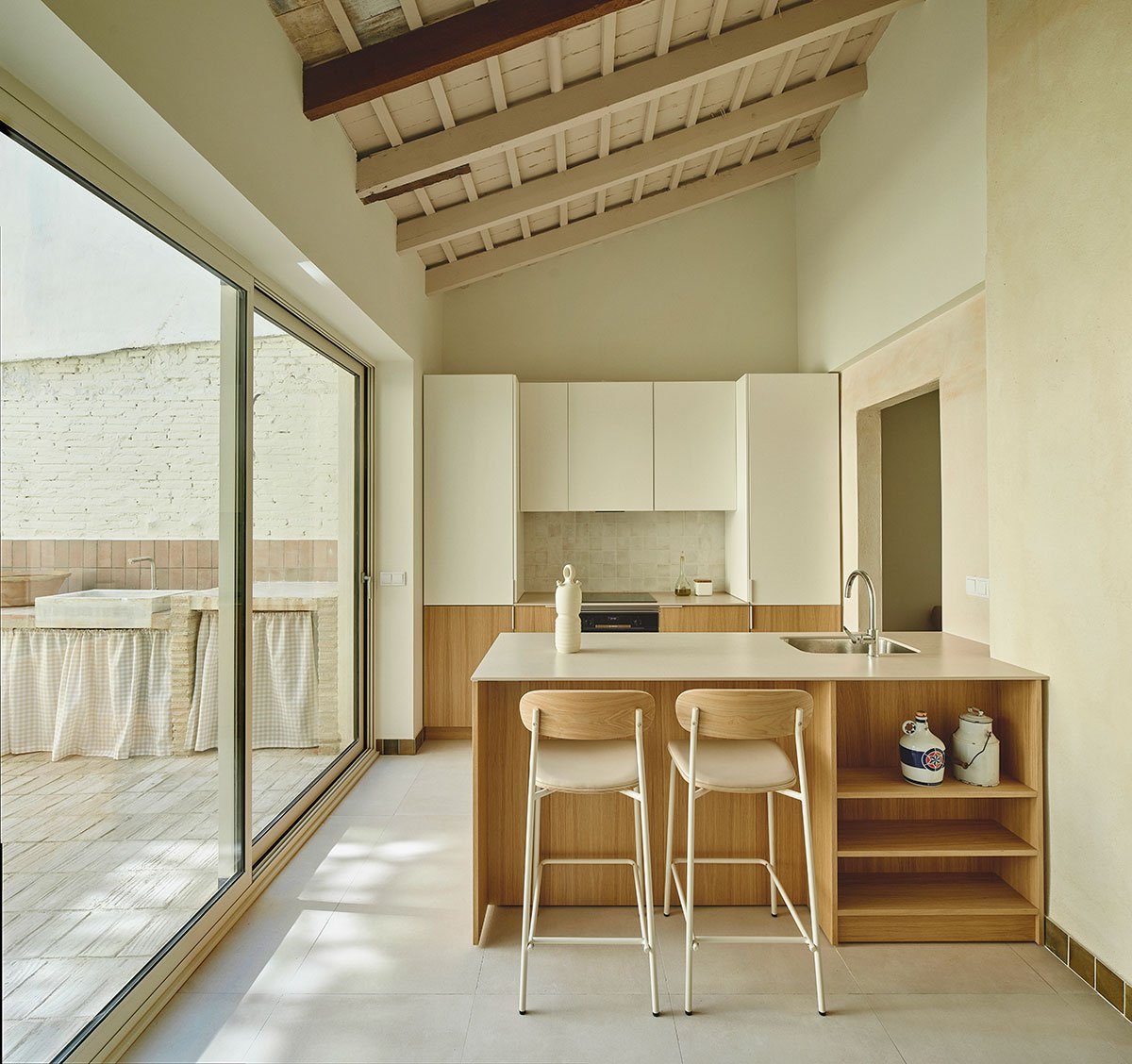
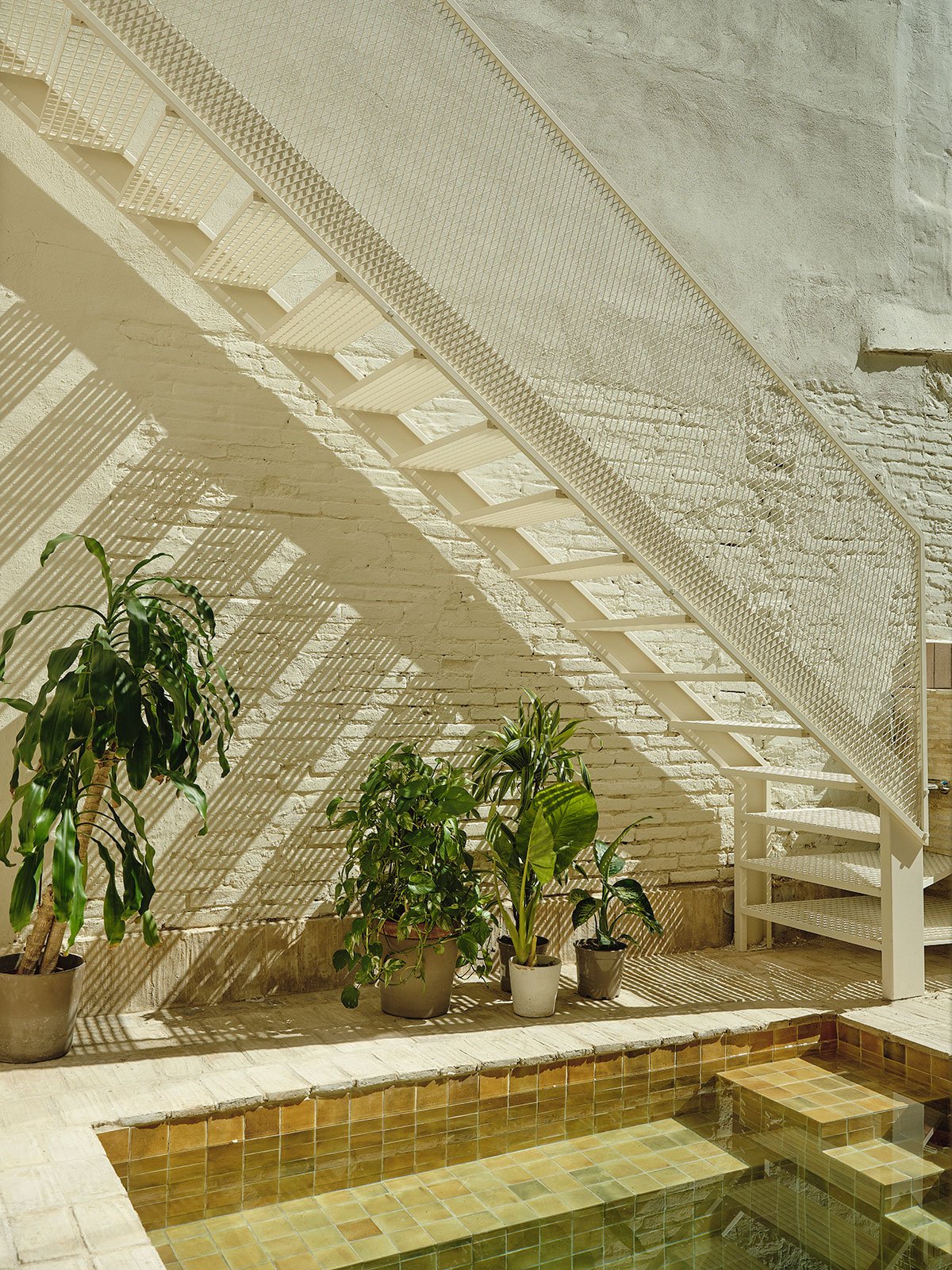
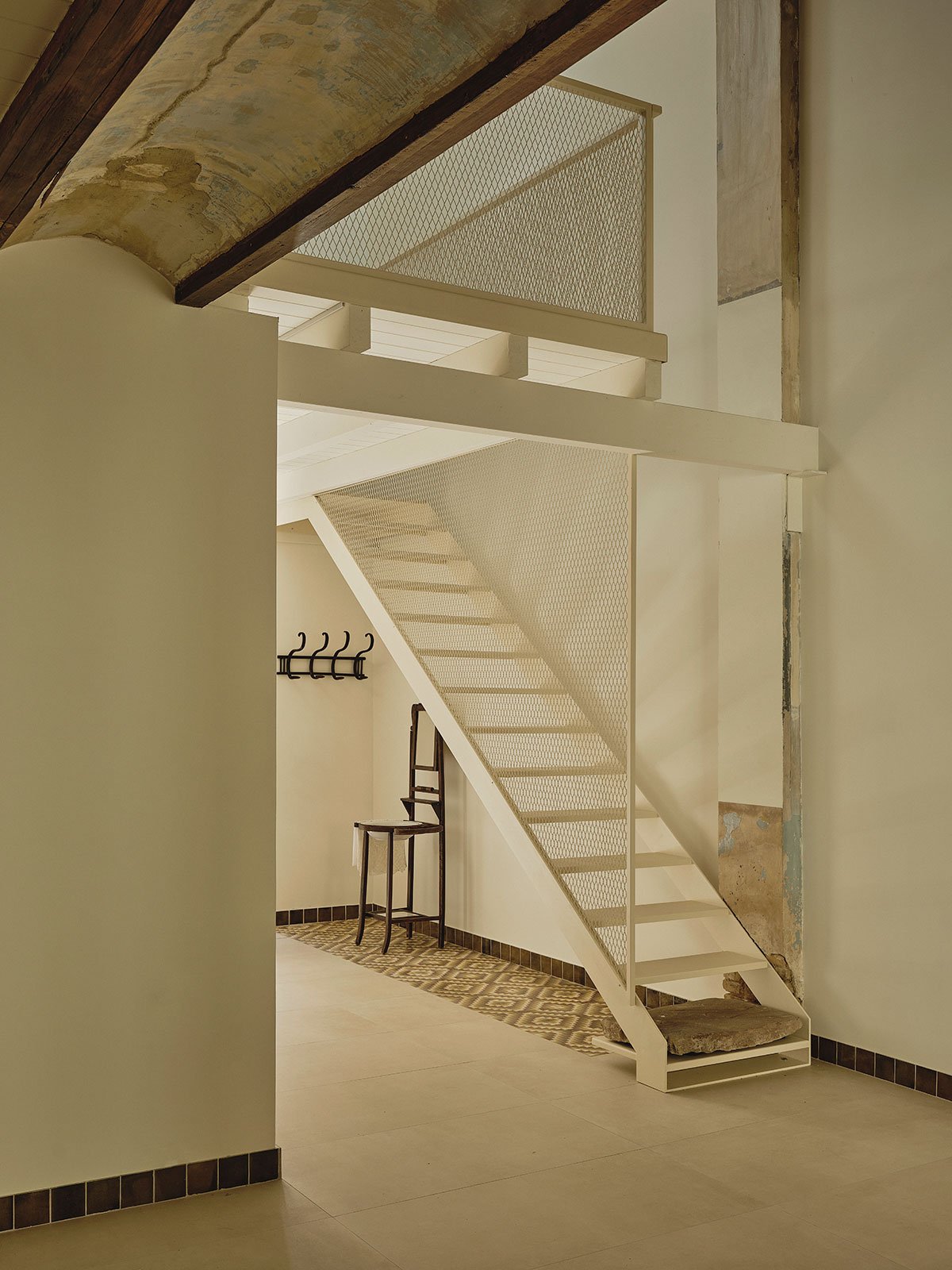
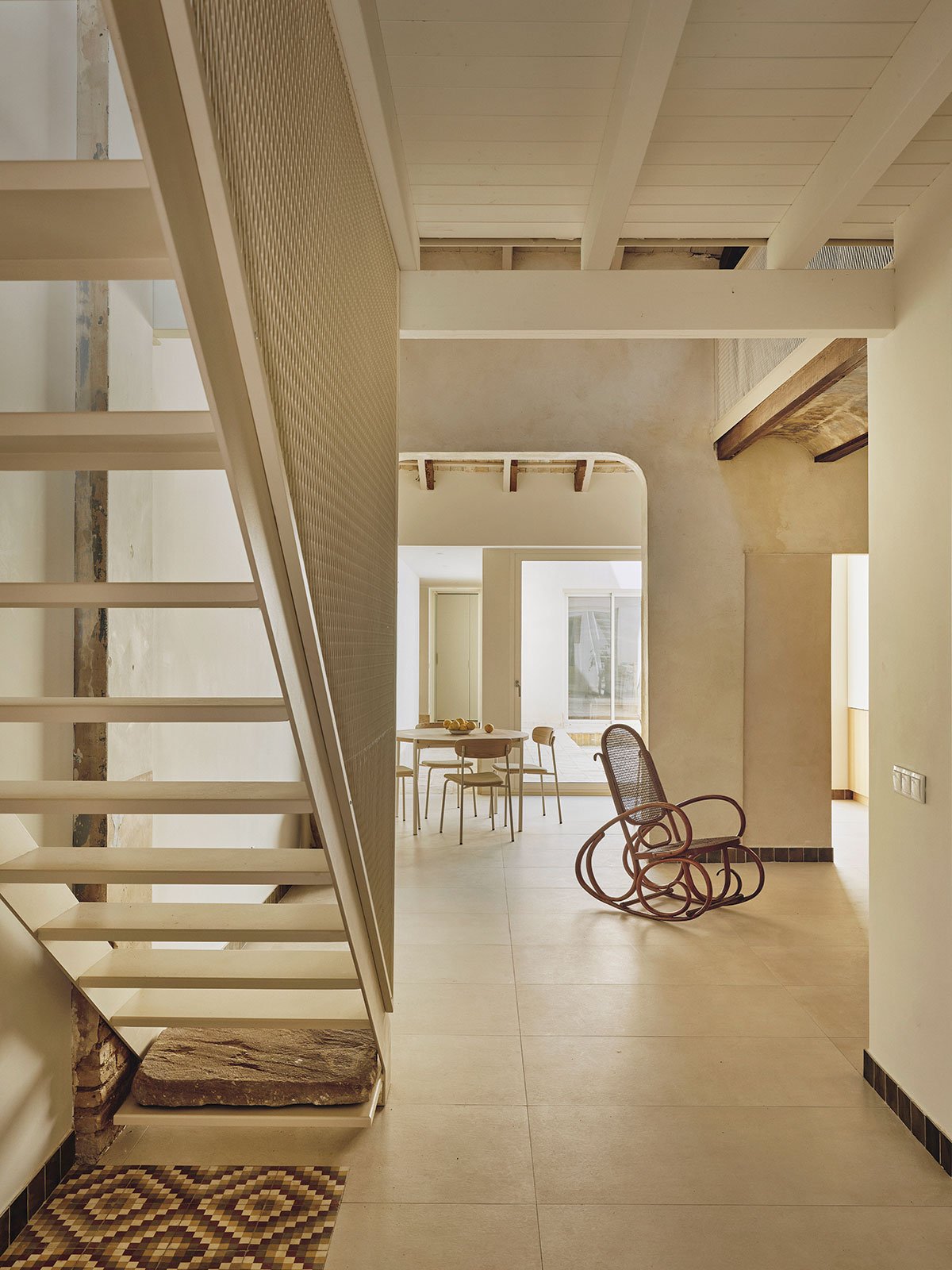
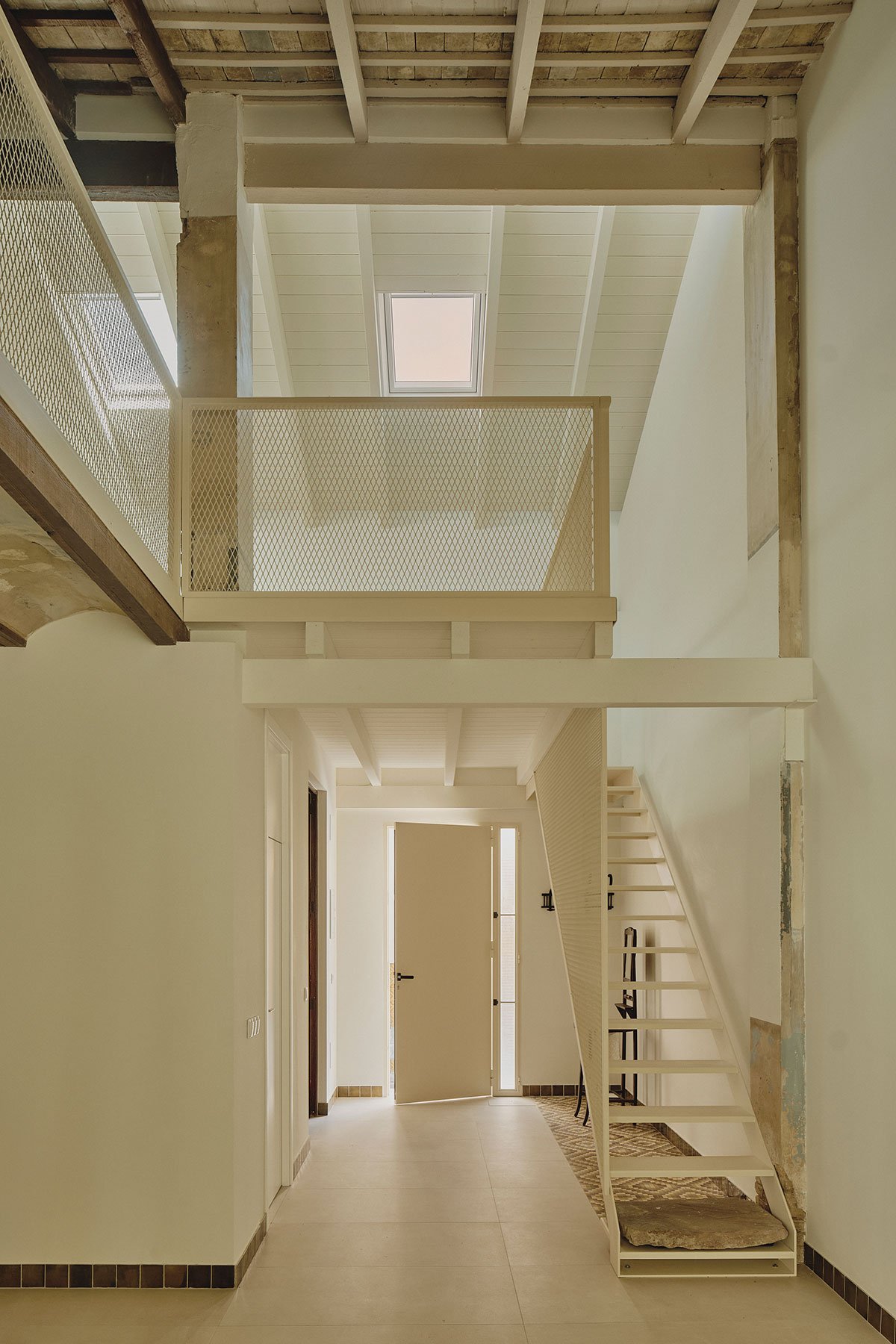
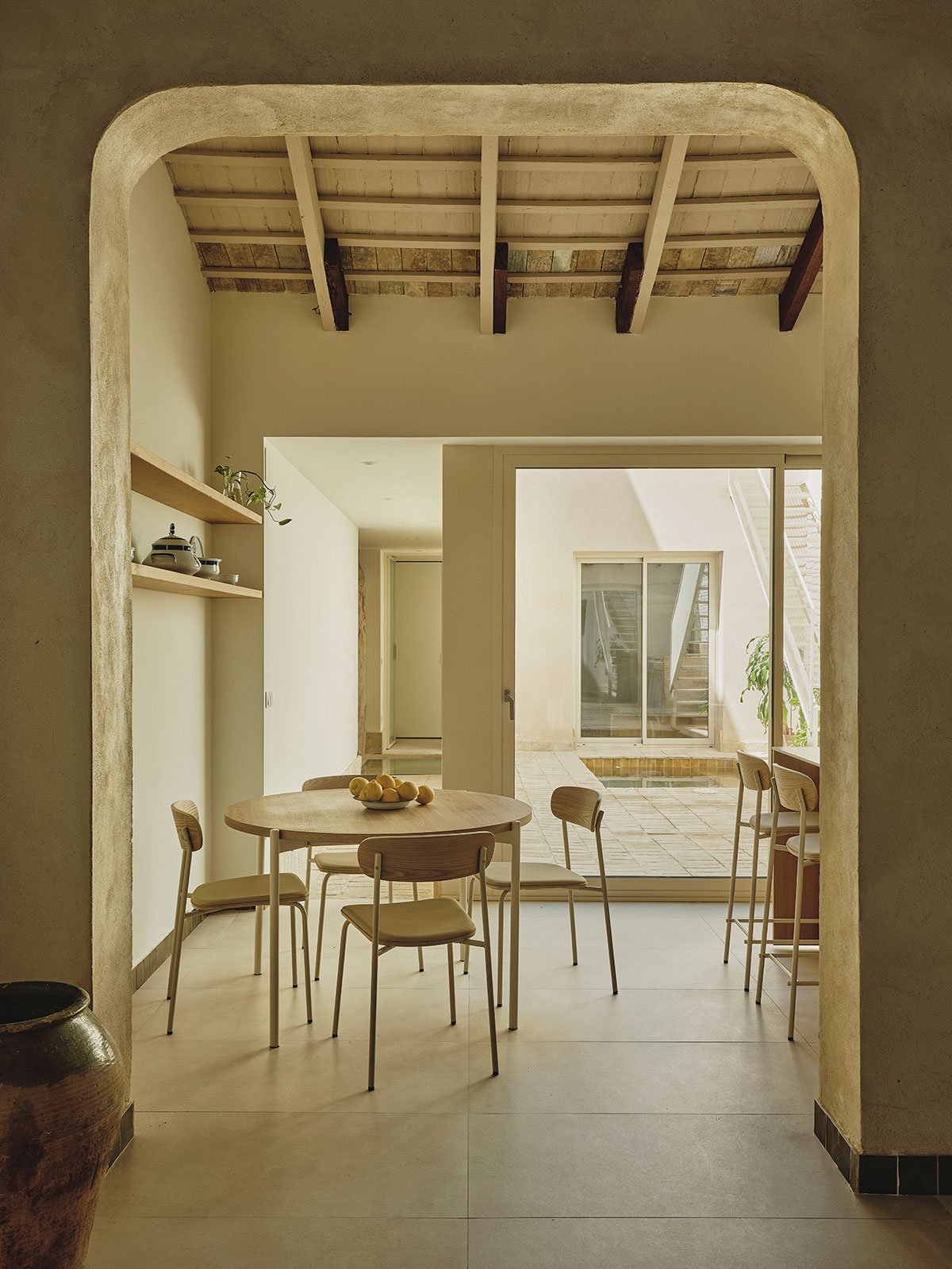
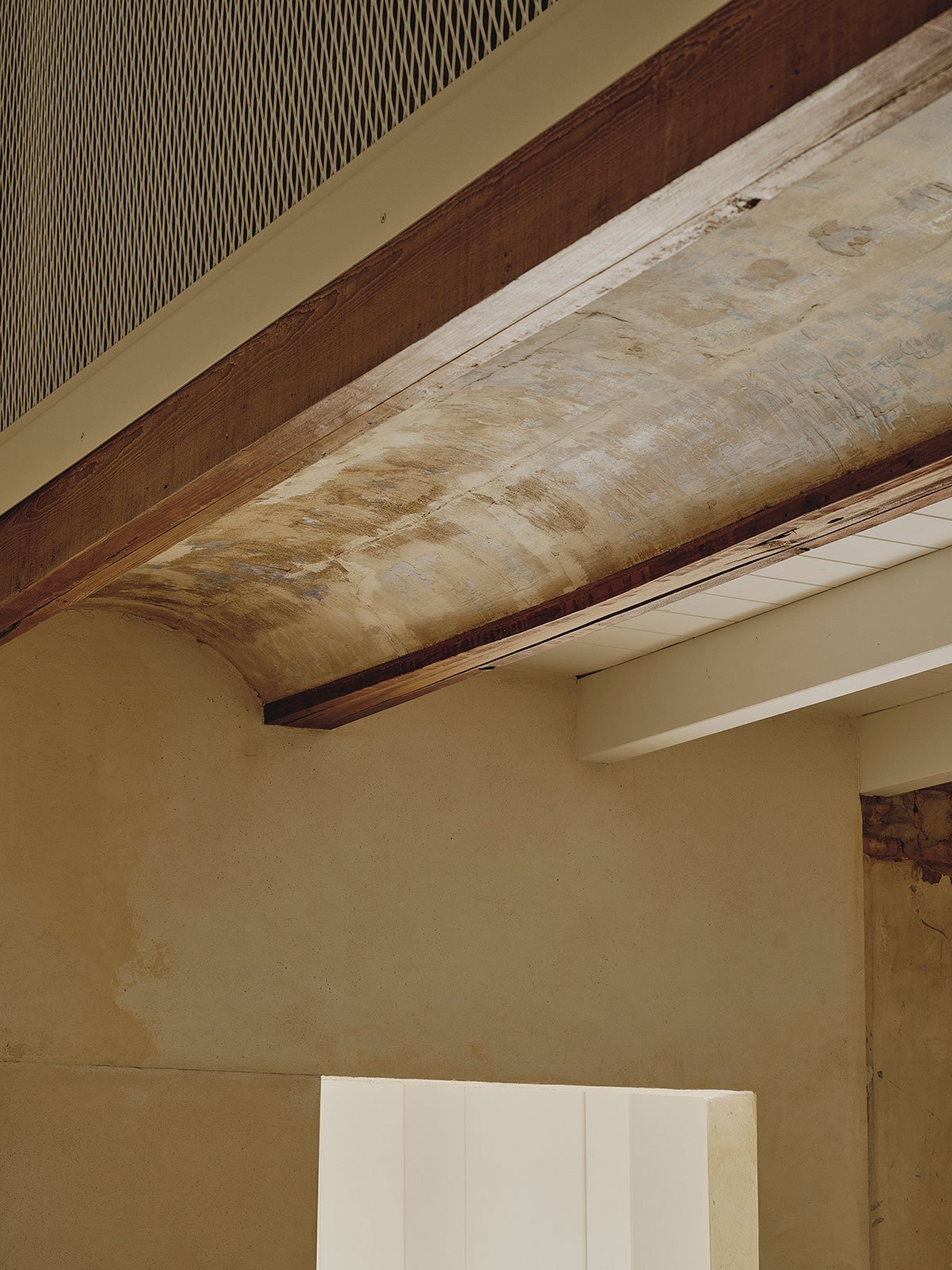
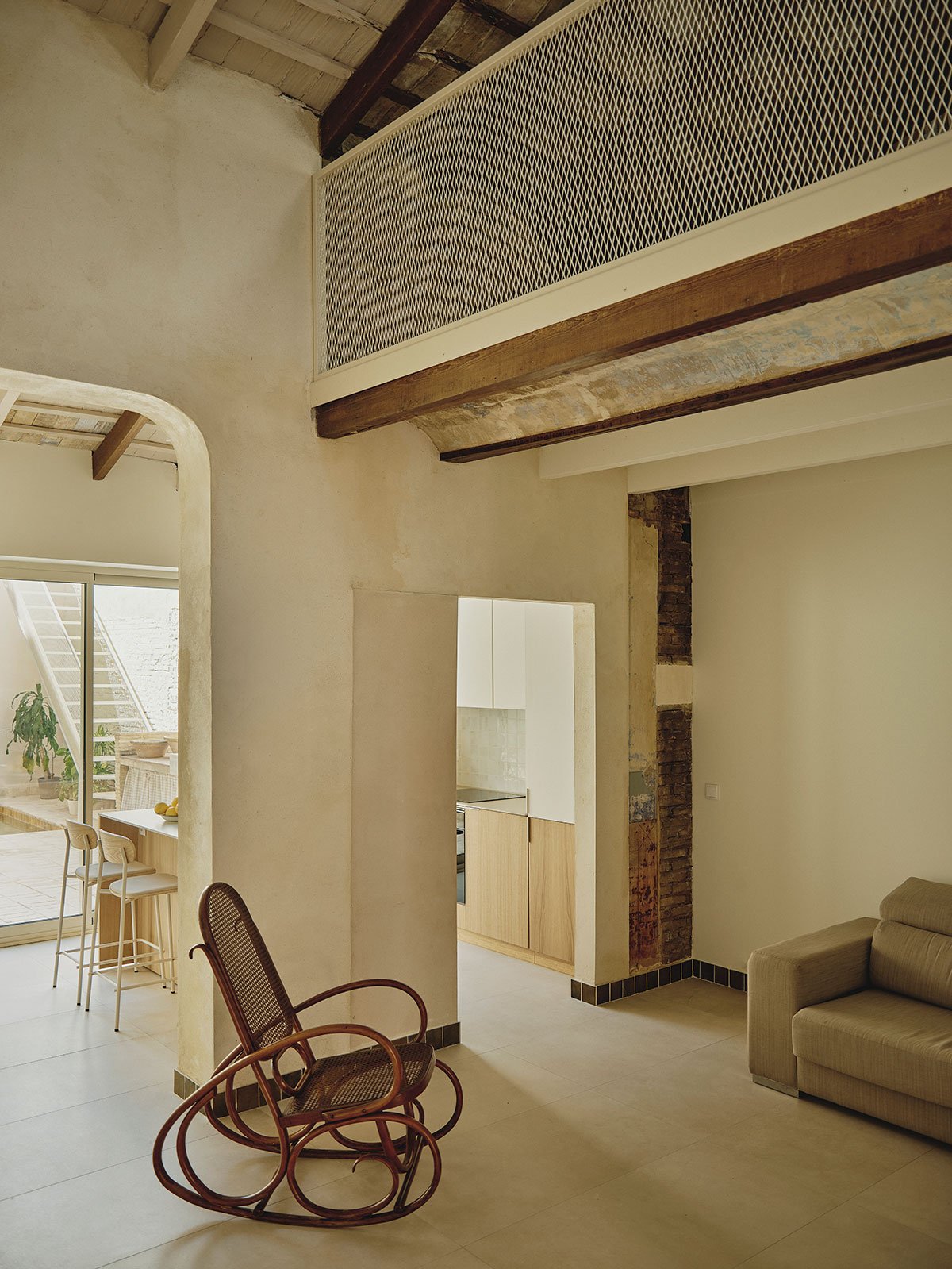
The reorganization of volumes improves the relationship between interior and exterior and brings natural light and ventilation into previously darkened spaces. While the original functional layout is preserved, it has been updated: the traditional cart entrance remains in place, now transformed with a light, custom-designed metal staircase that incorporates a reused stone from the patio; the main living room continues to be the heart of the house, retaining its intimate atmosphere thanks to the preserved brick vaults; and the kitchen, still in its original position, has been extended across the width of the plot and opened to the courtyard as a social space.
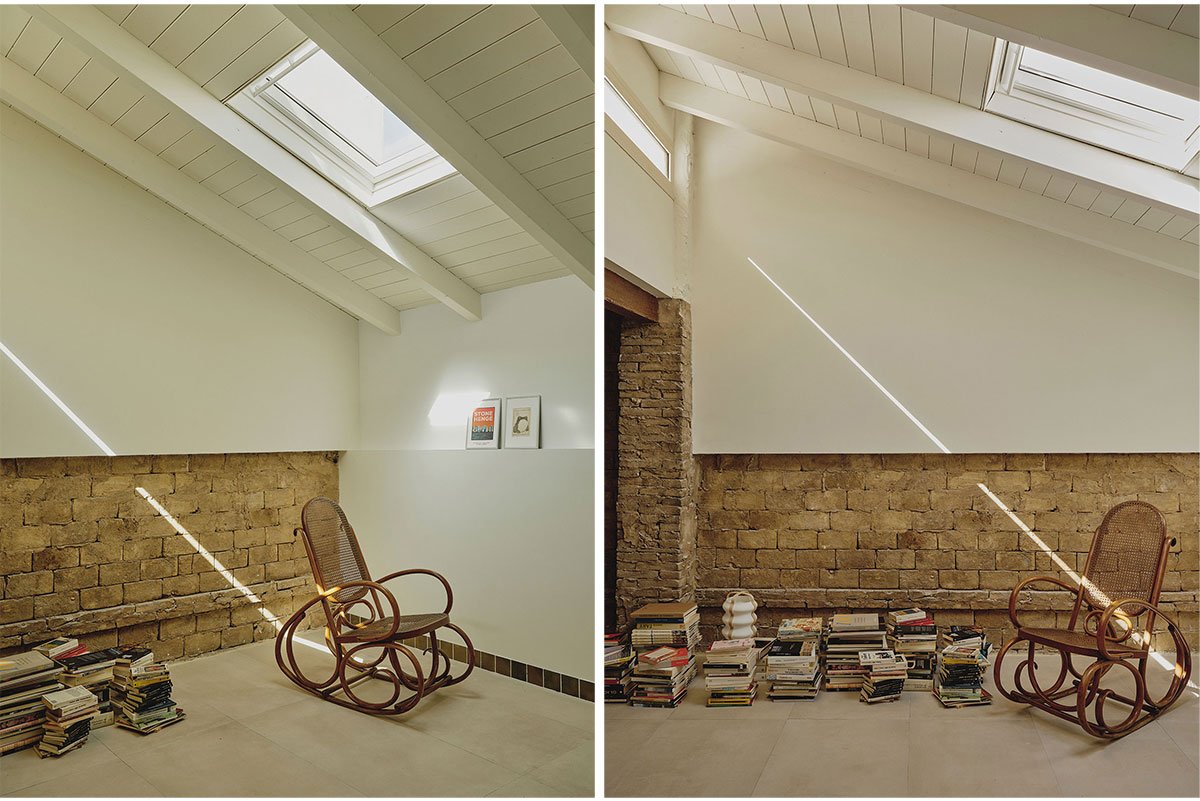
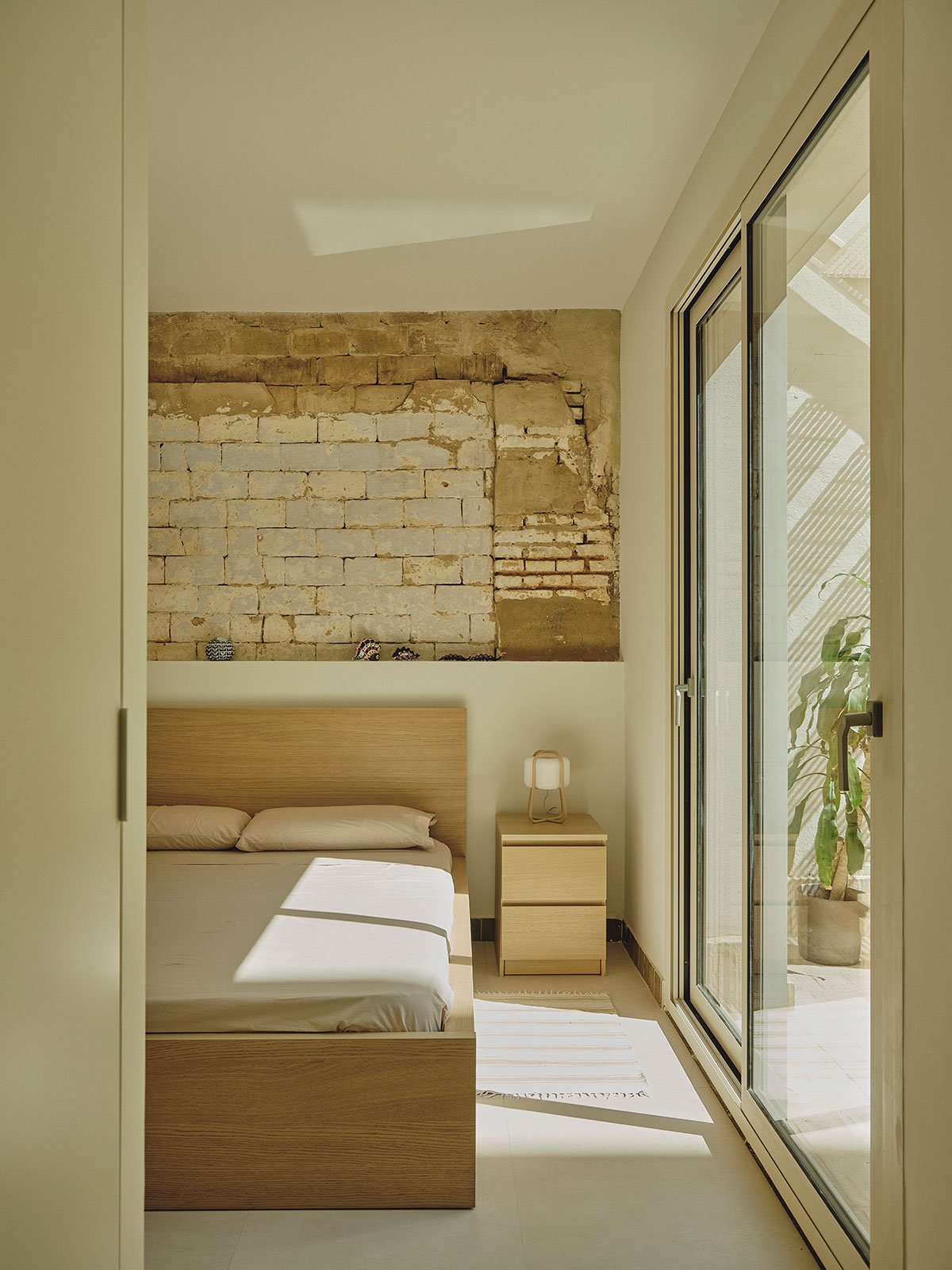
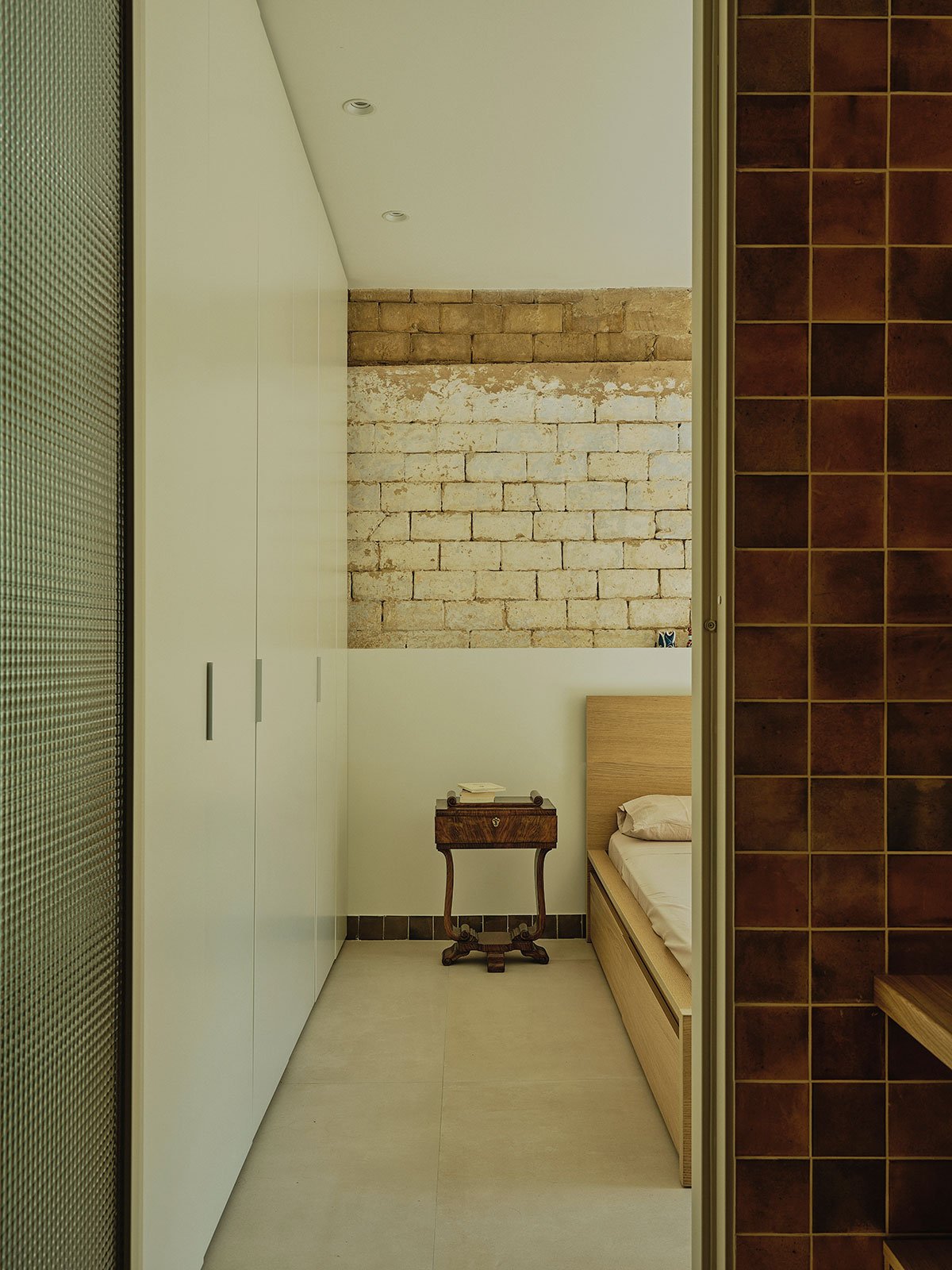
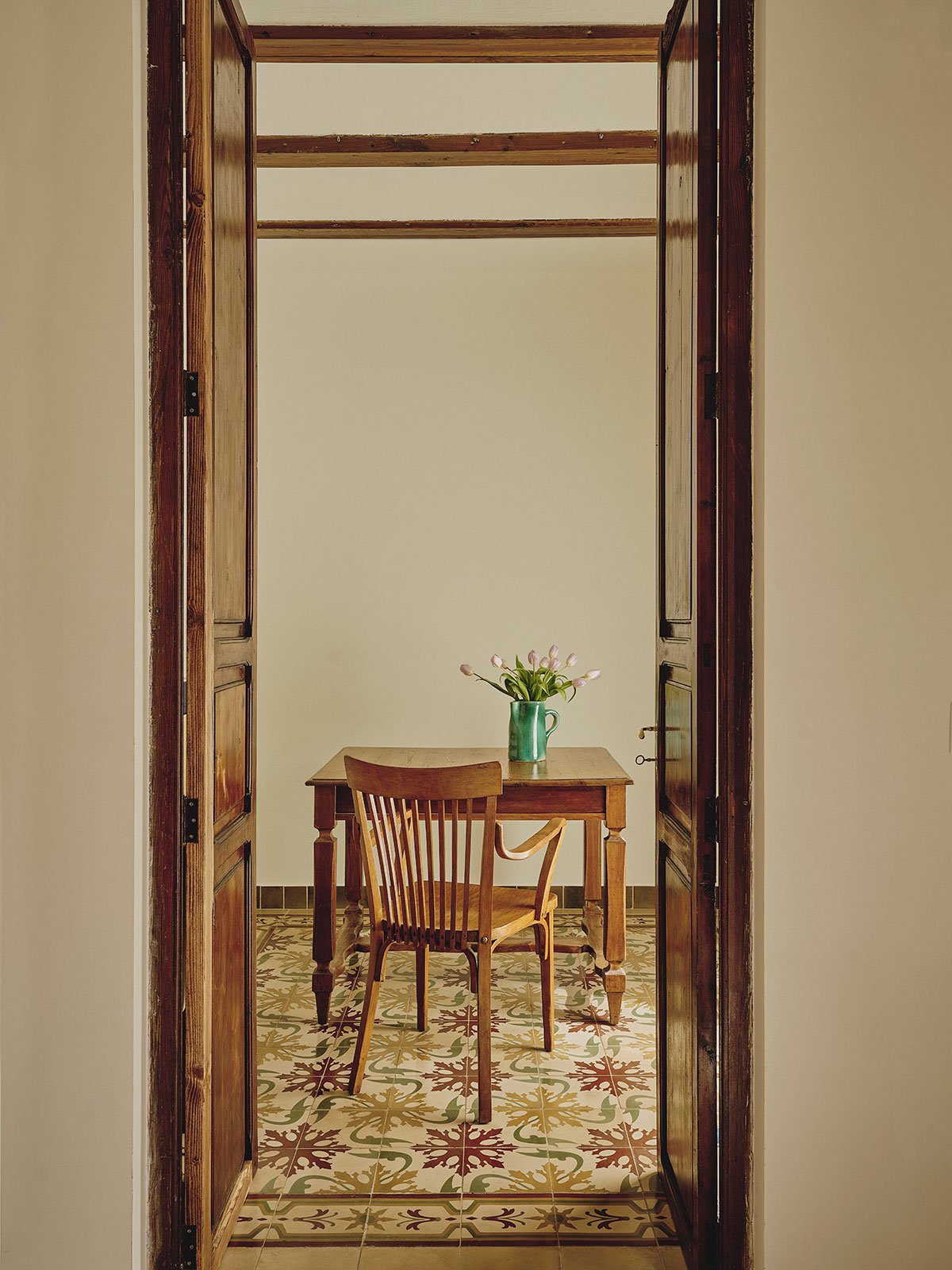
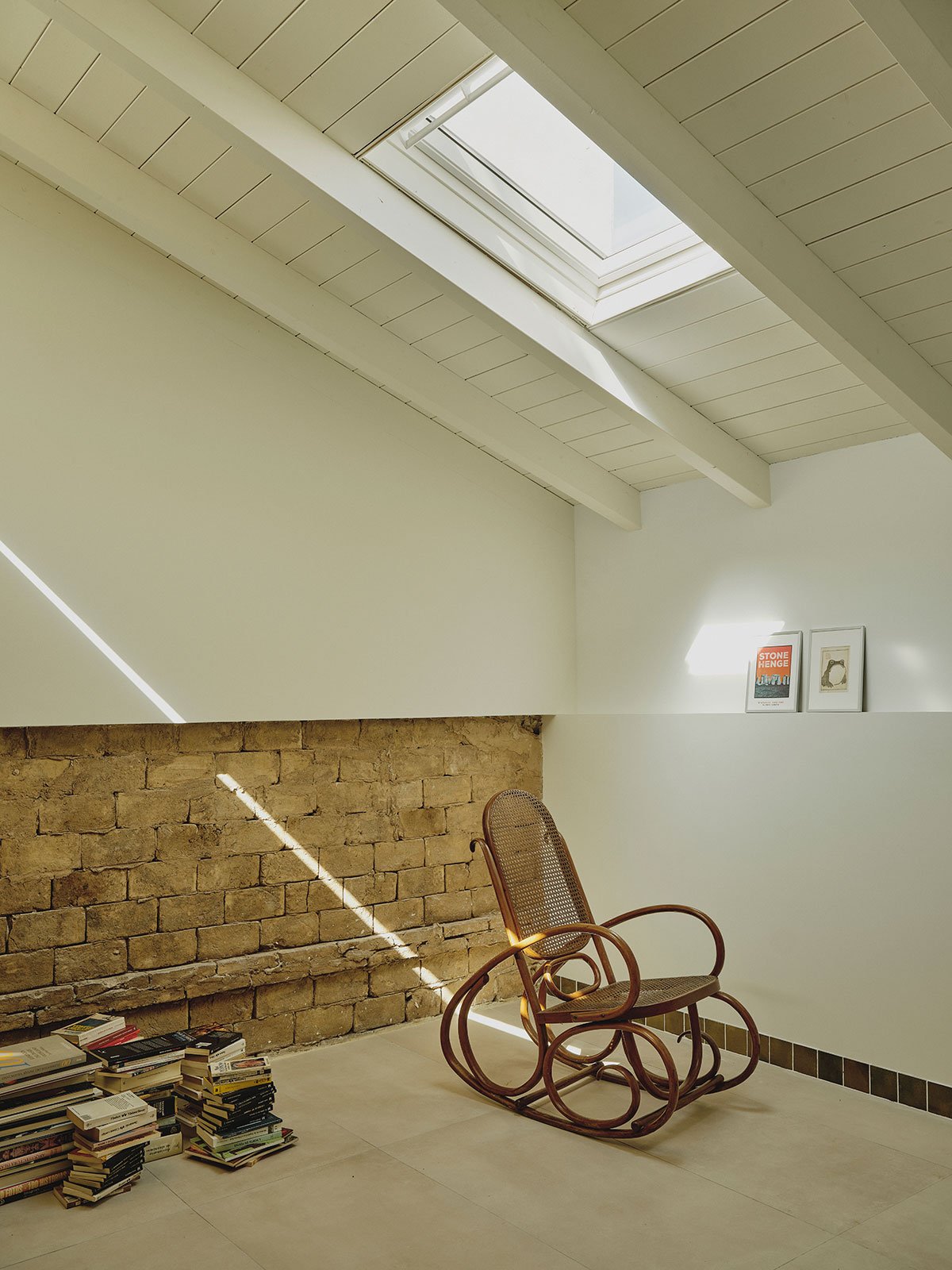
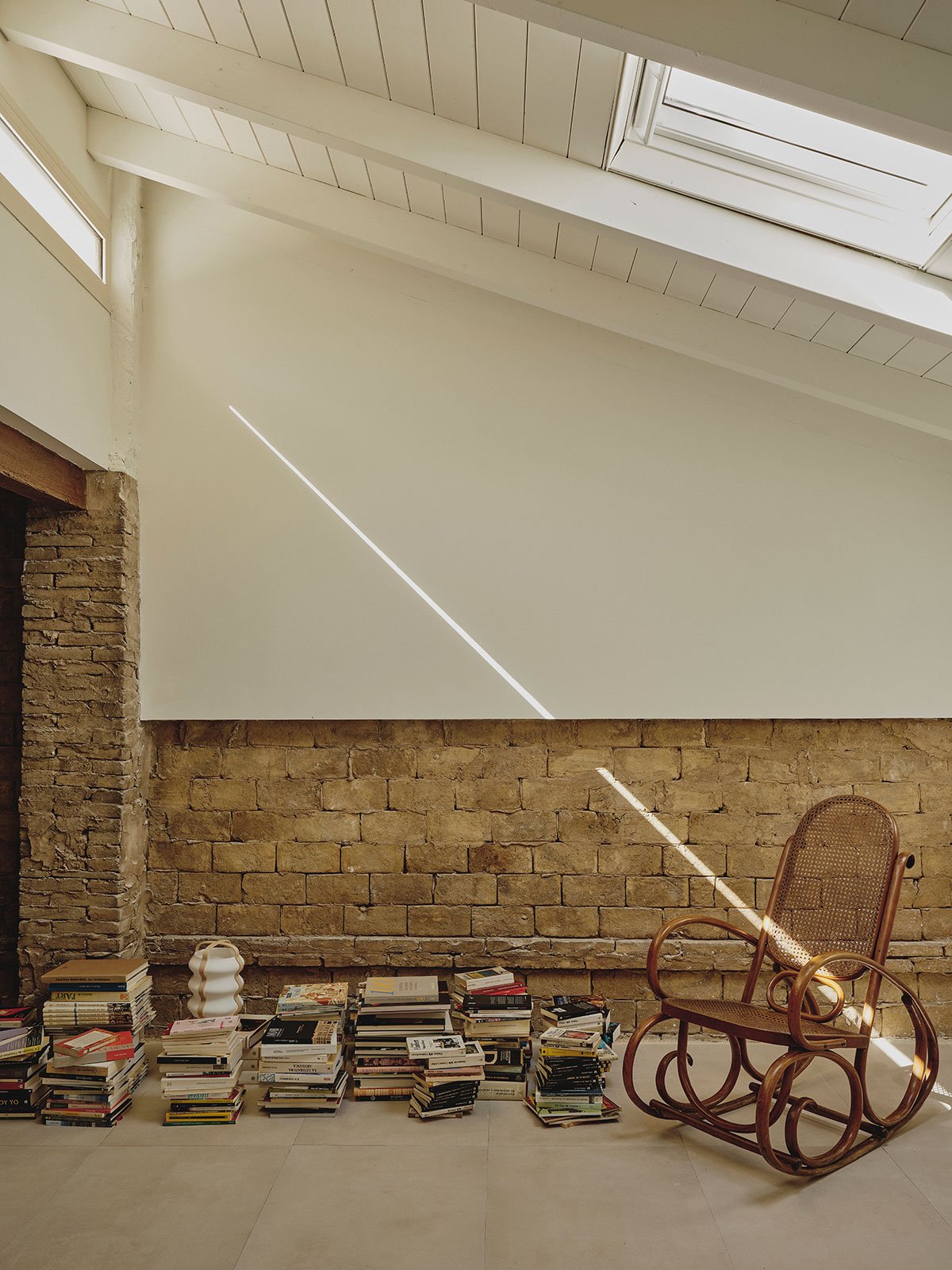
One of the most significant gestures is the transformation of the half-andana, once used for agricultural storage, into a workspace and reading area. Thus, the renovation not only reinterprets traditional uses but also gives them new meaning: the main bedroom now occupies the space where animals once rested, creating a poetic link between past and present.
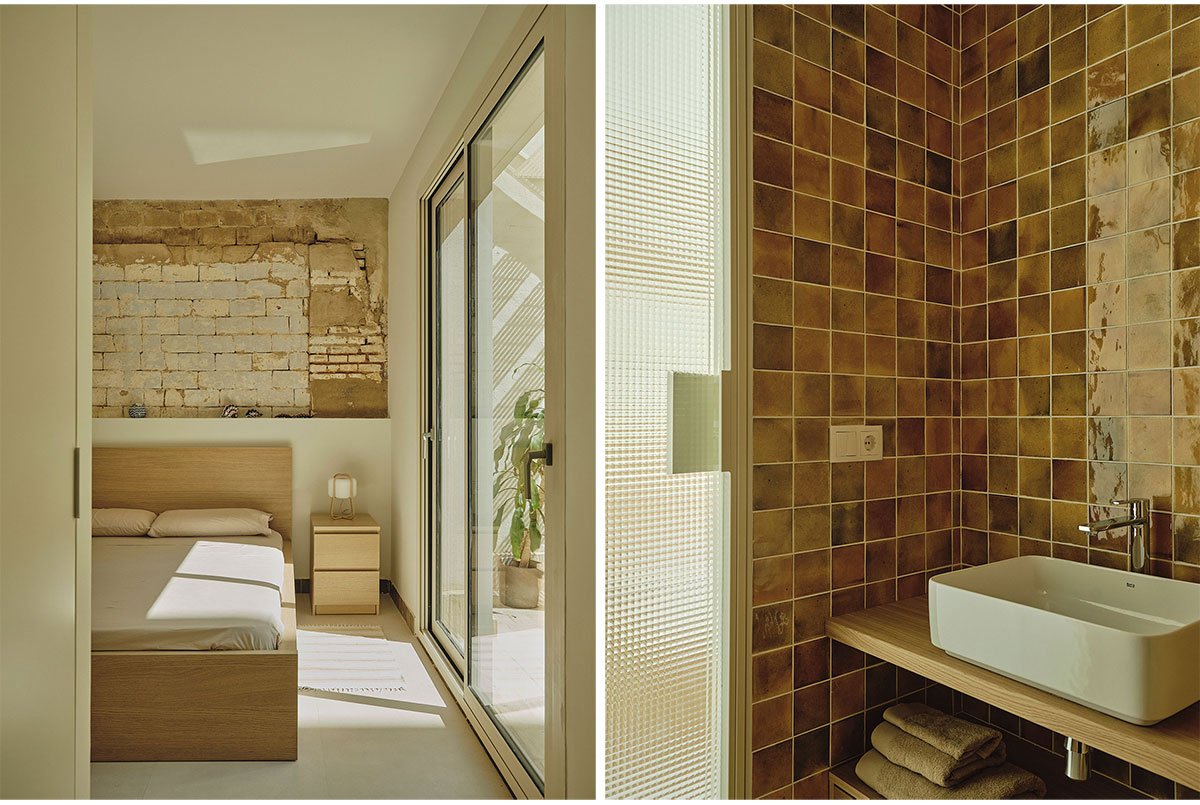
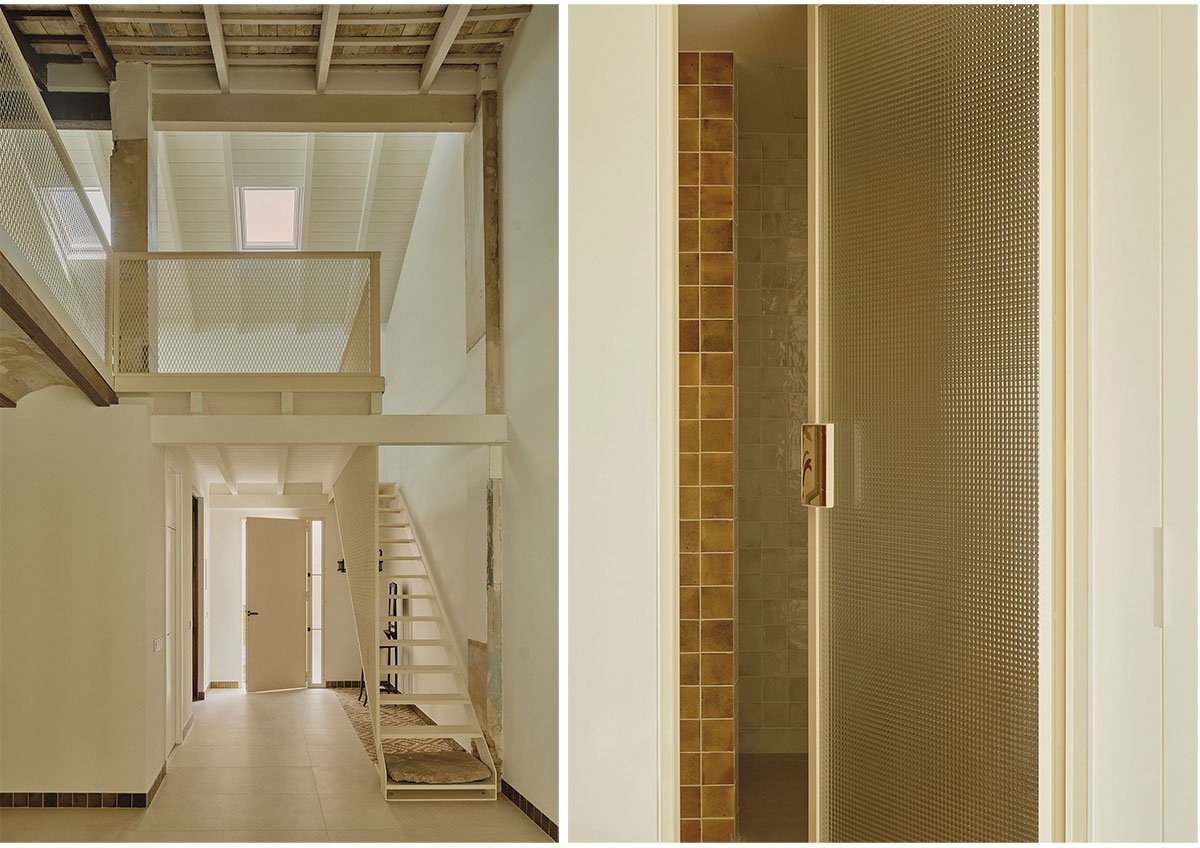
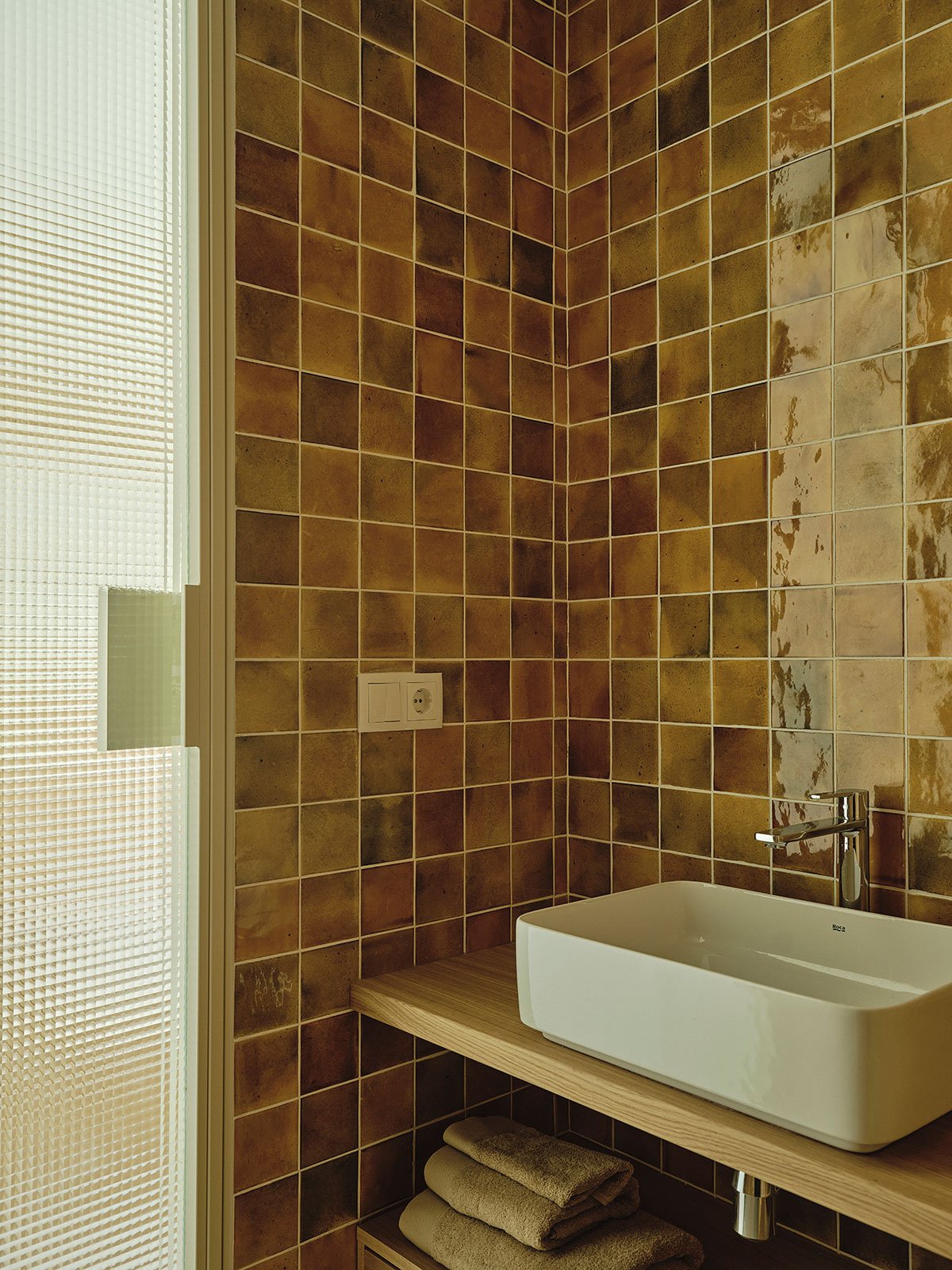
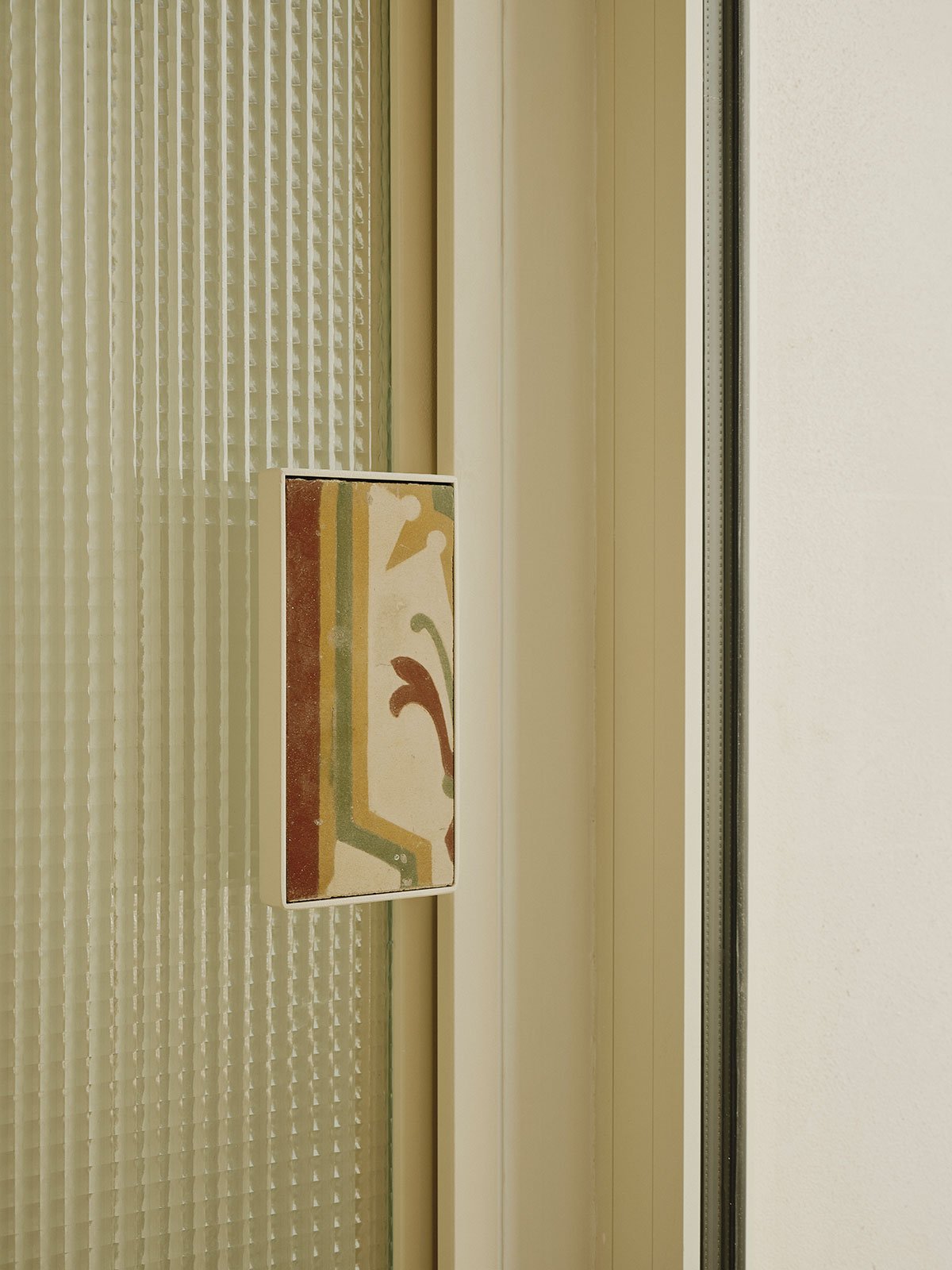
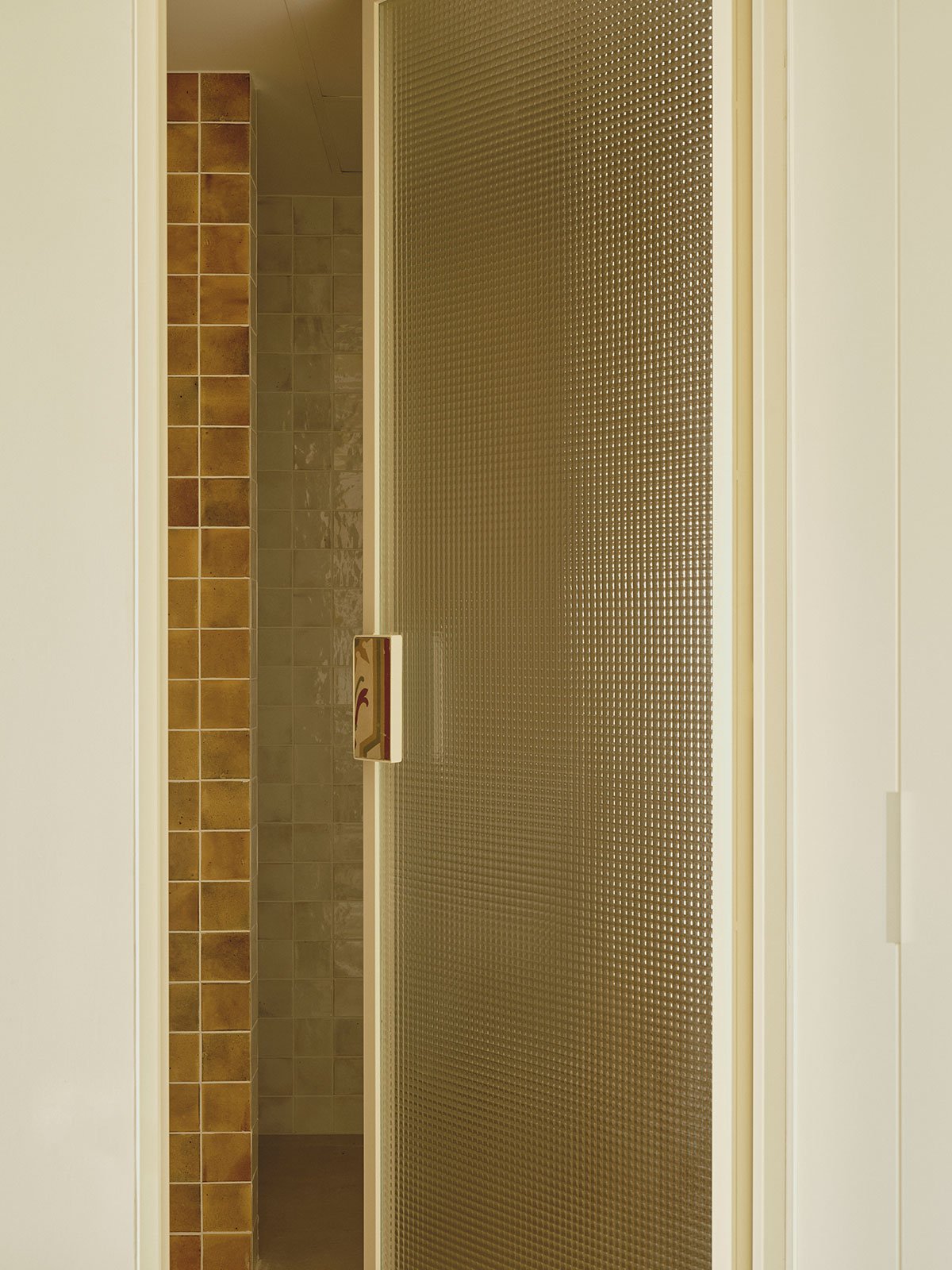
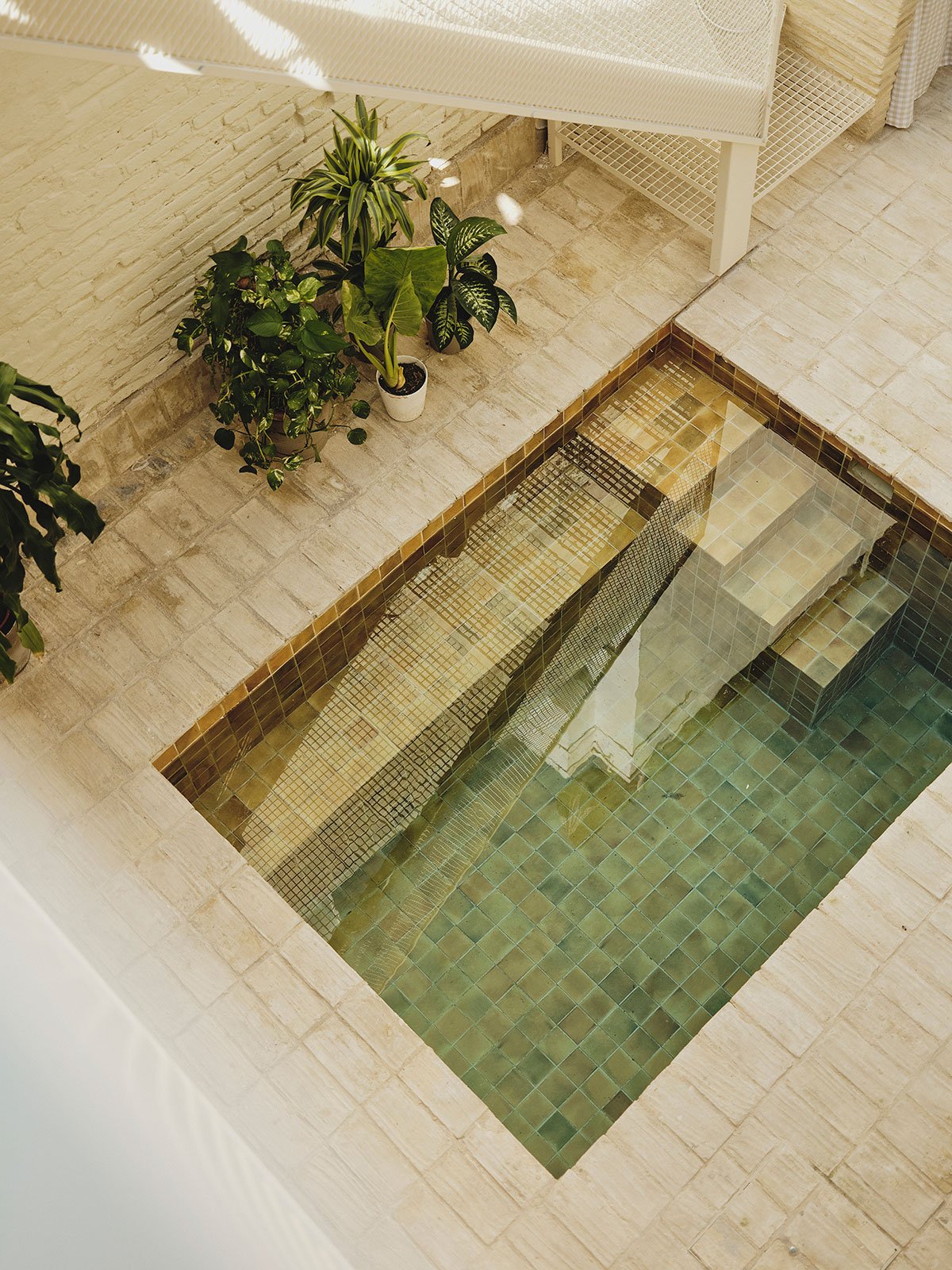
Special attention has been given to the materials, not just as technical components but as carriers of memory. Wooden beams, bricks, tiles, and terracotta are reused, establishing a dialogue between the old and the new. For example, the patio and hallway flooring is made of terracotta tiles recovered from the original roof. In contrast, new glazed ceramic tiles in the kitchen, bathrooms, and pool add color and texture, with hues that echo elements of the agricultural landscape: yellows blending with water and sky to evoke irrigation ponds, and greens referencing the original baseboards.
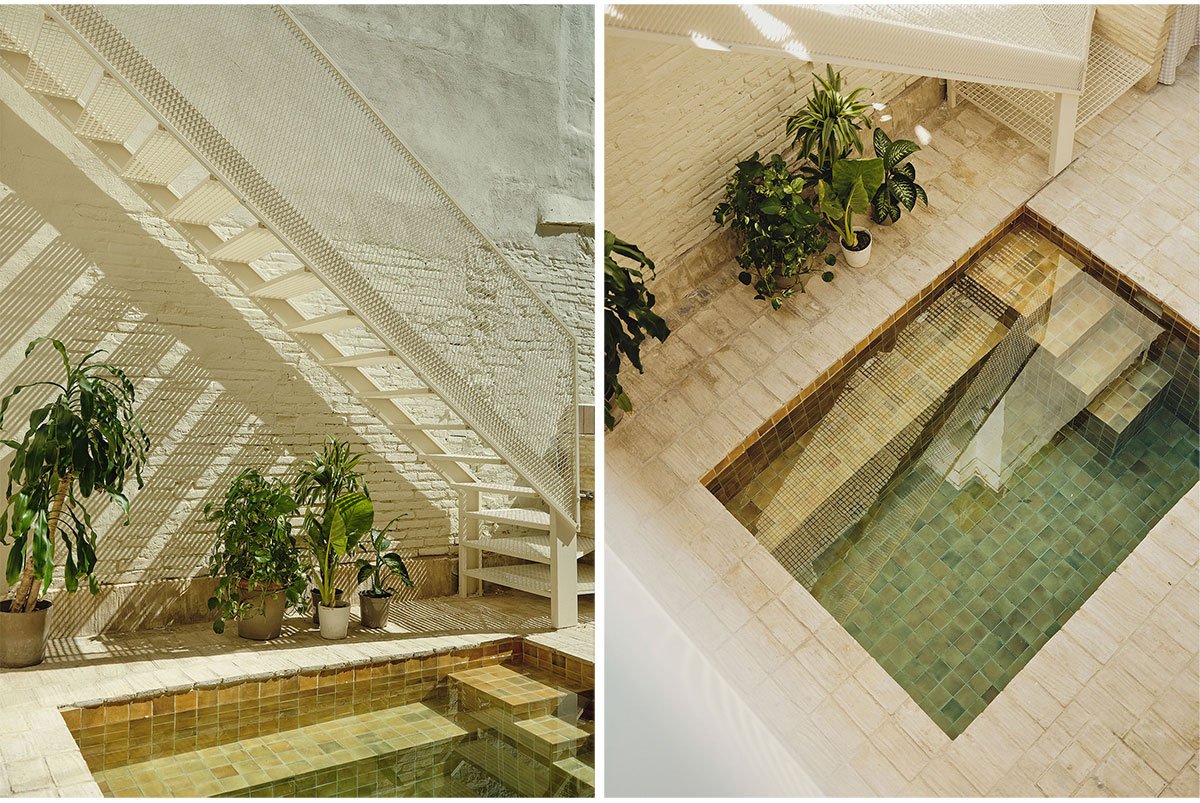
The result is a house that retains its simple and discreet character, but now breathes contemporaneity—bright, efficient, and full of life. It is not a nostalgic reconstruction nor a glorification of the past, but a way to project heritage into the future—inhabiting it with naturalness, material awareness, environmental responsibility, and a strong sense of place.
Images