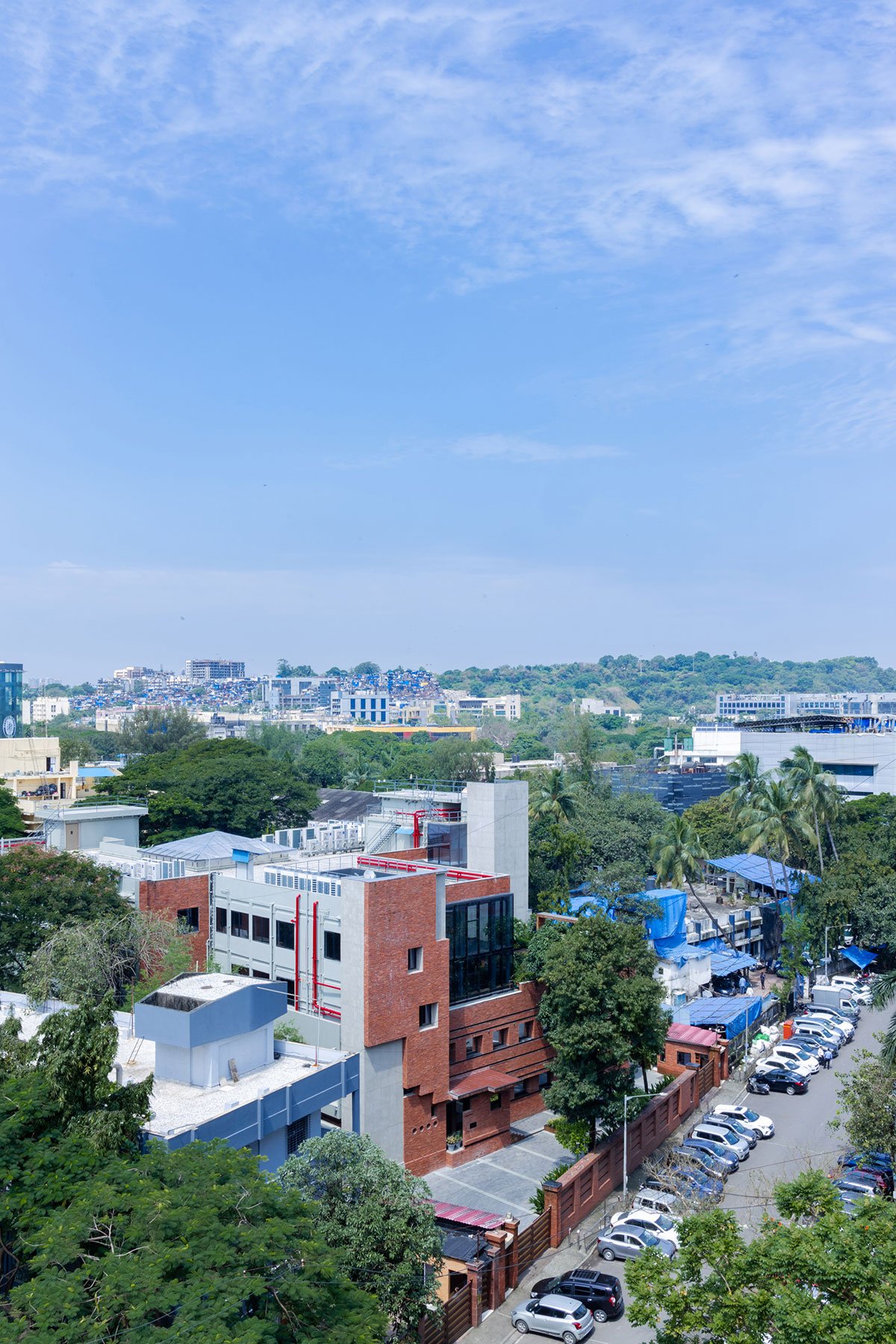
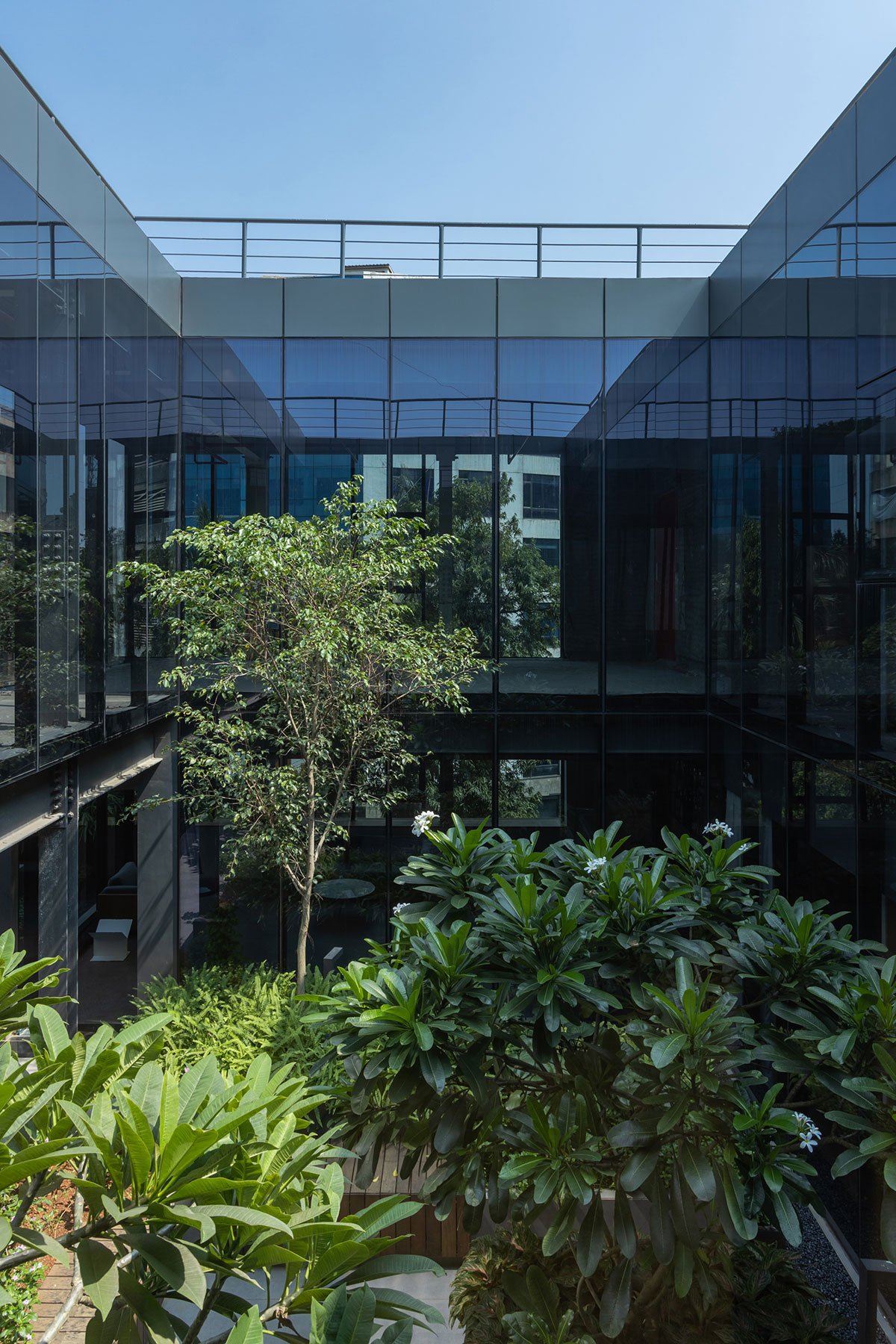
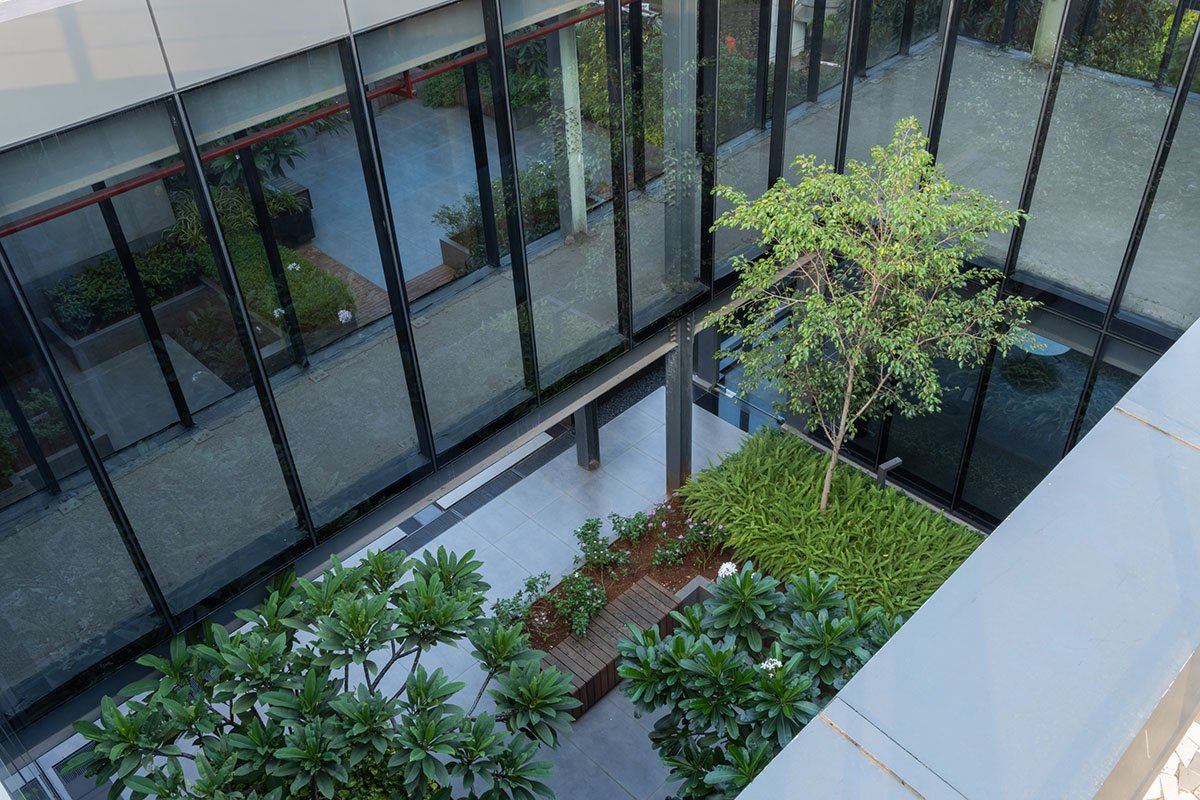
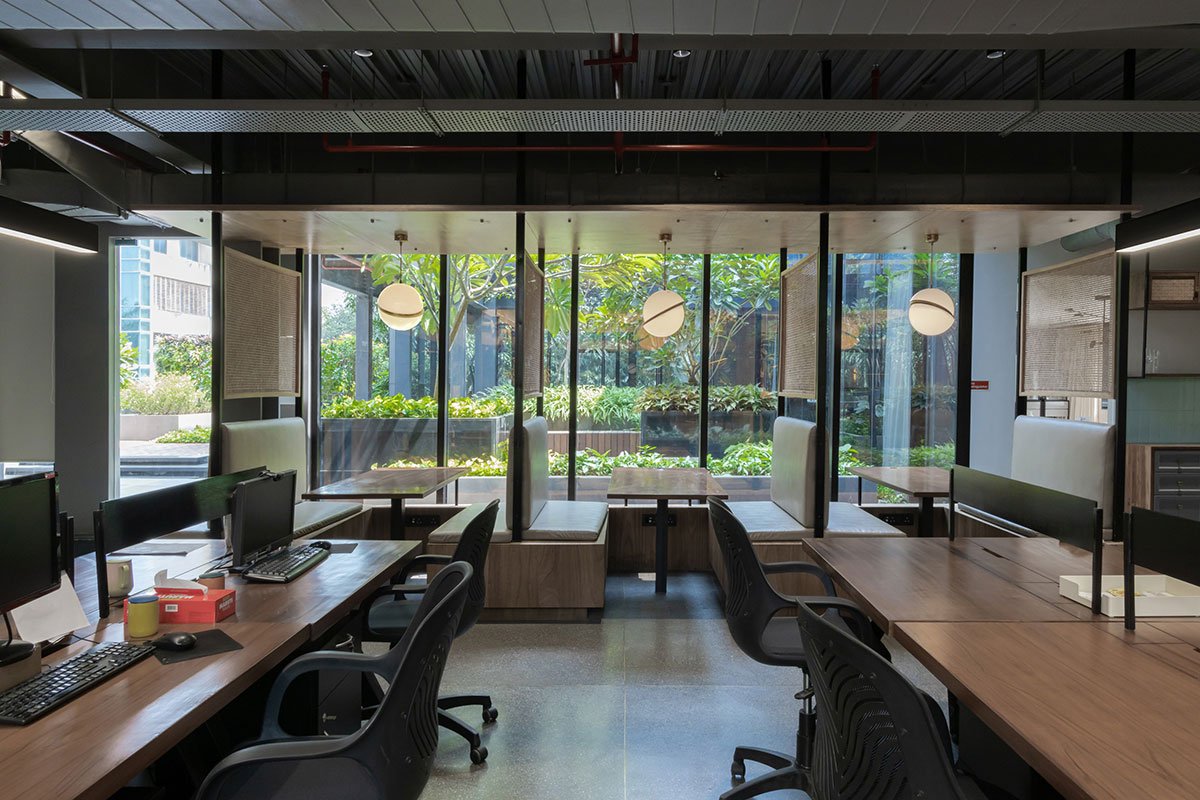
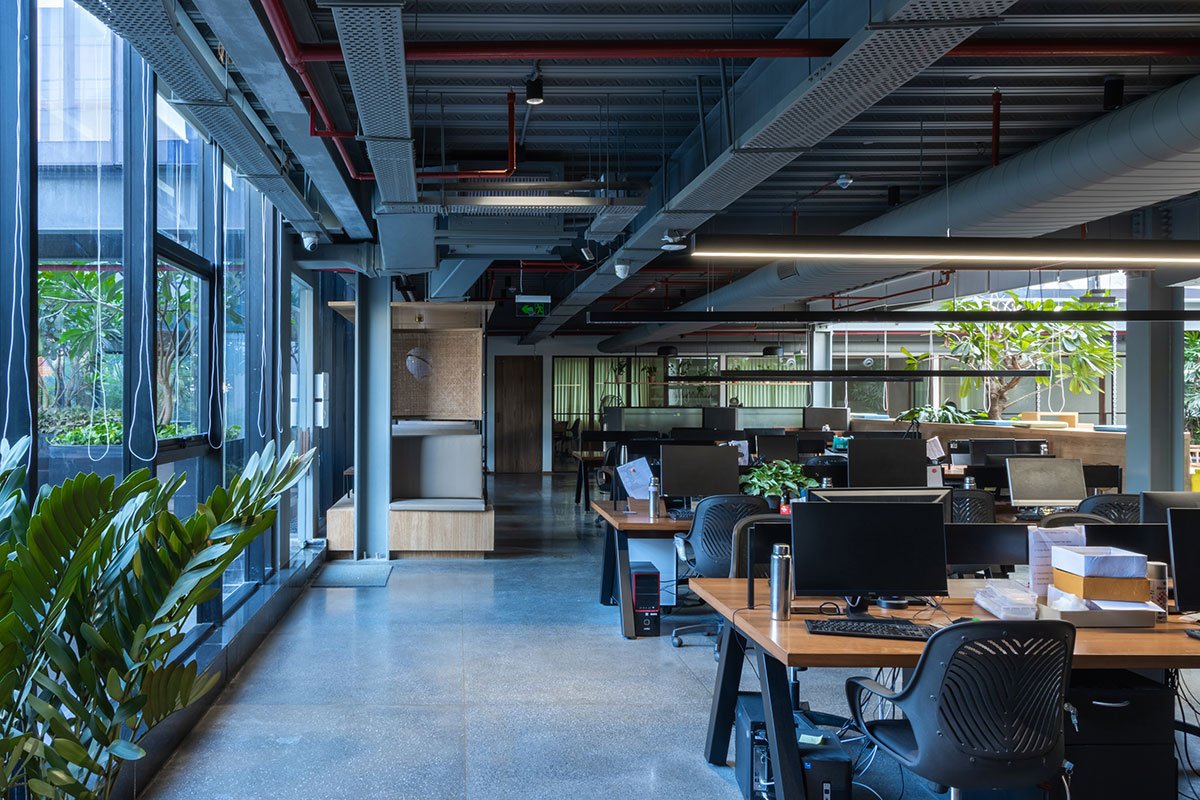
Excerpt: D10, a commercial project by Studio Saransh, is focused on expanding and incorporating natural light and ventilation into an existing office building. The new building design incorporates a three-pronged approach: creating a front terrace garden, designing a courtyard on the second floor, and incorporating a private terrace at the rear end, allowing for large spaces and good natural light quality.
Project Description

[Text as submitted by architect] H. Dipak & Company, a renowned Jewellery Business House in Mumbai, India, needed to expand their existing office building, to add various other departments to their business. The existing building housed their Diamond Polishing & Cutting Departments but they needed to add a Jewellery Creative Design Research & Development Department, for which they needed two additional floors to be added to the building.


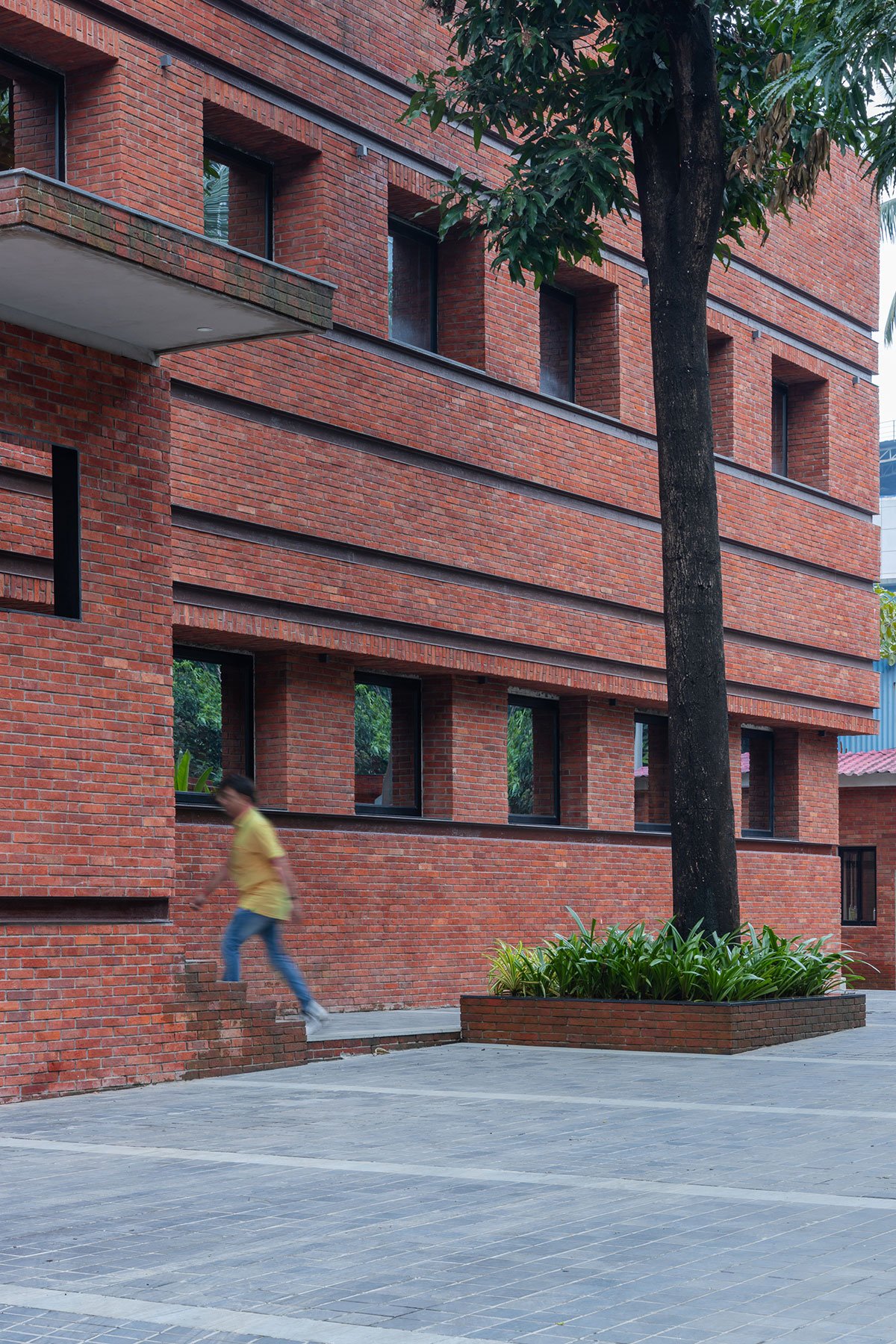
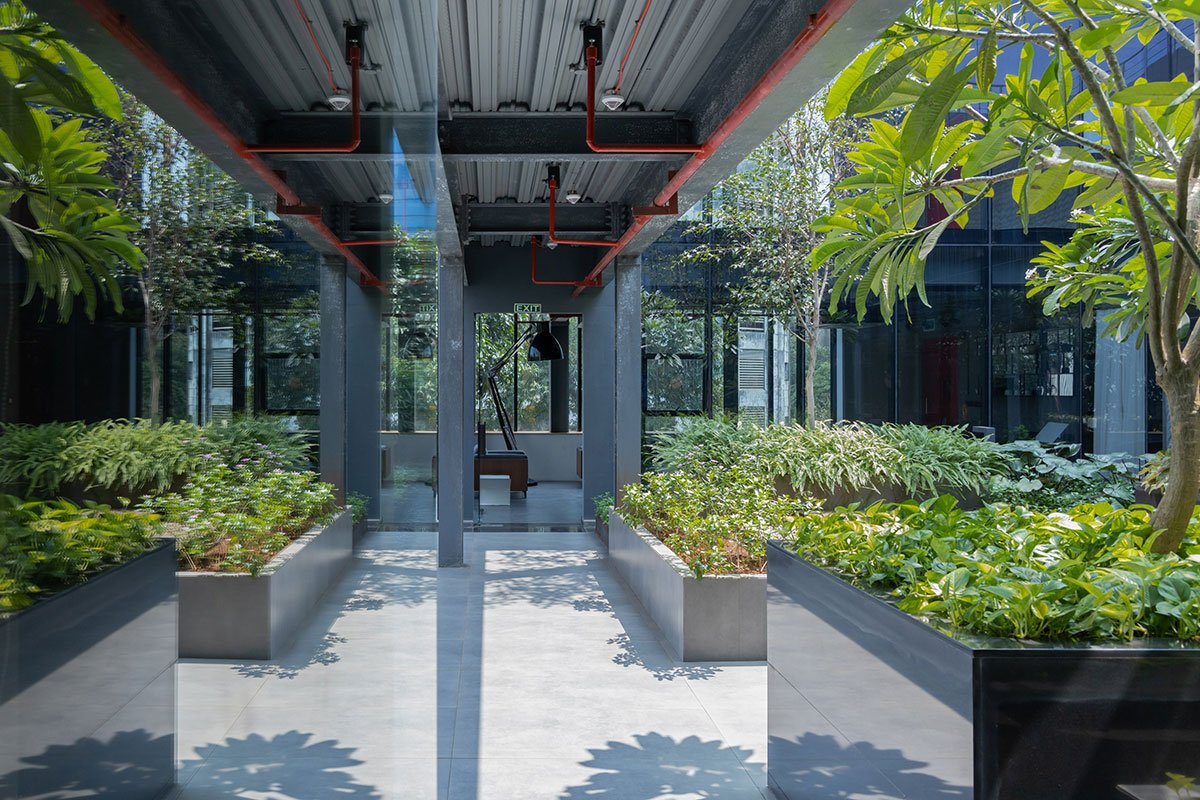
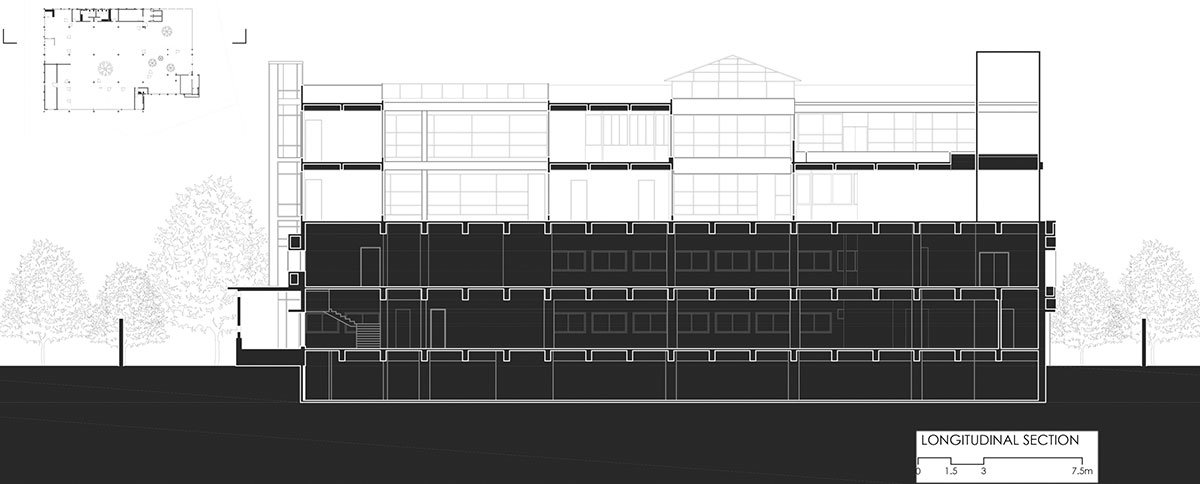
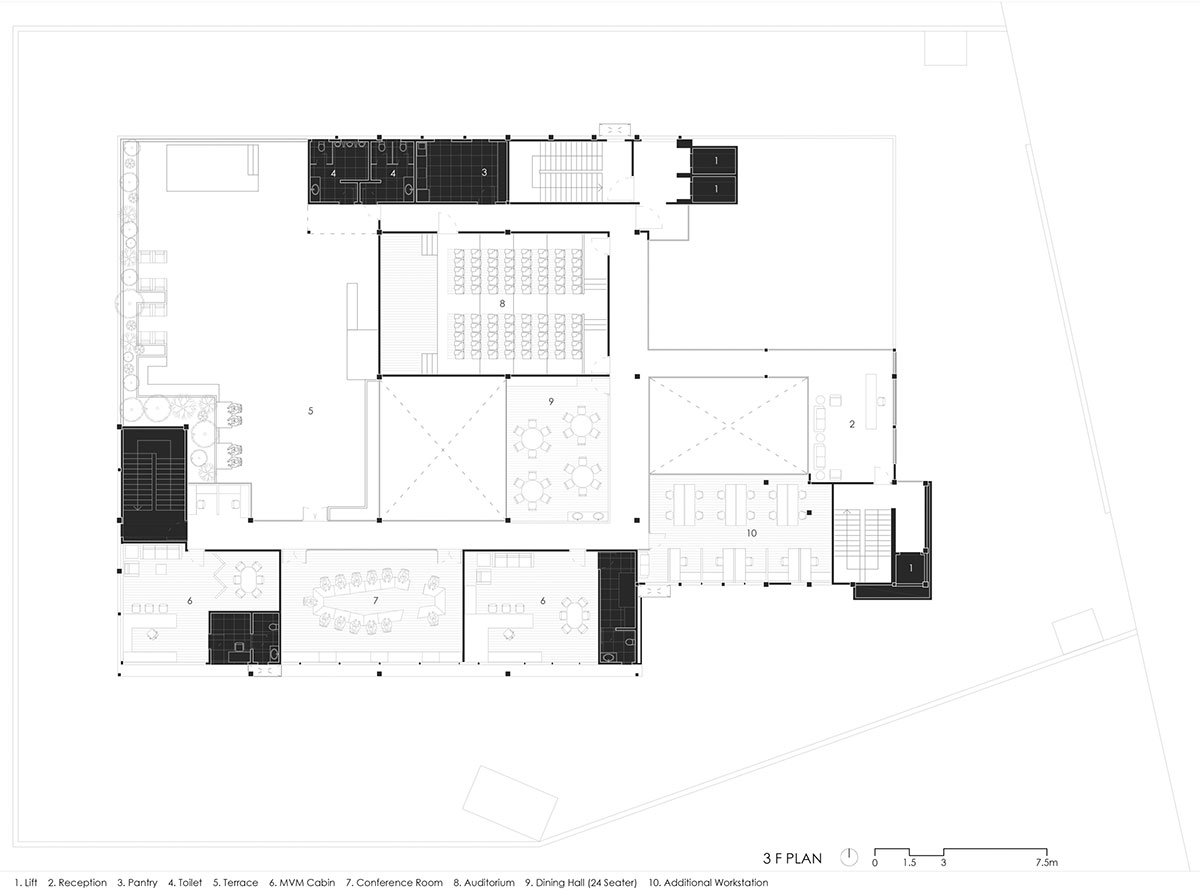
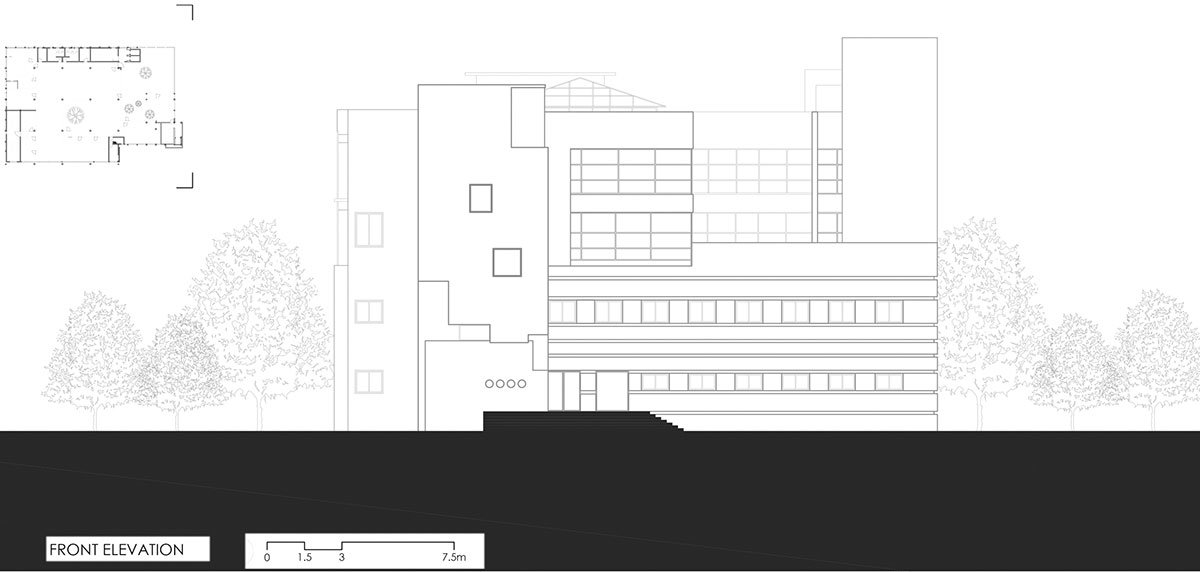
Like typical Mumbai buildings, the existing building lacked natural light and ventilation. The new design for the building took care of this by a three-pronged approach – Creating a setback from the facade, thereby forming a front terrace garden, Designing a courtyard on the second floor, and Incorporating a private terrace at the rear end of the building.
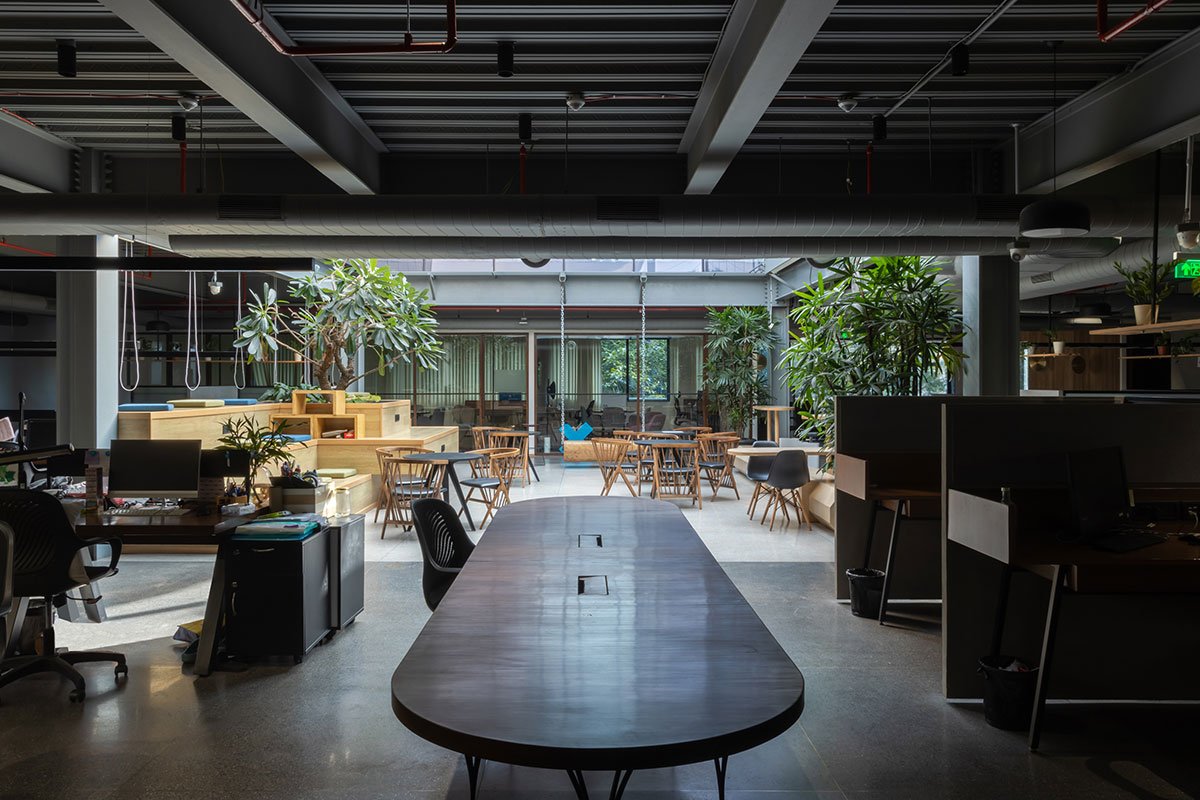
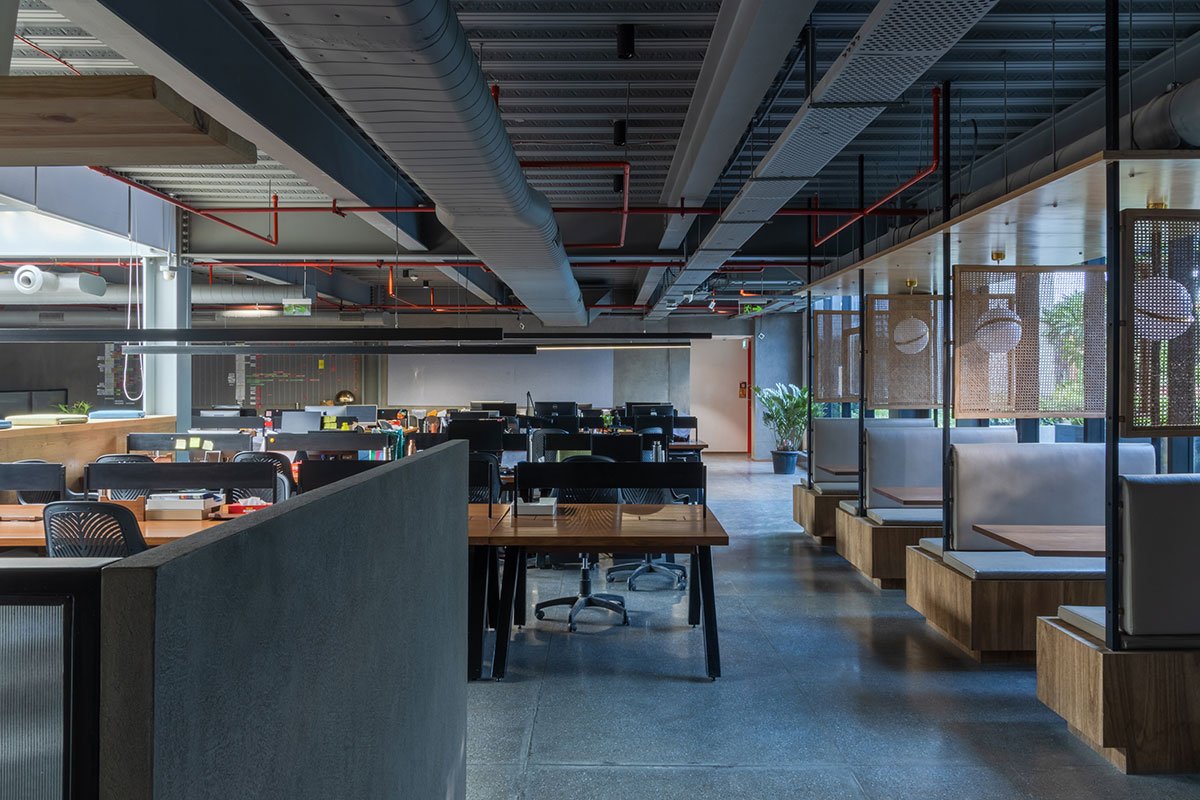


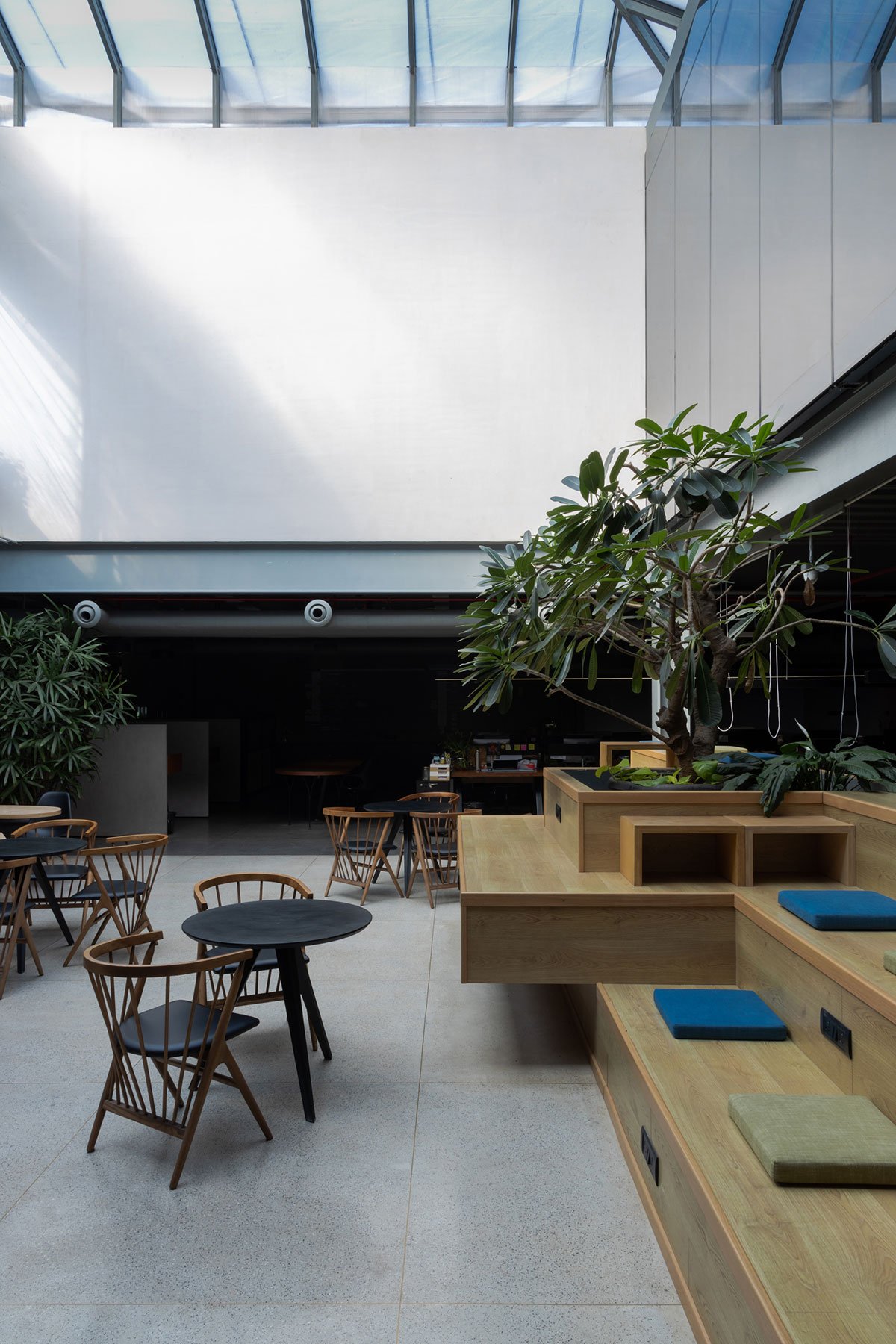
These design changes in the form of the building allowed designers the freedom to have large spanned spaces while achieving good natural light quality. The space was planned as an open office to allow for easy interaction between the team members. Staying within the City Building Bye-laws & FSI guidelines, interactive and recreational spaces were created, to allow ample natural light through a series of courtyard and garden terraces. These playful, well-lit, interactive outdoor spaces, support an ambiance of creativity for the Design R & D Team.

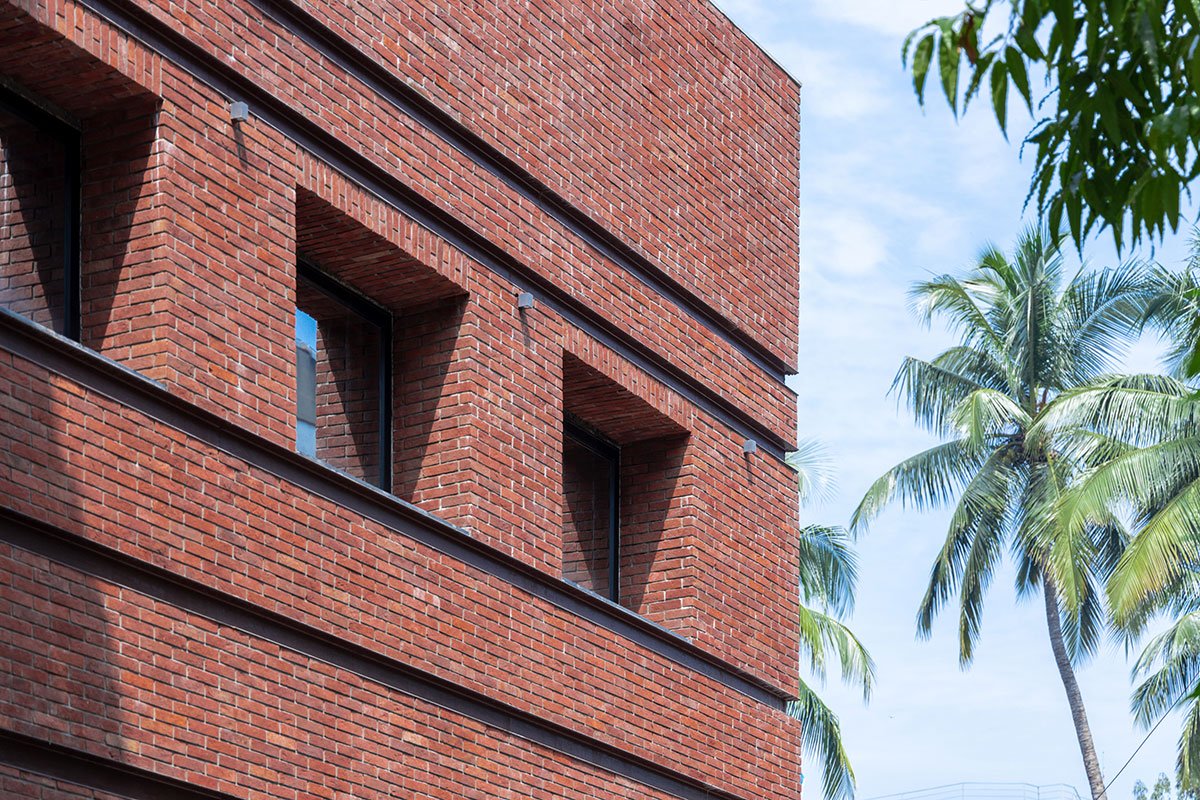
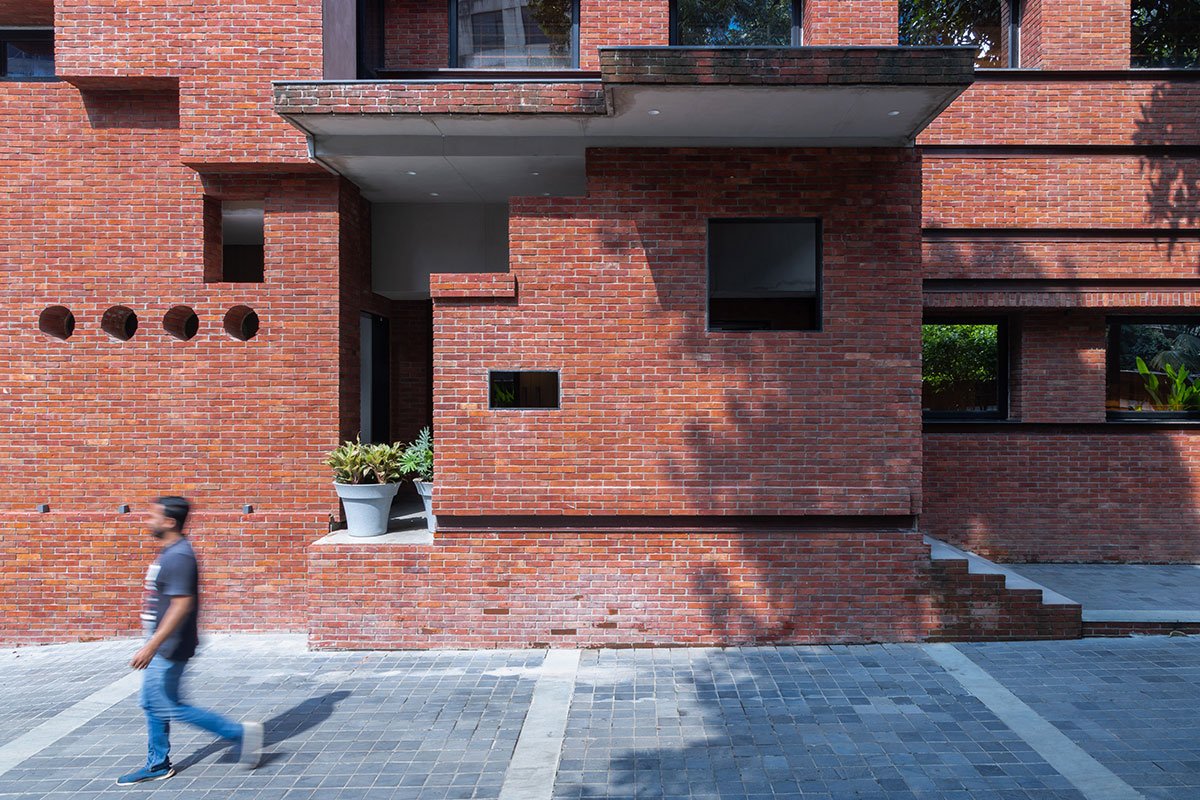
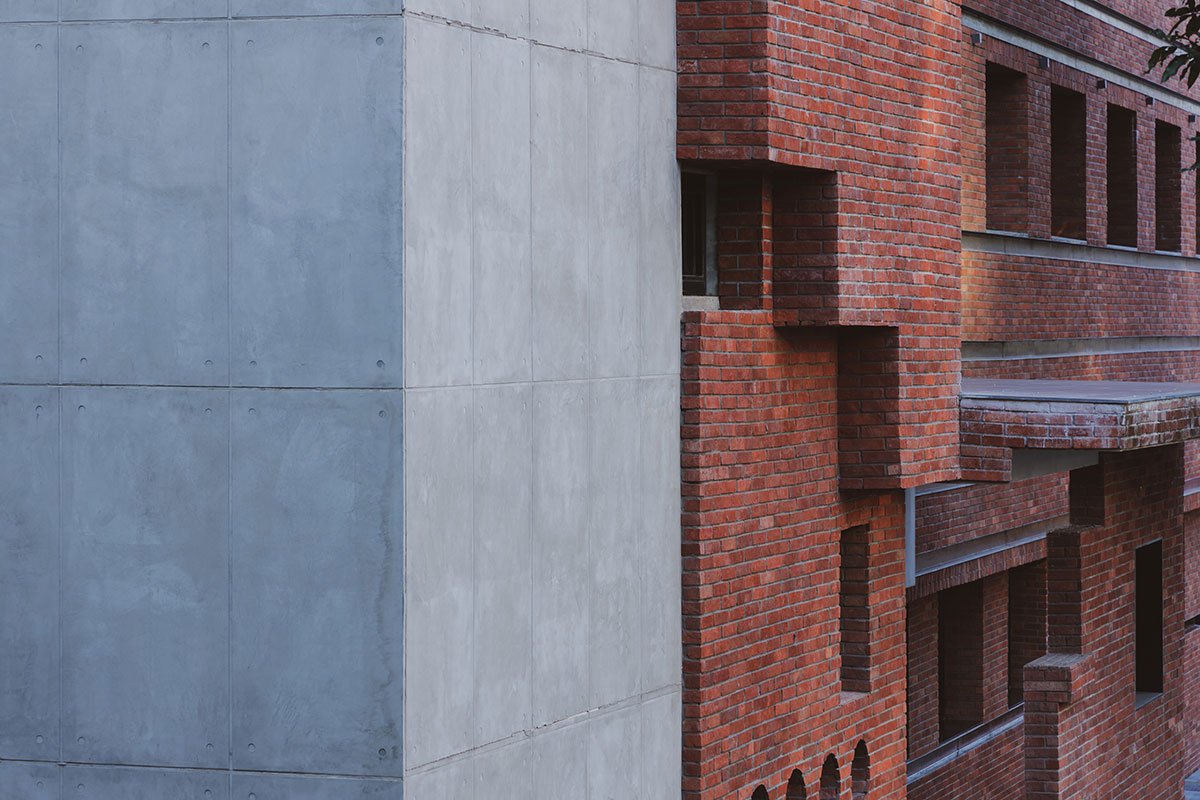
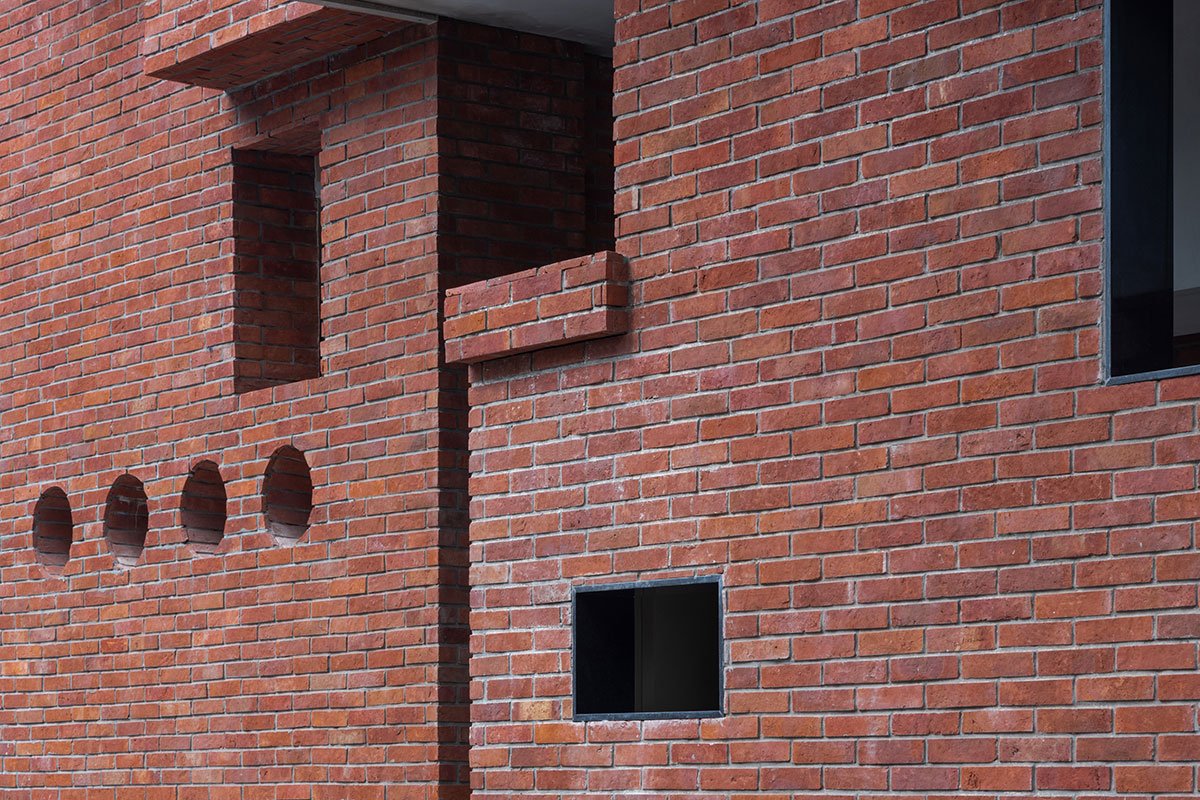
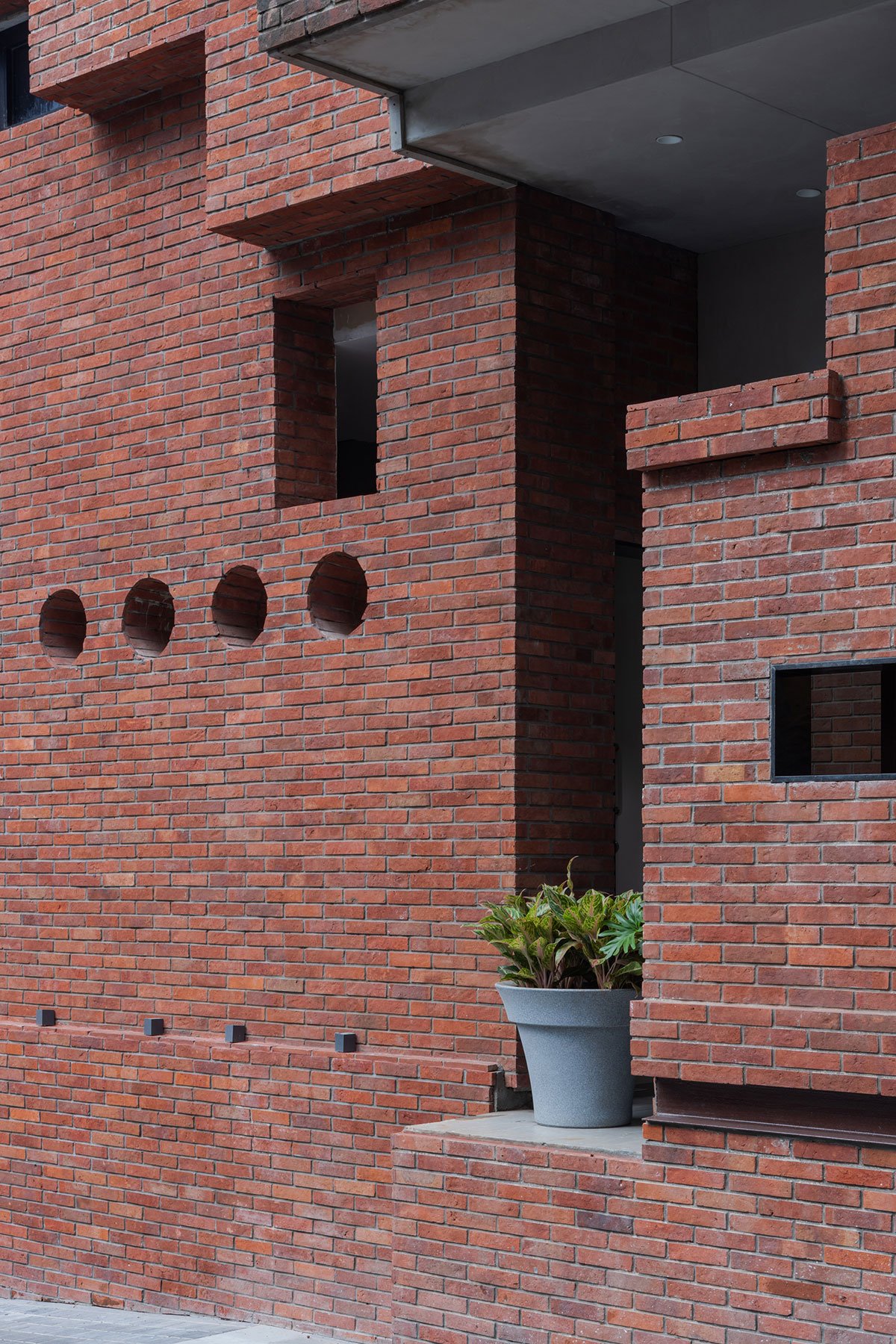
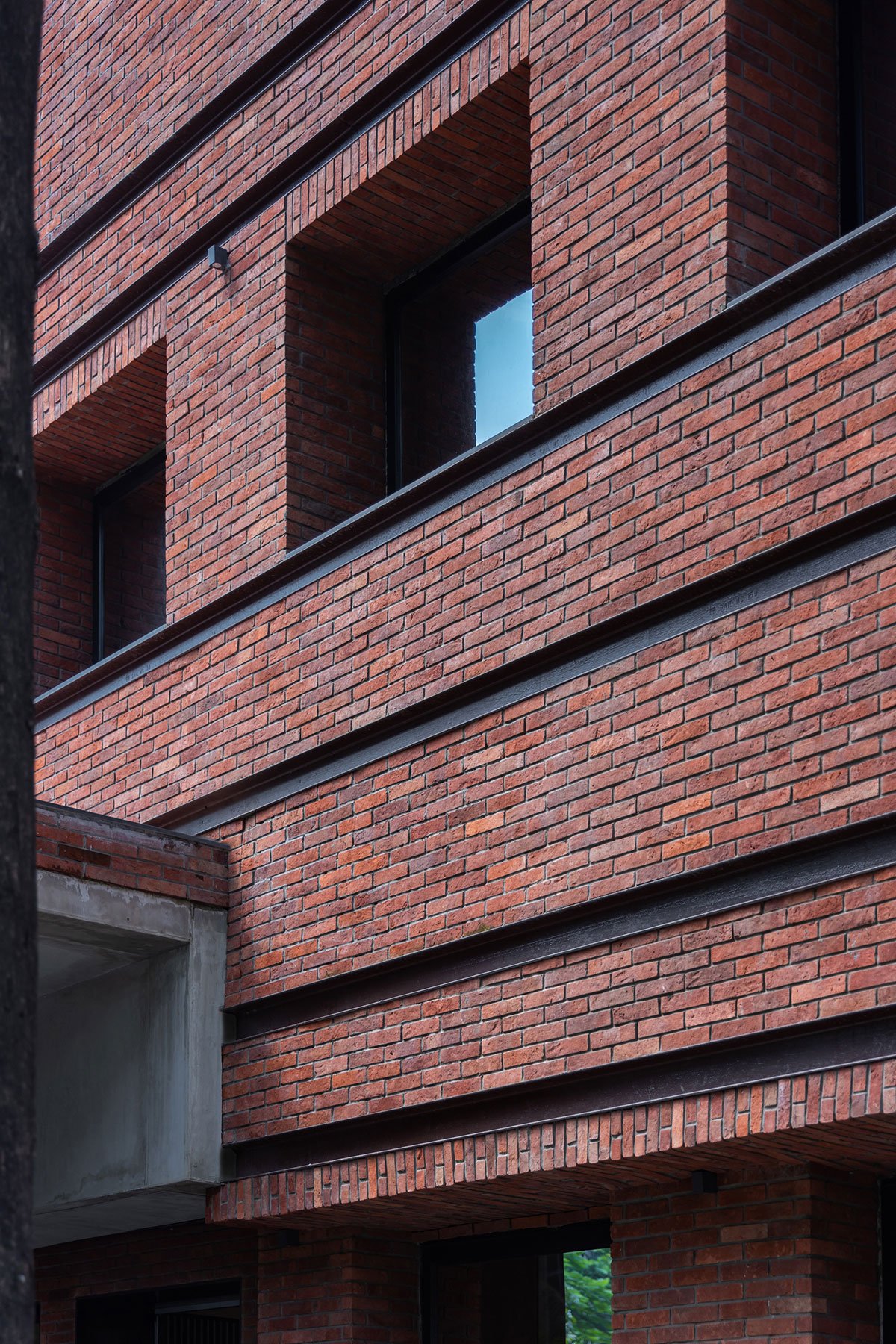
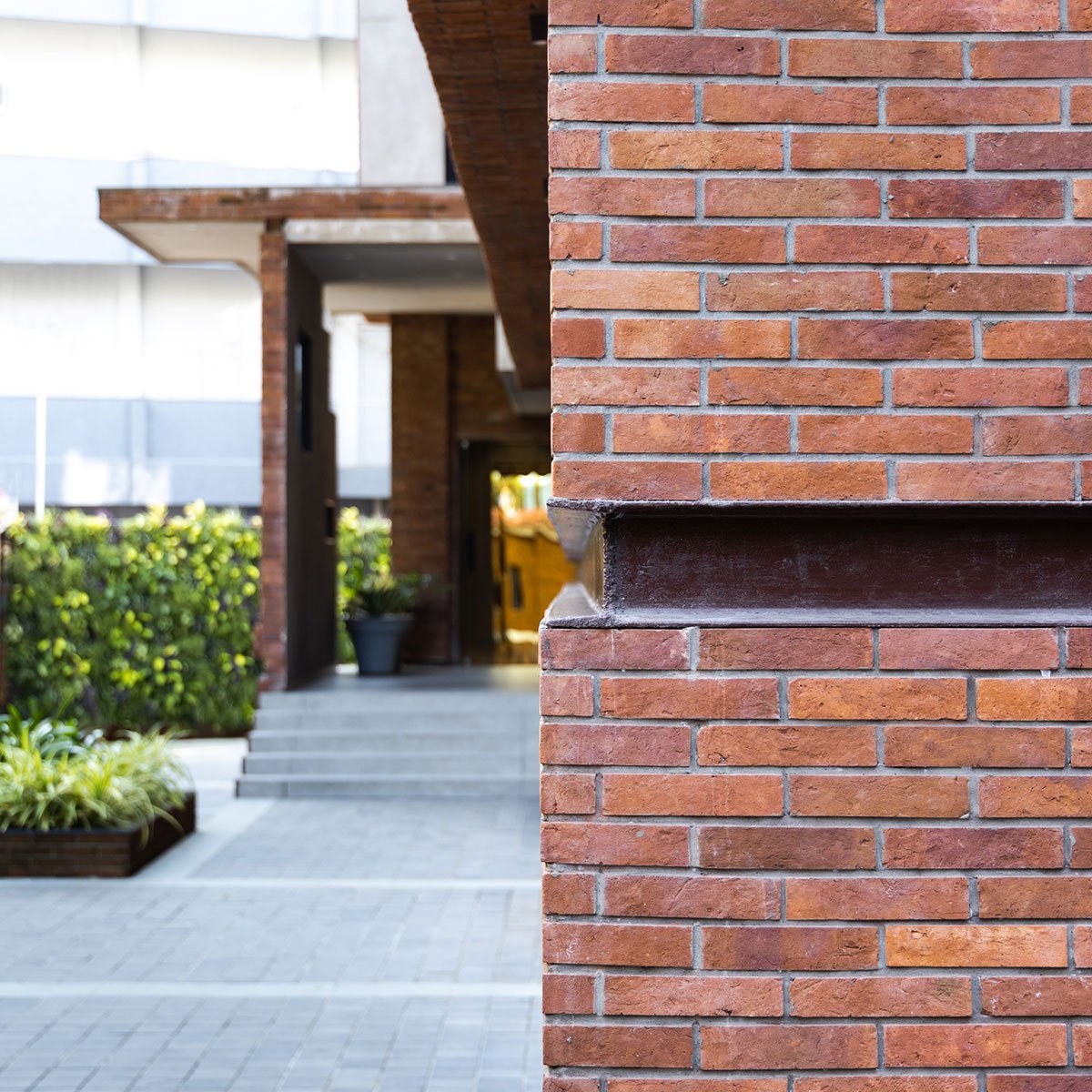
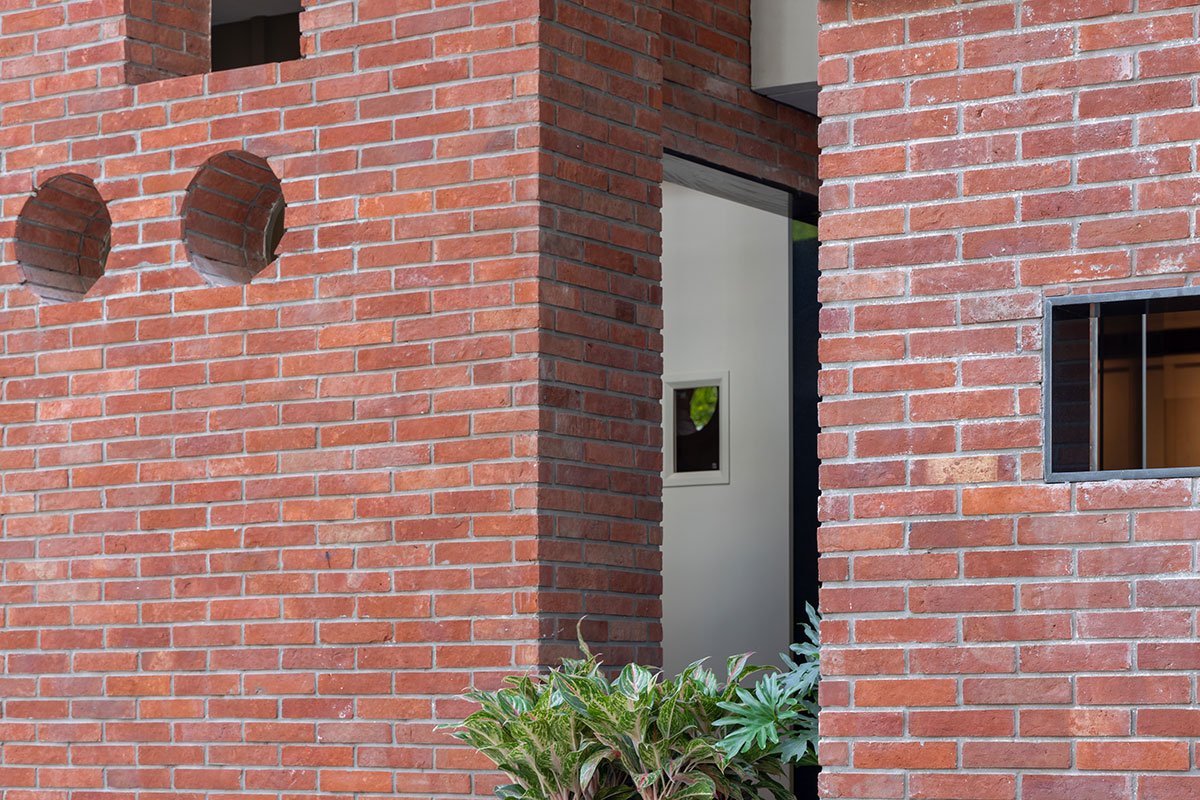
The construction technology adapted for the building was steel and deck slab, which was used to reduce the load on the existing building. The material palette used is mainly glass, steel, exposed concrete rendering, and exposed brick cladding. Cladding the building was a conscious choice to reduce the weight of the facade and for this, originally baked bricks were thinly cut, to layer the facade.
Drawings
Images