Excerpt: The DH Palencia by FRPO Rodríguez & Oriol symbolizes renewable energy sources, paradigm shifts, and improved public health in cities through its architecture. The design emphasizes energy and economic circularity through its geometry and transparency, creating a unified identity. The building consists of two main components: a heavy concrete base and a lightweight, recyclable steel and plastic lantern.
Project Description
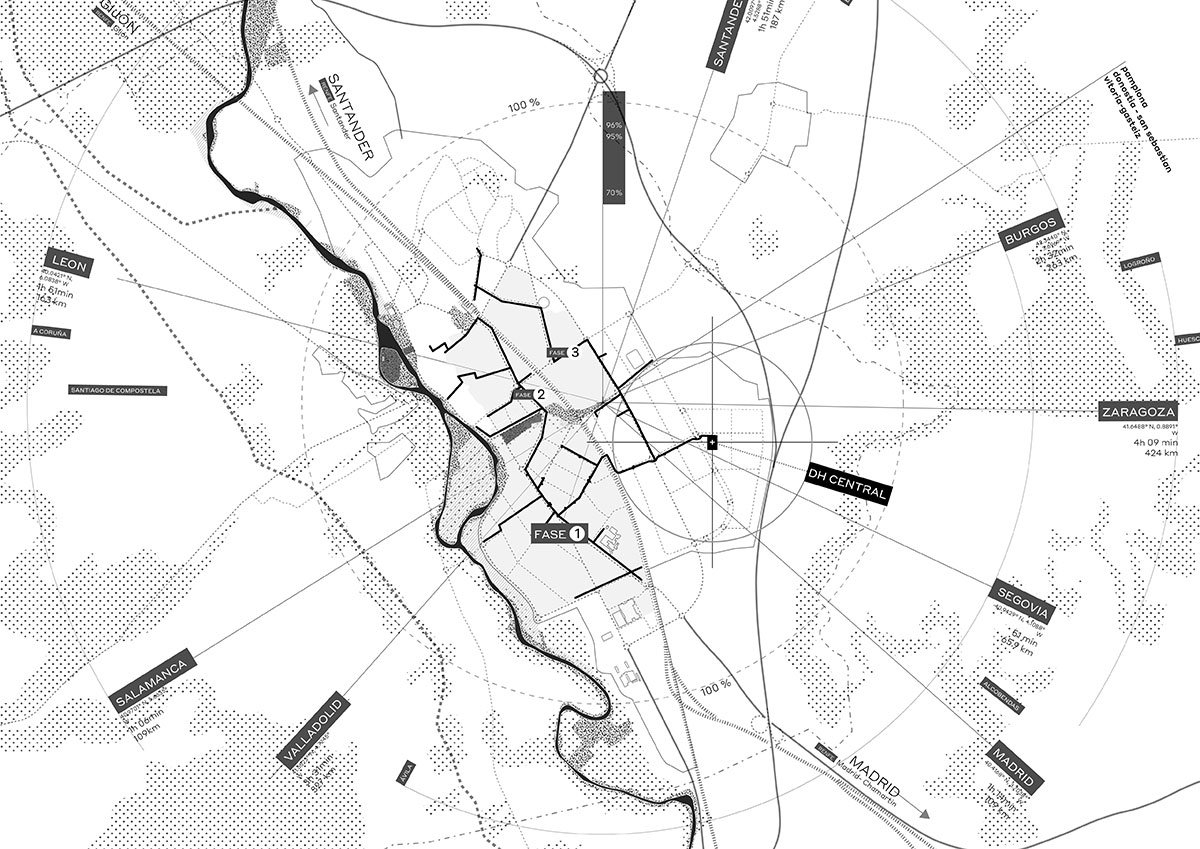
[Text as submitted by architect] Energy Transformation: This small building is the visible part of a whole that remains hidden from view. It is the head of a new energy infrastructure for the city of Palencia. A District Heating network promoted by the company DH Ecoenergías, a brave pioneer in the energy transformation of Spanish cities. Palencia’s network is the first of a long series of similar projects that seeks to decarbonize a good part of the national urban geography, turning off fossil fuel heaters – diesel and gas, costly internationally sourced – to replace them with a clean network, fueled by renewable resources that will largely come from an improved management of Spanish forests.
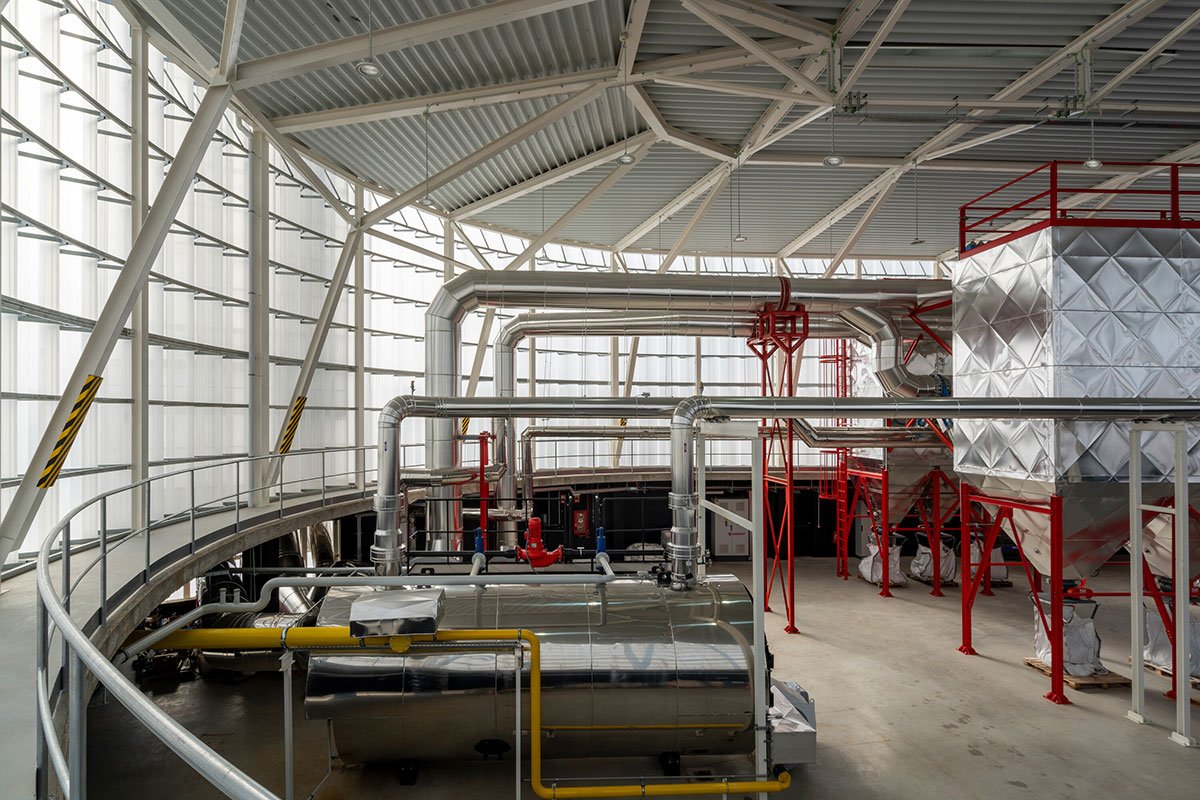

Pedagogical Vocation: The District Heating network runs under the streets of the capital of Palencia, carrying hot water produced with renewable energies – mainly forest biomass – to buildings in a good part of the city. The Central, on the other hand, fulfils a technical function – hosting the hot water production processes – but at the same time, it has a markedly pedagogical vocation desired by the client: to make the transformation visible and support and allow its dissemination. This double condition requires the approach to the problem of industrial construction not only as a strictly functional matter, where only the economic performance of the building matters, but in a more broadly architectural way. In the words of Teo López, founder of DH Ecoenergías: “This project must be an icon and reference for energy and environmental transformation, and its architecture must symbolize the sources of renewable energies, the change of paradigm, and ultimately, the improvement of public health in cities.”
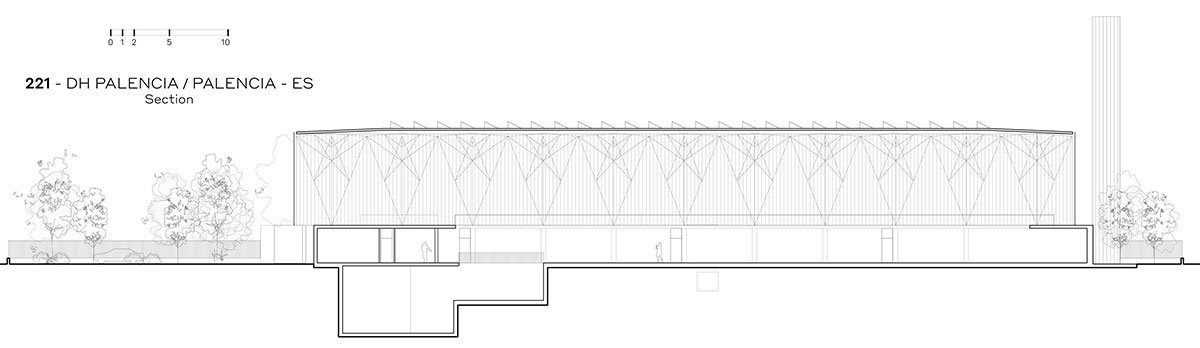

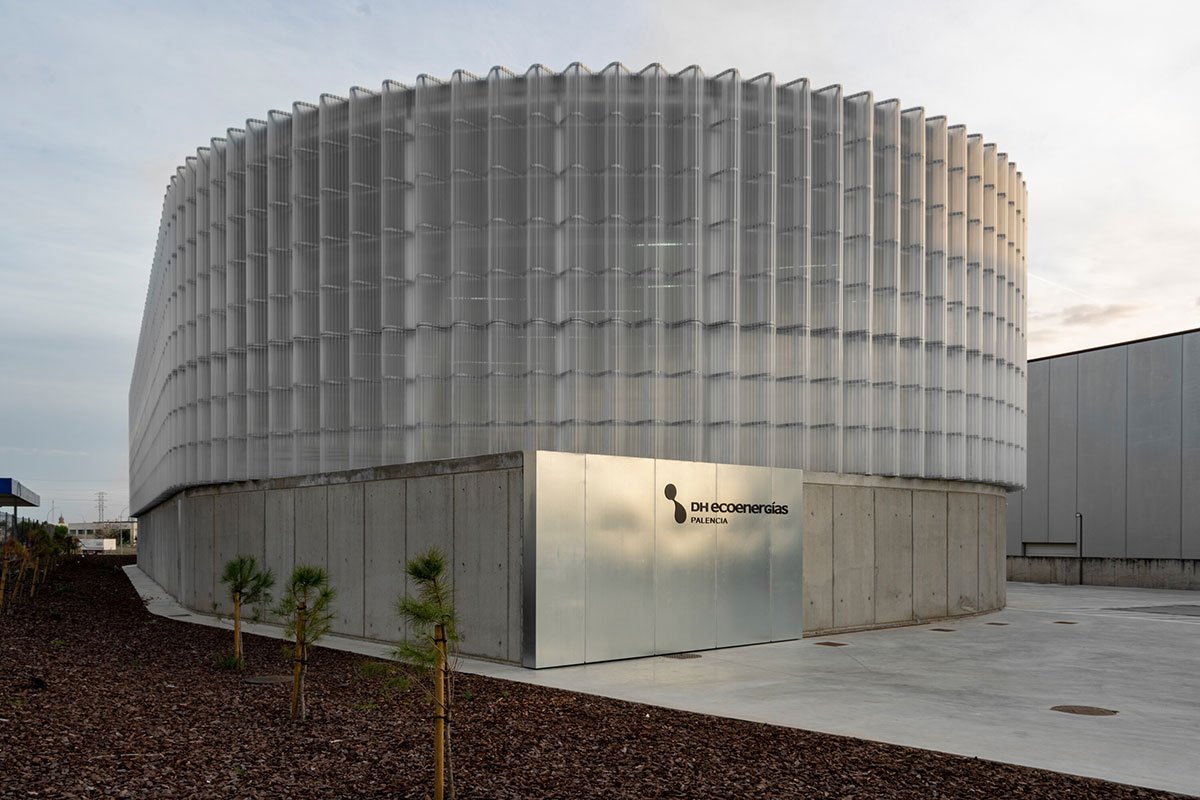
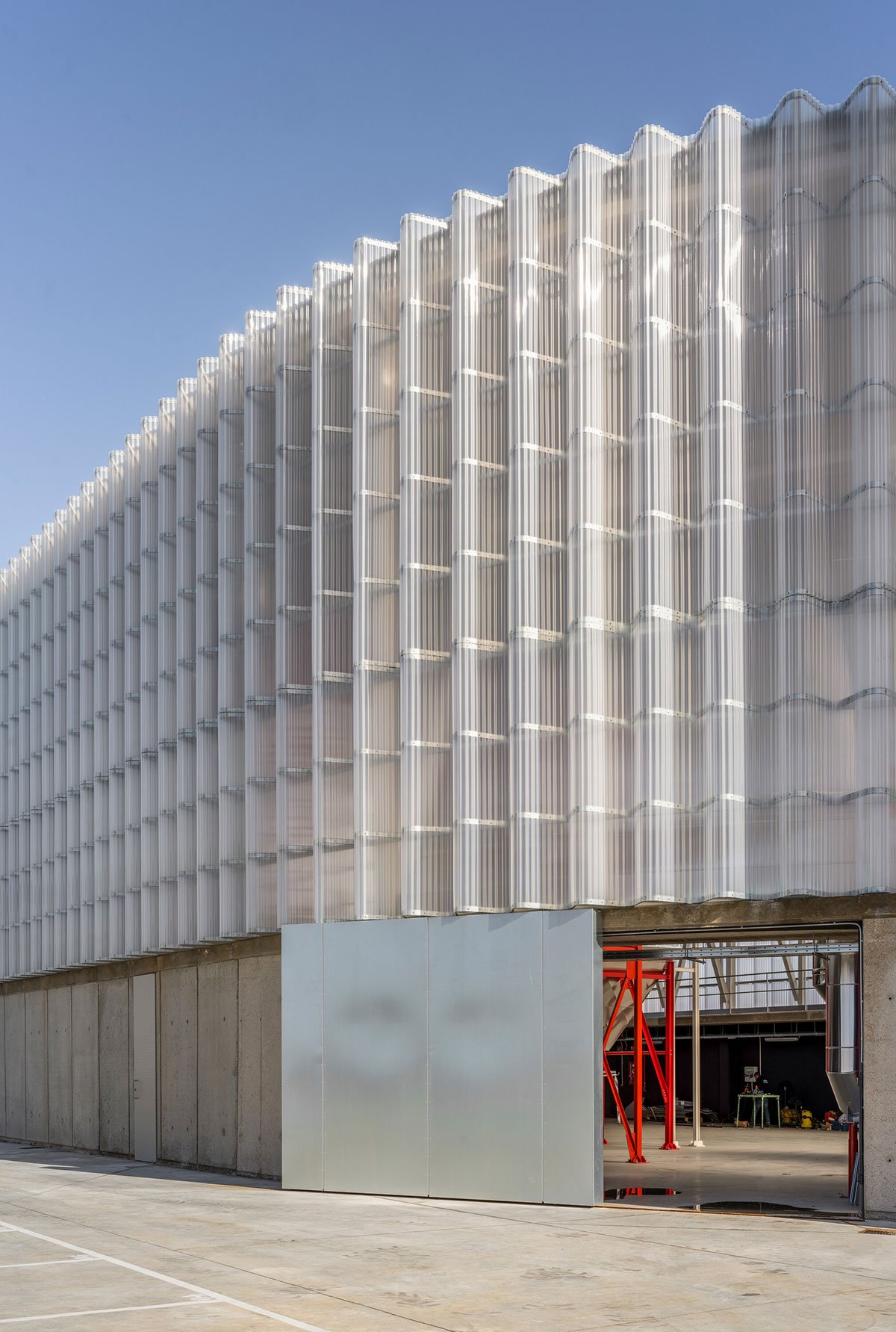
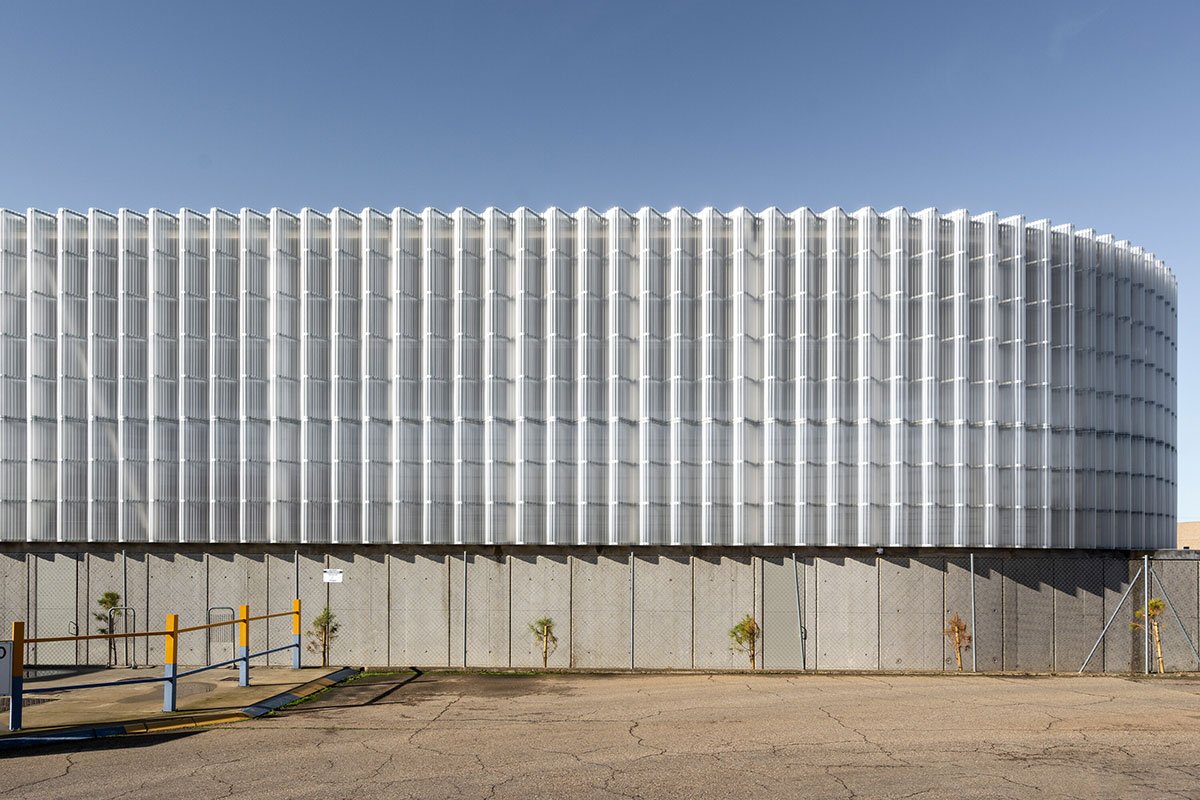
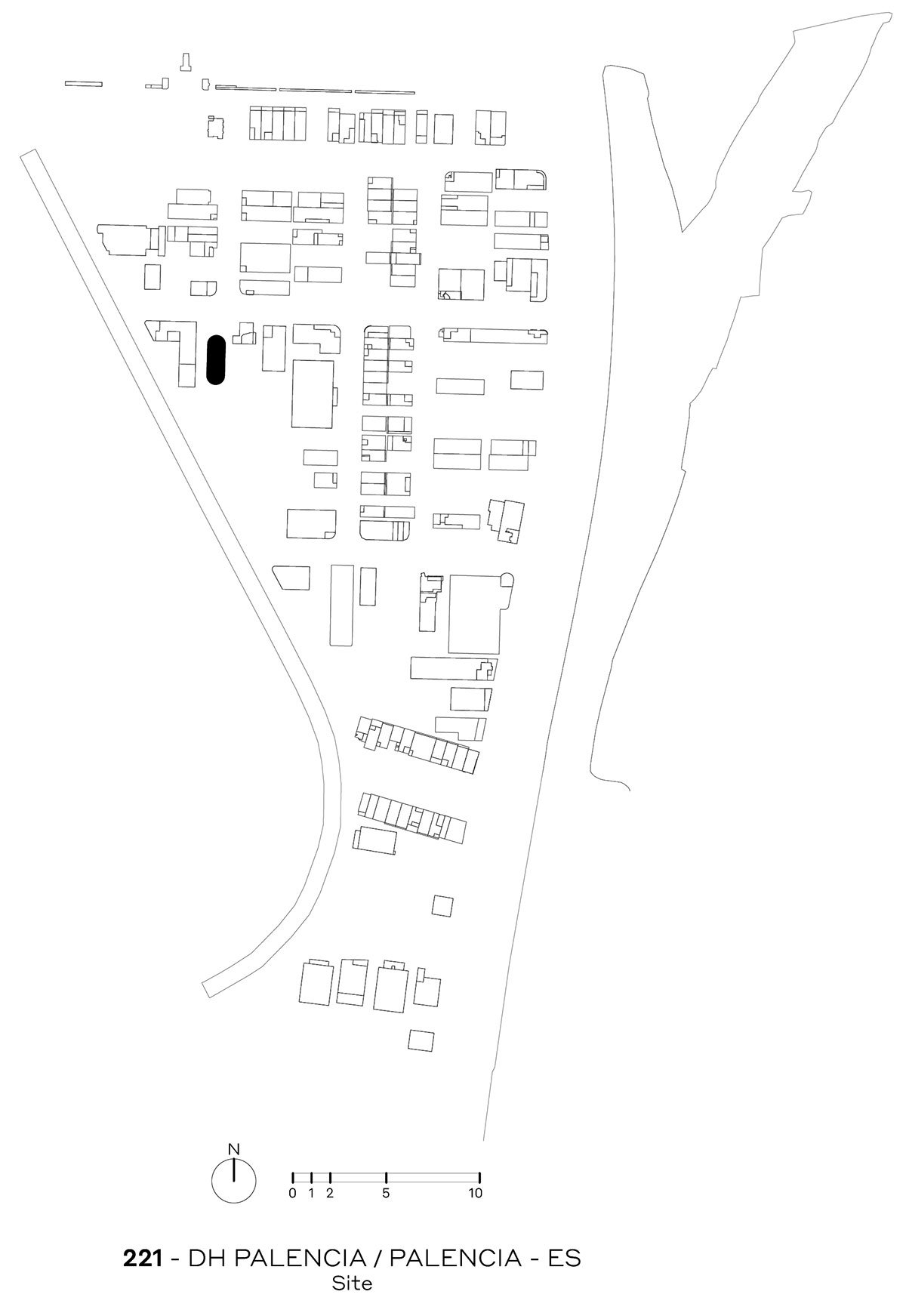
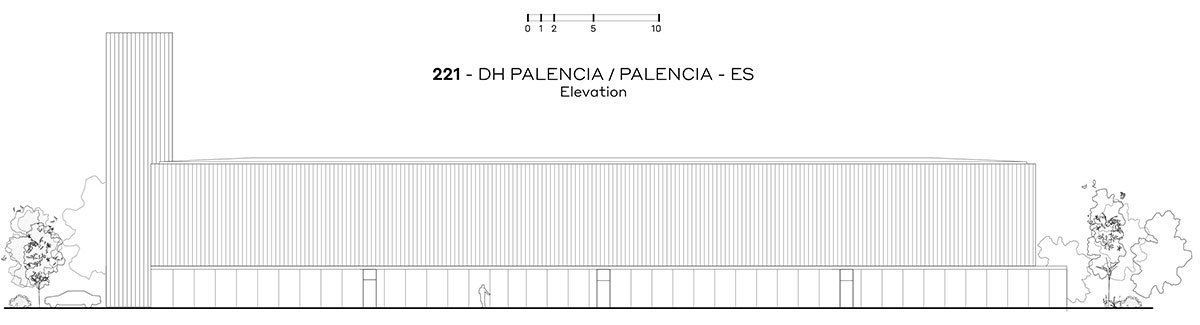
Base and Lantern: Thus, the architecture of the Central is symbolic, both in its geometry – based on energy and economic circularity – and in its materiality – which opts for literal and pedagogical transparency – presenting the whole as an identity. Two main elements make up the building: a bathtub of heavy concrete and a light steel and plastic lantern – recyclable.
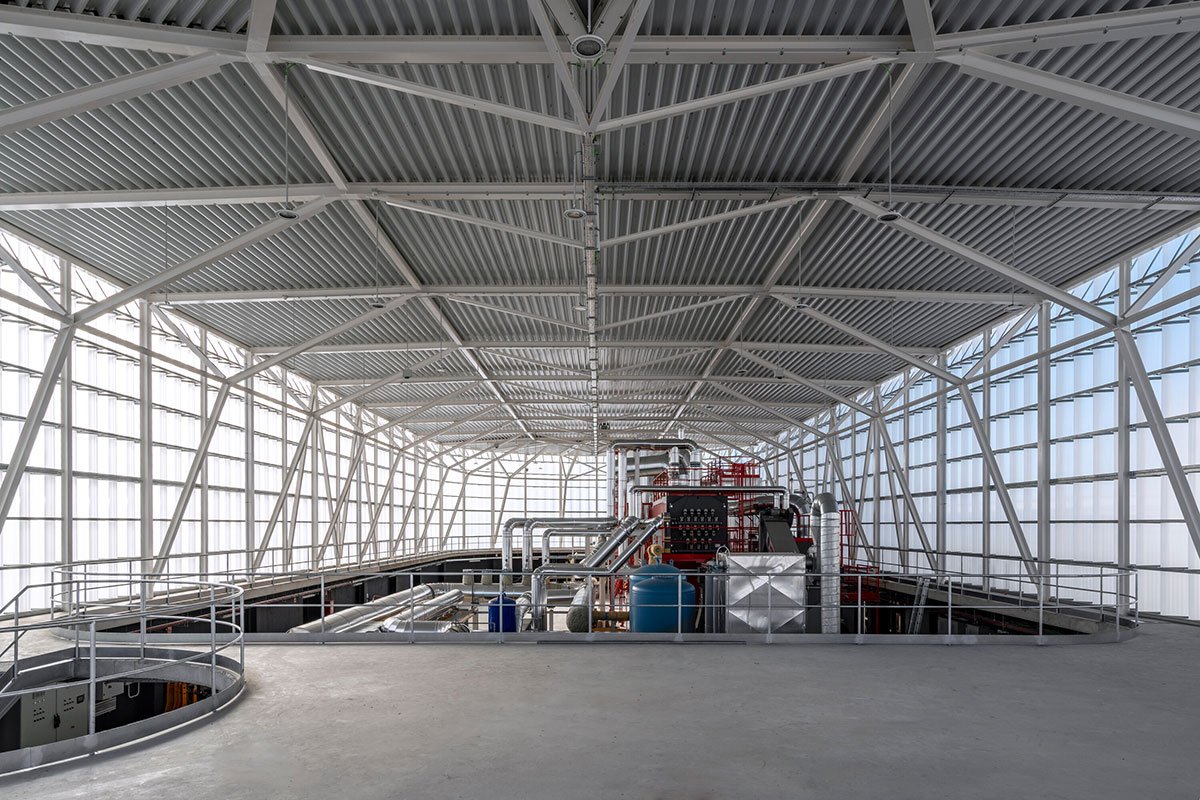
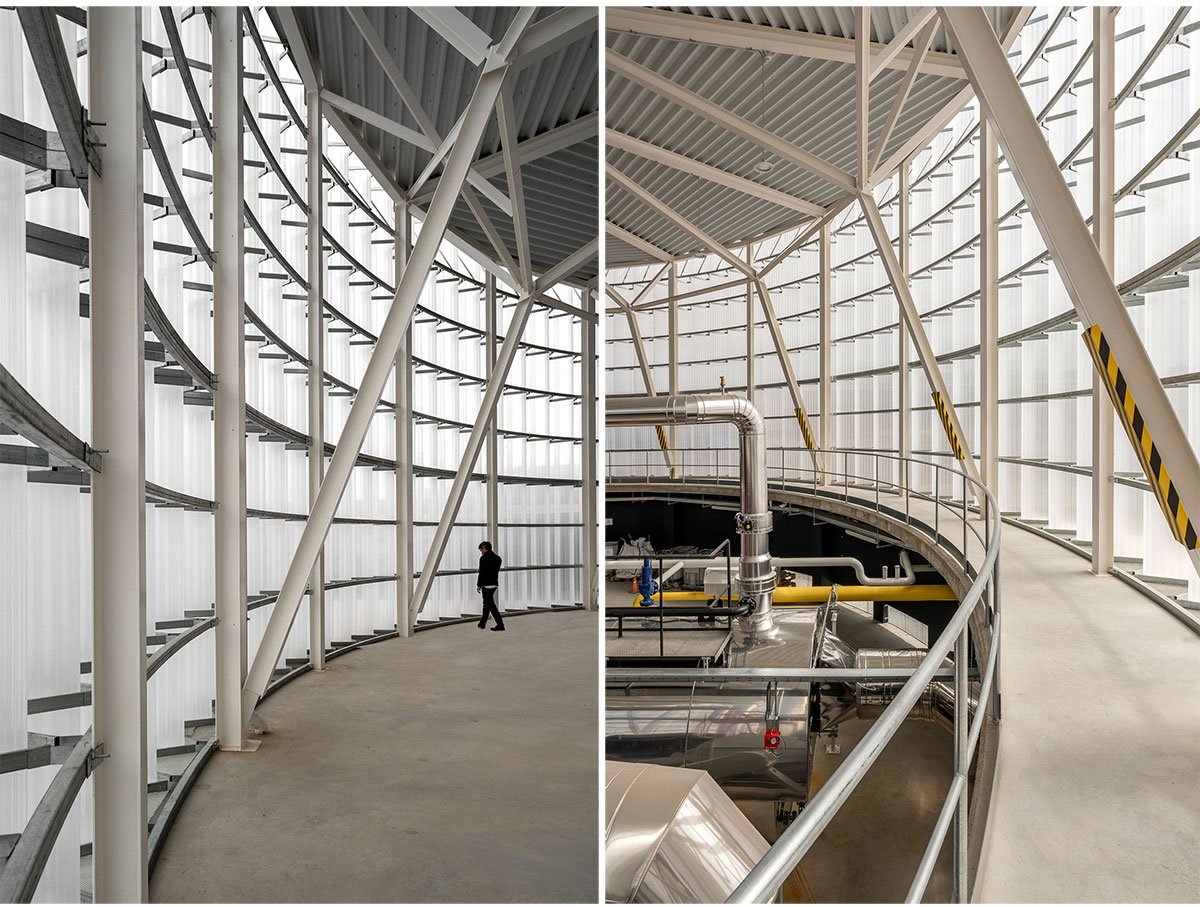
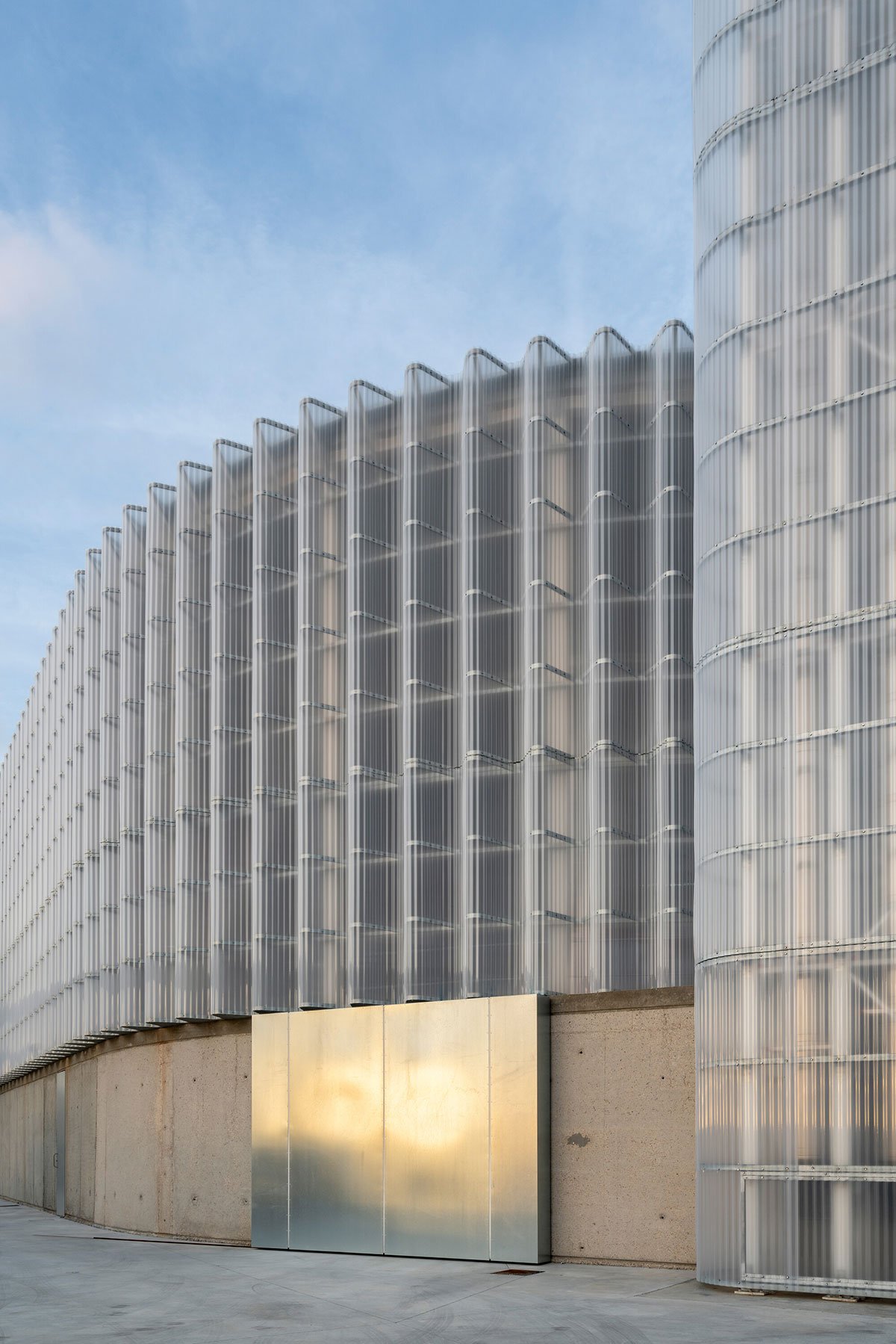
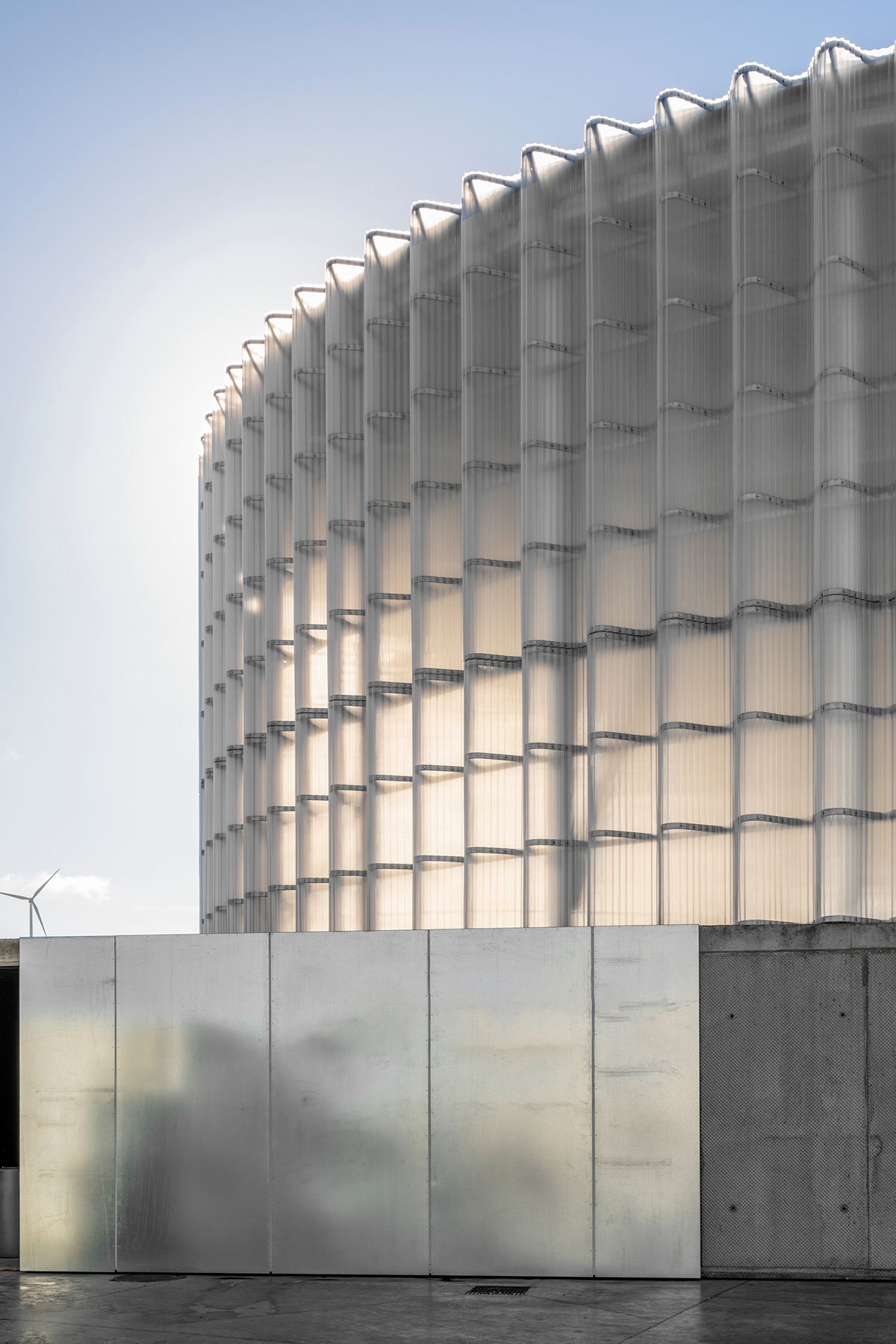
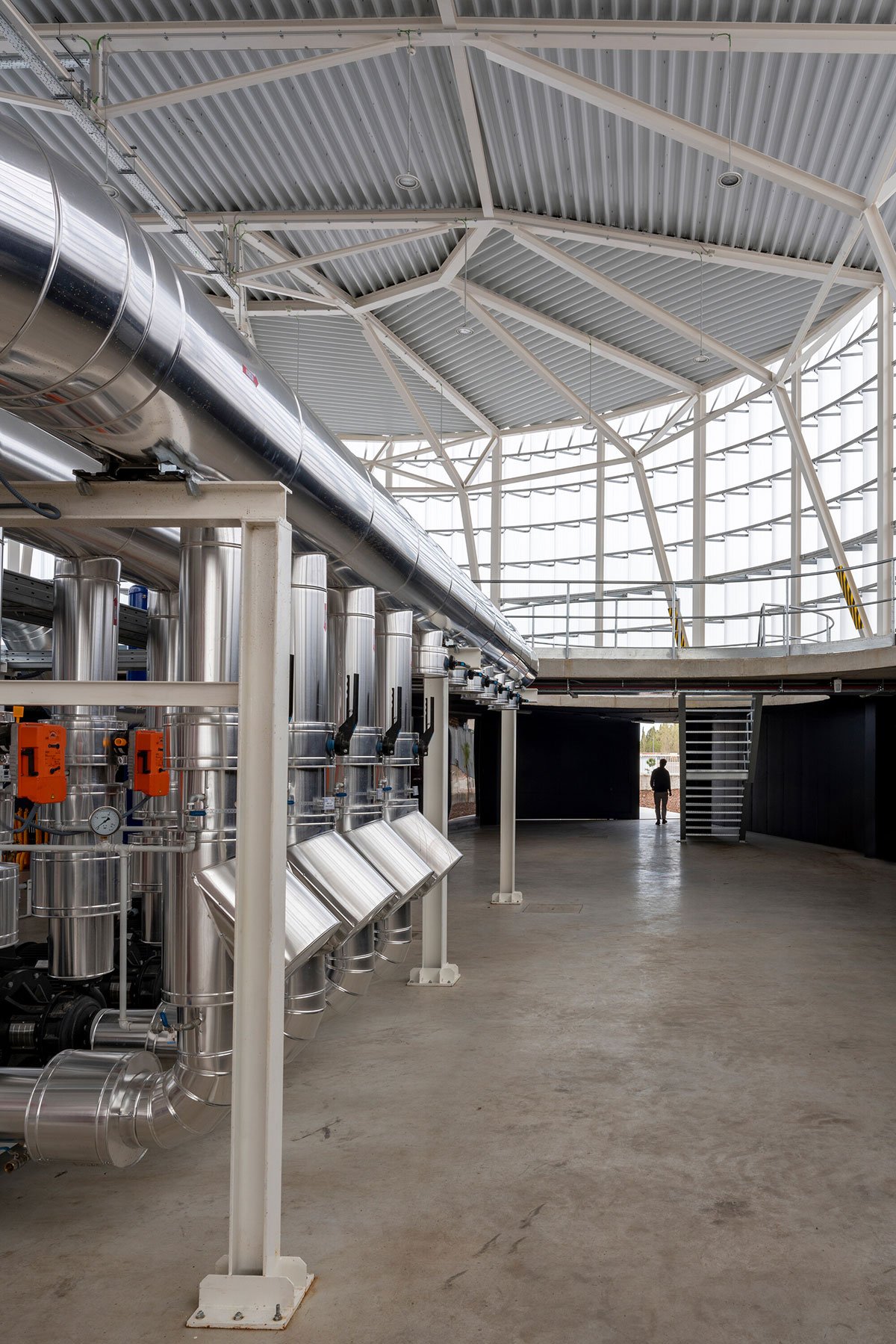
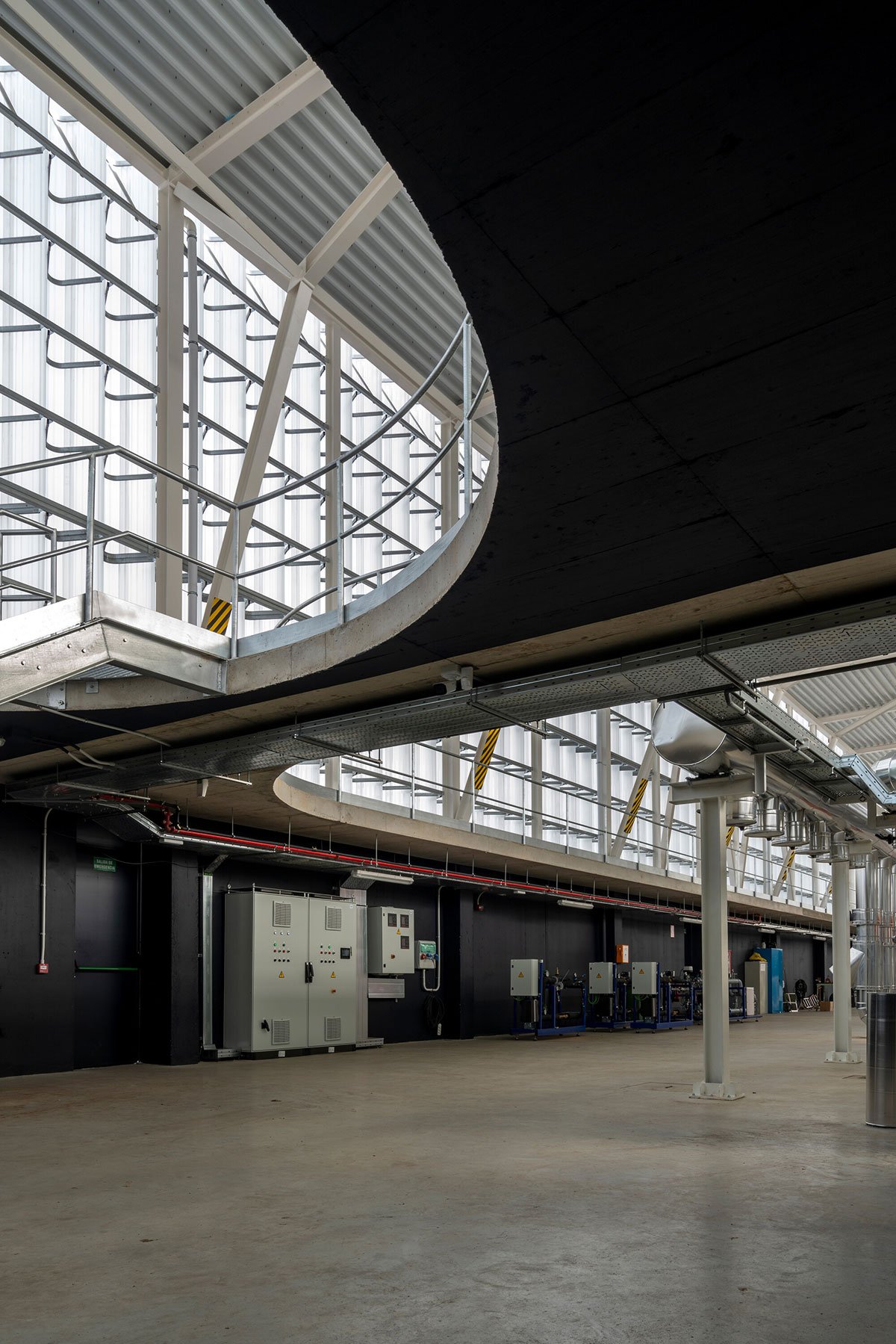
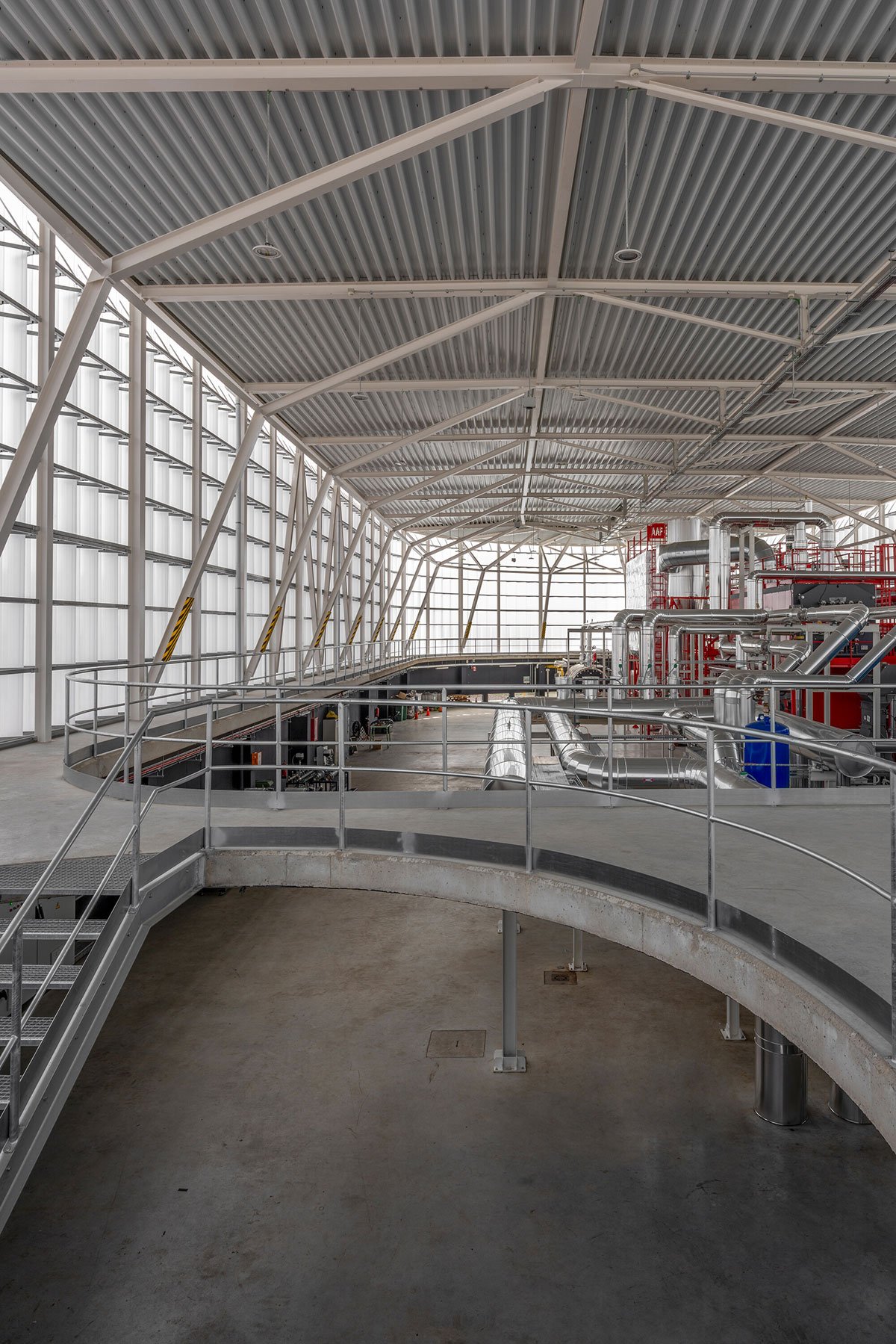
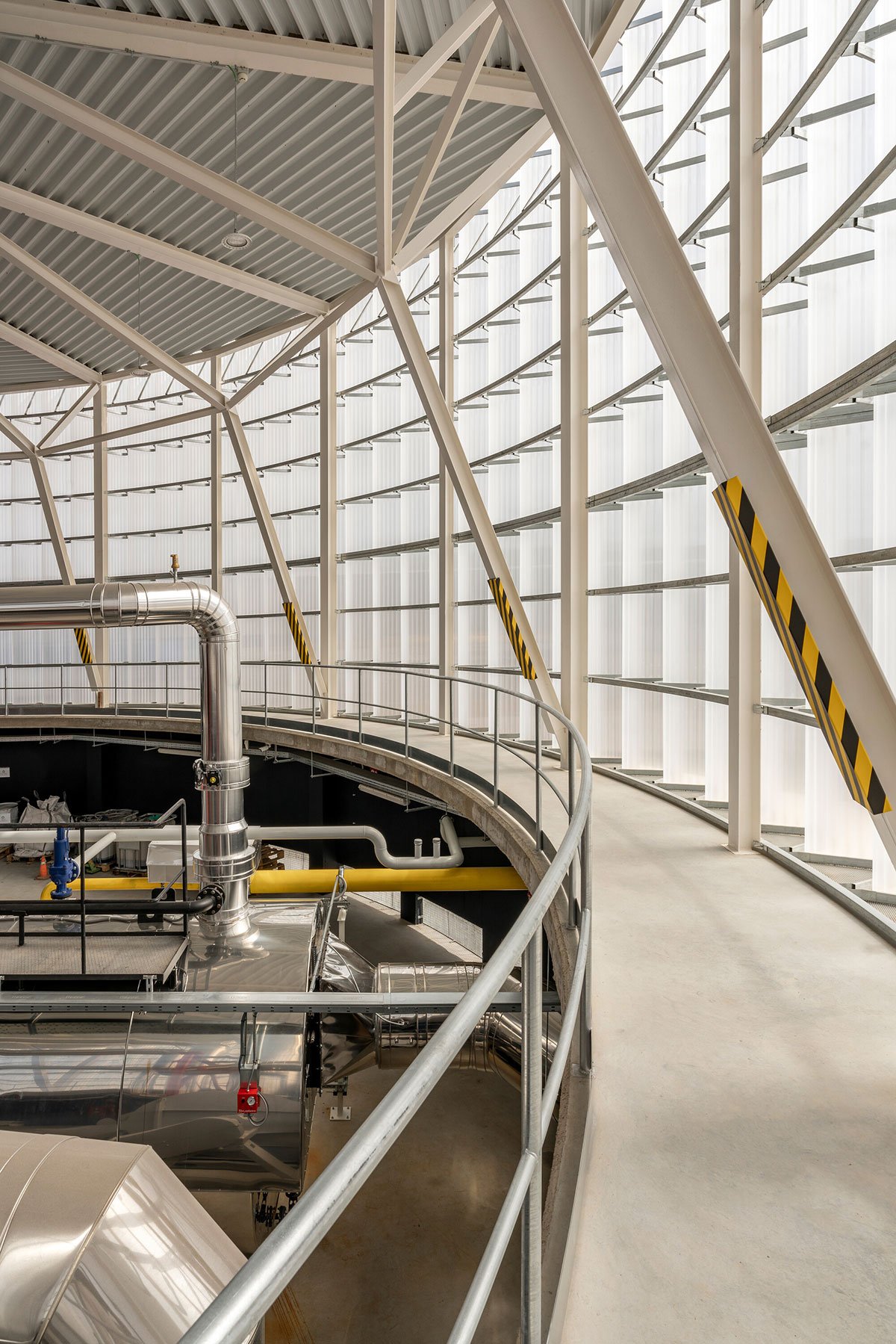
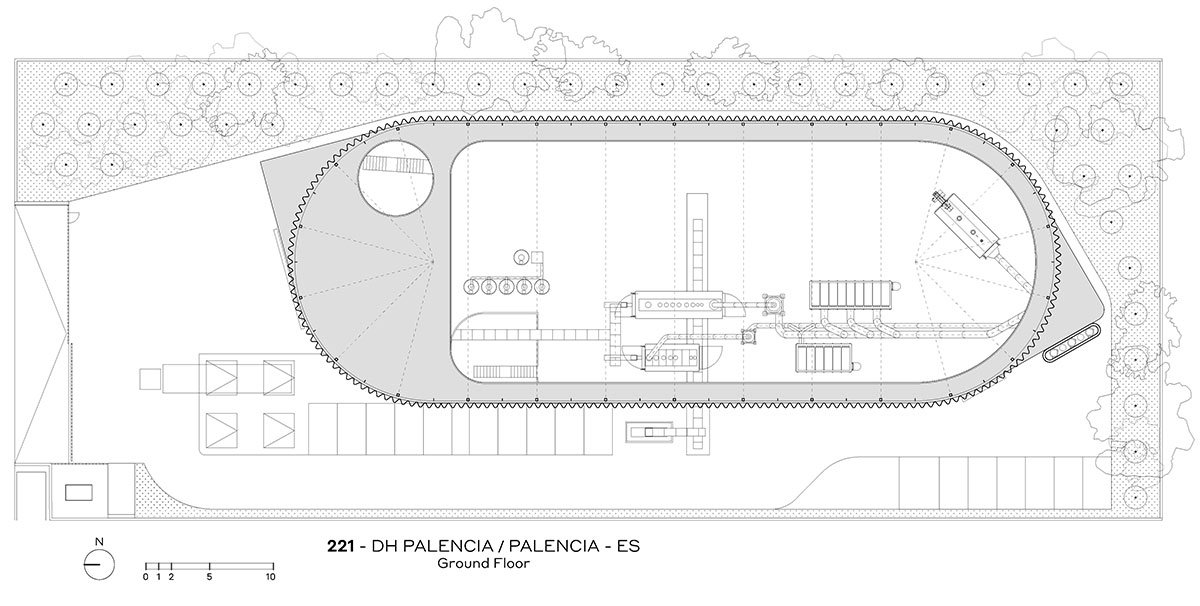
The base serves as support for all machinery and establishes terrestrial connections with the outside – through two large, galvanized steel gates – and with the biomass silo located underground. Inside, the concrete base has a cover that becomes a perimeter walkway that surrounds all the machinery. The pill-shaped floor allows optimal circulation of visitors around the complete energy process.

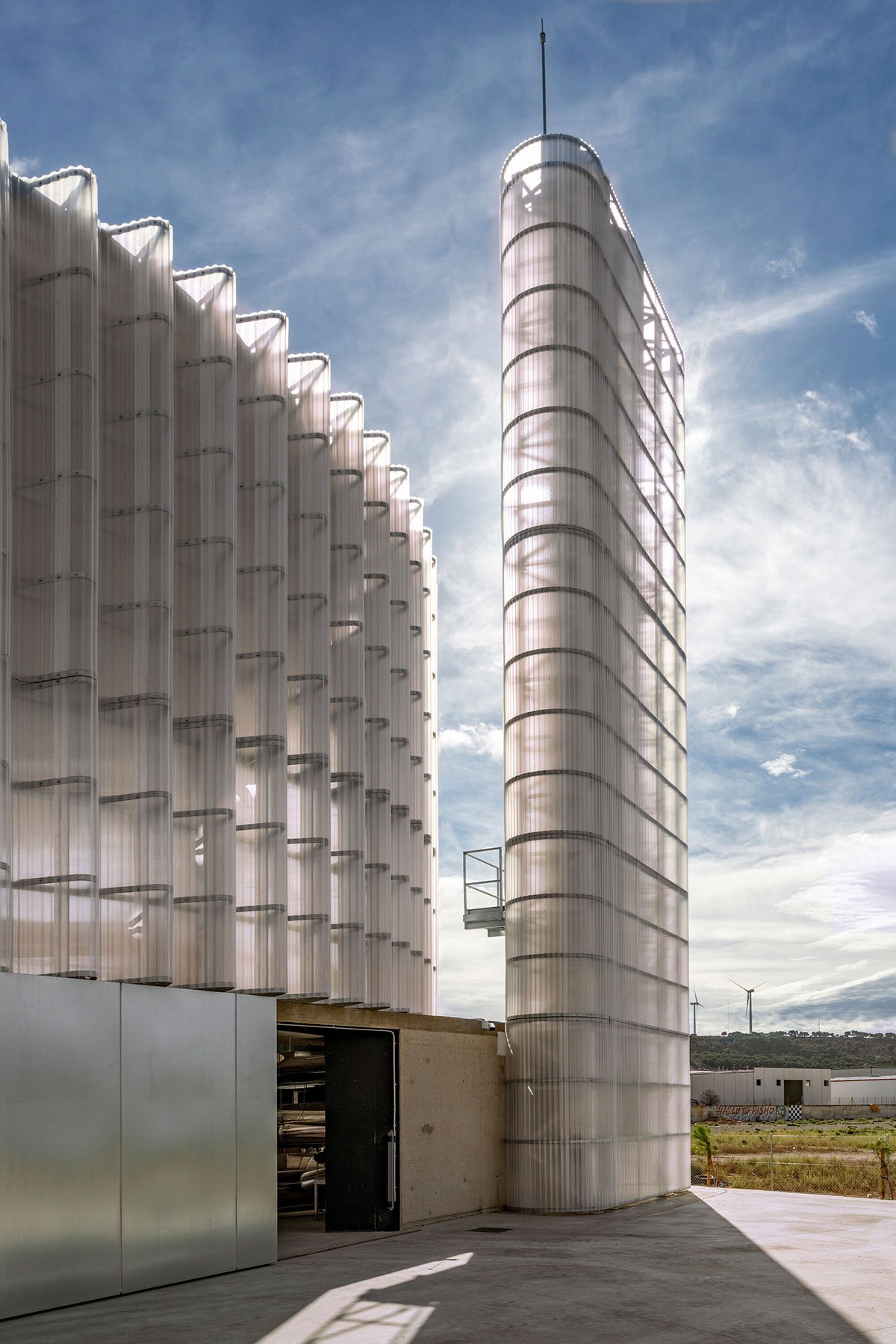
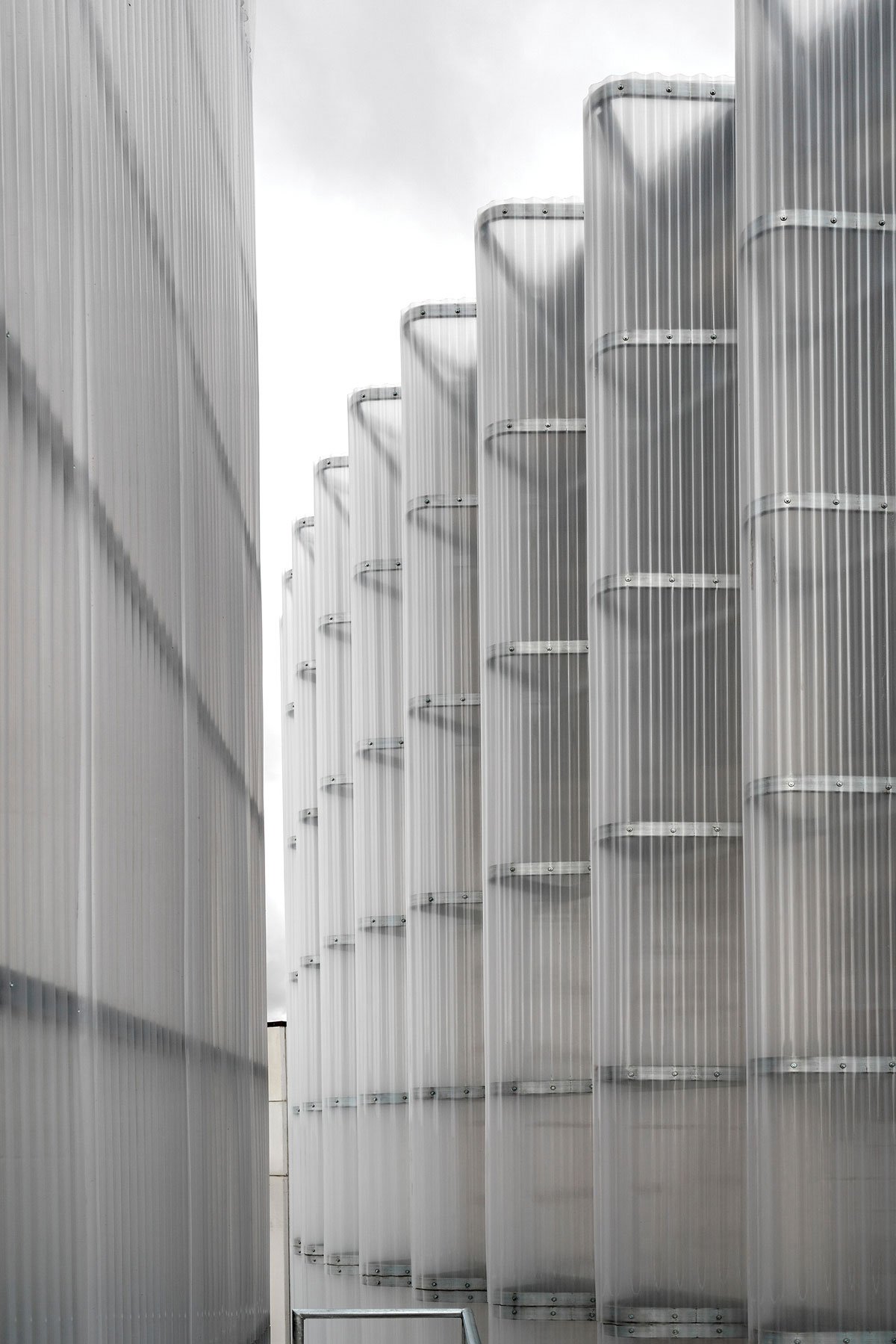
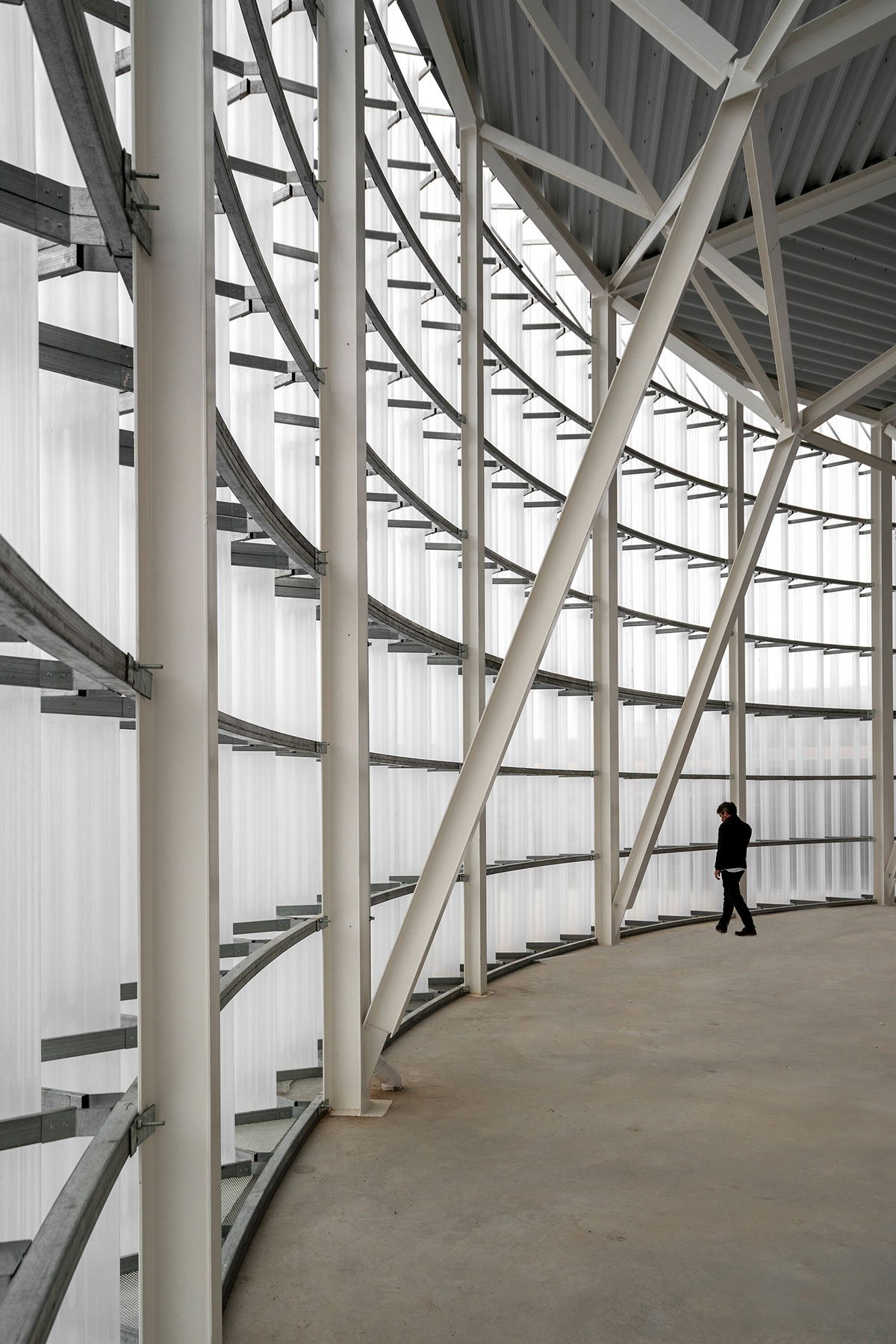
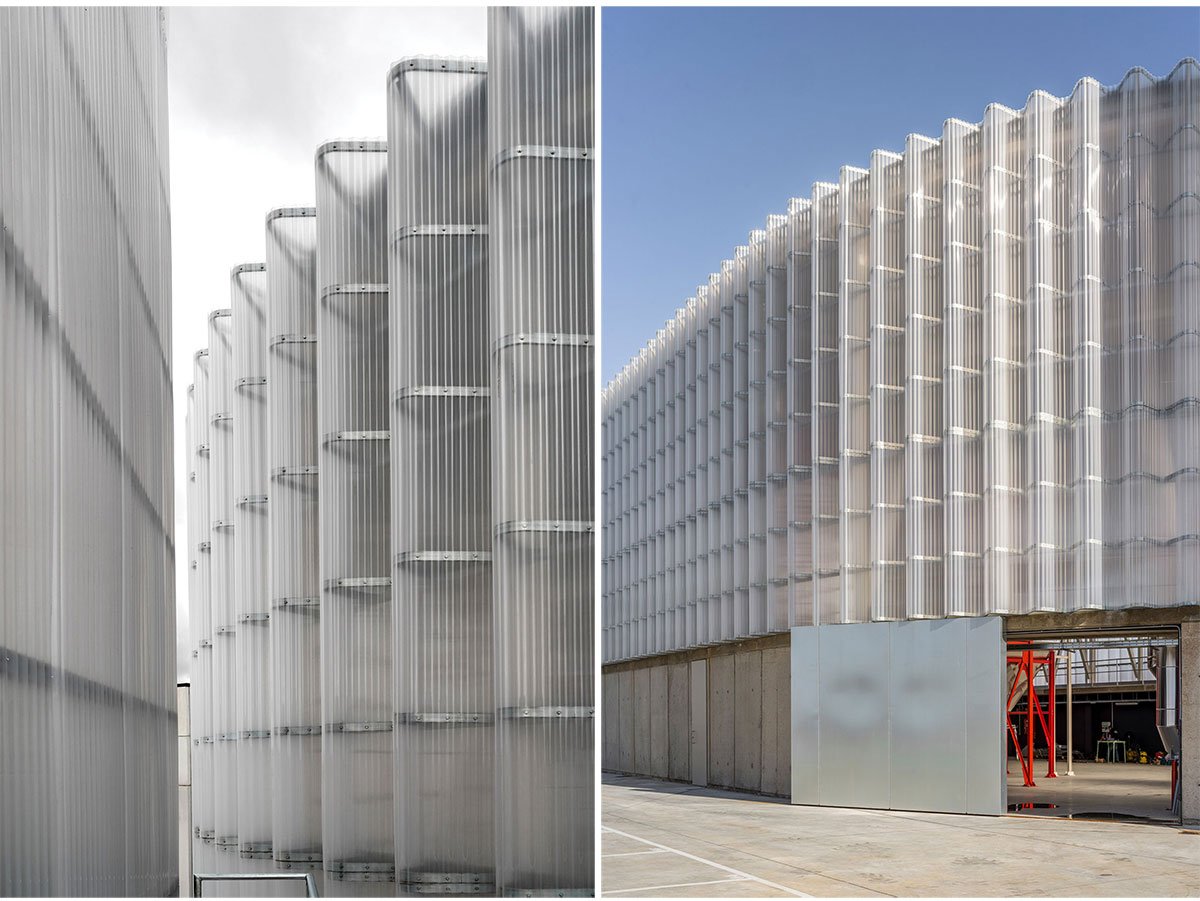
The steel and plastic lantern reinterpret economical solutions typical of industrial buildings to establish a significant connection with the community it serves: a small cathedral of energy. The facade of polycarbonate sheets – ribbed on three scales – is configured as a soft whitish veil supported on a delicate galvanized and painted steel wire structure. As a final touch, a translucent tower expels the white smoke resulting from a filtering process that occupies most of the industrial space.
Drawings
Images