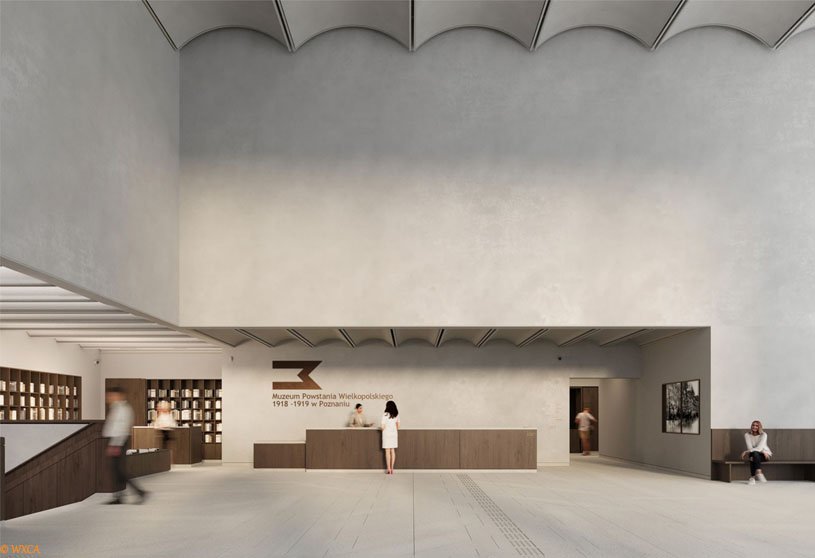
Excerpt: Greater Poland Uprising Museum by WXCA is conceived as a space of “face-to-face encounters” that strengthens collective identity and community. A contemporary urban square, understood as an agora and place of dialogue, forms the symbolic center, while the true “heart” of the museum is located underground. Austere stone architecture recalls early settlements and connects historical memory with present-day civic values.
Project Description
[Text as submitted by architect] The 1918-1919 Greater Poland Uprising Museum in Poznań, Poland, will be a space of “face-to-face encounters.”
The “heart” of the museum will be located underground.
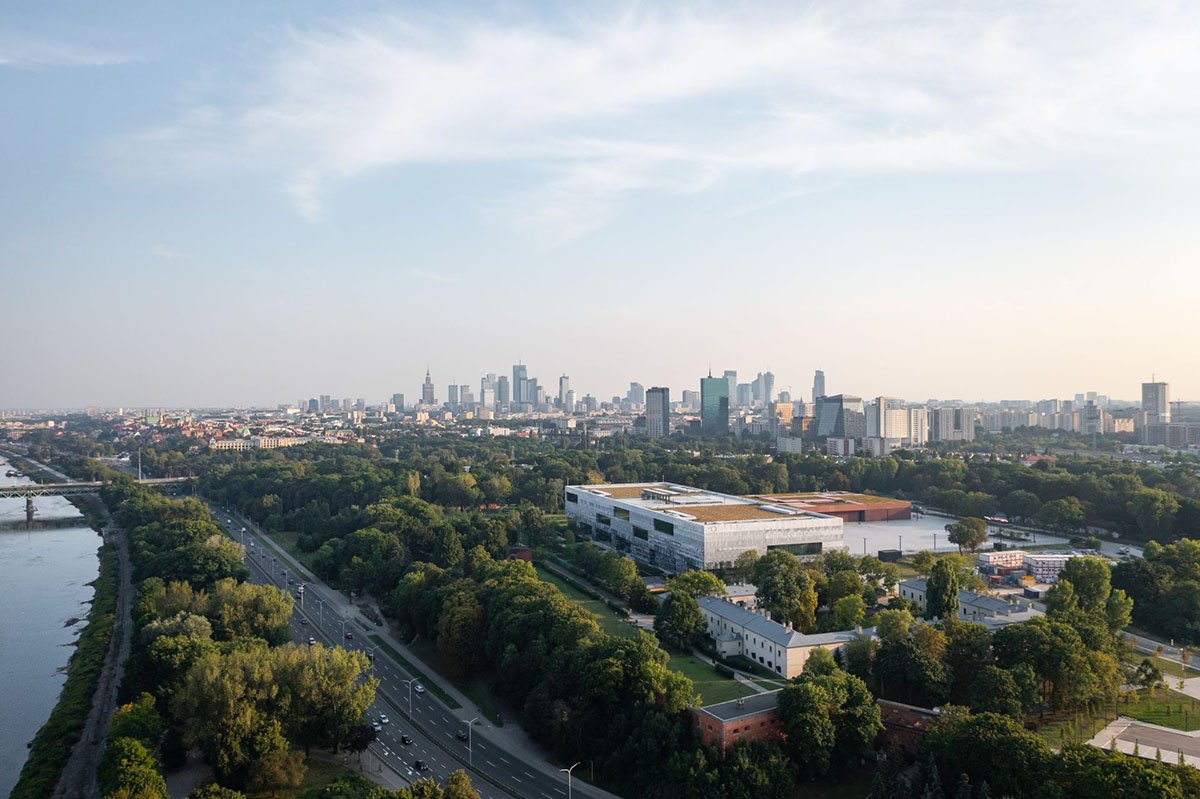
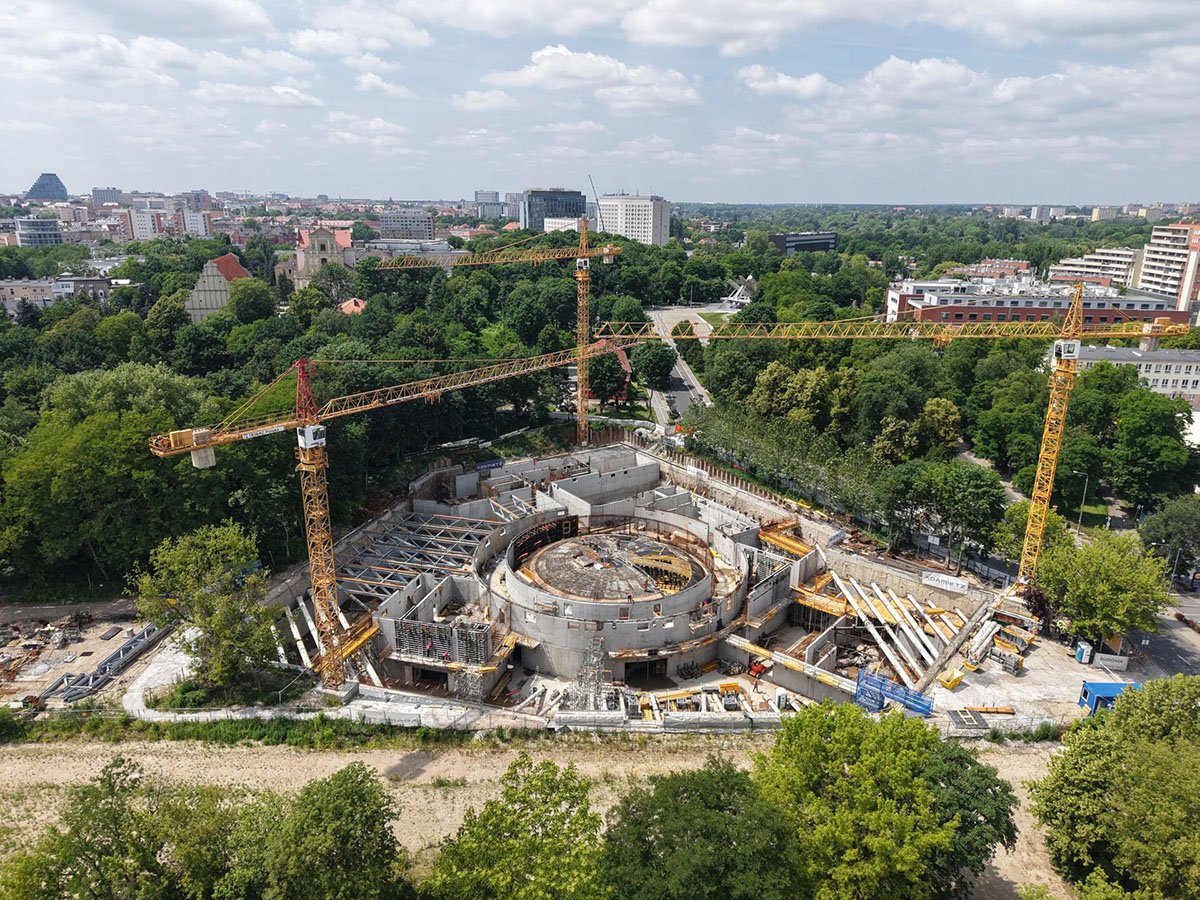
At the foot of St. Adalbert’s Hill in Poznań, Poland, the 1918-1919 Greater Poland Uprising Museum is under construction, designed by the architectural studio WXCA. This is yet another project where WXCA’s architectural sensitivity, combined with the expertise and international experience of Ralph Appelbaum Associates in exhibition design, promises a spectacular, thoughtfully composed and technically integrated museum space.
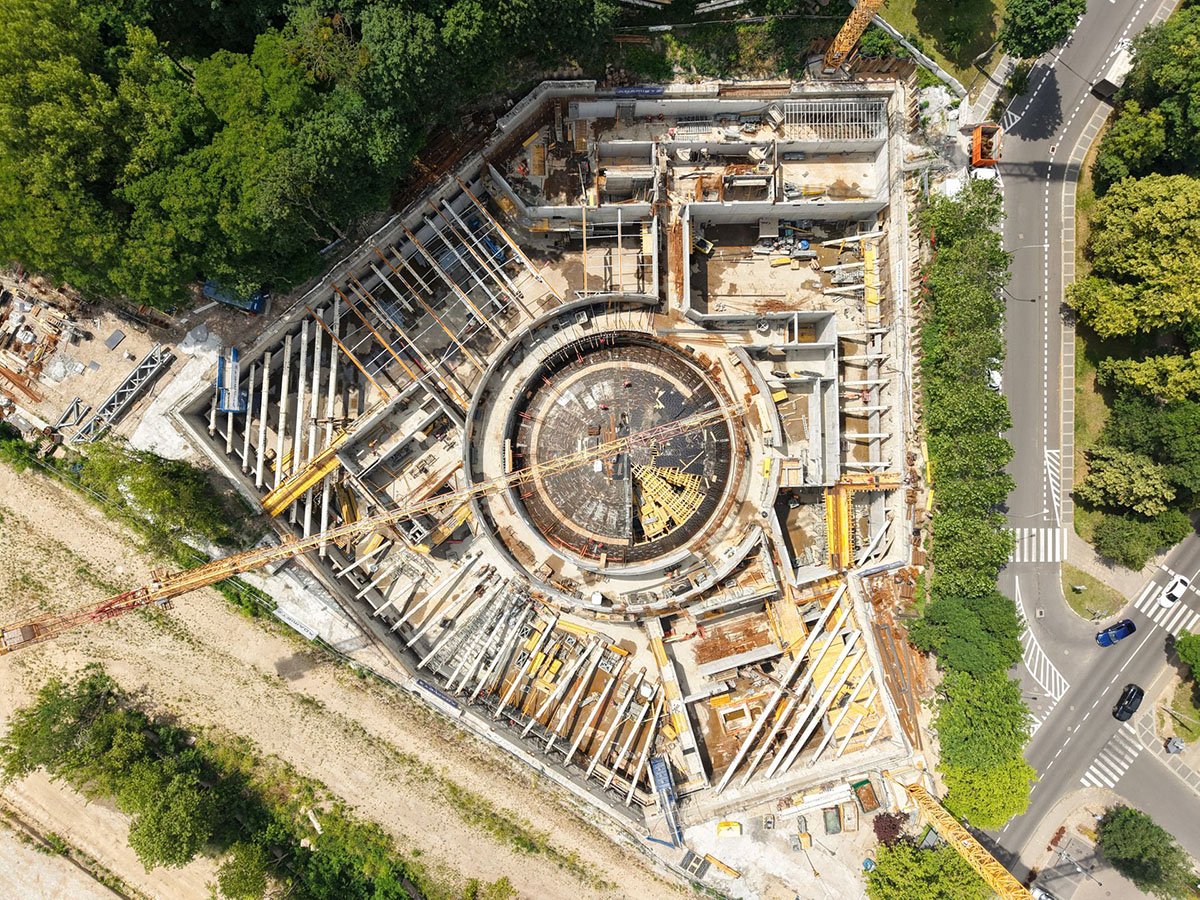
The museum will house an exhibition commemorating the patriotic uprising and historic victory of the people of Greater Poland. The very “heart” of the museum – an exhibition space with an area of 3,500 m² – will be located underground. Work on the construction of an underground dome with a span of 30 m is currently in its final stages. The design of the permanent exhibition was commissioned to the team of Trias AVI and Ralph Appelbaum Associates.
At the center of the museum will be an urban square – a contemporary agora, described by the architects as a “place of face-to-face encounters.” This public square evokes the values of community and cooperation that were the foundation of the historical success of the Greater Poland Uprising. As the architects emphasize, it is also an answer to pressing challenges of the present day – the need for physical spaces that support democratic dialogue in an era of crises such as social polarization and information chaos.
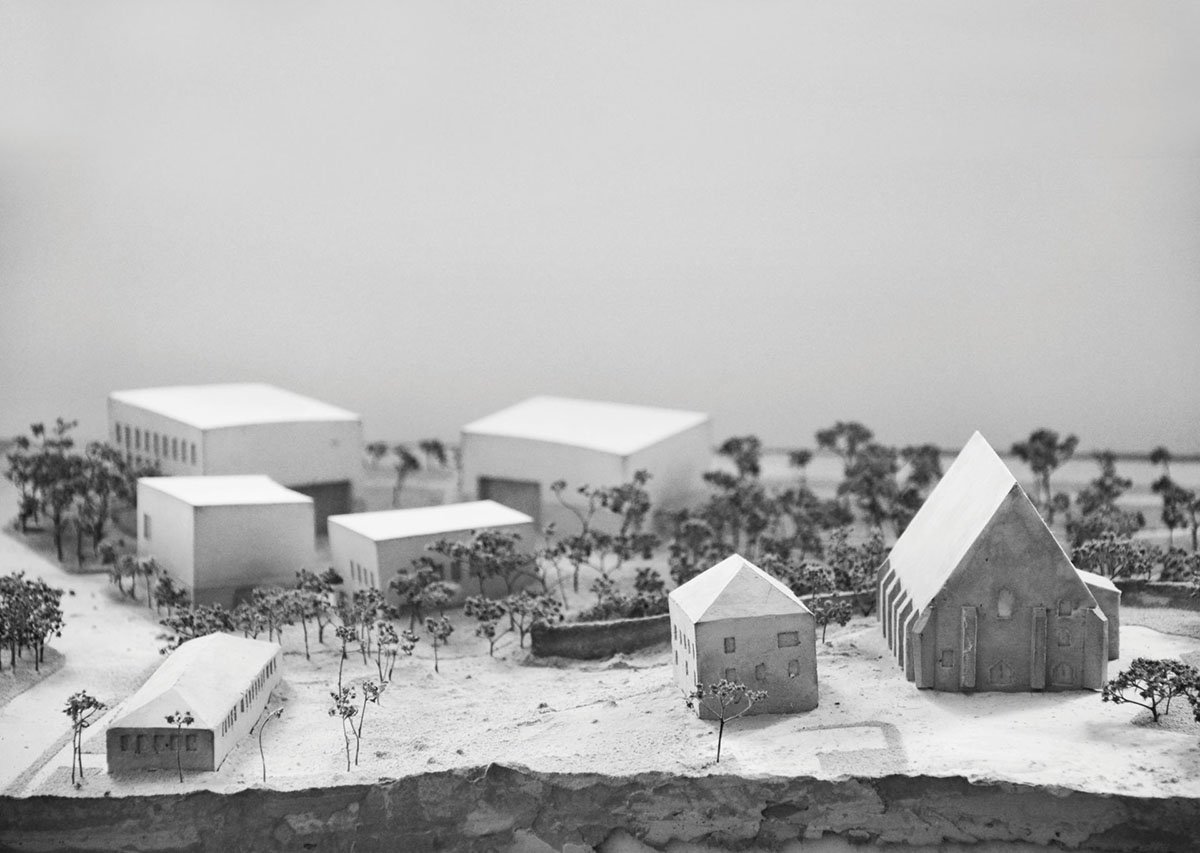
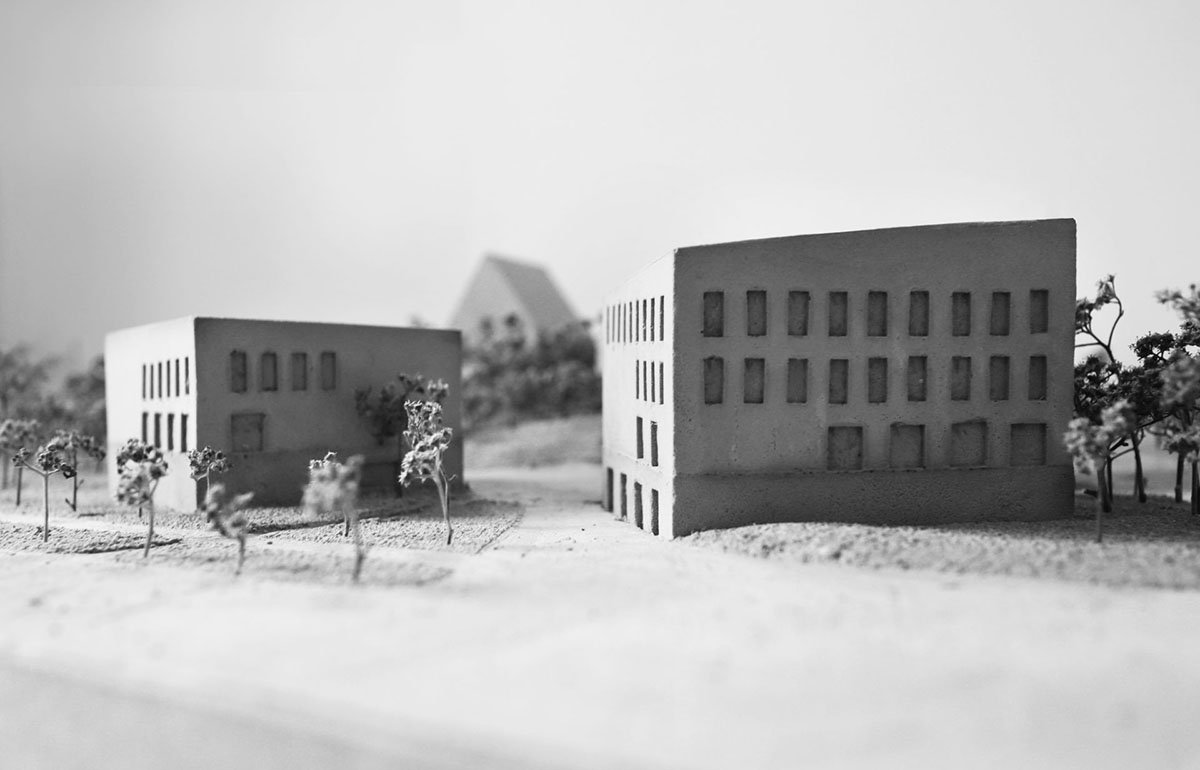
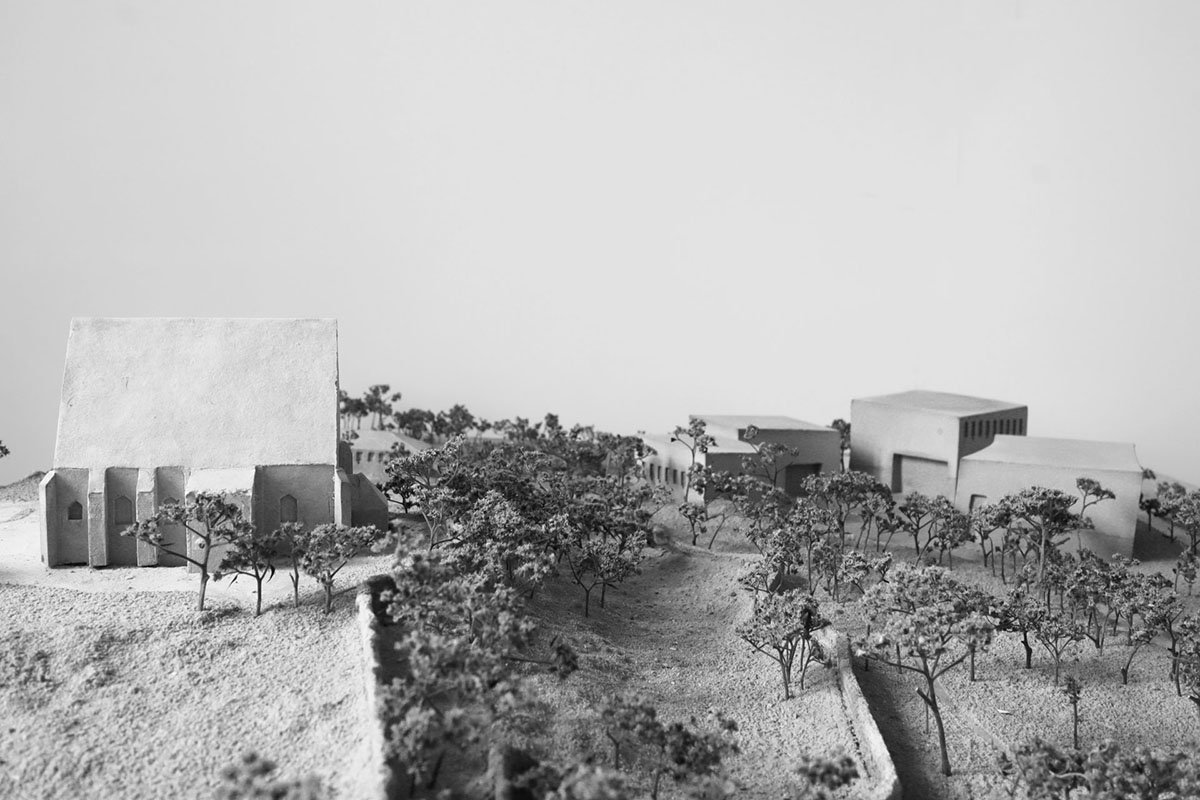
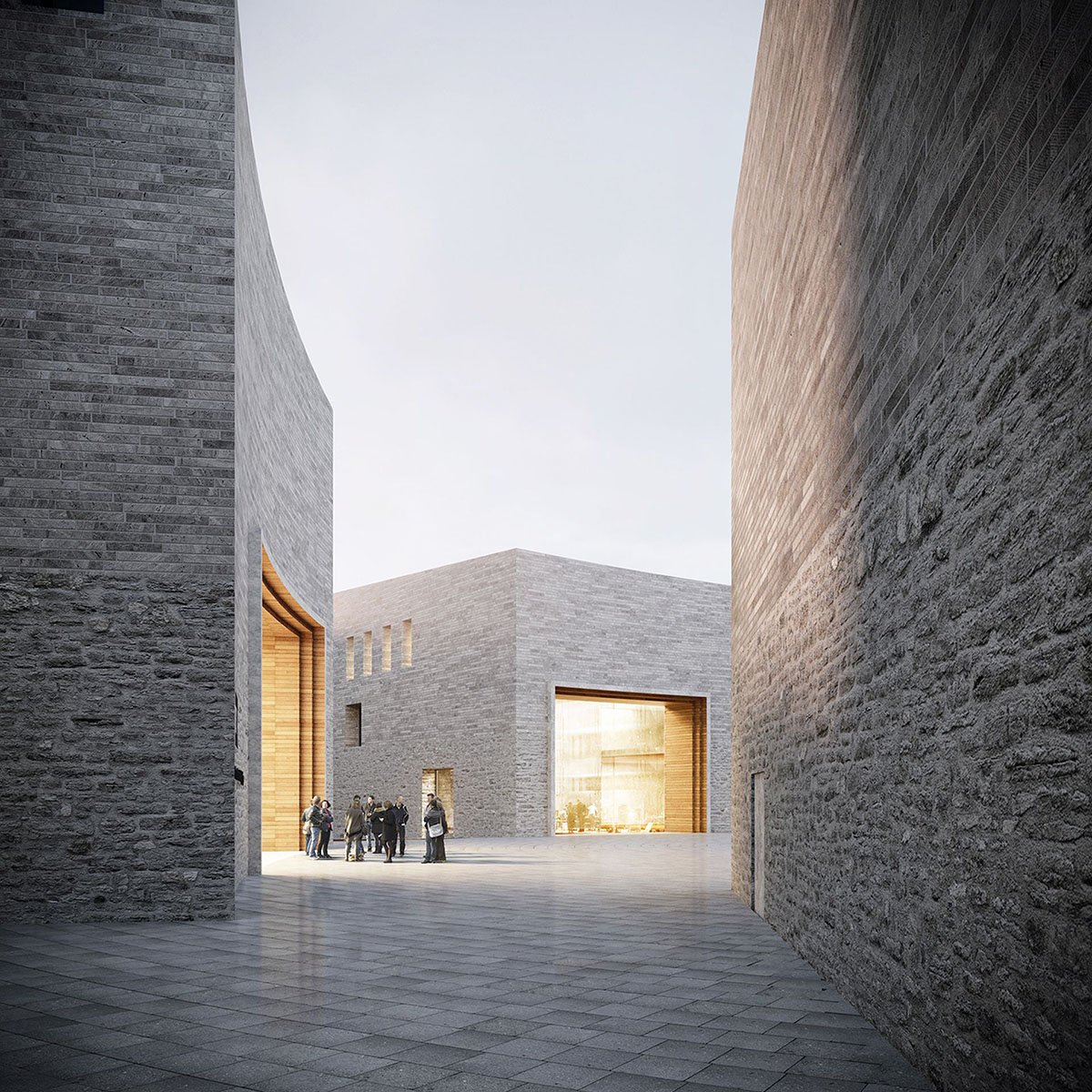
Around the square, four museum blocks with austere architecture will be built. Their form and spatial layout were inspired by the first settlements and strongholds that were established centuries ago in Greater Poland, a region known as the cradle of Polish statehood. The composition of these volumes frames a visual perspective towards St. Adalbert’s Hill, crowned by the 800-year-old church dedicated to the patron saint – an eyewitness to history.
The authors of the design for the 1918-1919 Greater Poland Uprising Museum in Poznań, Poland, are architects from the WXCA studio, which won First Prize in a public international architectural and urban design competition in 2019. The competition jury awarded the concept proposed by WXCA for its artistic quality, which is expressed both on the conceptual and formal levels: in its multi-layered symbolism and in its bold yet contextually sensitive architecture.
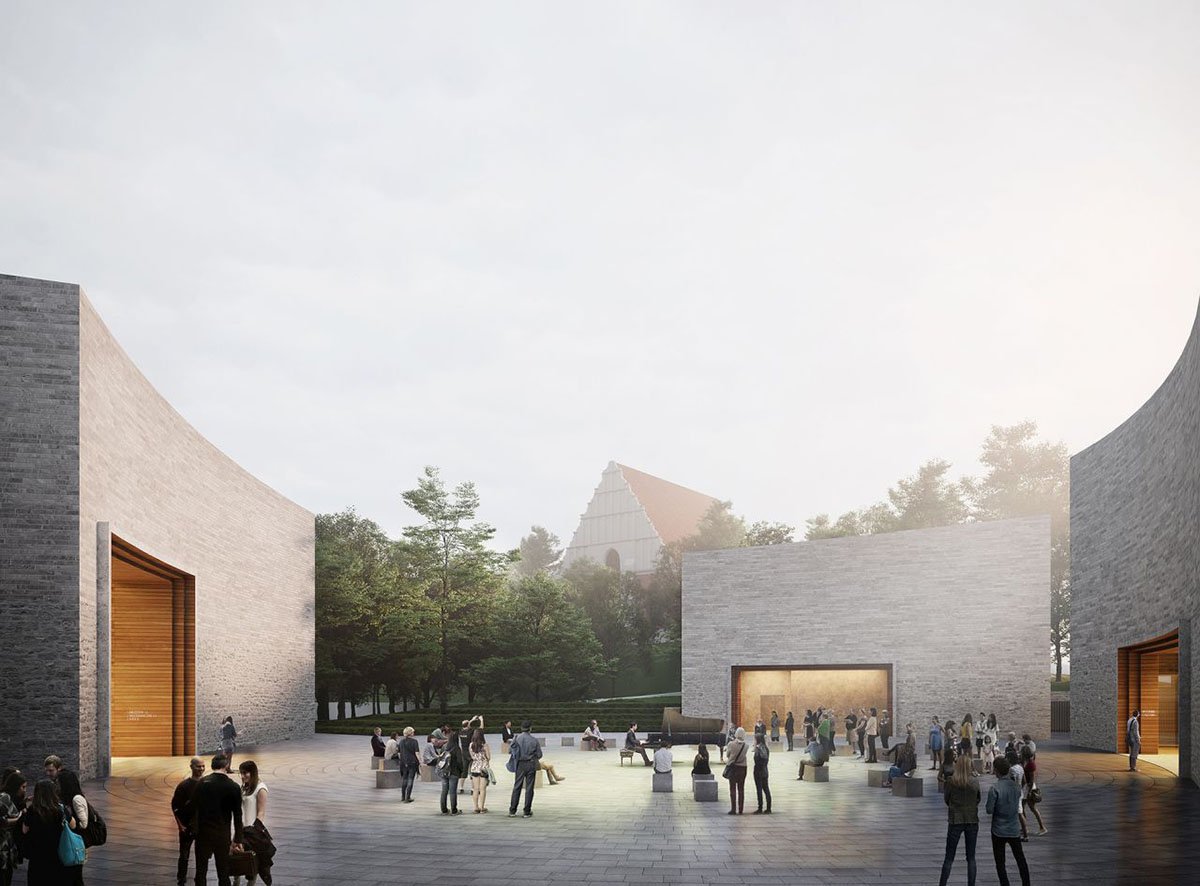
A museum around an urban agora: The architectural and urban design concept for the 1918-1919 Greater Poland Uprising Museum by WXCA was founded on the conviction that a museum – an institution dedicated to cultivating the memory of shared heritage – is also a space that strengthens collective identity and celebrates belonging to a community. Thus, it is a significant place for building civil society for contemporary societies.
To respond to the needs of such a public institution, the architects placed an urban square at the center of the design, surrounded by four museum buildings. Their concept draws on the long tradition of the town square as an ideal of public space: an agora that historically functioned as a place of encounters and exchange – not only of material goods but also of knowledge and opinions.
The square, which the architects describe as a “place of face-to-face encounters,” recalls values such as community and cooperation, the foundation of the Greater Poland Uprising’s historical success. These values were invoked by Ignacy Jan Paderewski, one of the founding fathers of Polish independence, in his famous 1918 speech. The multidimensional symbolism, deeply rooted in the history of the Uprising, tells a story of universal values which, according to the architects, remain unchanged to this day.
“The history of the Greater Poland Uprising reminds us of the value of belonging to a community, grounded in cooperation, social integration, and the systematic strengthening of bonds. These values were also the starting point for the museum concept, in which the central urban square is designed as a space of public debate and social relations, created with the contemporary residents of Poznań in mind. Such a space can help foster understanding that enables communities and societies to face today’s crises. At a time of threats such as social polarization and information chaos, real human contact – face-to-face encounters – are needed more than ever as an alternative to virtual communication,” emphasizes Małgorzata Dembowska, Architect at WXCA.
The circular public square may naturally become a place for informal gatherings, as well as a stage for extending programmatic activities outdoors, reinforcing the relationship between the institution and the city.
A space of centuries-old heritage: Around the square, four cubic museum blocks of varying sizes will be built, clad in stone. Stone will define the building’s architectural identity. In recent years, WXCA has had multiple opportunities to creatively explore this material in major projects, including the European Center for Geological Education in Chęciny and the Polish History Museum in Warsaw.
“Their form and spatial arrangement were inspired by the first settlements and strongholds that arose centuries ago in Greater Poland, the cradle of Polish statehood. The lower parts of the blocks will be finished in roughly hewn stone, evoking memories of the of the first buildings on Polish lands. In the upper parts, the texture of the material will change, and the facades of the subsequent storeys will be made of smoothly cut stone, symbolically transitioning us to the present day,” explains architect Szczepan Wroński, Founder of the WXCA studio.
Dividing the museum into several smaller volumes connected by an underground level also reflects architectural restraint and respect for the historical urban context. The composition frames a view towards St. Adalbert’s Hill, with its dominant feature – the 800-year-old St. Adalbert’s Church. The pitched roofs are designed as “fifth façades,” with varied heights and slopes emphasizing the perspective towards the hill. This exposure of the historic landscape underscores the importance of the church as a witness to Poznań’s history and makes it an integral part of the memorial space.
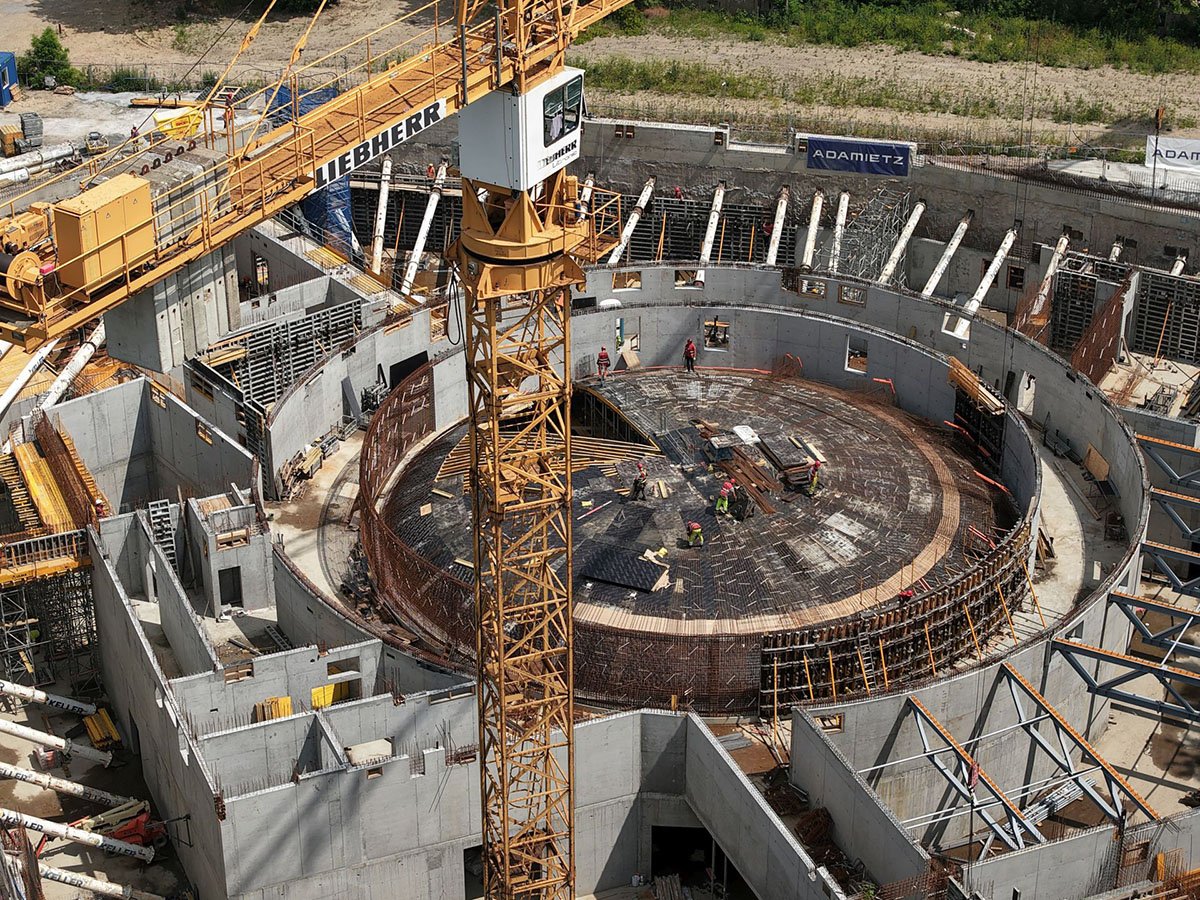
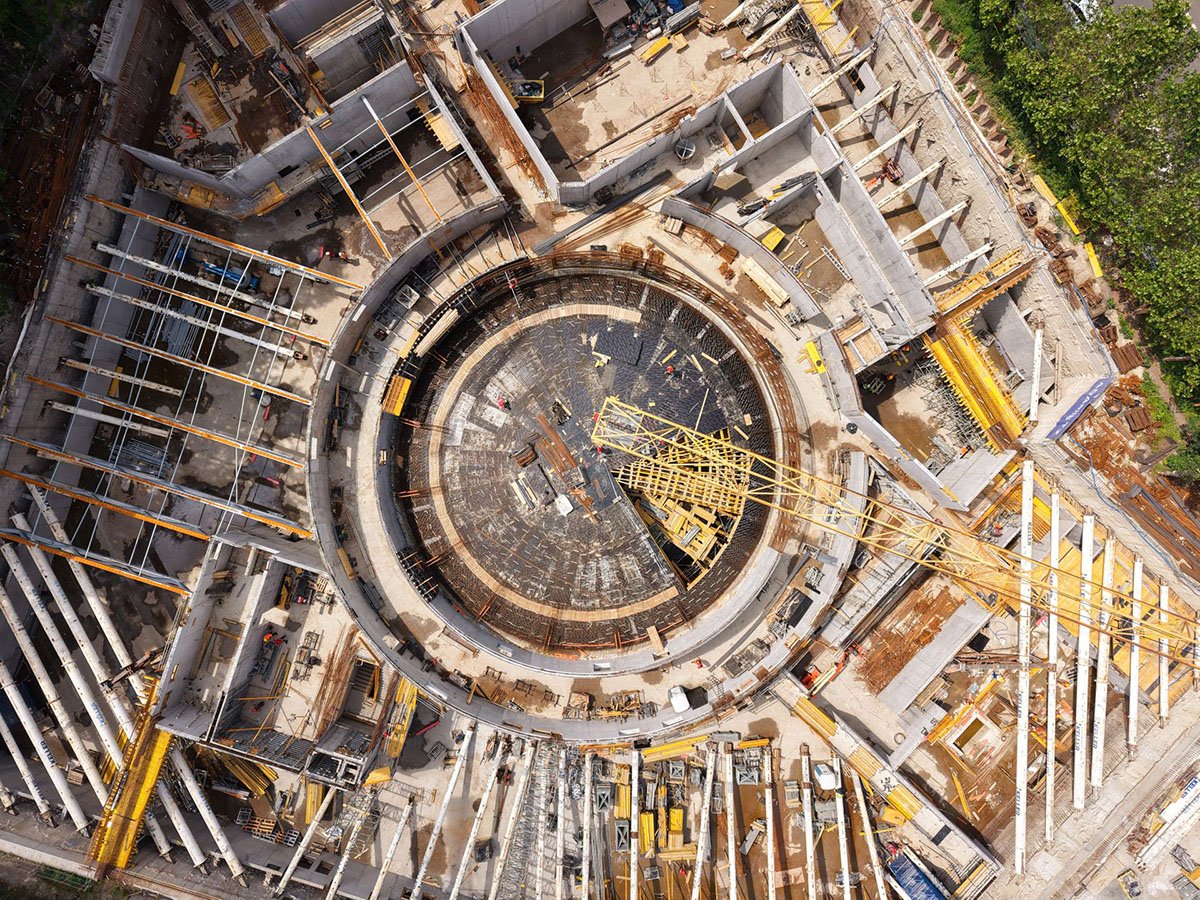
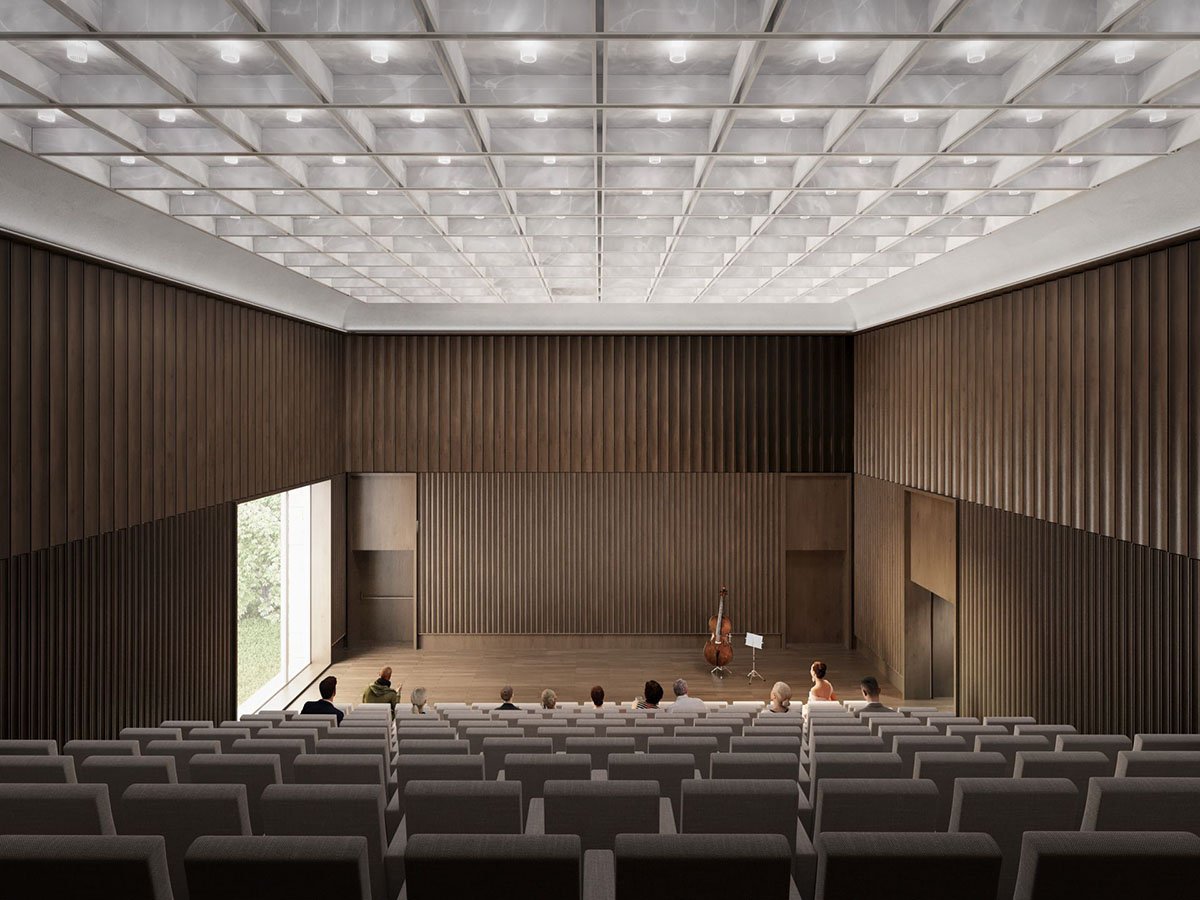
Construction of the underground “heart” of the museum: The above-ground buildings will house spaces for the institution’s broad cultural, scientific and educational program: an auditorium, library, reading rooms, workshop spaces, temporary exhibition halls, conservation and technical facilities, and offices for the institution’s employees.
The real “heart” of the museum, however, will lie underground. The 3,500 m² exhibition space will host a permanent display commemorating the patriotic uprising and the memorable victory of the people of Greater Poland, with a collection of more than 2,000 original and often unique artifacts.
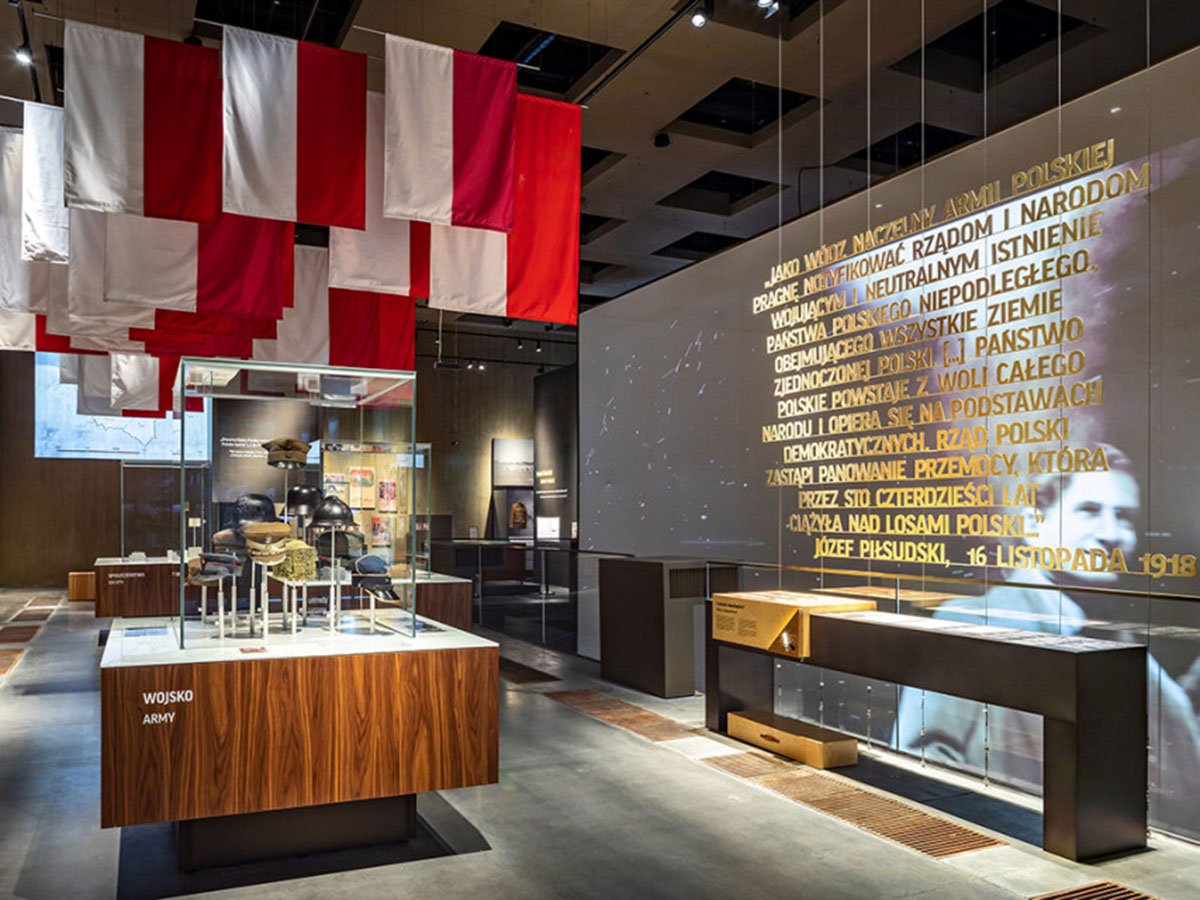
The competition for the design of the permanent exhibition was won by Trias AVI in collaboration with Ralph Appelbaum Associates. The exhibition design will continue the ideas of social cooperation and organic grassroots work. The exhibition will narrate the story of nearly two centuries of Greater Poland’s march toward independence, further enhancing the viewer’s engagement through scenography and modern technologies used in contemporary museology.
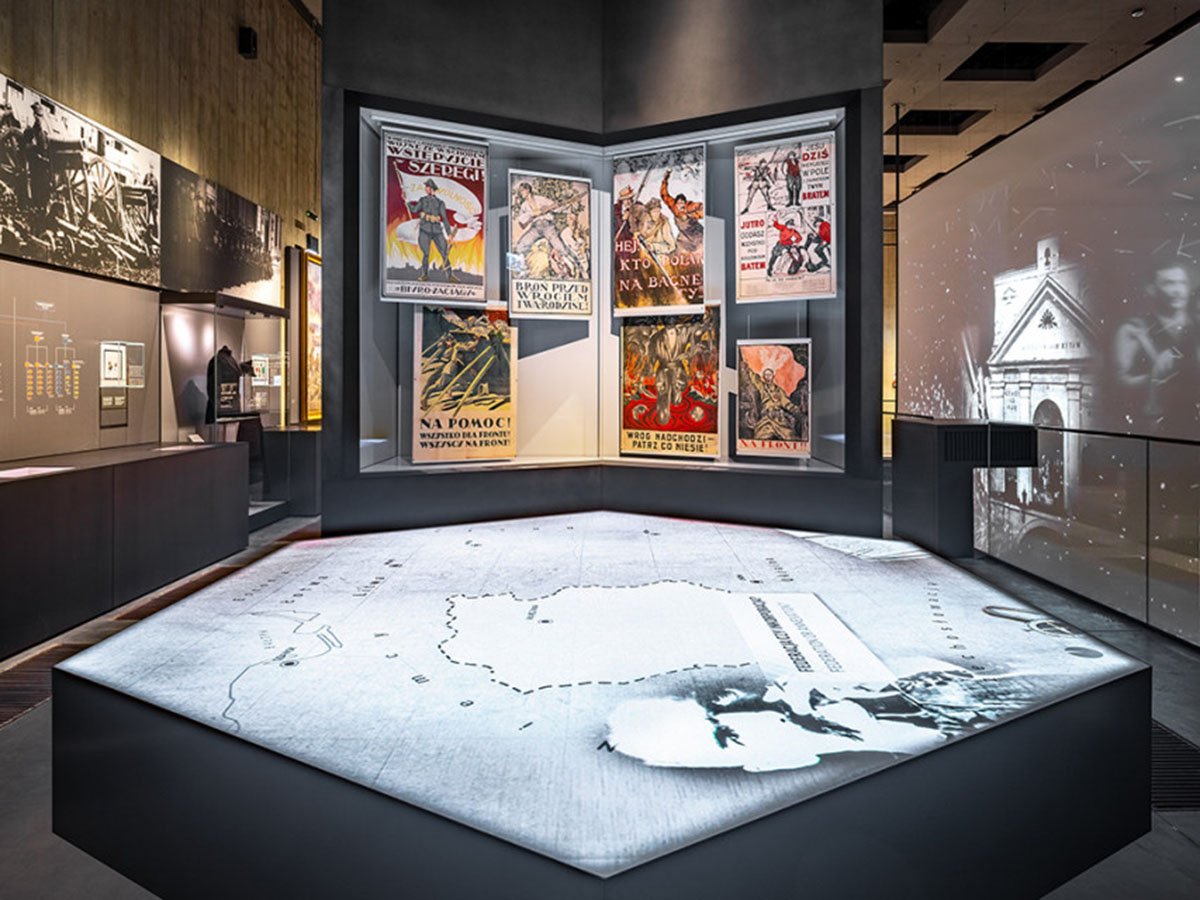
“The exhibition of the Greater Poland Uprising Museum will be an emotionally charged account of triumph achieved through cooperation. Our goal is to create an empathy bridge between the diversity of contemporary visitors and historic participants of the events of 1918-1919. Through the voices of ancestors, and their descendants, soldiers and civilians, men and women, old and young, the people of Greater Poland are connected by the goals of independence and self-determination achieved through the values of courage, solidarity and civic-mindedness, perseverance, diligence, agency and self-efficacy. It will be inspiration to any people who are forced to defend their sovereignty and their integrity,” explains Tim Ventimiglia, Director of Ralph Appelbaum Associates, Berlin Studio.
The creative collaboration and combined experience of WXCA and Ralph Appelbaum Associates in designing spaces of remembrance have already produced internationally acclaimed results. Their joint projects include the permanent exhibition of the Józef Piłsudski Museum in Sulejówek, awarded the Red Dot Design Award, iF Design Award, and Grand Prix of the Sybilla Museum Event of the Year competition, as well as the winning design of the Museum of the Eastern Territories of the Old Polish Republic in Lublin.
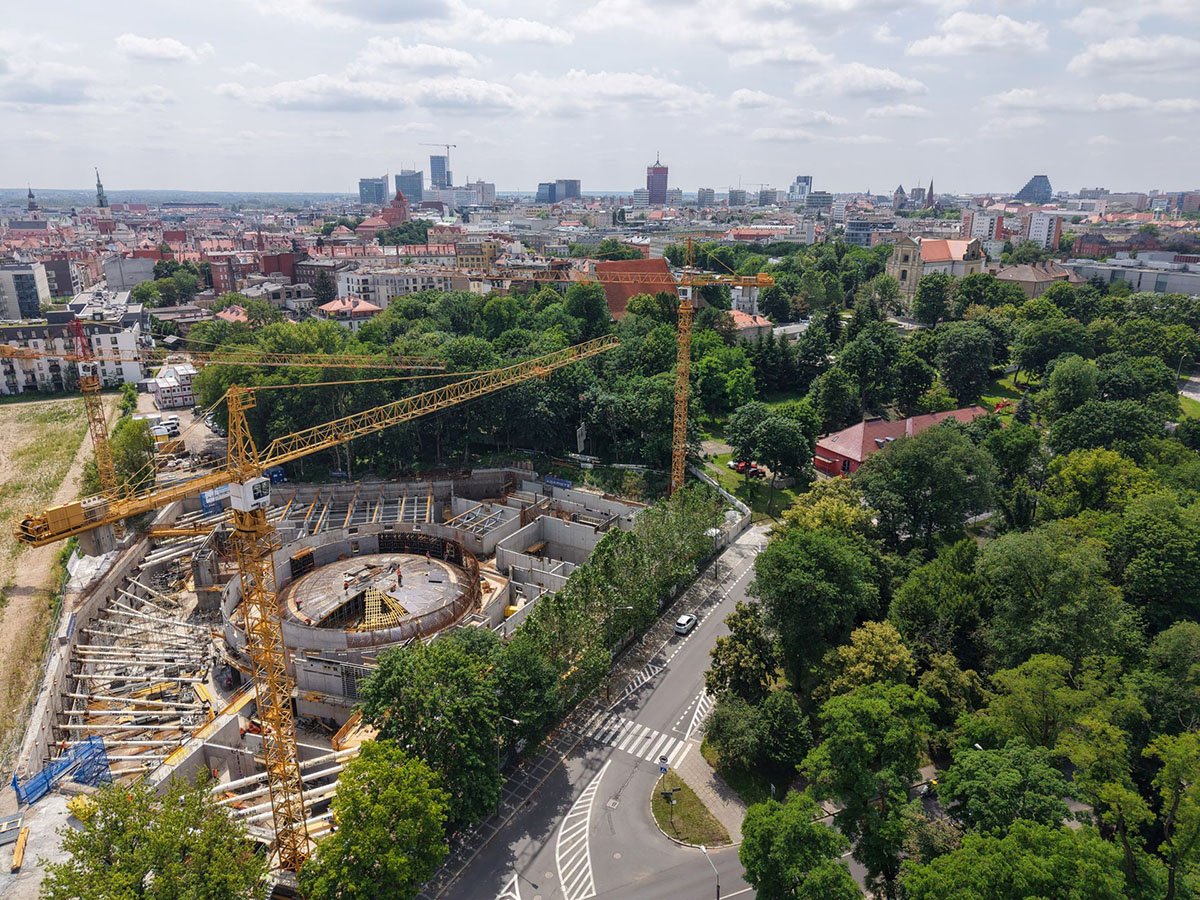
“Work on the construction of the underground dome that will cover the central exhibition space is currently in its final stages. The dome, with a limited number of structural elements, has been designed to allow for flexible exhibition layouts. Its span will be 30 metres at this point. At the same time, intensive work is underway to complete the entire underground level, after which the construction of the four above-ground blocks will begin,” reports Adam Mierzwa, Architect at WXCA.
Construction of the Museum of the 1918-1919 Greater Poland Uprising Museum in Poznań, Poland, began at the start of 2024. The opening to the public is scheduled for 2026.
Images

