Excerpt: Habitat for Orphan Girls by ZAV Architects adopts an austere, honest tectonic structure that removes all undue elements, while its operable façade lets the girls choose how their housing interacts with the city. Set in the historic fabric, the project transforms heritage into opportunity, and with a domestic, protective layout, it becomes a true house that nurtures a sense of belonging.
Project Description
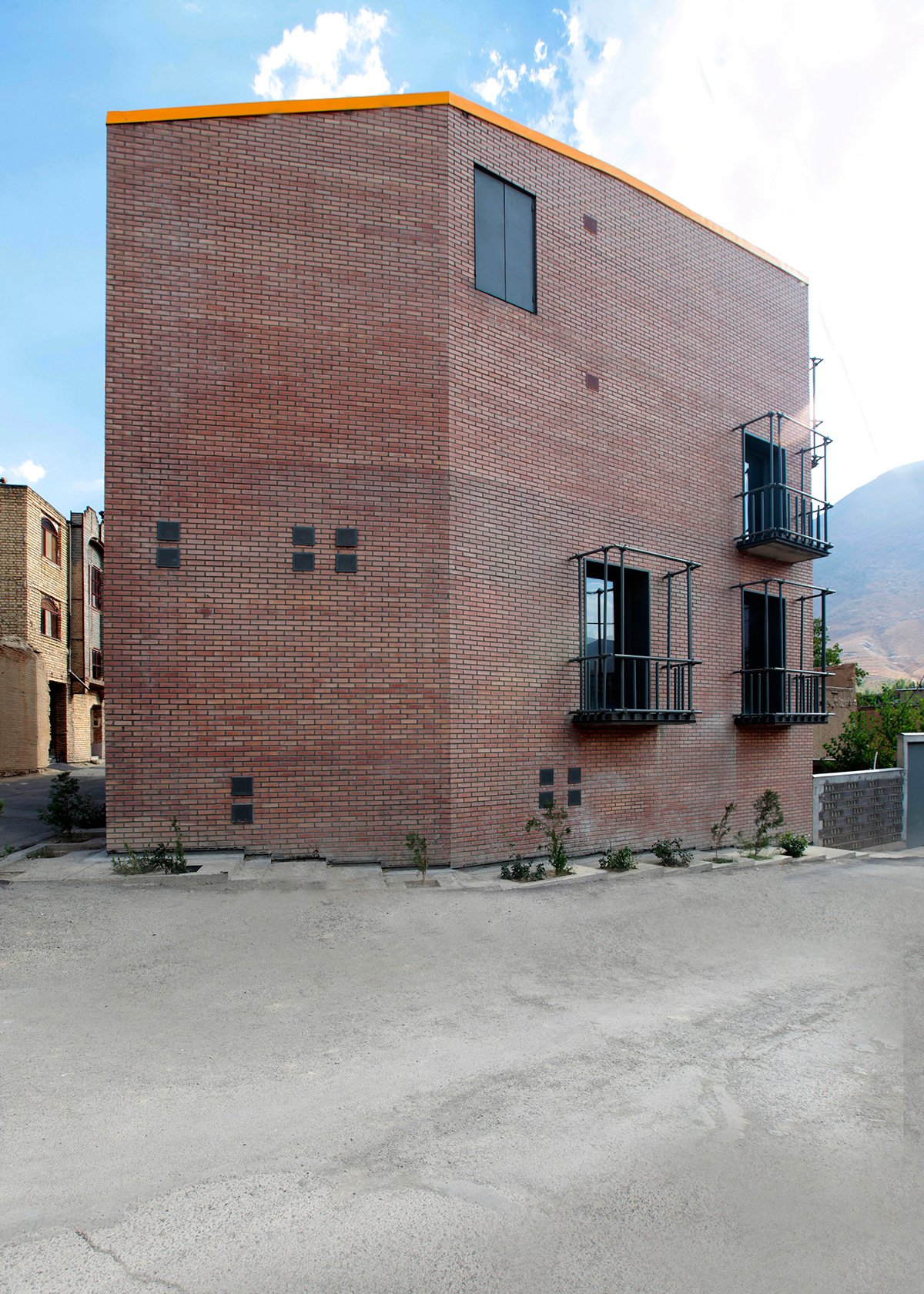
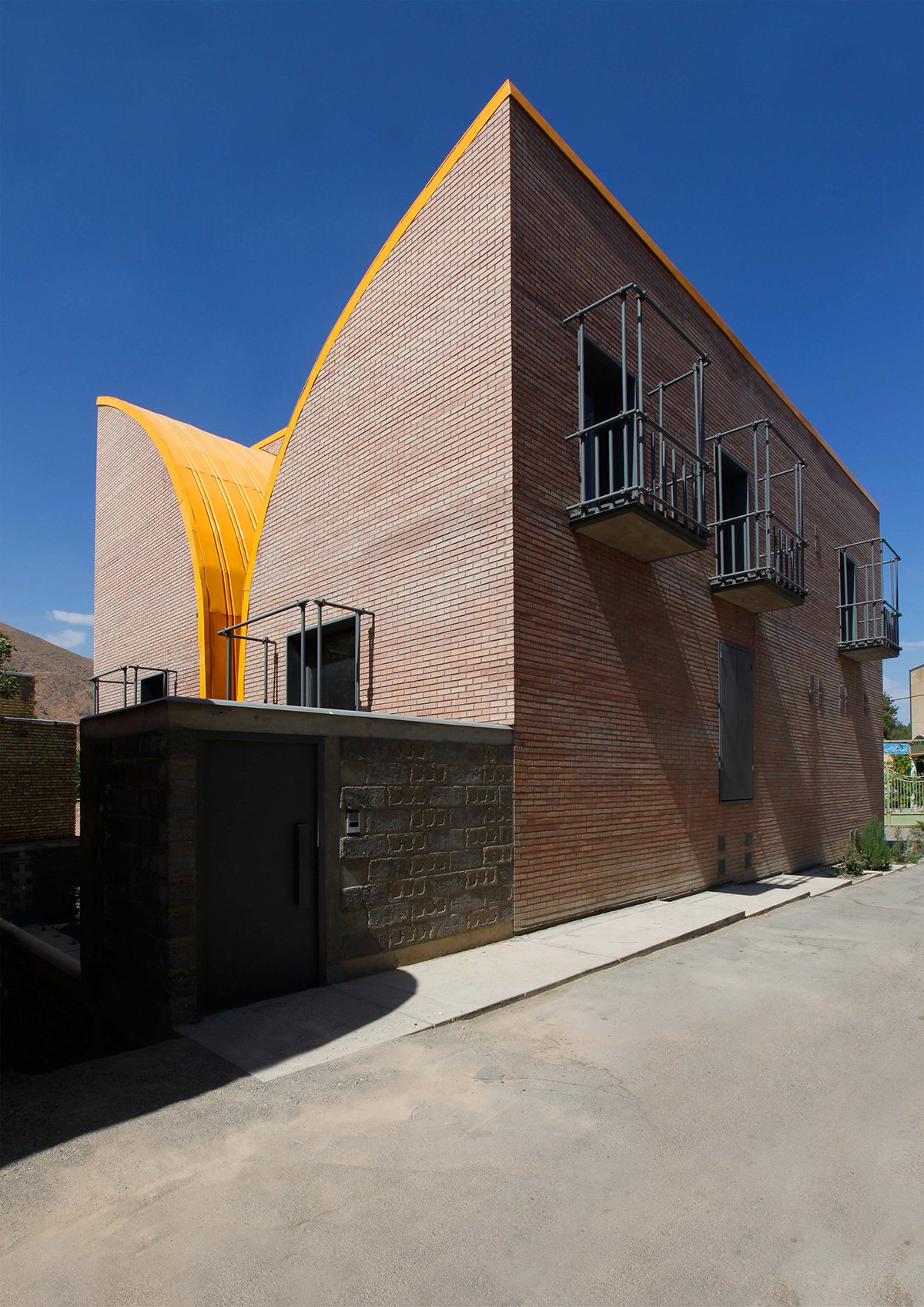
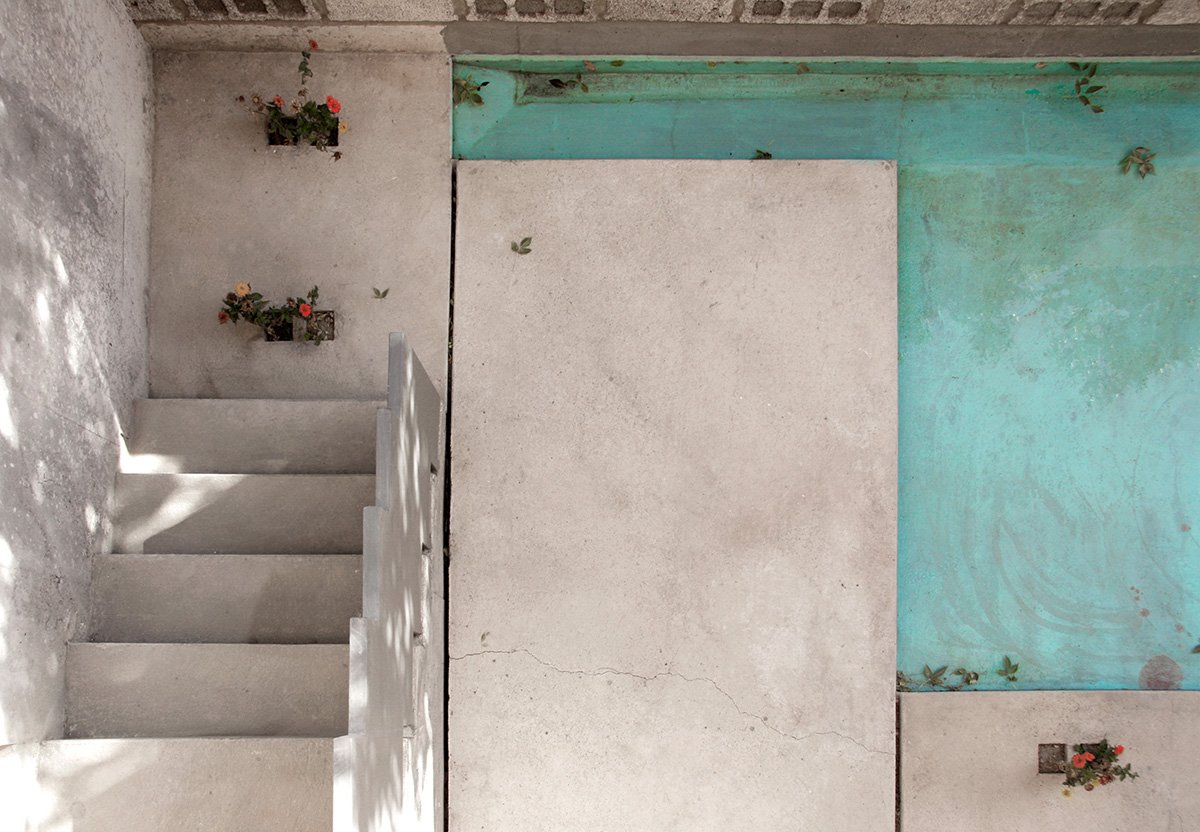
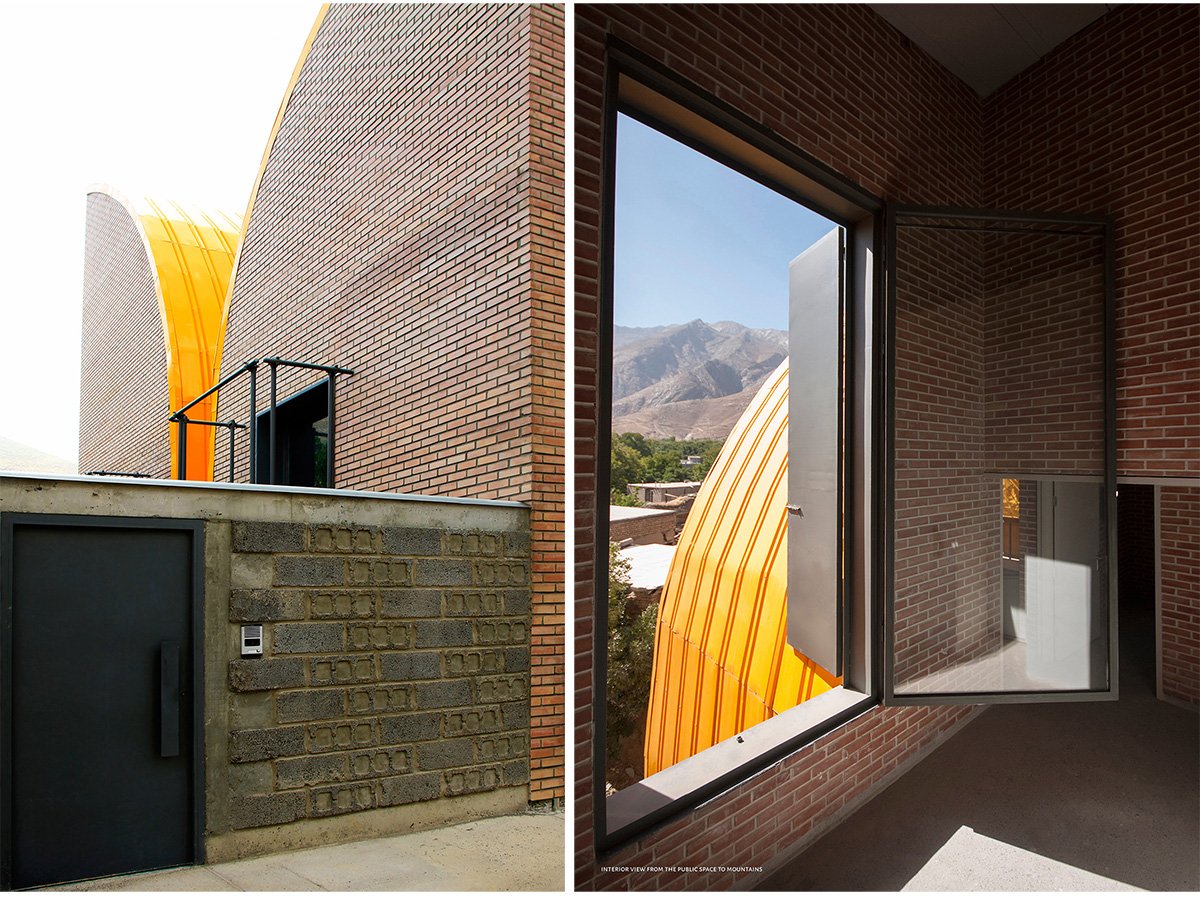
[Text as submitted by architect] The “undue” is “undone”: In response to the financial limitations of the project, an austere, and honest tectonic is adopted. All superfluous layers of finishing and ornamentation are considered as “undue”, and hence, are eliminated.

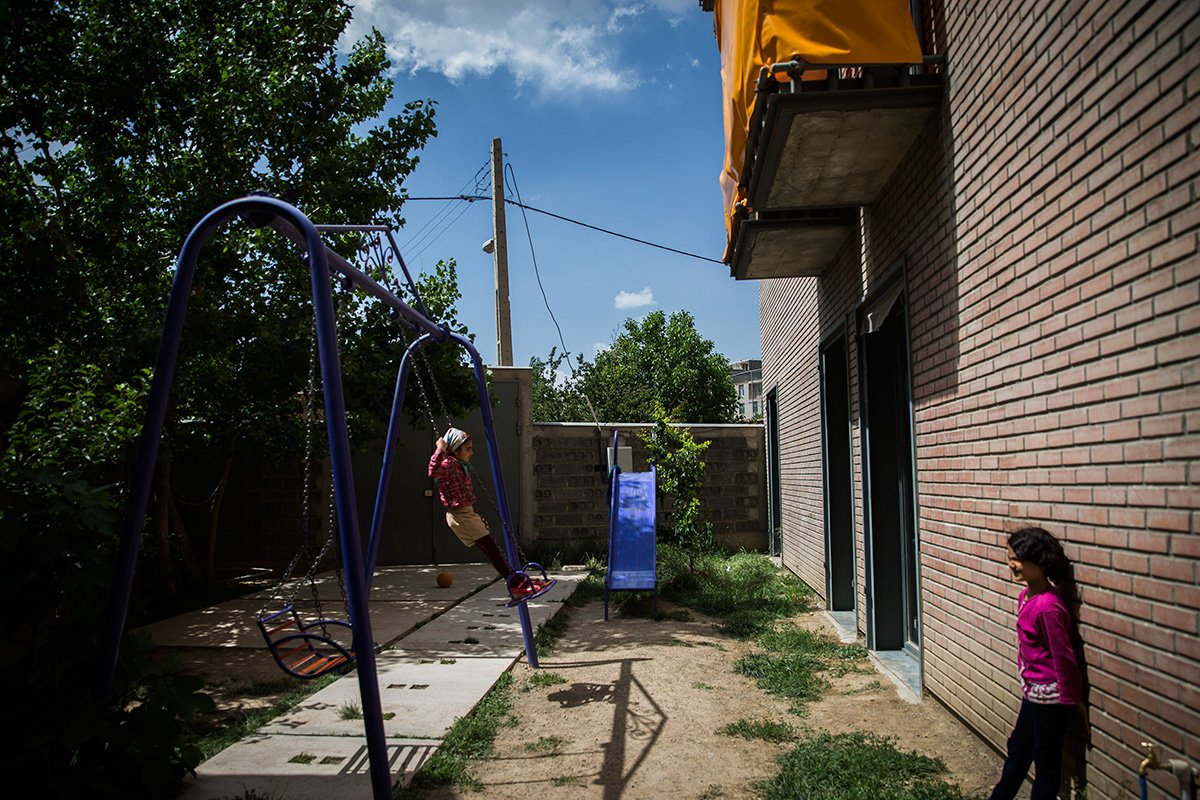

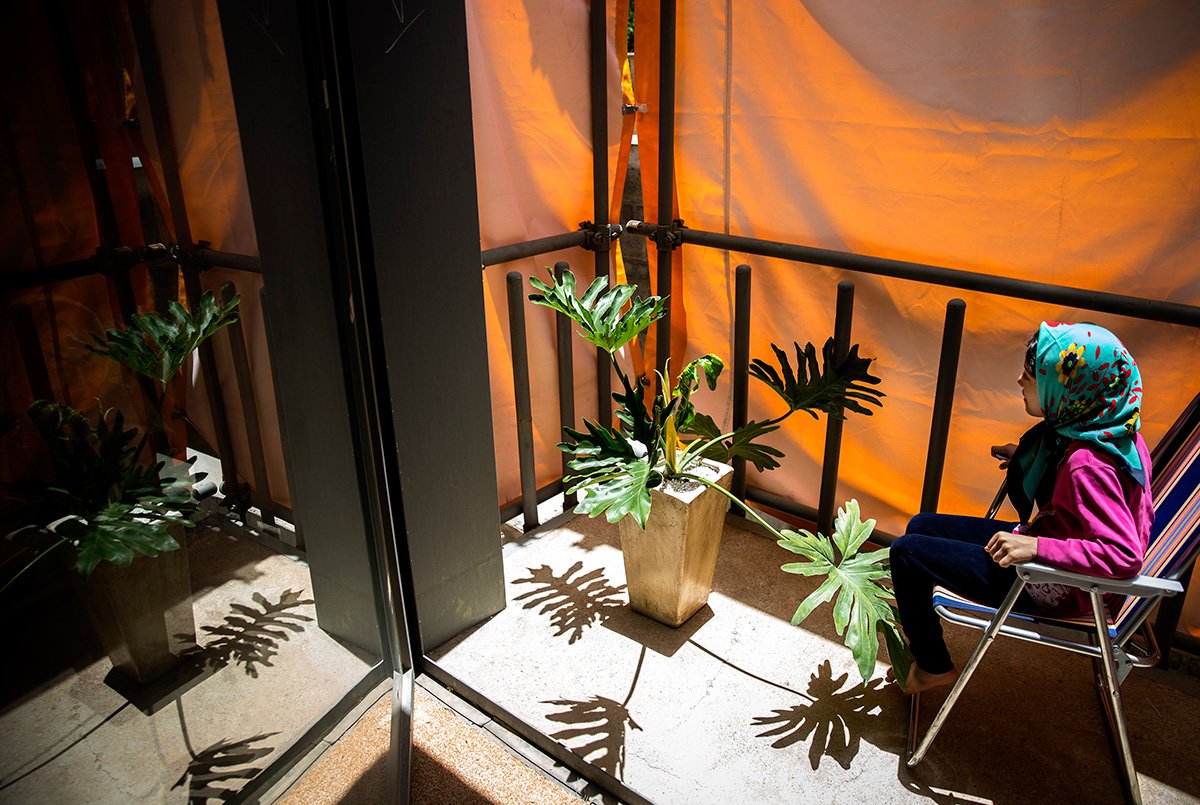
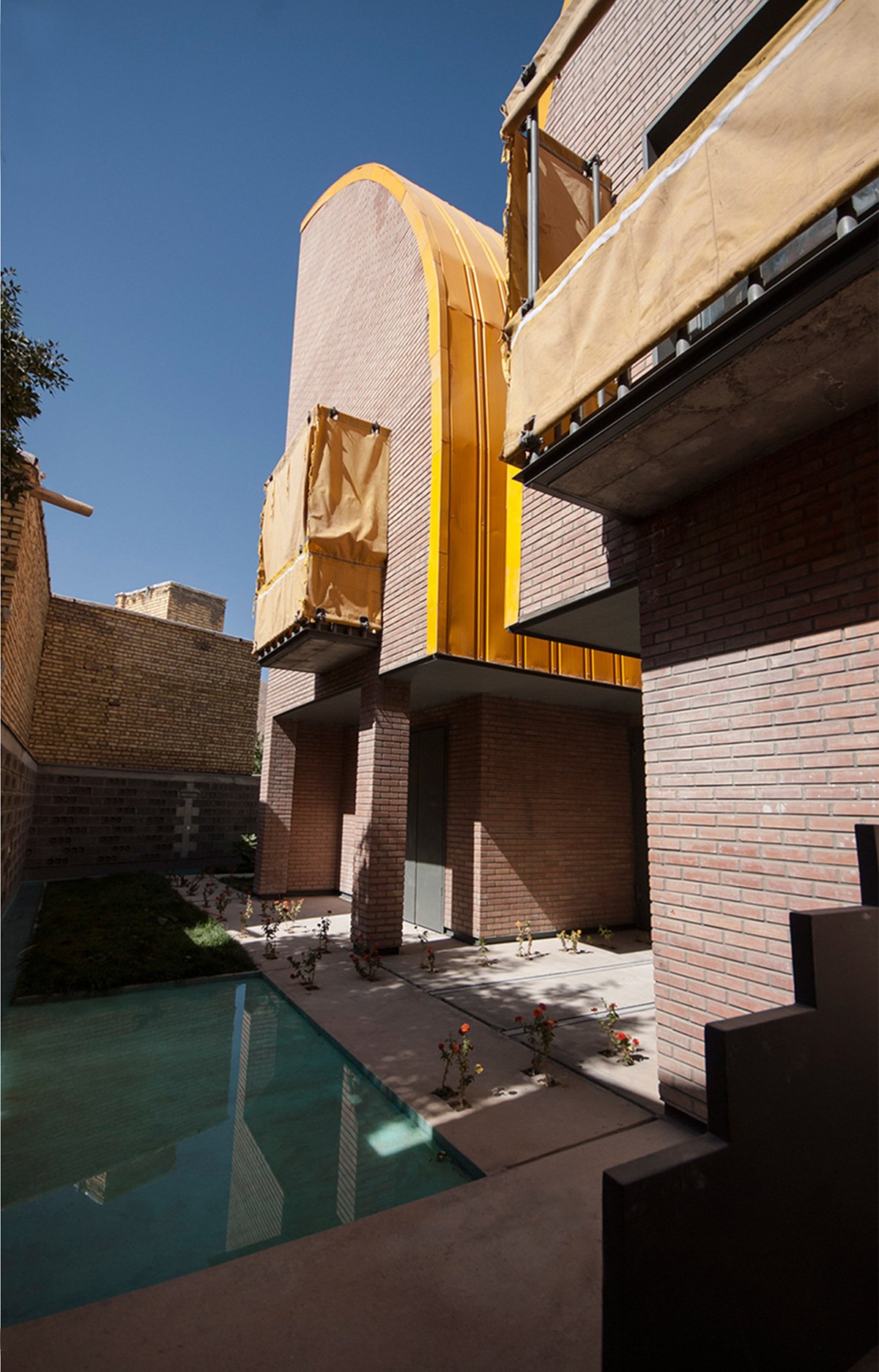
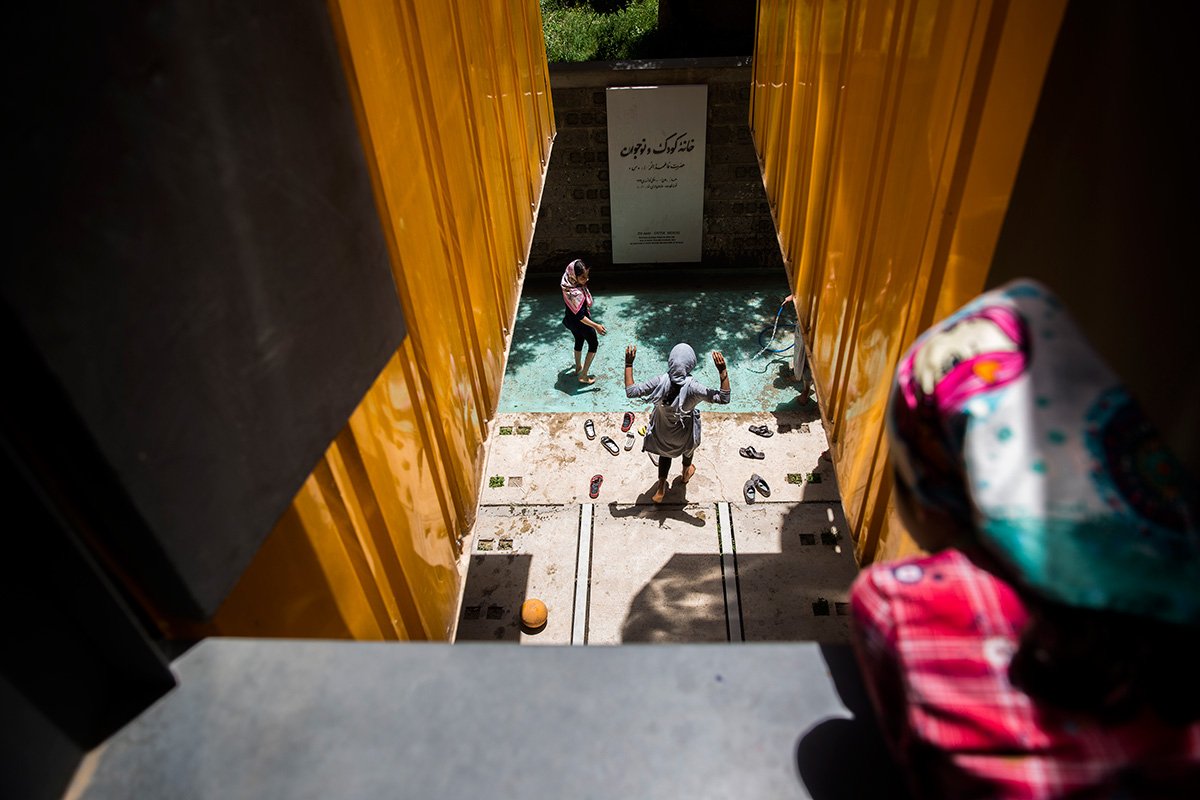
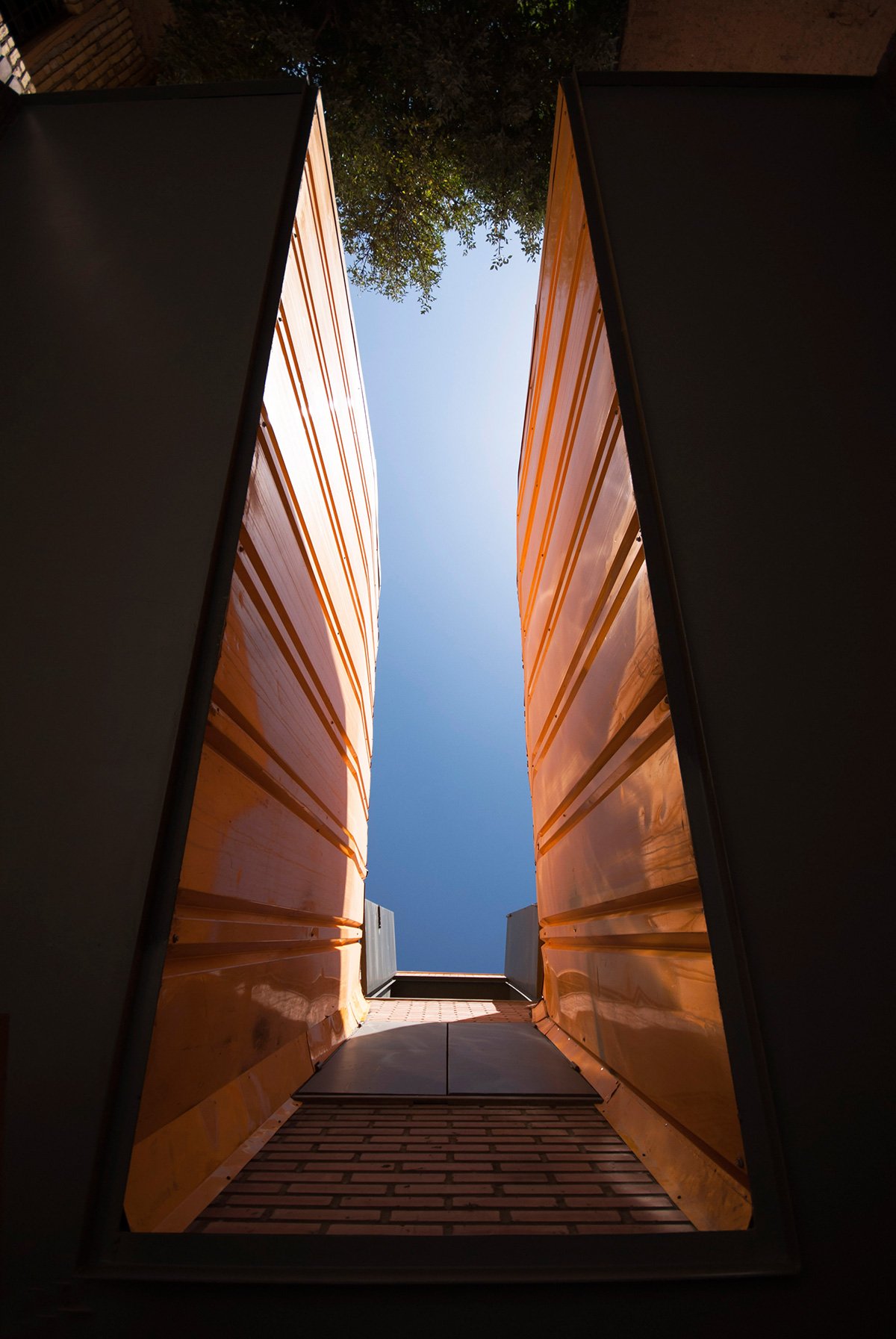
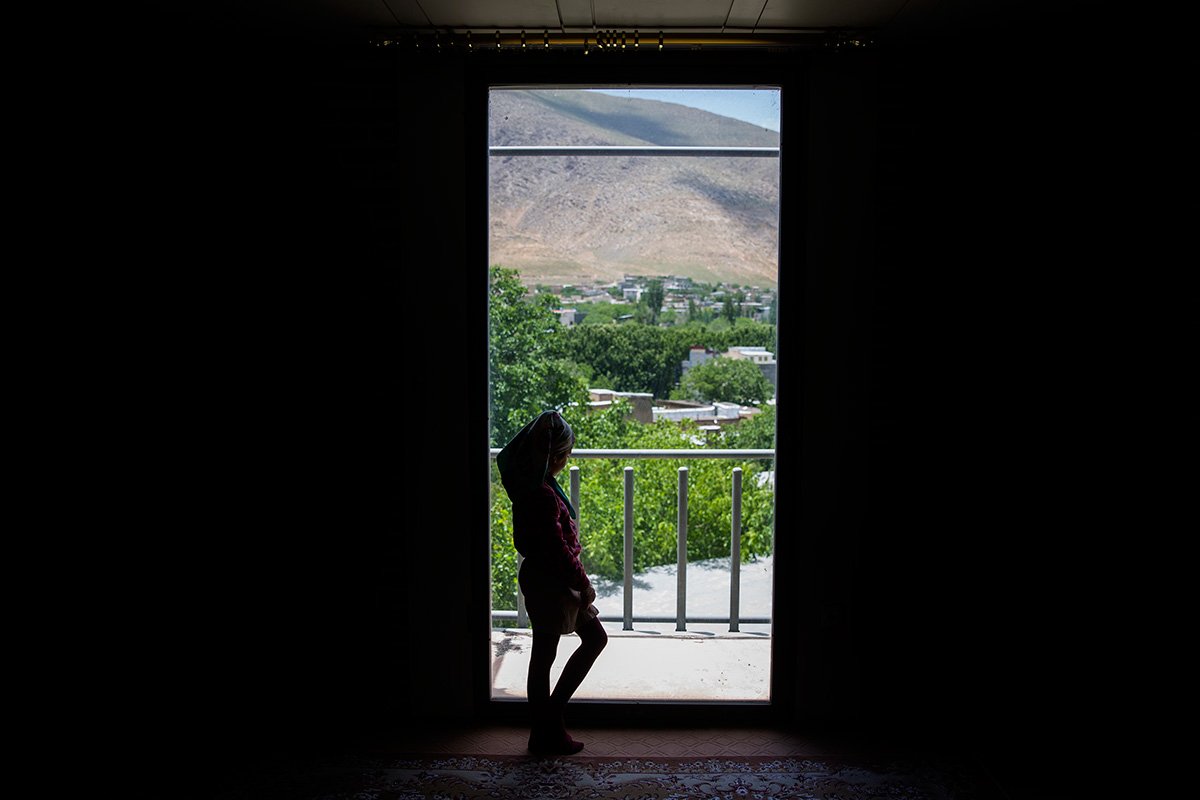
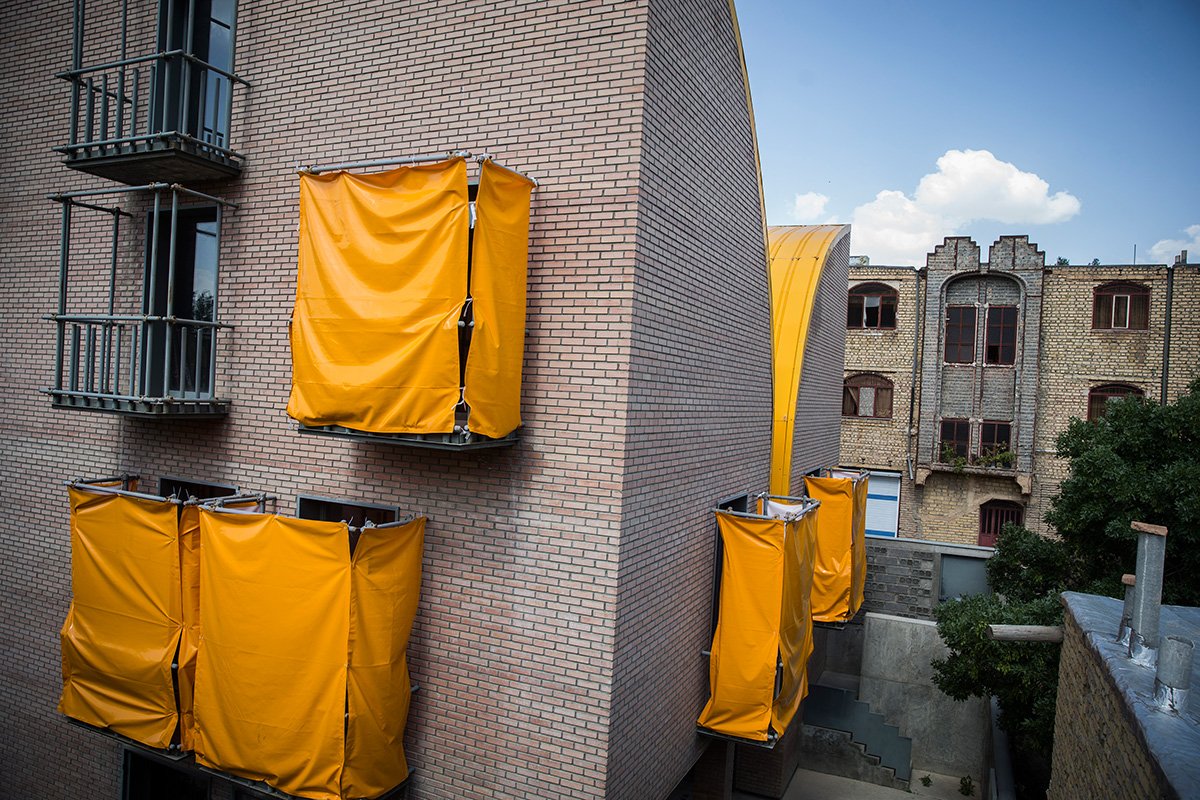
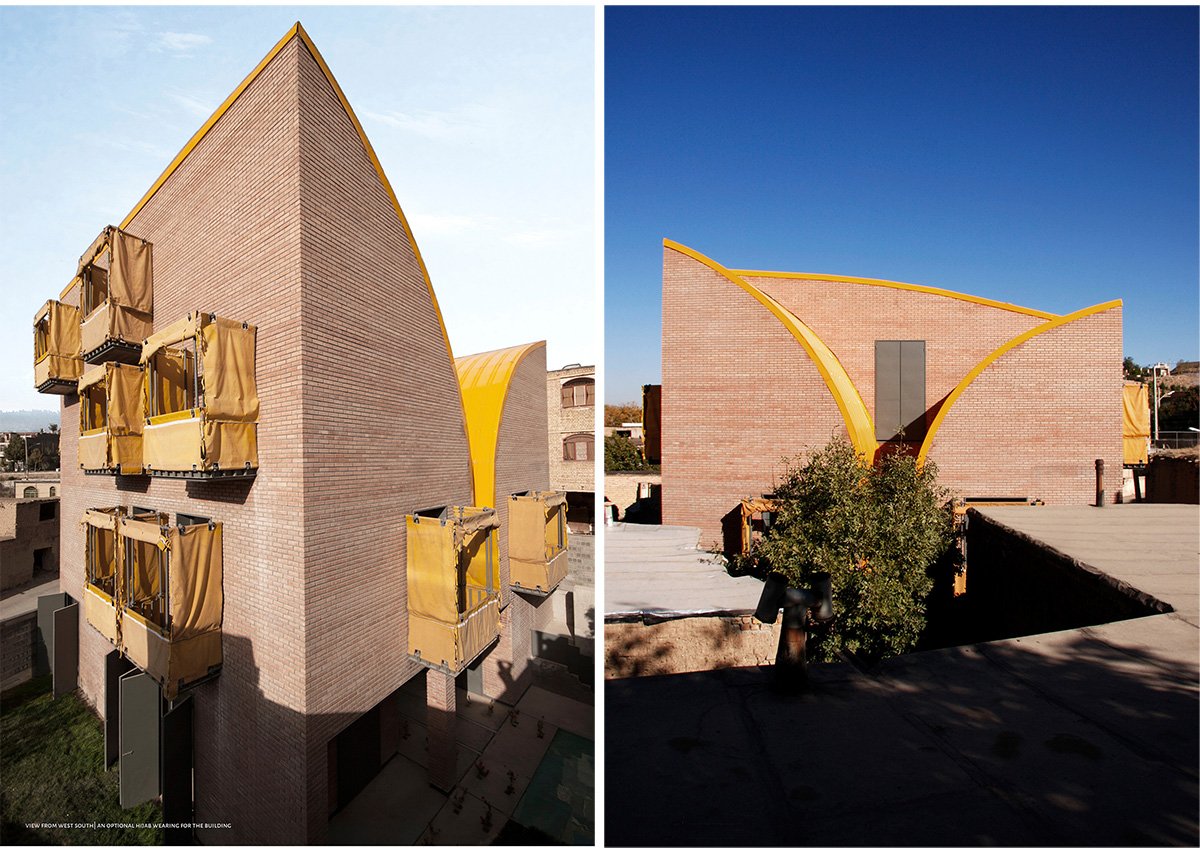
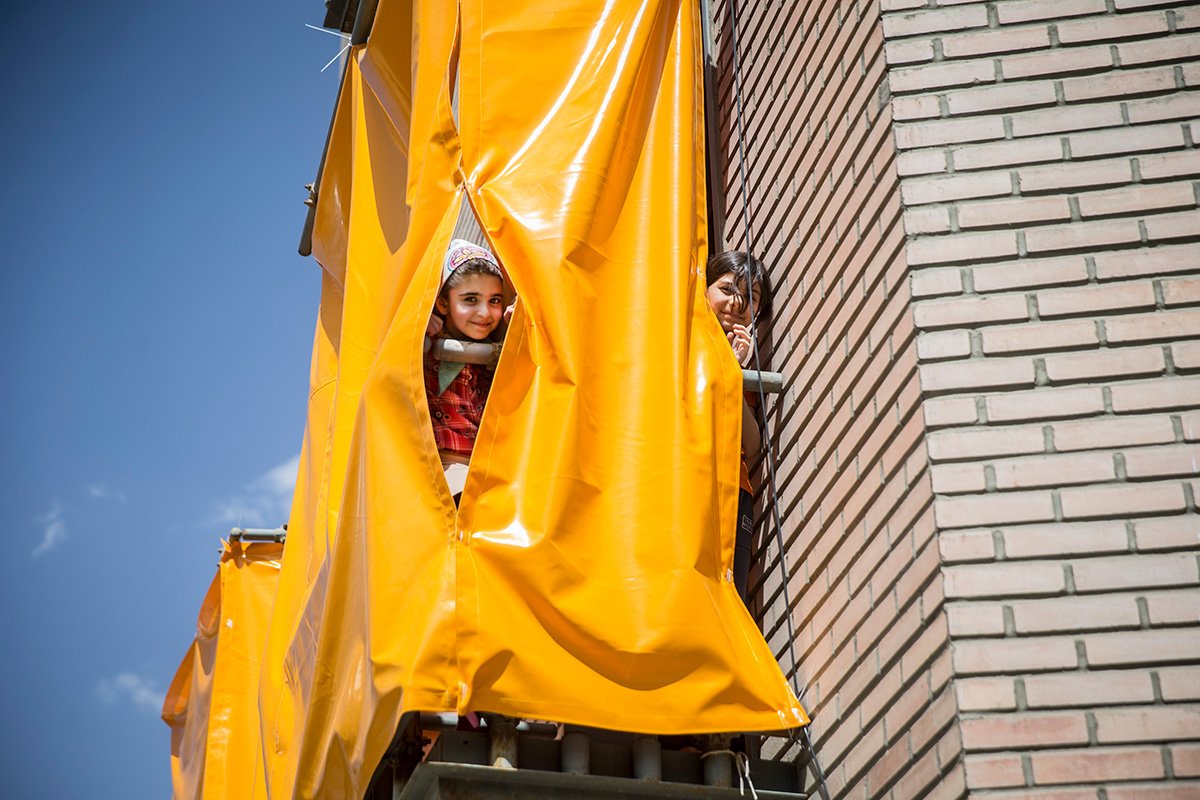
The “oppressed” is “liberated”: It is hard to exercise one’s right in choosing one’s lifestyle as an orphaned girl in a male-dominated religious city such as Khansar. In a critique of the status quo, although the architecture of the shelter adopts an introverted typology in response to concerns of security and security of the girls, the facade of the project transforms to a medium that allows the building to close down or open up to the city as the girls need or desire, capitalizing on the hand-operated exterior curtains of the balconies. As the girls learn how to operate the building, they exercise their limited right over their practice of life. For instance, one girls’ discrimination in such a culture was their deprivation from being in project photos.

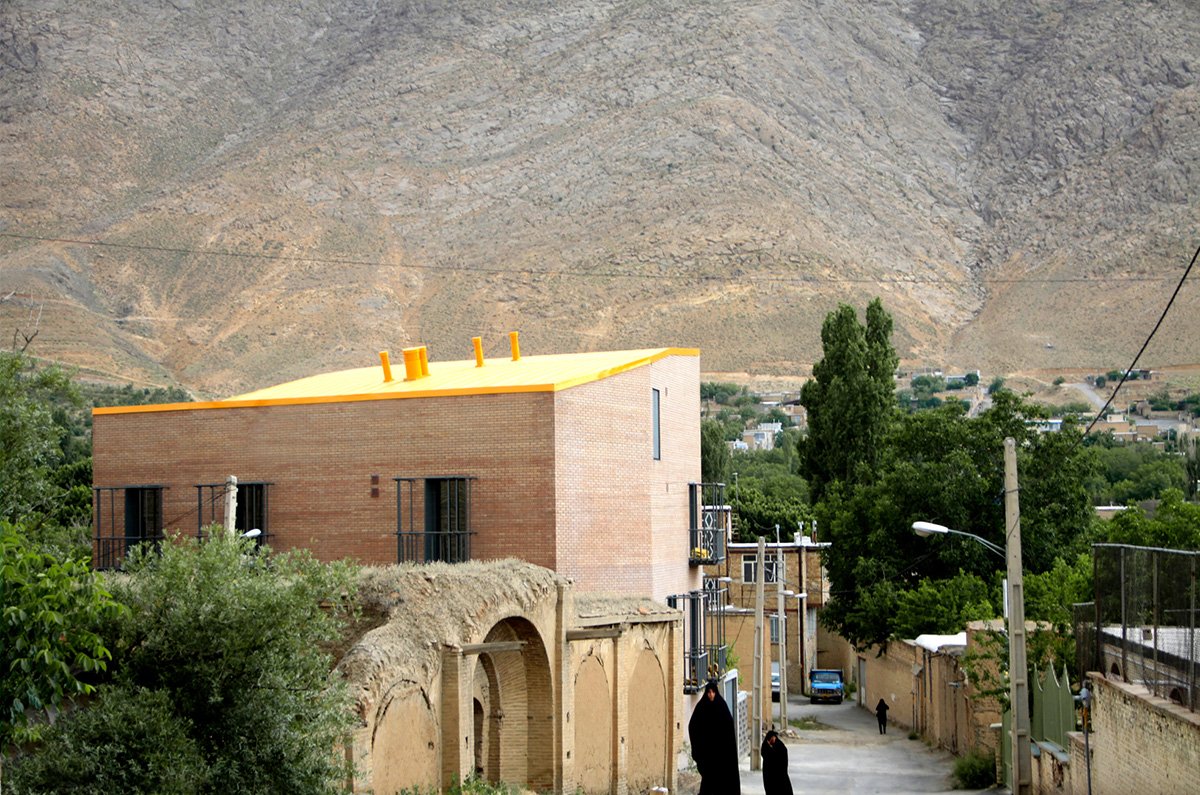
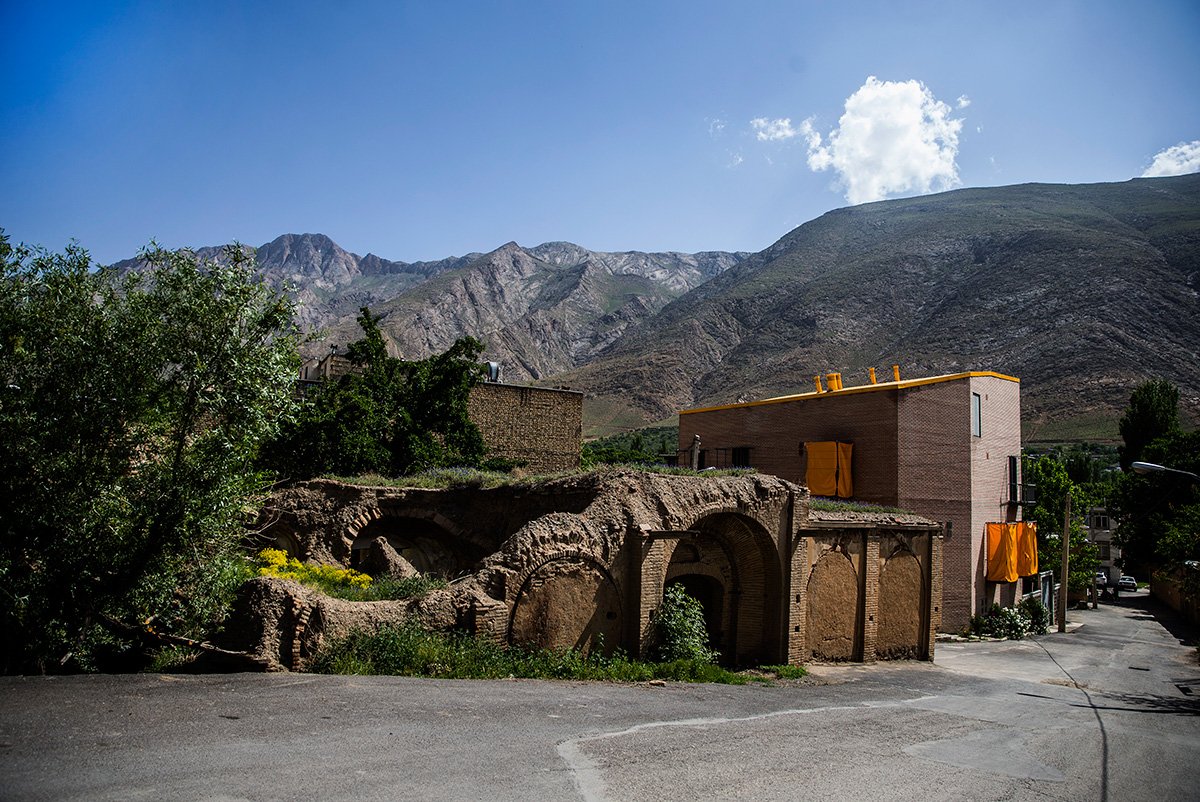
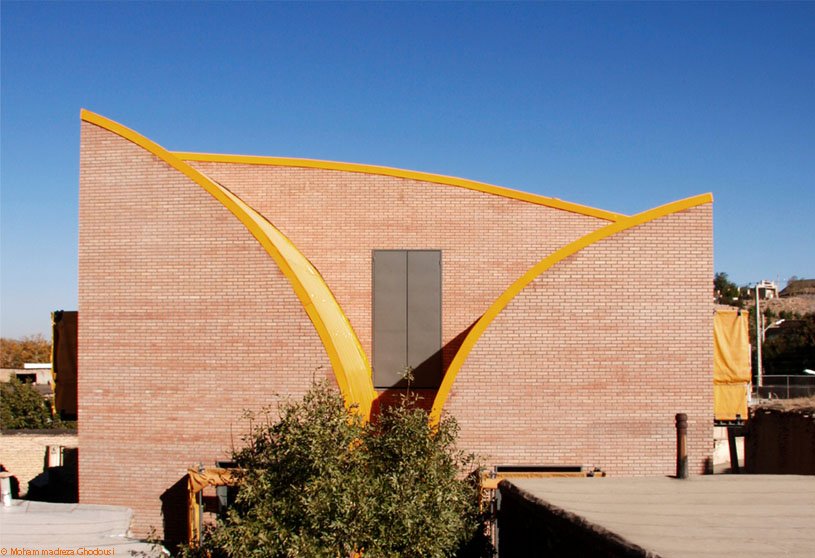
The “past” is the “future”: The site of the project is located within the historic fabric of the city. The project was proposed to the owner of the site by the design team. Urban heritage, as a construct of culture, has the potential to initiate financial prosperity for the city and its inhabitants. As such, the past of the city becomes the future of its orphaned inhabitants.
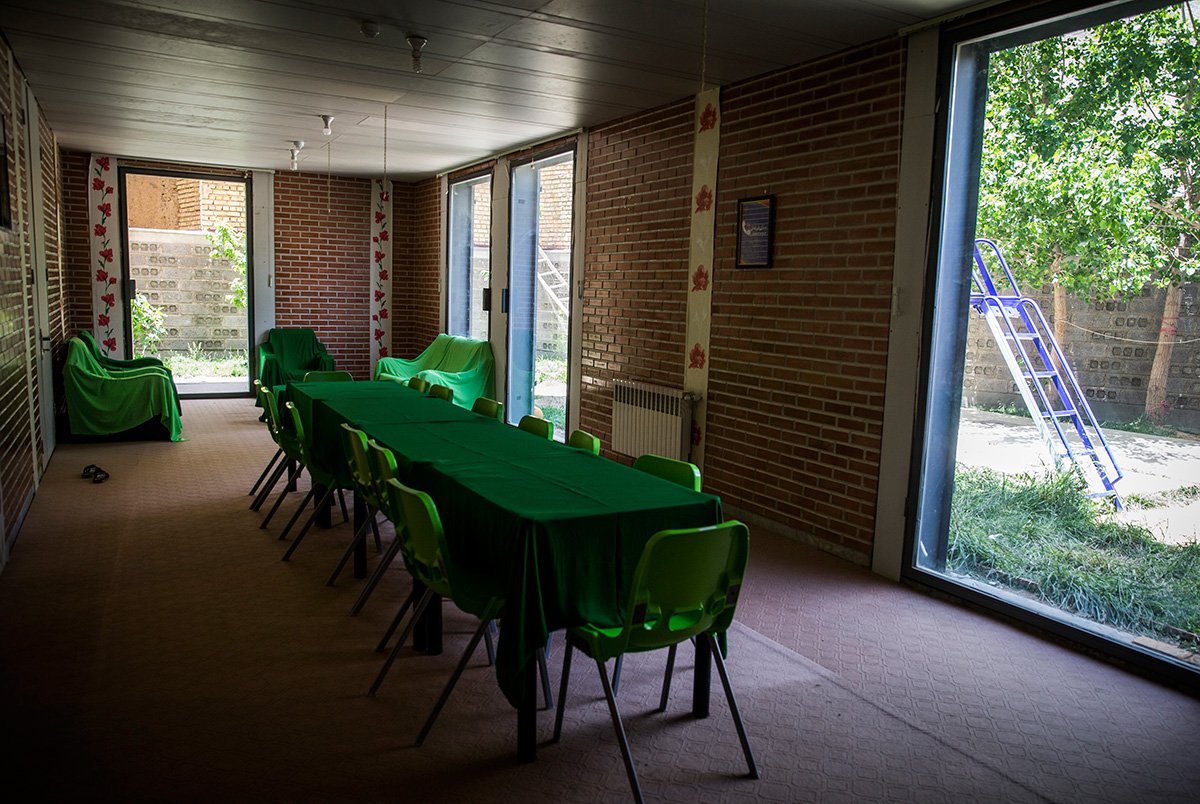
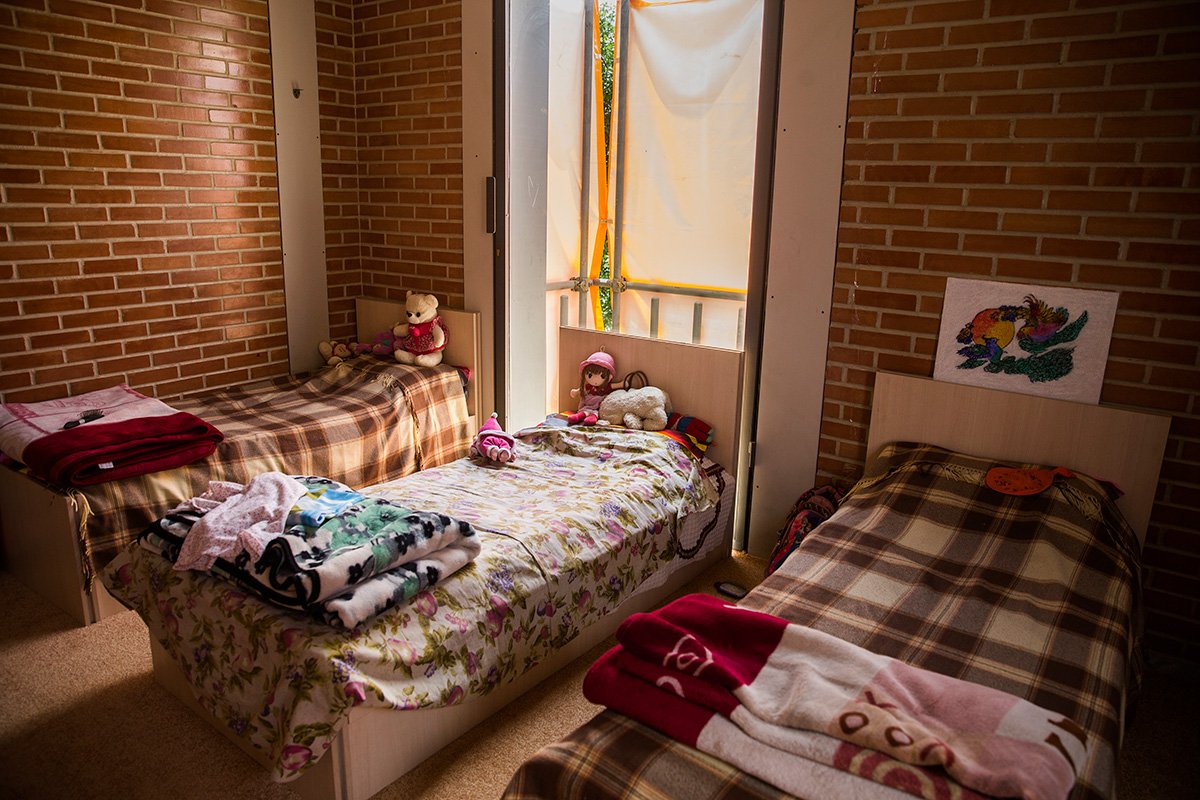
The “not-house” becomes the “House”: The shelter is designed like a house to respect the basic human needs of the inhabitants of it; the need for privacy and sense of belonging. As such, the shelter accommodates private rooms as well as social spaces for the girls.
Drawings


Images