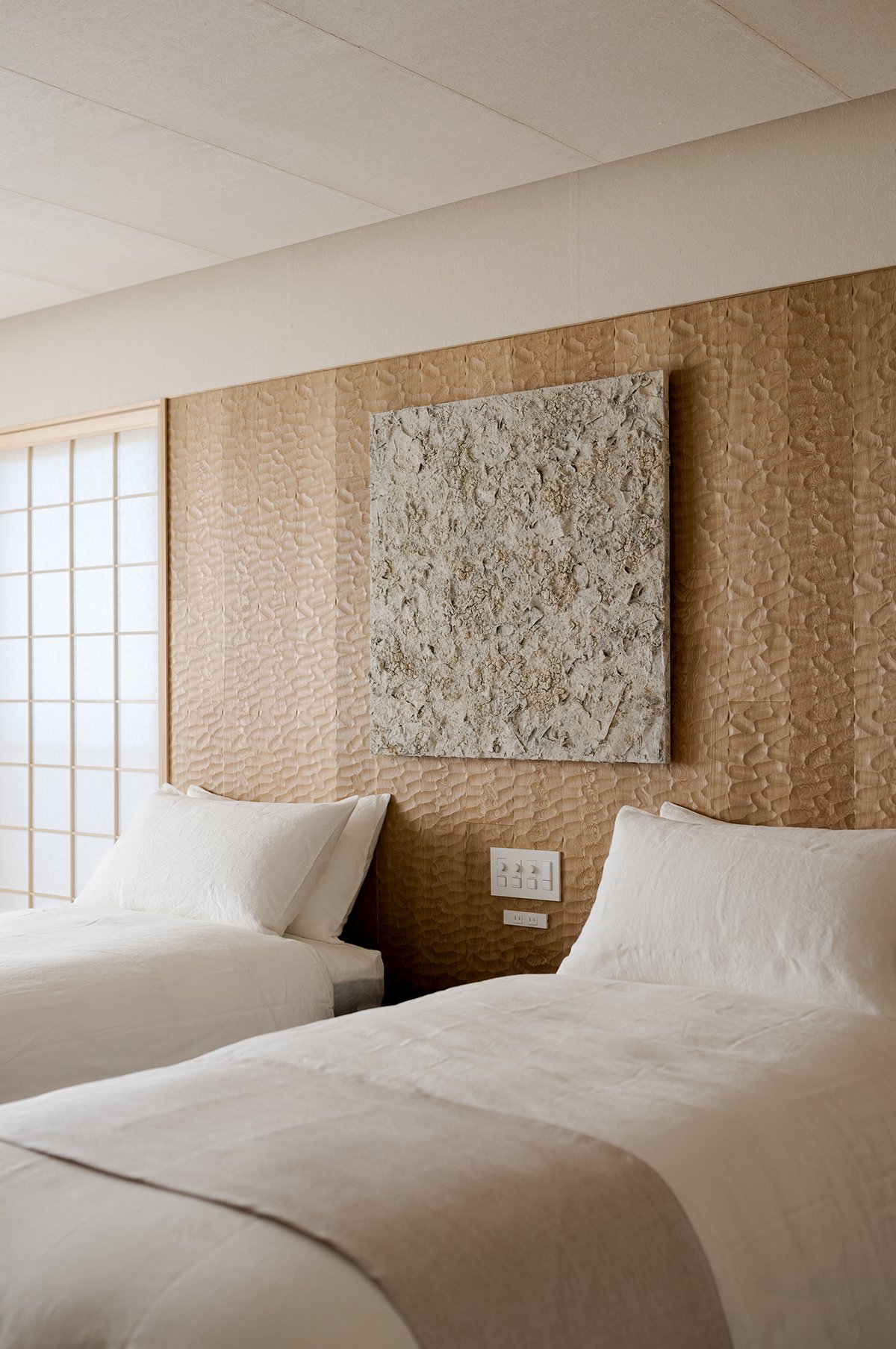
Excerpt: House in Fukuyama by Reiichi Ikeda Design is a refurbishment project of a two-story wooden residence, featuring a large atrium and a new sub-living space for flexible use. The symbolic element of the design is the copper plate “pillar,” seen as an inheritance of time. The walls display washi artworks illuminated by natural and artificial light that create various expressions in the space.
Project Description

[Text as submitted by architect] The project features a renovation plan for a two-story wooden residence in Fukuyama, Hiroshima. A large atrium is installed in the living-dining area. In addition to the first-floor living room, a sub-living space has been created to allow for choosing different places to spend time depending on the situation.

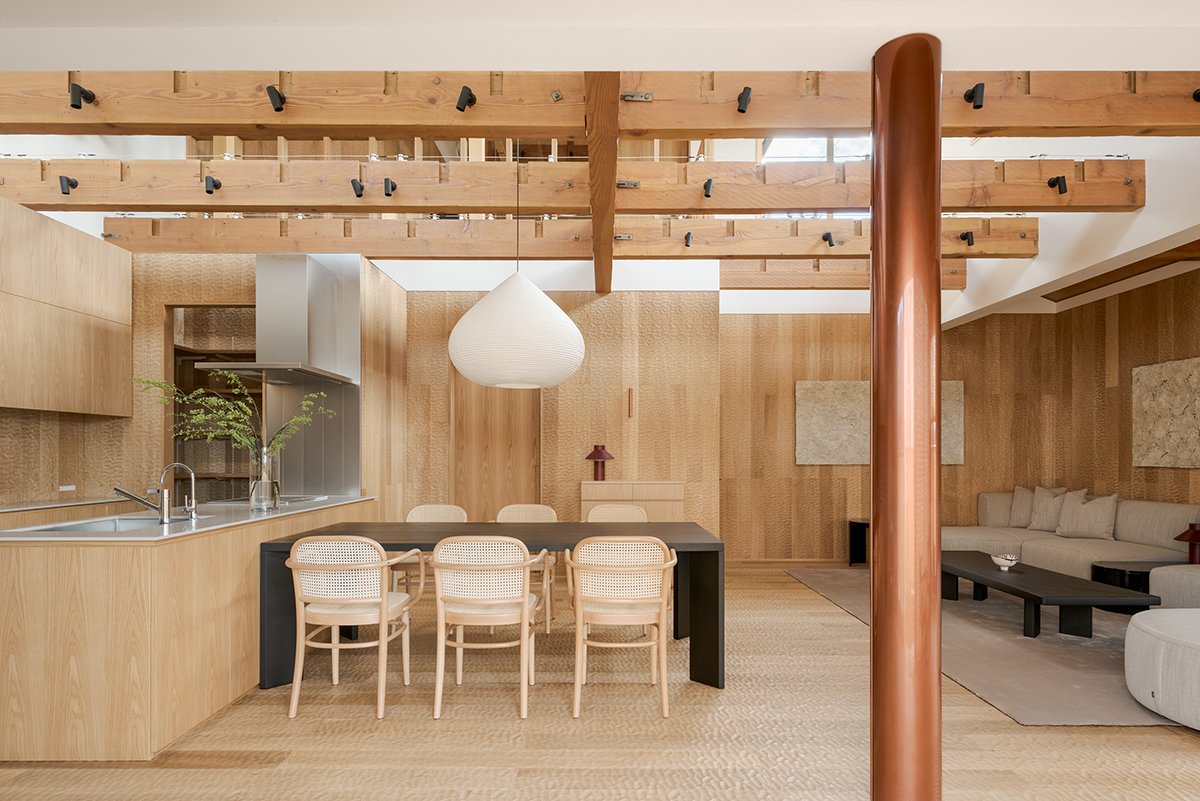
The most symbolic element of this project is the “pillar” design using copper plates. Copper has been used in Japanese architecture, such as for roofing materials, due to its suitability for Japan’s climate and environment. With the intention of continuing to protect the residence, the pillars are seen not as newly created elements but as inheritances of time, thus enhancing their significance.


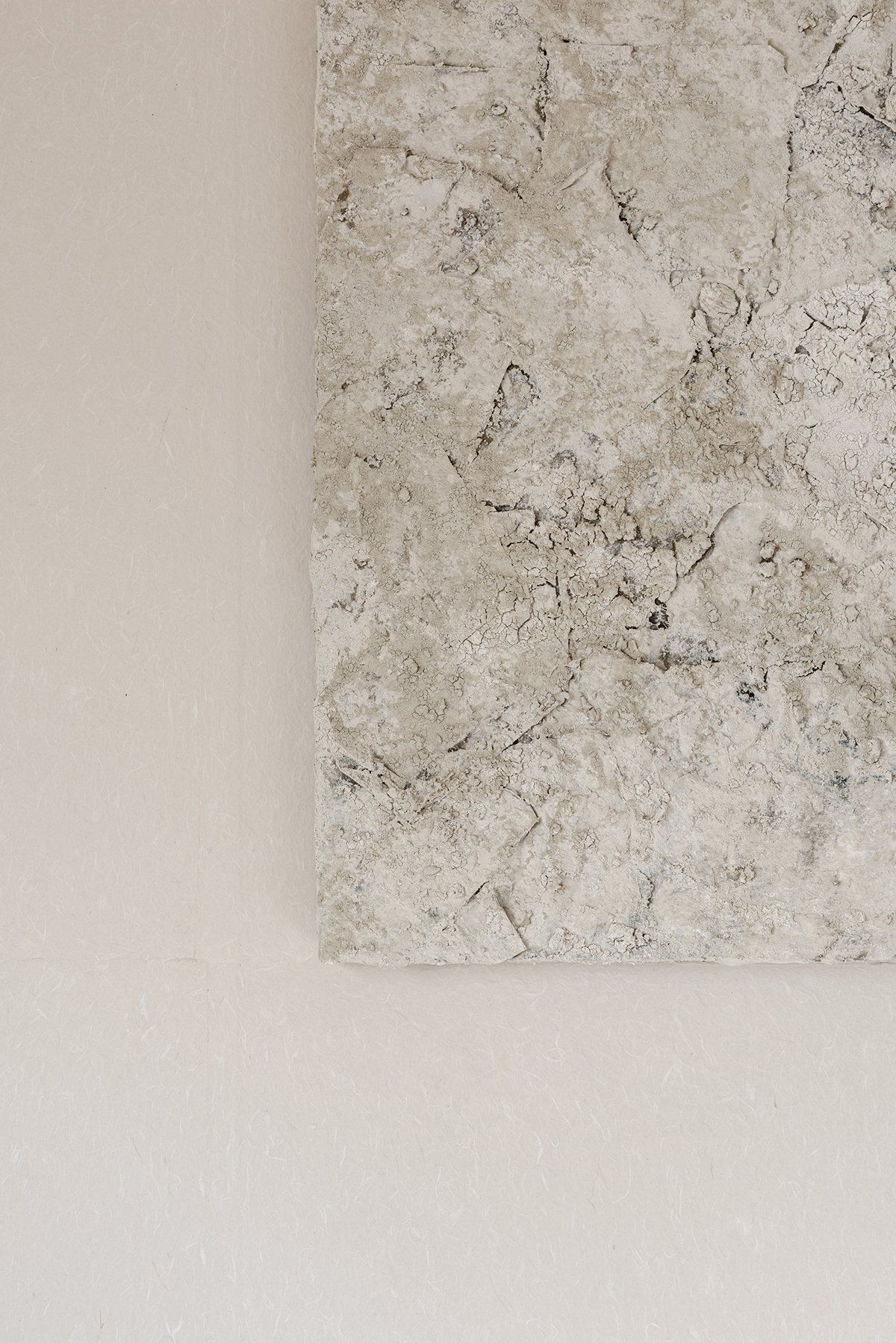
Each room’s walls have been adorned with artwork based on the theme of “accumulated layers,” created by the Kuroya washi paper artisan, Mr. Wataru Hatano. These artworks, when illuminated by natural and artificial light, provide various expressions to the space.
To achieve a sense of openness for the second-floor ceiling, a skeleton structure was planned.

Using styrofoam and narra veneer boards on the rafters, an insulated yet visually appealing exposed ceiling was created. On the garden’s fences, “Yamato-bari” was used to ensure privacy while allowing airflow through the gaps created by the unevenly placed boards.
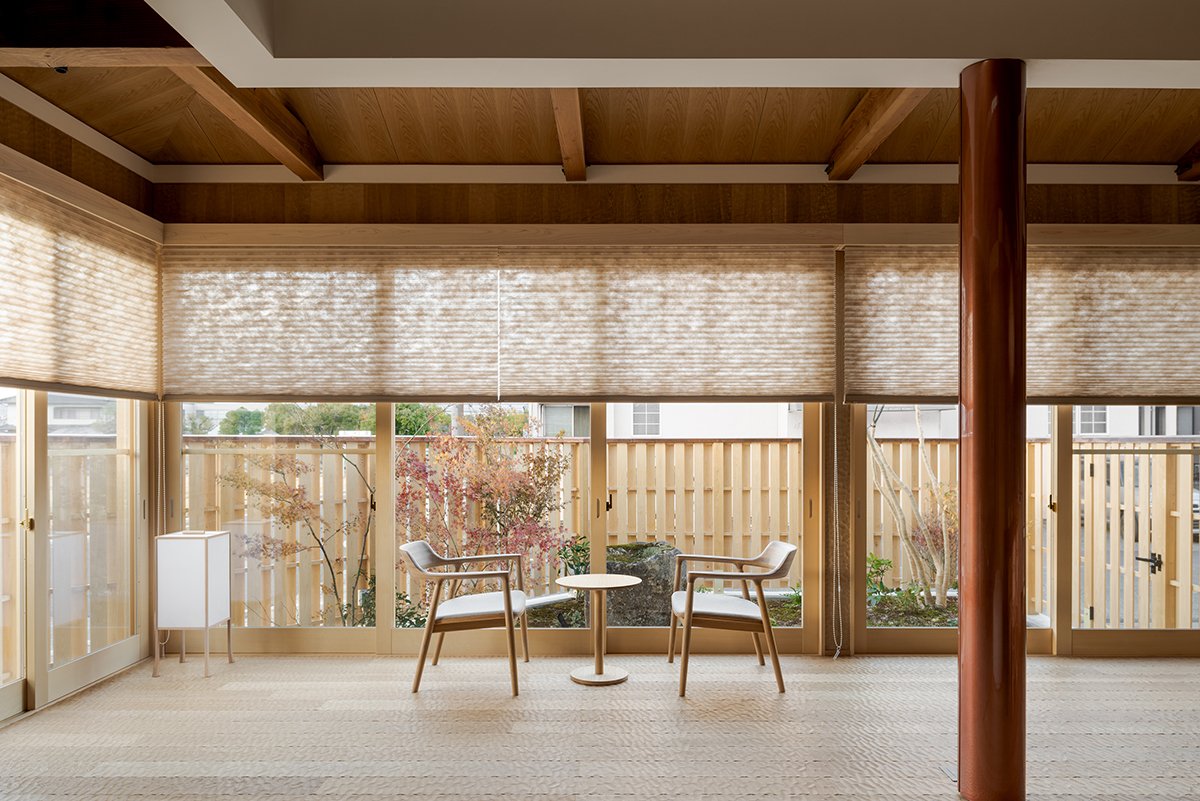
At the owner’s request, maple trees are planted, so the arrival of autumn every year becomes quite exciting.
Images