Excerpt: House in Yokosuka by Reiichi Ikeda Design is designed as an extension of the nearby beach, blurring the boundary between architecture and nature. Using granite, sand-textured plaster, and a unified material palette, the residence evokes the feel of ocean, sand, and sky. Separate volumes are linked by a floating plate, creating a seamless indoor-outdoor flow that captures the calm rhythm of coastal life.
Project Description

[Text as submitted by architect] The plot is situated along the coast in the south of Yokosuka City in Kanagawa Prefecture, allowing the gentle ocean breeze to blow through the trees. A beach is also very close to the site, and on weekends it bustles with locals who enjoy the sunset or activities at the sea.

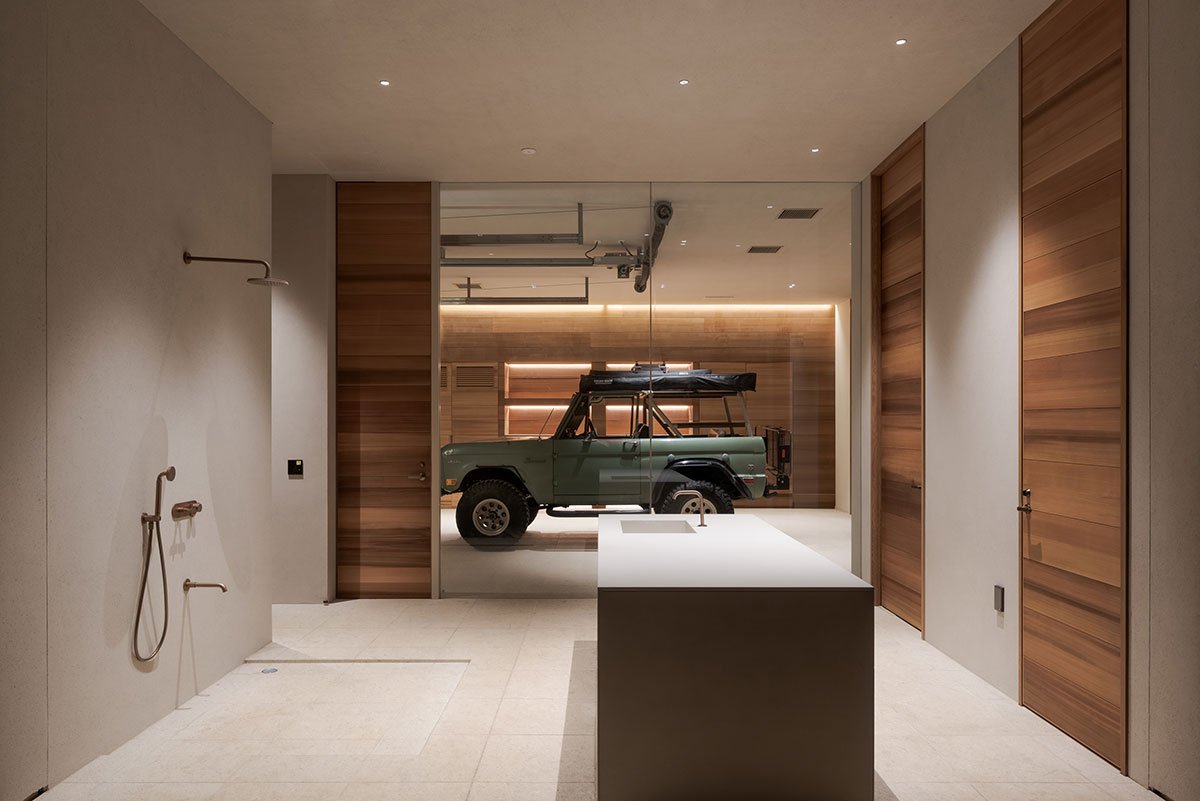
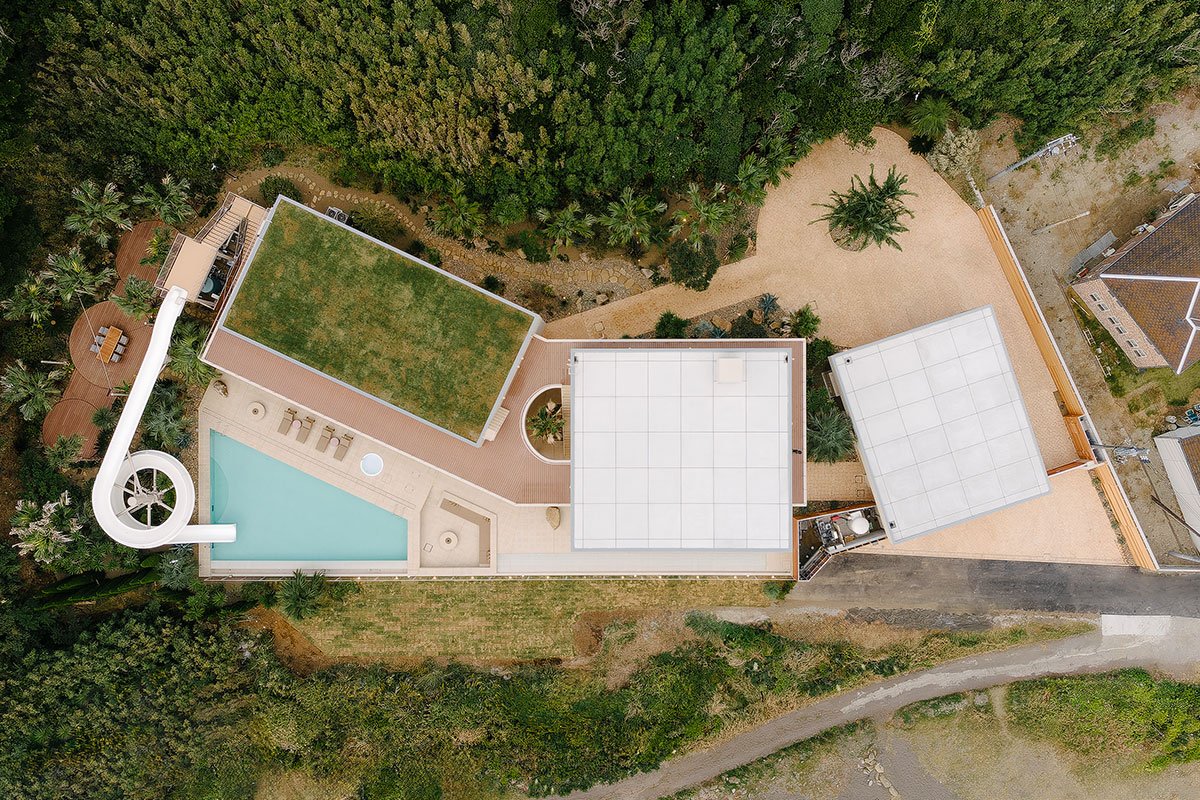
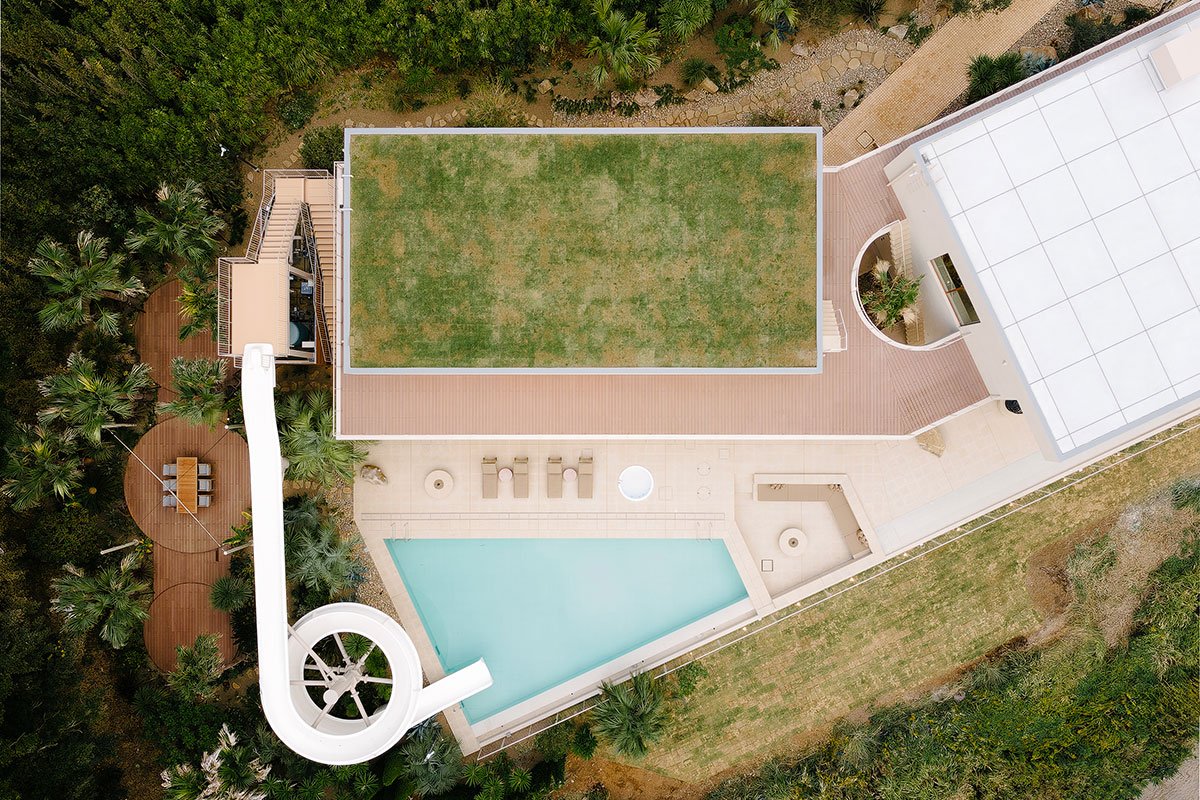
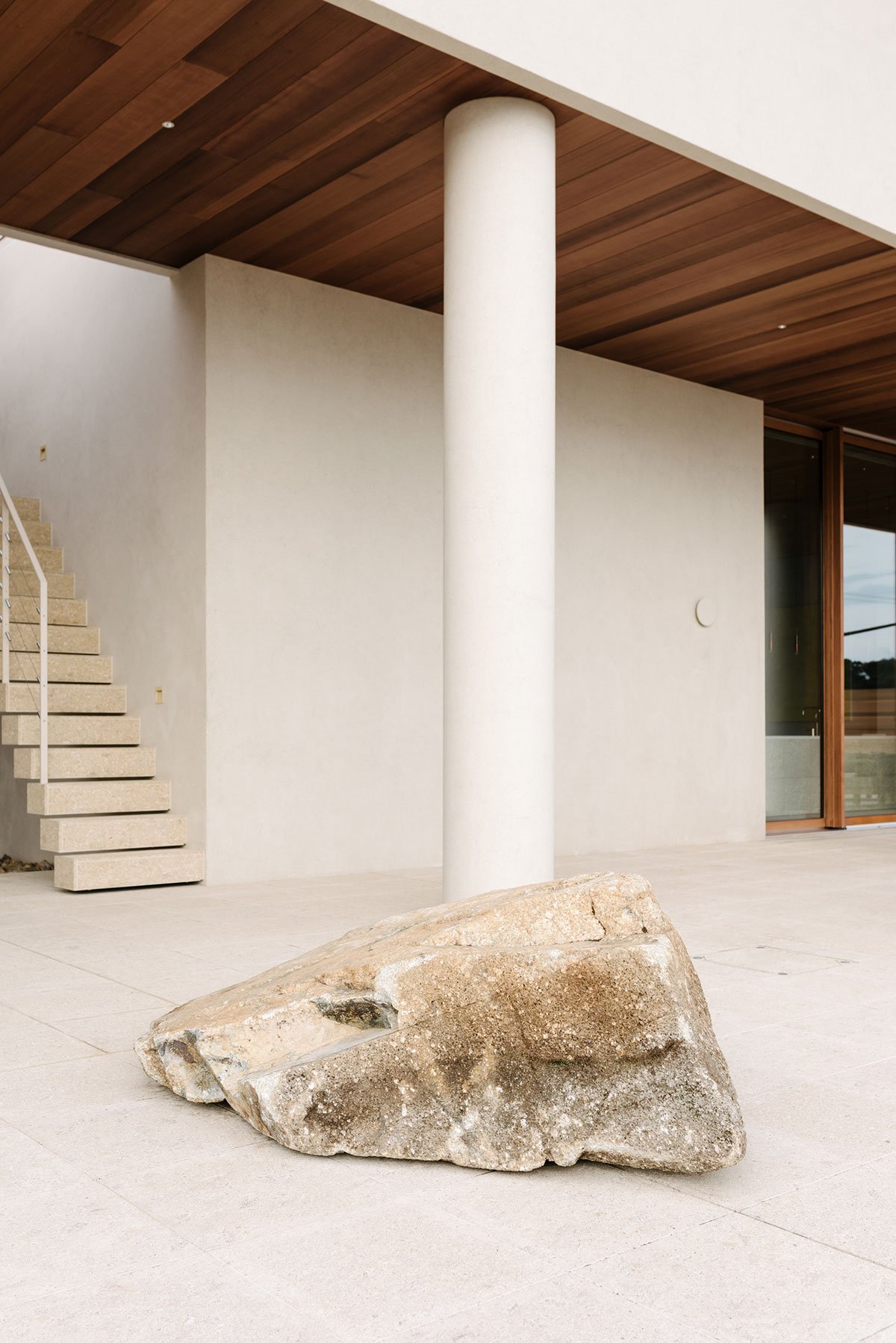
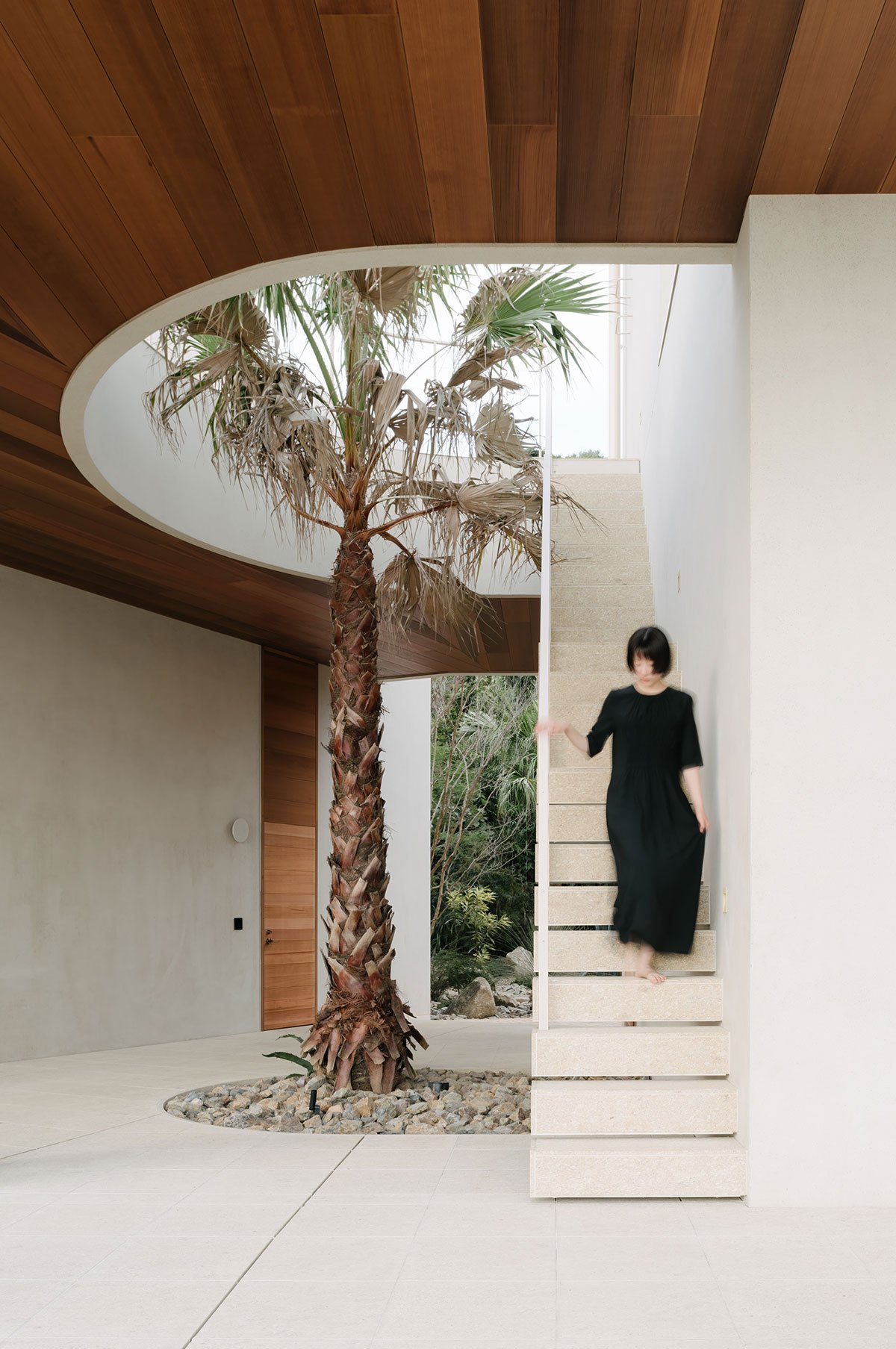
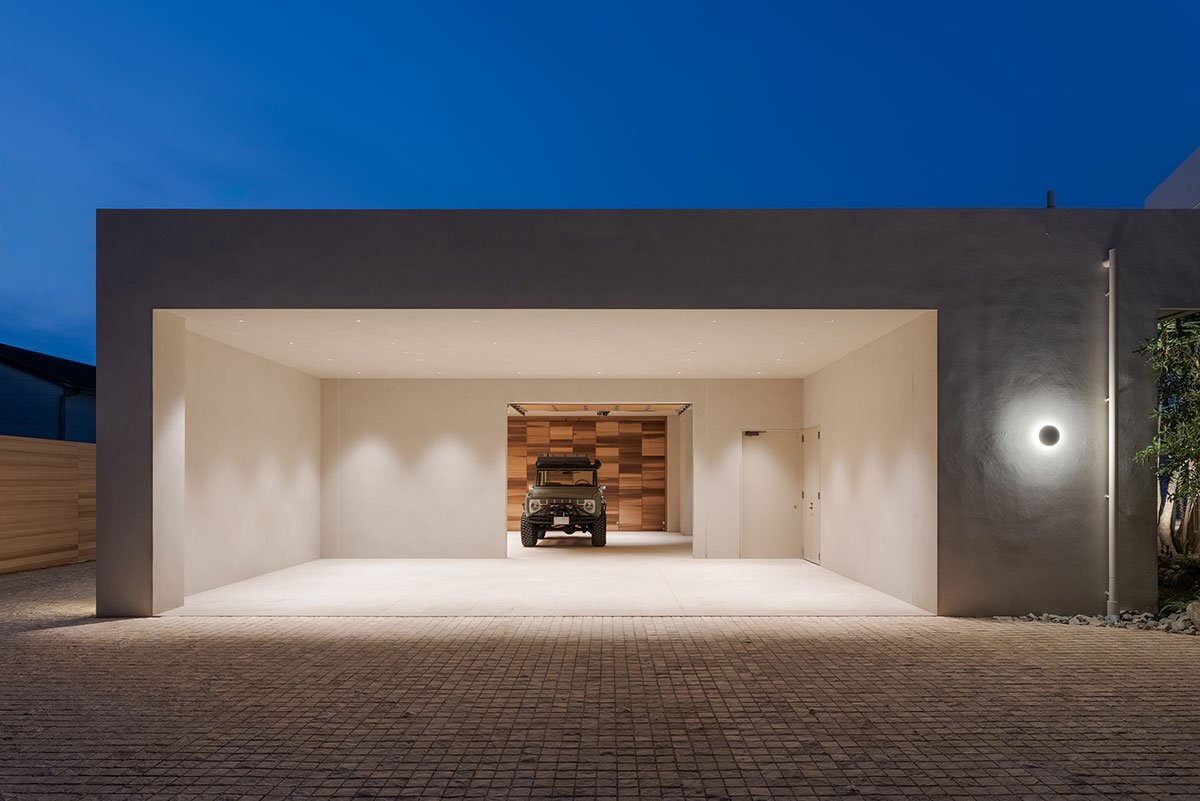
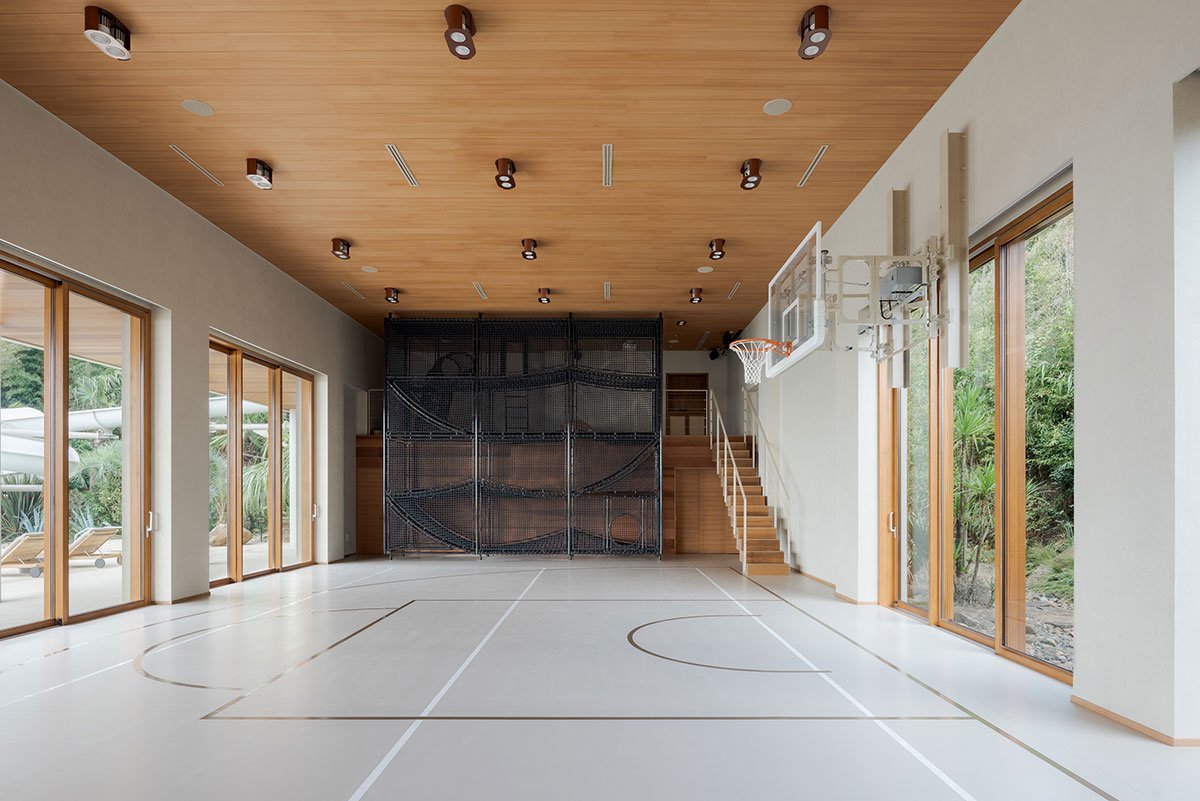
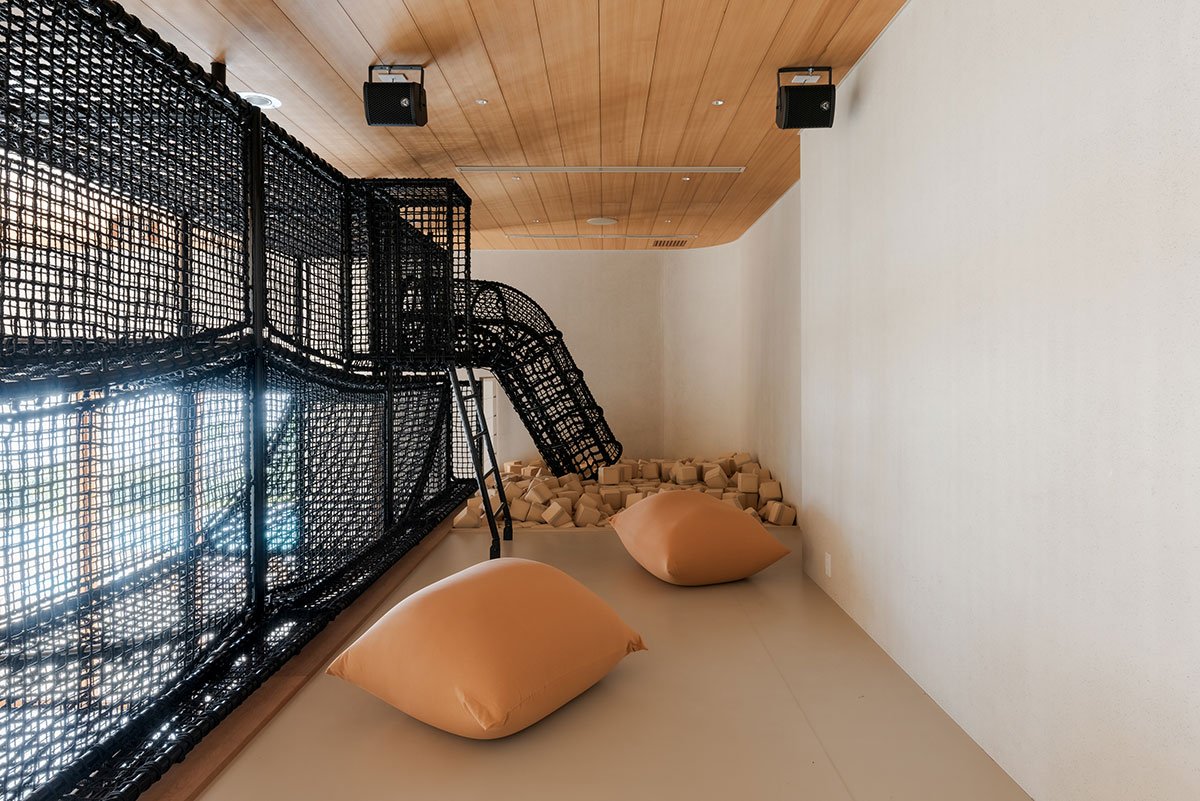
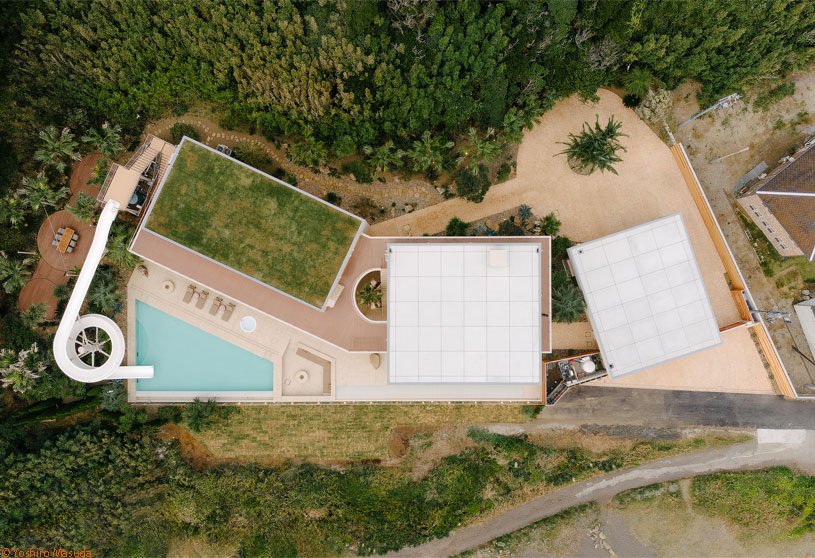
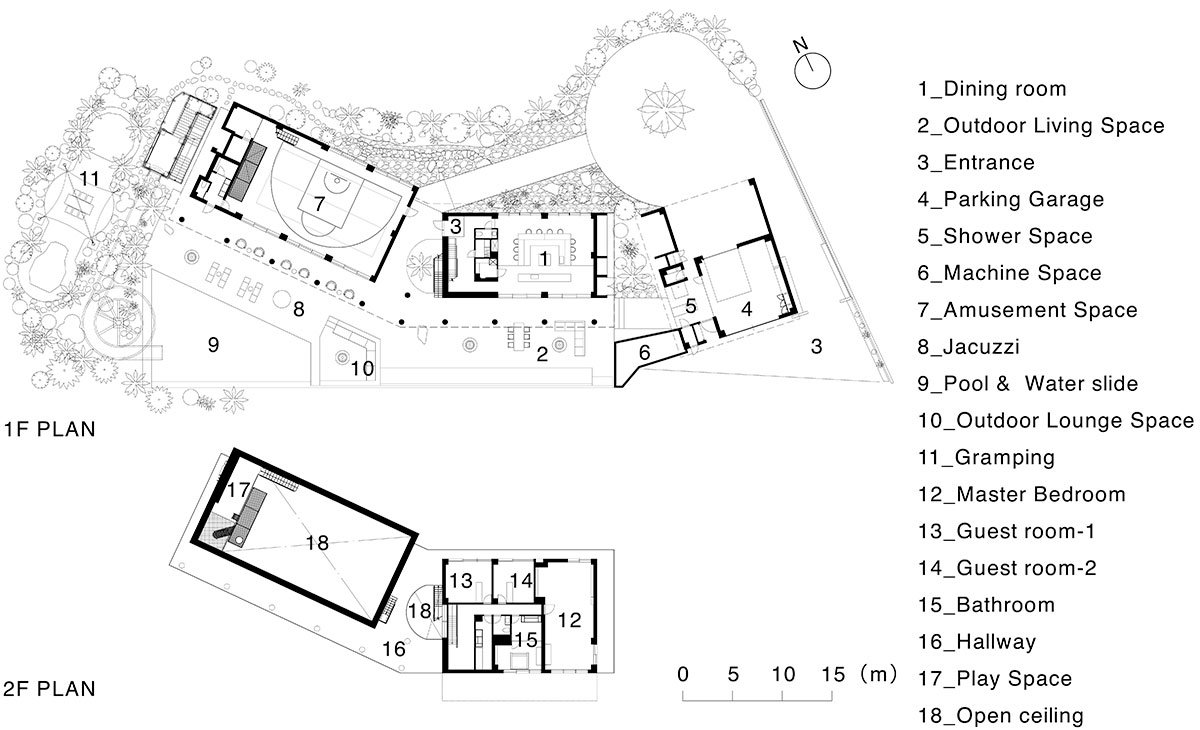
The building is designed as an extension of the ocean and white sand of the beach created by Mother Nature, and is positioned to make the oceanfront seem like a private beach. As a weekend home, the building concept is based on the feel of a villa, with a main building, multipurpose annex and garage provided for different purposes. The separated buildings are connected by a floating plate with attached eaves.
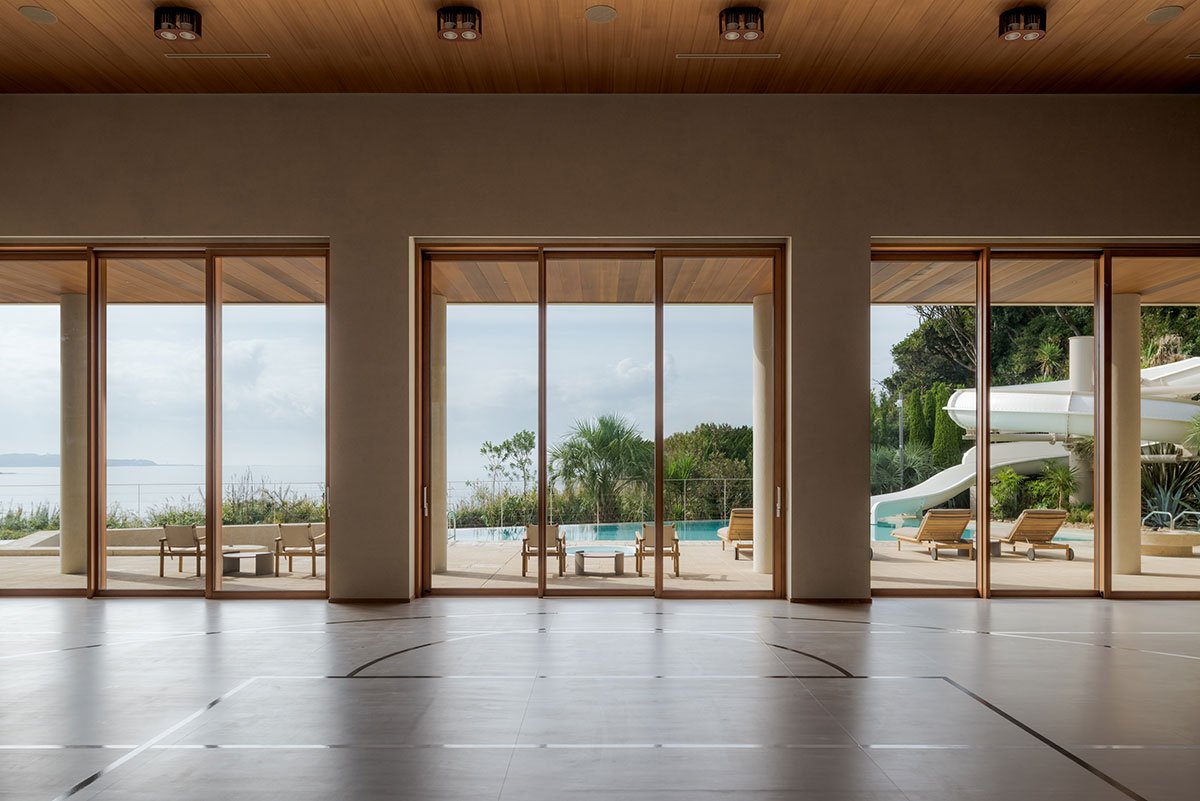
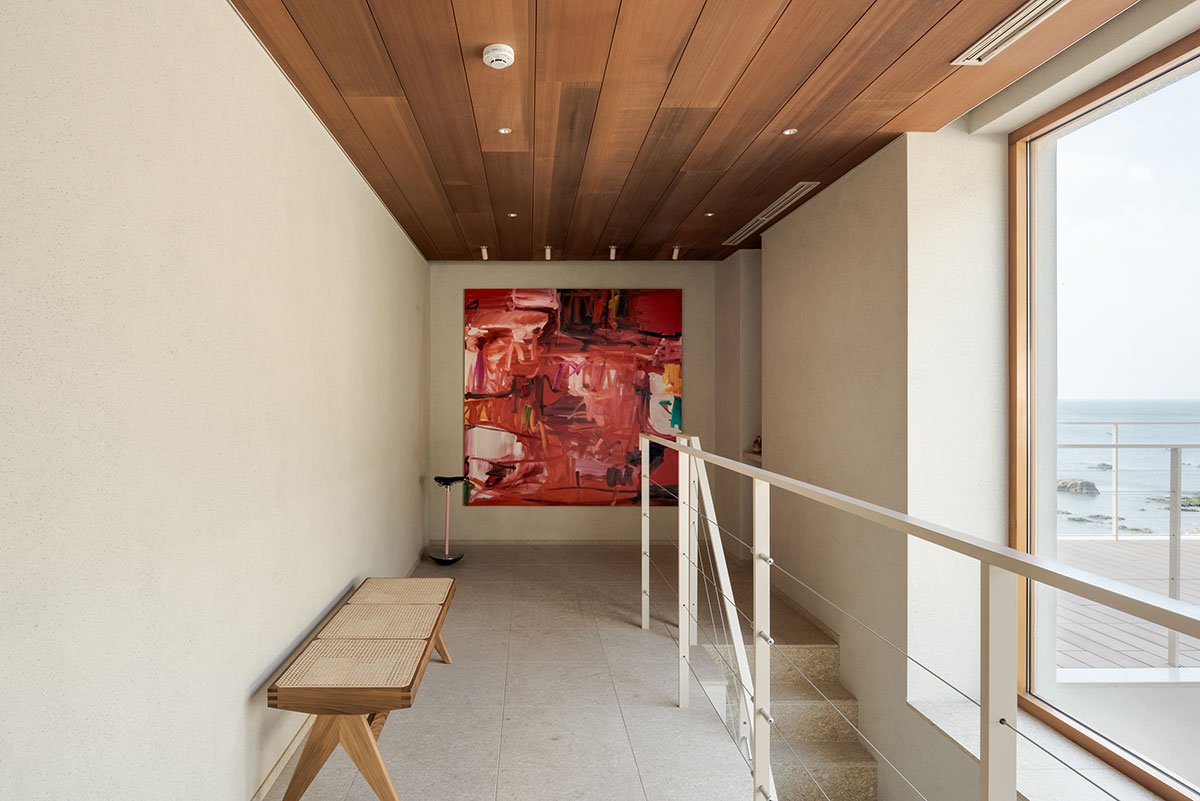
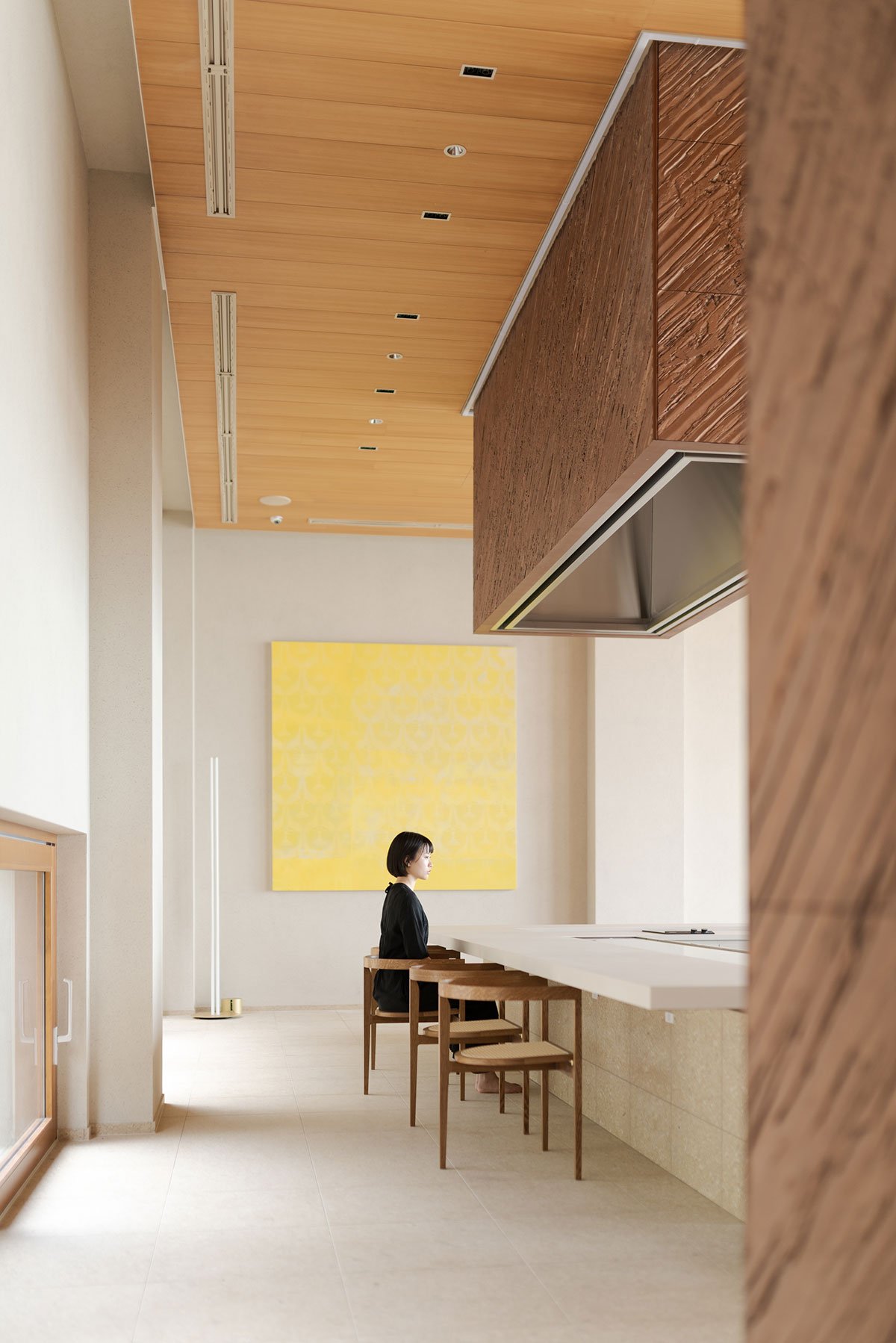
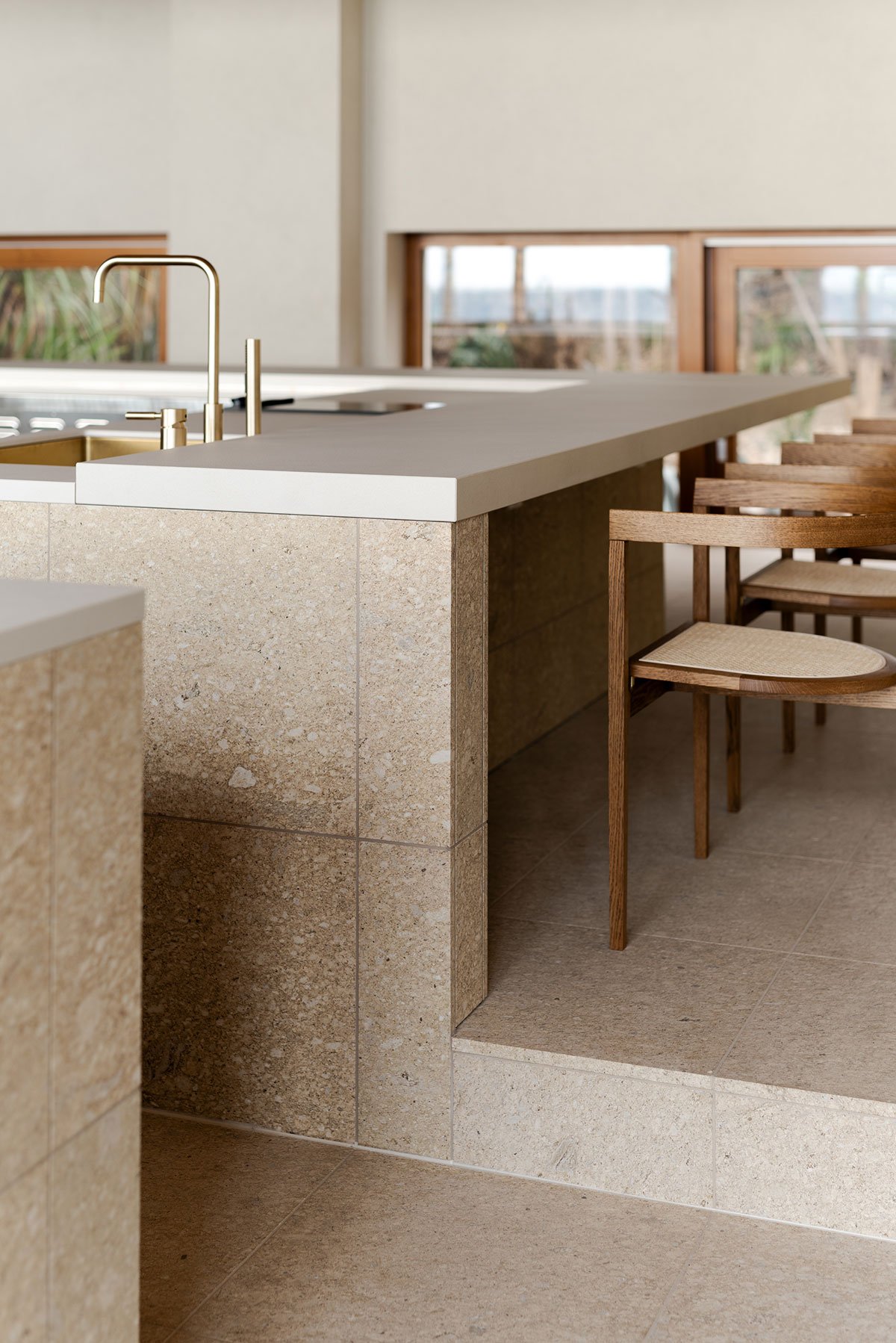
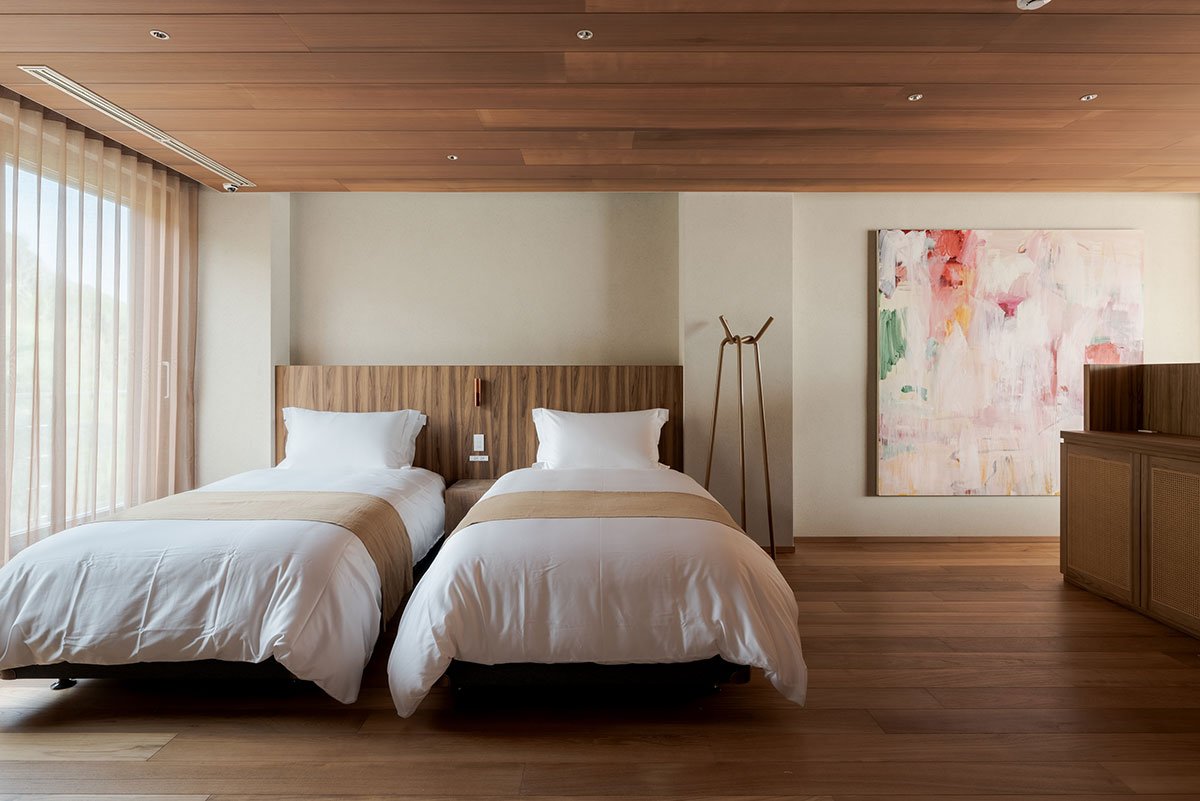
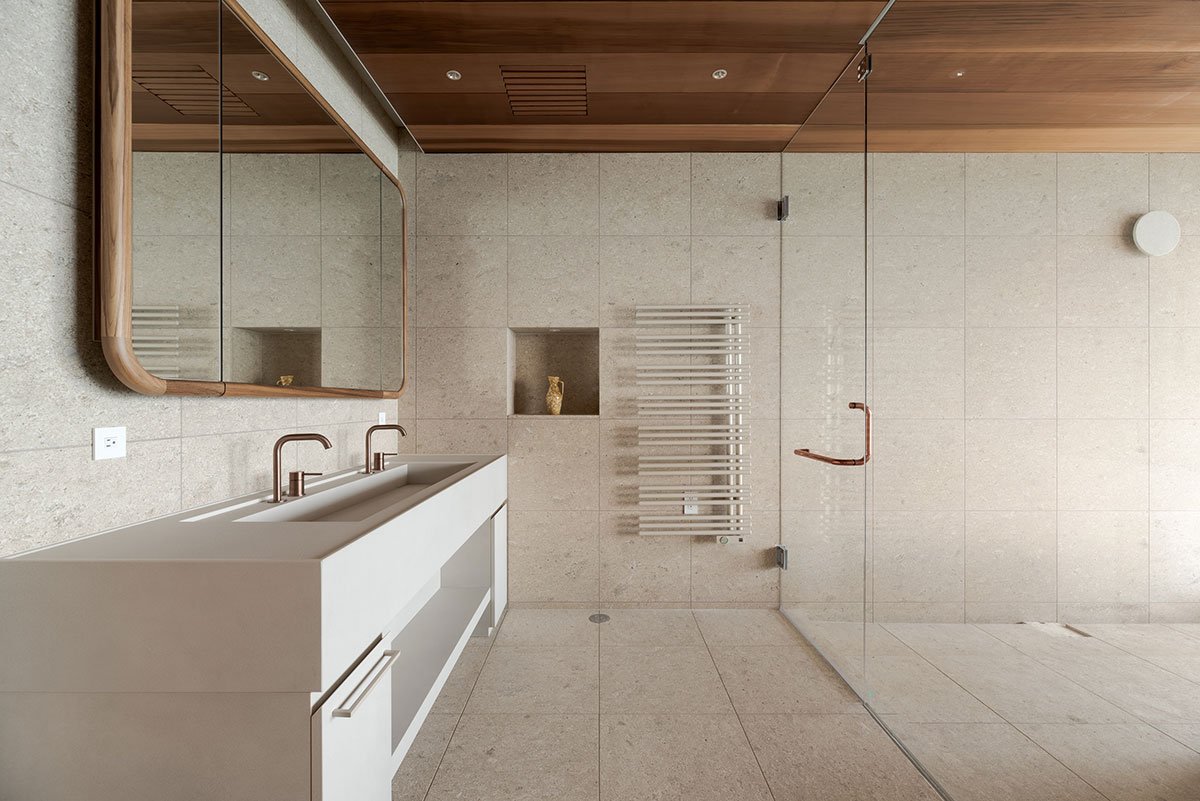
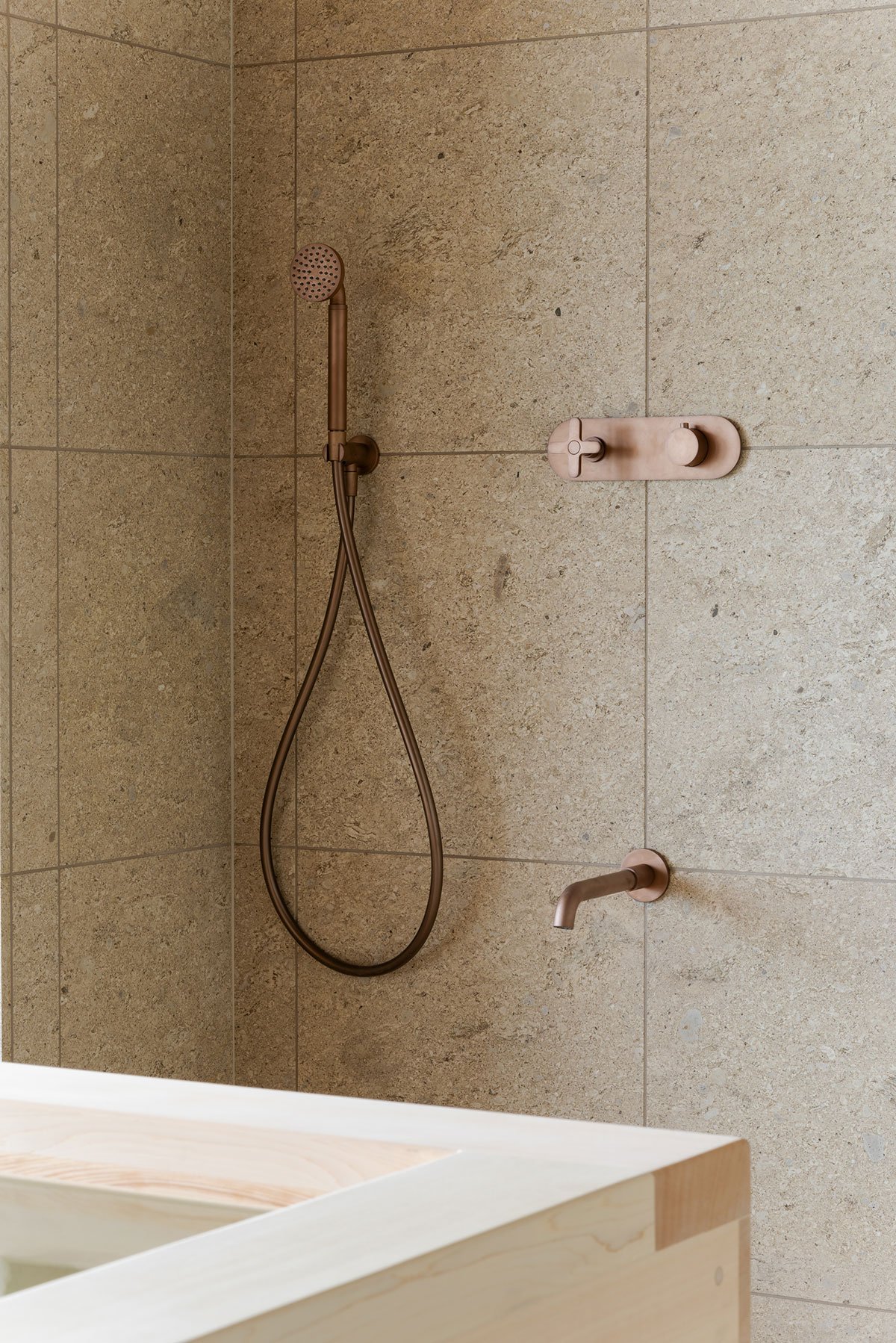
A large part of the building is made of granite, selected for its visual similarity to a sandy beach and cut from a stone slab to the size of 500×500 mm blocks to fit the frame’s pillar pitch. The walls and ceilings are finished with original plasterwork containing sand aggregates to also fit to the beach motif, and a gradient texture is applied. By using the same materials for outdoors and indoors, the design avoids a separation of these two spaces.


A large part of the building is made of granite, selected for its visual similarity to a sandy beach and cut from a stone slab to the size of 500×500 mm blocks to fit the frame’s pillar pitch. The walls and ceilings are finished with original plasterwork containing sand aggregates to also fit to the beach motif, and a gradient texture is applied. By using the same materials for outdoors and indoors, the design avoids a separation of these two spaces.

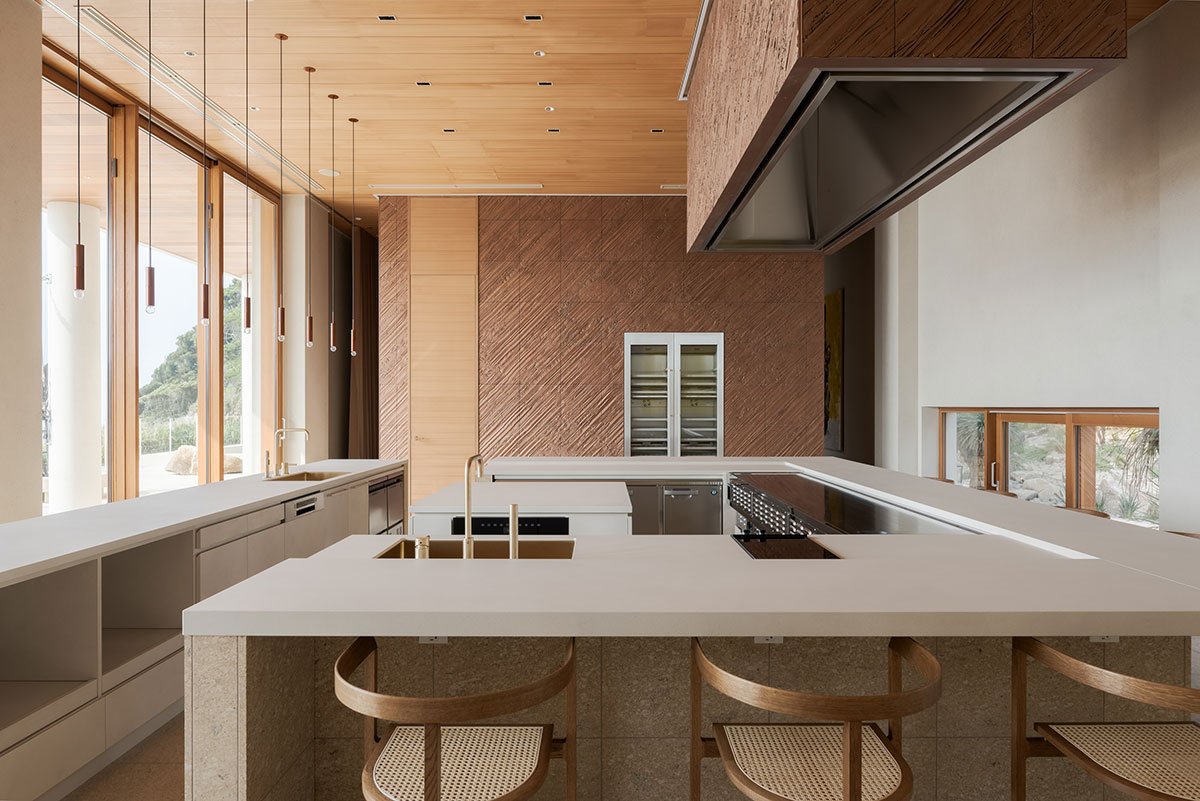
The main dining area features a U-shaped counter and a large custom-made griddle to provide enough space to entertain up to ten guests while enjoying the view of the ocean. Kansai-based SAI was asked to transform a large part of the wall surfaces and the kitchen hood with original textures into objects that match the spatial concept.

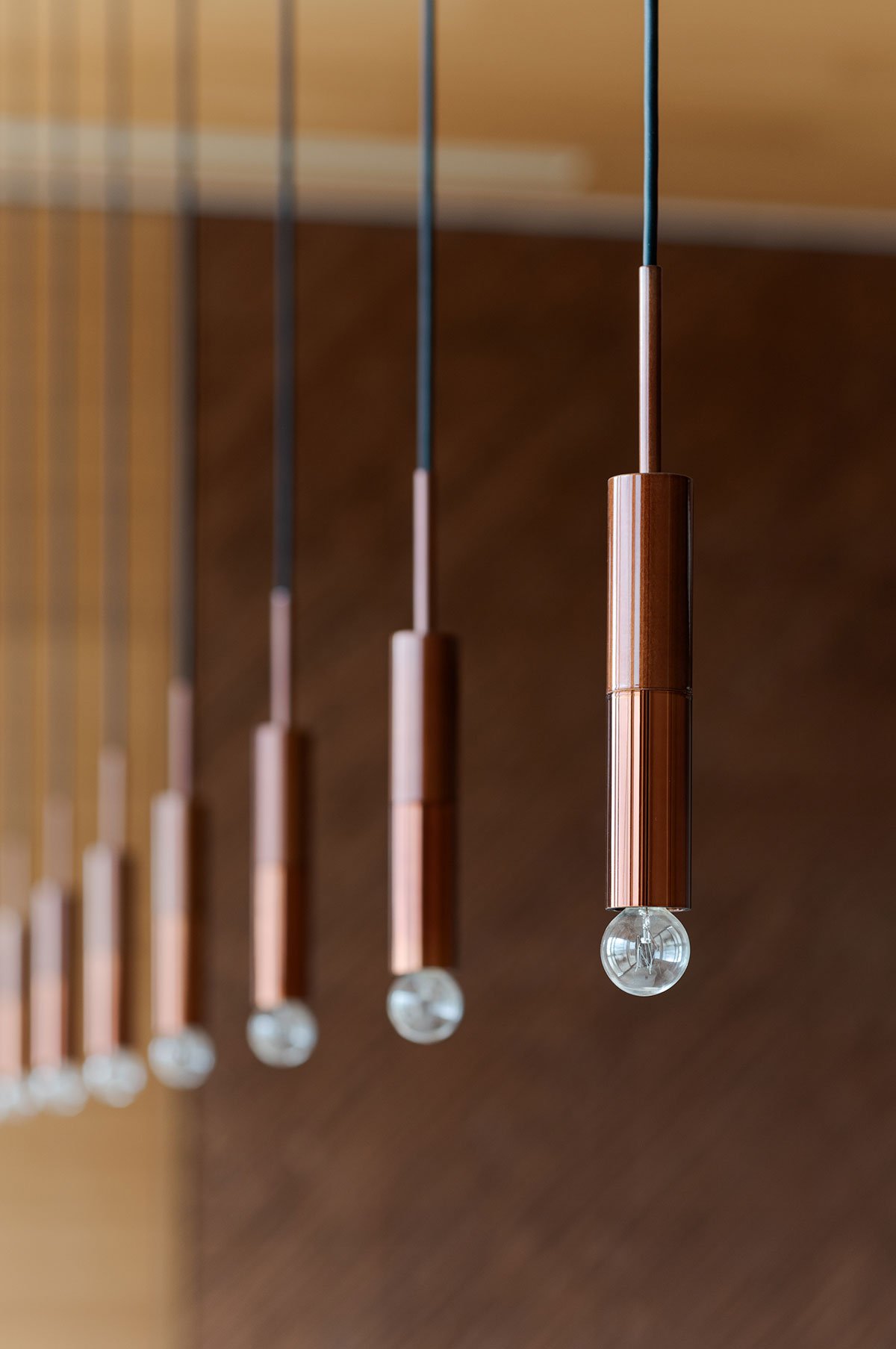
The pendant lights in the dining rooms and bracket lights in the bedroom are custom-made originals. The same materials were used to create a resemblance to a sandy beach covered by seawater, but different finishes were employed to add contrast.
Images