Excerpt: The inTroVerse House by Core Design Workshop reimagines traditional home design by prioritizing introspection over outward views. The residence challenges conventional norms with a secluded inner garden created by a suspended linear garden wall set 10 feet inside the perimeter. Inspired by Chinese and Japanese Zen gardens, this design offers privacy and seamlessly connects spaces without physical barriers.
Project Description

[Text as submitted by architect] “I am a Malaysian Hikikomori, and this is my story” — a 2020 article the architect read during lockdown — shared an extreme introvert’s experience with social discrimination and how societal norms pressure people to conform. For her, lockdown felt liberating, as she could live her introverted life while others struggled with isolation.


From this context, Introverse House emerged, questioning societal standards and embracing a more introspective lifestyle. It is a renovated home for the architect, his wife, who is a contemporary art gallerist and collector, and their four-year-old son. After being diagnosed with vocal cord cancer in 2019, the architect learned to accept and embrace his introverted nature, which influenced this project. The transformation of their 1970s single-storey semi-detached house began in 2020 and continued over the two years of the pandemic.


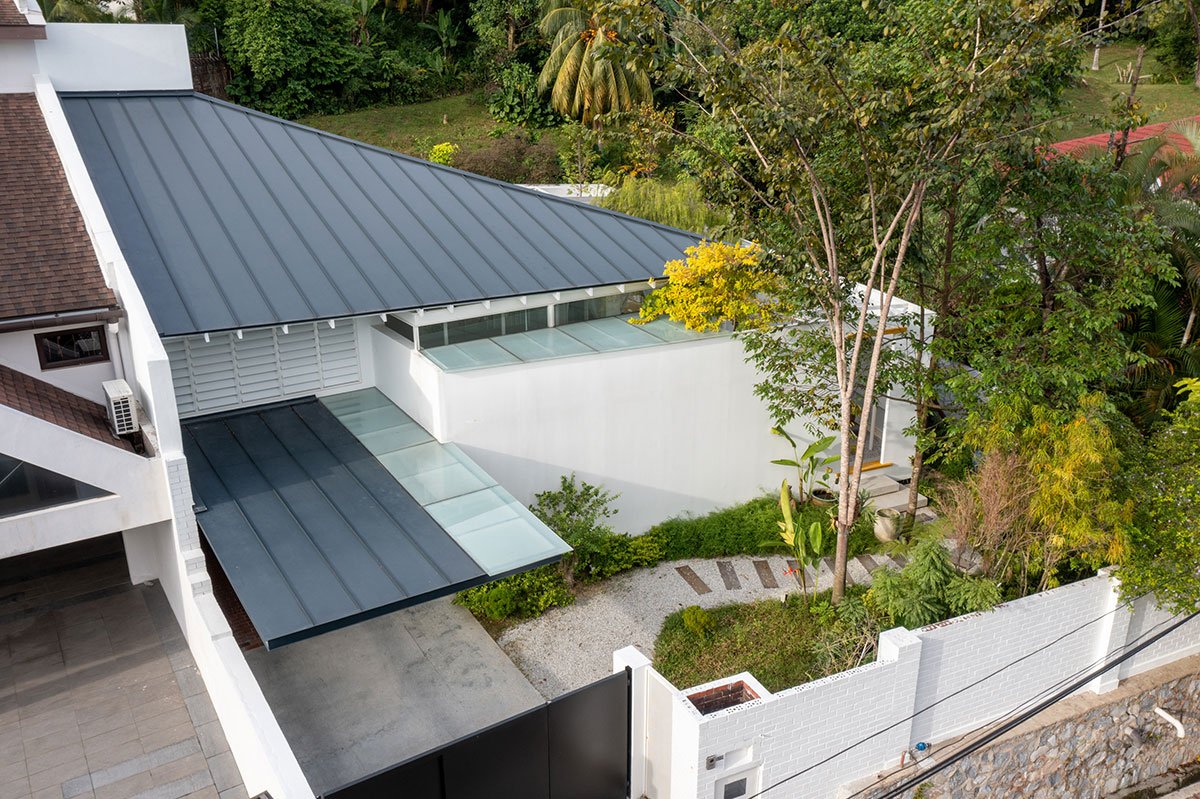
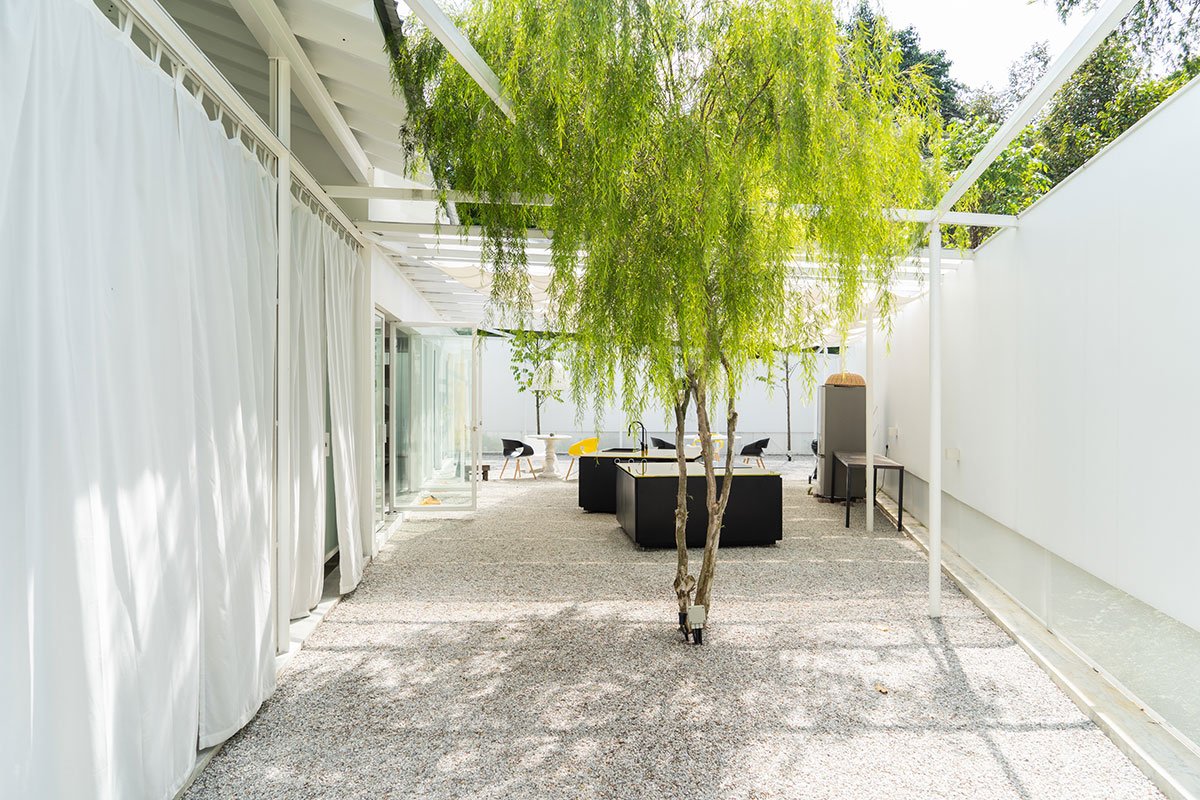
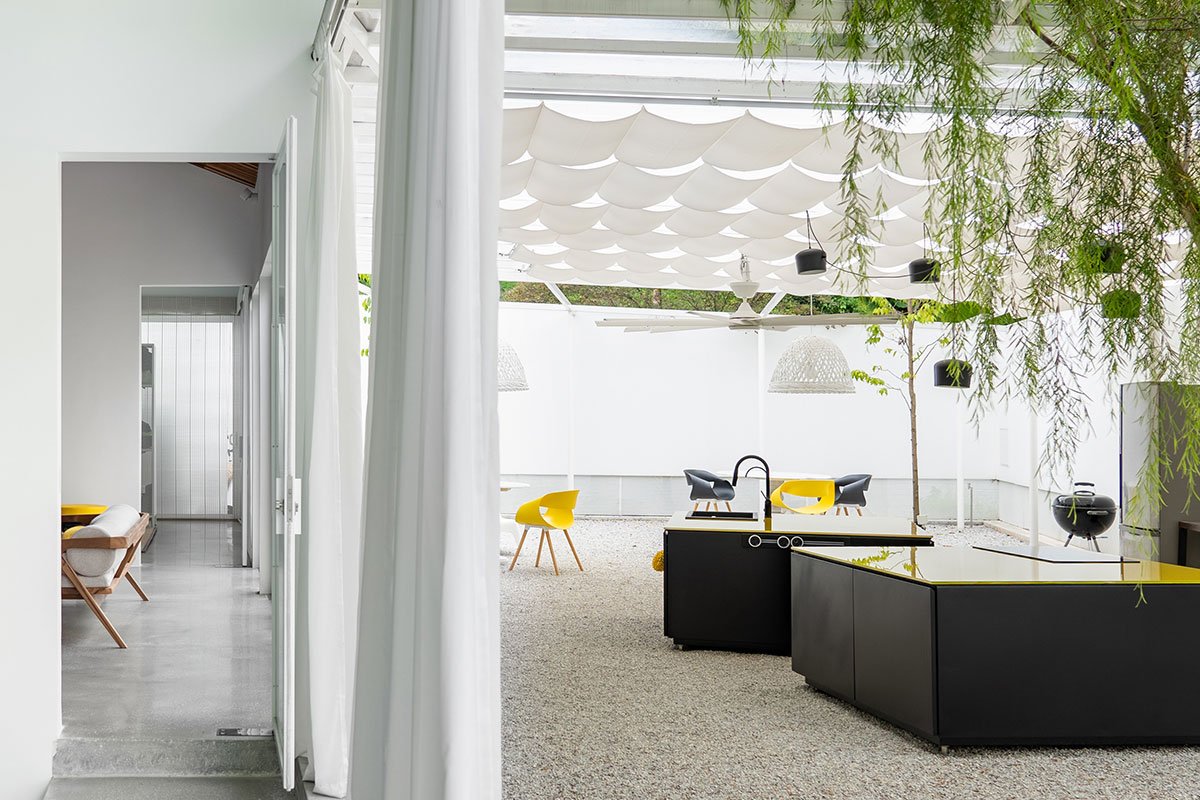
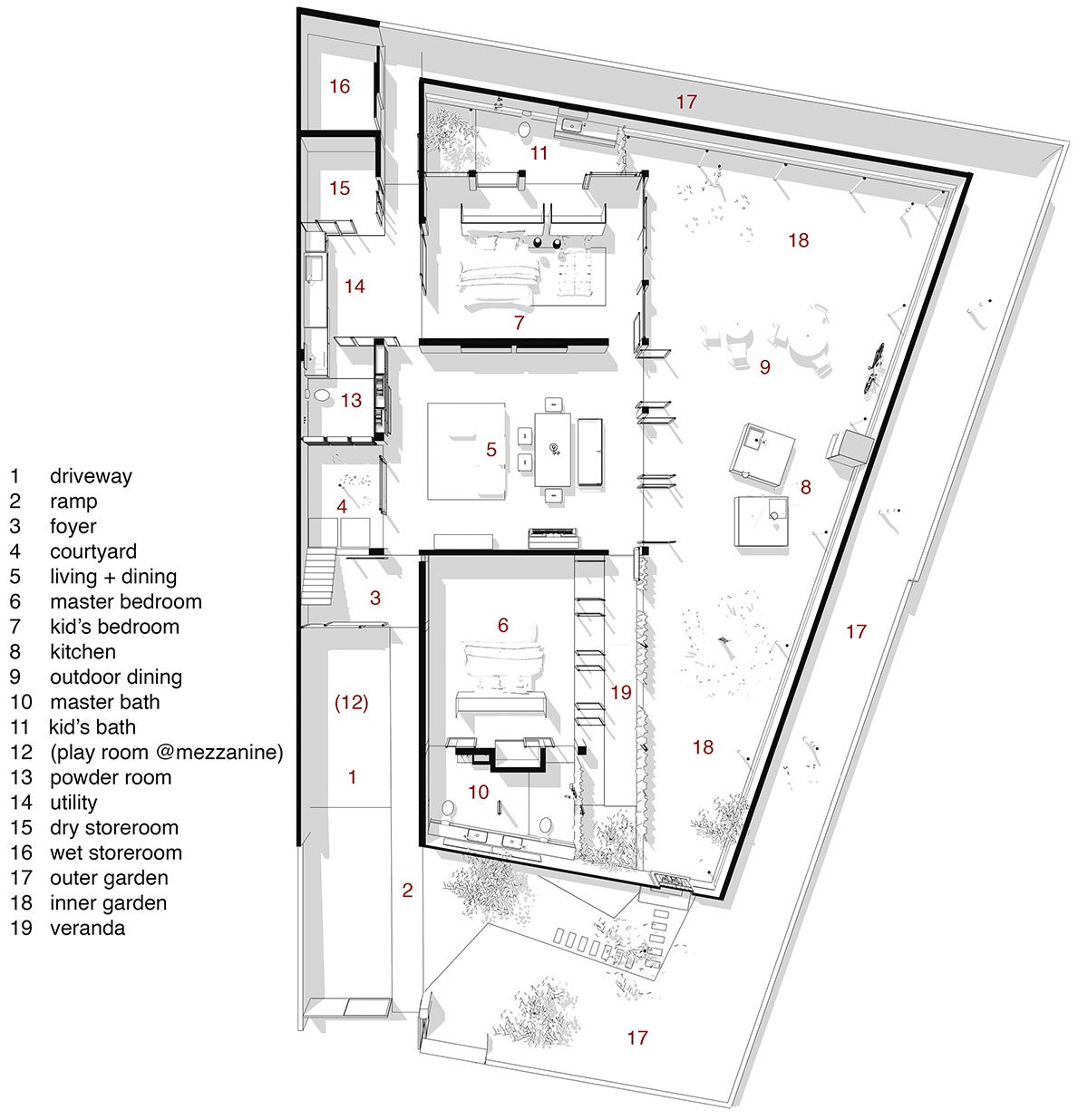
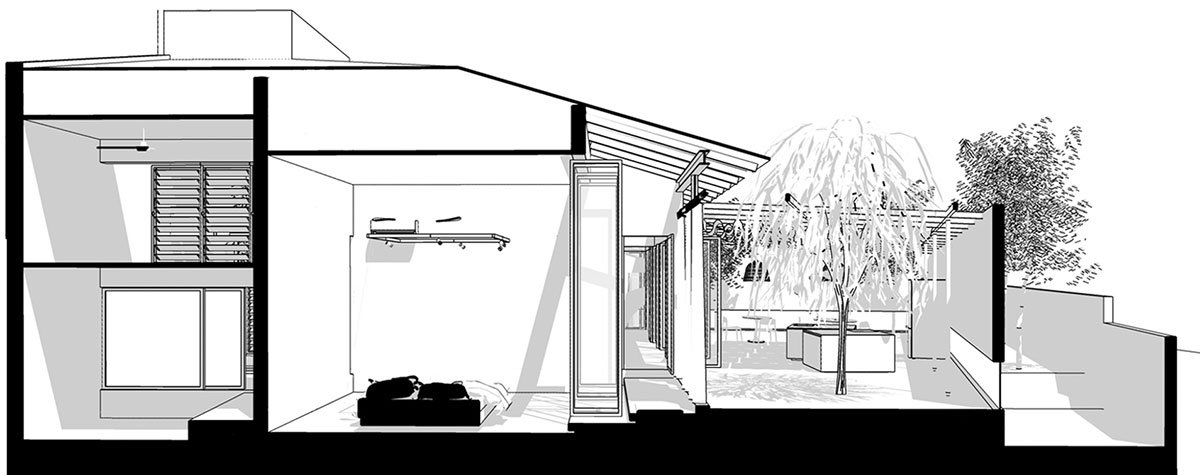
The house challenges conventional norms with its inward-focused design, deviating from traditional outward-looking homes. The architecture redefines the relationship between the house and the garden with a full-height linear garden wall suspended on a steel structure, positioned 10 feet inside the perimeter to create a secluded inner garden. This space, inspired by Chinese and Japanese Zen gardens, offers privacy and integrates the kitchen and bathrooms without physical divisions.


On the opposite side, a linear ventilation tunnel separates the house from the neighboring property. A central courtyard functions as a chimney, enhancing airflow. This area, divided by adjustable louvres and perforated metal, forms another semi-outdoor space that includes the utility room, foyer, powder room, and a mezzanine playroom.

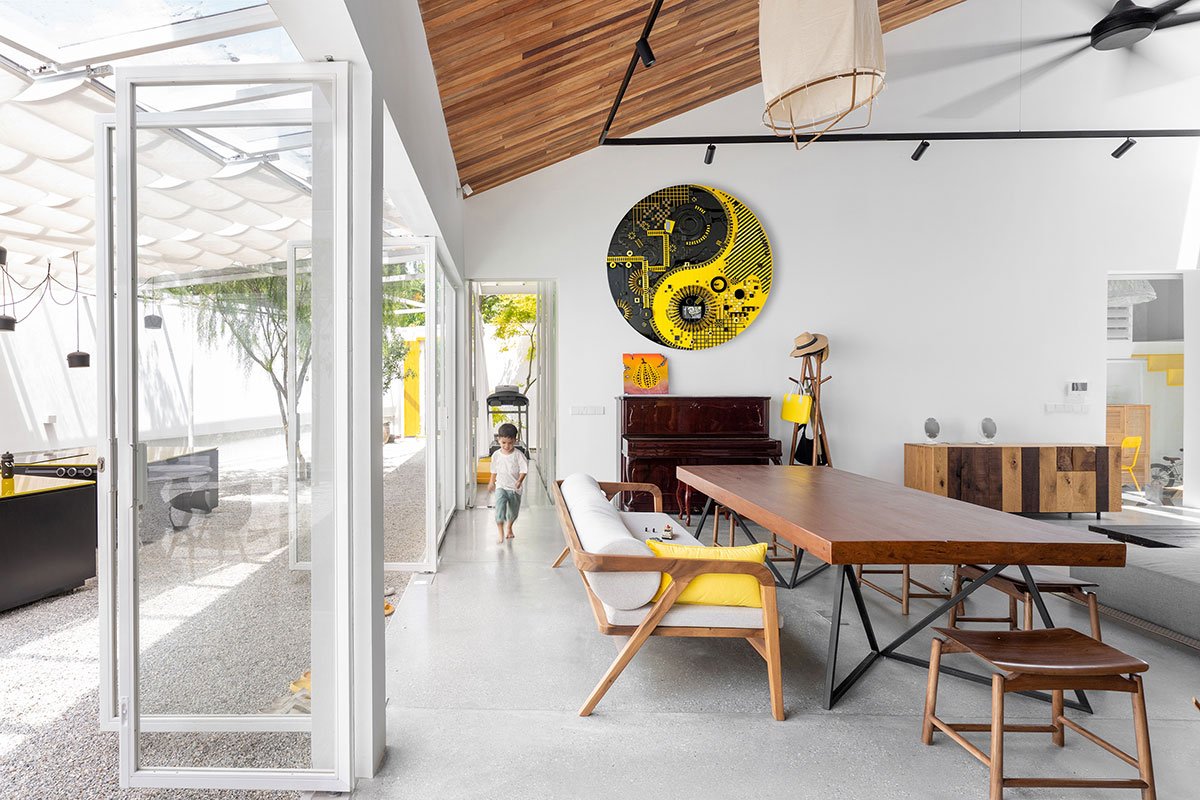
These inward-facing spaces surround the core of the house—the living and dining room—defining the essence of home. Two bedrooms flank this central area, completing the primary structure of the house.


Externally, the house retains its original profile but is covered in new metal roofing. Internally, the complex layout was stripped back to create simple, minimal spaces. The philosophy of minimalism is reflected in the spatial organization and material choices, from architectural finishes to built-ins and furnishings. Contemporary art pieces curated throughout the house add to its spatial quality.

For the architect and his family, minimalism is not merely a style but a solution to modern living. It strips away the unnecessary—hoarding habits, social pressures, and the need to meet others’ expectations. Within Introverse, they are free to be authentic, find their voices, and define their lives. This is their interpretation of minimalism—an architecture of introspection and personal expression.
Drawings


Images