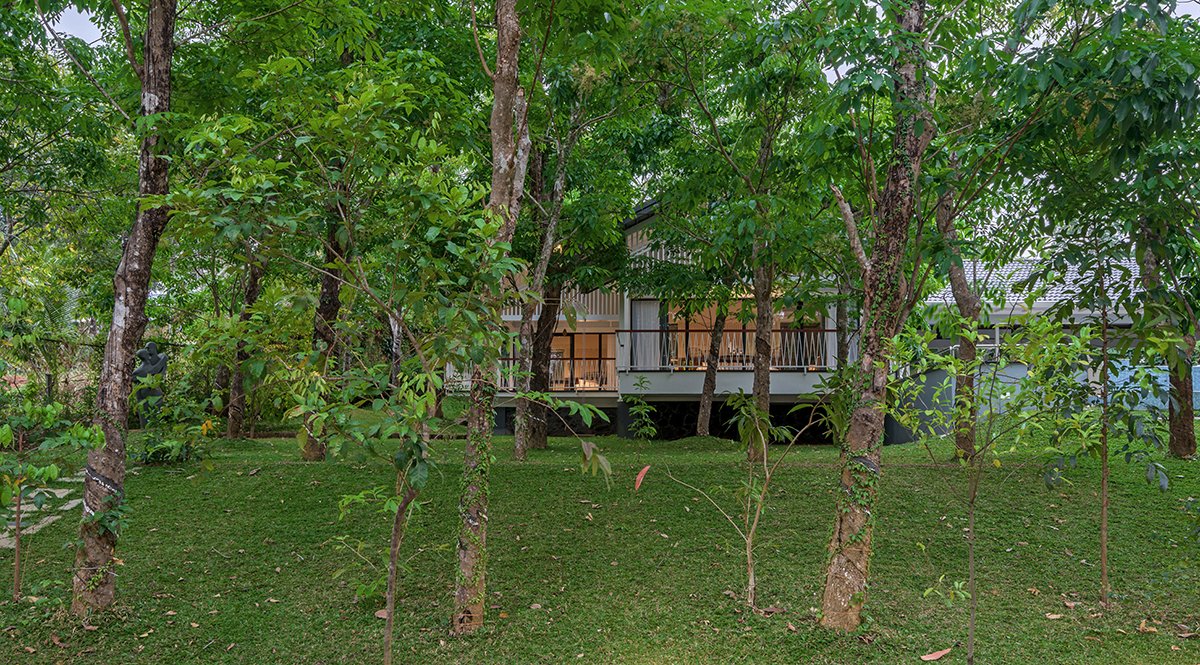
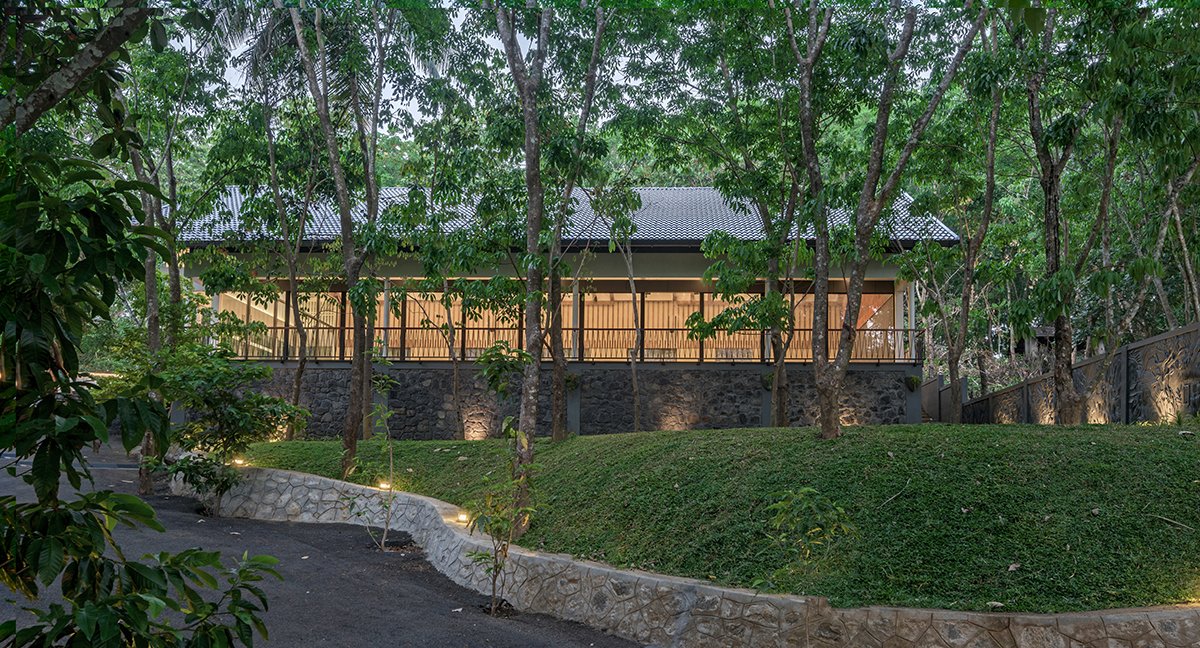
Excerpt: The Leaf Poomala, a homestay by Architecture Dialogue, is designed to merge seamlessly with its former rubber plantation setting and overlook the Poomala reservoir. Maneuvering the steep contour, rooms are placed on the highest point for uninterrupted views, with a pavilion-like living space connecting them. Built with local materials and minimal disturbance, the design reinterprets vernacular typology in a contemporary language.
Project Description
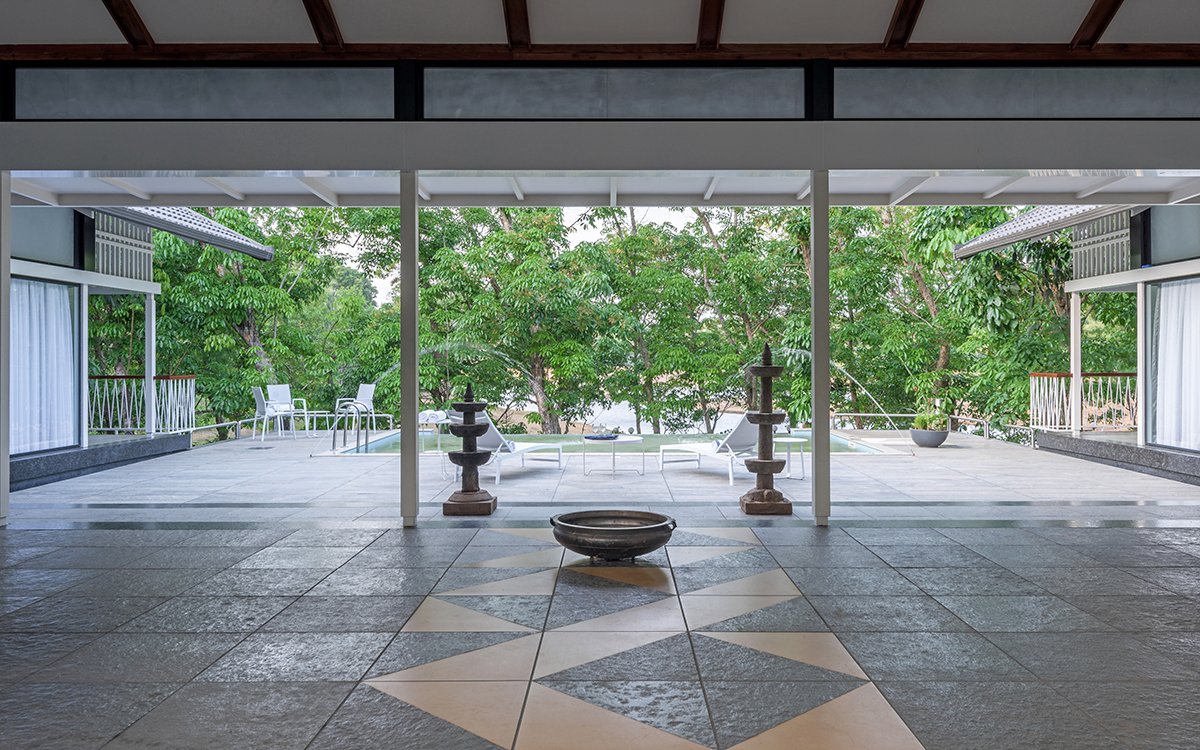
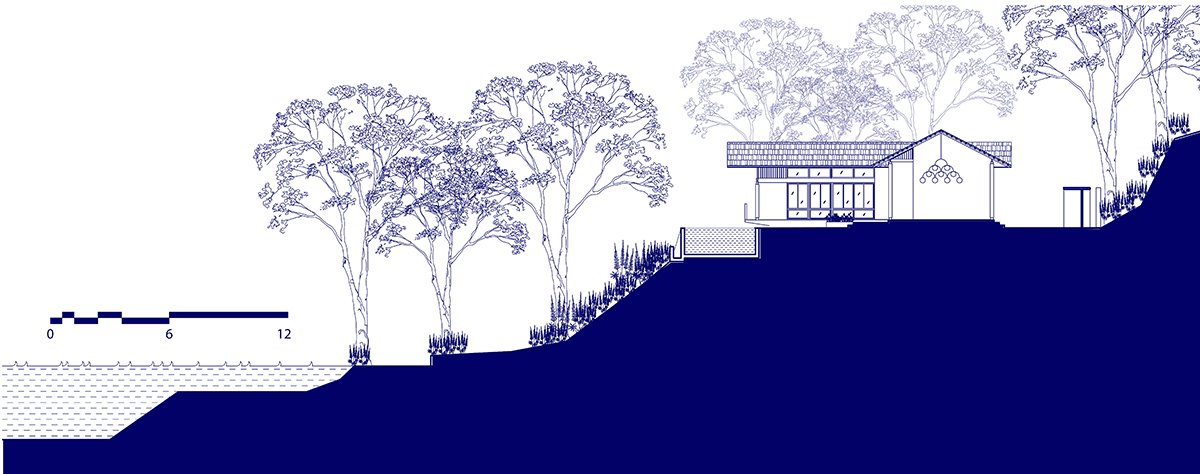
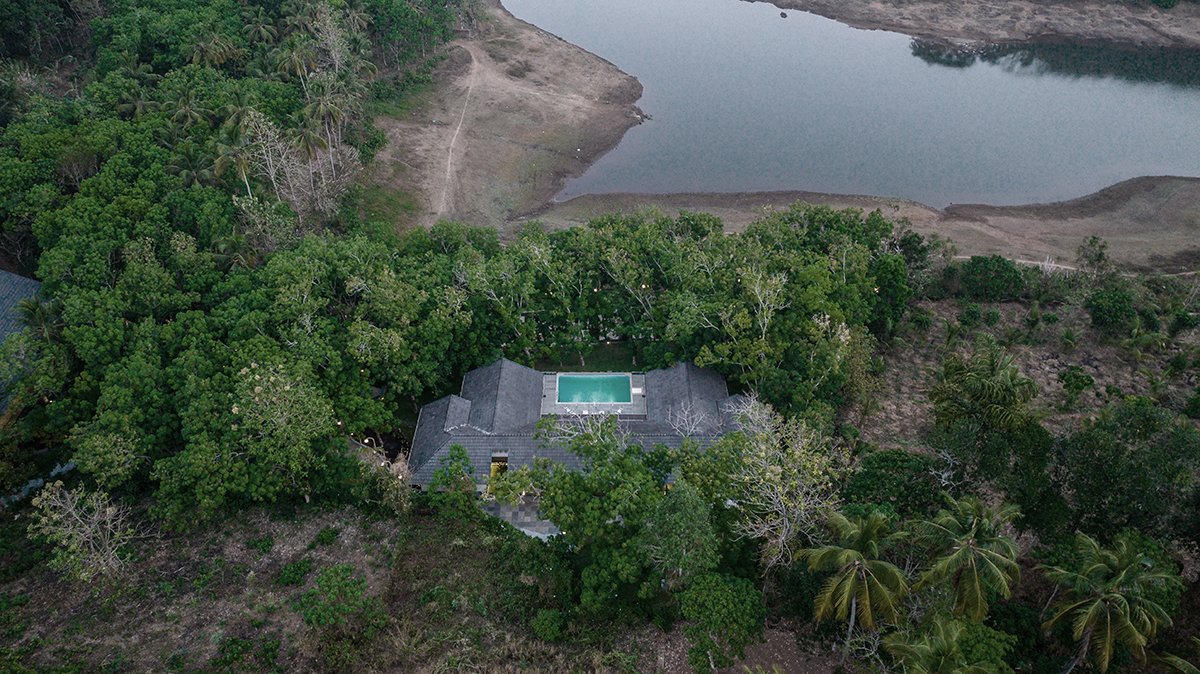
[Text as submitted by architect] The site is located in a small town in Kerala called Poomala. Originally a rubber plantation, it overlooks the Poomala reservoir, offering views of the changing landscape throughout the year. The reservoir fills up to the brim during the monsoon and becomes a small stream of water during peak summers.
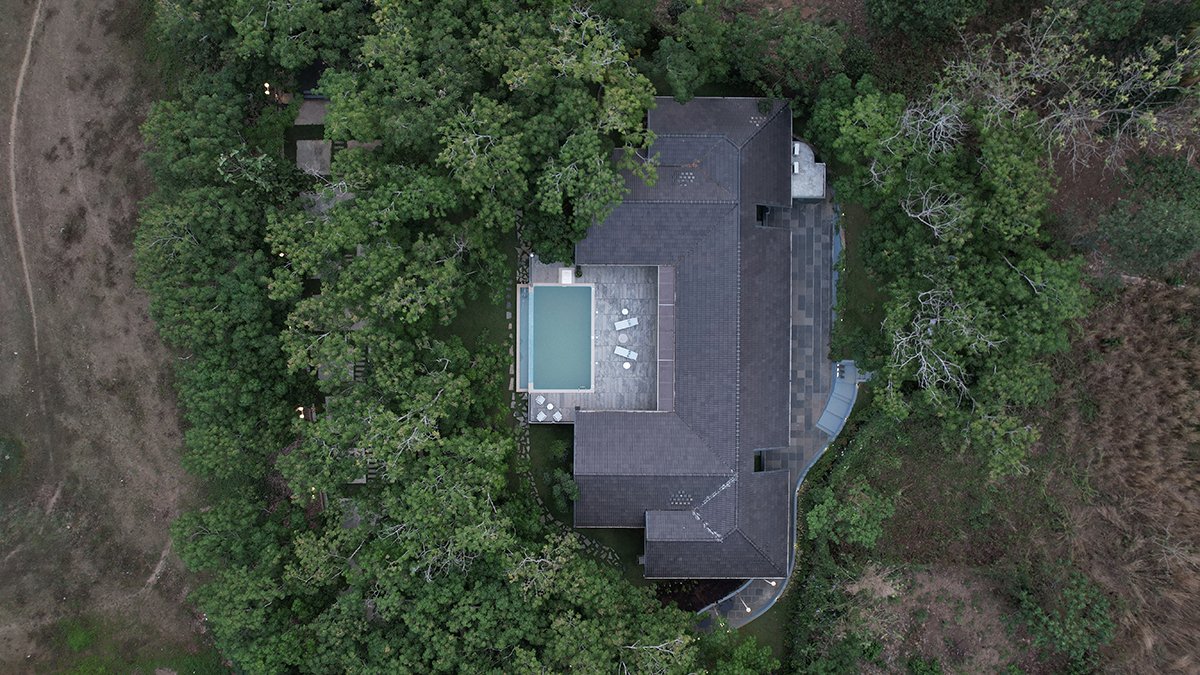
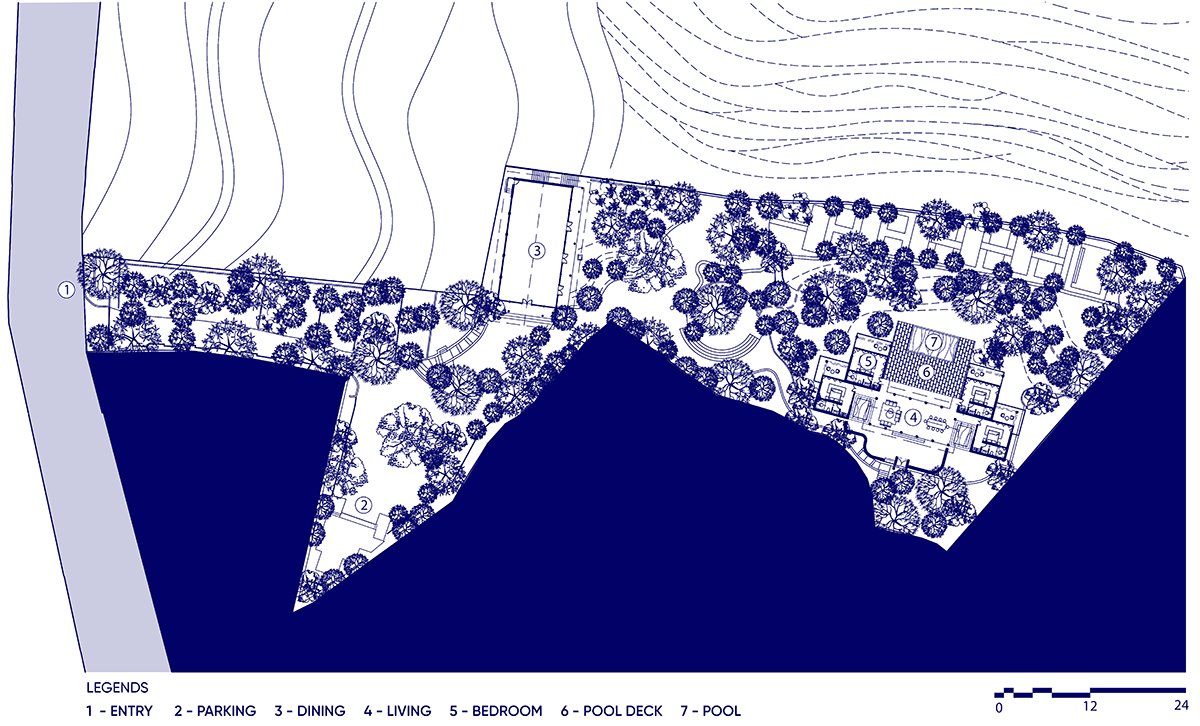
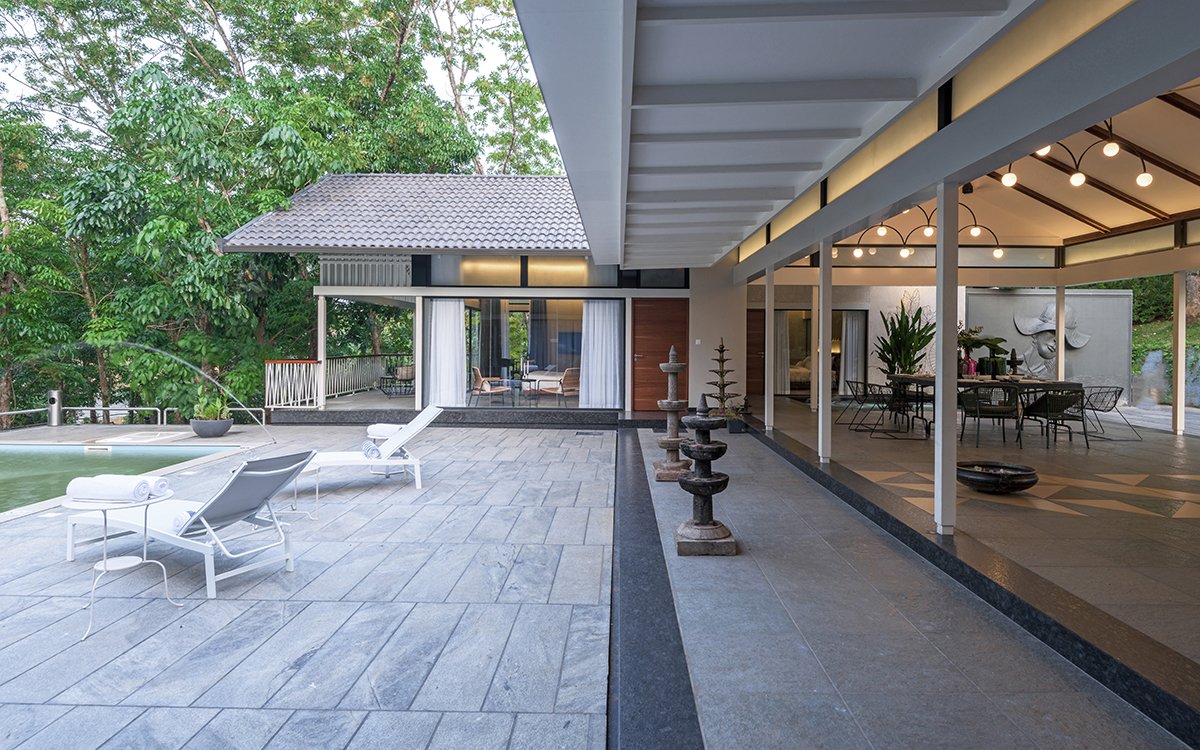
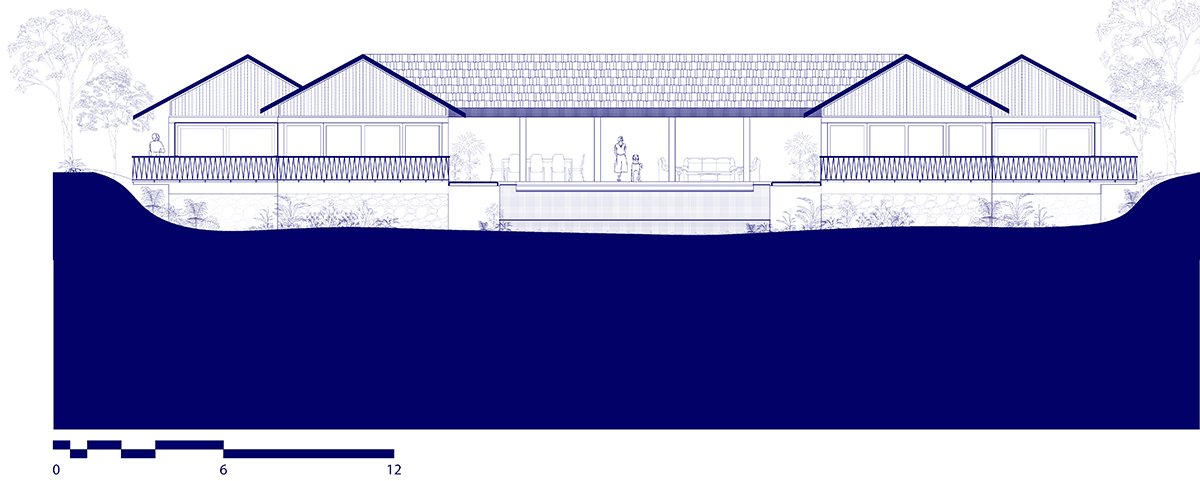
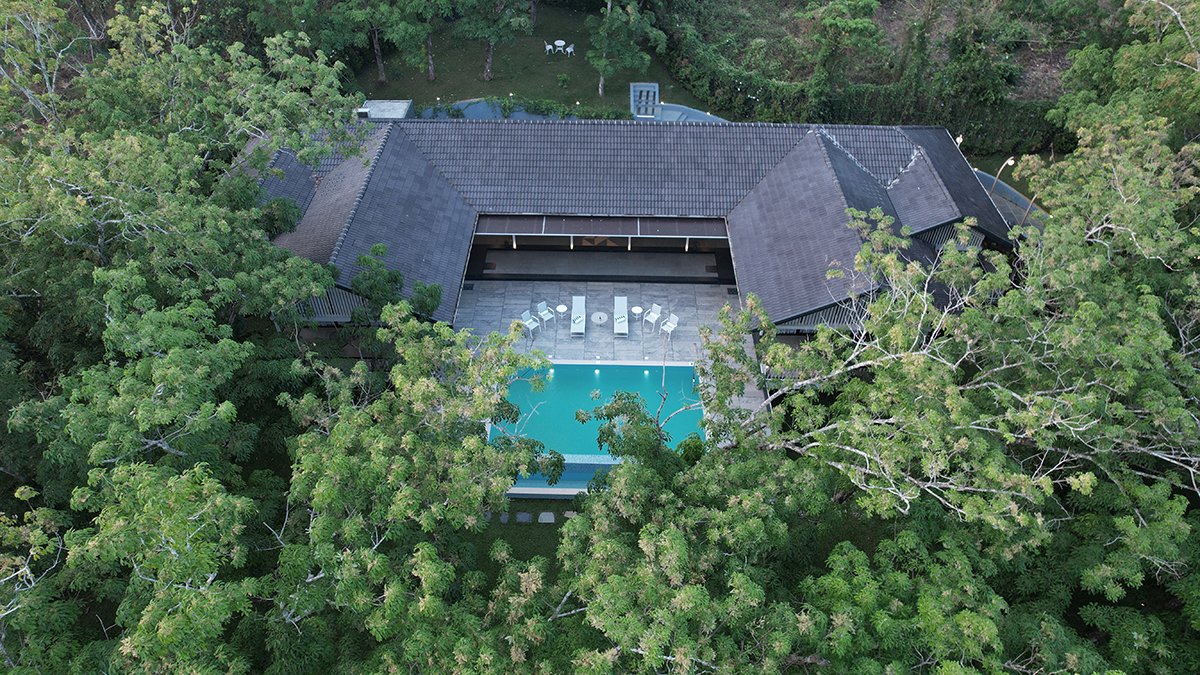
The brief was to create a homestay with four rooms along with dining and living spaces. The design approach maneuvered the steep contour to the advantage of the layout, placing the rooms on the highest contour so that each enjoys uninterrupted views of the extended landscape. Nestled within the rubber plantation, the rooms feature fewer walls and more glass to maximize views towards the reservoir. The living and dining space acts as a pavilion connecting the rooms, overlooking the pool and the expansive landscape.
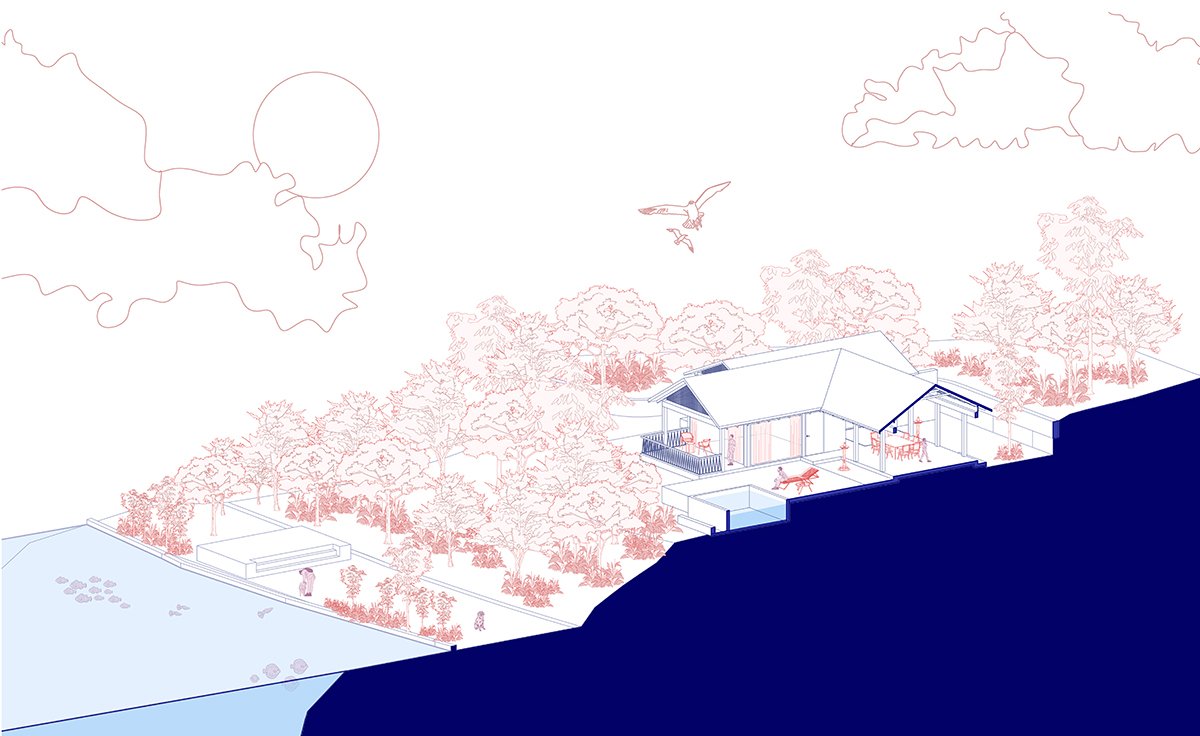
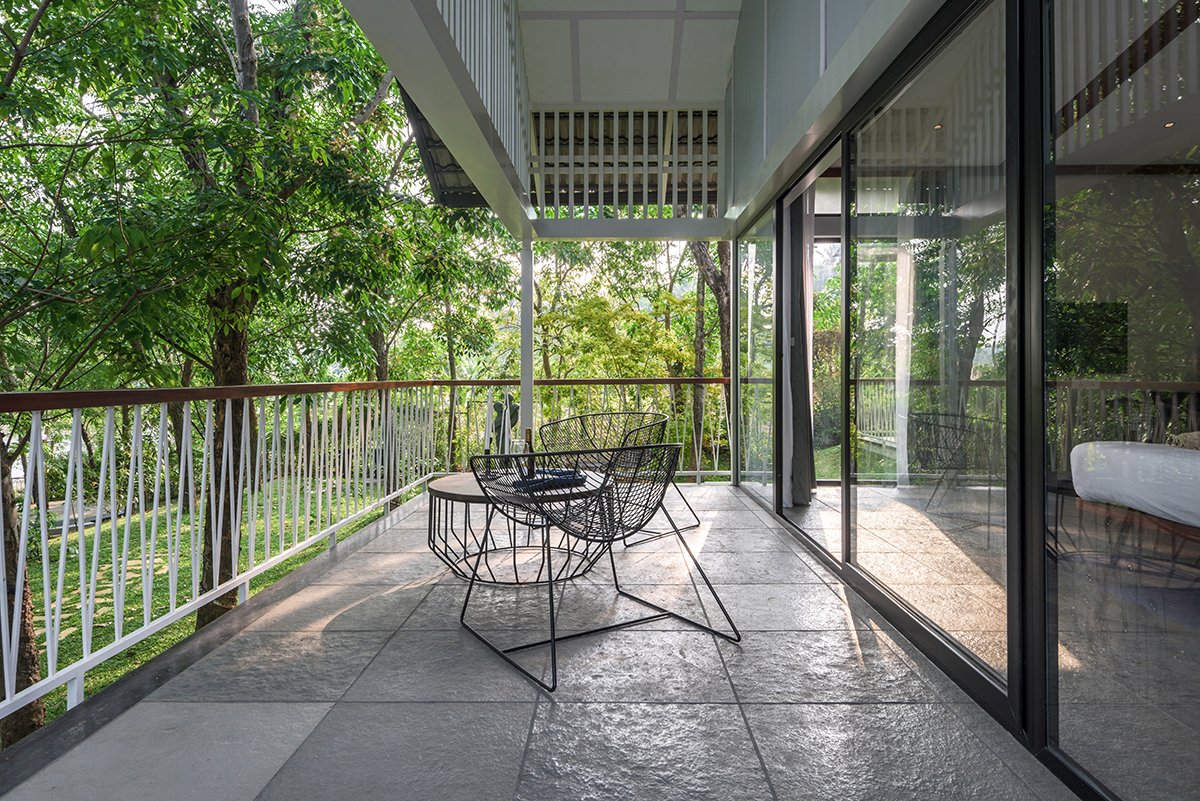
Boulders on the site were rearranged to provide the building’s foundation, and the sloping roof with terracotta tiles blends seamlessly with the canopy of trees, creating a light footprint in the surroundings.
The experience of being in the space is breathtaking, with architecture receding into the background while the connection to nature takes center stage. The ever-changing landscape around the water’s edge and flourishing flora and fauna capture attention. The central courtyard serves as a gathering place, featuring a nightly bonfire and a small pantry for cooking.
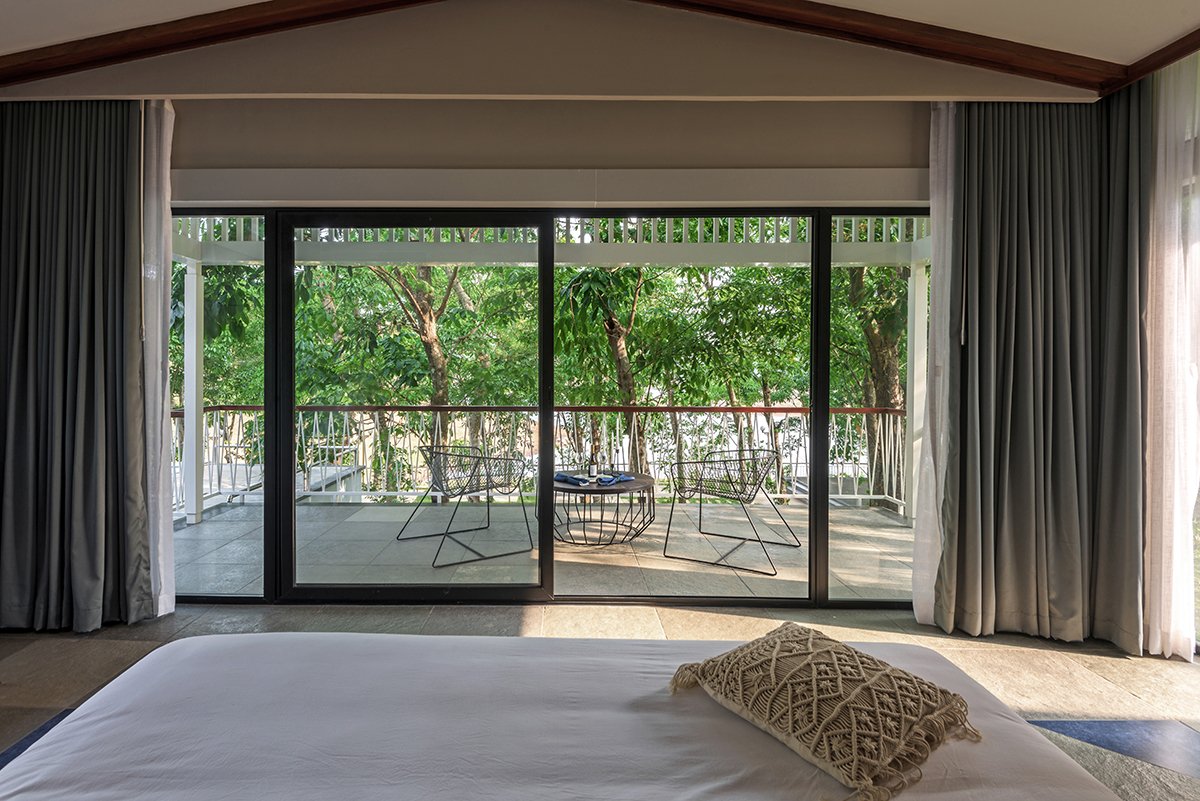
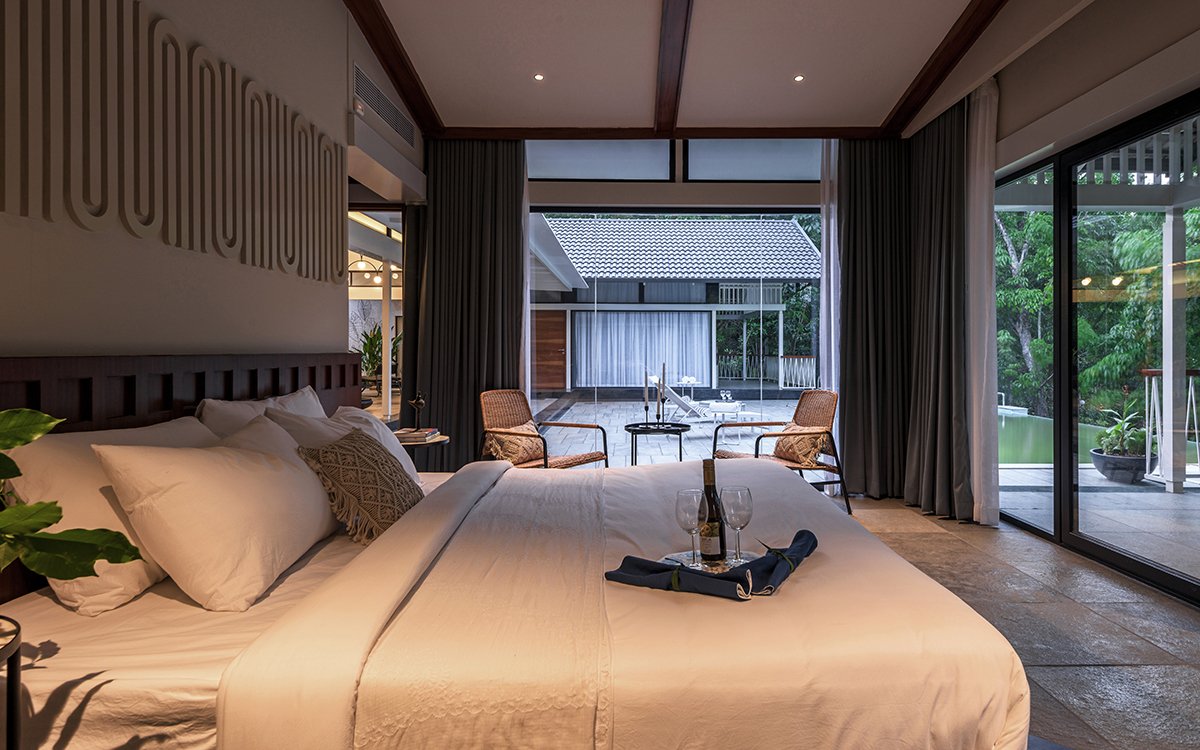
The sacred nature of the land was respected during planning, avoiding any cut or fill. The location of the built structures was guided by existing trees, with enclosures built on stilts maneuvering around them, centered around an open verandah where guests can relax, play, and reflect before retiring to their rooms. This design minimizes the need for air conditioning, confining it to the rooms alone. The vernacular typology of the house is reinterpreted in a contemporary language, celebrating the natural rhythms of daily living.
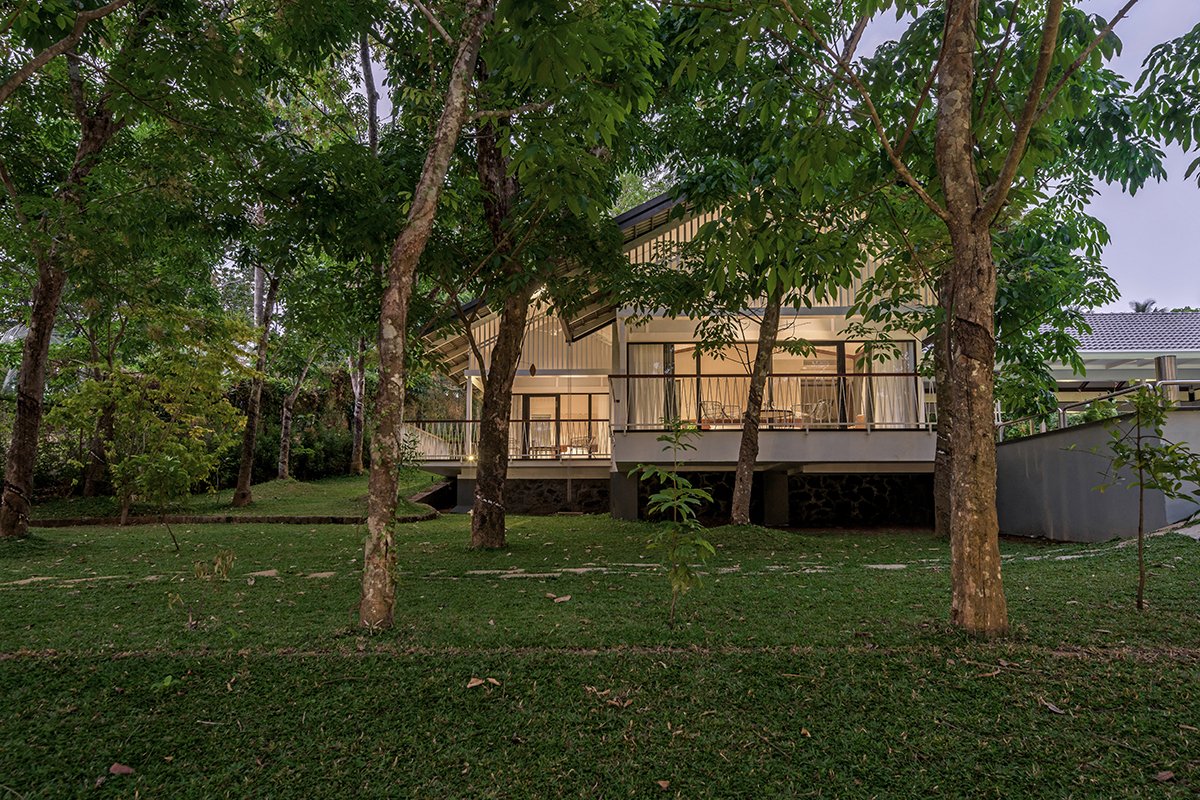
Material choices emphasize local and natural elements, including stone flooring, wooden storage, and tile roofs supported by metal structures. Artistic elements, innovatively crafted by a local mason throughout the project, include totems, wall art, and landscape features. His cement art pieces are playfully scattered throughout the site, adding elements of fun and humor. The design process was open and democratic, allowing even a day laborer to contribute creatively and innovate, resulting in quirky and whimsical touches that enrich the project’s narrative.
Images