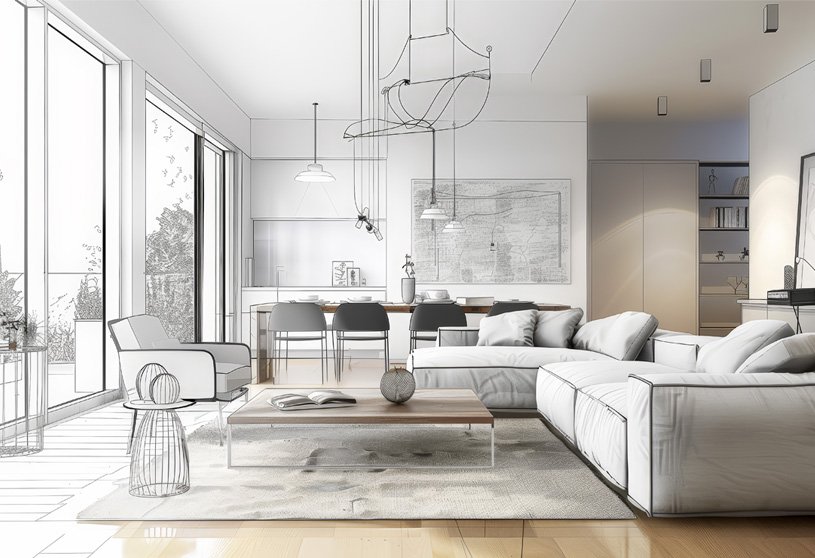
What if designing your dream home could be as simple as a few clicks? With the rapid advancement of technology, this is no longer a far-fetched idea. Artificial Intelligence (AI) is revolutionizing the world of interior design, offering innovative solutions catering to homeowners and designers.
With that in mind, this article will explore the multifaceted benefits of AI interior design, from personalized recommendations to efficient space planning, and how it can elevate the design process for everyone involved.
1. Enhanced Personalization
AI-powered interior design tools are incredibly adept at understanding and catering to individual preferences. With the help of a free AI interior design tool, homeowners can explore their unique preferences—whether that’s a specific color scheme, design styles, or functionality—and receive personalized room design recommendations that reflect their tastes and lifestyles.
This deep personalization capability allows homeowners to create spaces that genuinely feel like home, from the color of the walls to the type of furniture, while ensuring that the layout and functionality match their daily routines. For interior designers, it means they can quickly understand client preferences and incorporate them into a cohesive vision, making each project more tailored and client-centered from the start.
2. Time and Cost Efficiency
One of the most immediate and tangible benefits of AI in interior design is the time and cost savings it provides. Traditionally, developing a design concept could be time-consuming, involving multiple rounds of revisions. With AI, the initial design ideas are generated almost instantly based on initial specifications, allowing clients and designers to spend less time in the ideation phase.
Homeowners benefit from these time savings with lower design fees and faster project turnaround. At the same time, designers can take on additional projects or invest more time in creative exploration. For design firms, this efficiency means offering competitive pricing without compromising quality or innovation, ultimately leading to higher client satisfaction and increased business.
3. Improved Visualization and Decision-Making
AI interior design tools excels at creating realistic 3D renderings and virtual reality experiences, enabling homeowners to visualize various room design concepts before making any commitments. This immersive experience allows homeowners to ‘walk through’ their future space, evaluating how design elements—such as lighting, color, and furniture placement—will look and feel.
This advanced visualization reduces the risk of miscommunication or disappointment, as clients can make informed choices that align with their expectations. For designers, these visualization tools mean fewer misunderstandings and reworks, creating a smoother design process and a more precise alignment between the client’s vision and the final result. This technology is especially beneficial in complex projects, where seeing is often essential to believing.

4. Access to Expert-Level Guidance for DIY Homeowners
AI technology democratizes interior design by making expert-level insights available to anyone, including those taking on DIY projects. Homeowners can now access design advice that once required a professional designer’s expertise through AI apps that guide them through every step of the process. These tools offer color combinations, furniture arrangement, and decor selection recommendations, enabling DIY enthusiasts to achieve polished results without formal training.
This accessibility makes interior design more inclusive and empowers homeowners to transform their spaces confidently, using insights they would otherwise not have access to. AI design tools offer a practical solution for those who want a professional-looking outcome without the associated costs.
5. Enhanced Creativity and Design Diversity
AI design tools pull from many global styles and trends, presenting homeowners and designers with various design possibilities they may not have otherwise considered. This ability to quickly suggest innovative combinations encourages creativity, allowing designers to push the boundaries of traditional design thinking.
AI can also suggest unconventional yet harmonious design elements, helping create a more diverse range of styles that might be more daring or imaginative. This access to global inspiration fuels new ideas for designers, enabling them to expand their repertoire and take on projects with a fresh, unique perspective. AI is a creative partner, helping homeowners and designers achieve distinctive, standout interiors.
6. Sustainable and Smart Design Choices
Sustainability is becoming a top priority in design, and AI can play a pivotal role in promoting eco-friendly choices. By analyzing factors such as material sustainability, energy efficiency, and waste reduction, AI suggests both environmentally friendly and aesthetically pleasing options. Homeowners can feel confident that they are making responsible choices that benefit the environment without sacrificing style.
For designers, AI can recommend smart-home integrations and energy-efficient layouts, which add both functionality and sustainability to the project. AI-driven designs allow homeowners to reduce their carbon footprint and enjoy smart, integrated living spaces that adapt to their needs and promote sustainability.
7. Real-Time Collaboration and Updates
The collaborative nature of AI platforms allows for seamless communication and real-time updates, facilitating a more efficient workflow between designers and homeowners. With AI, homeowners can quickly provide feedback, and designers can make adjustments on the spot, preventing delays and ensuring alignment with the client’s expectations. This capacity for instant collaboration creates a transparent and proactive design process, building a stronger client-designer relationship based on trust and satisfaction.
Homeowners feel more involved and reassured, knowing they have a say in the design journey, while designers benefit from reduced rework and the ability to maintain momentum throughout the project. Real-time collaboration transforms the traditional design experience into an interactive partnership.
Conclusion
As AI continues to evolve, its integration into the world of interior design offers a promising future. By automating tedious tasks, providing data-driven insights, and generating creative design ideas, AI empowers both homeowners and designers to achieve stunning results. While it’s crucial to use AI as a tool to enhance the design process, not replace human creativity, the potential for innovation and efficiency is undeniable.
Image
