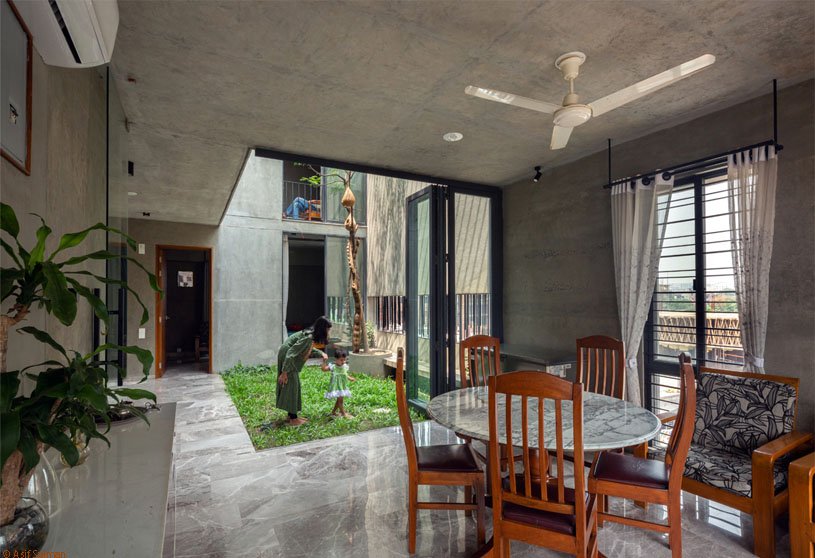
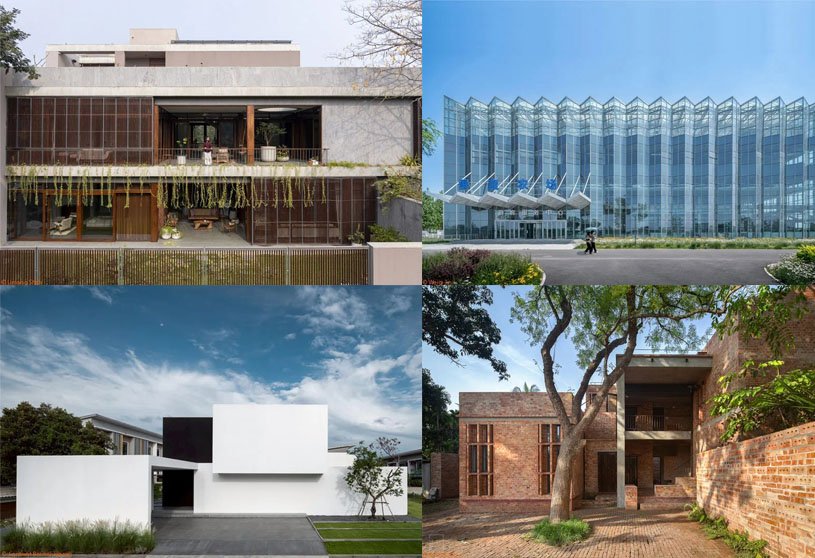
(“Text as submitted by architect”)
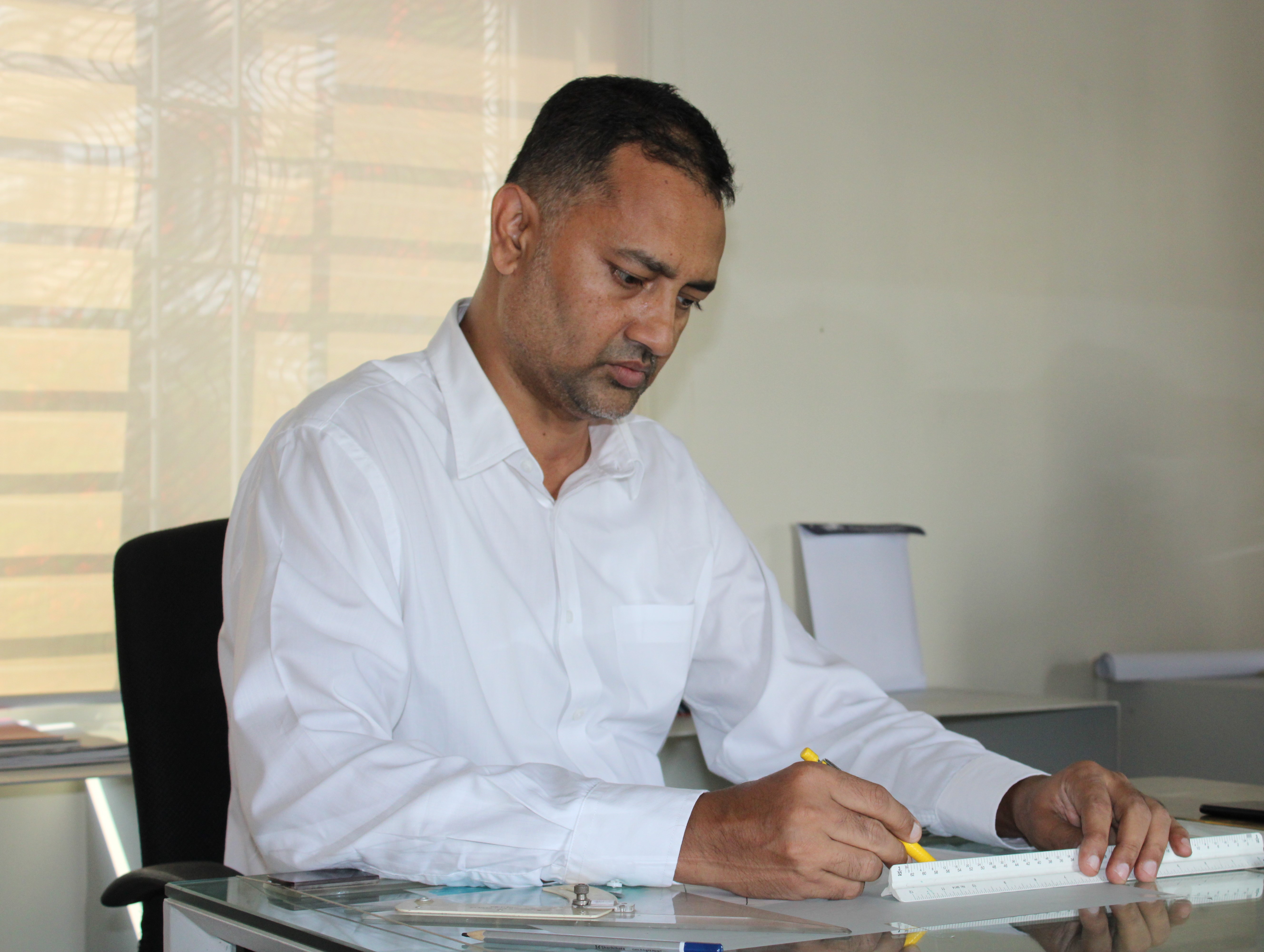 Md. Faysal Kabir
Md. Faysal Kabir is a passionate advocate for social justice, using architecture to strengthen the fabric of community and progress. Inspired by architect Muzharul Islam, he blends artistry and function to create spaces that resonate with the human spirit. His designs transcend mere functionality; they aspire to touch hearts, elevate the everyday to the extraordinary, and inspire belonging and pride. Each project becomes a story—symbols of hope and resilience that leave a lasting mark. His portfolio spans cultural institutions, vibrant galleries, and serene nature retreats, all crafted with purpose.
Beyond architecture, Kabir is a mentor, farmer, and poet.
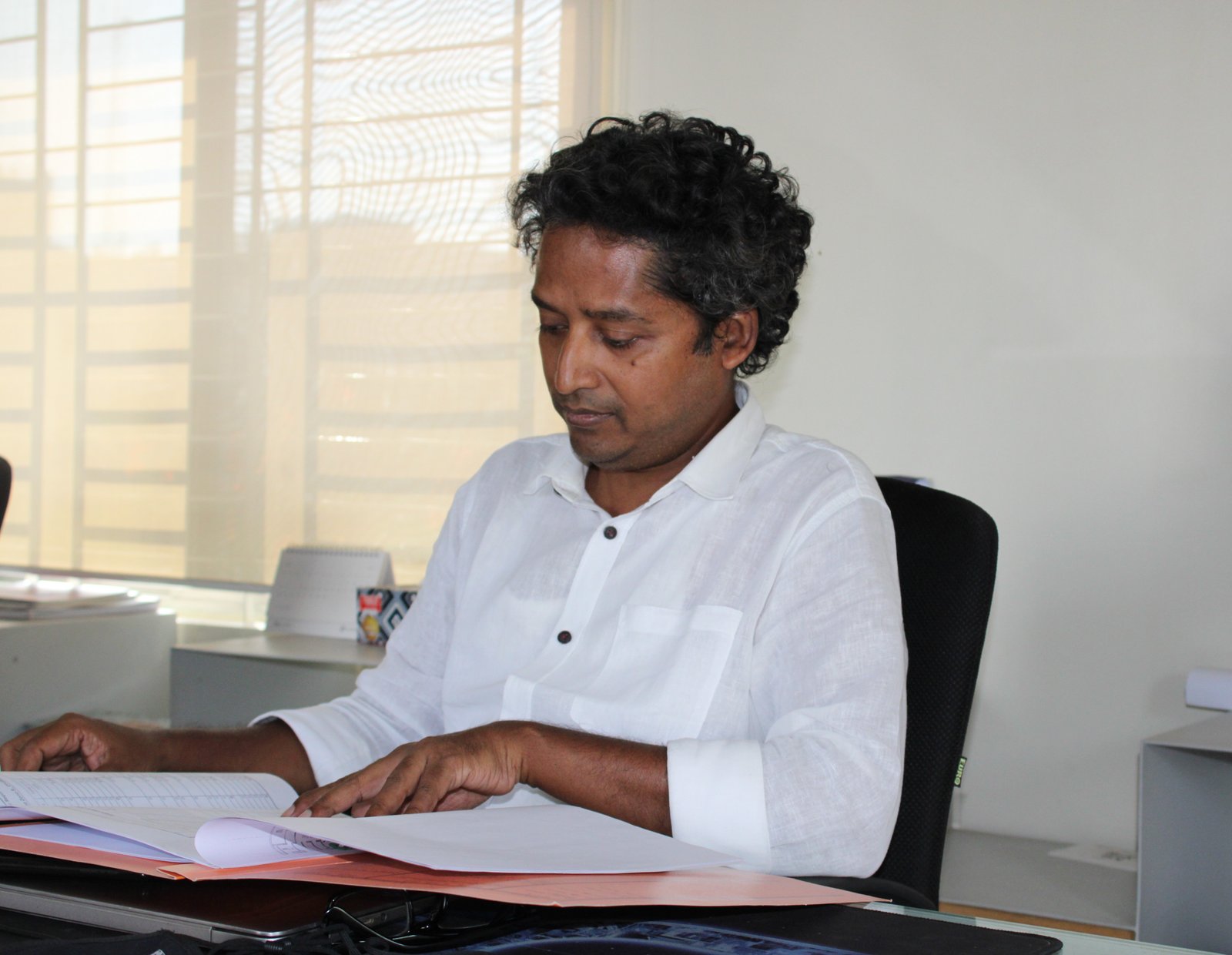 Anup Kumar Basak
After receiving a bachelor’s degree from BUET in 2007, Anup Kumar Basak worked with Kashef Chowdhury & Rashidul Hassan Chhobi in close supervision. After working with them, he started his practice as a partner of FRAMEWORK from January 2016 together with Mr. Faysal Kabir.
Practice Ideology
Framework is an architectural design consultancy founded by partners Md. Faysal Kabir and Anup Kumar Basak. After earning their bachelor degrees from Bangladesh University of Engineering & Technology (BUET) in 2007, both Faysal and Anup worked closely under the mentorship of Architect Kashef Chowdhury and Architect Rashidul Hassan Chhobi. Following this formative experience, Architect Faysal began his independent practice in 2008. In 2016, the two reunited to establish Framework.
Architecture, to Framework, is not merely the act of building, but a poetic dialogue between necessity and imagination—shaped by climate, time, culture, memory, and economy. Every place holds its own rhythm, every community its own aspirations, every landscape its own whispers of history. To design is to listen carefully to these voices and respond with honesty, humility, and creativity.
We believe architecture must go beyond form-making. It must address the urgencies of our time: the crisis of climate, the erosion of heritage, the displacement of communities, and the need for spaces that nurture dignity, equity, and a sense of belonging. In each project, whether modest or monumental, we strive to reconcile the practical with the poetic, to create works that are rational in purpose yet generous in spirit.
Our failures to meet conventional expectations do not discourage us; rather, they remind us that architecture is not about conformity but about discovery. Success, for us, is not measured in accolades, but in the quiet ways our work serves—whether by improving one life, strengthening a community, or offering future generations a fragment of meaning.
Architecture, ultimately, is an experience. It cannot be reduced to drawings or images; it must be lived, touched, smelled, and felt. The warmth of sunlight across a wall, the sound of footsteps in a corridor, the fragrance of timber, the coolness of stone—all of these are architecture’s true poetry. We dedicate ourselves to exploring these layers of experience, believing that every design process holds the possibility of revealing something new, something transformative.
Our manifesto is simple: to honor the past, engage the present, and imagine the future through architecture that is grounded, responsible, and humane.