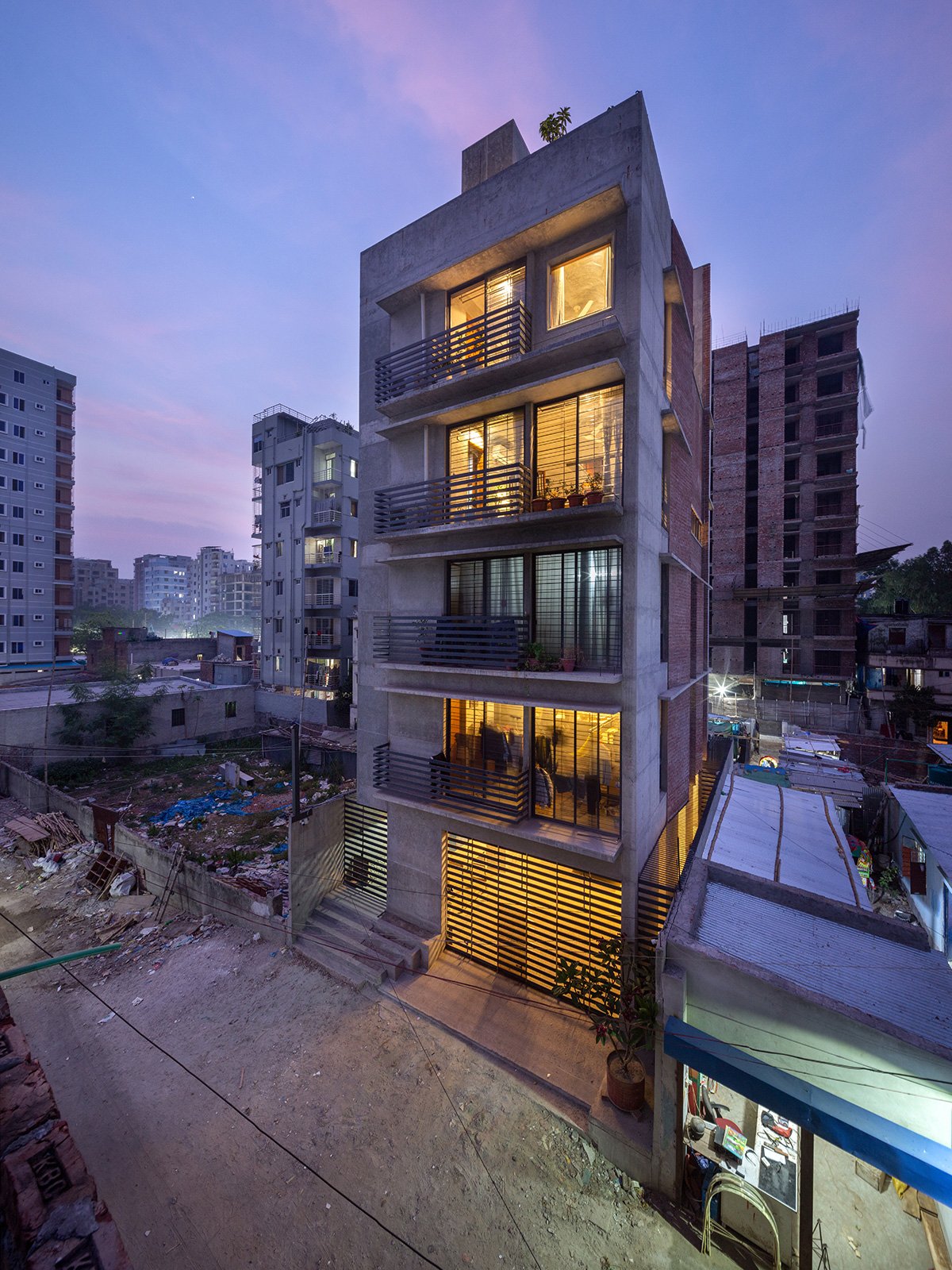
Excerpt: Megh Mallar, a residential project by Framework, grows out of the everyday realities of life in Dhaka, where shrinking plots, rising land values, and density make compact living a necessity. On a very small piece of land, the project reinterprets the traditional Bangladeshi courtyard as a vertical, climatic, and social anchor, shaping a legible, humane home that balances density, light, air, and everyday rhythms within tight urban constraints.
Project Description

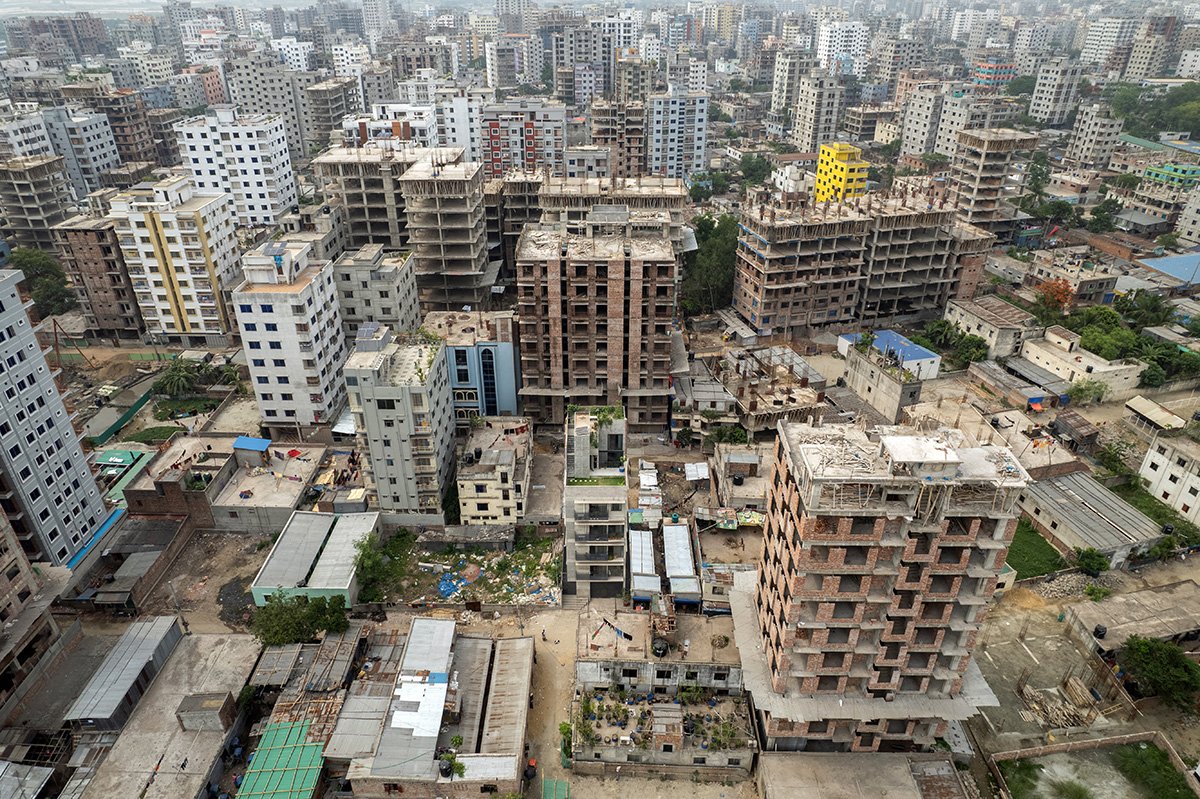
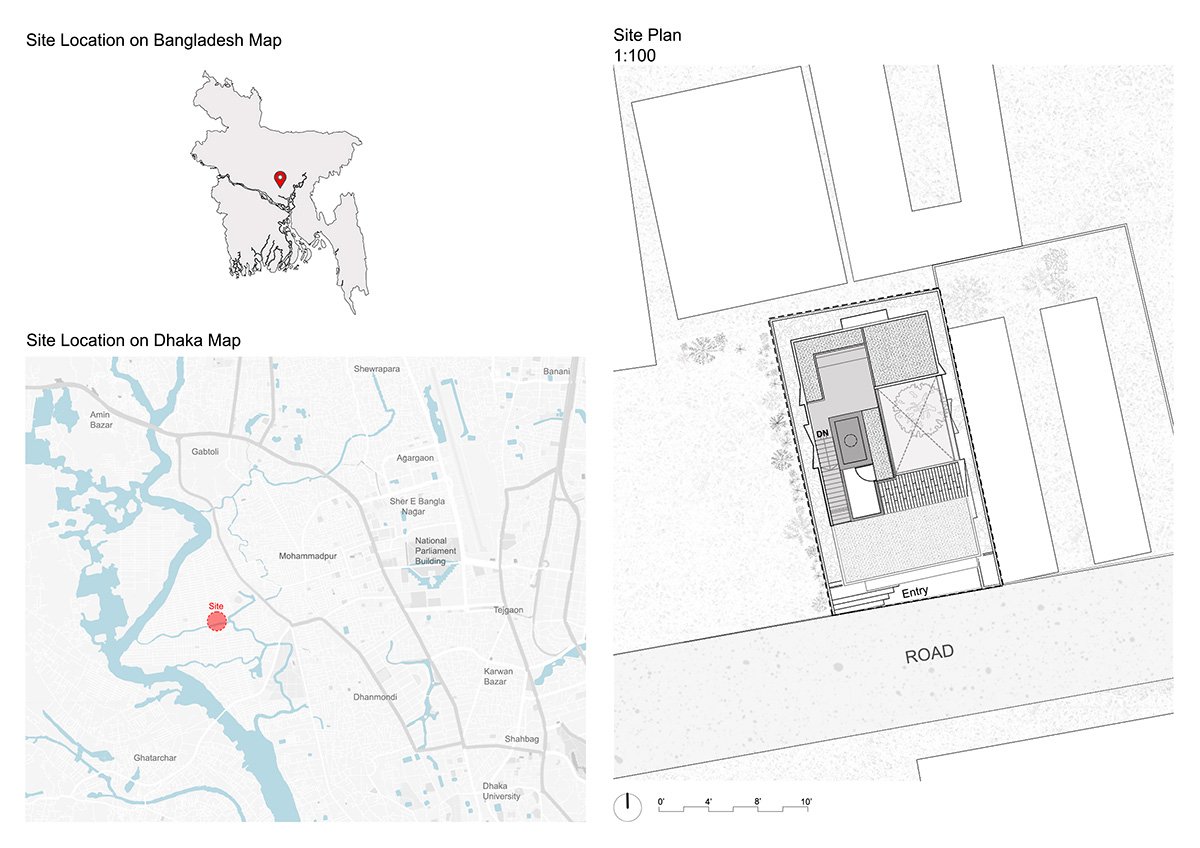
[Text as submitted by architect] Megh Mallar grows out of the everyday realities of Dhaka as shrinking plots, rising land values and homes constantly negotiated between necessity and comfort. As one of the world’s densest megacities, Dhaka’s central wards often exceed 45,000–60,000 people per square kilometer, while continuous rural-to-urban migration has further intensified land scarcity.
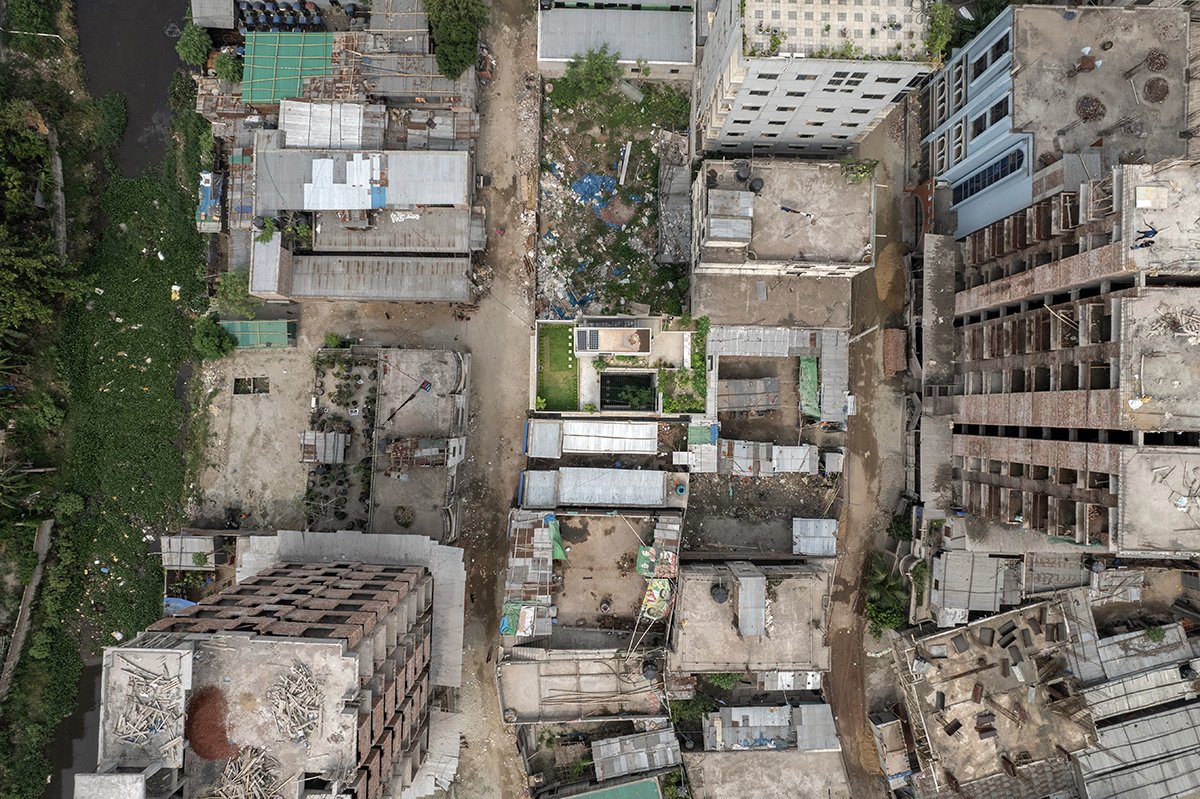
Residential plots are increasingly subdivided, many now measuring less than 1.5–2.5 kathas (≈100–170 sqm). Within this context, the project asks a fundamental question: can a very small piece of land still hold a home that feels complete, humane and rooted in place?
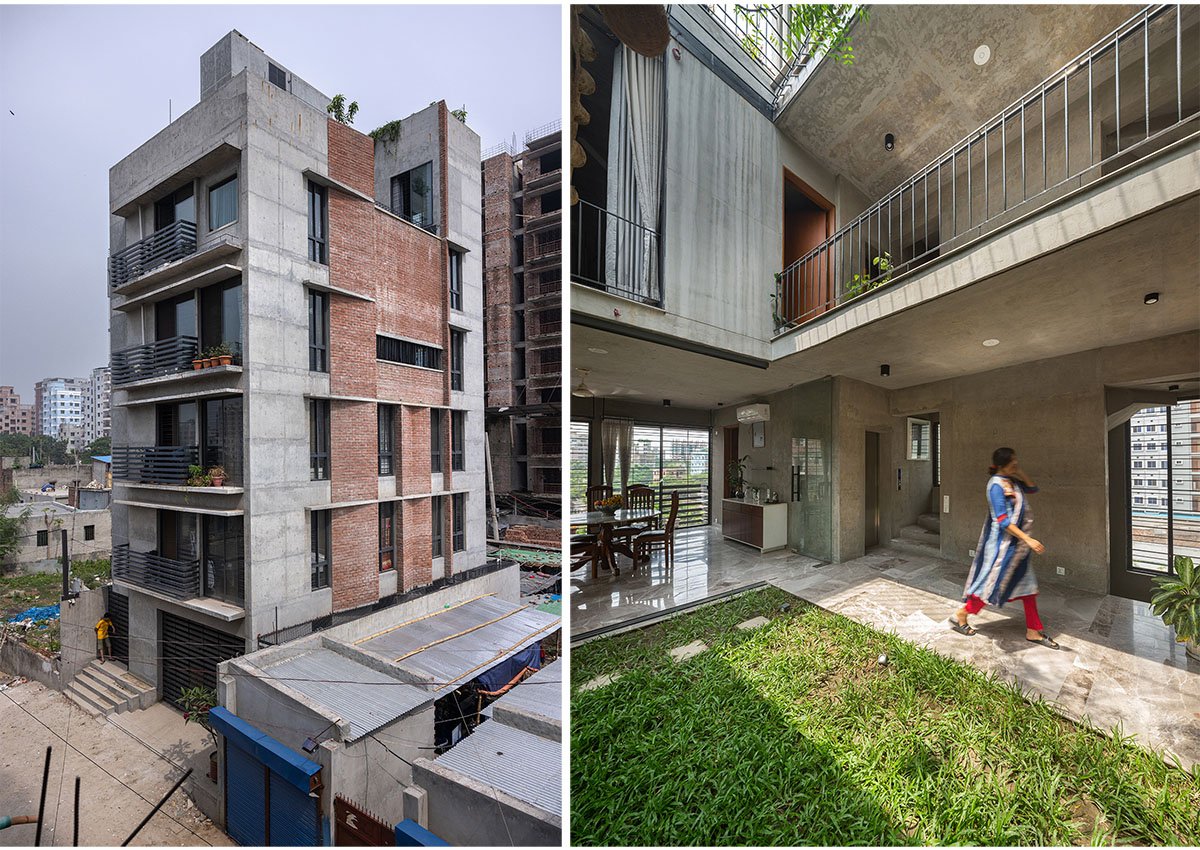
In a city where time is consumed by traffic and space is measured in fractions, compact living is no longer a matter of choice but of survival. Dhaka’s unplanned growth, narrow plots and repetitive apartment blocks have produced an illegible urban fabric that weakens orientation and emotional attachment. মেঘ–মল্লার responds not by rejecting density but by shaping a small, legible building that people can understand, inhabit and remember.
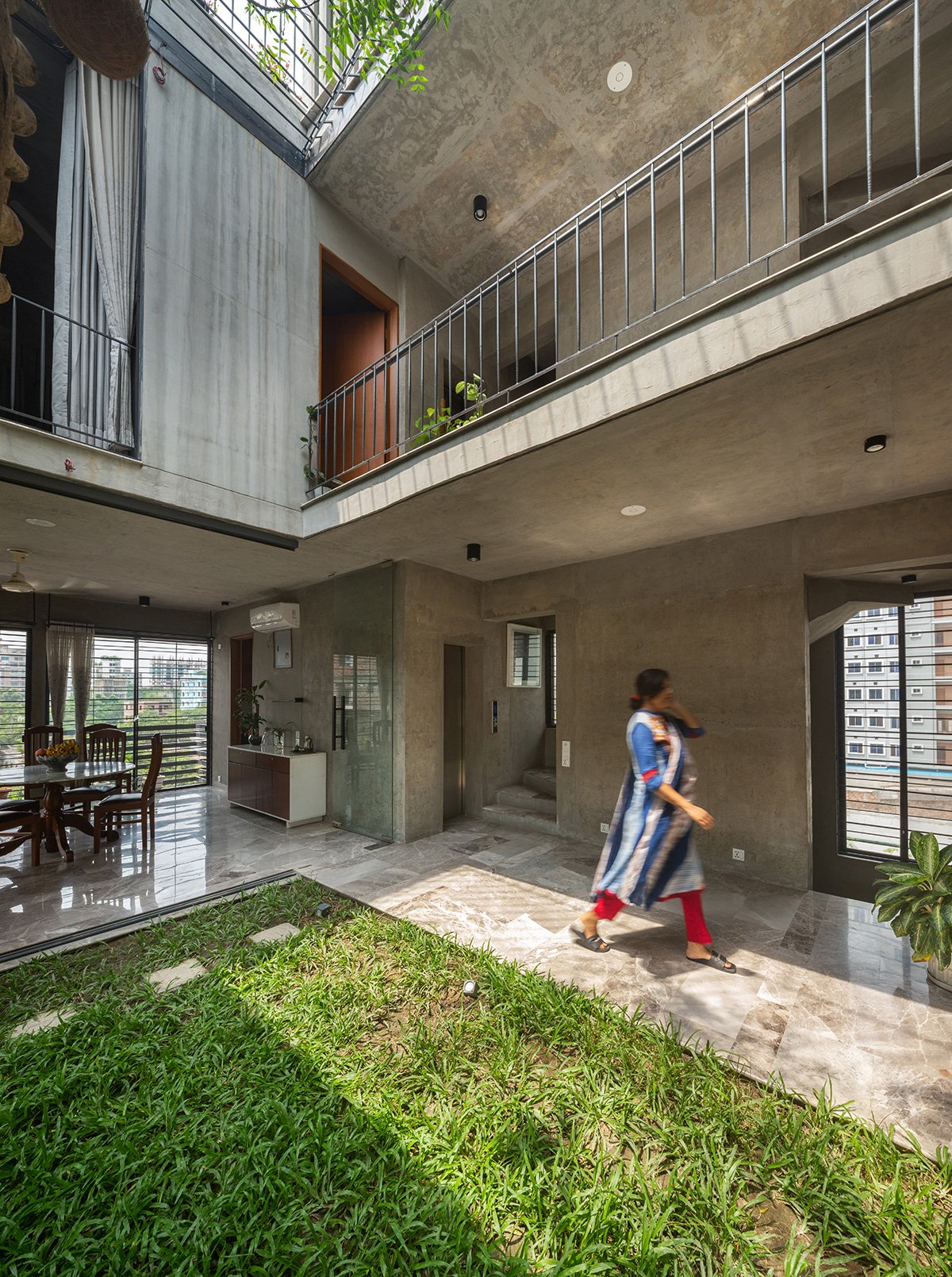
Central to this approach is the reinterpretation of the traditional Bangladeshi homestead courtyard as a spatial, social and climatic anchor.

The project takes its name from Megh Mallar/Malhar, a Hindustani classical raga associated with clouds and monsoon rain. Just as the raga blends melody and rhythm to evoke renewal, the architecture combines compact contemporary form with the rhythms of everyday life in Dhaka. On a modest plot, the design seeks to create a sense of openness and calm, allowing light, air and movement to flow freely despite tight constraints.
The client, Mohammad Ashraf Bhuiyan, initially sought an apartment but was priced out by Dhaka’s rapidly escalating housing market. His only alternative was a small plot on the city’s edge. Typical residential development in Dhaka prioritizes maximizing Floor Area Ratio, producing vertical buildings with minimal setbacks and compromised access to daylight, ventilation and open space. Rooted in Bangladeshi living traditions and mindful of his family’s future, Mr. Bhuiyan turned to the architects to imagine a different possibility.
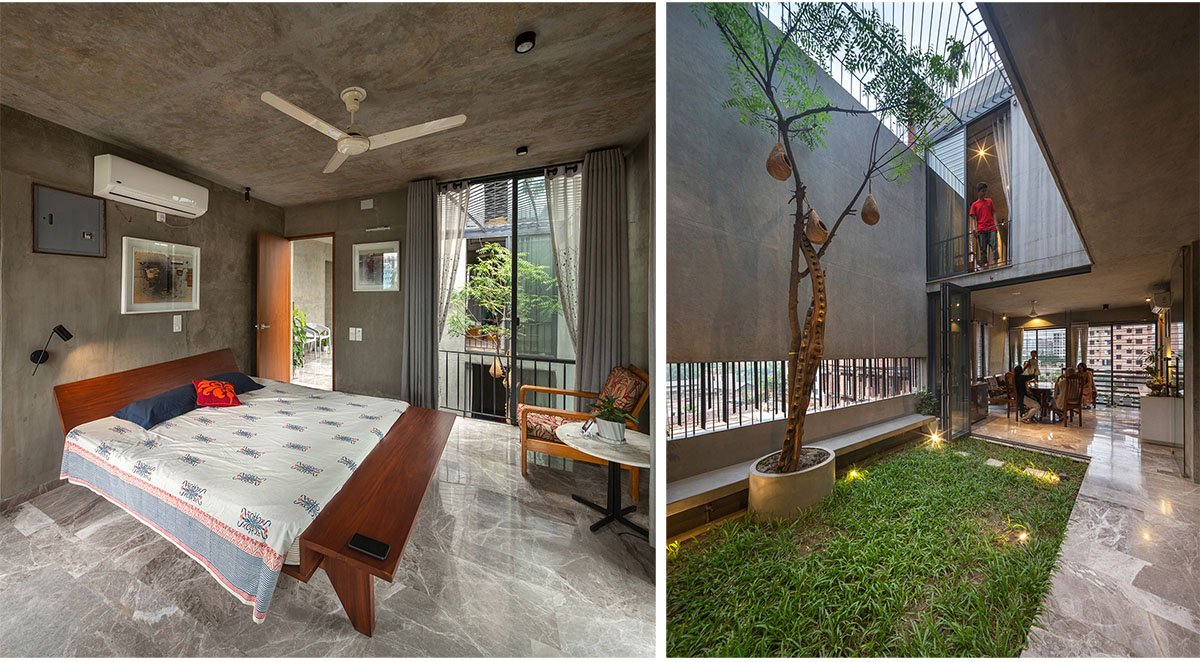
Rather than treating the plot as a limitation, architects Faysal Kabir and Anup Kumar Basak viewed it as an opportunity. Through dialogue and careful planning, they proposed a compact yet efficient layout that balances density, privacy and openness. The building accommodates rental units for financial stability while preserving a courtyard-centered family home above.
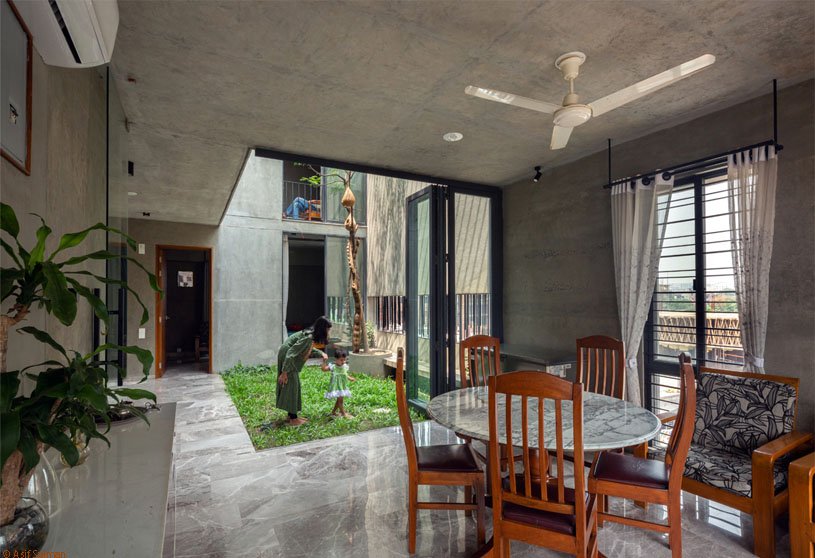
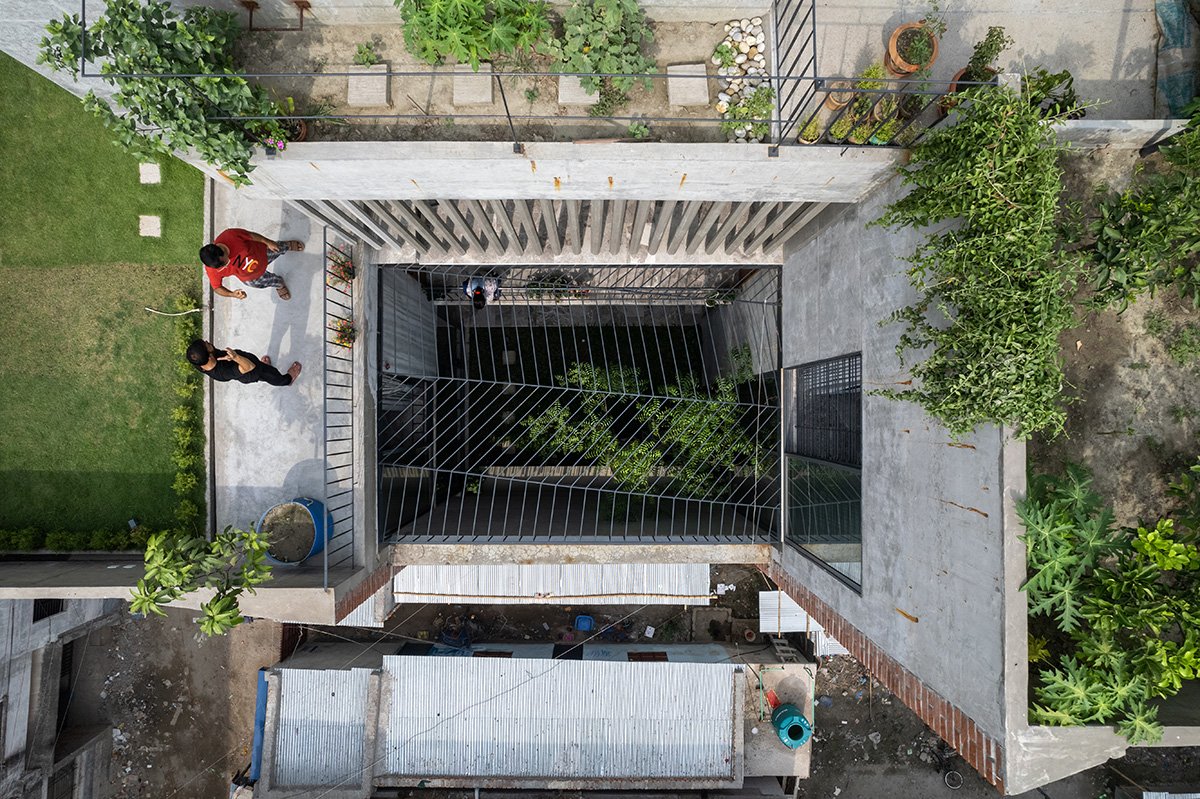
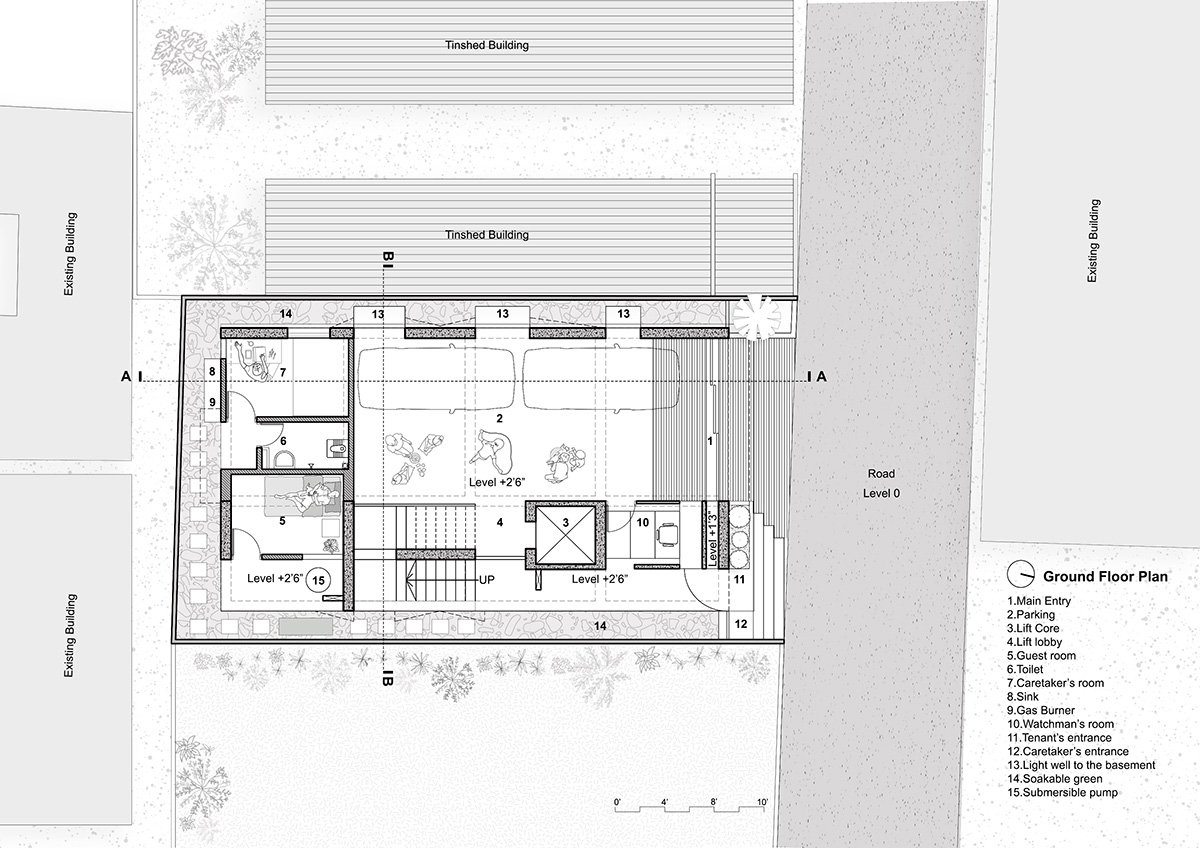
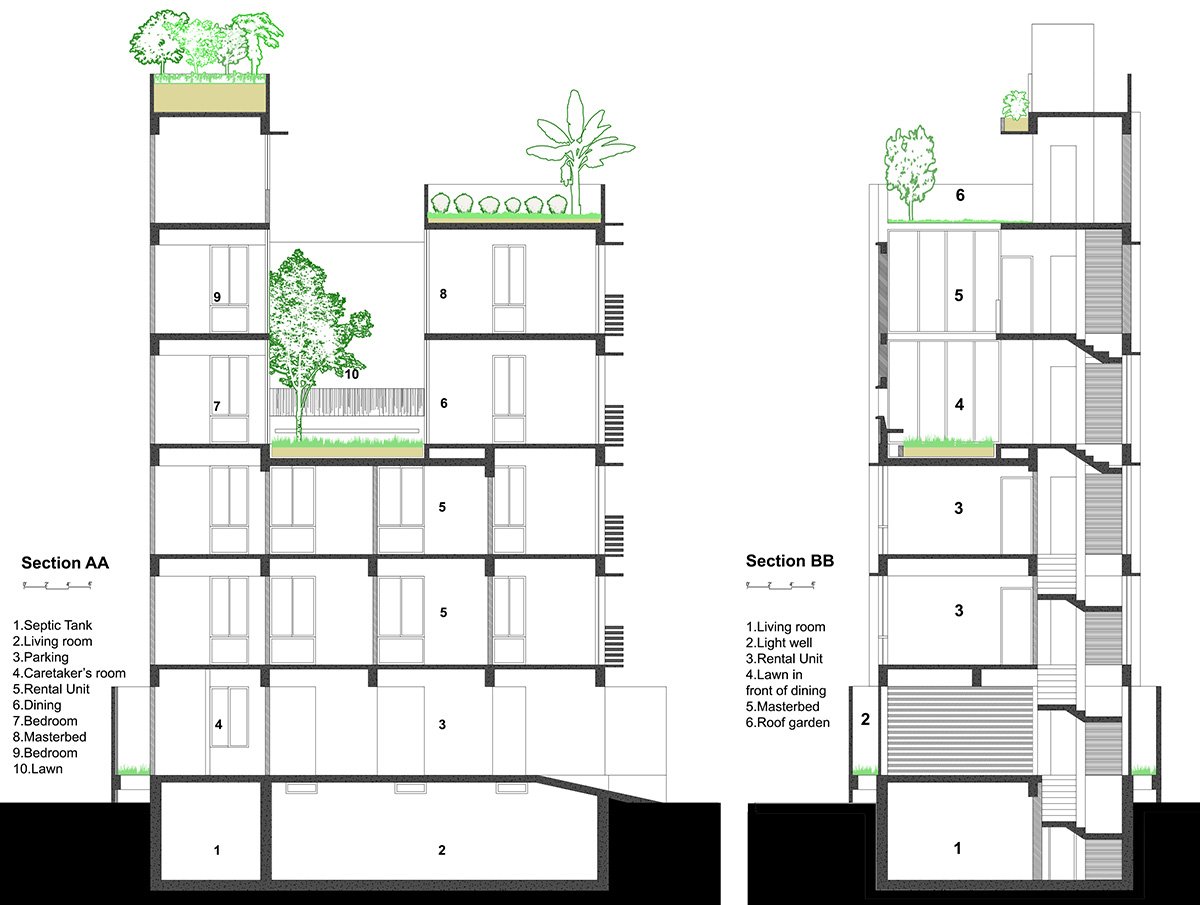
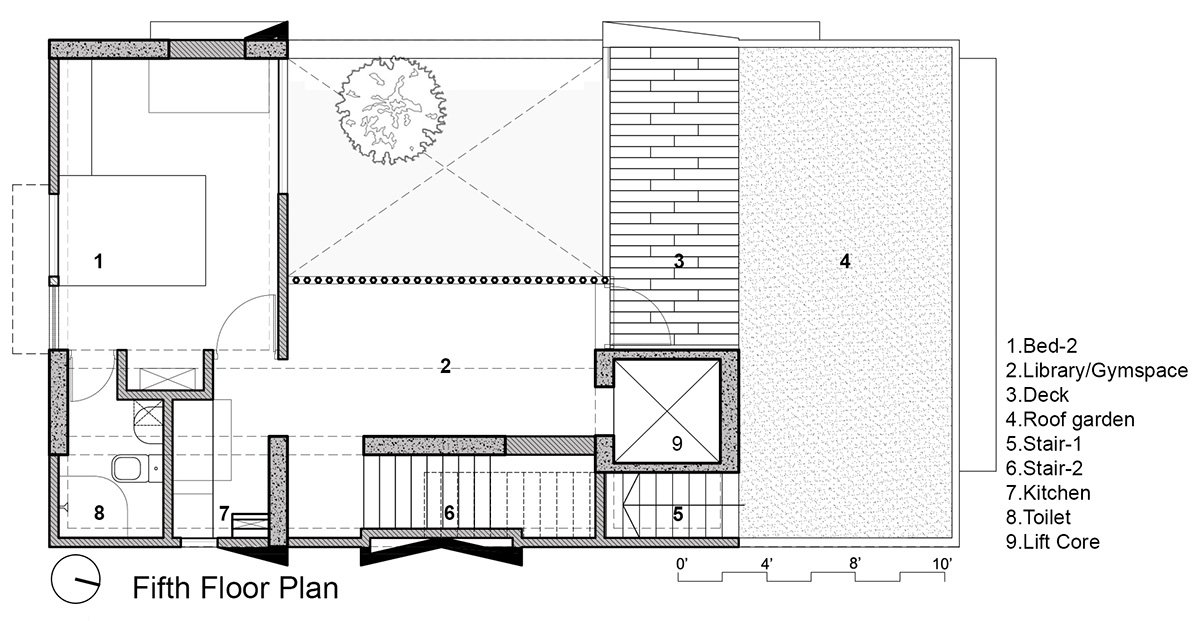
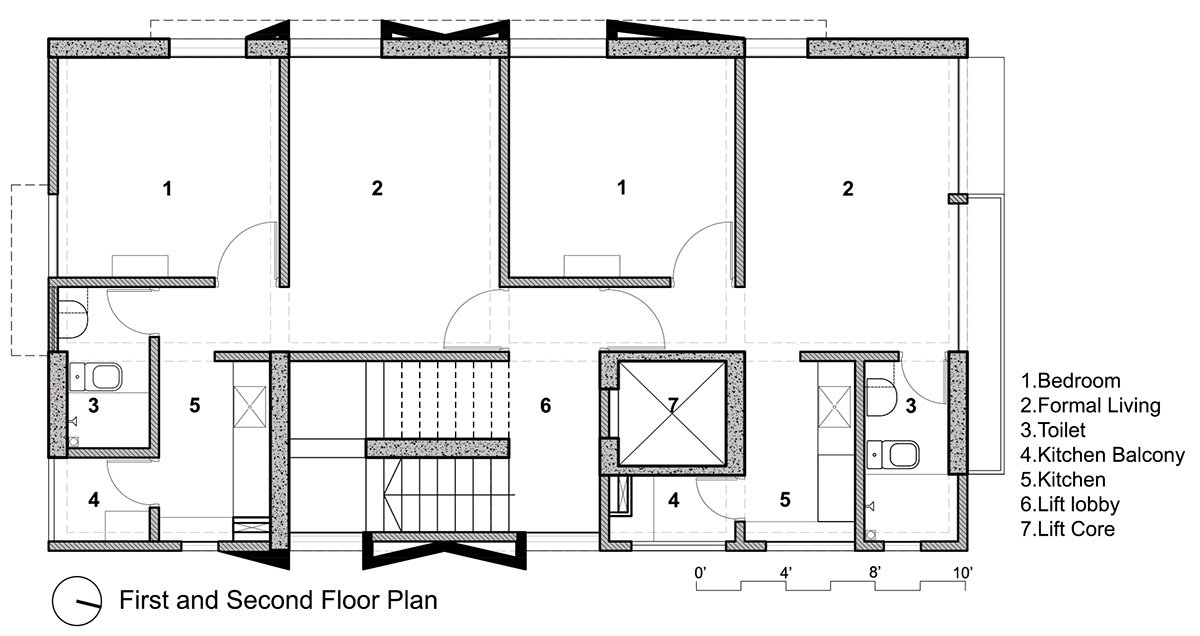
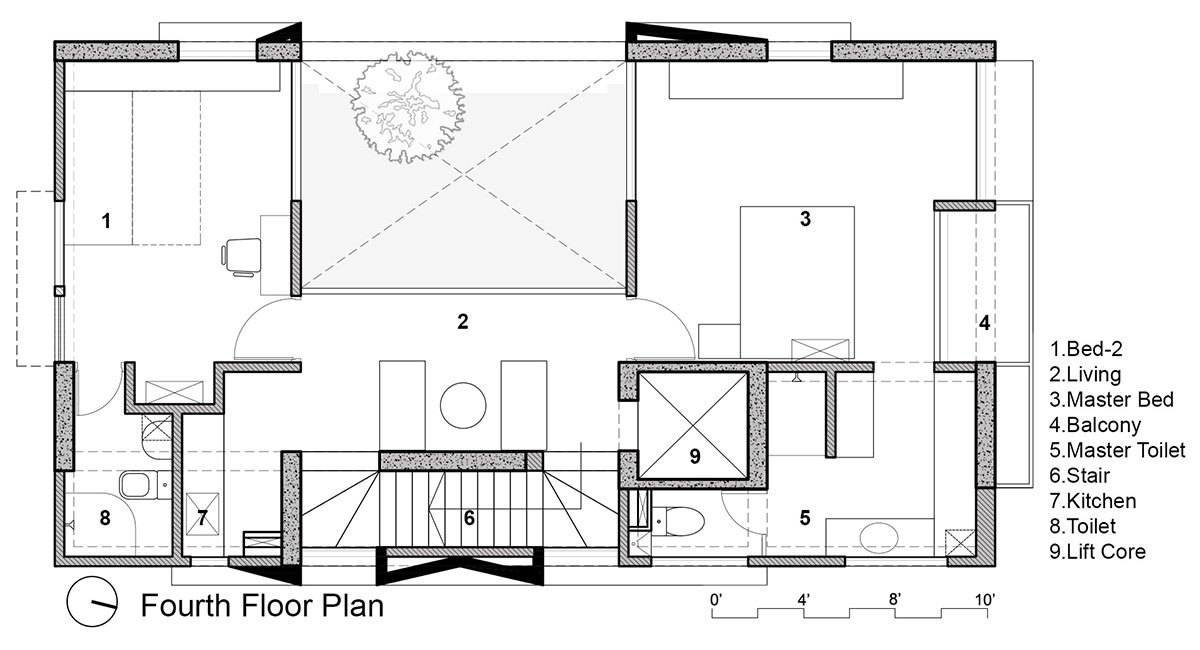
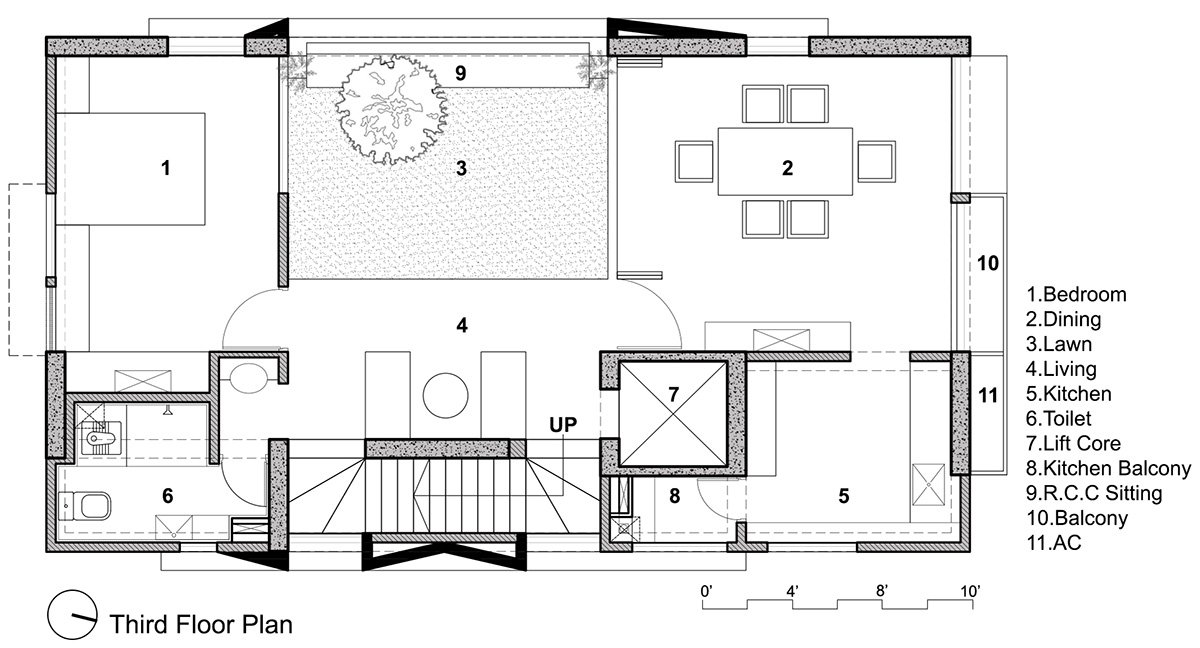
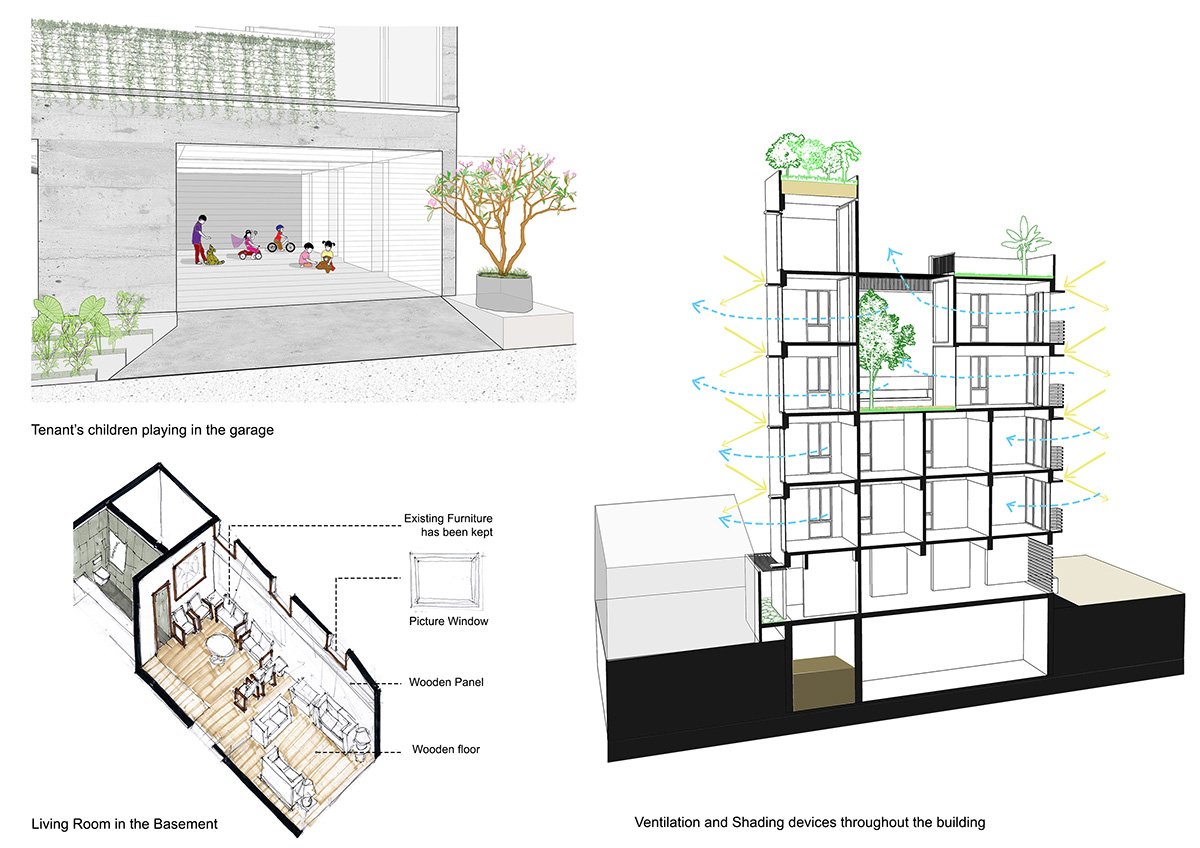
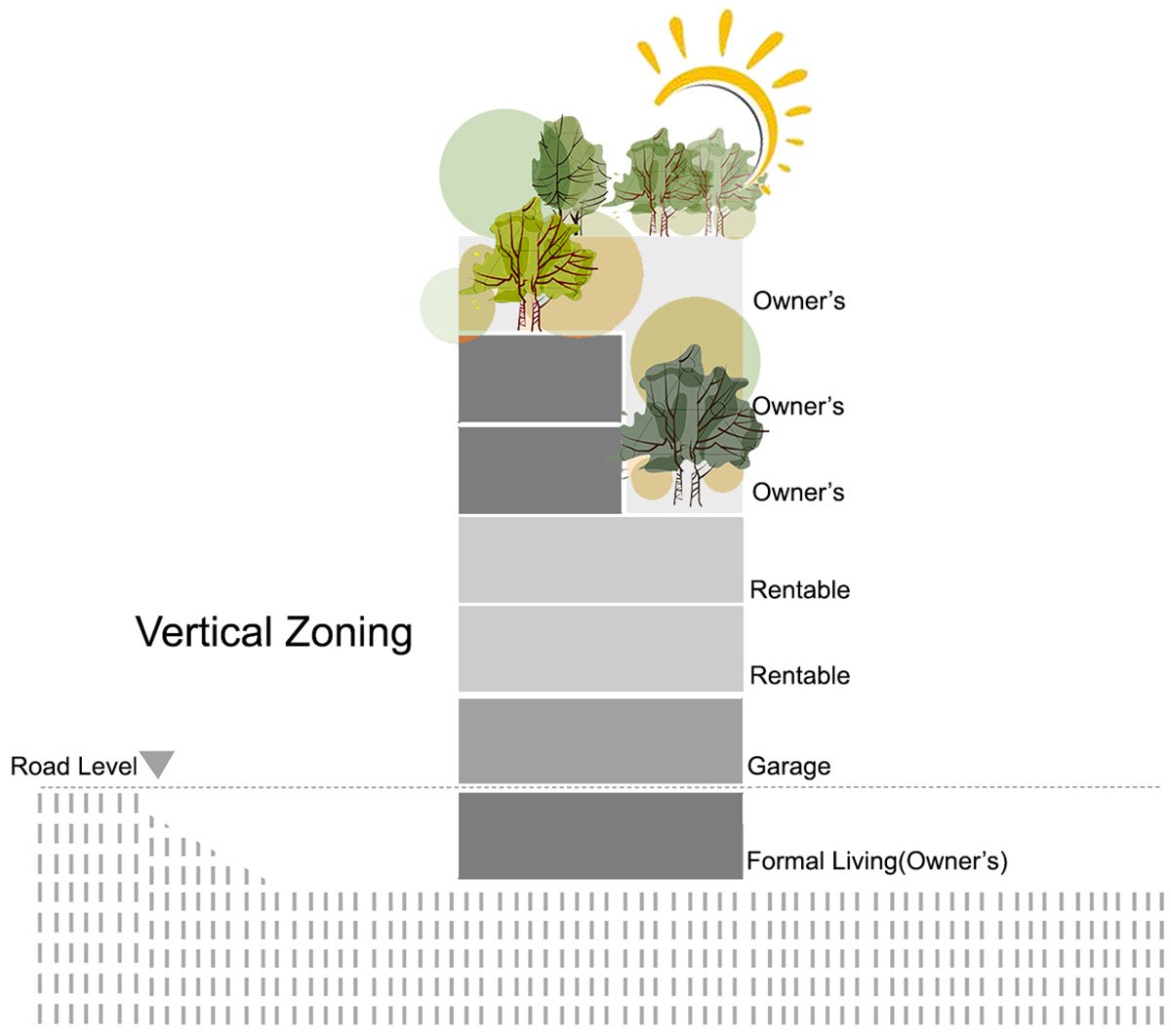
Built on less than two kathas, the project is vertically organized. Service spaces, a caretaker’s unit and parking occupy the lower level. Two floors of compact rental apartments sit above, providing steady income. Rising higher, the building shifts in character: three levels form a family triplex wrapped around an open-to-sky courtyard as the heart of the home.
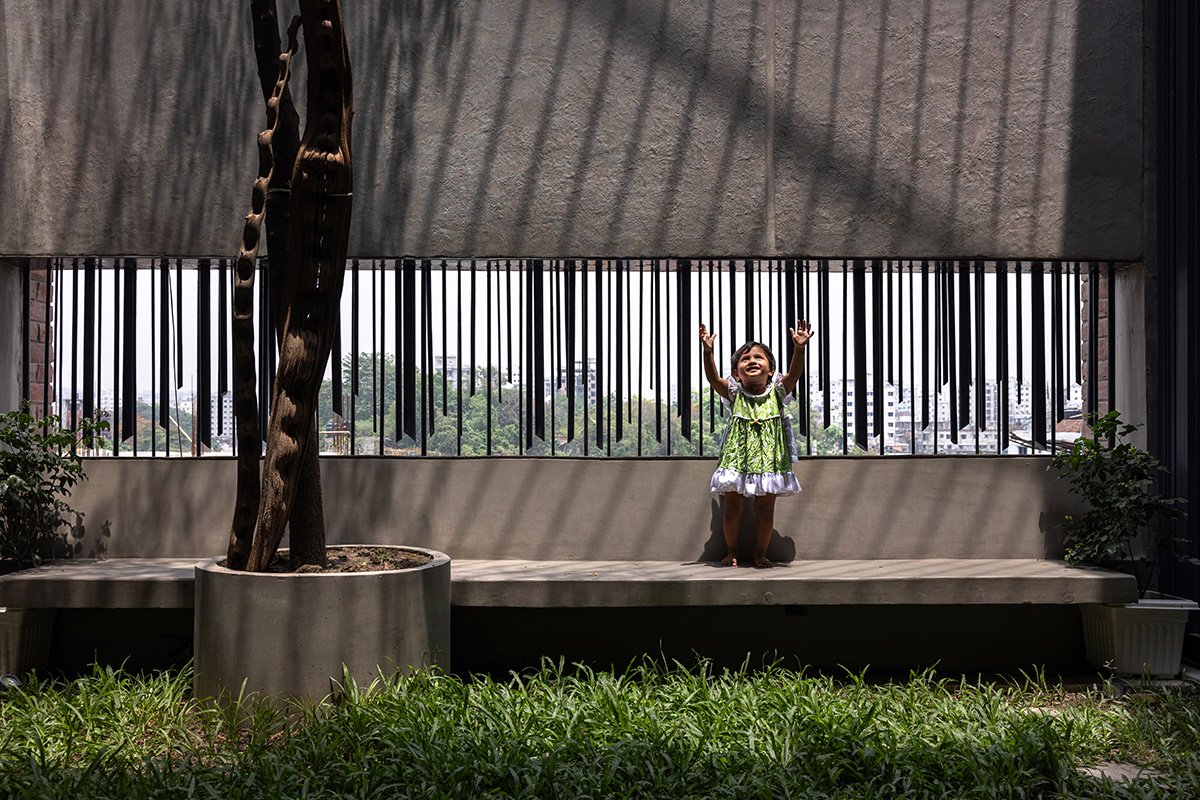
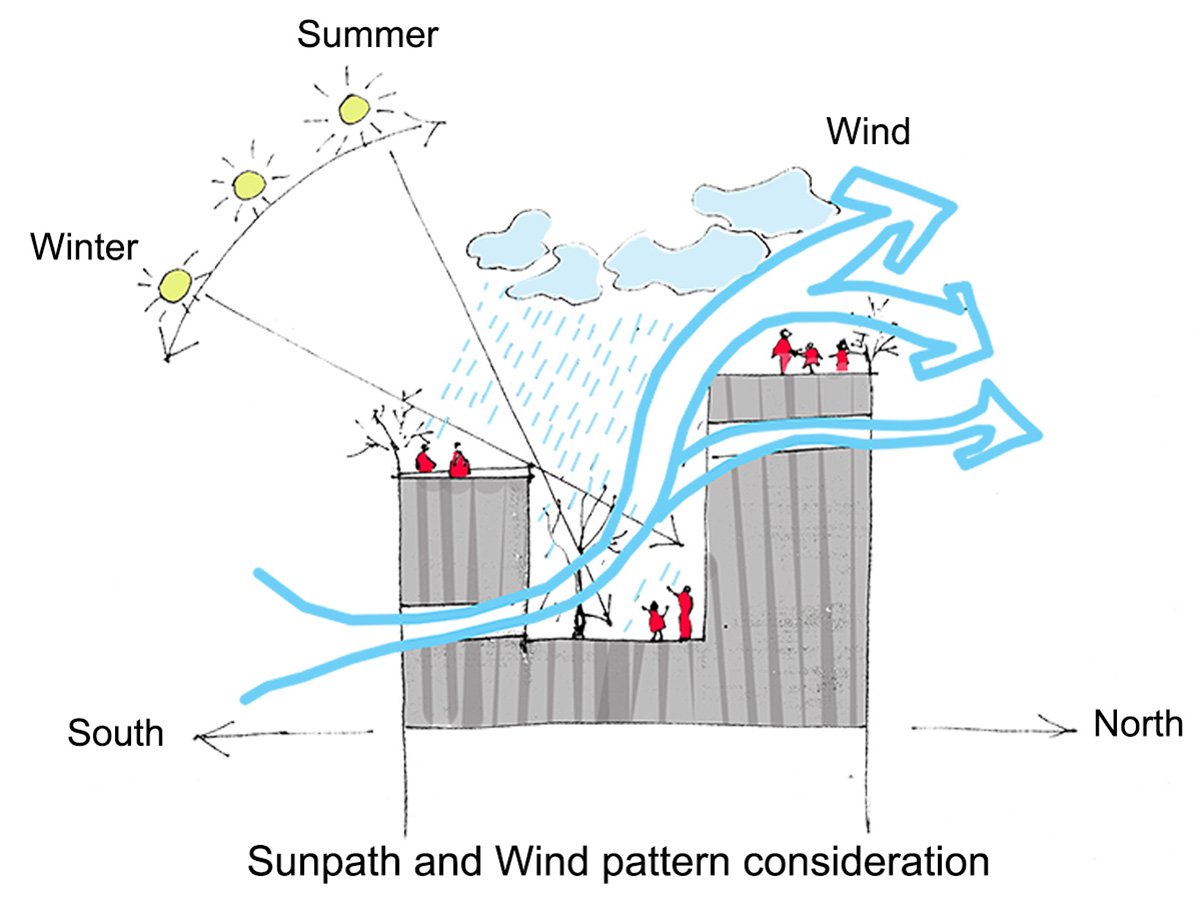
The mass vertically decreases toward the south to maximize sunlight, while the eastern courtyard captures changing light throughout the day. A tall enclosing wall ensures privacy, pierced by a narrow opening that draws wind upward through the void.
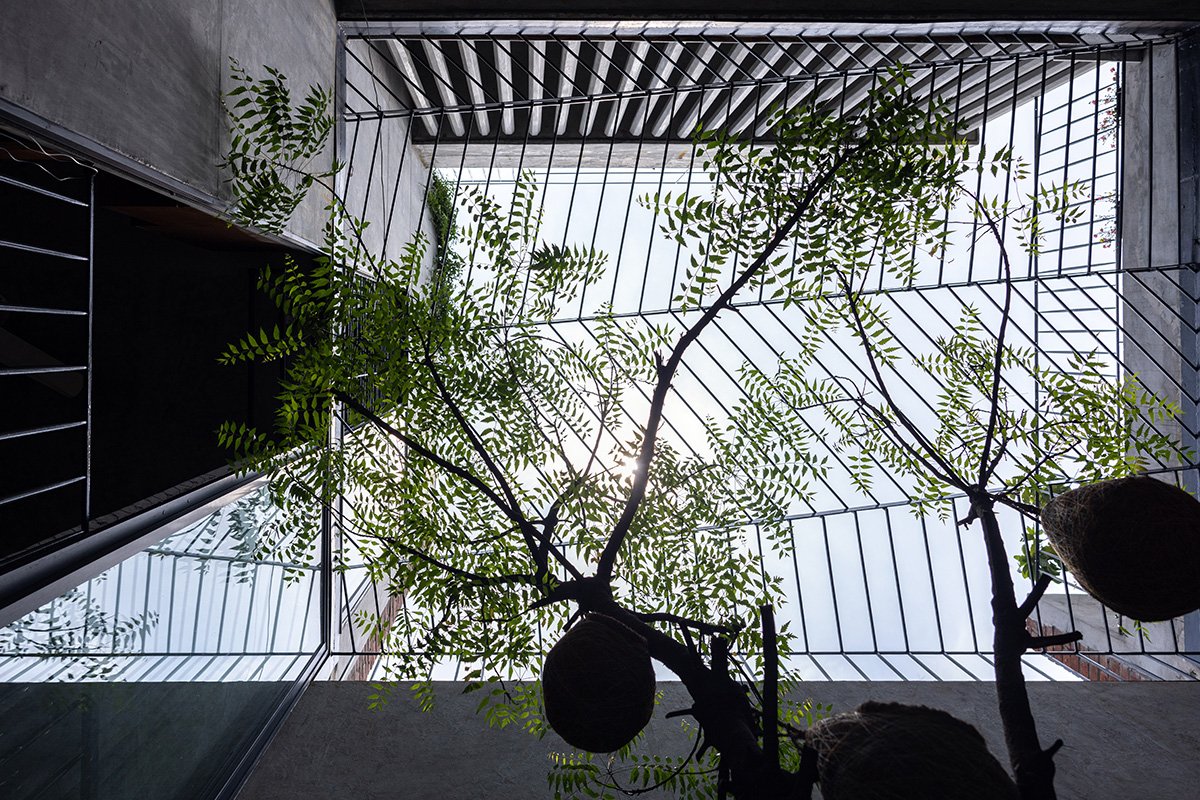
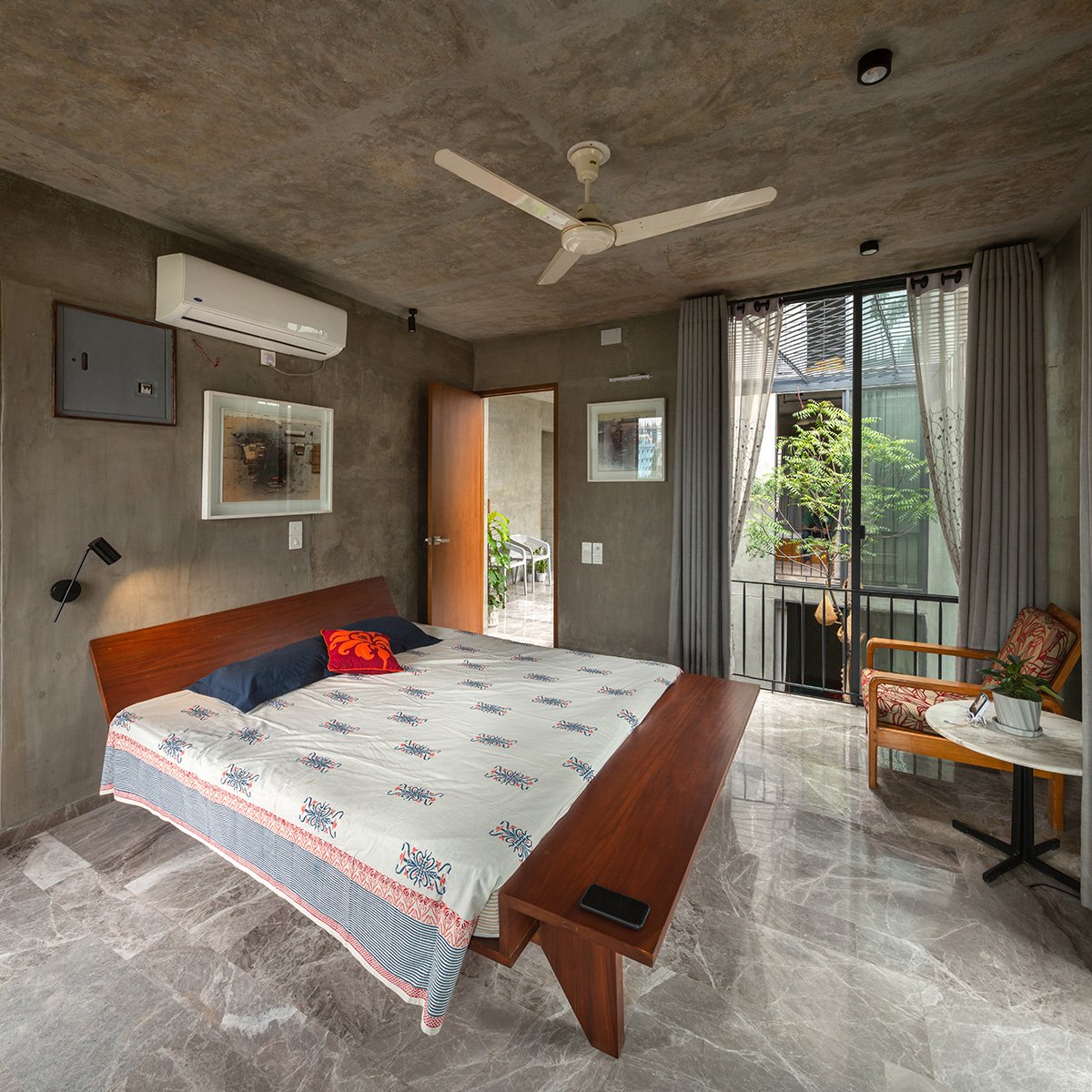
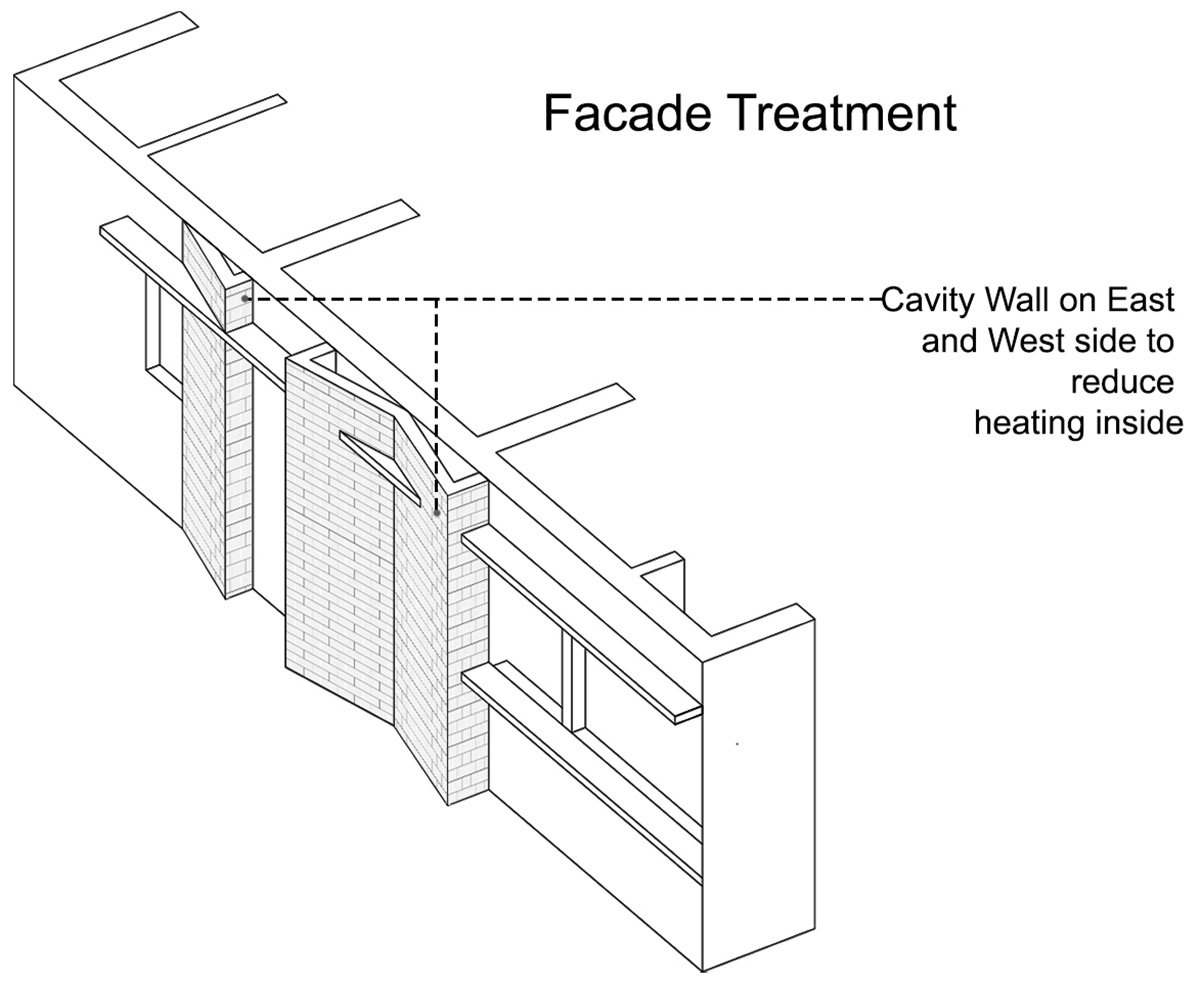
Inside, spaces are deliberately simple yet functional, prioritizing comfort, flexibility and environmental performance over excess. Floor-to-ceiling openings bring in daylight and breeze, while stacked gardens at different heights maintain a constant visual connection to nature. Exposed concrete surfaces lend a calm, monolithic presence. Anticipating future urban change, the ground level is set lower than the road, allowing it to evolve into a basement over time.
Ultimately, Megh Mallar reflects on life within Dhaka’s dense urban fabric. It asks whether small plots and modest interventions can still offer light, greenery, social connection and dignity. It offers no answers, only an invitation to rethink the city’s future through collective imagination and care.
Drawings
Images