Excerpt: ‘Flexible and Replicable Housing in Montecristo, Bolívar’ is an architecture thesis by Daniel Esteban Garay Medina from the ‘Facultad de Arquitectura – Universidad Santo Tomás Medellín’ that seeks to transform Montecristo’s challenges into growth opportunities by integrating replicable housing solutions with environmental and cultural preservation. It empowers residents, promotes a circular economy, and strengthens community identity. This sustainable development model enhances the quality of life, attracts new residents, and revitalizes the local economy.
Introduction: The study of Montecristo, Bolívar, emphasizes the region’s abundant natural and cultural assets while also revealing significant socio-economic difficulties. Challenges such as conflicts with armed groups, inadequate housing lacking essential services, and pollution in local waterways highlight the urgent need for environmental management and better living conditions.
The architectural proposal responds to these issues with a sustainable approach centered on community involvement and the use of local materials, especially wood. This strategy minimizes reliance on external suppliers, boosts the local economy, and promotes social unity by engaging residents in the building process. Additionally, the project applies bioclimatic design principles to provide thermal comfort and energy efficiency, utilizing natural resources to develop self-sustaining structures.
By integrating housing solutions with environmental and cultural preservation, the proposal seeks to turn Montecristo’s challenges into opportunities for growth. It empowers residents by providing construction skills, encourages a circular economy, and strengthens community identity. This strategy aims to become a model for sustainable development by enhancing quality of life, attracting new residents, and revitalizing the local economy. Ultimately, it showcases how architecture can drive social progress, promote environmental responsibility, and safeguard cultural heritage in Montecristo.
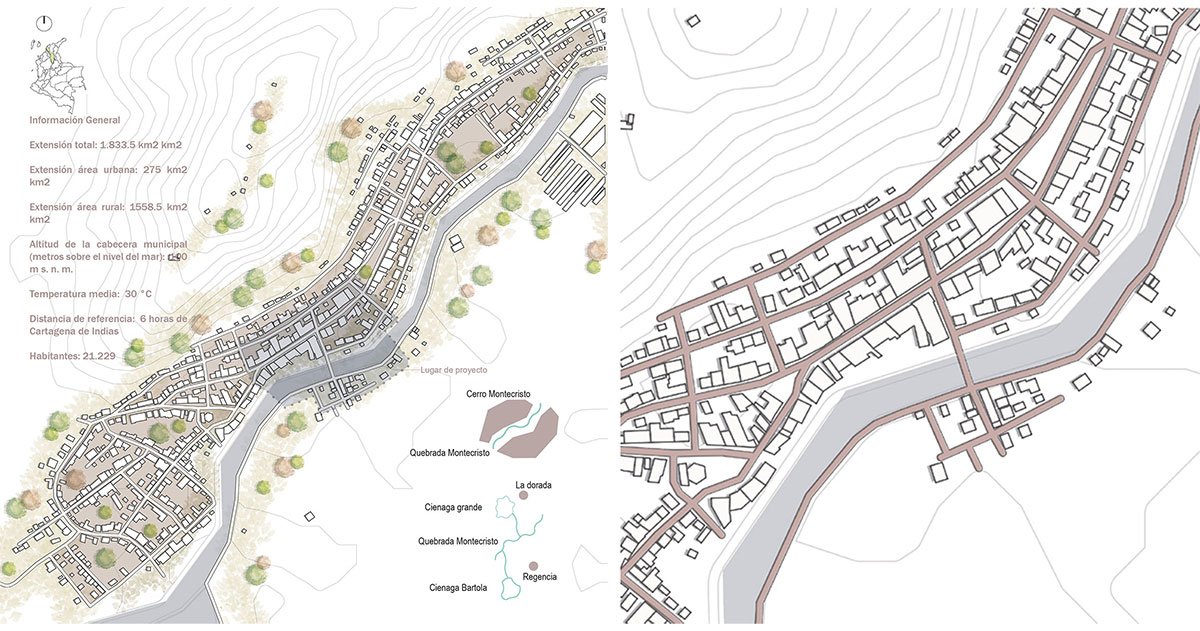
Urban Plan MontecristoProject Location | Road Plot
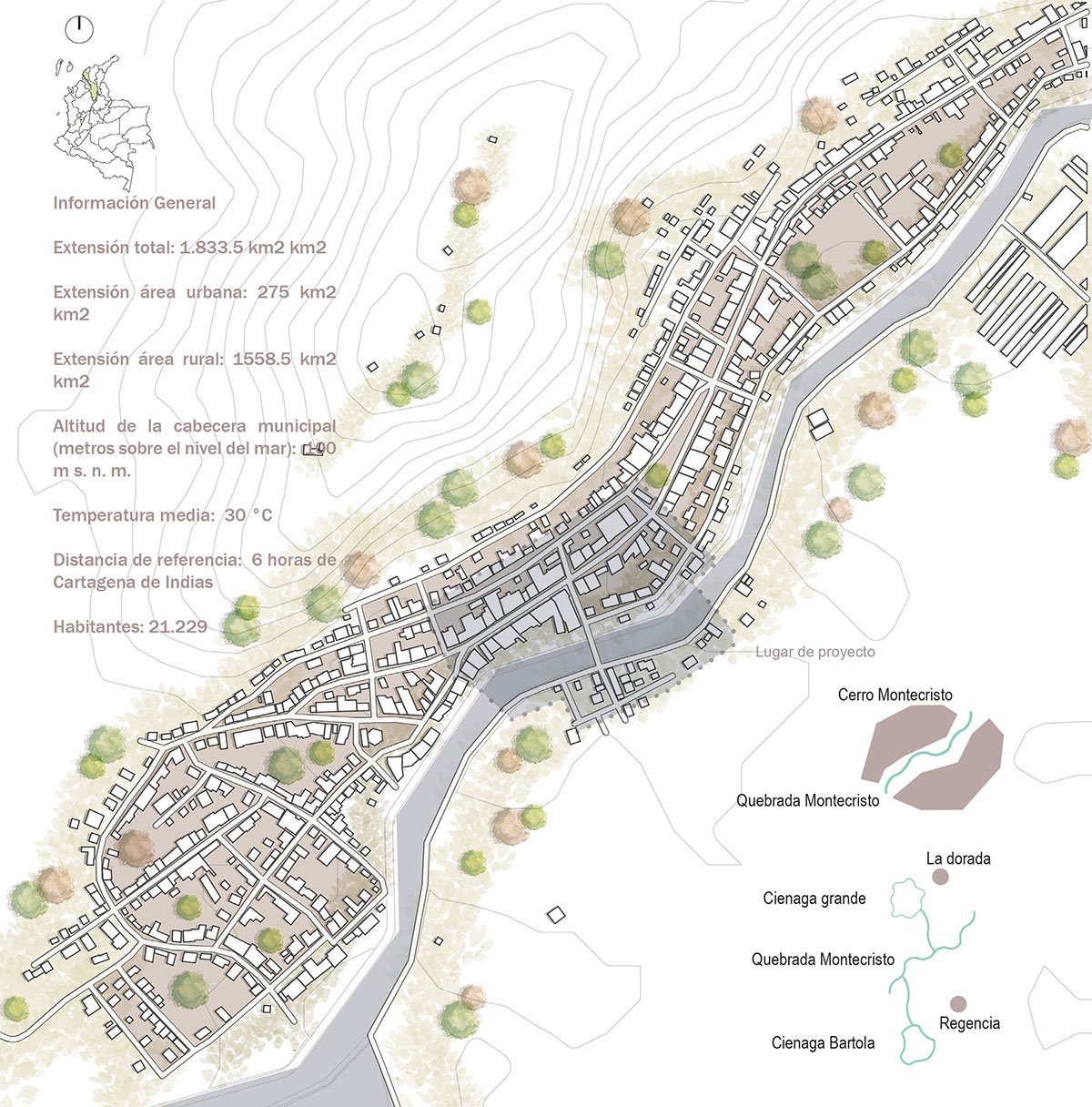
Montecristo is a Colombian municipality in southern Bolívar, known for its natural wealth and strategic location. It borders Achí and Tiquisio to the north, Santa Rosa del Sur, Arenal, and Río Viejo to the east, Santa Rosa del Sur to the south, and San Jacinto del Cauca to the west. This position fosters cultural and resource-sharing among nearby communities.
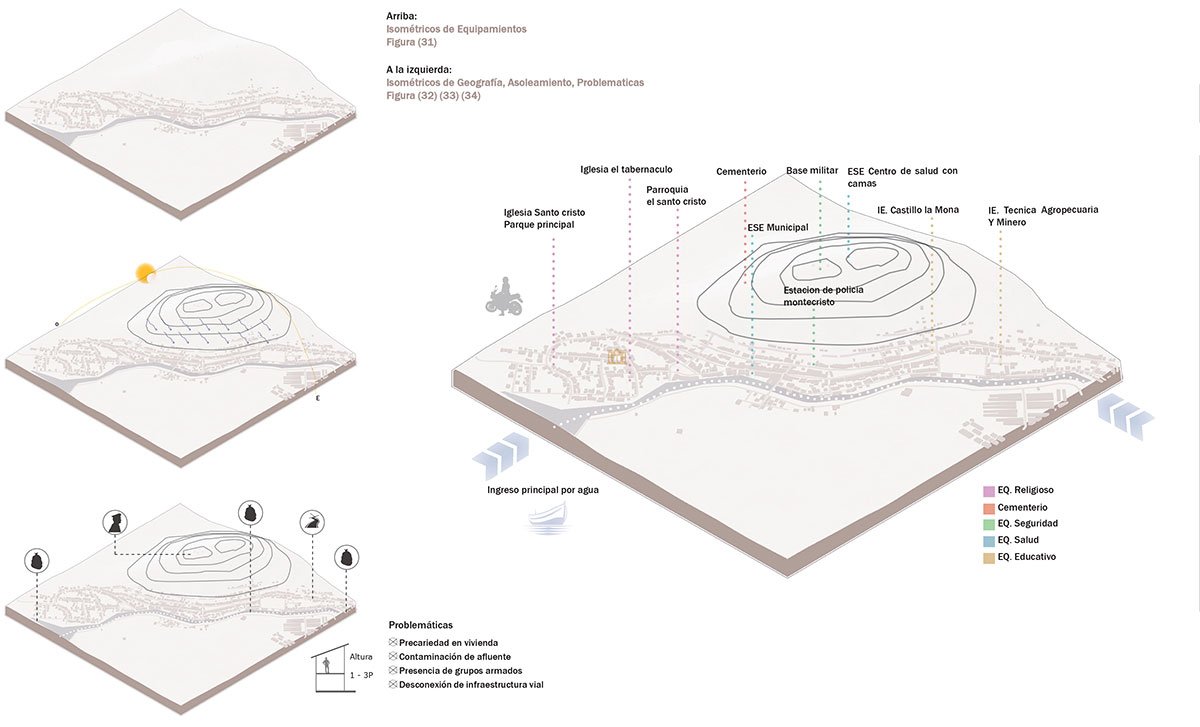
Urban Layout | Potential Development AreasHouses on the Bank of a Ravine
Montecristo boasts stunning landscapes and rich biodiversity, offering untapped potential for ecotourism. Despite challenges like limited infrastructure and informal mining, its resilient community works to improve living conditions and balance economic growth with environmental sustainability.
Site AnalysisHouses on the Bank of a Ravine
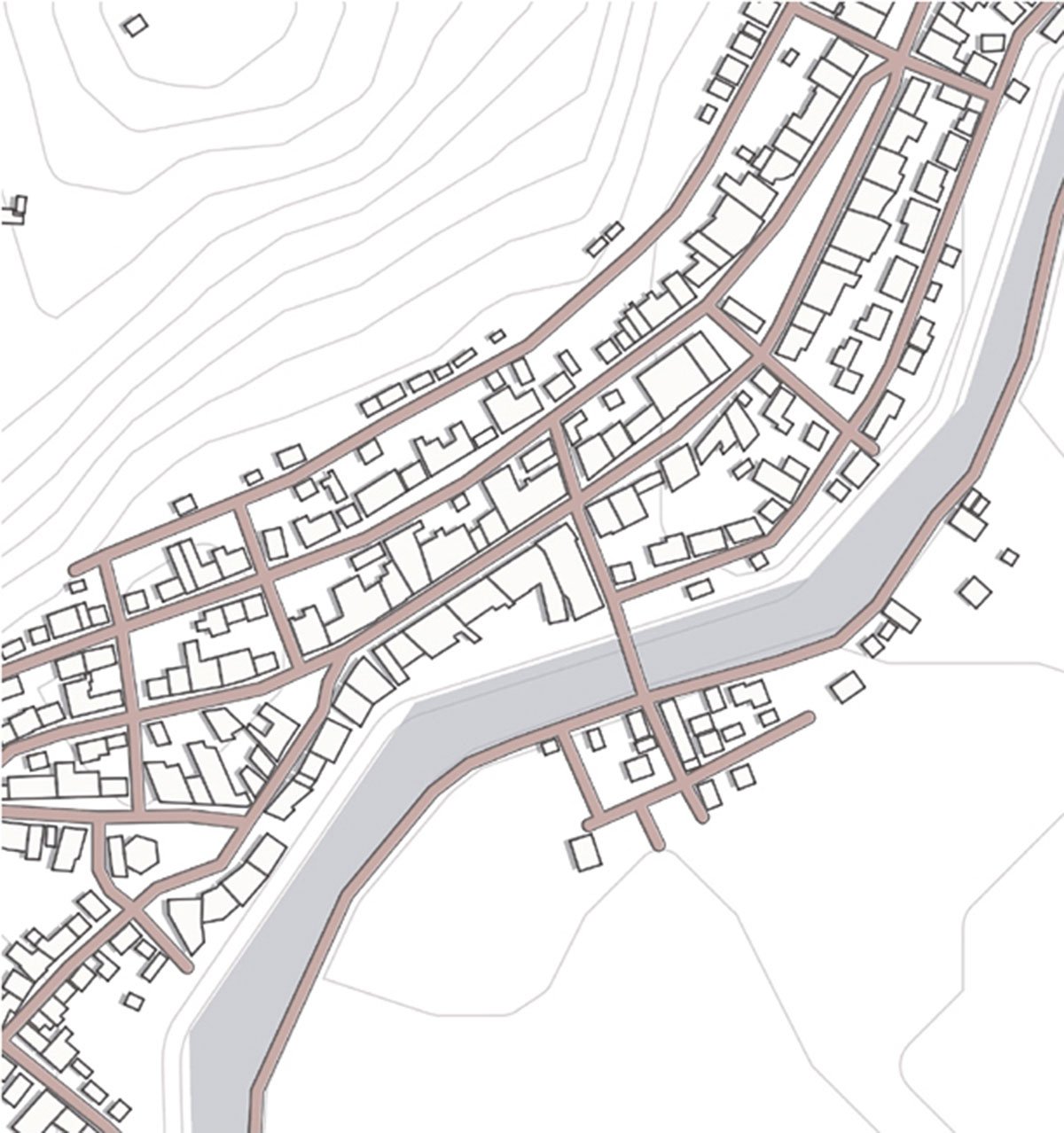
Montecristo has an irregular, polygonal layout with narrow, poorly maintained streets and a disorganized block distribution due to the lack of urban planning. This has made motorcycles the primary mode of transportation. Homes are scattered along the road network, often self-built with recycled materials or local wood, reflecting limited economic resources.
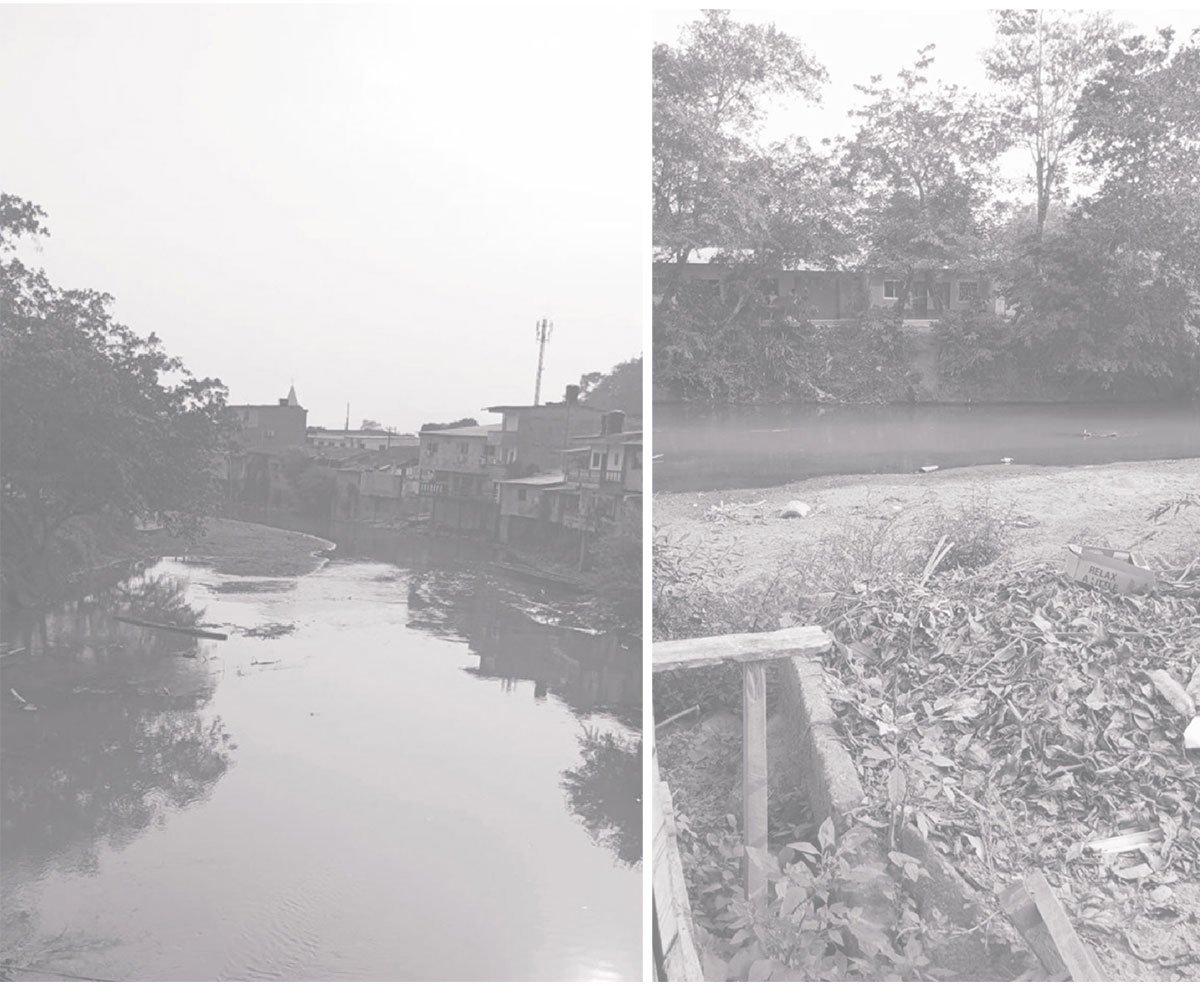
Houses on the Bank of a Ravine | Pollutants of the StreamMontecristo
The proposed plan aims to improve the main road network and optimize the river axis, especially the ravine running through the town. It focuses on revitalizing riverside areas, upgrading nearby housing, and implementing solutions to mitigate annual flooding.
Design Process
Understanding the PlaceImaginary Plan of the Proposed PlaceTypology CompositionsTypology Compositions
To develop the project proposal, various design schemes and typologies were explored to ensure harmony with the local context. This approach led to the creation of adaptable, replicable modules that meet the diverse activities and needs of Montecristo Bolivar’s residents. Additionally, an analysis of potential housing designs was conducted, considering residents’ individual preferences and focusing on both architectural elements and supporting services to address their specific needs.
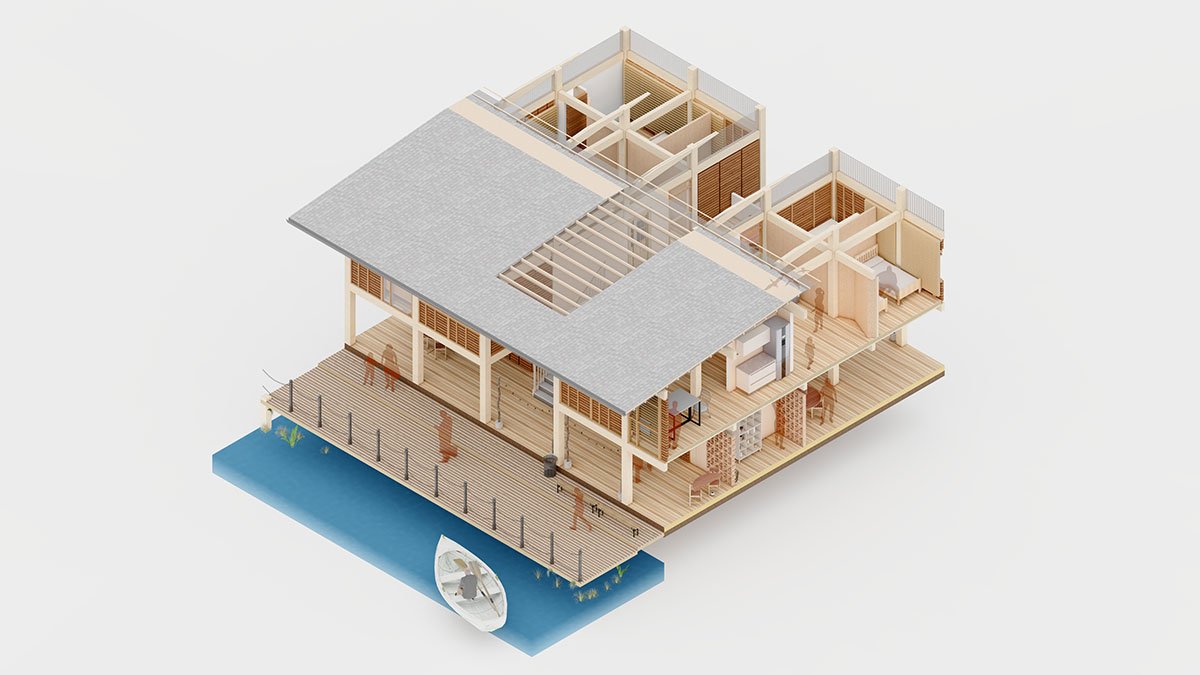
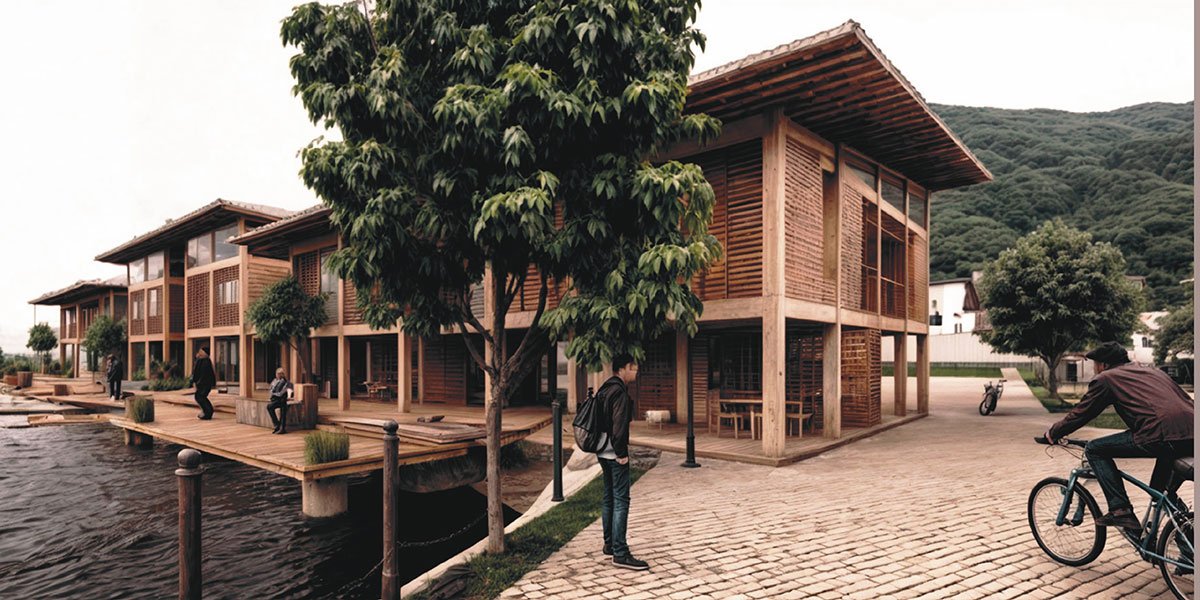
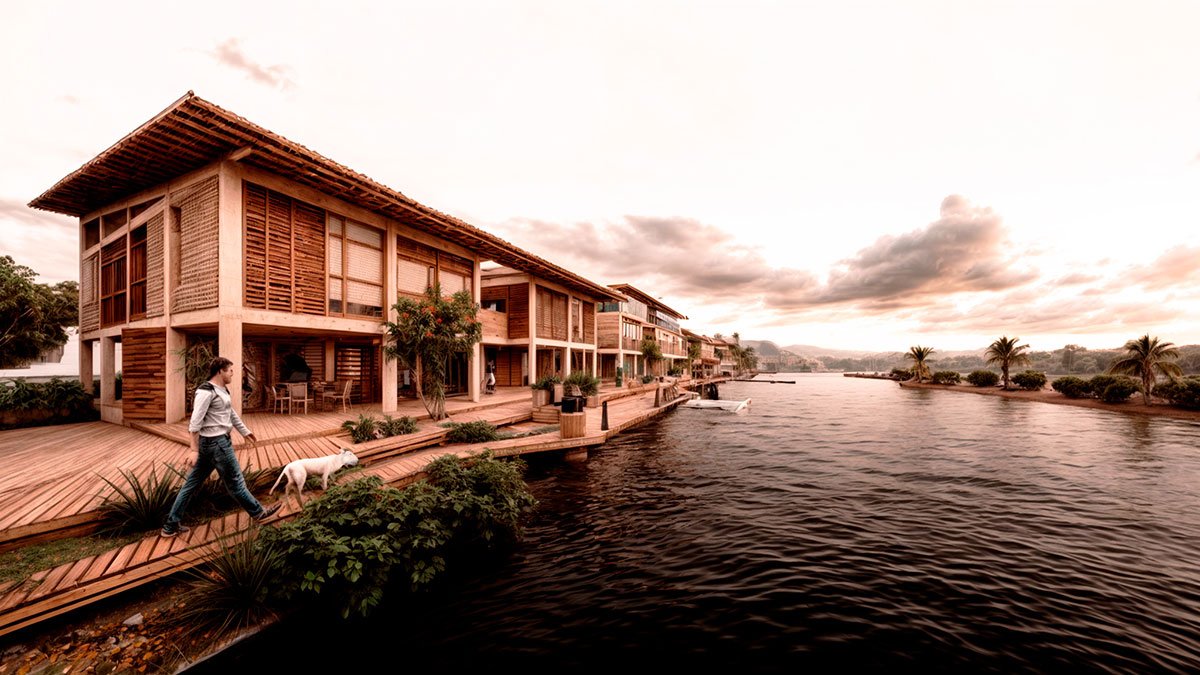
Replicable, flexible, and sustainable housing modules will be developed for Montecristo, Bolívar, to address flooding from the nearby ravine. This project aims to improve living conditions while encouraging community and mixed-use activities within and around the homes. It also focuses on enhancing public spaces, access roads, and the main local transport system—riverboat travel. Local materials, mainly wood, will be used, supported by upgrading municipal sawmills. This strategy seeks to improve residents’ quality of life and promote bioclimatic, sustainable development for resilient and harmonious community growth.
Isometric Zoning Typology 1 | Imagine Living in the HouseIsometric Zoning Typology 2
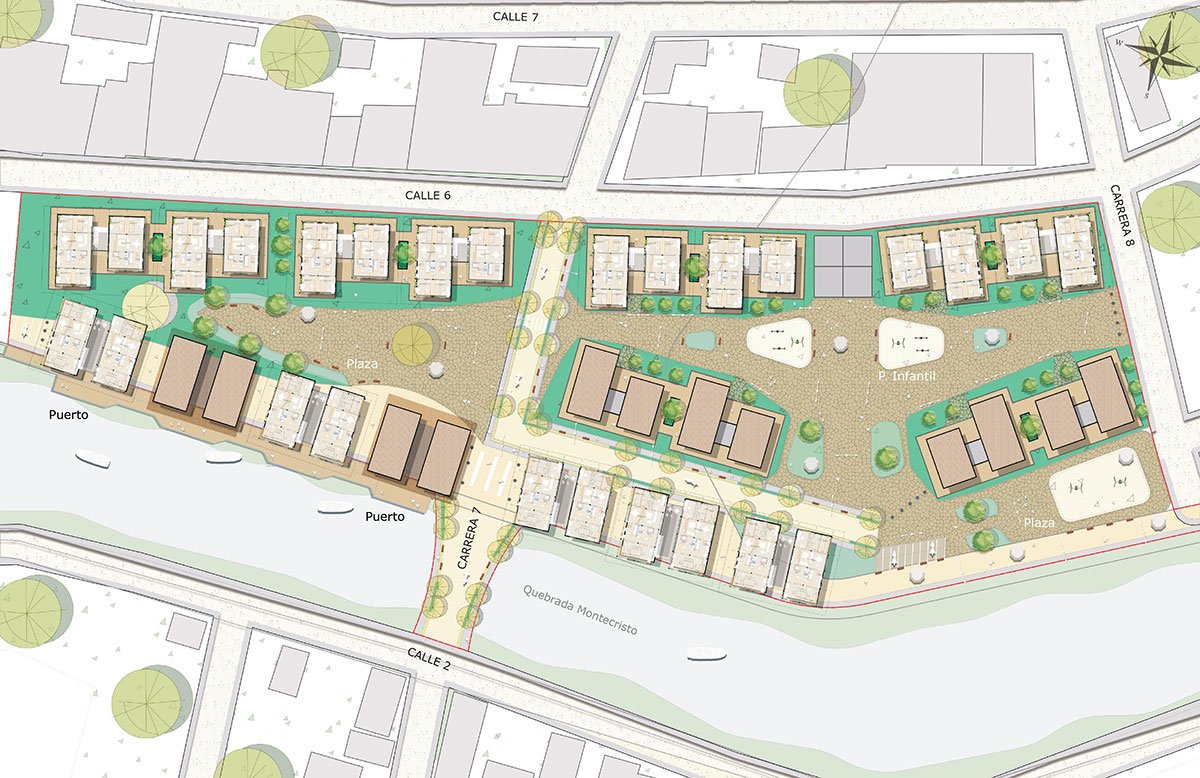
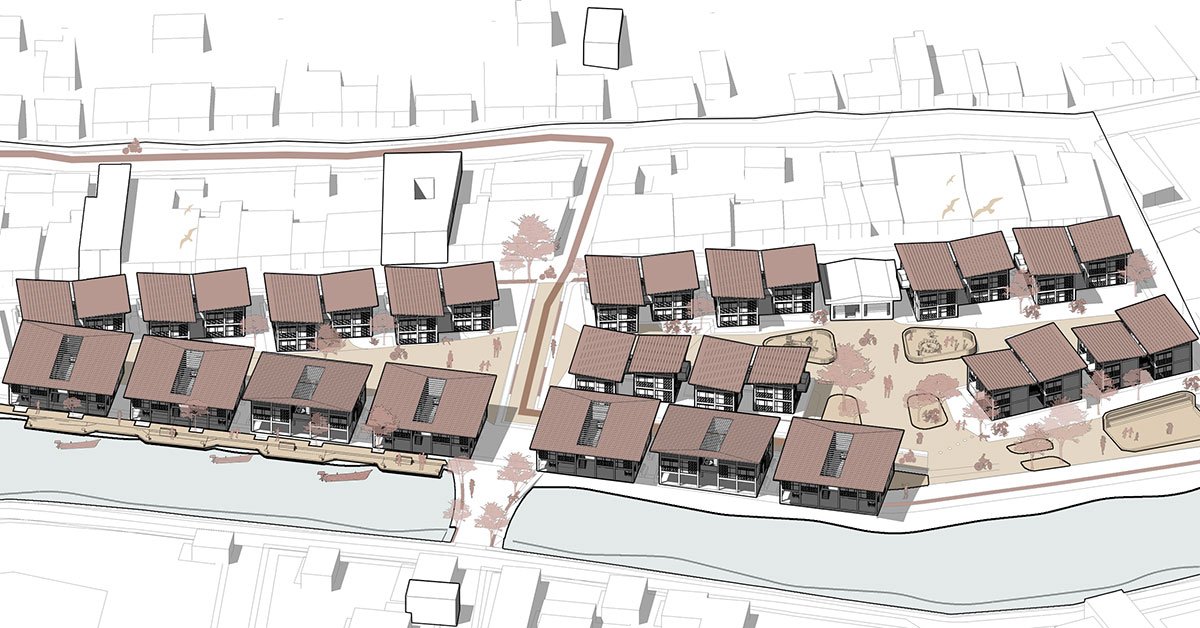
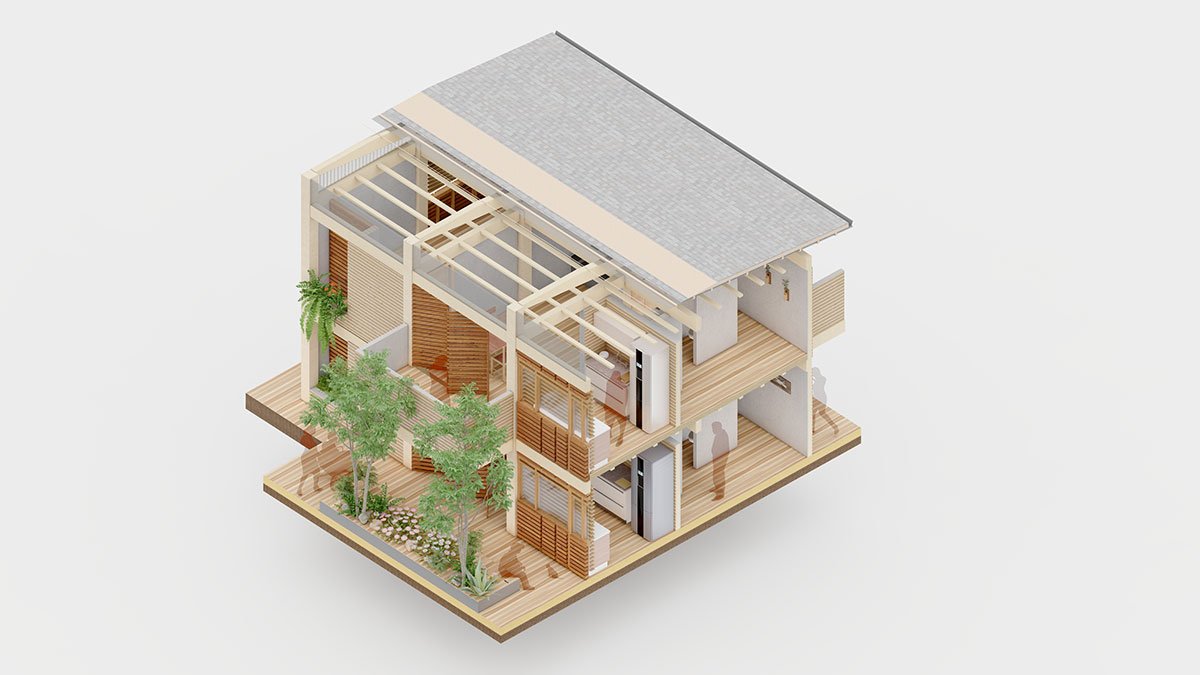
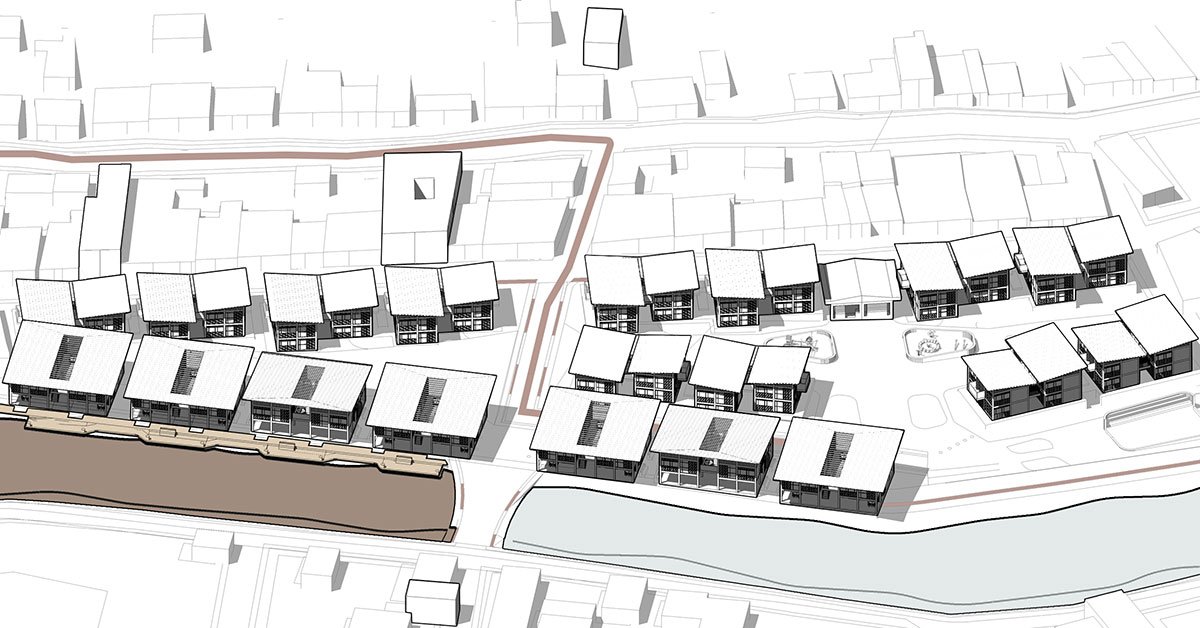
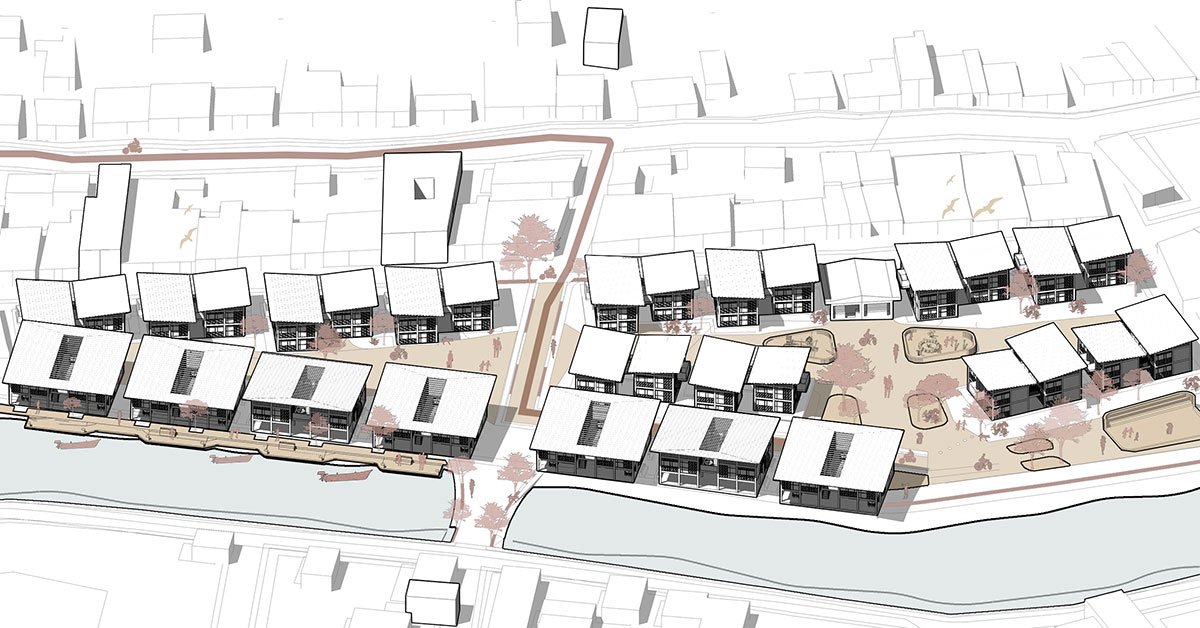
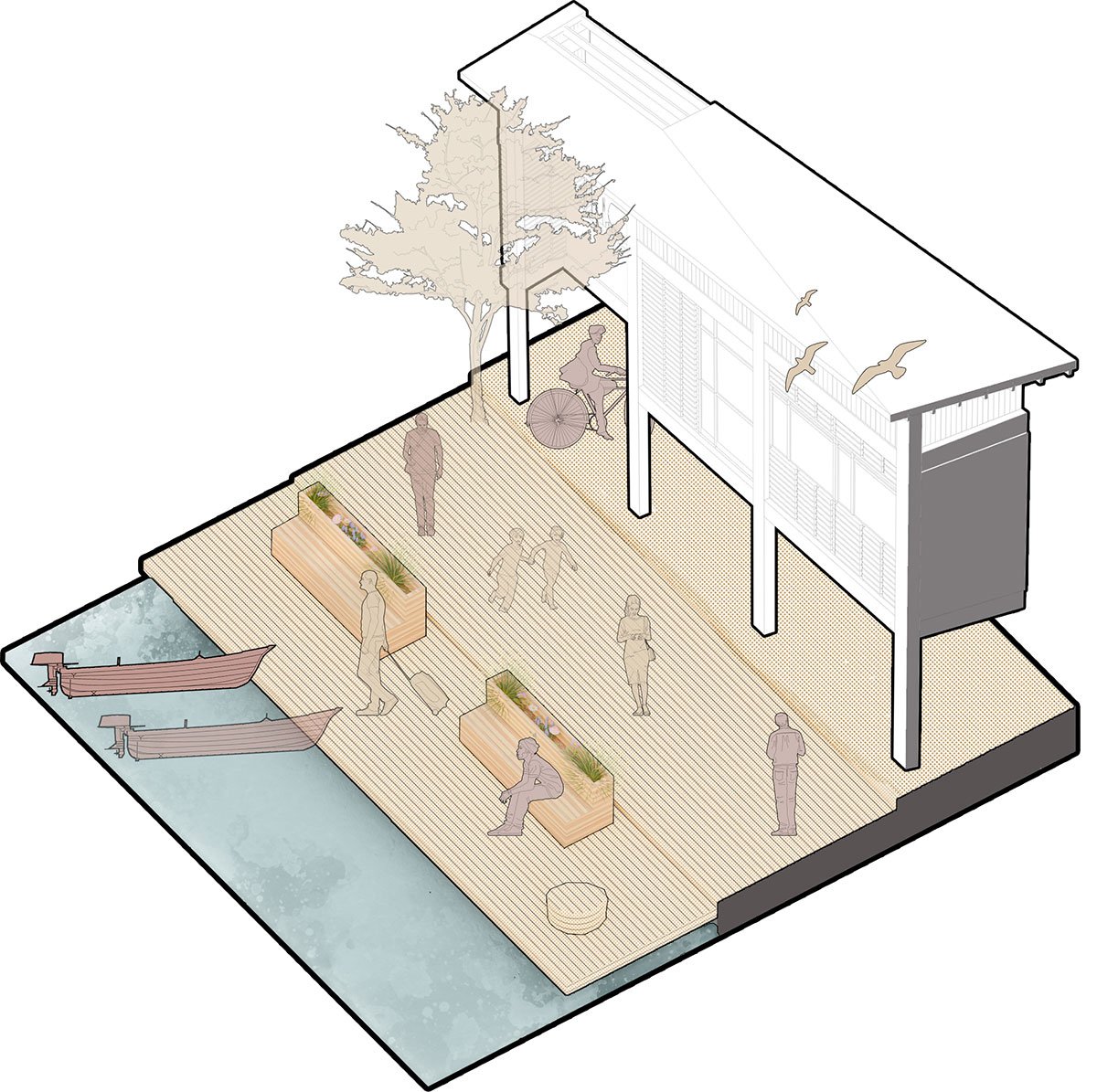
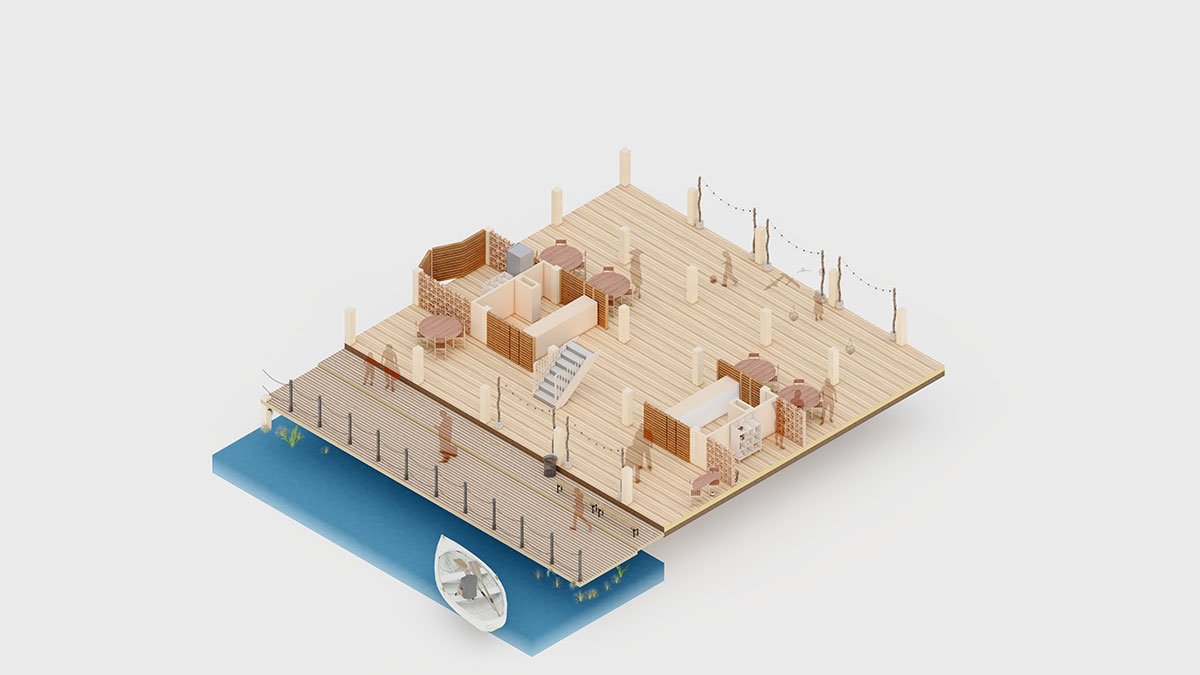
The design prioritizes bedrooms and productive spaces as the foundation for other integrated functions. Emphasis is placed on productive areas connected to a flexible space that organizes the home’s zoning. This housing module is intended for families of 4 to 6 members, featuring four two-level units elevated on a wooden deck. This design frees the ground level, creating a central communal area with green spaces for residents to enjoy, fostering interaction and community well-being.
Final Outcome
MasterplanUrban Plan
Finally, a well-organized and balanced urban layout is created that respects and enhances the main ravine axis and the municipality’s primary roads. This arrangement improves connections and accessibility within the city, benefiting local residents, and also attracts tourists and transient populations, offering a more inviting atmosphere.
Imaginary in section, activities and public spaceLandscaping DetailLandscaping Detail
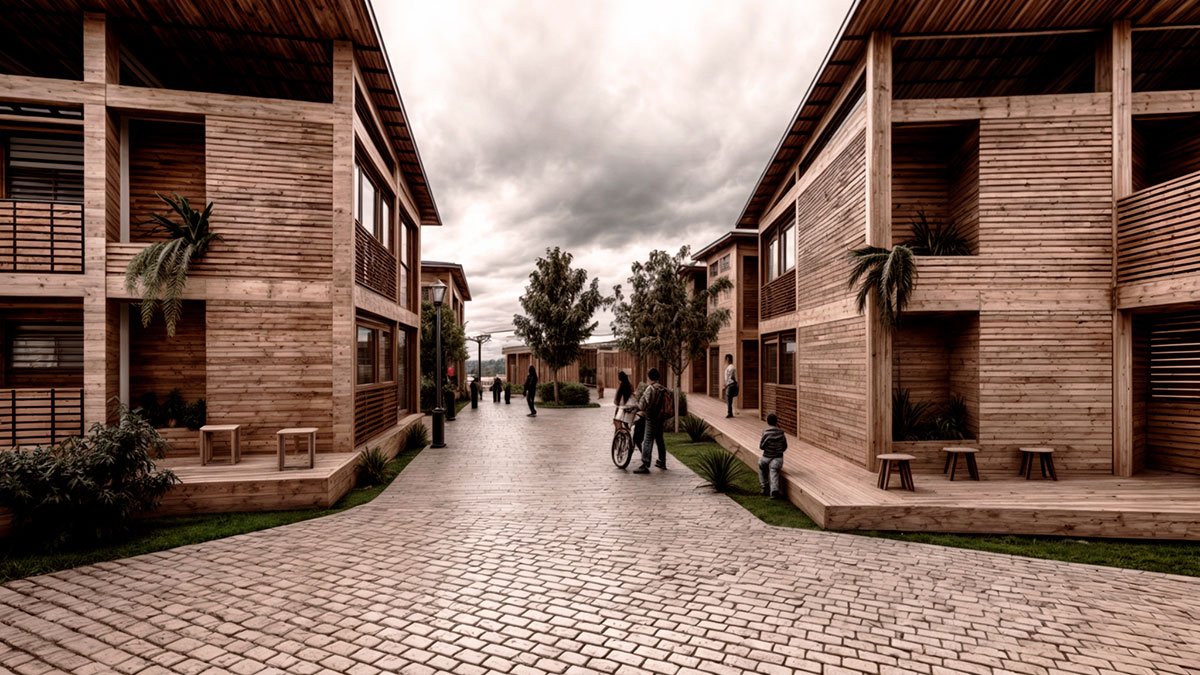
The new design includes parks and recreational spaces that provide a safe environment for children. These areas, situated close to residential zones, encourage family supervision, ensuring a safer and more suitable setting for children’s play. Furthermore, they help address the lack of public spaces and green areas in the town.
Axonometric Type 2 HousingAxonometric Type 2 HousingExterior RenderExterior Render
A key feature of this plan is the inclusion of spaces dedicated to the care of domestic and farm animals, fostering better coexistence between humans and their pets while promoting respect for nature. These spaces are designed for community use, contributing to a healthier and more pleasant environment for everyone. The importance of green corridors is emphasized, not only for their aesthetic and recreational benefits but also for their role in strengthening social ties and enhancing collective well-being.
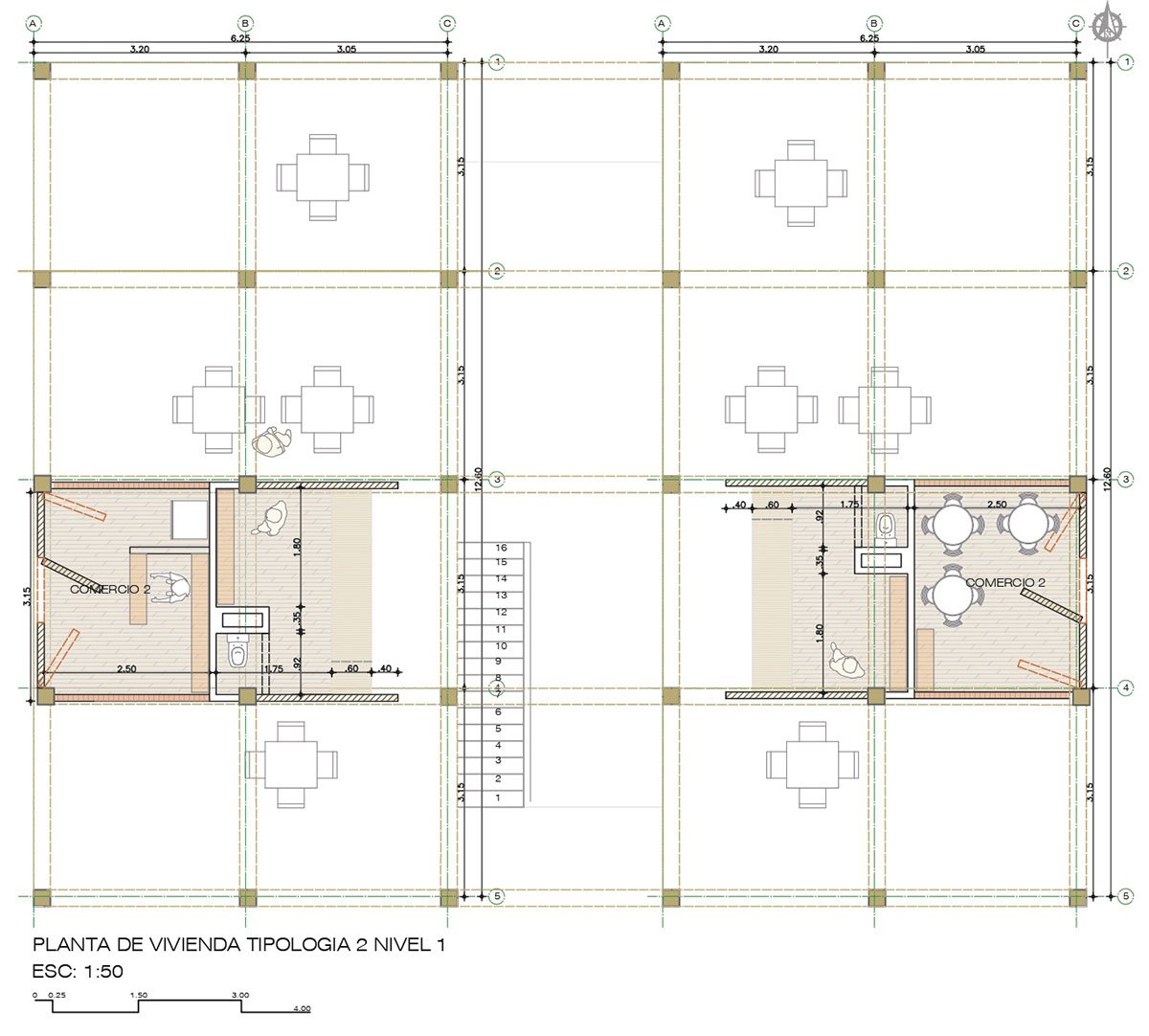
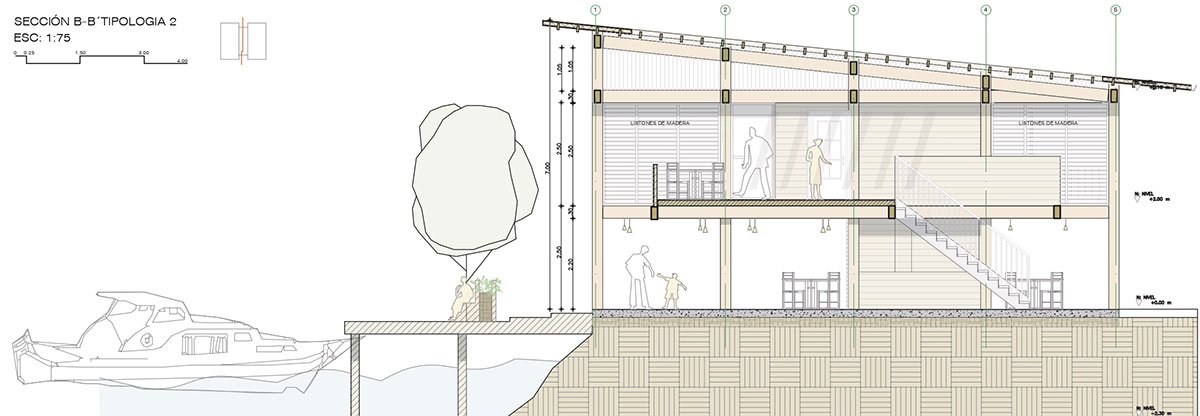
Housing Plan Type 1 Level 1Housing Plan Type 2 Level 1Section A-A’ Typology 1Section B-B’ Typology 1
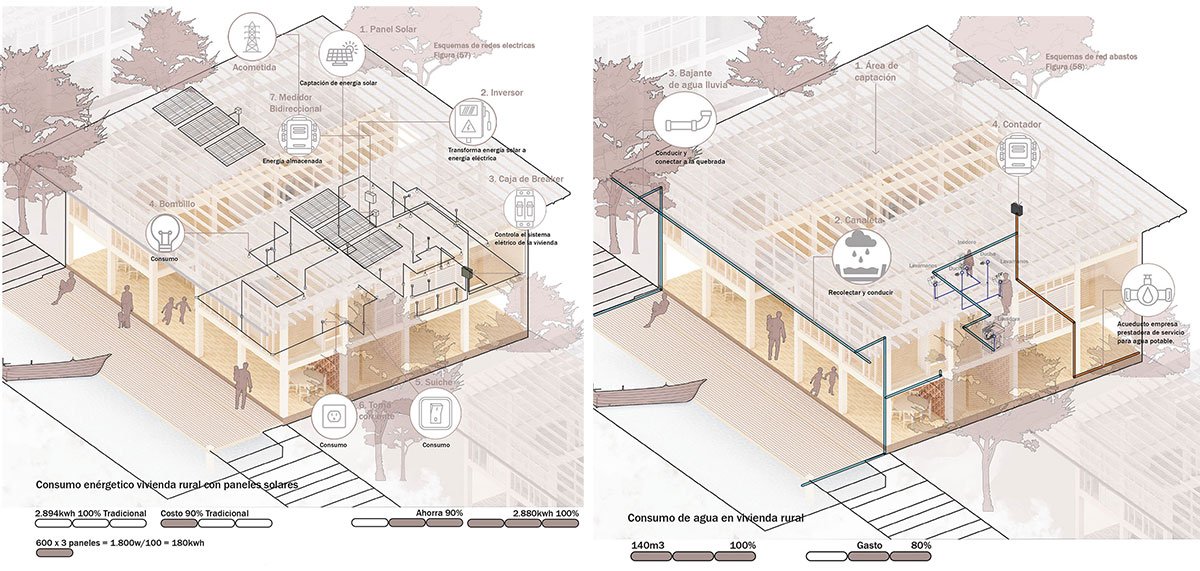
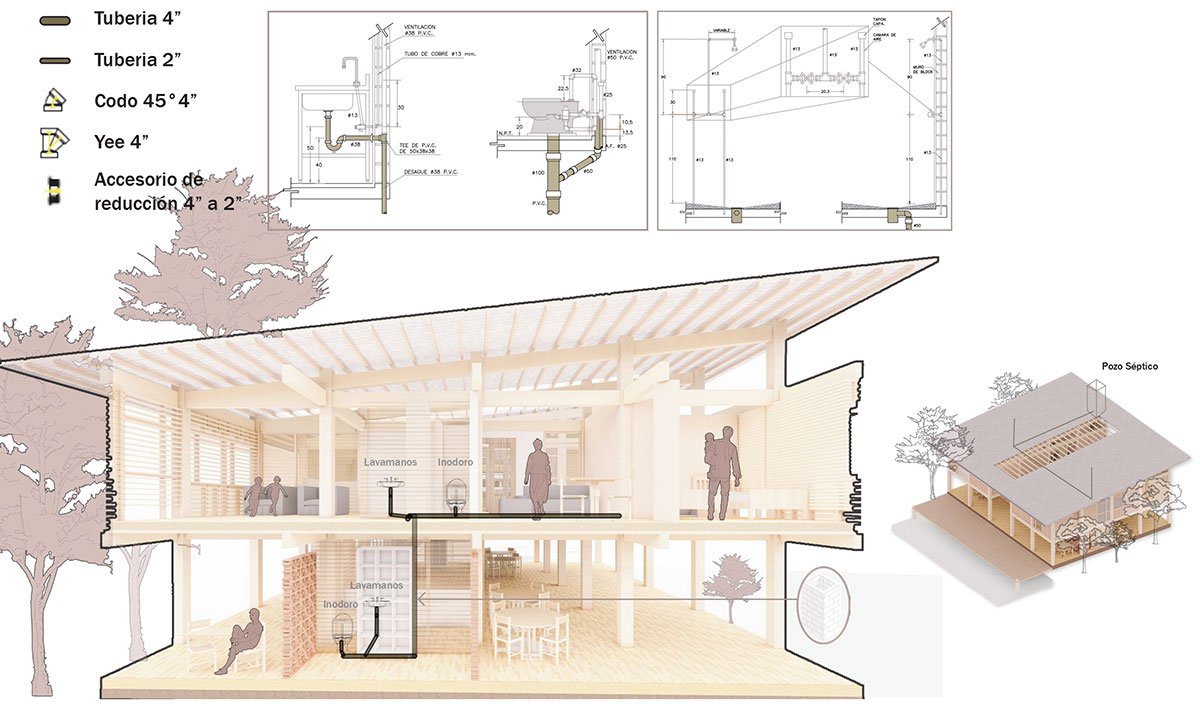
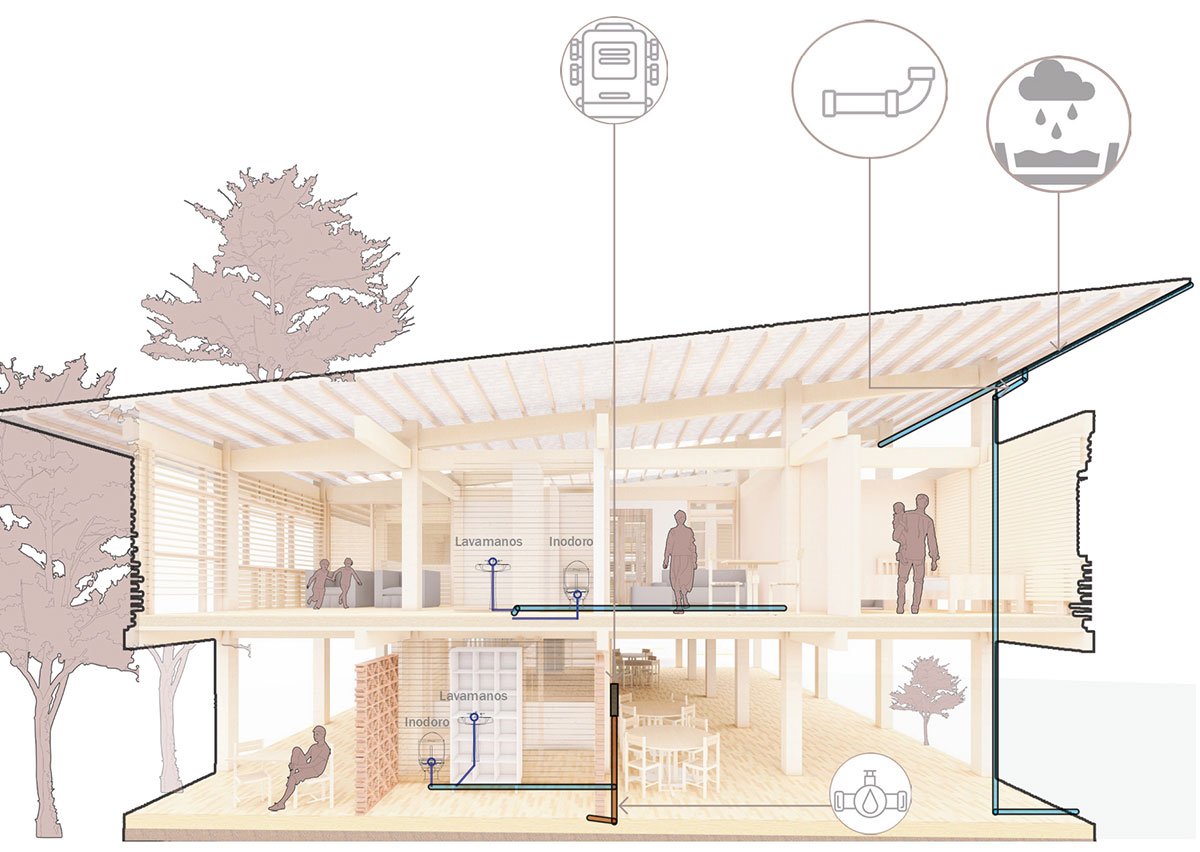
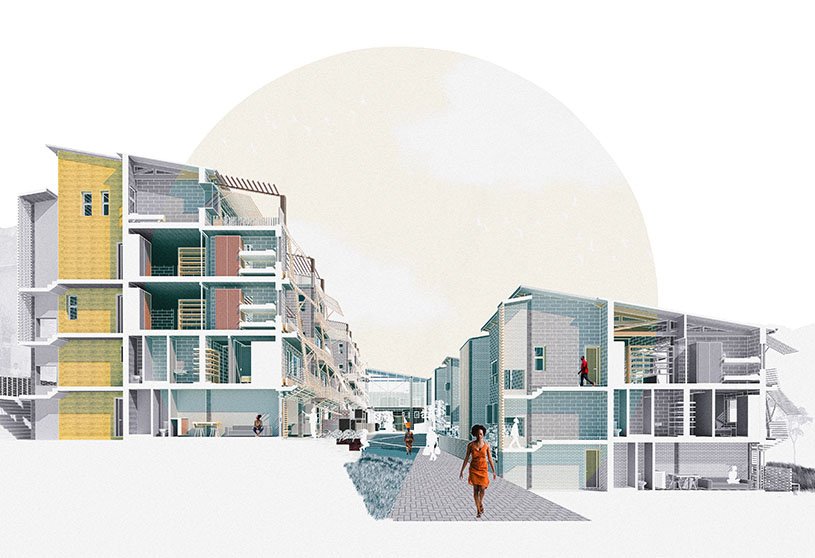
The architectural plans will outline the design’s technical and spatial elements, including electrical and sanitary networks, to clarify the proposed bioclimatic strategy. Detailed systems and devices will support a more sustainable living environment. This approach aims to create not only eco-friendly housing but also a positive social impact by integrating resource-efficient technologies that benefit both residents and the wider community, balancing individual comfort with collective well-being.
Axonometric – Energy Use ProposalAxonometric – Energy Use Proposal | Axonometric – Management of Land water and Rainwater ProposalSection – Proposal for Draining water
Incorporating these systems and carefully planning the networks will make the project a model of energy efficiency, effective water management, and reduced environmental impact. This housing design meets current needs while promoting a more sustainable future.
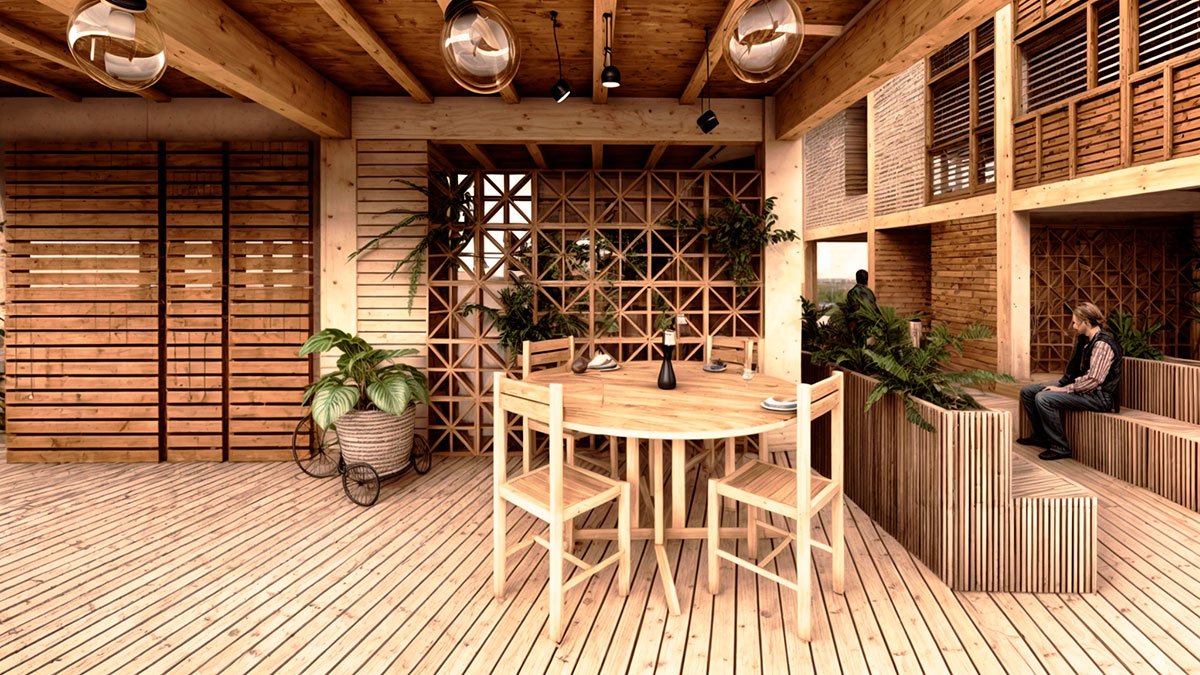
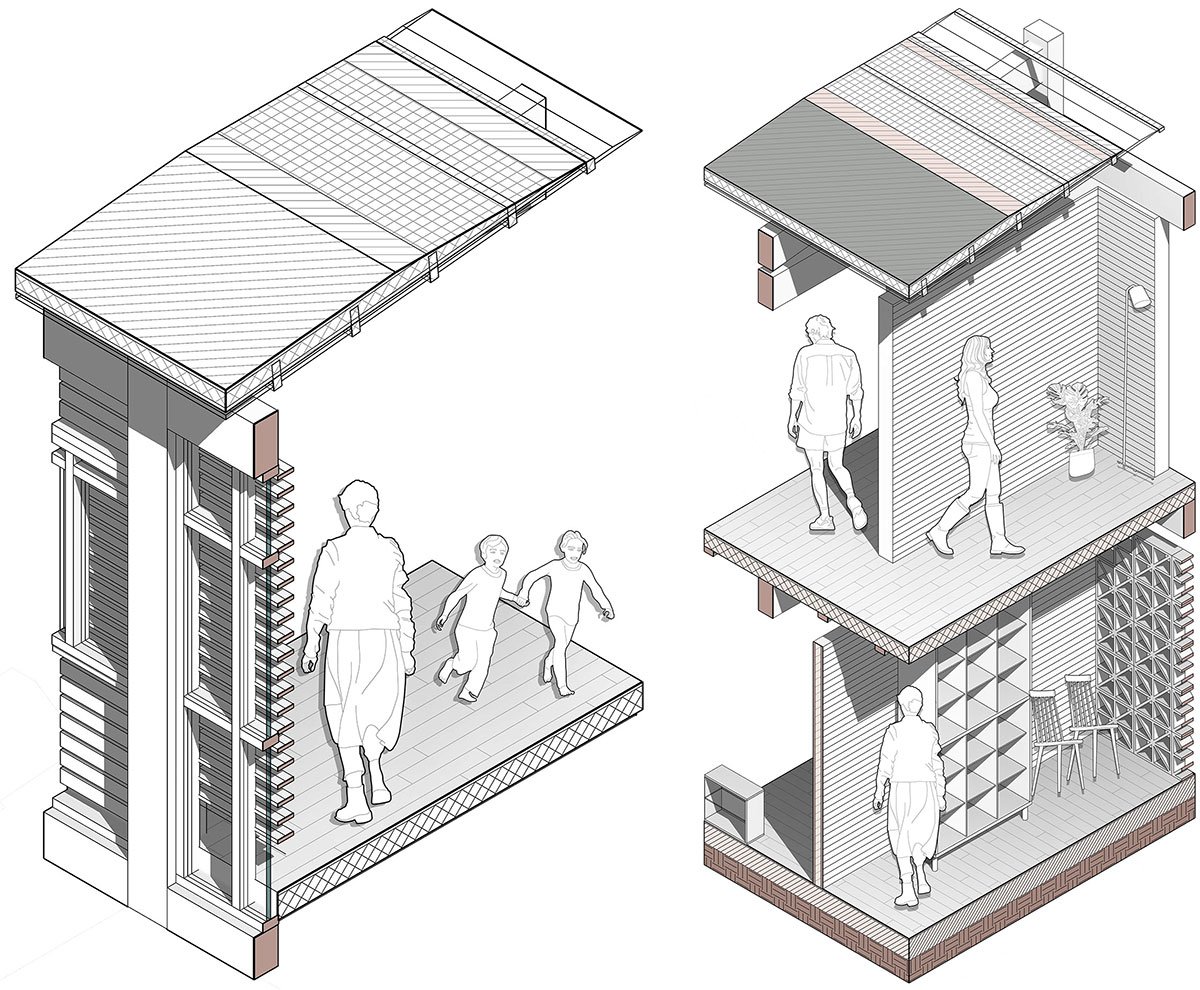
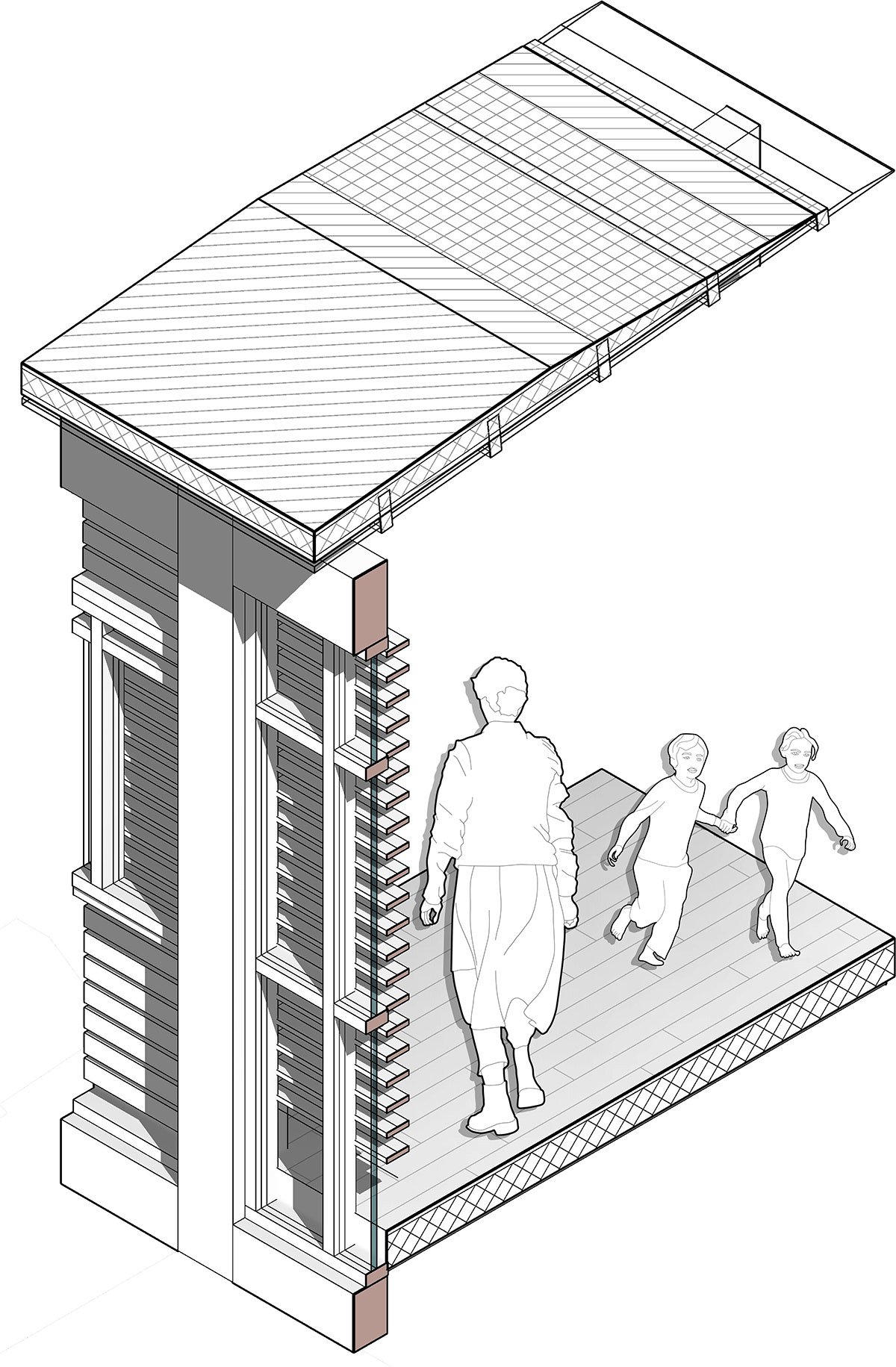
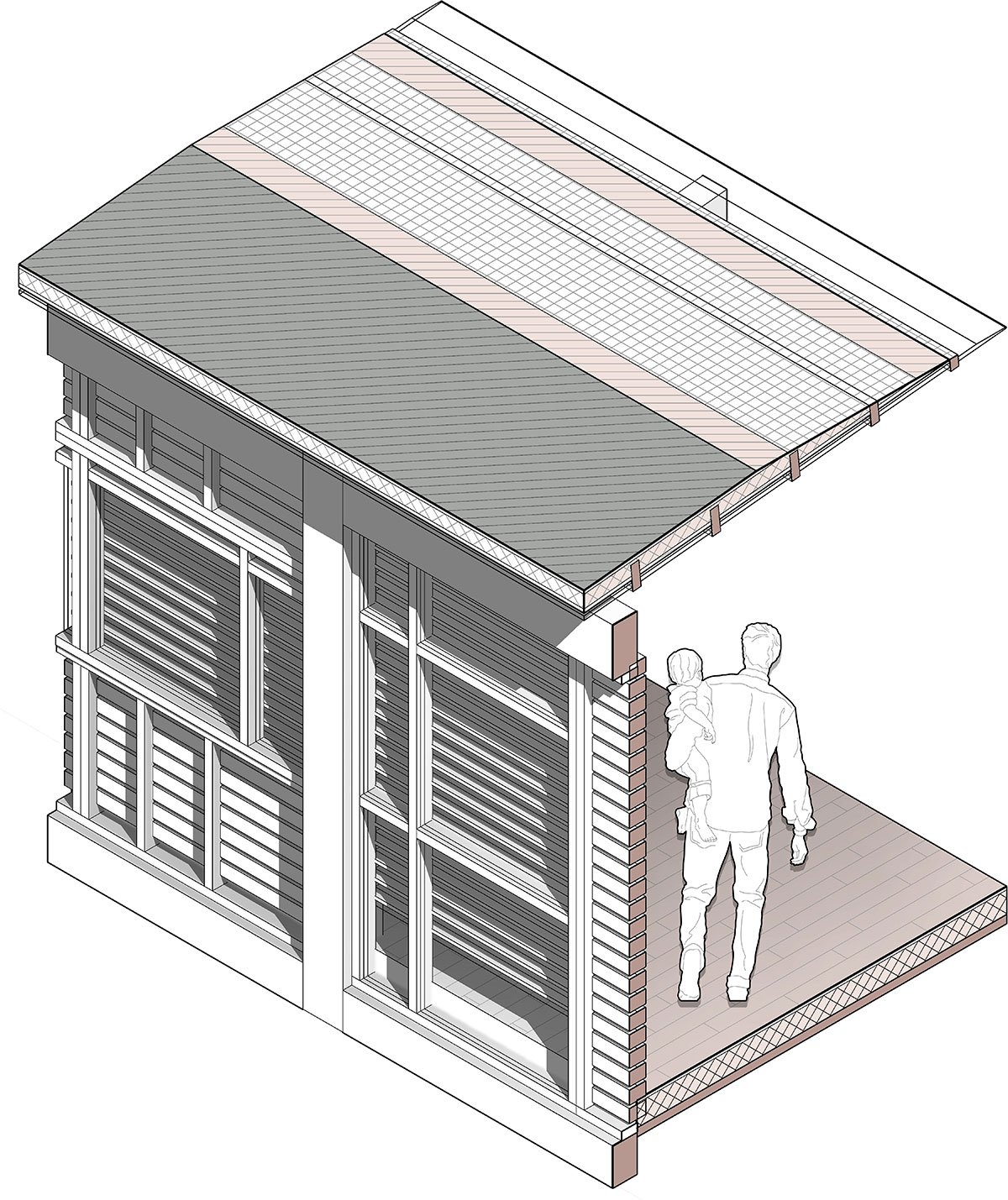
Facade DetailFacade DetailInterior RenderImaginary in section, bioclimatic scheme
The objective is to develop a self-build system using locally sourced materials from the municipality, making homes more adaptable and scalable. This approach not only lowers costs and environmental impact but also encourages community involvement in the building process, offering a practical solution.
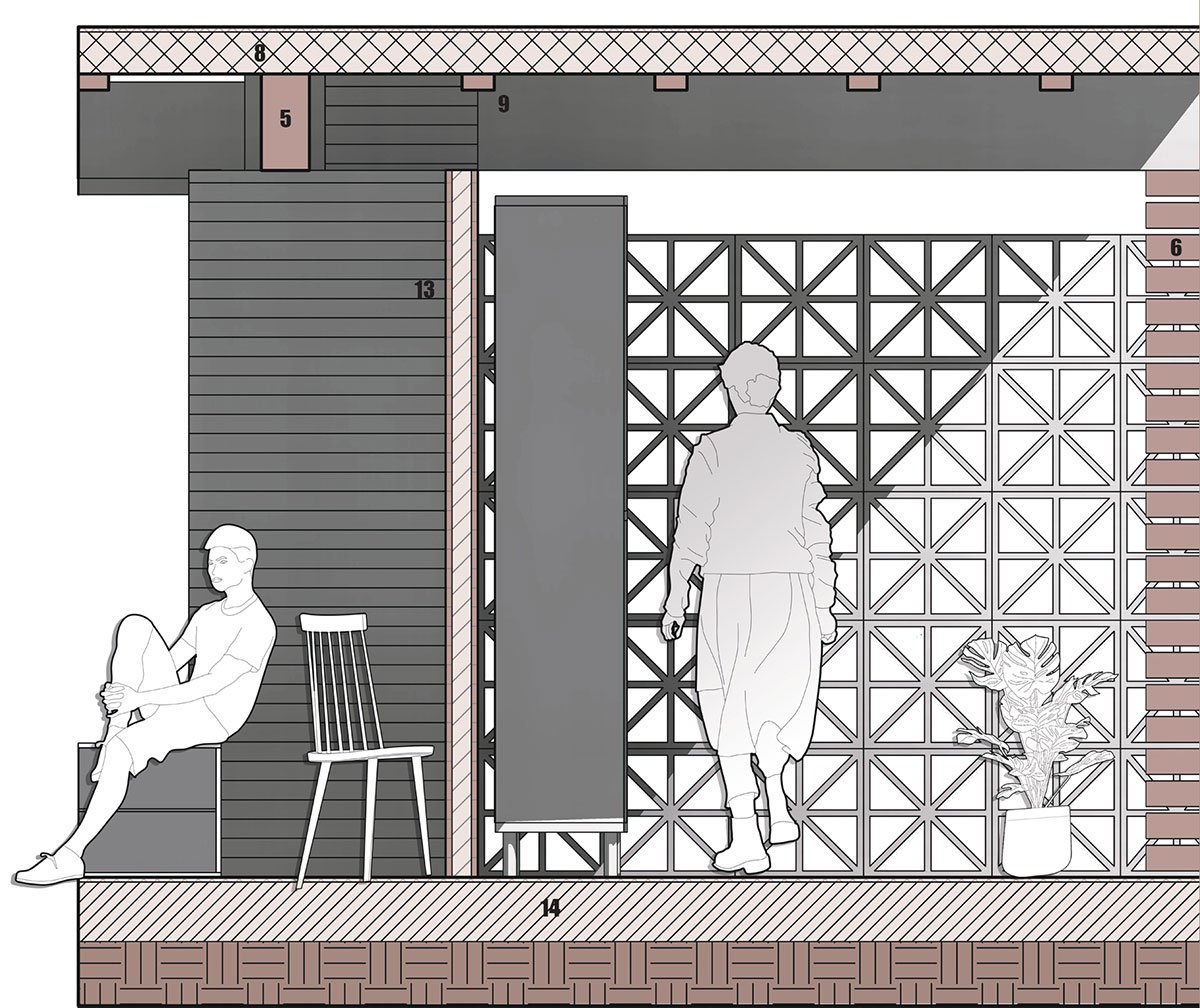
Flexible Furniture ModulesFlexible Furniture Modules with ActivitiesSection Detail
Wood is particularly notable for its flexibility, light weight, and strong seismic resistance, which minimizes foundation requirements. It has exceptional insulation properties, retaining heat up to six times better than brick. Additionally, it is fire-resistant and more durable in the event of a collapse compared to steel structures. Its use accelerates construction and cuts costs by enabling dry construction methods.
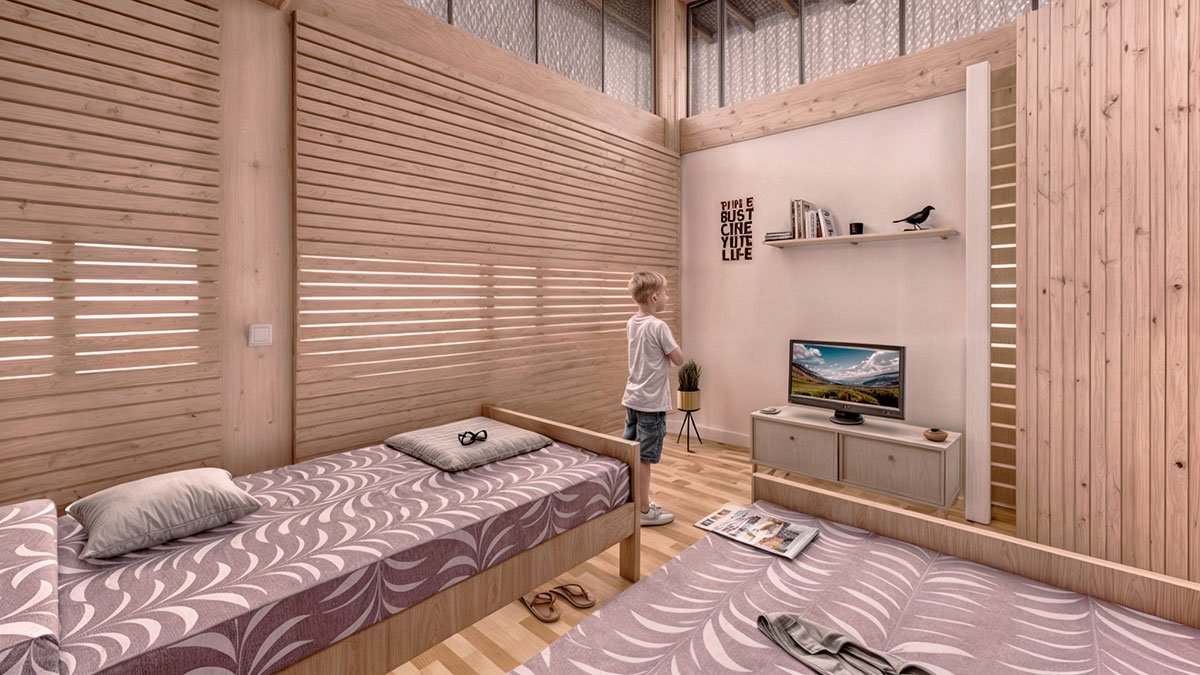
Interior RenderInterior RenderExterior Render
Conclusion: The final outcome goes beyond technical architecture, encompassing urban design and fostering cultural and social development for resident families. It offers a housing model combined with inclusive public spaces that accommodate both river and land transportation, supporting community interaction and connectivity.
[This Academic Project has been published with text and images submitted by the student]
Site Context
Design Process
Final Outcome
To submit your academic project for publication at ArchiDiaries, please visit the following link >> Submit
Get the best of ArchiDiaries, directly in your inbox.
We use cookies on our website to give you the most relevant experience by remembering your preferences and repeat visits. By clicking “Accept All”, you consent to the use of ALL the cookies. However, you may visit "Cookie Settings" to provide a controlled consent.
This website uses cookies to improve your experience while you navigate through the website. Out of these, the cookies that are categorized as necessary are stored on your browser as they are essential for the working of basic functionalities of the website. We also use third-party cookies that help us analyze and understand how you use this website. These cookies will be stored in your browser only with your consent. You also have the option to opt-out of these cookies. But opting out of some of these cookies may affect your browsing experience.
Necessary cookies are absolutely essential for the website to function properly. These cookies ensure basic functionalities and security features of the website, anonymously.
Cookie
Duration
Description
cookielawinfo-checkbox-analytics
11 months
This cookie is set by GDPR Cookie Consent plugin. The cookie is used to store the user consent for the cookies in the category "Analytics".
cookielawinfo-checkbox-functional
11 months
The cookie is set by GDPR cookie consent to record the user consent for the cookies in the category "Functional".
cookielawinfo-checkbox-necessary
11 months
This cookie is set by GDPR Cookie Consent plugin. The cookies is used to store the user consent for the cookies in the category "Necessary".
cookielawinfo-checkbox-others
11 months
This cookie is set by GDPR Cookie Consent plugin. The cookie is used to store the user consent for the cookies in the category "Other.
cookielawinfo-checkbox-performance
11 months
This cookie is set by GDPR Cookie Consent plugin. The cookie is used to store the user consent for the cookies in the category "Performance".
viewed_cookie_policy
11 months
The cookie is set by the GDPR Cookie Consent plugin and is used to store whether or not user has consented to the use of cookies. It does not store any personal data.
Functional cookies help to perform certain functionalities like sharing the content of the website on social media platforms, collect feedbacks, and other third-party features.
Performance cookies are used to understand and analyze the key performance indexes of the website which helps in delivering a better user experience for the visitors.
Analytical cookies are used to understand how visitors interact with the website. These cookies help provide information on metrics the number of visitors, bounce rate, traffic source, etc.
Advertisement cookies are used to provide visitors with relevant ads and marketing campaigns. These cookies track visitors across websites and collect information to provide customized ads.