Excerpt: ‘The new gardens of Santa Maria della Pietà. Biodiversity and Care’ is a Landscape Architecture thesis by Edoardo Nevi from the Faculty of Architecture – Sapienza University of Rome, that seeks to create an open, inclusive park that blends ecological sustainability with social interaction. Inspired by historical therapeutic spaces, the project aims to create areas for gathering, education, and reflection that promote mental well-being and biodiversity.
Project Description
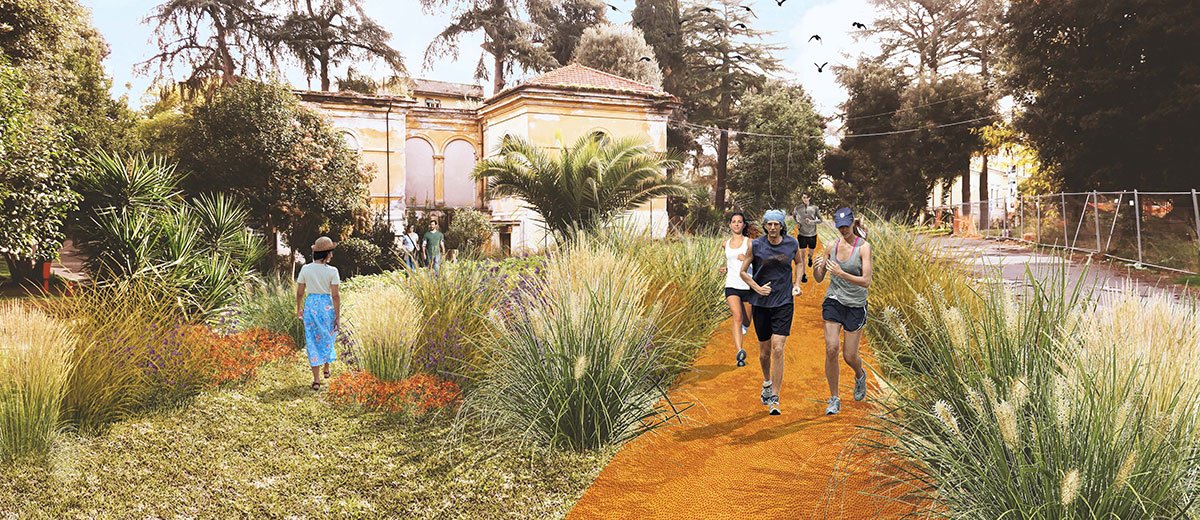
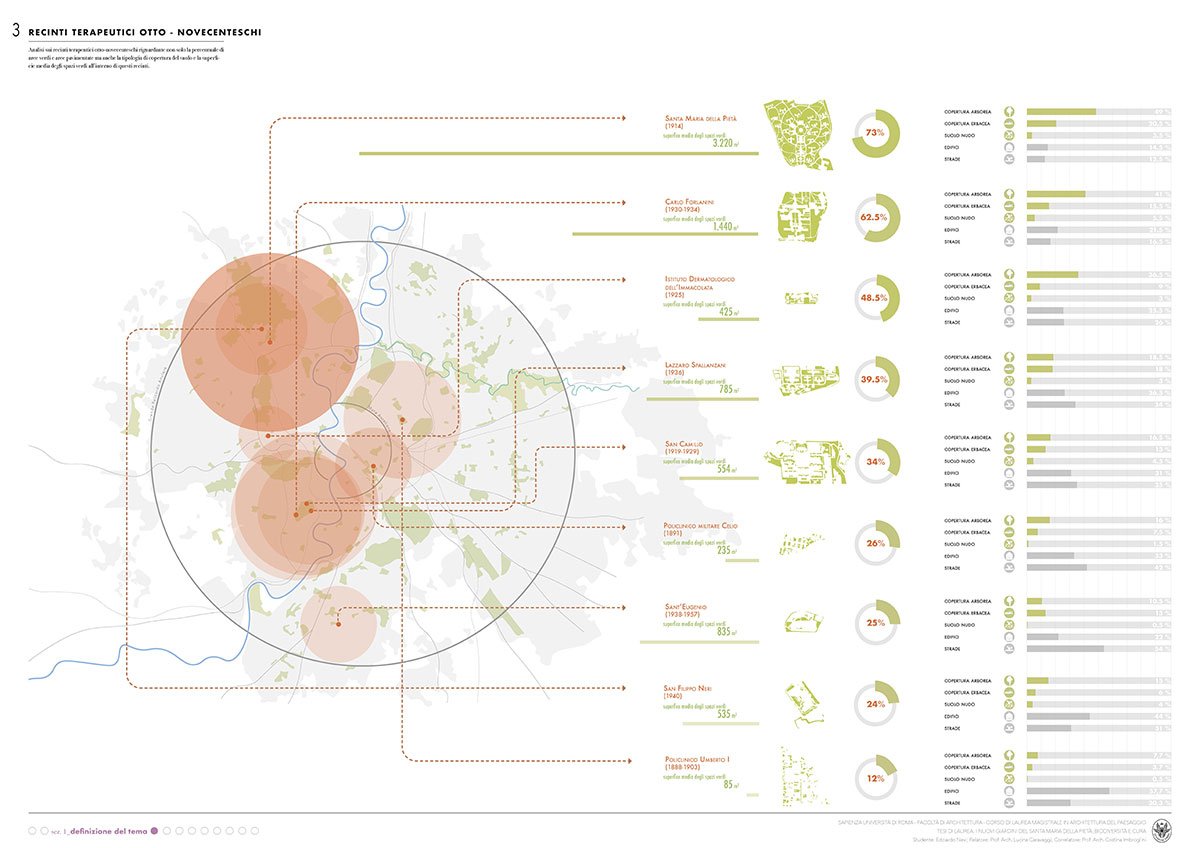
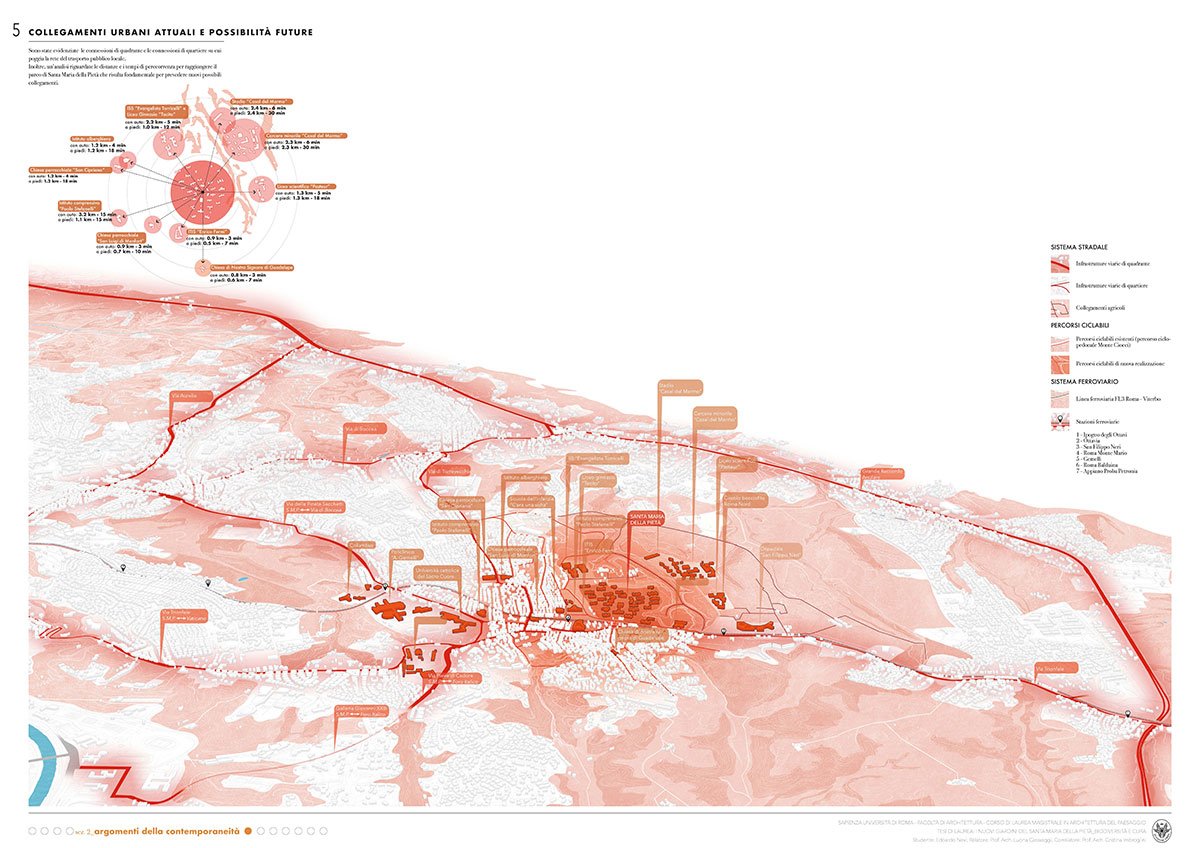
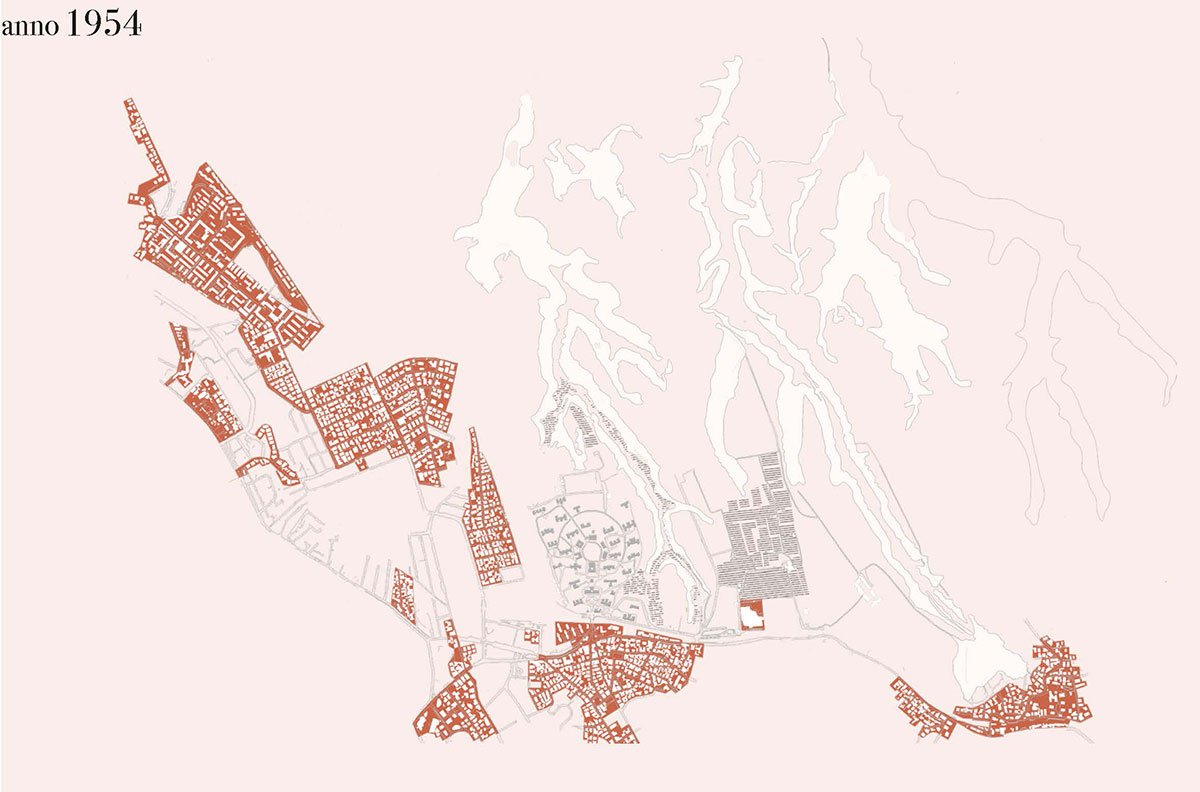
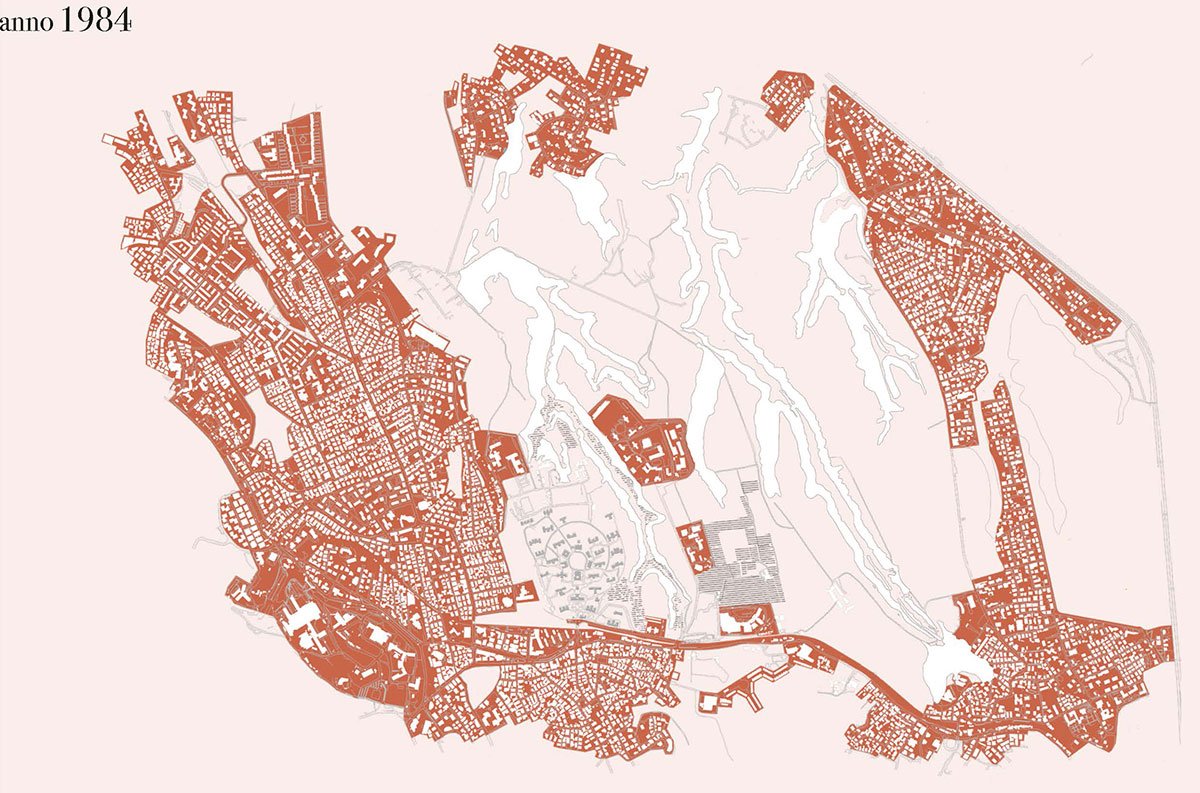
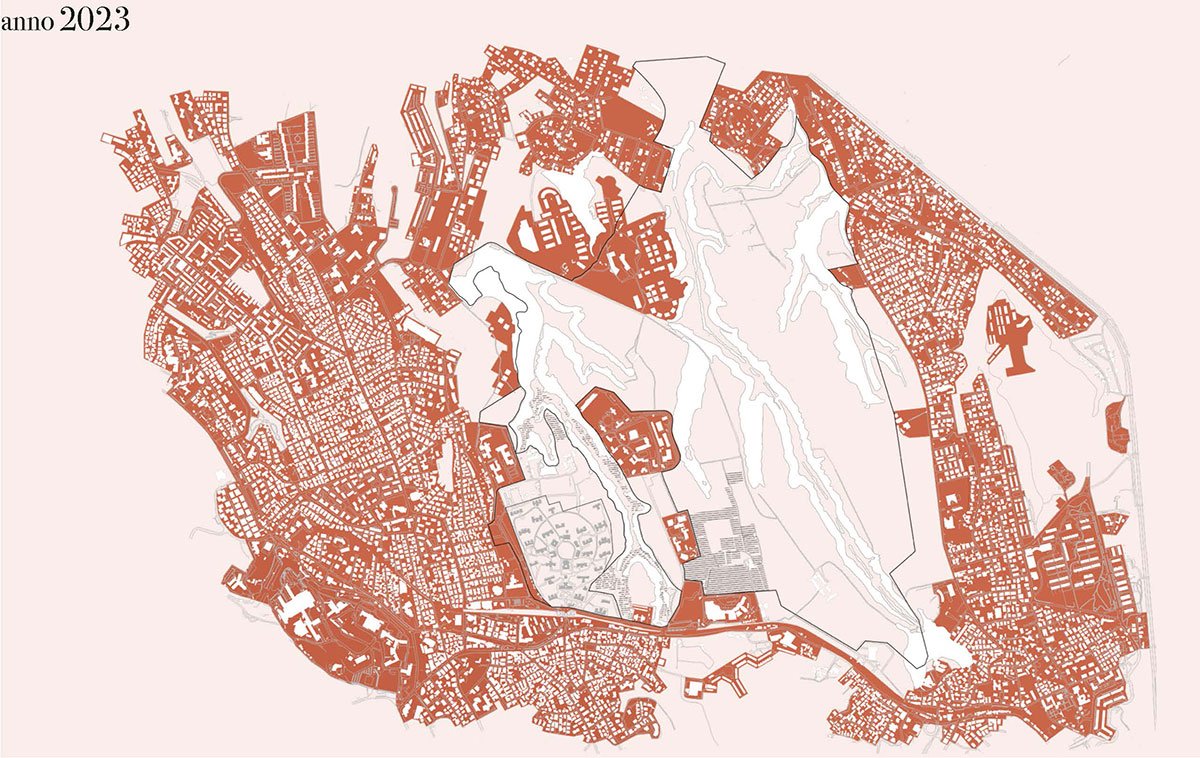
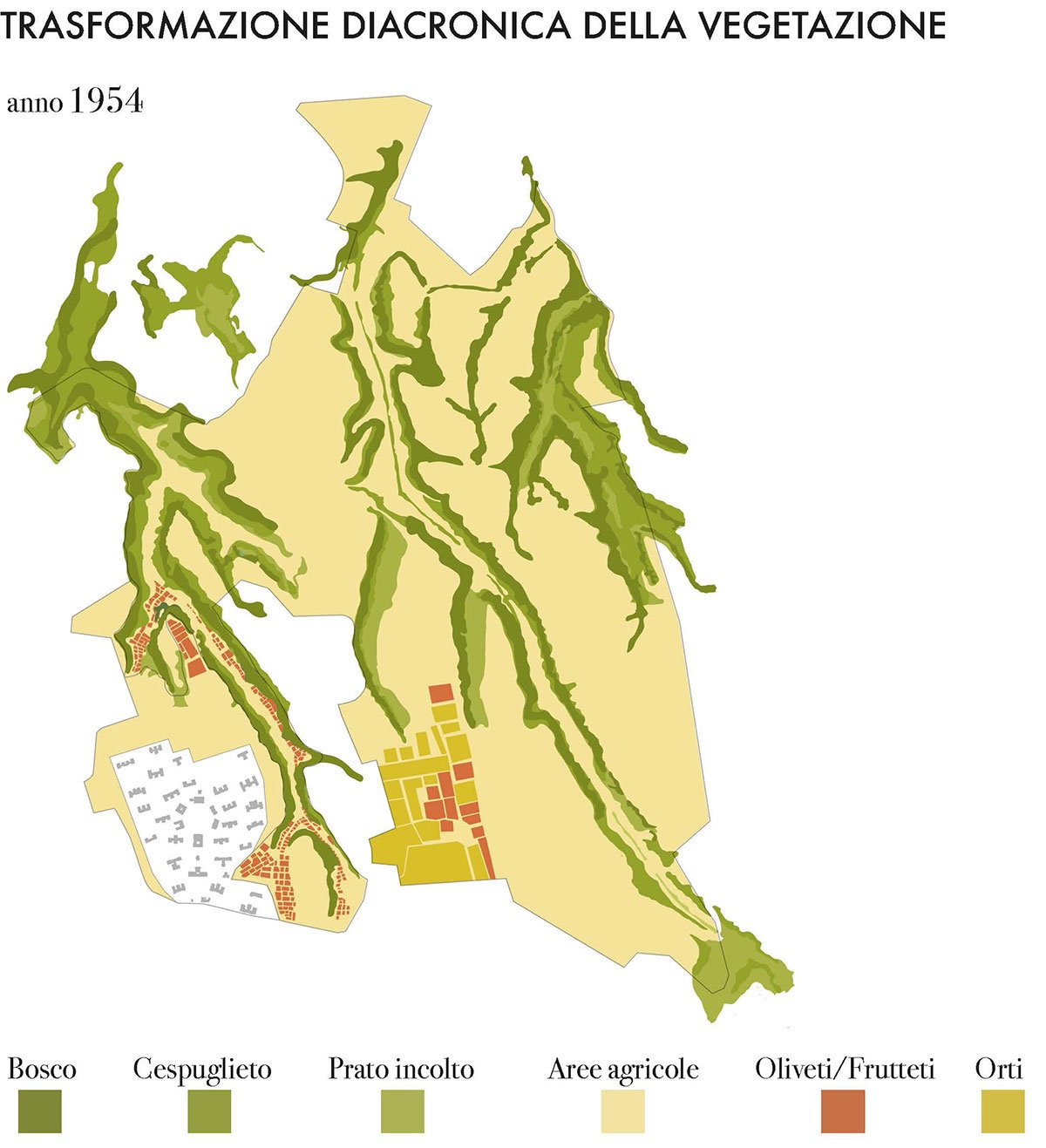
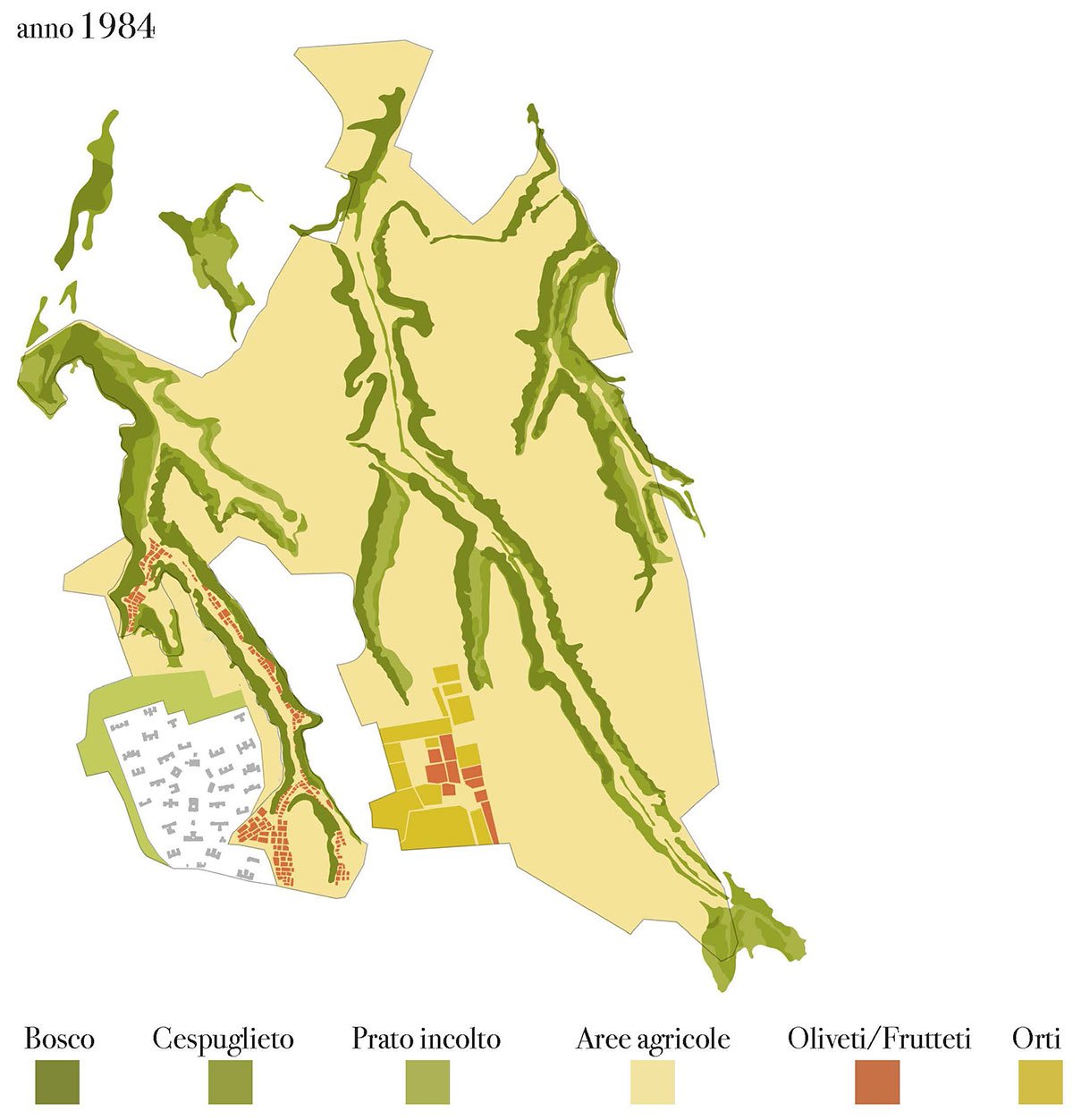
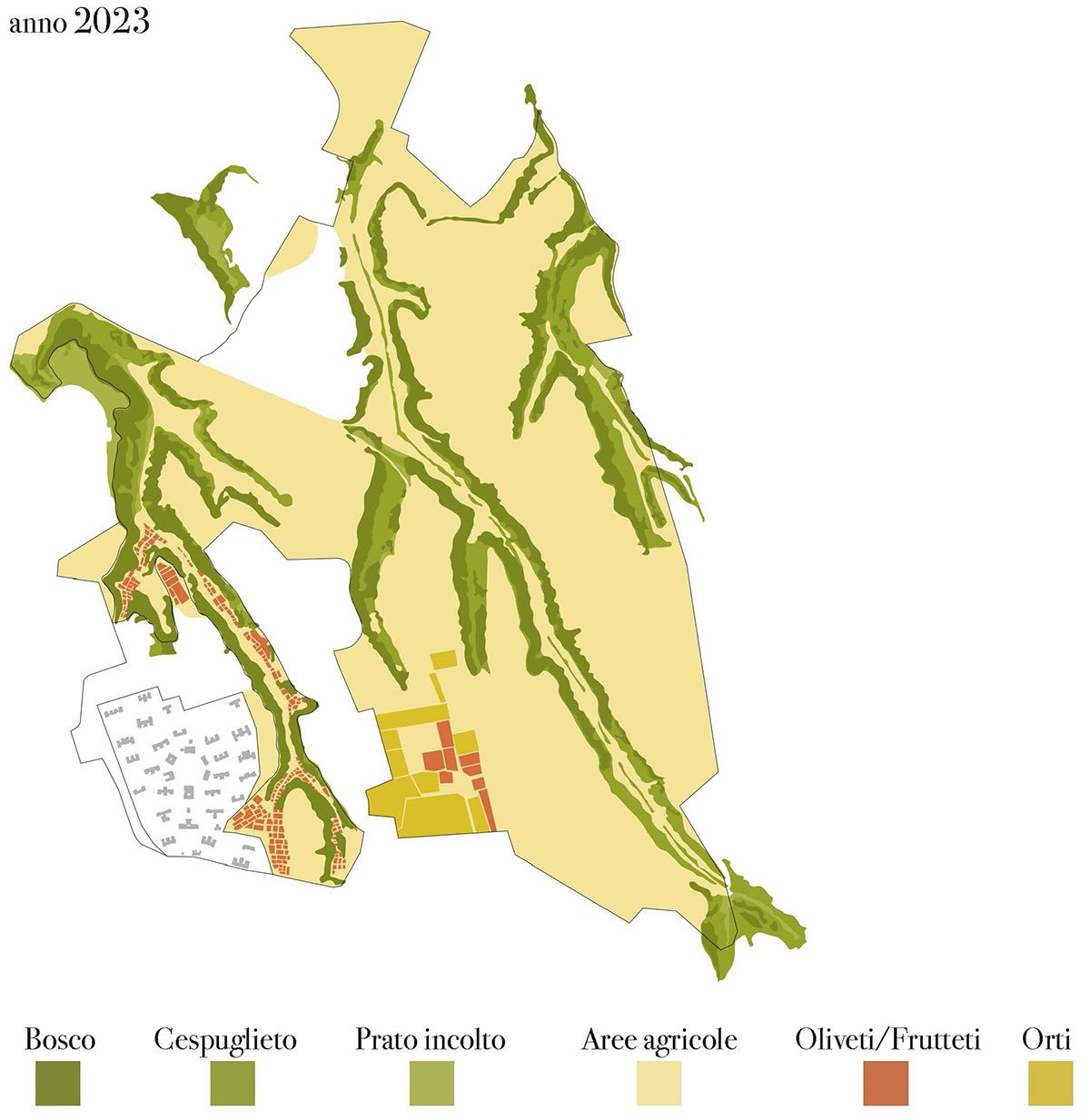
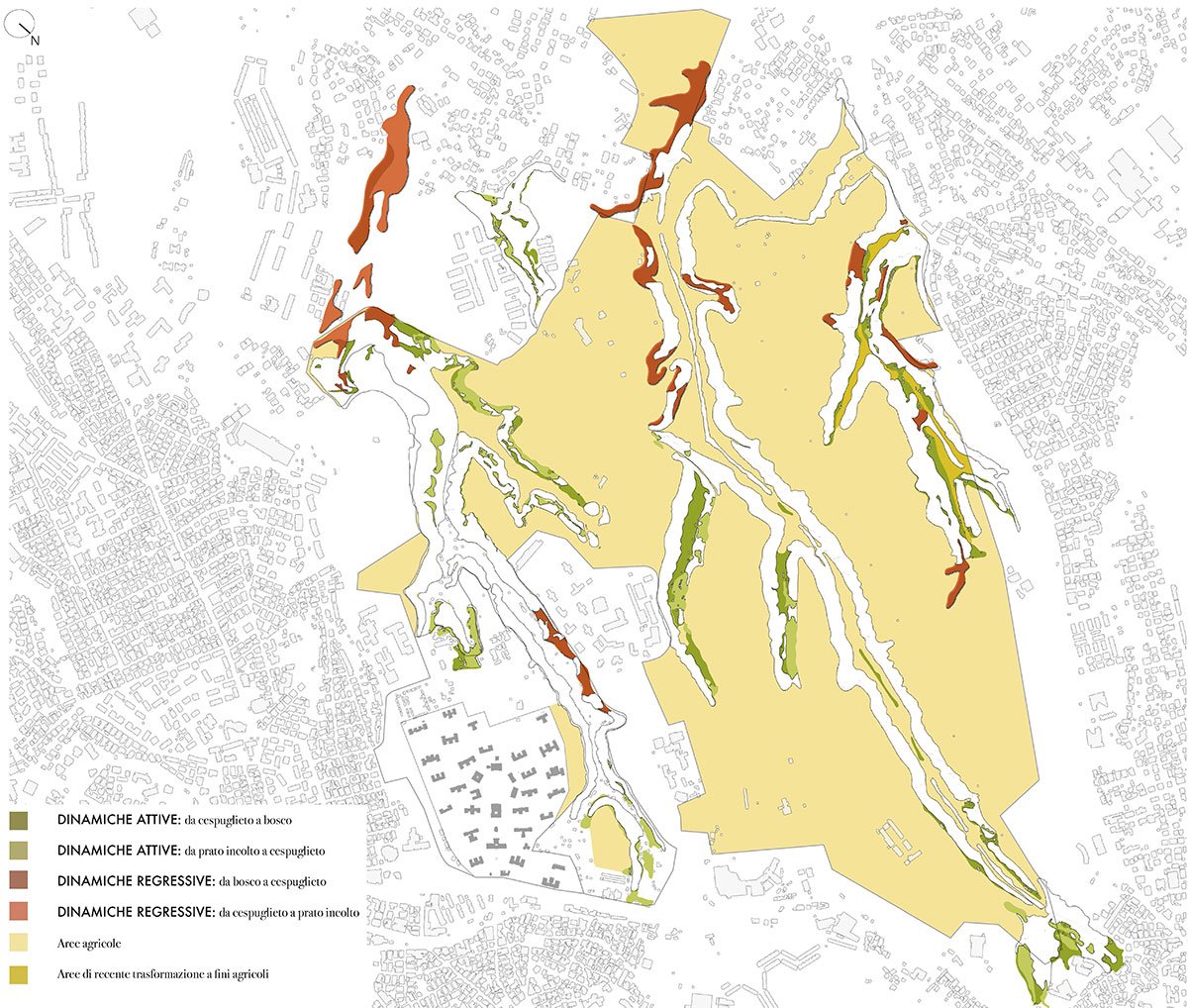
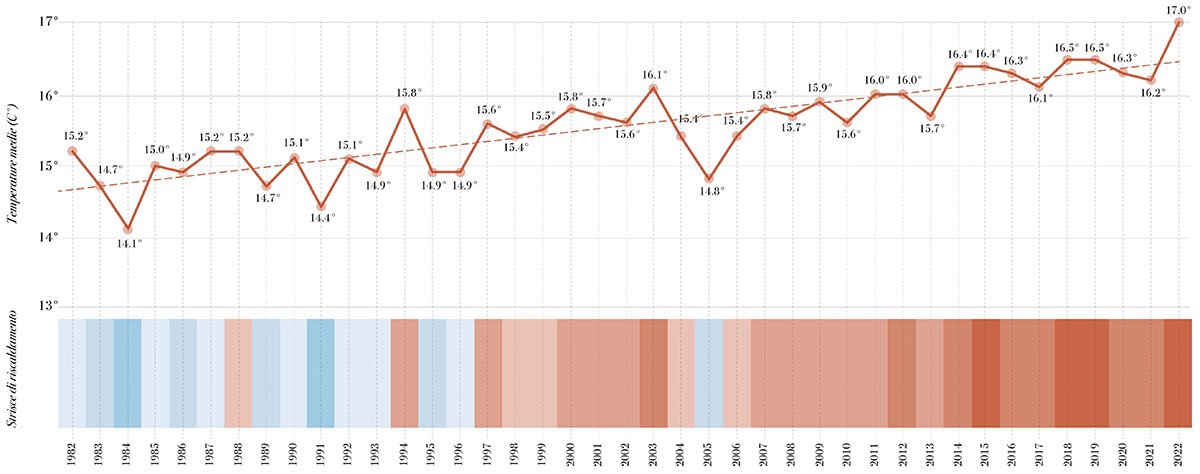
[Text as submitted by architect] Rome is enriched by an abundance of green areas, many of which are enclosed within fences and provide a means of communal recreation. An in-depth study was done with a primary focus on the therapeutic enclosures of the eighteenth and nineteenth centuries, which coincided with the closure of the primary subject of this intervention, the former Santa Maria della Pietà psychiatric hospital. A master plan was created following analyses of the following: ground coverage; average size of green spaces within the enclosures; green continuity and ecological relationships; existing urban connections and future possibilities; and the so-called dynamics, which include vegetation, climate change, and built environment transformations.
This plan is based on the idea that mental health problems shouldn’t be completely ignored. In order to have a conversation about this subject, one should not withdraw into protection but rather open up in a way that makes room for everyone, sick or well, to come together and benefit from the interaction. It was determined that interventions were required in both the overall design of the Park and certain of its “islands.” These interventions were intended to create areas for socialisation, education, contemplation, gathering, play, and other activities, while at the same time enhancing biodiversity in a perennial park that is crucial for agricultural systems, close to the former mental health facility, less friendly to pollinators, and essential for ecosystems’ adaptation to climatic and environmental changes.
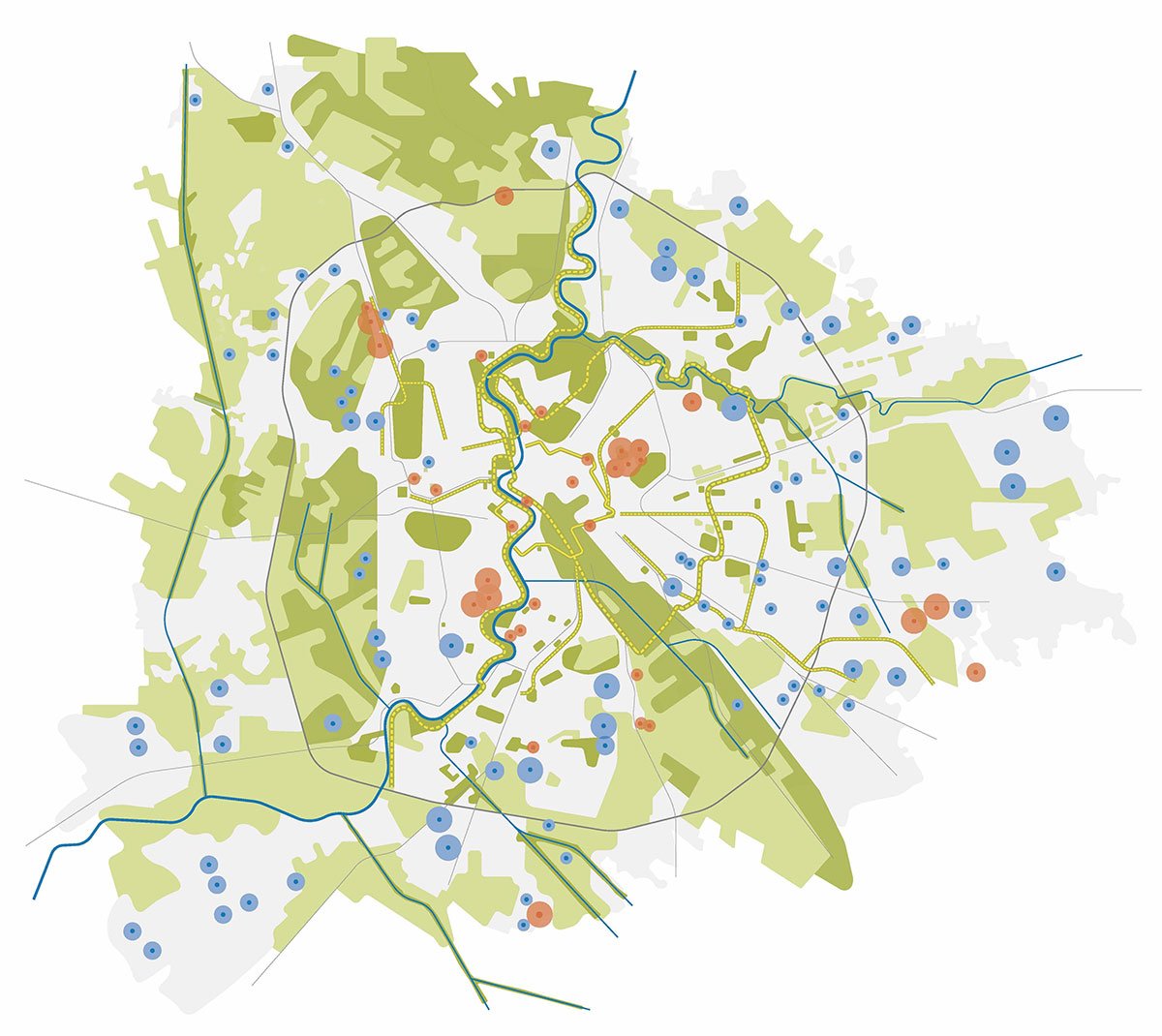
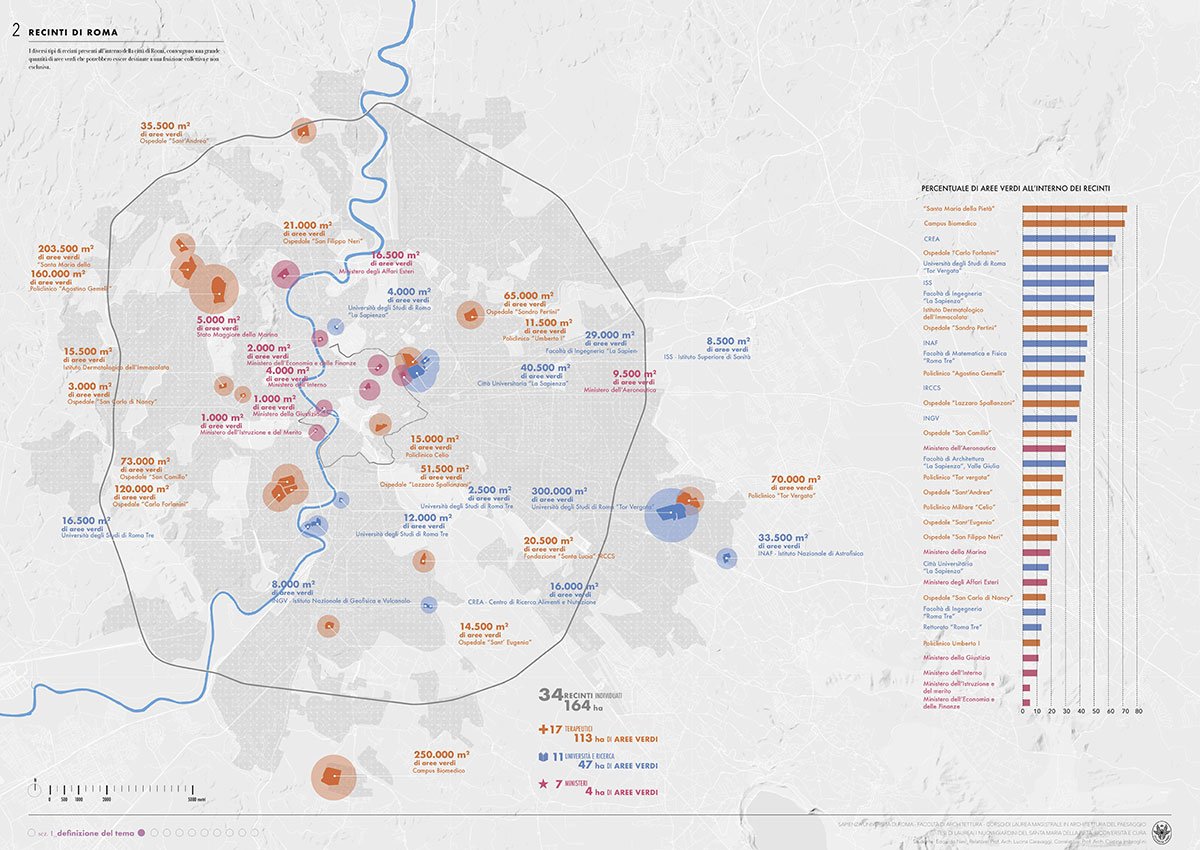
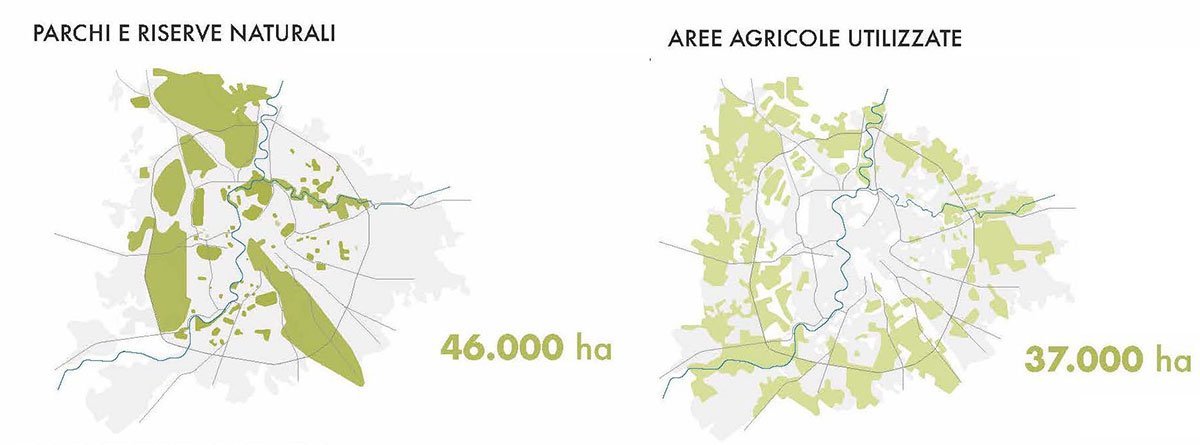
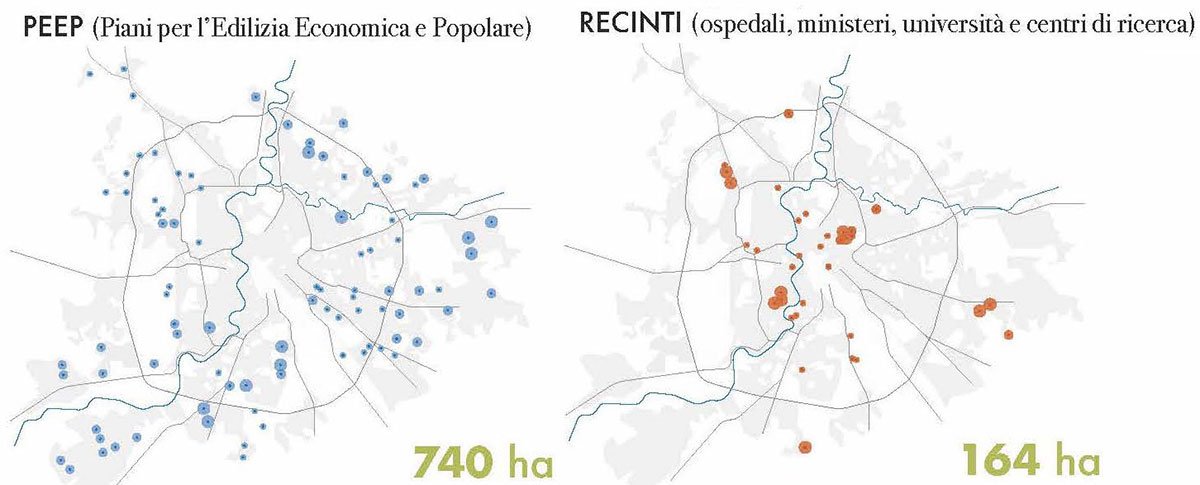
Green Areas in RomeRome EnclosuresGreen Continuity and Ecological Relations
The enclosures mentioned are significant for having a large amount of green space covered by them. A total of 164 hectares are added to the 46,000 hectares of natural areas and agricultural parks that already exist. The so-called therapeutic enclosures boast an area of 113 hectares of green spaces, while universities and research institutes offer 47 and the ministries contribute 4.
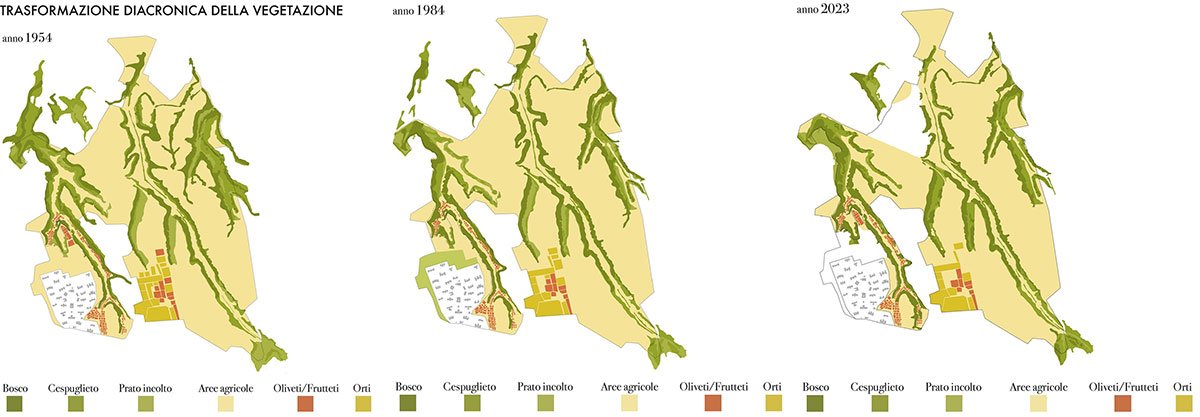
Diachronic Transformation of The BuiltDiachronic Transformation of Vegetation
The enclosures present a significant opportunity for focused interventions aimed at improving biodiversity, facilitating climate change adaptation, and enhancing their social, cultural, and economic significance due to their noteworthy greenery. They serve as places that promote equality, maintain health and well-being, and are incredibly valuable to the community.
Final Outcome
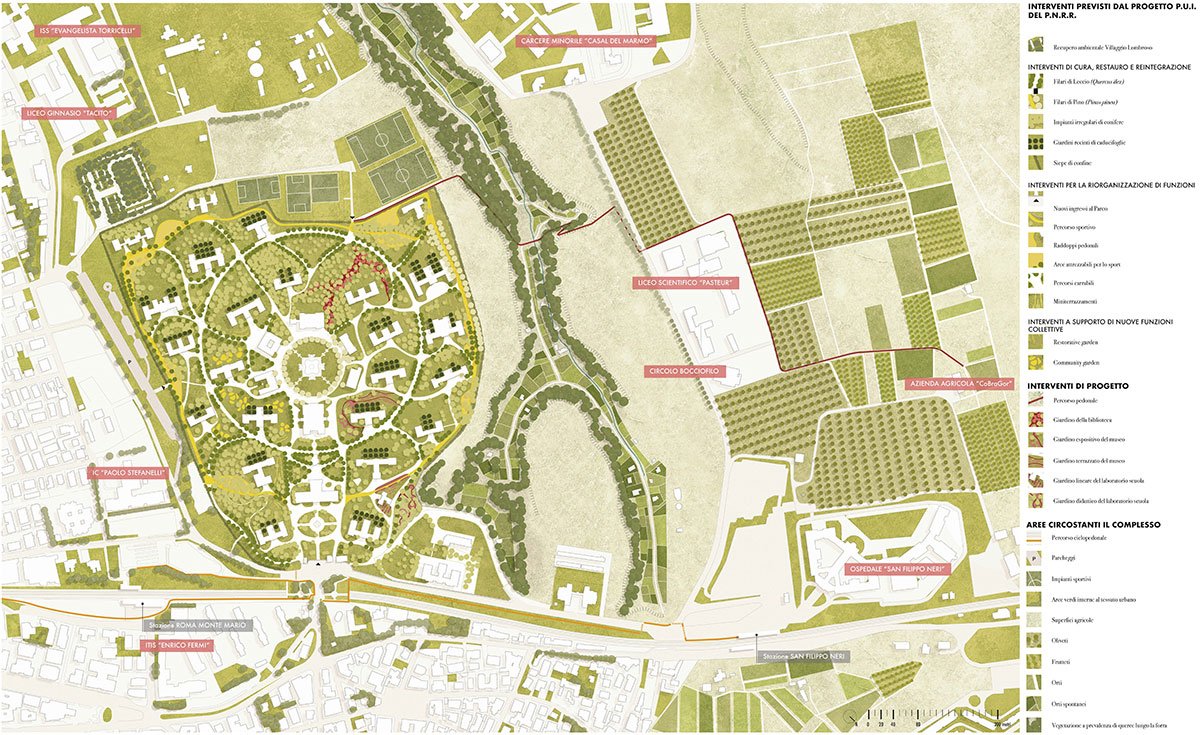
Masterplan
The core principle of the master plan is that mental health issues shouldn’t be completely ignored. Talking about this subject doesn’t require you to cut yourself off from protection; instead, we need to be open enough to create spaces where everyone—sick or not—can come together and gain from the meeting. Thus, as an ideal outdoor extension of the activities occurring inside the pavilions, the Landscape Architecture project seeks to reopen closed entrances, create new and sustainable urban connections, improve the park’s circuit system, and implement projects within the imagined islands. This project is in line with an existing master plan created for the PNRR in 2022. The idea that was deemed necessary was to create a pedestrian path that connects the CoBraGor and the Santa Maria della Pietà in a more agile manner by allowing one to cross the gorge and reach the park.
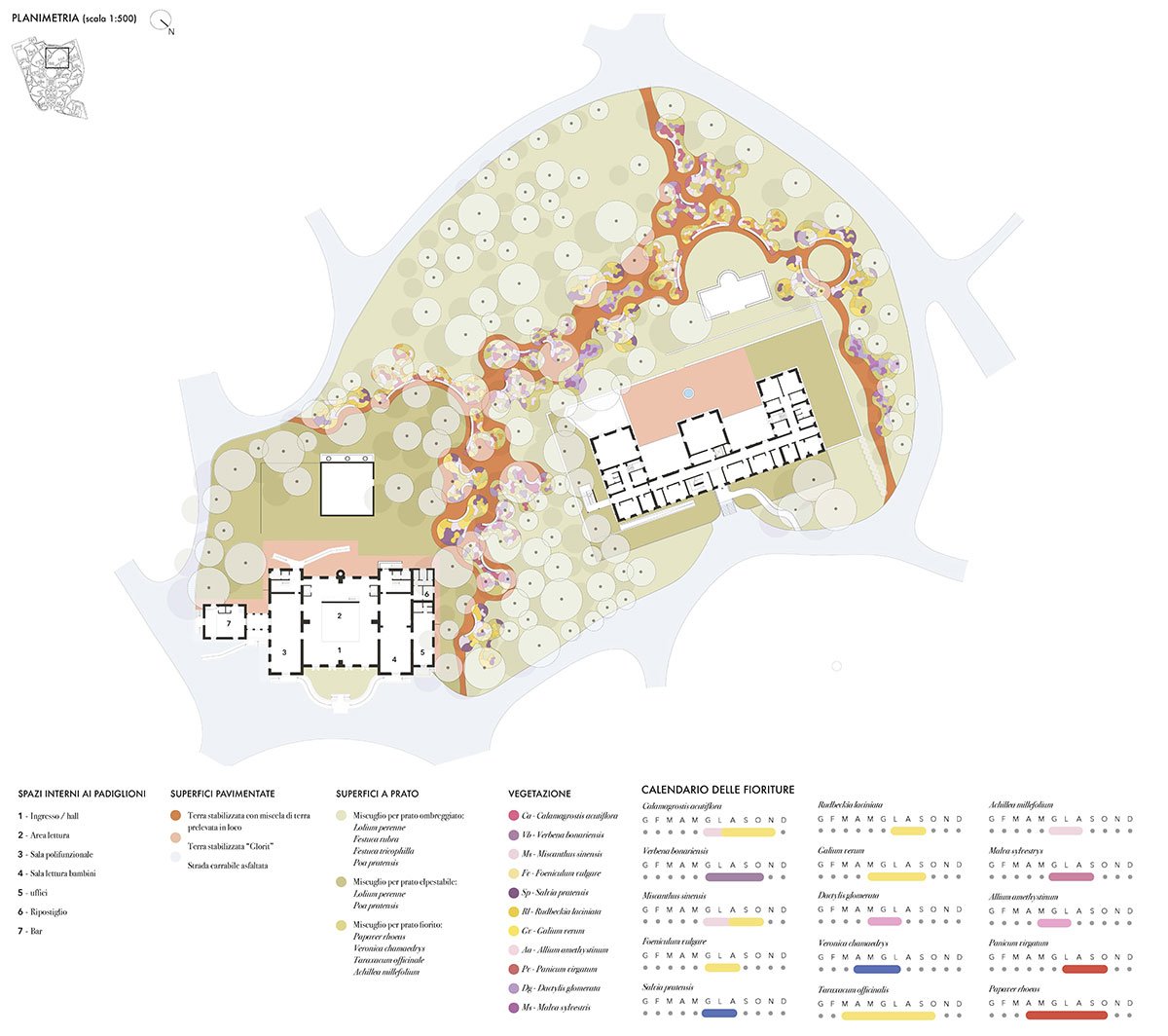
Plan – Library Garden
The in-depth design study concerns three gardens: the library garden, the museum garden and the school laboratory garden.
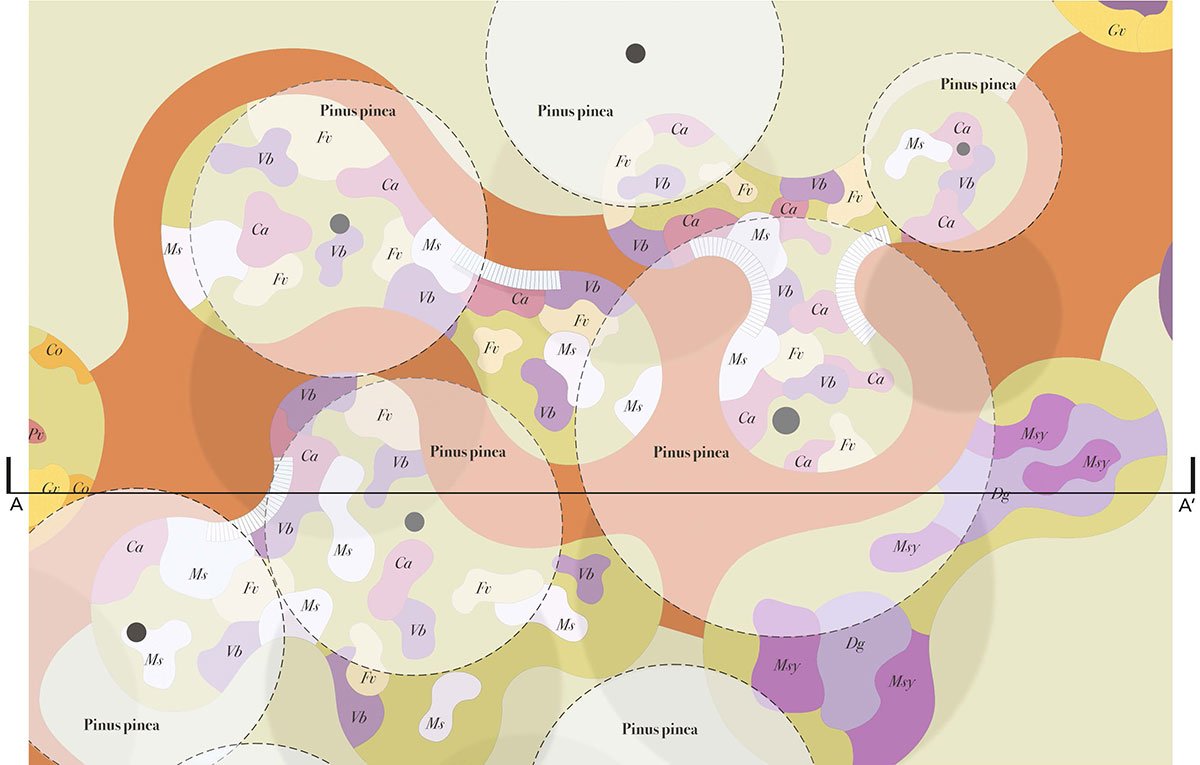
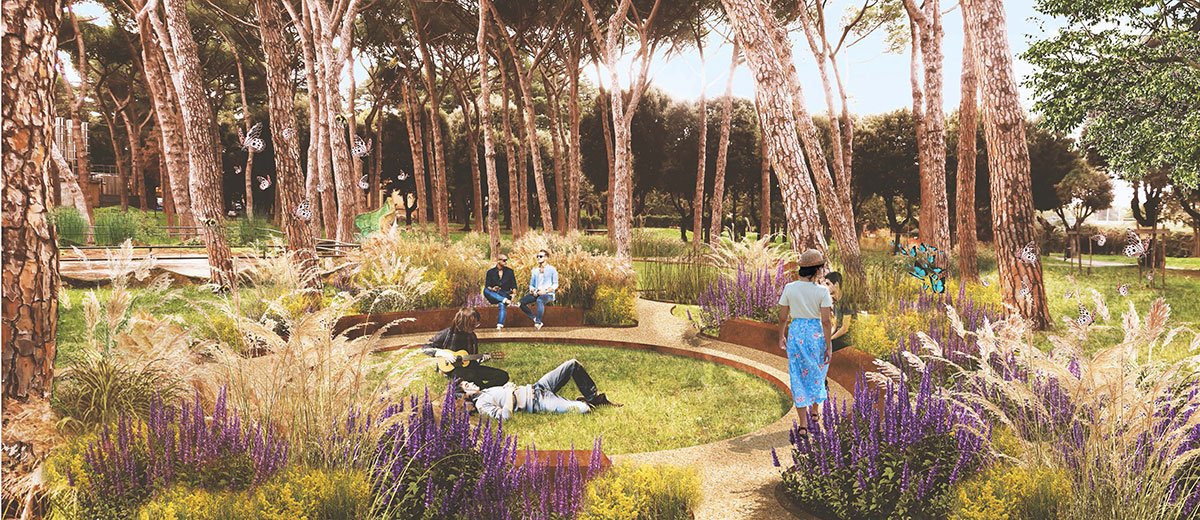
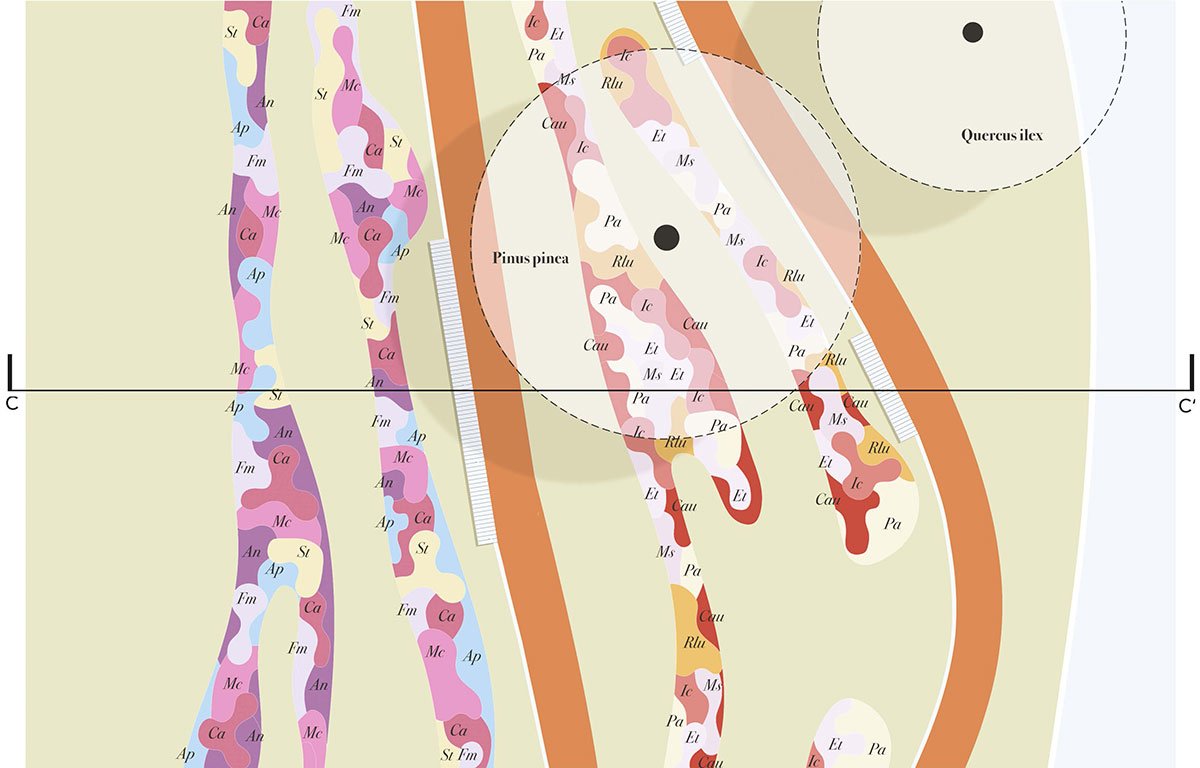
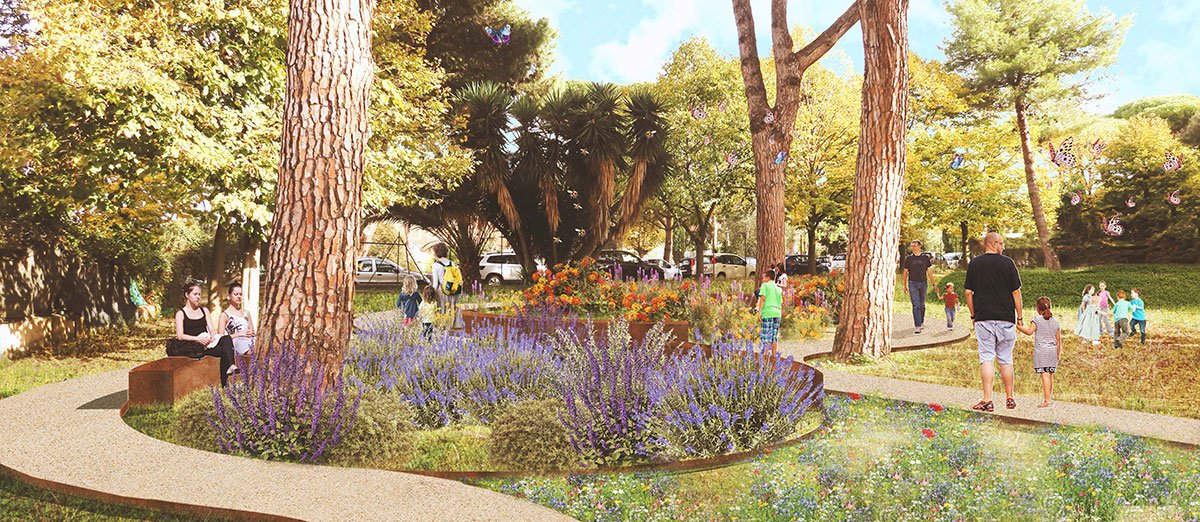
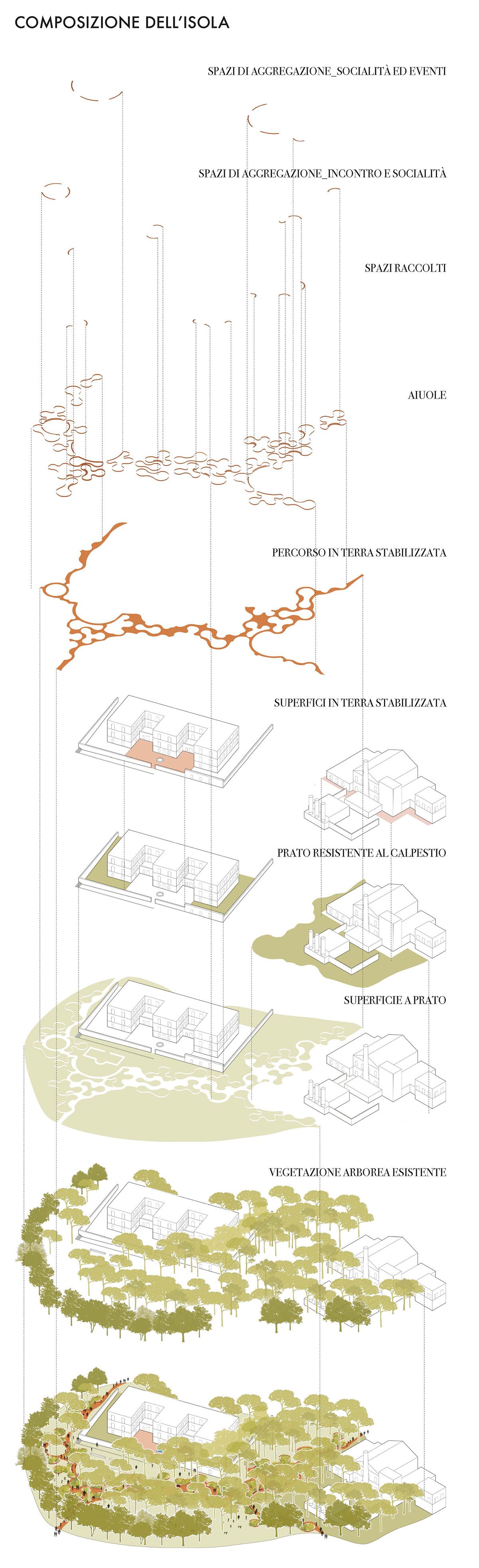
The concept of the library garden emerges through the design of different flowerbeds, each of which can be used to create a unique space with a variety of purposes. Thus, several areas start to emerge: large meeting spaces that can accommodate a variety of events; spaces that are perfect for reading collections; and targeted aggregation spaces that encourage meetings and socialising.
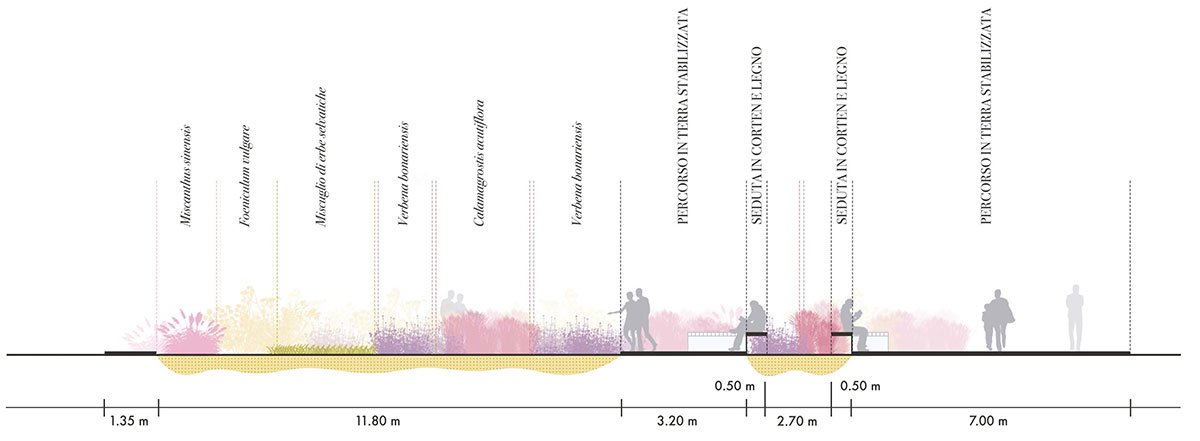
Plan – Closed Spaces_ReadingSection – Closed Spaces_ReadingClosed Spaces_Reading
Small garden spaces where nature and man converge harmoniously, with seats seamlessly integrated into the lush vegetation, offering tranquil oases that invite peaceful mental relaxation.
Plan – Meeting and Social SpacesSection – Meeting and Social SpacesMeeting and Social Spaces
Aggregation spaces, seamlessly integrated with the surrounding pathways, foster spontaneous meetings and encourage a sense of sociality through open, fluid design.
Plan – Aggregation Spaces_Sociality and EventsAggregation Spaces_Sociality and Events
Semicircular spaces, larger than the previous ones, are designed not only to foster a social atmosphere but also to accommodate small events.
Plan – Museum Garden
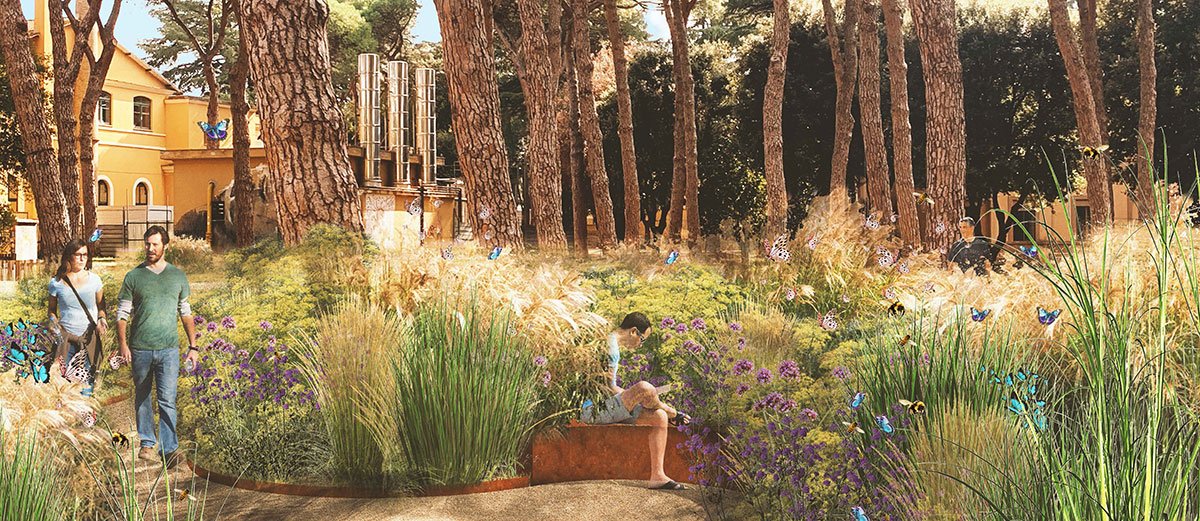
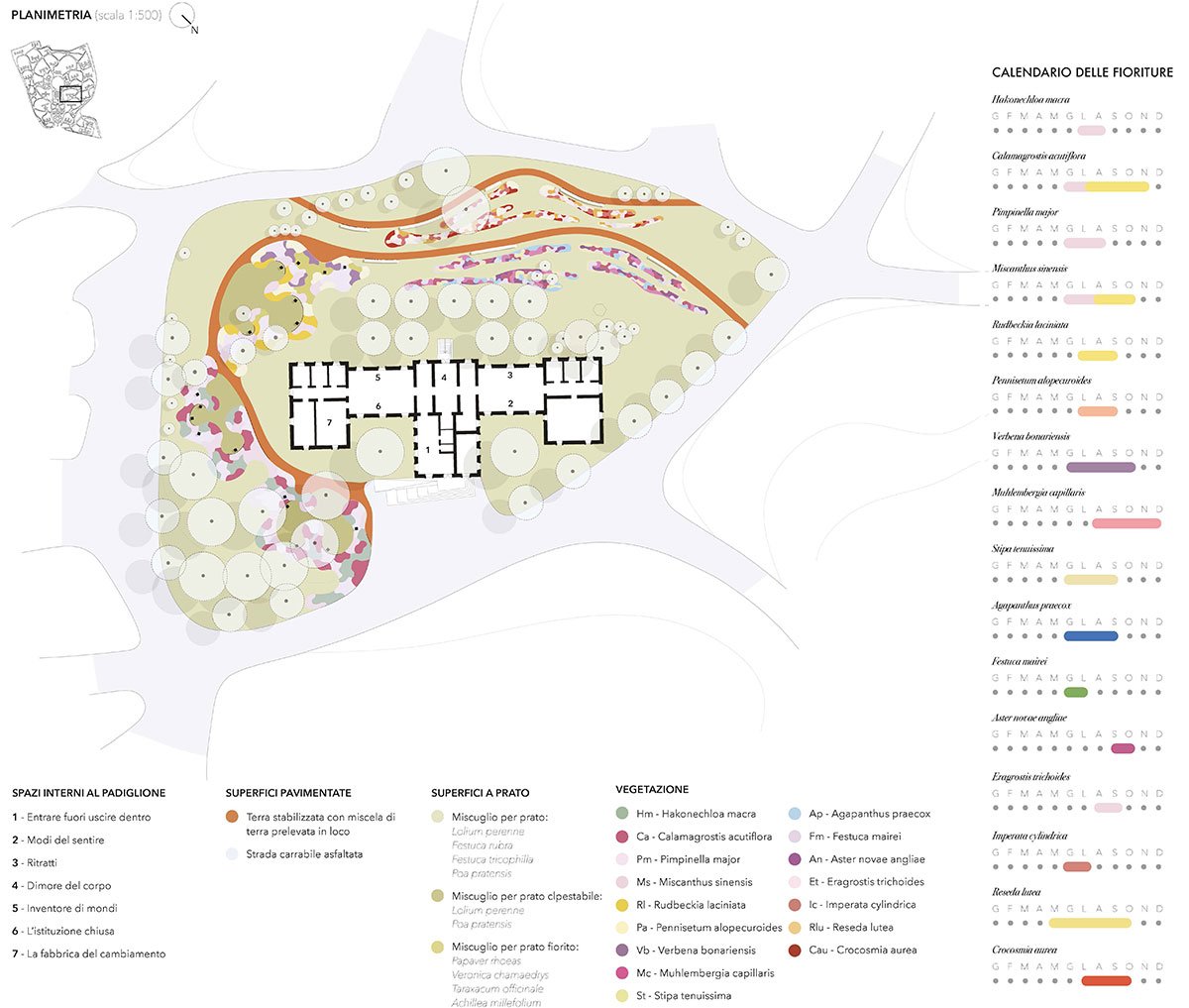
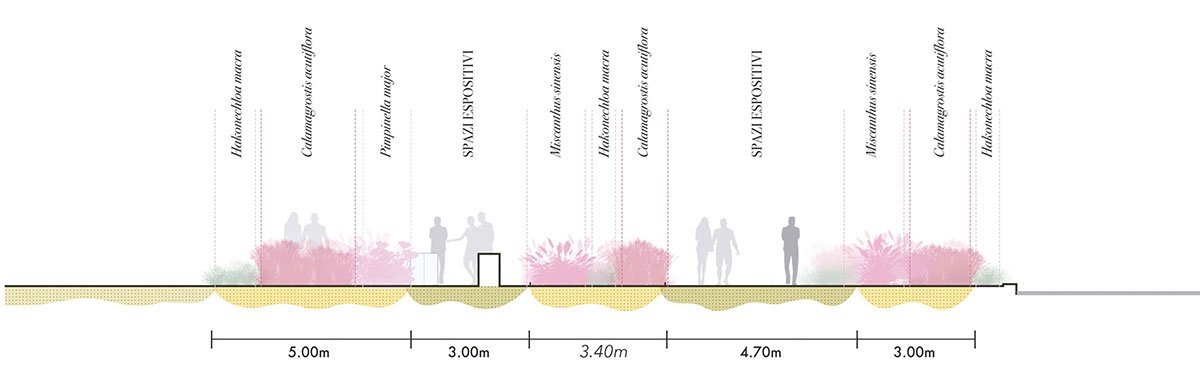
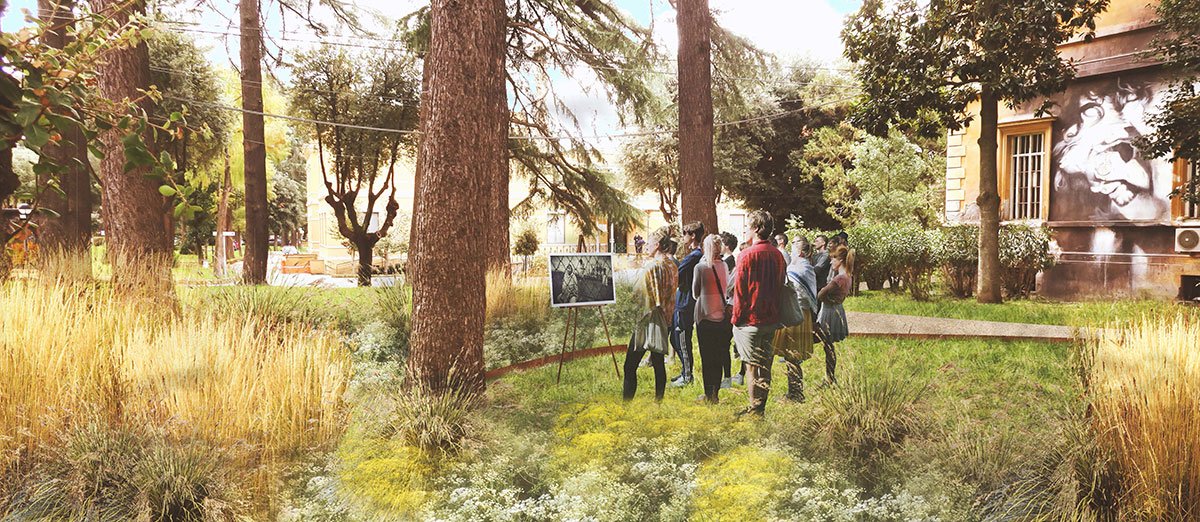
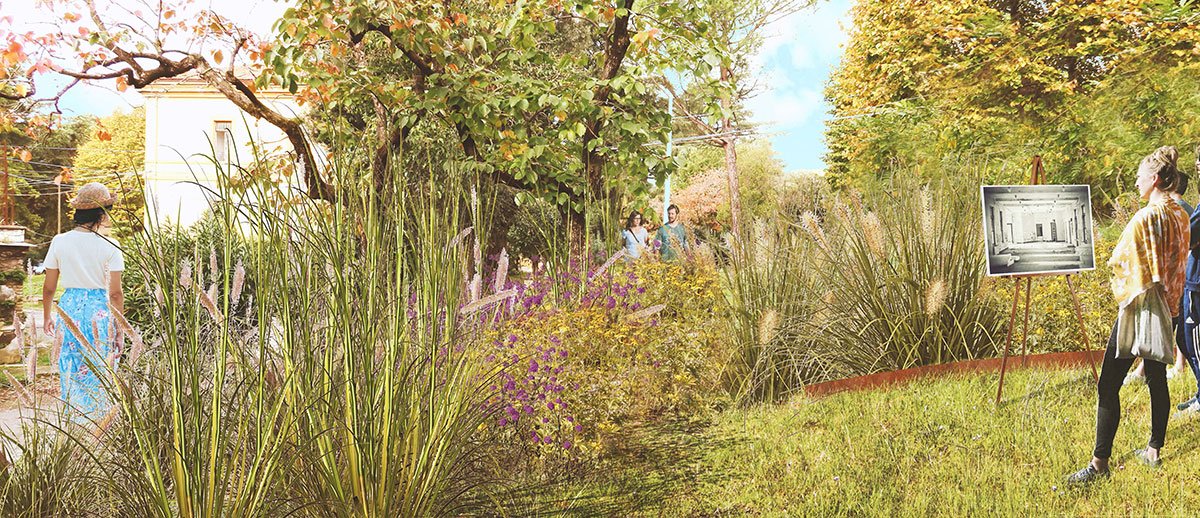
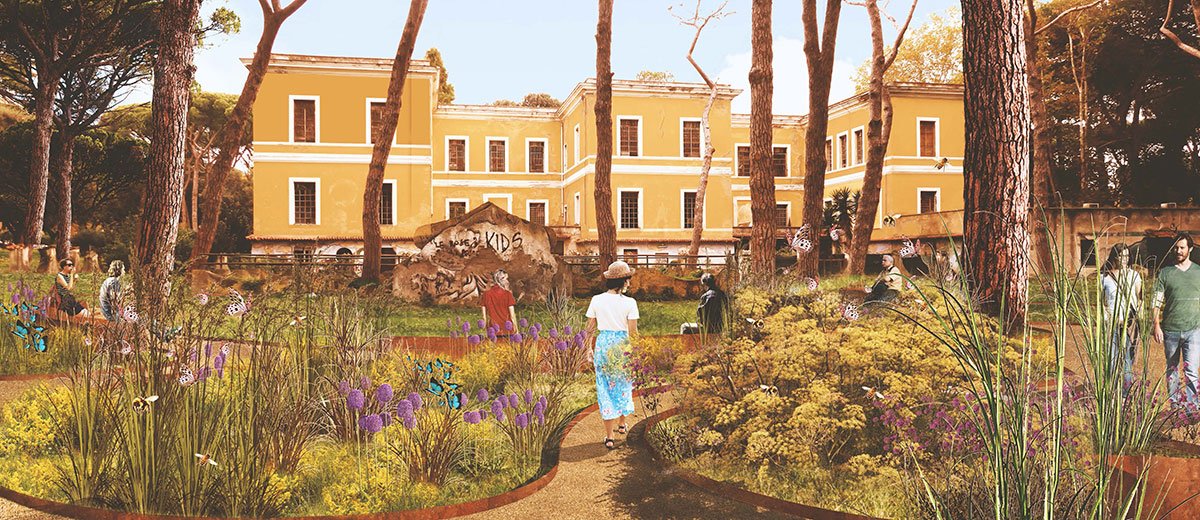
The museum garden is conceived as a natural extension of the museum itinerary that develops inside the pavilion. There are two routes that animate this island. The first, more extended, crosses flat exhibition spaces, created with the use of perennial herbaceous plants of various sizes. Arriving in the area behind the pavilion, it heads along a mini terrace, accompanied below by a second path. The vegetation along the small escarpment fills the curves of both paths, while maintaining a linearity character.
Exhibition spaces are framed by delicate corten profiles, which encase the surrounding vegetation, transforming these areas into contemplative places. The aim is to make visitors reflect on the suffering experienced before the Basaglia law of 1978.
Exhibition spaces along the internal route are designed similarly to the previous ones, but feature perennial herbaceous plants that thrive in sunlit environments, reflecting a harmonious blend of nature and sunlight.
Plan – Terraced Gardens_Meeting and ConversationSection – Terraced Gardens_Meeting and ConversationTerraced Gardens_Meeting and Conversation
Terraced gardens unfold along two paths at varying altitudes, lined with grass-dominant vegetation systems, forming meeting spaces that encourage both conversation and natural convection.
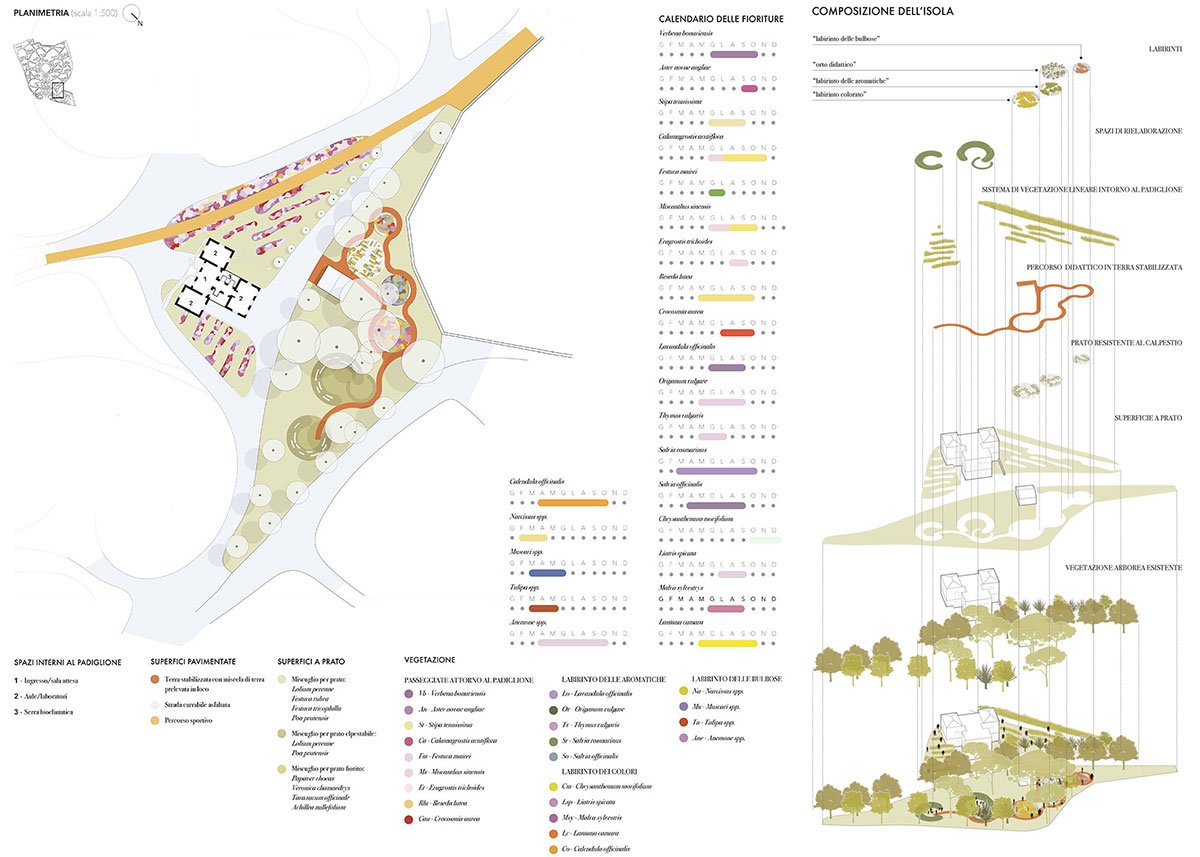
Plan – Laboratory School Garden | Exploded Axonometric – Laboratory School Garden
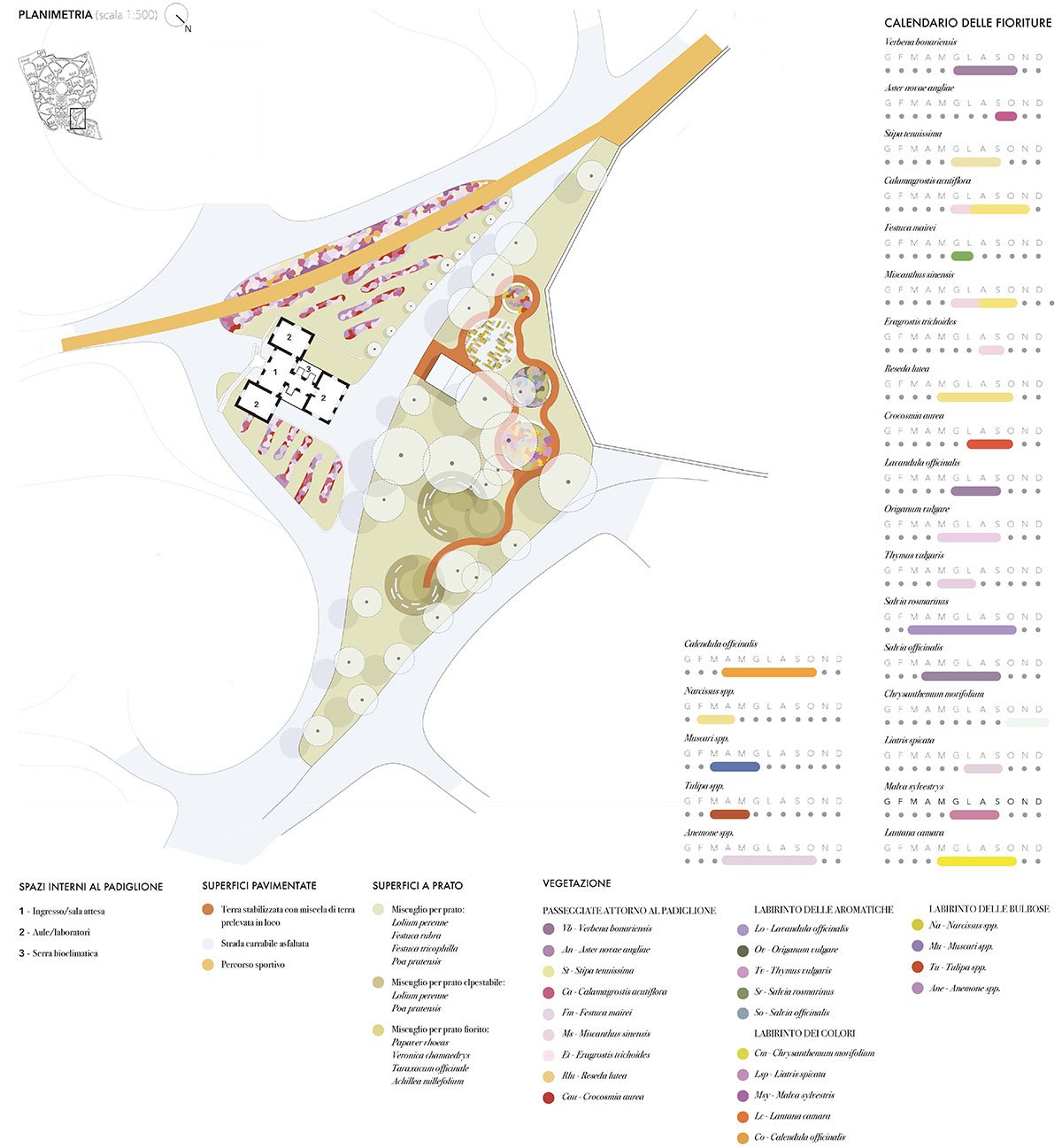
The garden of the school laboratory is divided into two parts. The first is in direct contact with the pavilion, the second is in the front. Some have been created adjacent to the pavilion linear systems of herbaceous perennial plants that give life to so-called “walks around the pavilion”. On the island in front of the pavilion is an educational path that aims to explain the importance of pollinators, such as bees, bumblebees, wasps, dipterans and butterflies, through the use of their favorite plants and a small one educational garden.
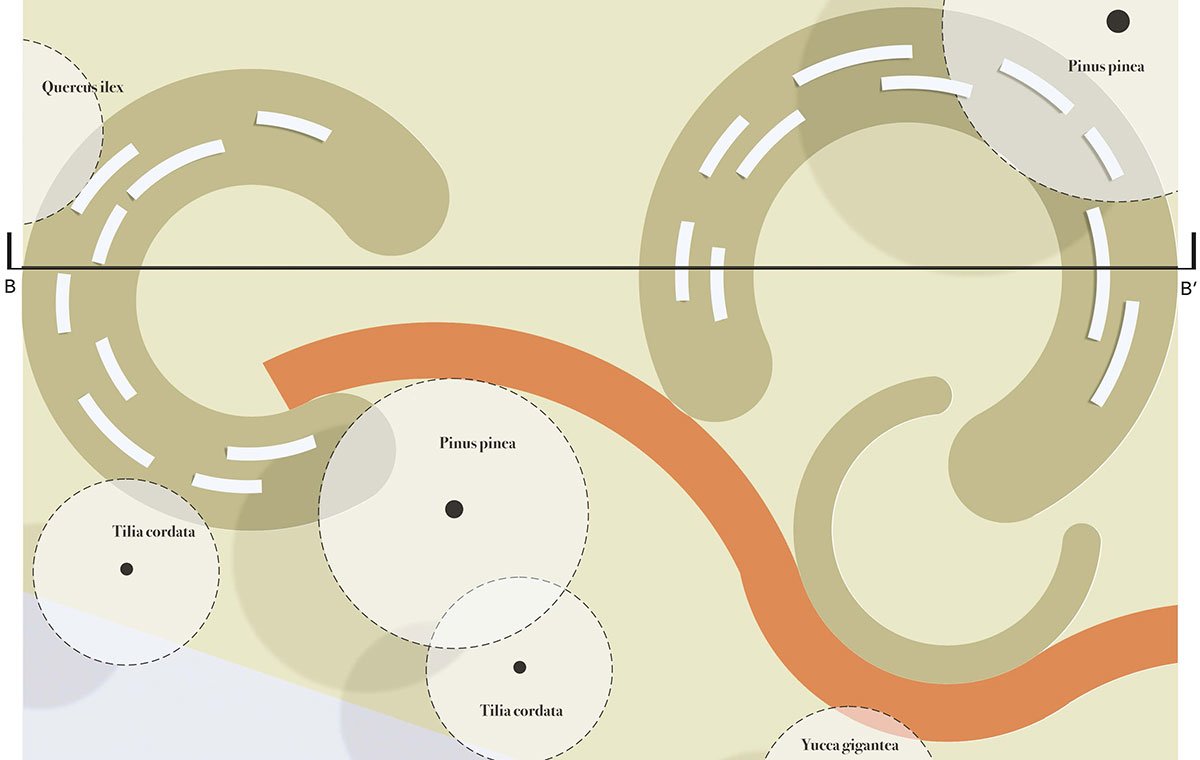
Plan – Labyrinths_Meeting, Education and ObservationSection – Labyrinths_Meeting, Education and ObservationLabyrinths_Meeting, Education and Observation
The labyrinth invites children into circular spaces defined by corten profiles and integrated seating, where education blends with observation, allowing them to play, learn, and engage their senses in a dynamic environment.
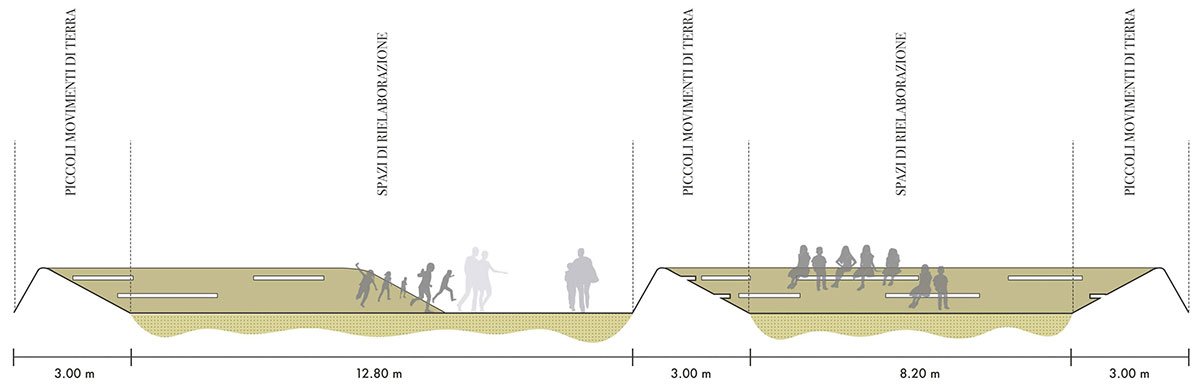
Plan – Spaces of Reworking_Education and PlaySection – Spaces of Reworking_Education and PlaySpaces of Reworking_Education and Play
The spaces for reworking, education, and play are created through small earth movements that form natural, circular-shaped stands, transforming these areas into multifunctional spaces par excellence.
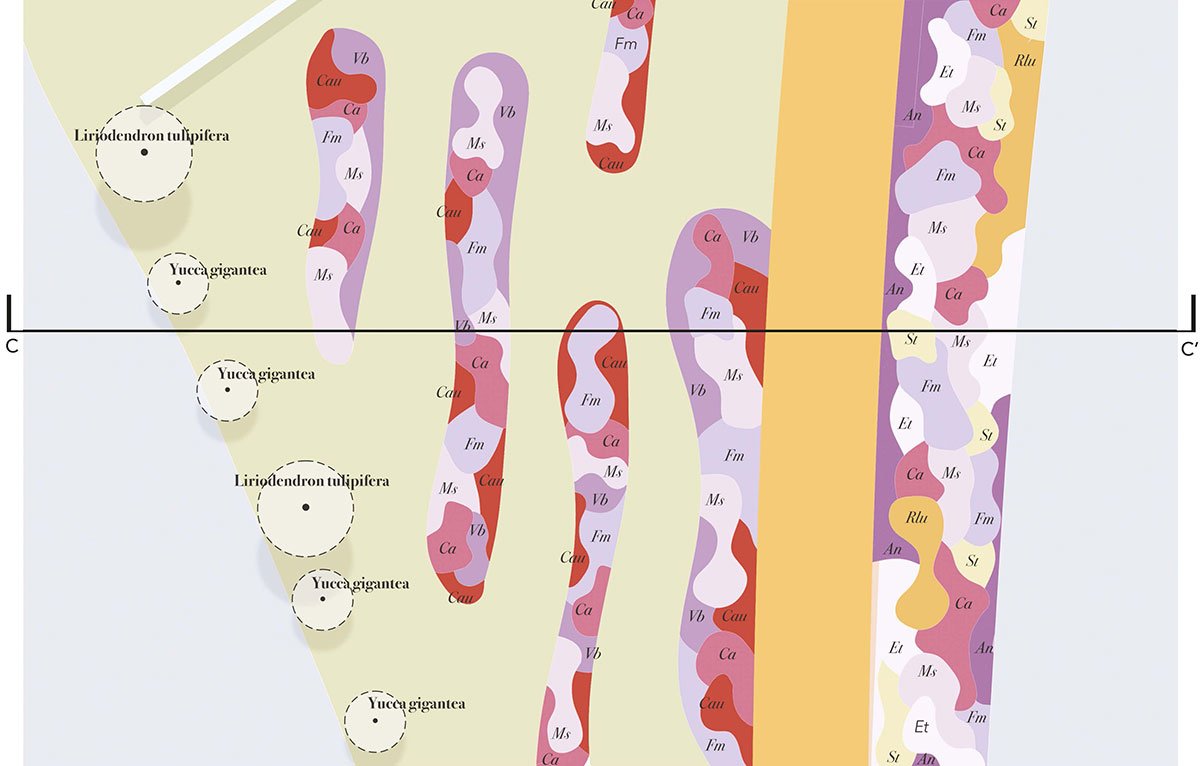
Plan – Linear Gardens_Meeting and DiscoverySection – Linear Gardens_Meeting and DiscoveryLinear Gardens_Meeting and Discovery
The linear gardens seamlessly connect with the pavilion, while the island, intersected by the sports route, offers users a serene spot to pause and unwind. The journey ends inside the re-elaboration spaces, achieved through small earth movements that give life to these multifunctional spaces.
Conclusion: The project envisions an open, inclusive park that blends ecological sustainability with social interaction. Inspired by historical therapeutic spaces, it creates areas for gathering, education, and reflection, promoting mental well-being and biodiversity. This revitalized park strengthens both community ties and the local environment, adapting to contemporary urban and ecological needs.
[This Academic Project has been published with text submitted by the student]
Site Context
Final Outcome
To submit your academic project for publication at ArchiDiaries, please visit the following link >> Submit
Get the best of ArchiDiaries, directly in your inbox.
We use cookies on our website to give you the most relevant experience by remembering your preferences and repeat visits. By clicking “Accept All”, you consent to the use of ALL the cookies. However, you may visit "Cookie Settings" to provide a controlled consent.
This website uses cookies to improve your experience while you navigate through the website. Out of these, the cookies that are categorized as necessary are stored on your browser as they are essential for the working of basic functionalities of the website. We also use third-party cookies that help us analyze and understand how you use this website. These cookies will be stored in your browser only with your consent. You also have the option to opt-out of these cookies. But opting out of some of these cookies may affect your browsing experience.
Necessary cookies are absolutely essential for the website to function properly. These cookies ensure basic functionalities and security features of the website, anonymously.
Cookie
Duration
Description
cookielawinfo-checkbox-analytics
11 months
This cookie is set by GDPR Cookie Consent plugin. The cookie is used to store the user consent for the cookies in the category "Analytics".
cookielawinfo-checkbox-functional
11 months
The cookie is set by GDPR cookie consent to record the user consent for the cookies in the category "Functional".
cookielawinfo-checkbox-necessary
11 months
This cookie is set by GDPR Cookie Consent plugin. The cookies is used to store the user consent for the cookies in the category "Necessary".
cookielawinfo-checkbox-others
11 months
This cookie is set by GDPR Cookie Consent plugin. The cookie is used to store the user consent for the cookies in the category "Other.
cookielawinfo-checkbox-performance
11 months
This cookie is set by GDPR Cookie Consent plugin. The cookie is used to store the user consent for the cookies in the category "Performance".
viewed_cookie_policy
11 months
The cookie is set by the GDPR Cookie Consent plugin and is used to store whether or not user has consented to the use of cookies. It does not store any personal data.
Functional cookies help to perform certain functionalities like sharing the content of the website on social media platforms, collect feedbacks, and other third-party features.
Performance cookies are used to understand and analyze the key performance indexes of the website which helps in delivering a better user experience for the visitors.
Analytical cookies are used to understand how visitors interact with the website. These cookies help provide information on metrics the number of visitors, bounce rate, traffic source, etc.
Advertisement cookies are used to provide visitors with relevant ads and marketing campaigns. These cookies track visitors across websites and collect information to provide customized ads.




















![Factory[n]Certainty: Redefining Industrial Architecture Through Work, Life, and Community | Bachelors Design Thesis](https://archidiaries.com/wp-content/uploads/2026/09/Siam-Rahman_APR_feat_img.jpg)