Excerpt: ‘Museum of Archaeology’ is an architecture thesis by Shubh Porwal from the ‘Parul Institute of Architecture & Research’ that proposes a museum transcending conventional exhibition spaces. By drawing from the unique cultural, historical, and geological context of Badami, it seeks to create an immersive architectural experience that not only preserves artifacts but also interprets and expresses the spirit of the place, fostering a deeper, more personal connection to its heritage.
Introduction: This undergraduate architecture thesis delves into the rich and layered histories of Badami, renowned for its Chalukyan legacy, rock-cut temples, and living cultural practices. The project proposes a museum that moves beyond traditional displays, aiming to connect archaeology, architecture, and storytelling to create an experiential space that reflects the unique identity of Badami’s landscape.
By thoughtfully integrating with its context, the design aims not only to preserve artefacts but also to capture and interpret the essence of the place, providing visitors with an immersive historical experience. The thesis is an effort to curate memory, identity, and continuity through design—reimagining the role of museums as evolving, interactive spaces for learning and cultural connection.
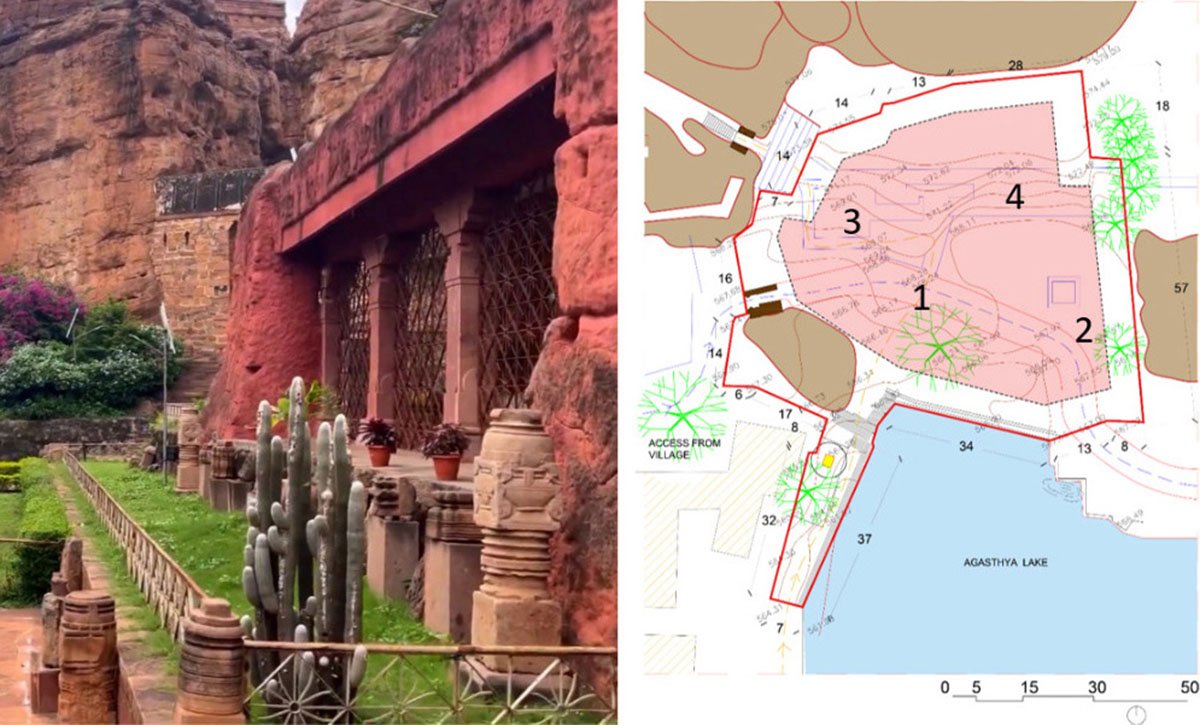
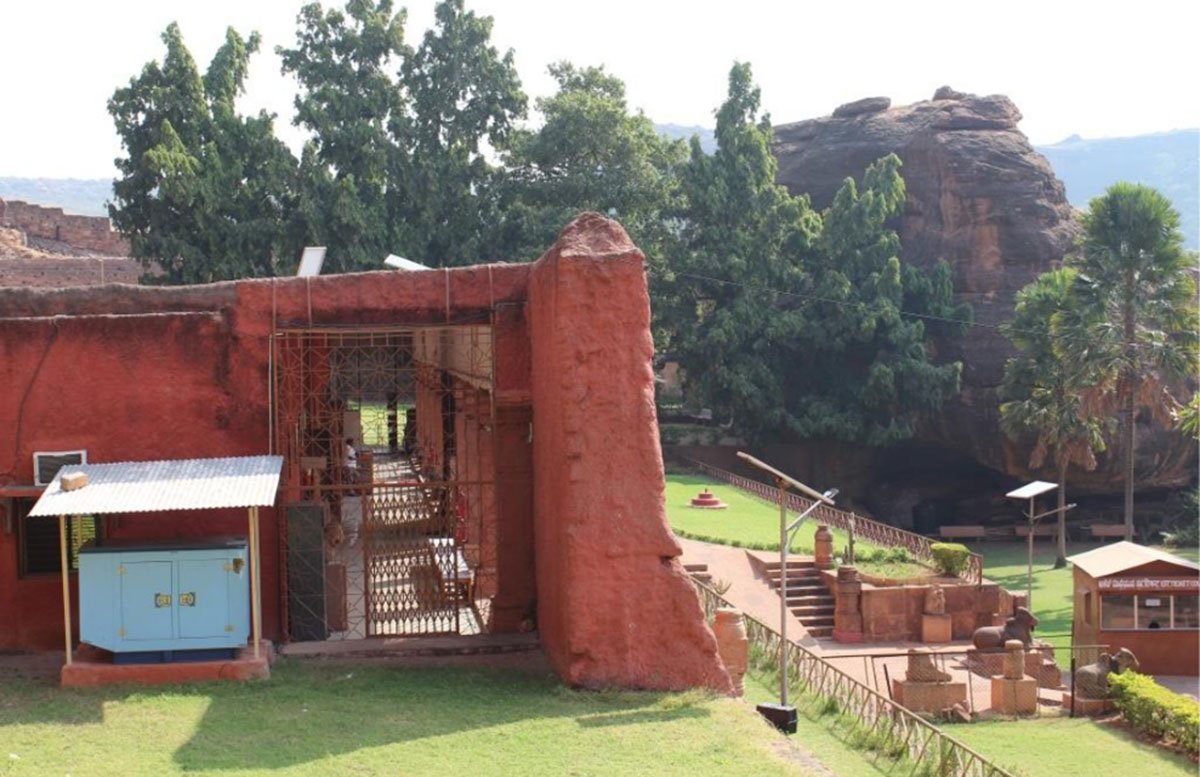
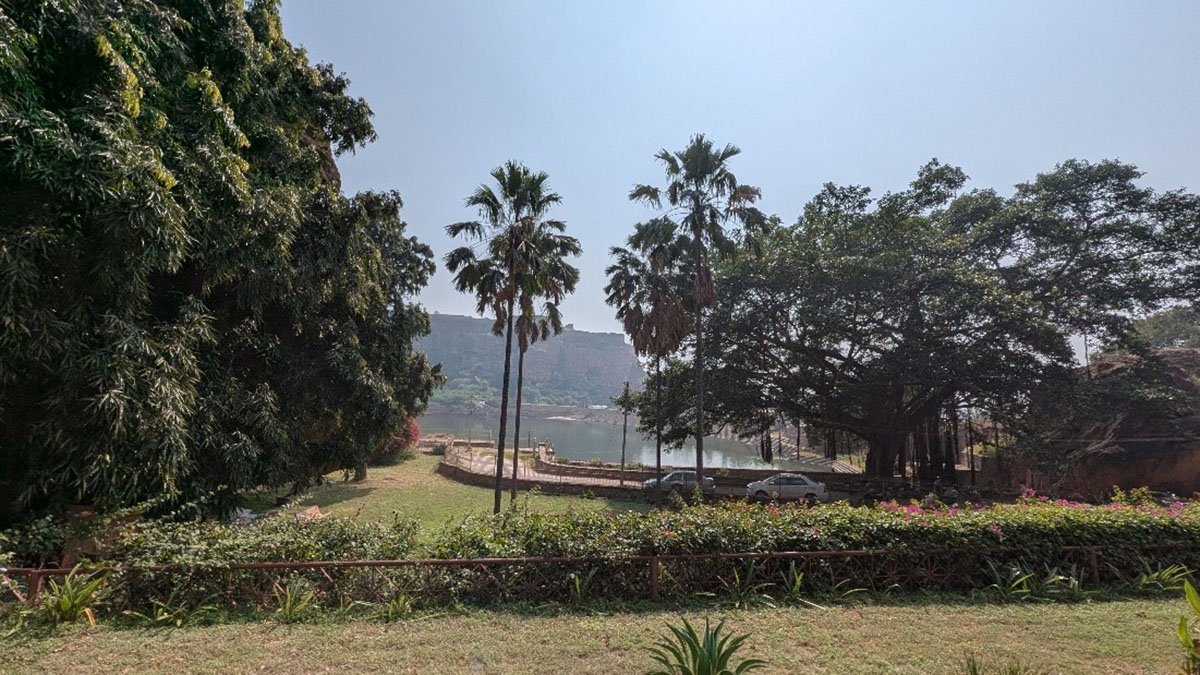
Context Of BadamiEntry Of The Museum Near To The Surface Of The Rocks, And Site Map
Badami, located in northern Karnataka, is a historic town that once served as the capital of the Early Chalukyan dynasty. It is renowned for its rock-cut cave temples, intricately carved architecture, water reservoirs, and striking sandstone cliffs that shape its dramatic landscape. This unique blend of natural beauty and cultural heritage makes Badami a confluence of history, landscape, and living traditions.
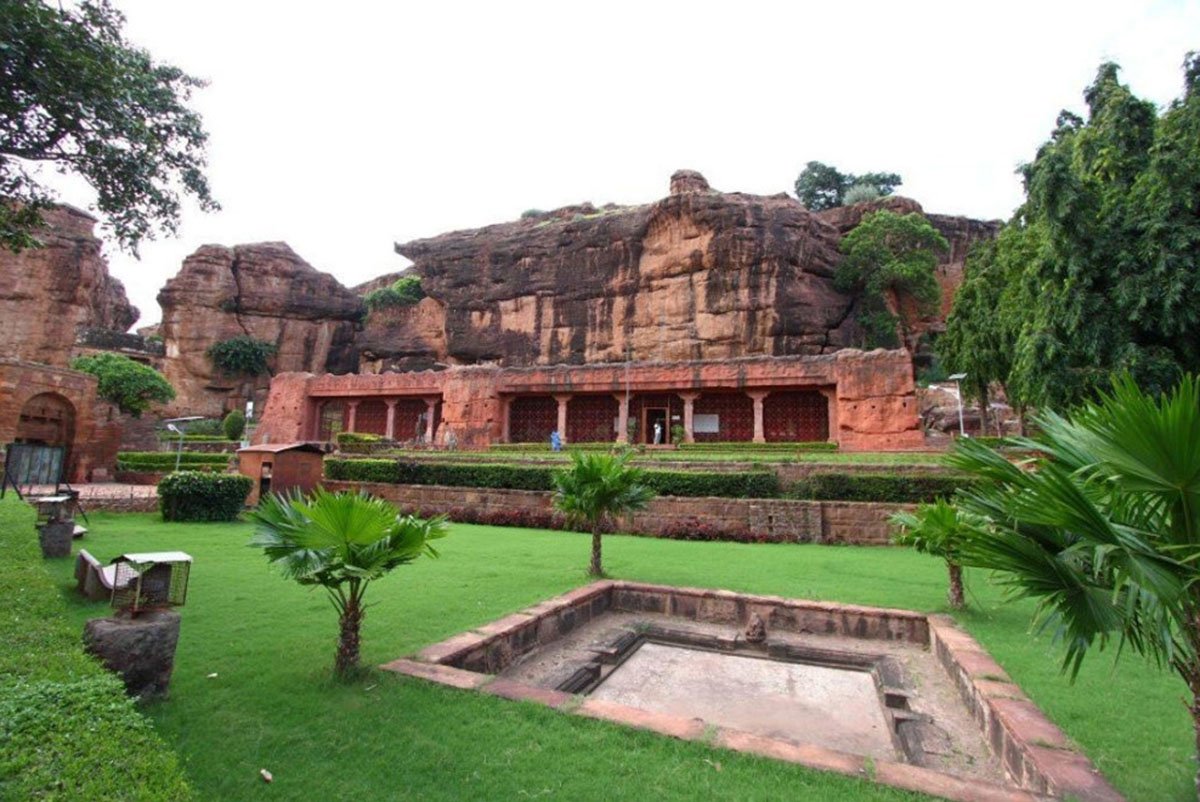
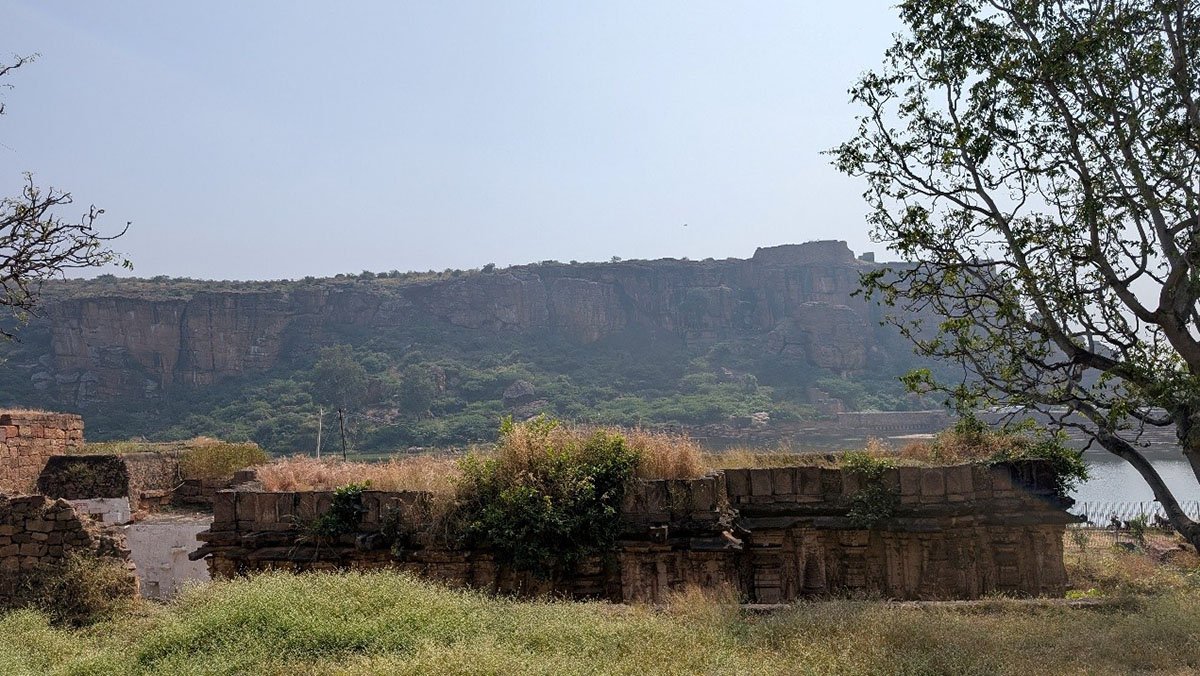
View From The Temple Side (From Front Garden)View From The Badami Fort GateExisting Temple In The Complex Of Badami Fort
Within this rich context, the proposed museum is strategically placed to engage deeply with its environment—both visually and experientially. The landscape itself becomes a narrative medium, revealing layers of religious, social, and architectural evolution. Designing a museum in this setting demands a thoughtful response to its topography, materiality, and cultural rhythms. The goal is not merely to conserve and exhibit artefacts, but to embody the essence of Badami—creating a dynamic, interpretive space that brings history to life.
Design Process
Analogy – Tectonic Falls
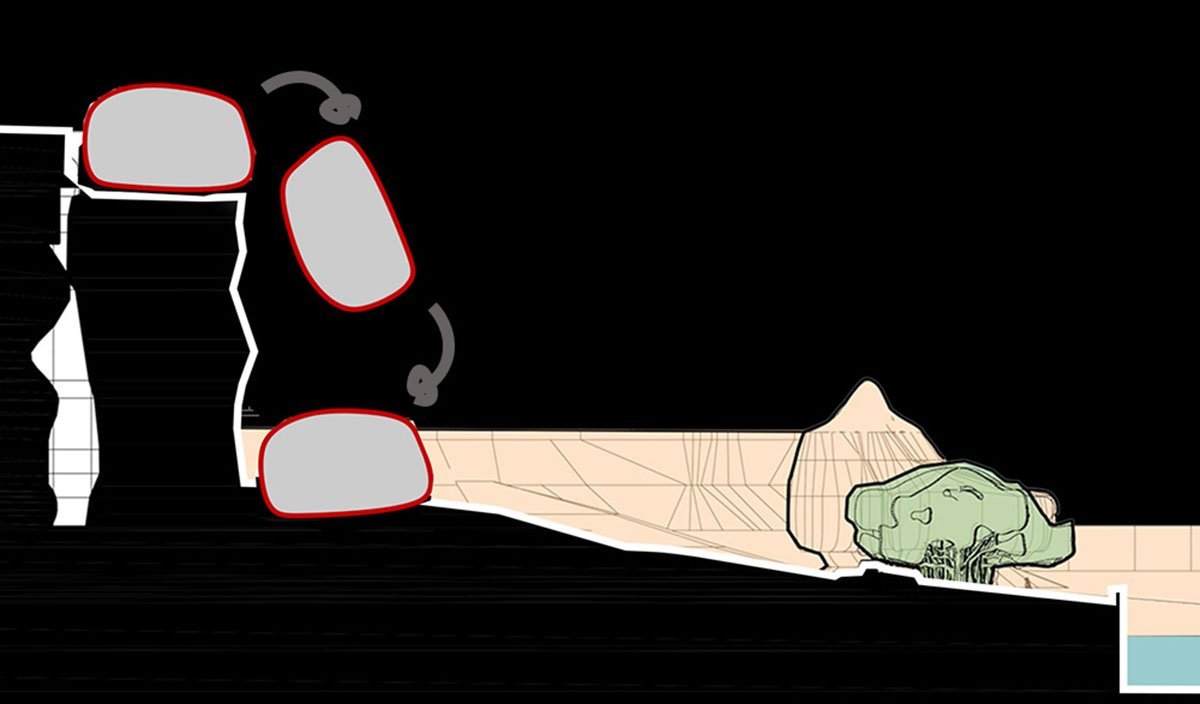
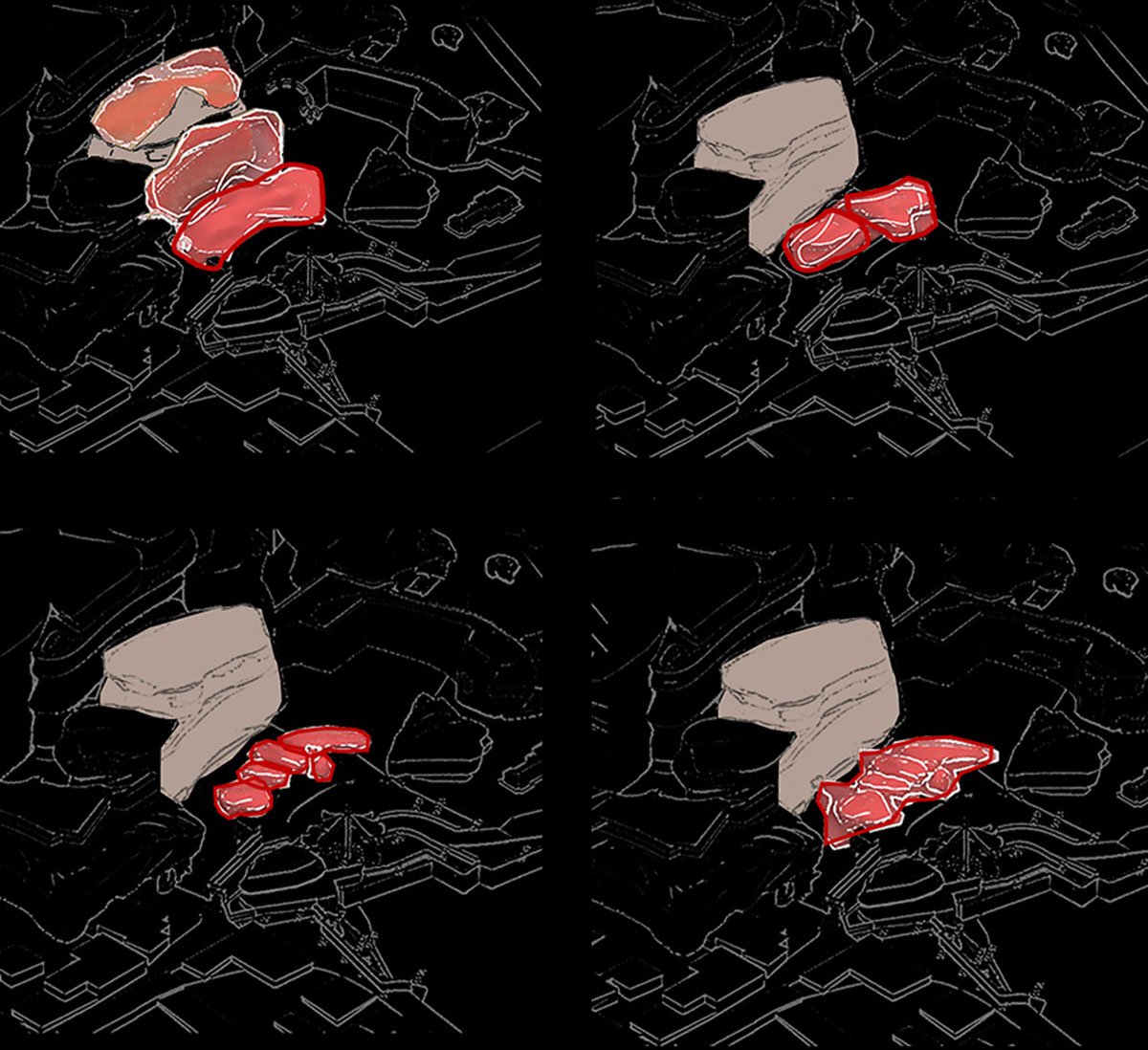
The tectonic fall of rock is a powerful natural phenomenon defined by displacement, fracture, fragmentation, and eventual reintegration. Over time, massive rock masses are shifted by geological forces, causing them to fall, crack, and fragment into smaller pieces. These fragments, once disjointed, gradually merge with the earth—blending with soil, water, and vegetation to form a renewed, transformed landscape.
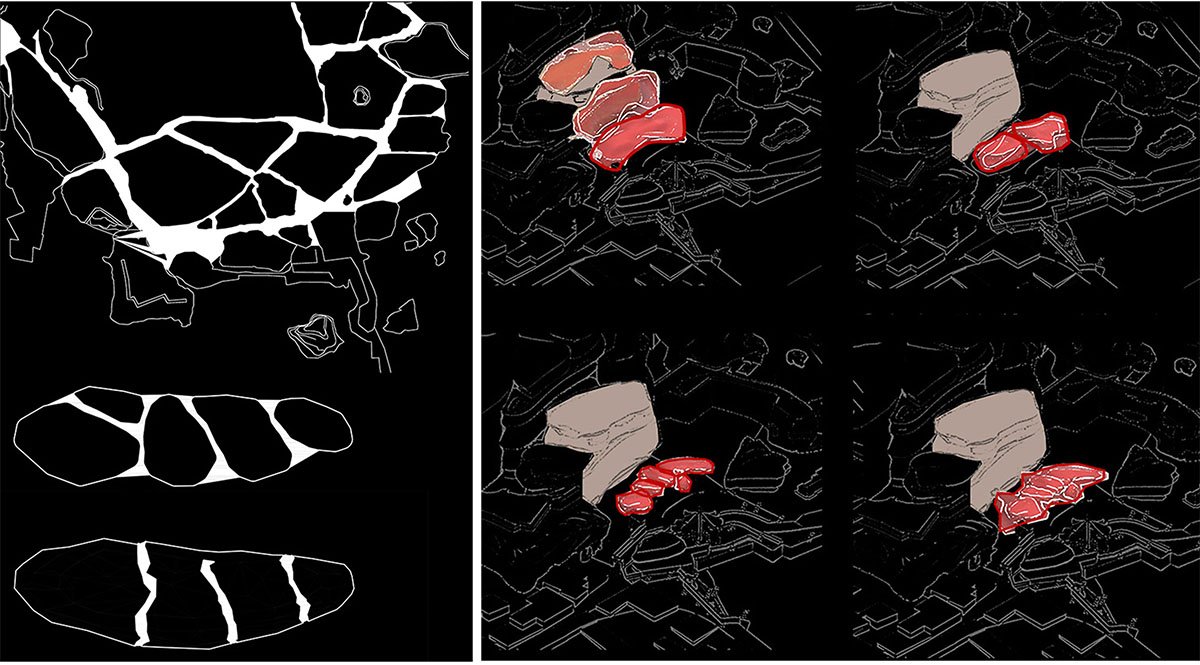
Interpretation | Process Diagrams
This sequence becomes an architectural metaphor for design as a transformative process:
The fall signifies disruption — a deliberate departure from the past or conventional.
The breaking represents critical inquiry — a dismantling of established systems and forms.
Fragmentation captures the complexity of multiple narratives, layers, and meanings revealed through exploration.
Fusion conveys the act of reassembling these elements into a coherent architectural language grounded in context.
This metaphor shapes the design approach for the Badami Archaeological Museum. The process becomes one of excavating meaning and reimagining the place — allowing the museum to emerge not as an imposition on the land, but as a natural evolution of its story.
Final Outcome
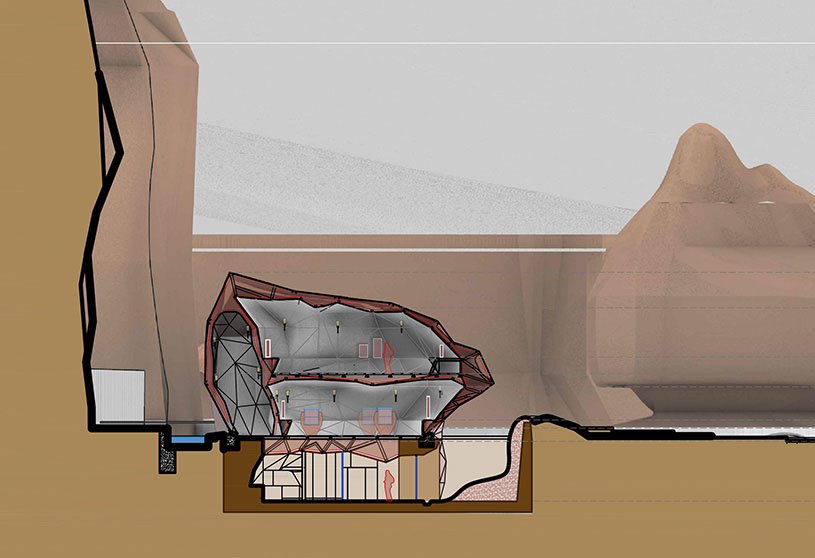
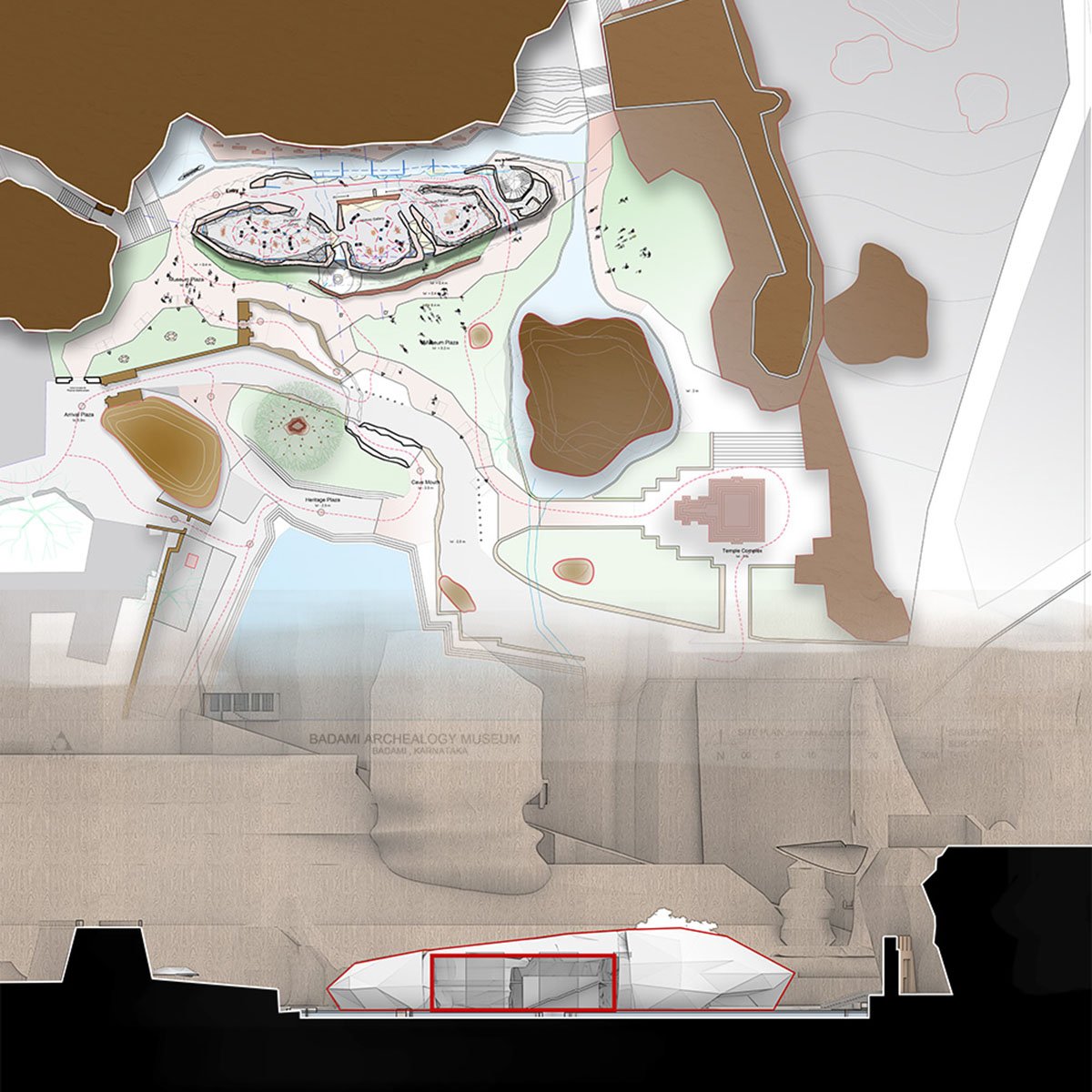
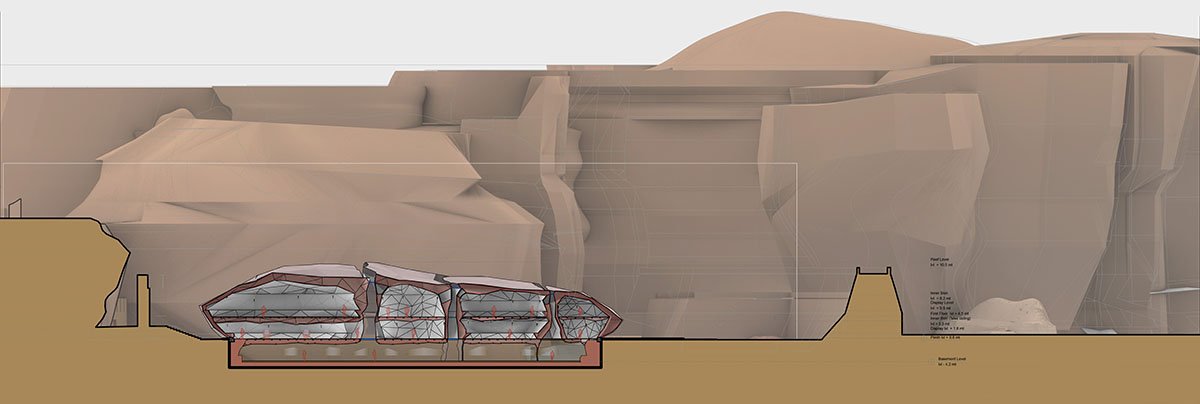
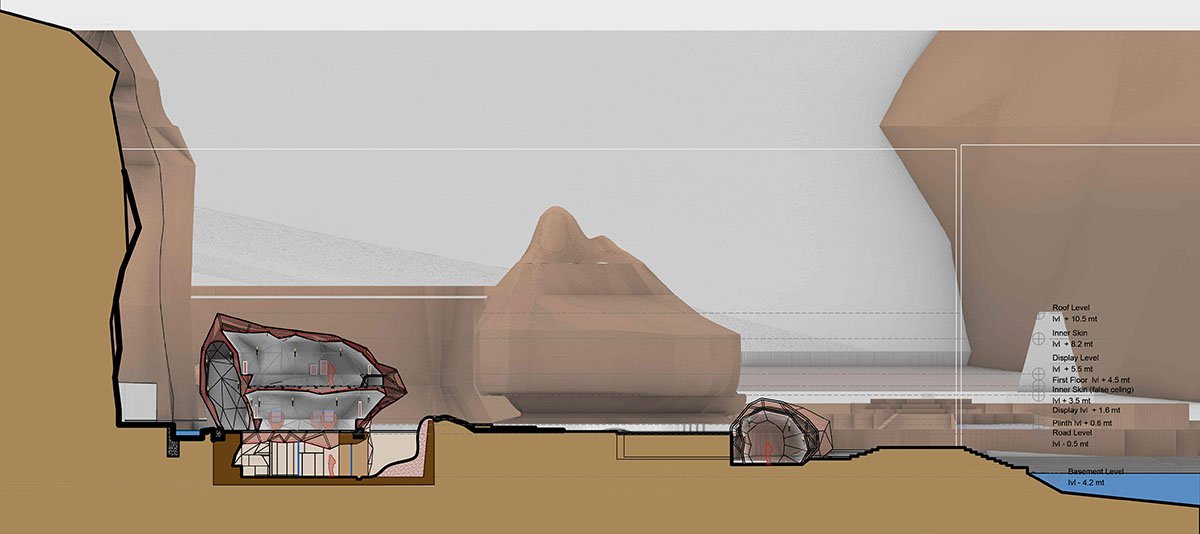
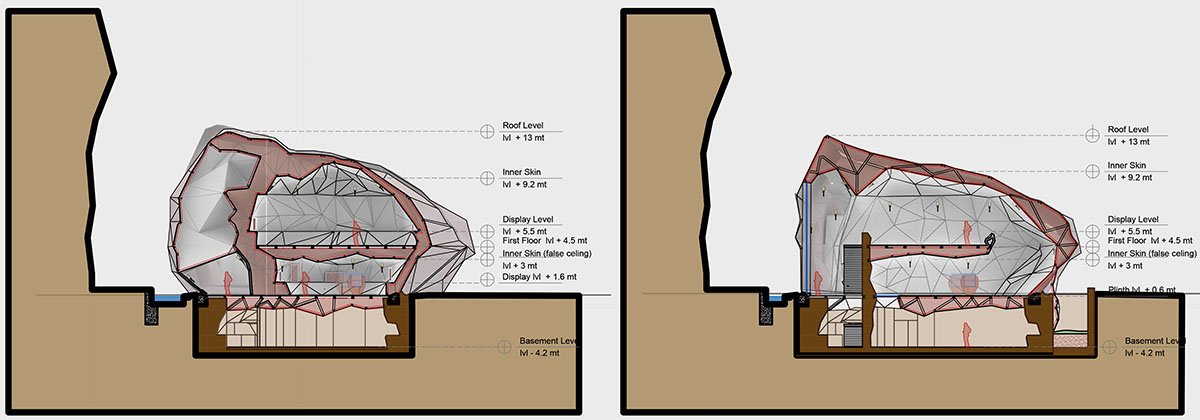
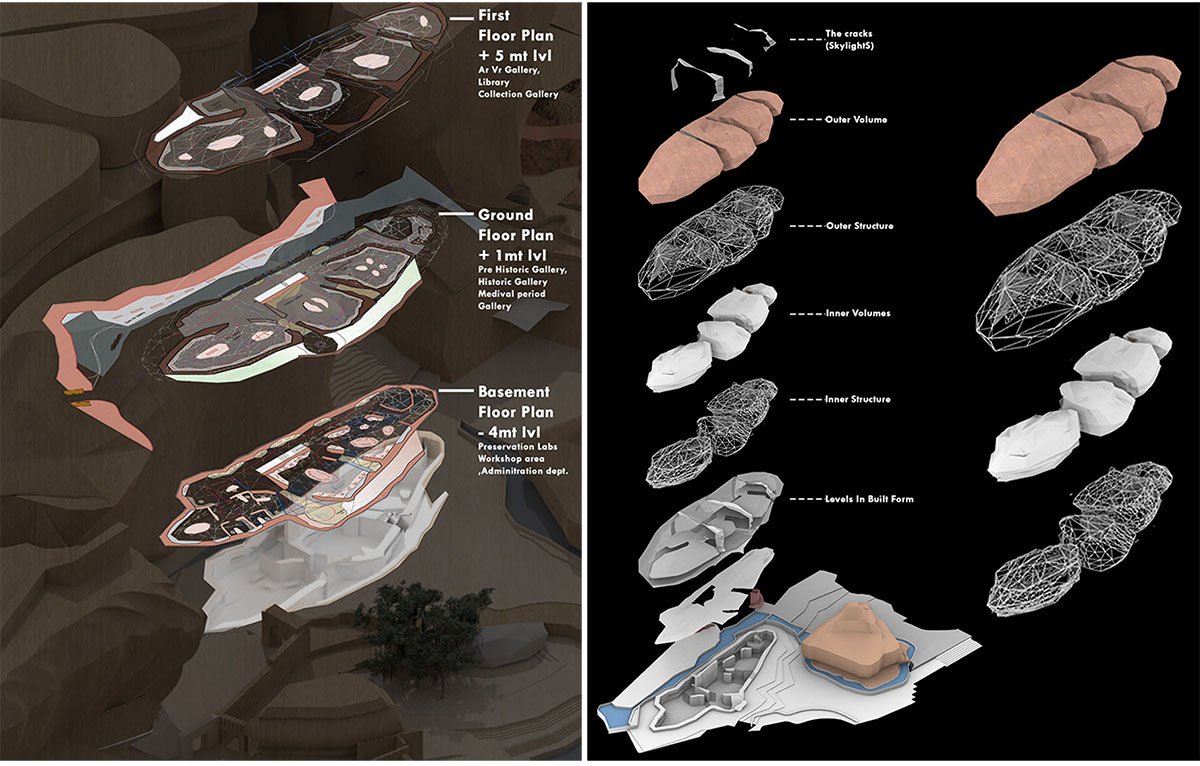
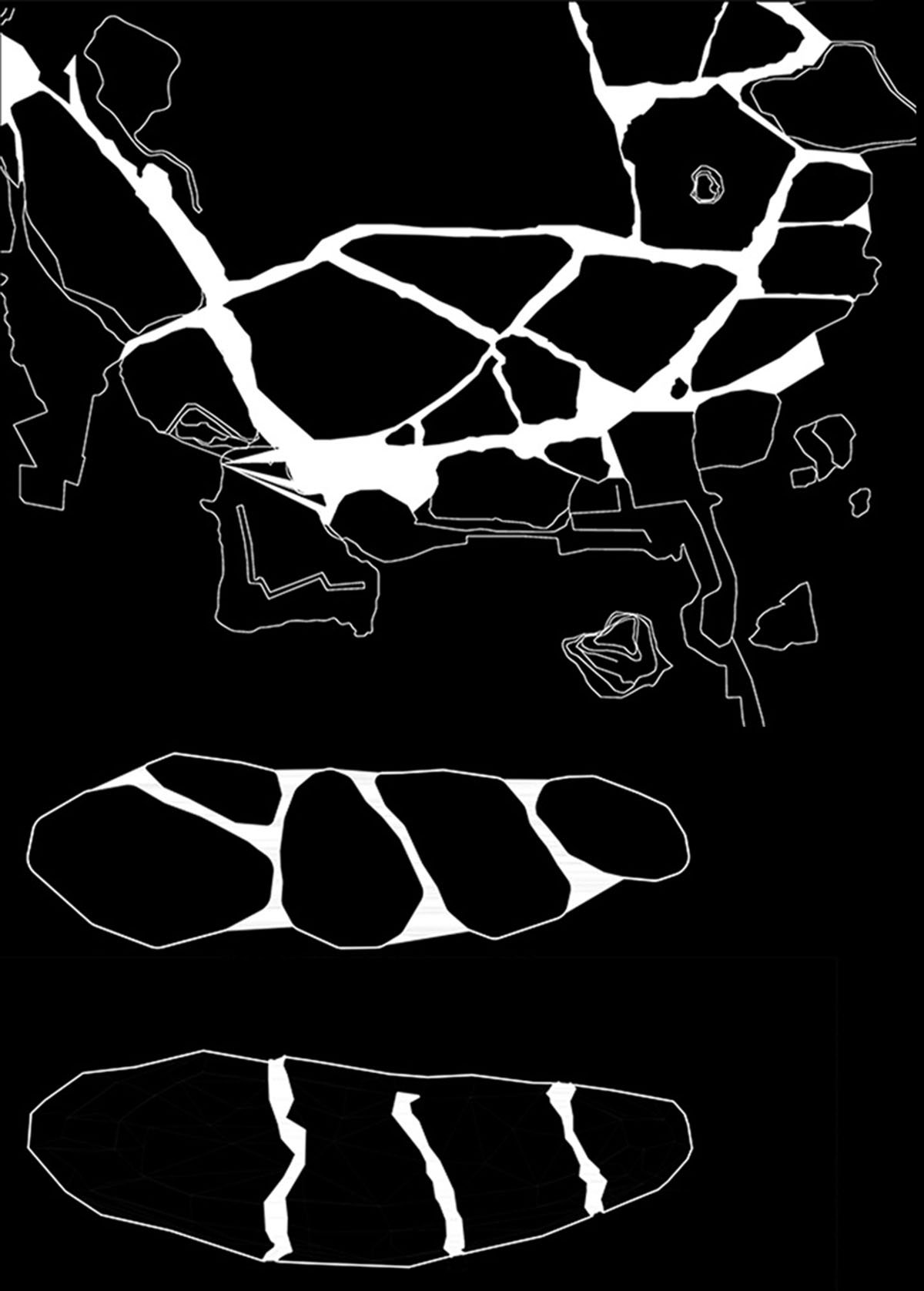
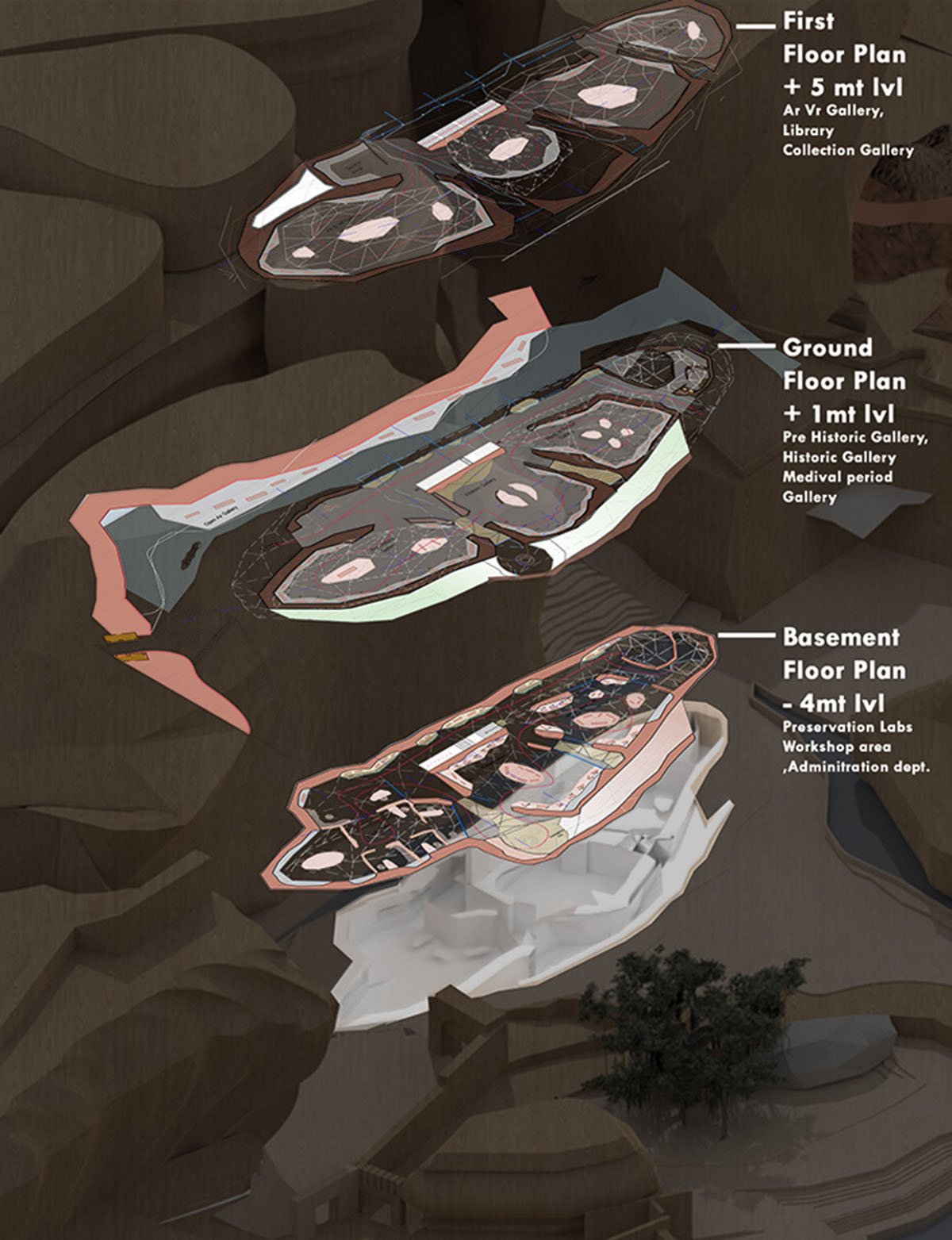
Master Plan & Elevation Of MuseumSectional Drawings
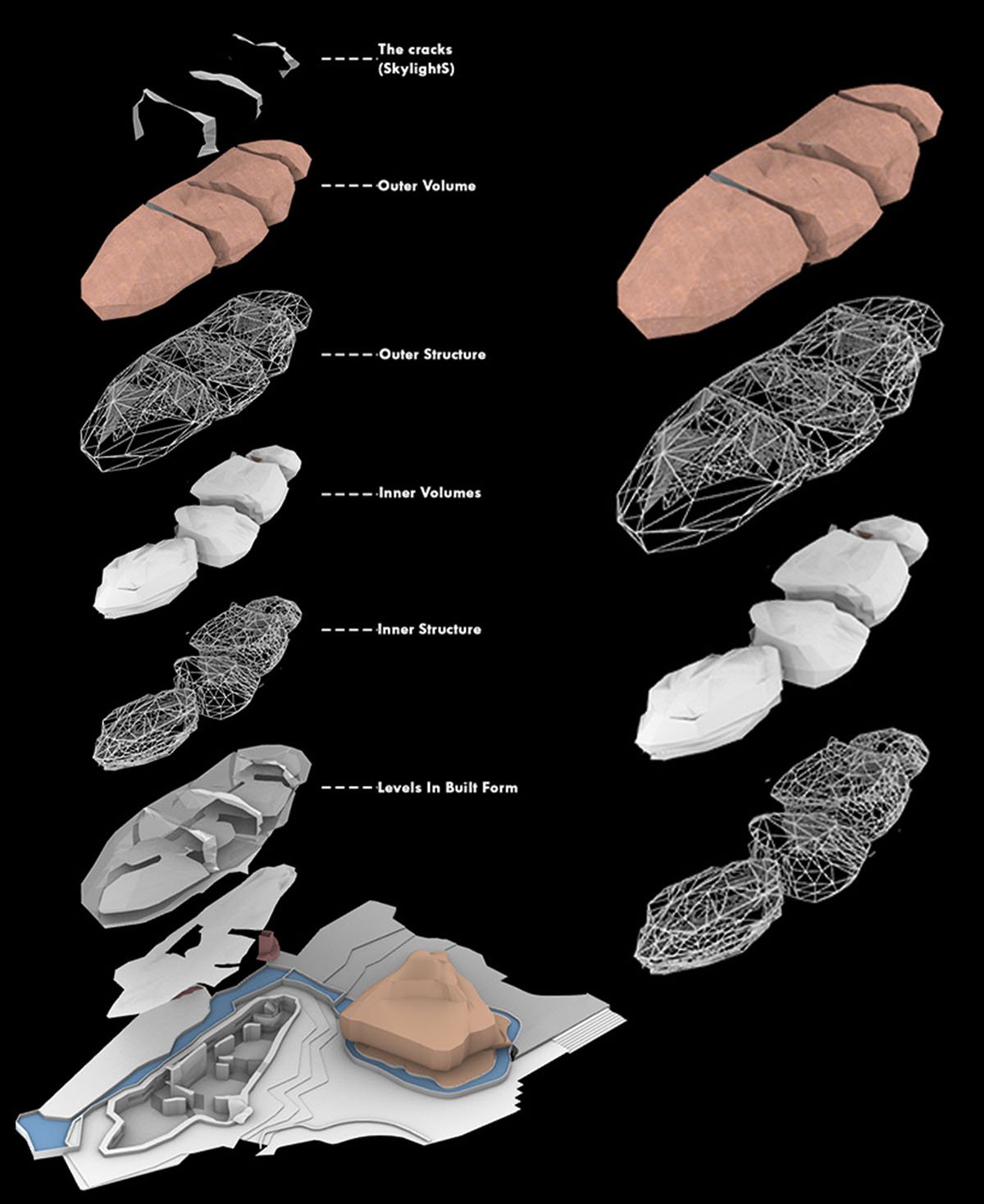
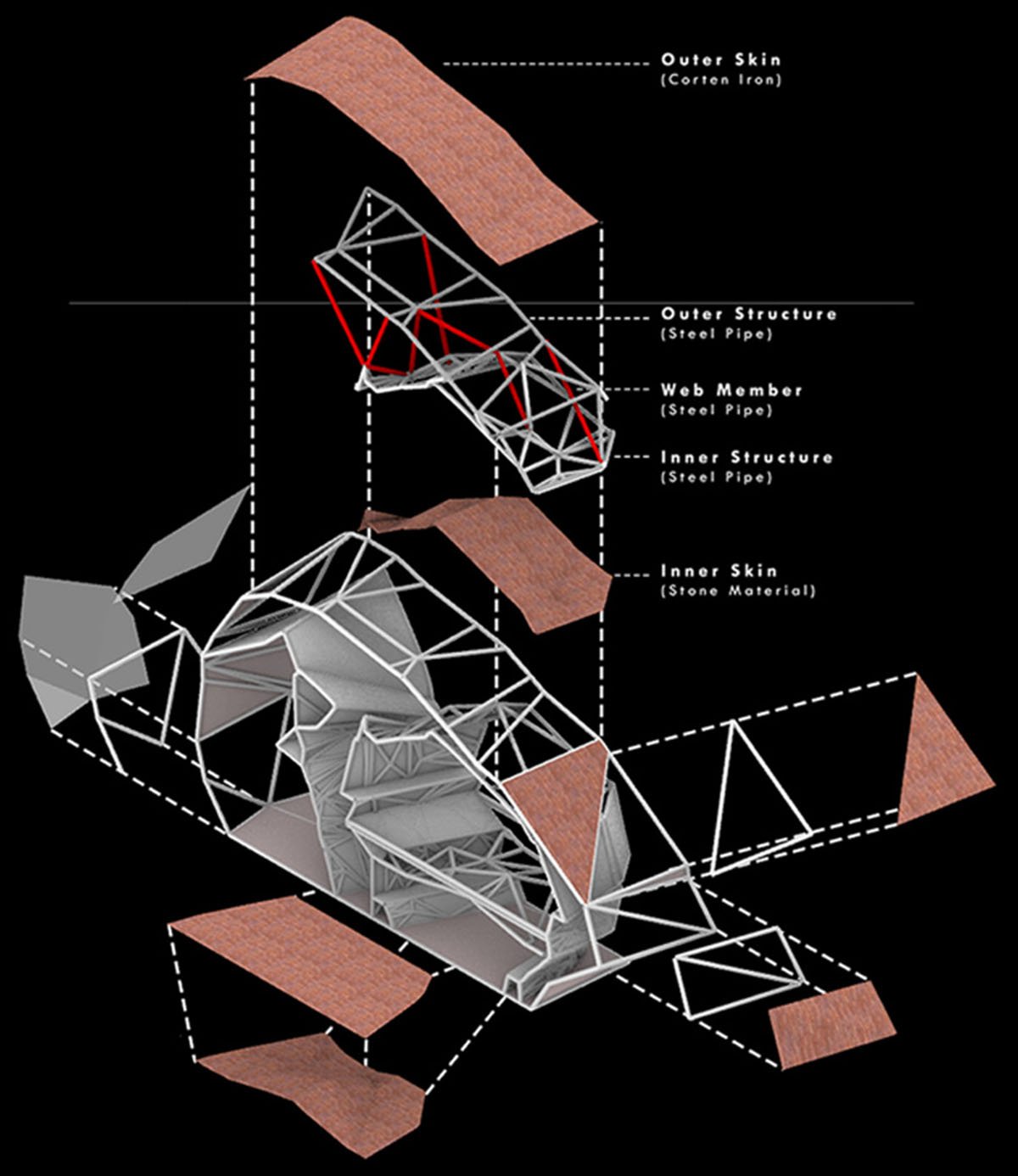
The final outcome is a museum that emerges as a spatial and material interpretation of Badami itself — as rock, as ruin, and as a cultural landscape. Instead of introducing a dominant new form, the architecture responds to and reflects the site’s tectonic language, drawing from its fractured cliffs, stepped ghats, and deeply layered history.
Spaces are conceived as carved, revealed, and assembled, shaped by natural processes of fall, break, and fusion — mirroring the region’s geological evolution. Visitors navigate through a sequence of pathways, voids, and thresholds that evoke the act of traversing Badami’s rock-cut temples and canyons.
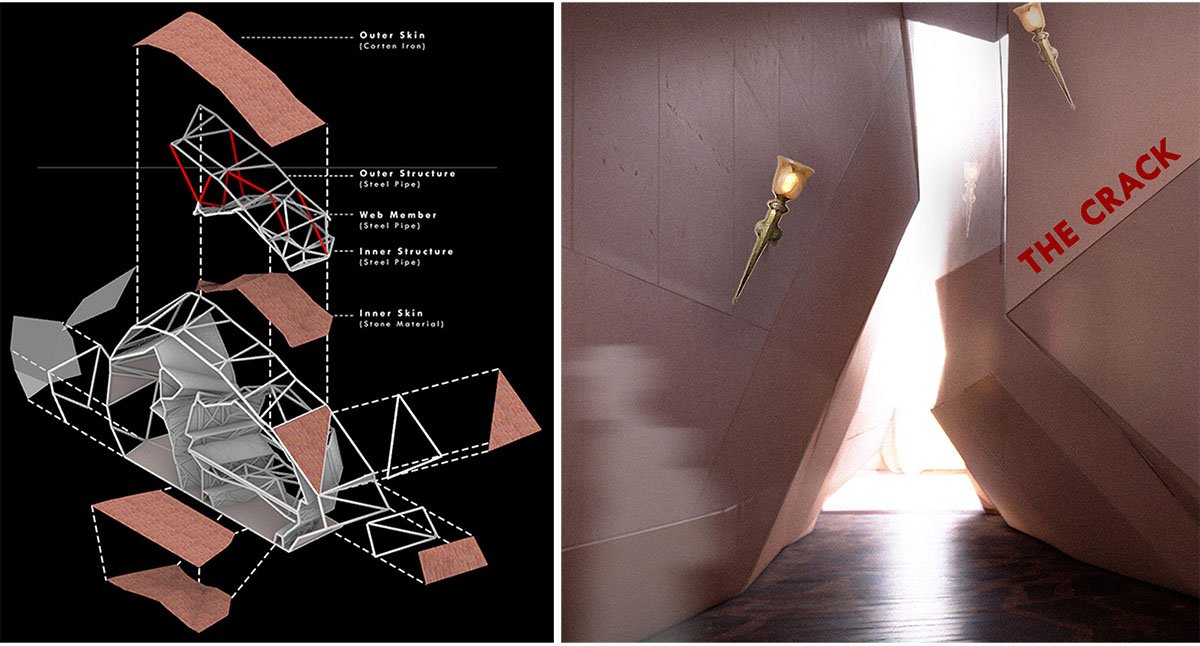
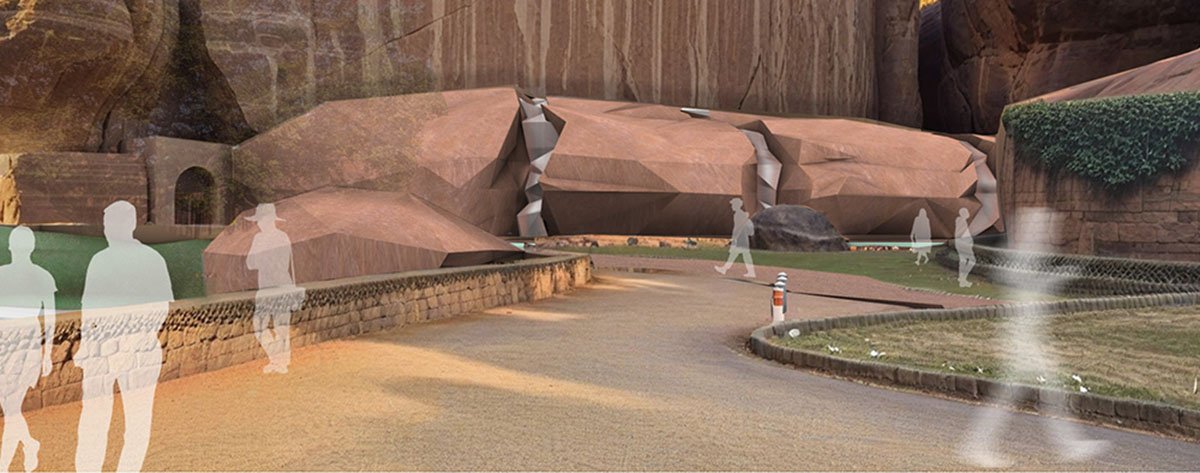
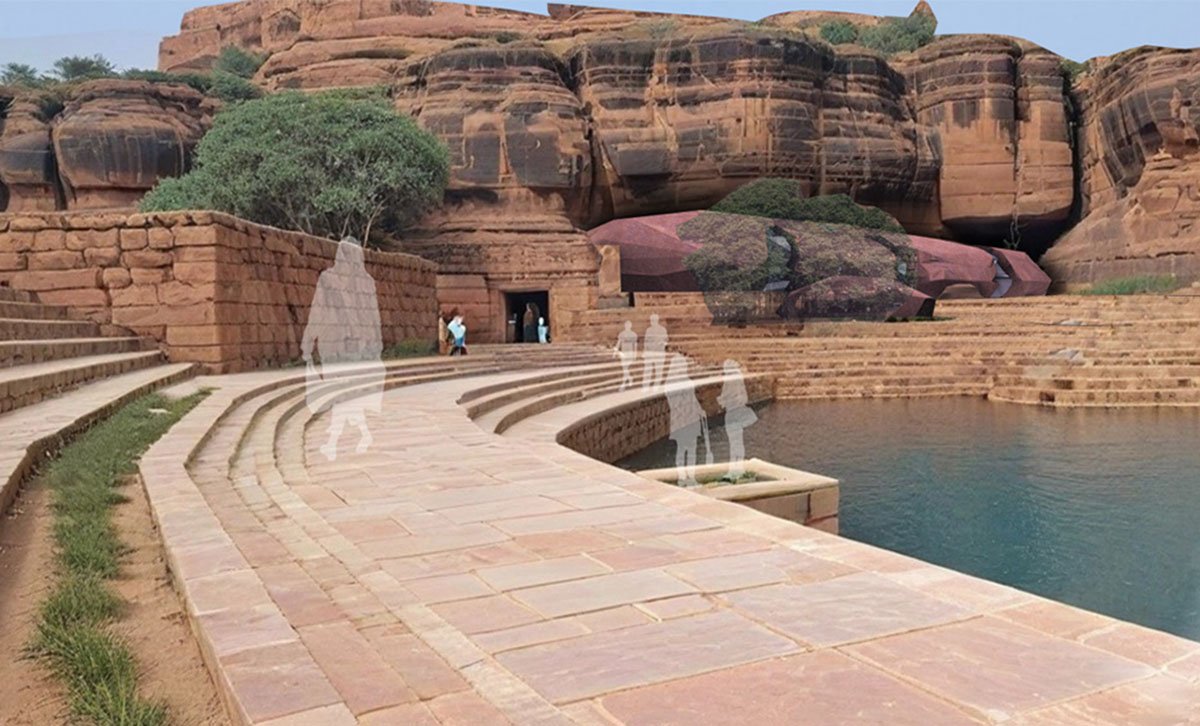
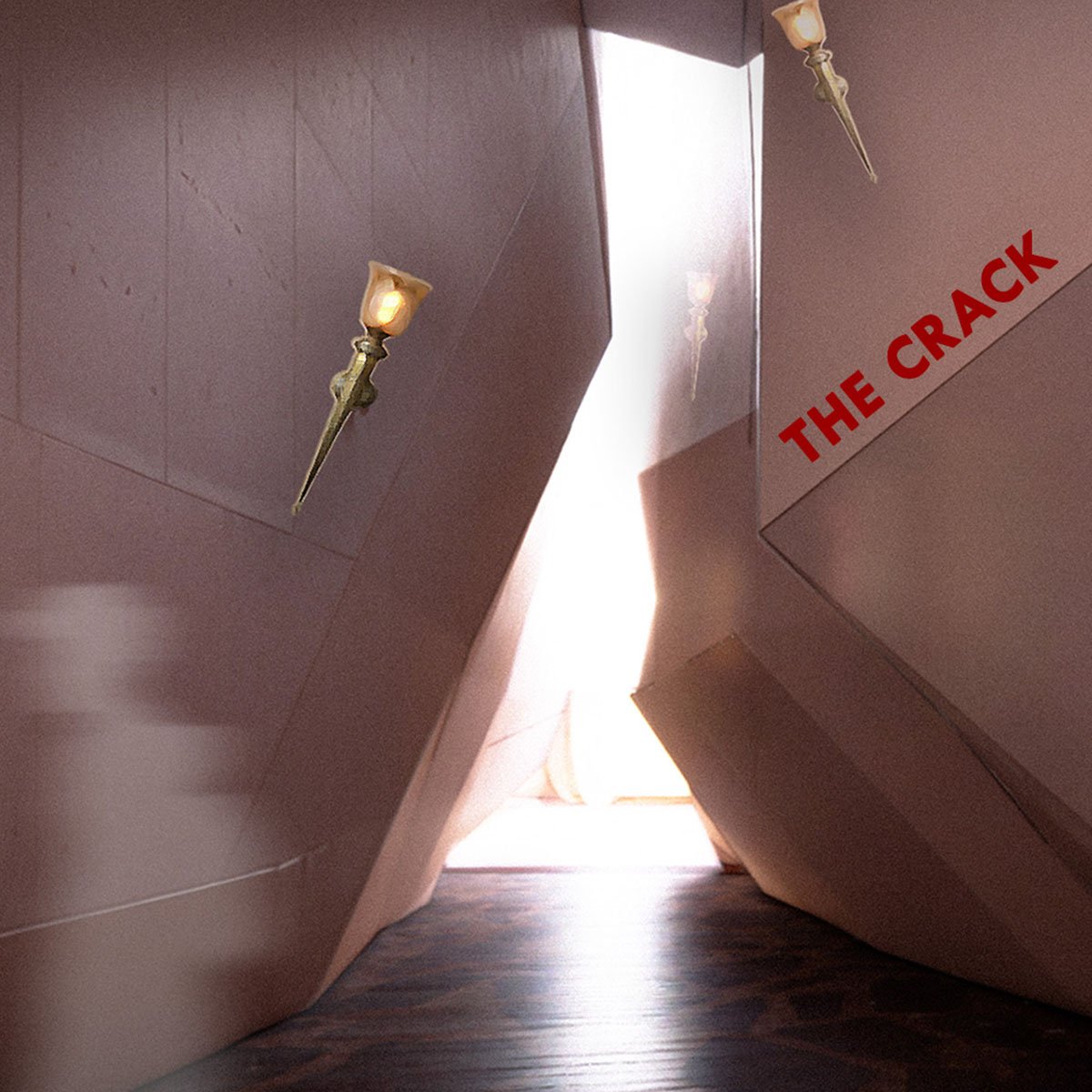
Blown Up Detail | View Capturing Daylight Inside The MuseumUnfolding Experiences Through Streets And Ghats Of BadamiUnfolding Experiences Through Streets And Ghats Of Badami
This design approach redefines the museum as an immersive experience — a place where memory, material, and landscape converge to tell stories. It becomes more than a repository of artefacts; it is a space to be explored, felt, and remembered, offering a profound sensory and emotional connection to the heritage it preserves.
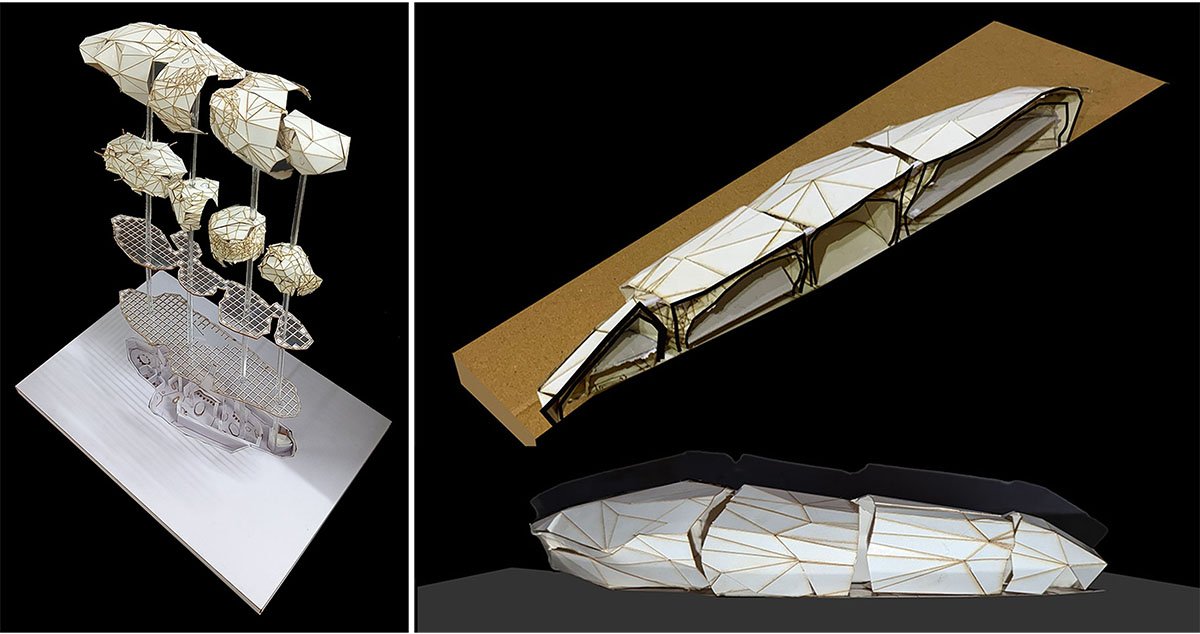
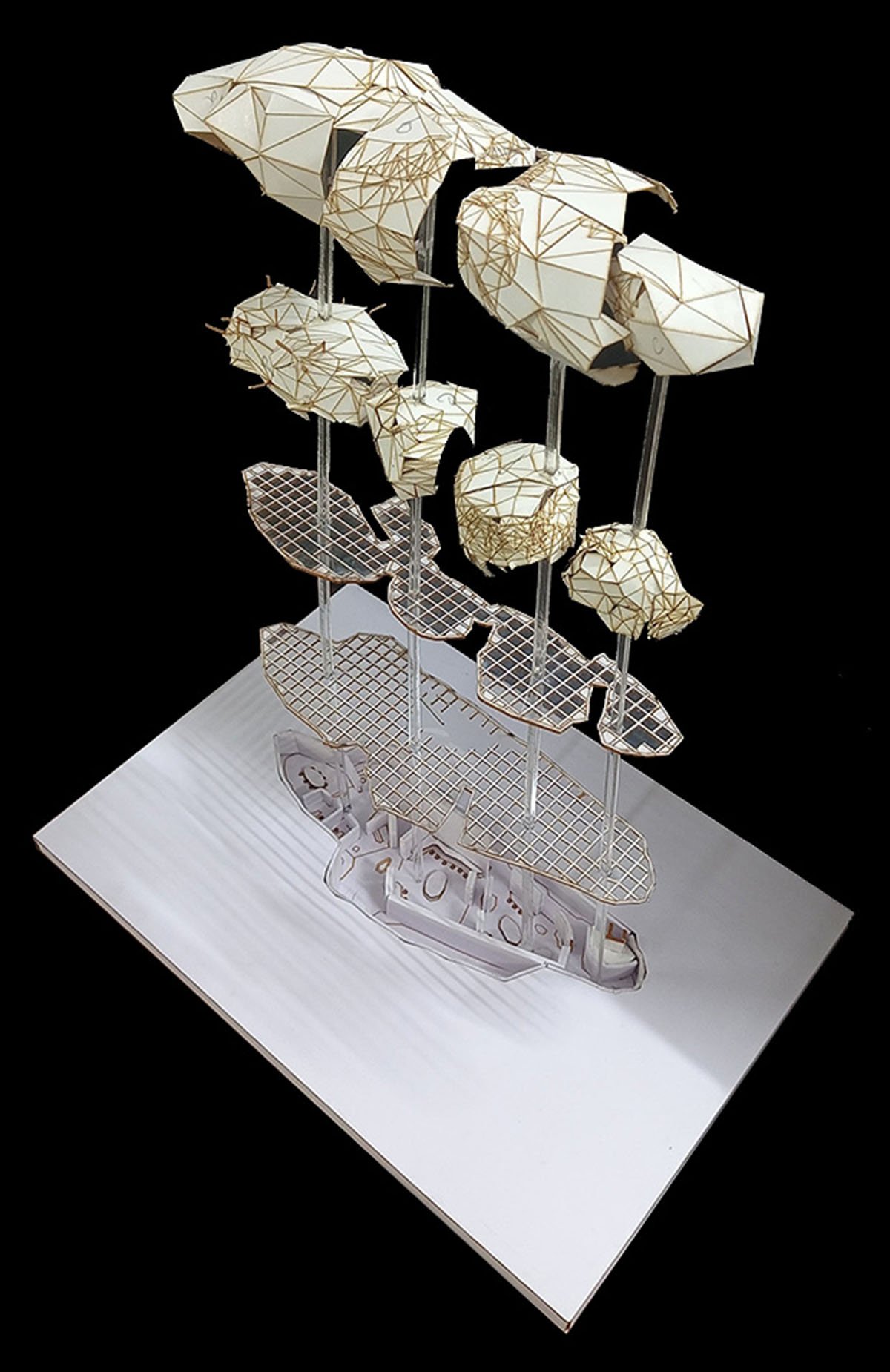
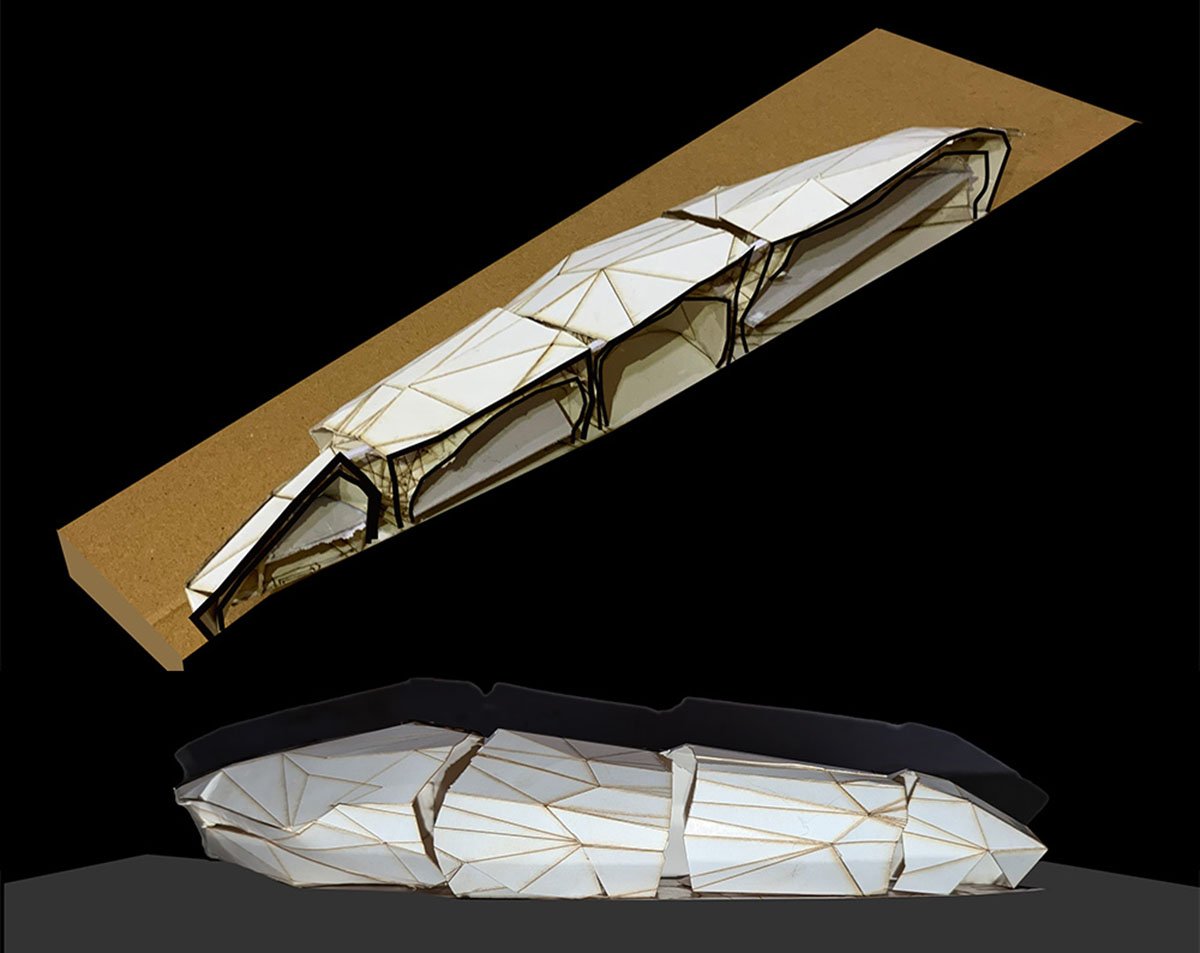
Exploration Through Physical Model
Conclusion: Ultimately, the project reimagines the Badami museum as a living extension of its landscape and cultural memory, rooted in its geology, history, and traditions, offering a spatial narrative that preserves and celebrates Badami’s spirit.
[This Academic Project has been published with text and images submitted by the student]
Site Context
Design Process
Final Outcome
To submit your academic project for publication at ArchiDiaries, please visit the following link >> Submit
Get the best of ArchiDiaries, directly in your inbox.
We use cookies on our website to give you the most relevant experience by remembering your preferences and repeat visits. By clicking “Accept All”, you consent to the use of ALL the cookies. However, you may visit "Cookie Settings" to provide a controlled consent.
This website uses cookies to improve your experience while you navigate through the website. Out of these, the cookies that are categorized as necessary are stored on your browser as they are essential for the working of basic functionalities of the website. We also use third-party cookies that help us analyze and understand how you use this website. These cookies will be stored in your browser only with your consent. You also have the option to opt-out of these cookies. But opting out of some of these cookies may affect your browsing experience.
Necessary cookies are absolutely essential for the website to function properly. These cookies ensure basic functionalities and security features of the website, anonymously.
Cookie
Duration
Description
cookielawinfo-checkbox-analytics
11 months
This cookie is set by GDPR Cookie Consent plugin. The cookie is used to store the user consent for the cookies in the category "Analytics".
cookielawinfo-checkbox-functional
11 months
The cookie is set by GDPR cookie consent to record the user consent for the cookies in the category "Functional".
cookielawinfo-checkbox-necessary
11 months
This cookie is set by GDPR Cookie Consent plugin. The cookies is used to store the user consent for the cookies in the category "Necessary".
cookielawinfo-checkbox-others
11 months
This cookie is set by GDPR Cookie Consent plugin. The cookie is used to store the user consent for the cookies in the category "Other.
cookielawinfo-checkbox-performance
11 months
This cookie is set by GDPR Cookie Consent plugin. The cookie is used to store the user consent for the cookies in the category "Performance".
viewed_cookie_policy
11 months
The cookie is set by the GDPR Cookie Consent plugin and is used to store whether or not user has consented to the use of cookies. It does not store any personal data.
Functional cookies help to perform certain functionalities like sharing the content of the website on social media platforms, collect feedbacks, and other third-party features.
Performance cookies are used to understand and analyze the key performance indexes of the website which helps in delivering a better user experience for the visitors.
Analytical cookies are used to understand how visitors interact with the website. These cookies help provide information on metrics the number of visitors, bounce rate, traffic source, etc.
Advertisement cookies are used to provide visitors with relevant ads and marketing campaigns. These cookies track visitors across websites and collect information to provide customized ads.

![Factory[n]Certainty: Redefining Industrial Architecture Through Work, Life, and Community | Bachelors Design Thesis](https://archidiaries.com/wp-content/uploads/2026/09/Siam-Rahman_APR_feat_img.jpg)